
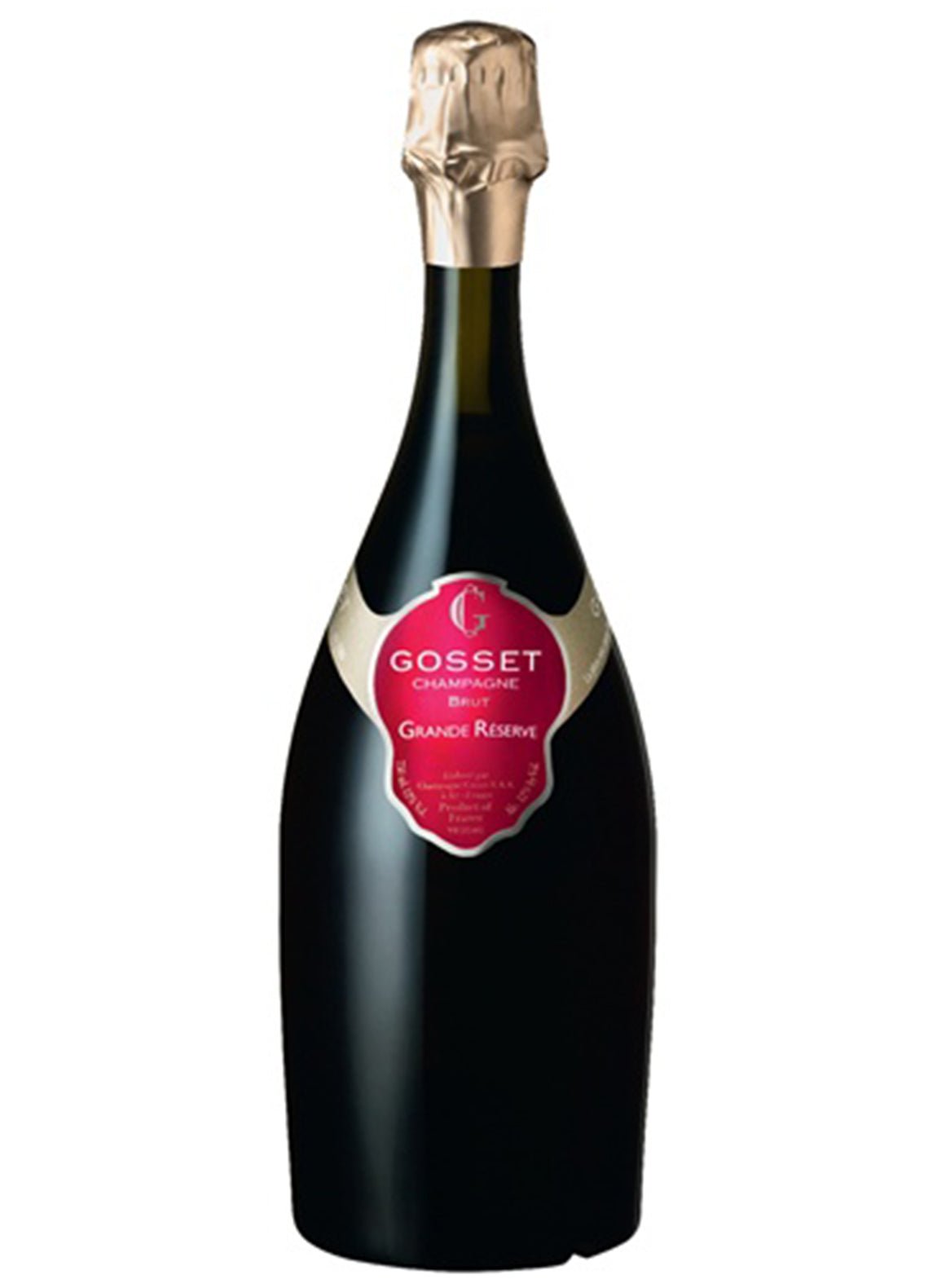
nv Gosset Grande Res 375
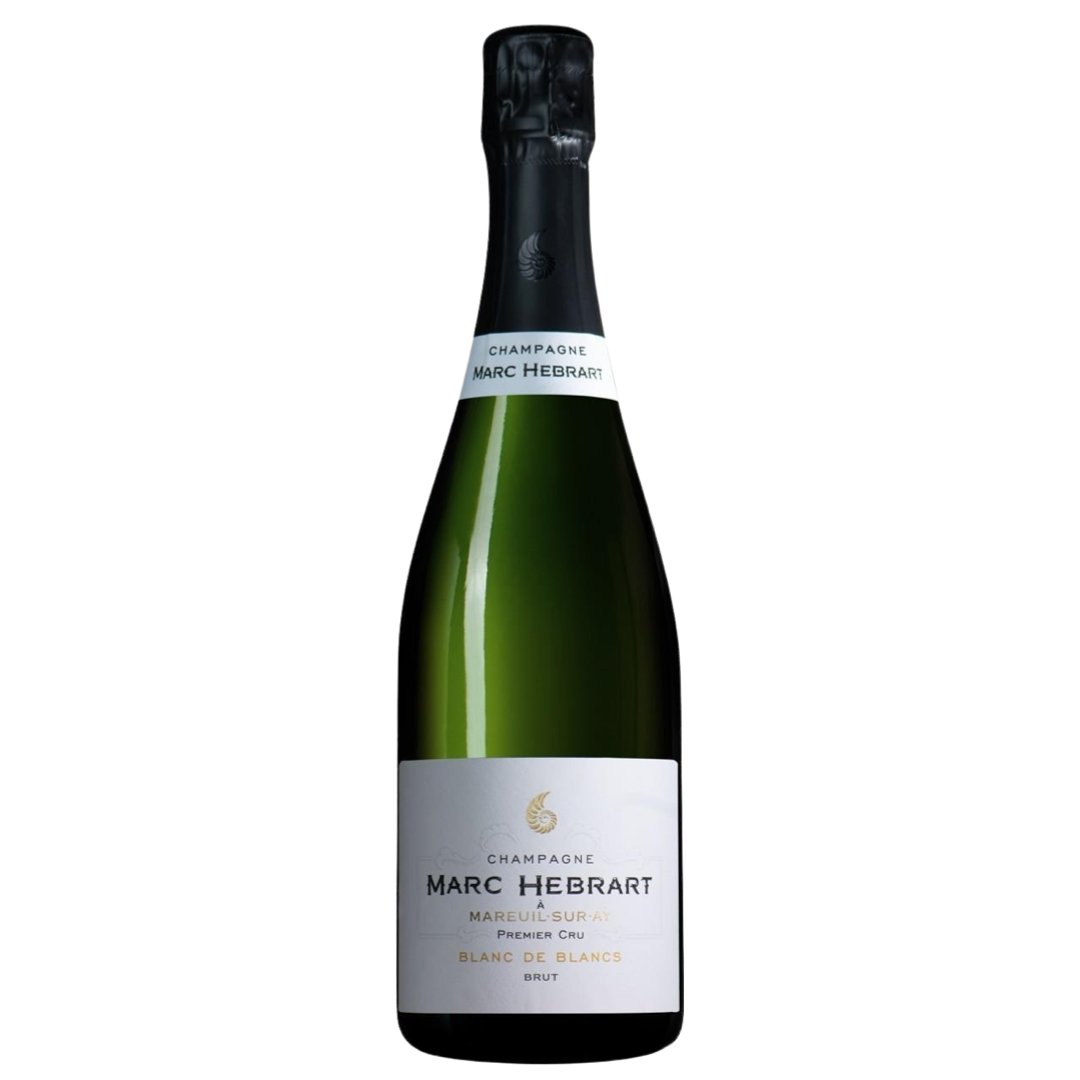
Champagne Hebrart - 1er Cru Blanc de Blancs Brut 12.5% 750ML
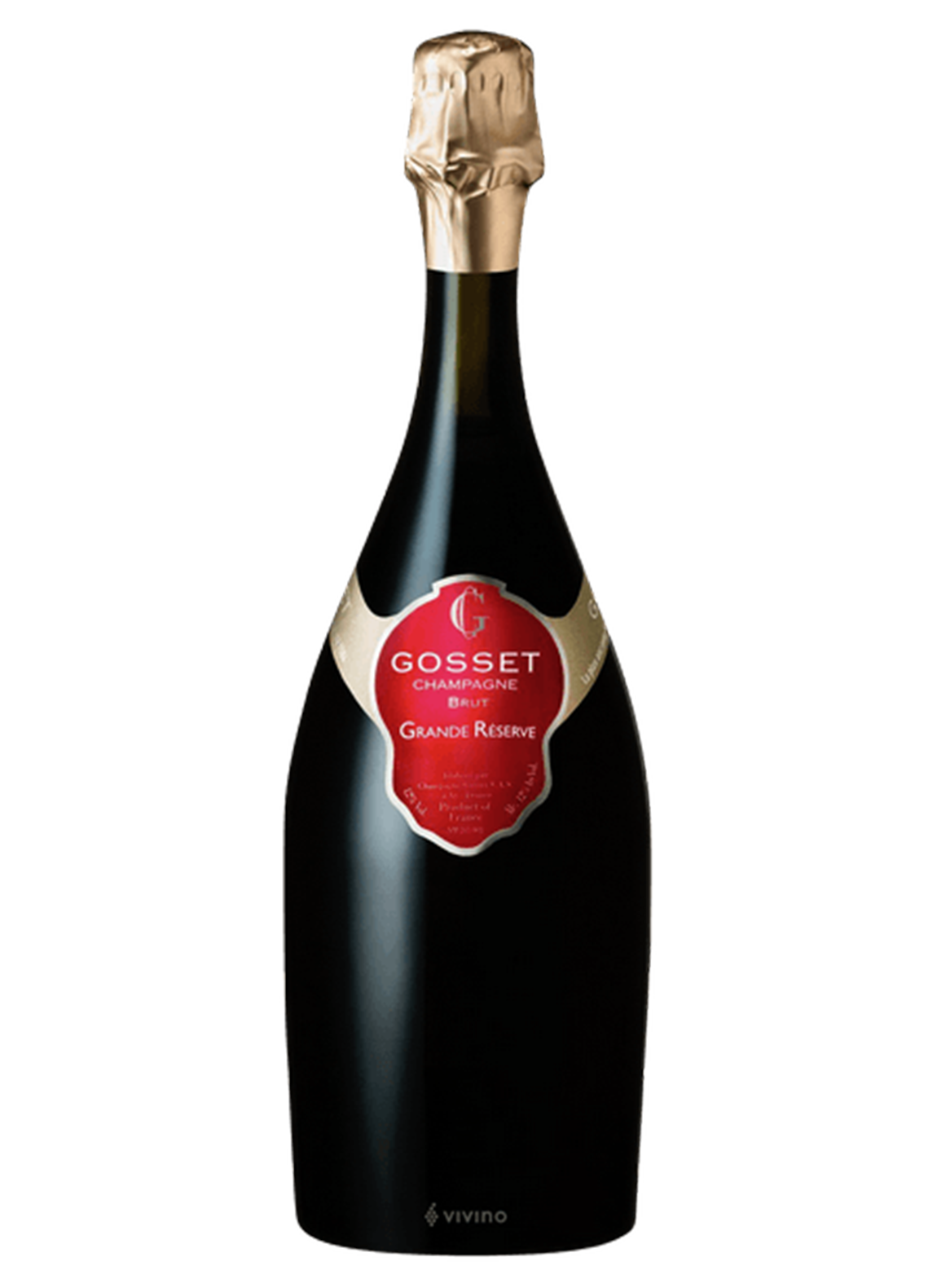
Champagne Gosset Grande Reserve NV

Bonnaire Cramant Grand Cru Blanc de Blancs 2014
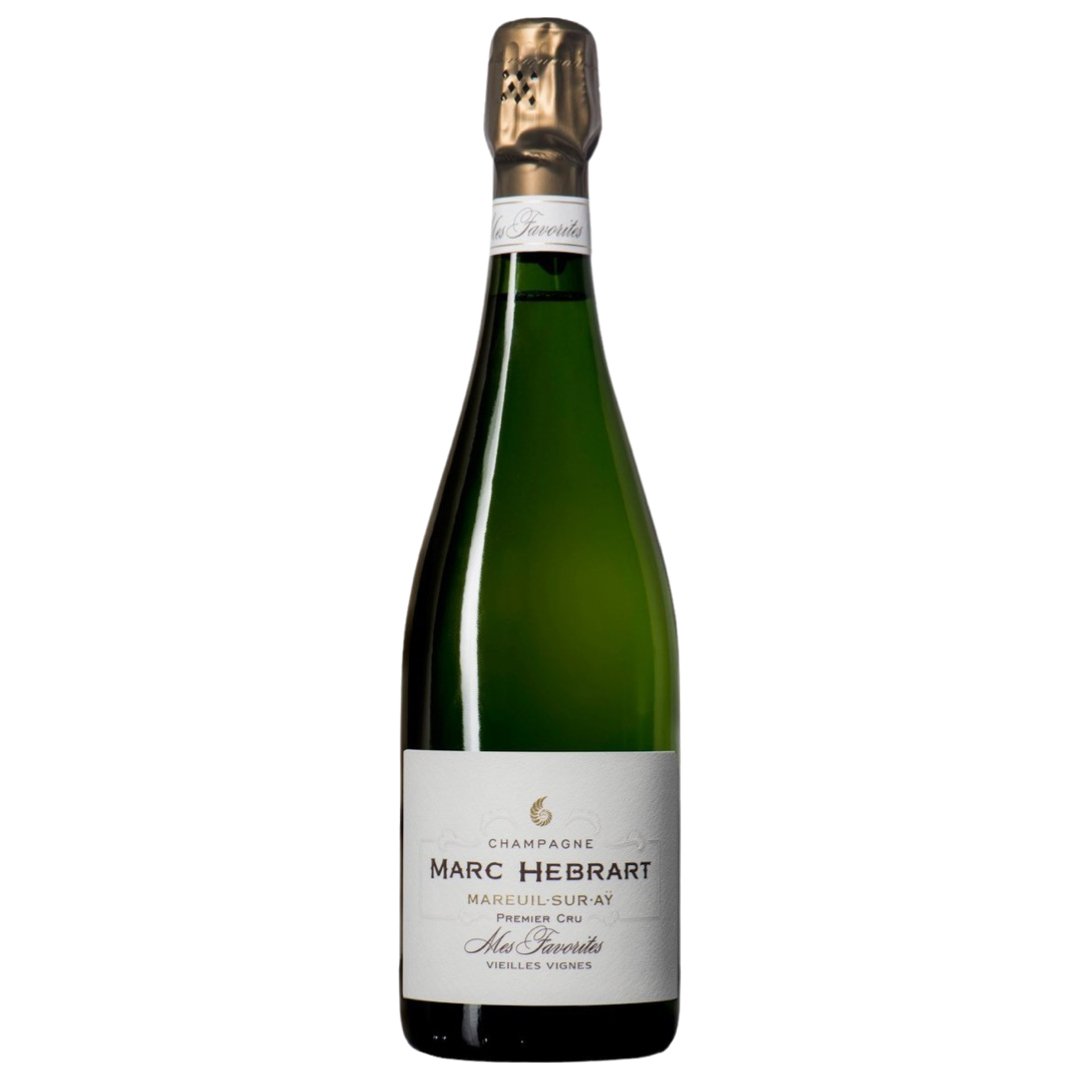
Champagne Hebrart - Mes Favorites 1er Cru Brut 12.5% 750ML
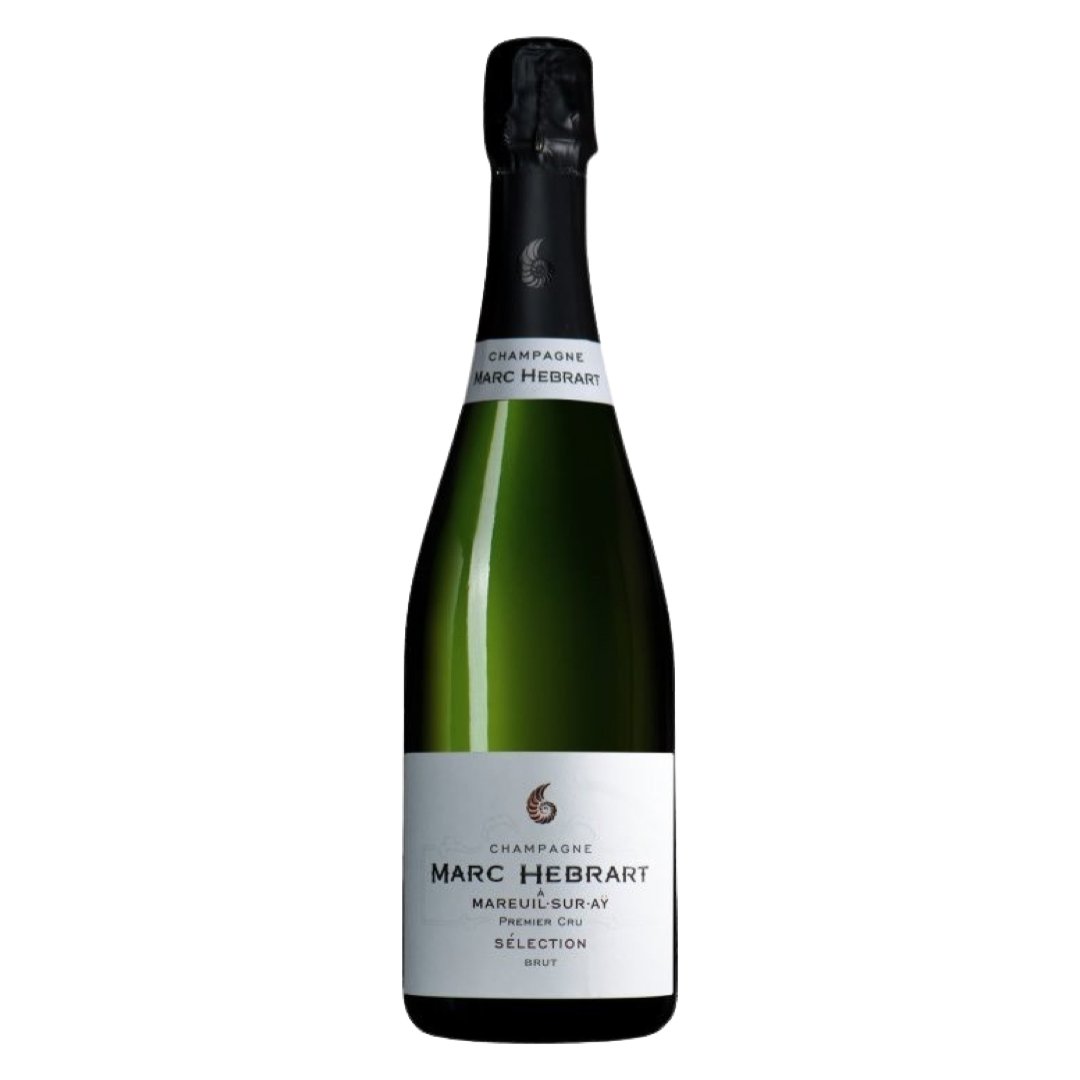
Champagne Hebrart - 1er Cru Selection Brut 12.5% 750ML
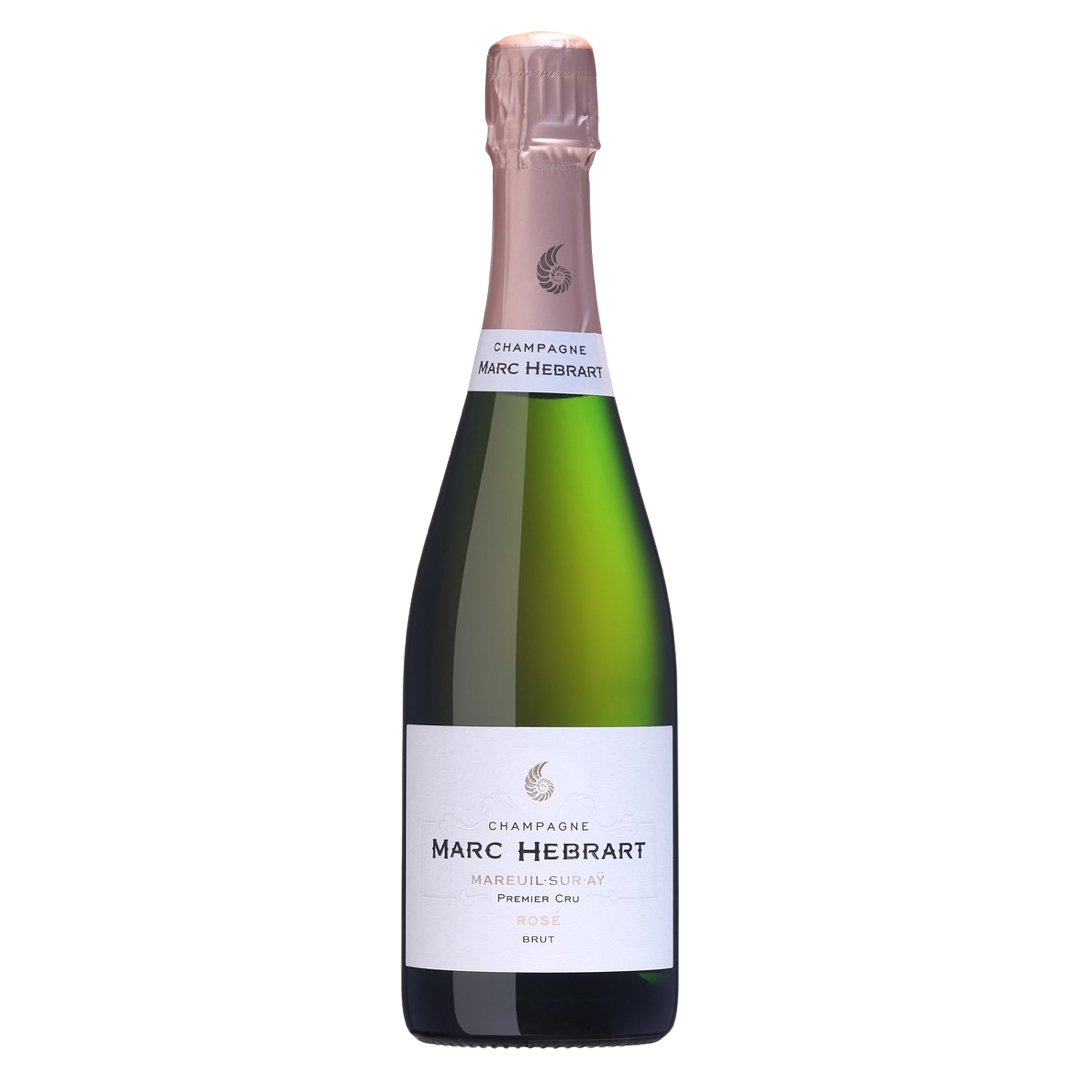
Champagne Hebrart - 1er Cru Rosé Brut 12.5% 750ML
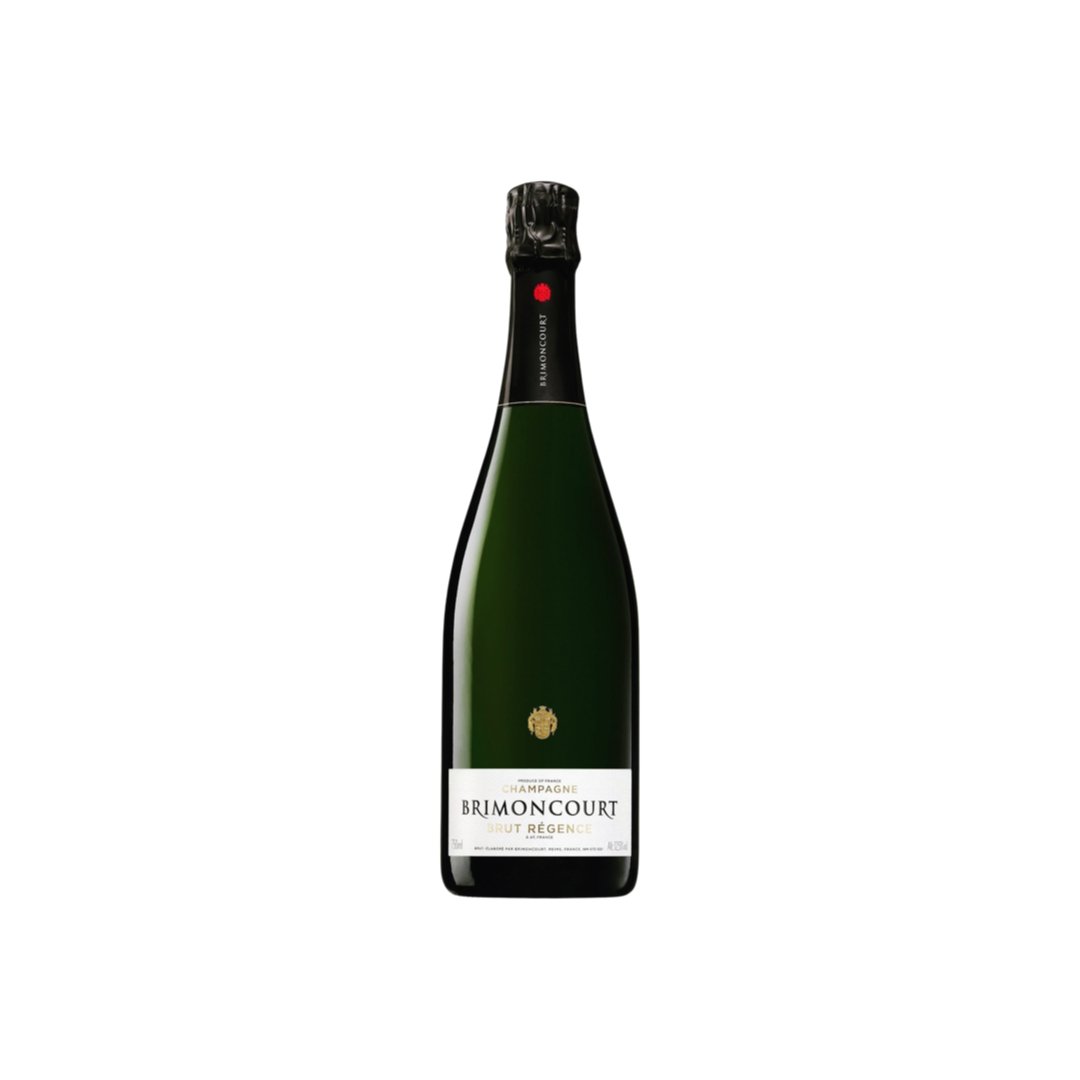
Champagne Brimoncourt - Brut Régence HALF BOTTLE 12.5% 375ML
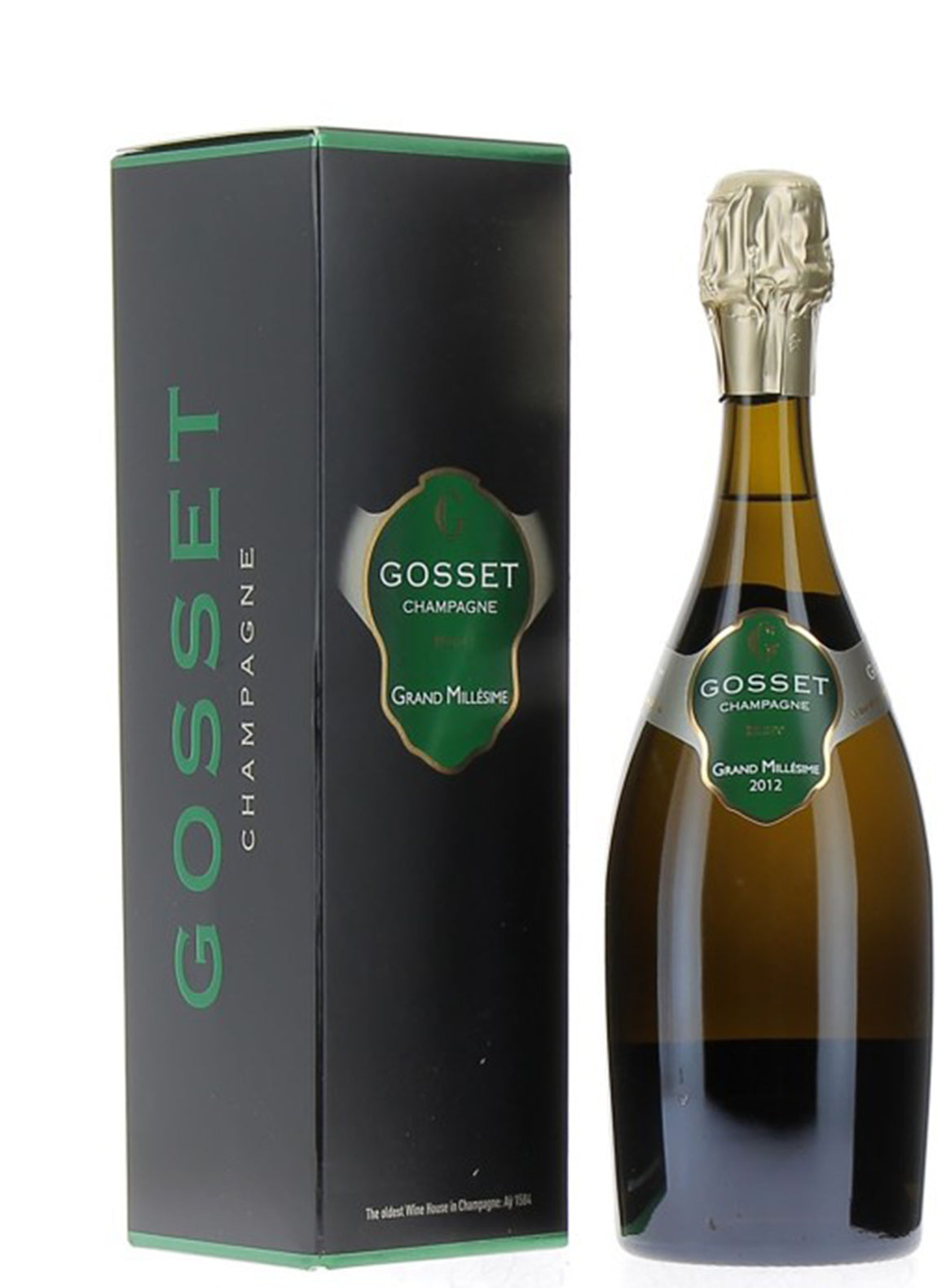
Gosset 'Grand Millesime' Brut 2015
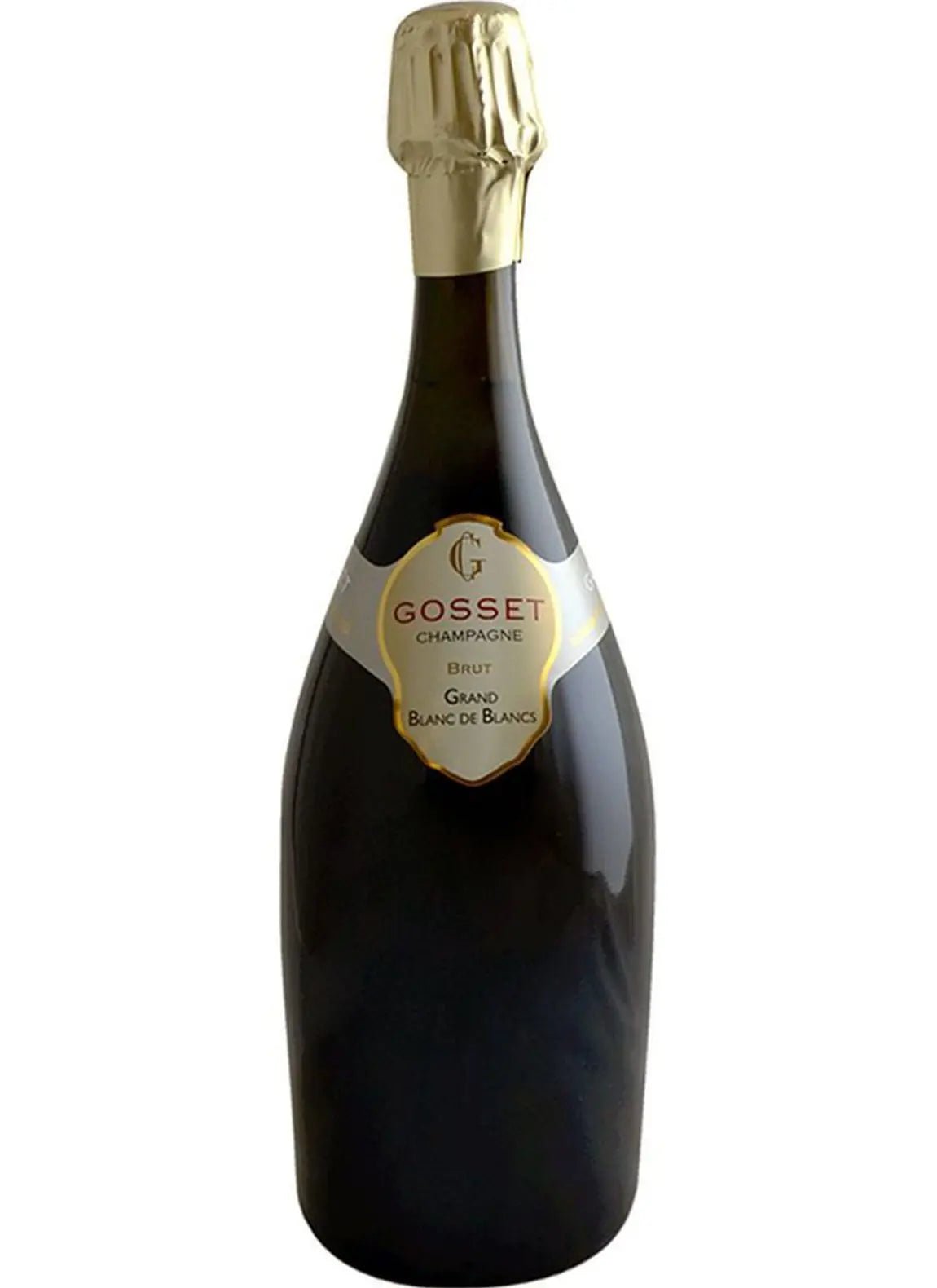
Gosset Grand Blanc de Blancs NV 750ml
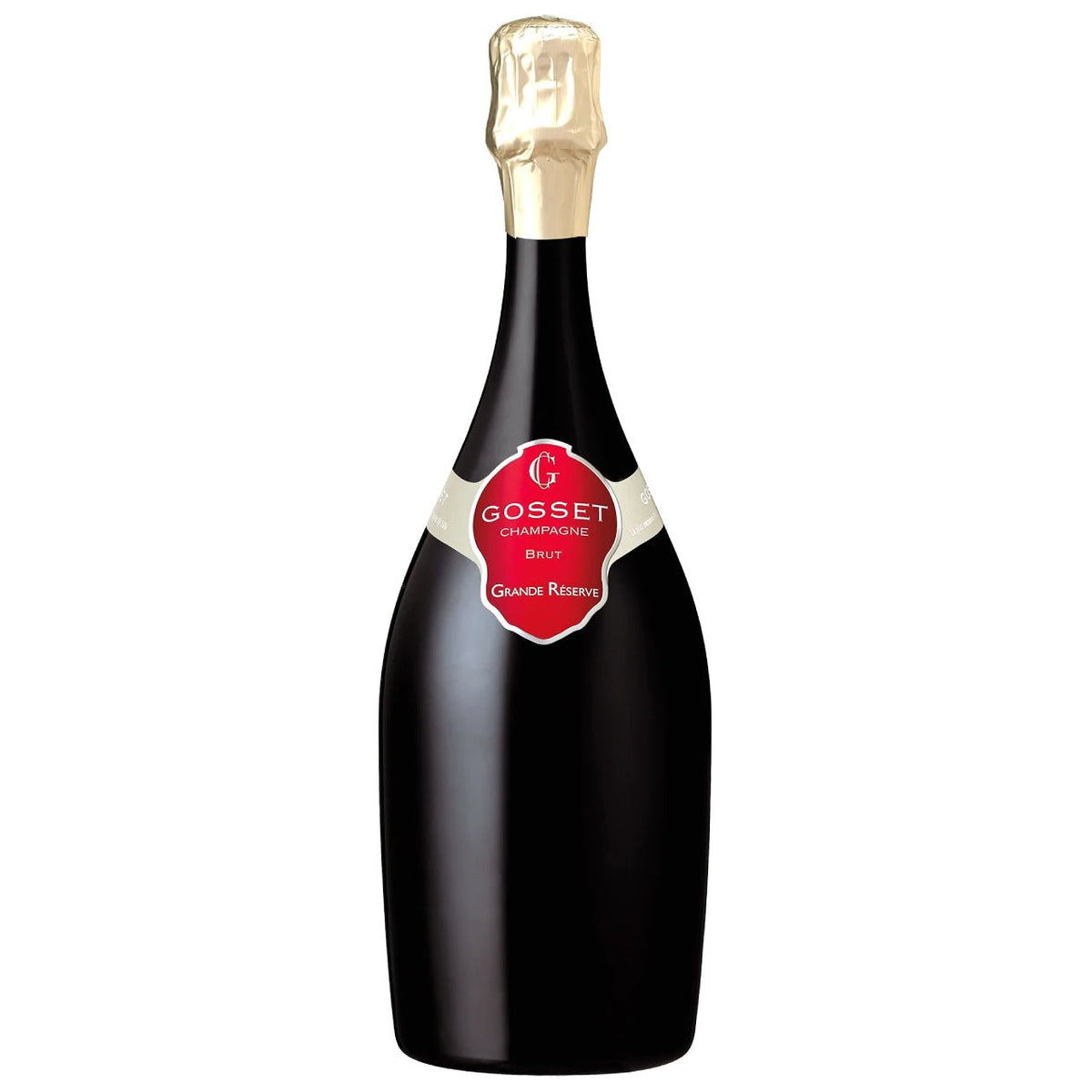
Champagne Gosset Grande Reserve NV 1.5L
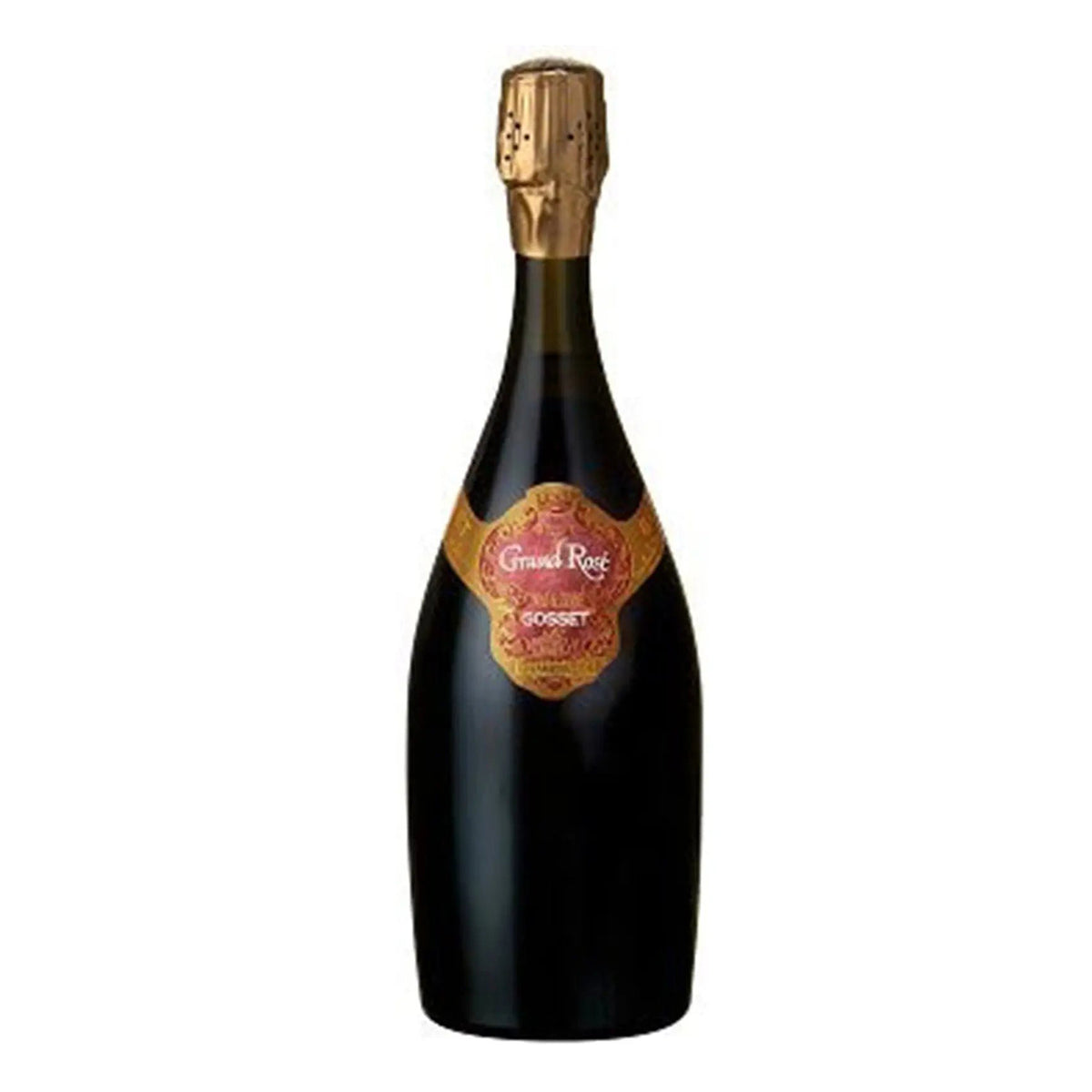
Gosset Champagne NV Grand Rose 750
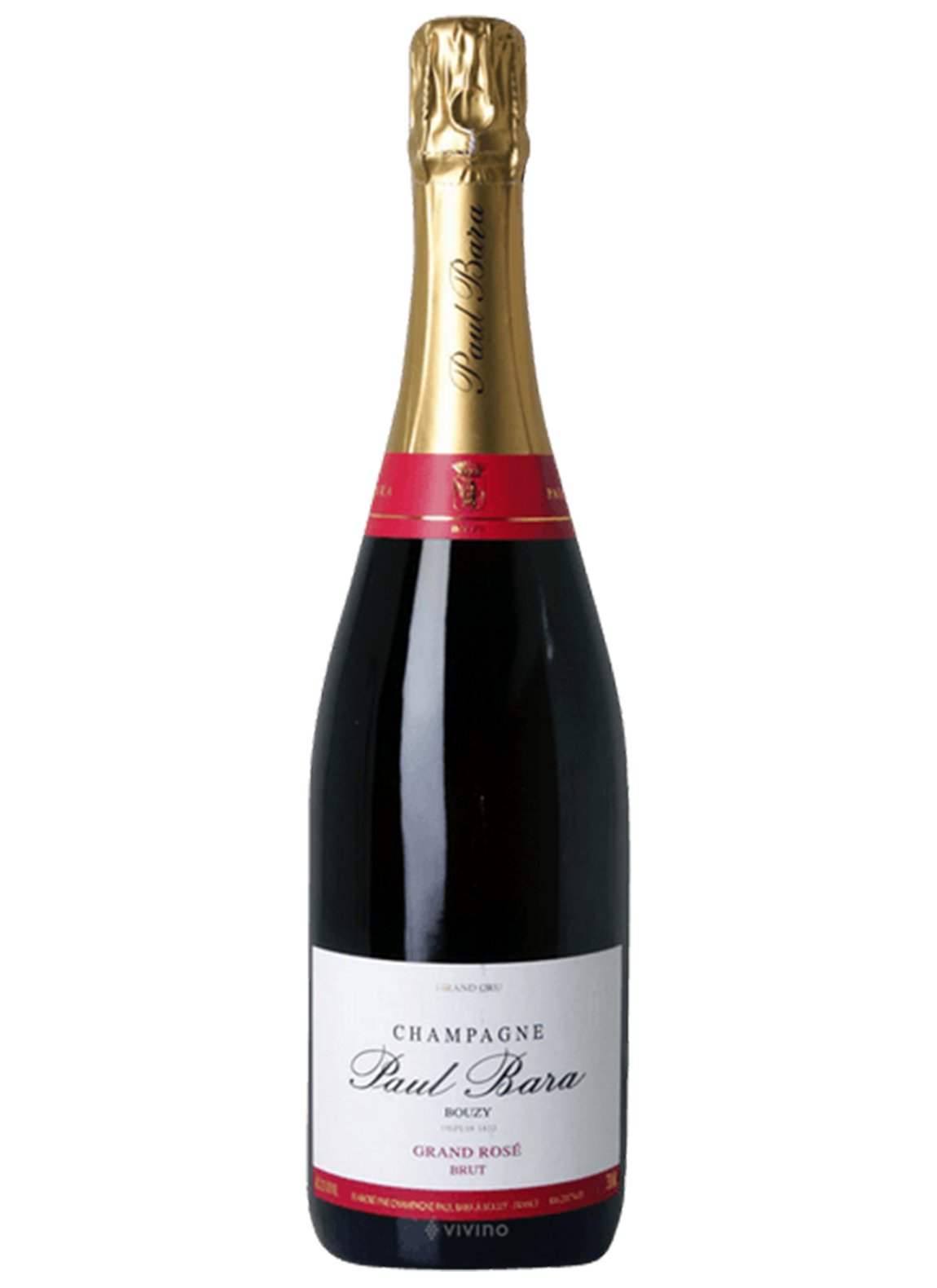
Paul Bara Grand Rose de Bouzy NV
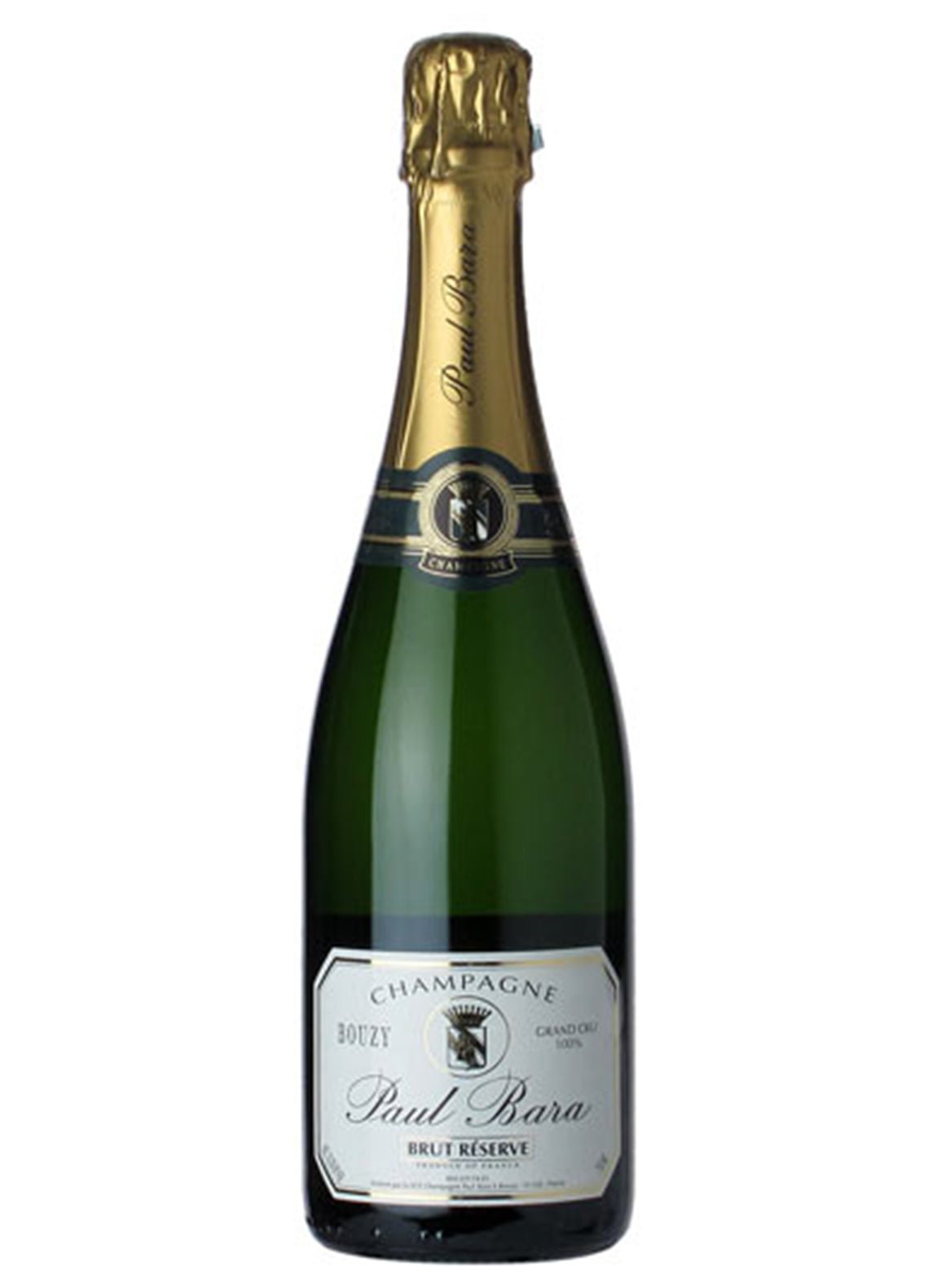
Paul Bara Brut Reserve NV
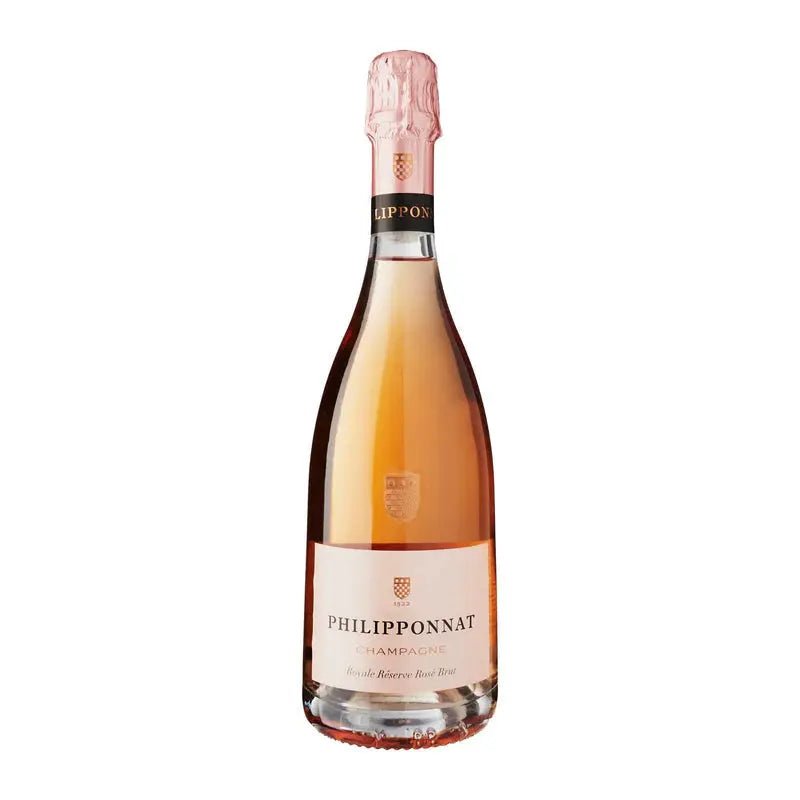
Philipponnat Royale Reserve Rose Brut Champagne
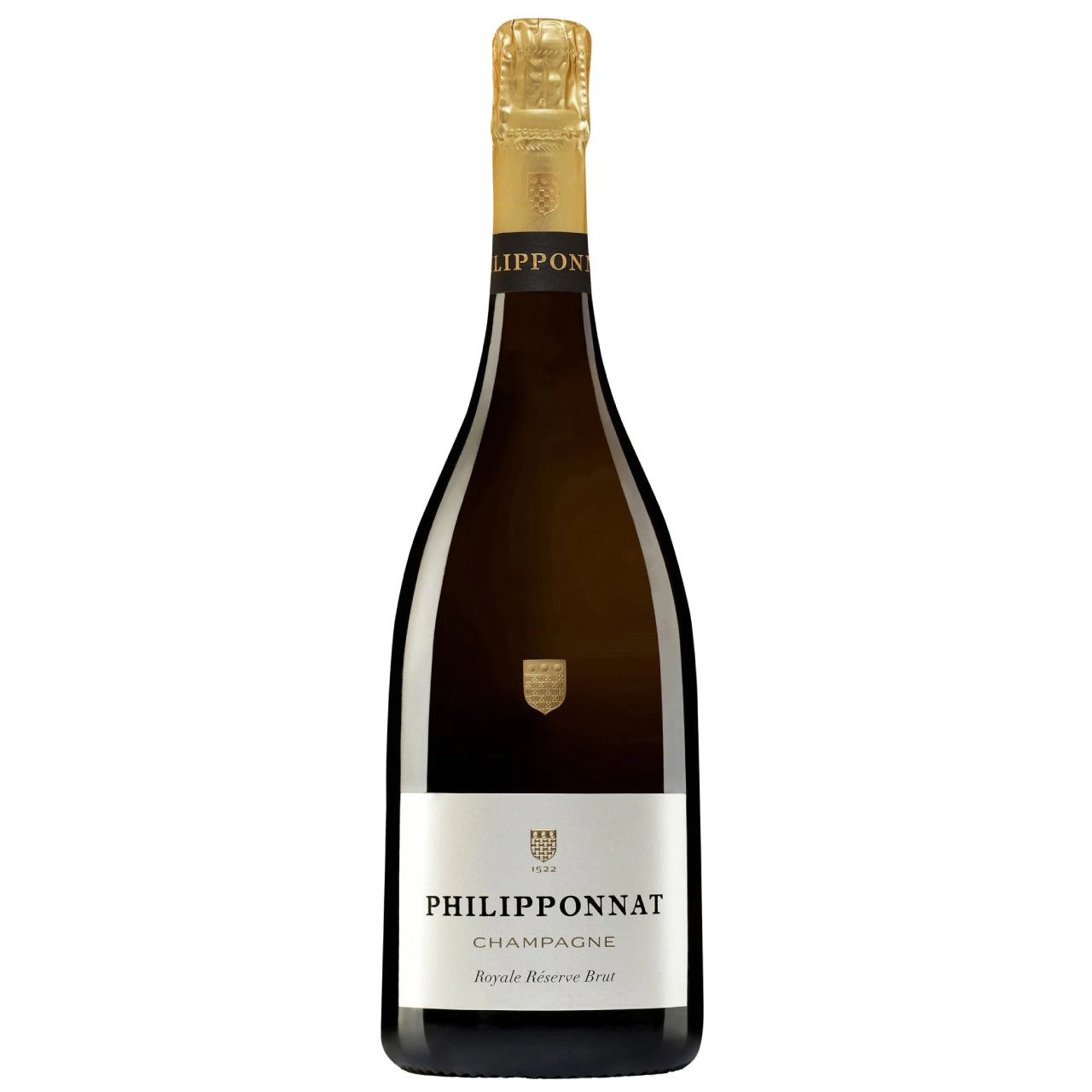
Philipponnat Royale Réserve Brut 750ml, Champagne
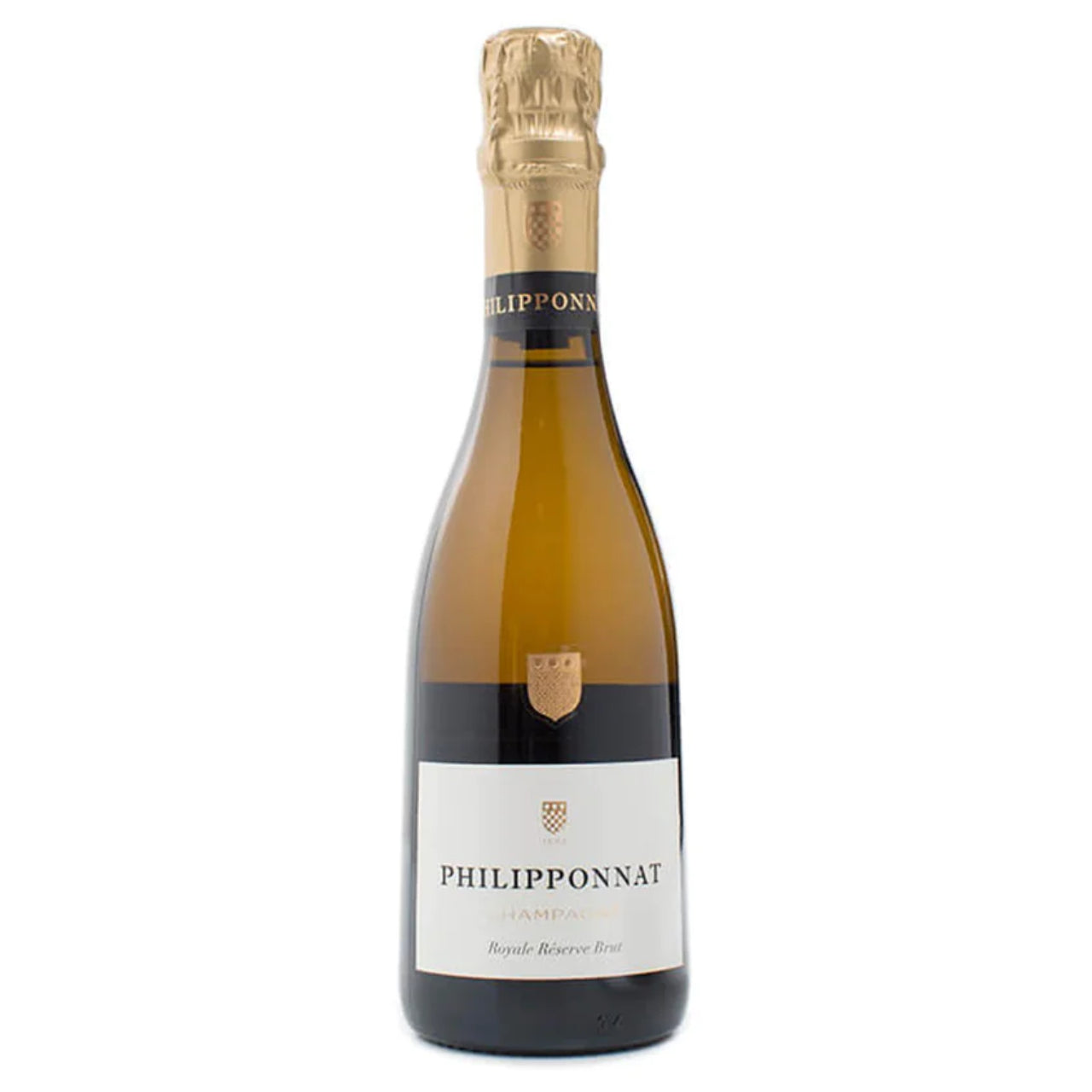
PHILIPPONNAT RoylRes Brut 375ml
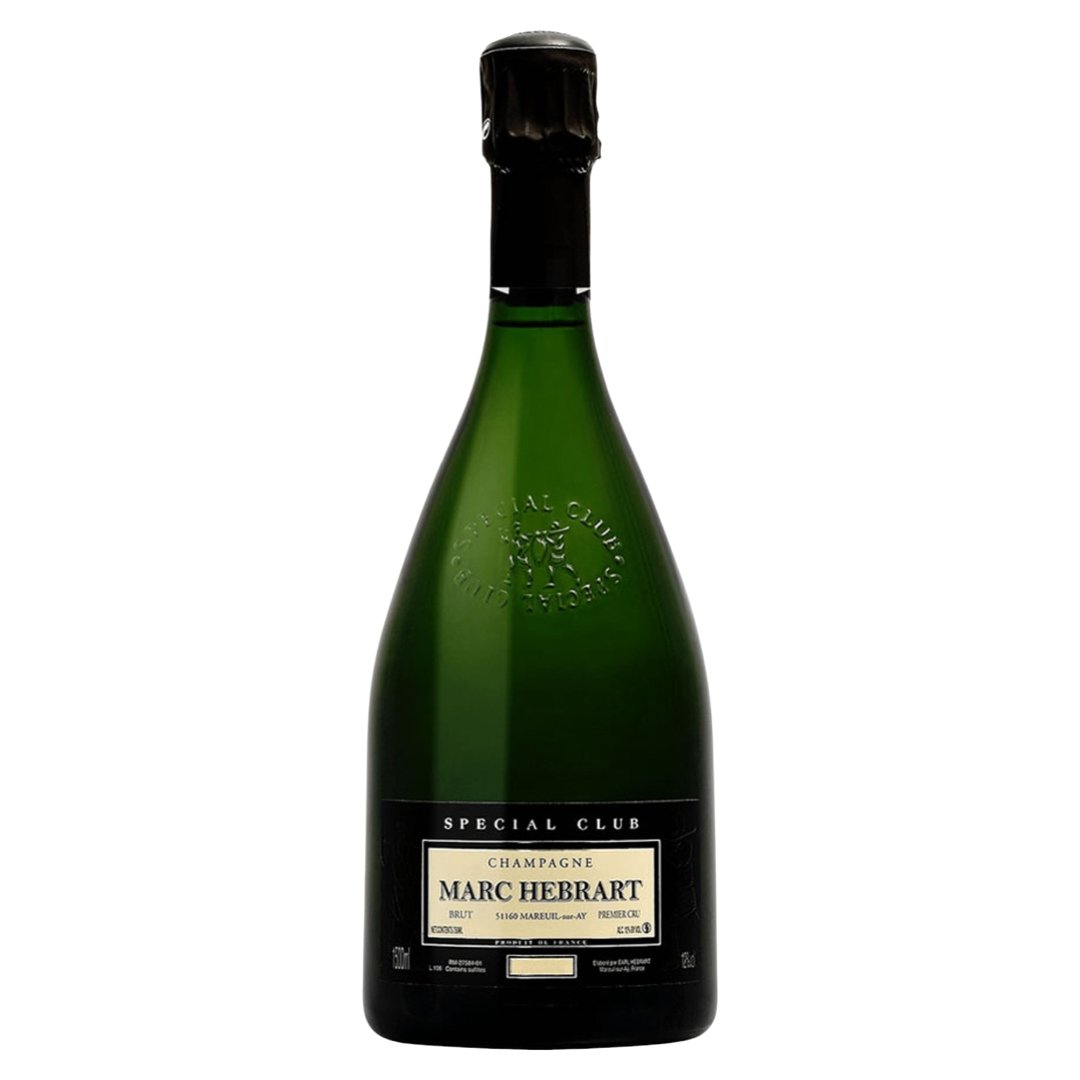
Champagne Hebrart - Special Club Millesime 2019 1er Cru 12.5% 750ML
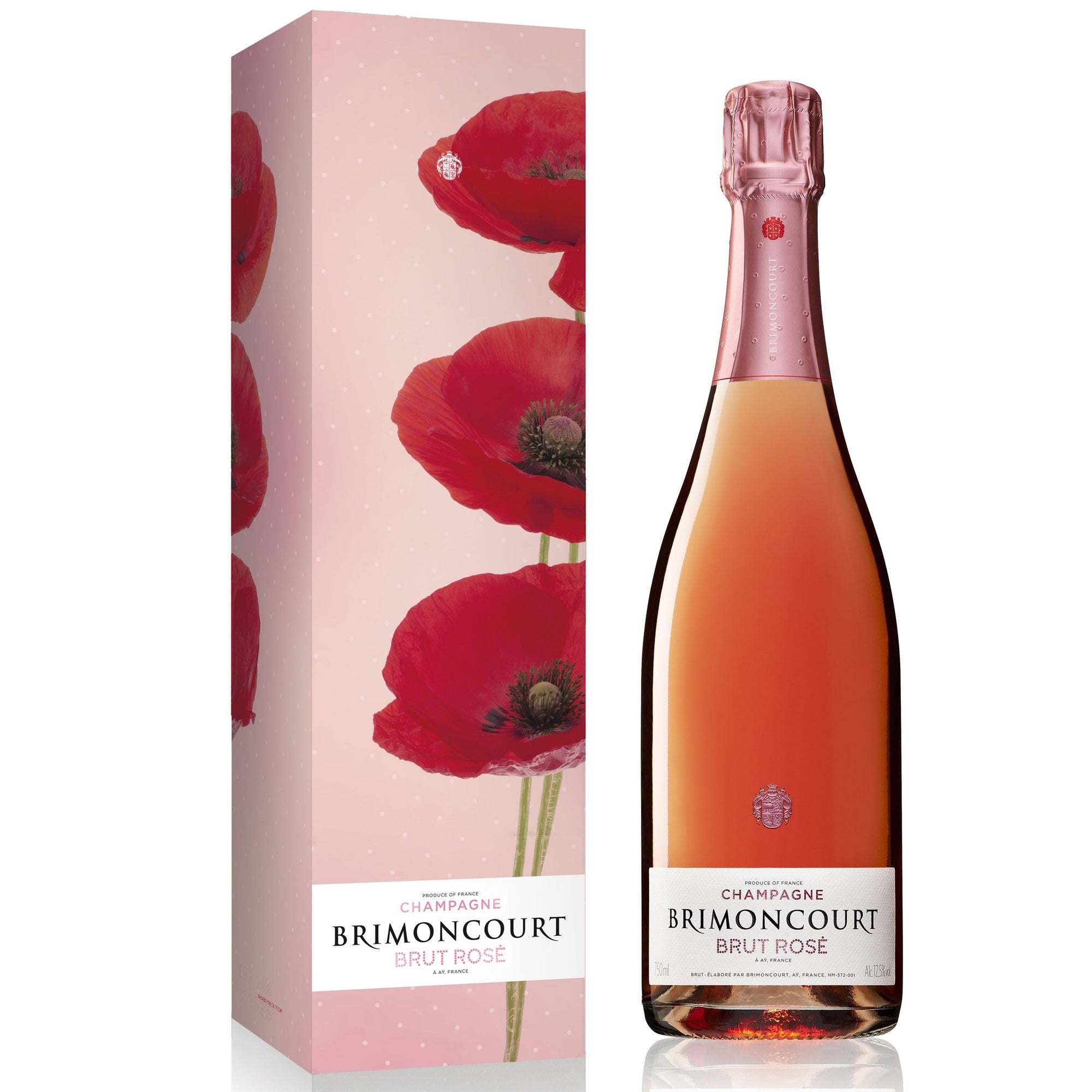
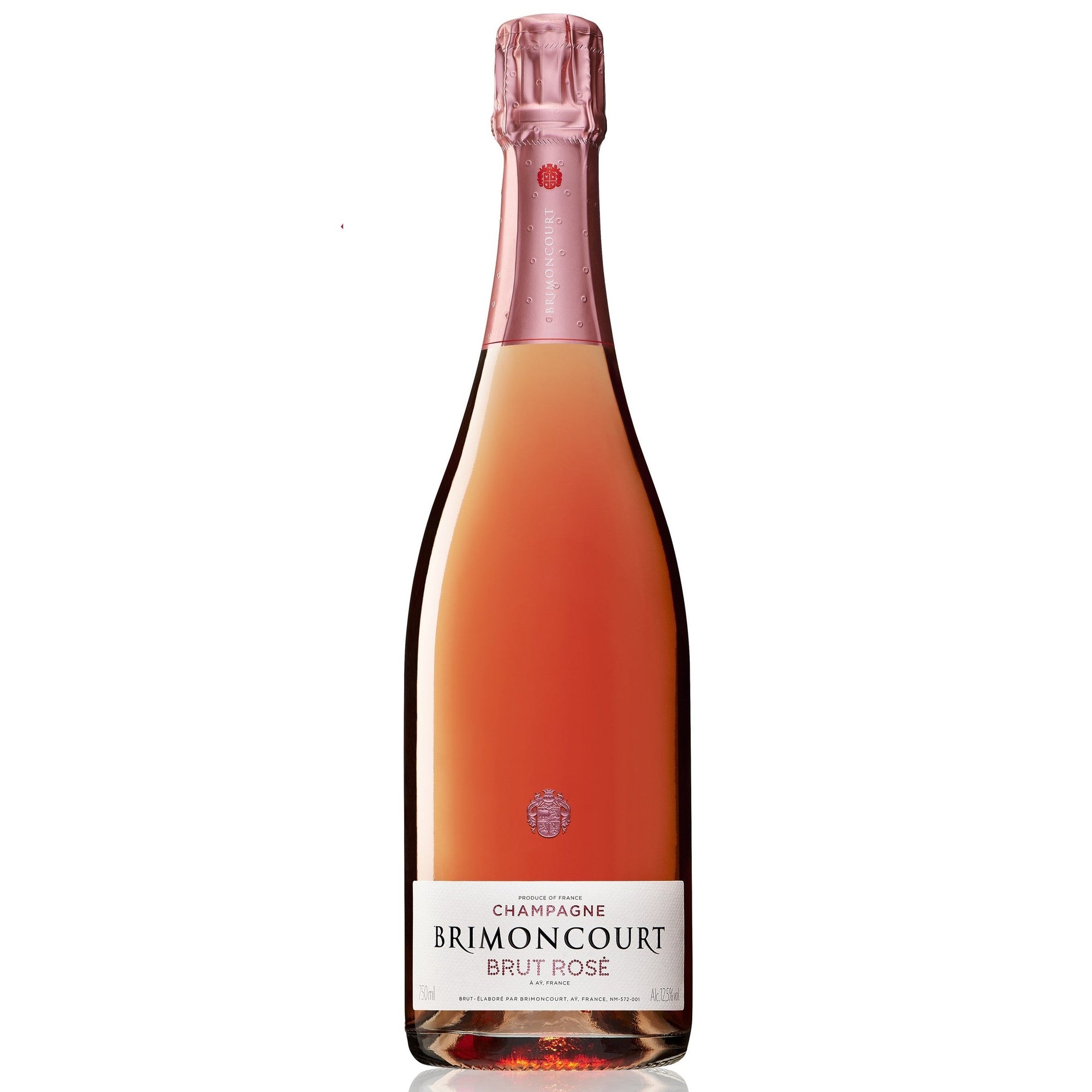
Champagne Brimoncourt - Brut Rosé 12.5% 750ML
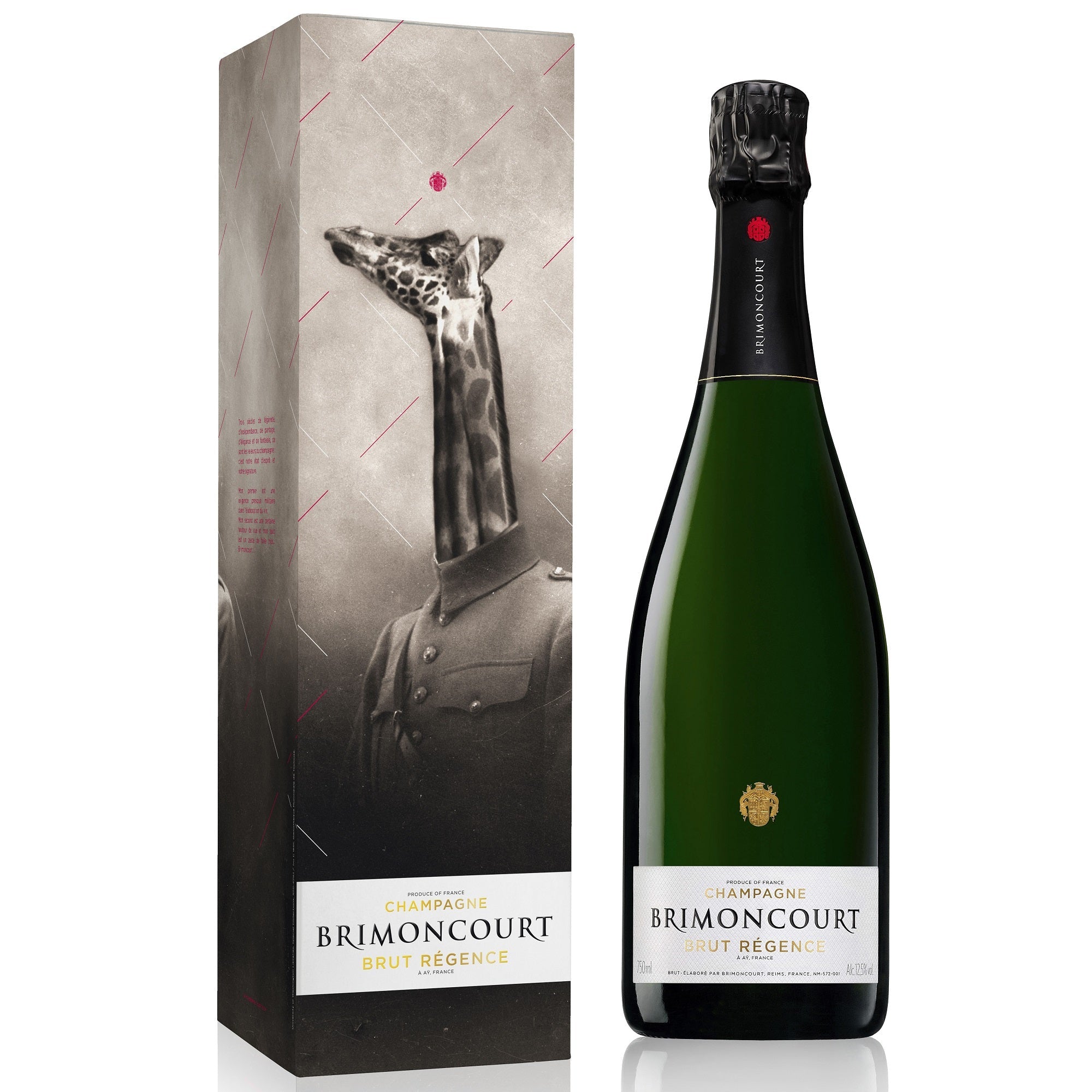
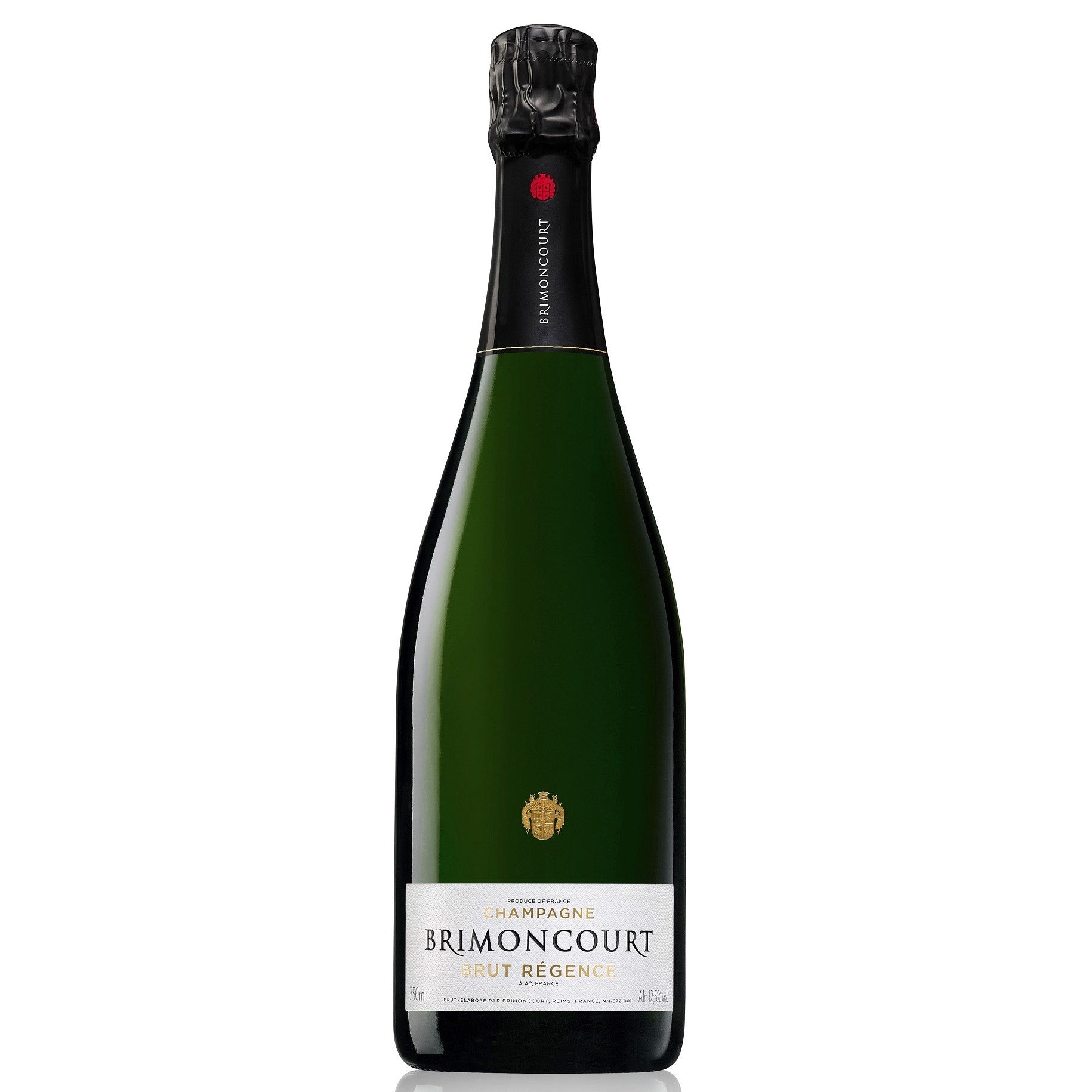
Champagne Brimoncourt - Brut Régence 12.5% 750ML
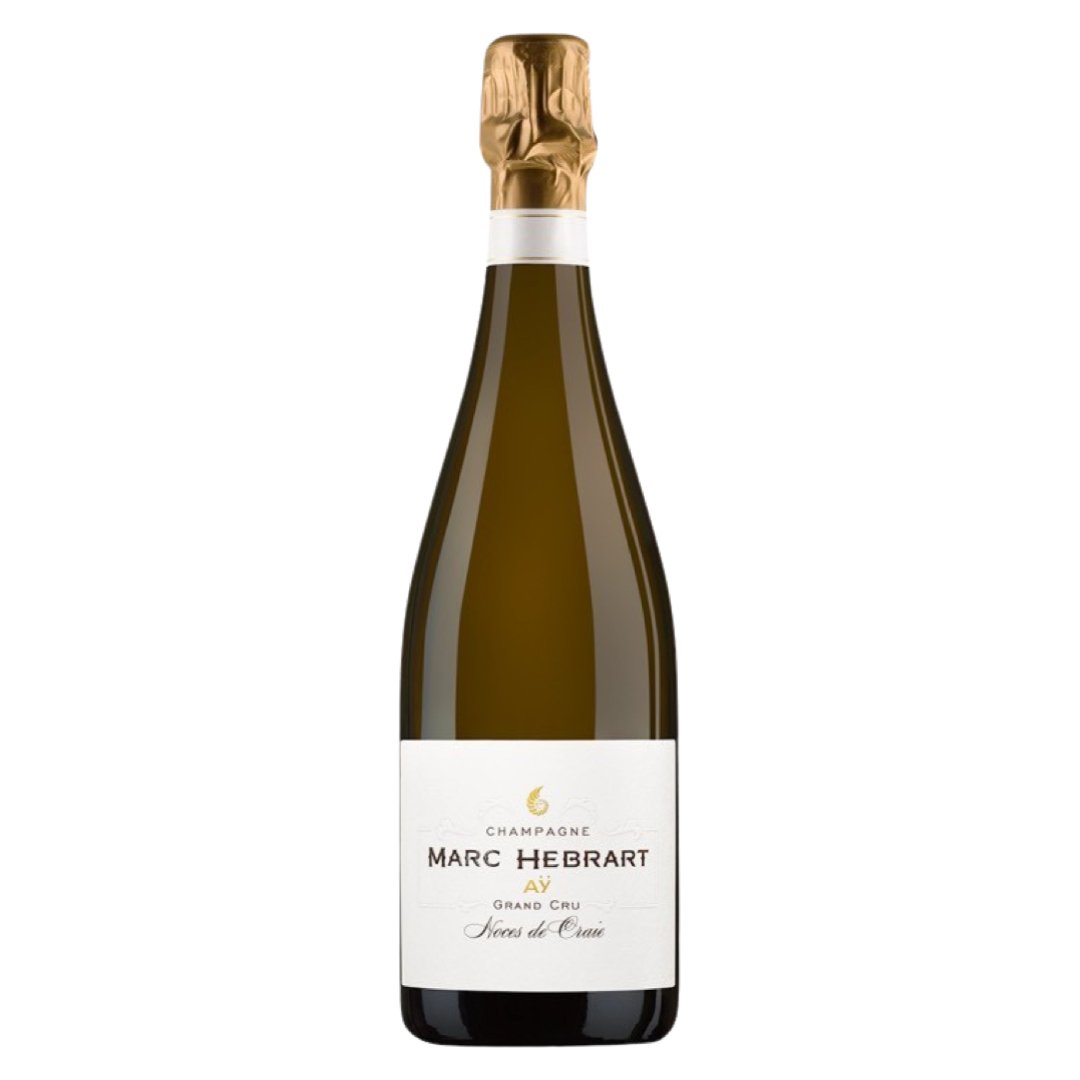
Champagne Hebrart - Noces de Craie Millesime 2019 Grand Cru 12.5% 750ML
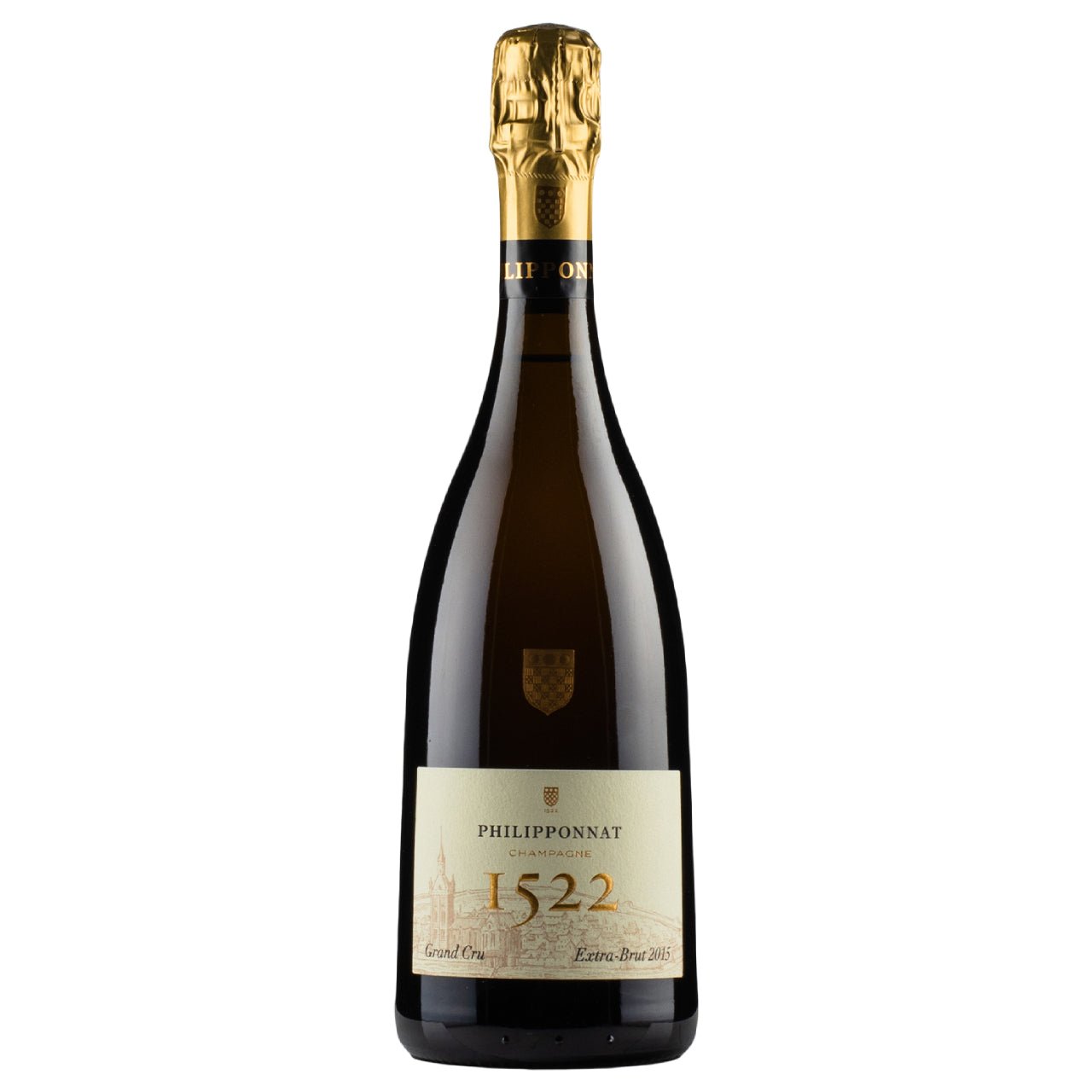
Philipponnat Cuvee 1522 2015
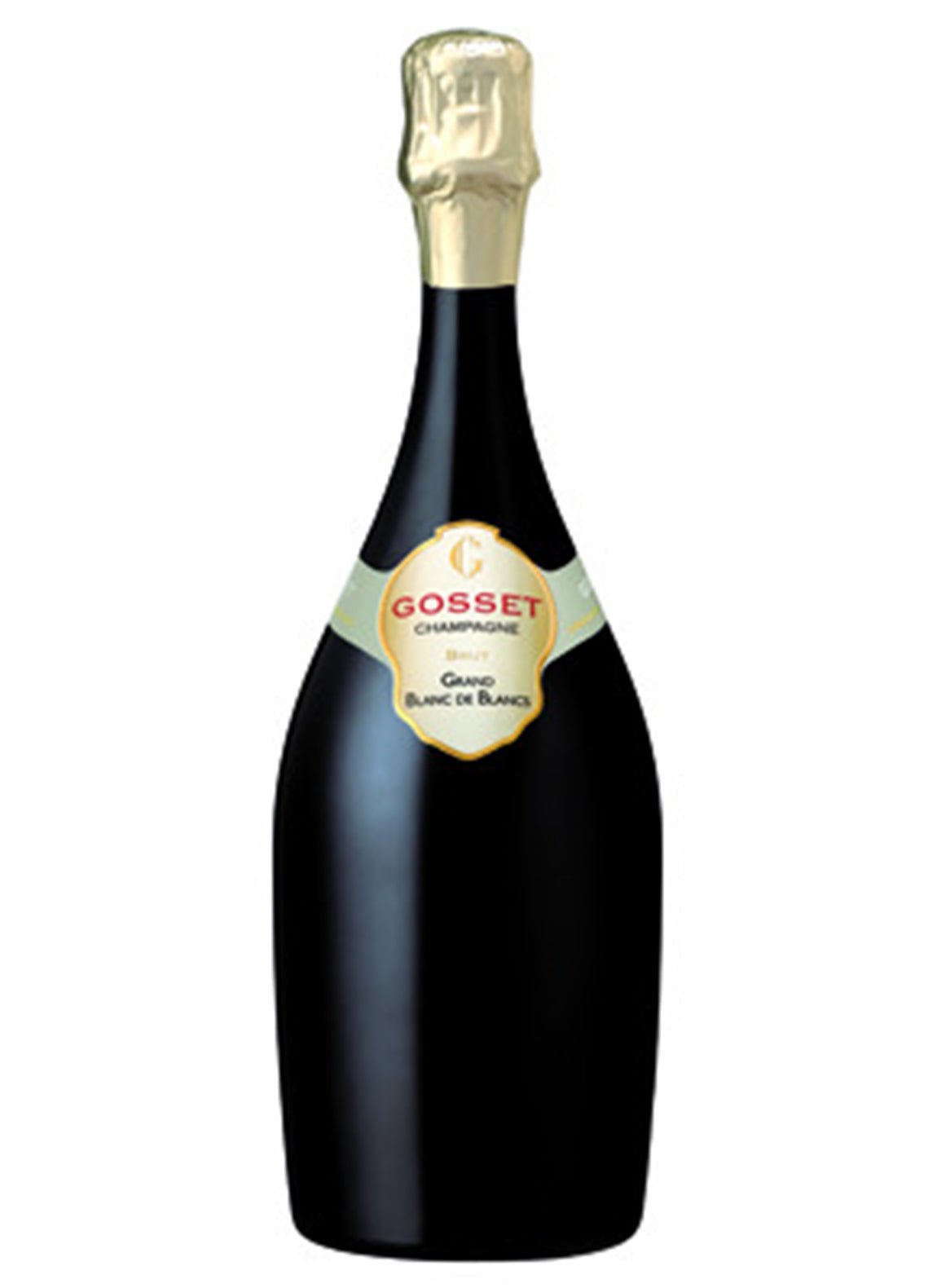
Gosset Blanc de Blanc MAGNUM
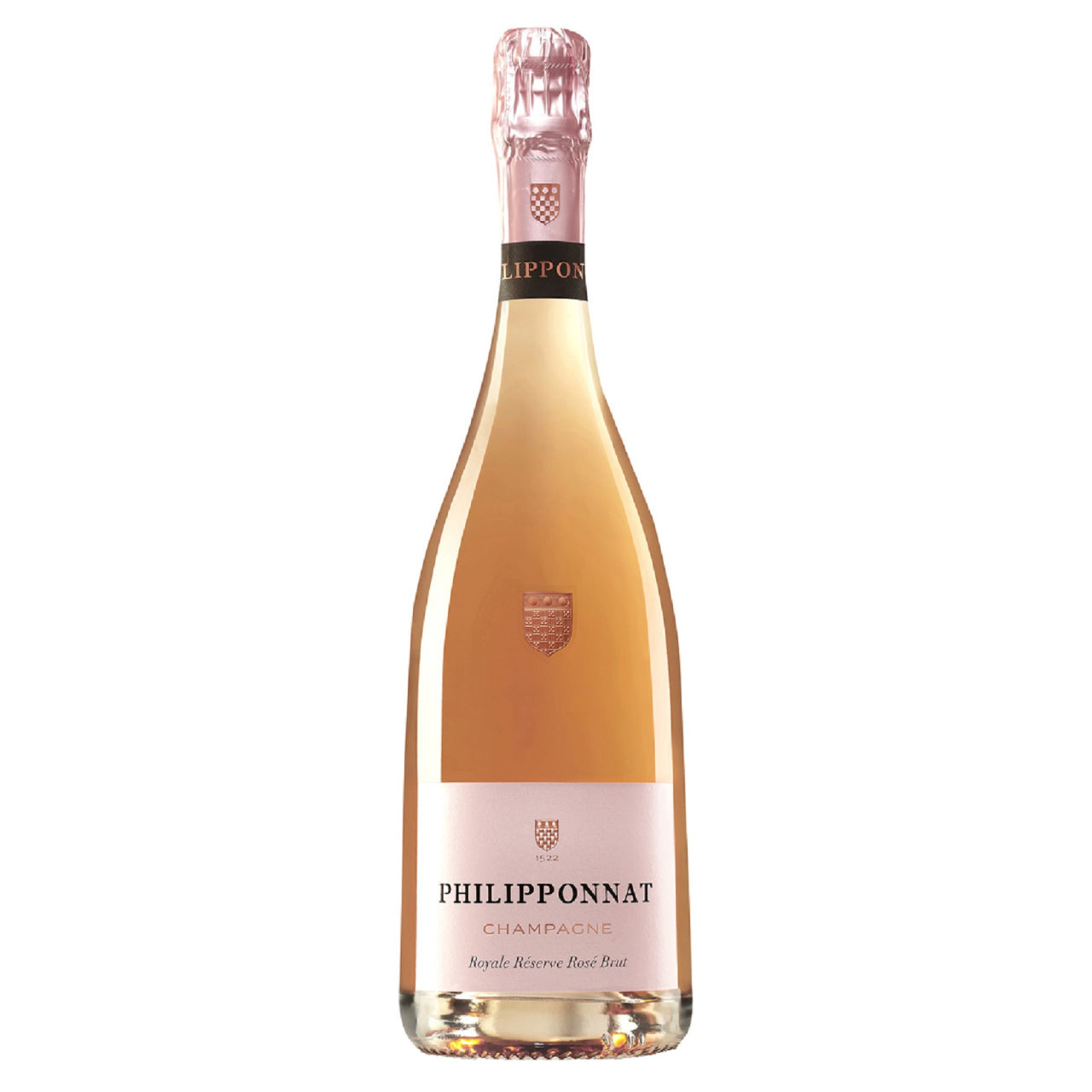
Phillipponnat Rose 375 ml
About Champagne
This is a small range chosen for depth rather than breadth, and it splits neatly into two kinds of producer.
On one side are the established houses. Gosset is the oldest wine house in Champagne and has a distinctive style built on avoiding malolactic fermentation, which keeps its wines taut and long lived. Philipponnat, based in Mareuil-sur-Ay, is best known for Clos des Goisses, one of the steepest single vineyards in the region.
On the other side are growers, producers who make wine only from fruit they have farmed themselves. Paul Bara works in Bouzy, a grand cru village on the Montagne de Reims planted overwhelmingly to Pinot Noir, and the wines carry that weight. Bonnaire is in Cramant, a grand cru on the Cote des Blancs, and works in the opposite direction with Chardonnay. Marc Hebrart is a member of the Club Tresors, whose Special Club bottlings are submitted to a peer tasting panel before release.
Between them the range covers blanc de blancs, blanc de noirs, rose and vintage. If Champagne is not the only sparkling wine you drink, our wider sparkling range covers Cremant, Cava and Prosecco.
Working out which bottle suits which occasion, and what dosage and cru really tell you, is the job of our Champagne guide.
History
Champagne's reputation rests on a technical solution to a regional problem. The area sits close to the northern limit of viable grape growing, and in cold years the base wines were thin and sharp. A second fermentation in the bottle turned that acidity into an asset.
That process, the traditional method, is what defines the wine. Still base wine is bottled with a small addition of sugar and yeast, ferments a second time in the sealed bottle, and then rests on the spent yeast for a minimum period, developing the bready, nutty character that distinguishes Champagne from tank fermented sparkling wine. The dead yeast is later worked into the neck and expelled, and a small dosage of wine and sugar is added to set the final sweetness.
The village classification is worth understanding because it works differently from Burgundy. In Champagne, grand cru and premier cru are awarded to entire villages rather than to individual vineyards. Bouzy and Cramant are grand cru villages, and every plot within them carries the designation.
The rise of grower Champagne over the past three decades has shifted attention from brand to place. Where the great houses blend across dozens of villages to maintain a consistent style, a grower's wine reflects one commune and one set of decisions.
How to drink it
Serve it cold but not frozen. Eight to ten degrees suits a non-vintage brut, while vintage wines and blanc de blancs are better a little warmer, around ten to twelve, which lets the texture show. A bottle straight from the back of the fridge is usually too cold and tastes of nothing but bubbles.
Use a white wine glass rather than a flute. The flute was designed to show off the bead and it does that job well, but it gives the wine no room to release aroma. A tulip shaped white wine glass will change the drink more than anything else on this list.
The dosage scale is the key to matching a bottle to an occasion. Brut Nature and Extra Brut are bone dry and suit oysters and raw seafood. Brut is the standard and handles almost anything. Extra Dry, confusingly, is sweeter than Brut and works better with fruit or a light dessert.
Blanc de blancs, made only from Chardonnay, is the aperitif style. Blanc de noirs and rose have the weight for roast chicken, charcuterie or salmon.
For a lighter and less expensive everyday option, look at Prosecco or Australian sparkling.