
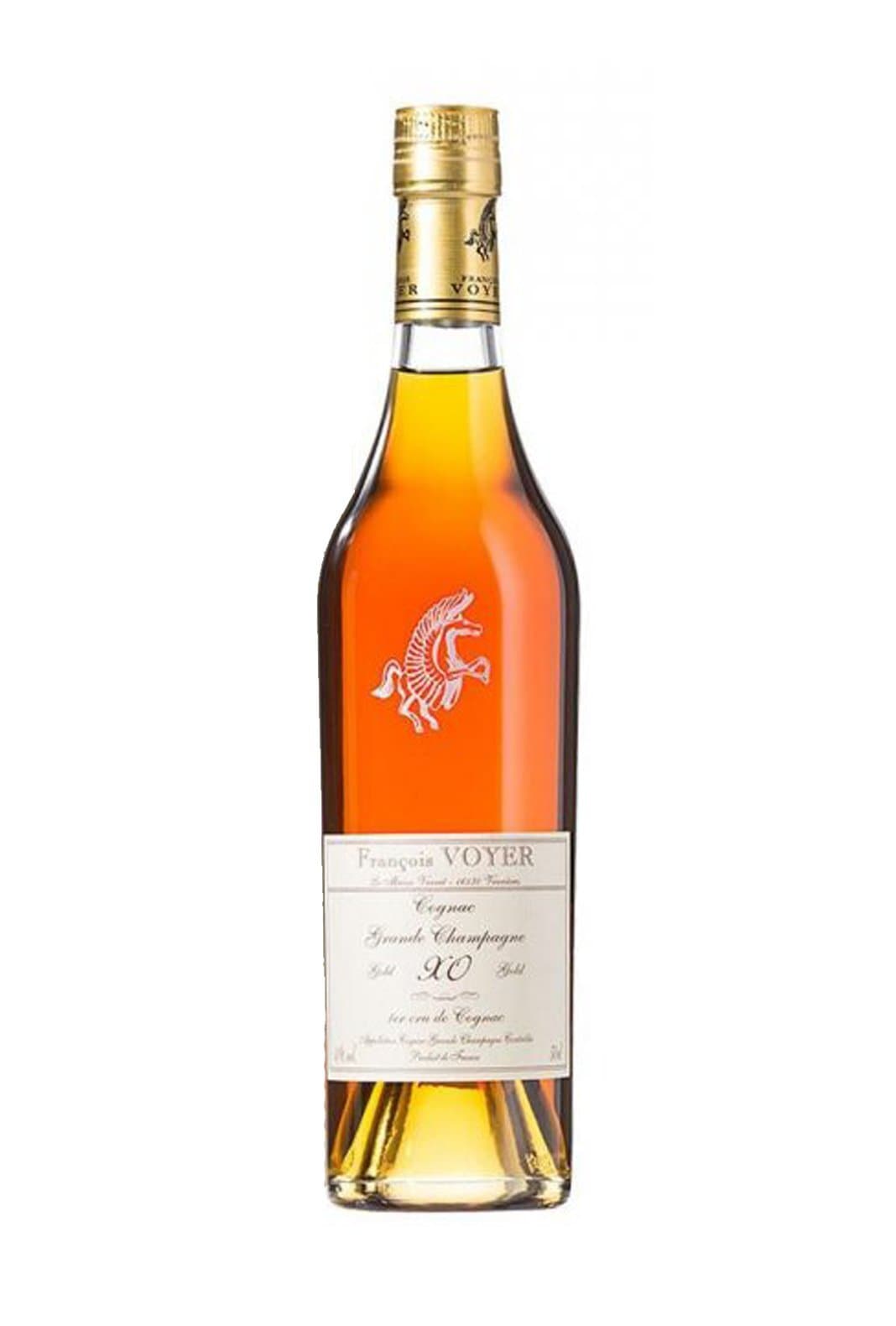
Francois Voyer XO Gold 20-30 years Grande Champagne Cognac 40% 500ml
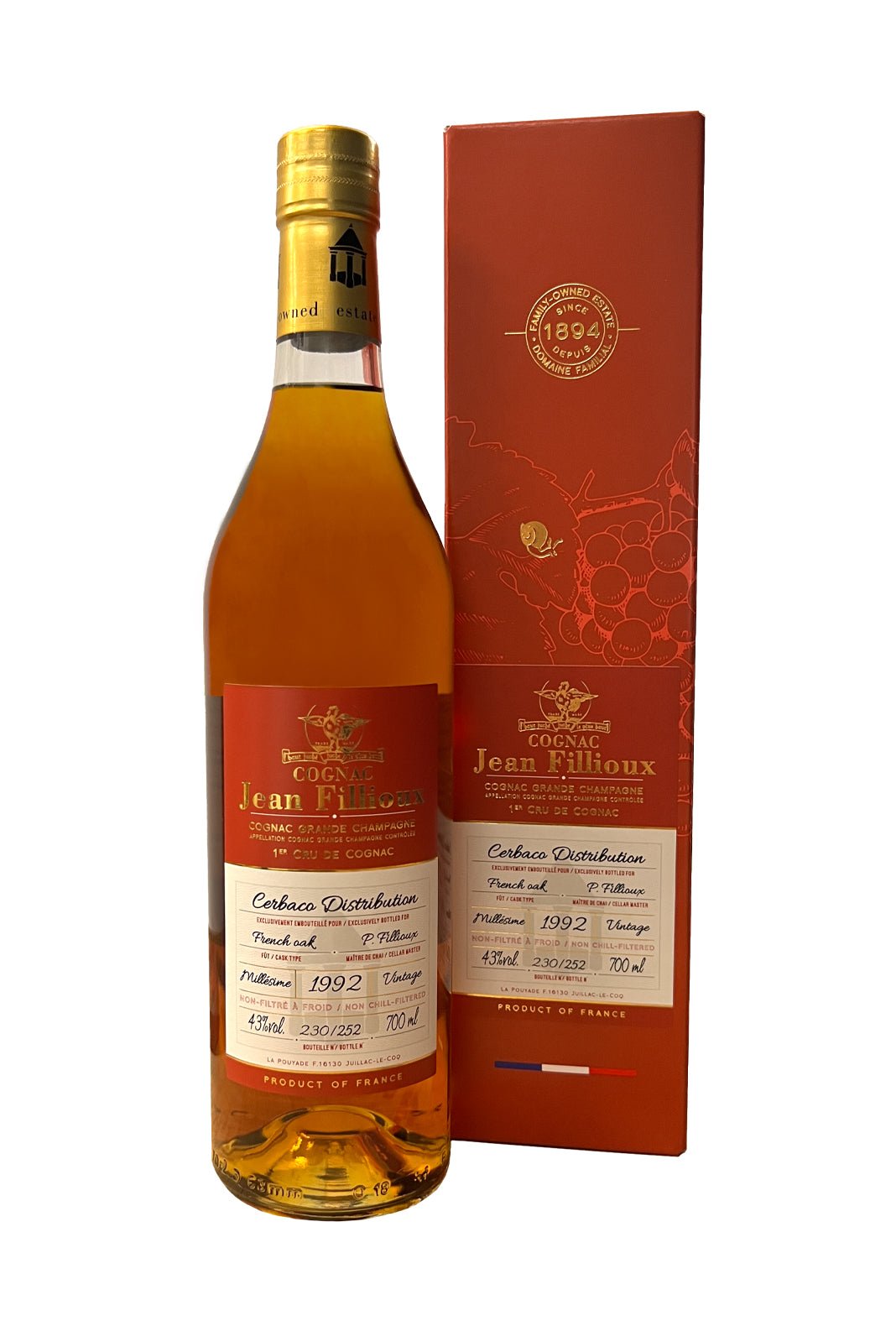
Jean Fillioux 1992 Cognac Grande Champagne 43% 700ml
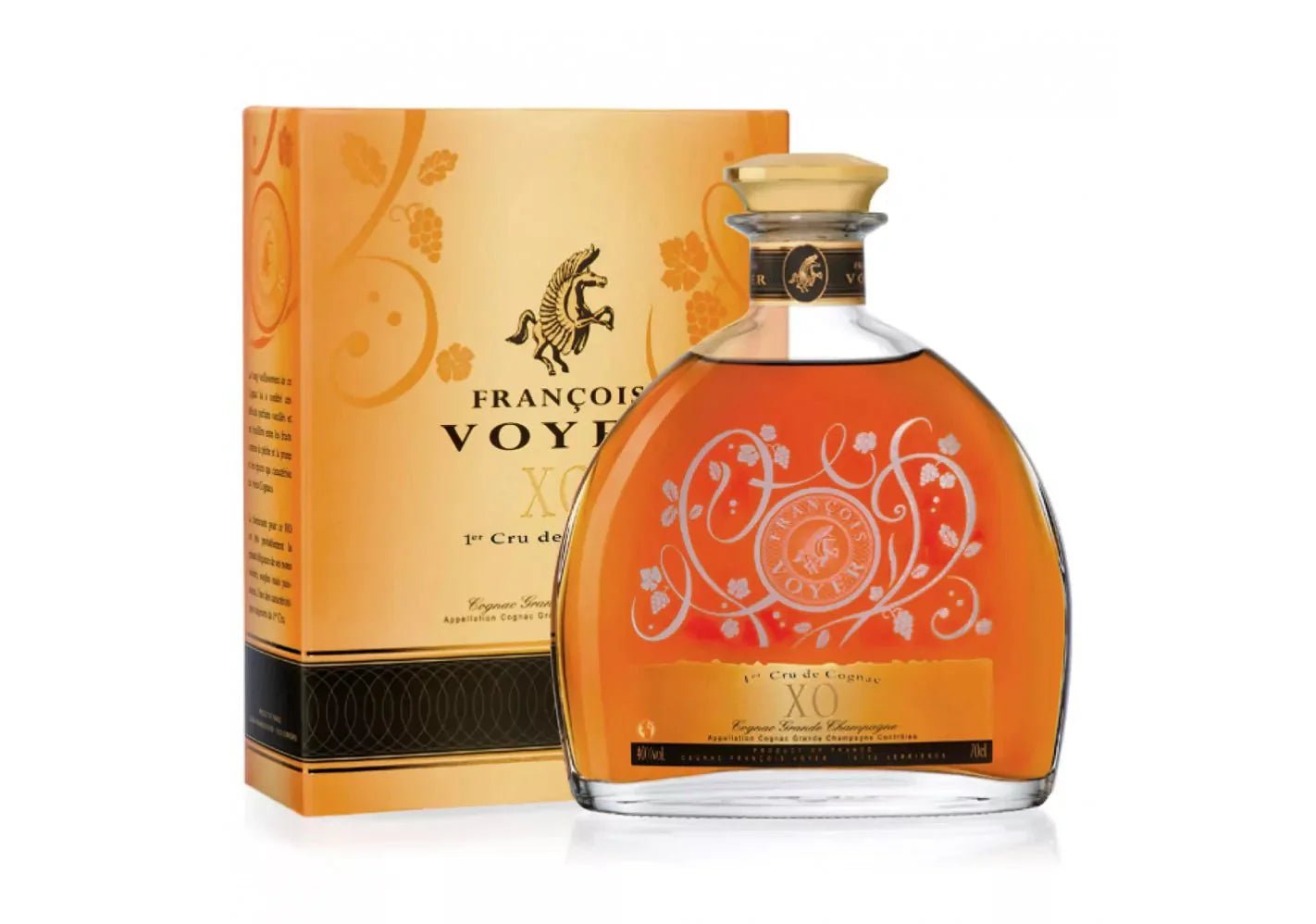
Francois Voyer Cognac GC XO 1er Cru CARAFE 40% 700ml
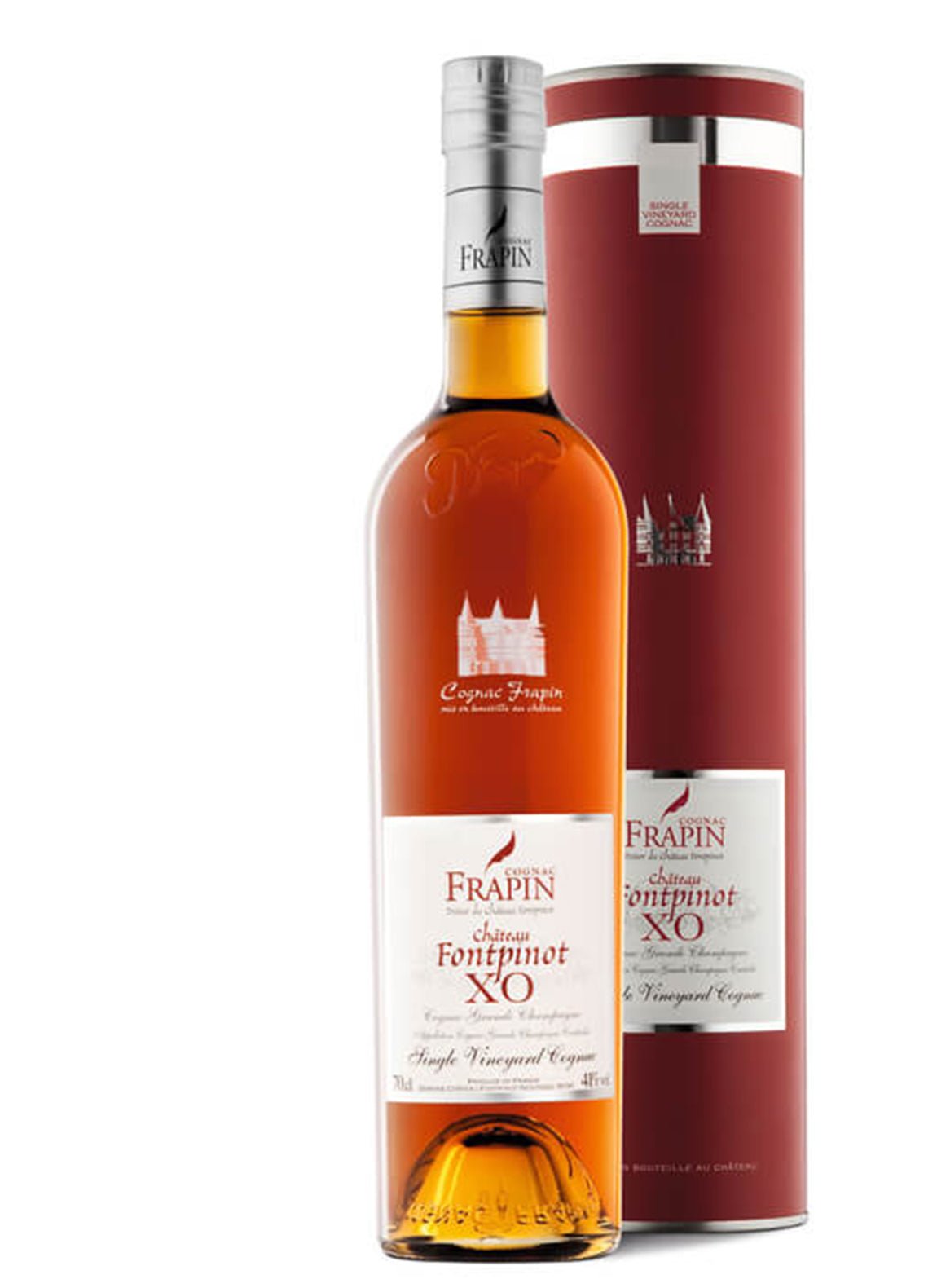
Frapin Ch. Fontpinot XO Cognac
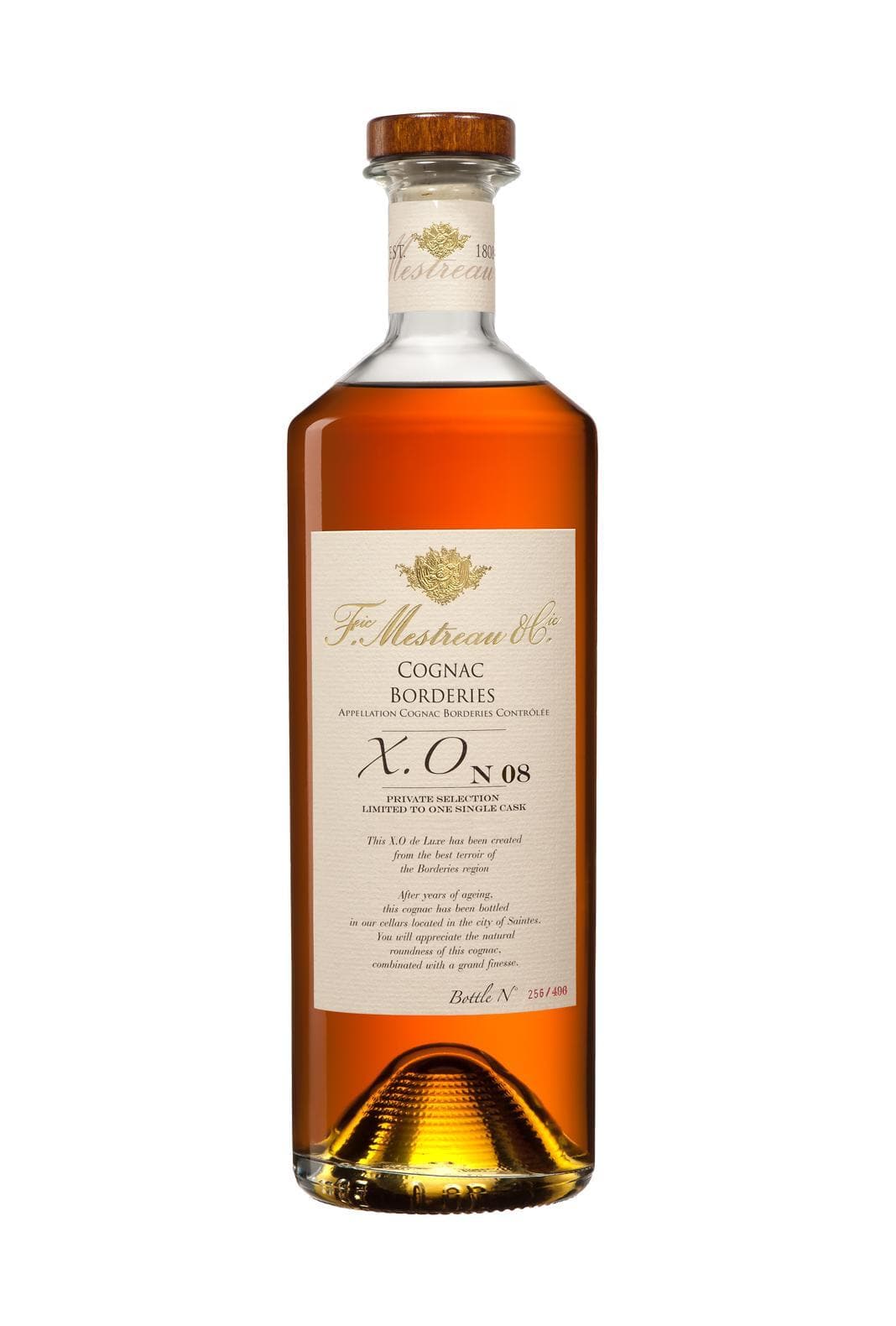
Frederic Mestreau Cognac XO No. 08 Borderies (Grosperrin Selection) 8-25 years 40% 700ml
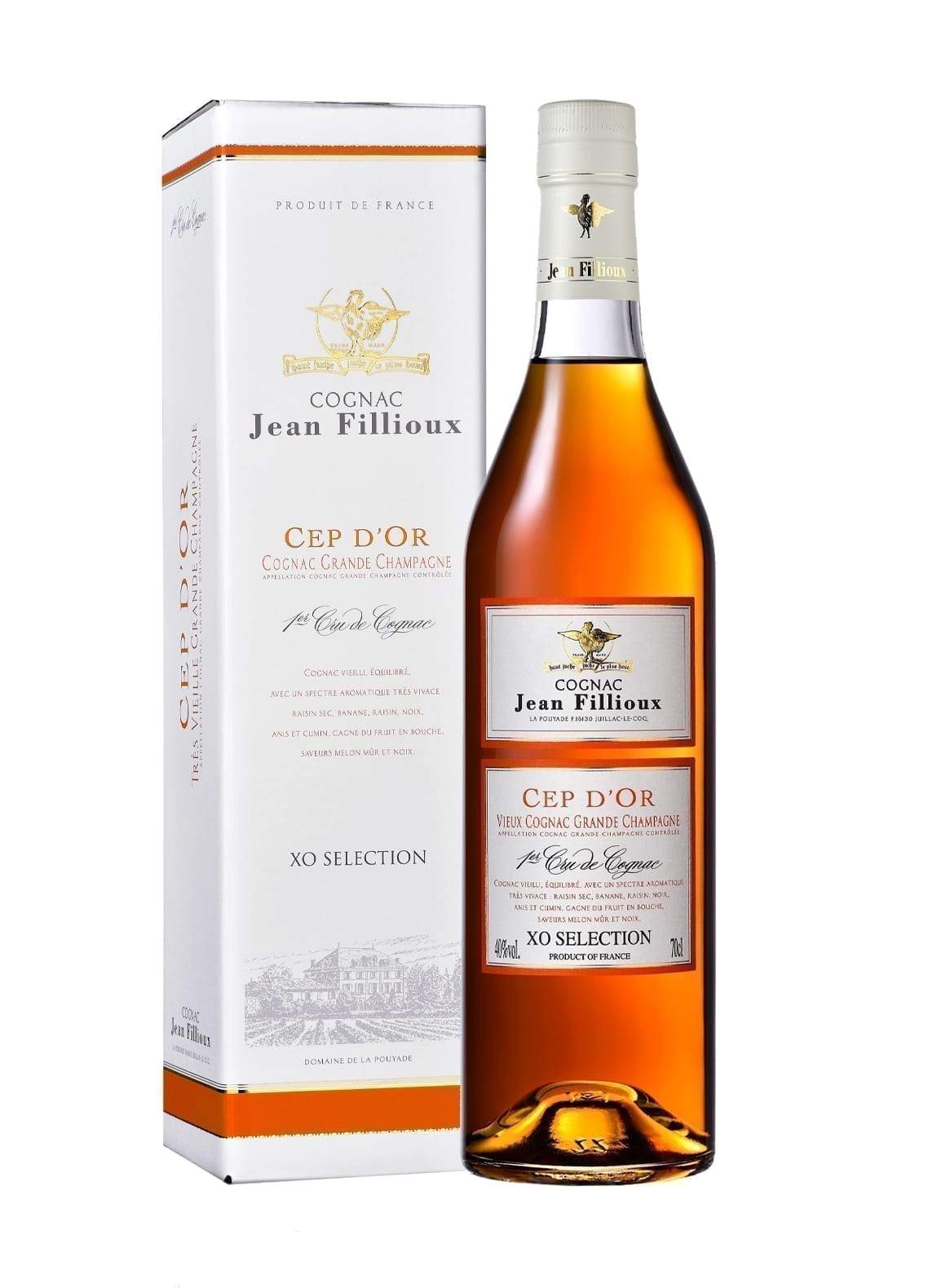
Jean Fillioux Cognac 'Cep d'Or' XO Grande Champagne 1er Cru 13-15 years 40% 700ml
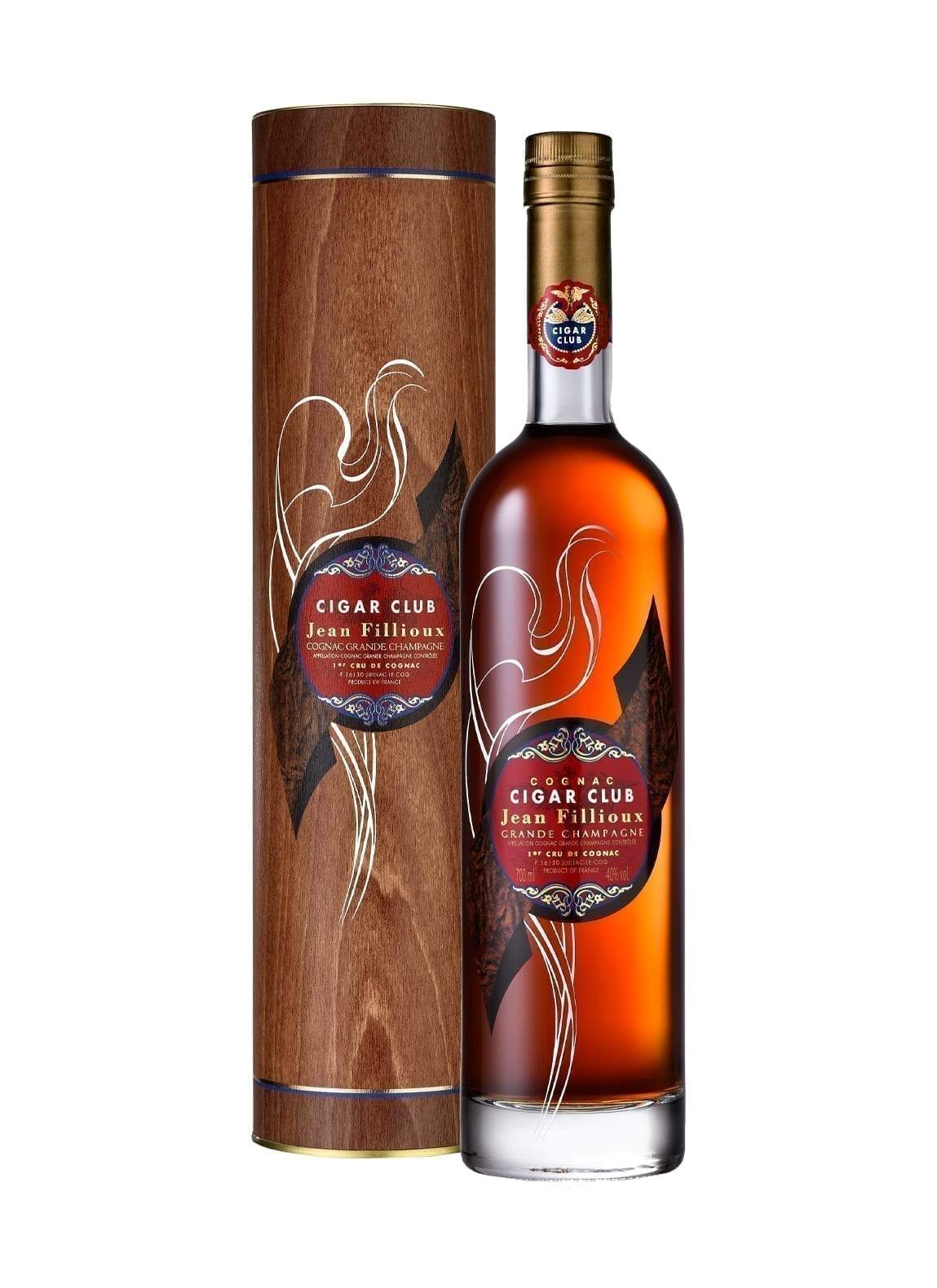
Jean Fillioux Cognac 'Cigar Club' Grande Champagne 1er Cru 35 years 40% 700ml
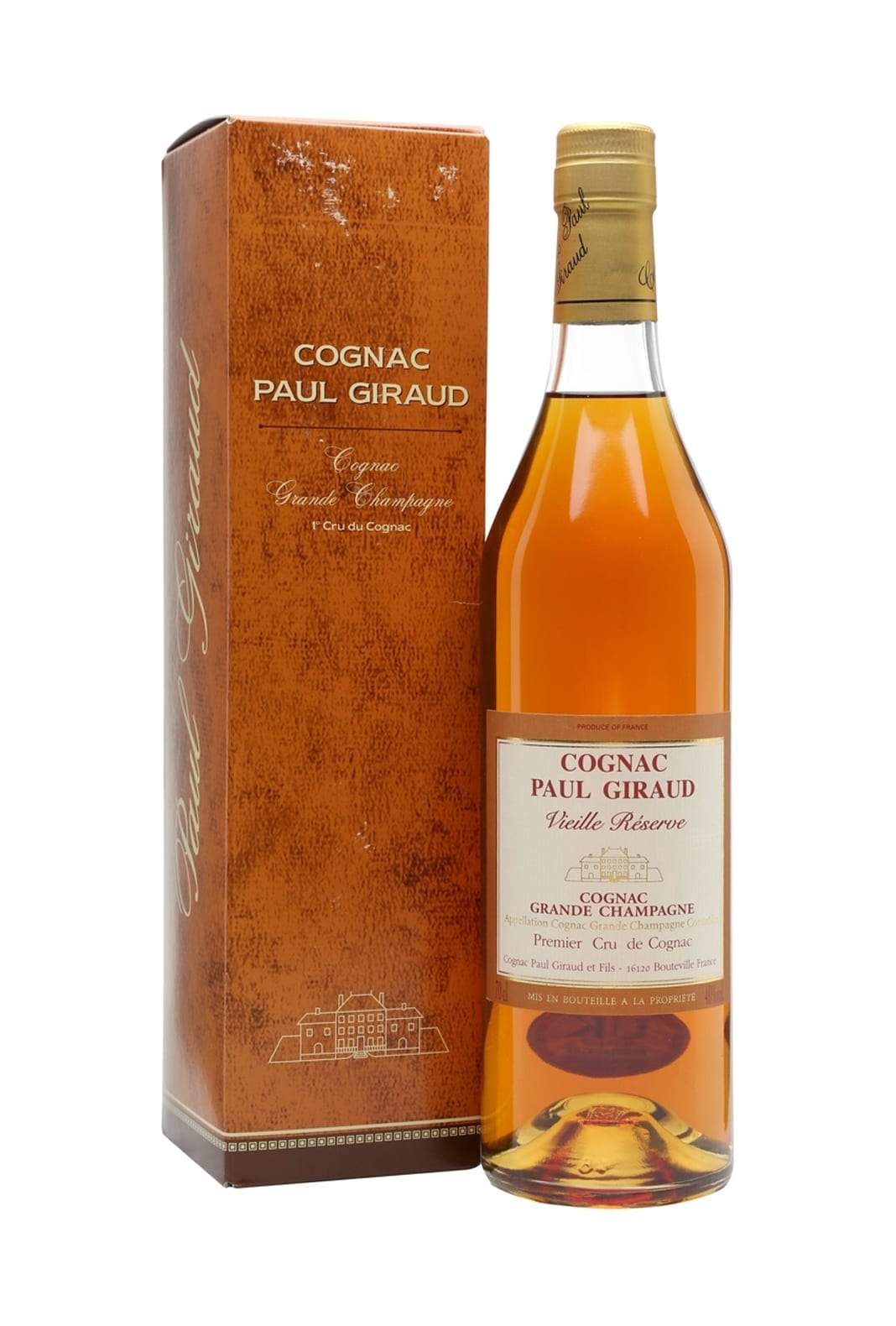
Paul Giraud Cognac Vieille Reserve 25 years Grande Champagne 40% 700ml
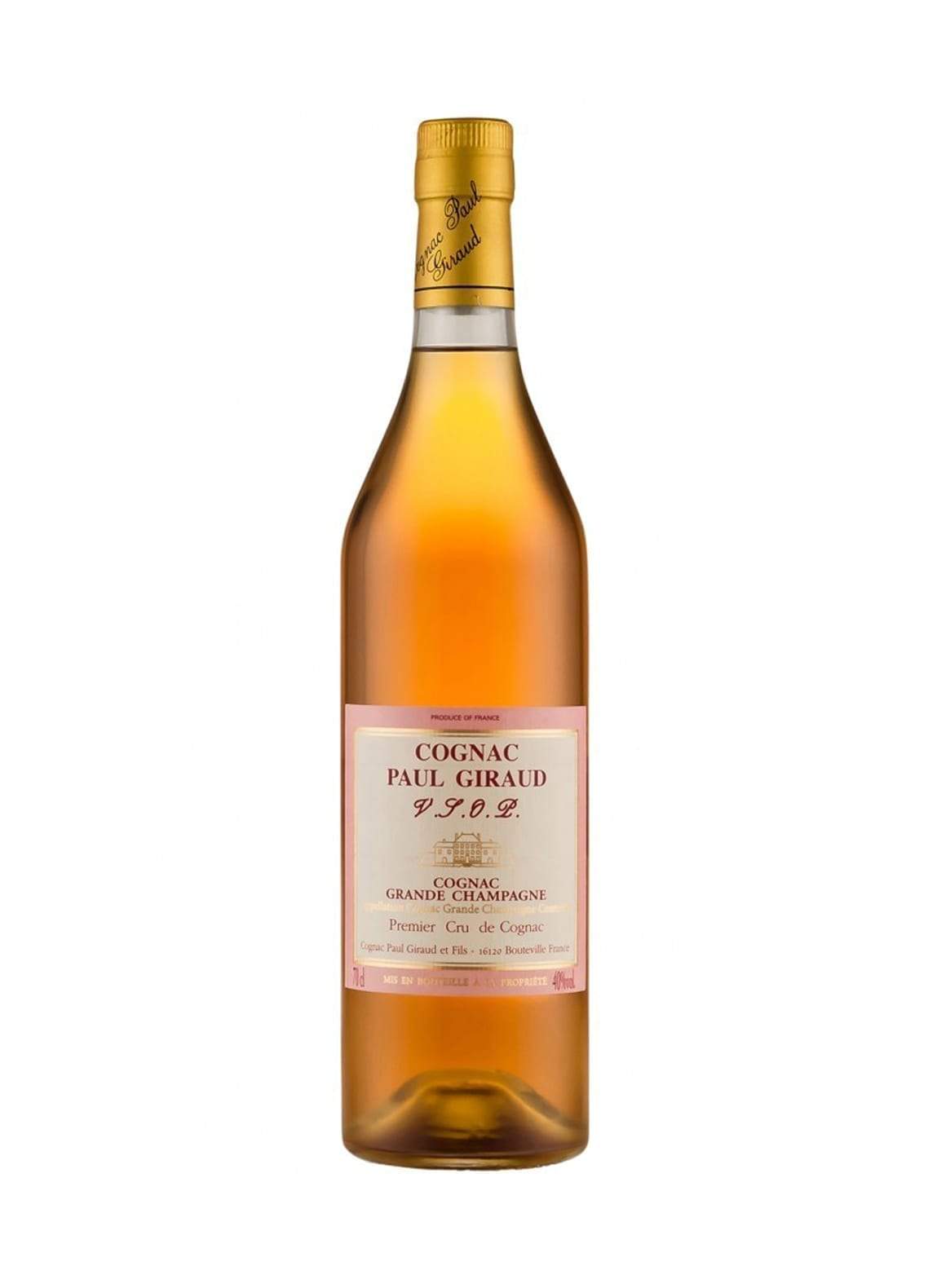
Paul Giraud Cognac VSOP 8 years Grande Champagne 40% 700ml
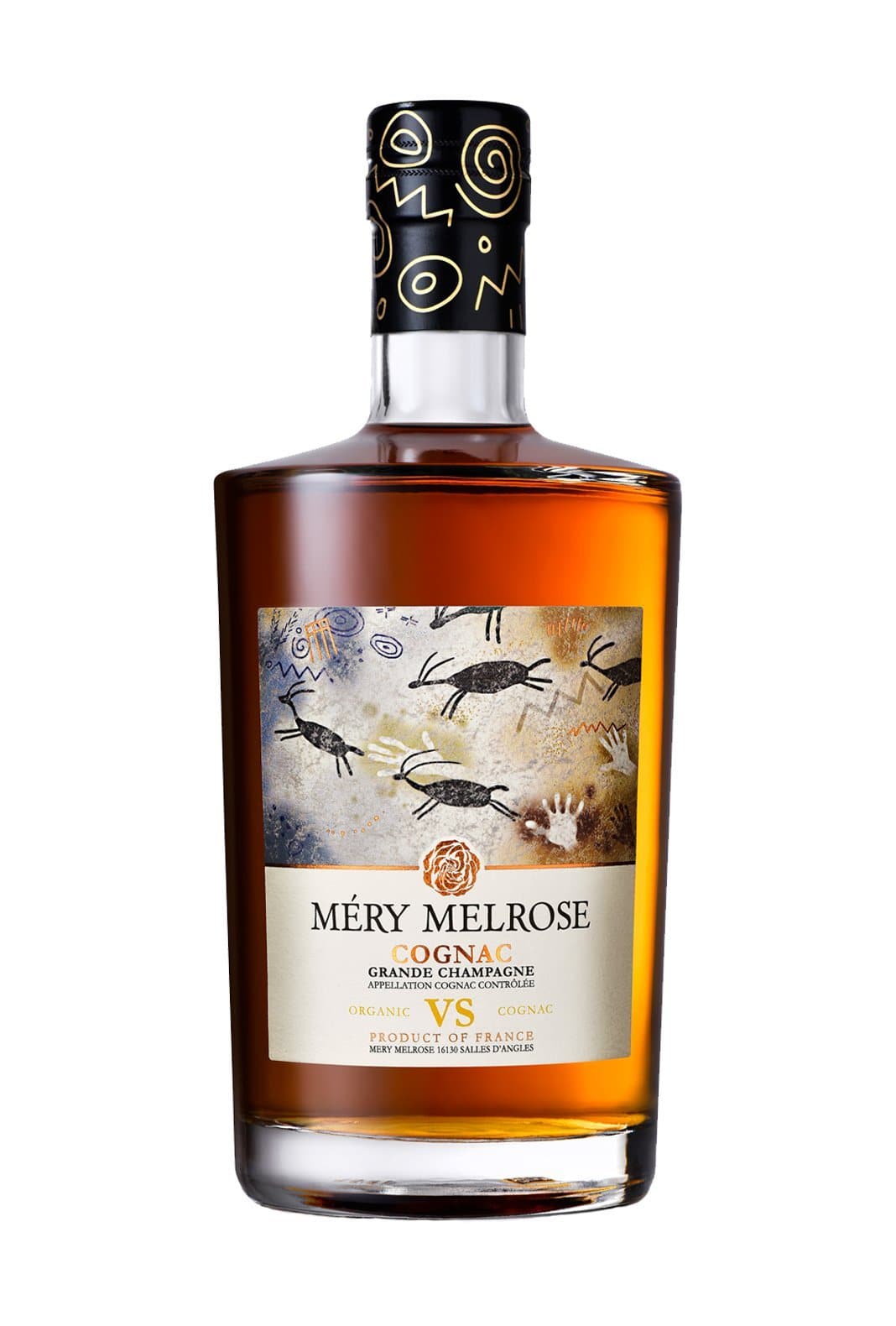
Mery Melrose VS Cognac Organic 40% 700ml
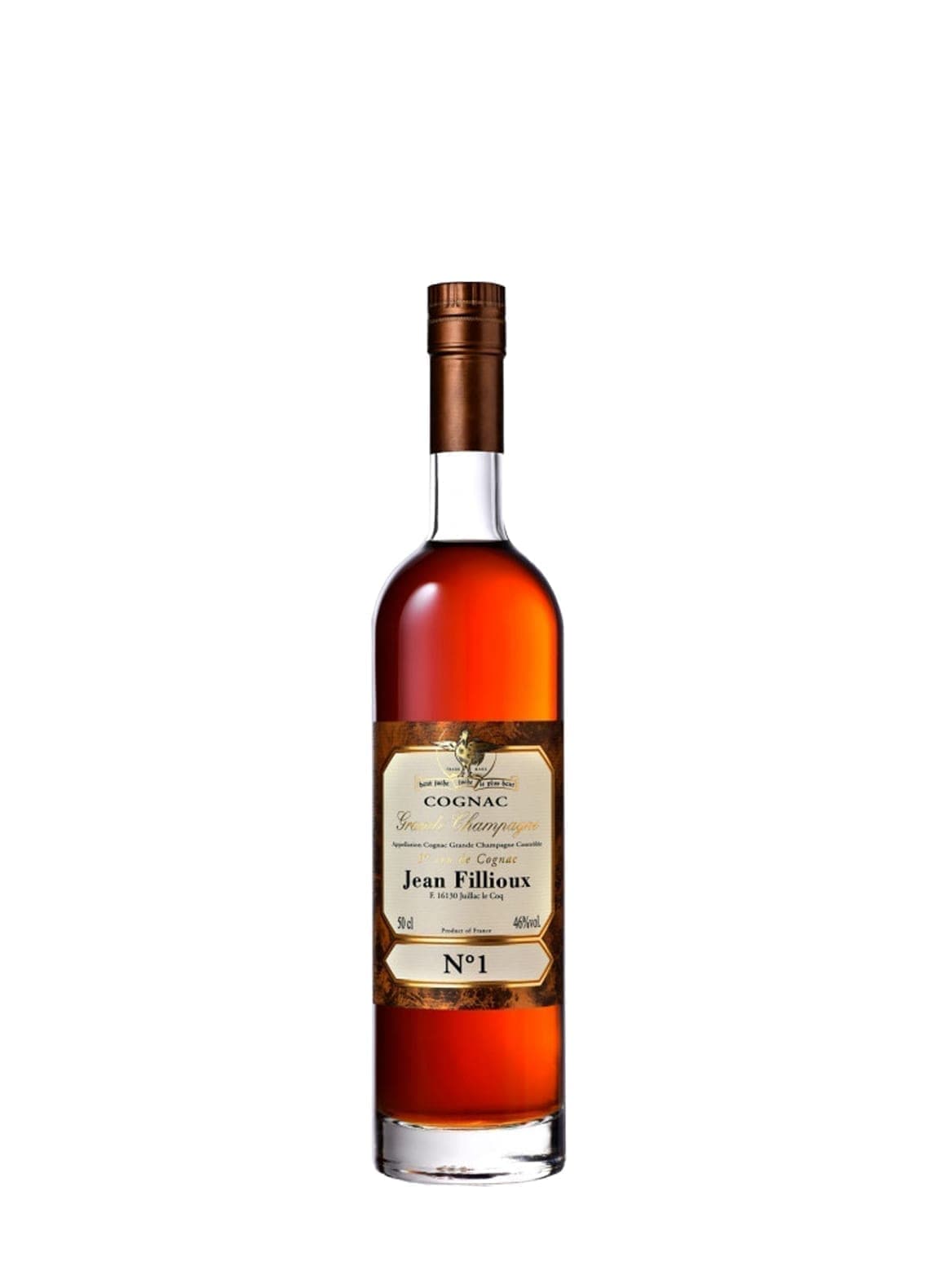
Jean Fillioux Cognac Numero 1 Grande Champagne 60 years 46% 500ml
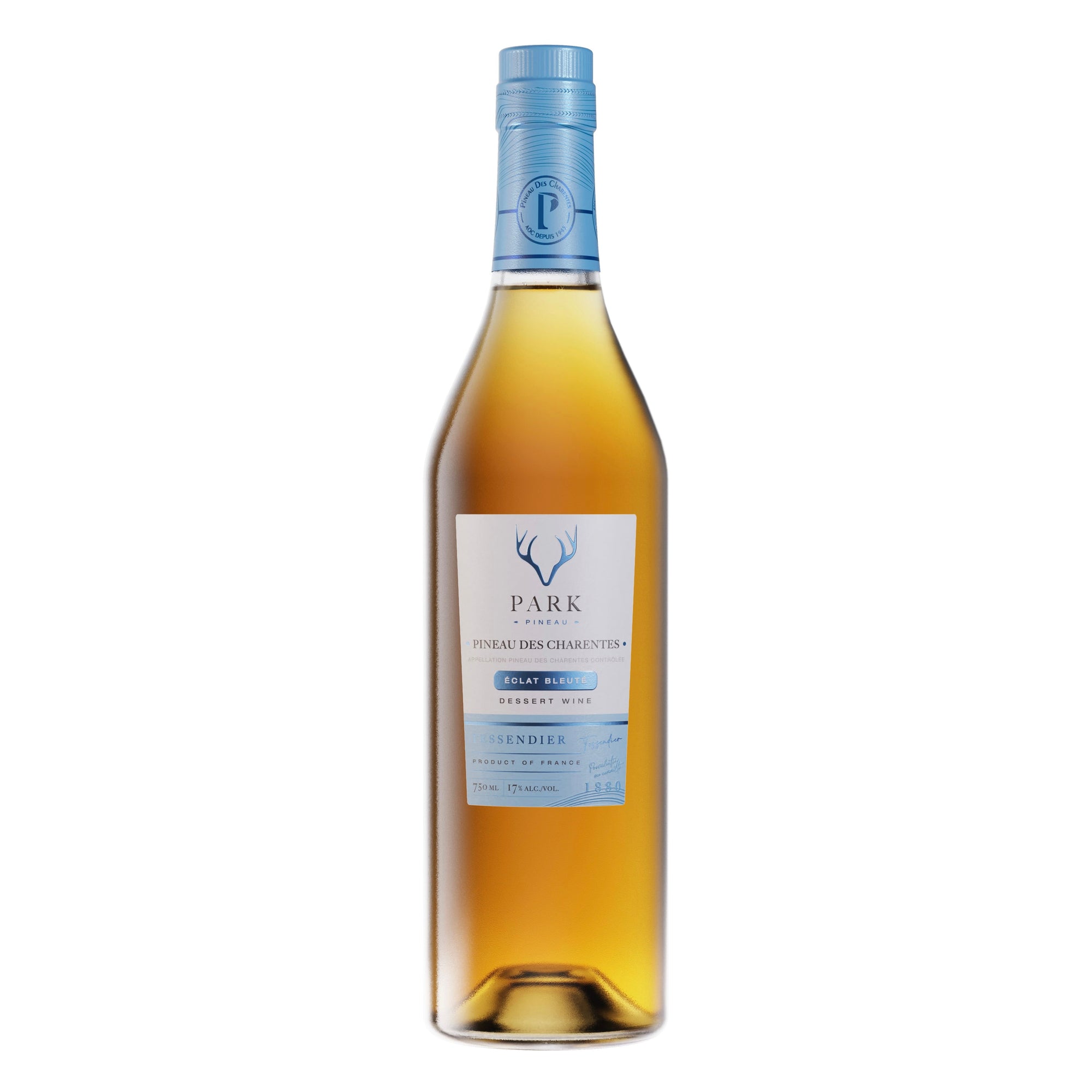
PARK Pineau des Charentes Eclats Bleutés 17% 750ML
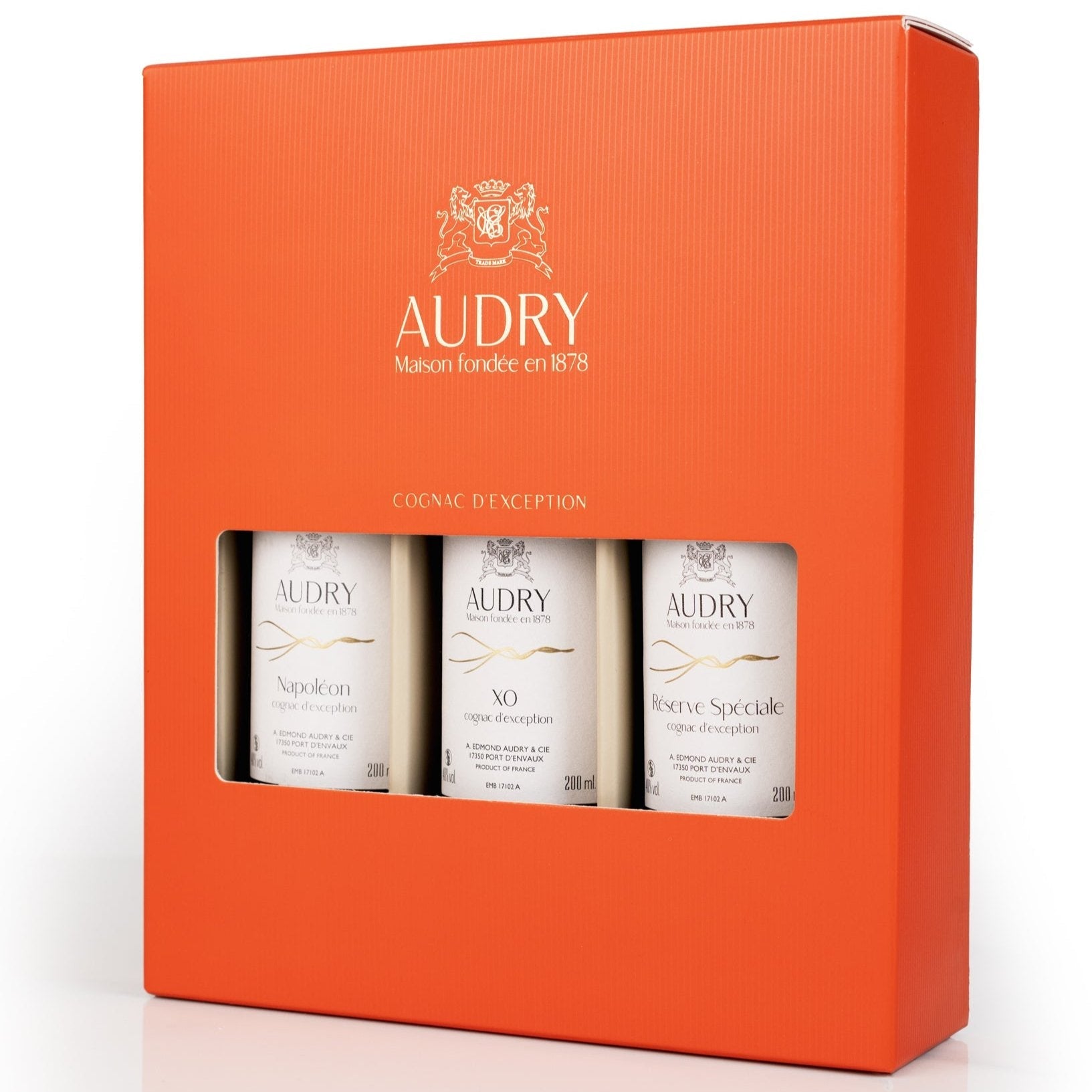
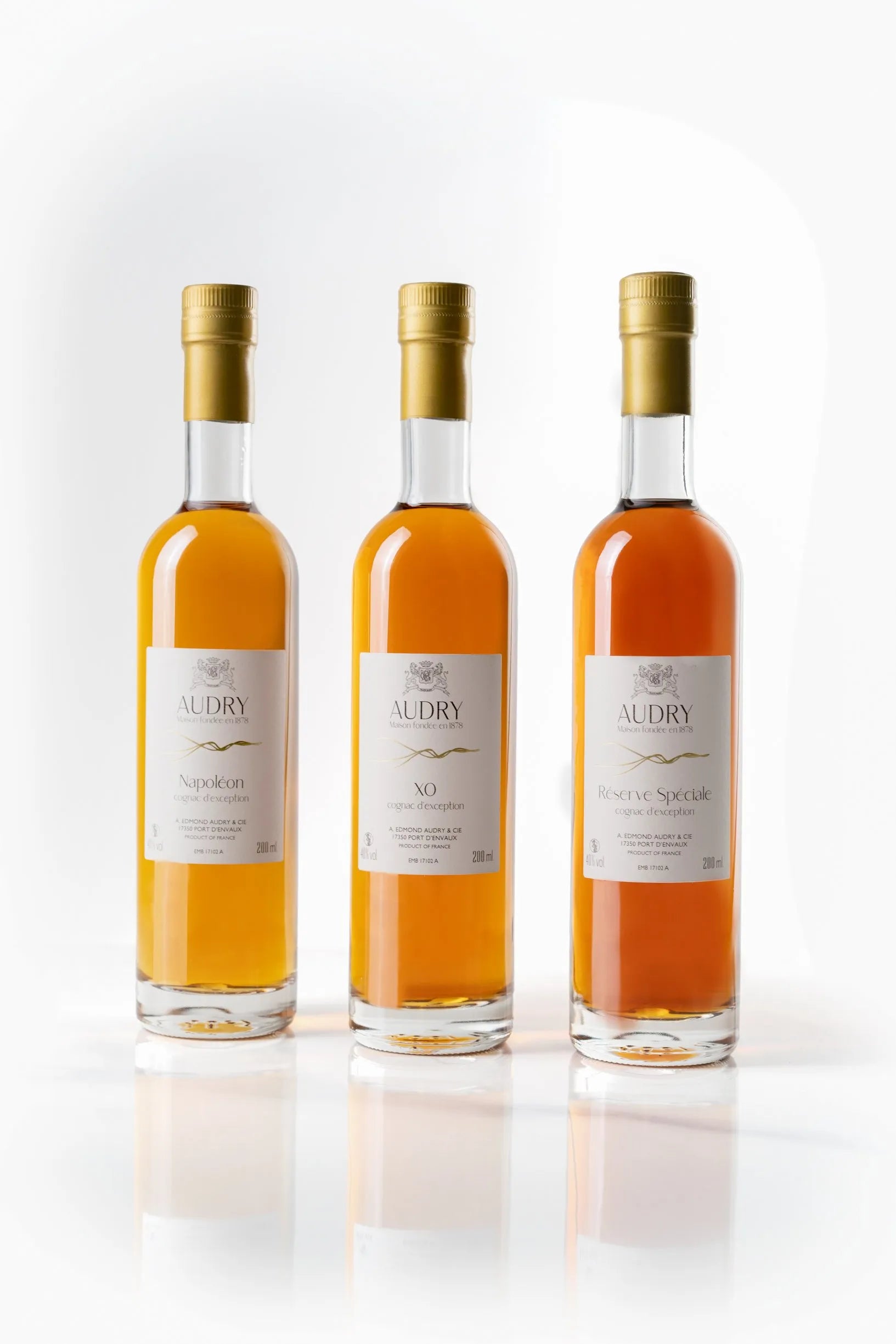
Maison Audry Cognac DISCOVERY BOX 40% 3x200ml
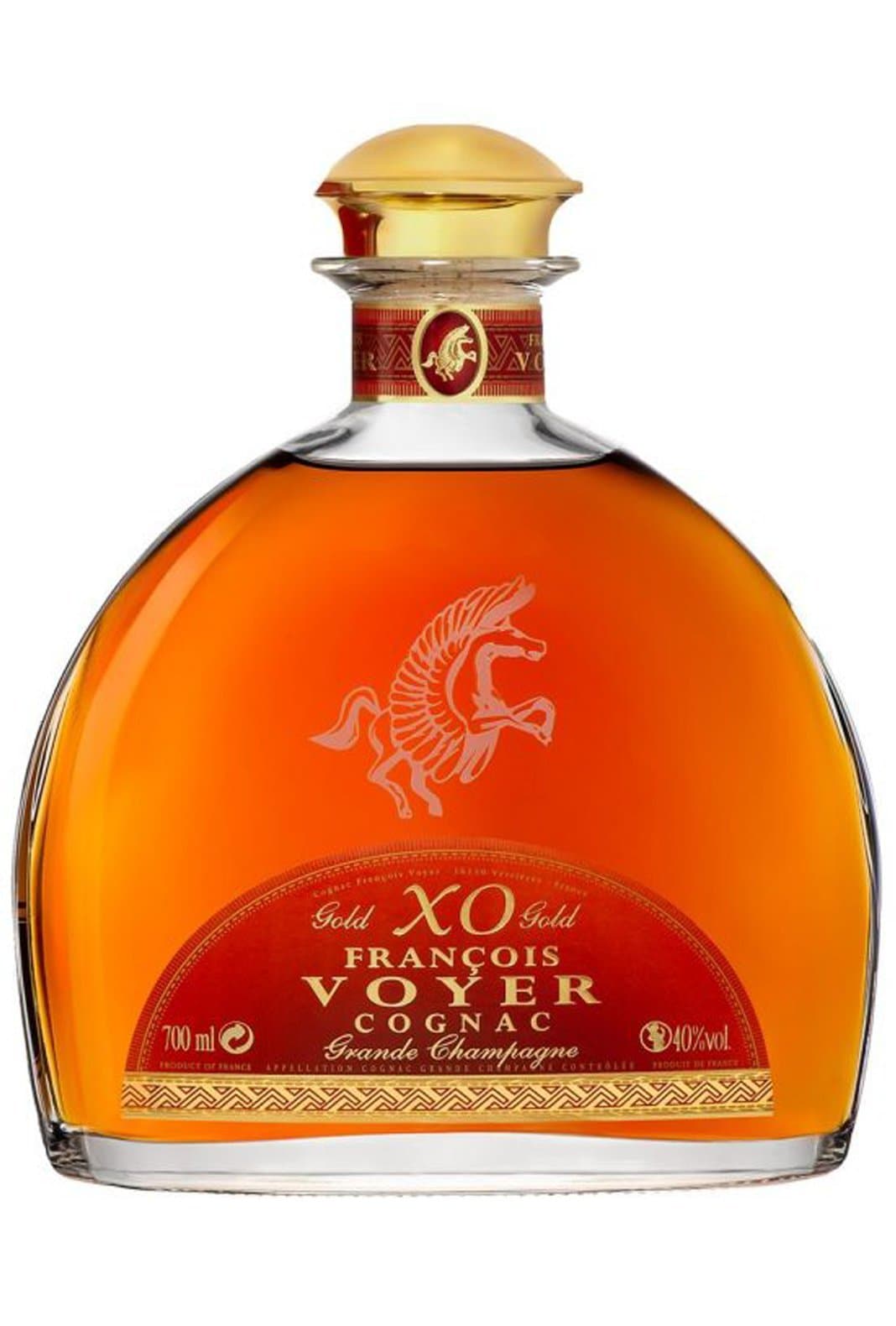
Francois Voyer XO Gold 20-30 years Grande Champagne Cognac Carafe 40% 700ml
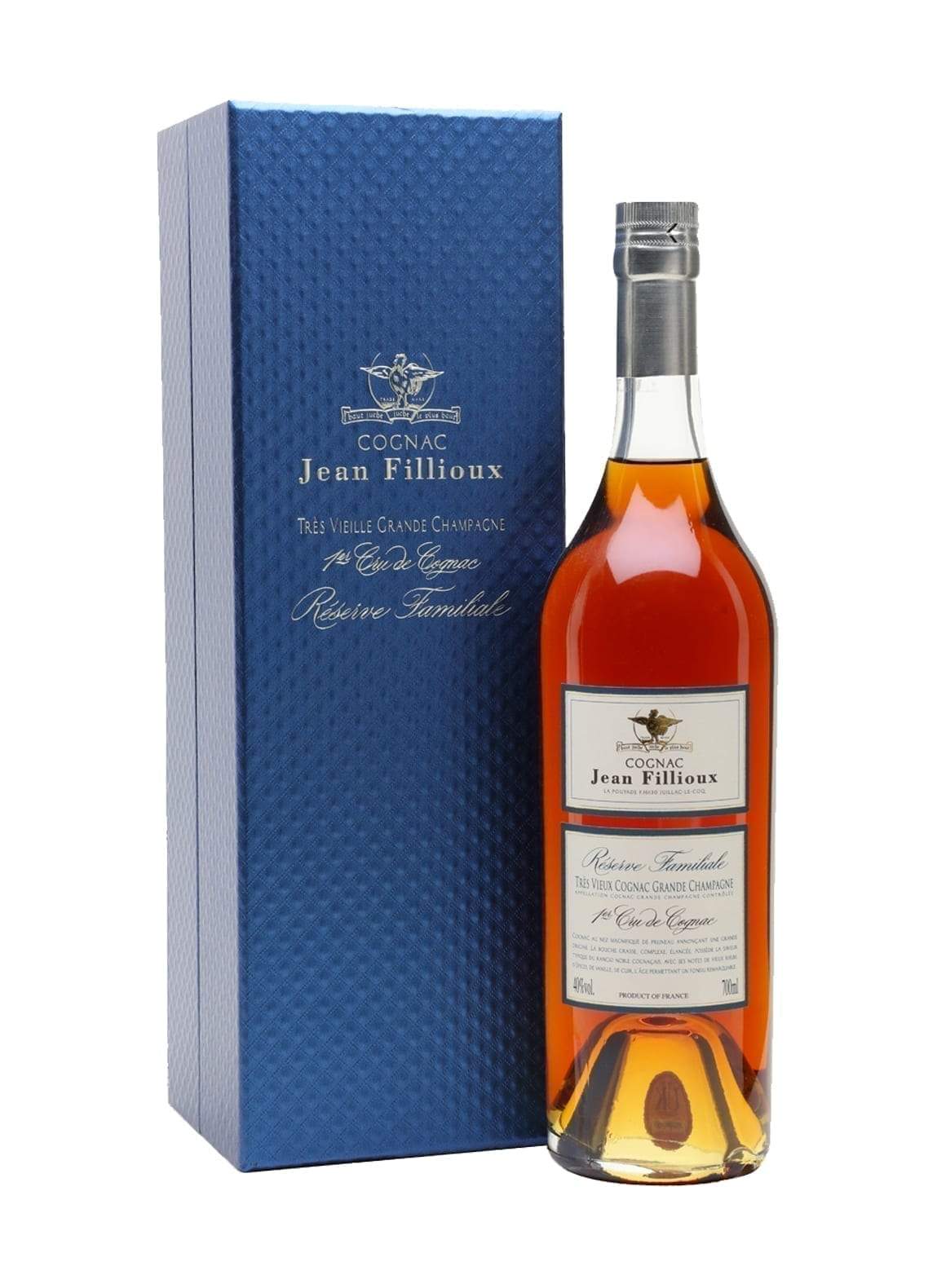
Jean Fillioux Cognac 'Reserve Familiale' Grande Champagne 1er Cru 50 years+ 40% 700ml
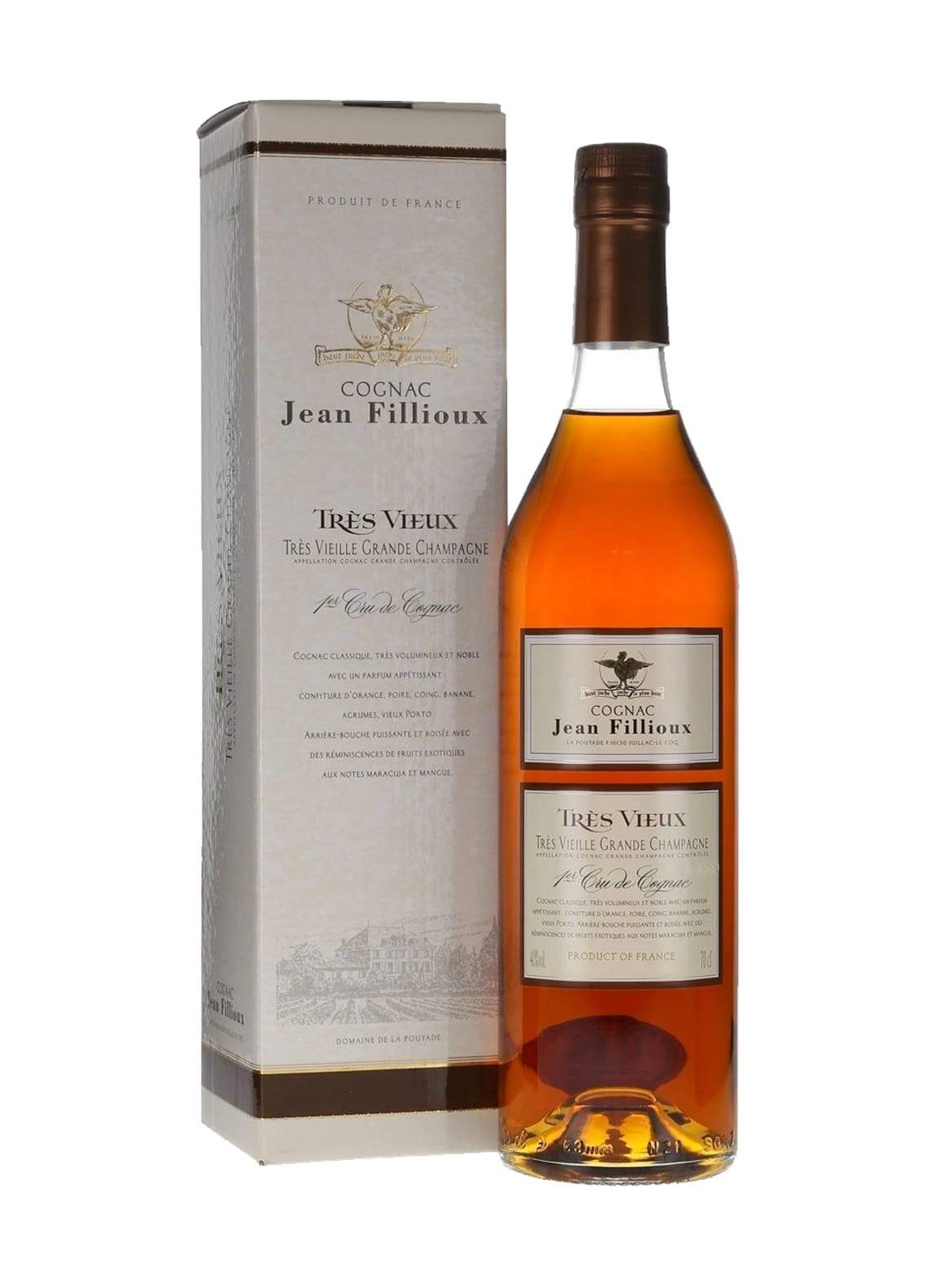
Jean Fillioux Cognac GC XO 25-30 years Tres Vieux 40% 700ml
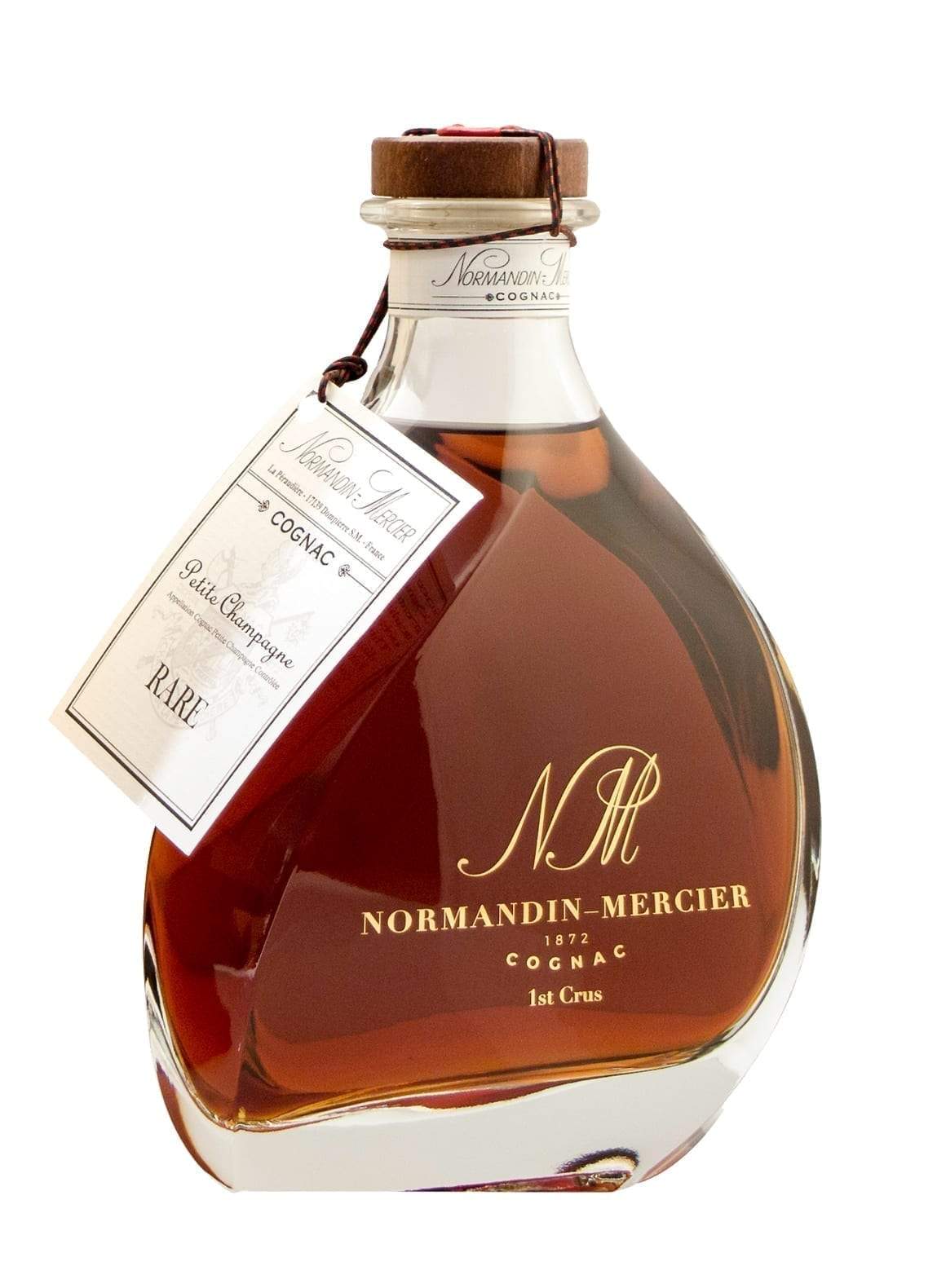
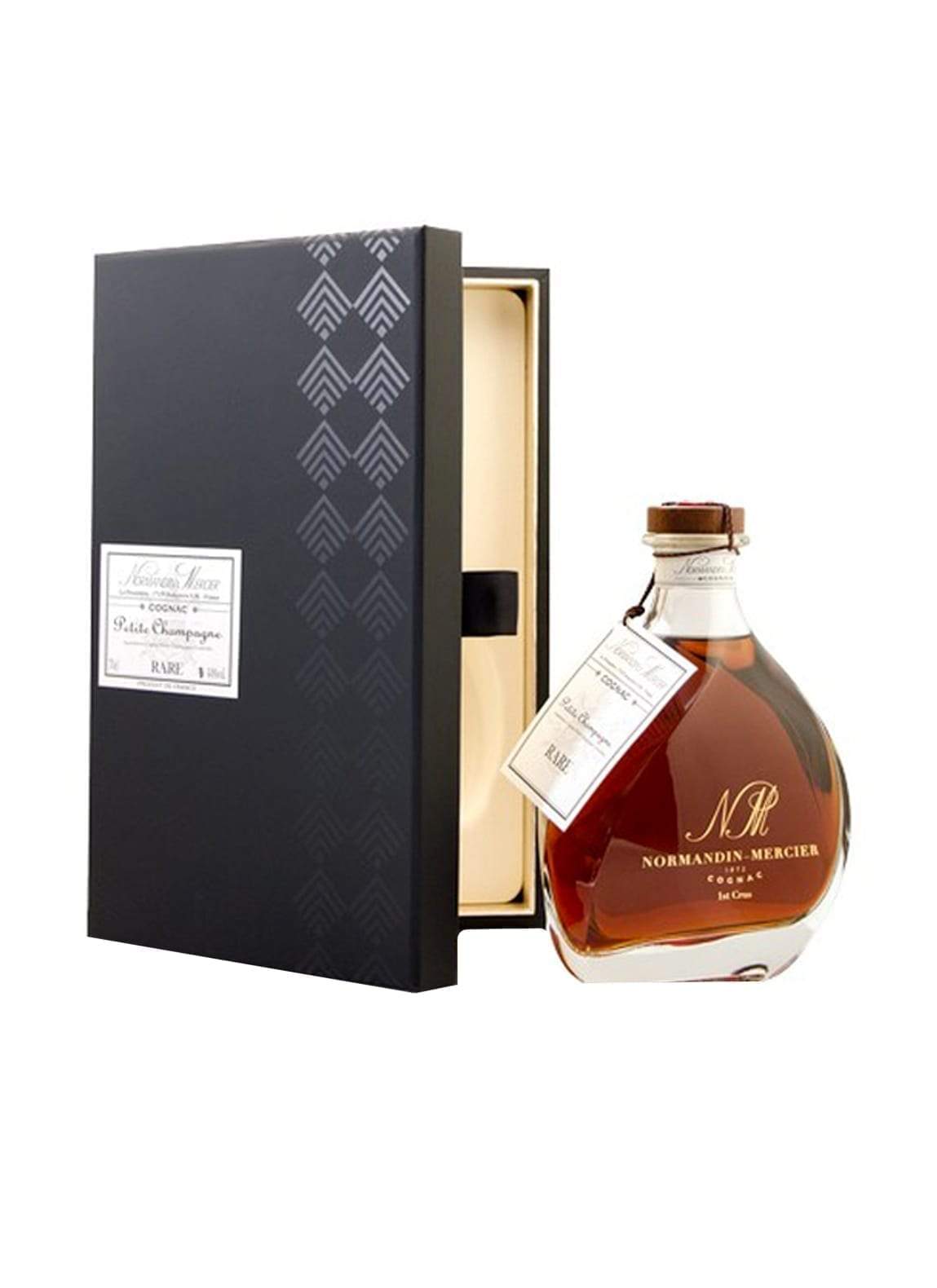
Normandin-Mercier Cognac 'Rare' 50 years Petite Champagne 44% 700ml CARAFE
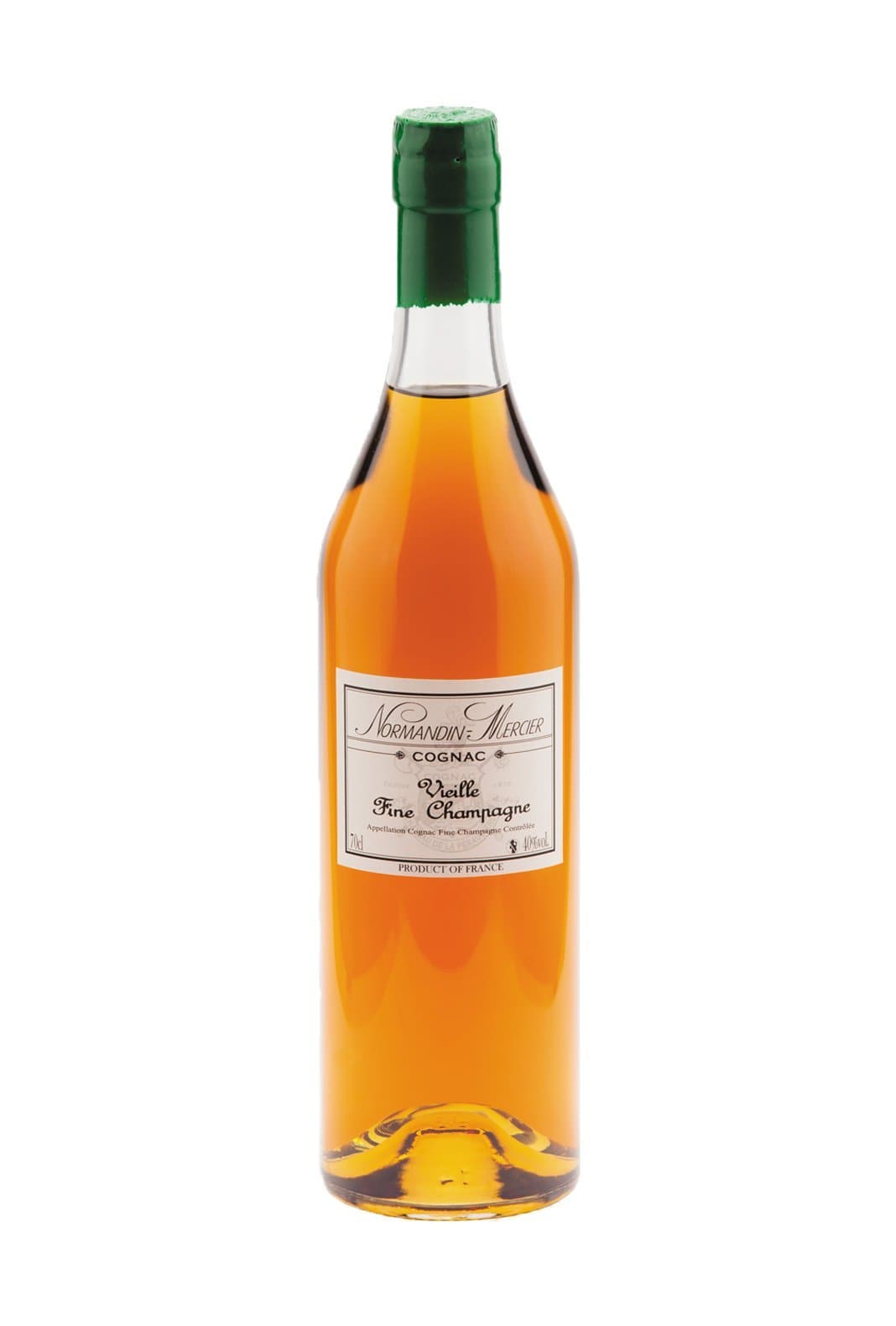
Normandin-Mercier Cognac 15 years Vieille Fine Champagne 40% 700ml
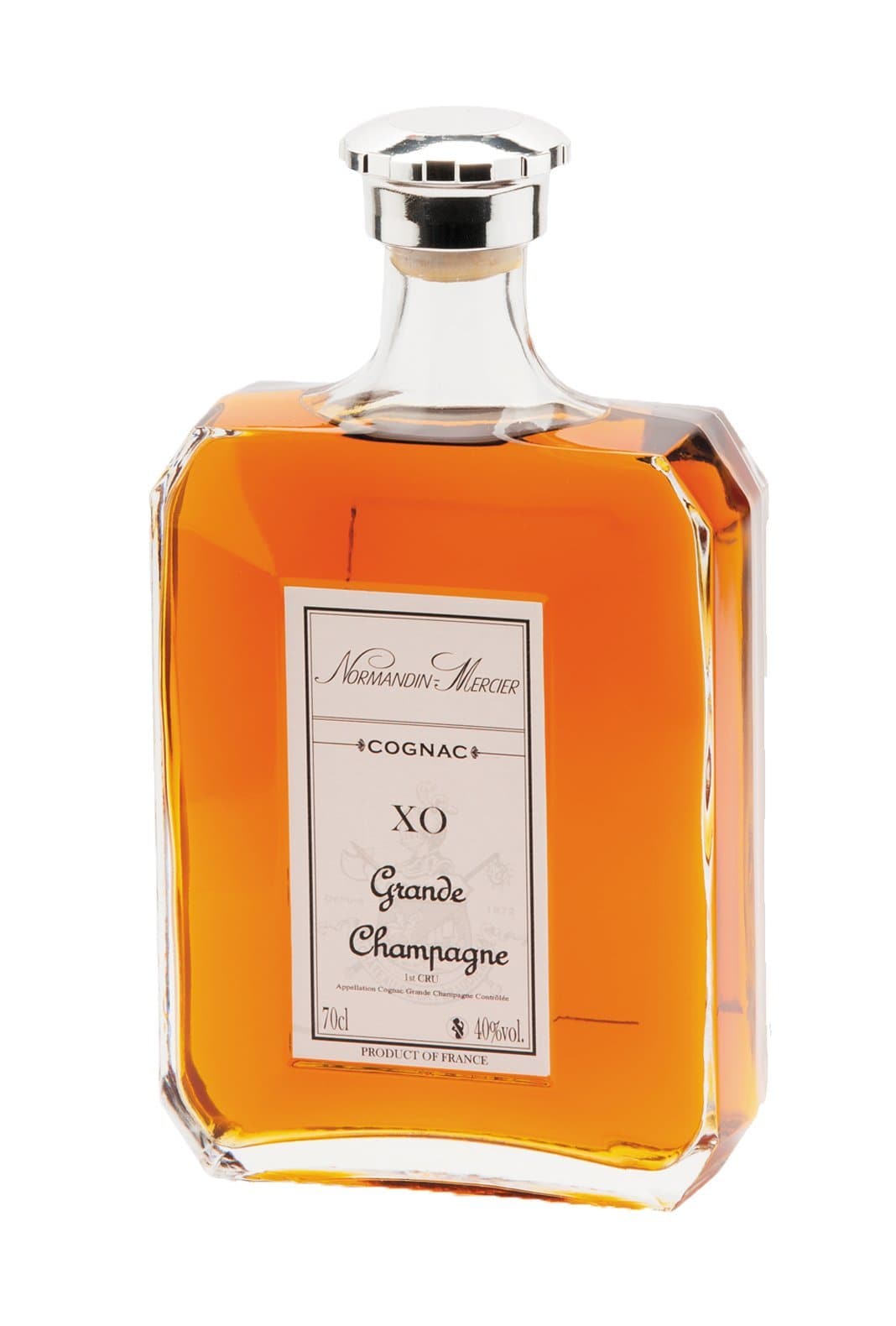
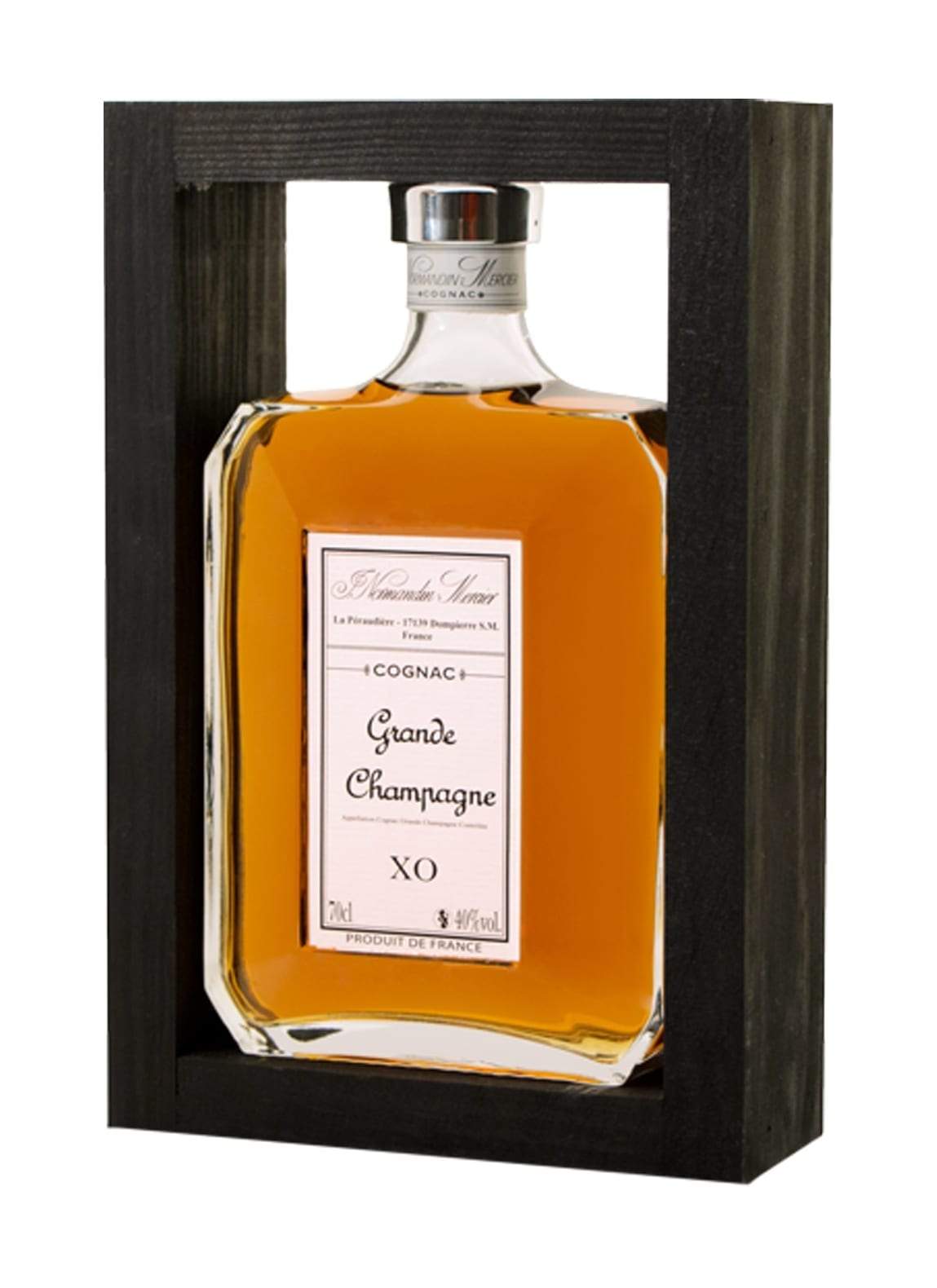
Normandin-Mercier Cognac XO 30 years Grande Champagne Carafe 40% 700ml
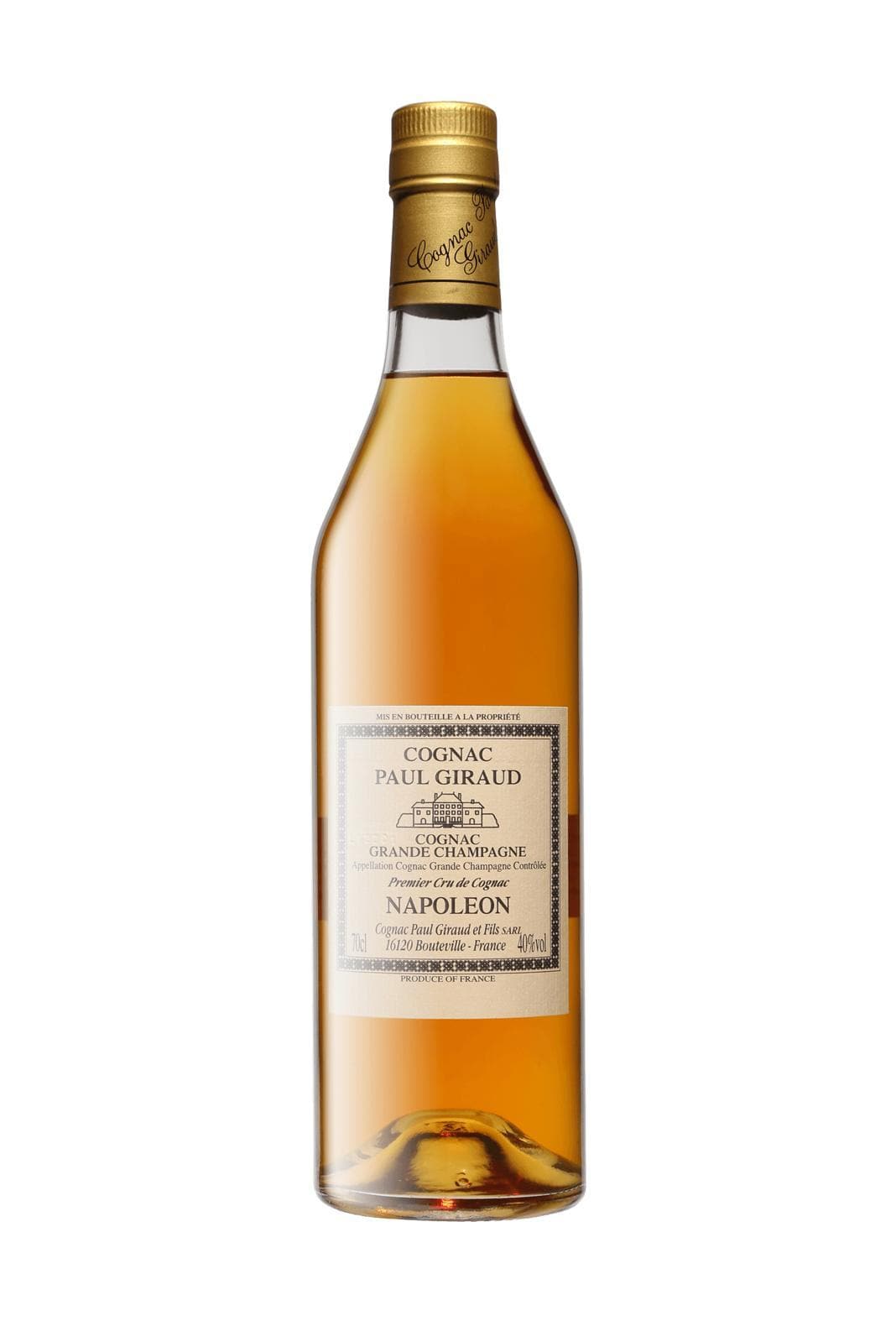
Paul Giraud Cognac Napoleon 15 years Grande Champagne 40% 700ml
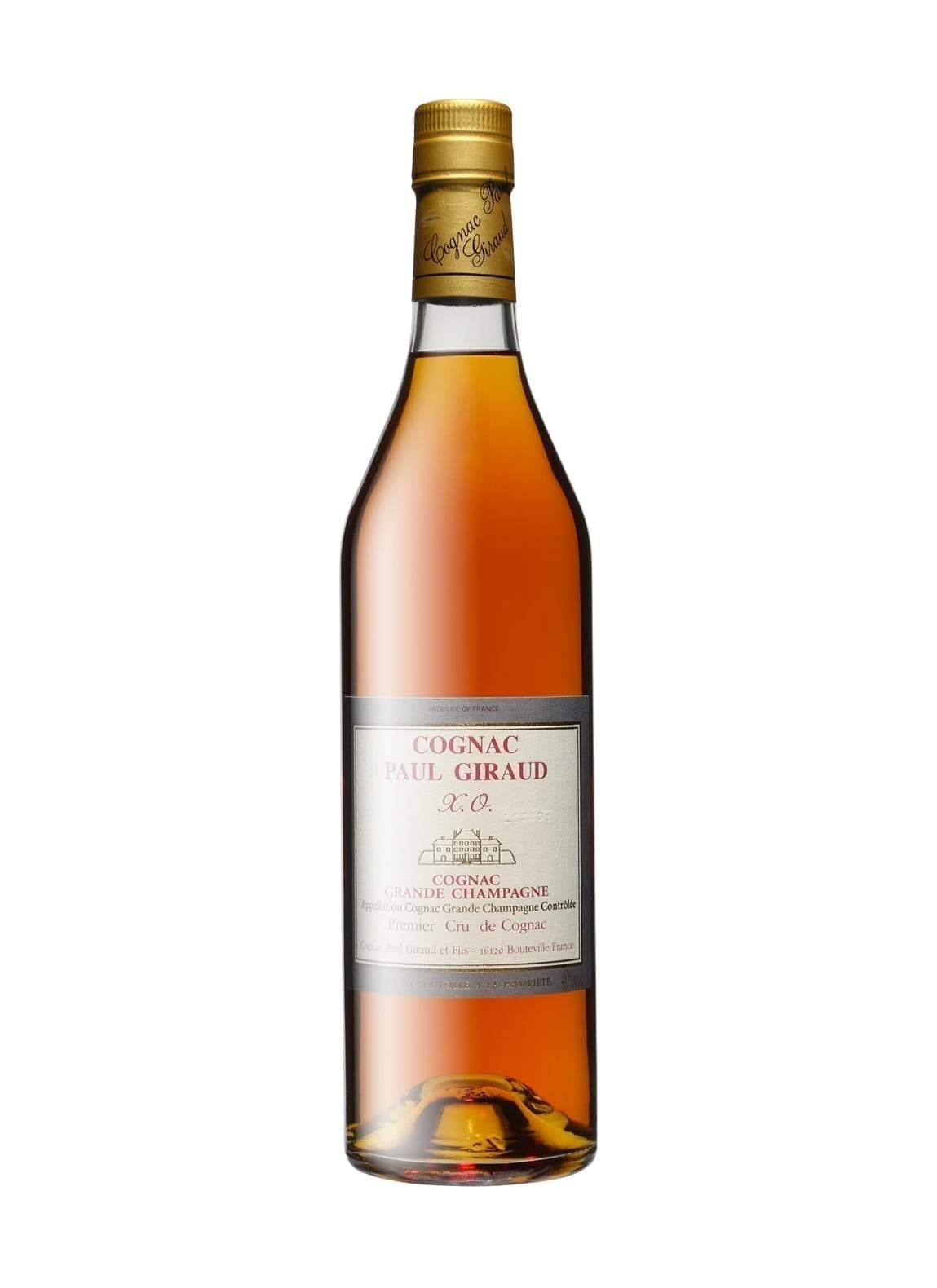
Paul Giraud Cognac XO 25 years Grande Champagne 40% 700ml
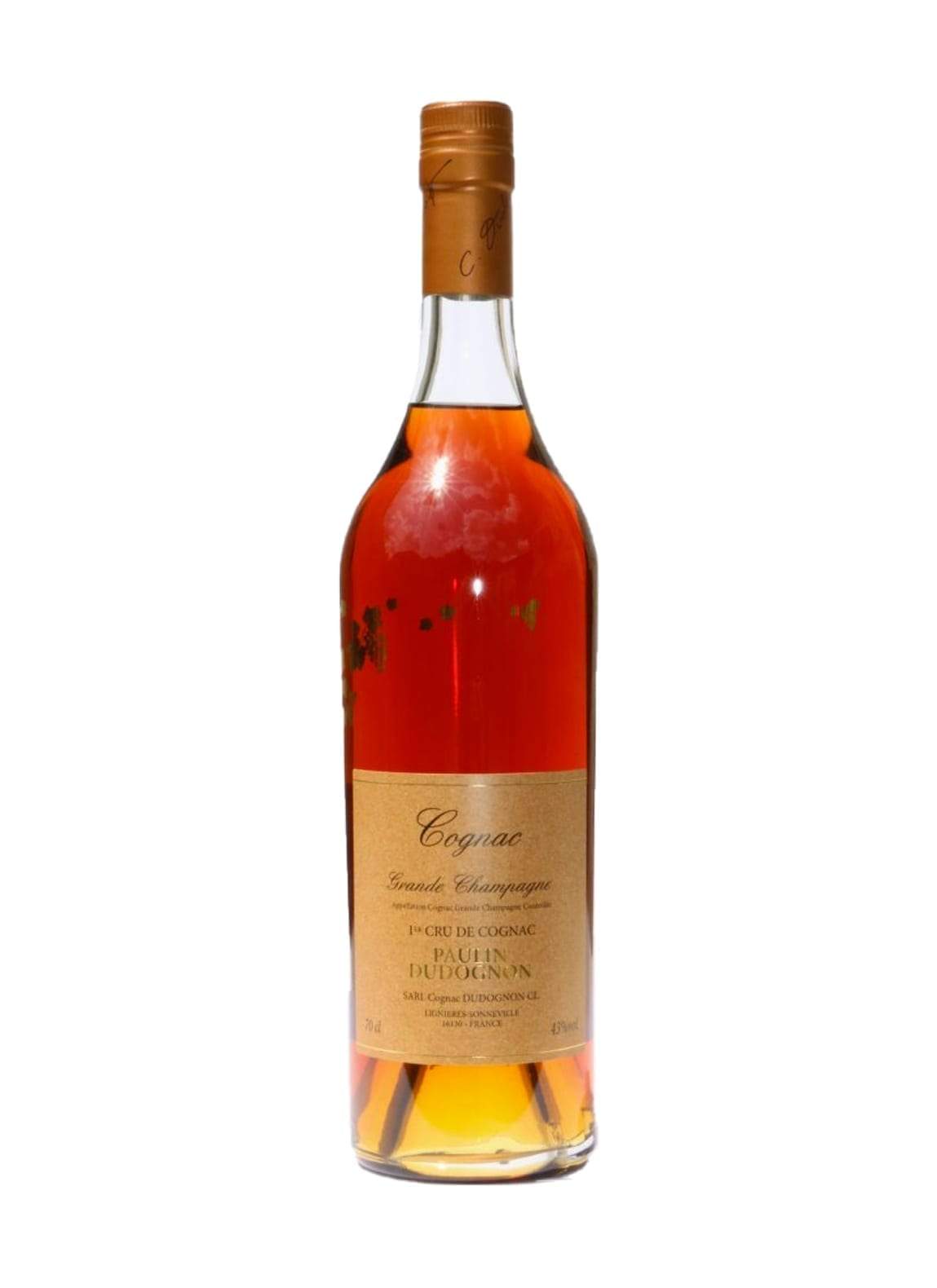
Dudognon Grand Champagne Cognac 60 years Paulin 43% 700ml
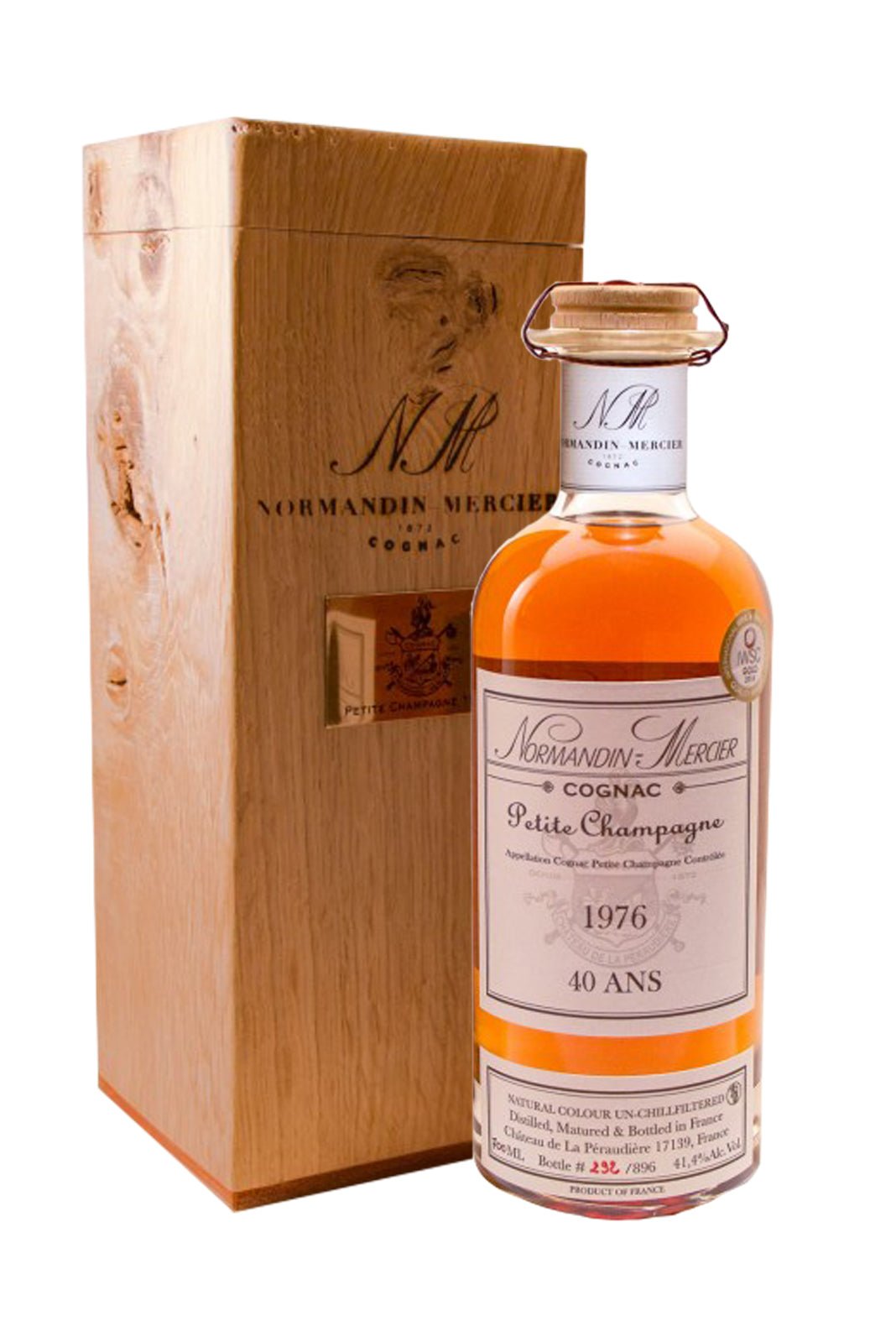
Normandin-Mercier Cognac Petite Champagne 1976 41.4% 500ml
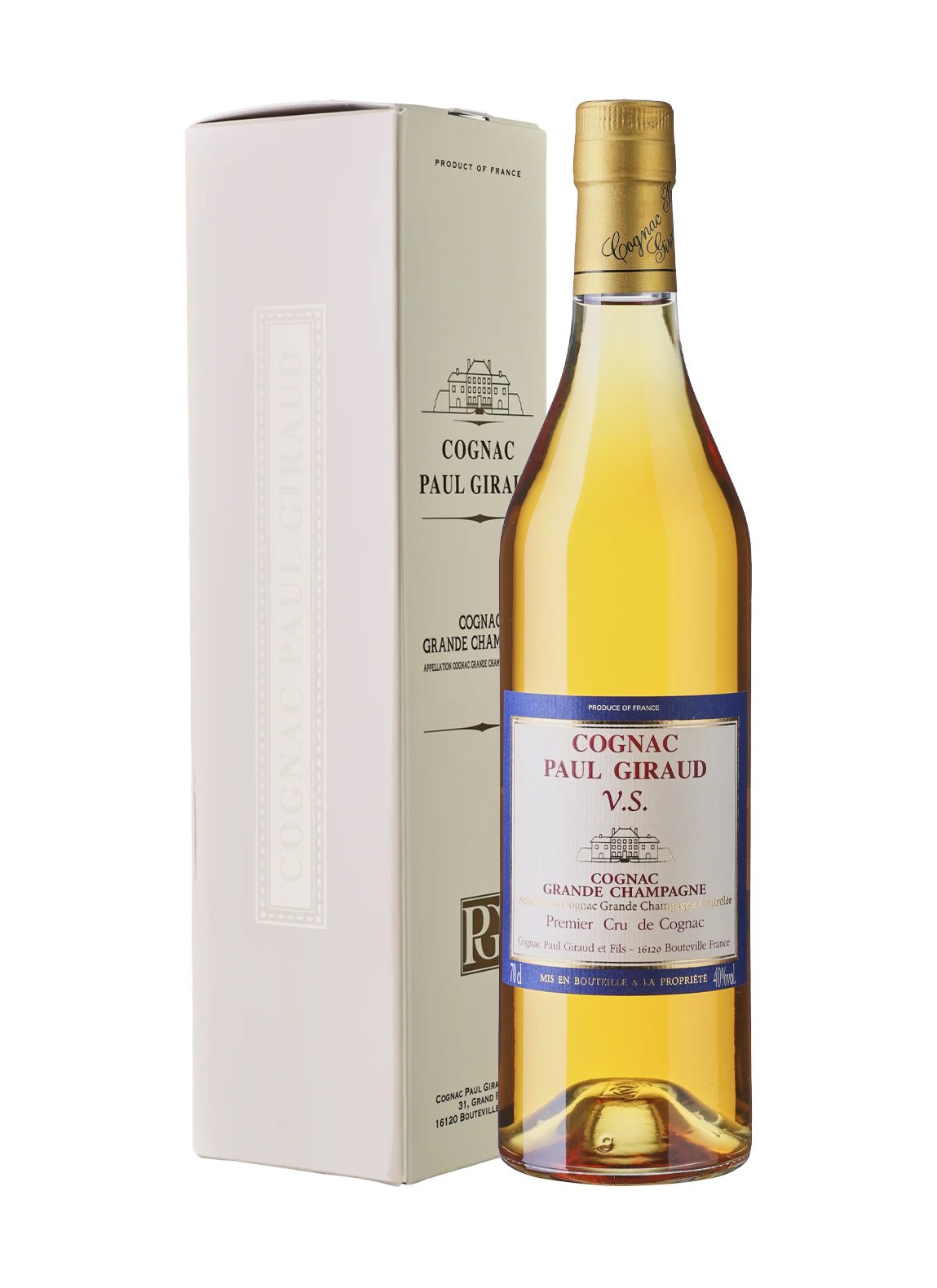
Paul Giraud VS Cognac Grande Champagne 40% 700ml
About Cognac
Every house here is either a grower or a small independent, which makes this list unlike almost any other in Australia.
Paul Giraud farms in Bouteville and bottles only Grande Champagne, running from the VS through VSOP 8 Year, Napoleon 15 Year, a 12 Year 500ml, Vieille Reserve 25 Year, XO 25 Year and the Iridis. Jean Fillioux, also Grande Champagne 1er Cru, goes considerably older: Cep d'Or XO, Cigar Club at 35 years, Reserve Familiale at 50 years plus, and Numero 1 at 60 years.
Normandin-Mercier works Petite Champagne and Fine Champagne, including a 15 Year Vieille Fine Champagne, an XO 30 Year carafe, the Peraudiere 25 Year and a Rare at 50 years. Francois Voyer covers Grande Champagne XO Gold at 20 to 30 years.
Frapin brings the Chateau Fontpinot XO. Maison Audry runs a full vertical from ART VSOP to Exception at 40 to 60 years. Jean Grosperrin bottles single vintages and an organic Fins Bois. Dudognon, Mery Melrose with its organic range, Cognac Park and Frederic Mestreau complete the list.
Which of the six crus a cognac comes from shapes it more than the age statement does, as our Cognac guide explains, while the Jean Fillioux profile follows one grower.
History
Cognac is twice-distilled wine from a defined region north of Bordeaux, and the double distillation is the technical fact that explains its character. Where Armagnac is distilled once at low strength and keeps more of the grape, Cognac goes through two passes in a copper pot still, comes off cleaner and lighter, and relies more on oak and time.
The region is divided into six crus based on soil. Grande Champagne and Petite Champagne, the two innermost, sit on chalk that produces the most delicate and longest-ageing spirit. A blend of the two, with at least half from Grande Champagne, may be called Fine Champagne. Borderies is the smallest and known for a nutty, floral style. Fins Bois, Bons Bois and Bois Ordinaires ring the outside.
Almost all of it is made from Ugni Blanc, a high acid, low alcohol grape that makes poor wine and excellent brandy.
The age statements are minimums for the youngest spirit in the blend. VS is two years, VSOP four, XO ten since 2018. Most bottlings from serious growers are considerably older than the label requires.
Cognac and Armagnac are distilled differently and taste it, a comparison drawn out properly in our Armagnac versus Cognac piece.
How to drink it
Use a tulip glass, not a balloon. The traditional wide brandy snifter concentrates alcohol at the nose and hides the spirit. Never warm it over a flame.
Serve at room temperature and pour a small measure. Give it a few minutes: Grande Champagne cognac opens slowly, moving from vanilla and dried apricot into orange peel, nuts and the faint floral note the French call rancio in older bottlings.
Younger cognac, VS and VSOP, is a genuinely good cocktail base and was the original spirit in several classics. A Sidecar is cognac, Cointreau and lemon. A Sazerac was made with cognac before rye replaced it. A Vieux Carre uses both.
For a simple long drink, cognac and tonic with a slice of lemon is common in France and underrated here.
Older cognac needs nothing beside it. If you want food, keep it simple: dark chocolate, walnuts, or a hard aged cheese. Avoid anything sweet enough to flatten it.