
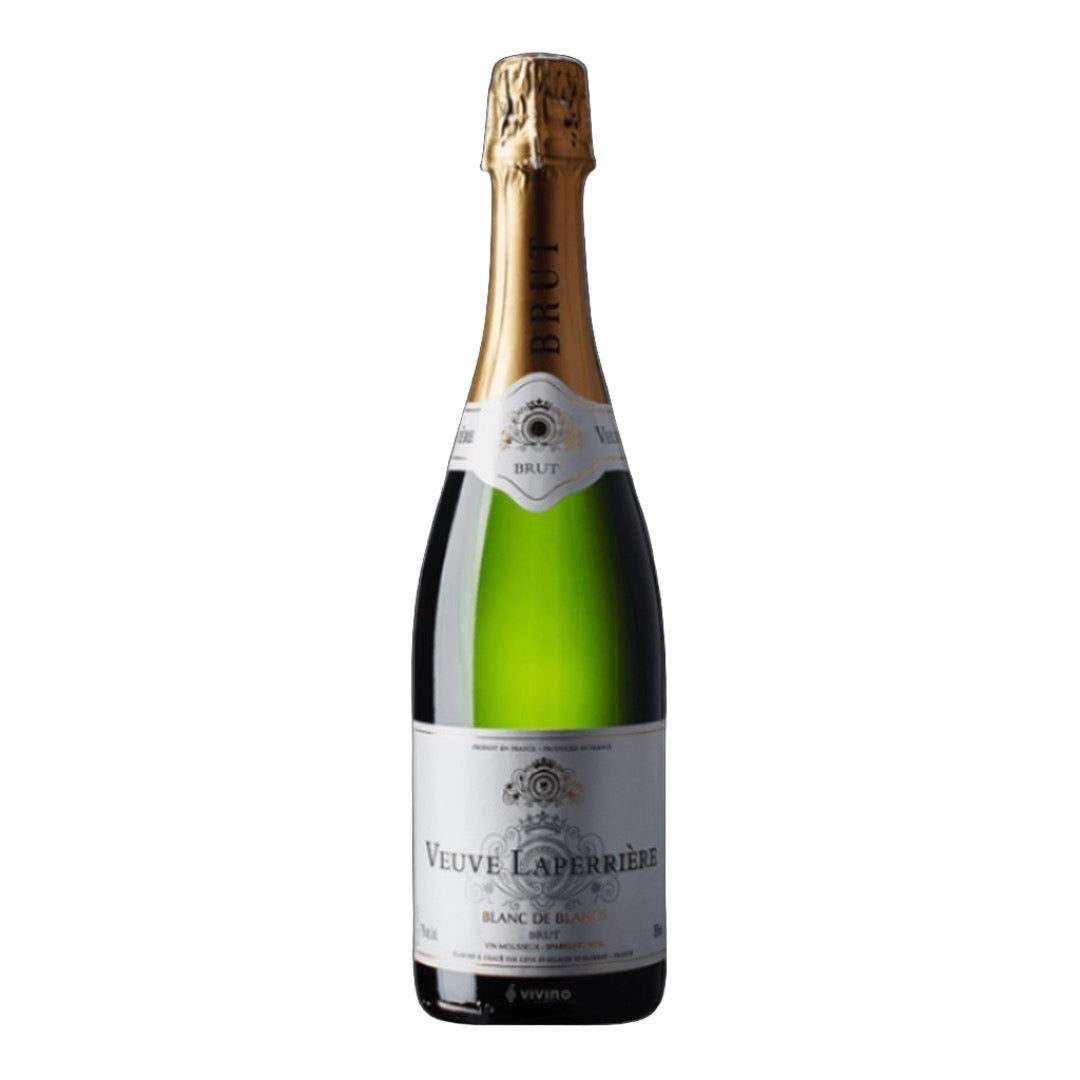
Veuve Laperriere Blanc de Blancs Brut
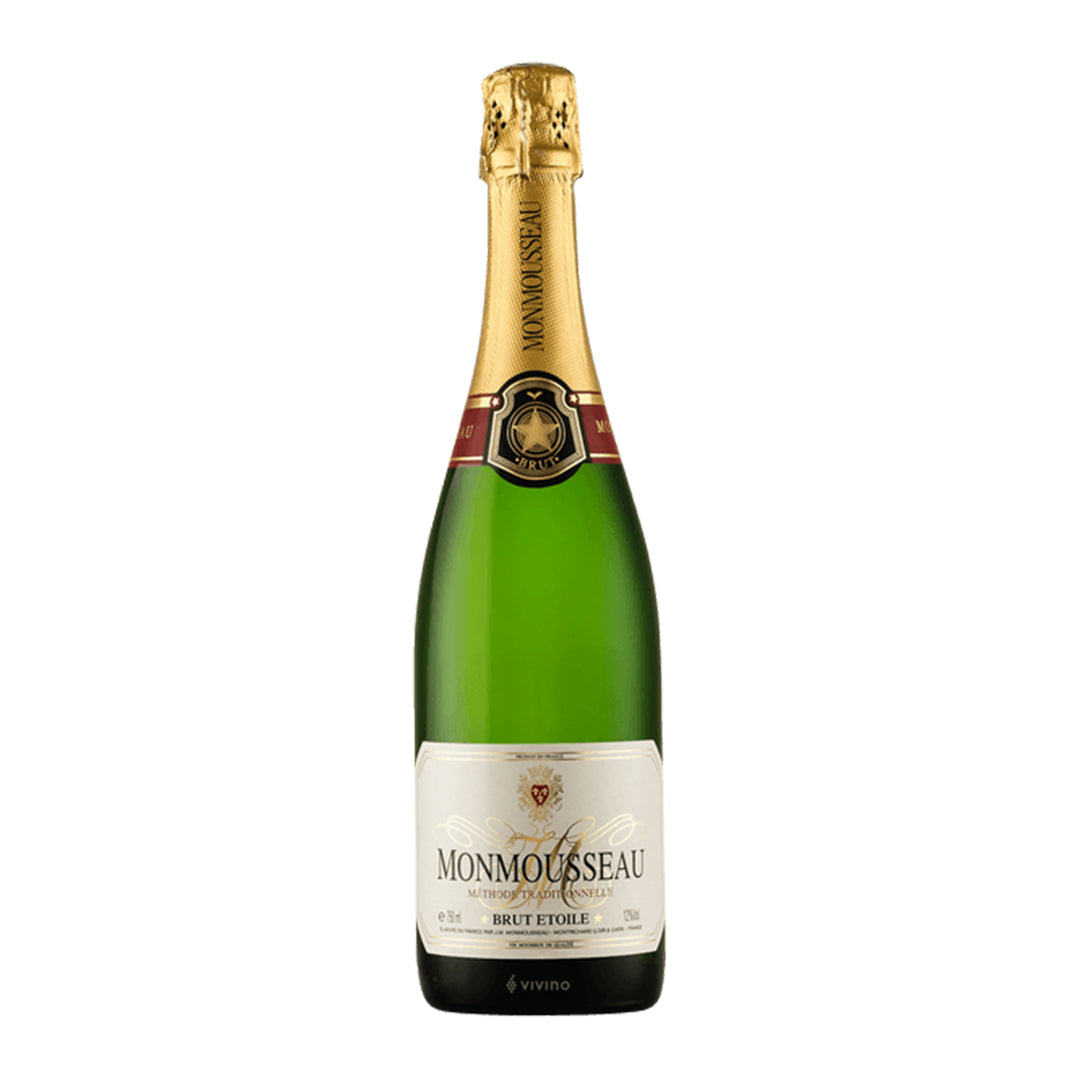
Monmousseau Brut Etoile 750ml
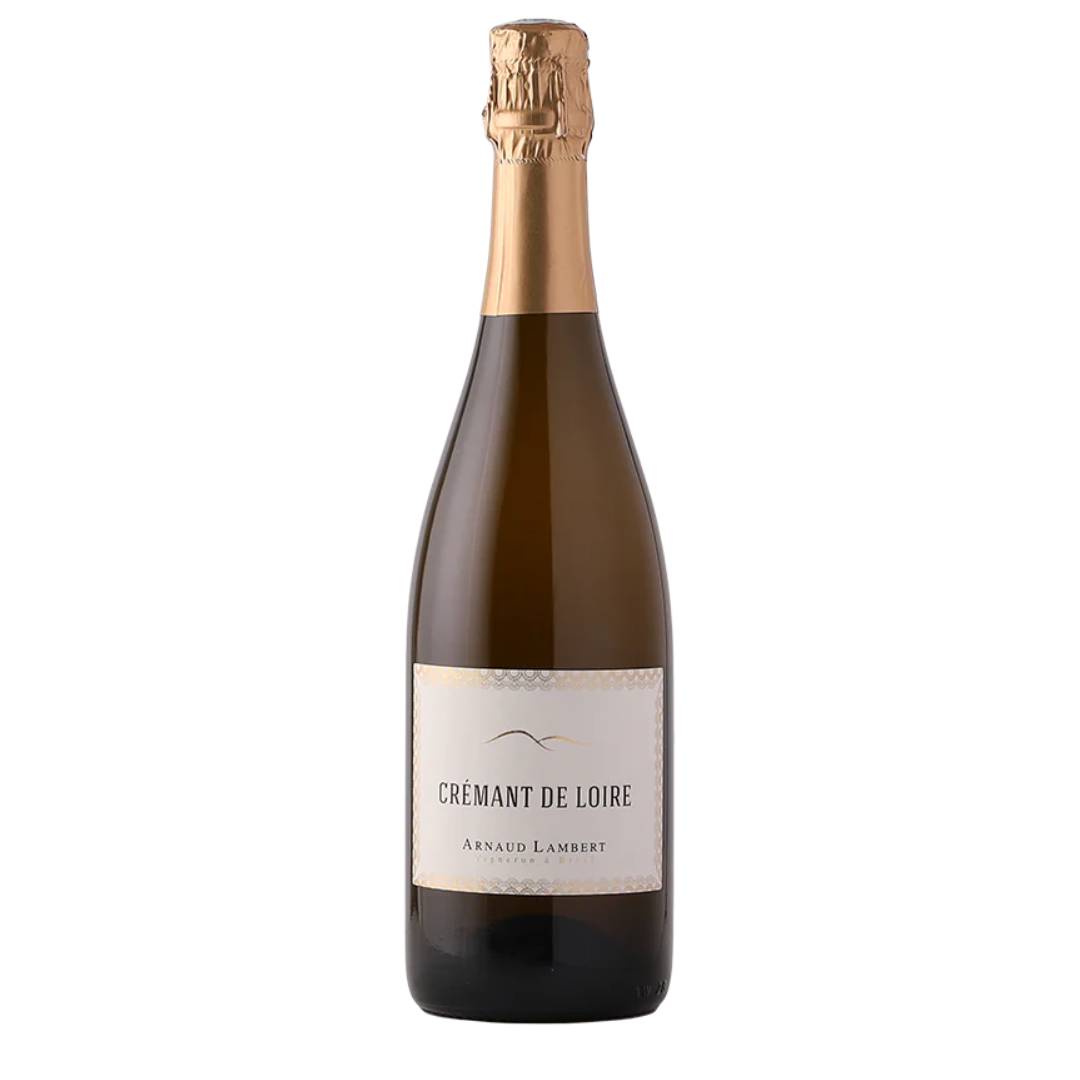
Arnaud Lambert Cremant NV Arnaud Lambert Crémant de Loire Chenin Blanc NV
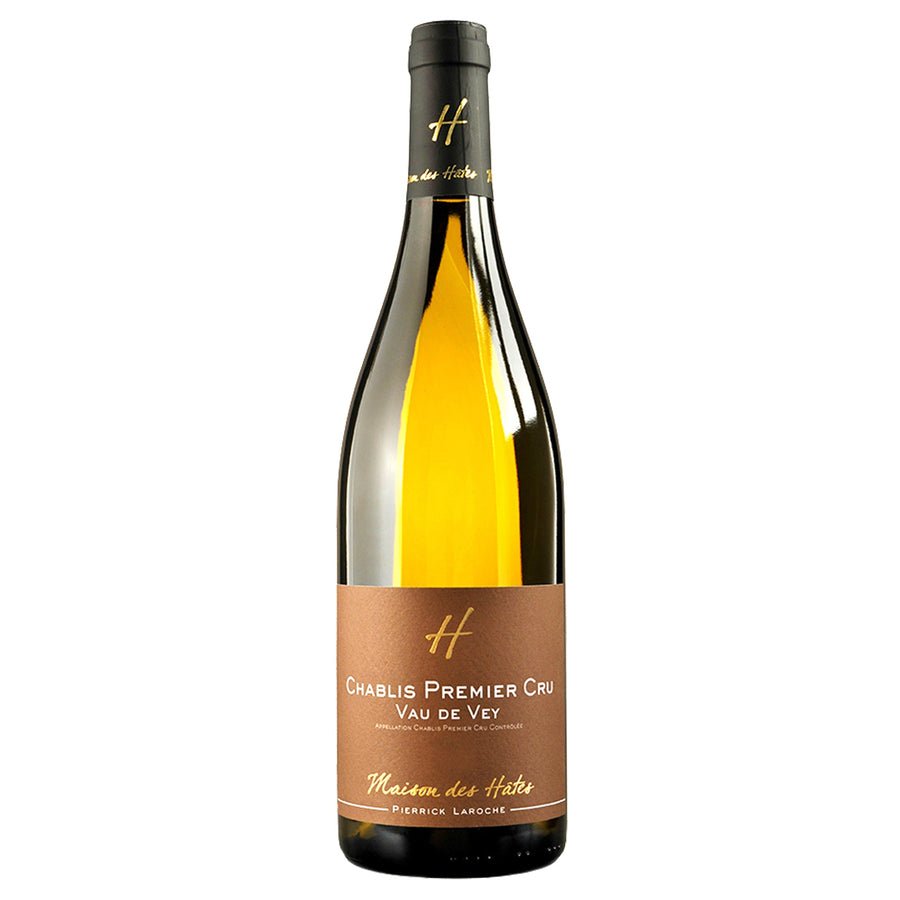
Pierrick Laroche Chablis 1er Cru Vau de Vey 2022
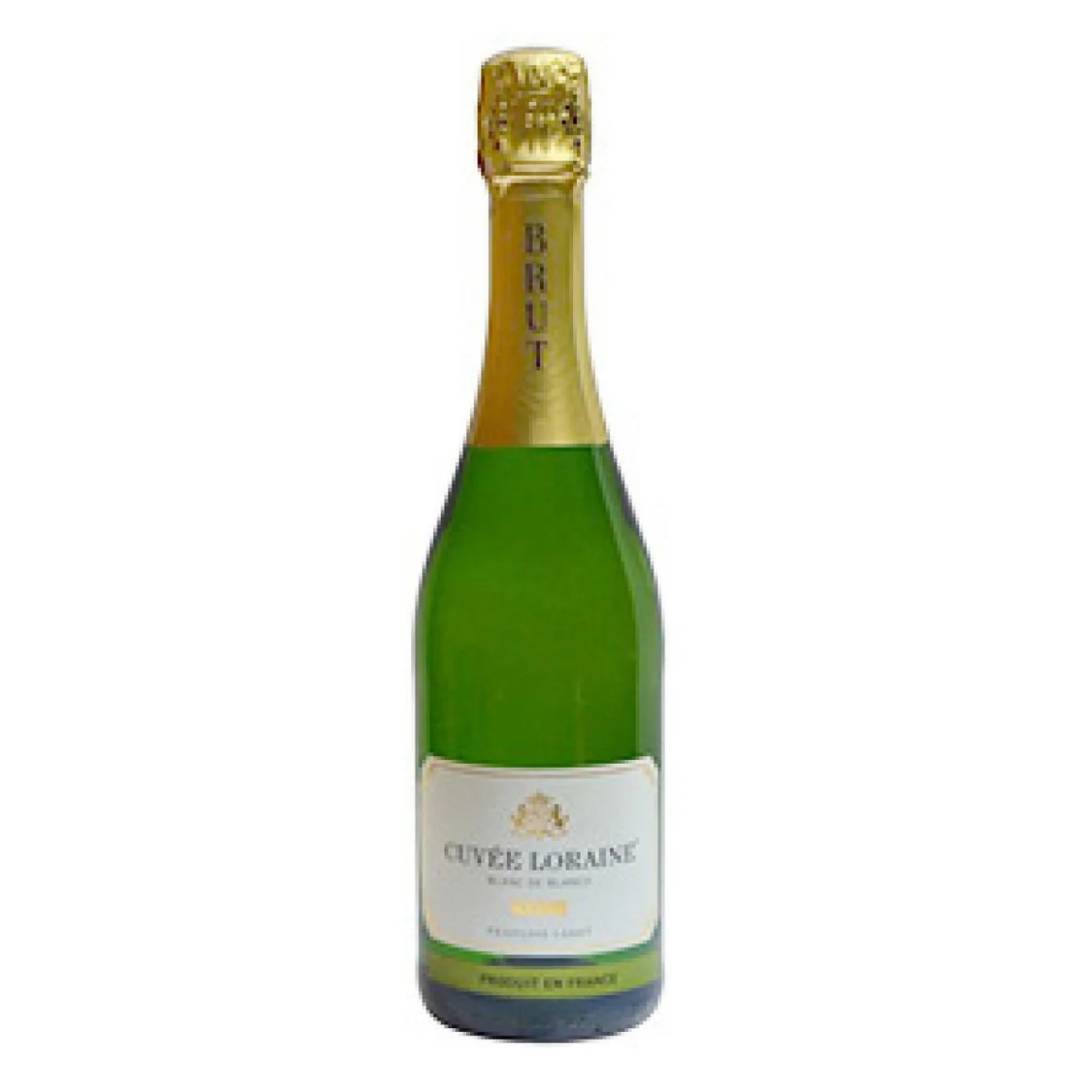
Maison Labet Cuvee Loraine NV
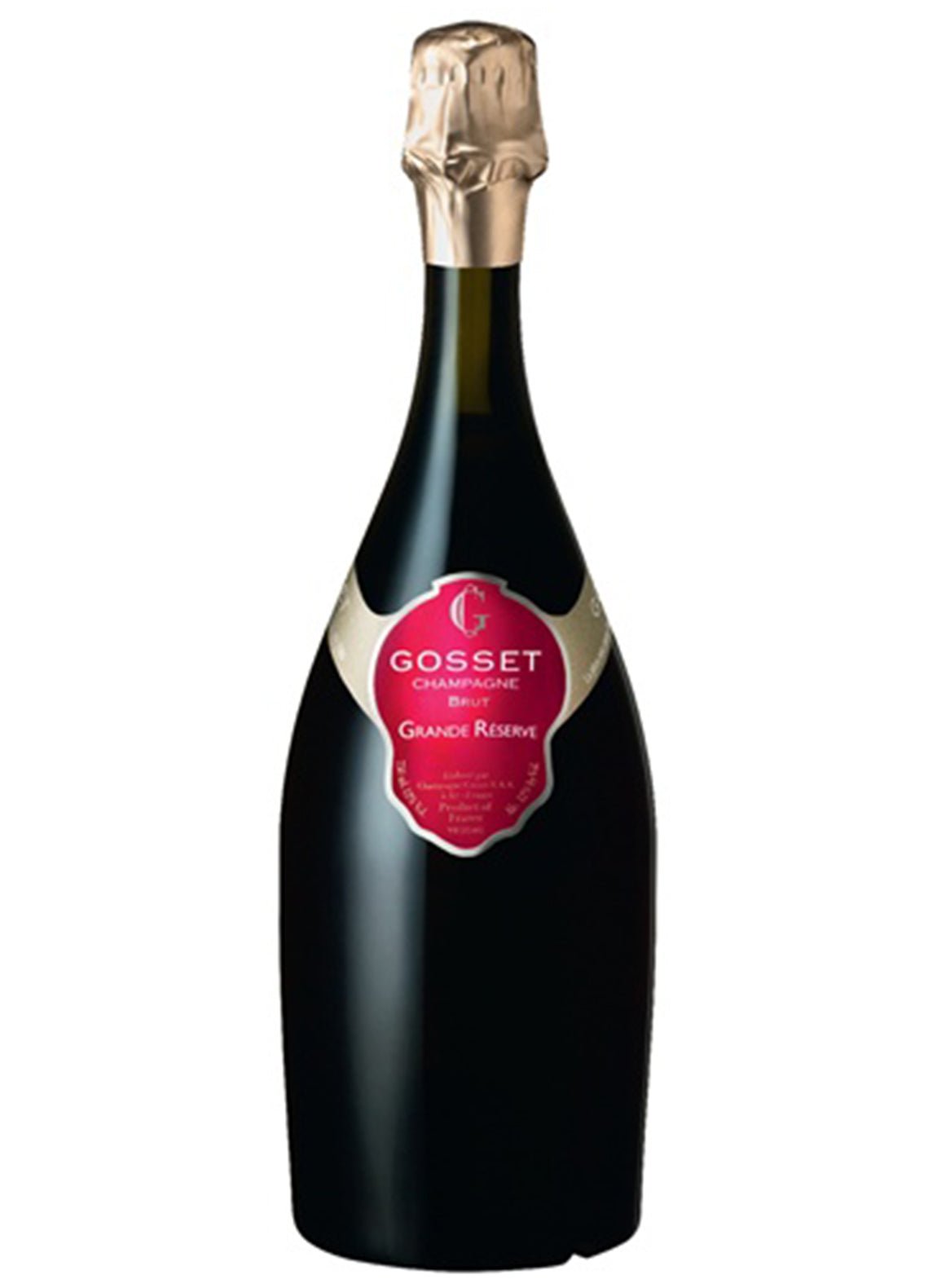
nv Gosset Grande Res 375
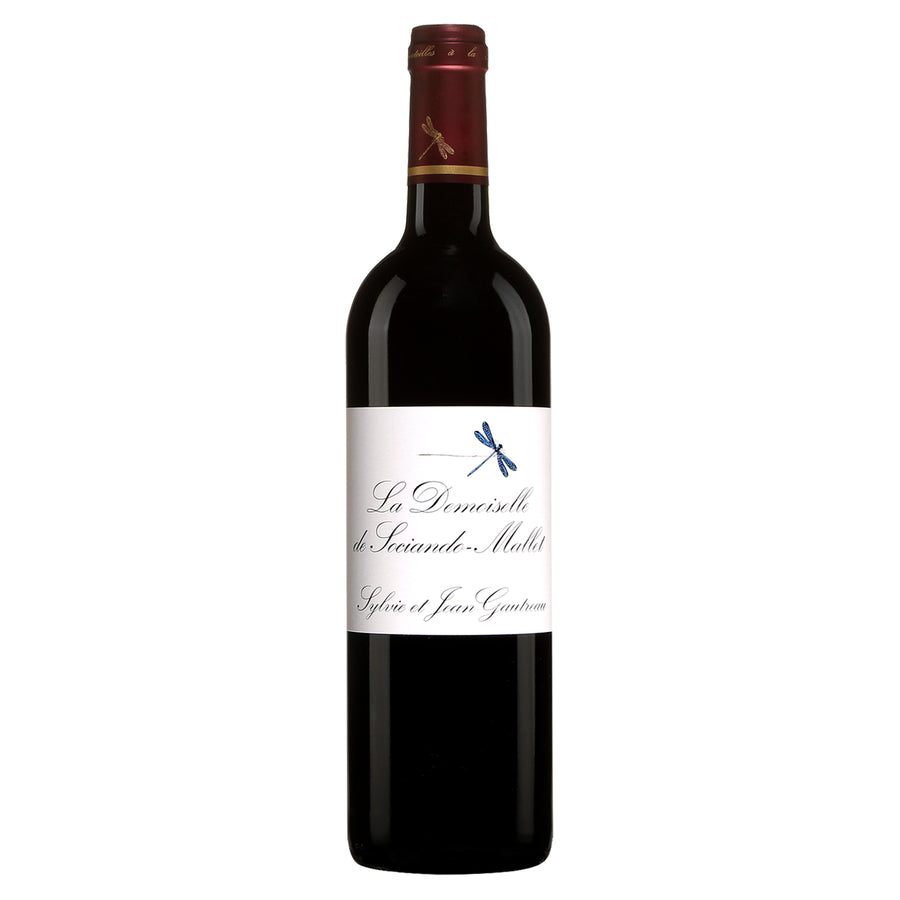
La Demoiselle de Sociando Mallet 2018
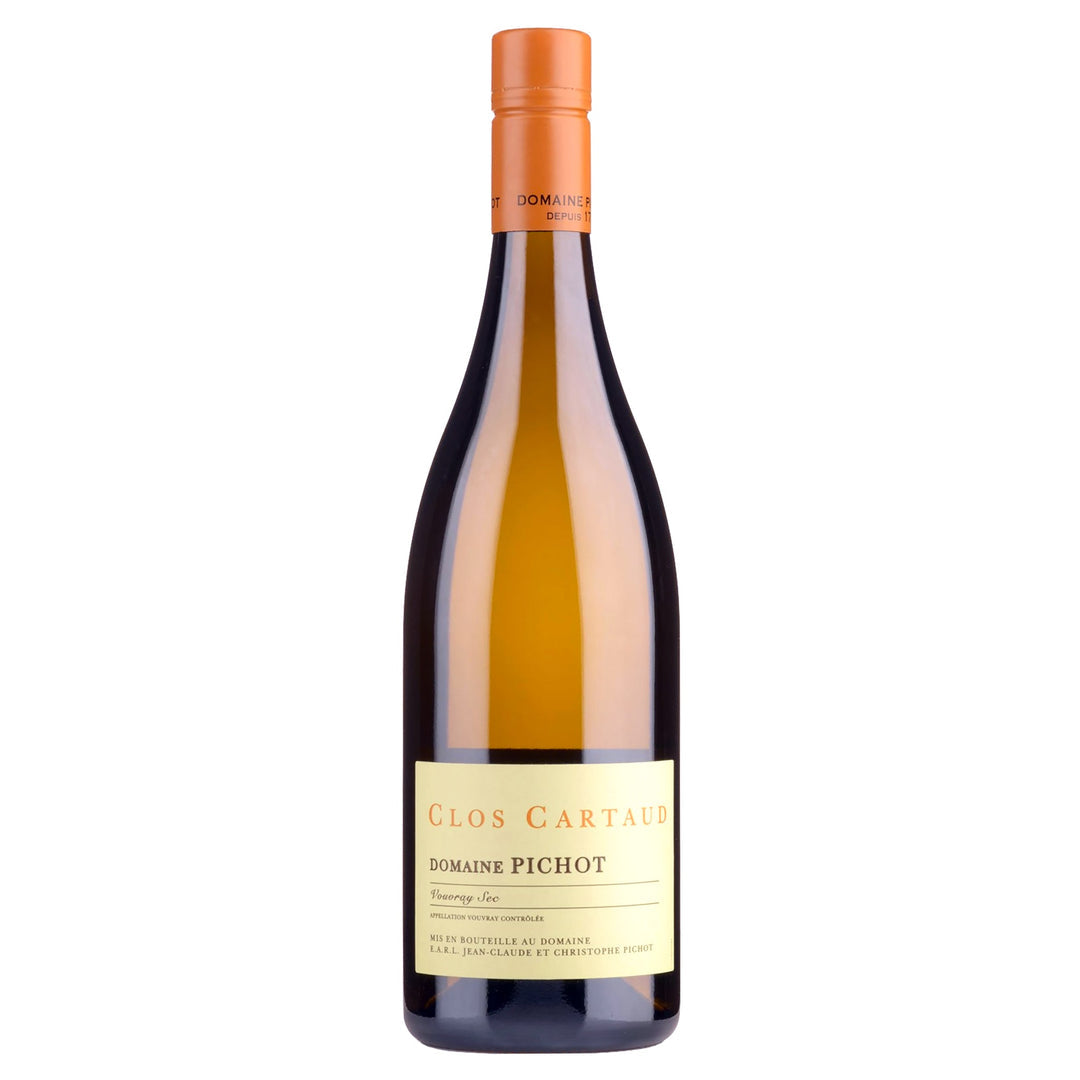
Domaine Pichot Vouvray Clos Cartaud Sec 2022
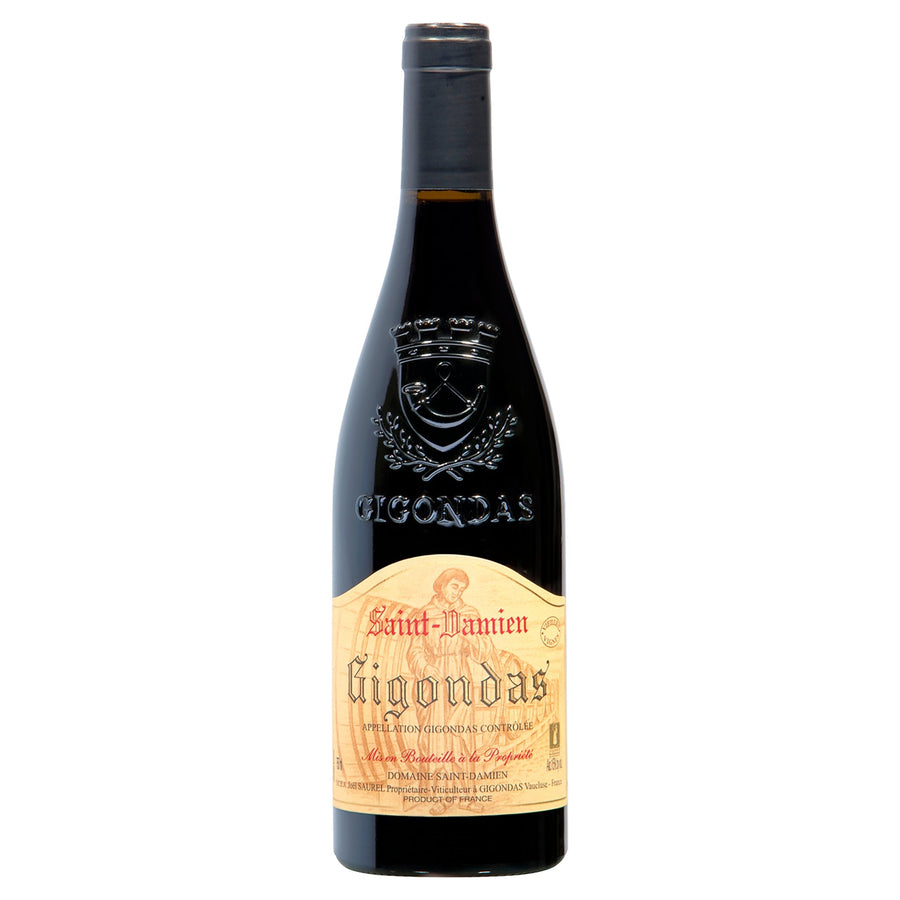
Saint Damien Gigondas Vieilles Vignes 2023
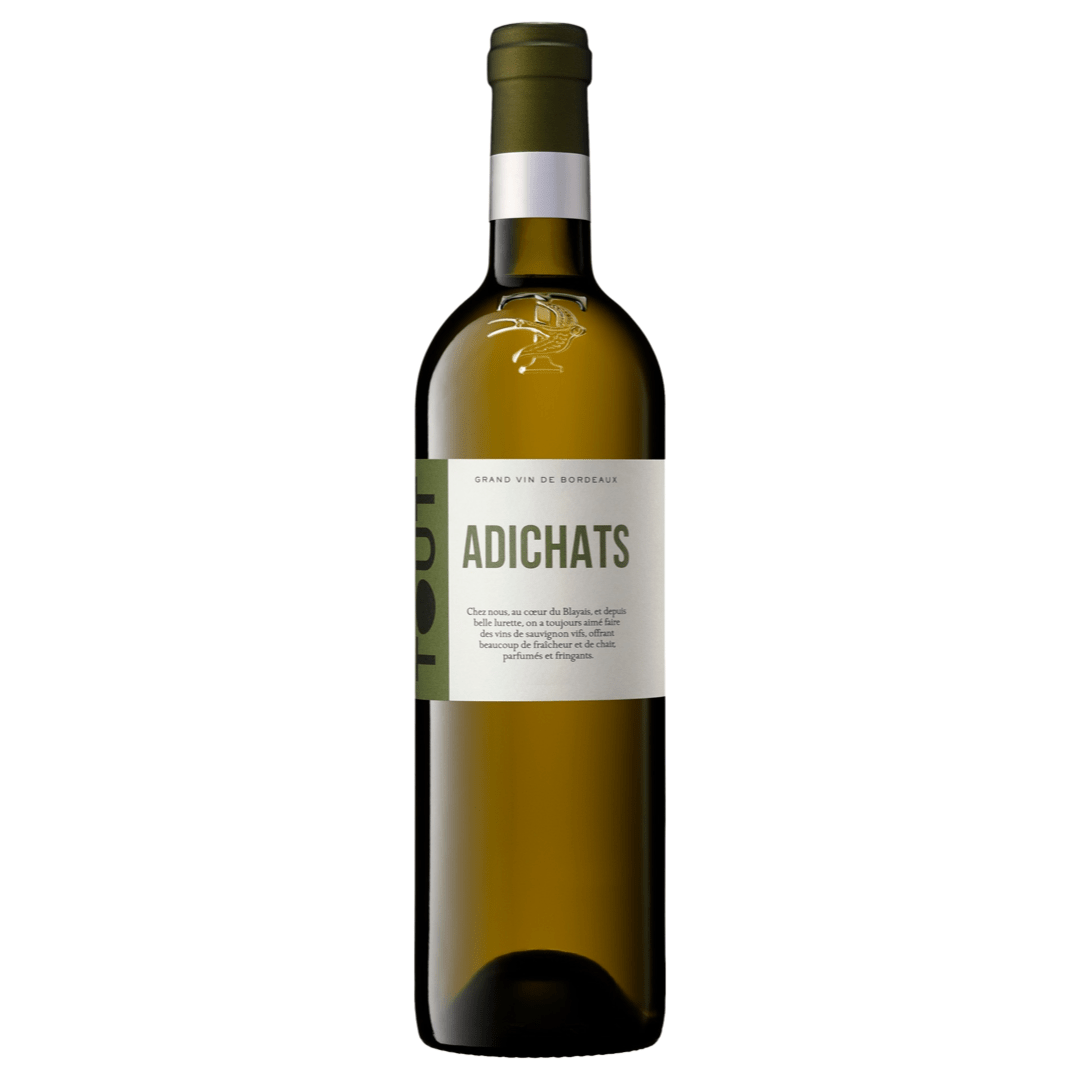
Tutiac - TOUT Adichats Blaye Côtes de Bordeaux Blanc 2023 12.5% 750ML
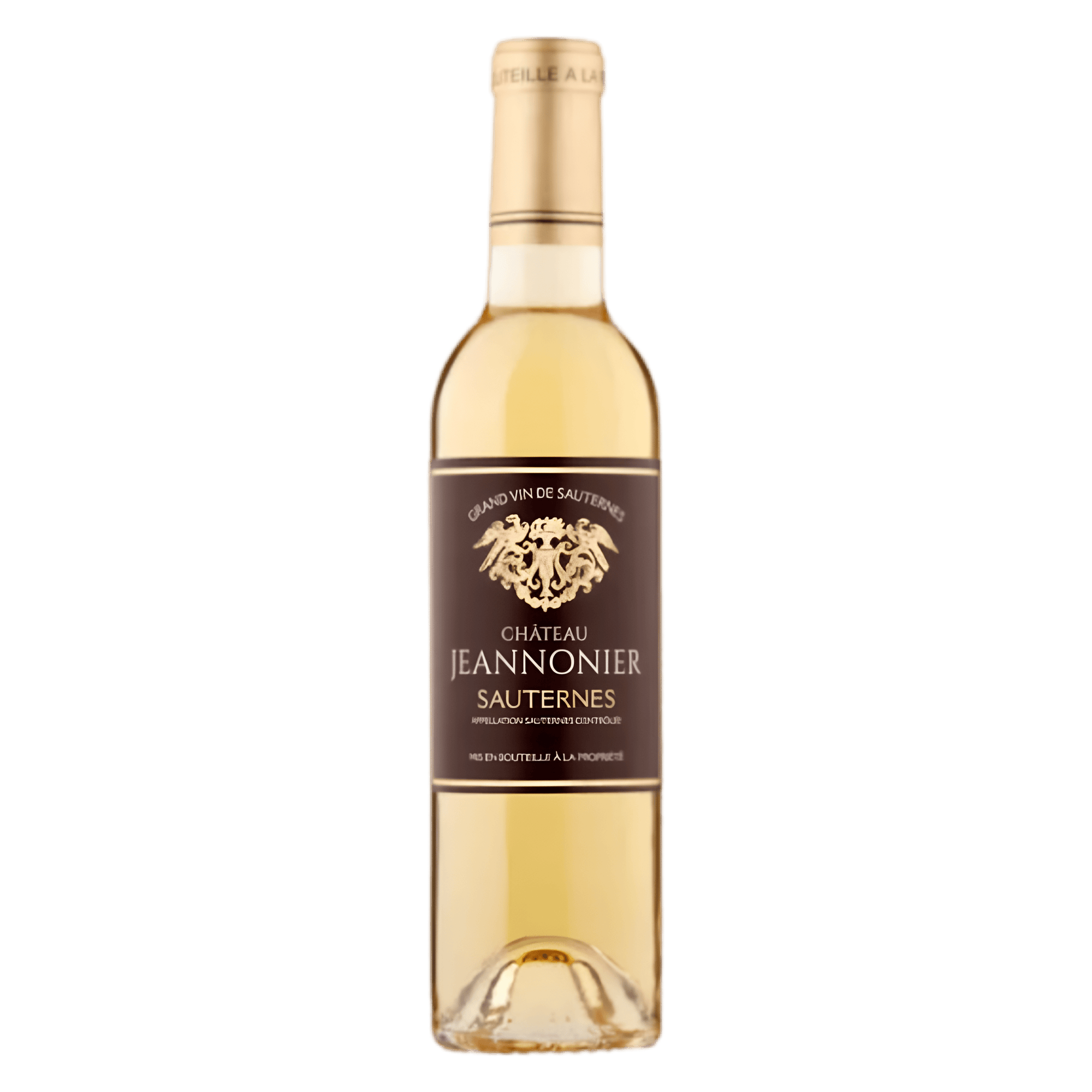
Tutiac - Château Jeannonier, Sauternes 2018 13% 375ML
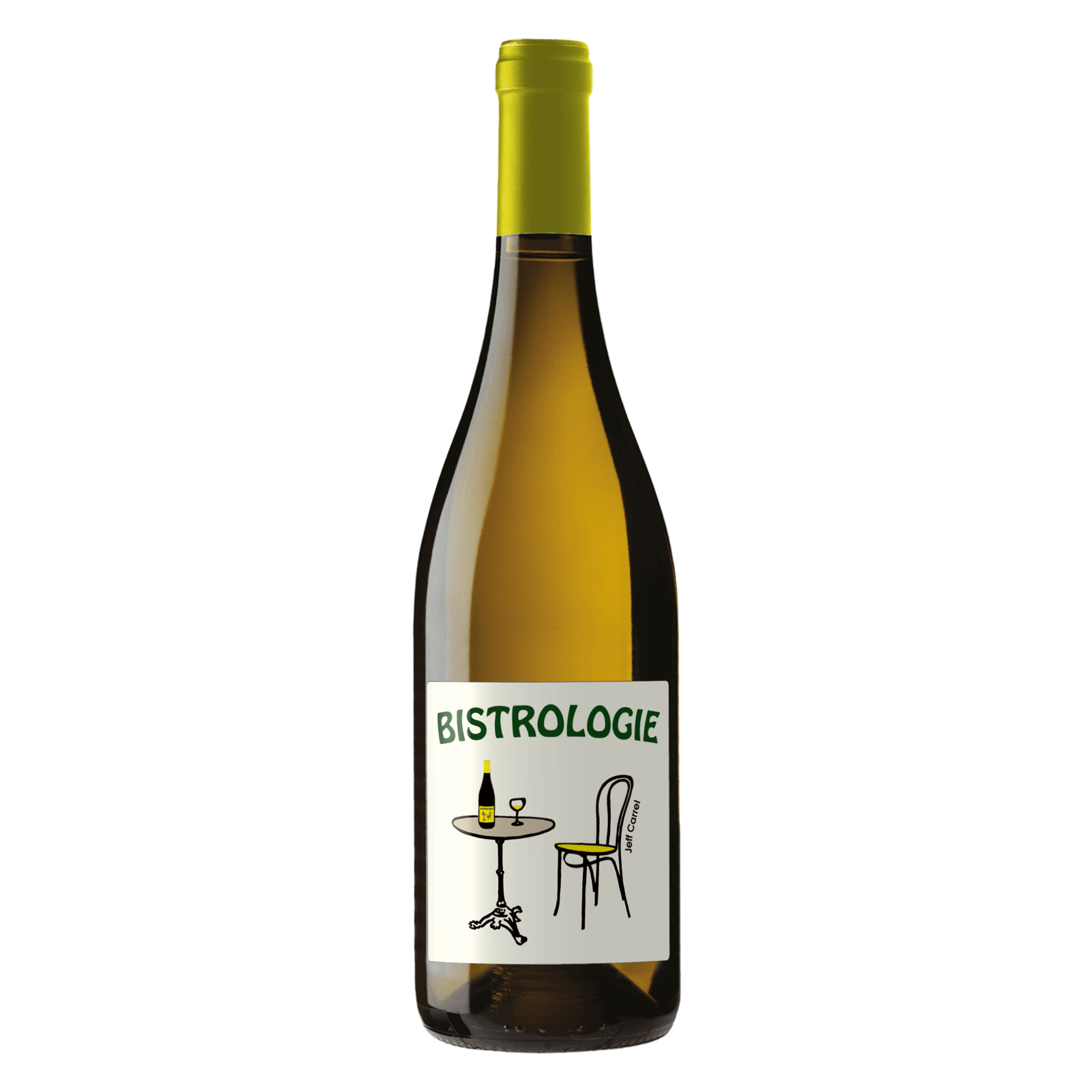
Jeff Carrel - Bistrologie Blanc VDF 11.5% 750ML
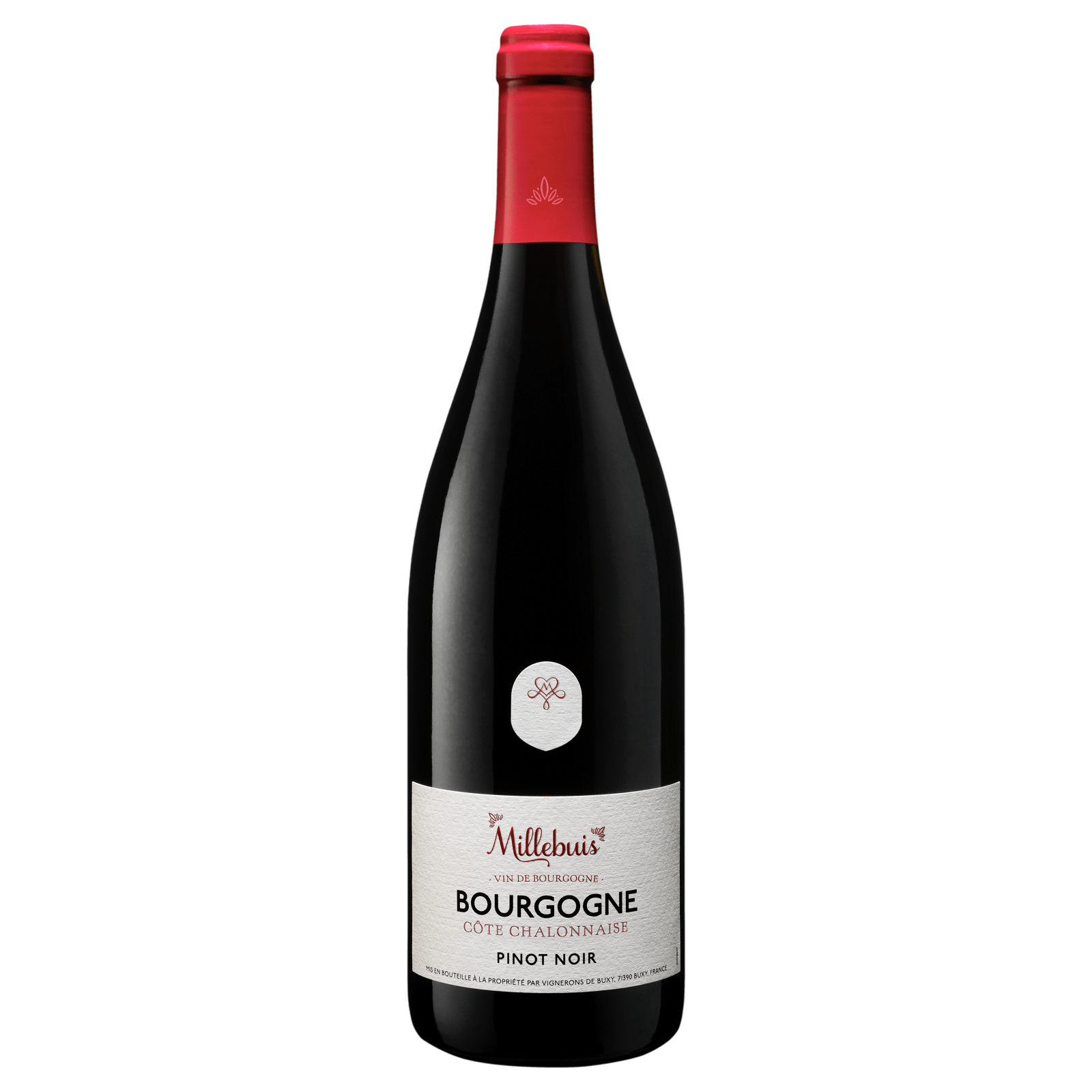
Millebuis - Bourgogne Côte Chalonnaise Rouge Pinot Noir 2022 13.5% 750ML
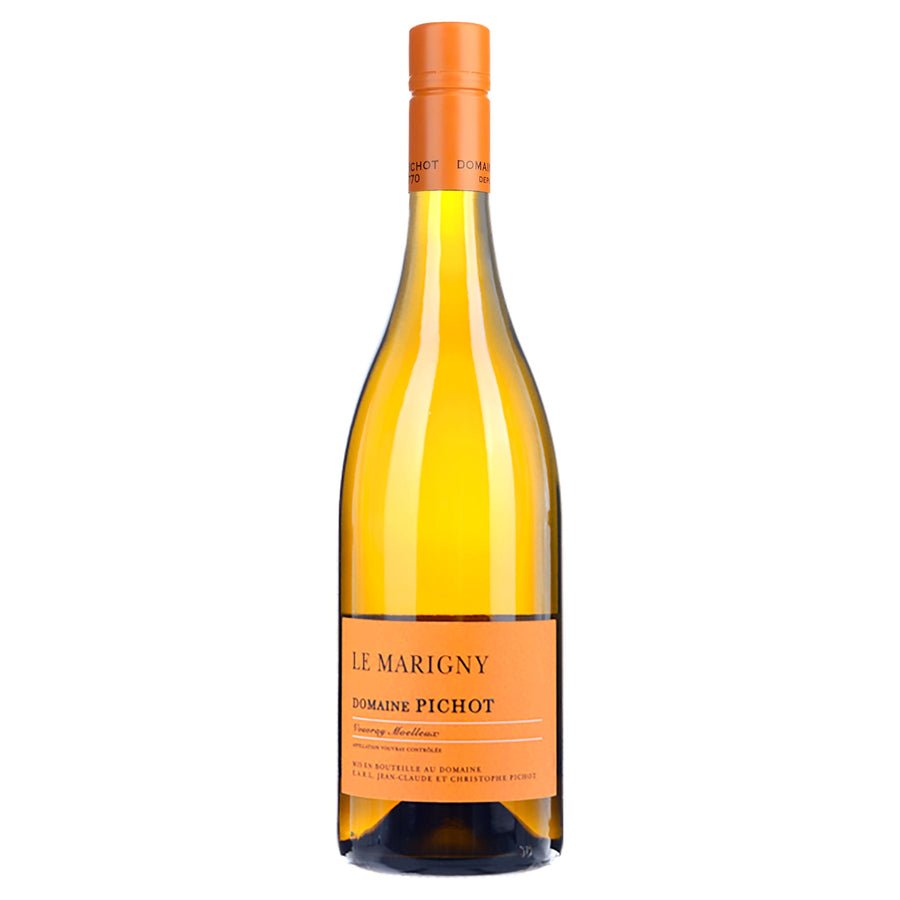
Pichot Vouvray Moelleux 'Le Marigny' 2020
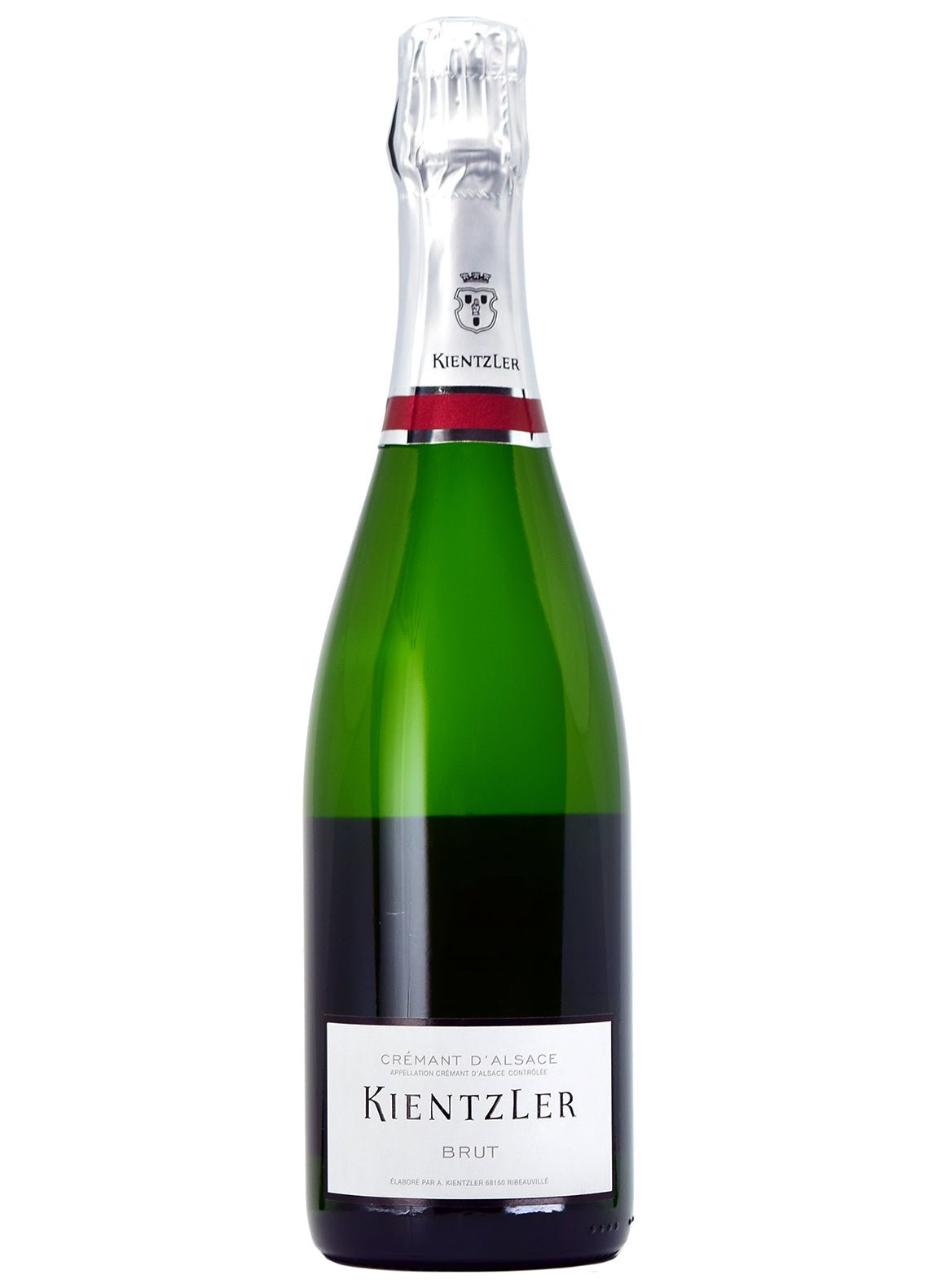
Kientzler Cremant d'Alsace NV
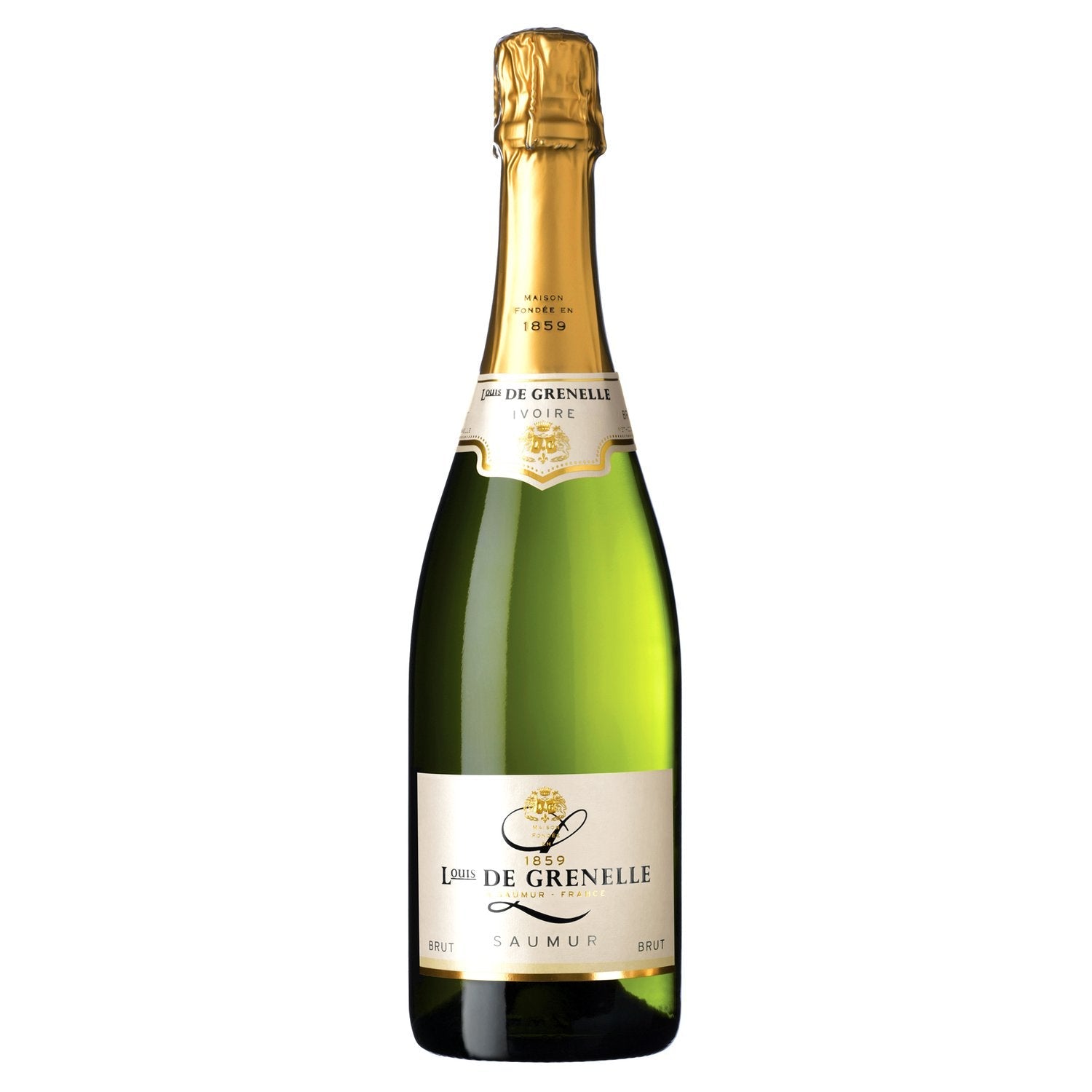
Louis de Grenelle Saumur Ivoire Brut NV
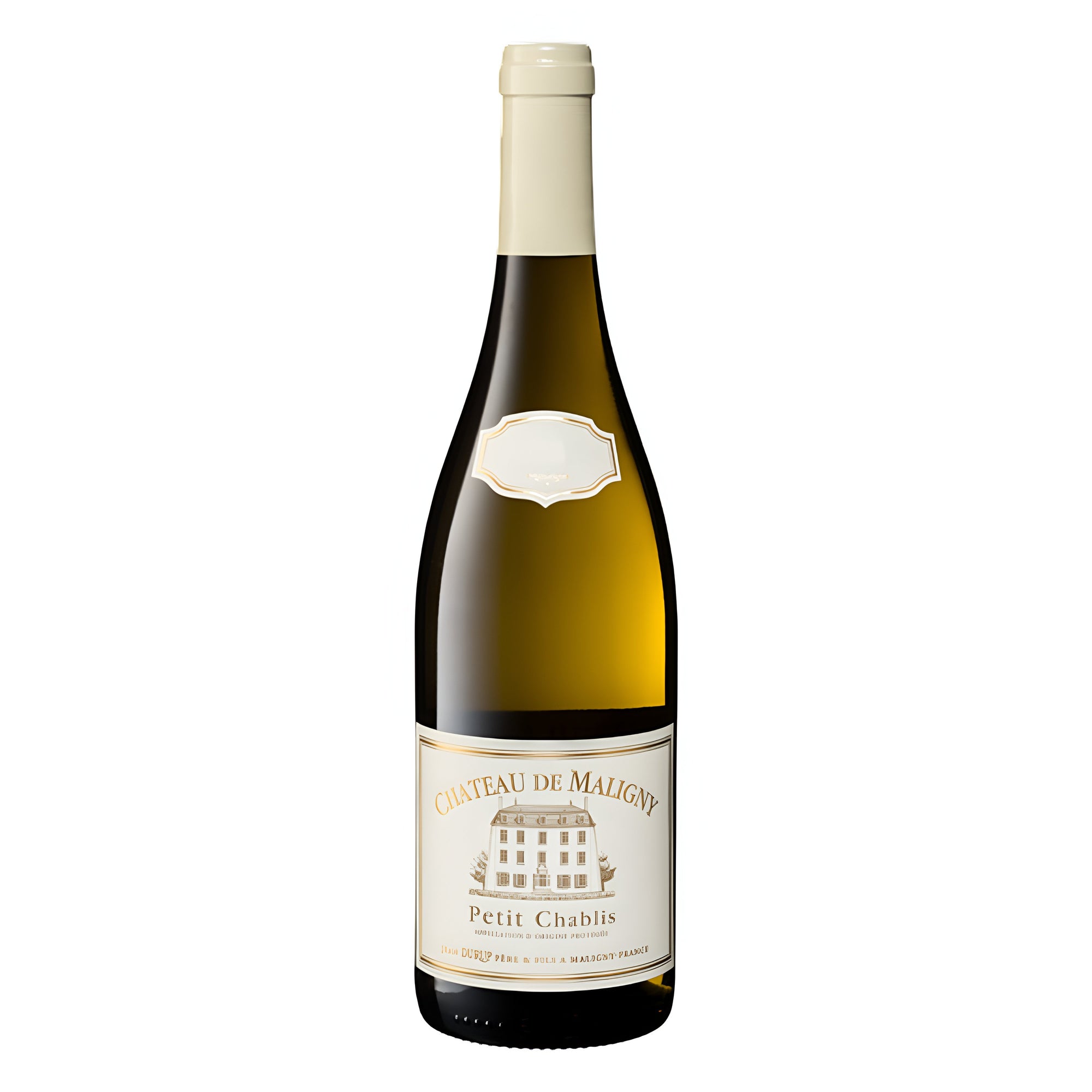
Chateau de Maligny - Petit Chablis 2023 12.5% 750ML
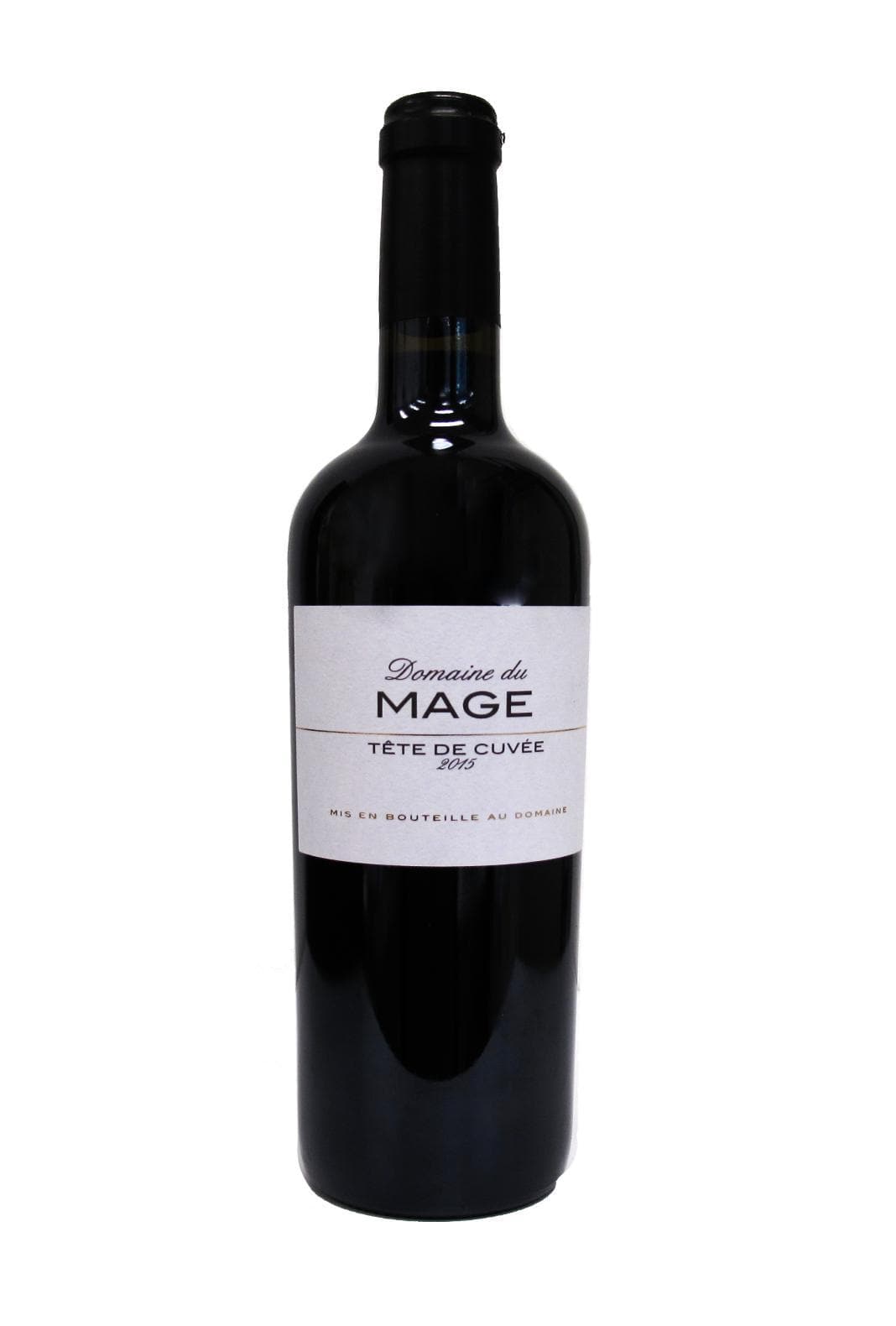
Domaine du Mage Wine Tête de Cuvée Syrah 750ml
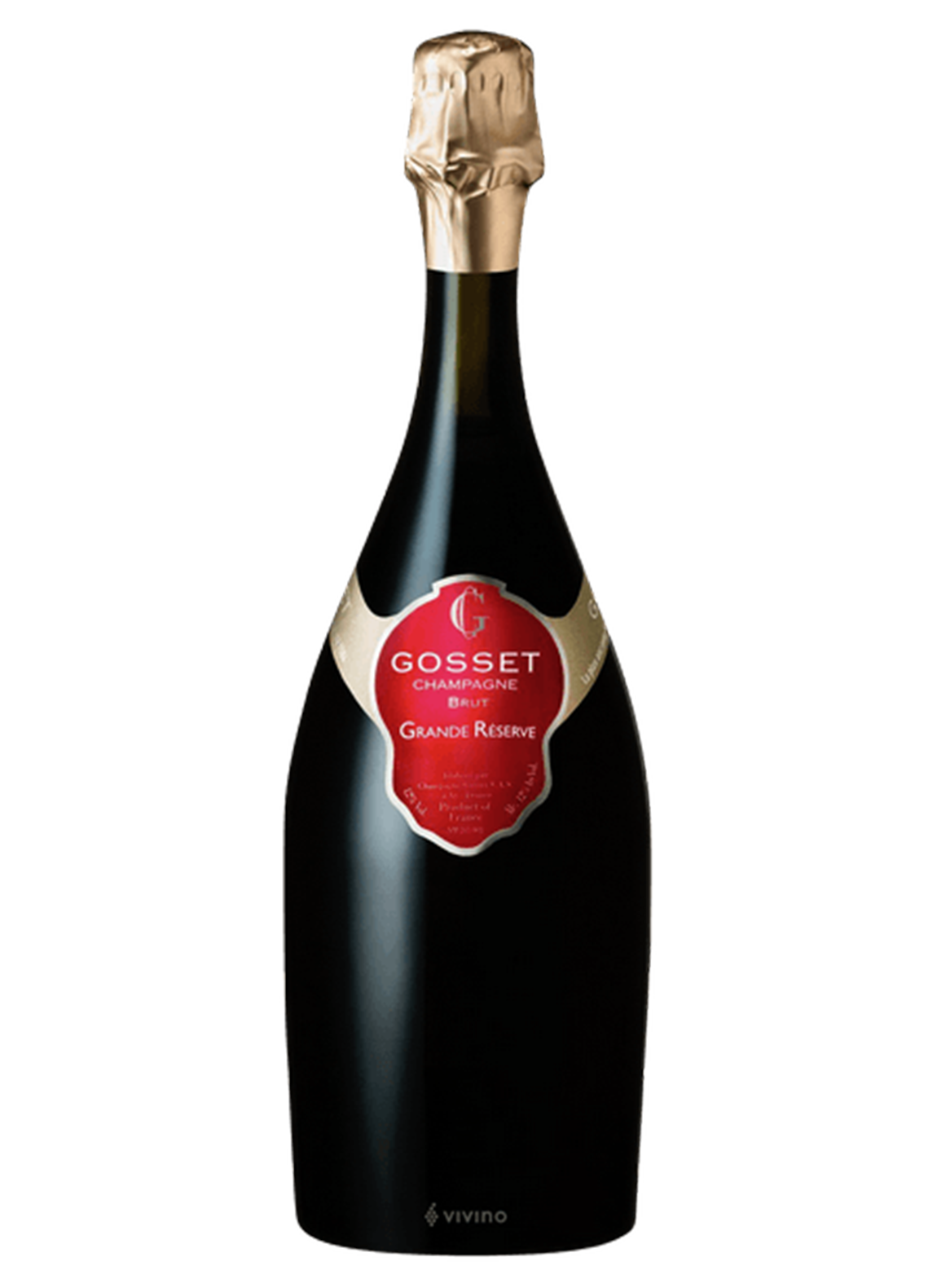
Champagne Gosset Grande Reserve NV
About French Wines
French wine is organised by place, and this page follows that logic. Burgundy shows up mostly as Chablis, with Pierrick Laroche Chablis and a Premier Cru from Vau de Vey, Petit Chablis from Chateau de Maligny, and Millebuis in the Cote Chalonnaise with both chardonnay and an aligote. The Loire is chenin blanc country, and Domaine Pichot runs the full Vouvray scale from dry Clos Cartaud through demi-sec Clos Berger to sweet Le Marigny, with cremant from Arnaud Lambert and sparkling Saumur from Louis de Grenelle. Alsace brings riesling from Kientzler and Mader's Rosacker Grand Cru, plus Trimbach Pinot Gris. The southern Rhone is the red heart of the page: Chateau Mont-Redon, Clos du Caillou and Saint Damien in Gigondas. Provence gives Bandol from Chateau Barthes in all three colours, the red mourvedre led, the white built on clairette and ugni blanc, the rose in between, with Gros Nore alongside. Bordeaux arrives from Blaye through Tutiac and from the Medoc as La Demoiselle de Sociando-Mallet, with a half bottle of Sauternes. Then Cahors malbec, Jurancon from Cauhape, Morgon from Metrat, Arbois pinot noir from the Jura, and Gosset Champagne. See champagne and chenin blanc for more.
History
French wine's present shape comes from two disasters and one piece of law. Phylloxera, an aphid carried in from North America, destroyed most French vineyards from the 1860s onward, and the fix was grafting European vines onto resistant American rootstock, which is still how nearly every vine in France is planted. The shortage that followed created a fraud problem, with wine from anywhere sold under famous names. Growers in Chateauneuf-du-Pape moved first, when Baron Le Roy set out rules in 1923 covering which land and which grapes could carry the name, and that model became the national appellation system under the INAO in 1935. Boundaries drawn then still decide what a label is allowed to say. Older layers sit underneath. Cistercian monks in Burgundy mapped individual plots by taste across centuries, which is why a Chablis Premier Cru such as Vau de Vey is treated as a different wine from village Chablis grown a few hundred metres away, and why the Kimmeridgian marl there, packed with small fossil oysters, gets talked about at all. Bordeaux went the other way in 1855 and ranked chateaux rather than land, a list that still shapes prices. Bandol earned its own rule as well, requiring mourvedre led reds to spend at least eighteen months in wood before release, which is why they arrive tasting settled rather than raw.
Appellation law is the thread running through all of it, and our guide to French wine works through the regions one by one and explains what each label is actually promising.
How to drink it
Temperature does more for French wine than decanting ever will. Chablis and Alsace whites want about 10 to 12 degrees, cold but not straight from the back of the fridge, because colder than that mutes the mineral length people buy Chablis for. Southern Rhone reds are better at 16 to 18 degrees, cooler than most Australian rooms in summer, so twenty minutes in the fridge before pouring is normal practice rather than heresy. Young Chateauneuf-du-Pape and Bandol both gain from an hour in a decanter, while older bottles want a careful pour off the sediment instead. Use a large tapered glass for the reds and something smaller for the whites. Vouvray is the most flexible bottle here: dry with fish or goat cheese, demi-sec with pork, chilli or Thai food where a touch of sugar covers heat, and moelleux on its own after dinner. Sauternes suits blue cheese and pate as readily as dessert. Once open, a white keeps three or four days recorked in the fridge and a red two or three, and both last longer if you pour the remainder into a clean half bottle to cut the air. To start, take a village Chablis or a Blaye Cotes de Bordeaux red, then compare them against chardonnay, rose and red wines from elsewhere.