
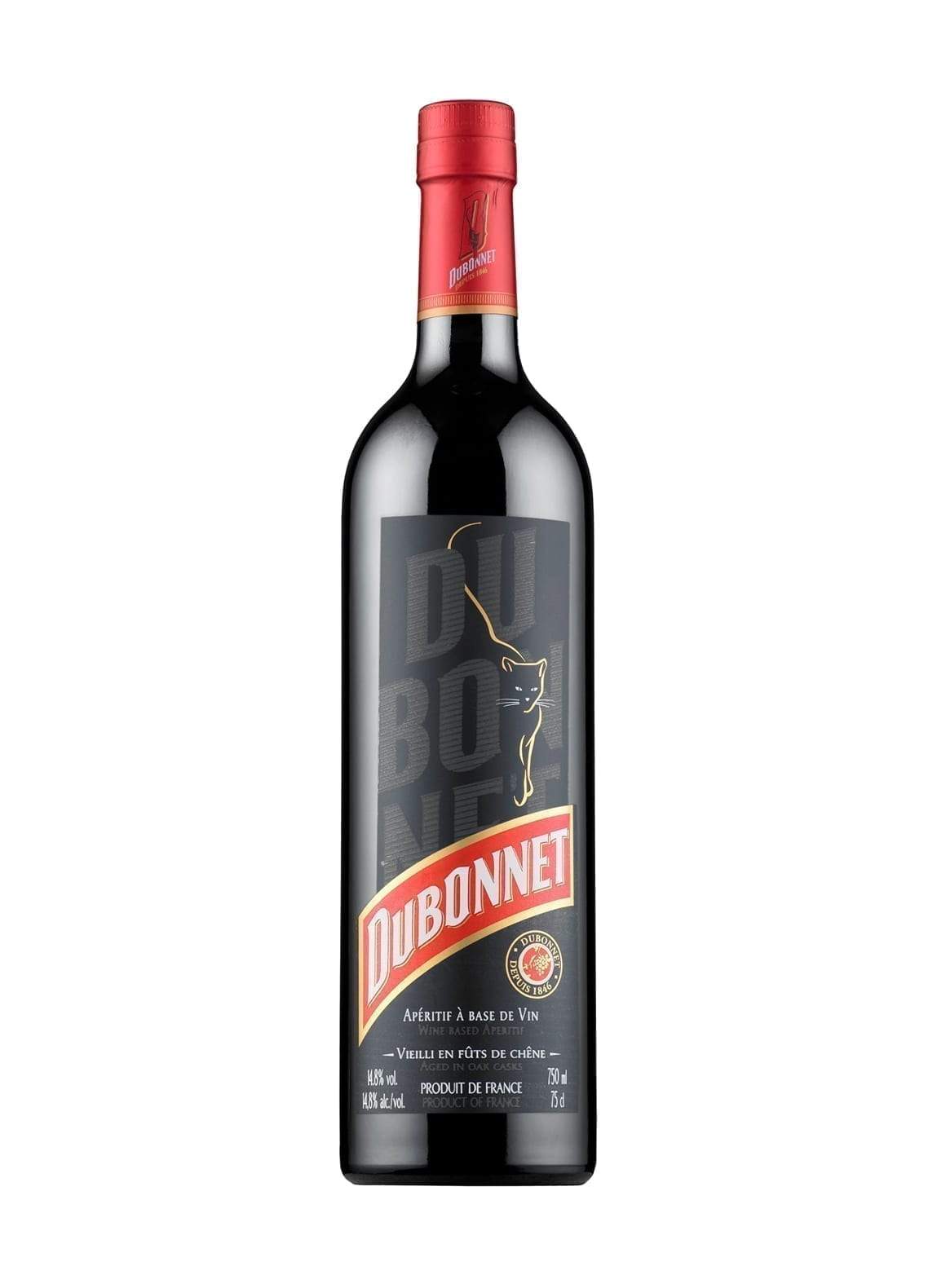
Dubonnet Rouge Aperitif 14.8% 750ml
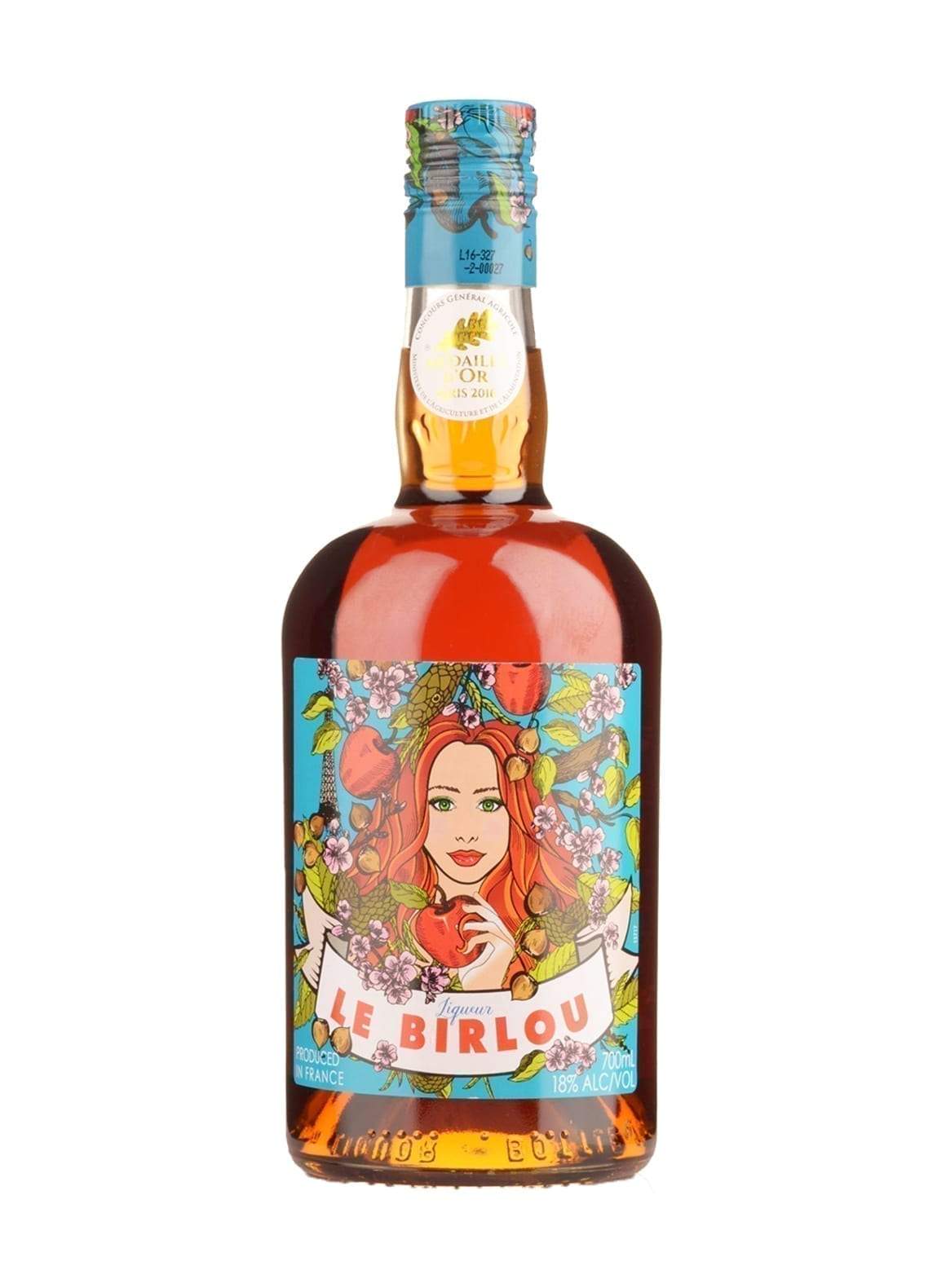
Vedrenne Aperitif 'Le Birlou' (Chestnut & Apple Liqueur) 20% 700ml
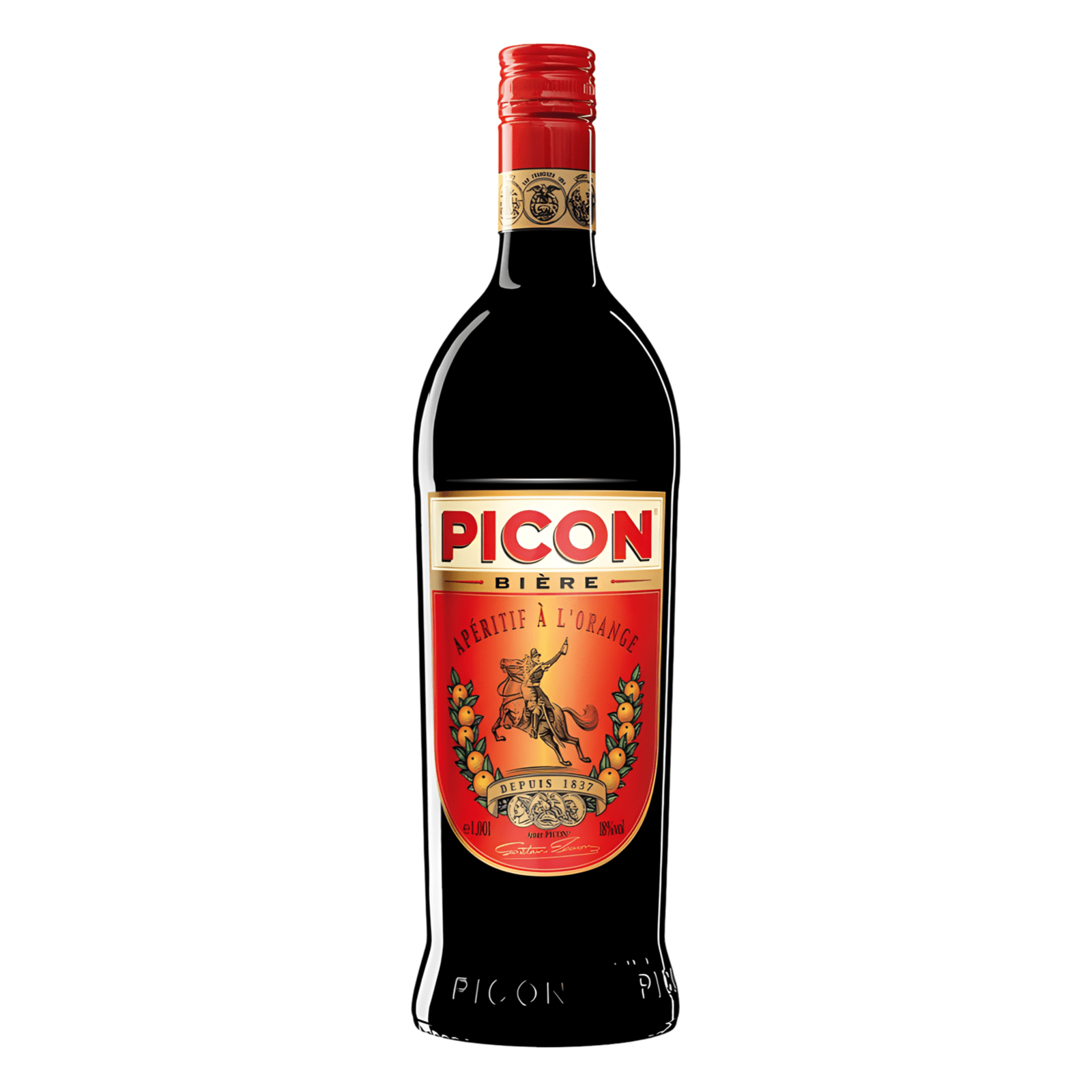
Picon Bière Aperitif 18% 1000ML
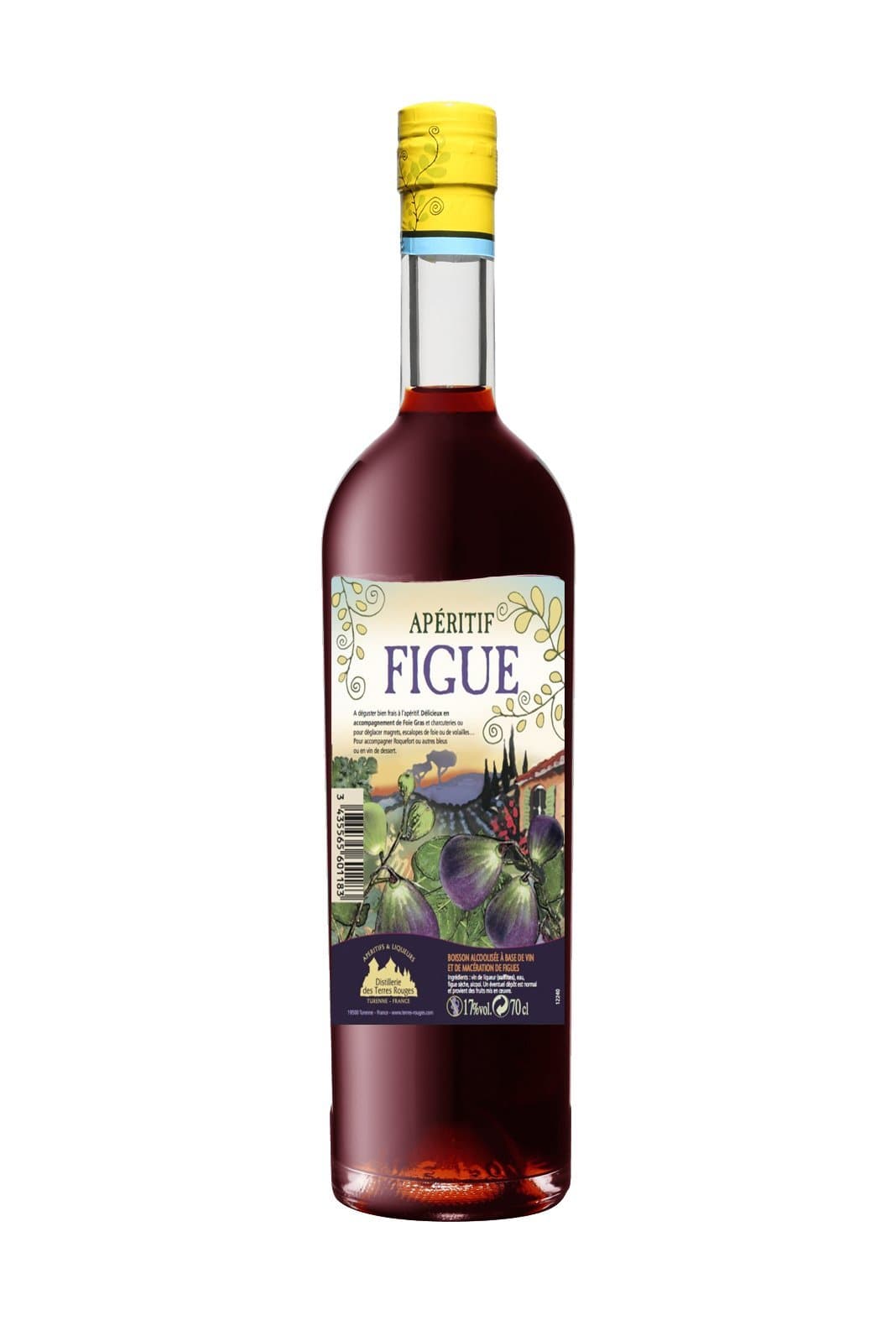
Vedrenne-Terres Rouge Aperitif Figue (Fig) 17% 700ml
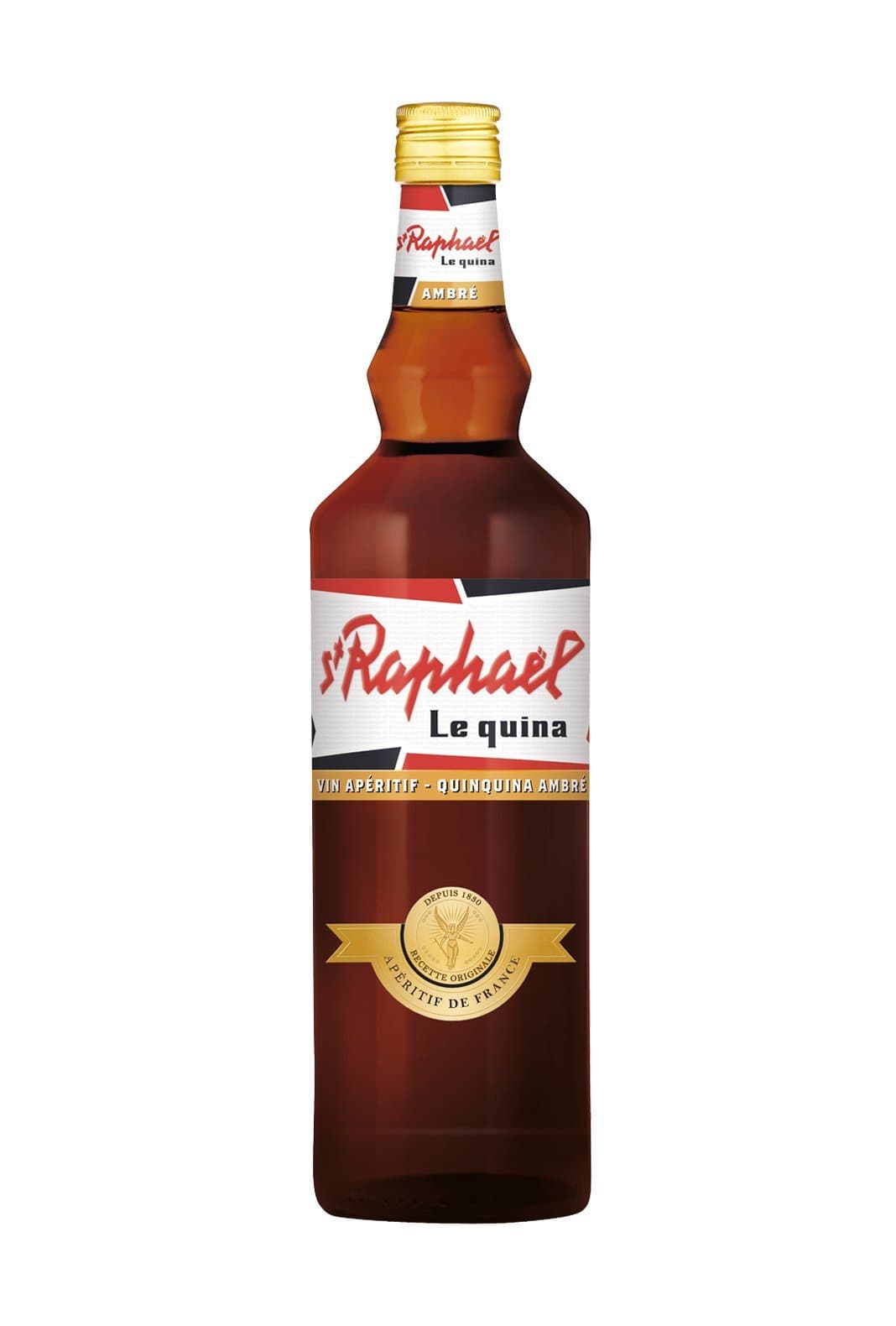
St Raphael Amber Quina 16% 750ml
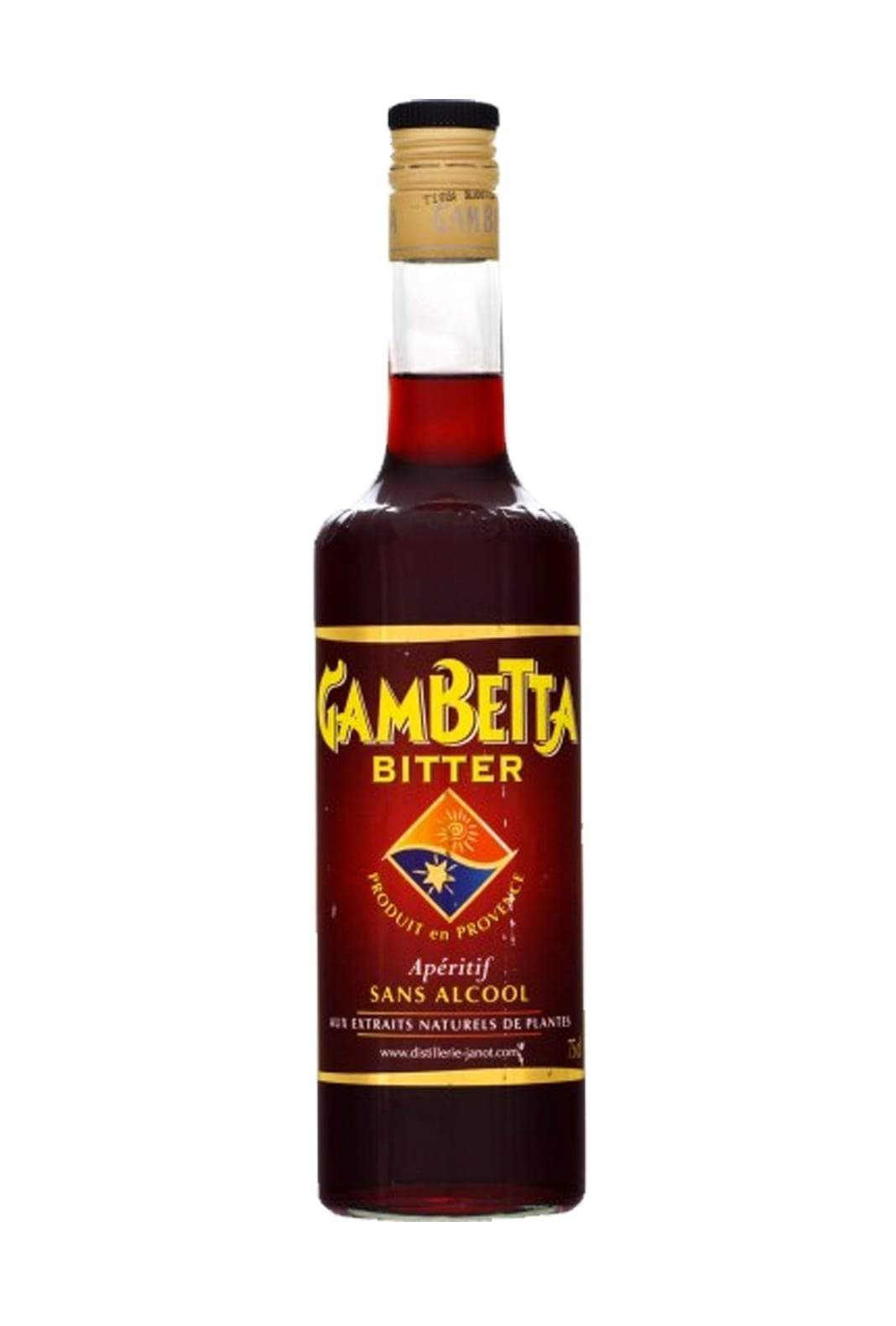
Gambetta Non-Alcoholic Bitter Aperitif 750ml
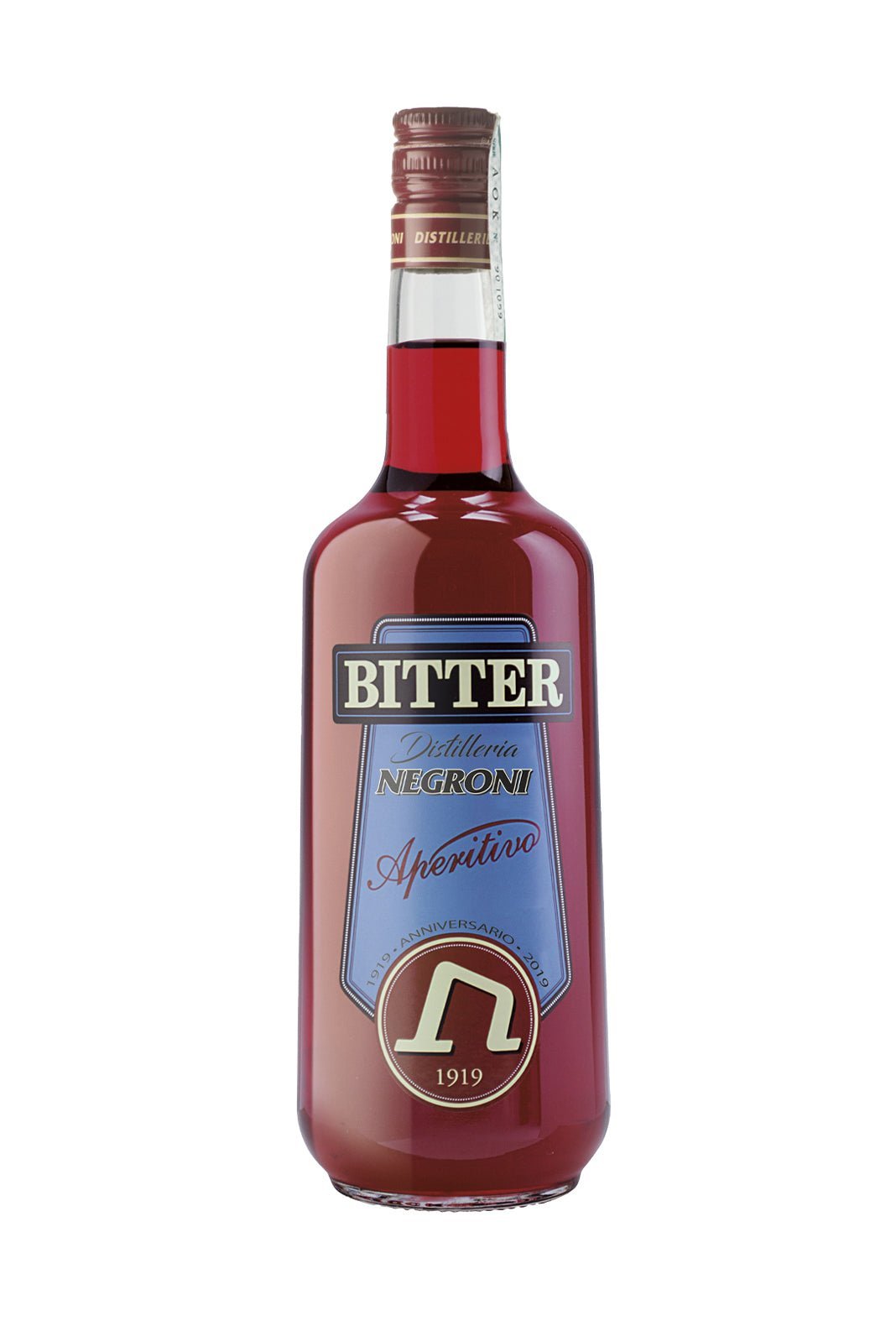
Distilleria Negroni Bitter Aperitivo Negroni 25% 1LTR
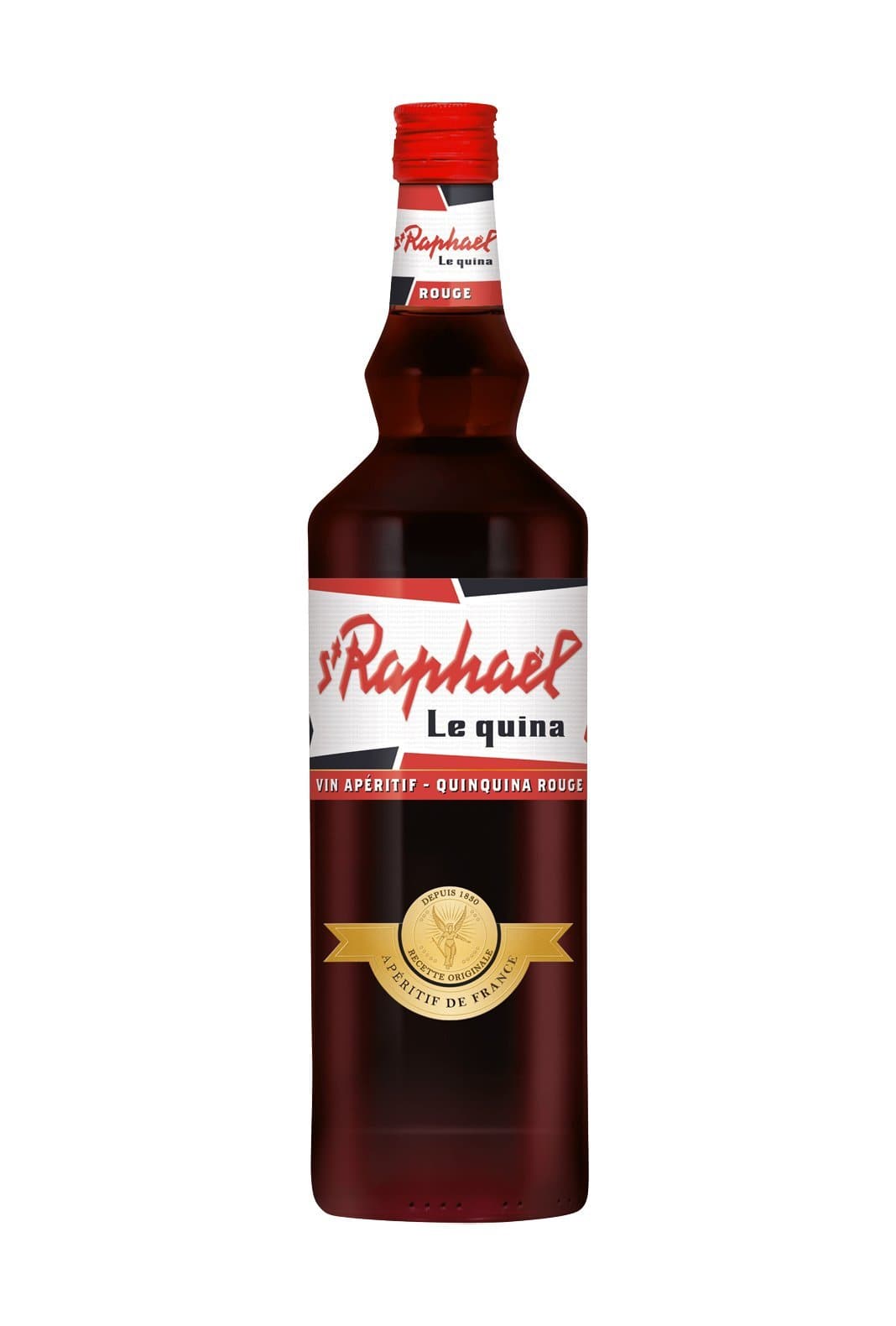
St Raphael Red (Rouge) Quina 18% 750ml
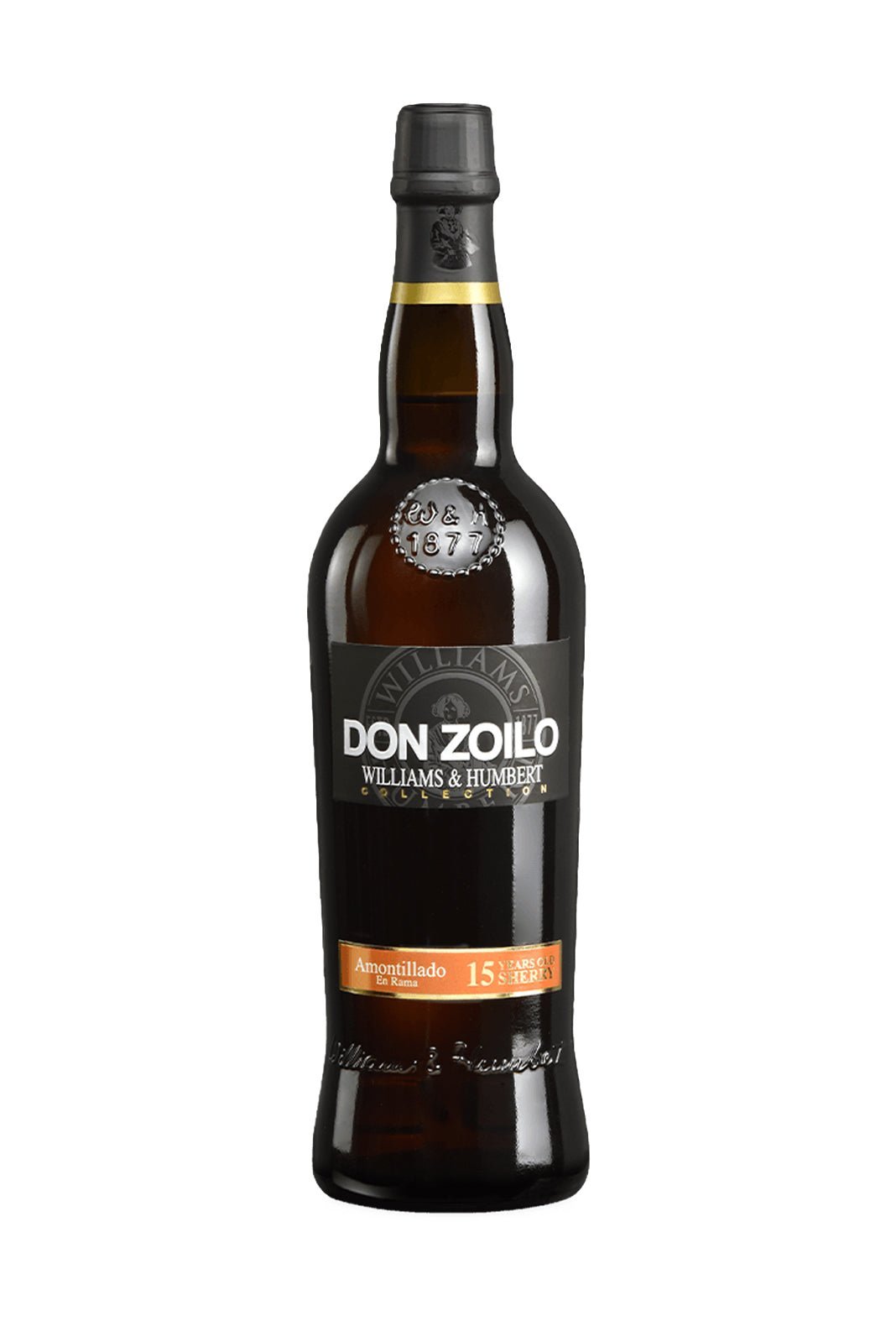
Don Zoilo Sherry Aperitif Amontillado 15 years 19% 750ml
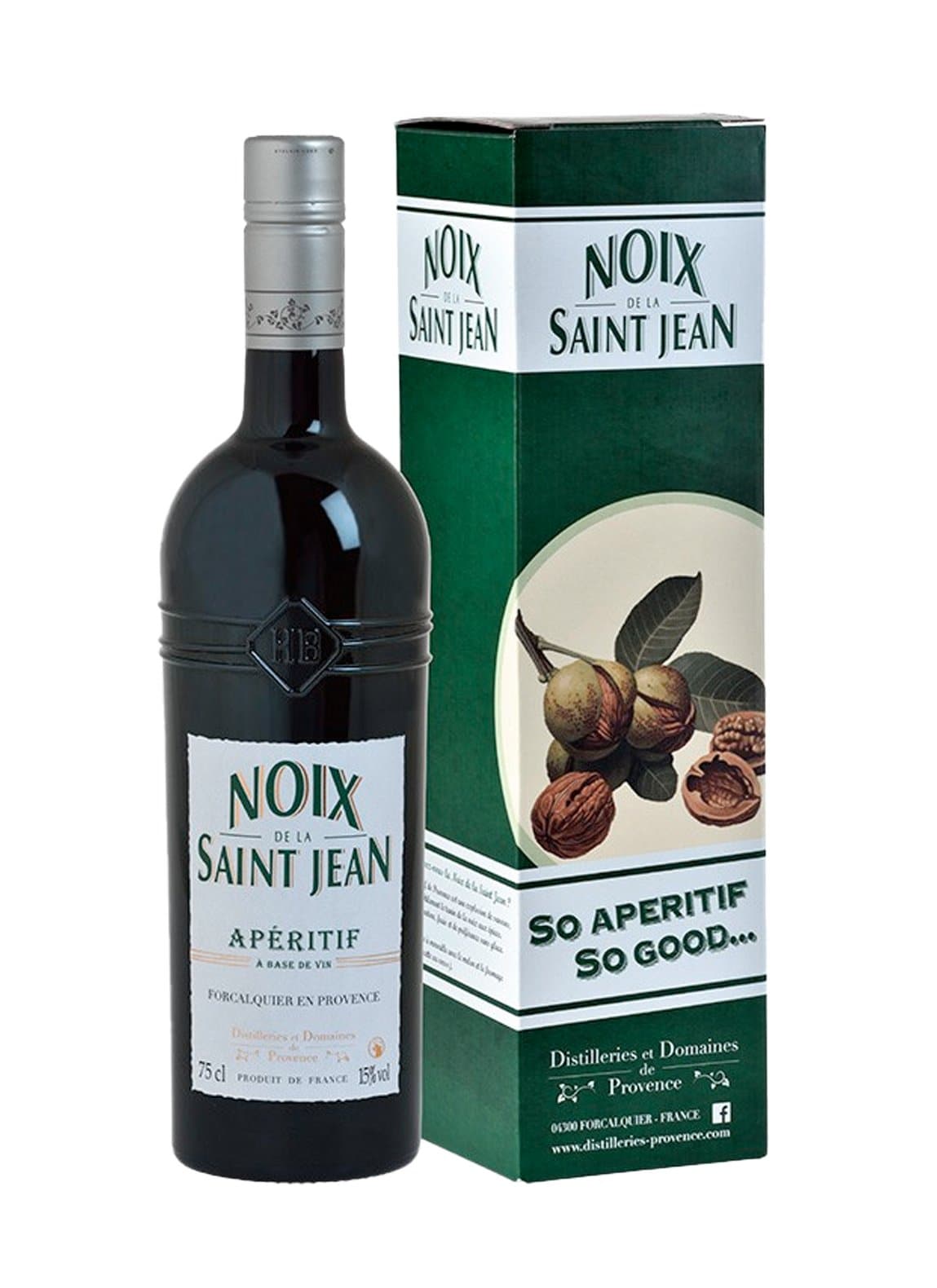
Distilleries et Domaines de Provence Noix de la Saint Jean (Walnut) Aperitif 15% 750ml
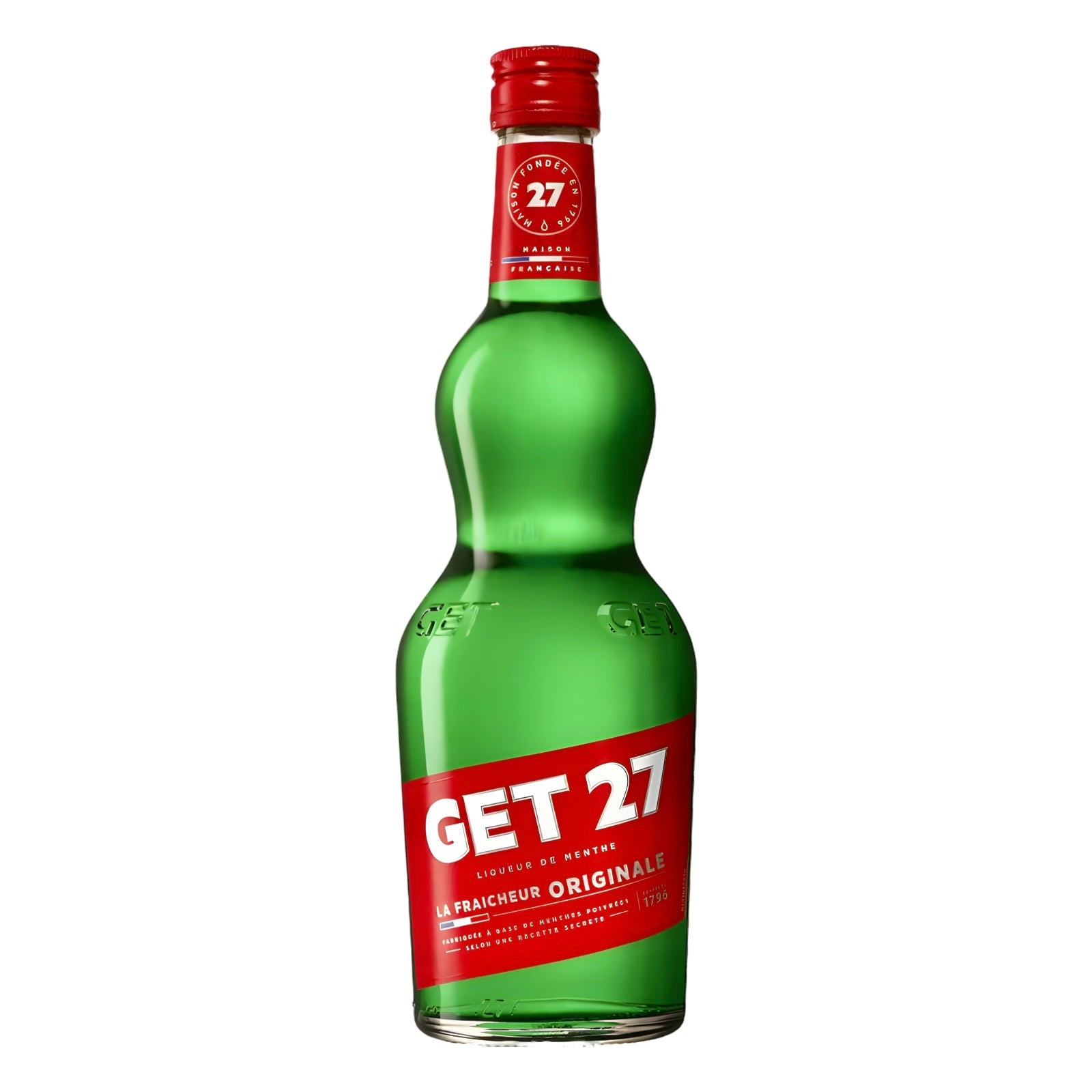
GET 27 Mint Liqueur 17.9% 700ML
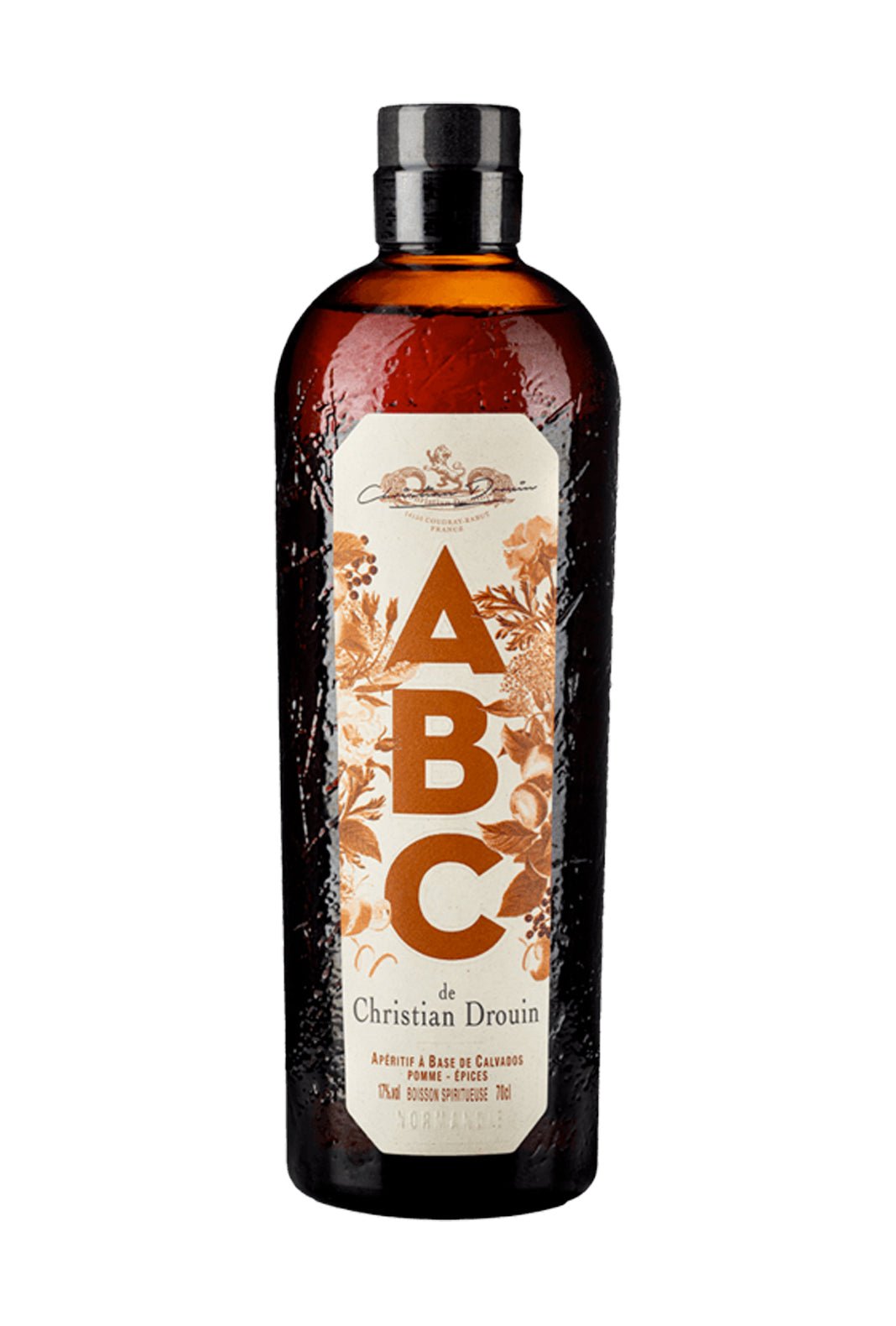
Christian Drouin ABC Apple Aperitif Vermouth 17% 700ml
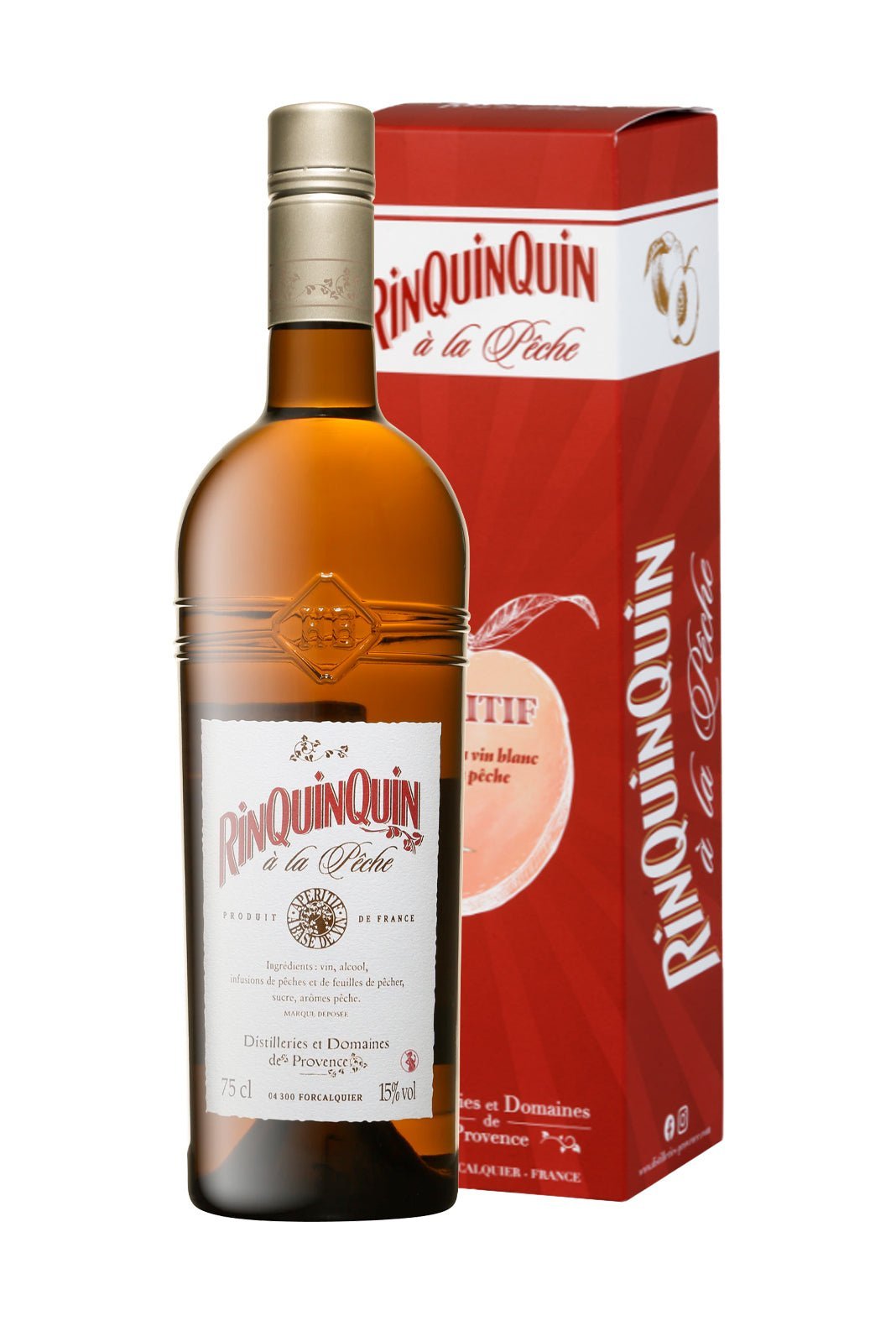
Distillerie et Domaines de Provence 'Rinquinquin a la Peche' (Peach) Aperitif 15% 750ml
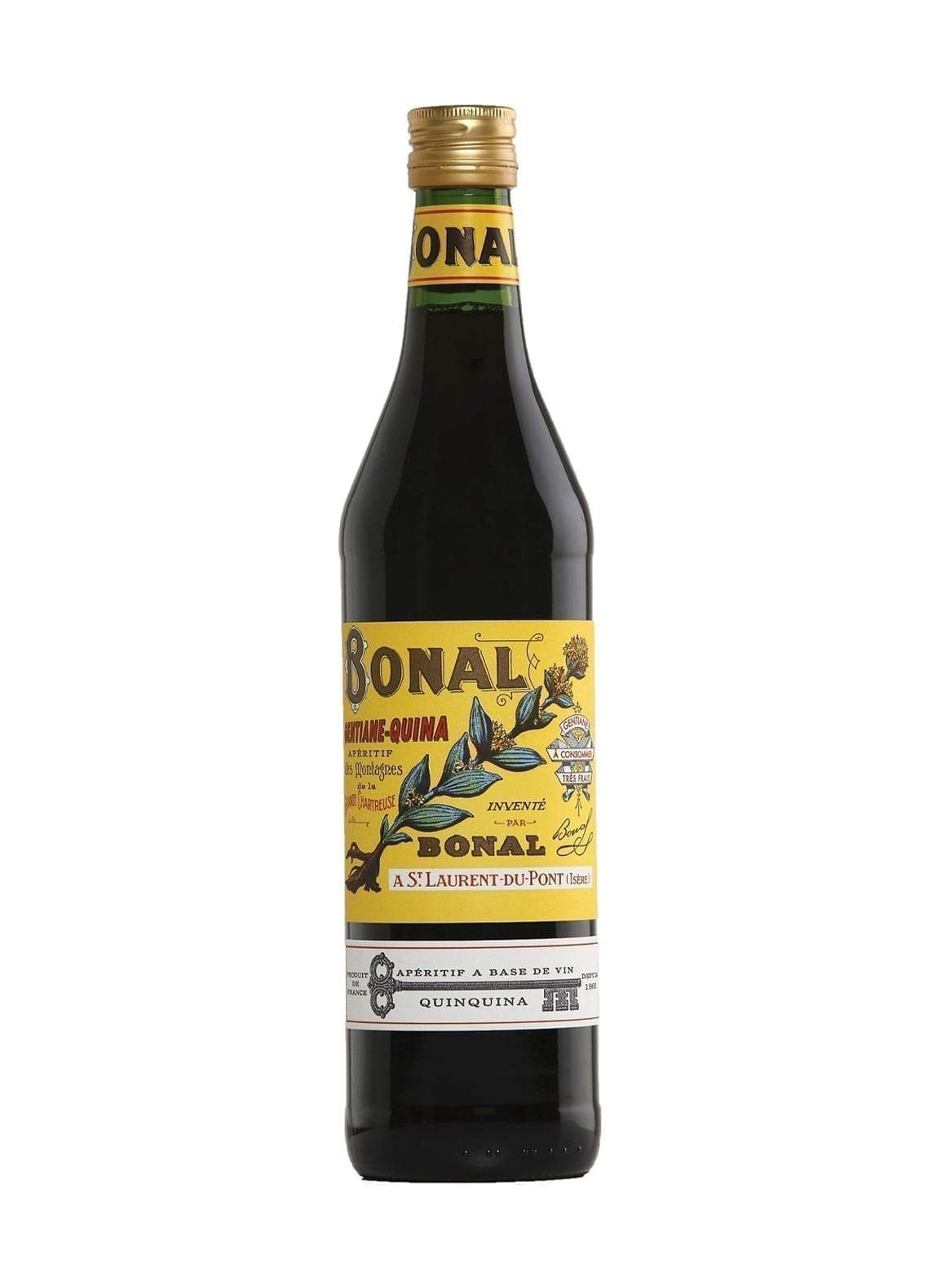
Dolin Aperitif 'Bonal' a la Gentiane et Quinquina 16% 750ml
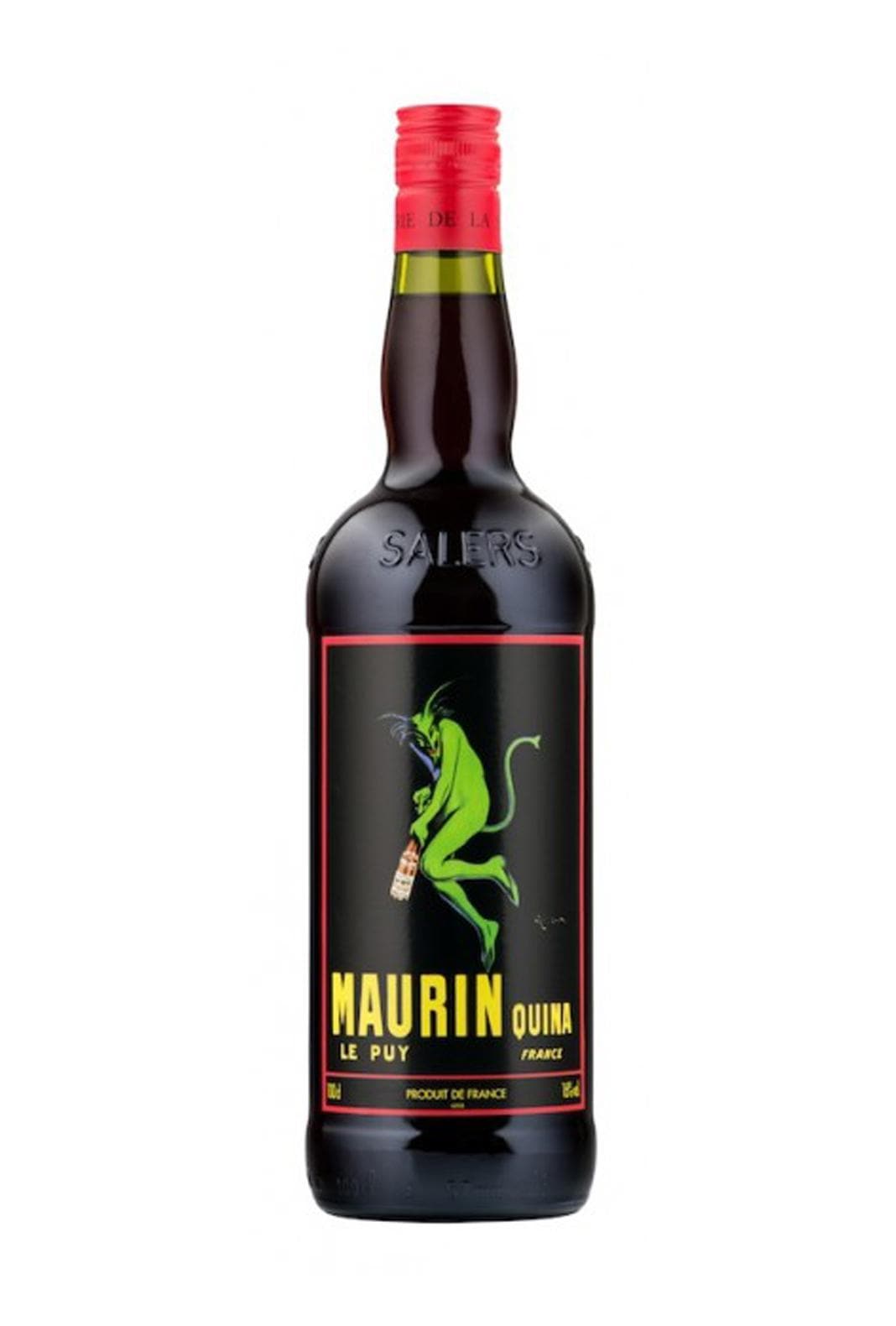
Maurin Quina Le Puy Aperitif 16% 1000ml
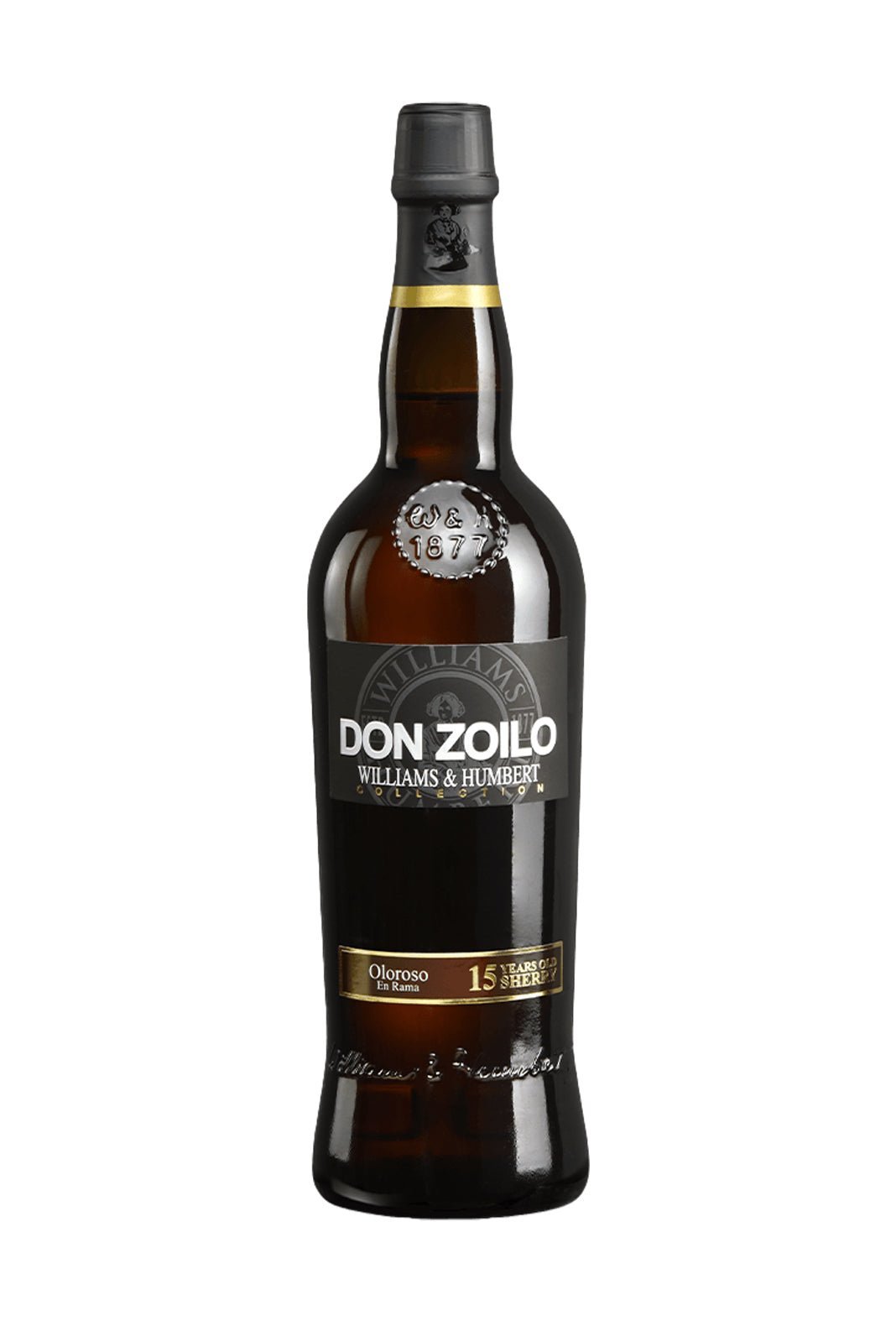
Don Zoilo Sherry Aperitif Olorose 15 years 19% 750ml
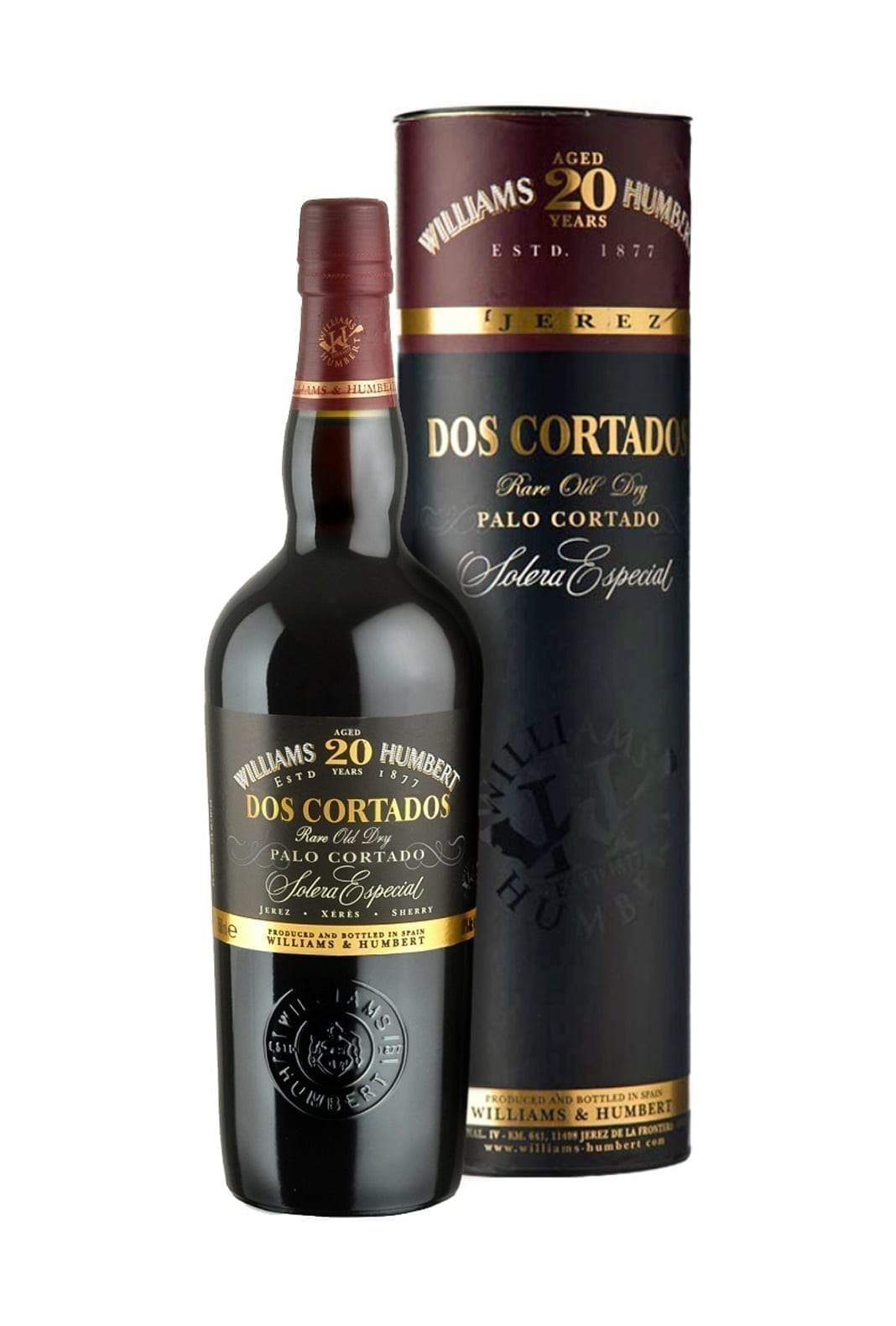
Dos Cortados Palo Sherry Aperitif 20 years 21.5% 500ml
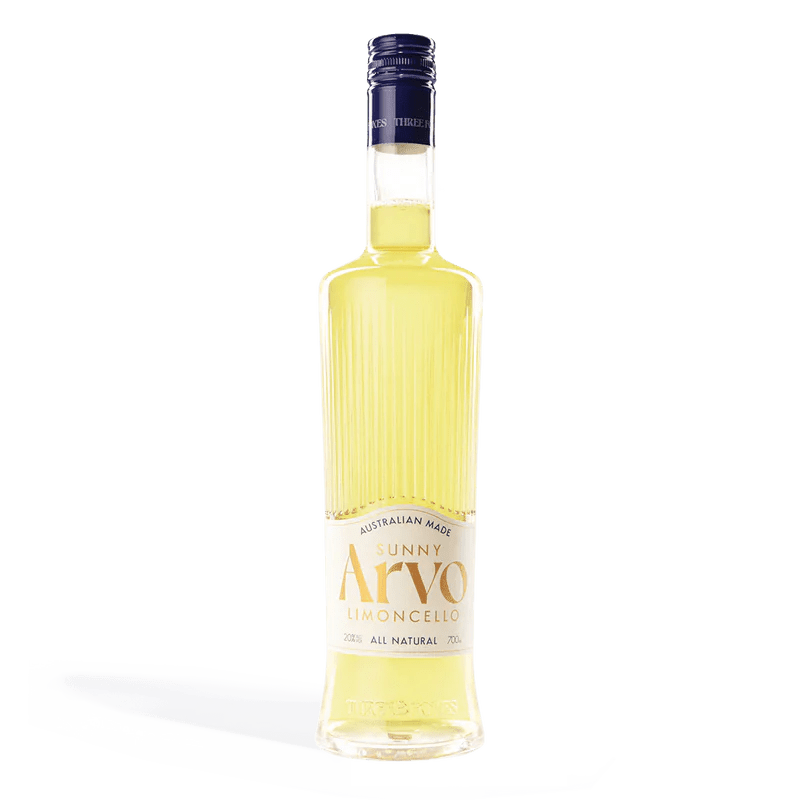
Three Foxes Sunny Arvo Limoncello 20% 700ml
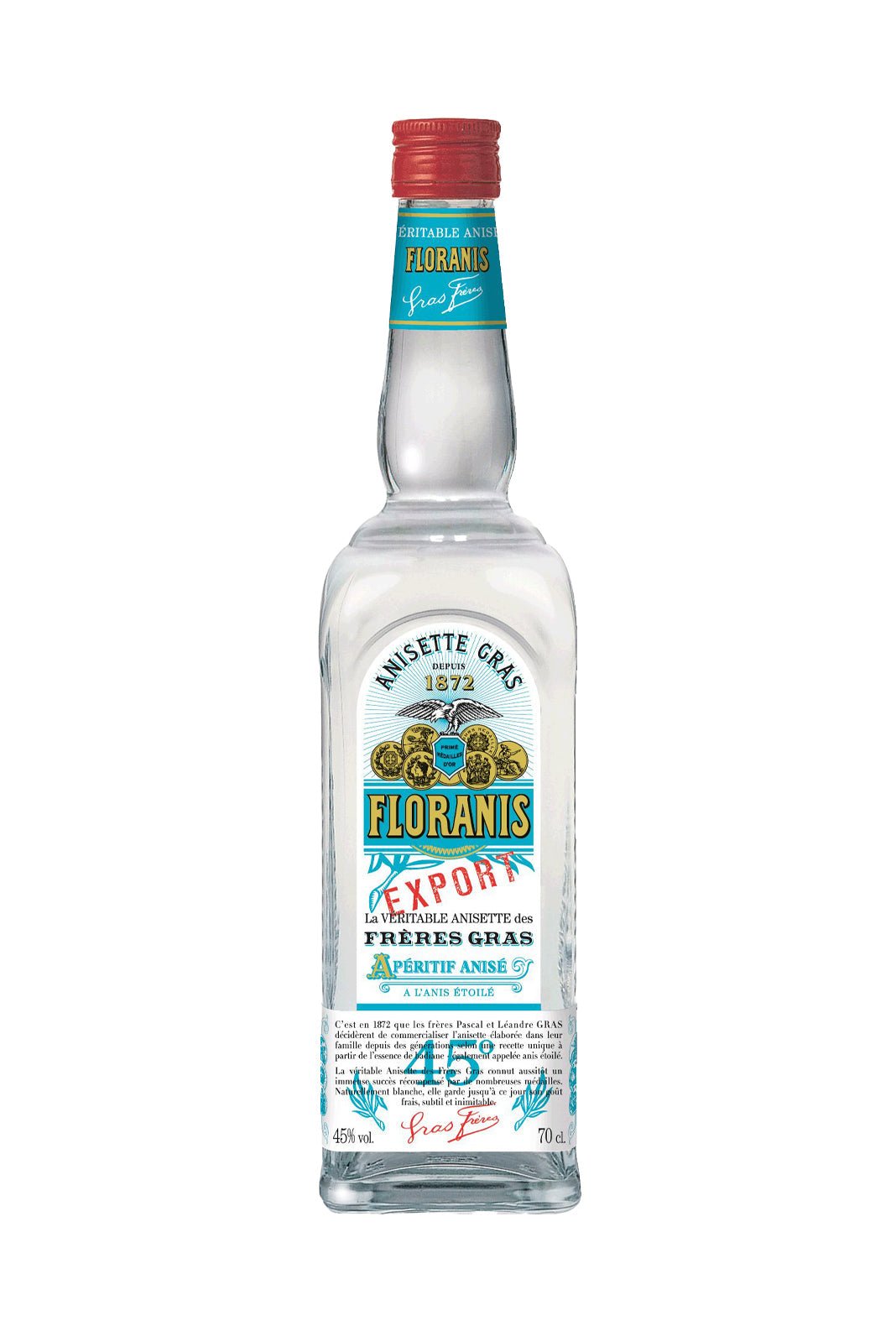
Floranis Anisette Gras 45% 700ml
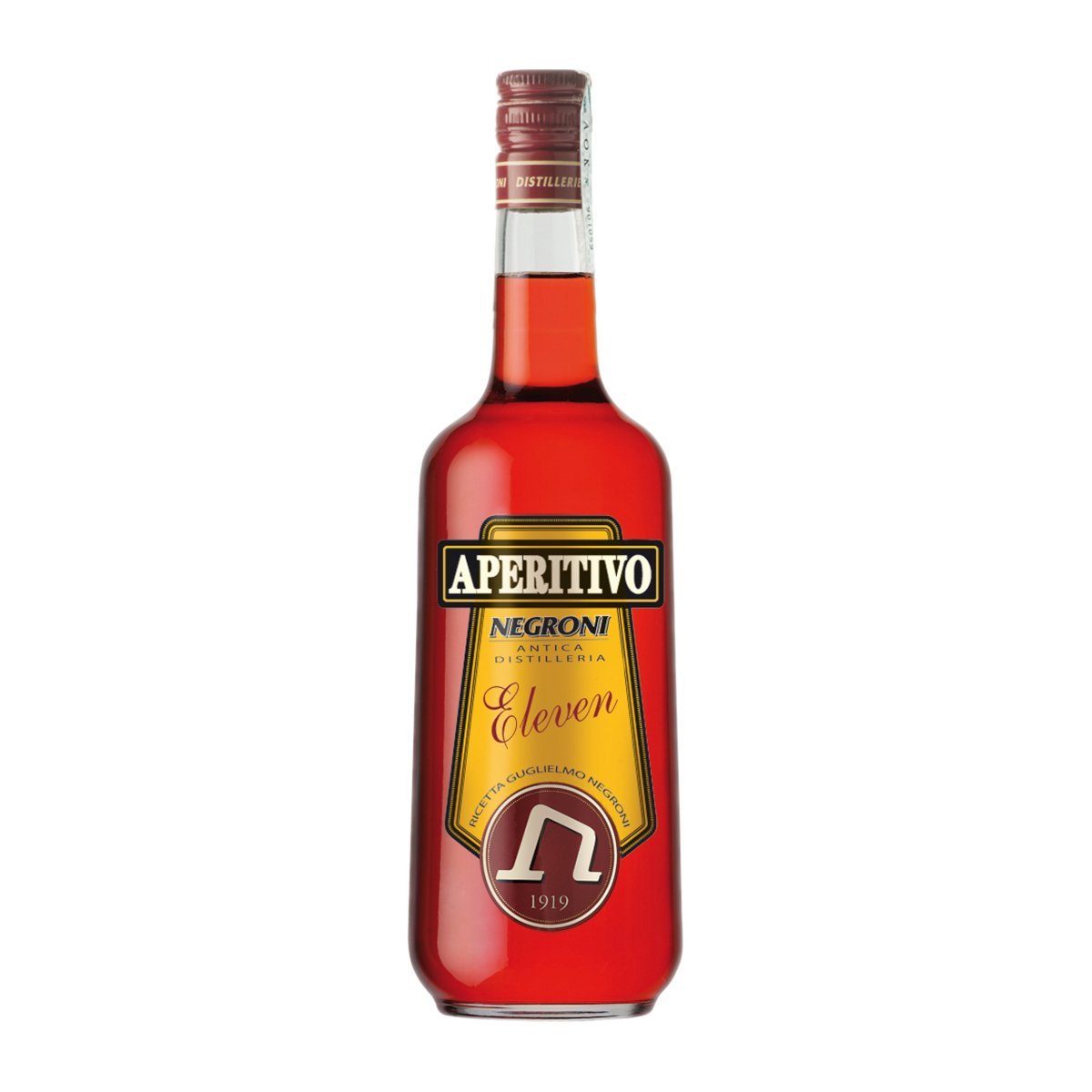
Distilleria Negroni Eleven Aperitivo Negroni 11% 1LTR
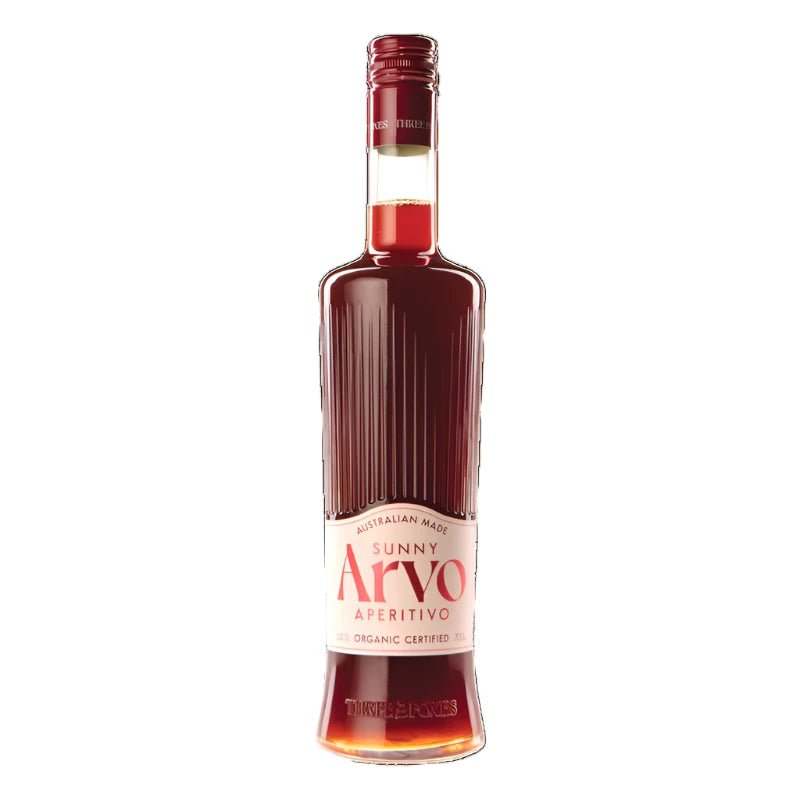
Three Foxes Organic Sunny Arvo Aperitivo 16% 700ml
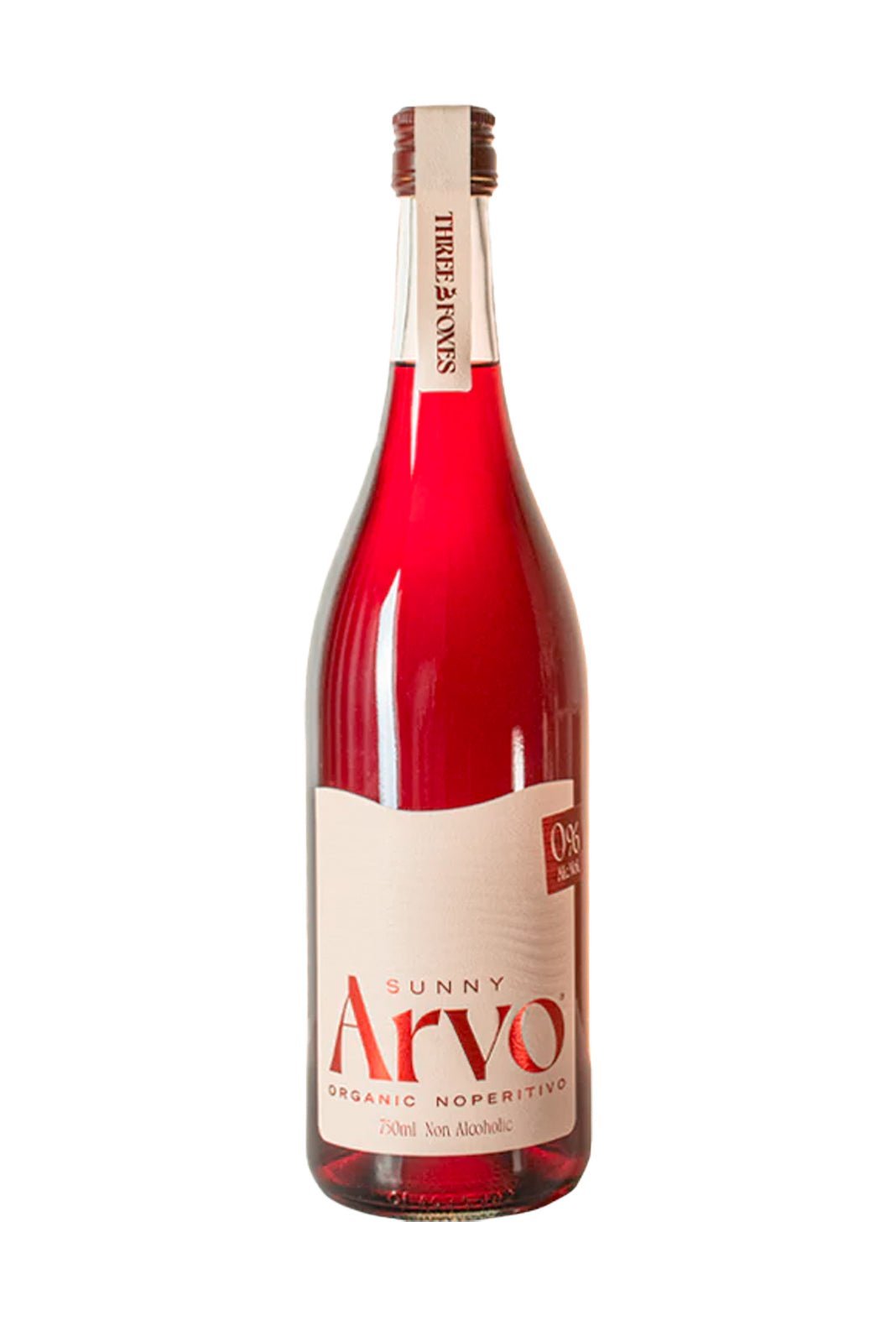
Three Foxes Organic Nopertivo 0% 750ml
About Aperitifs
This range is wider than the French classics it is known for. Alongside them sit the Italian bitters, the Spanish sherries and a growing Australian group.
The Italian side runs from Distilleria Negroni at Mareno di Piave, which bottles a ready mixed Negroni, an Americano and the Amaro della Casa, to Bordiga in Cuneo, whose Bitter Rosso, Bitter Verde, Amaro Riserva St Hubertus and Chiot Montamaro cover the bitter end. Carpano Antica Formula, Luxardo Aperitivo and Fernet Branca Menta complete it.
Spain arrives through sherry: Don Zoilo's Fino, and its Amontillado and Oloroso at fifteen years, Dos Cortados Palo Cortado at twenty, Don Guido Pedro Ximenez at twenty, and the Williams and Humbert bottlings.
Australia is the newest part and it is still growing. Three Foxes makes the organic Sunny Arvo Aperitivo and two zero alcohol bottlings, Autonomy the Amber Bitter, the Davo Plum and a Bitter Limoncello, Maidenii the Roselle Bitter and the Bitter Amer Nocturne, Bass and Flinders a Mornington mistelle, Willie Smith's a Pommeau de Tasmanie, White Possum a Kina, and Pot and Still a South Australian fig.
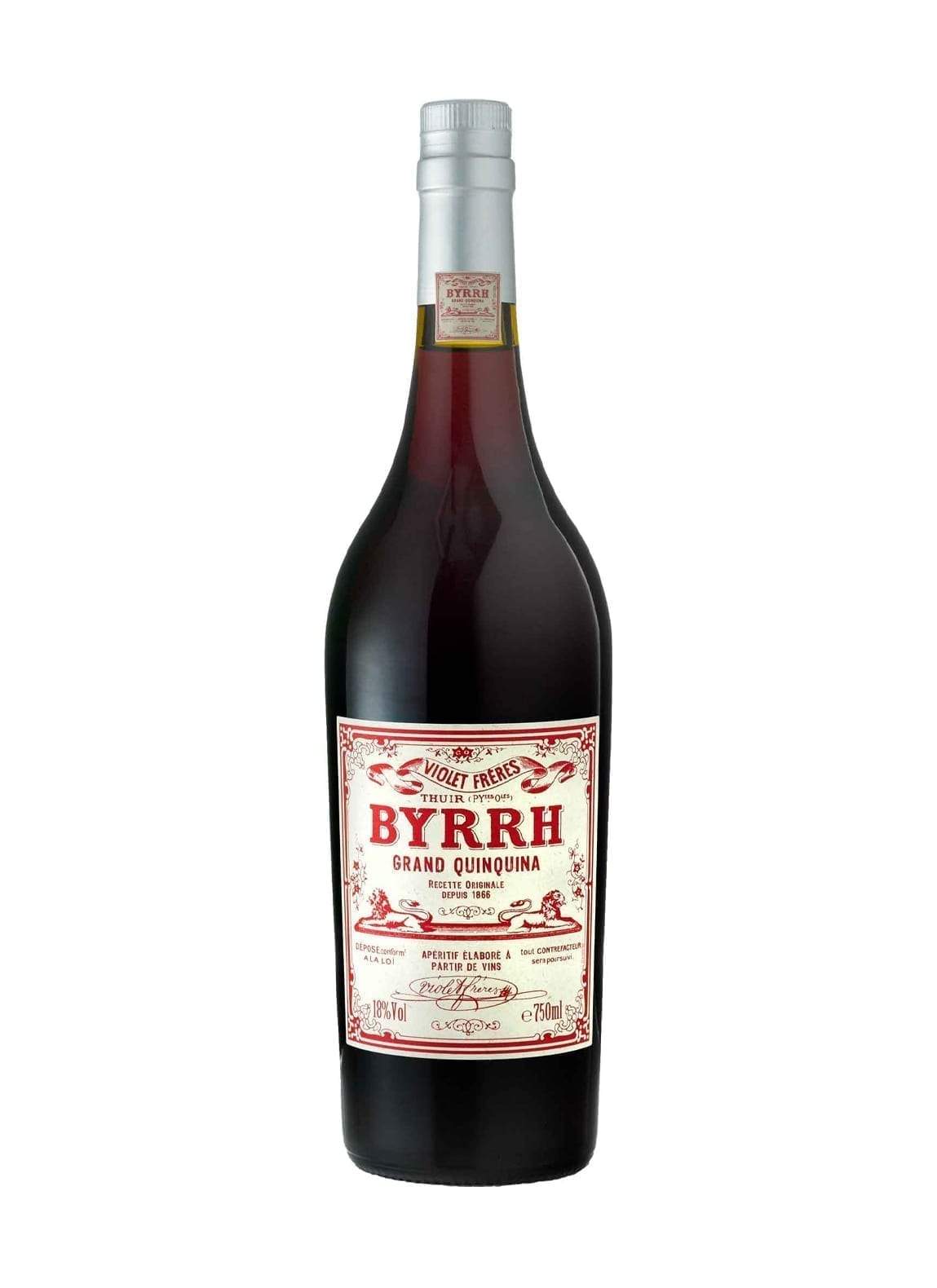
The French houses are still the backbone: Byrrh, St Raphael Quina, Picon Biere, Dolin's Bonal, Salers gentiane, Maurin Quina, Gambetta's two zero alcohol bottlings and the Vedrenne range.
For the Italian bitters on their own see amaro, for the Spanish end see sherry, and for the dashing bottles see bitters.
History
The habit of a bitter, lightly alcoholic drink before a meal is old, and it is not French alone. In Italy it became the aperitivo: a formalised hour in the early evening with something bitter, a splash of soda and food alongside. In Spain the same slot belongs to sherry, poured cold and served with olives or almonds.
The bottles themselves came largely out of the nineteenth century pharmacy trade. Gentian root, cinchona bark and bitter orange peel were medicines first. The words quina and kina on a label point back to cinchona, the bark that quinine is extracted from, and Byrrh, St Raphael Quina, Maurin Quina and White Possum's Kina all belong to that family. Dolin's Bonal is built on gentian and cinchona together, and Salers is a gentian liqueur.
Vermouth developed alongside them as aromatised, fortified wine, and it is still the most versatile thing in this range.
The Australian arrivals are recent. Maidenii, Autonomy, Three Foxes, Bass and Flinders, Willie Smith's, White Possum and Pot and Still are all this century, and most of them this decade. What the Australian producers changed was the botanical set: native fruit, bark and leaf in place of the European standards, and in several cases a zero alcohol version of the same idea.
How to drink it
Serve them cold and in small measures. Most of these bottles sit between 15 and 25 per cent, which is the point: a drink before dinner is meant to sharpen the appetite rather than blunt it.
The spritz is the simplest build. Three parts sparkling wine, two parts bitter and one part soda, over ice in a large glass with a slice of orange. It works with Luxardo Aperitivo, with the Three Foxes Sunny Arvo and with Bordiga Bitter Rosso.
The Negroni is equal parts gin, sweet vermouth and bitter, stirred over ice with an orange twist. Distilleria Negroni sells it ready mixed if you would rather not measure. Swap the gin for soda and it becomes an Americano.
Picon Biere is exactly what the name says: a measure in a glass of beer, which is how it is drunk across eastern France.
Sherry belongs in the fridge. Fino wants to be properly cold and finished within a few days of opening. Amontillado, Oloroso and Palo Cortado have already oxidised in cask and keep for weeks.
Dubonnet Rouge sits in this range, and the Gin and Dubonnet is the serve it was built for, ratio and garnish included.
Common questions
What is Luxardo Aperitivo?
Luxardo's bitter aperitivo, the Italian style of red bitter that goes into a spritz or an equal parts Negroni build. It fills the same role as the better known Italian bitters, and like them it is lower in alcohol than a spirit. Serve it cold, with sparkling wine and soda, or with gin and sweet vermouth.
Is Luxardo Aperitivo the same as Aperol or Campari?
No. They are the same style of drink and they do the same job in a spritz or a Negroni, but they are different recipes from different houses and they taste noticeably different from each other in bitterness and sweetness. If you already drink one of the others, the honest advice is to make the same drink with Luxardo Aperitivo and compare them side by side.
What is a Picon Biere?
A French bitter, bottled at 18 per cent, made to be added to beer. The name is the recipe: pour a measure into a glass of beer, usually a light lager, and drink it long. It is a fixture in eastern France and it is one of the more useful bottles here for anyone who finds a spritz too sweet.
Is Picon legal to buy in Australia?
Yes. Picon Biere is legally imported and sold in Australia, and the one litre bottle at 18 per cent is stocked here. The reason people ask is that it is hard to find on a supermarket shelf, not that there is any restriction on it.