
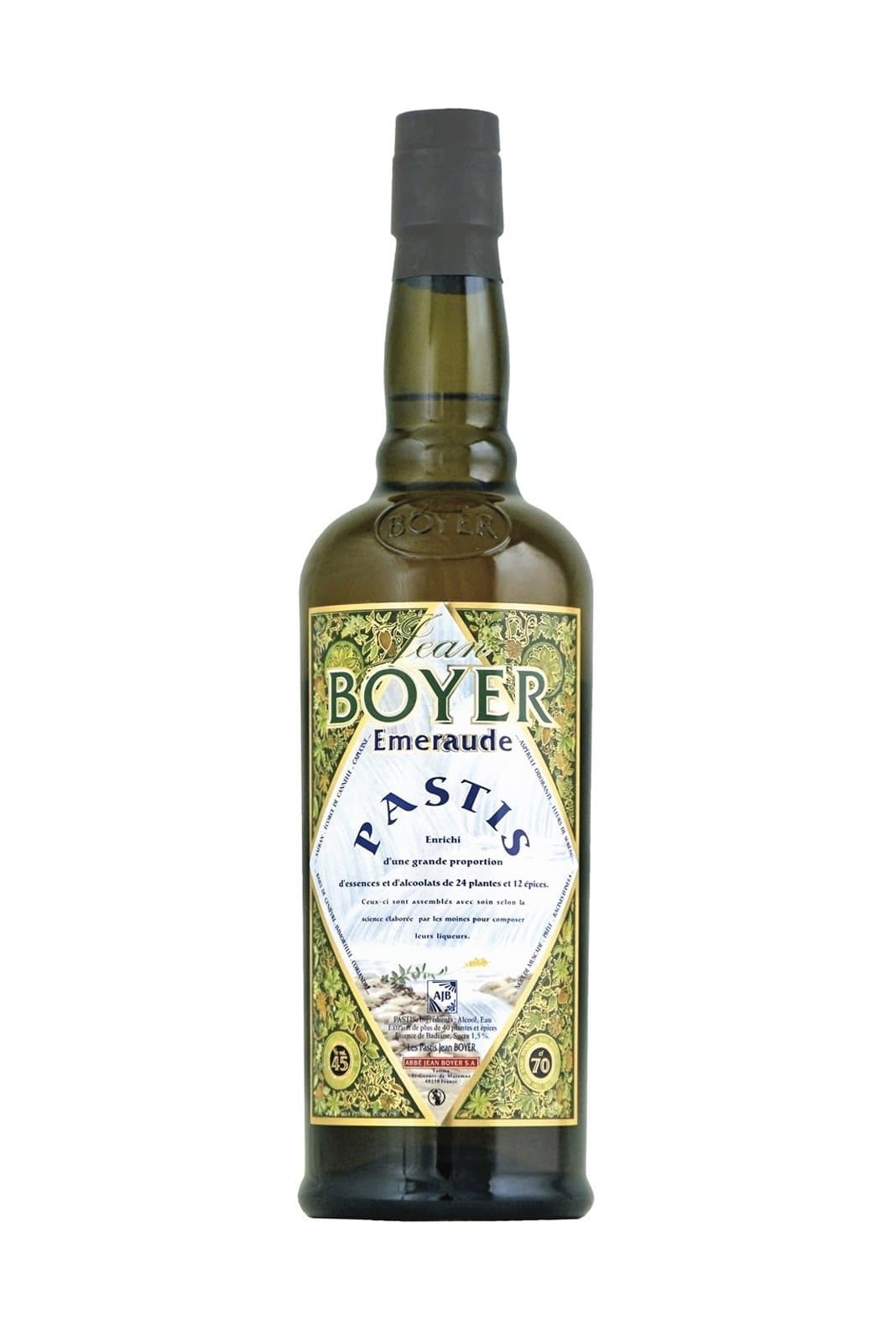
Jean Boyer Pastis Emeraude 45% 700ml
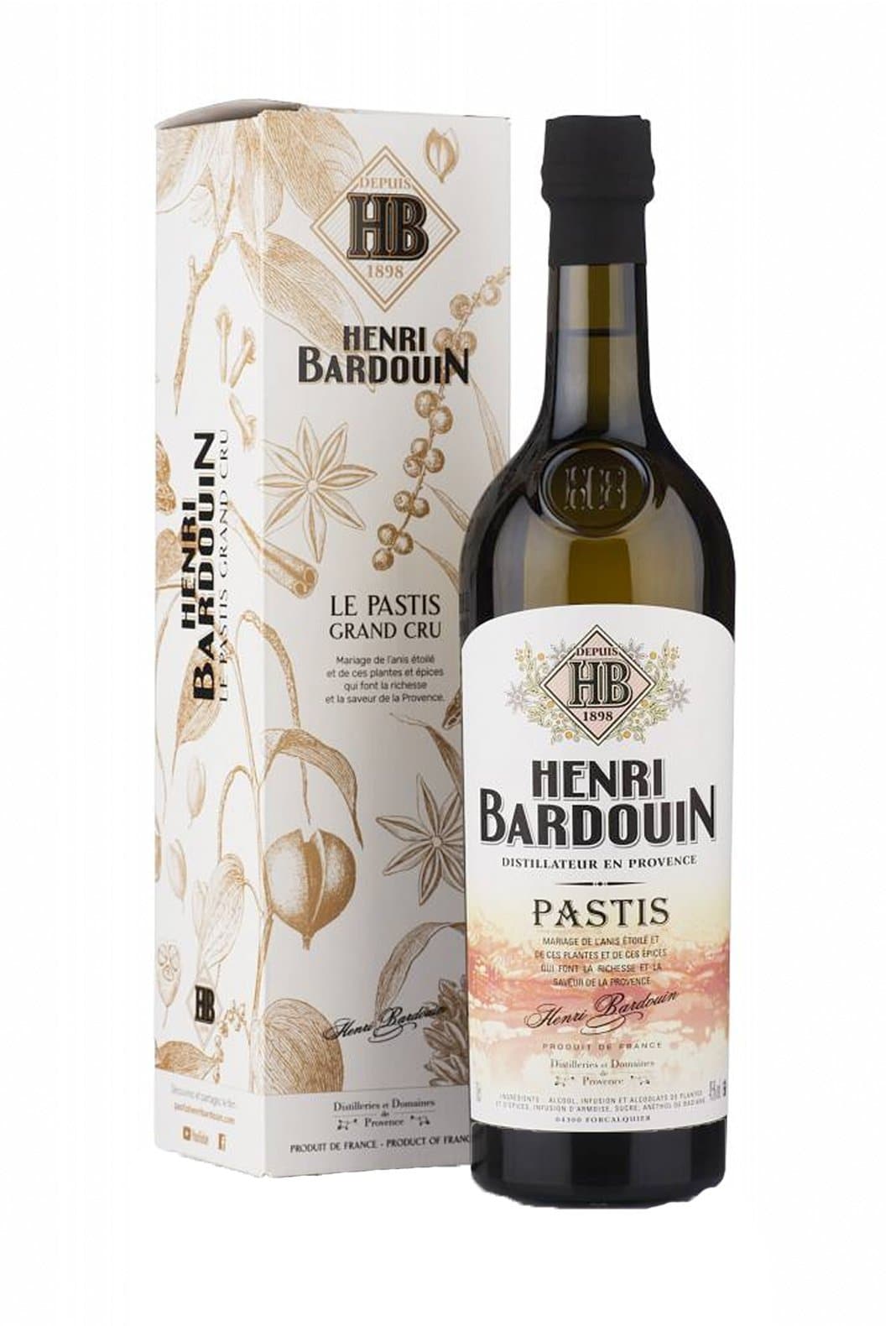
Henri Bardouin Pastis 45% 700ml
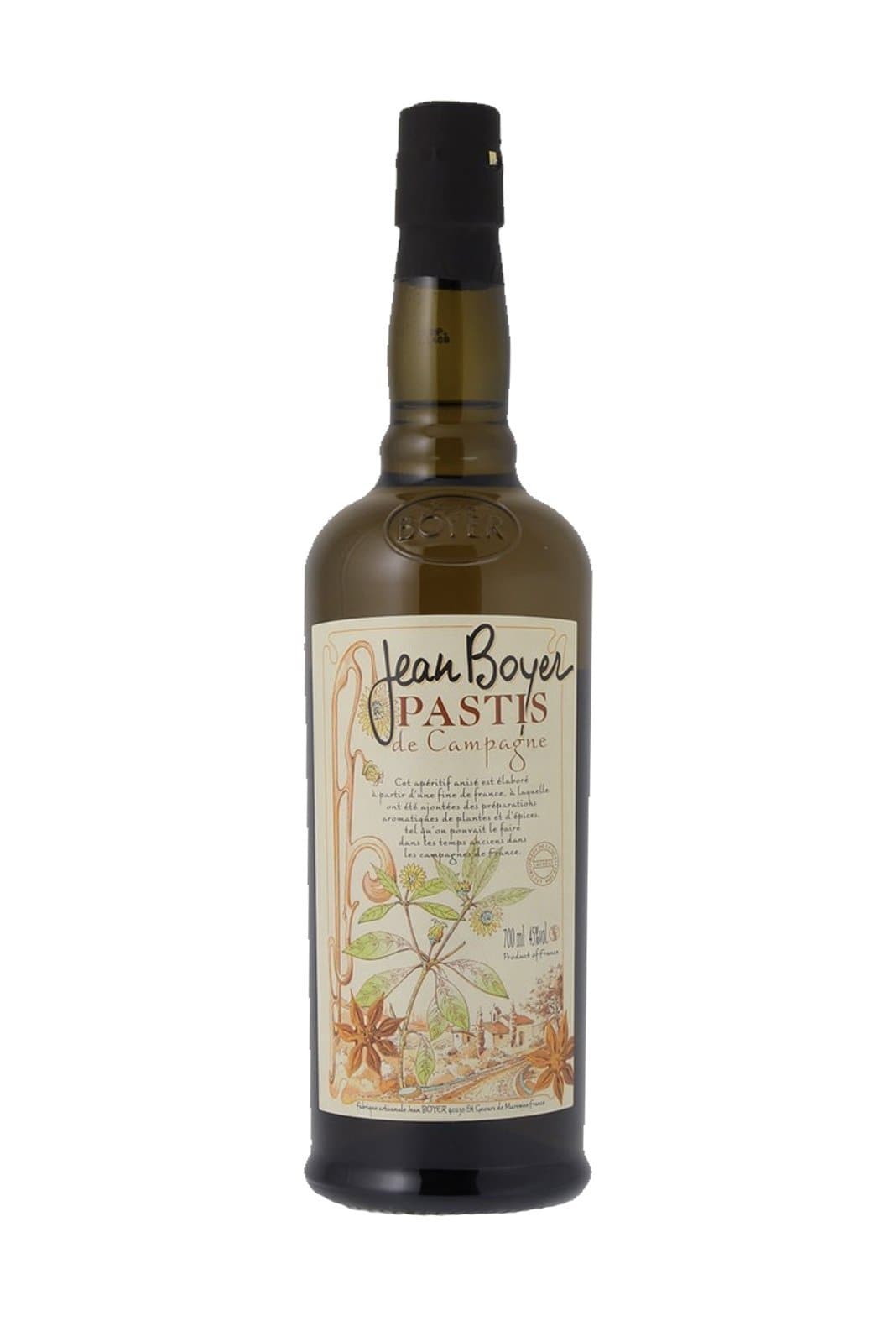
Jean Boyer Pastis Campagne 45% 700ml
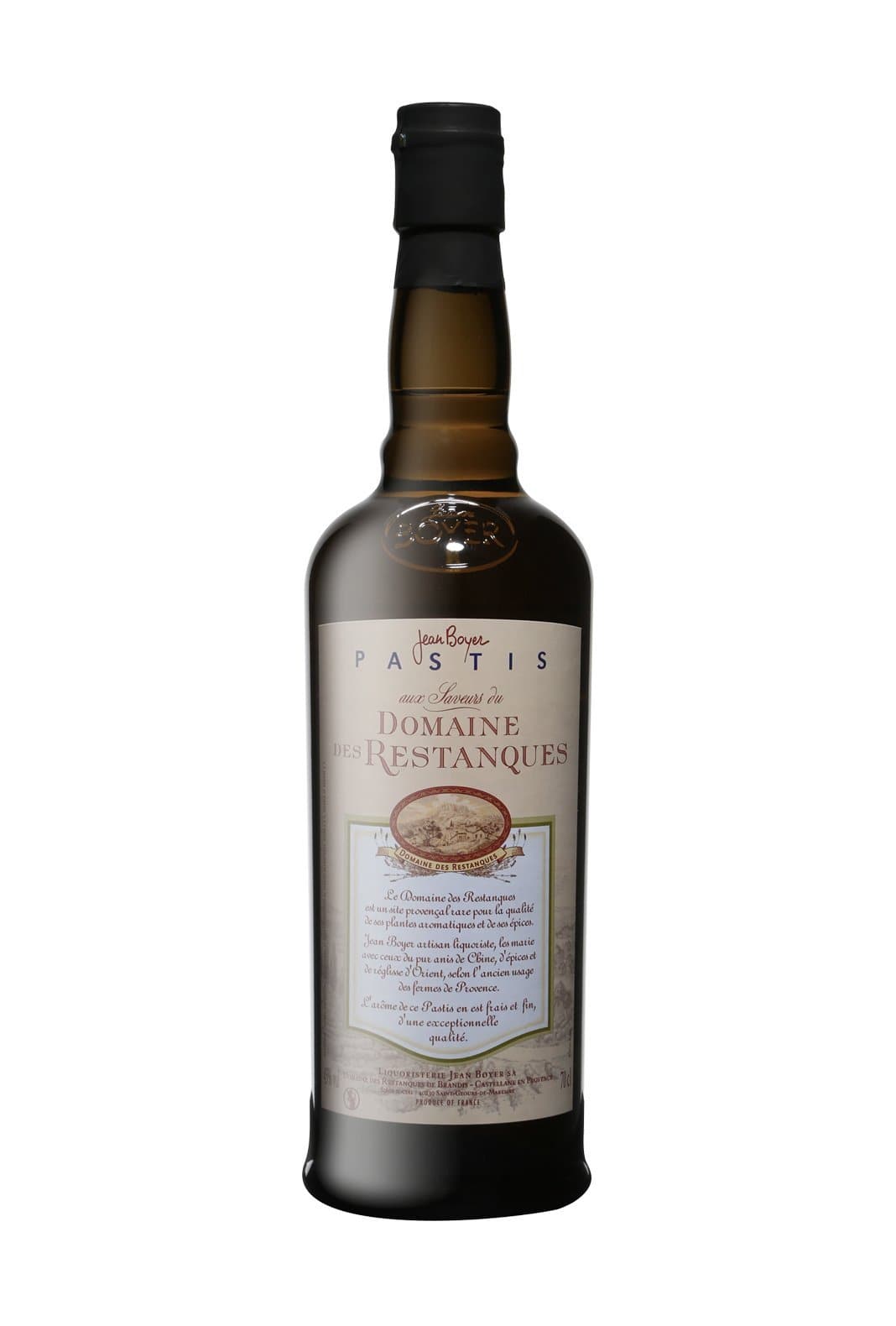
Jean Boyer Pastis Restanques 45% 700ml
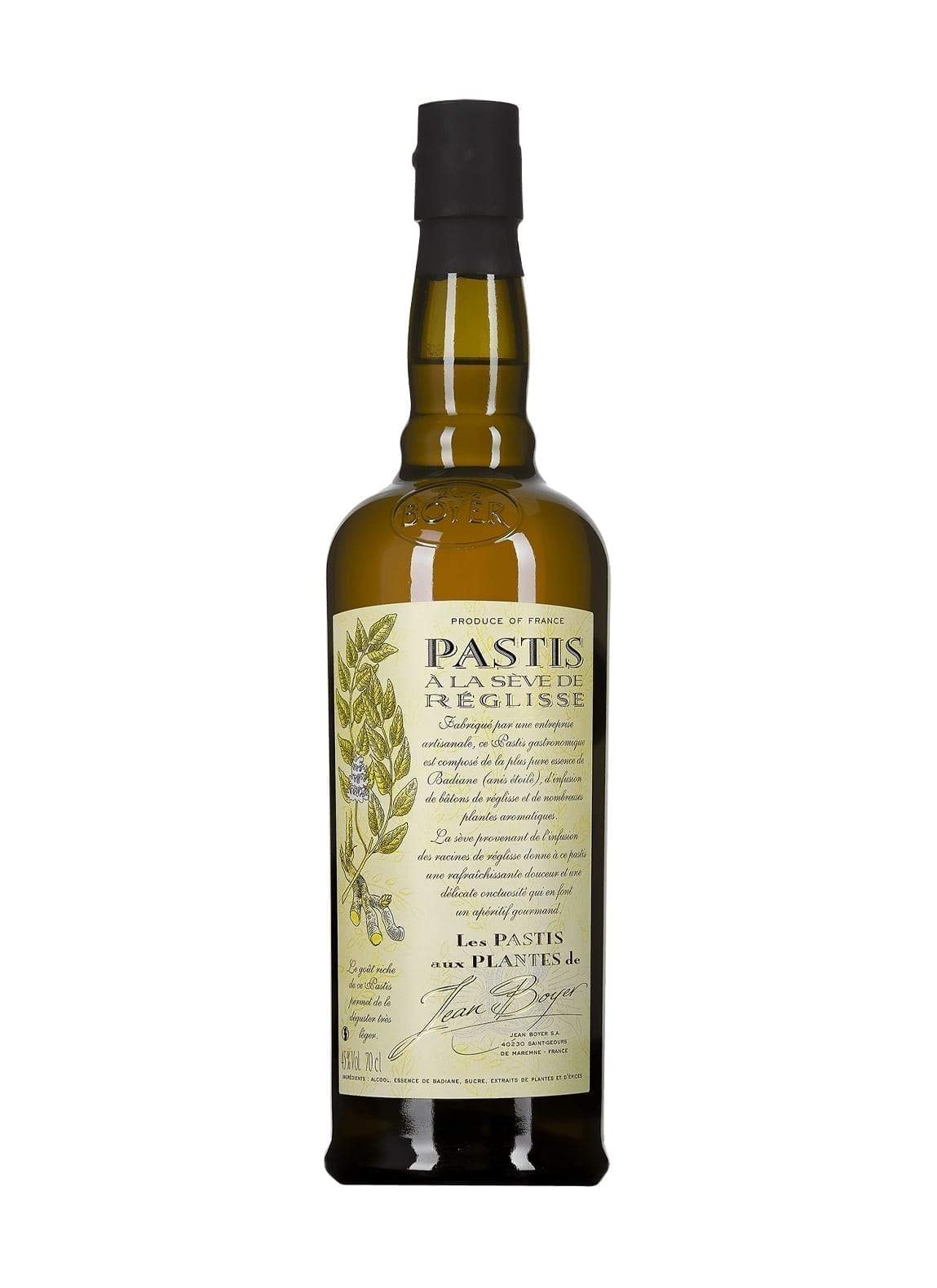
Jean Boyer Liquorice Pastis 45% 700ml
About Pastis
Six bottles, three producers, and more variation between them than the category usually gets credit for.
Henri Bardouin, made in Forcalquier in Haute-Provence, is the one to start with. Where most pastis is built on star anise, liquorice and not a great deal else, Bardouin uses a long list of herbs and spices from the surrounding hills. It is noticeably more complex than the mass market brands and it is the bottle that changes people's minds about the category.
Jean Boyer contributes four: Emeraude, Campagne, Restanques and a dedicated Liquorice Pastis. Having four from one house on the same shelf is unusual and makes for a genuinely interesting tasting, because the base spirit is constant and only the botanical balance moves.
Massenez Pastis 1811, from Alsace rather than Provence, rounds it out.
All six are bottled at 45%, which is the traditional strength and not an accident.
If you want the older and stronger relative of this category, absinthe is on the site and shares most of the same botanicals.
History
Pastis exists because absinthe was banned. France outlawed absinthe in 1915, and the anise-drinking habit that had built up around it did not disappear with it. Distillers reformulated: out went grande wormwood, up went liquorice root, and the alcohol came down.
The word comes from the Provencal pastis, meaning a mixture or a muddle. Paul Ricard commercialised the style in Marseille in 1932 and the drink became inseparable from the south of France, from petanque courts and from long afternoons.
The technical difference from absinthe is worth knowing. Absinthe is distilled with its botanicals, which is why it is clear and why it louches from essential oils coming out of solution. Most pastis is macerated and sweetened rather than distilled, and the louche behaves the same way for the same reason: anethole from the anise is soluble in alcohol but not in water.
Liquorice root is the other marker. It is what gives pastis its rounder, sweeter body and separates it from a dry Greek ouzo or a Turkish raki.
What was lost in 1915 is worth tasting for yourself, and our absinthe guide covers the older drink, its ritual and its return.
How to drink it
One part pastis to five parts cold water, poured water first if you want to be correct about it, then ice after the water rather than before. Adding ice to neat pastis shocks the oils and can leave it cloudy in the wrong way.
It should turn a soft opaque yellow. That is the louche and it is the point.
The Provencal variations are worth knowing. A tomate adds a dash of grenadine. A perroquet adds mint syrup. A mauresque adds orgeat and is the best of the three.
Pastis is an aperitif and behaves like one: it wakes the palate up rather than settling it. Serve it before dinner, with olives, tapenade and anchovies if you want the full effect.
It also works in cocktails in very small amounts. A rinse of pastis in the glass does for a Sazerac what absinthe does, and a bar spoon lifts a Corpse Reviver No.2.
Keep the bottle out of direct light. Anise-based spirits fade in sunlight.