
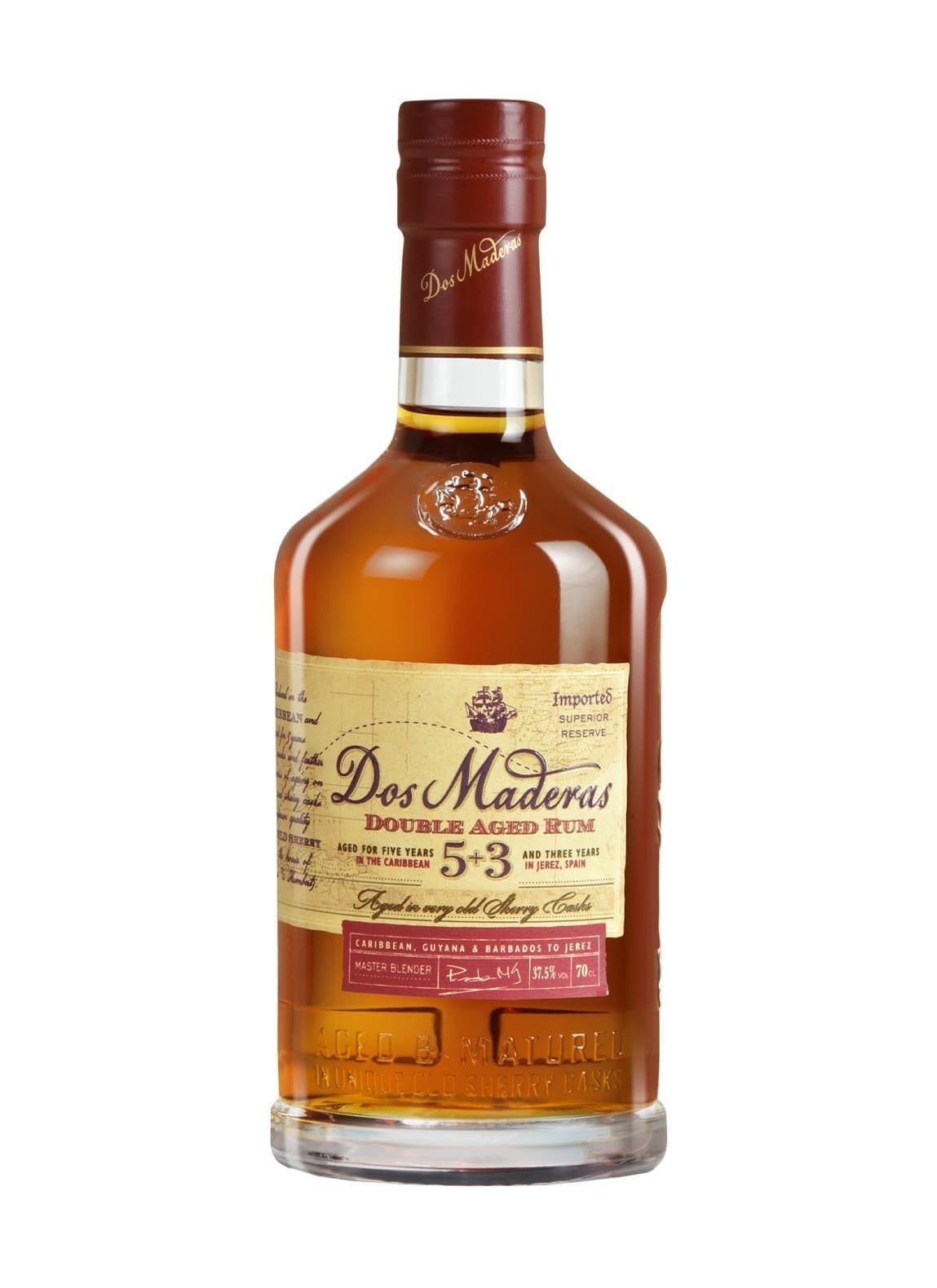
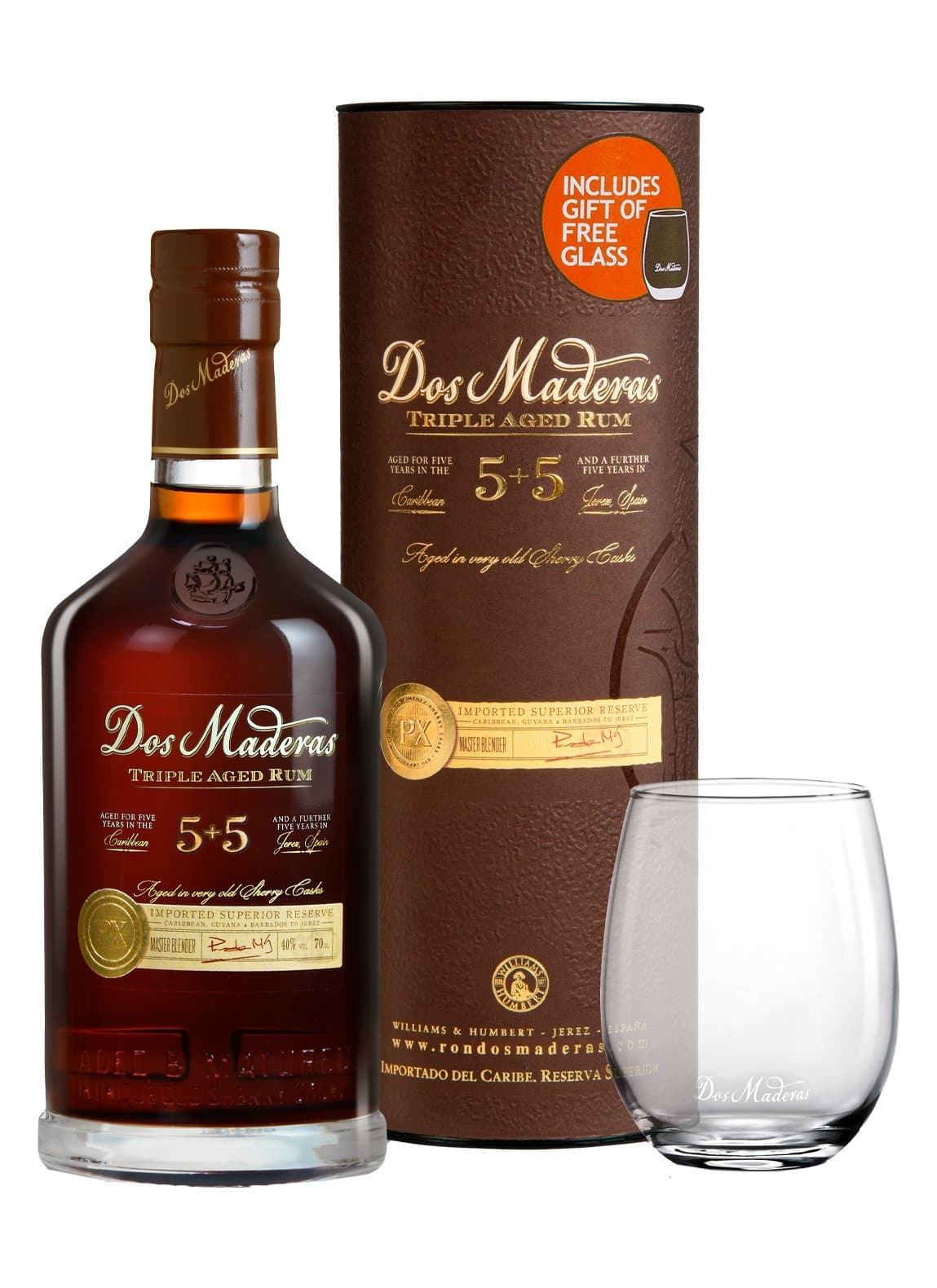
Dos Maderas Rum 5 years+5 years 40% 700ml
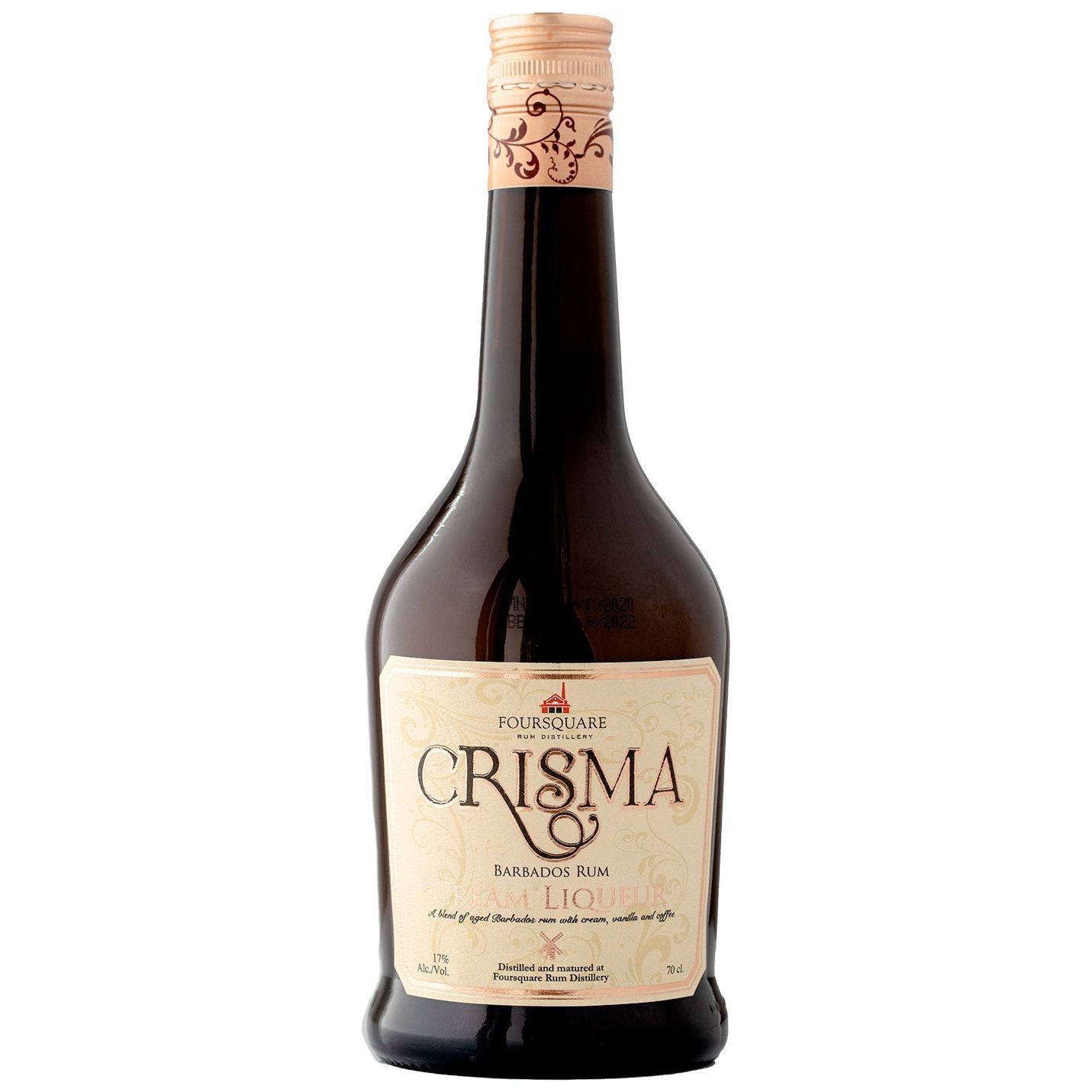
Foursquare Crisma Rum Cream Liqueur
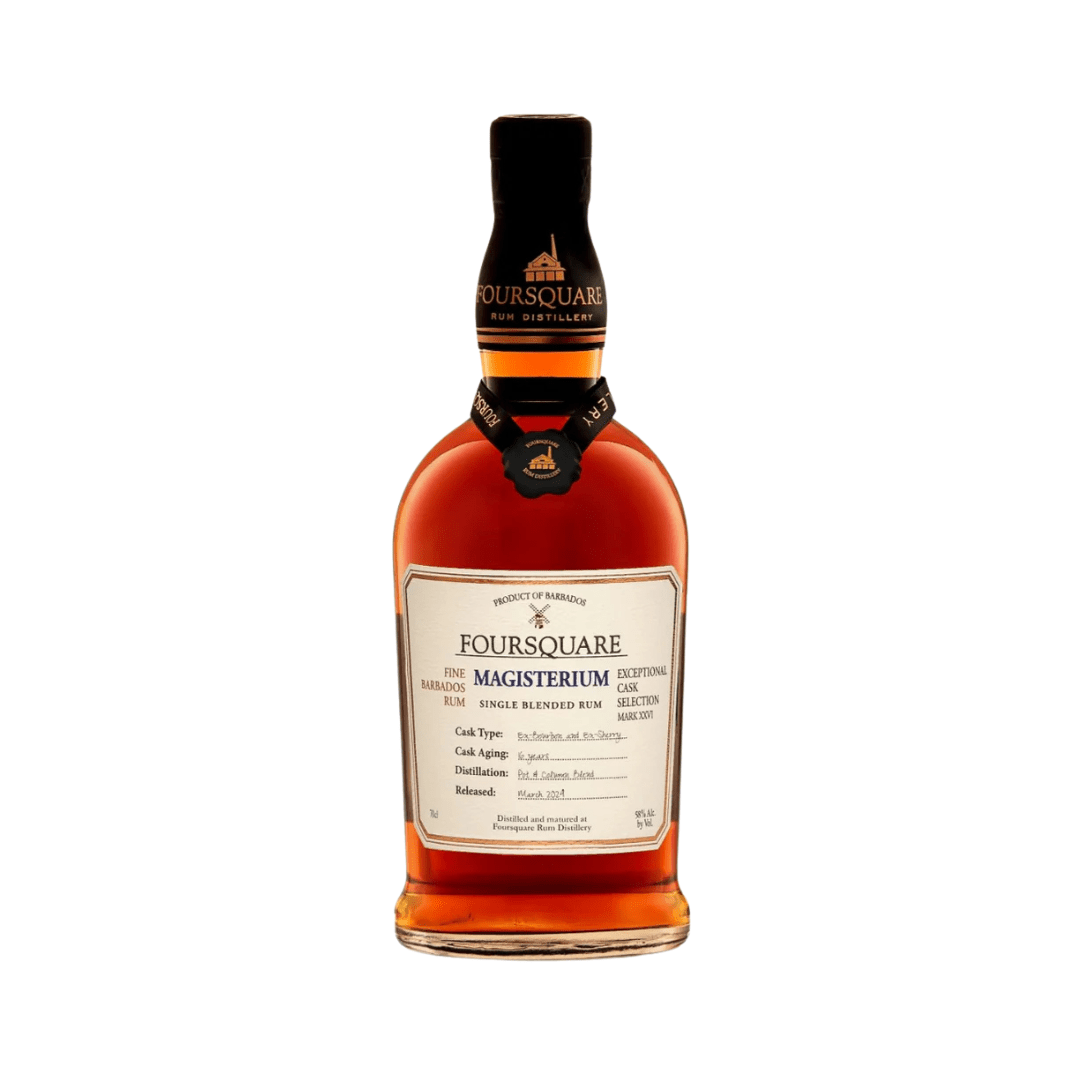
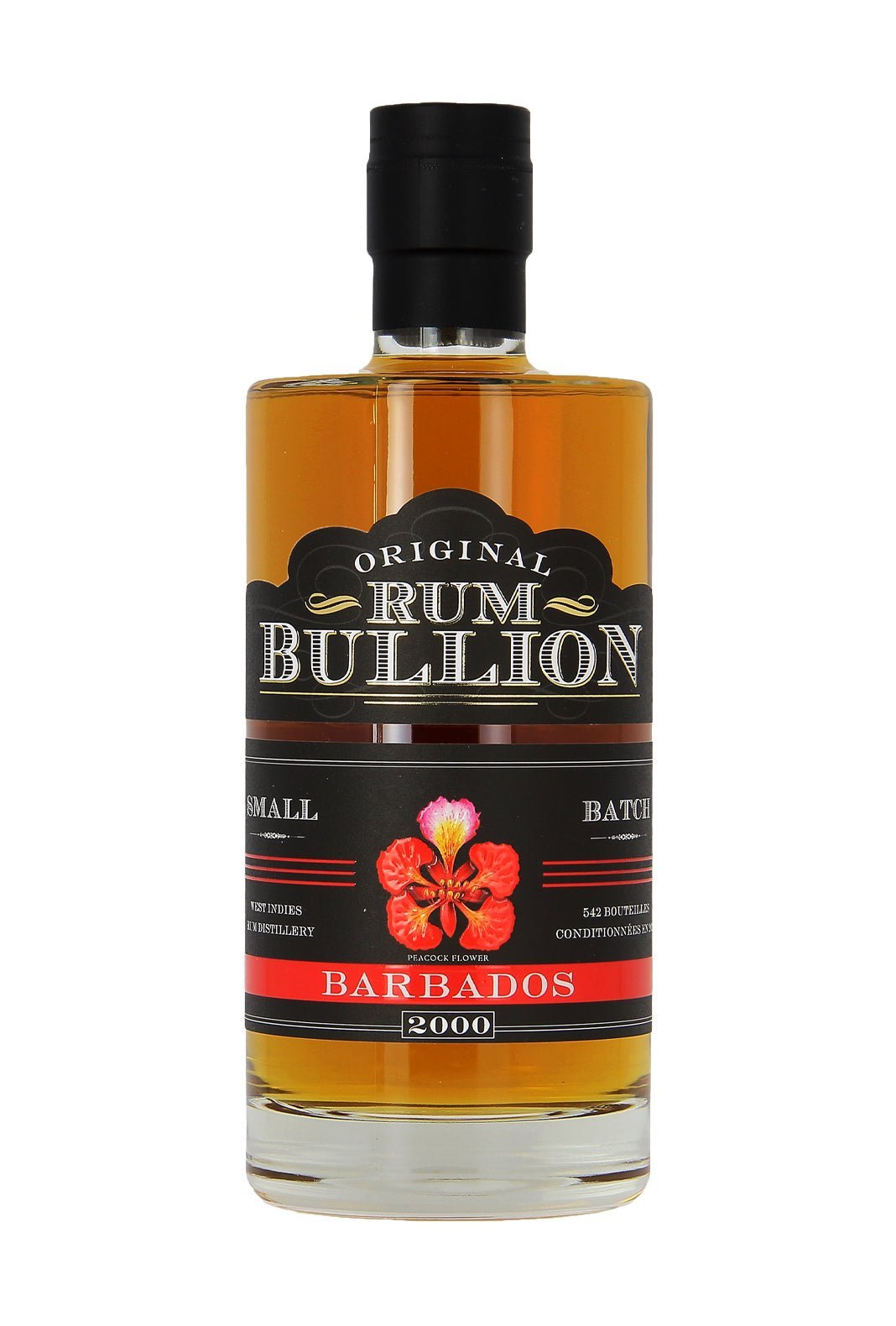
Jean Boyer Rhum Barbados 2000/2020 40% 700ml
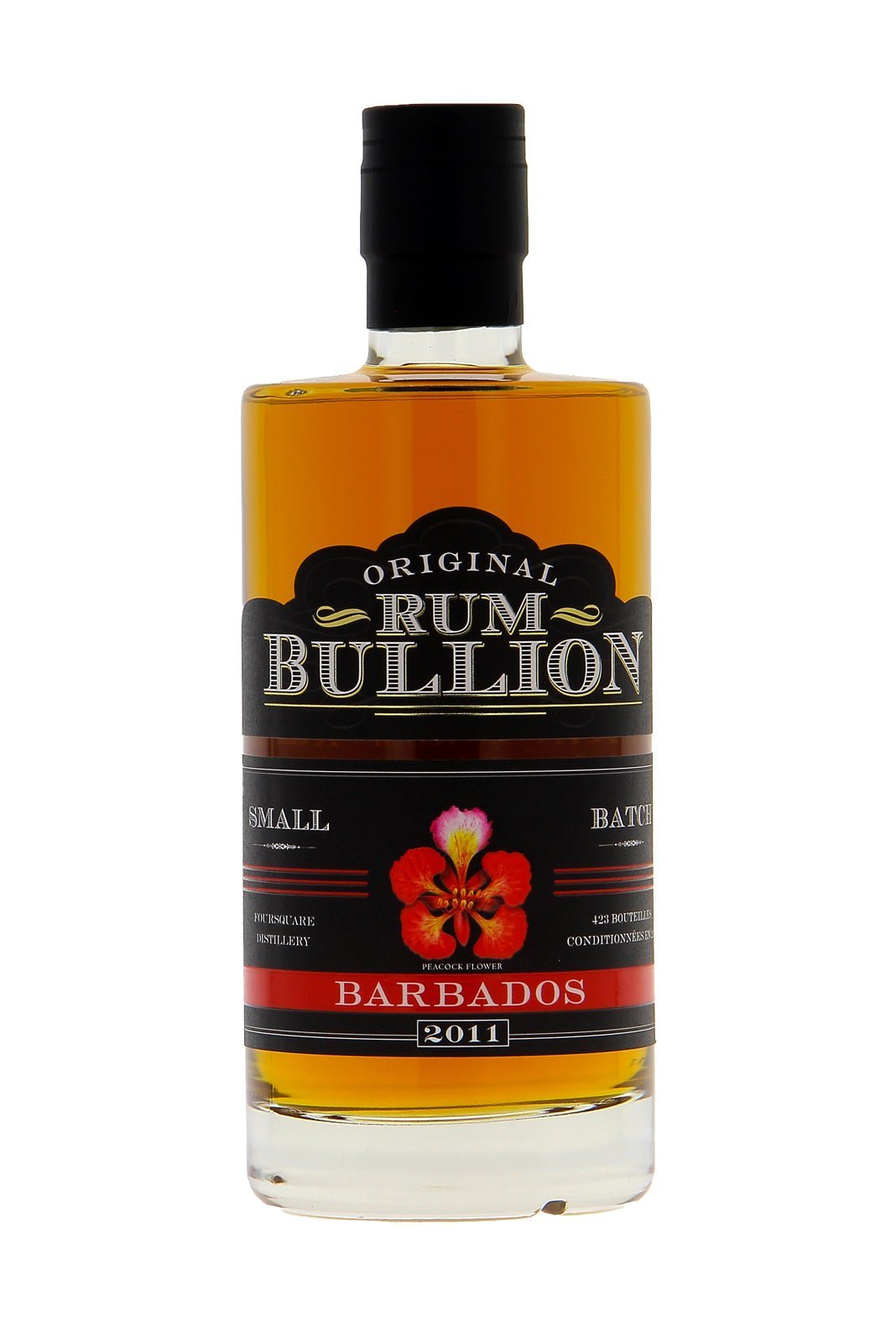
Jean Boyer Rhum Barbados 2011/2021 40% 700ml
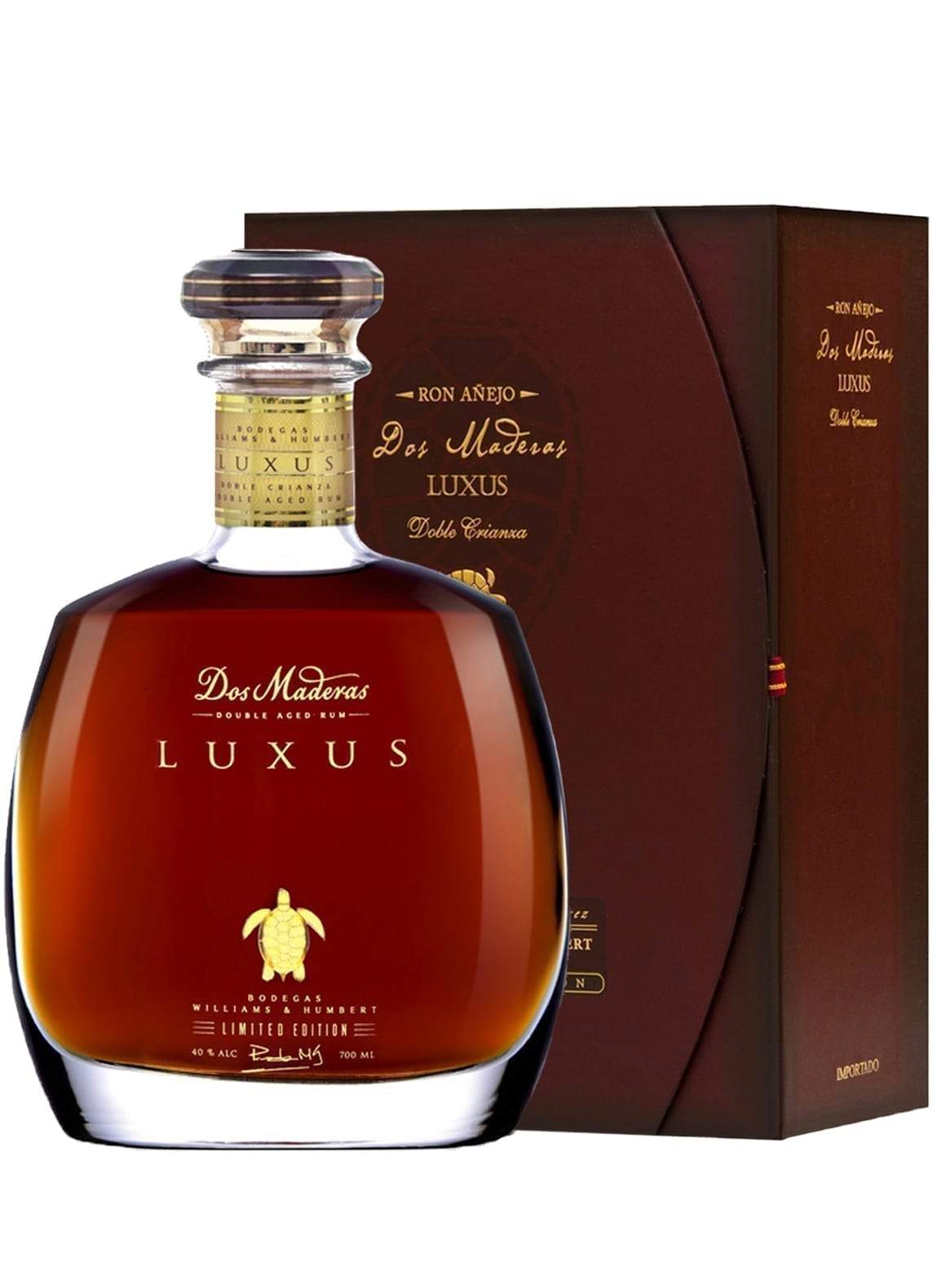
Dos Maderas Rum Luxus 10 years+5 years 40% 700ml
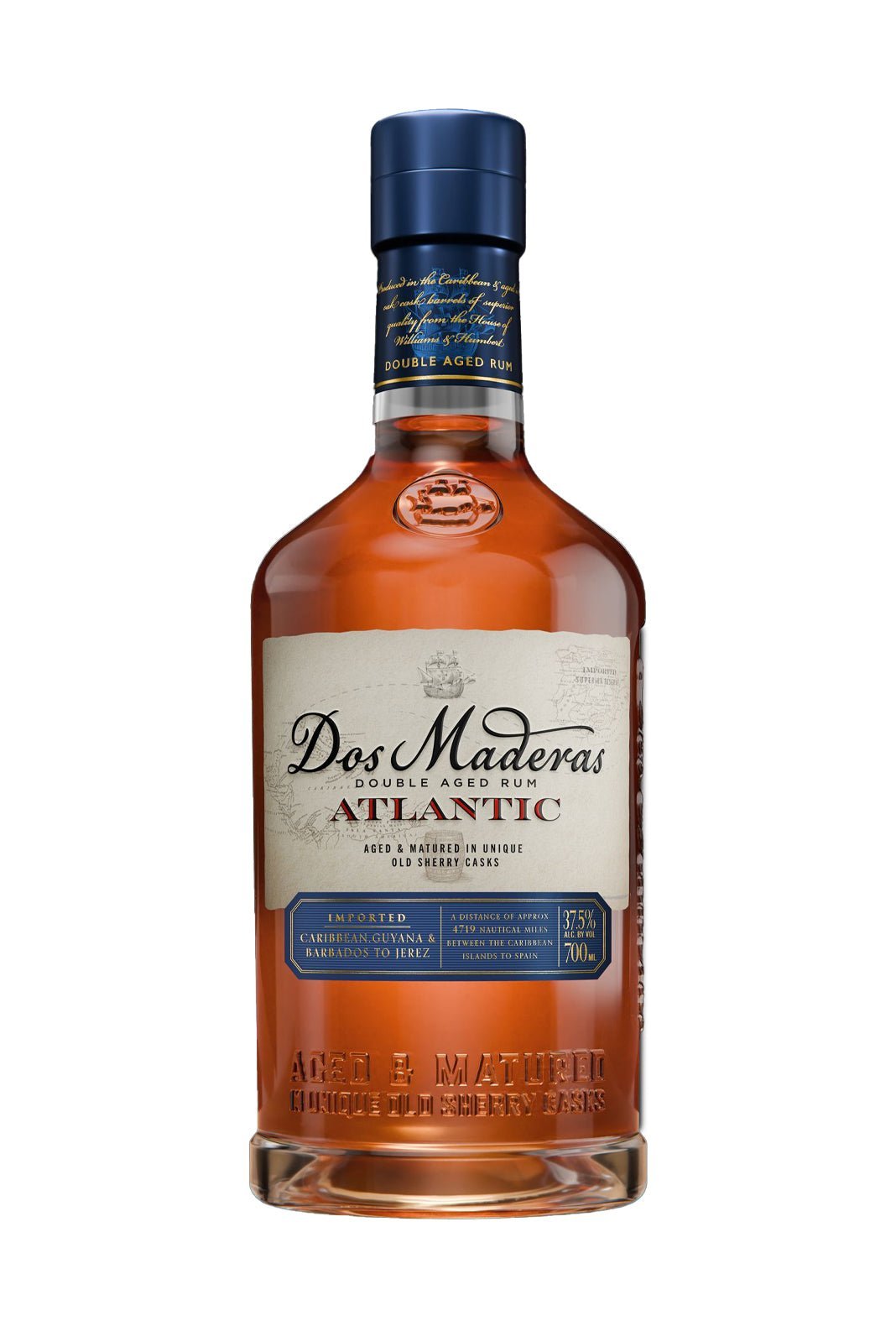
Dos Maderas Rum 5+1 Atlantic 37.5% 700ml
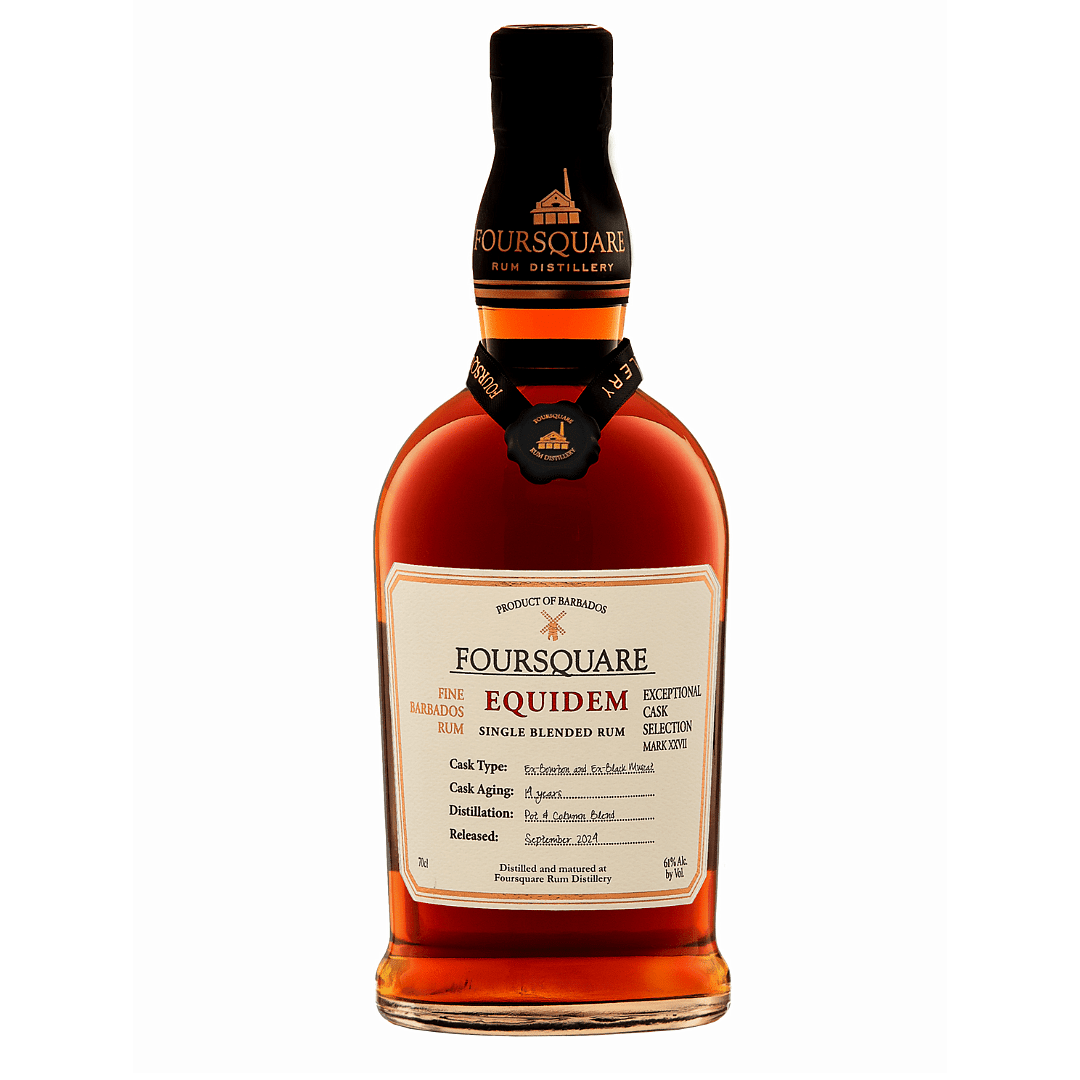
Foursquare Exceptional Cask Equidem
About Barbados Rum
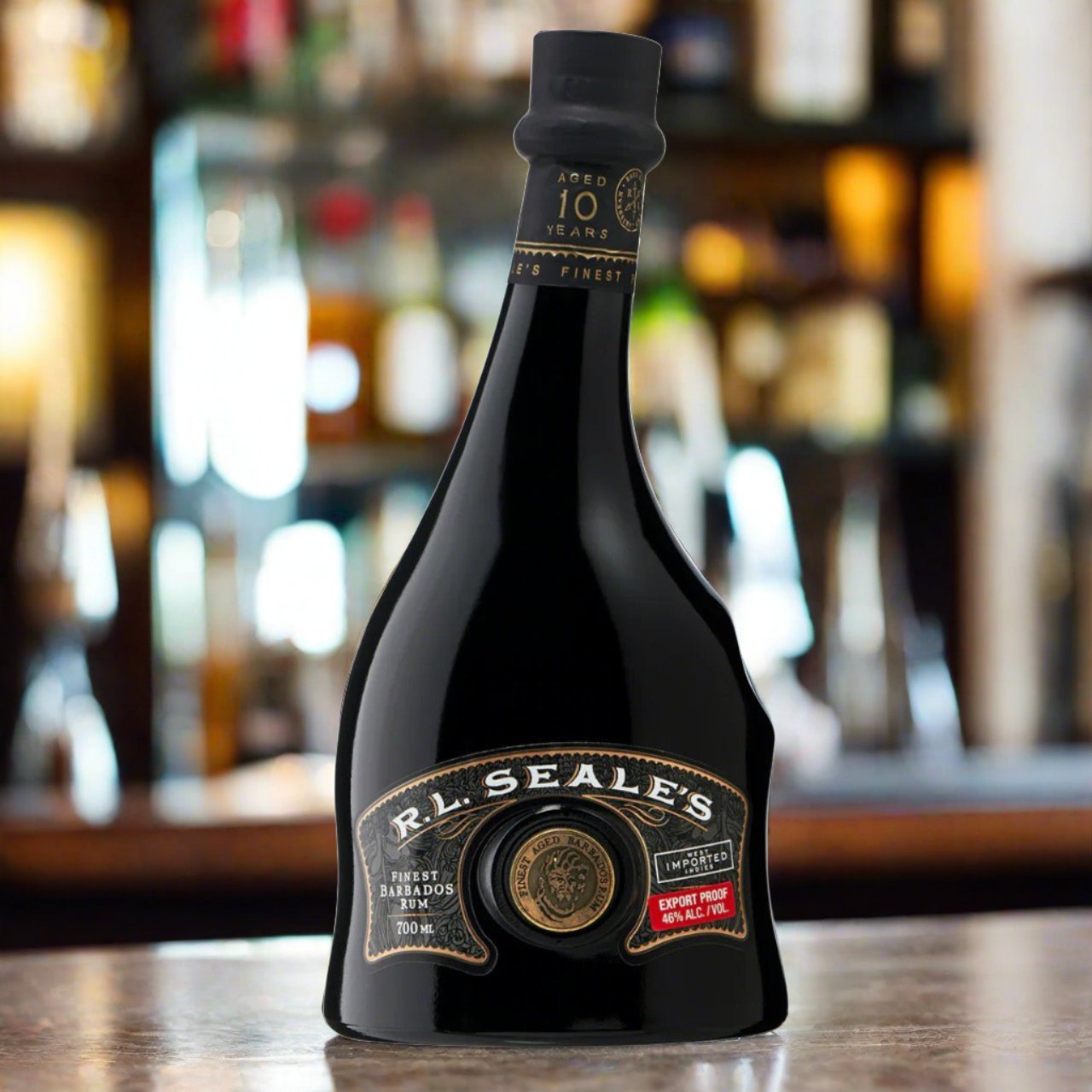
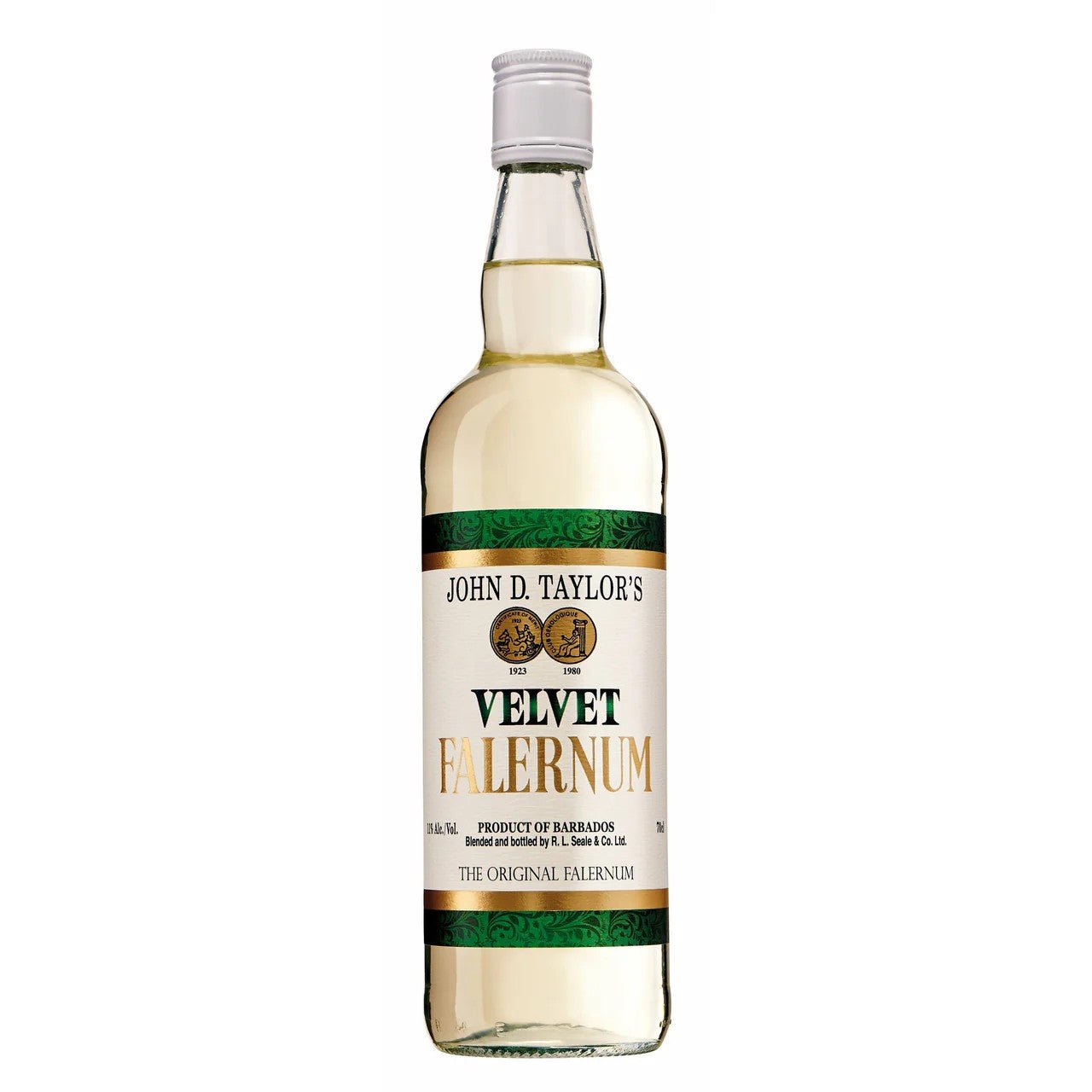
Liquor Wine Cave lists Barbados rum from Foursquare, Doorly's and R.L. Seale, alongside independent Barbados bottlings from Jean Boyer and the island's own liqueur, John D. Taylor's Velvet Falernum.
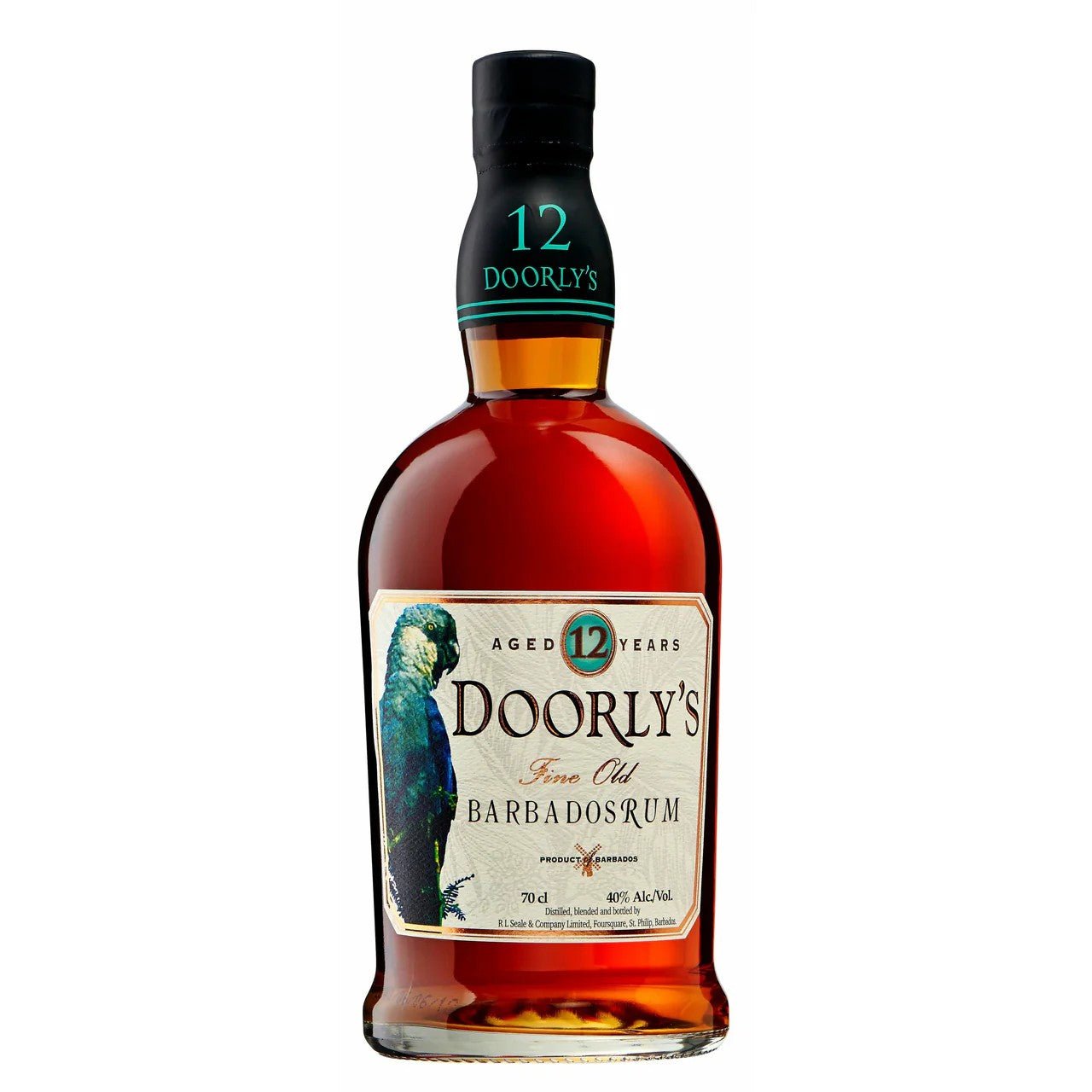
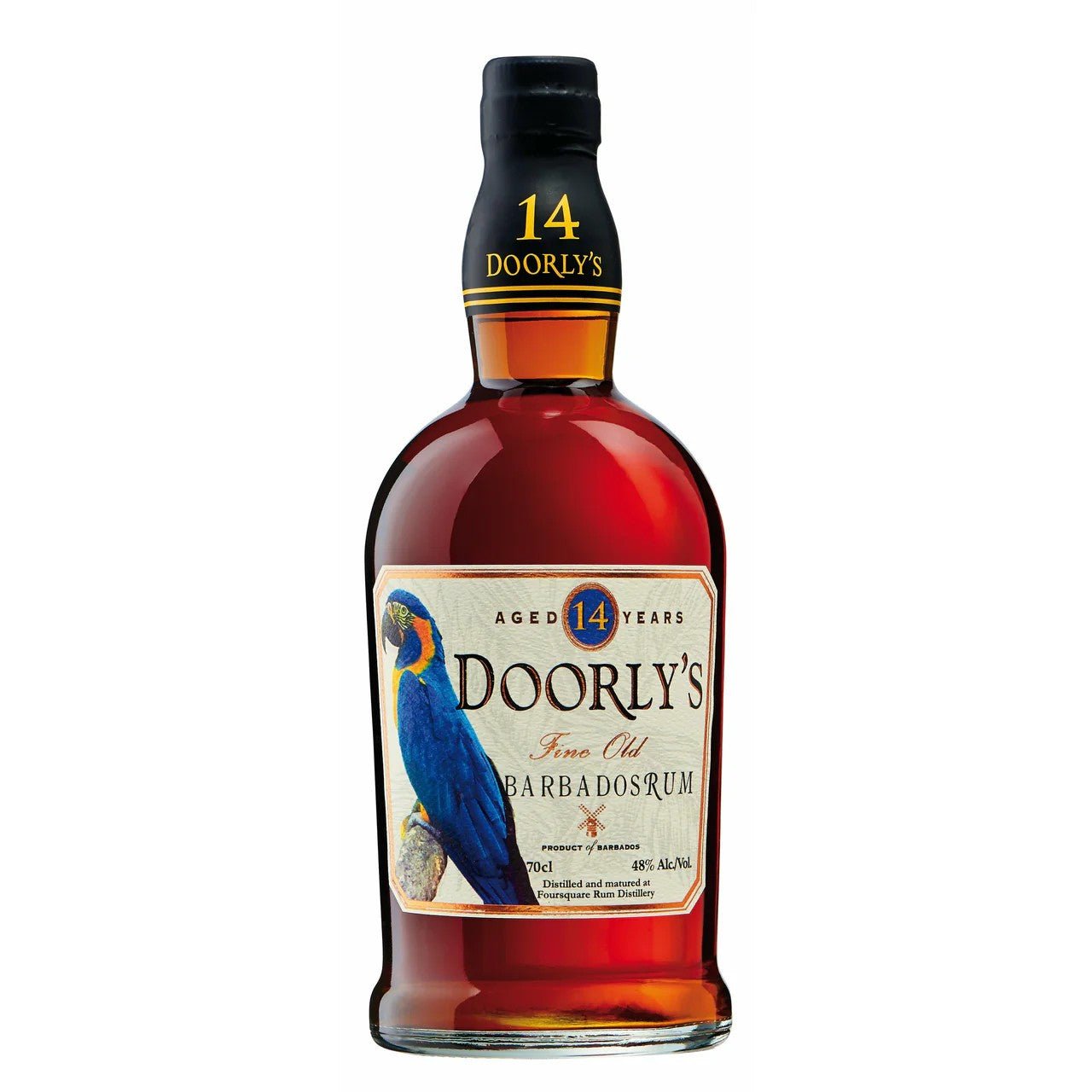
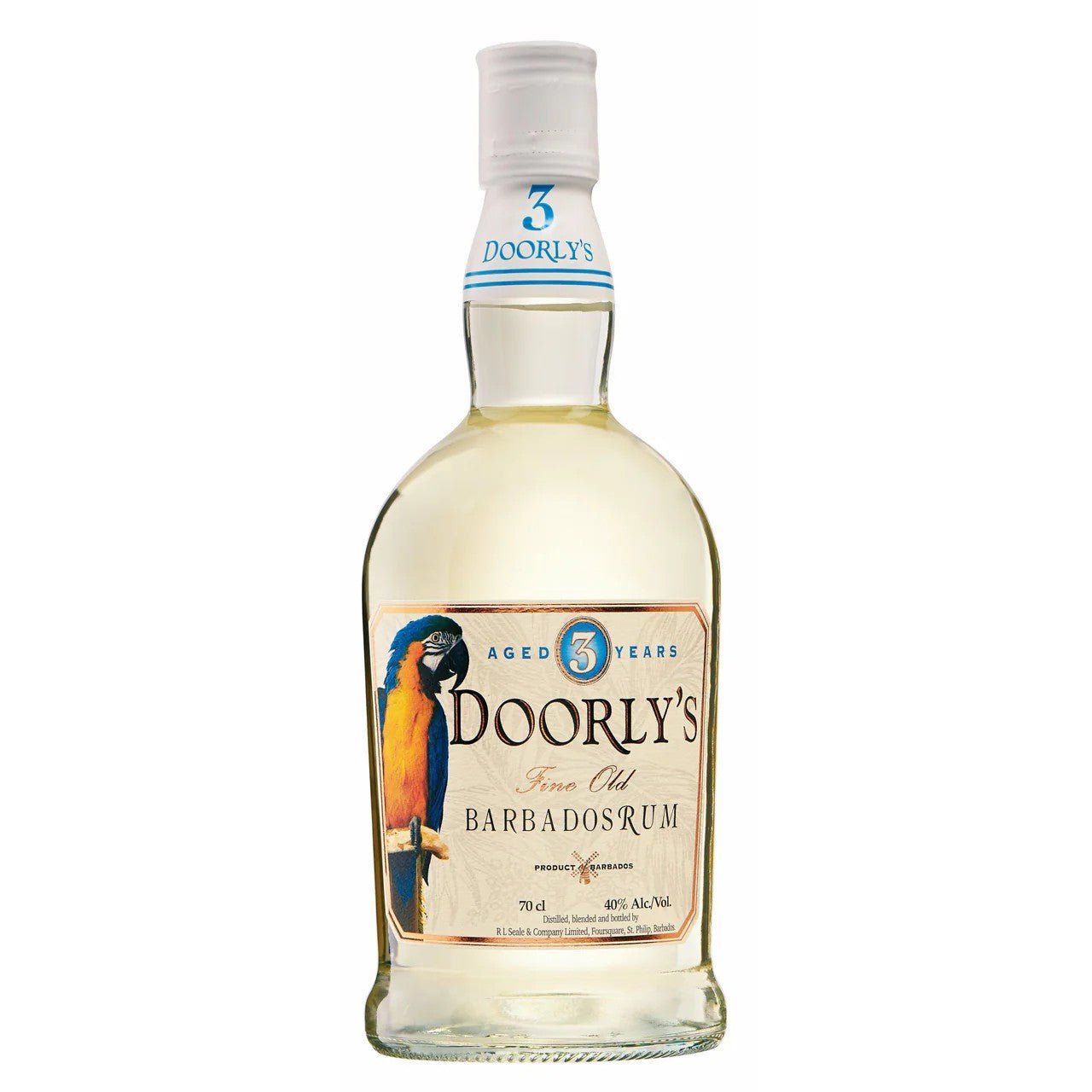
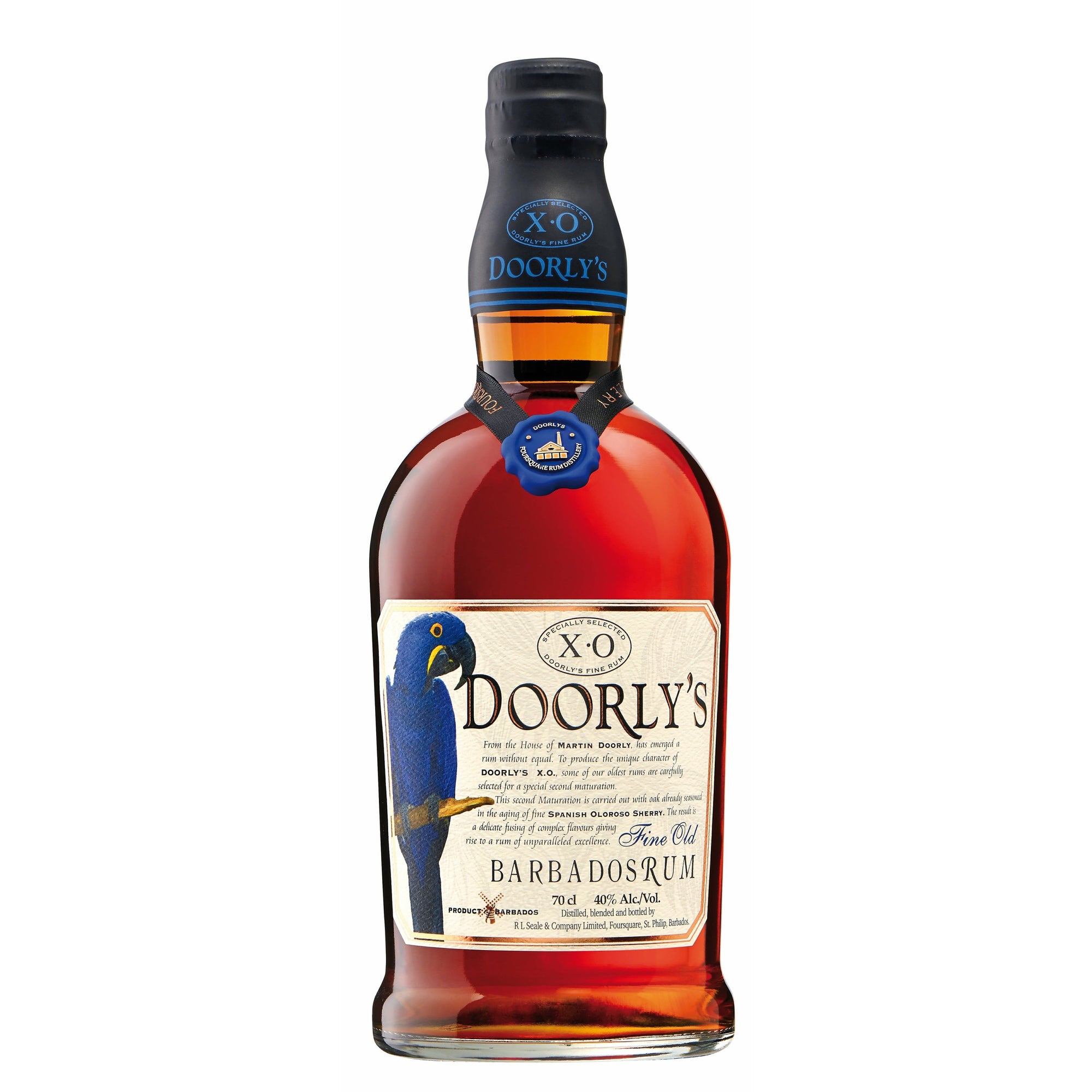
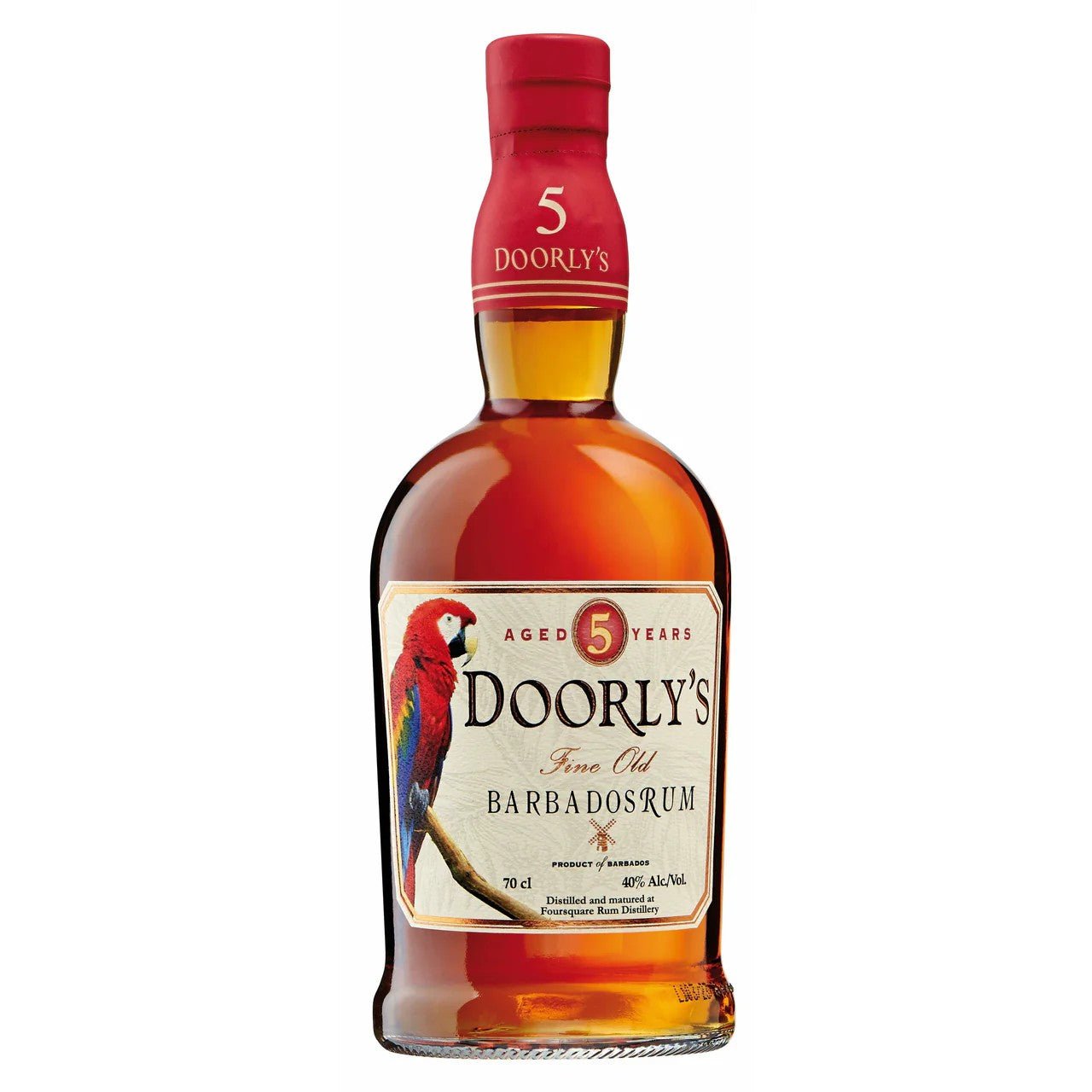
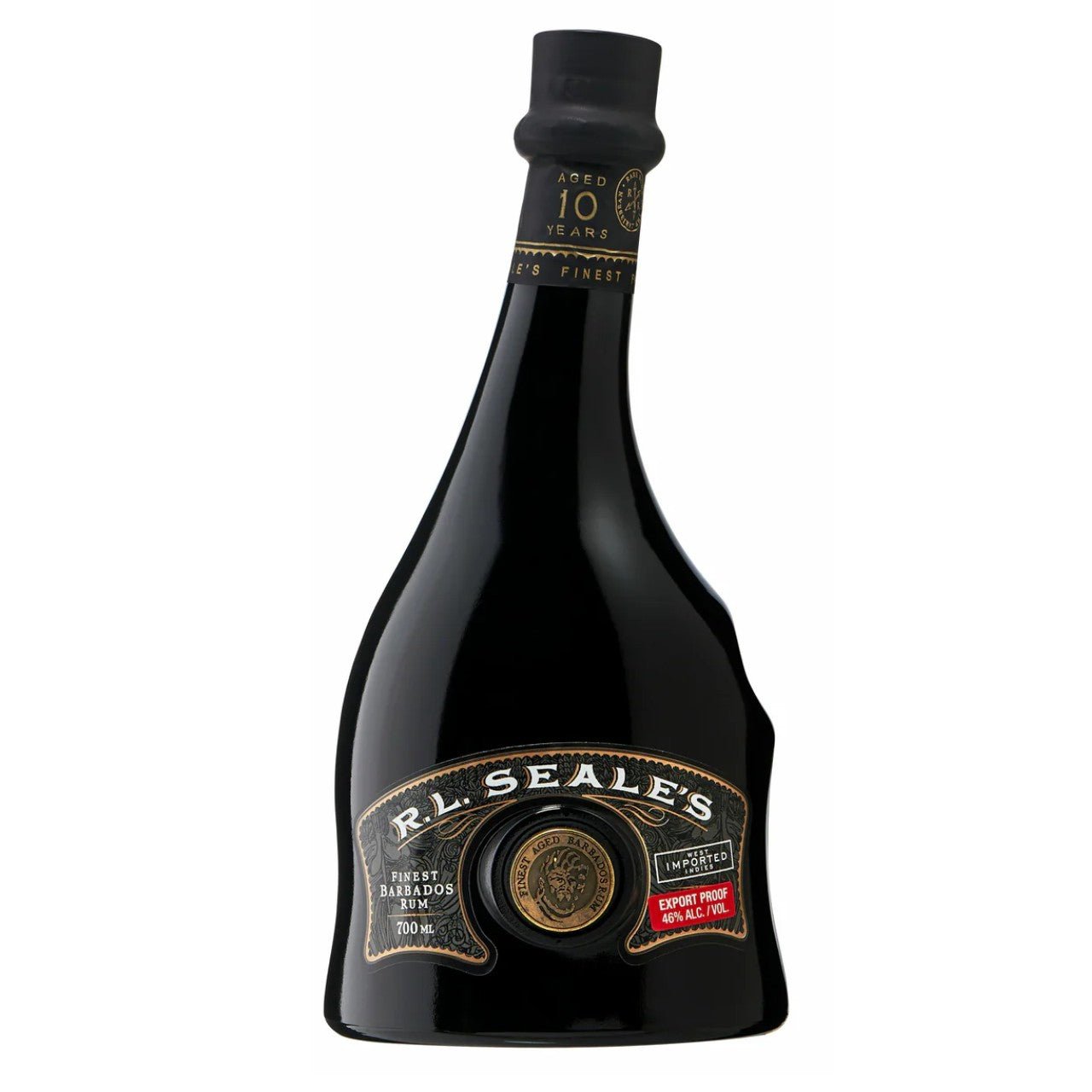
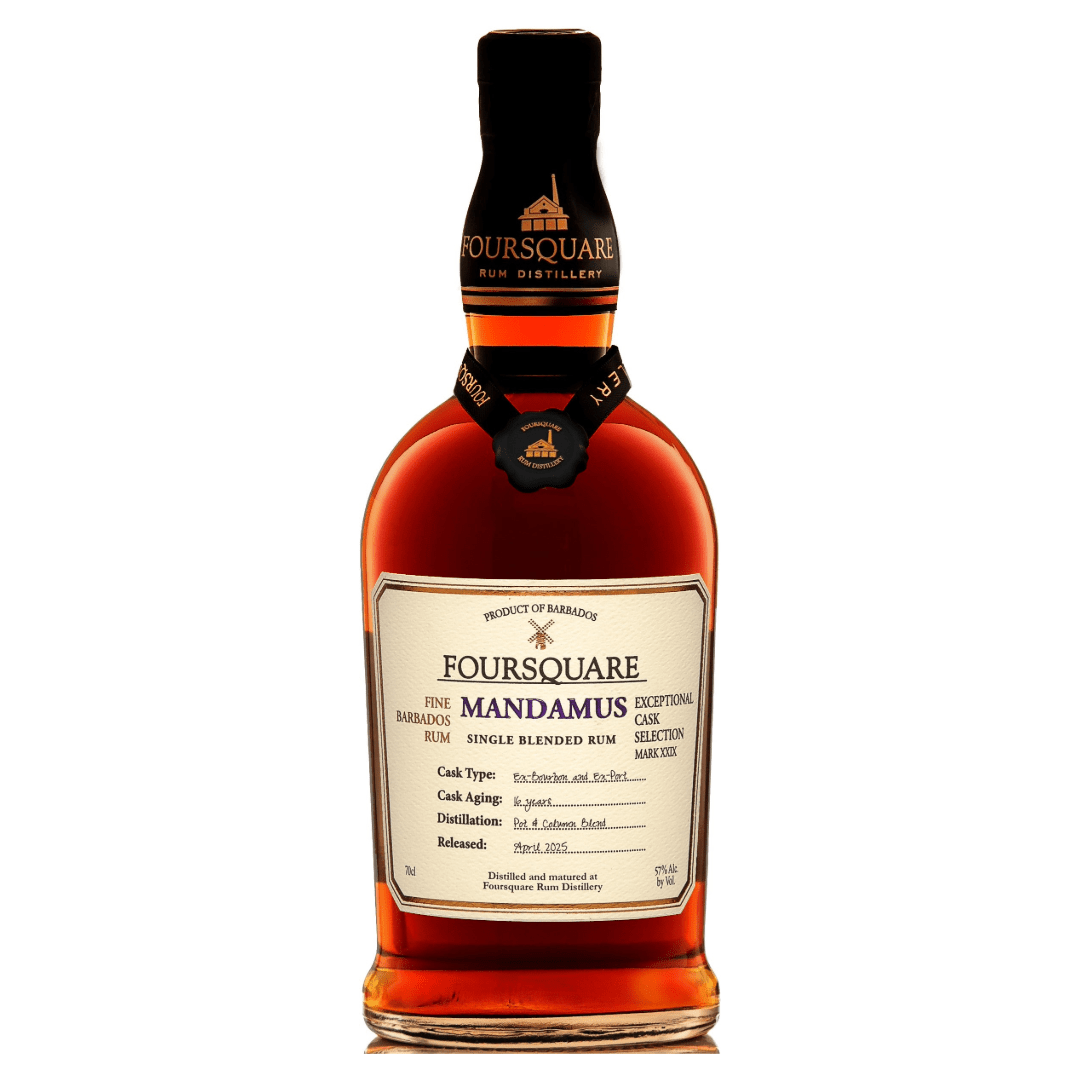
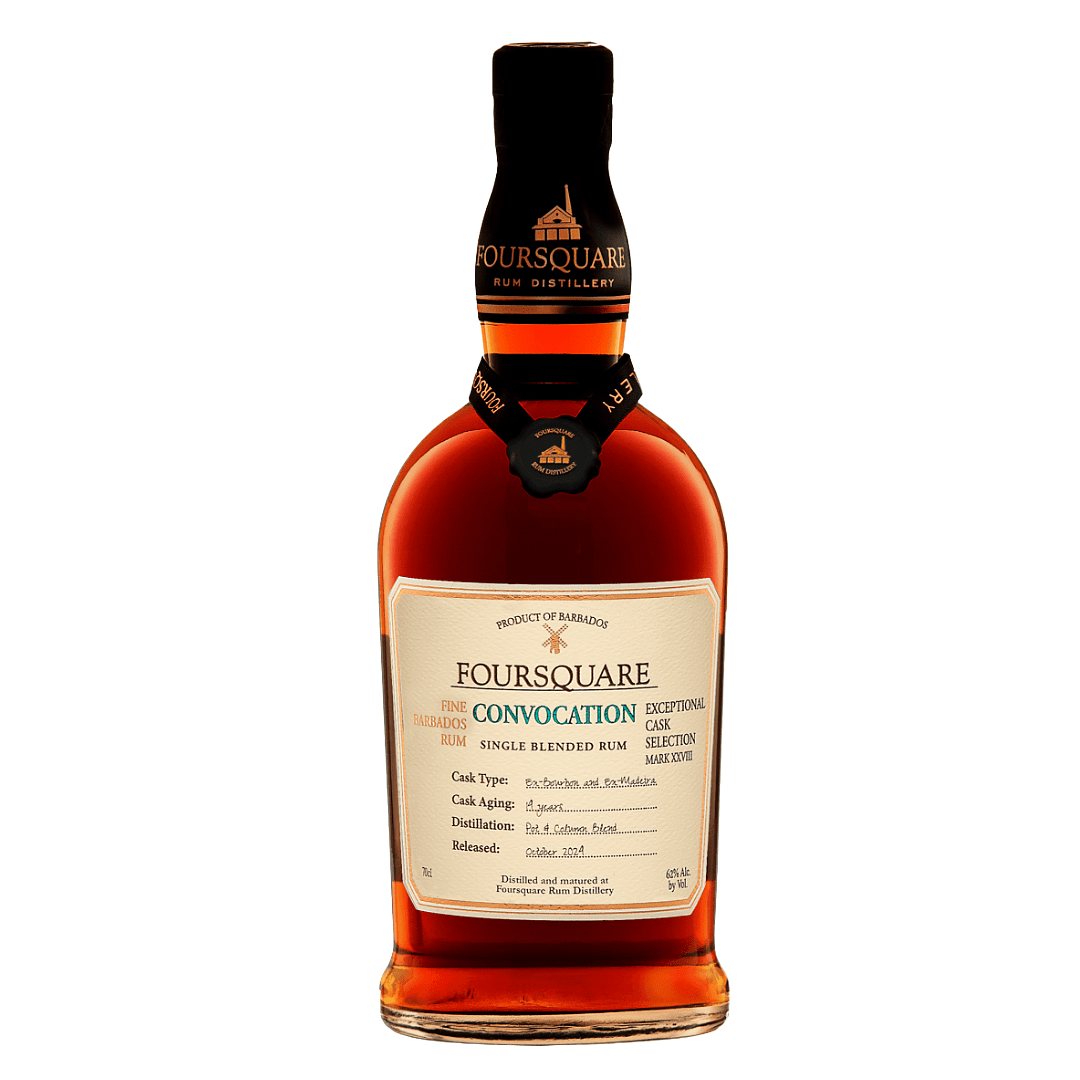
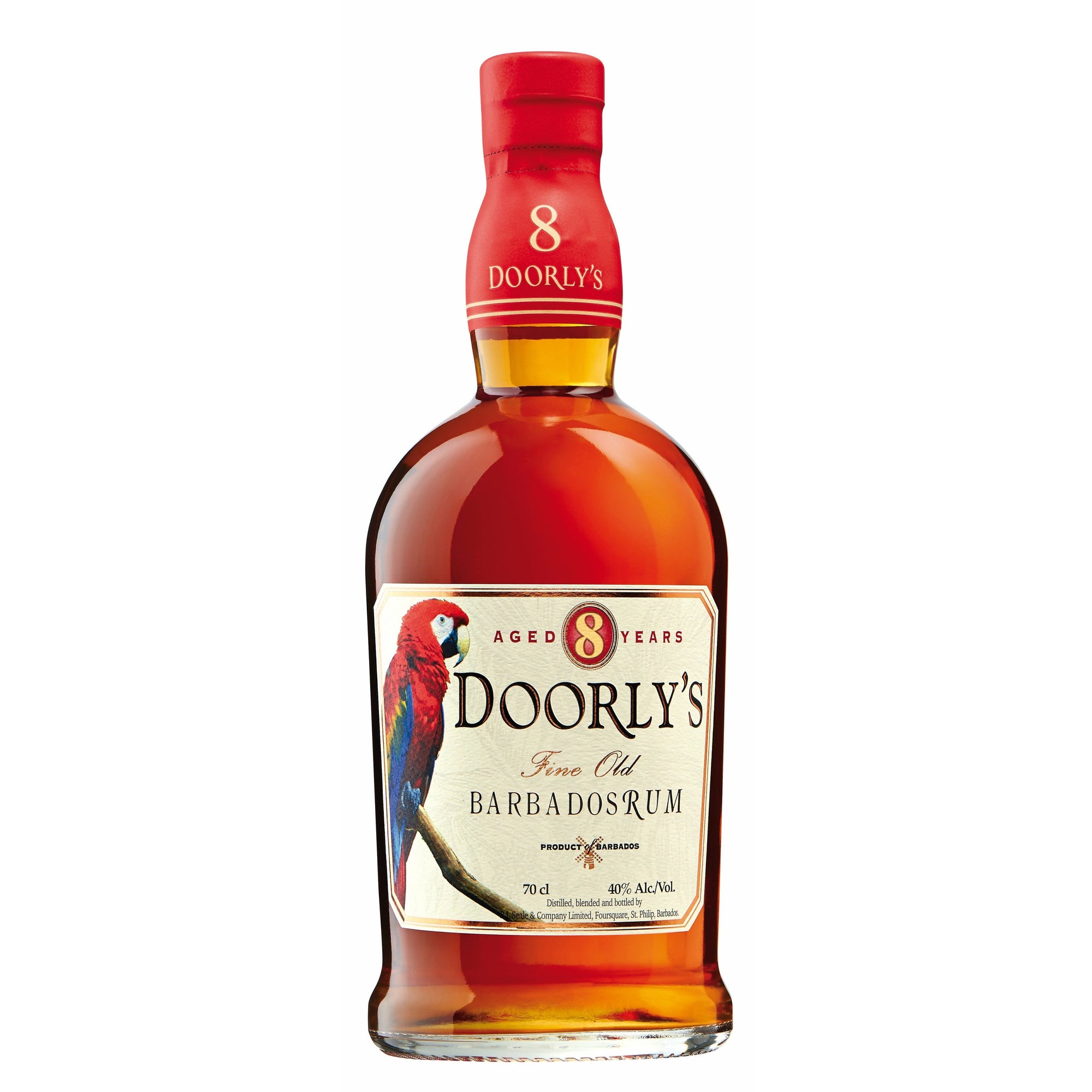
Foursquare, in the parish of St Philip, is where most of this range is made. Doorly's runs as a clean vertical, from the 3 Year White through the 5, 8, 12 and 14 to the XO, and R.L. Seale 10 Year sits beside it. The Exceptional Cask Selection bottlings, among them Equidem, Mandamus, Convocation and Magisterium, are single blends of pot and column still rum bottled without added sugar or colouring.
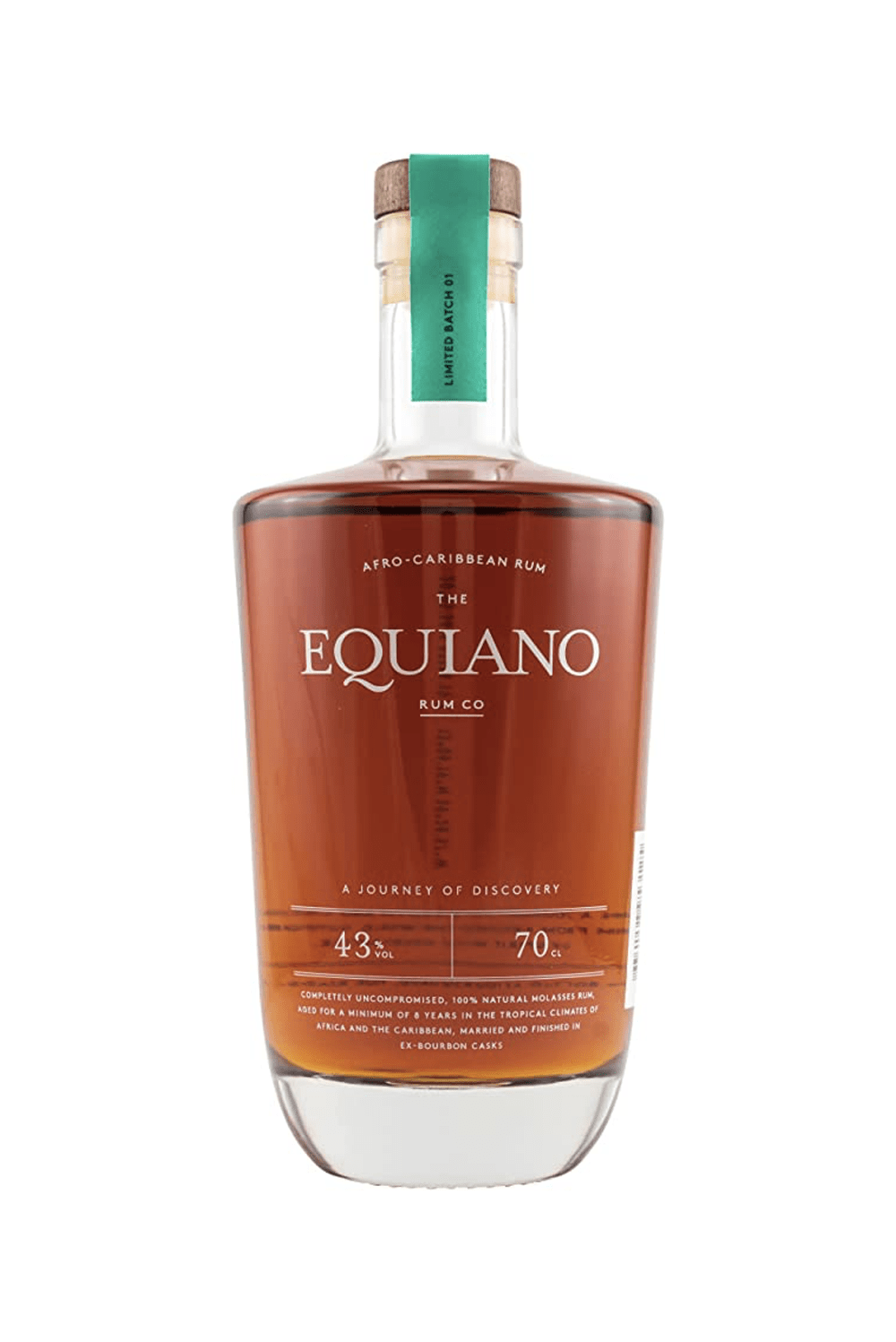
Two others come from the same house. Velvet Falernum is the Barbadian lime and almond liqueur, made by R.L. Seale and Company at 11 per cent, and Equiano is a blend of Foursquare rum with rum from Gray's in Mauritius.
Jean Boyer bottles Barbados distillate under vintage dates, 2000 and 2011, both at 40 per cent. Dos Maderas blends Barbados and Guyana rum and finishes it in sherry casks in Jerez.
Most of the range is aged and sits with the dark rums, while Doorly's 3 Year belongs with the white rums. The wider category starts at rum, and our guide to the best rum to buy in Australia is a useful shortlist if you are deciding where to begin.
History
Barbados has the strongest documentary claim to being where rum began. Richard Ligon, an Englishman who lived on the island between 1647 and 1650, described a spirit distilled from sugar cane there and recorded the name the planters used for it, kill-devil. His account was published in London in 1657. A visitor writing in the early 1650s called the same drink rumbullion, and the word rum itself turns up in a Barbados plantation deed of 1658.
What the island settled on afterwards is a method rather than a single flavour. Barbadian distilleries run both pot stills and column stills and blend across them, before and after cask ageing. Pot still spirit brings weight and fruit, column still spirit brings clarity, and the house style is the proportion each producer chooses. That is why a Barbados rum tends to sit between the heavy Jamaican and Demerara styles and the lighter ones.
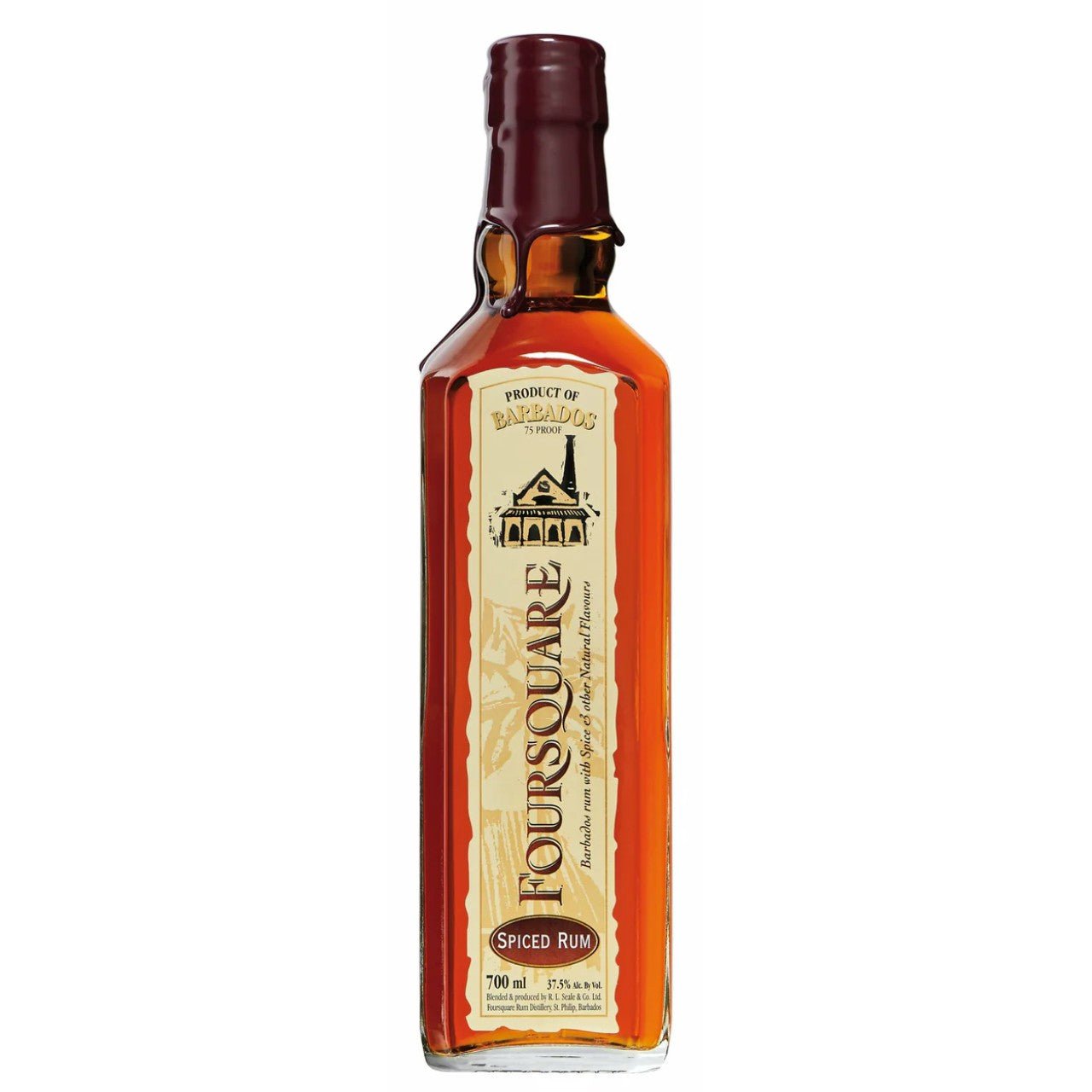
Foursquare, the distillery behind most of the rum here, was built on a former sugar plantation at St Philip in 1996 by the Seale family, who had been in the rum trade since 1926. Richard Seale is the fourth generation.
Mount Gay, the West Indies Rum Distillery and St Nicholas Abbey are the island's other long-established producers, and newer distilleries have opened since.
How to drink it
Barbados rum is usually drunk neat once it carries an age statement, and mixed when it does not.
Doorly's 3 Year White is the mixing rum in this range and makes a very good daiquiri: three parts rum, one part fresh lime juice, half a part sugar syrup, shaken hard over plenty of ice.
From the 8 Year upward, pour it neat in a tulip glass at room temperature, with no ice and no water. Expect banana, toffee, oak spice and a dry finish rather than a sweet one, because the Barbadian houses in this range do not add sugar after distillation.
The island's own cocktail is the Corn 'n' Oil: aged Barbados rum, Velvet Falernum, fresh lime juice and a few dashes of Angostura, stirred over crushed ice and garnished with lime. Bajan versions are generous with the falernum and American ones lean on the rum, so build it the way you like it. Velvet Falernum also belongs in a Zombie and a Test Pilot, where its lime and almond does work nothing else quite does.
If you want to understand what pot and column blending actually gives you, pour a Doorly's 12 next to a Demerara rum of the same age. Same category, opposite philosophies, and the difference is obvious in one sip.
More from this origin and style: