
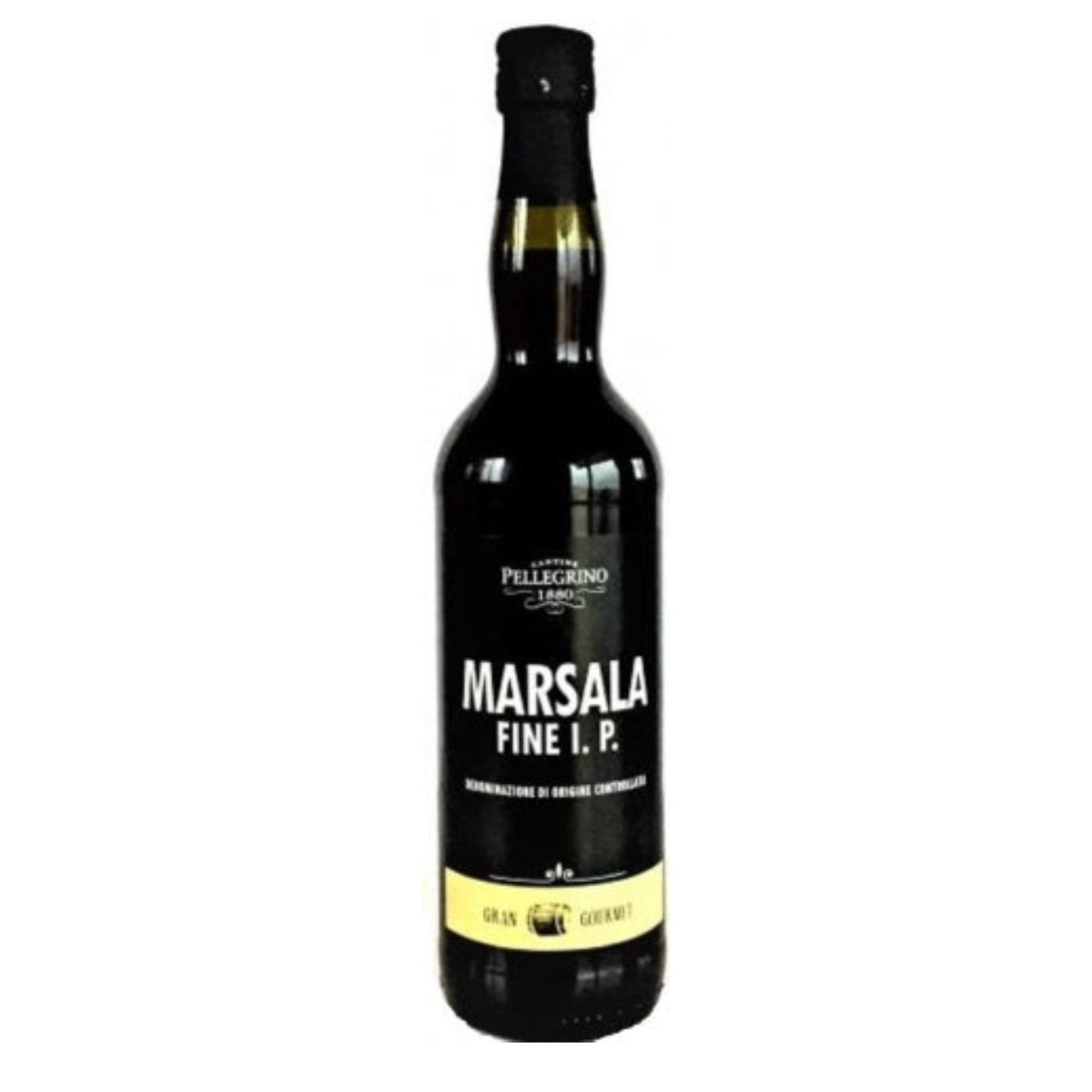
PELLEGRINO- Marsala Fine IP
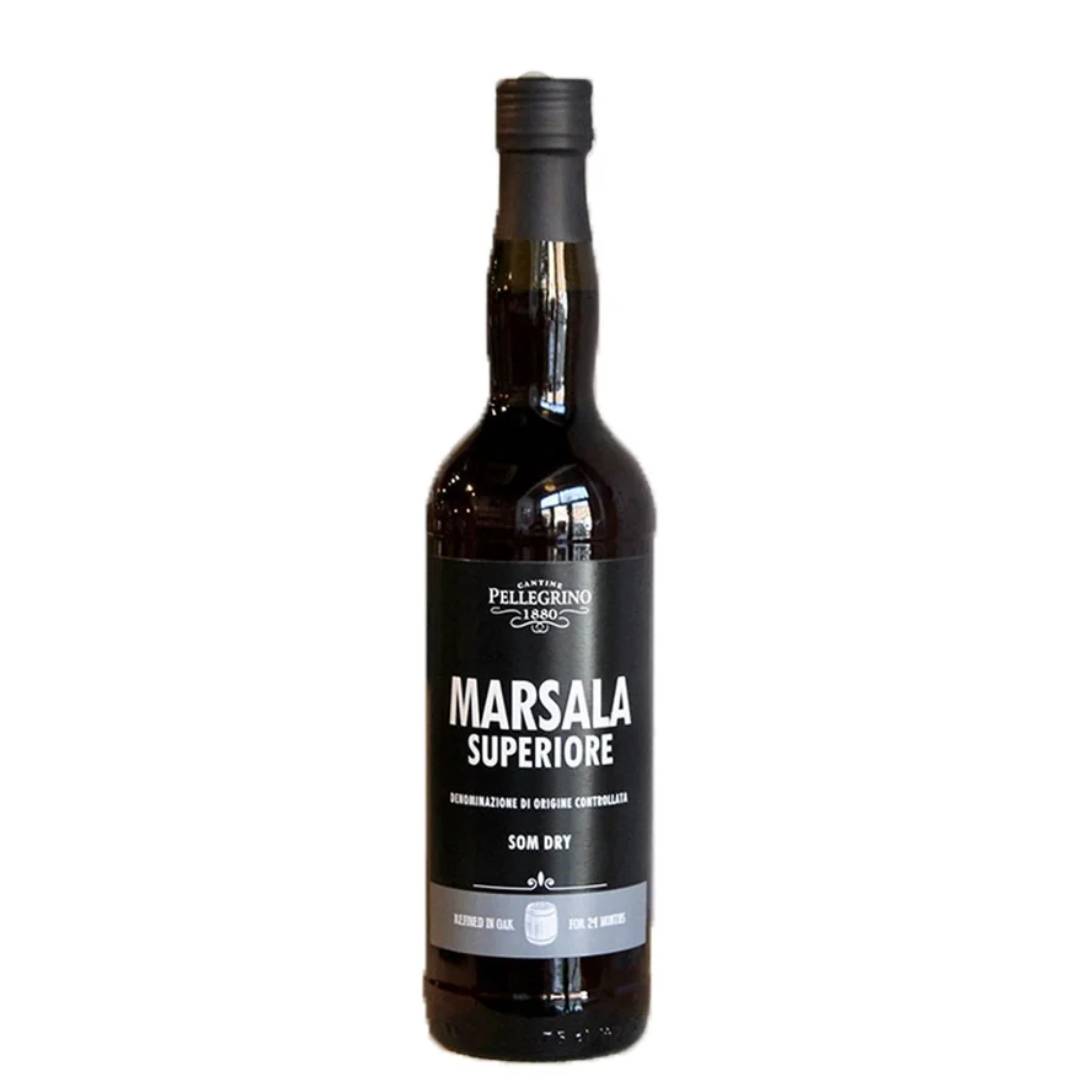
PELLEGRINO- Marsala Secco Superiore Som Dry
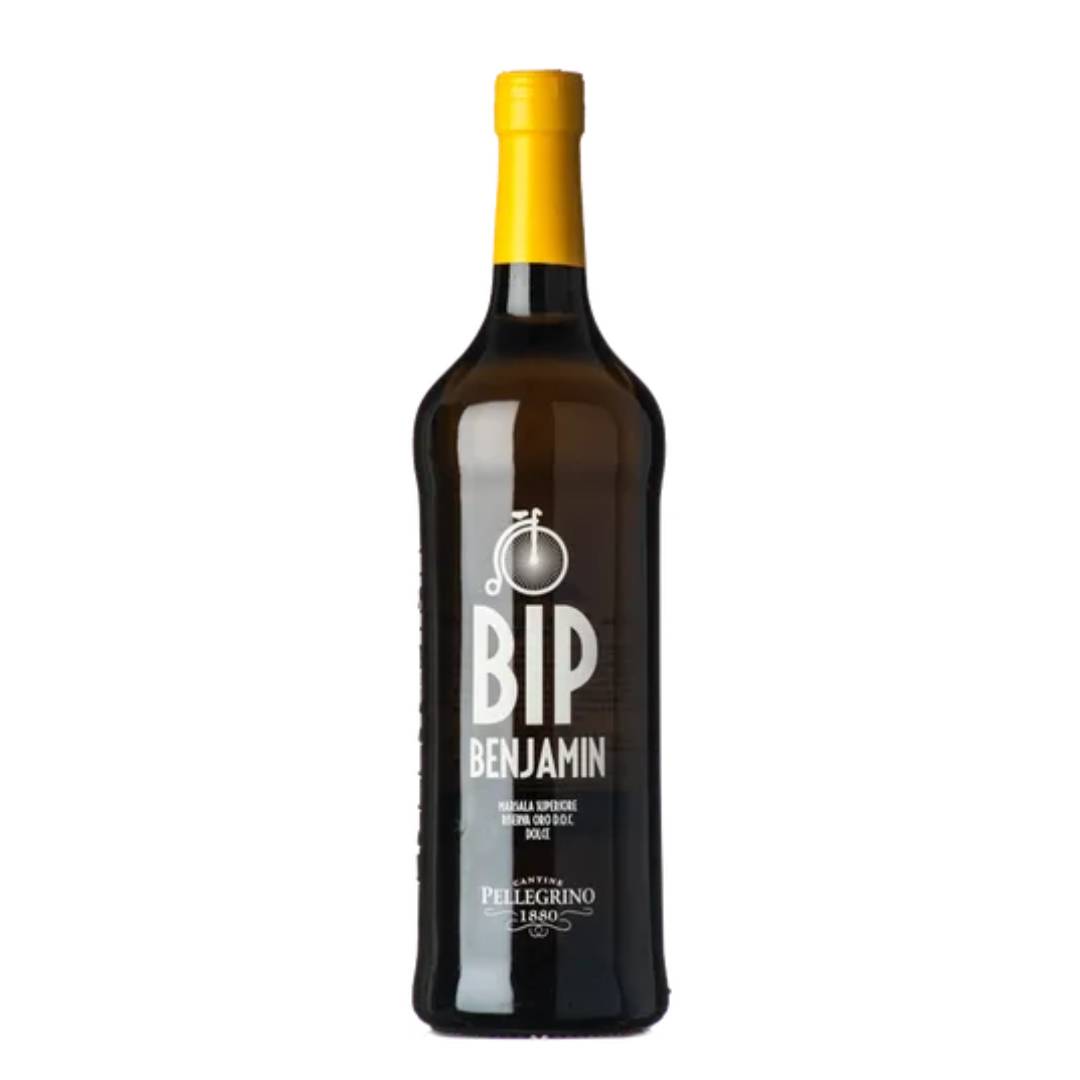
Pelllegrino Marsala BIP Benjamin Riserva ORO
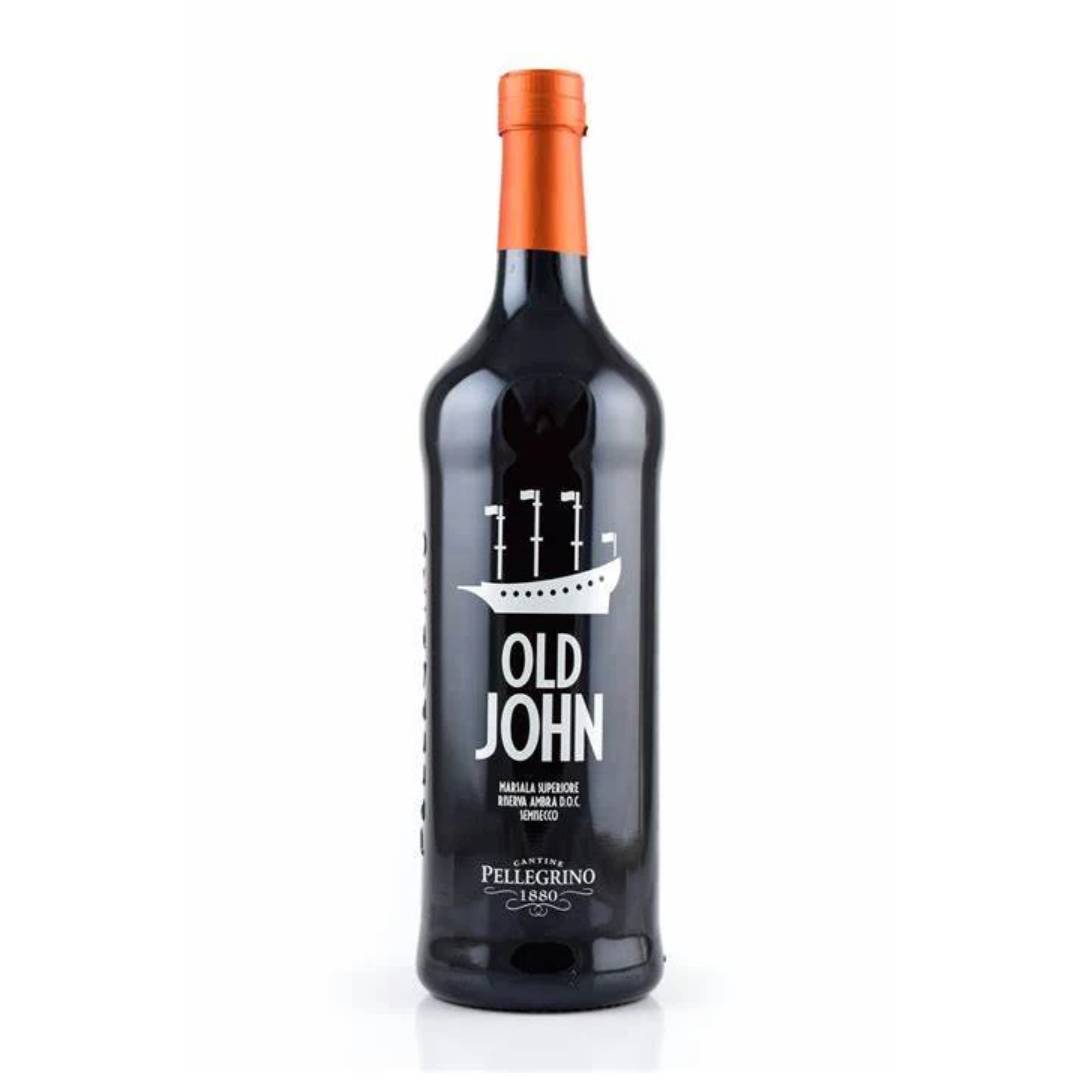
PELLEGRINO Marsala Old John Ambra
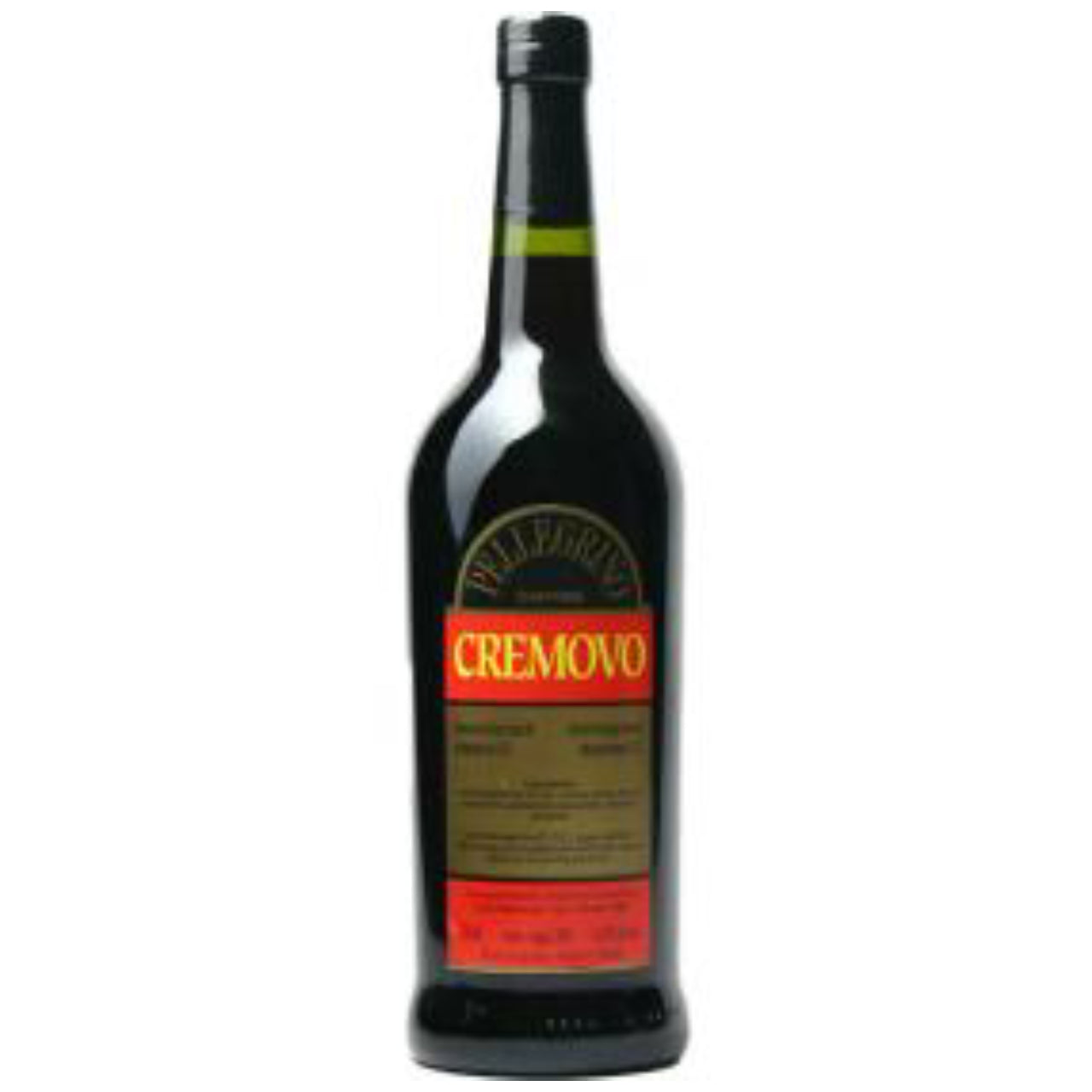
PELLEGRINO Marsala Cremovo All'Uovo 1.5 Litres
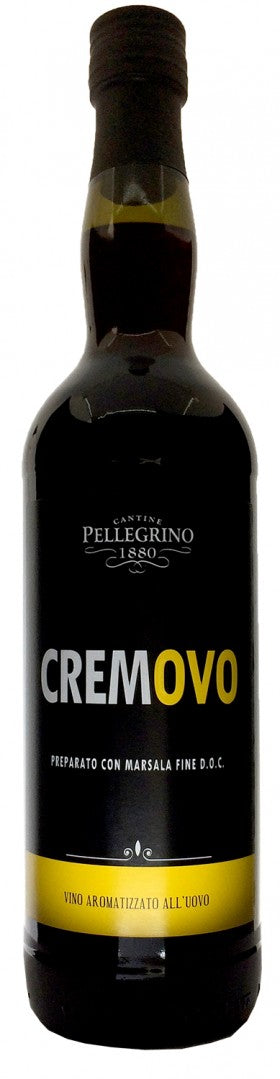
PELLEGRINO Marsala Cremovo All'Uovo 750ml
About Marsala
Every bottle on this page is made by Cantine Pellegrino at Marsala, on the western tip of Sicily. Between them they cover the dry and sweet styles of the appellation, plus the egg-enriched Cremovo, which is bottled as an aromatised wine rather than as DOC Marsala.
Marsala Secco Superiore is the dry one: light amber, balanced, with a delicate oak scent and a moderate dry finish. It is the bottle to reach for before a meal and the one most recipes mean when they call for dry Marsala.
Marsala Fine is aged for over two years in oak at 17 per cent, which gives it an intense amber colour and a persistent, lightly oaked aroma.
Old John Ambra is a Superiore Riserva, aged at least four years, and ambra refers to its amber colour rather than to any sweetness level. Benjamin Riserva Oro is the gold-coloured riserva, with a light vanilla character that suits baked sweets and hard cheese.
The two Cremovo all'Uovo bottlings, in 750ml and 1.5 litres, are the egg-enriched style, sweet and thick with an unmistakable egg yolk flavour. Pellegrino labels them Cremovo Vino Aromatizzato all'Uovo, made with Marsala rather than sold as Marsala itself.
The rest of the Sicilian and mainland range sits on Italian wines.
History
Marsala takes its name from the town on Sicily's west coast, and the wine exists in its present form because of the English wine trade. The merchant John Woodhouse began shipping local wine out of Marsala in 1773, fortifying it with grape spirit so it would survive the voyage north, and the style he created found a ready market in Britain. Benjamin Ingham and later the Florio family built the trade out from there.
Cantine Pellegrino was founded at Marsala in 1880 and remains in family hands.
Marsala was granted DOC status in 1969, and the rules classify it along three separate axes rather than one. Colour gives oro (gold), ambra (amber) and rubino (ruby). Sweetness gives secco, semisecco and dolce. Ageing gives Fine, Superiore, Superiore Riserva and Vergine, with the minimum time in cask rising at each step: Superiore Riserva must spend at least four years in wood.
Traditional Marsala is matured by the in perpetuum method, in which older casks are topped up with younger wine so that the character of the blend carries forward rather than changing from year to year. It is the same principle as the solera used for sherry in Jerez, and it is why a bottle tastes of a house style rather than a vintage.
How to drink it
Temperature separates the styles. Serve the dry Secco Superiore at around 10 to 12 degrees, half an hour in the fridge, in a small wine glass rather than a liqueur glass. The sweeter ambra and oro bottlings want a little warmer, around 14 to 16 degrees, which is still cooler than an Australian room.
For food, the dry style goes before the meal, with olives, almonds or salted ricotta. The sweeter riserva bottlings belong at the other end, with dried figs, almond biscuits, baked sweets or a hard aged cheese. Cremovo all'Uovo is a dessert in itself and works with marzipan, pastries, confectionery or poured straight over ice cream.
In the kitchen the rule is simple: dry Marsala for savoury dishes and sweet Marsala for puddings. Chicken and veal Marsala, mushroom and cream sauces and pan reductions all want the secco. Zabaglione and tiramisu want a sweet one. Cooking with the wine you would drink makes a difference you can taste, because a fortified wine reduces down to whatever was already in it.
An open bottle keeps far longer than a table wine because the spirit and the oxidative ageing have already done their work. Expect a month or two in the fridge for the sweeter styles and a few weeks for the dry.
If oxidative fortified wine appeals, port and sherry work the same muscles.
More from this origin and style: