
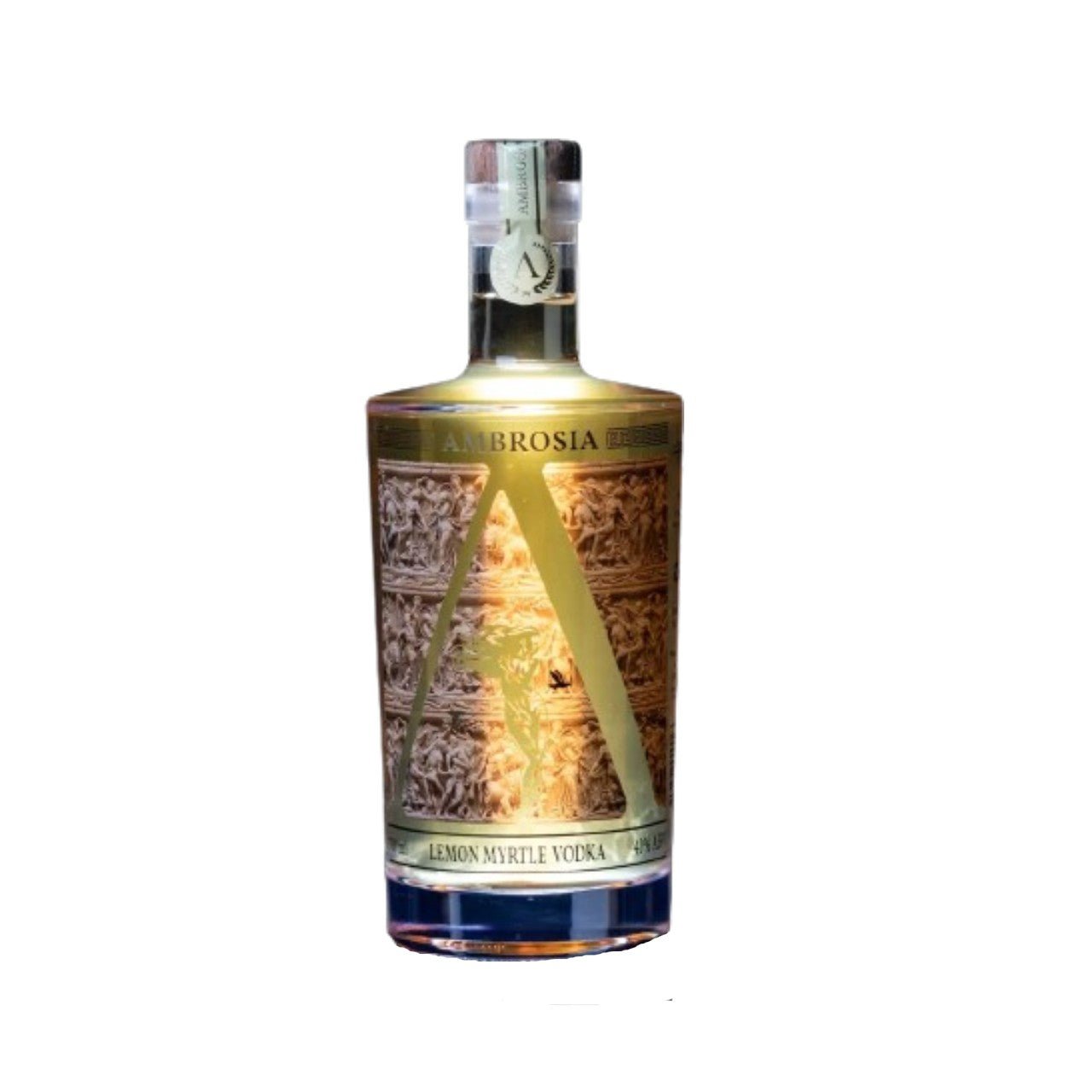
Ambrosia Lemon Myrtle Vodka 700ml
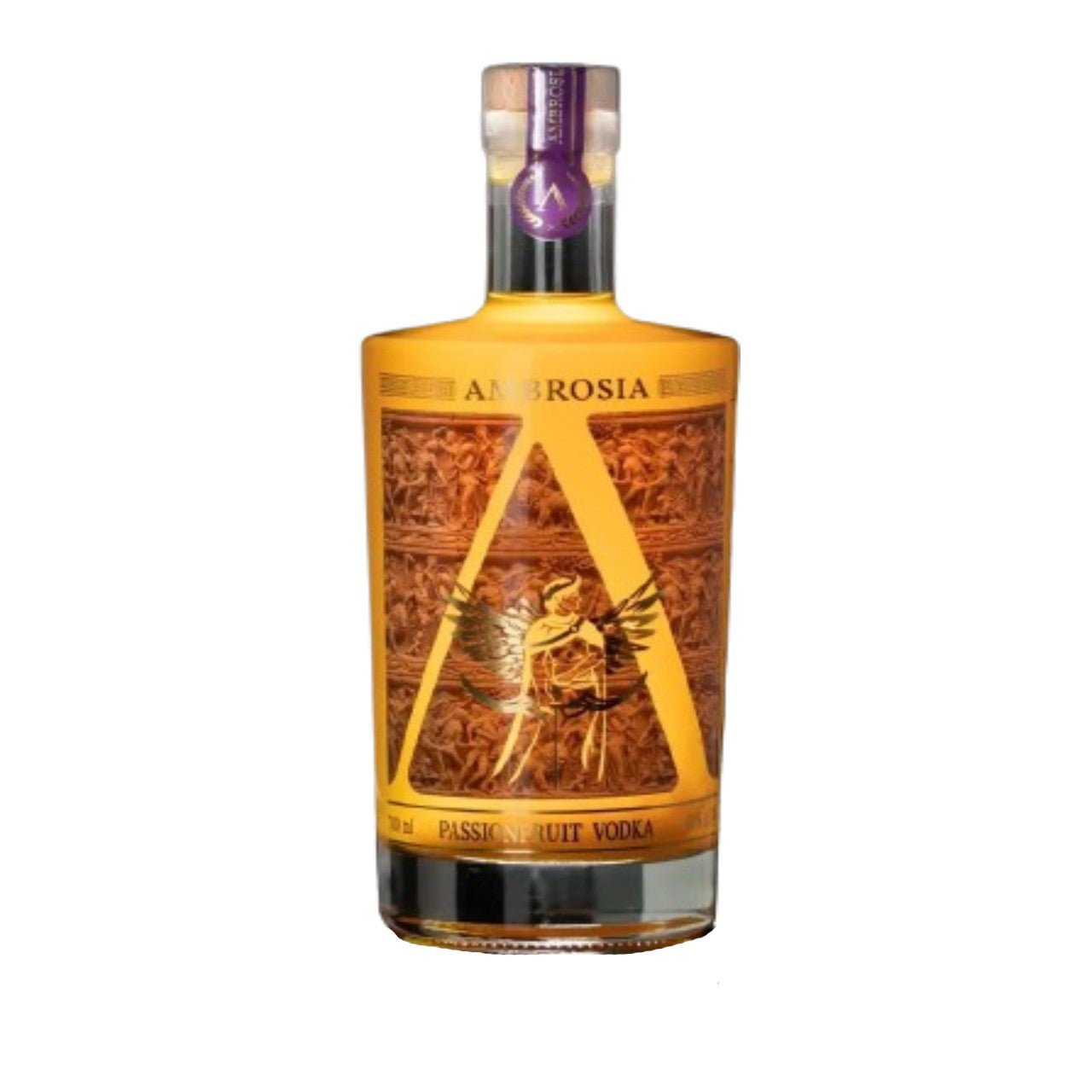
Ambrosia Passionfruit Vodka 700ml
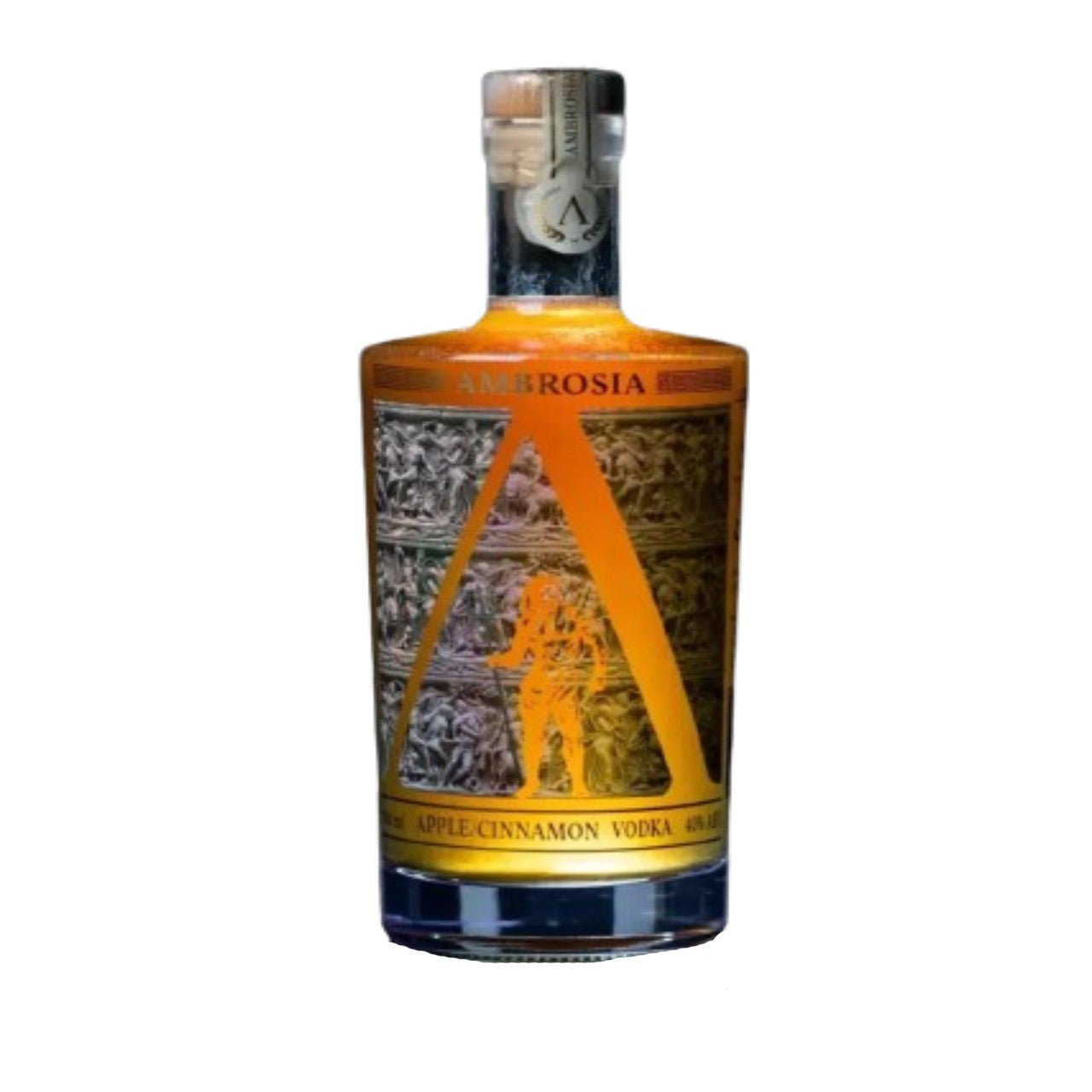
Ambrosia Apple Cinnamon Vodka 700ml
About Ambrosia
Ambrosia distils at Fyshwick in Canberra, and the range here is five flavoured vodkas and one gin, all in 700ml.
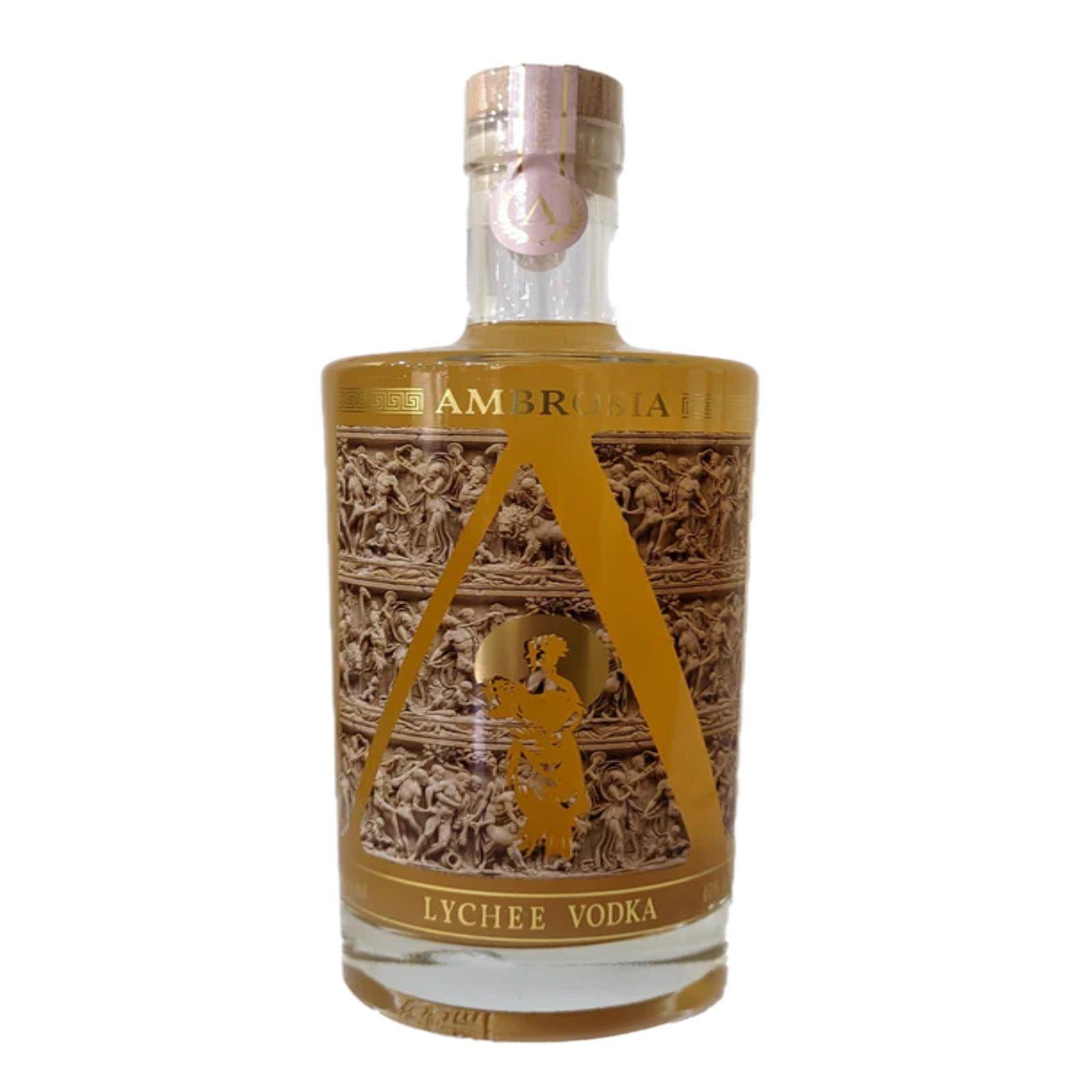
Lychee Vodka at 40 per cent is fragrant and sweet, with enough zest behind it to keep the sweetness in check.
Lemon Myrtle Vodka uses the native Australian leaf that turns up in a great many Australian gin botanical lists, and gives a creamy lemon and lime fragrance rather than a sharp citrus one.
Passionfruit and Apple Cinnamon are the two built for simple, cold serves.
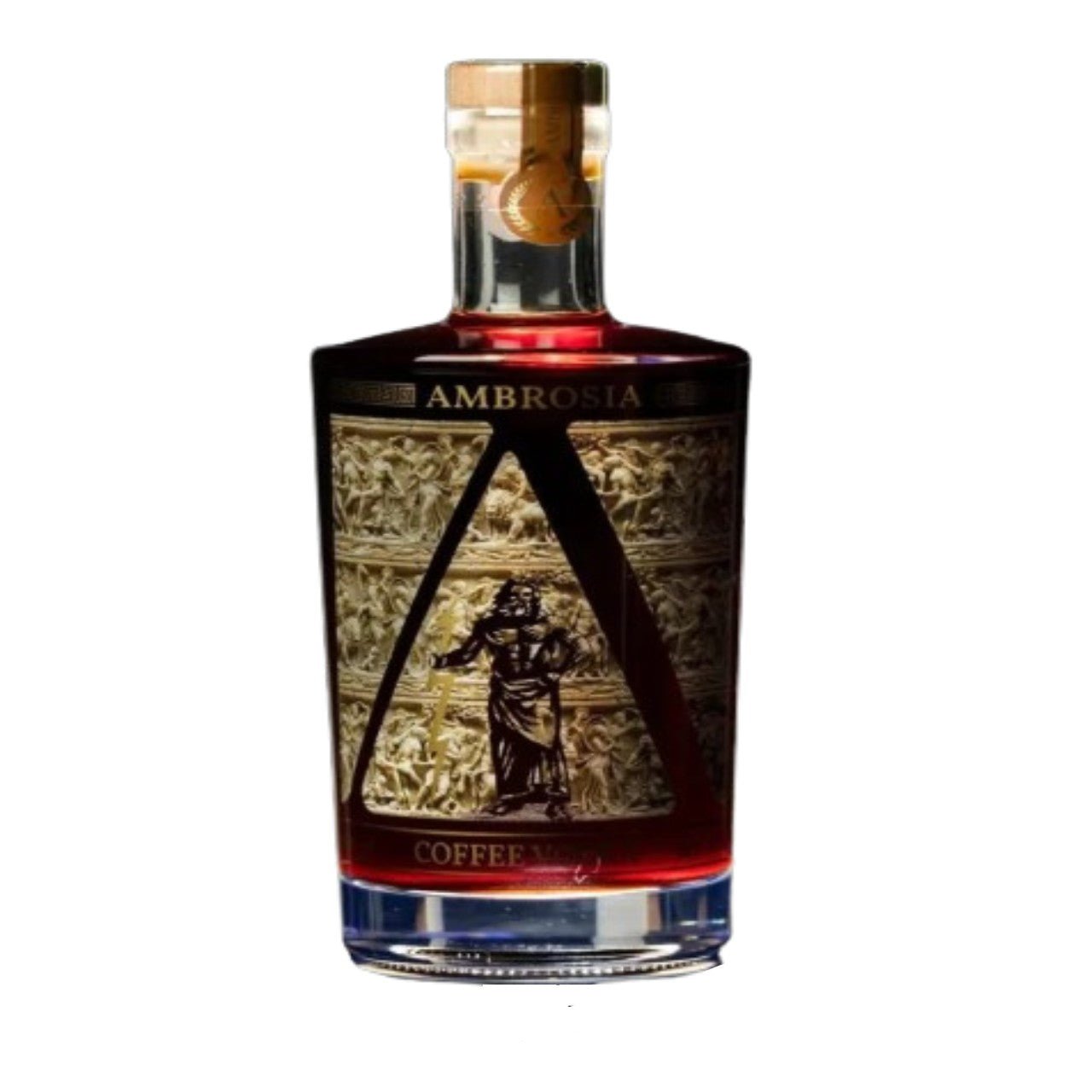
Coffee Vodka is a collaboration with Bellerophon Coffee, a local cold brew maker, blending filtered vodka with cold brew rather than adding a coffee flavouring.
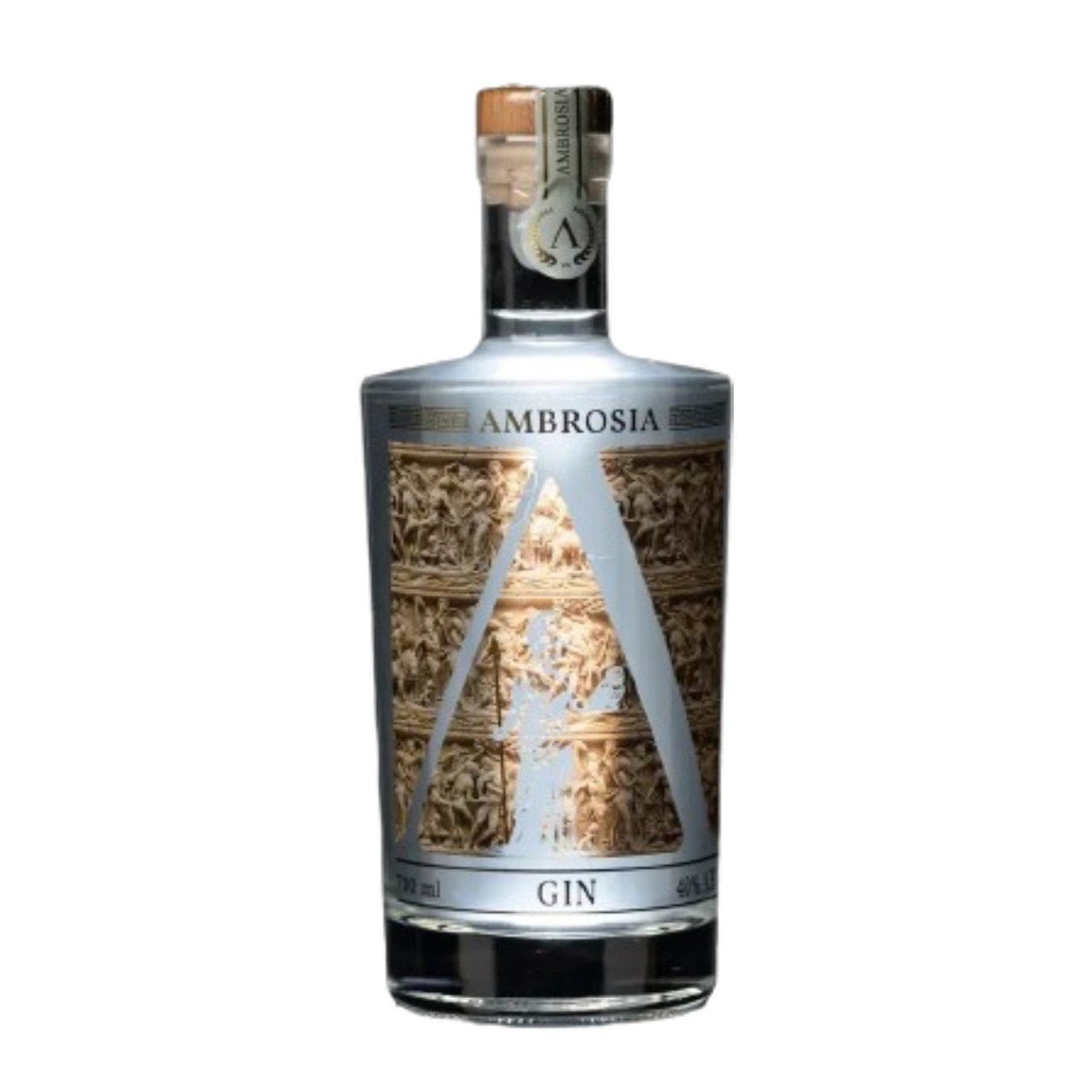
Ambrosia Gin is a classic dry style with mellow botanicals: juniper, coriander seed, cardamom, chamomile flowers, orris root and sweet orange.
Everything on this page is bottled at Fyshwick in 700ml, which makes the range easy to taste side by side: pour the Lychee and the Lemon Myrtle next to each other and the difference between a fruit flavour and a native botanical is obvious straight away.
The wider ranges are on vodka, gin and Australian spirits.
History
Flavoured vodka is older than the neutral kind. Infusing spirit with fruit, herbs and spice was ordinary practice for centuries before industrial filtration made a deliberately characterless vodka possible, and the modern flavoured category is a return to the earlier idea rather than a departure from it.
What changed in Australia is who is making it. Craft distilleries opened here in numbers through the 2010s, and a number of them took the opposite approach to the international brands. Rather than chasing neutrality, they built each bottling around a distinctive flavour or a native botanical, and treated the base spirit as a canvas.
Fyshwick, a light industrial district on the southern edge of Canberra, is one of the places that happened. It has become an unlikely home for several distillers, working at a scale where a single-batch collaboration with a local coffee roaster is a practical thing to do.
Lemon myrtle belongs to the same story. The leaf has been used in Australian spirits mainly as a gin botanical, valued for a fragrance closer to creamy lemon and lime than to lemon peel, and putting it at the centre of a vodka rather than in a botanical list is a recent move.
The wider Australian vodka picture, including the Tasmanian sheep whey bottlings, is set out on the vodka page.
How to drink it
Flavoured vodka works best in short, simple builds. Two ingredients is usually the right number, because the flavour is already in the bottle and anything else fights it.
Lychee with soda and a squeeze of lime over plenty of ice is the standard serve, and it also does the work of a liqueur in a lychee martini: shake it with lime and a little sugar syrup and stop there. Lemon Myrtle takes tonic and a wedge of lime. Passionfruit is best shaken with lime and a touch of syrup, or lengthened with soda. Apple Cinnamon is the cold weather one, good straight from the freezer in a small glass or with cloudy apple juice.
Coffee Vodka is built for an Espresso Martini and does half the job before you start, so use less coffee liqueur than a recipe asks for. It also works over ice on its own, or poured over ice cream.
The gin is a classic dry style rather than a heavily botanical modern one, which makes it a sensible Martini gin and a straightforward gin and tonic with orange peel rather than lime.
One practical note on keeping them. The spirit itself is finished the day it is bottled, but the aromatics are not: the lychee, passionfruit and lemon myrtle characters soften before anything else does. Keep these upright, away from light and somewhere cool, and treat an opened bottle as something to enjoy over months rather than to put away.
More from this origin and style: