
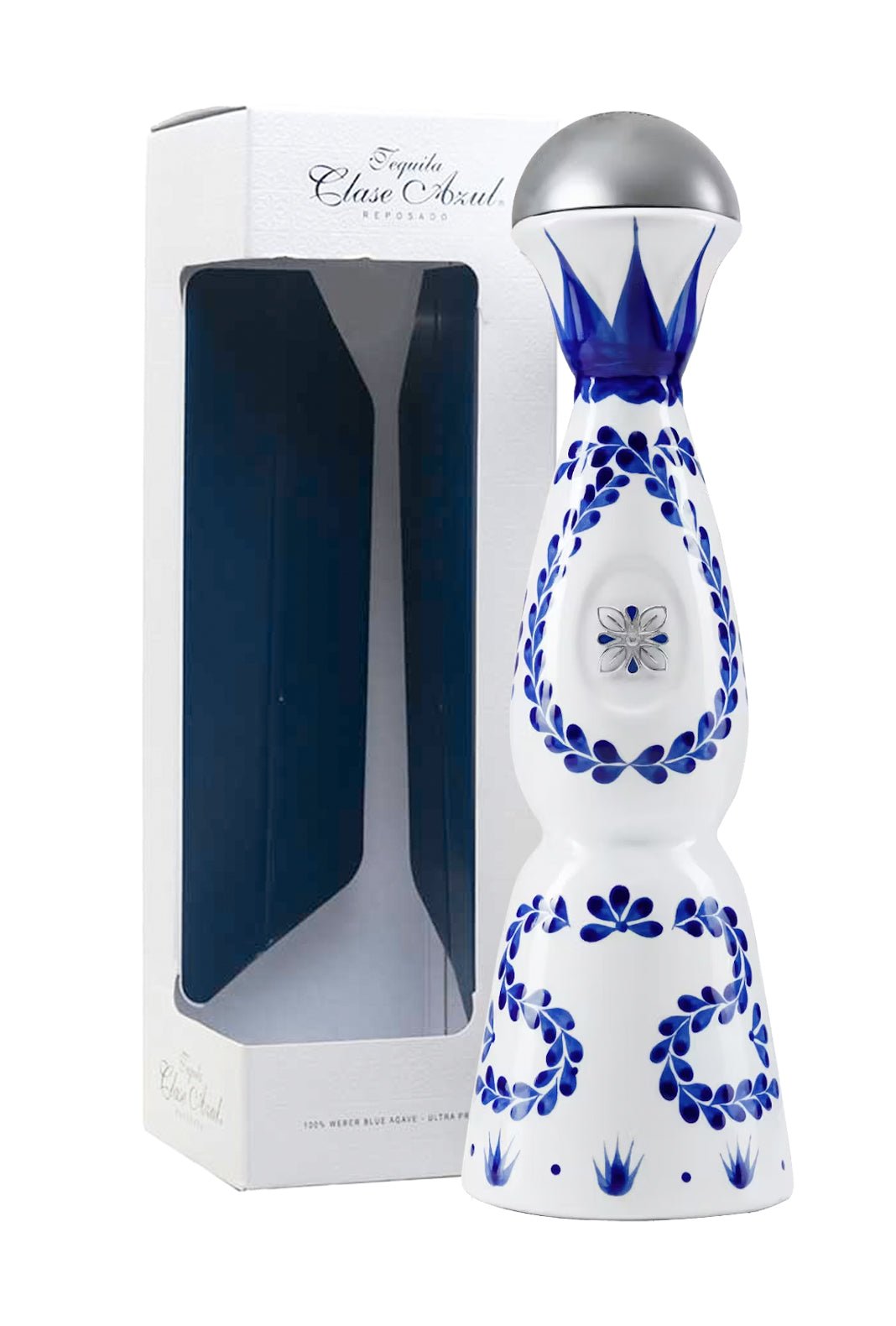
Clase Azul Tequila Reposado 750ml
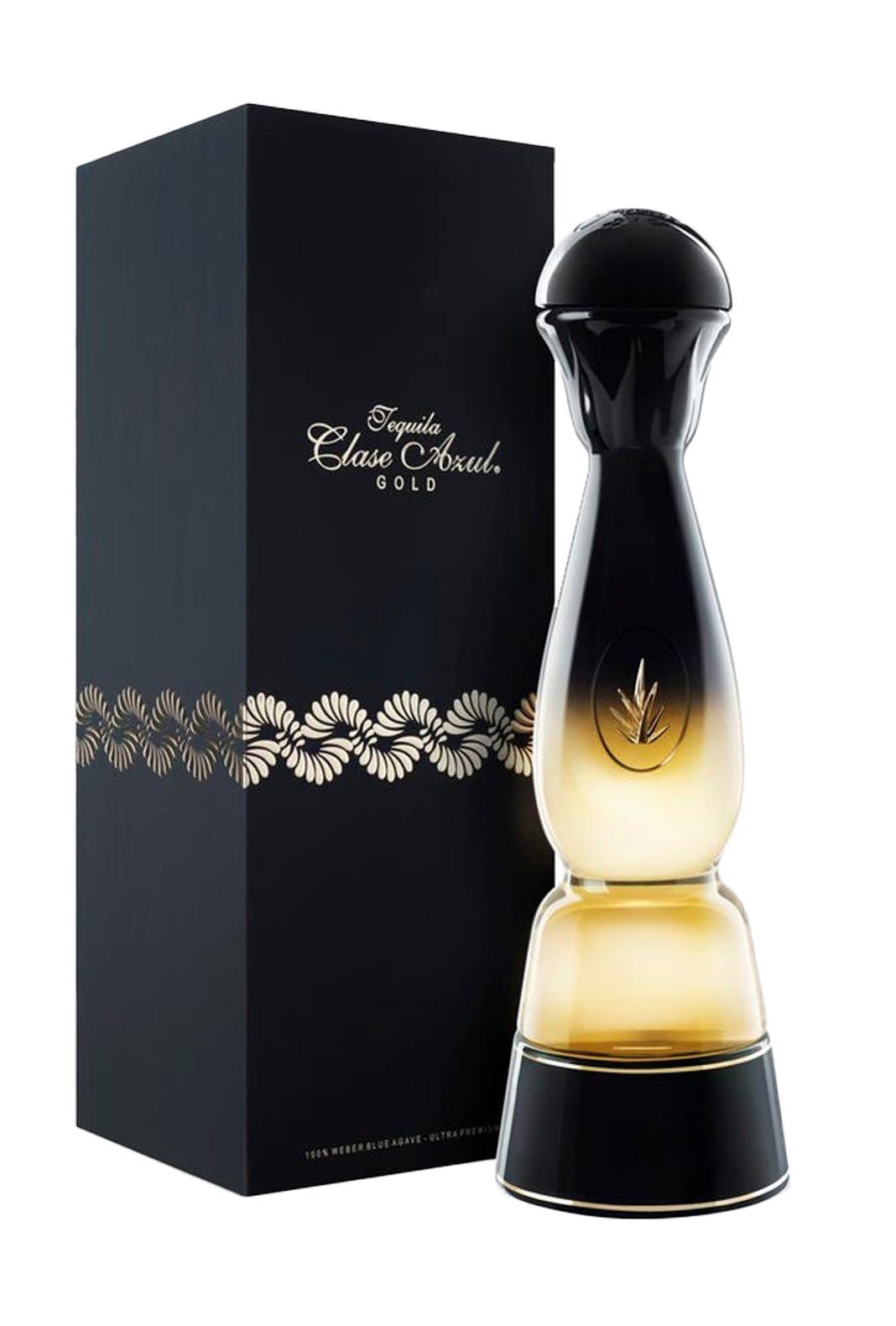
Clase Azul Gold Limited Edition Tequila 750ml
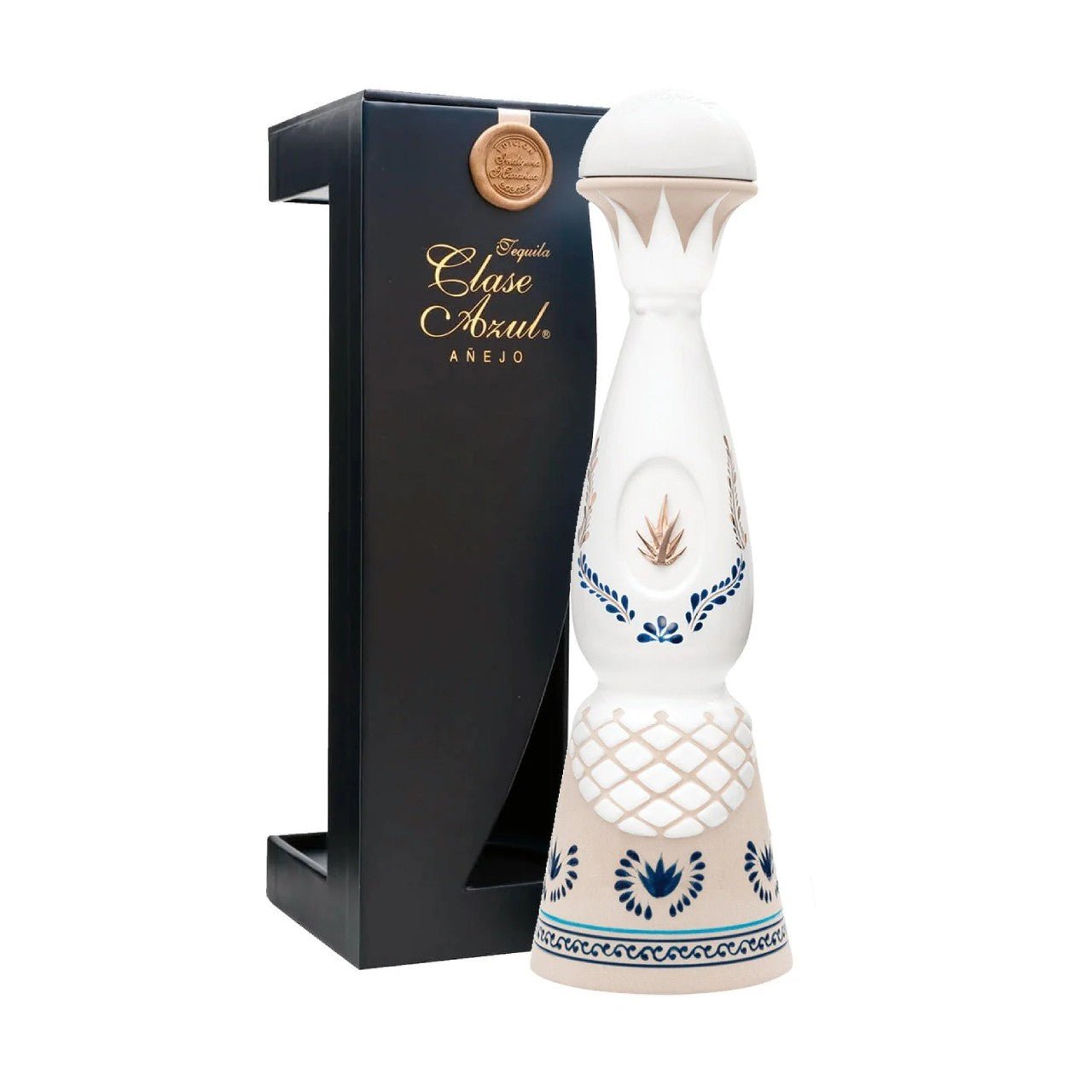
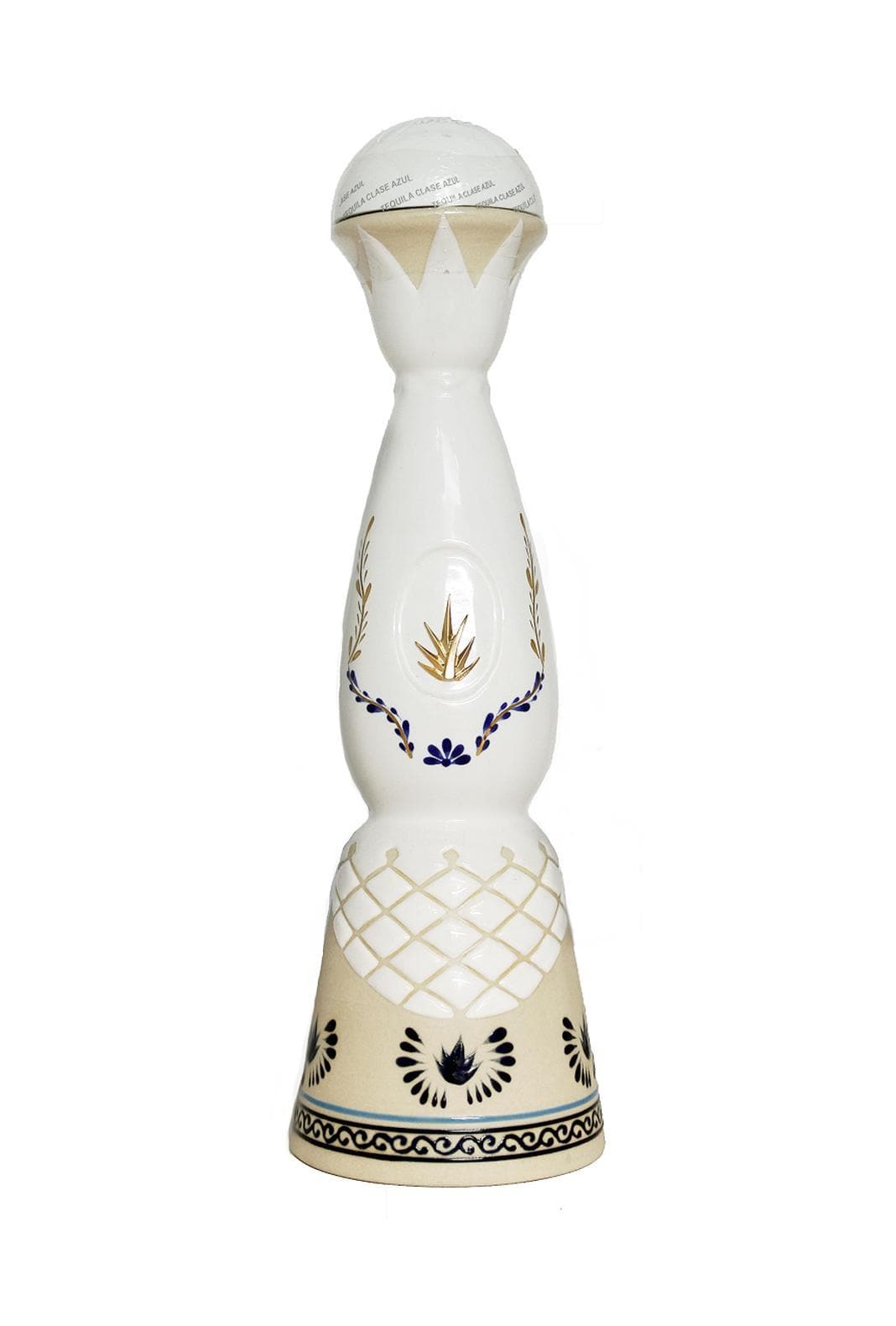
Clase Azul Tequila Anejo 40% 750ml
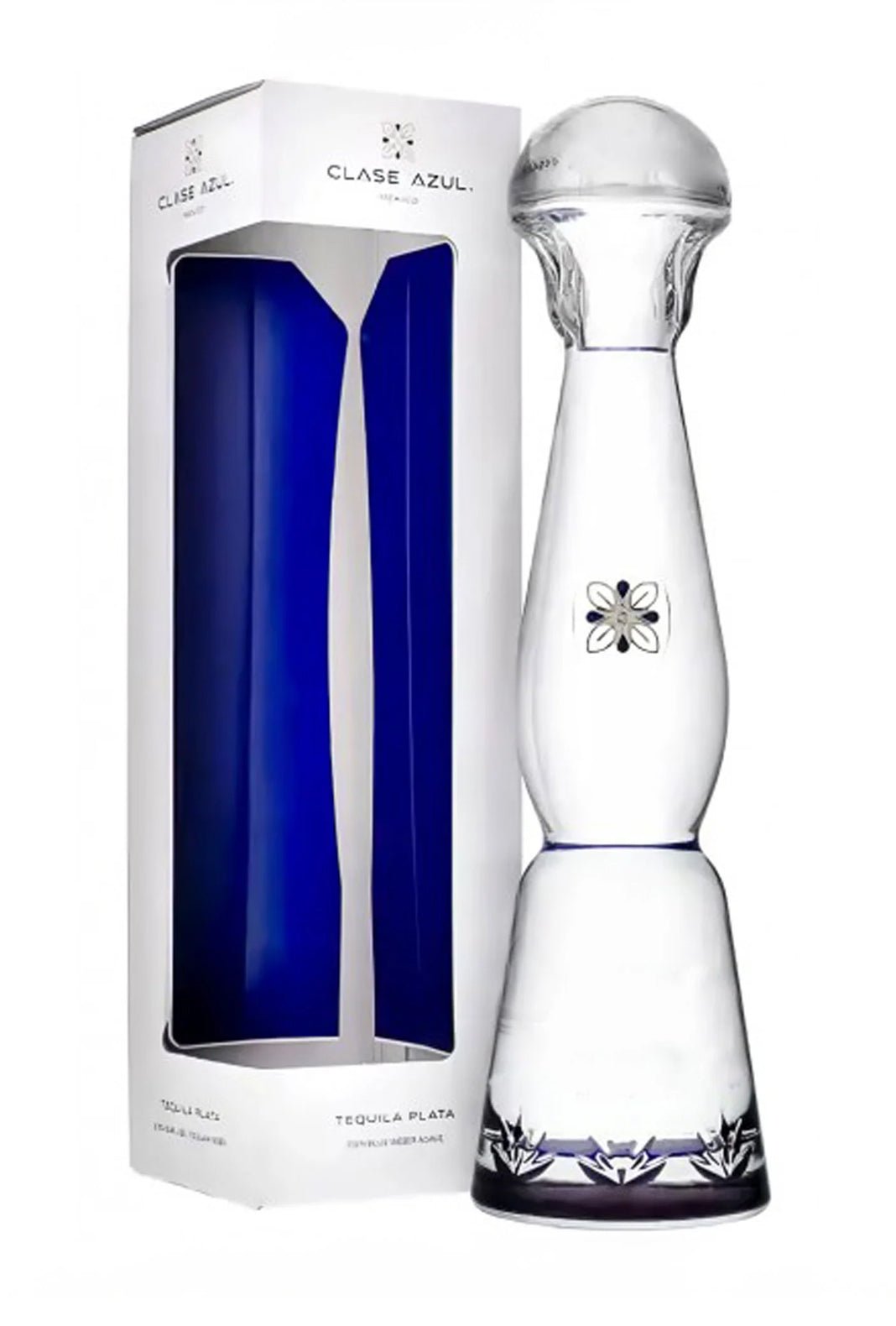
Clase Azul Tequila Plata 40% 750ml
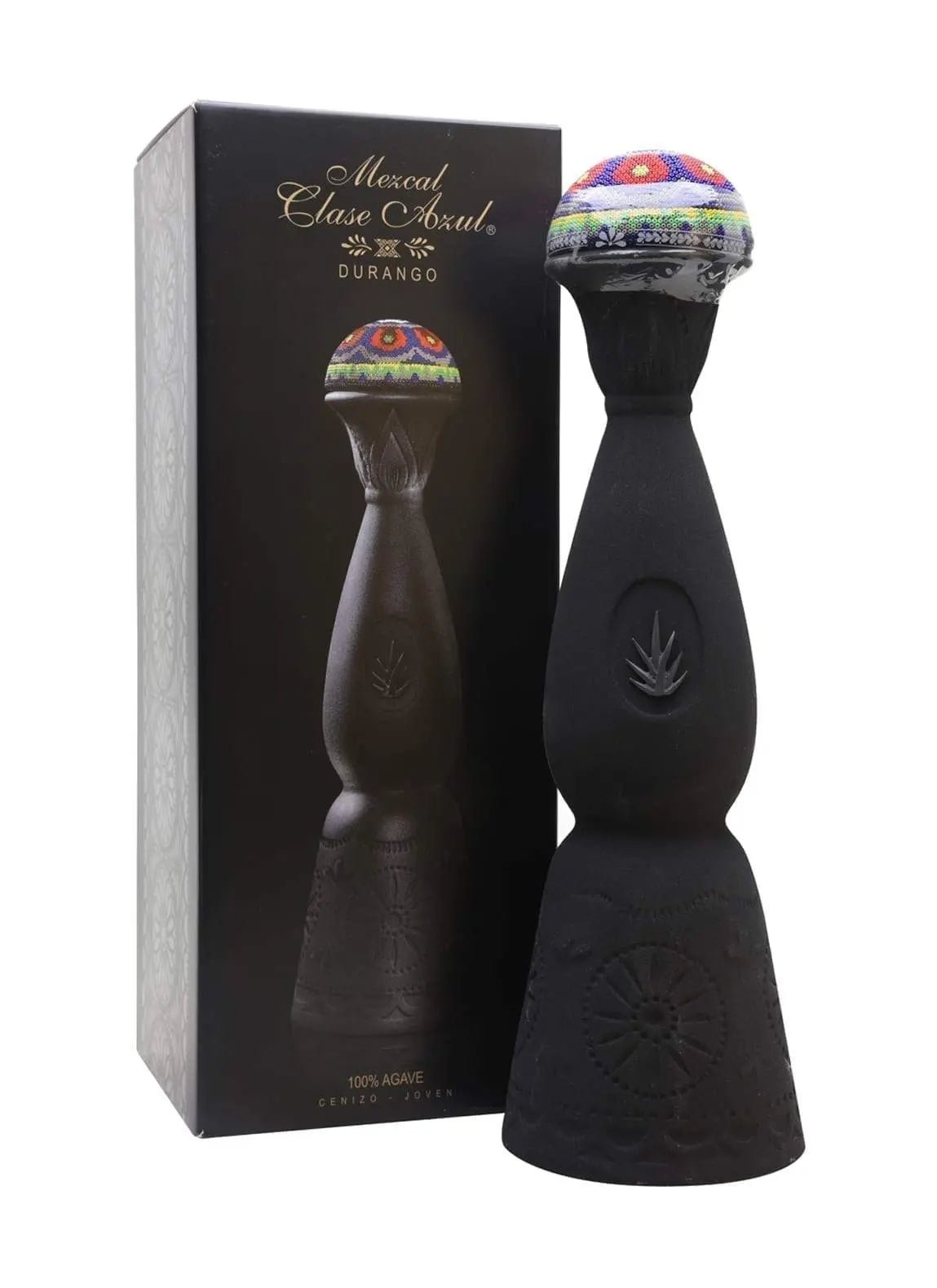
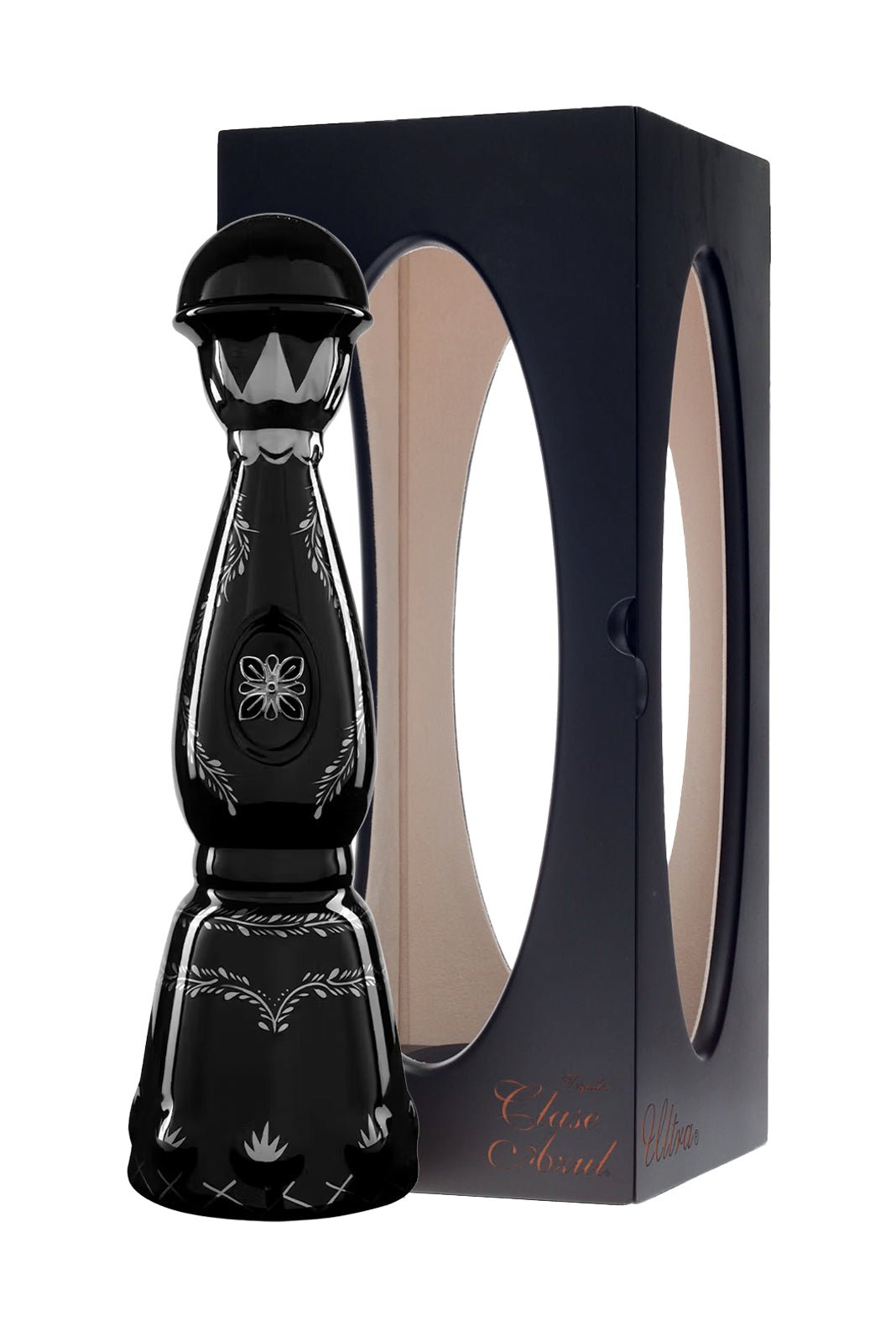
Clase Azul Tequila Ultra Anejo 40% 750ml
About Clase Azul
Clase Azul is as much a ceramics house as a distillery, and the range here covers both the tequila and the mezcal side.
Plata is unaged and the clearest look at the agave itself. Reposado is the bottle almost everyone knows, rested in oak and presented in the tall white and cobalt decanter that made the brand recognisable at fifty paces. Anejo goes further in wood. The Gold Limited Edition sits above them.
The Reposado also comes in a 1.75 litre format when stock allows.
On the mezcal side there are three, among them Guerrero and San Luis Potosi, each named for the state the agave comes from and each using a different agave species. This is where the range gets genuinely interesting, because mezcal is where regional character shows most clearly, and Clase Azul bottles them separately rather than blending.
The decanters are hand painted in Santa Maria Canchesda in Mexico and no two are identical, which is a large part of why these bottles are given as gifts.
If you want to understand the range before buying, the Clase Azul guide on the site goes through it in detail.
History
Tequila can only be made from blue weber agave grown in Jalisco and in specified municipalities of four other Mexican states, and only after the plant has spent six to eight years in the ground. That timeline is the reason good tequila is not cheap.
Clase Azul was founded in 1997 in Jesus Maria, in the Los Altos highlands of Jalisco, and took a deliberately different route to most of the category. The agave is slow cooked in traditional brick ovens rather than industrial autoclaves, fermentation uses a proprietary yeast, and the spirit is rested in casks chosen by the house.
The decanters came from a separate decision. Rather than commission bottles from a glassworks, the company set up its own ceramics operation, and each decanter is thrown, fired and hand painted. That work supports several hundred artisans and takes days per bottle.
Mezcal came later and follows a different rulebook. Where tequila is restricted to one agave species, mezcal permits dozens, and the agave is roasted in earth pits rather than ovens, which is where the smoke comes from.
The ceramics workshop, the brick ovens and the reason one decanter takes days to finish are all documented in our guide to what sets Clase Azul apart.
How to drink it
Reposado and Anejo are sipping tequilas. Use a copita or a small tulip glass rather than a shot glass, serve at room temperature, and give it a moment before the first sip. Expect cooked agave, vanilla and butterscotch, with the wood showing more in the Anejo.
Do not do these as shots with salt and lime. That ritual exists to make rough mixto tequila bearable and it destroys everything you are paying for here.
Plata is the one to mix. A Tommy's Margarita, tequila with lime and agave syrup and no orange liqueur, shows the agave rather than burying it.
The mezcals are best neat, at room temperature, with a slice of orange rather than lime alongside. Sip rather than shoot: at their strength the aromatics need air.
If you are opening one of these as a gift bottle, decant nothing and pour small measures. These reward being made to last.
Common questions
Why is Clase Azul so expensive?
Three things, and none of them is the marketing. Blue weber agave has to spend six to eight years in the ground before it can be harvested, which is a long time to hold land. The agave is slow cooked in traditional brick ovens rather than industrial autoclaves, which takes days rather than hours. And the decanter is not a bottle: it is thrown, fired and hand painted in Santa Maria Canchesda, and that work takes days per piece.
Is Clase Azul Reposado worth it, or is it just the bottle?
Both things are true at once, which is why the question keeps being asked. The decanter is genuinely hand painted and no two are identical, and that is a large part of why these are bought as gifts. The liquid is a rested tequila with cooked agave, vanilla and butterscotch, and the wood shows more in the Anejo. If you want the agave without the ceramics, the Plata is the clearest look at what the house actually distils.
How do you drink Clase Azul Reposado?
Neat, at room temperature, in a copita or a small tulip glass rather than a shot glass, and give it a moment before the first sip. Do not do these as shots with salt and lime: that ritual exists to make rough mixto tequila bearable and it destroys everything you are paying for. If you want a cocktail, use the Plata in a Tommy's Margarita, which is tequila, lime and agave syrup with no orange liqueur.
Is mezcal the same as tequila?
No. Tequila can only be made from blue weber agave, grown in Jalisco and in specified municipalities of four other Mexican states. Mezcal permits dozens of agave species and roasts the plants in earth pits rather than cooking them in ovens, which is where the smoke comes from. Clase Azul bottles its mezcals separately by the state the agave came from rather than blending them, which is why they taste distinctly different from one another.
More from this origin and style: