

Clase Azul Tequila Reposado 750ml

Clase Azul Gold Limited Edition Tequila 750ml
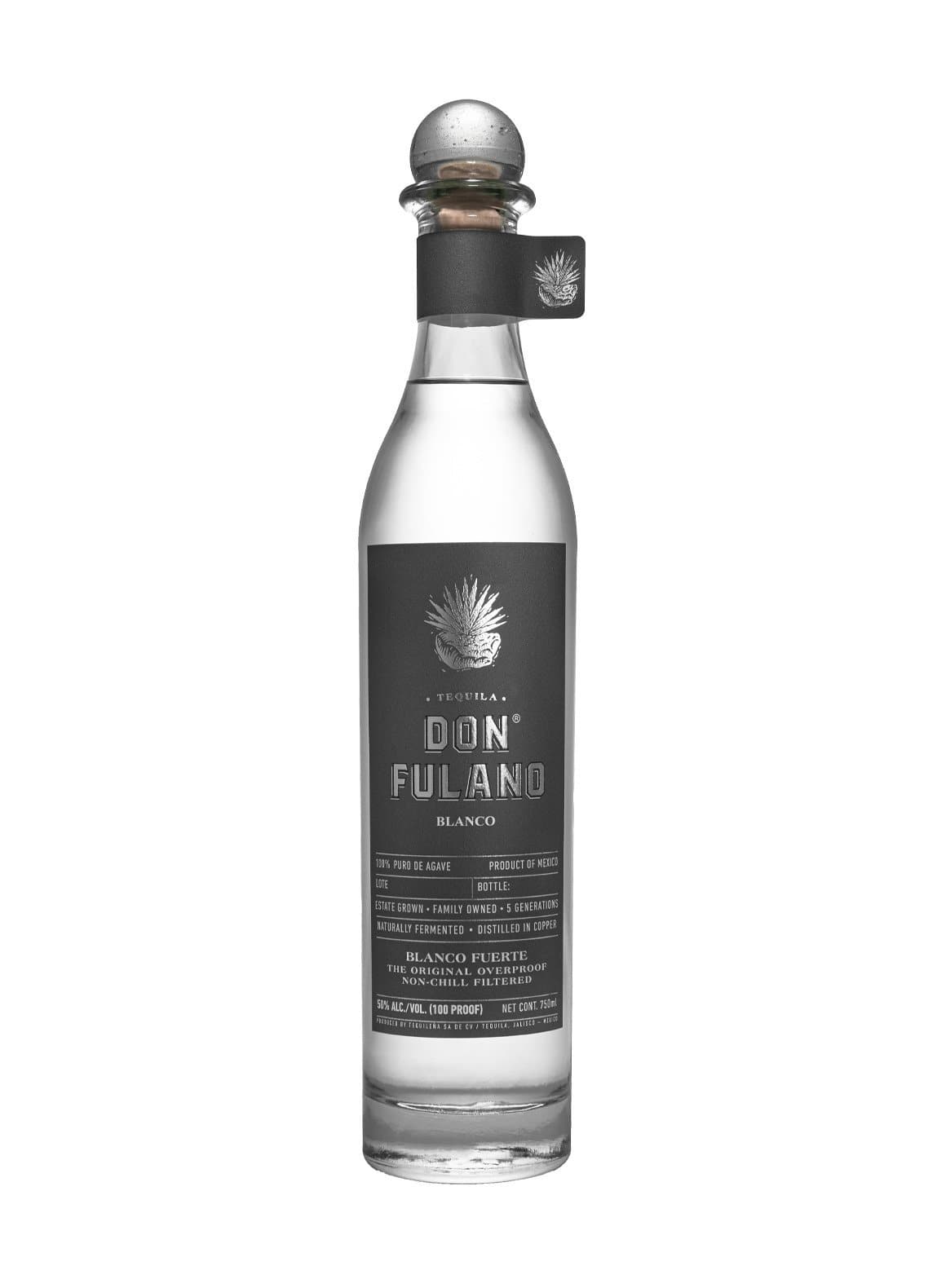
Don Fulano Fuerte 100 Proof Blanco Tequila 50% 700ml
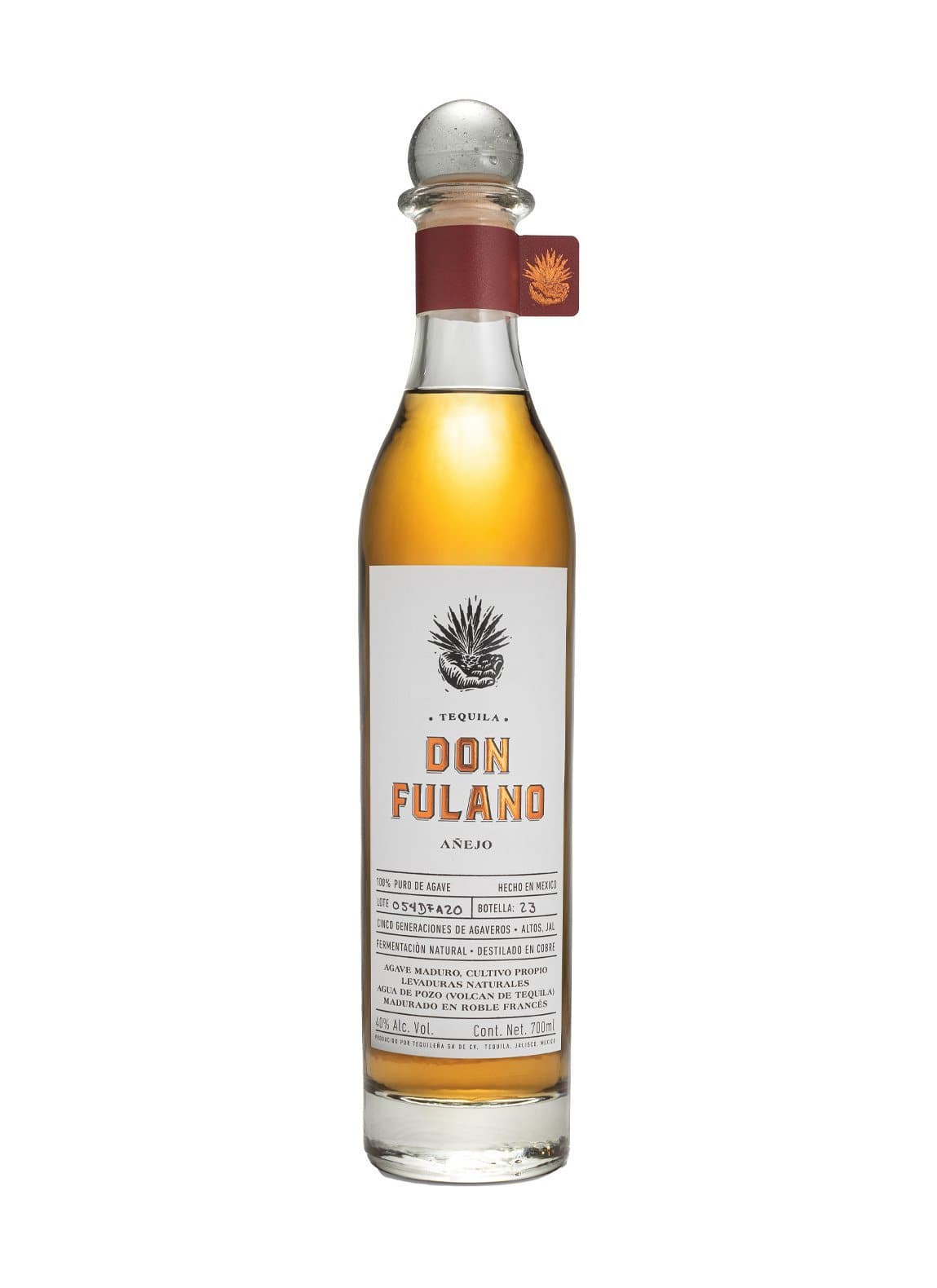
Don Fulano Añejo Tequila 40% 700ml
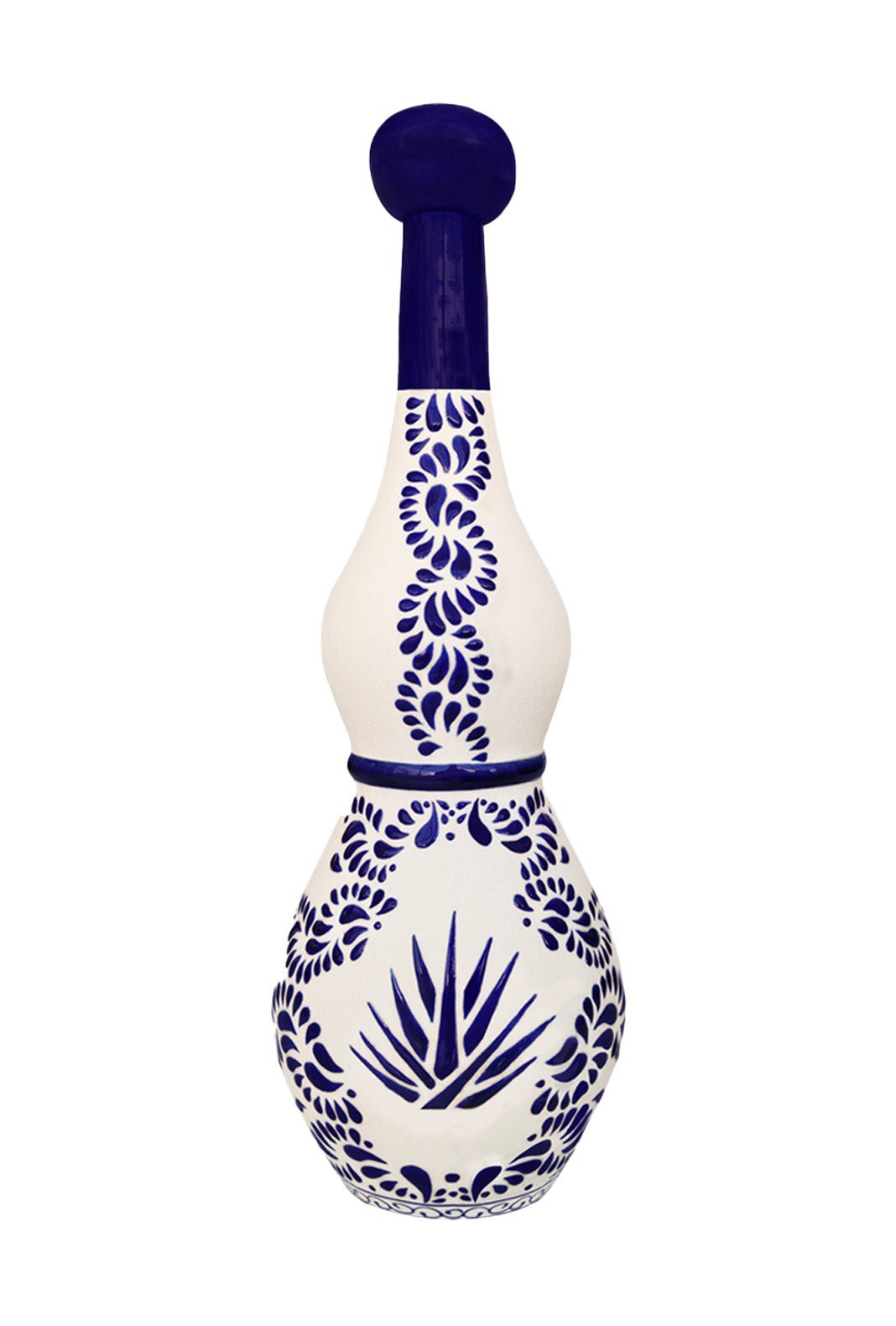
Gran Cofradia Reposado Tequila 38% 700ml
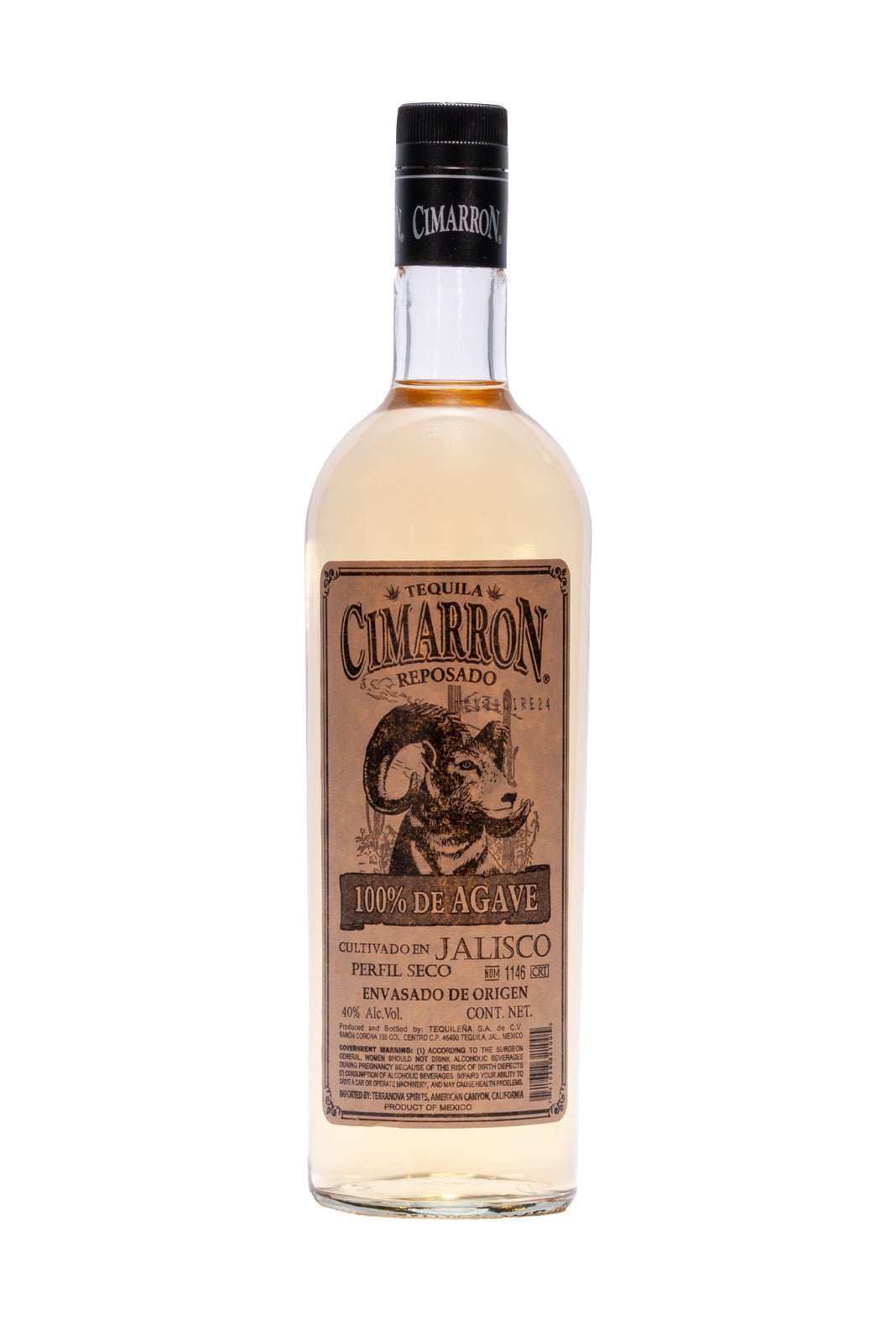
Don Fulano Tequila Cimarron Reposado 40% 700ml
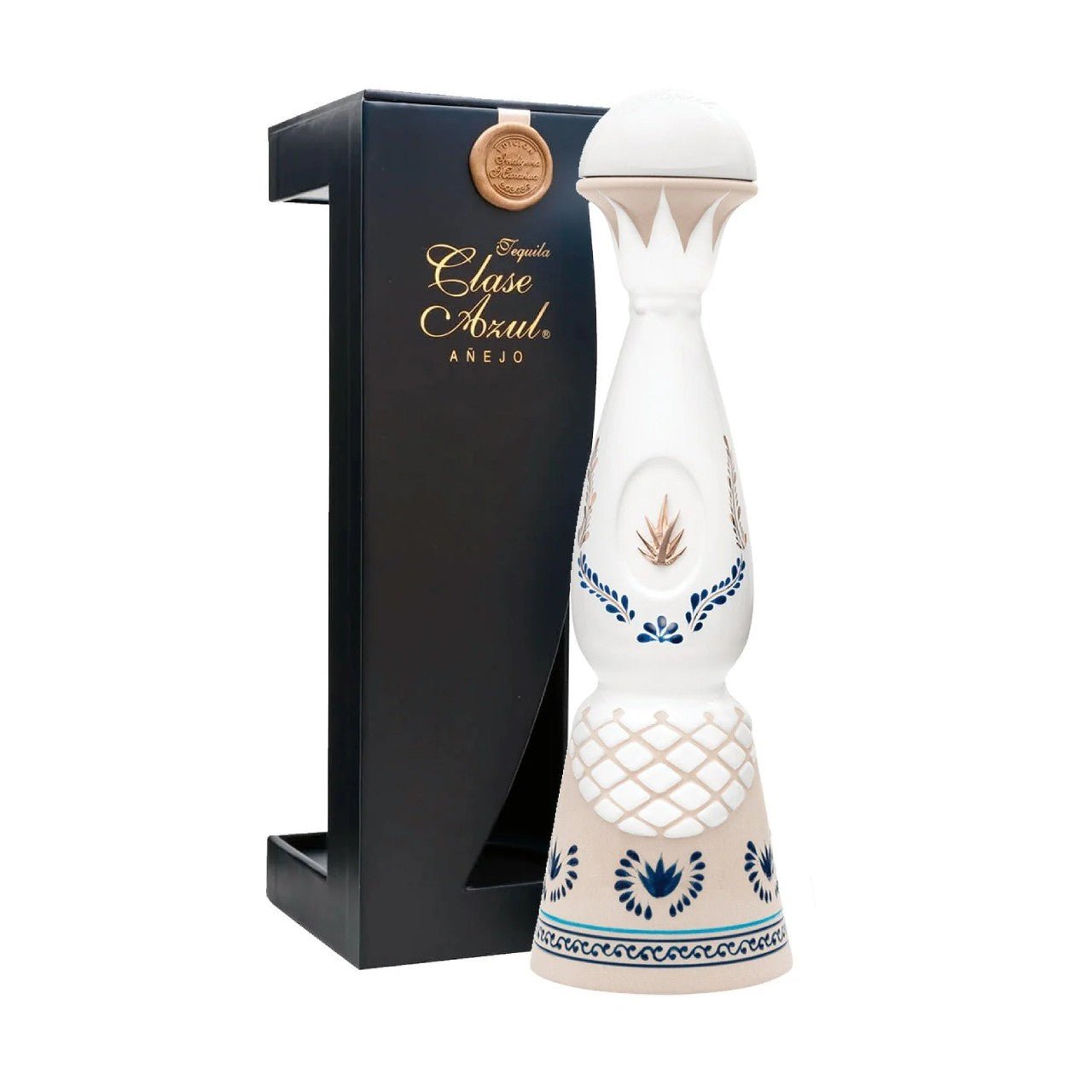
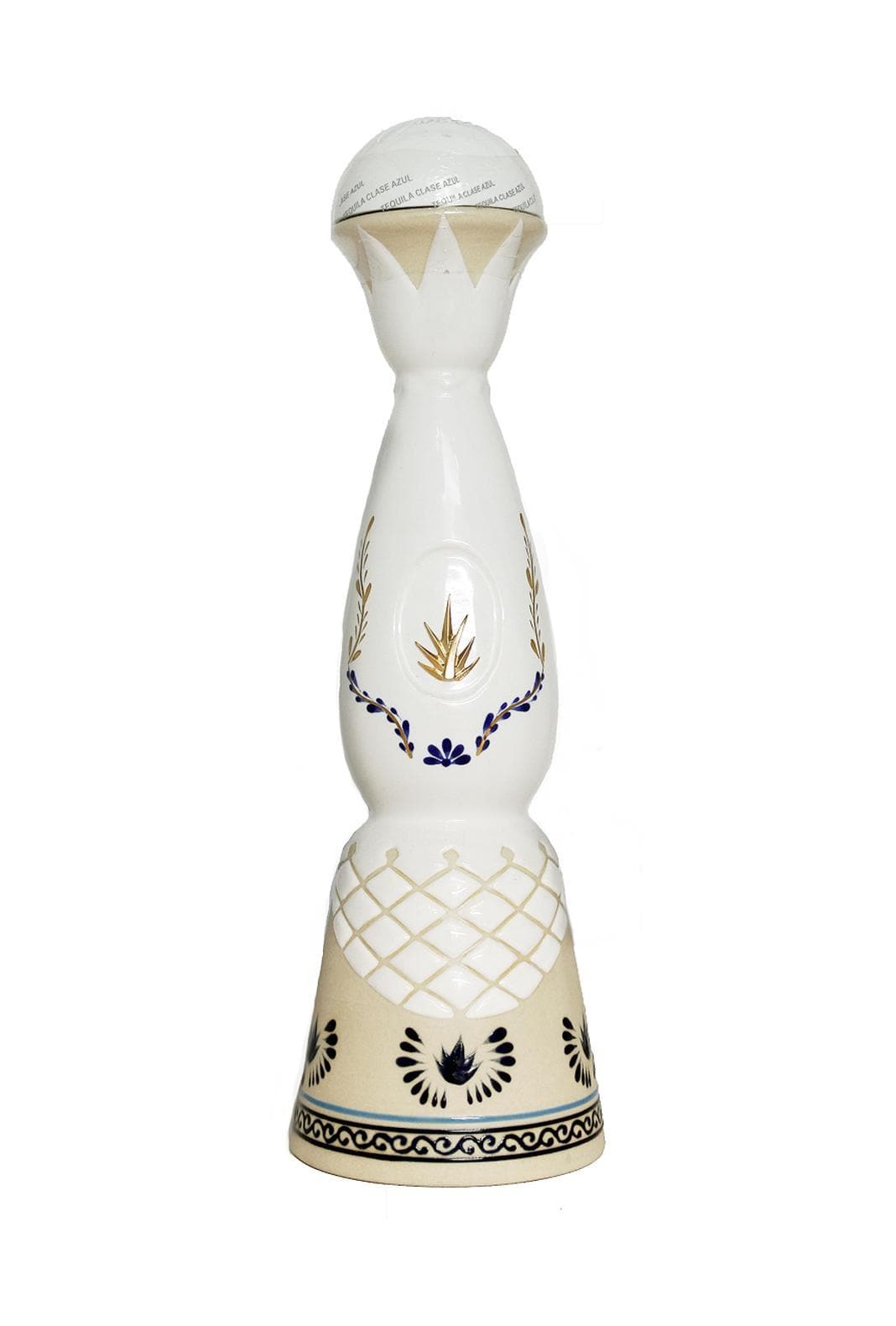
Clase Azul Tequila Anejo 40% 750ml
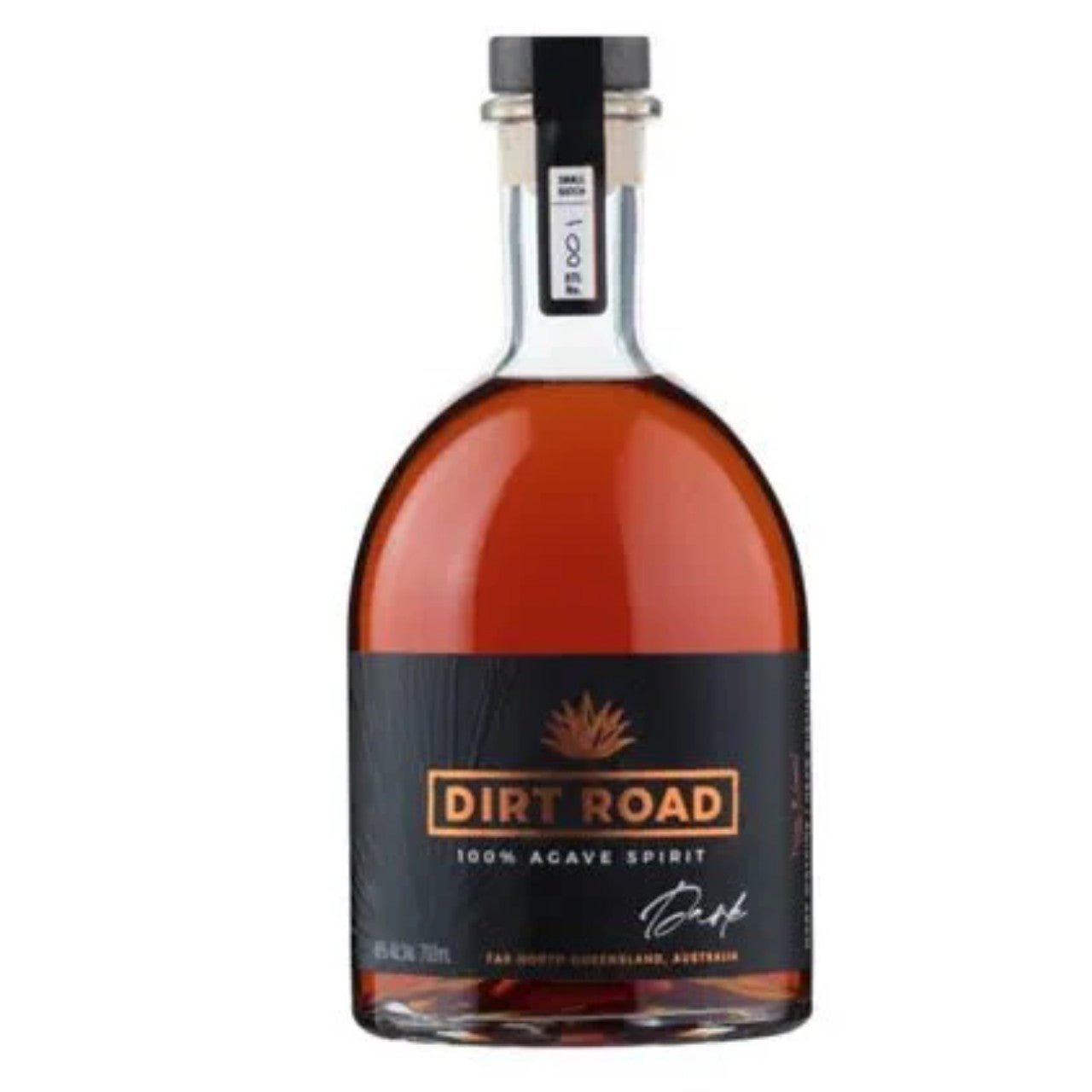
Dirt Road Dark Agave 700ml
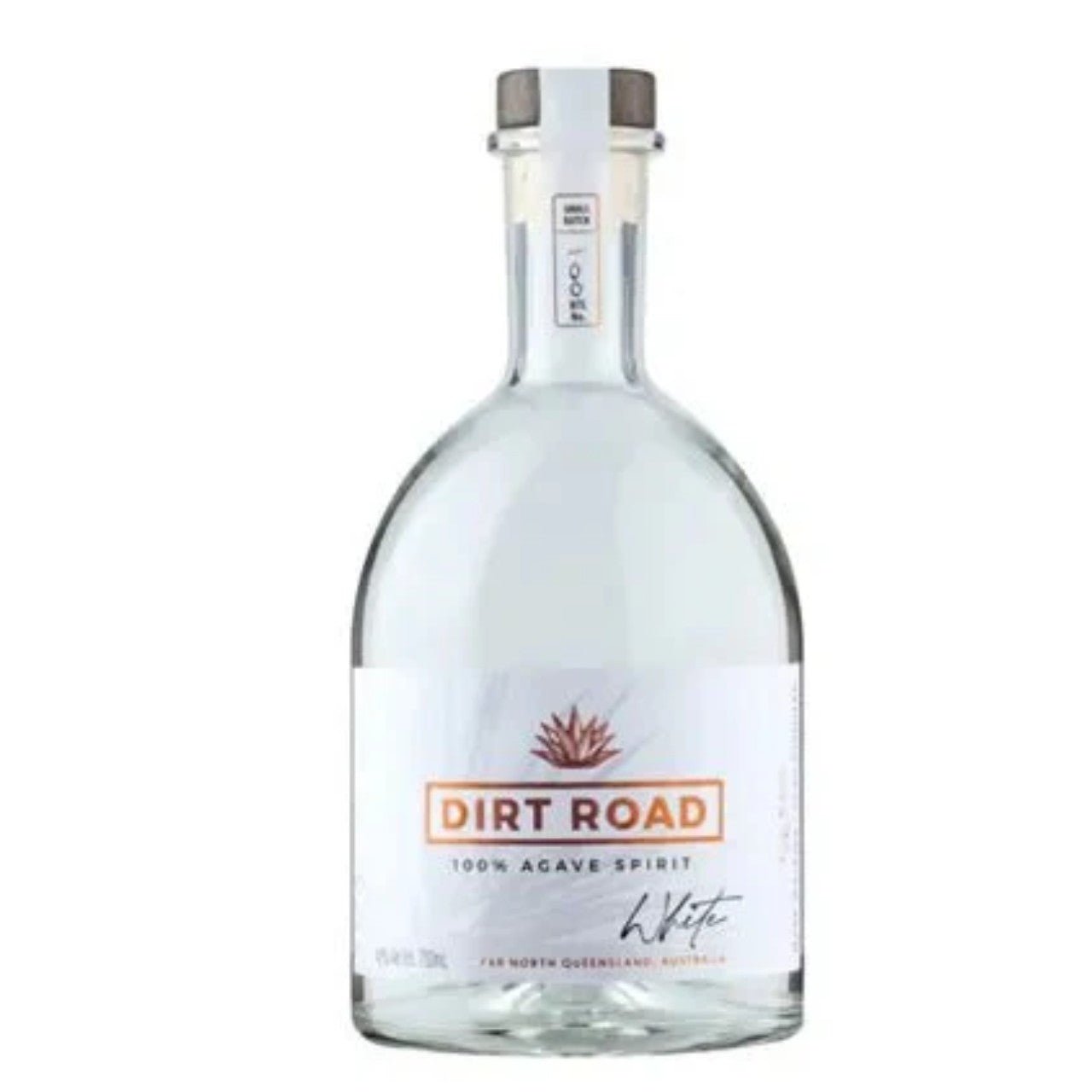
Dirt Road White Agave 700ml
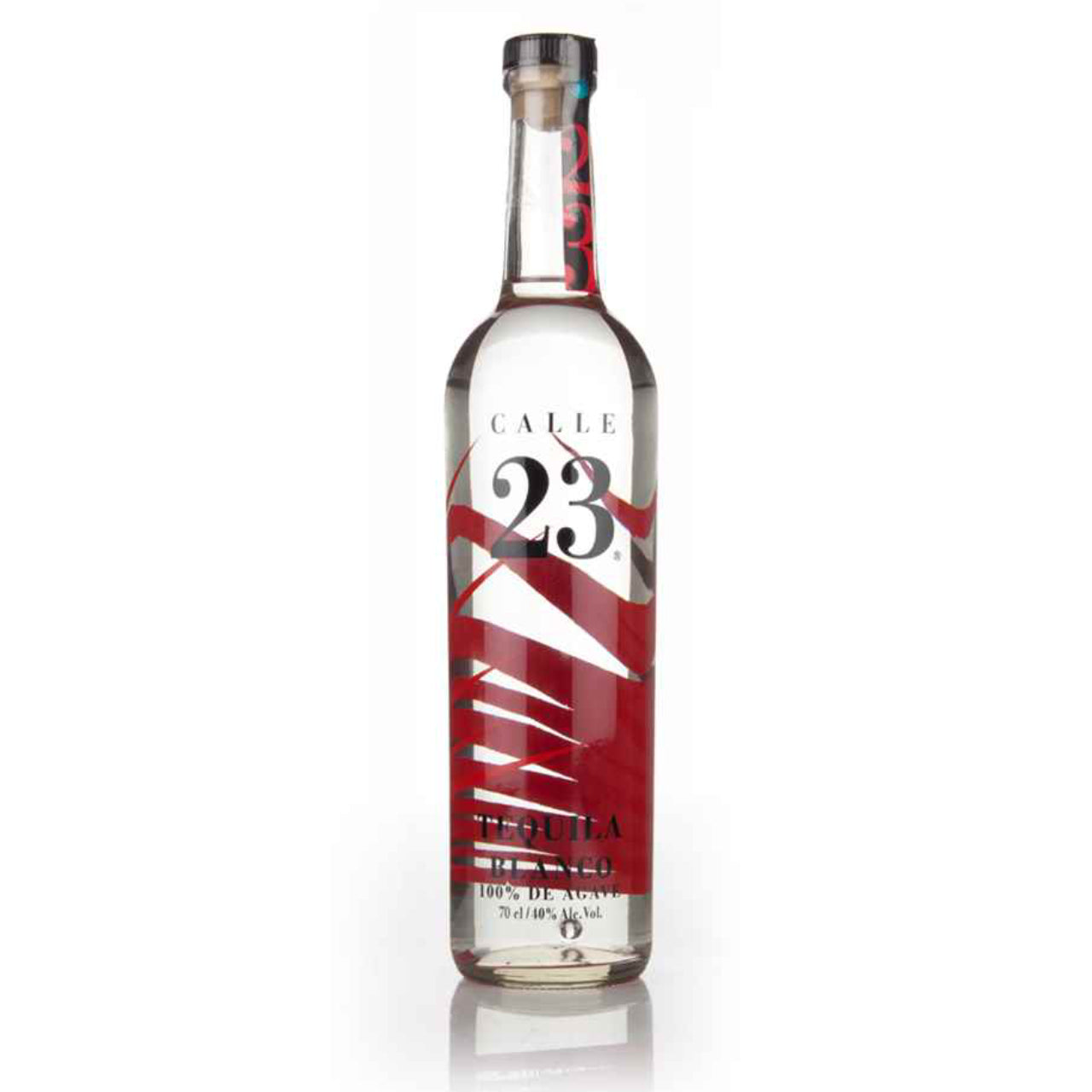

Clase Azul Tequila Plata 40% 750ml
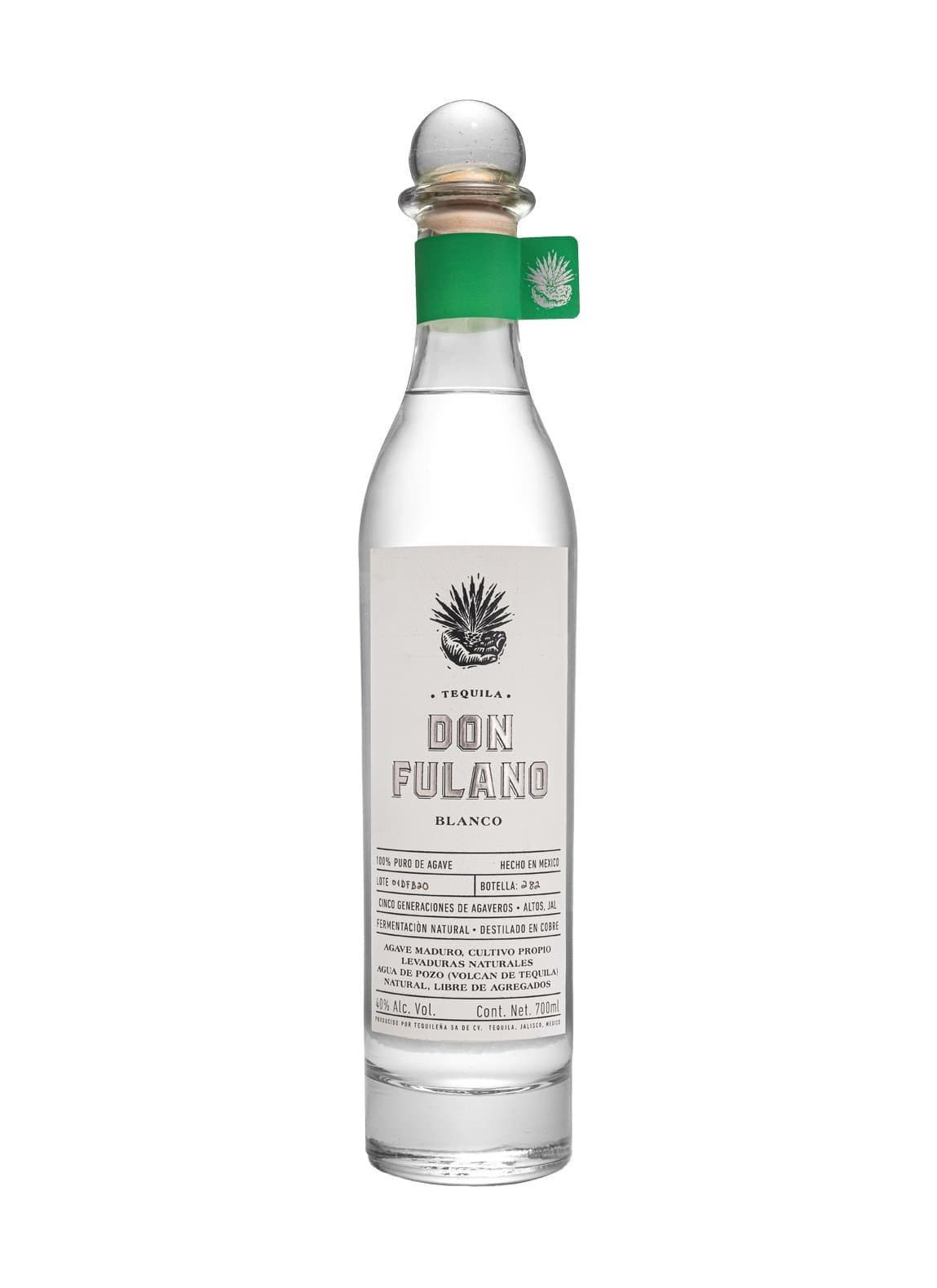
Don Fulano Blanco Tequila 40% 700ml
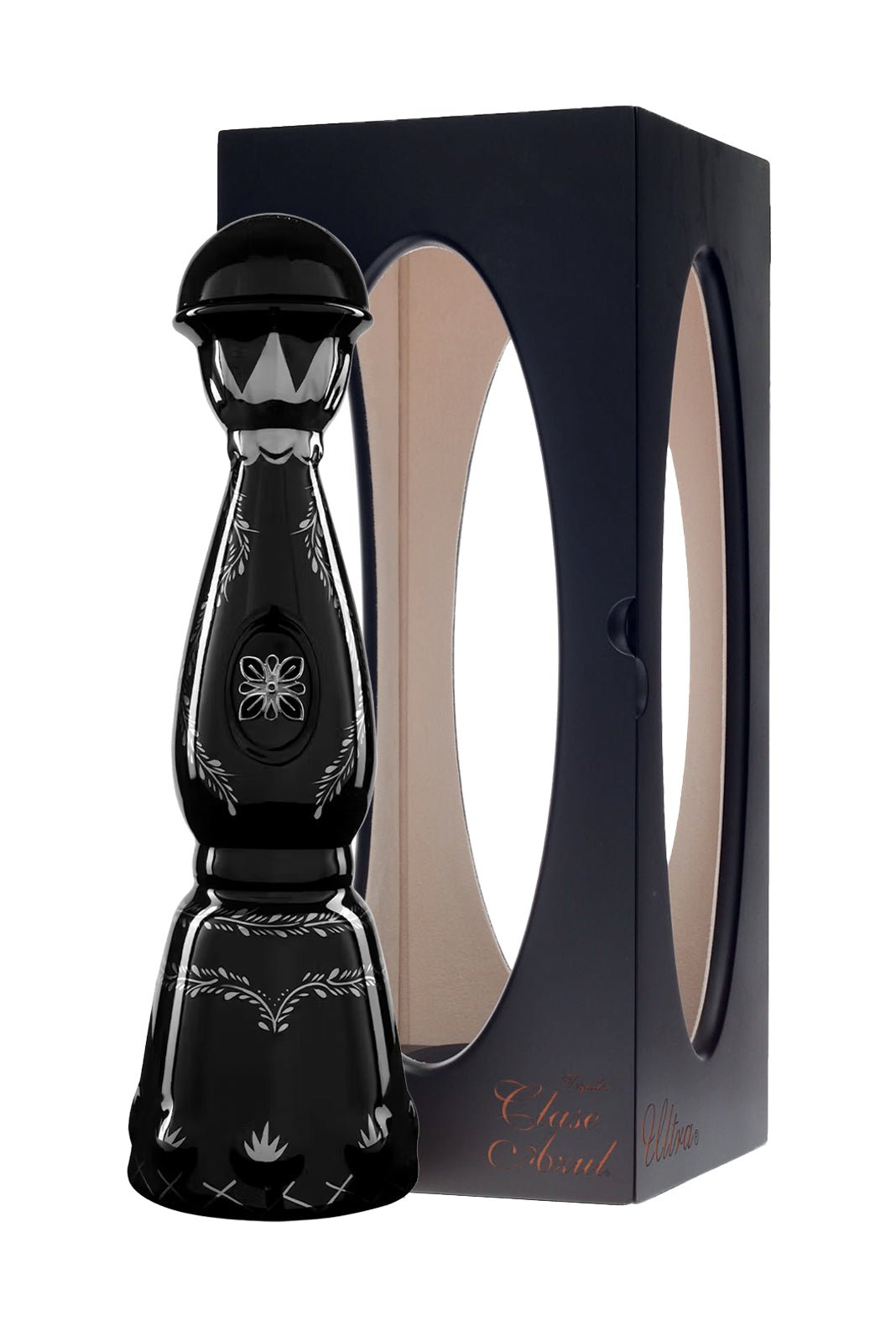
Clase Azul Tequila Ultra Anejo 40% 750ml
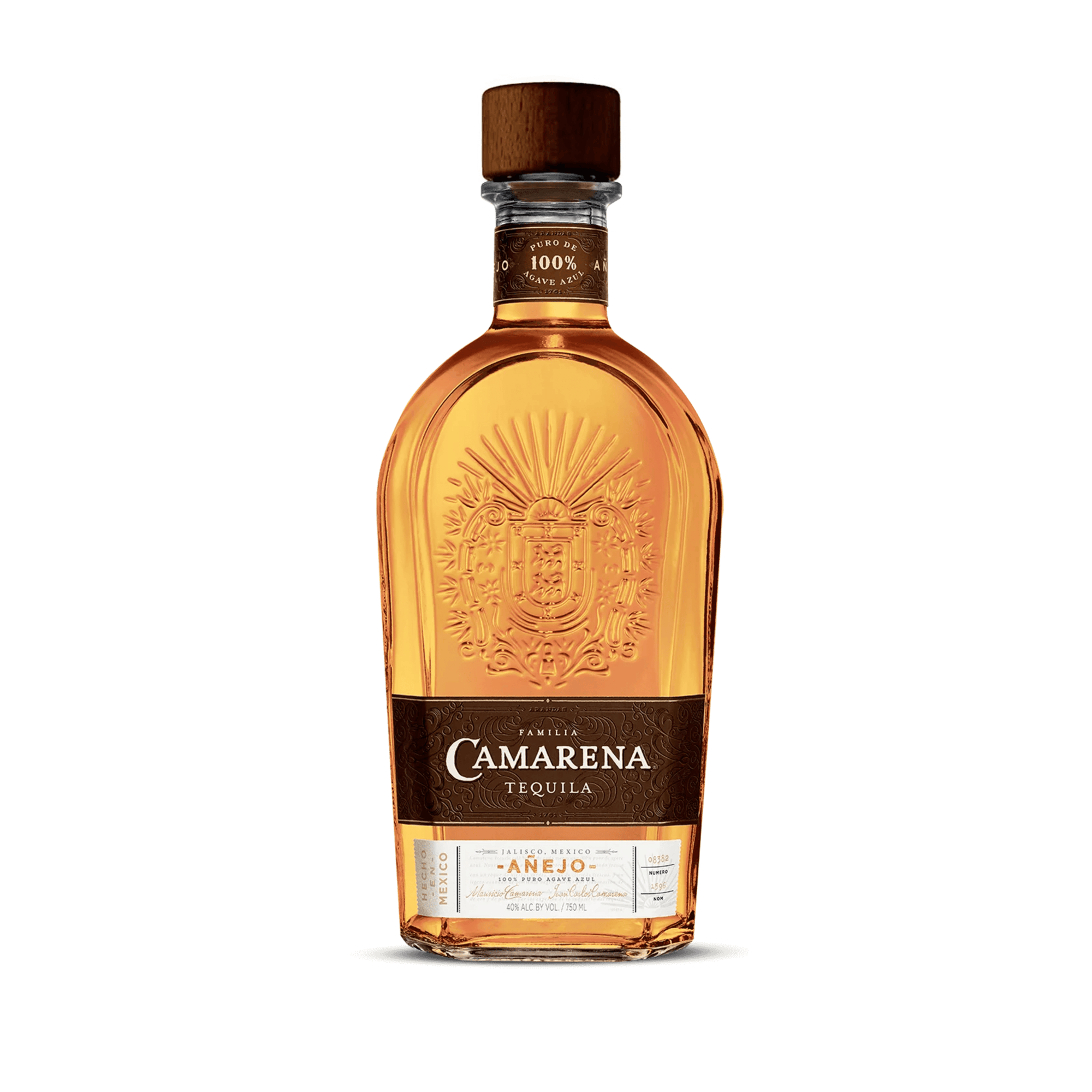
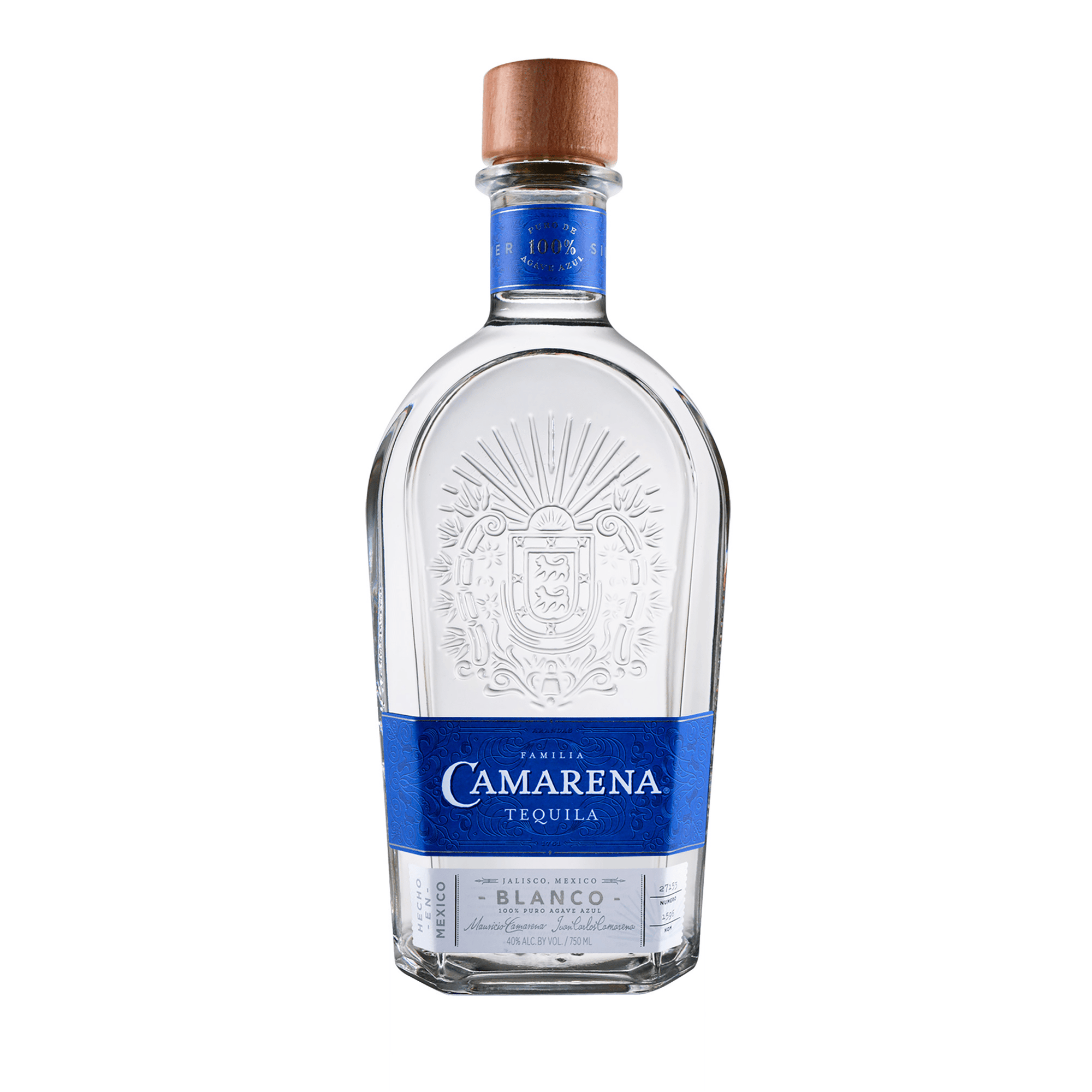
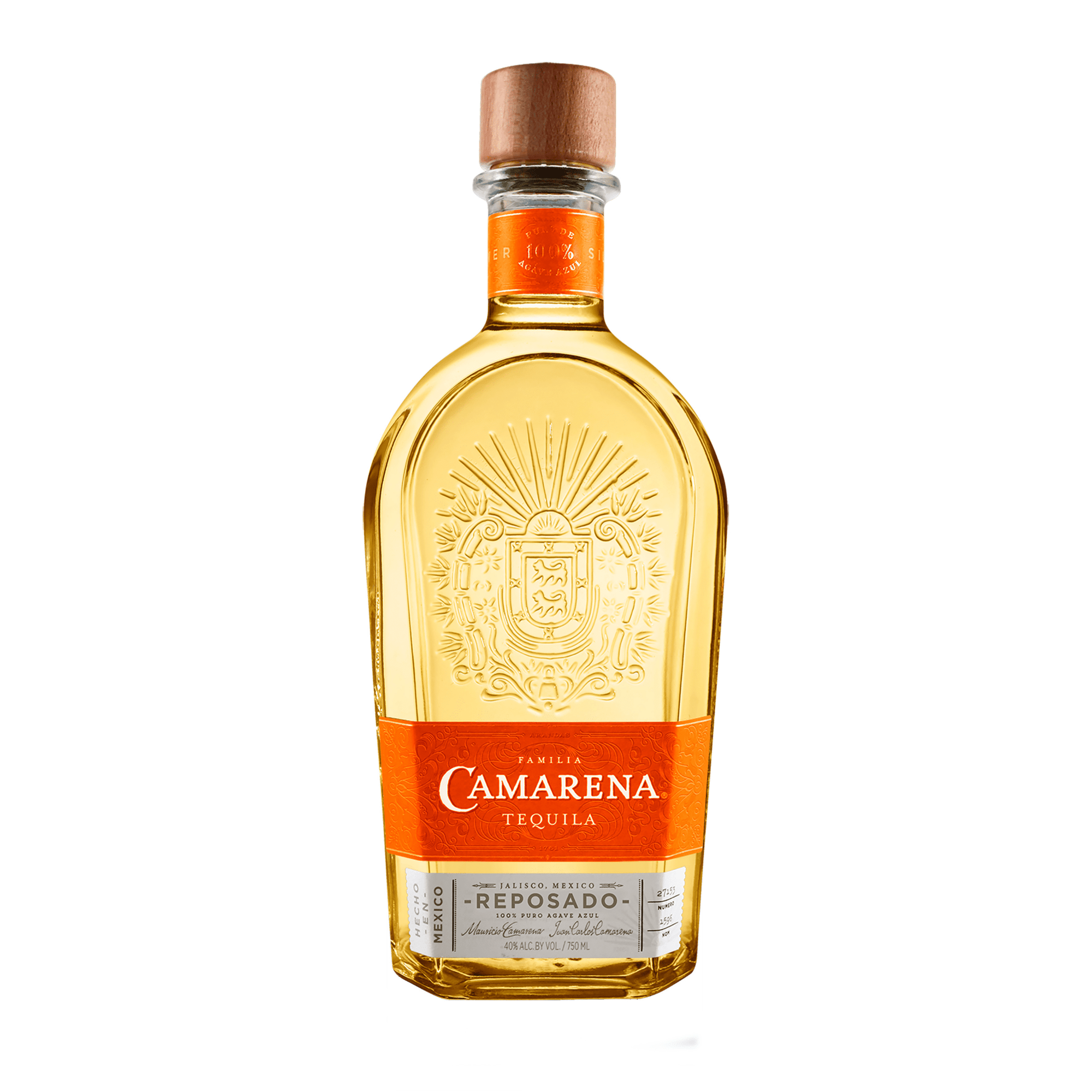
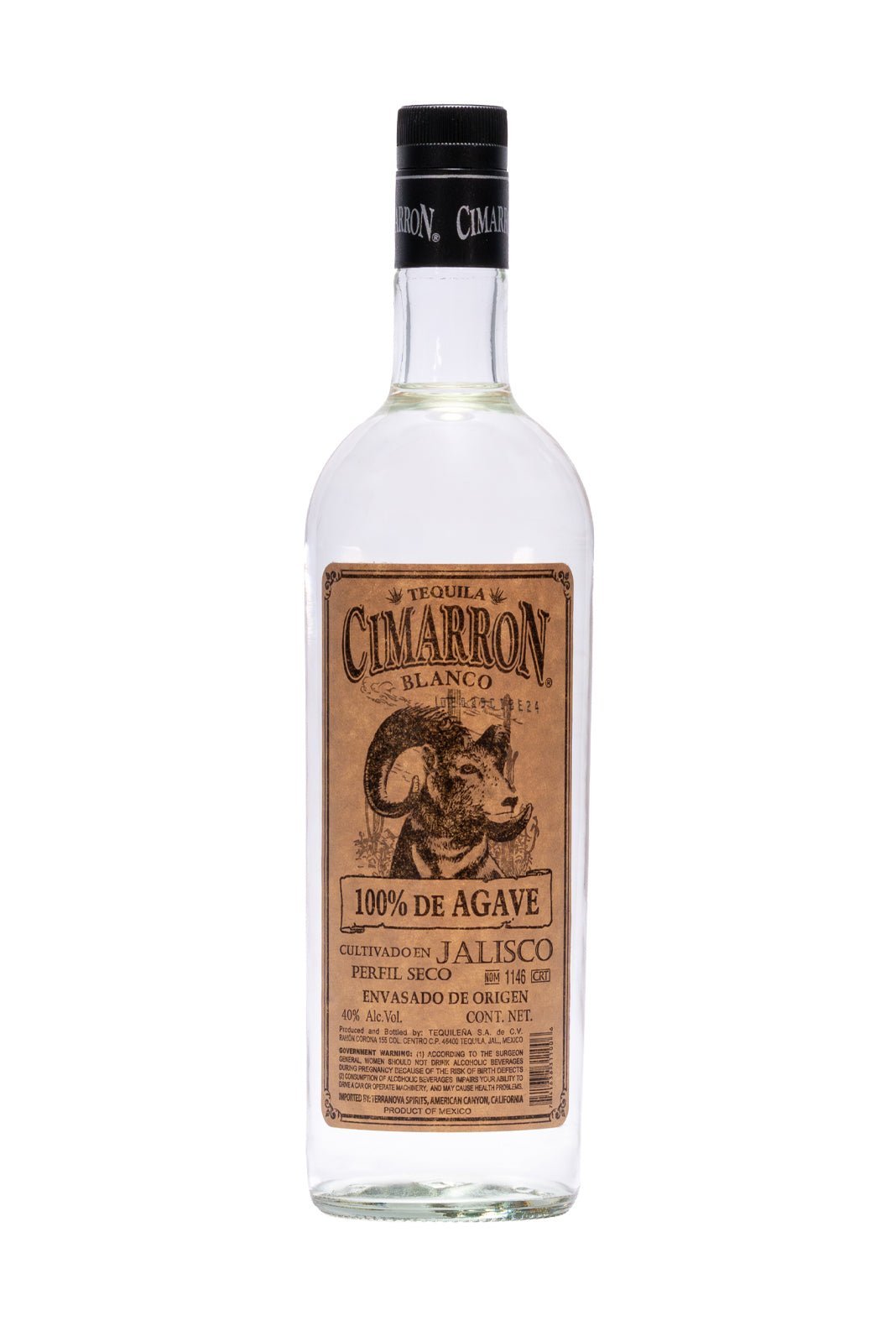
Don Fulano Tequila Cimarron Blanco 40% 700ml
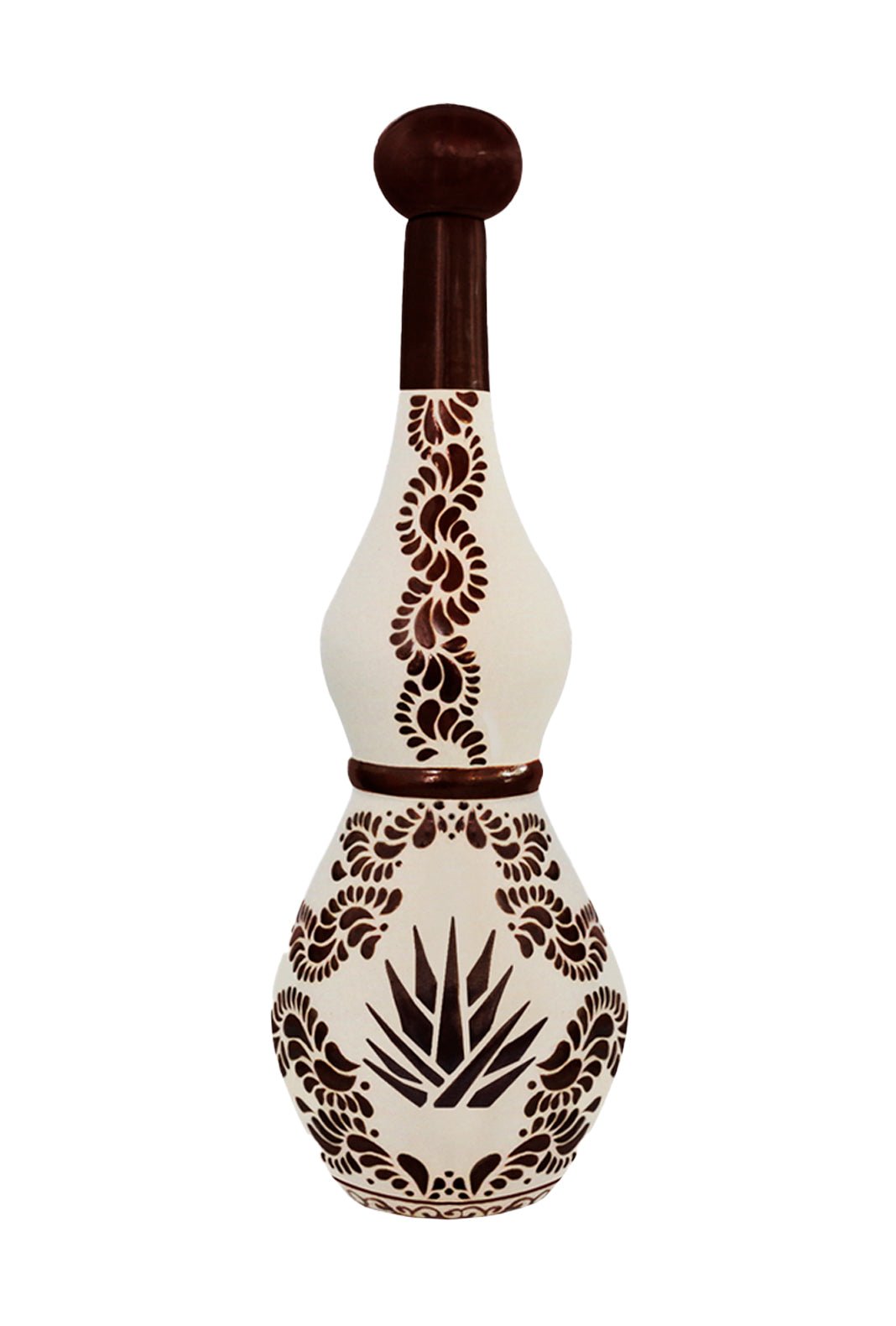
Gran Cofradia Anejo Tequila 38% 700ml
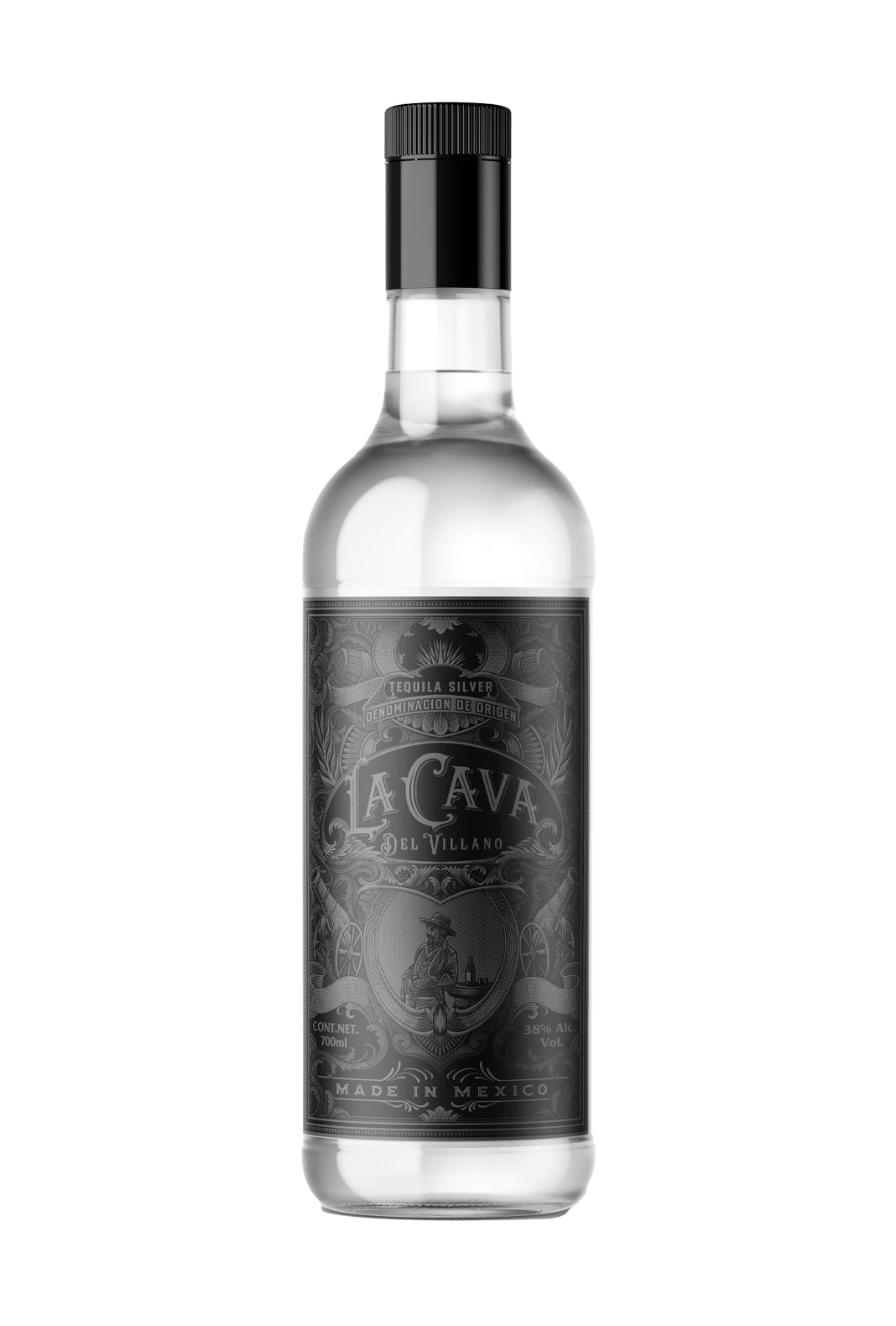
La Cava del Villano Plata Tequila 38% 700ml
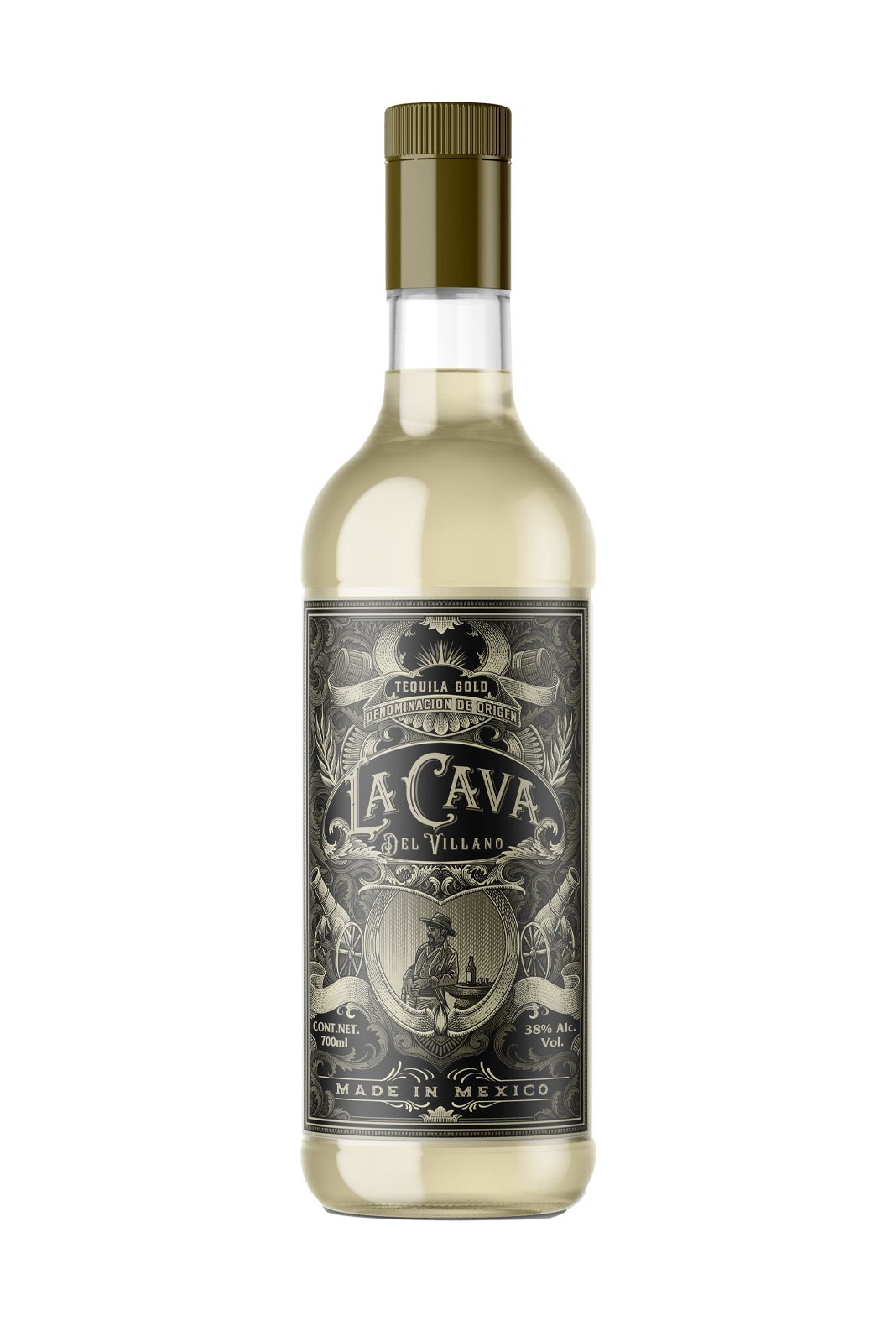
La Cava del Villano Gold Tequila 38% 700ml
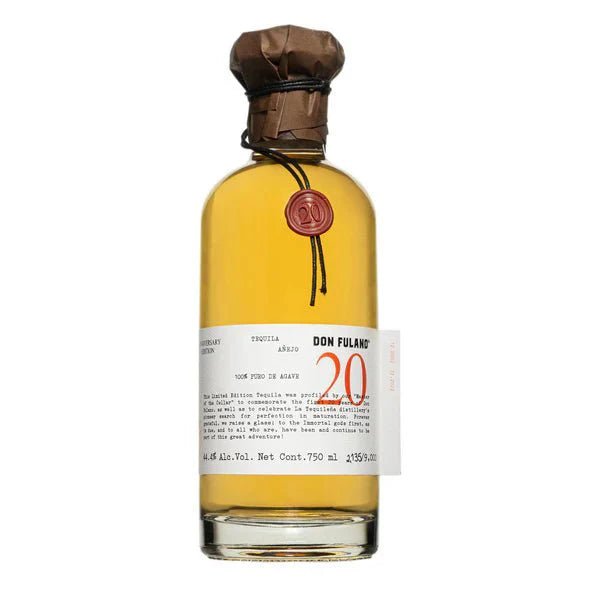
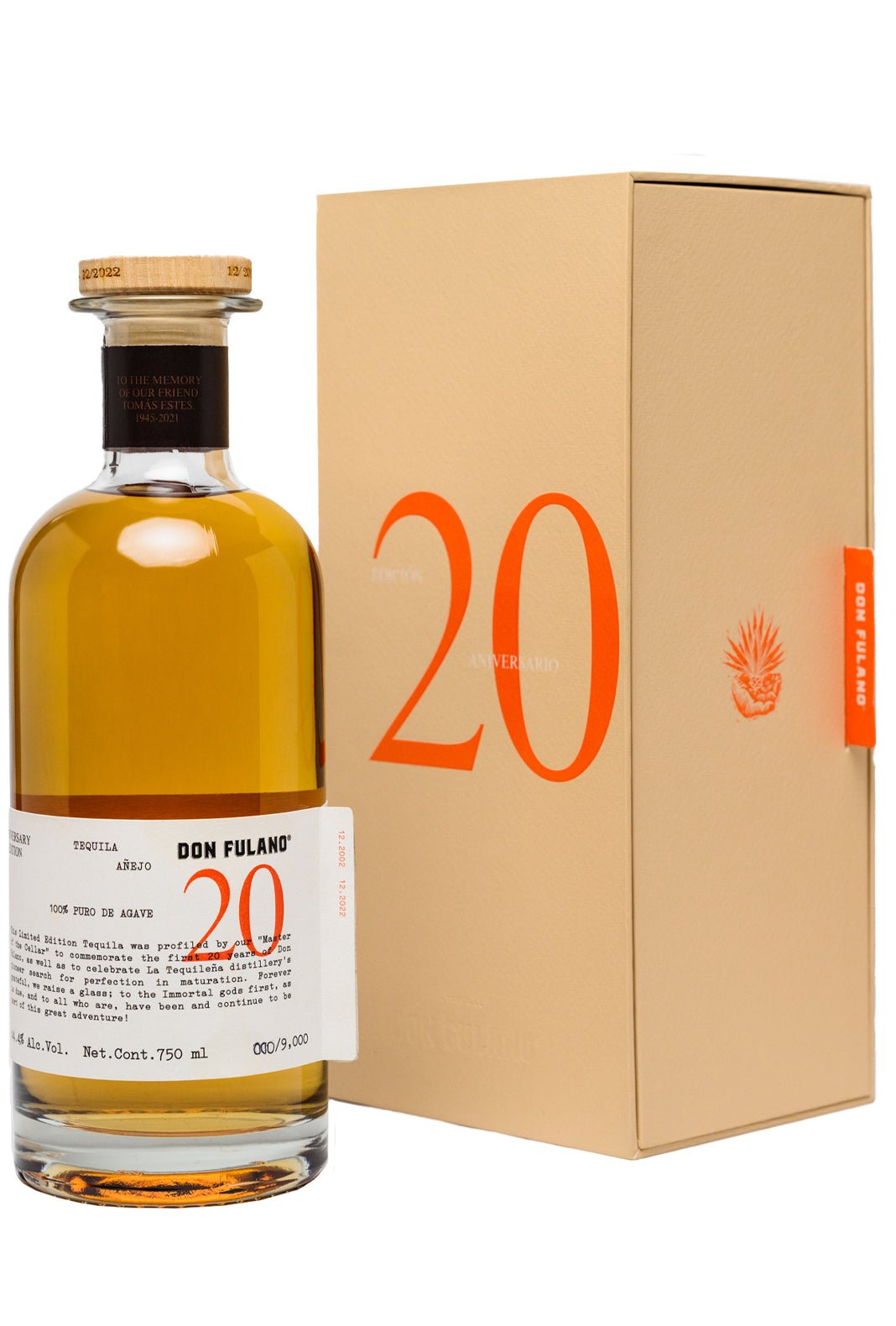
Don Fulano Anniversario Tequila 40% 750ml
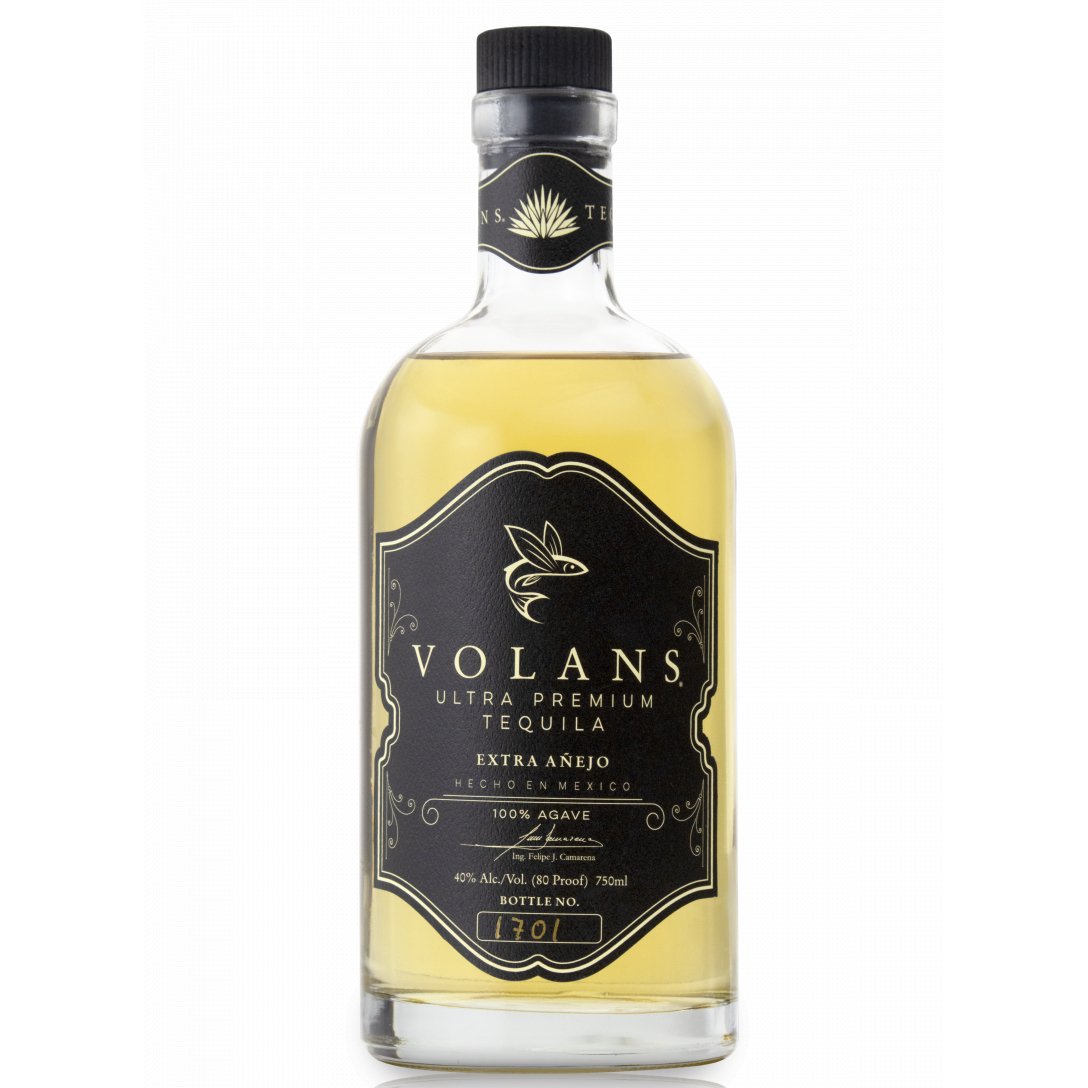
Volans Ultra Premium Tequila Extra Añejo 40% 750ML
Rooster Rojo Tequila Blanco 38% 700ml
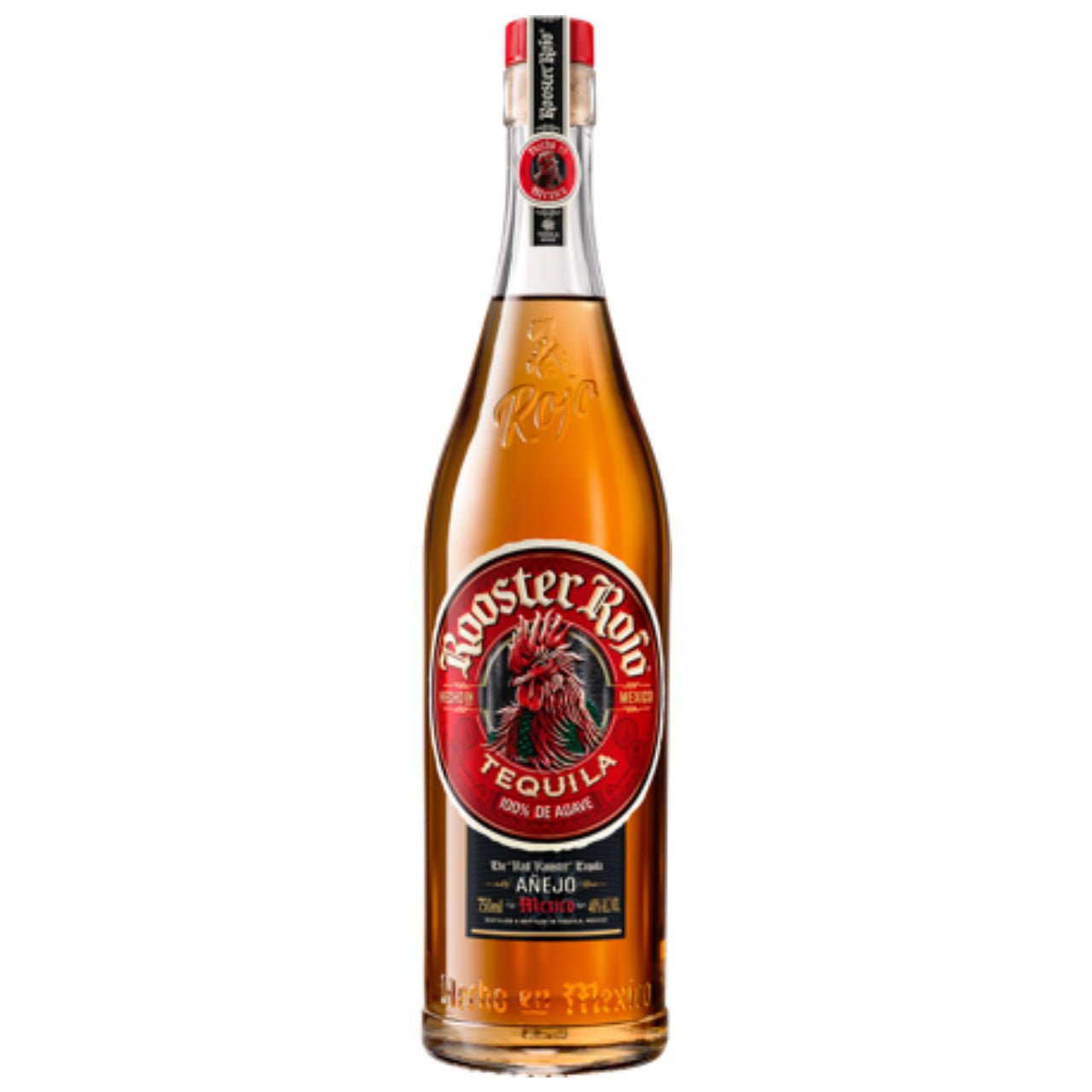
Rooster Rojo Tequila Anejo 38% 700ml
About Tequila
The heart of this range is the producer-led end of tequila, which is a different shelf to the one most bottle shops stock.
Don Fulano is the deepest: Blanco, the Fuerte at 50%, Anejo, the Anniversario, and the Cimarron blanco and reposado. The family behind it, La Tequilena, have farmed agave in the Los Altos highlands for generations.
Ocho was the first tequila to bottle by single estate and vintage, treating agave fields the way a winemaker treats a vineyard. Fortaleza still uses a stone tahona wheel to crush the cooked agave, which almost nobody does any more. Calle 23 is made by a French biochemist working with proprietary yeast strains, and Camarena covers the approachable end.
Clase Azul sits apart, as much for the hand-painted decanters as the liquid, and the full line including the mezcals is on its own page.
La Cofradia, La Cava del Villano, Rooster Rojo and Volans fill out the range.
Dirt Road makes an agave spirit in Australia, which cannot legally be called tequila but belongs in the same conversation.
Mixto against 100 per cent agave, brick oven against autoclave, tahona against roller mill: our tequila buying guide explains which of those you can read off a label, and our blanco guide covers the unaged end in detail.
History
Tequila is a legally protected product of Mexico, made from blue weber agave grown in Jalisco and parts of four neighbouring states. The plant takes six to eight years to mature before it is harvested, and it is harvested only once.
The name comes from the town of Tequila, and distillation there dates to the sixteenth century, when the Spanish, having run out of brandy, applied European stills to the fermented agave drink pulque that had been made locally for far longer.
The distinction that matters most on a label is agave content. Tequila labelled simply as tequila may legally contain up to 49 per cent other sugars and is known as mixto. Tequila labelled 100 per cent agave contains nothing else, and the difference in the glass is not subtle.
Production method matters almost as much. Agave cooked slowly in brick ovens tastes different to agave cooked fast in an autoclave, and agave crushed under a stone tahona tastes different again to agave shredded by roller mill.
The age classes are simple: blanco unaged, reposado two months to a year in oak, anejo one to three years, extra anejo beyond that.
How to drink it
Use a copita, a Riedel tequila glass or a small tulip. Never a shot glass, and never with salt and lime. That ritual was invented to get bad mixto down quickly.
Blanco is where the agave is most visible: green, peppery, citrus, sometimes a little saline. Serve it at room temperature or very lightly chilled and sip it.
Reposado picks up vanilla and caramel from the wood without losing the agave. Anejo goes further towards toffee and dried fruit and drinks closer to a light brandy.
For cocktails, use blanco. A Tommy's Margarita, which replaces the orange liqueur with agave syrup, shows the tequila rather than burying it: two parts tequila, one part lime, a bar spoon of agave syrup, shaken. A Paloma with grapefruit soda and a pinch of salt is the everyday Mexican serve and is better than most margaritas.
Reposado works in an Old Fashioned. Anejo is for drinking neat after dinner.