
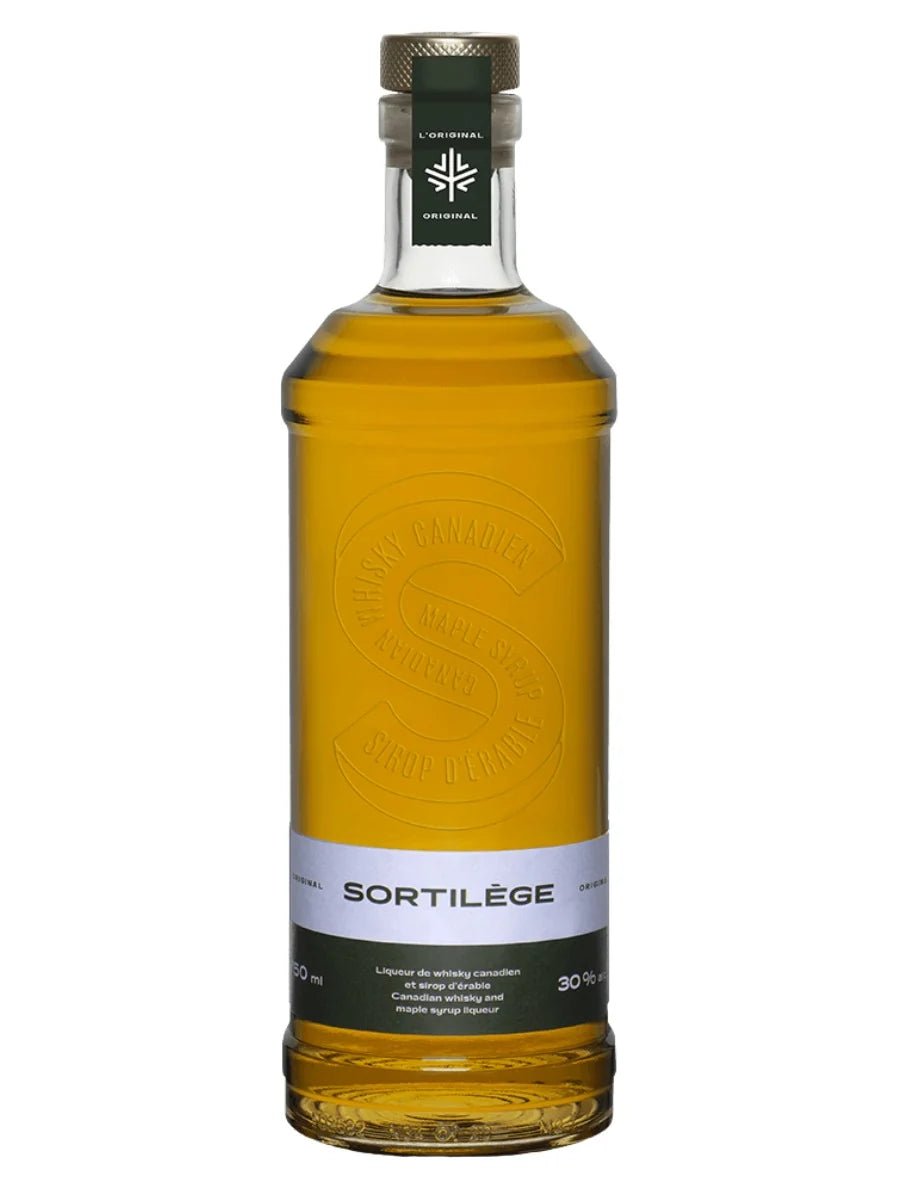
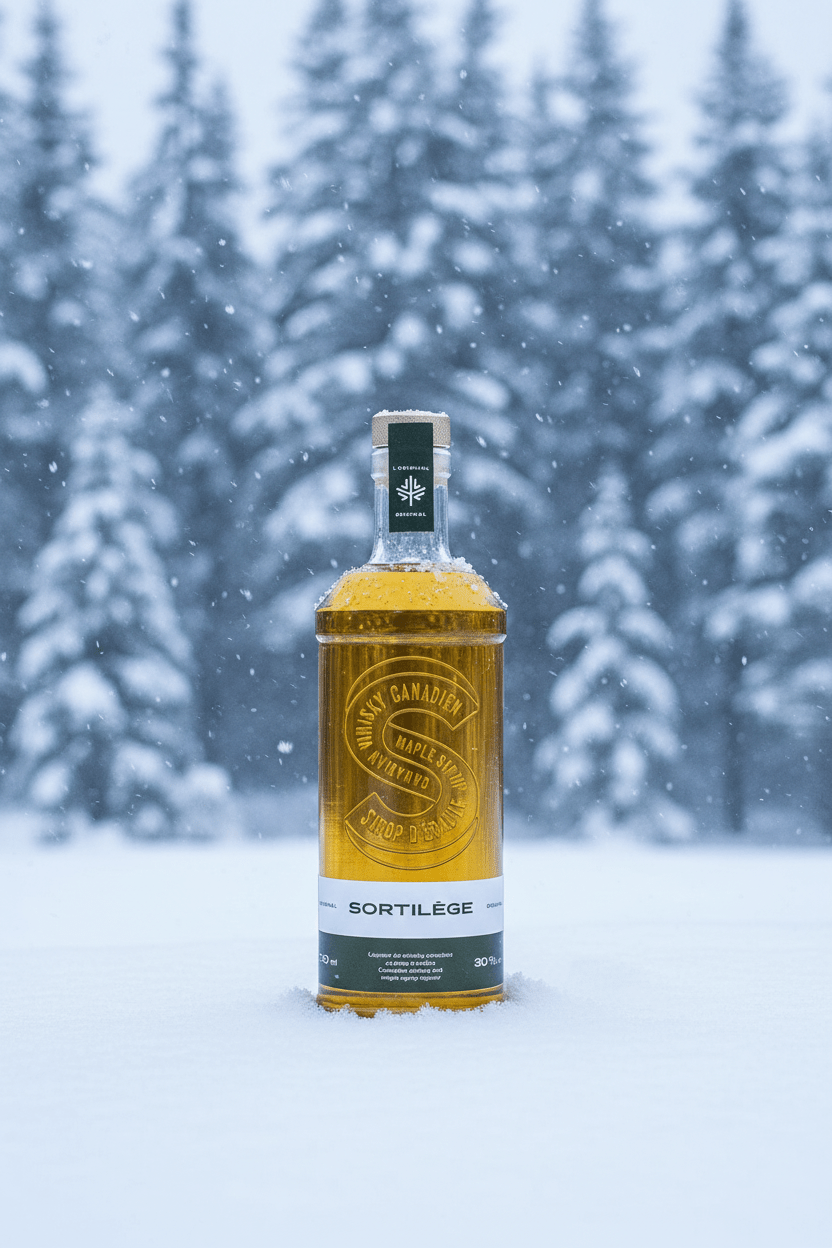
Sortilege Canadian Whisky and Maple Syrup 30% 700ml
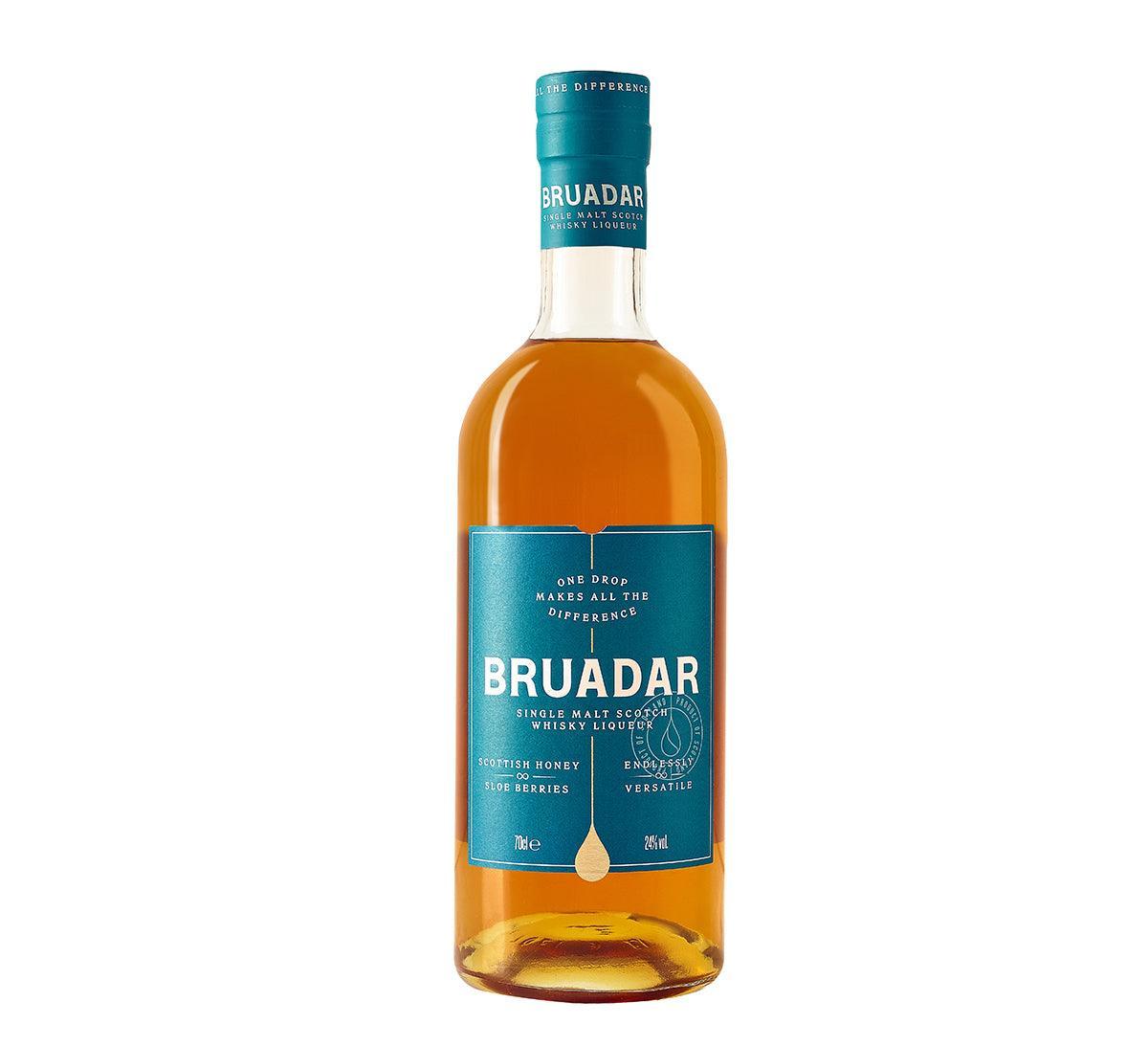

Bruadar Single Malt Scotch Whisky Liqueur 700mL
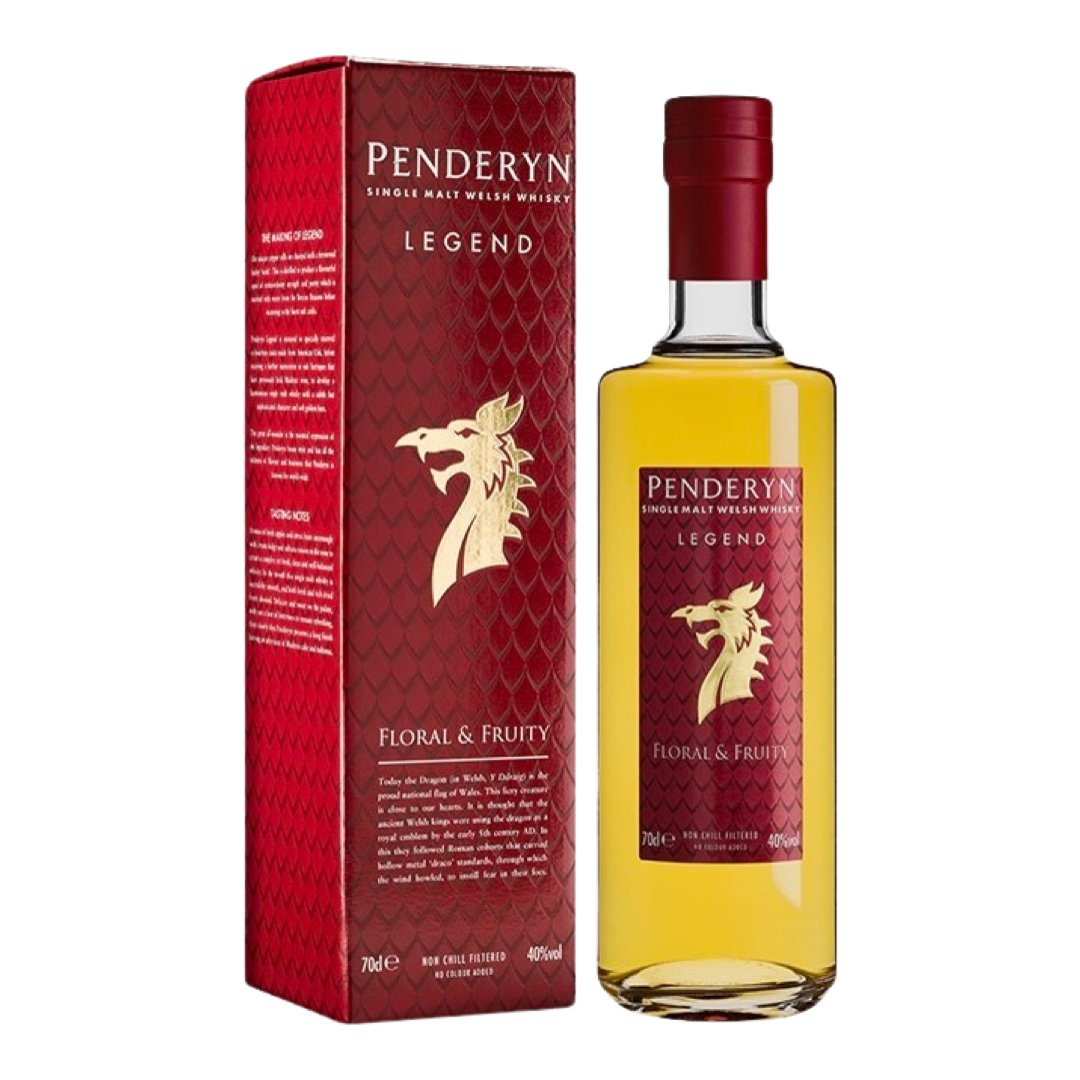
Penderyn Legend Single Malt Welsh Whisky 40% 700ml
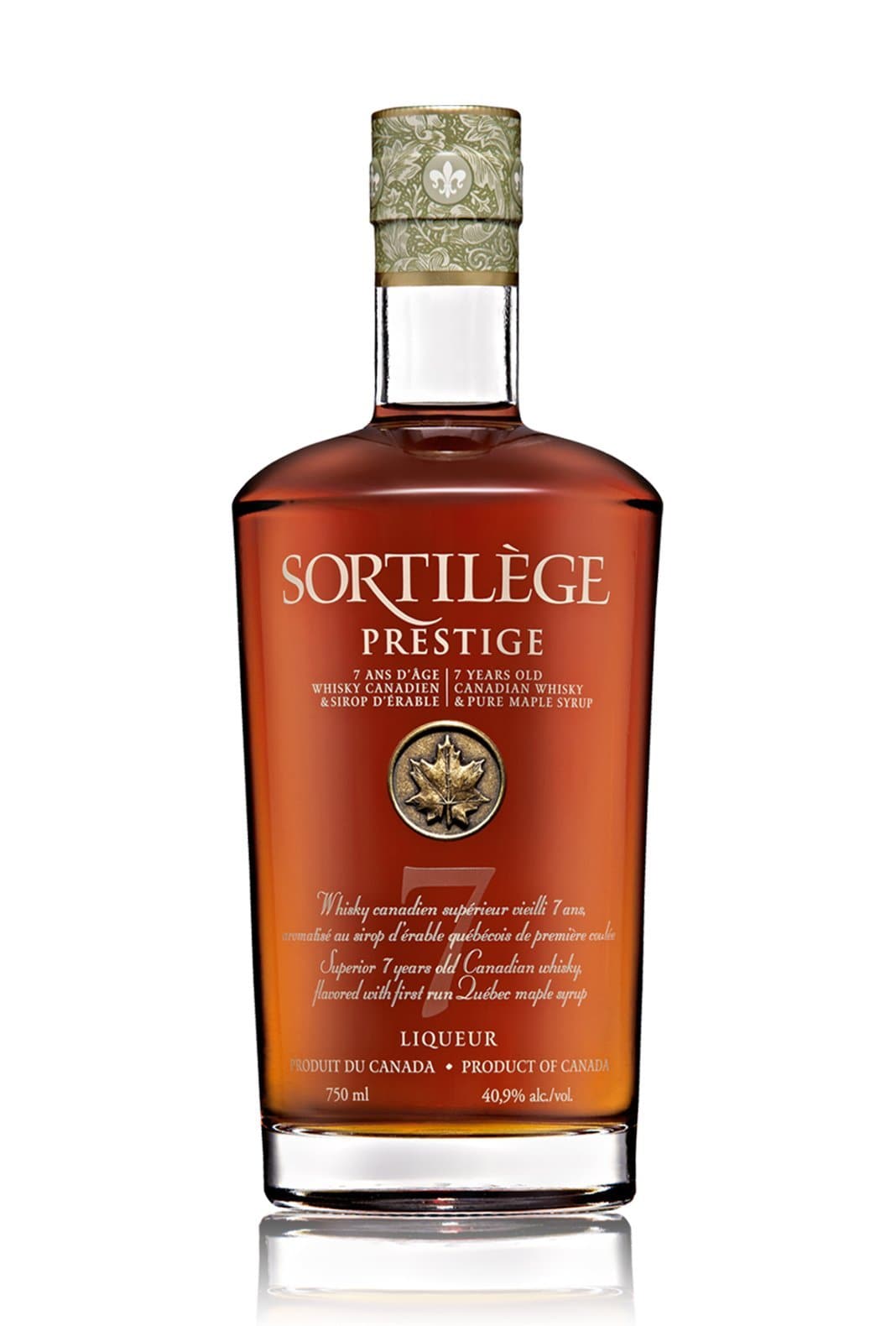
Sortilege Prestige 40.9% 750ml
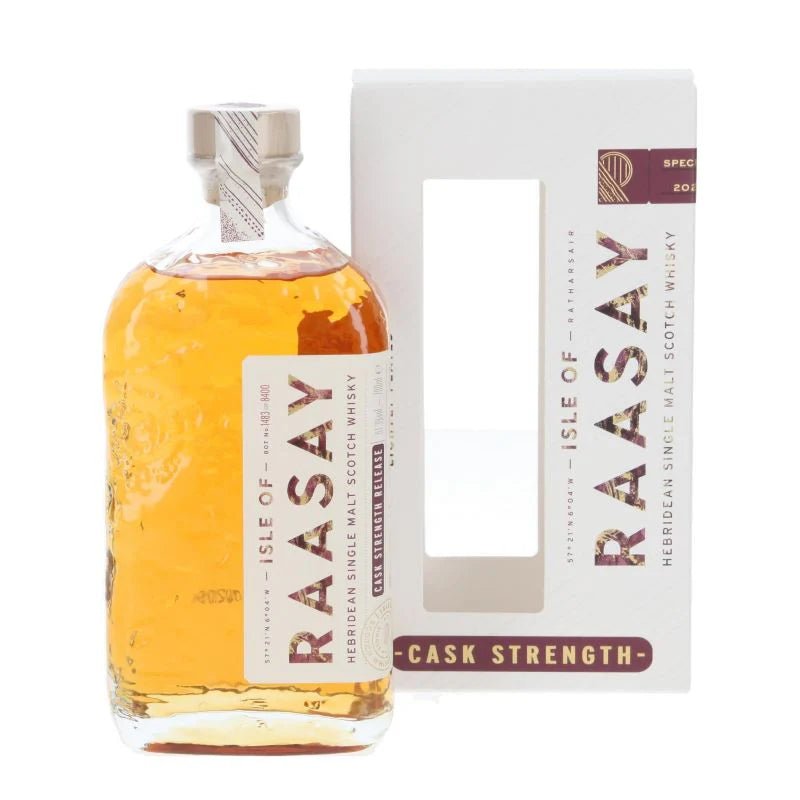
Raasay Single Malt Cask Strength 2024 Release 1 700mL 61.3%
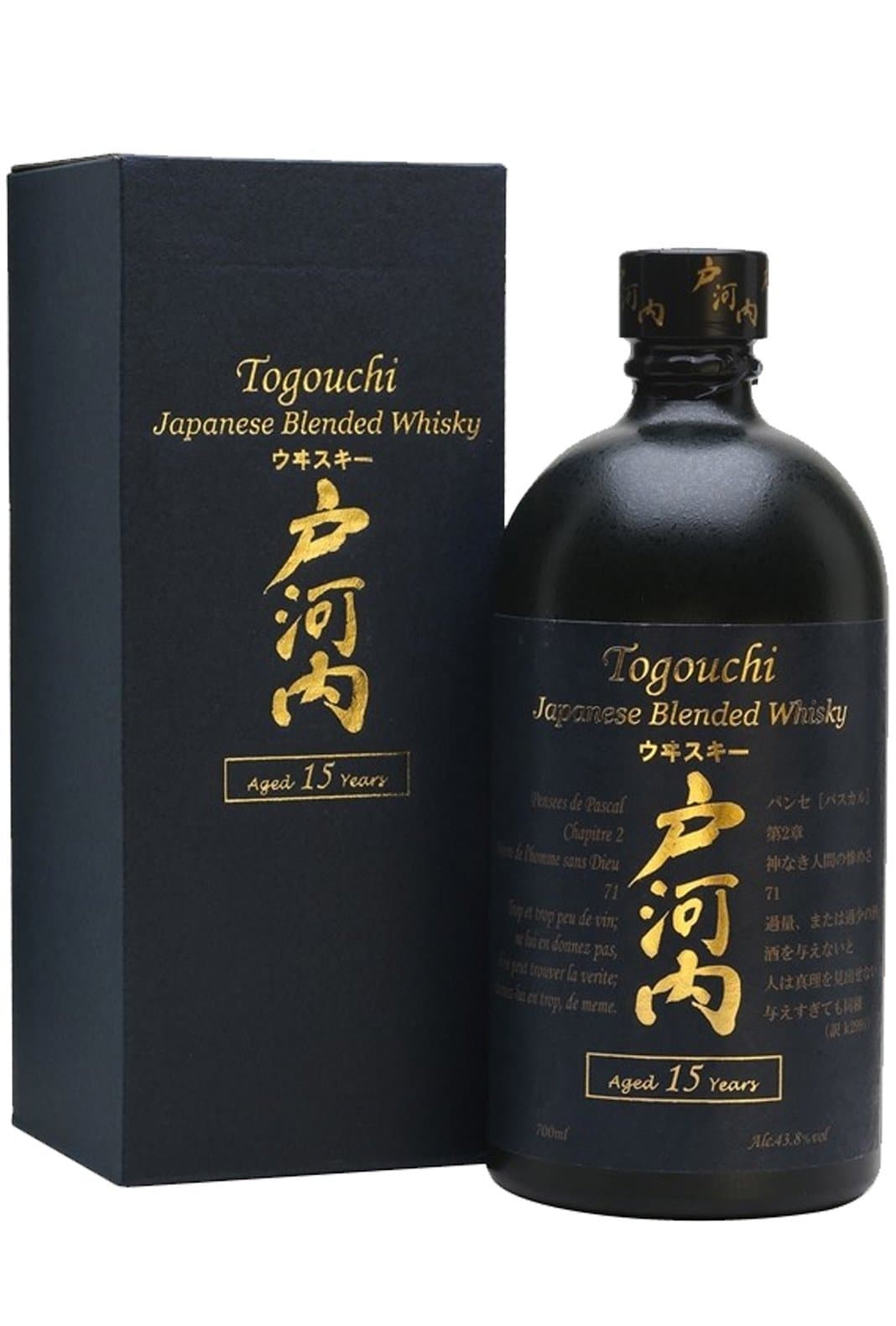
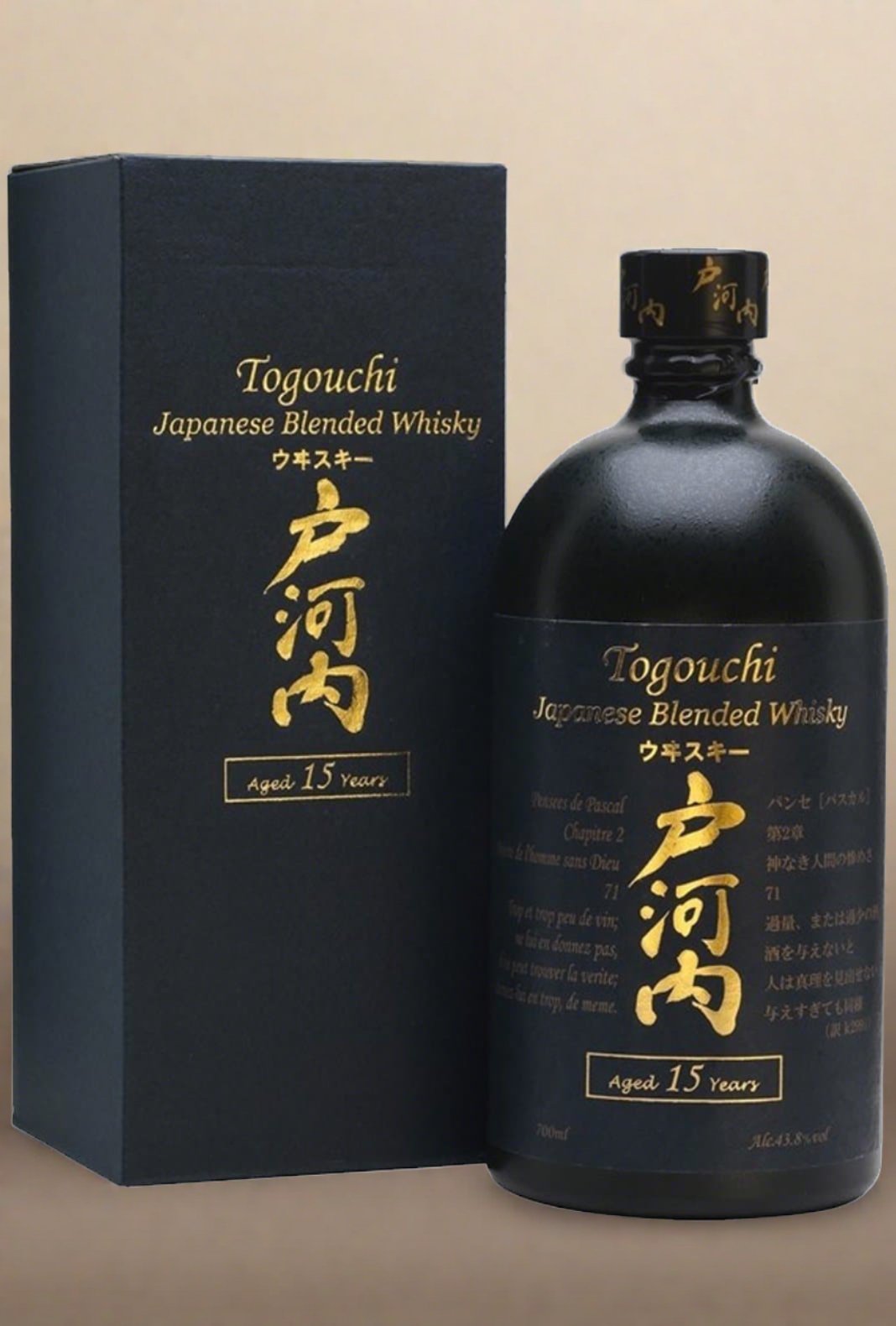
Togouchi 15 years Japanese Whisky 43.8% 700ml
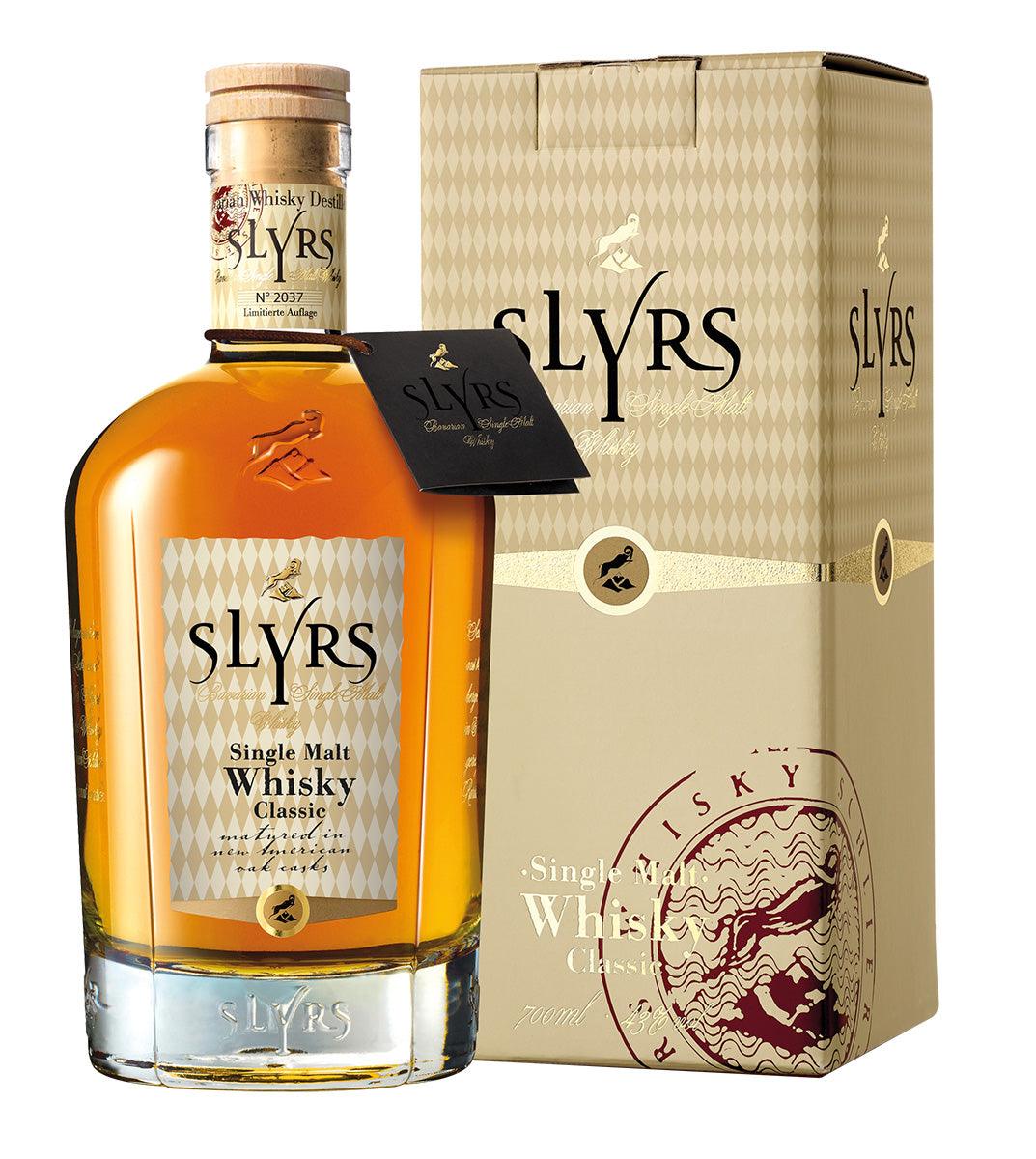
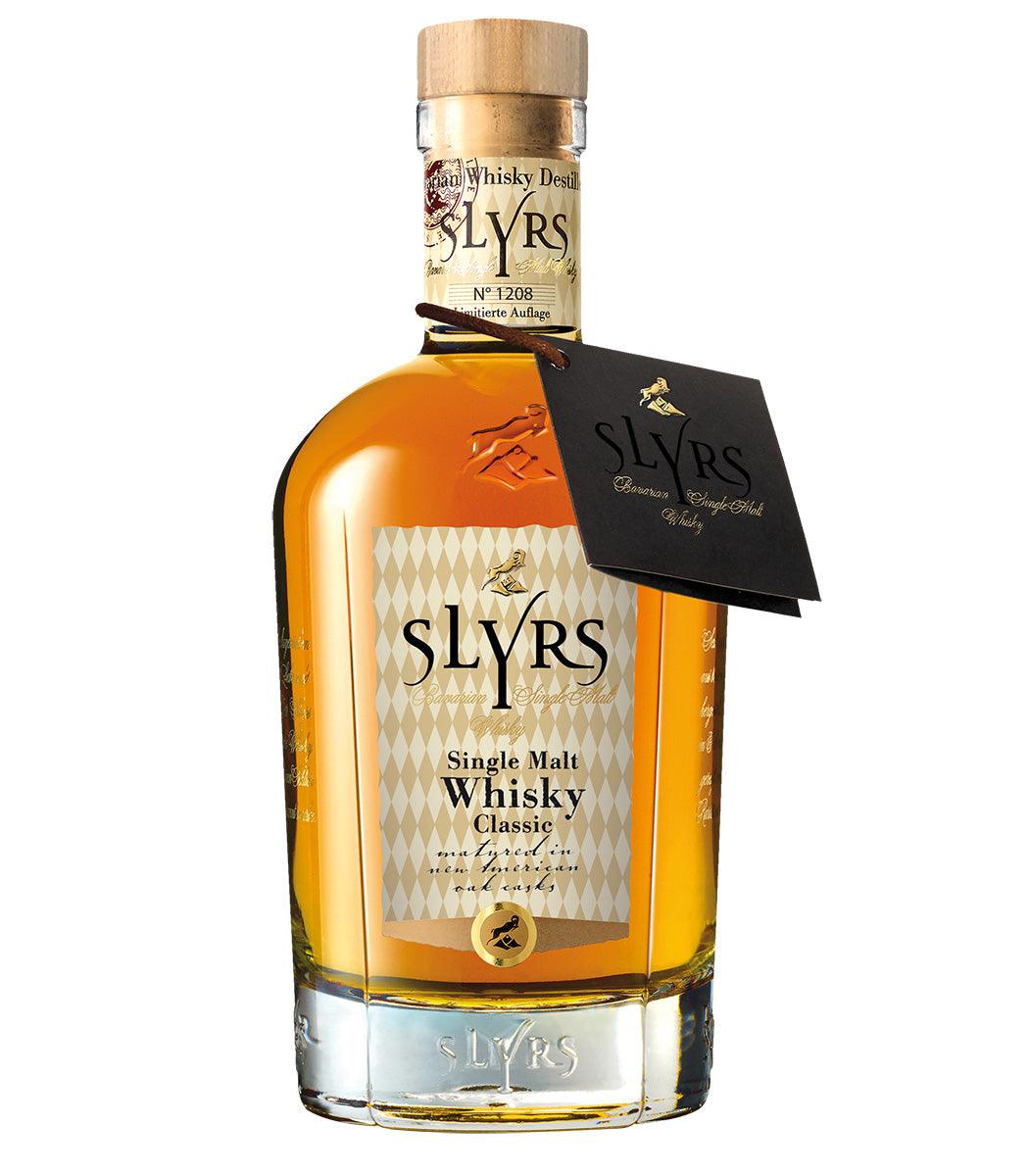
Slyrs Classic Bavarian Single Malt Whisky
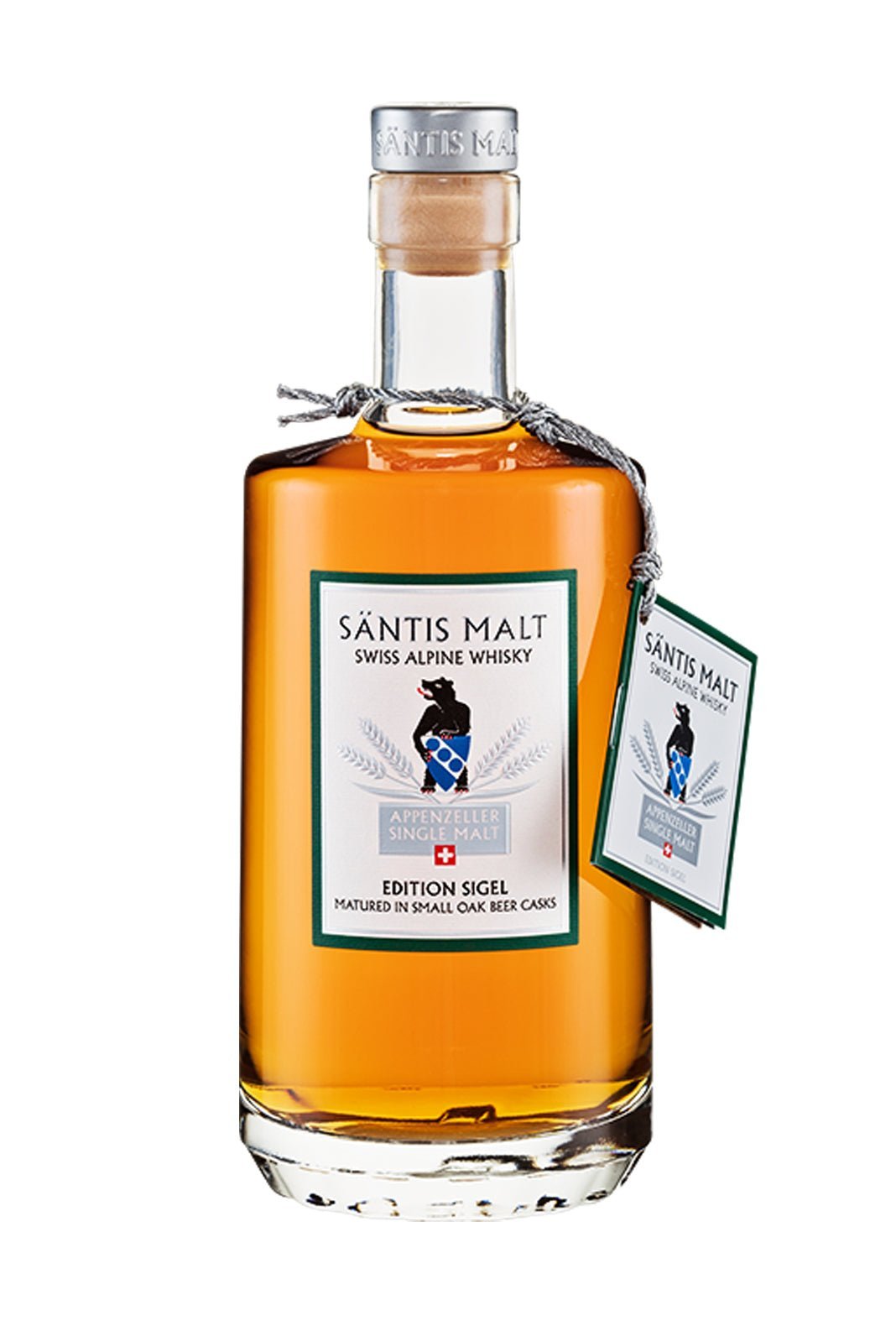
SANTIS Sigel Malt - Swiss Alphine Whiskey 40% 500ml
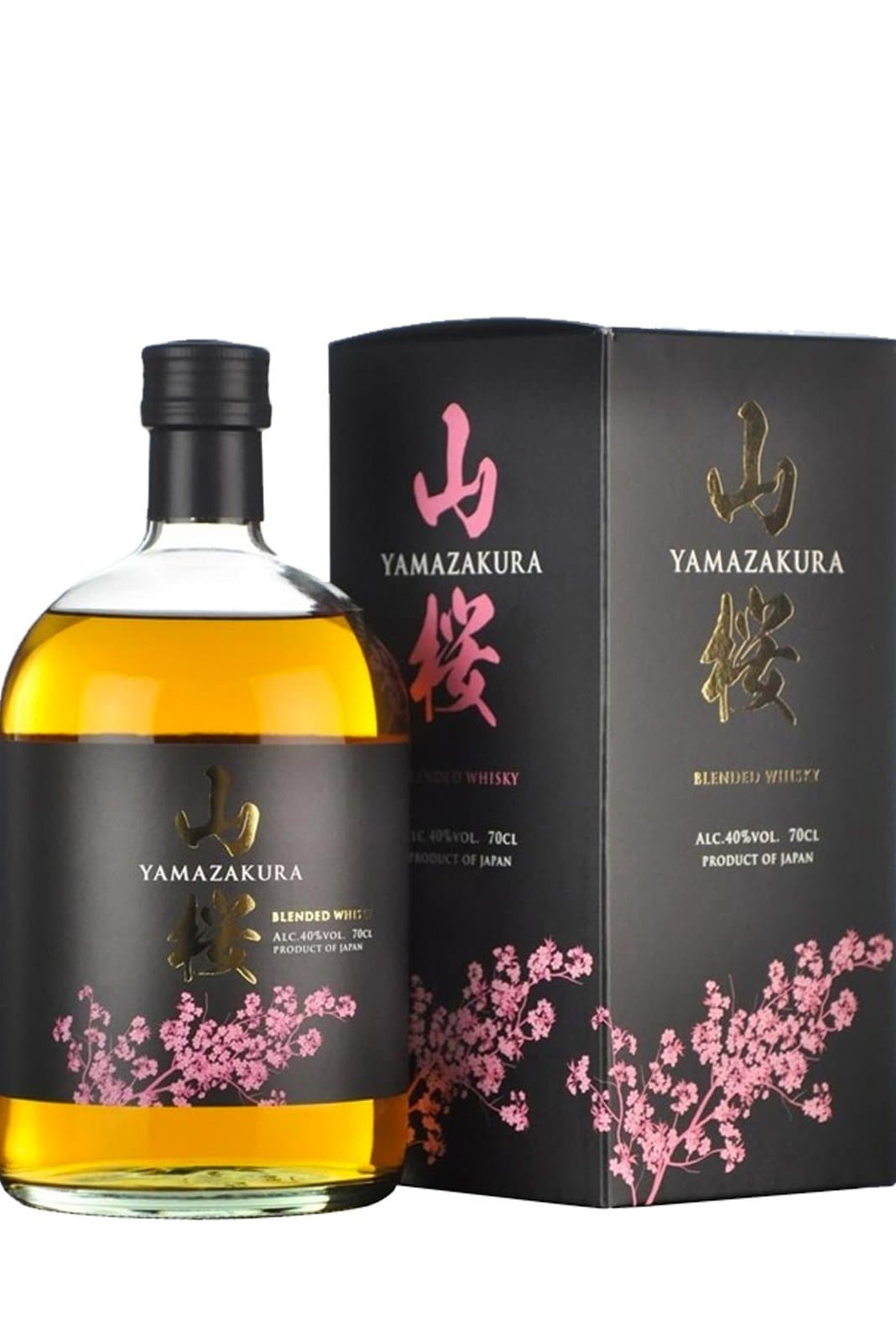
Yamazakura Blend Japanese Whisky 40% 500ml
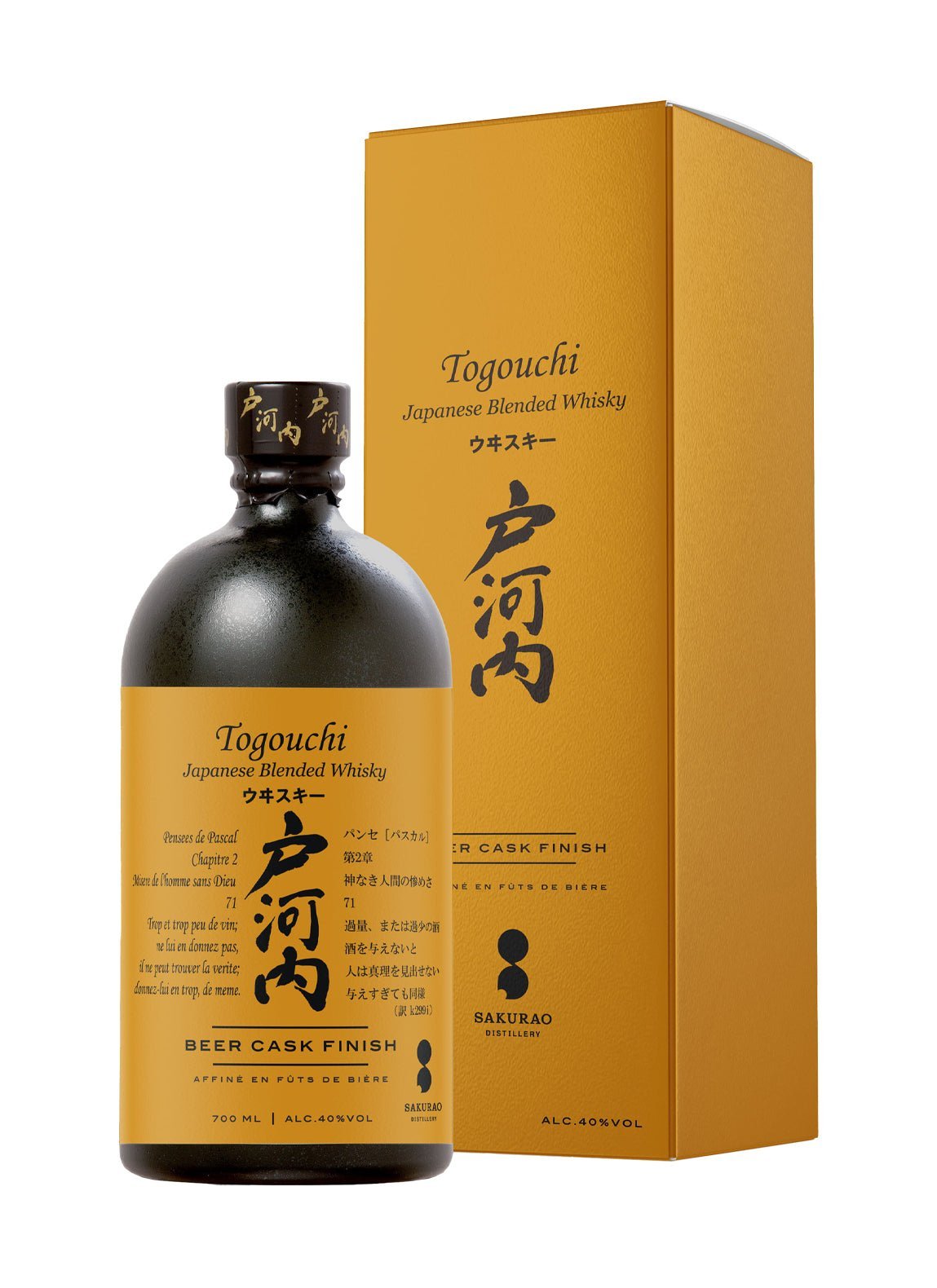
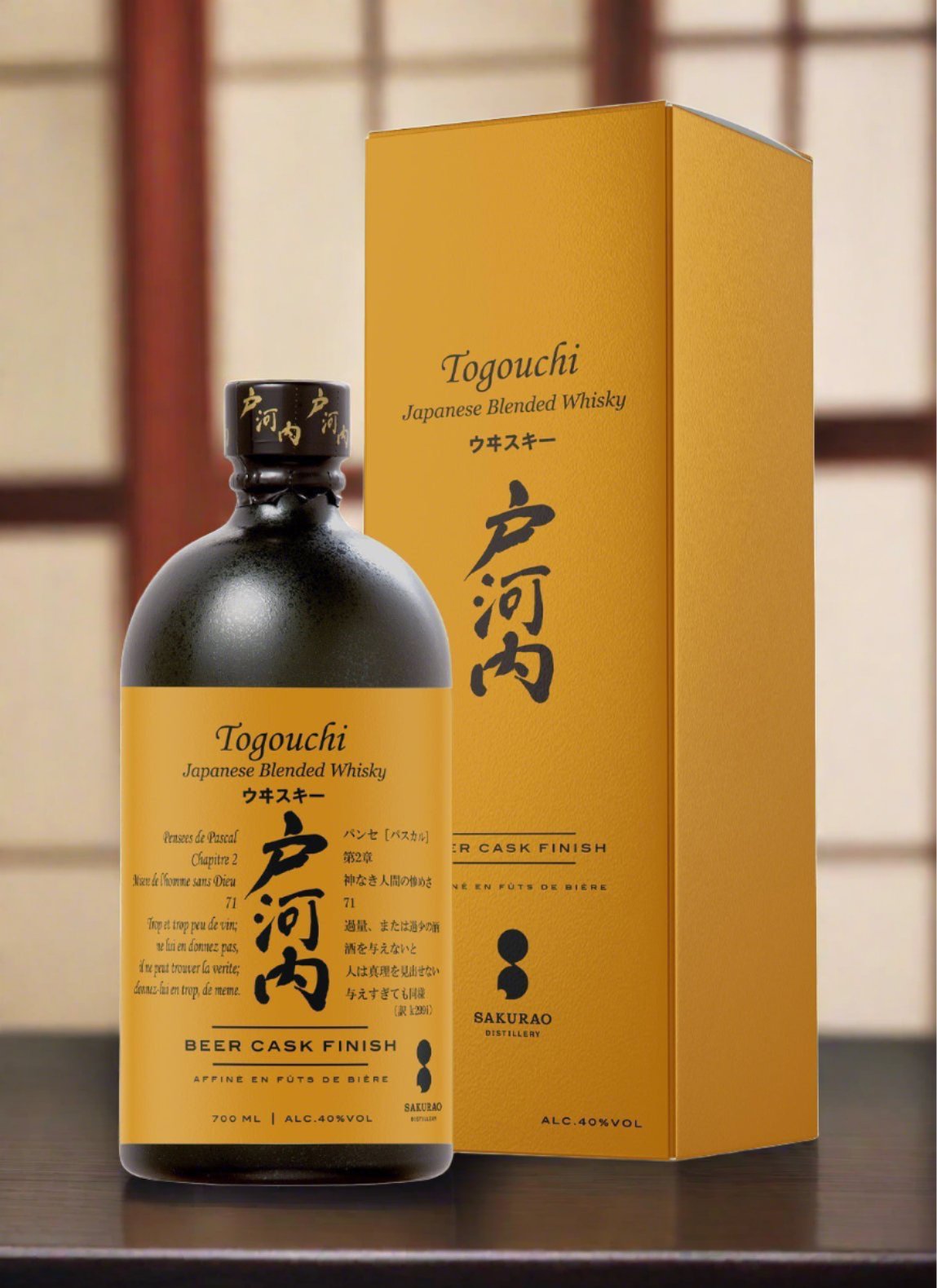
Togouchi Blended Beer Cask Finish Japanese Whisky 40% 700ml

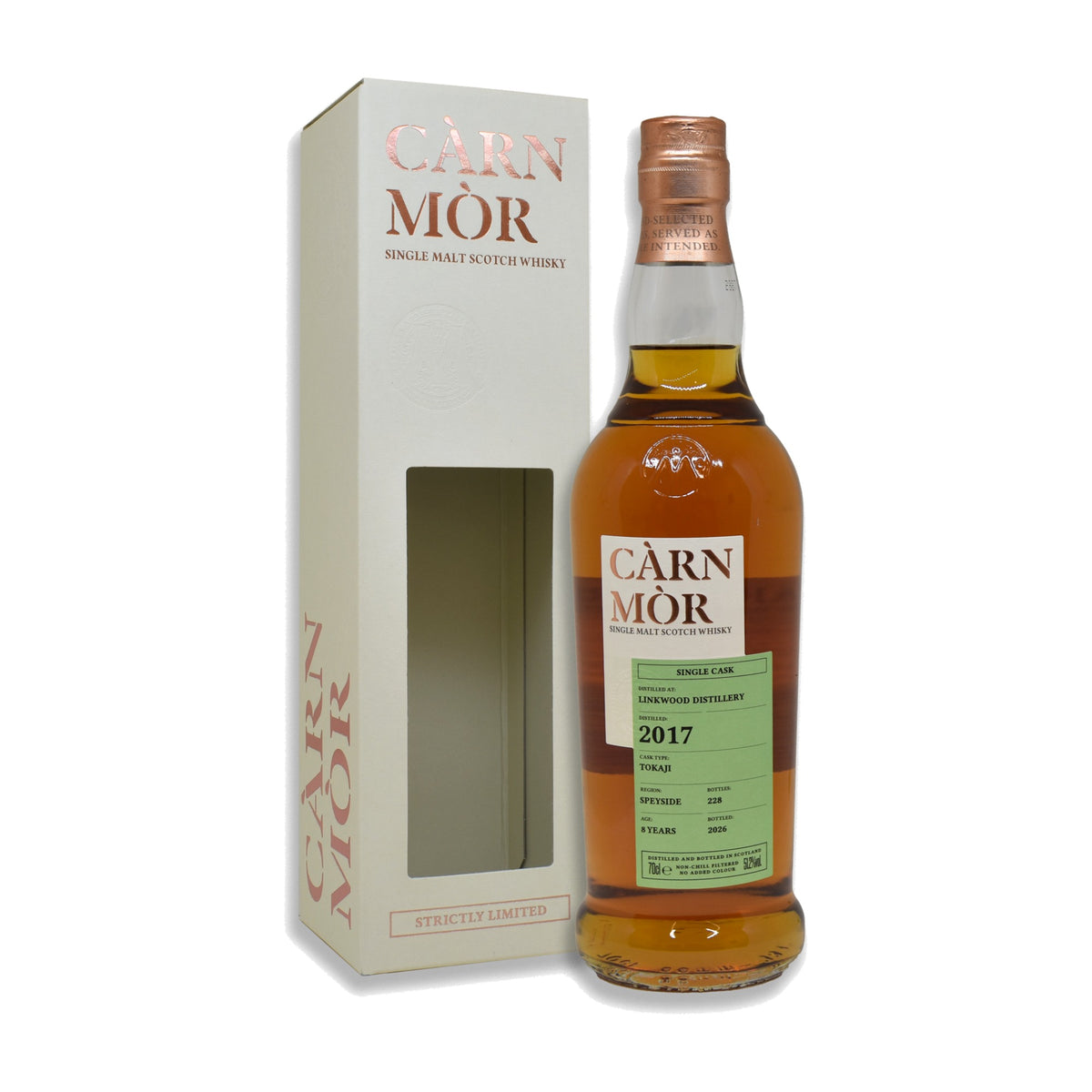
Linkwood 8 Year Old 2017 Tokaji Cask Càrn Mòr Strictly Limited 700ml
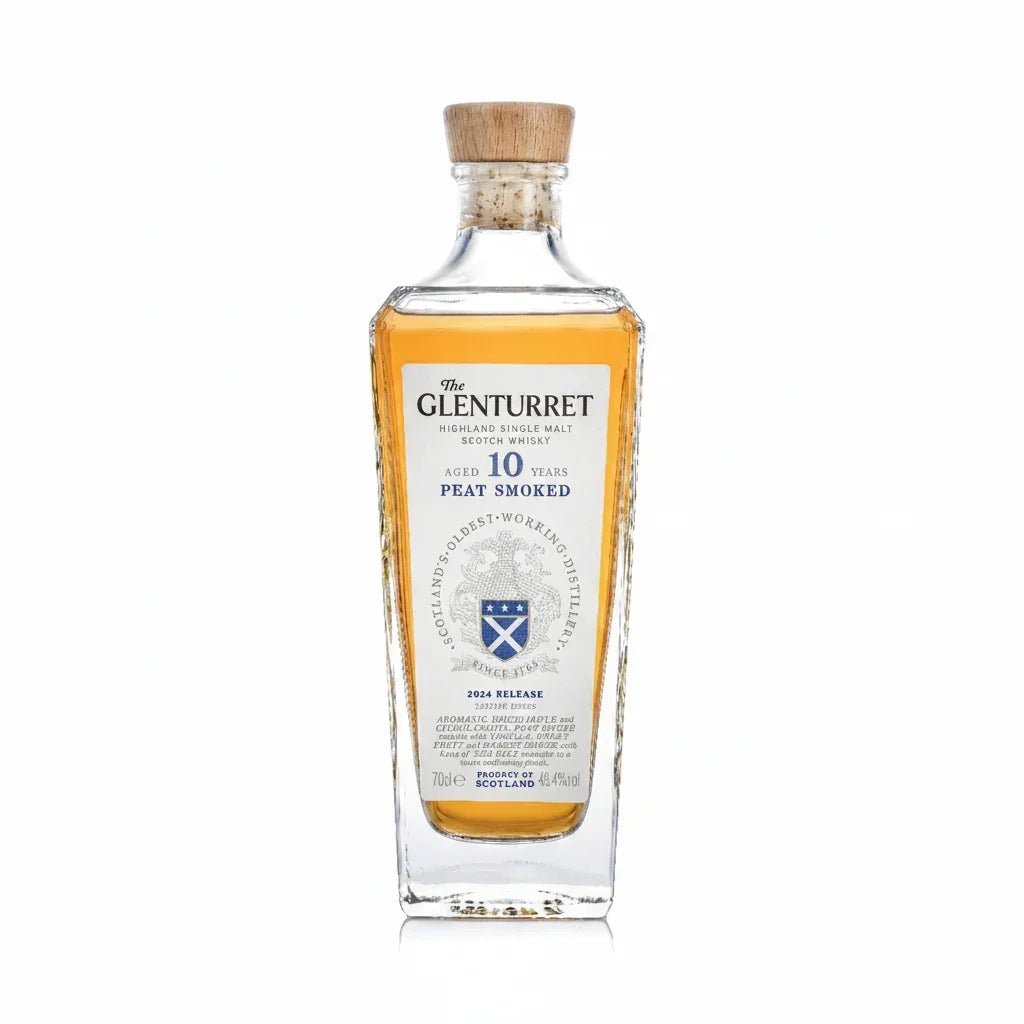
The Glenturret 10 Year Old Peat Smoked 2025 release 48.4% ABV 700ml
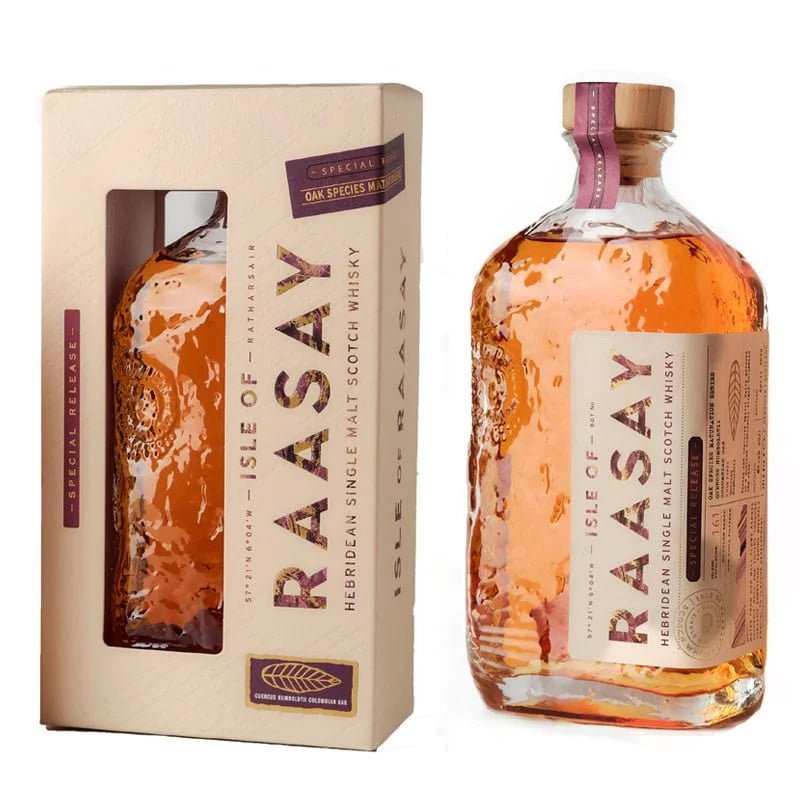
Raasay Peated Columbian Oak Matured 2024 release Single Malt Whisky 700mL 50.7%
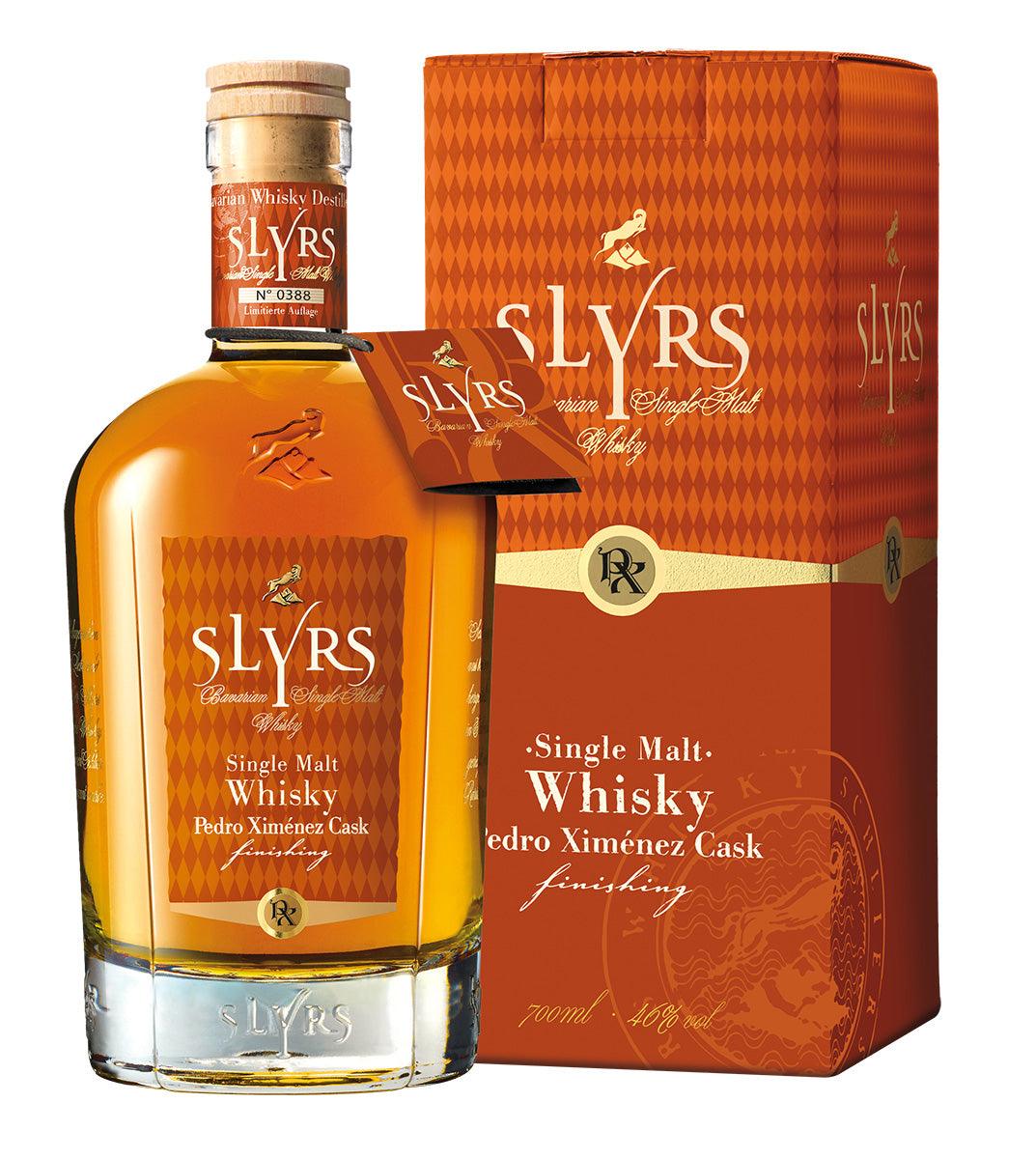
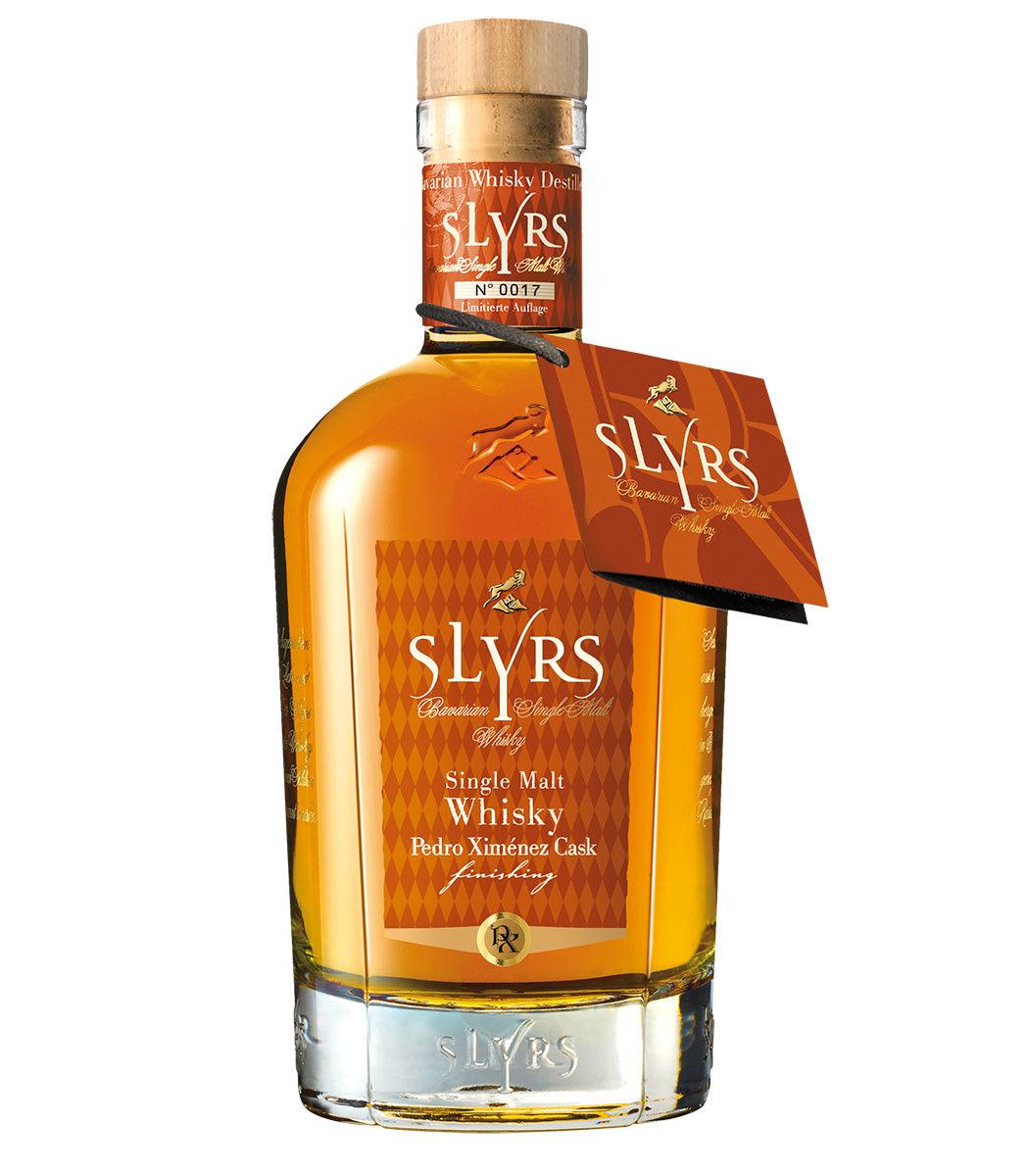
Slyrs Single Malt Whisky Pedro Ximénez Cask Finish
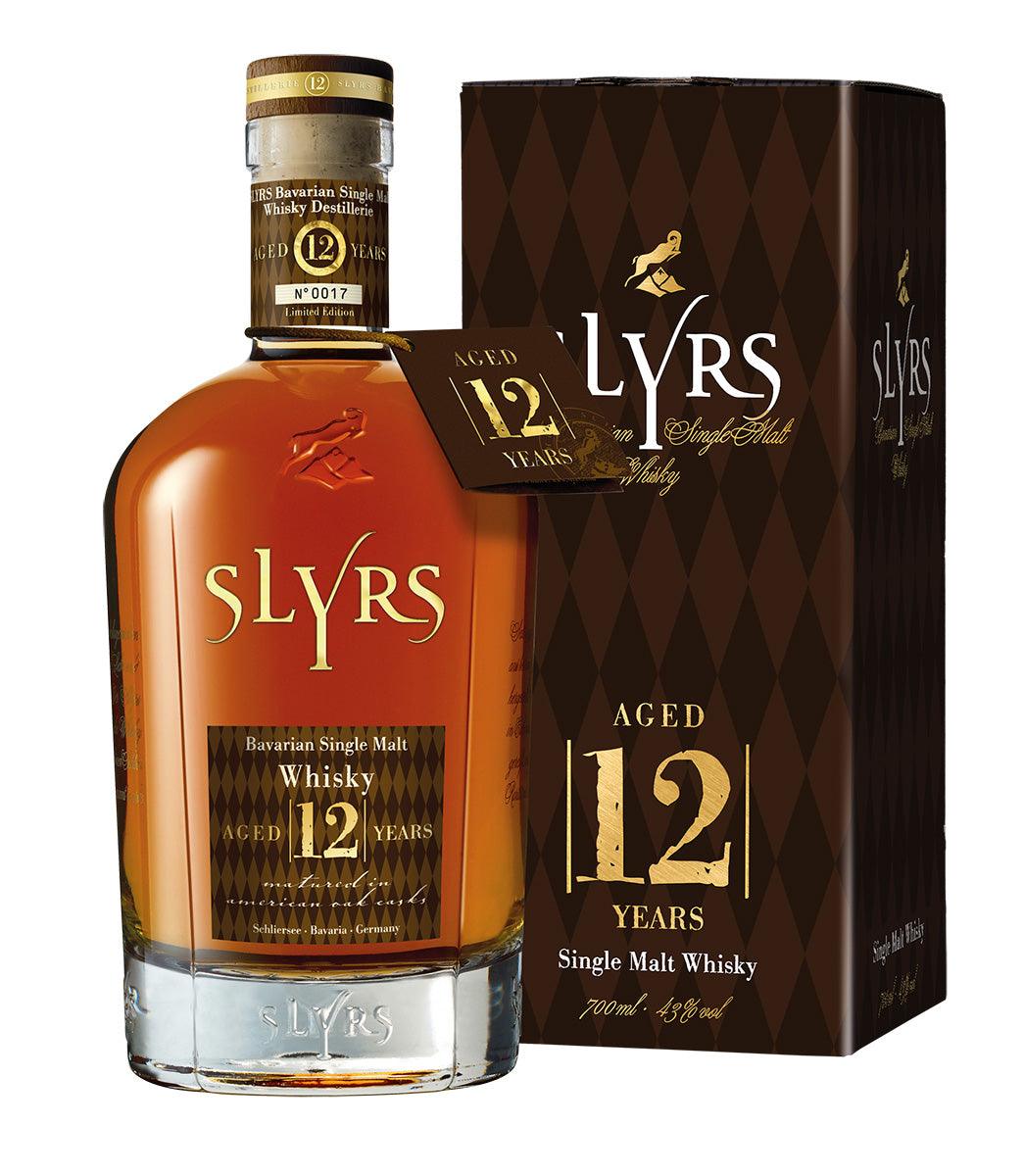
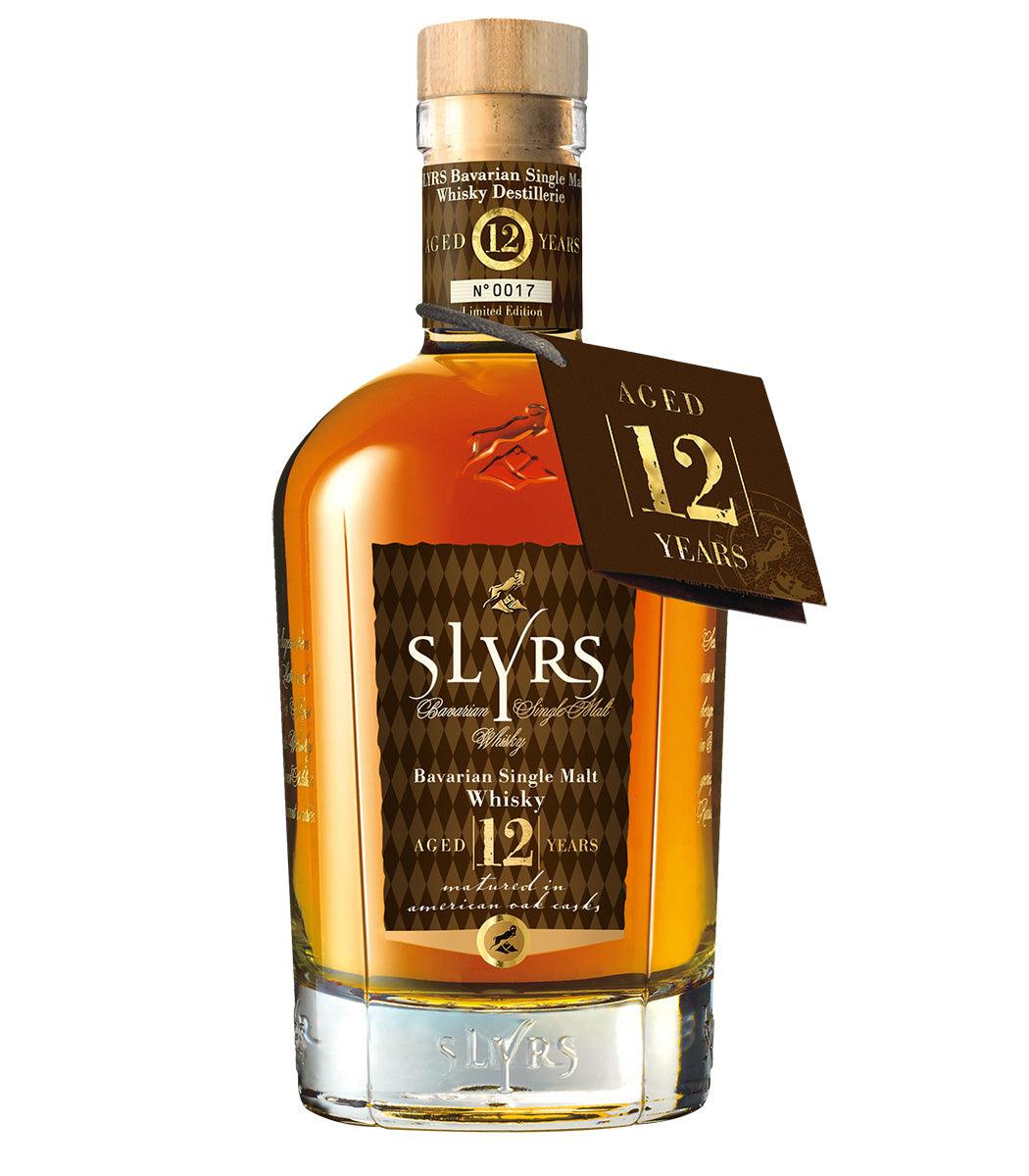
Slyrs 12 Year Old Bavarian Single Malt Whisky
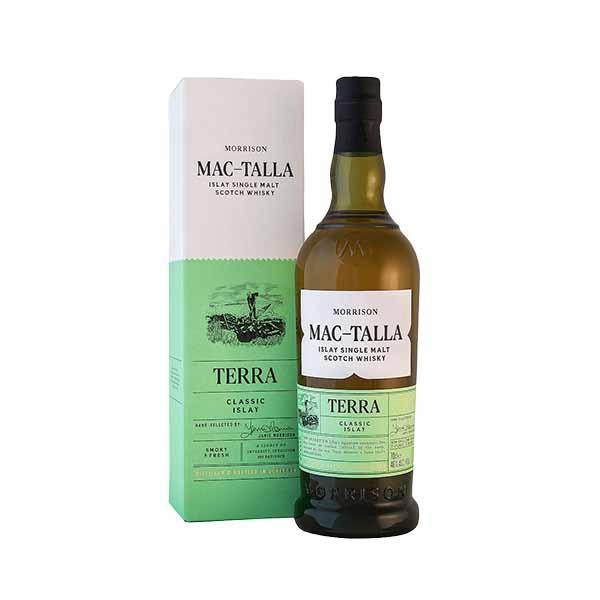
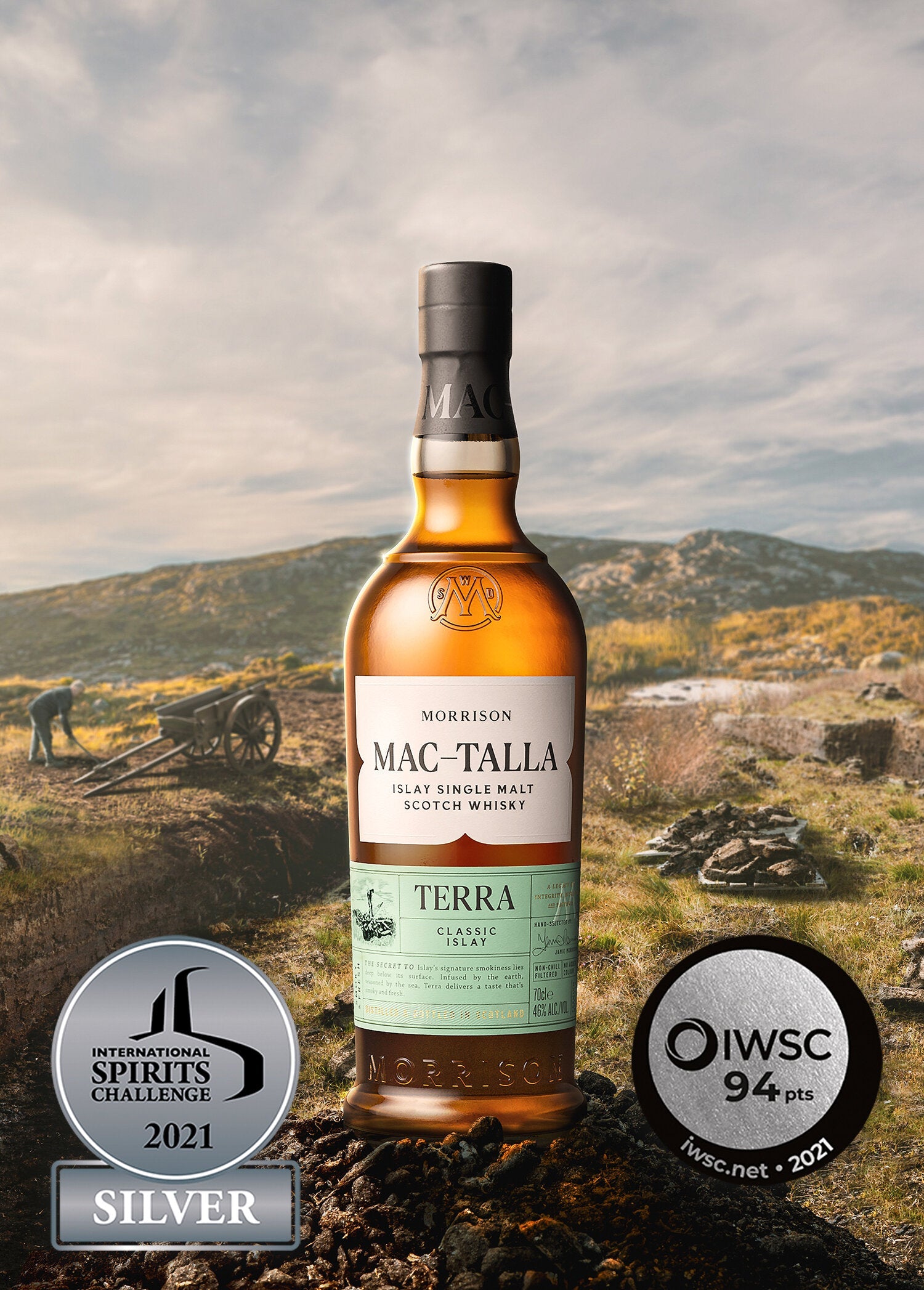
Mac-Talla 'Terra' Islay Single Malt Scotch Whisky 700mL
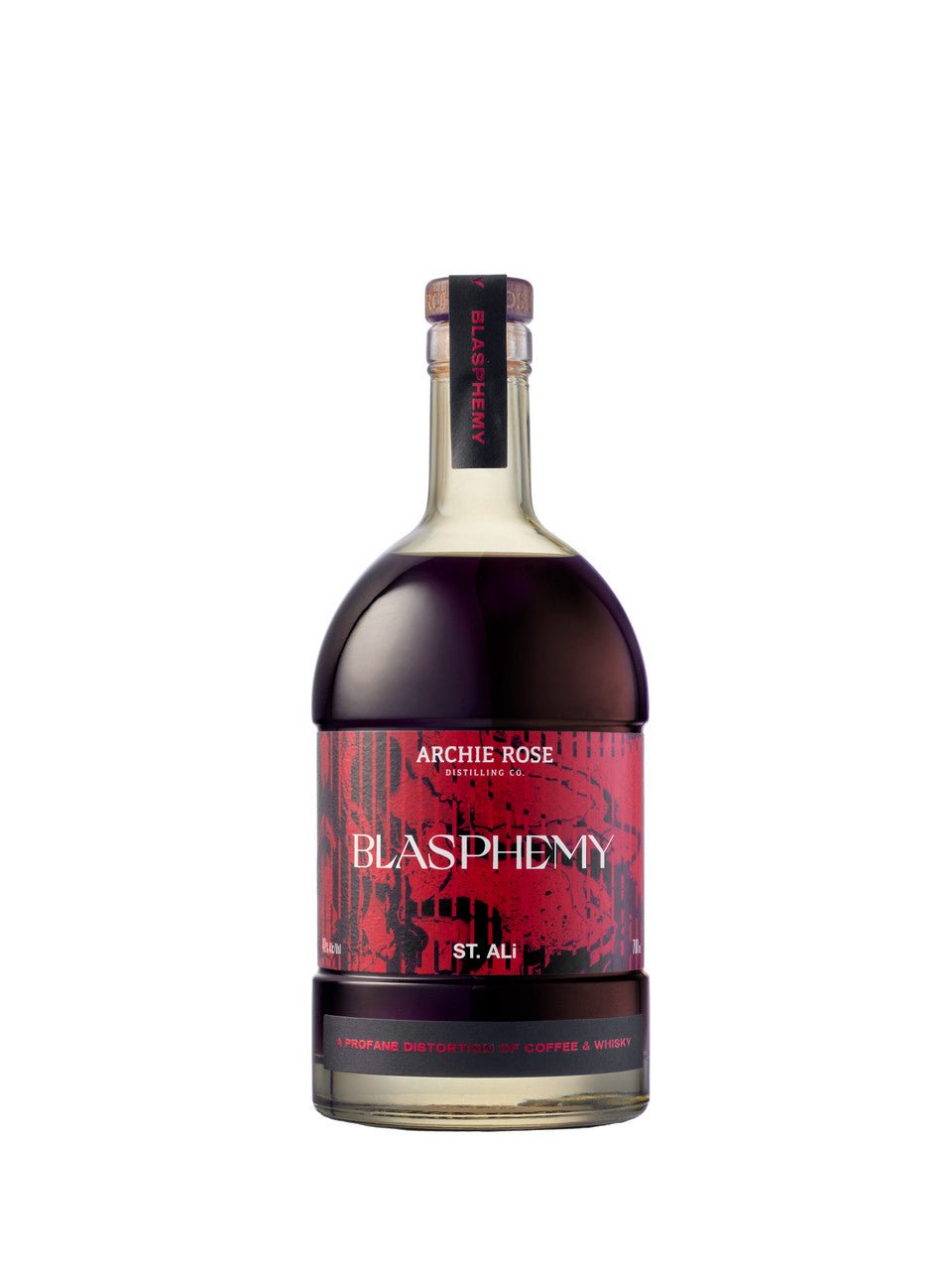
Archie Rose Blasphemy St. Ali Whisky 700ml
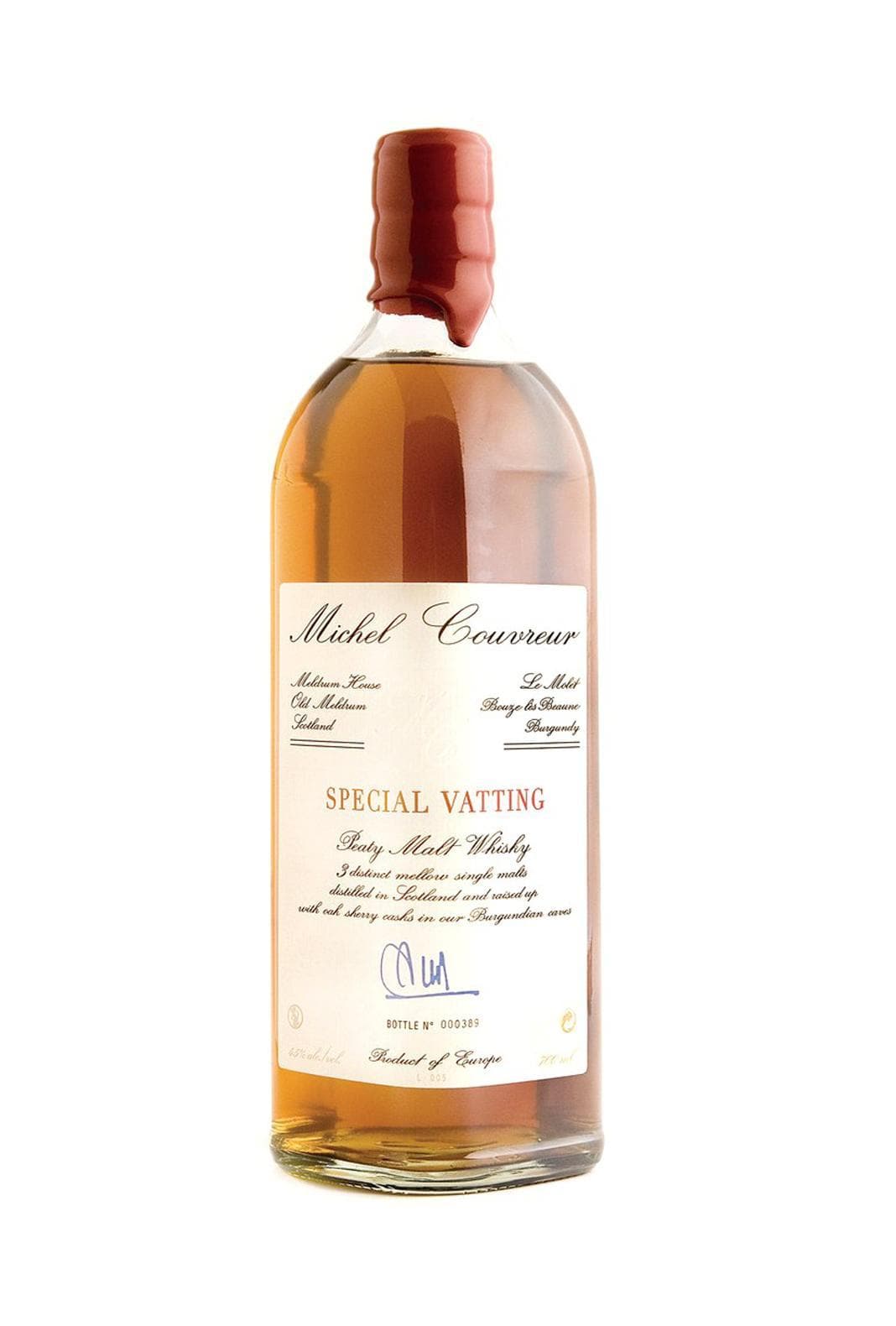
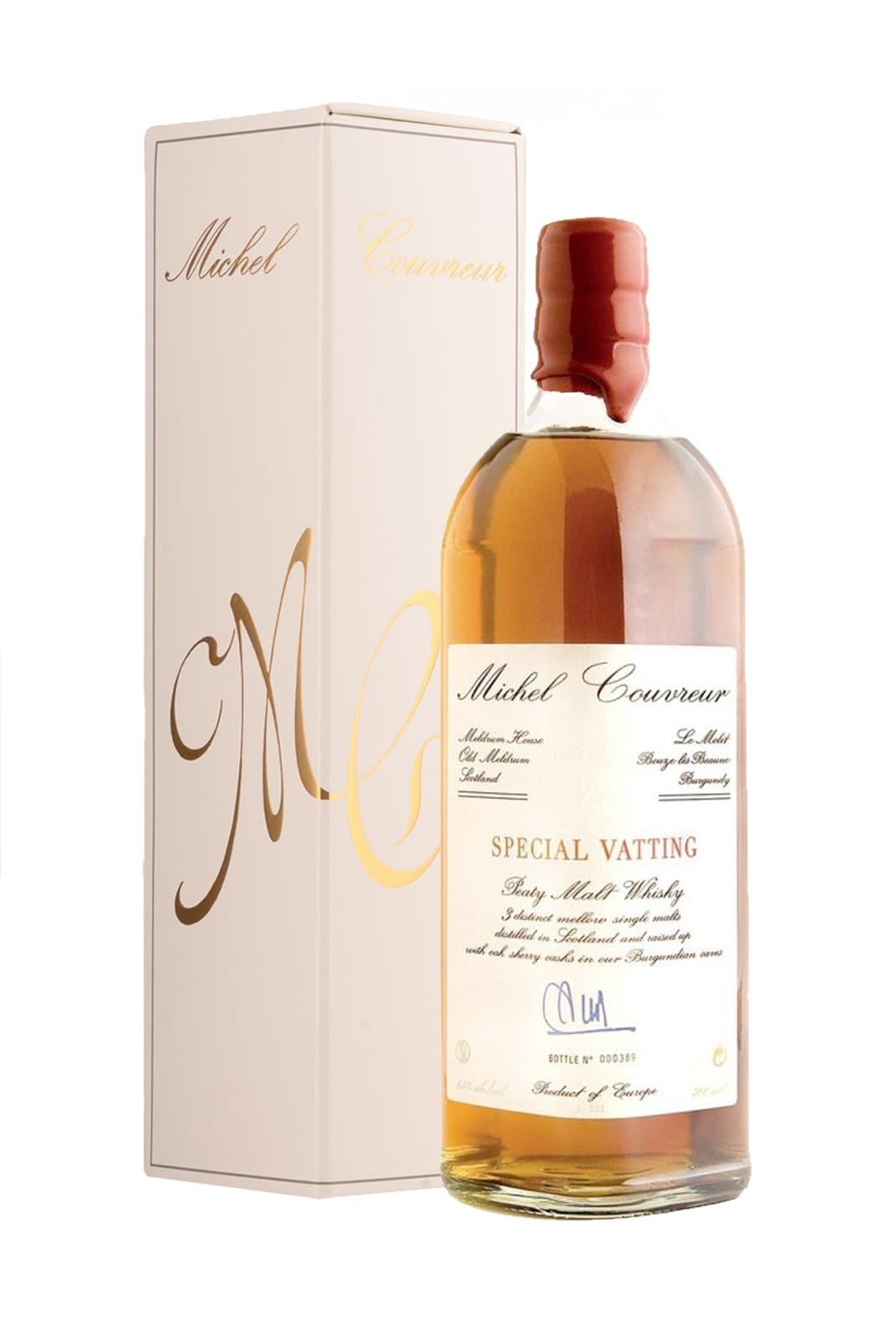
Michel Couvreur Whisky Special Vatting 45% 700ml
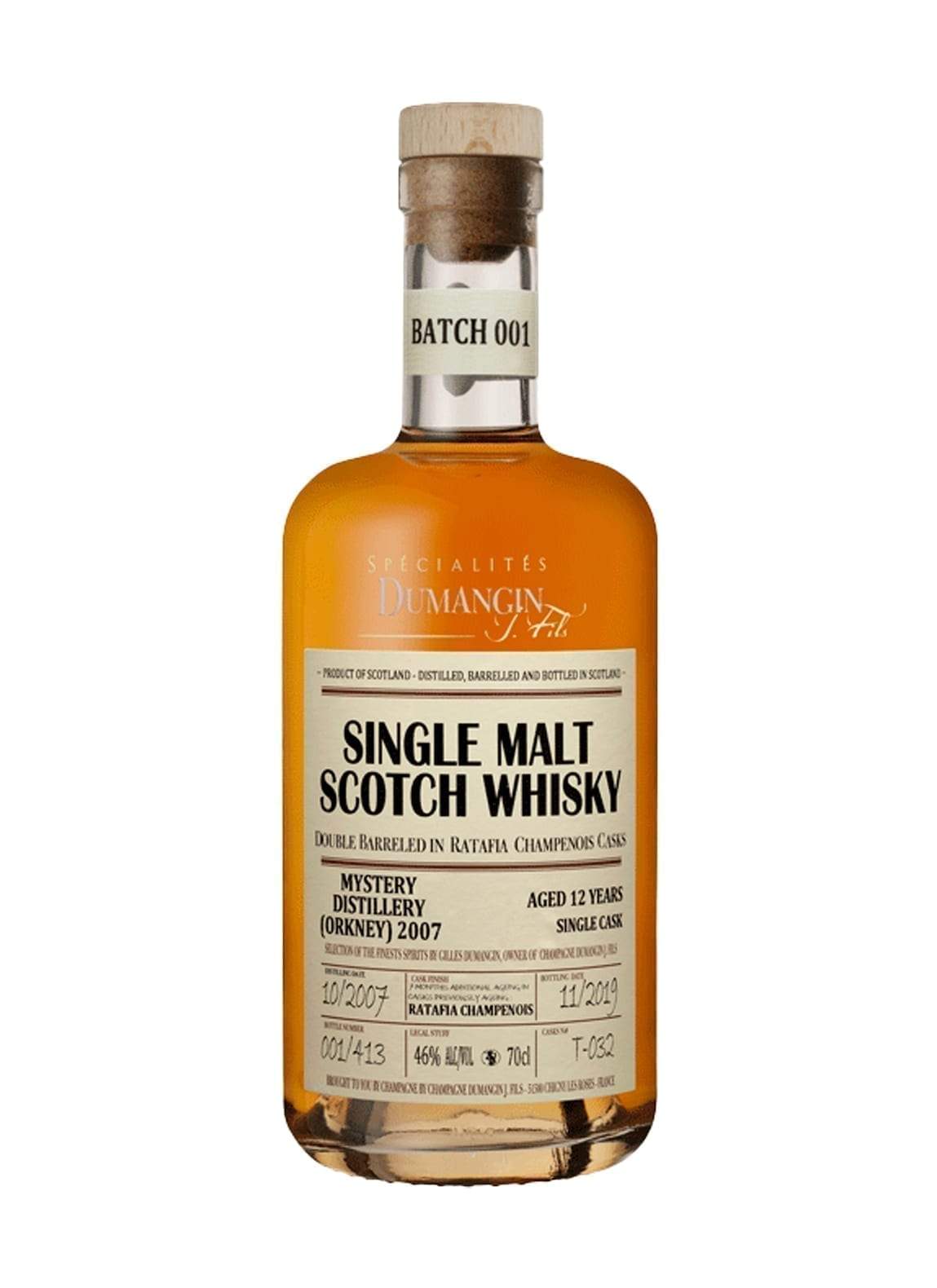
Dumangin Batch 001 Single Malt Scotch Whisky 46% 700ml
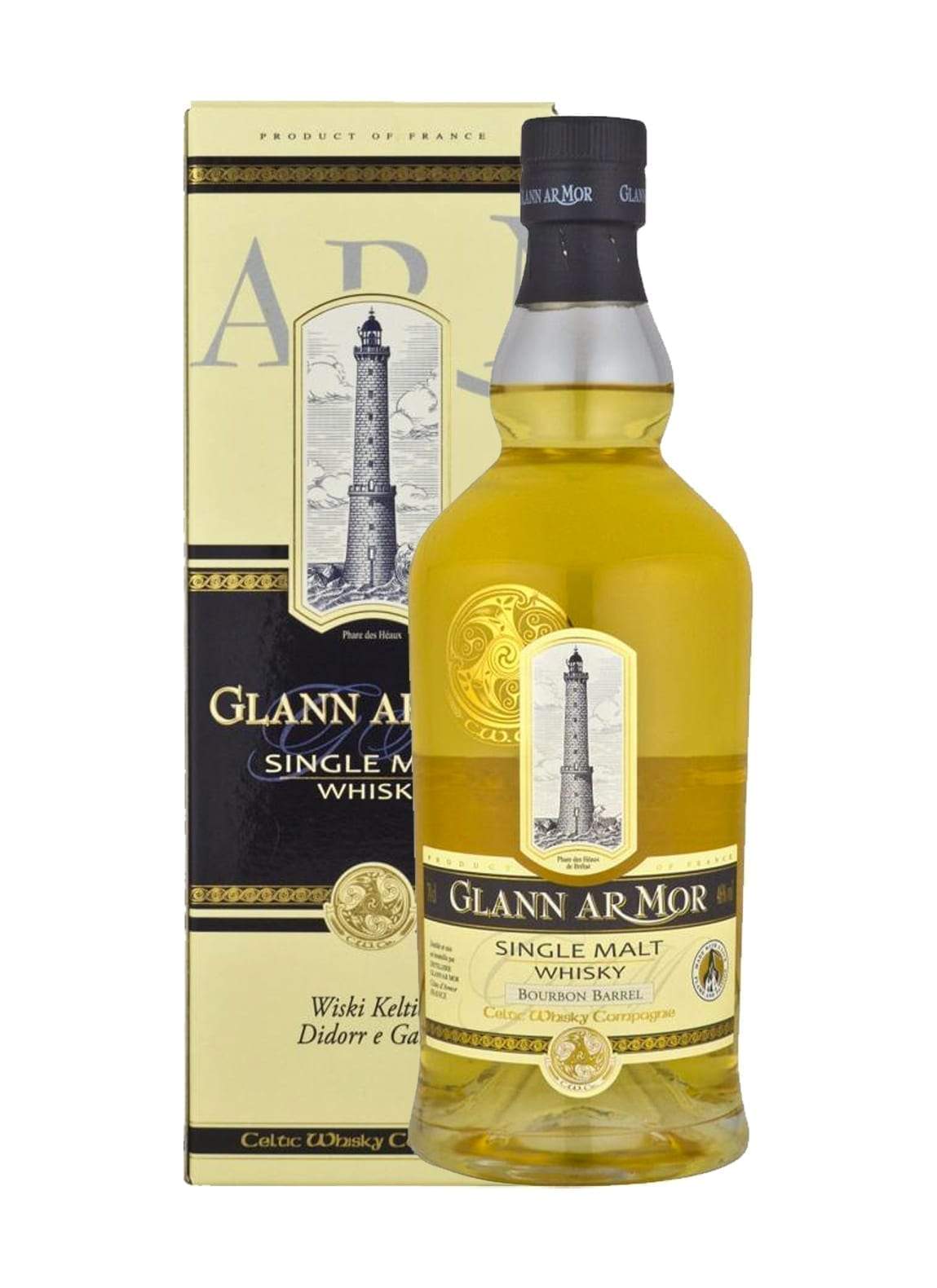
Glann Ar Mor 2020 Single Malt Celtic Cie Whisky 46% 700ml
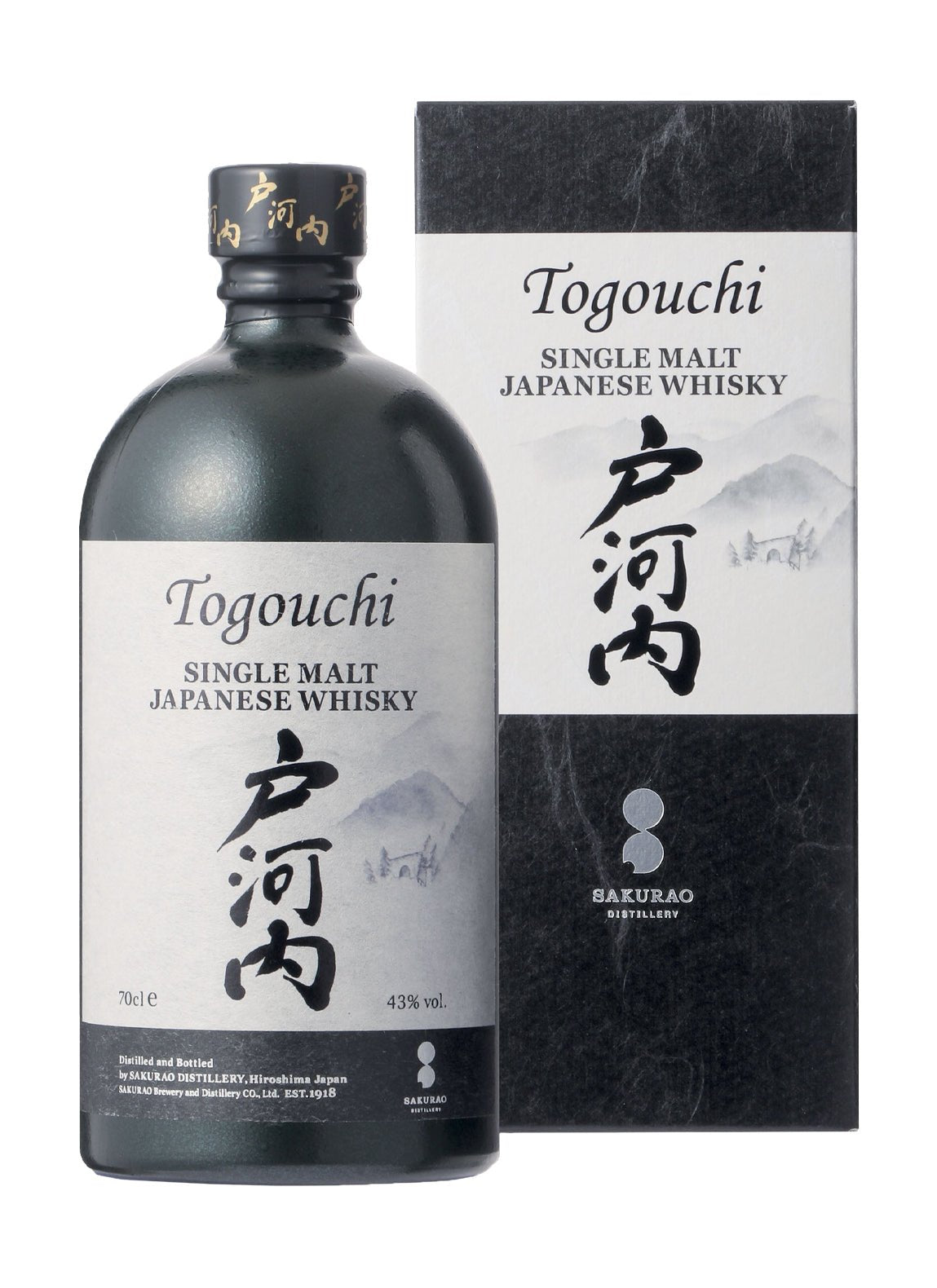
Togouchi Single Malt Japanese Whisky 43% 700ml
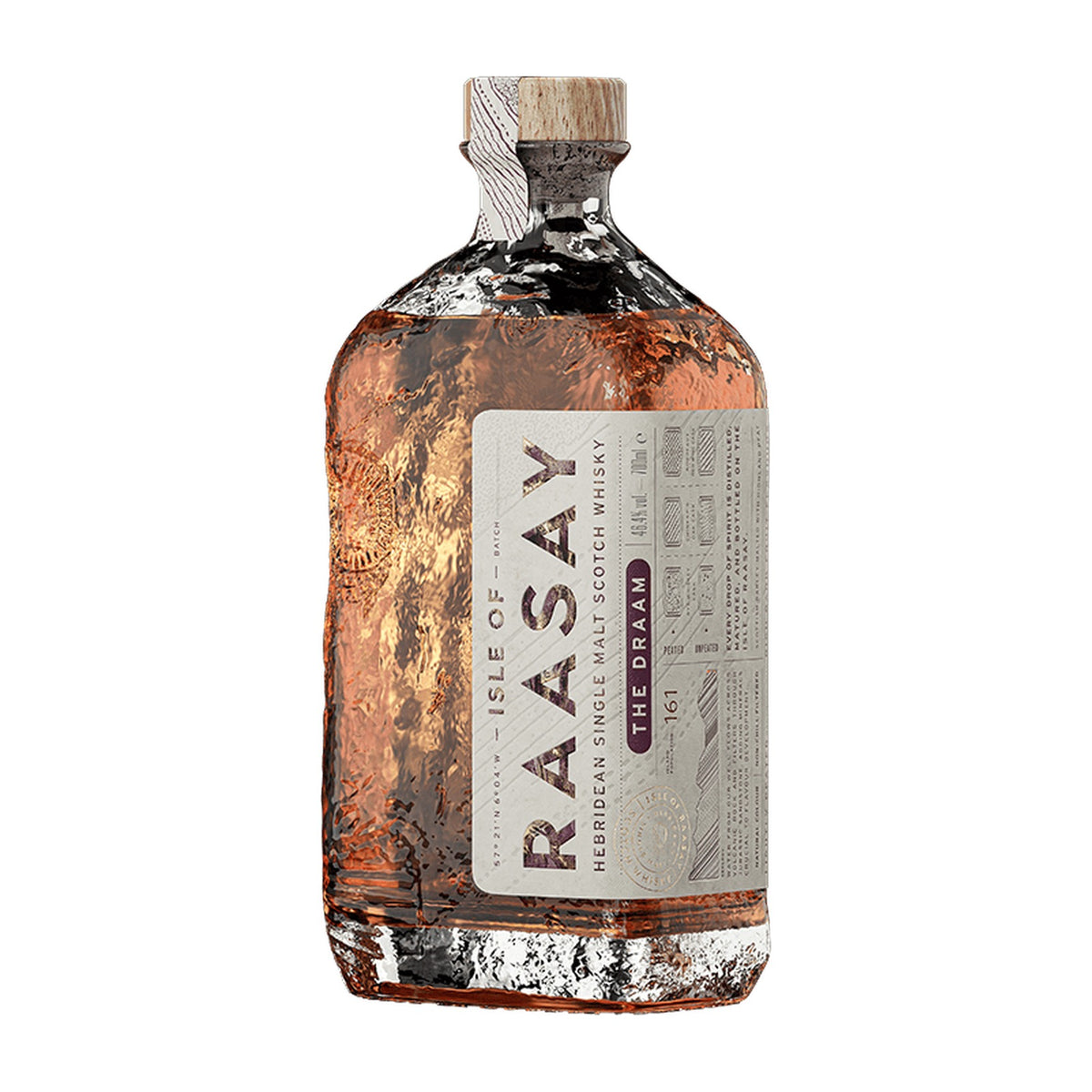
Isle of Raasay "The Draam" Single Malt Whisky 700ml
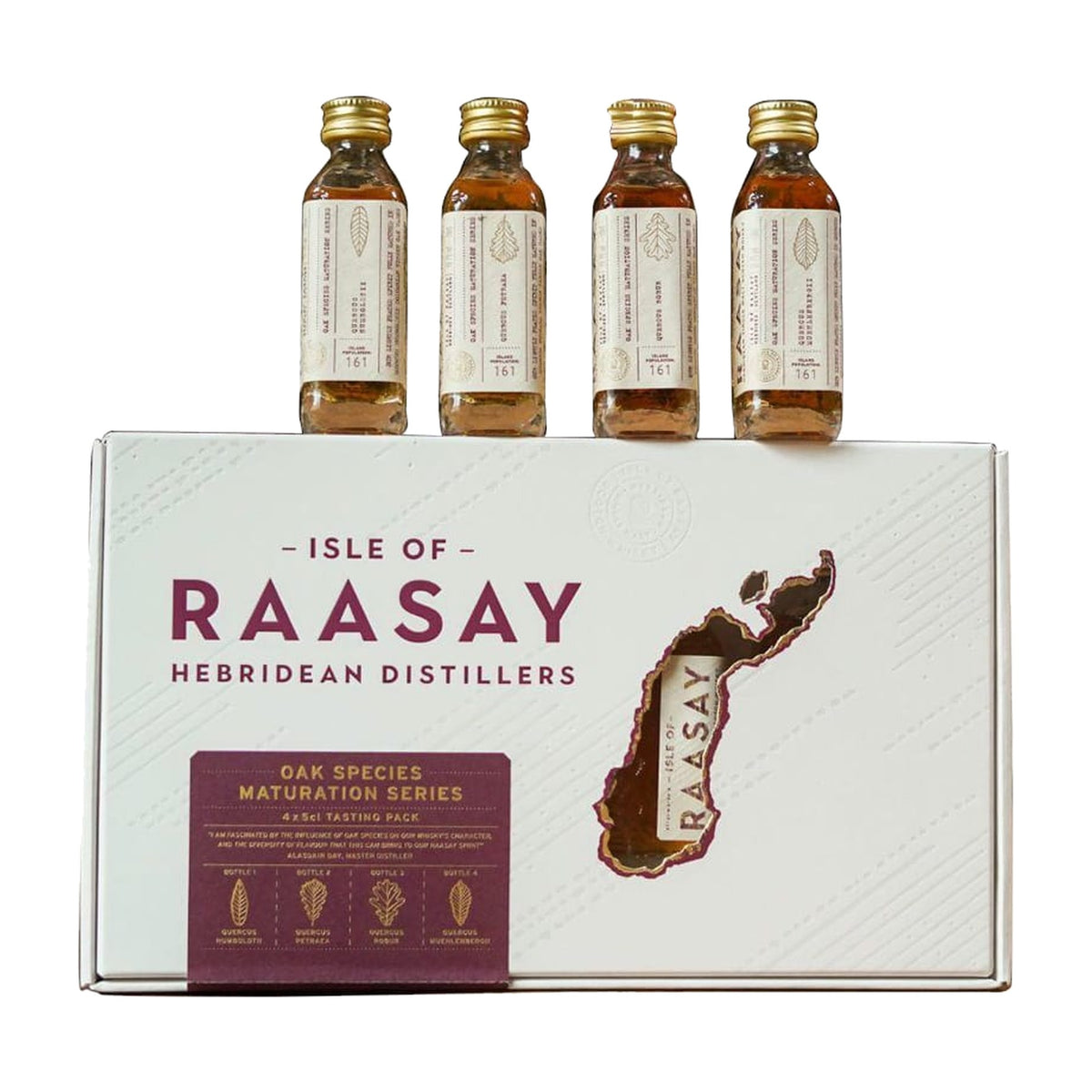
Isle of Raasay Distillery "Oak Species Maturation" Tasting Pack 4 x 50ml
About Single Malts & Blends
Scotland is here, but it arrives mostly through independent bottlers rather than distillery labels. Jean Boyer bottles Tullibardine, Tomatin, Craigellachie, Aultmore, Ardmore, Glentauchers and Glen Grant. Pintail has a Caol Ila finished in Pineau des Charentes casks. Mac-Talla and Raasay cover Islay and the islands, and Bruadar and Glasgow Gin's sister bottlings fill in around them.
Beyond Scotland is where this range is unusual. Penderyn from Wales across Legend, Rich Oak and Hiraeth. Slyrs from Bavaria, including a 12 Year Old and sherry cask finishes. Mackmyra from Sweden. Togouchi, Sakurao and Yamazakura from Japan.
France is a real strength and almost nobody in Australia carries it: Michel Couvreur, who matured whisky in Burgundy for decades, Celtic Whisky Compagnie's Kornog and Glann Ar Mor from Brittany, Domaine des Hautes Glaces in the Alps and a single cask from Champagne house Dumangin.
Australia comes through Starward, Archie Rose, Taylor & Smith, Bakery Hill and Backwoods. The United States is represented by Virginia Distillery and Courage & Conviction, both making single malt rather than bourbon.
Blends worth drinking are here too, including Sortilege from Canada.
Ten bottles are picked apart in our whisky guide, most of them stocked here, and the Australian side of the shelf is covered in our Australian whisky guide.
History
Single malt means whisky from malted barley, made at one distillery, in pot stills. It does not mean one cask, and it does not mean unblended: almost every single malt is a blend of casks from the same distillery.
Scotland has the longest continuous tradition, with the first written record of aqua vitae in the Exchequer Rolls of 1494, but single malt as a consumer category is recent. For most of the twentieth century malt whisky existed to supply blenders, and it was Glenfiddich's decision to market a single malt internationally in the 1960s that created the category as it is now understood.
Independent bottlers are older than that. Firms such as Gordon & MacPhail and Cadenhead have bought casks from distilleries and bottled them under their own labels since the nineteenth century, often at higher strength and without chill filtration, and often from distilleries that release very little themselves.
The world whisky movement is newer again. Japan began in the 1920s, Wales revived a lost tradition in the 2000s, and Australia, Sweden, France, Germany and India have all built serious industries since. None of them is imitating Scotland: different climates mean different maturation, and hot Australian summers do in five years what Scotland needs fifteen for.
How to drink it
Use a Glencairn or a tulip glass. A tumbler looks right and does nothing for the aroma.
Serve at room temperature and add no ice. A few drops of water genuinely help anything above about 46%, and the effect is chemical rather than dilution: water breaks the surface tension and releases aromatics. Add it a drop at a time.
Give the glass five minutes before the first sip, particularly with cask strength bottlings.
There is no correct order for a tasting, but working from lower strength to higher, and unpeated to peated, keeps your palate usable.
For food, single malt with dark chocolate or a hard aged cheese works. Sherry cask whisky with dried fruit and nuts is better than either.
Whisky does not improve in the bottle. An unopened bottle will keep indefinitely upright and out of light. Once opened, the whisky slowly oxidises, and a bottle below a third full will noticeably change over a year or two. Drink your favourites rather than saving them.