
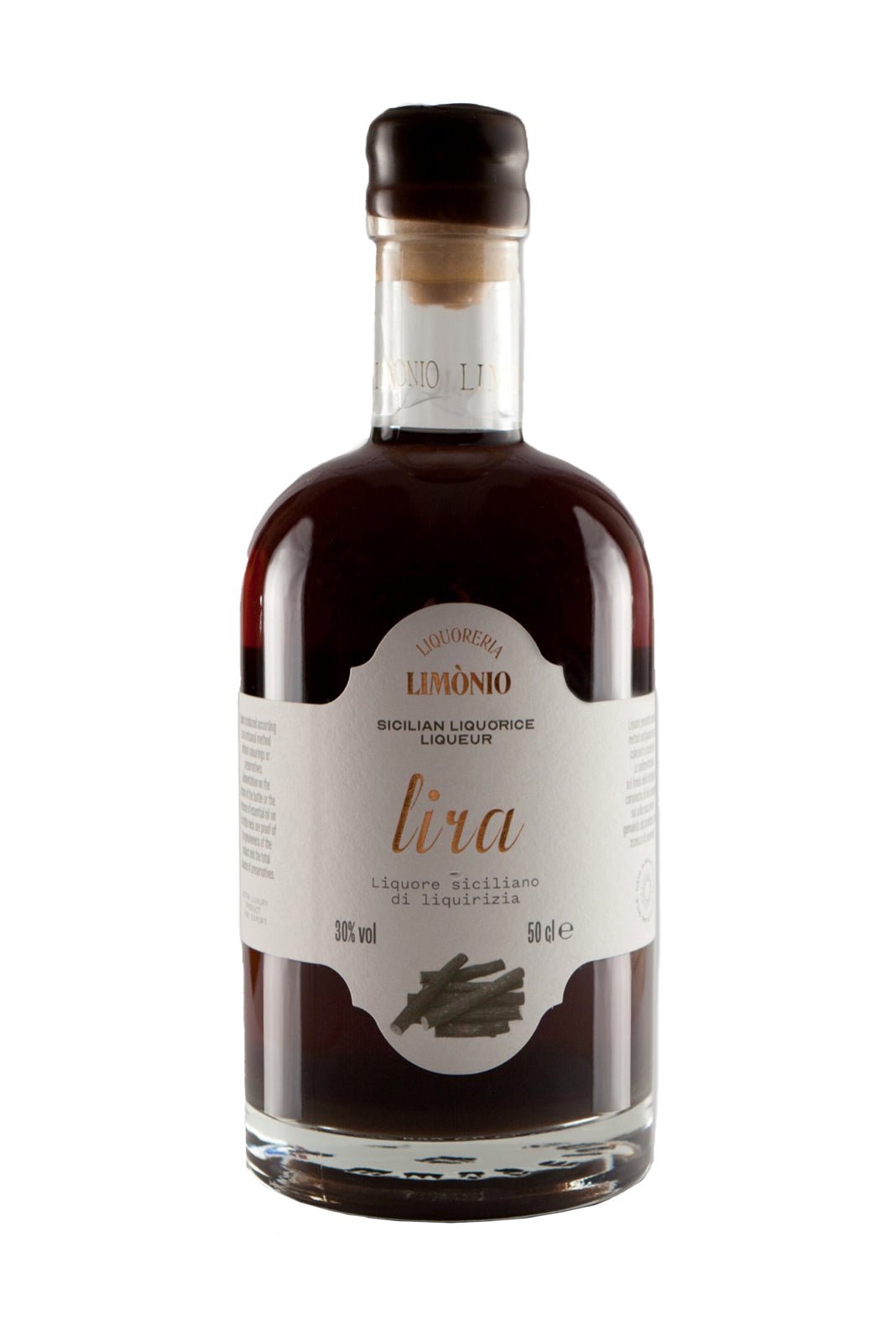
Liquorice Liqueur LIMONIO 32% 500ml
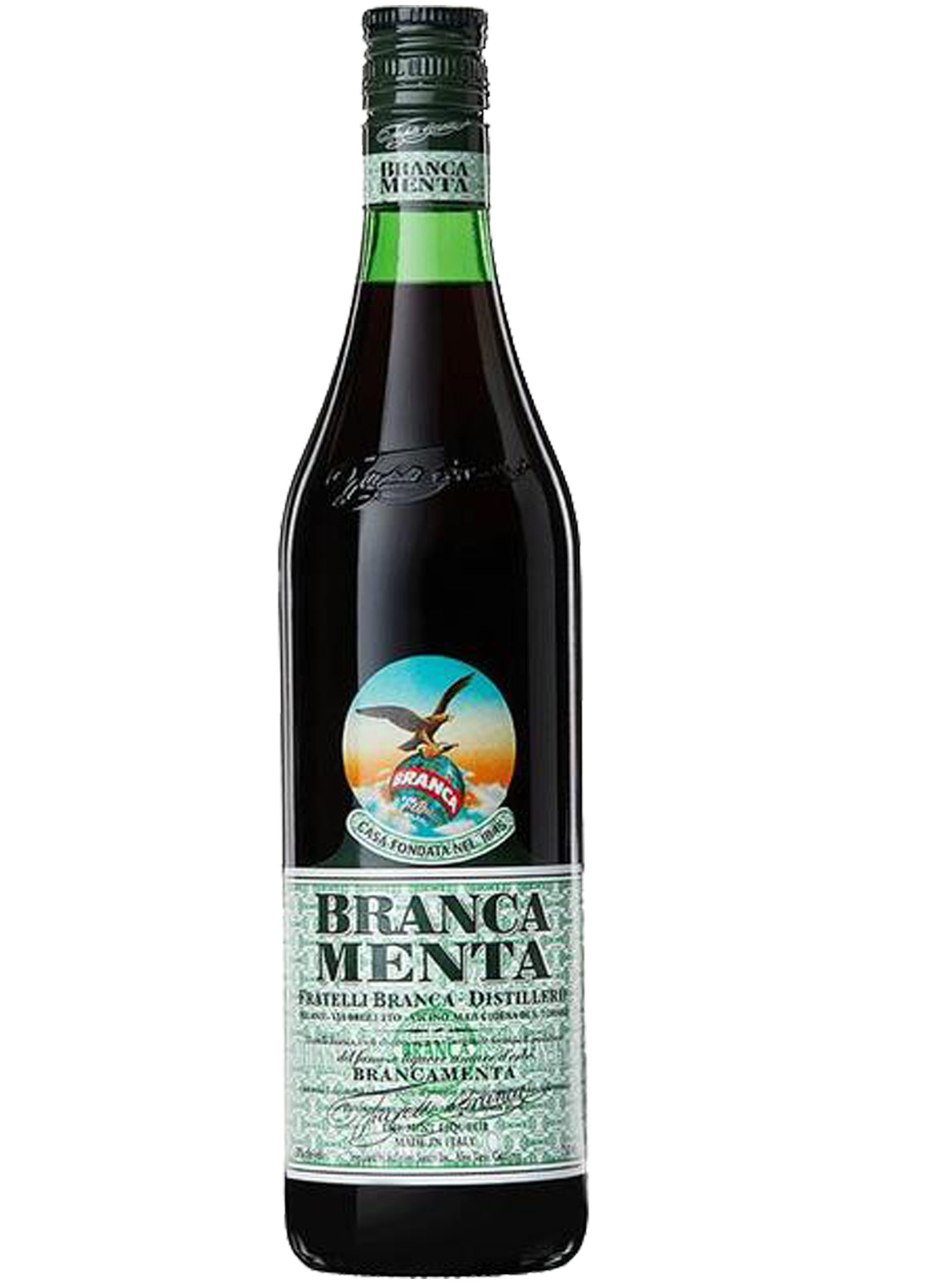
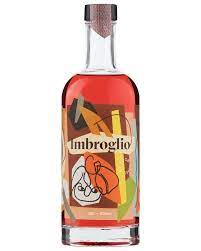
POOR TOMS IMBROGLIO AMARO 25%
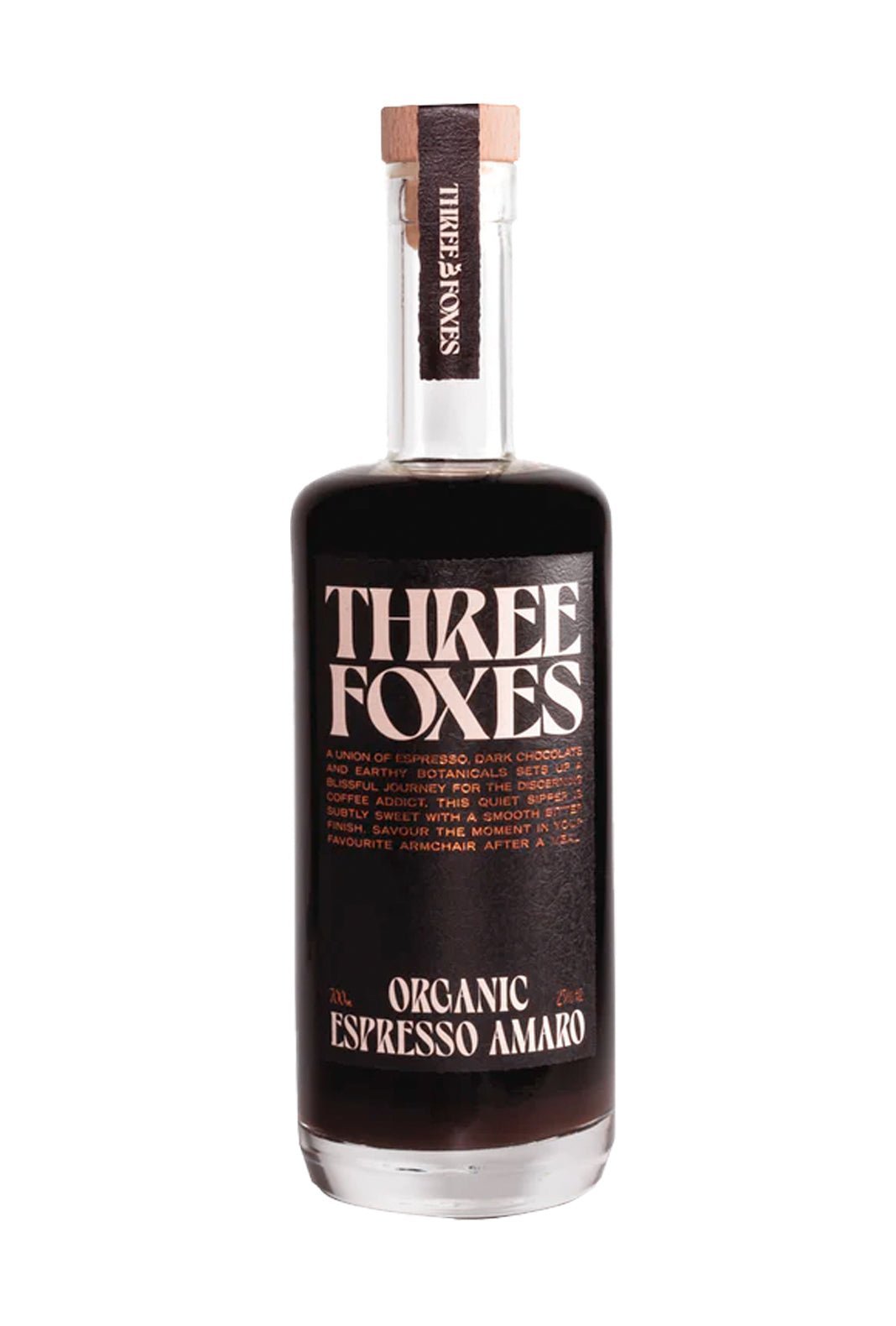
Three Foxes Organic Espresso Amaro 23% 700ml
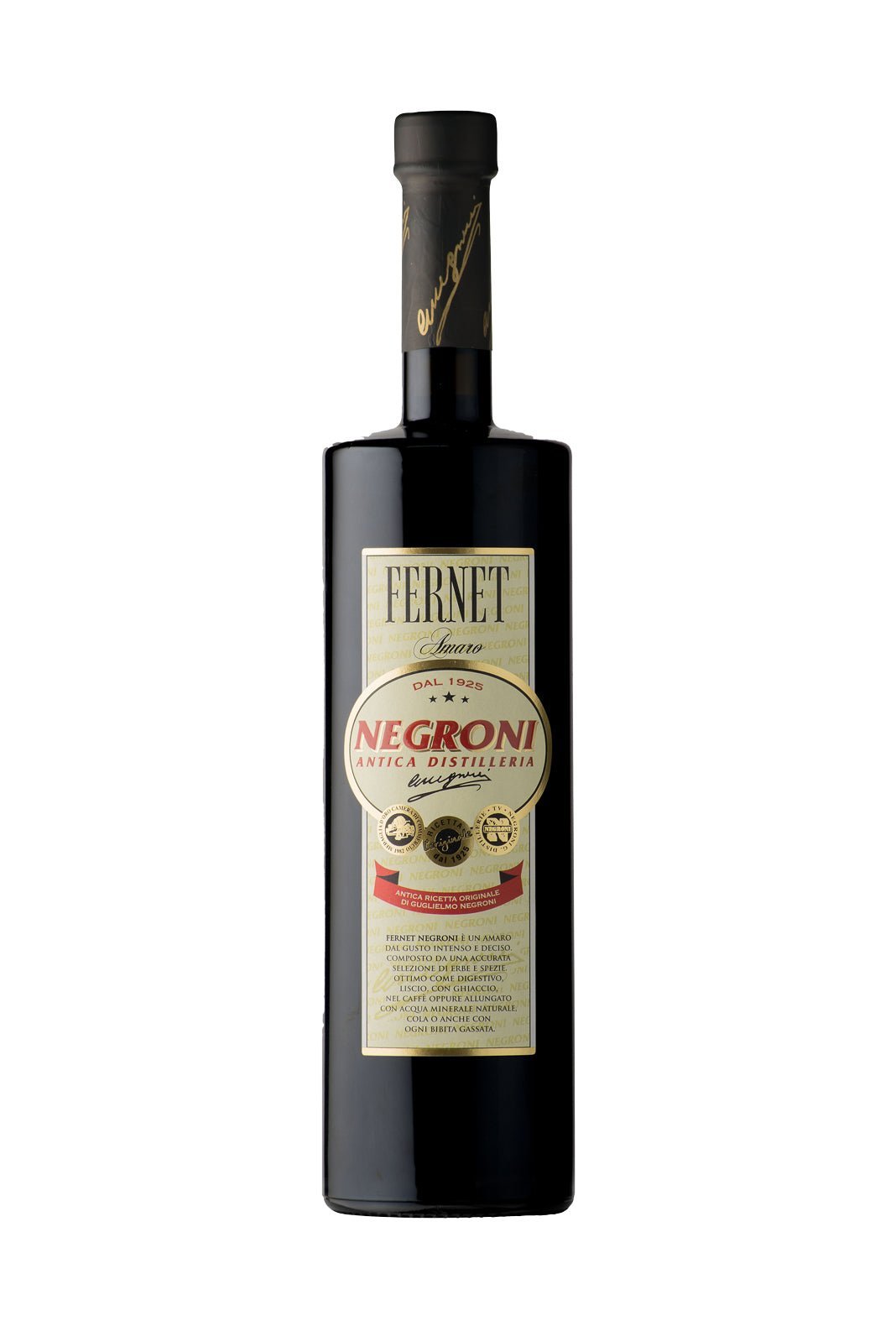
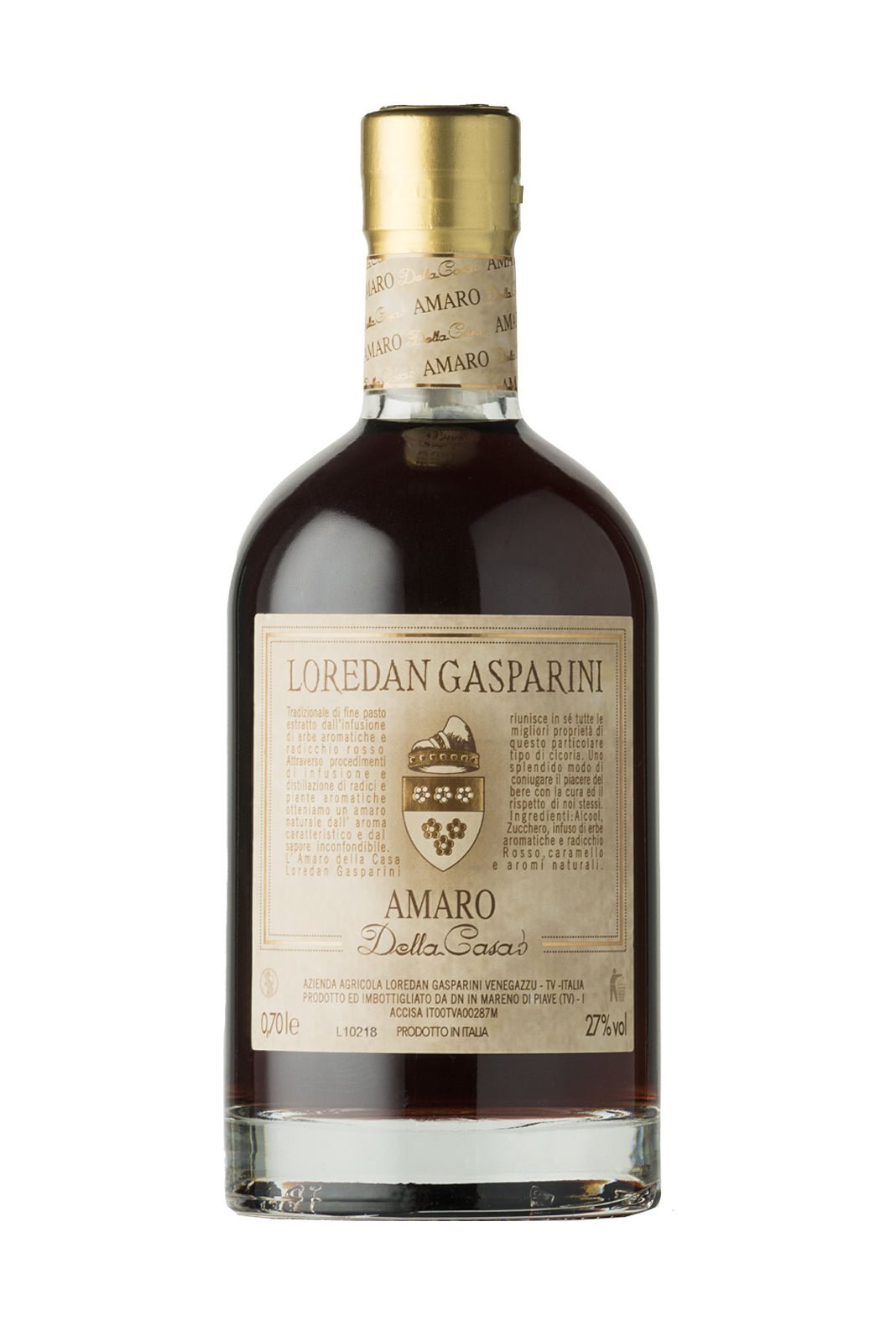
Distilleria Negroni Amaro Della Casa Loredan Gasparini 27% 700ml
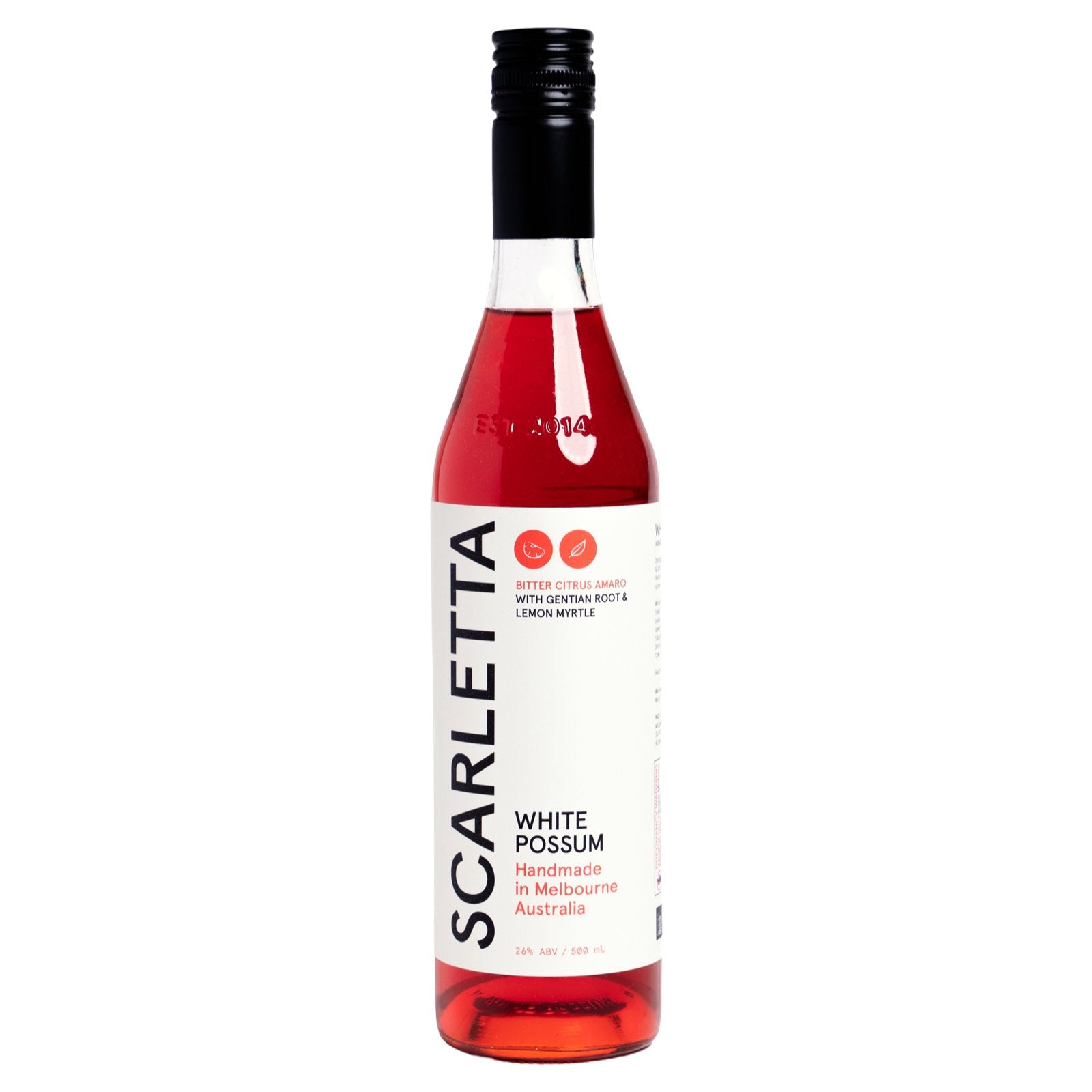
White Possum Scarletta Bitter Citrus Amaro 26% 500ML
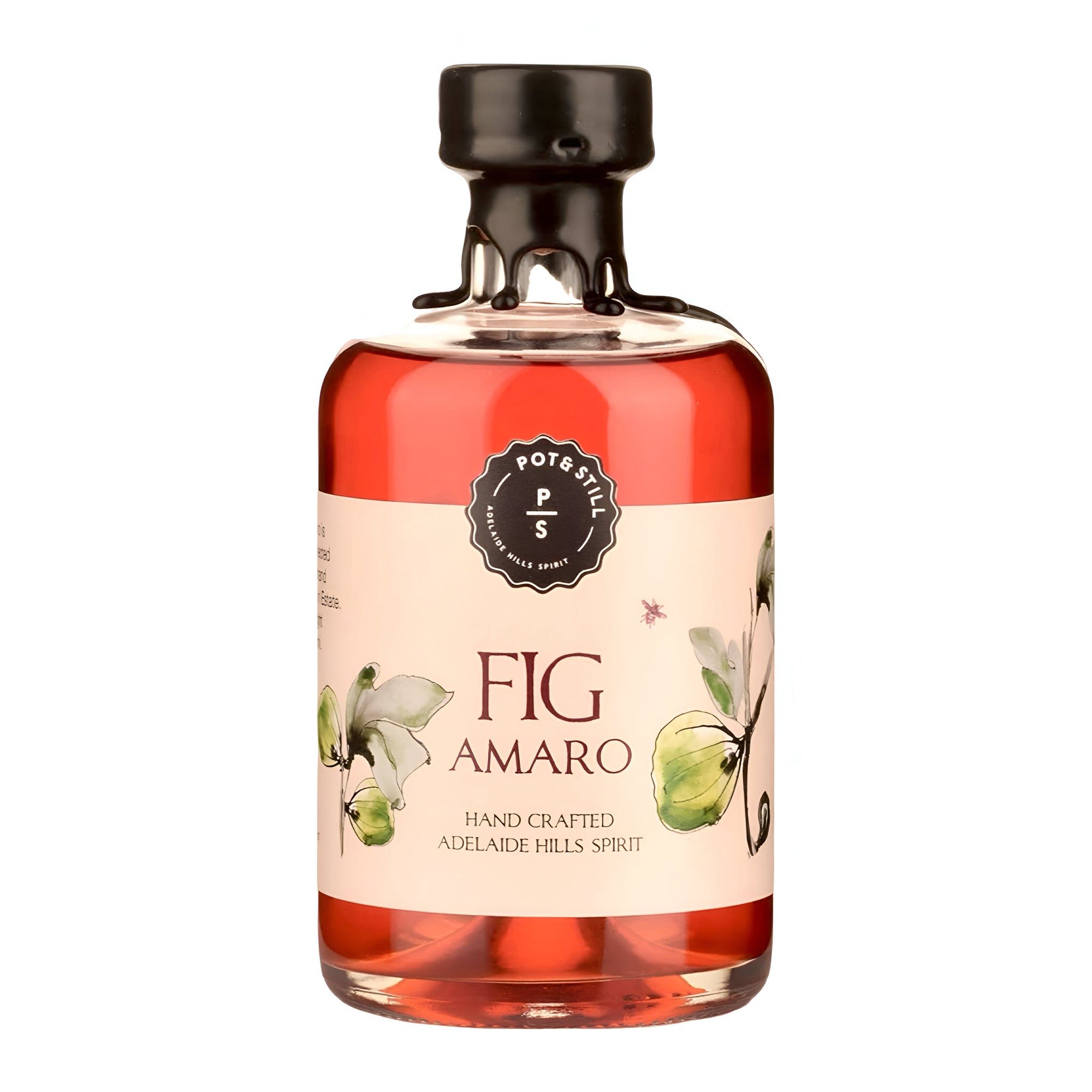
Pot & Still South-Australian Fig Amaro 26% 500ML
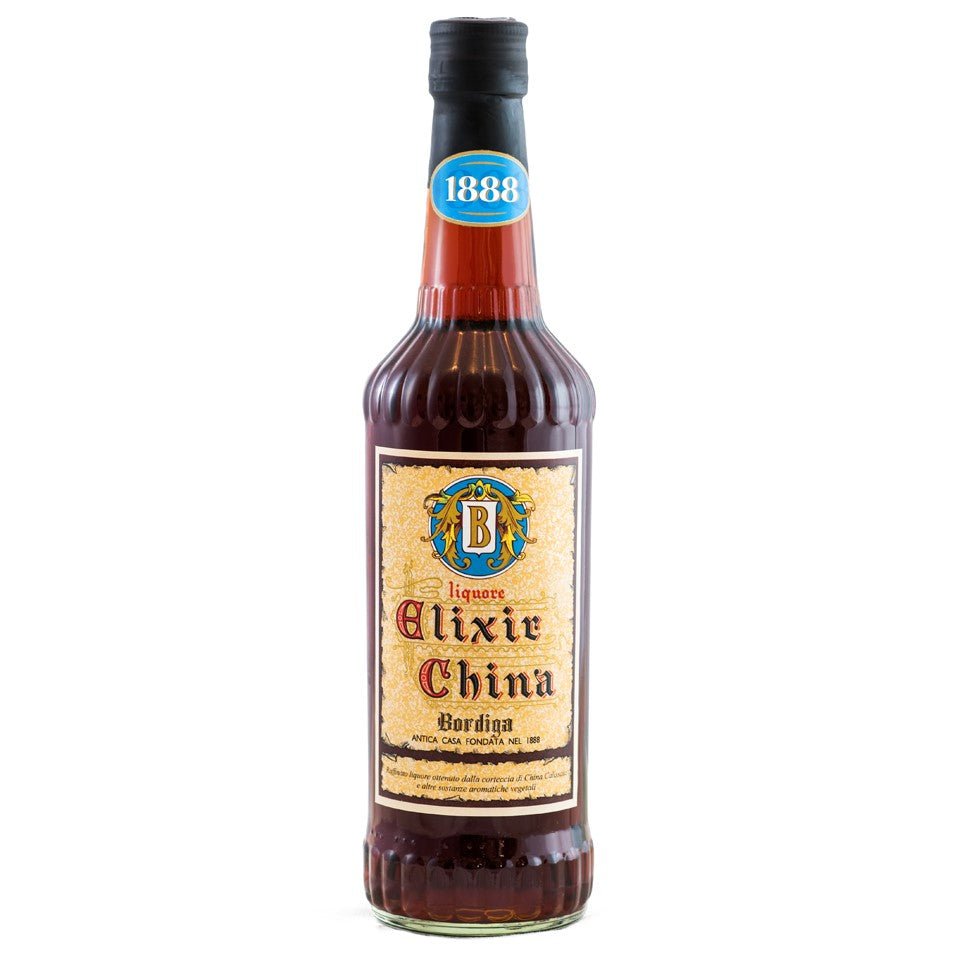
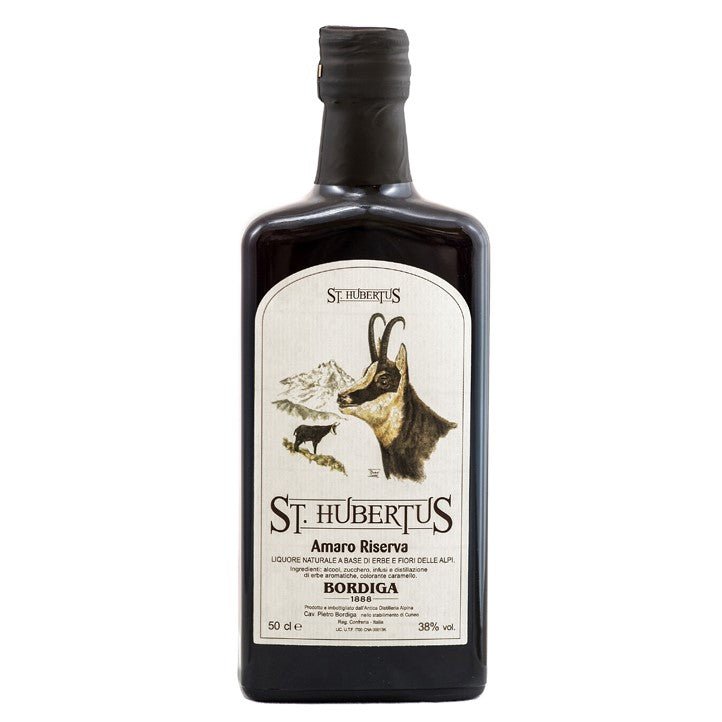
Bordiga Amaro Riserva St. Hubertus 38% 700ML
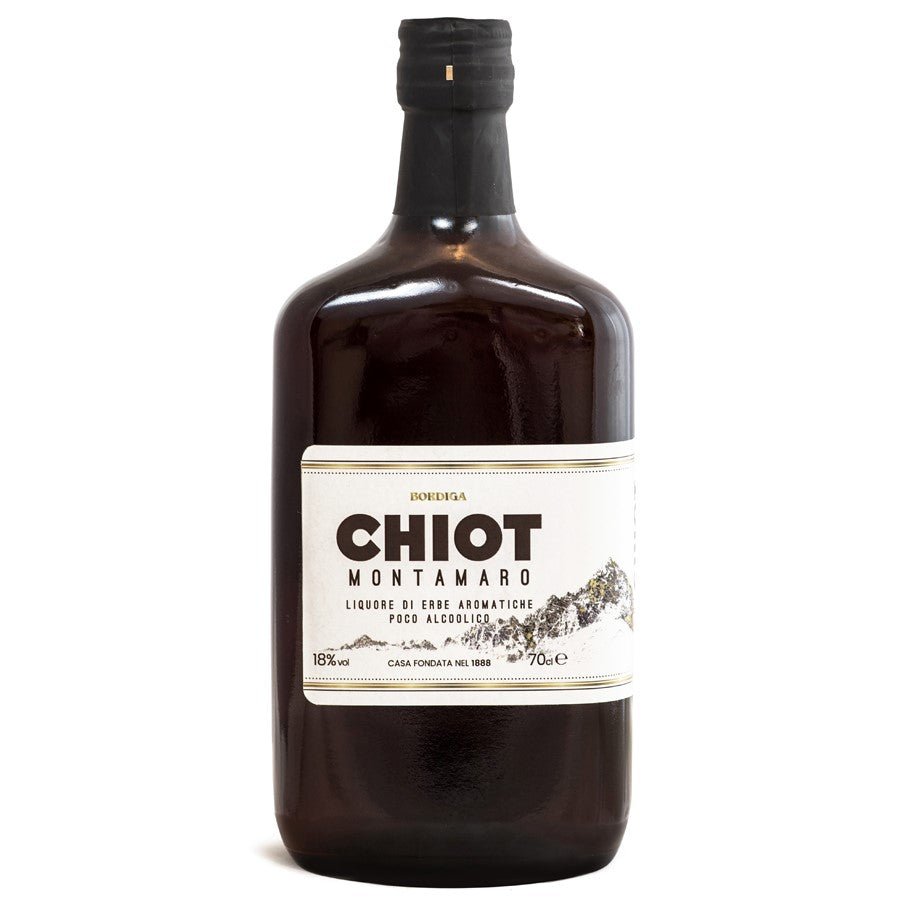
Bordiga Amaro Chiot Montamaro 18% 700ML
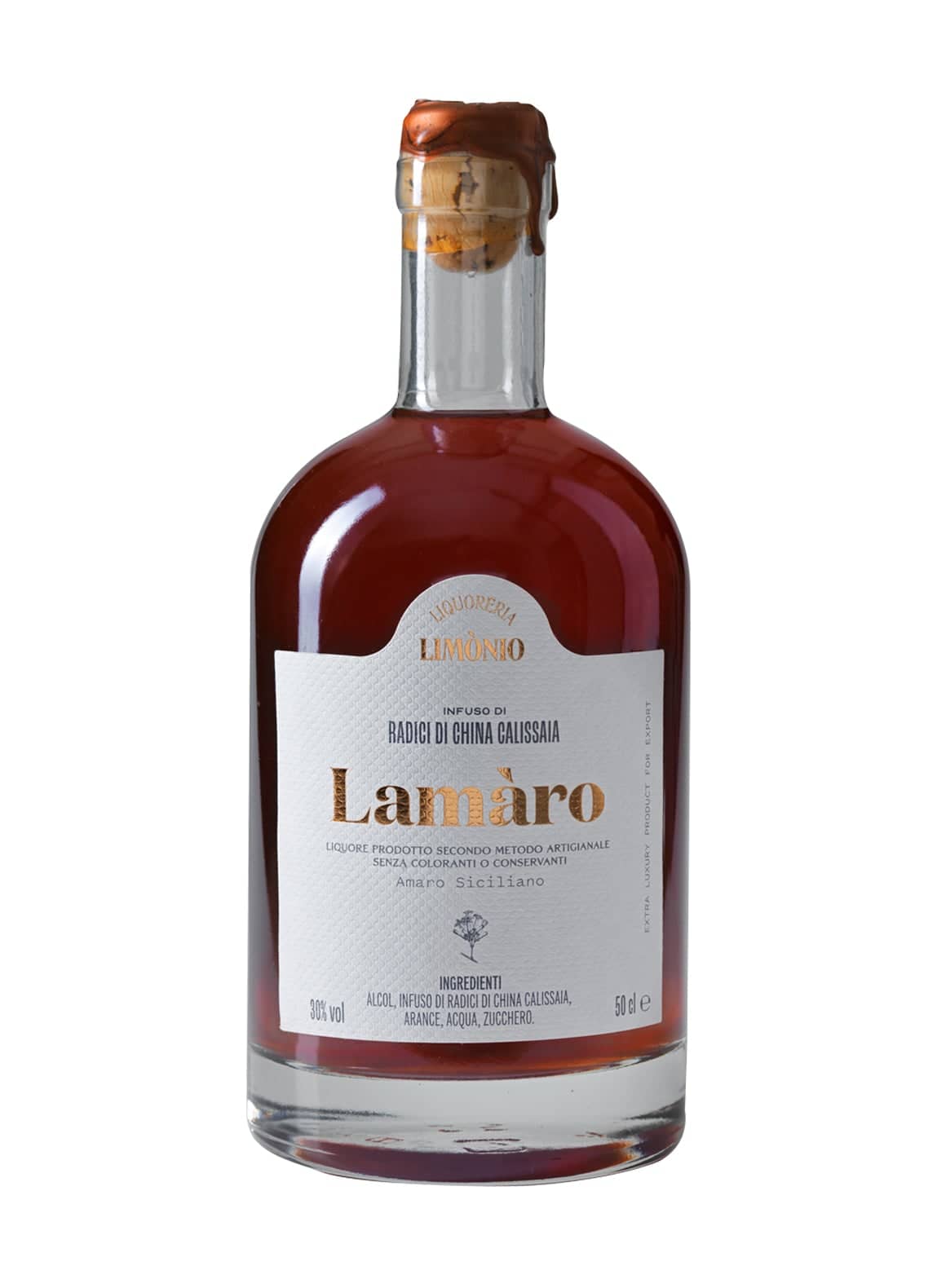
Limonio Amaro Bitter Liqueur 30% 500ml
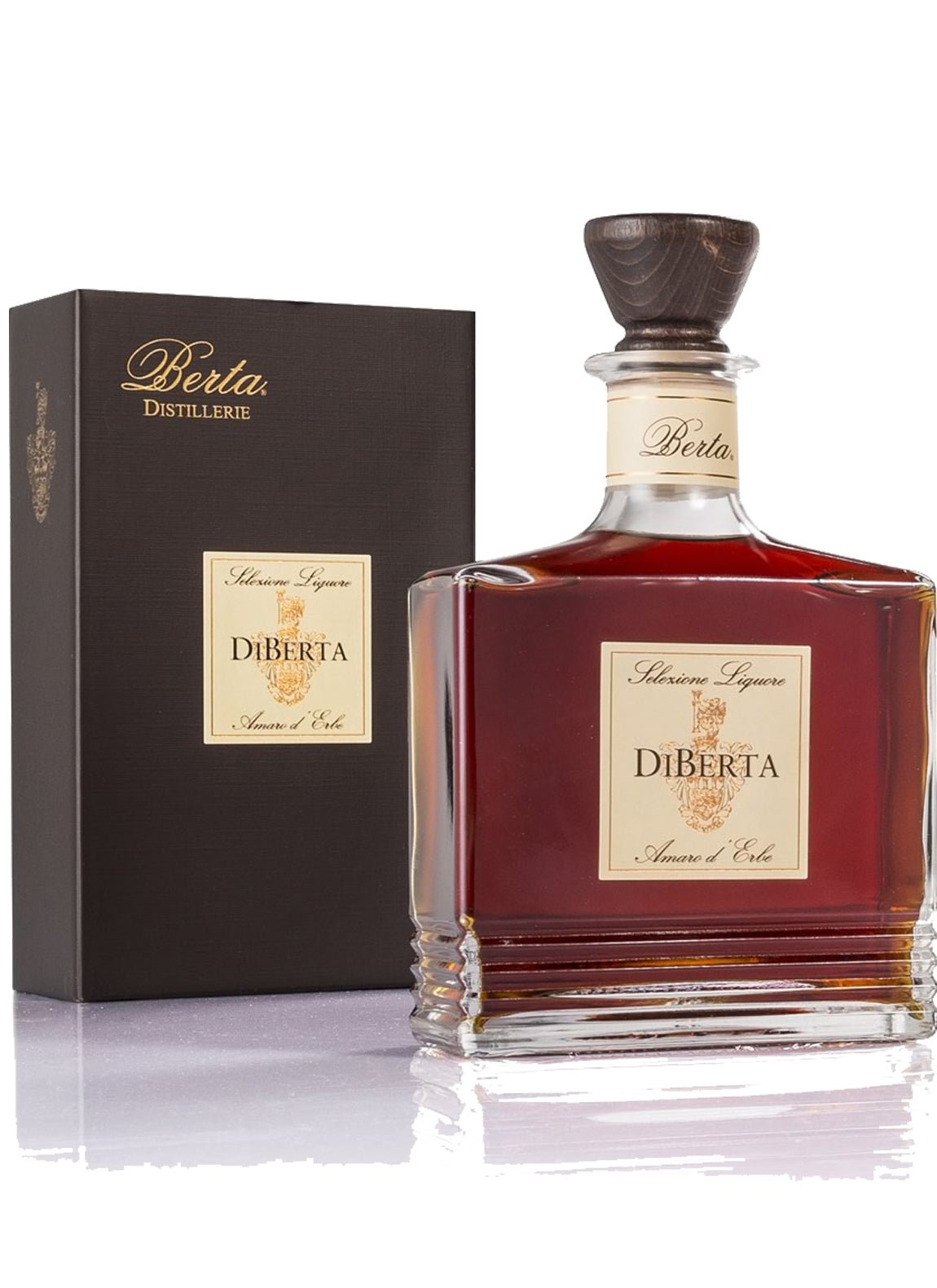
Berta Amaro di Berta Select700
About Amaro
Amaro is bitter Italian liqueur, and the bottles here cover most of the styles worth knowing.
Fernet is the most uncompromising. Fernet-Branca at 39% is the reference point, and the Menta version is the mint-forward one. Venegazzu also bottles a Fernet at 39%.
Bordiga, from Piedmont, represents the alpine style. The Amaro Chiot Montamaro at 18% is gentle and herbal. The Riserva St. Hubertus at 38% is a far more serious bottle and drinks closer to a digestif spirit than a liqueur.
Distilleria Negroni's Amaro della Casa Loredan Gasparini at 27% sits in the middle: sweeter, rounder, and the easiest of the Italians to drink neat.
The Australian makers are the interesting part. Poor Toms Imbroglio at 25% is the easiest way in. Three Foxes makes an organic espresso amaro at 23%, which bridges into coffee territory. White Possum's Scarletta is a bitter citrus amaro at 26%. Limonio bottles a bitter amaro at 30% and a liquorice liqueur alongside it.
Where amaro sits against cocktail bitters, bitter rosso and fernet is set out in our bitters guide.
History
Amaro means bitter, and the category grew out of monastic and pharmacy traditions rather than bars. Italian religious houses and apothecaries had been infusing herbs, roots, barks and citrus peel in alcohol as medicine for centuries. In the nineteenth century several of those recipes were commercialised.
Fernet-Branca was created in Milan in 1845 and marketed as a remedy for cholera and stomach complaints, which is why it was permitted through American Prohibition as a medicinal product. Many amari carry a similar origin story, and the traditional post-meal digestivo serve reflects it.
Each region developed a style. The alpine north produces herbal, gentian-led amari. Sicily and the south lean on citrus peel. Some, such as Fernet, are aggressively bitter. Others are sweet enough to drink like a liqueur.
The category has grown enormously outside Italy in the past fifteen years, driven by bartenders looking for bitterness and complexity that vermouth alone could not supply. Australian distillers began making their own from the mid 2010s, generally using native botanicals rather than copying Italian recipes.
How to drink it
The traditional serve is the simplest. A small measure, neat, at room temperature or lightly chilled, after a meal. That is what amaro was made for and it still works.
Over ice with a twist of orange is the modern version and suits the sweeter styles.
Amaro and soda, roughly one part to three, makes a low-alcohol long drink that is far more interesting than it sounds and is very common in Italian bars in summer.
In cocktails it is the substitution that makes things better. Swap the sweet vermouth in a Negroni for an amaro and you get a Kingston Negroni or something close to it. Replace the Campari and you change the drink again. A Black Manhattan uses amaro in place of vermouth entirely.
Fernet and ginger ale is the standard bartender's drink in several countries and deserves a try.
Amaro is stable once opened, unlike vermouth. Keep it upright, away from light, and it will hold for a year or more.
More from this origin and style: