
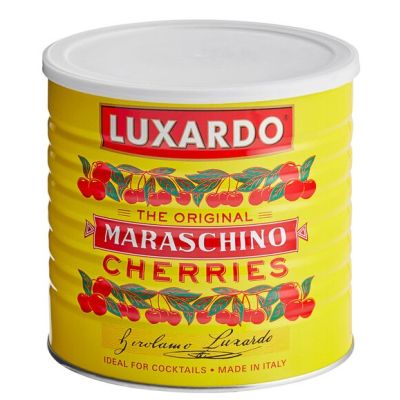
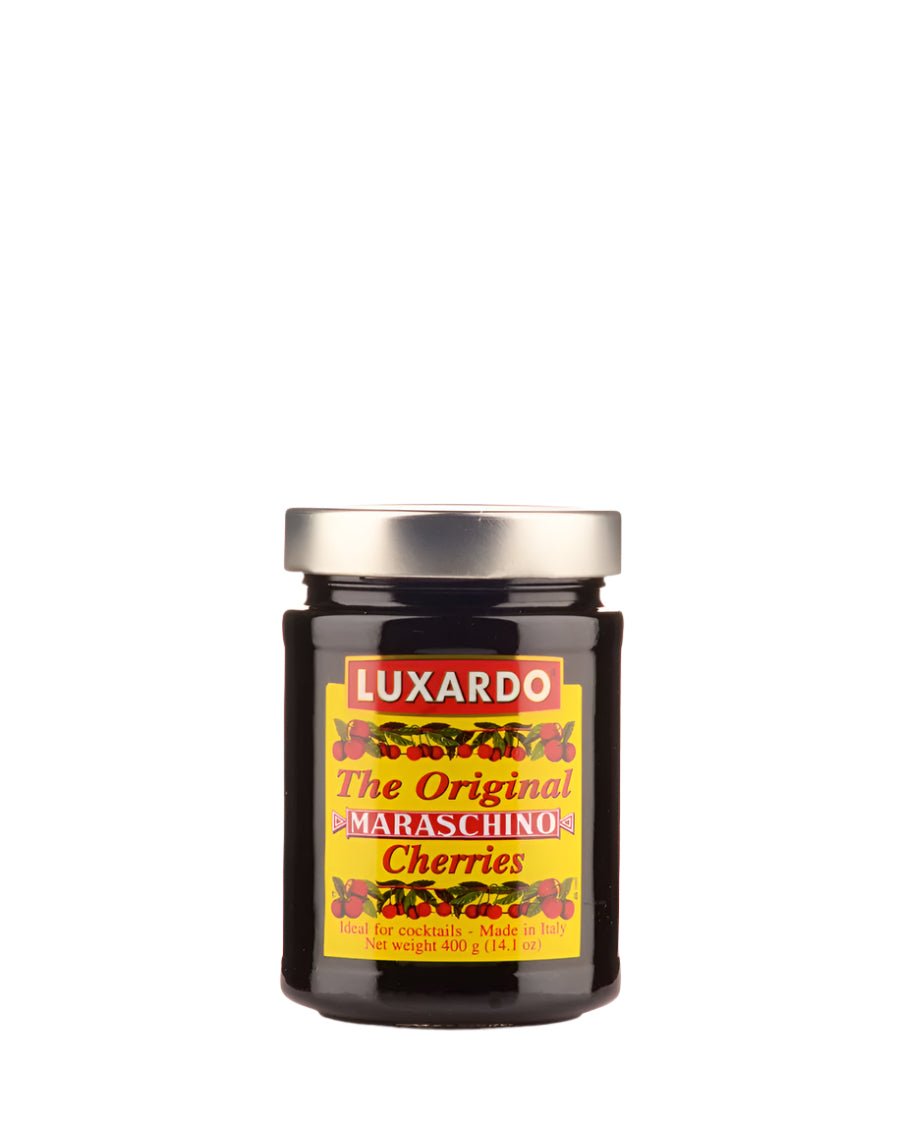
Luxardo CHERRIES 1000g Tin
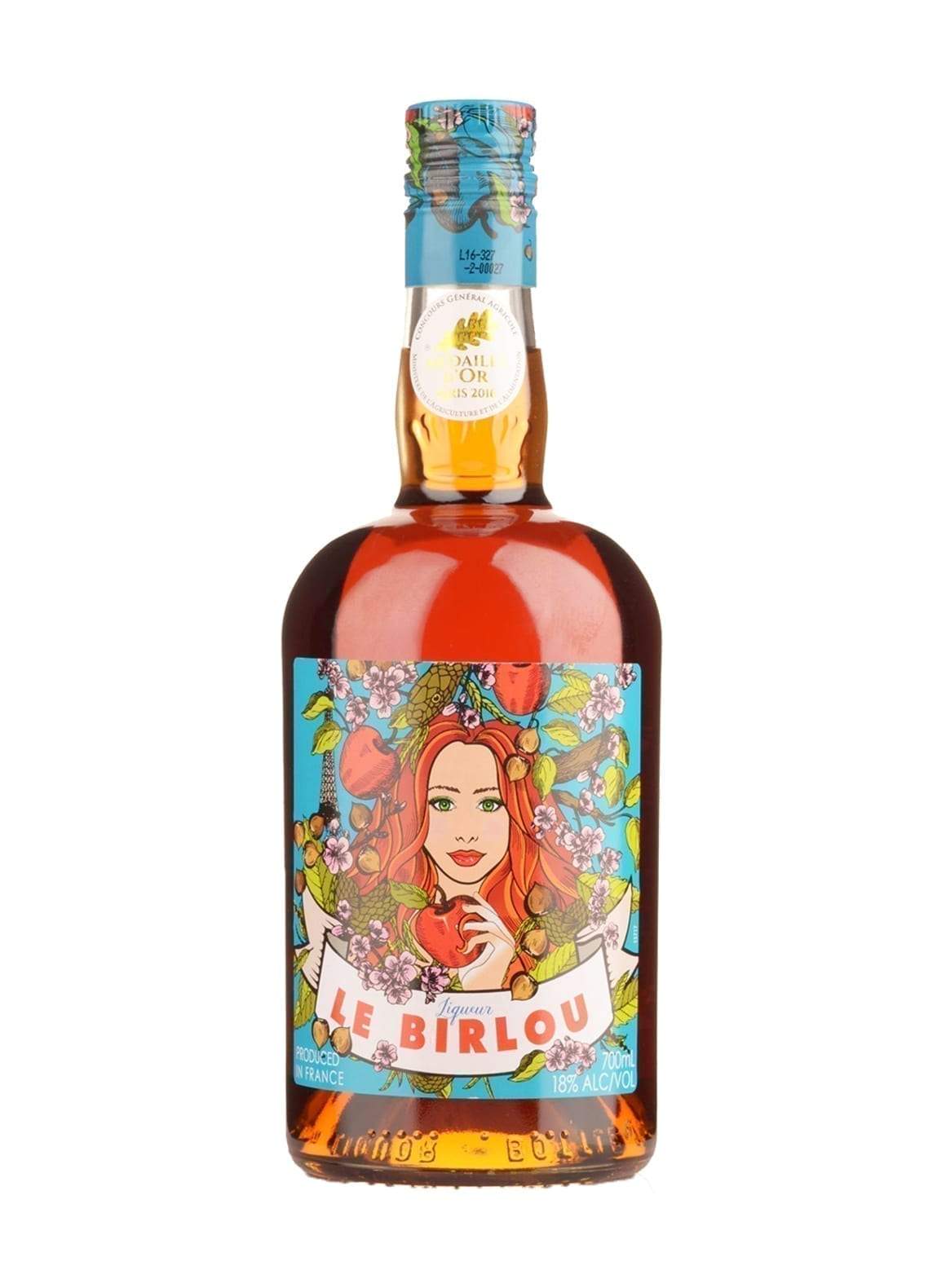
Vedrenne Aperitif 'Le Birlou' (Chestnut & Apple Liqueur) 20% 700ml
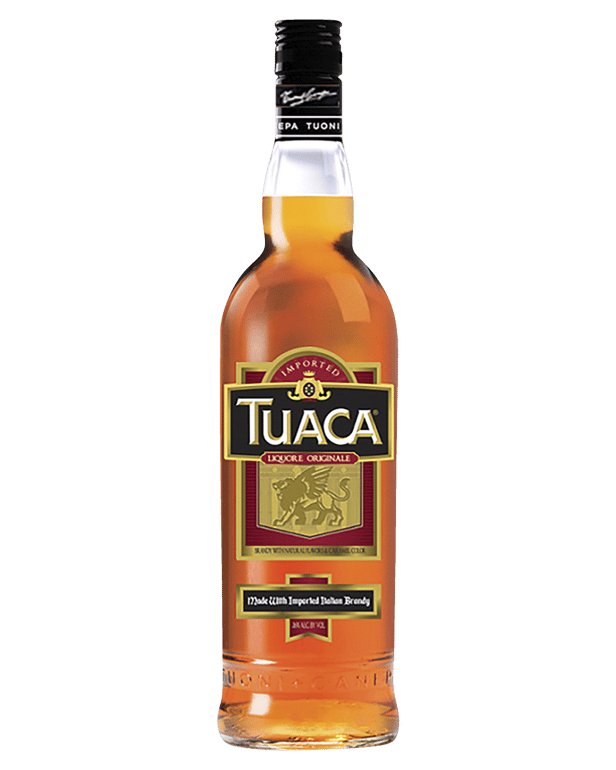
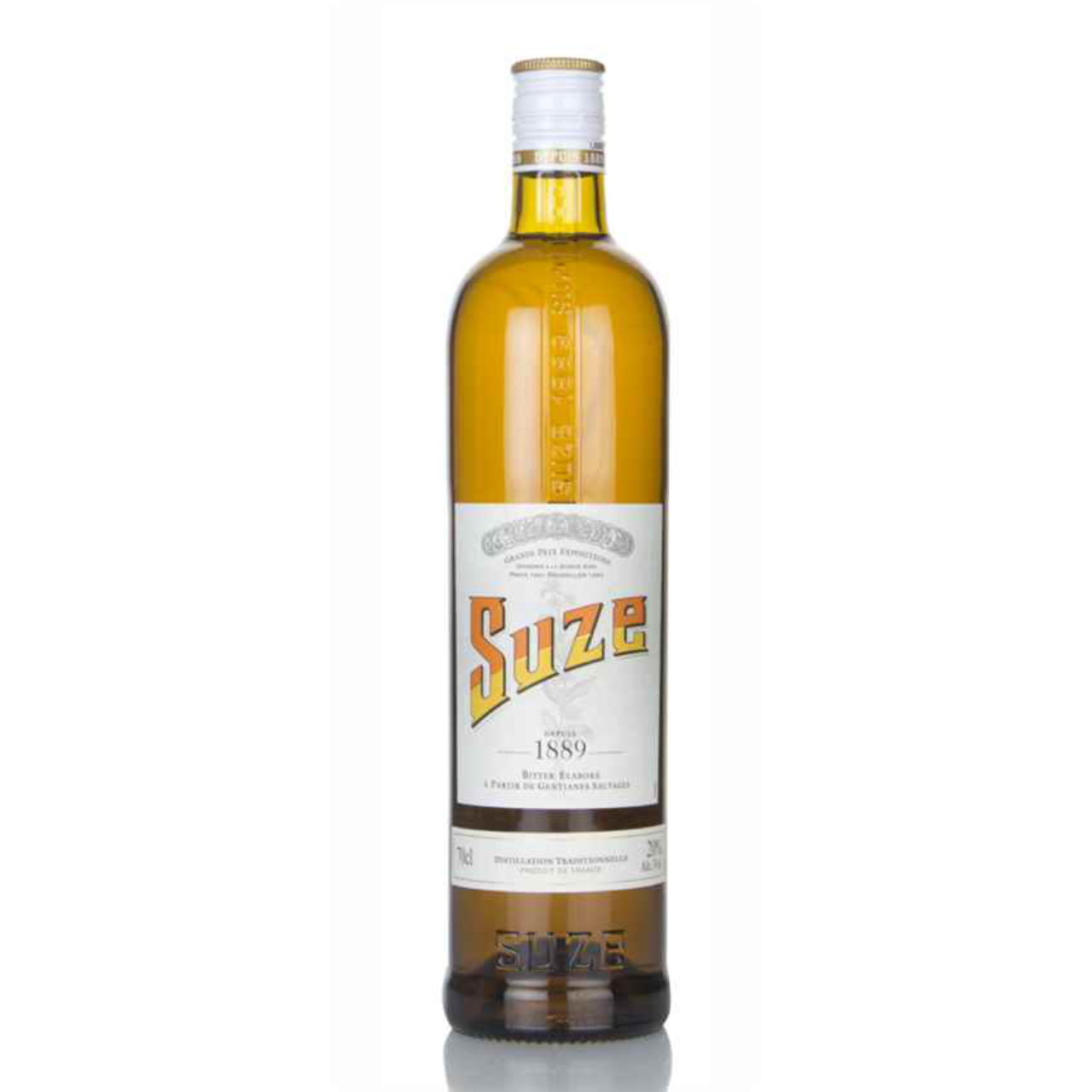
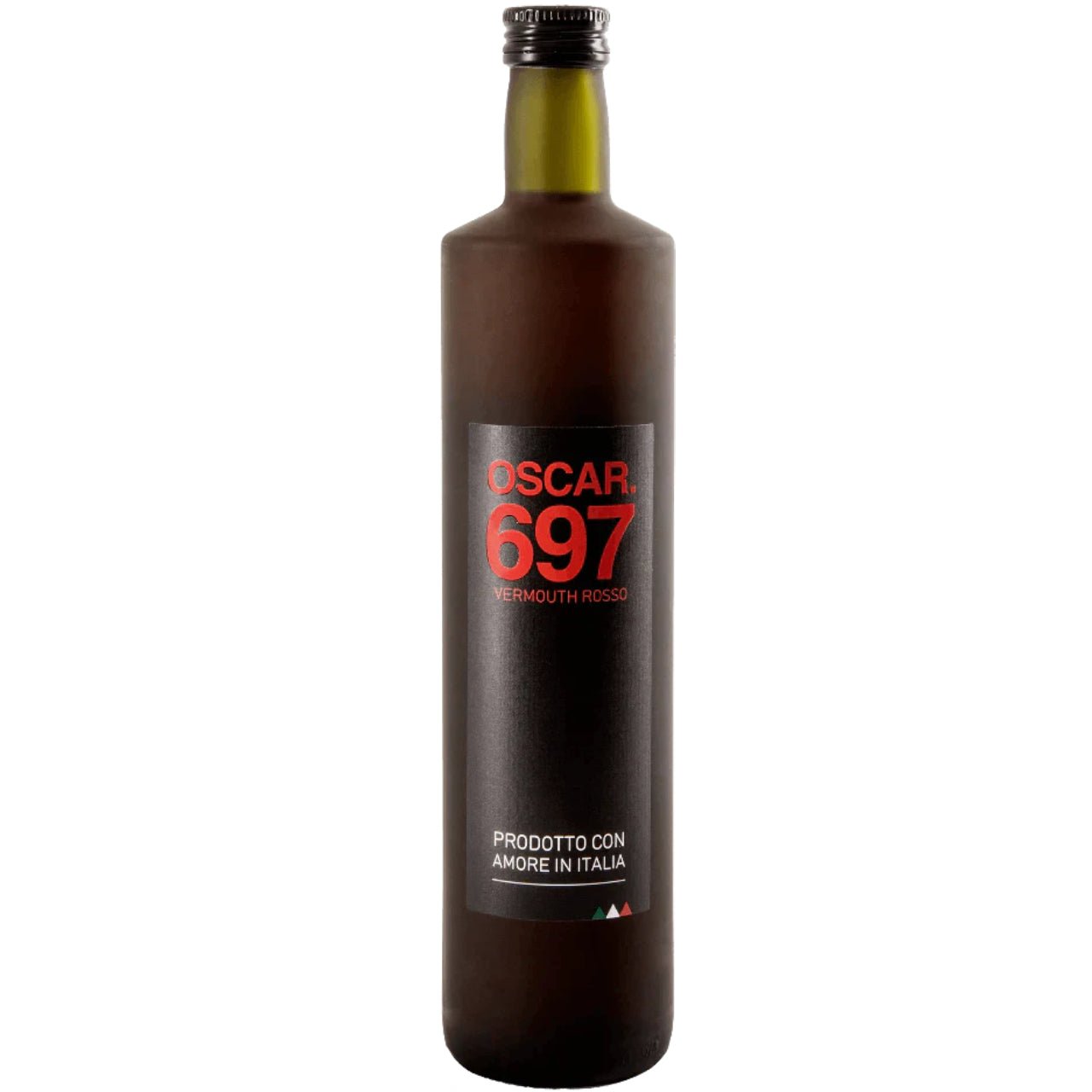
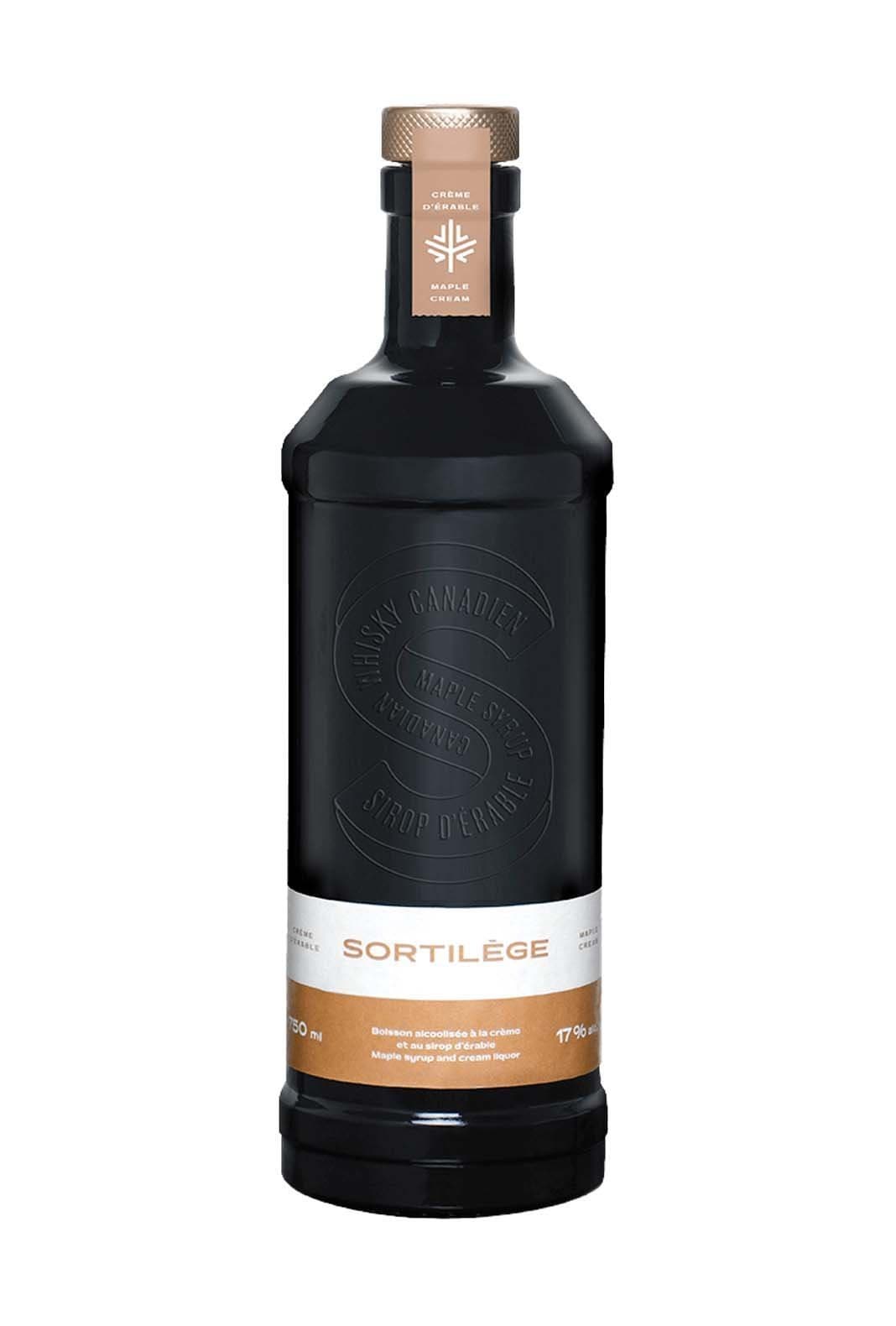
Sortilege Maple Cream Whiskey Liqueur 17% 750ml
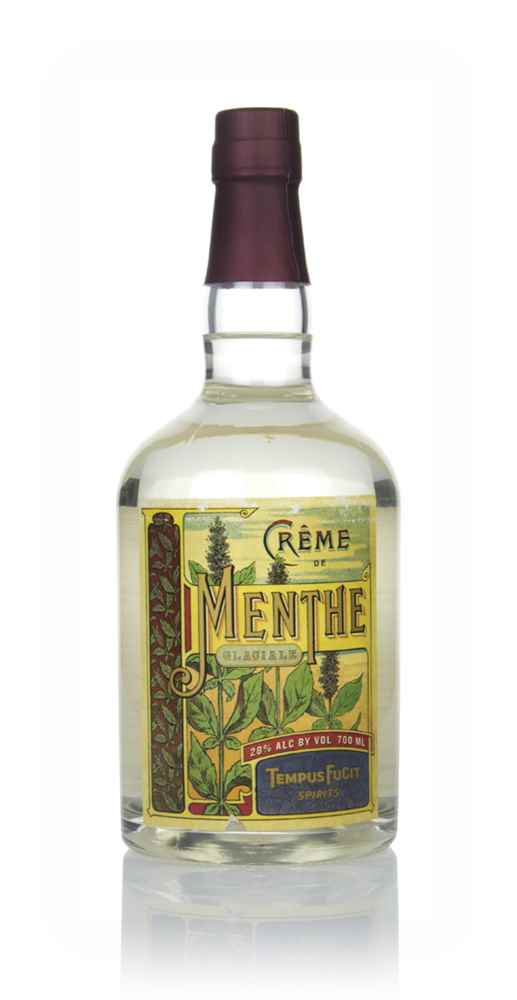
Tempus Fugit Creme de Menthe Blanche Liqueur
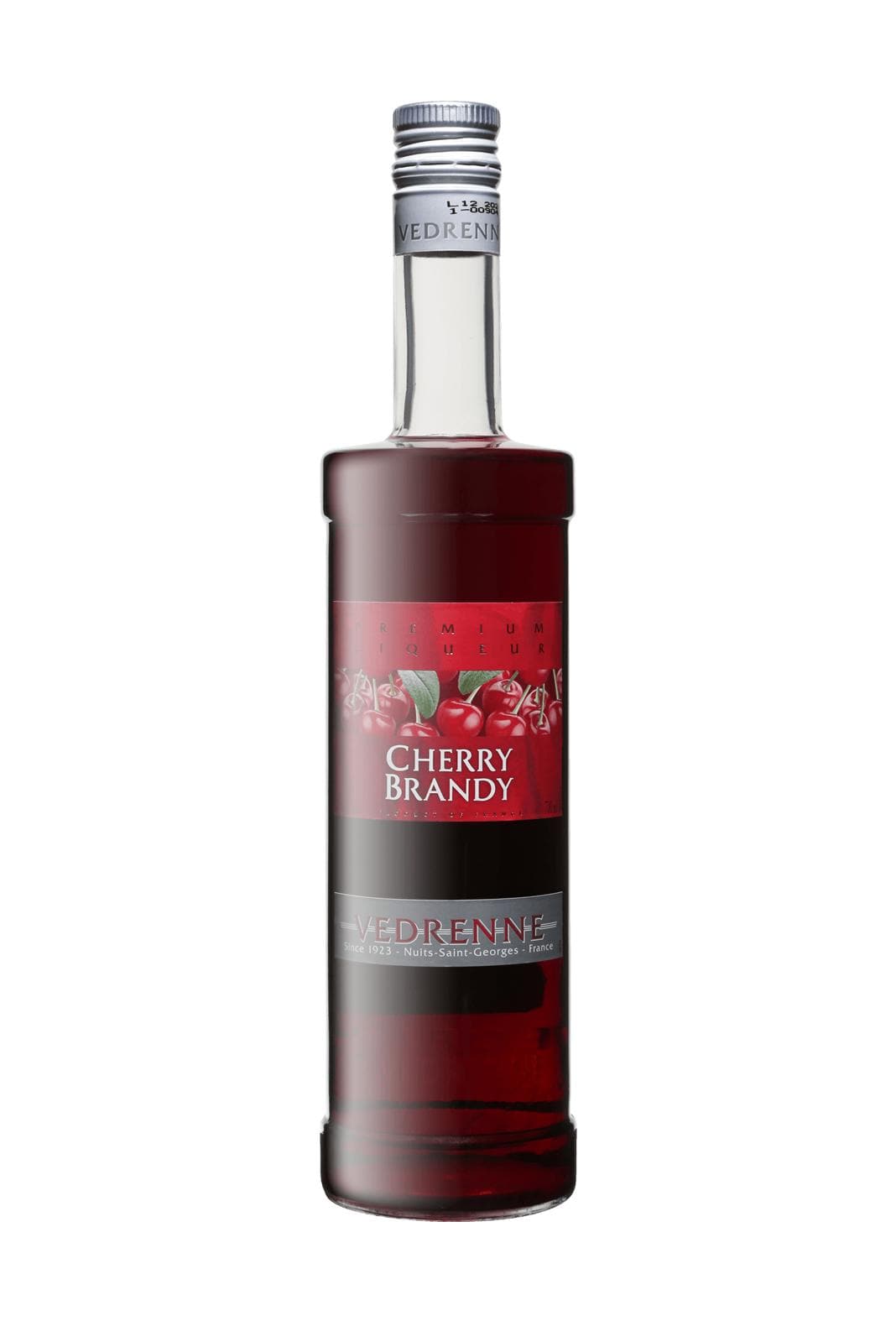
Vedrenne Cherry Brandy 25% 700ml
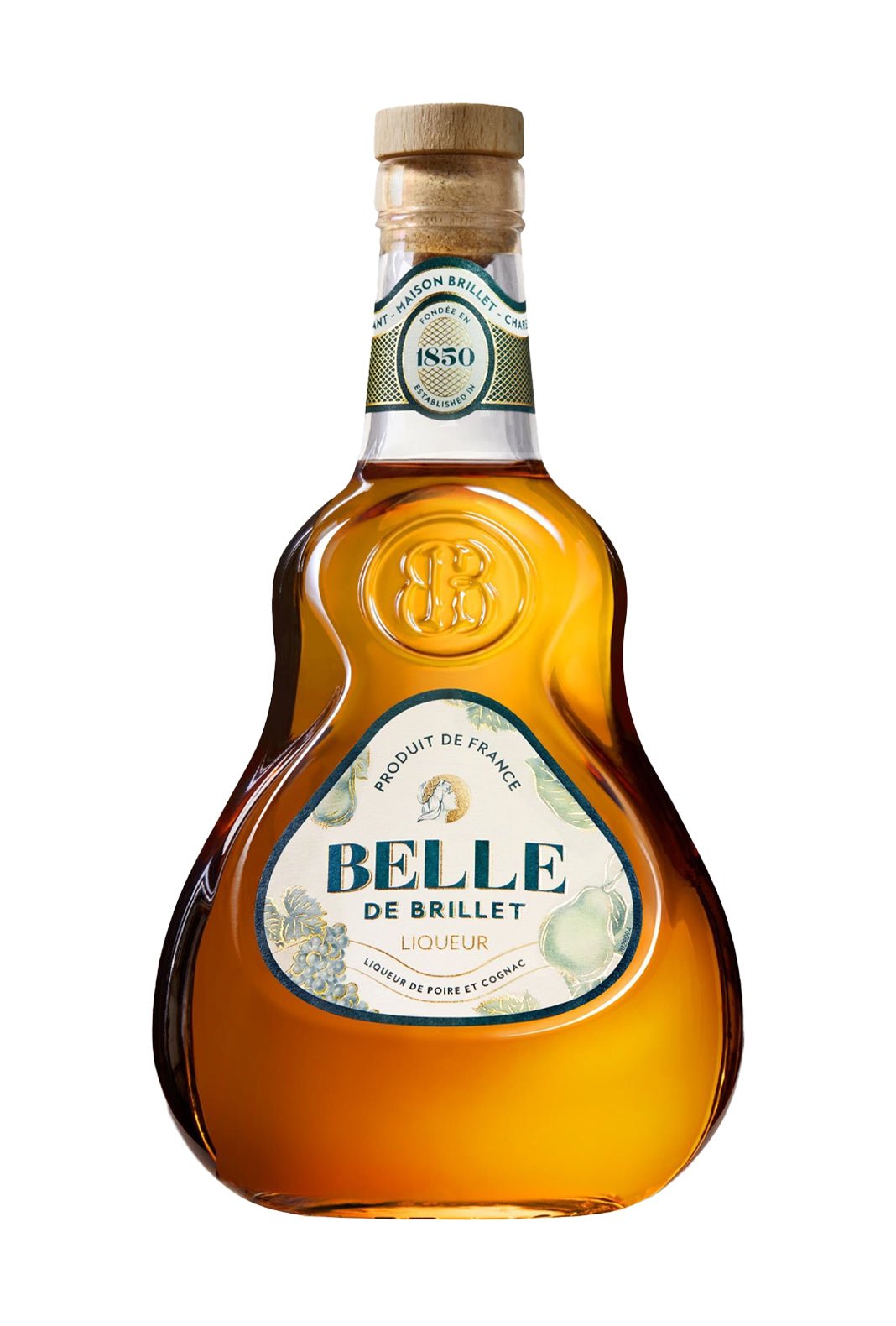
Brillet Liqueur 'Belle de Brillet' Poire William & Cognac 30% 700ml
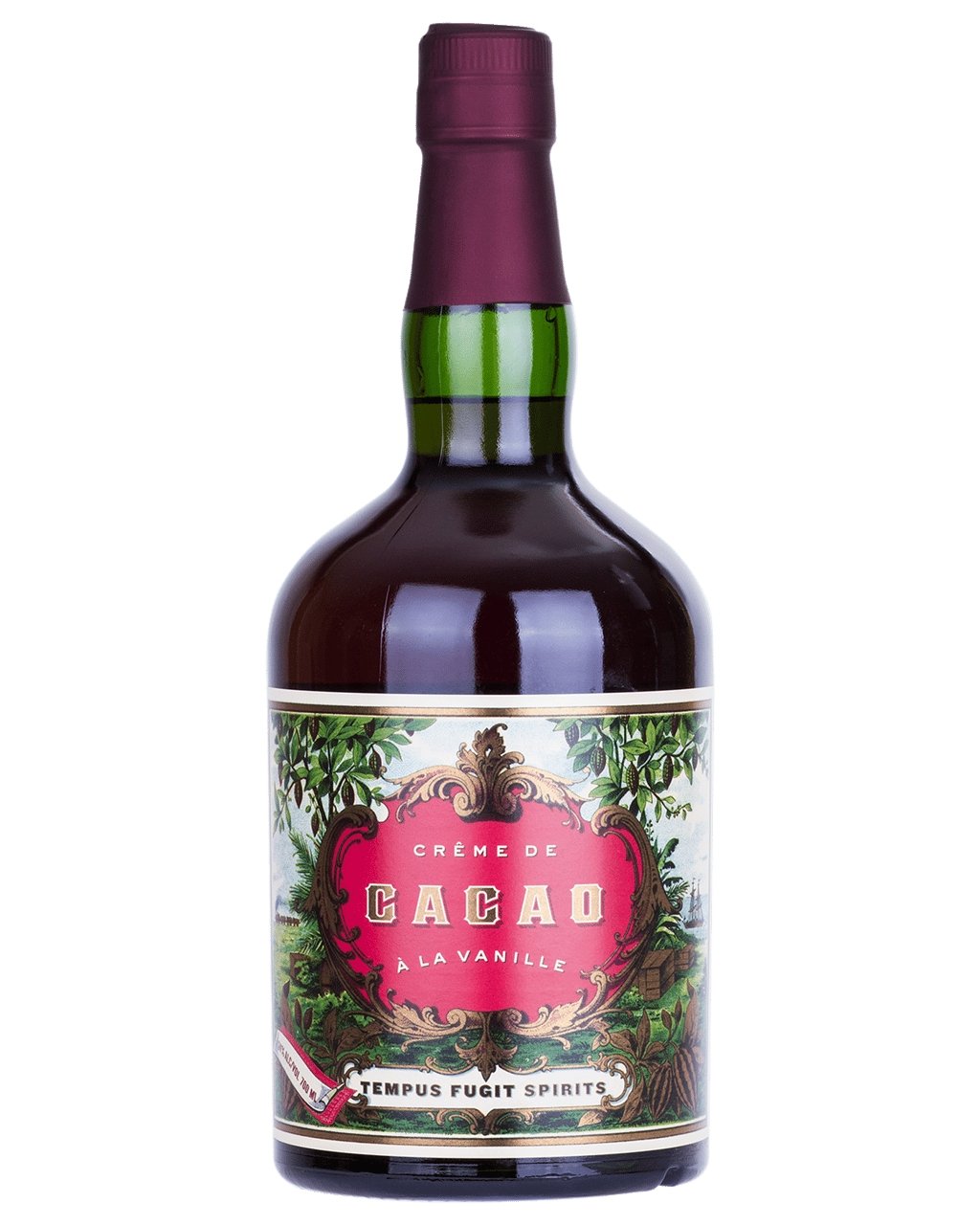
Tempus Fugit Creme de Cacao Liqueur
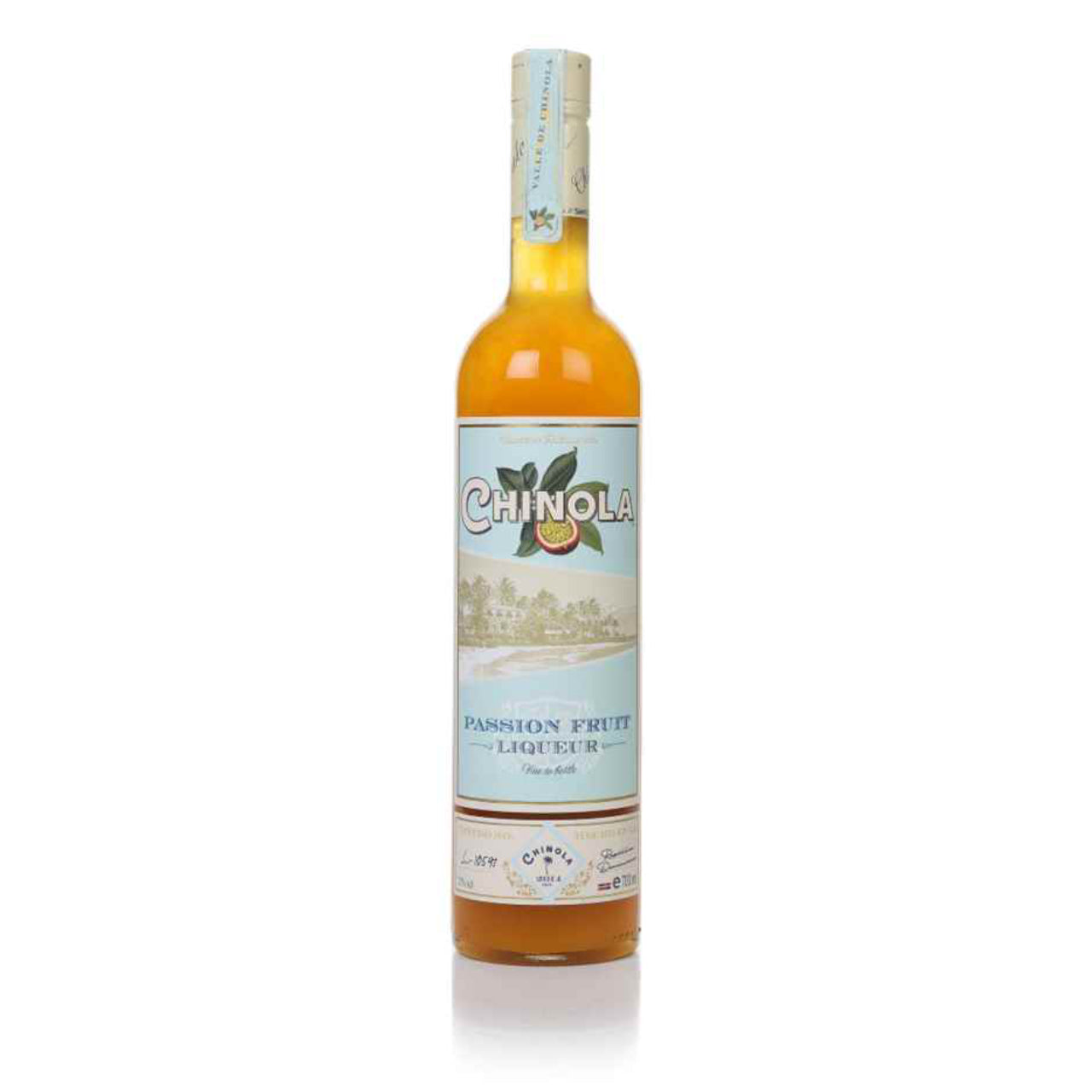
Chinola Passionfruit Liqueur
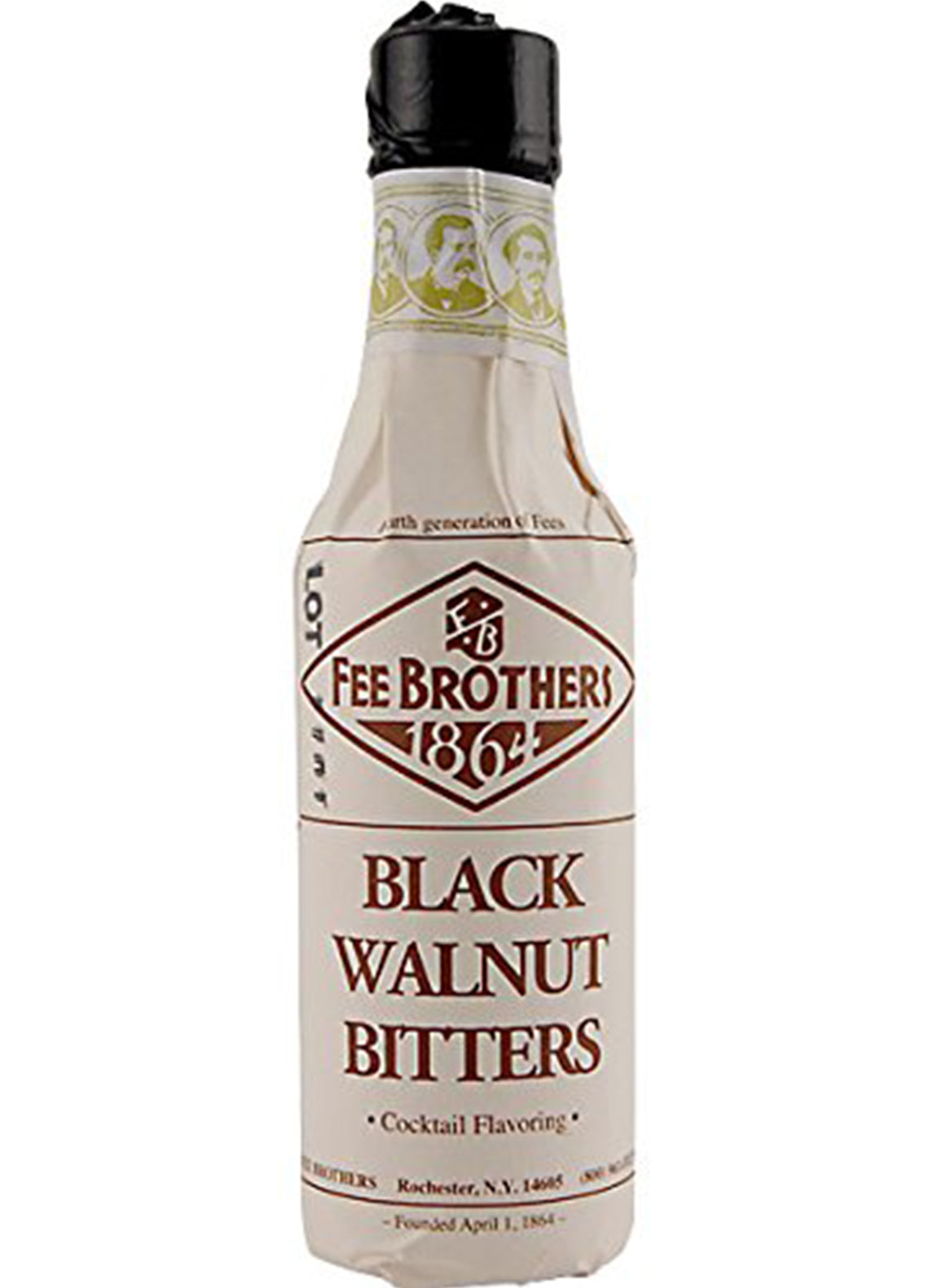
Fee Brothers Walnut Bitters
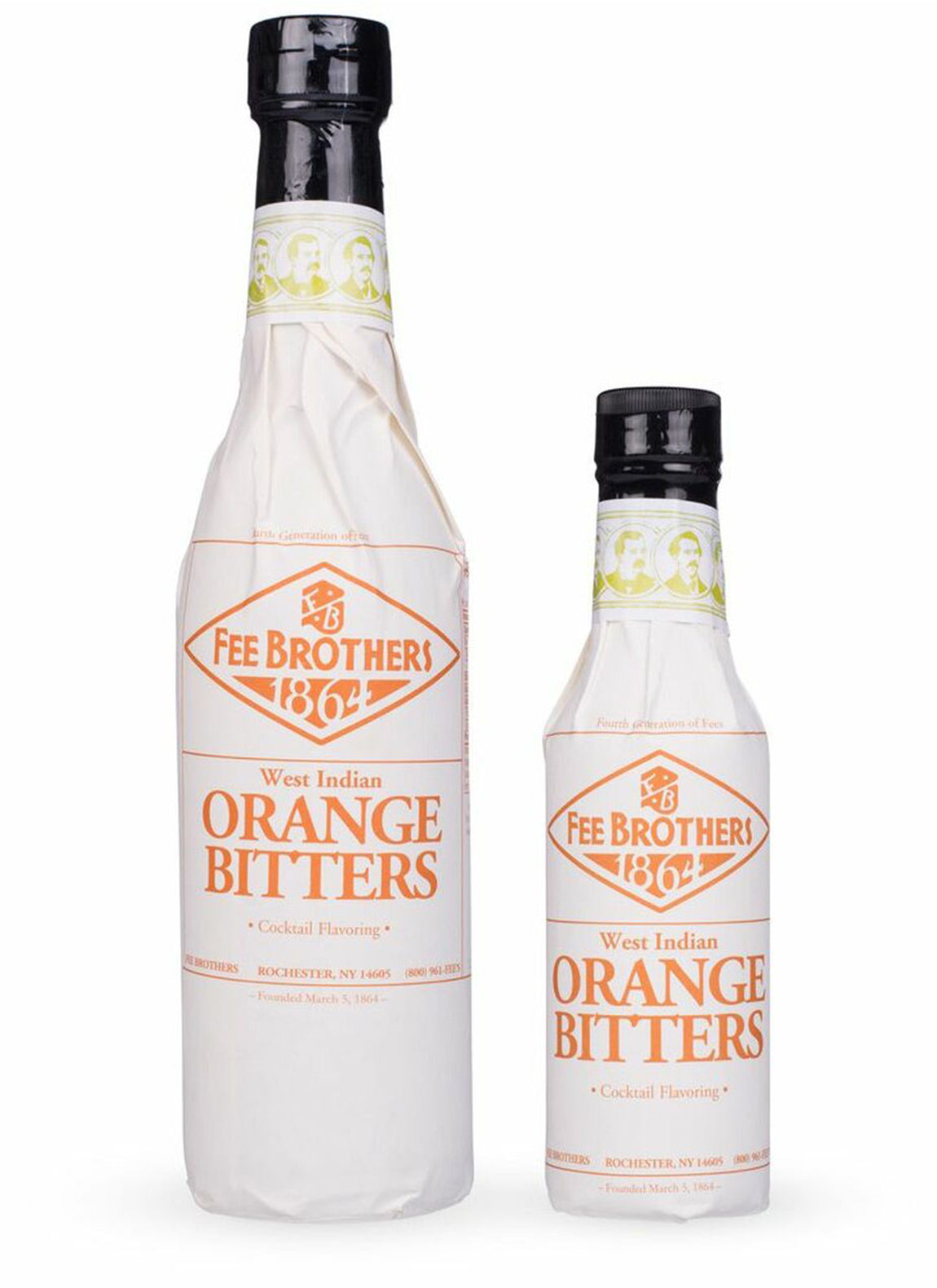
Fee Brothers Orange Bitters
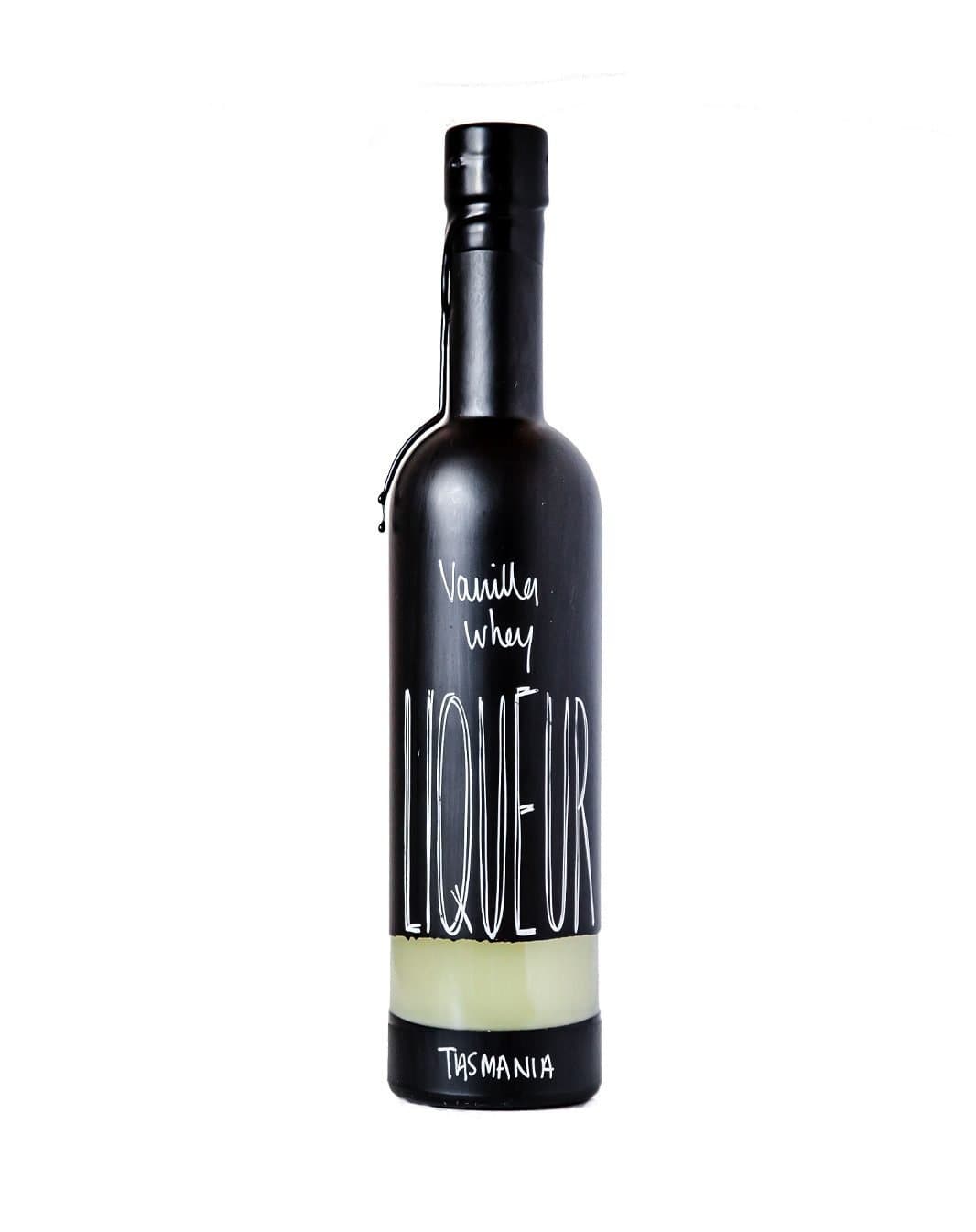
Hartshorn Vanilla Whey Liqueur 17.5% 375ml

Limonio Mandaretto mandarine liqueur 35% 500ml
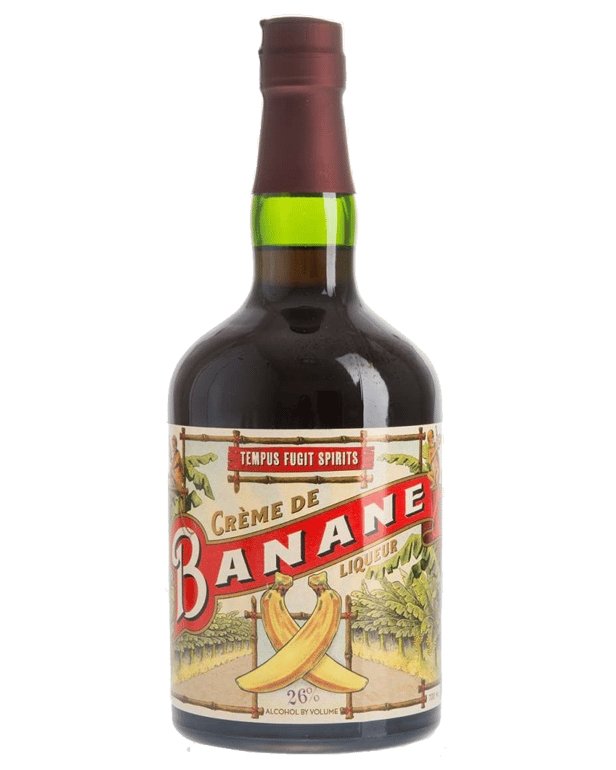
Tempus Fugit Creme de Banane Liqueur
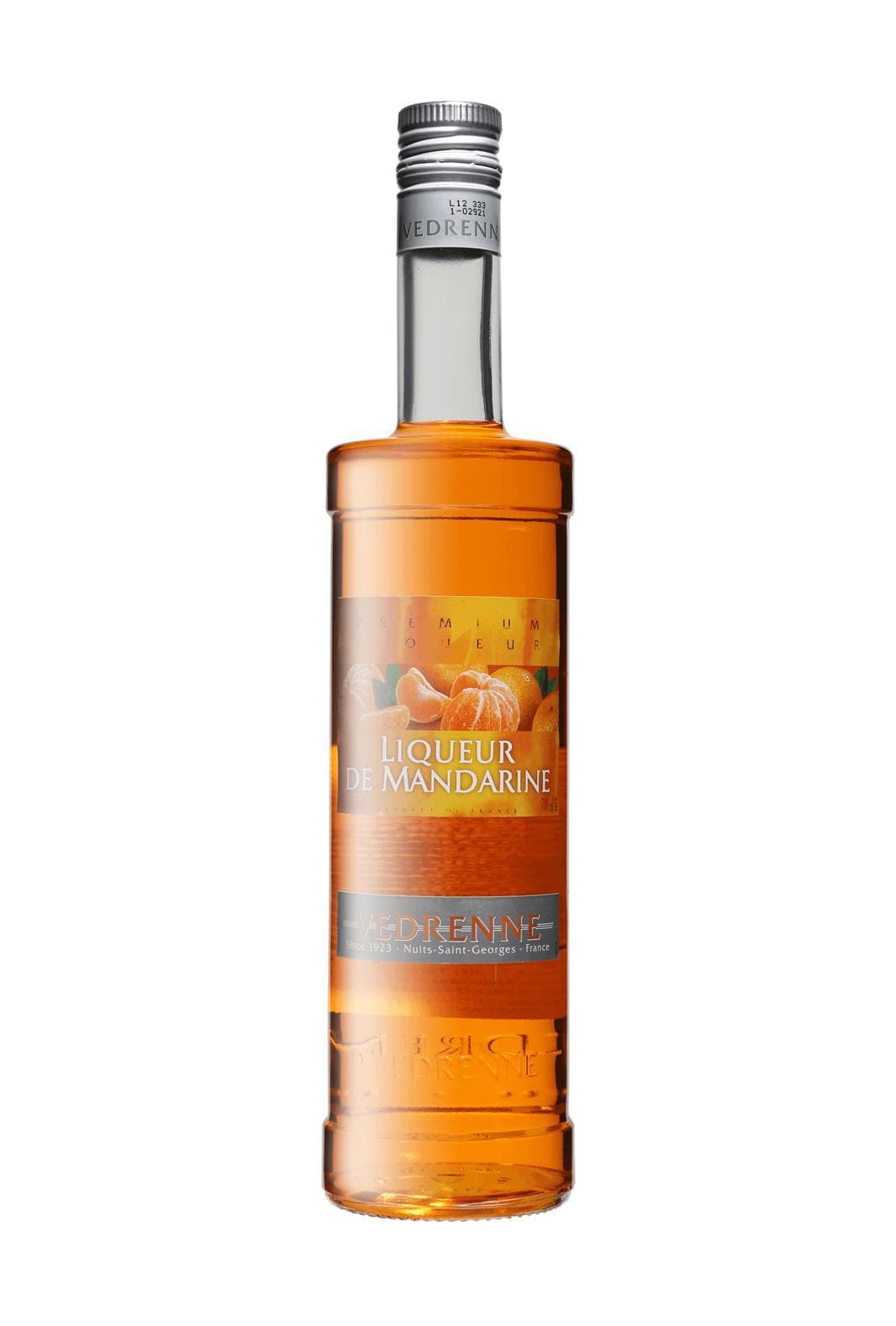
Vedrenne Liqueur de Mandarine (Tangerine) 25% 700ml
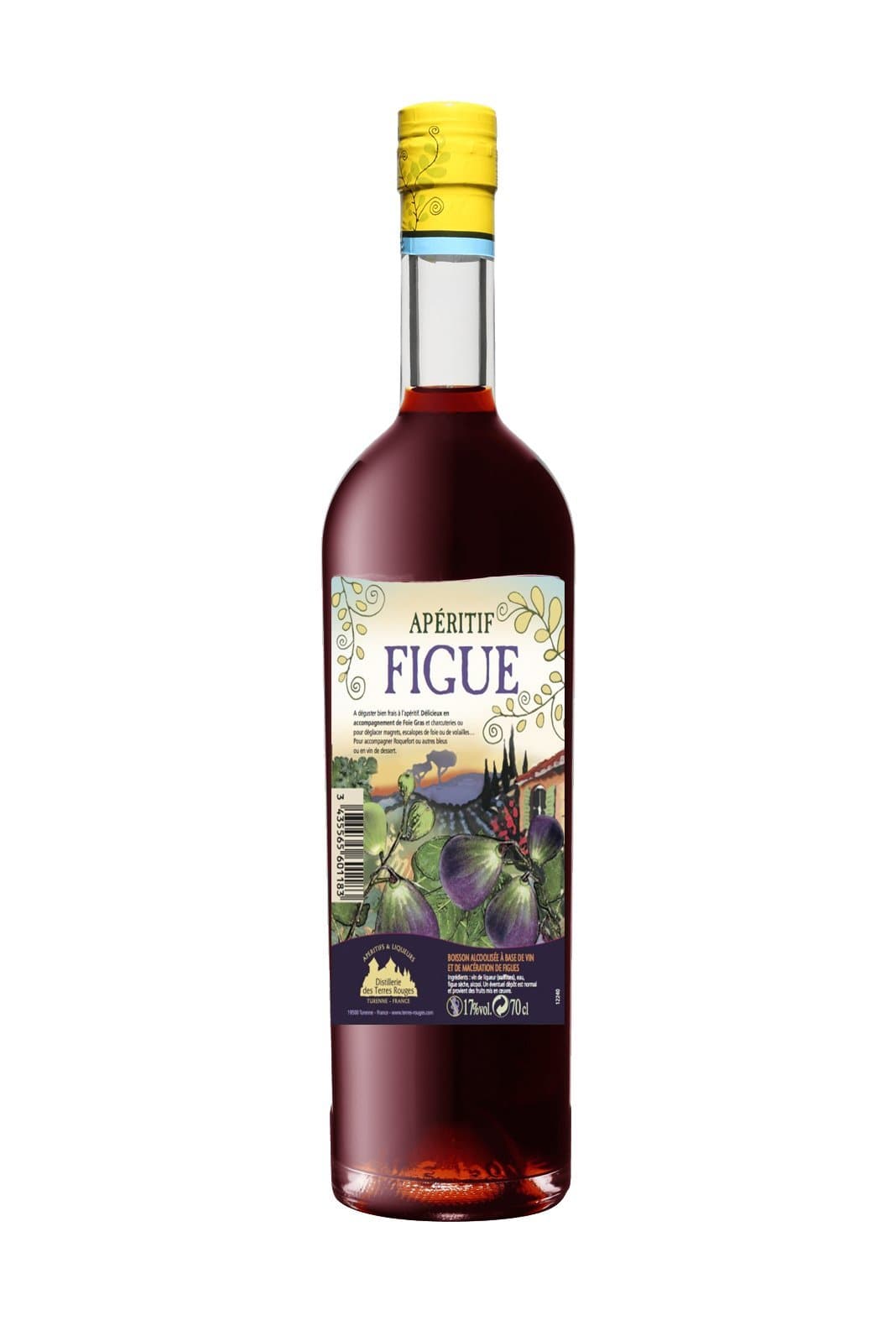
Vedrenne-Terres Rouge Aperitif Figue (Fig) 17% 700ml
About Cocktail Enhancers
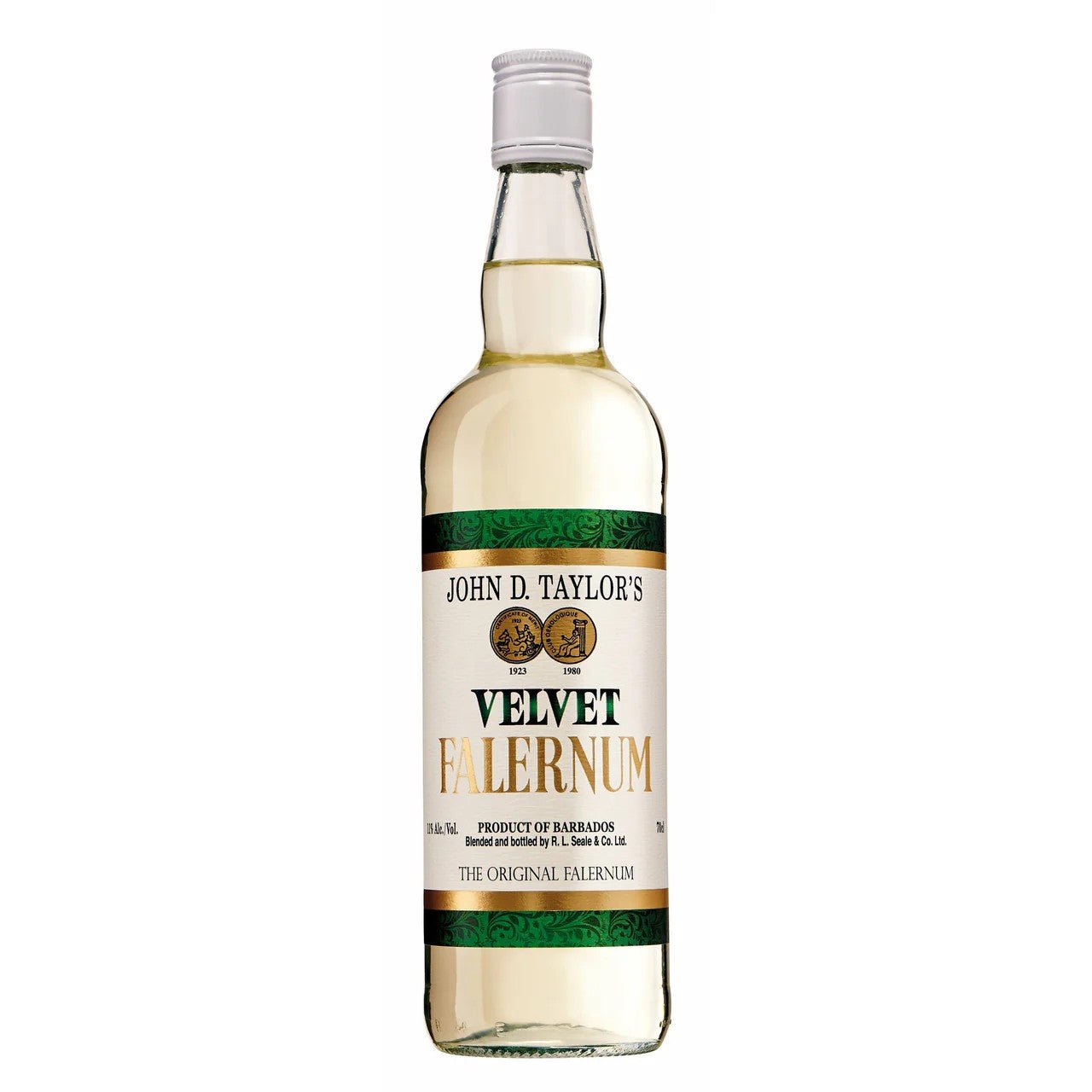
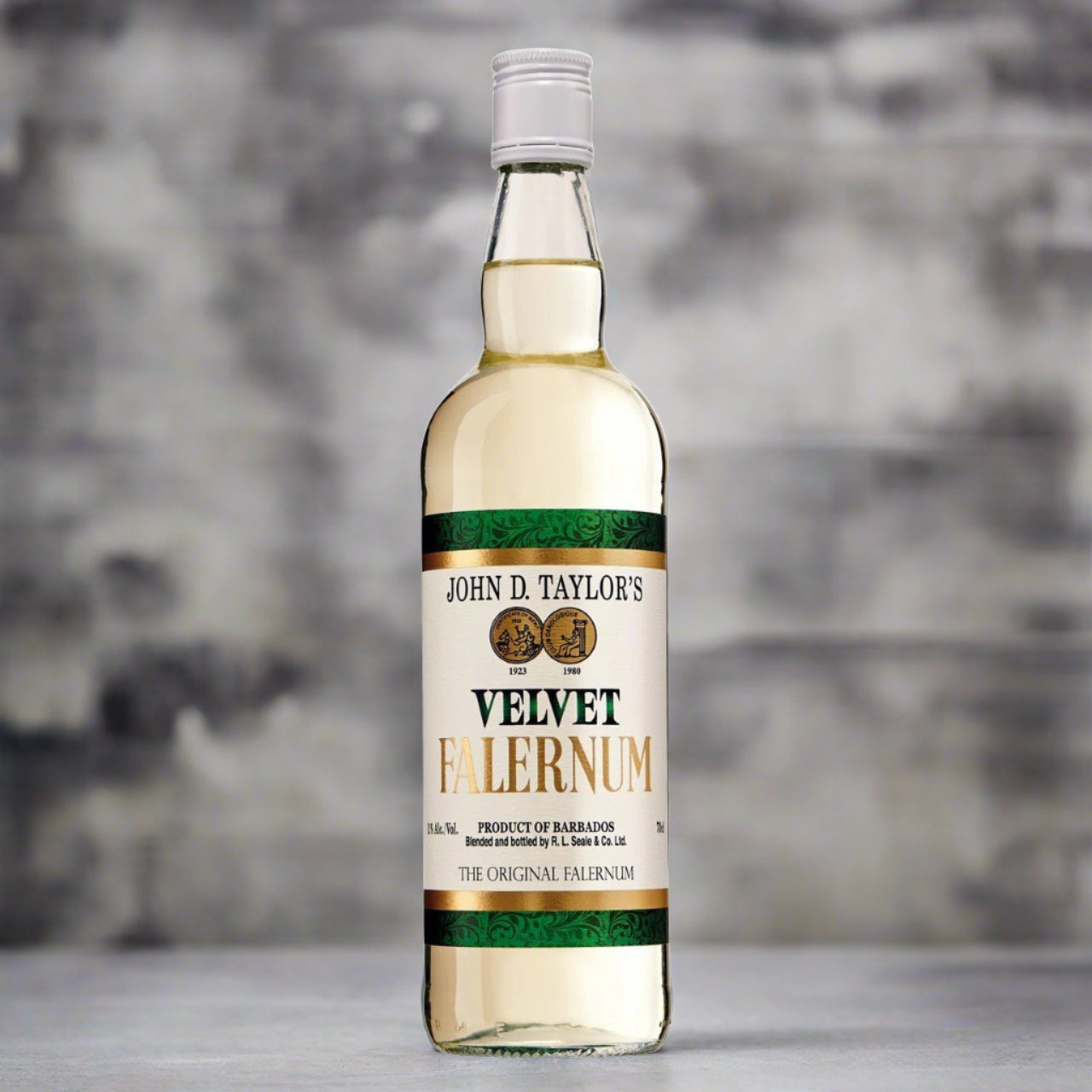
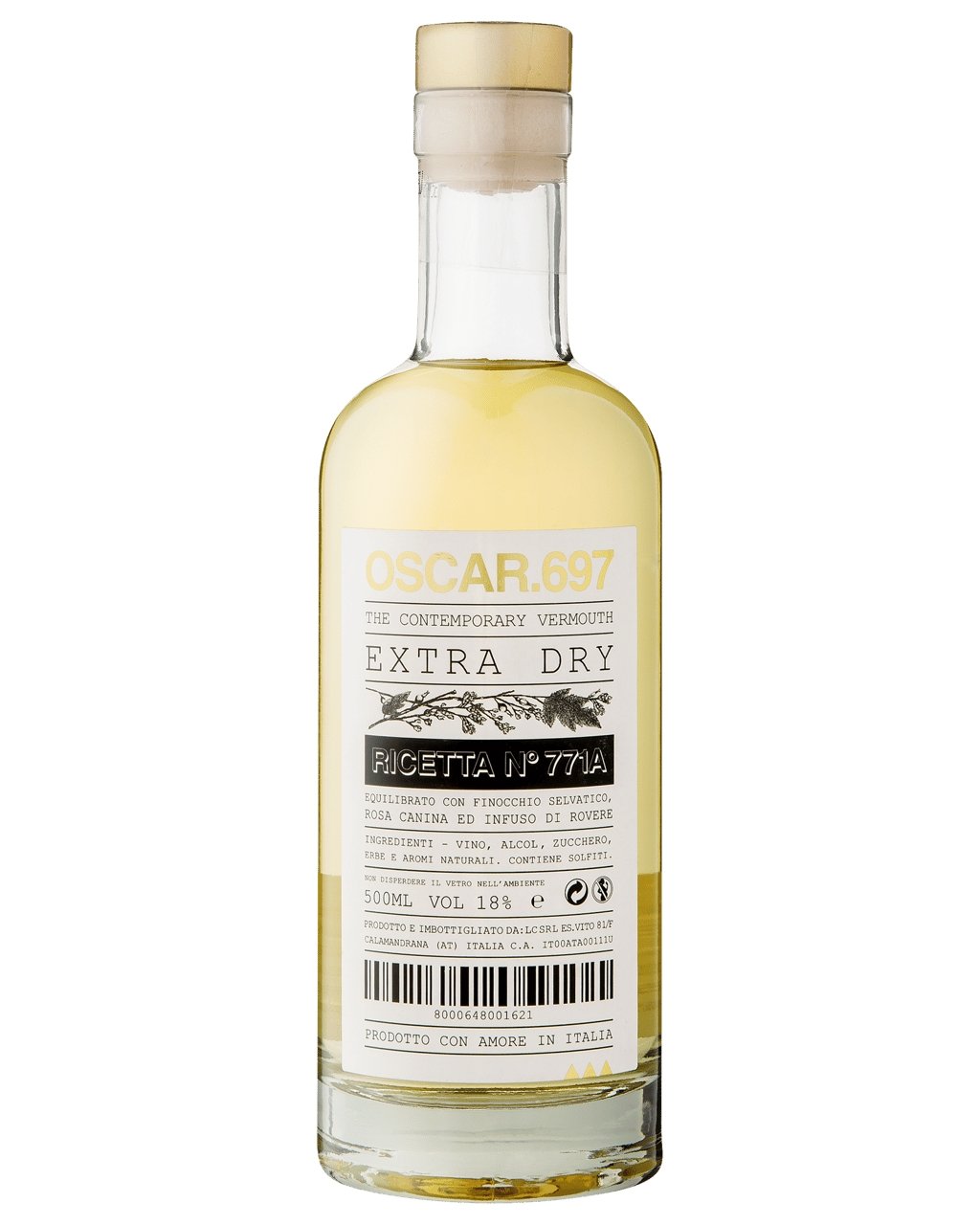
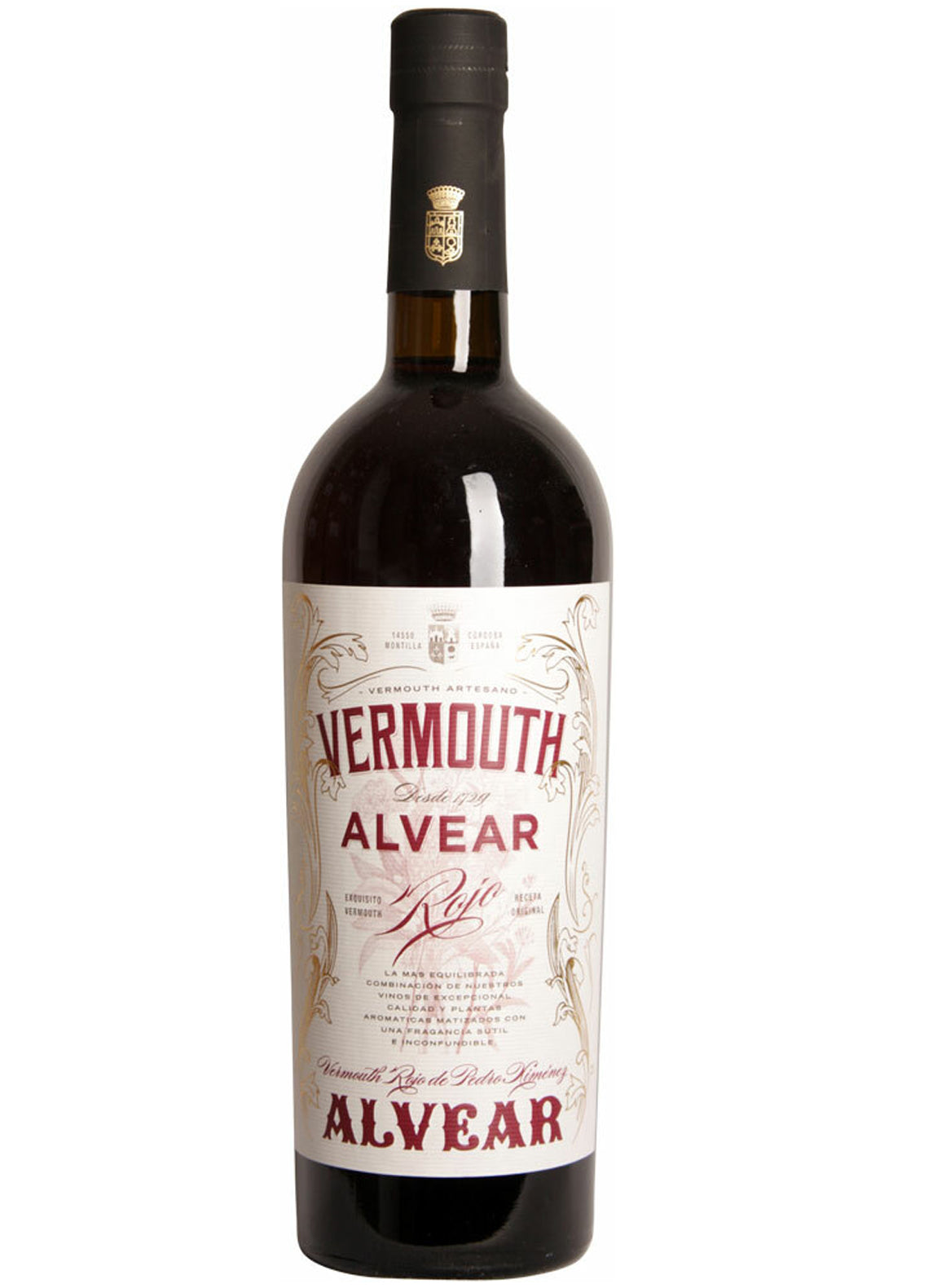
Cocktail enhancers are everything in a drink except the base spirit, and this page gathers four groups that do different jobs. Aromatised wines carry structure at low strength, from Dolin Dry of Chambery to the Australian Maidenii vermouths and Oscar 697 from Italy. Bitters are concentrated tinctures measured in dashes, and there is a real difference between those and a bitter liqueur: Peychaud's and the Fee Brothers orange, cherry, peach and walnut bottles are seasoning, while Dolin Bitter de Chambery is a drink in its own right. Liqueurs bring flavour and sugar together, led by the Dijon houses Briottet and Gabriel Boudier, whose Creme de Cassis is the base of a Kir, alongside Luxardo Maraschino and the Tempus Fugit cacao and menthe. Then the sugar and garnish end: Vedrenne syrups including orgeat, elderflower and blackcurrant, all at zero alcohol, and Luxardo cherries for the finish. Velvet Falernum from Barbados sits across the categories, sweet, spiced and only mildly alcoholic. For the parts on their own, see vermouth, bitters and syrups.
History
Every one of these categories began as medicine or as a way to use a crop. Vermouth is wine plus wormwood and other botanicals, commercialised in Turin in the 1780s and taken up across the border in Savoy, where Chambery became the only French vermouth to hold its own appellation, granted in 1932. Bitters came out of the nineteenth century apothecary trade and were sold as digestive tonics. Antoine Peychaud was a New Orleans pharmacist in the 1830s, and Fee Brothers has been a family firm in Rochester, New York since 1863. Creme de cassis was a Dijon invention of the 1840s, made from the blackcurrants that grew between the vines, and the word creme describes sugar rather than dairy. European rules still set a minimum sugar level for a liqueur and a much higher one again for a creme, which is why cassis pours thick and coats the glass. Orgeat is older still and takes its name from the Latin for barley, the original base before almonds replaced it. Maraschino comes from the marasca cherry of the Dalmatian coast, where Luxardo began in 1821 before moving to the Veneto after the Second World War. The through line is that none of this was invented for cocktails. American bartenders of the late 1800s simply found that a wine, a tincture and a sugared spirit together could hold a drink in balance, and the categories have been in service ever since.
How to drink it
Treat these as three storage classes. Vermouth is wine, so keep the bottle in the fridge once opened and use it within about a month, which is the argument for the 375ml Maidenii bottles if you only make the occasional martini. Bitters are high strength and effectively last forever, so buy small bottles and keep several. Liqueurs and cremes hold for a year or more sealed and away from light, though the delicate ones, violet, rose and green mint, lose their top notes first, and the zero alcohol syrups need the fridge and should be used within weeks. For ratios, a Kir is roughly one part cassis to five of dry white, a dry martini runs five or six parts gin to one of dry vermouth, and a Manhattan two parts rye to one of sweet. Dash bitters, never pour them. Serve anything containing vermouth properly cold, stirred with ice for at least twenty seconds so it dilutes as well as chills, and use a chilled glass. If you are starting a home bar from nothing, buy one dry vermouth, one sweet, a bottle of orange bitters and one aromatic, then add a cassis or a maraschino when a recipe asks for it. Fill in the rest from the wider liqueurs and aperitifs range.