
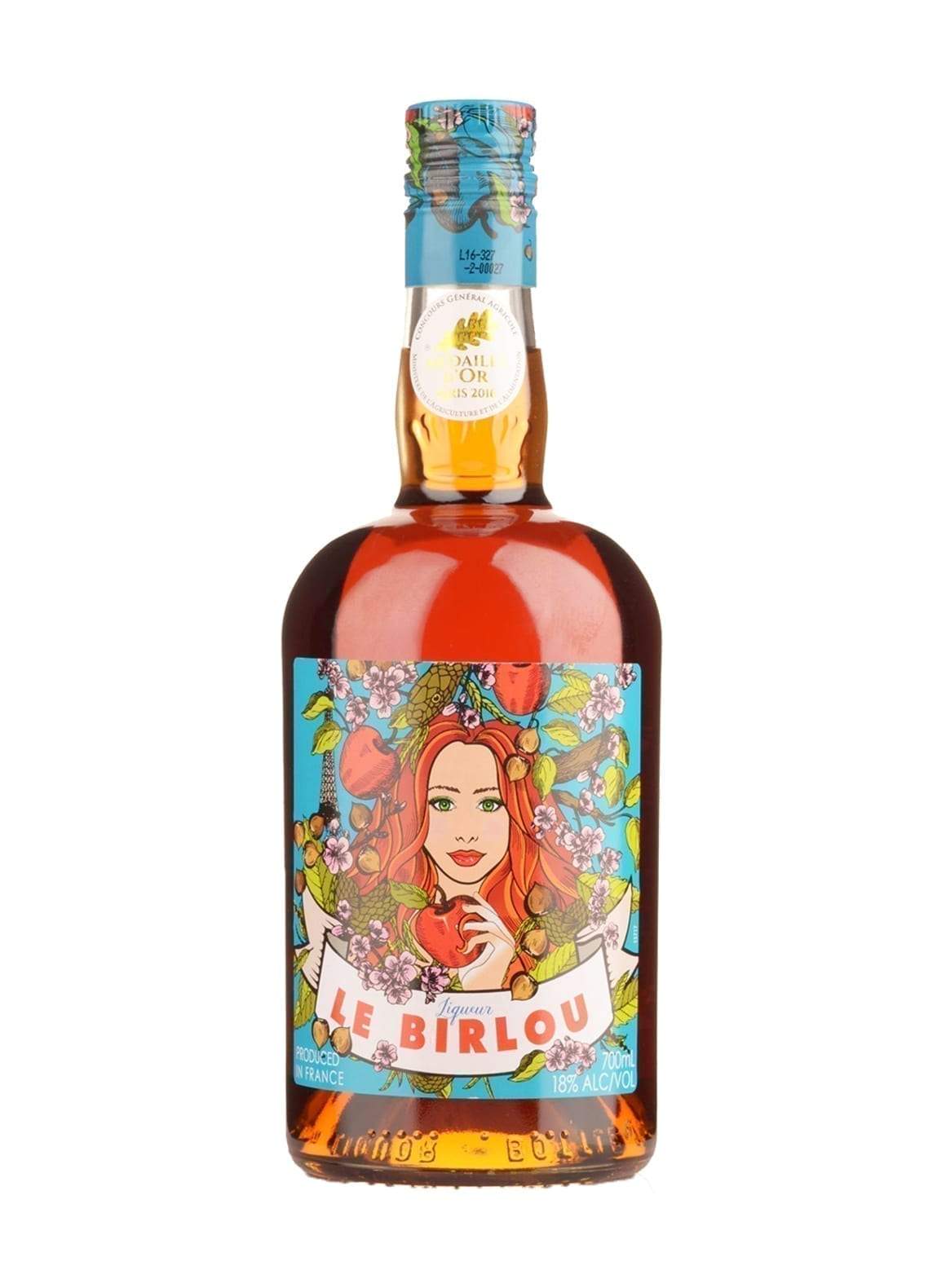
Vedrenne Aperitif 'Le Birlou' (Chestnut & Apple Liqueur) 20% 700ml
Sortilege Maple Cream Whiskey Liqueur 17% 750ml
Tempus Fugit Creme de Menthe Blanche Liqueur
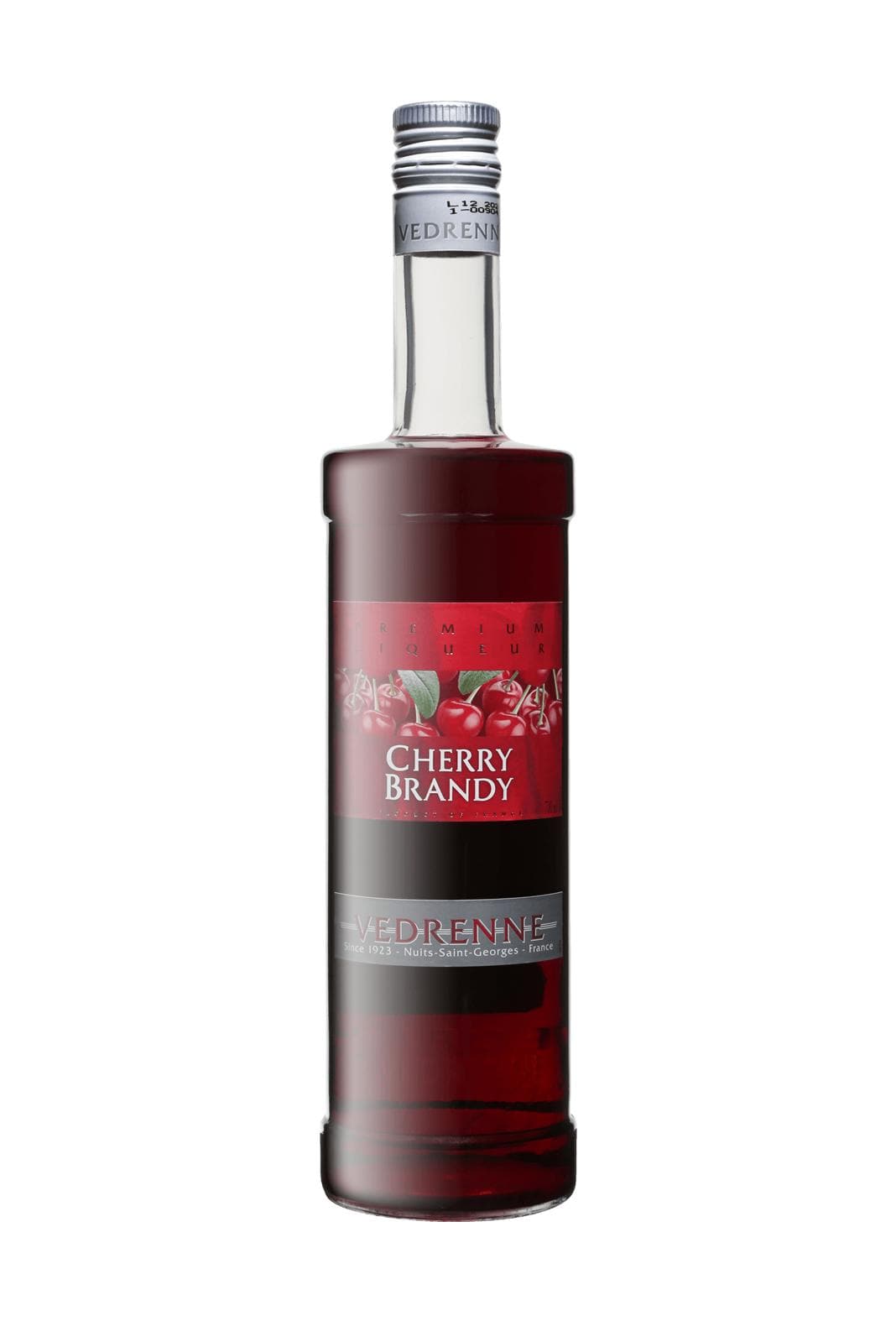
Vedrenne Cherry Brandy 25% 700ml
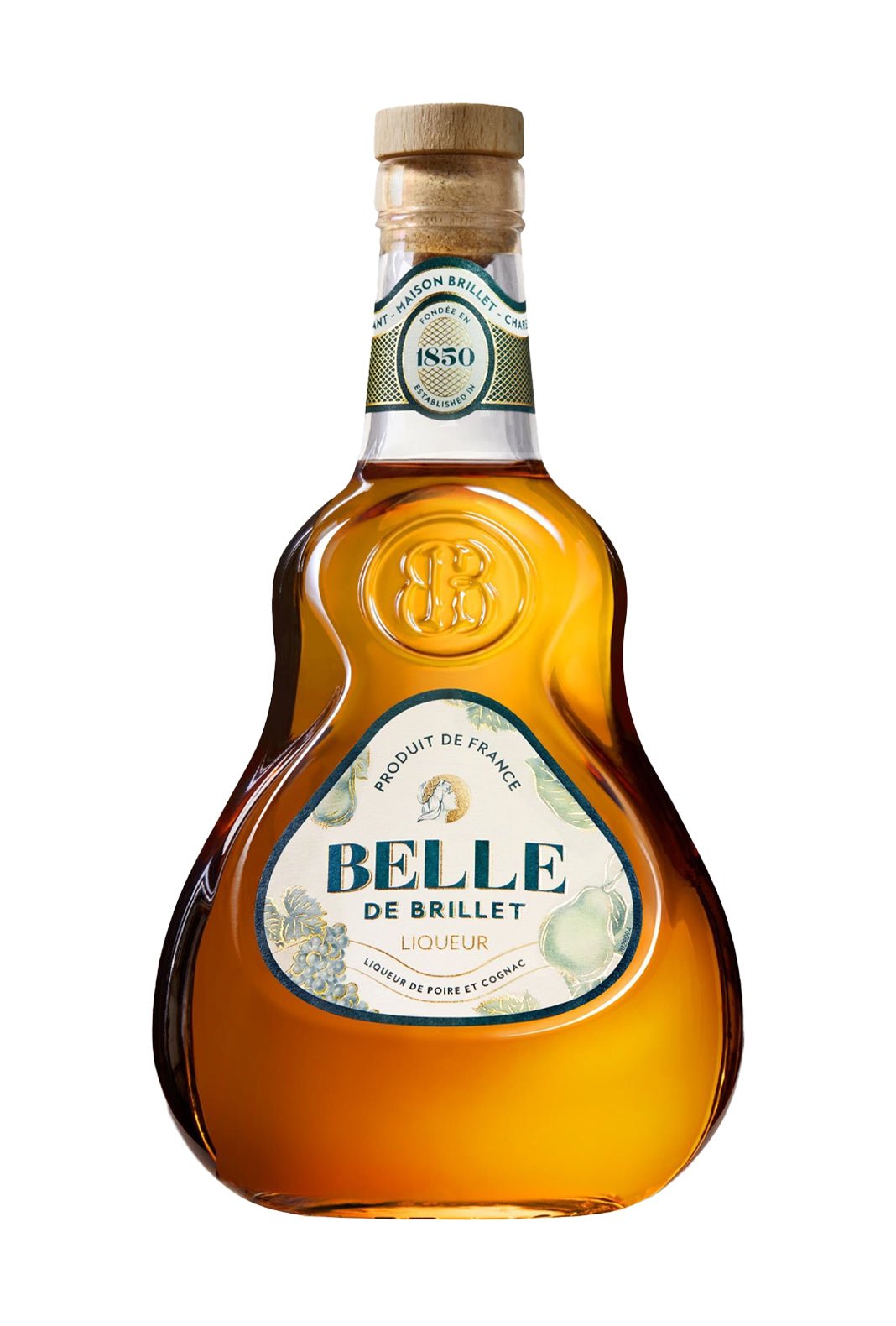
Brillet Liqueur 'Belle de Brillet' Poire William & Cognac 30% 700ml
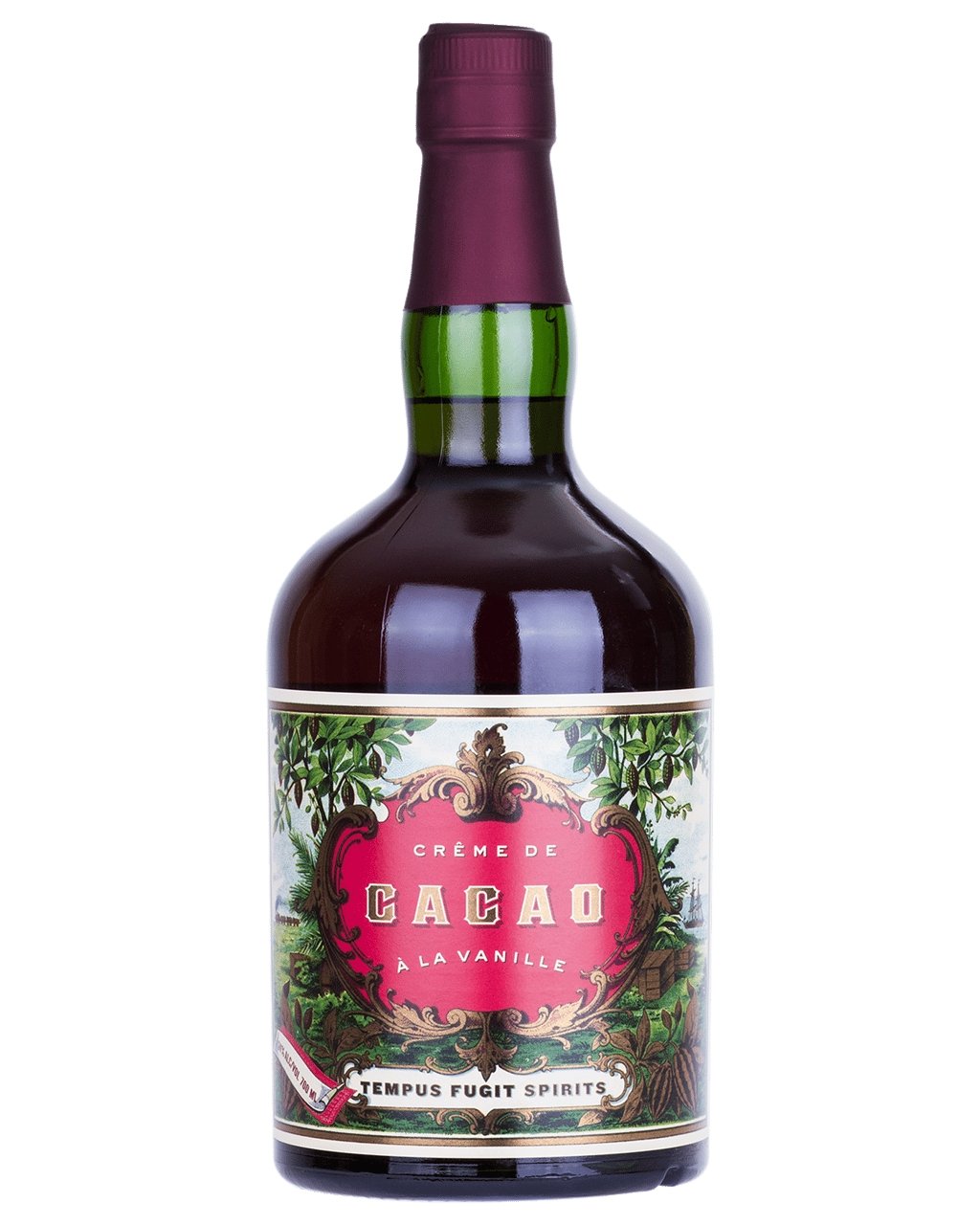
Tempus Fugit Creme de Cacao Liqueur
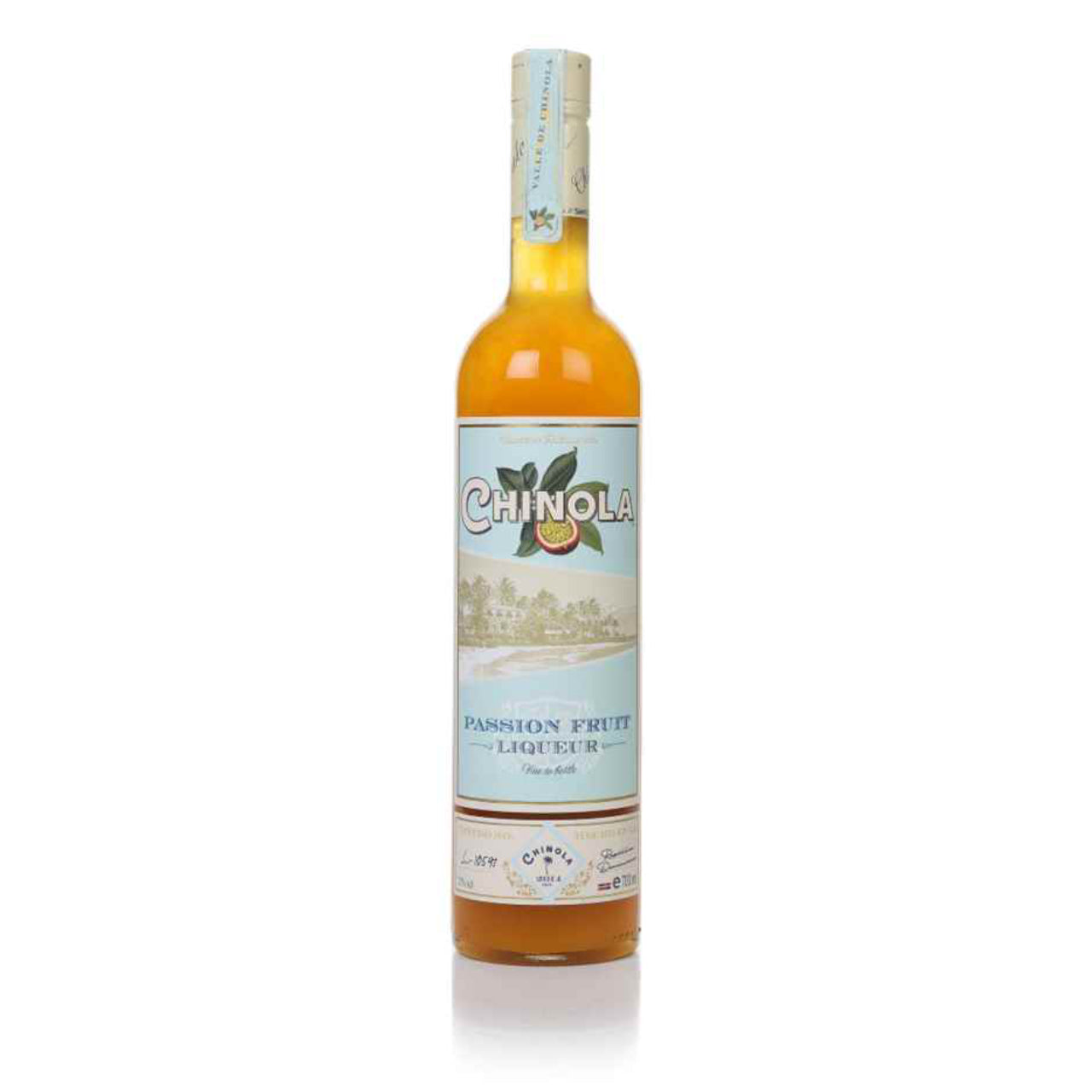
Chinola Passionfruit Liqueur
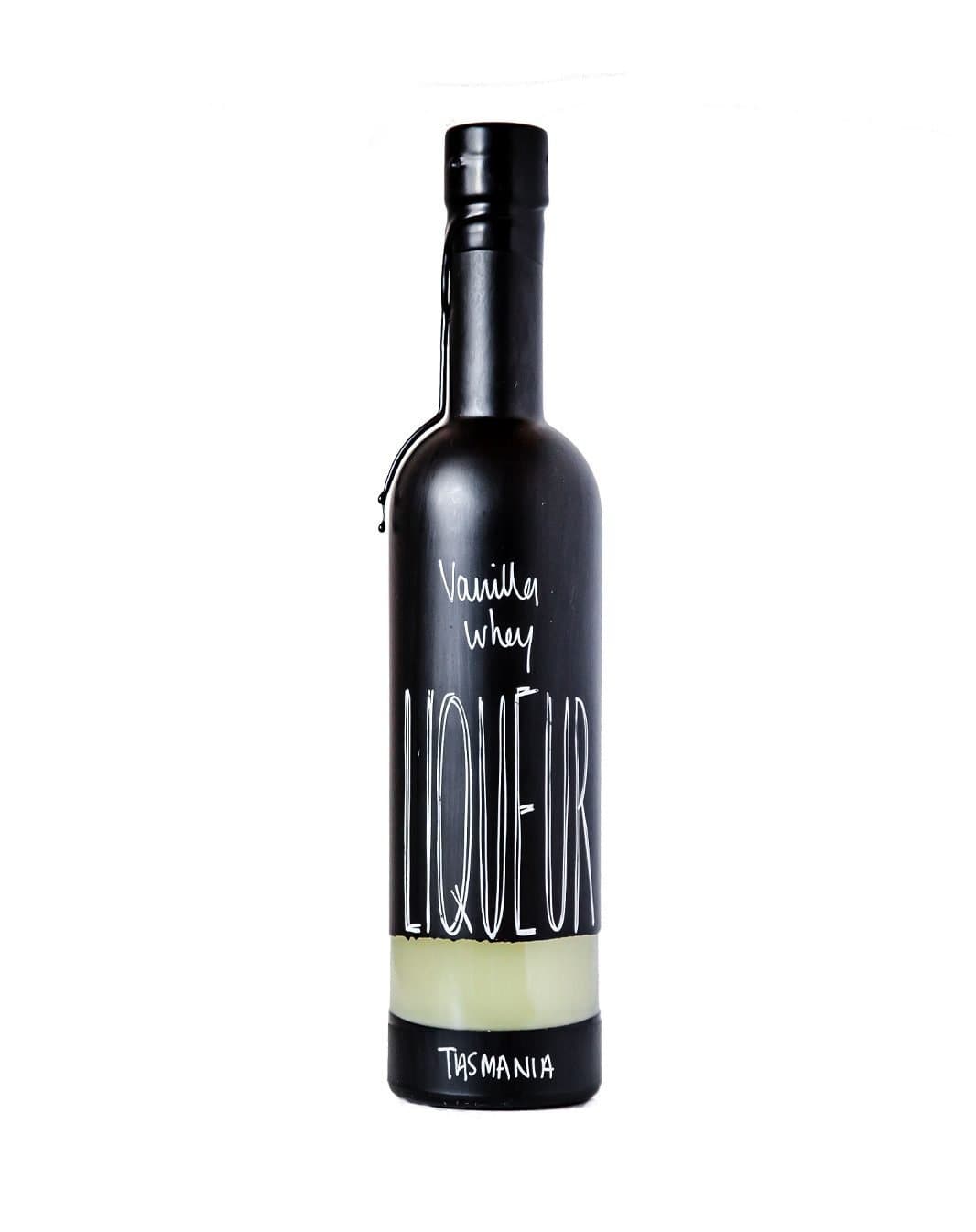
Hartshorn Vanilla Whey Liqueur 17.5% 375ml
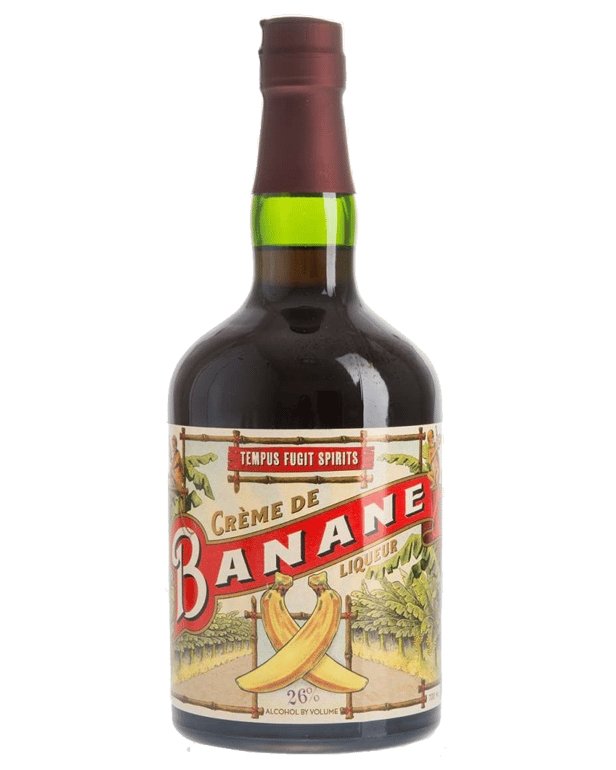
Tempus Fugit Creme de Banane Liqueur

Limonio Mandaretto mandarine liqueur 35% 500ml
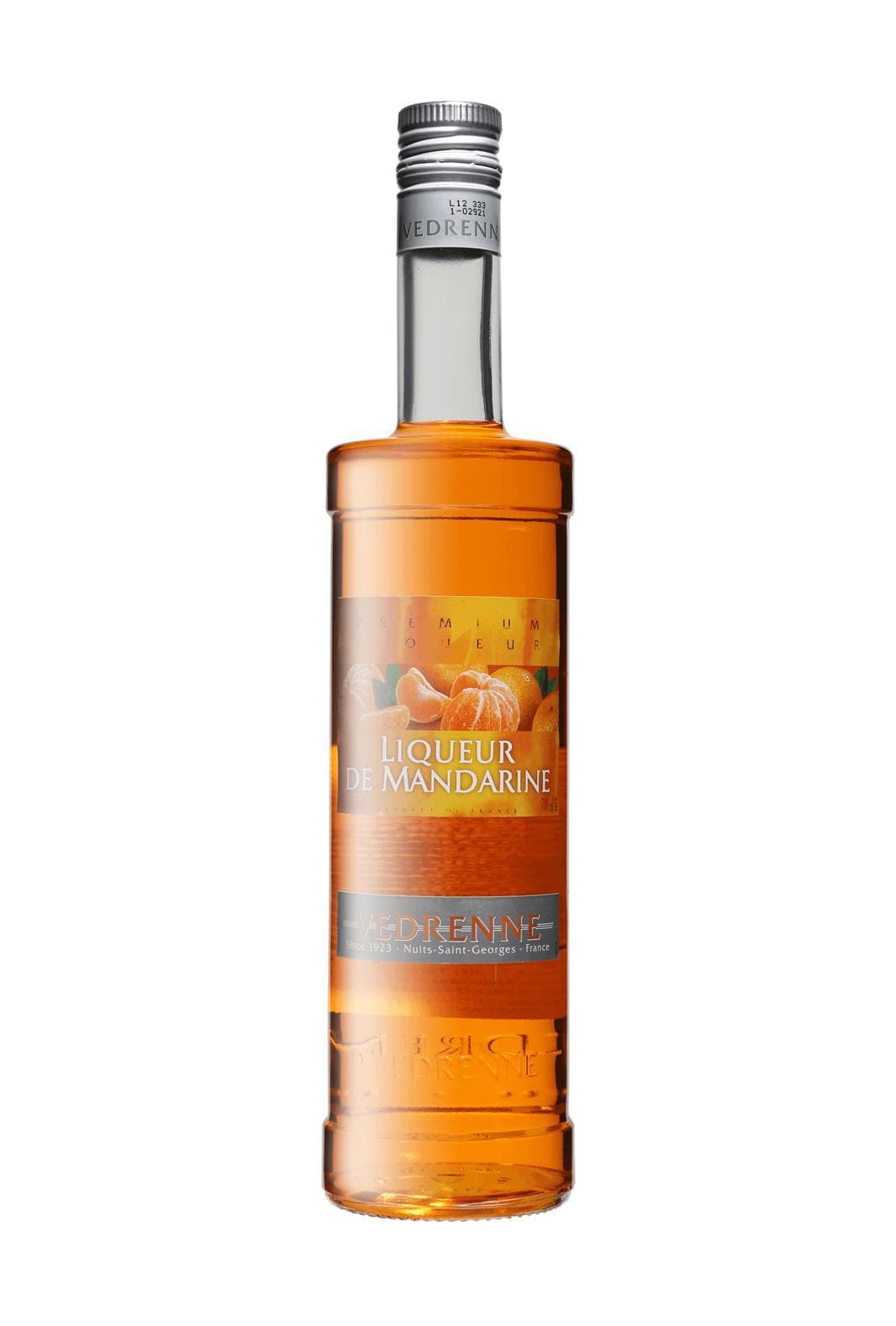
Vedrenne Liqueur de Mandarine (Tangerine) 25% 700ml
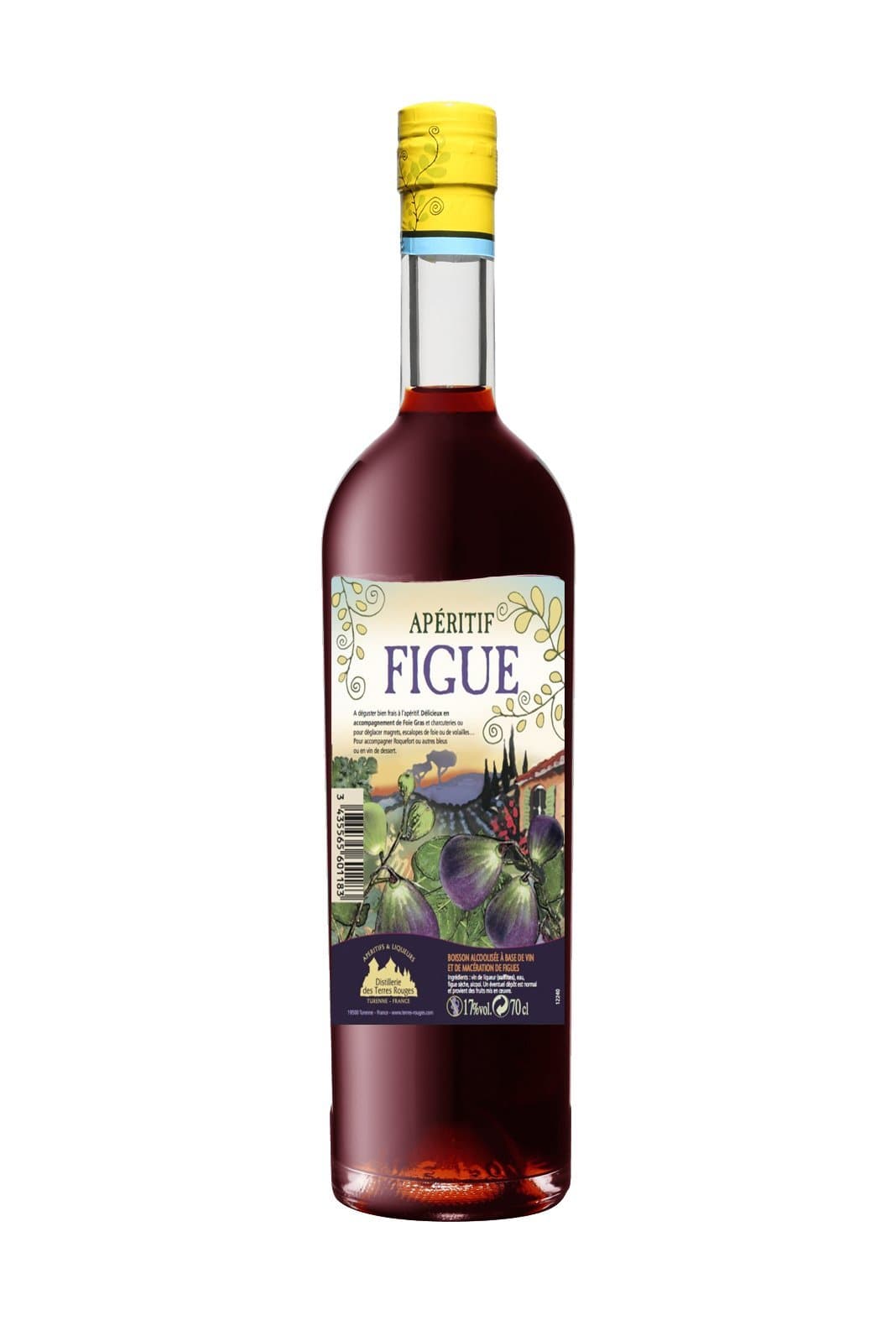
Vedrenne-Terres Rouge Aperitif Figue (Fig) 17% 700ml
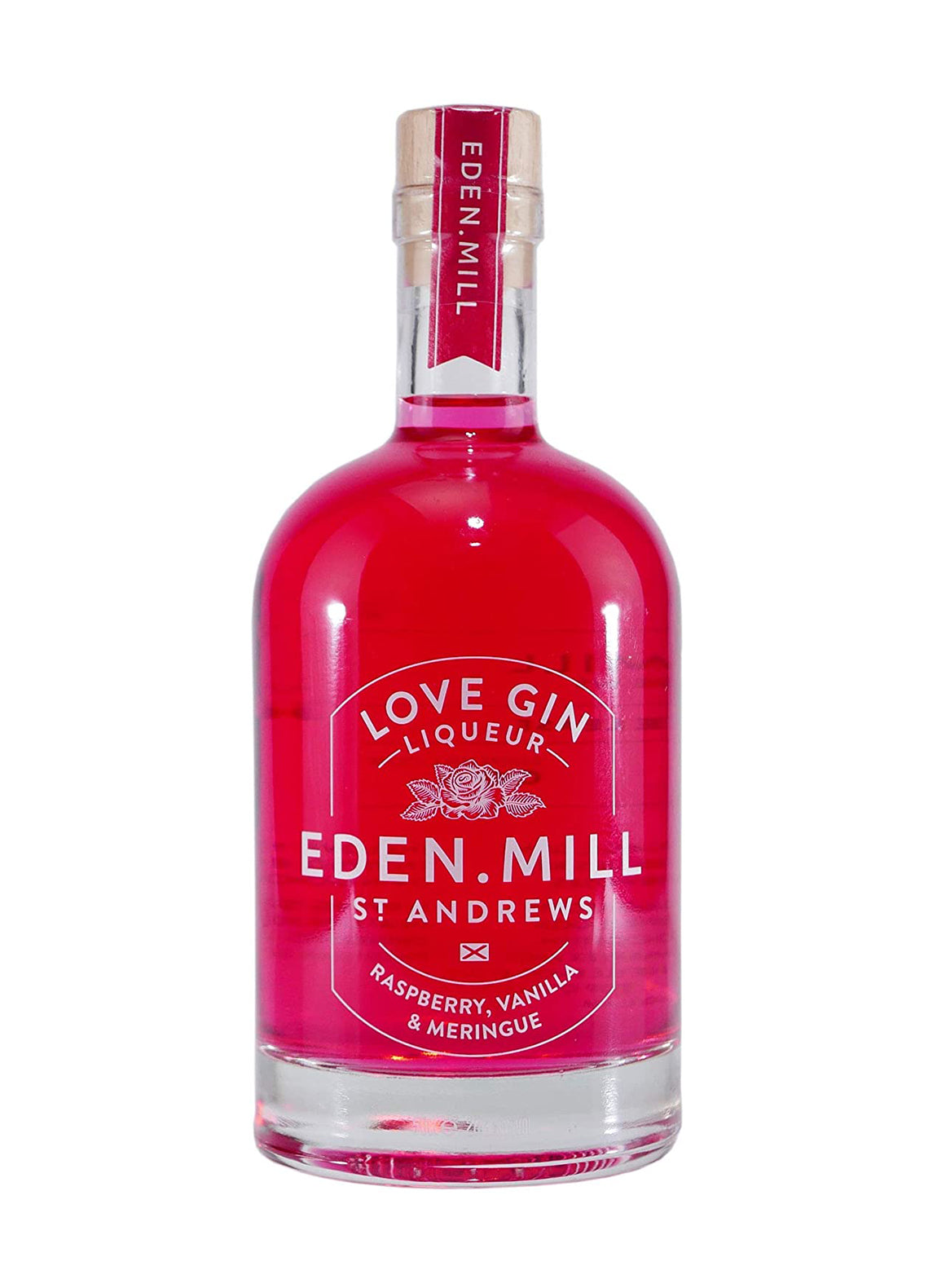
Eden Mill Love Liqueur 20% 500
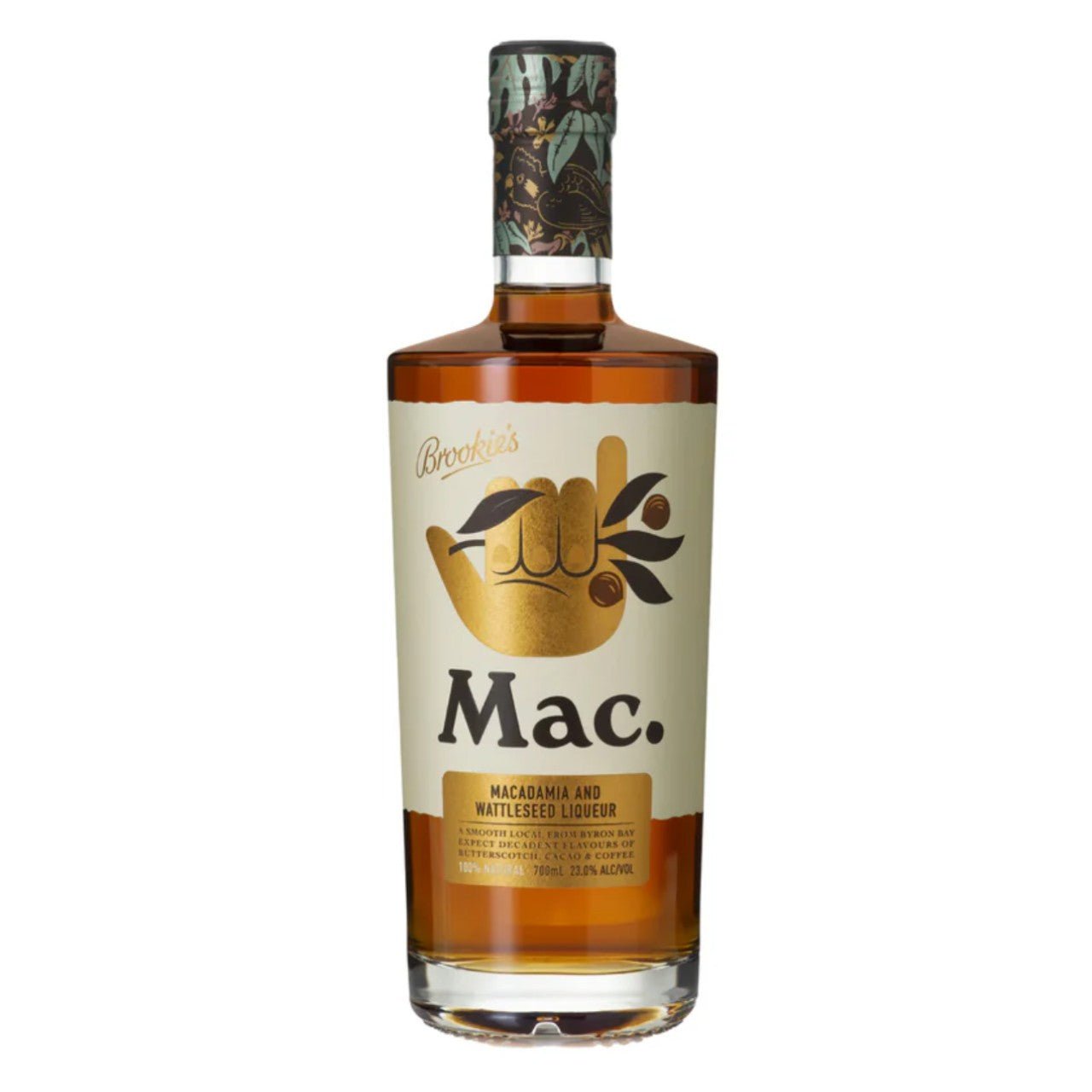
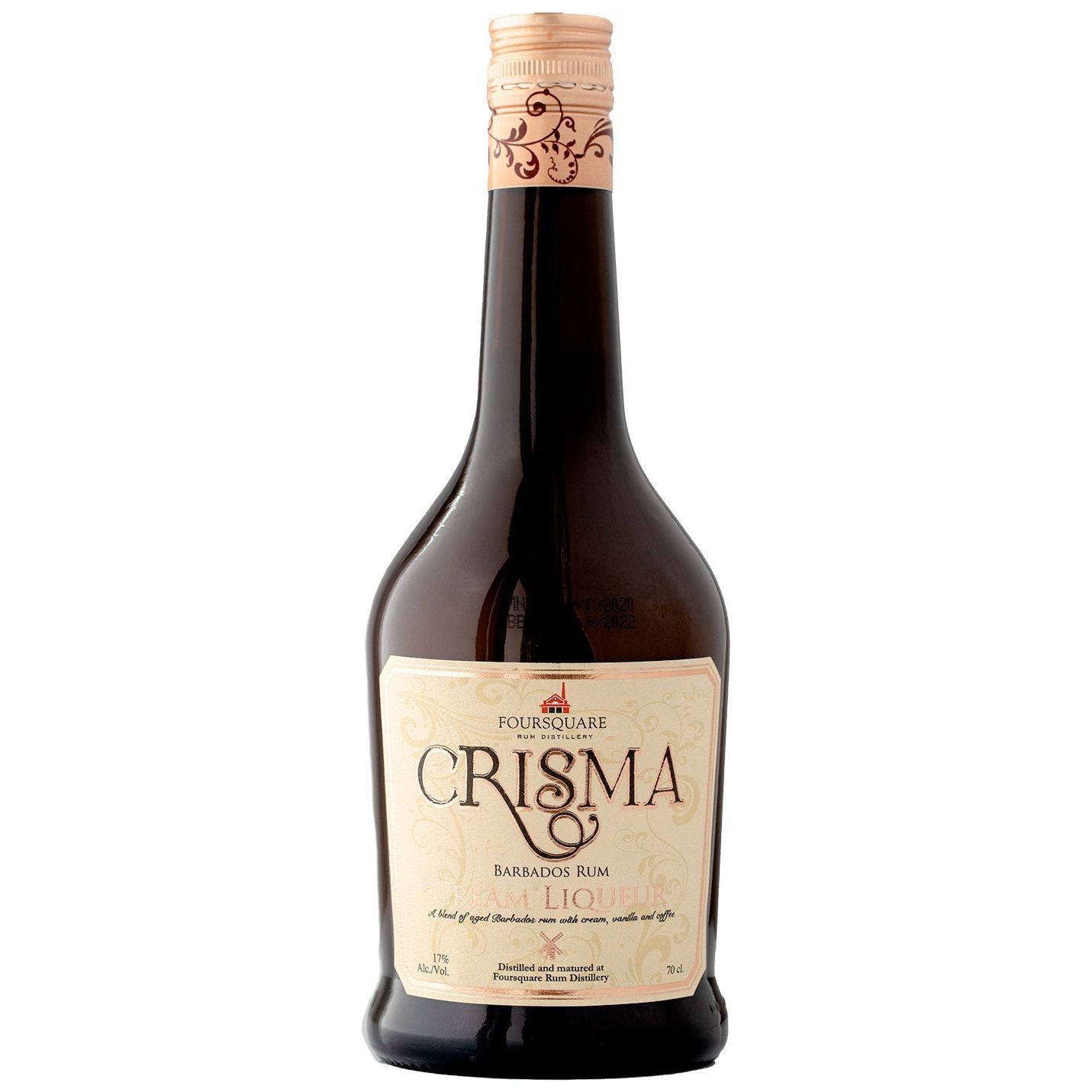
Foursquare Crisma Rum Cream Liqueur
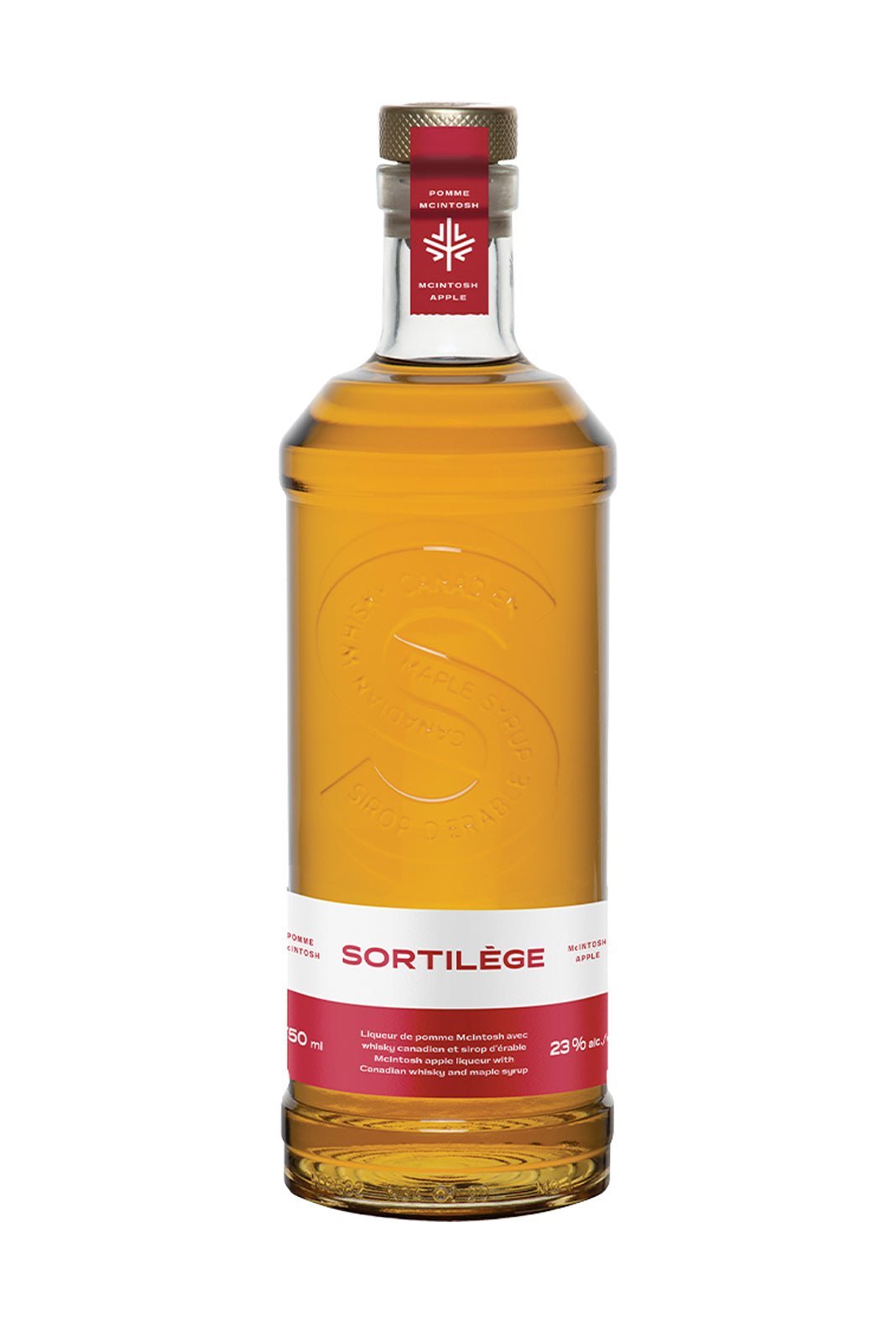
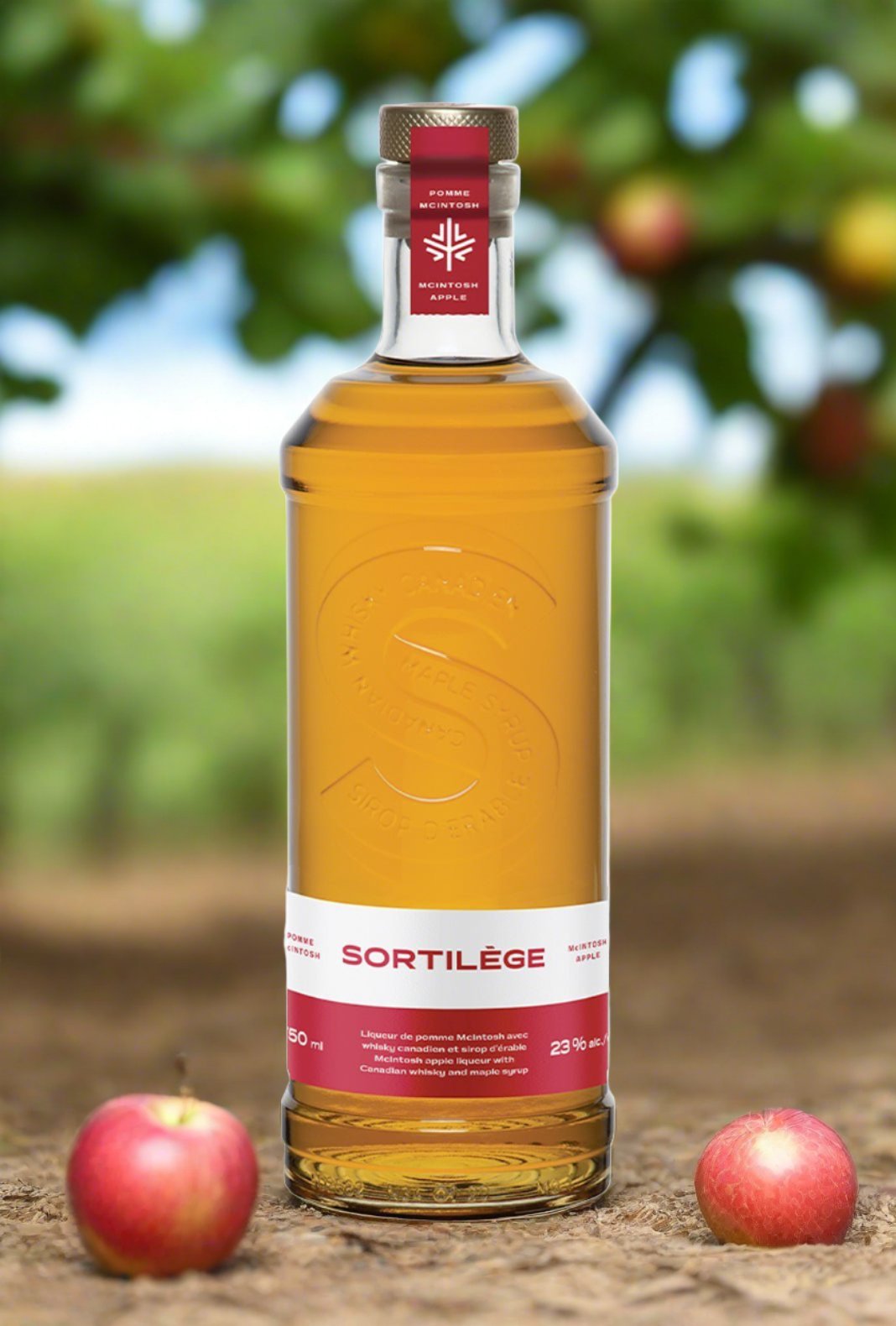
Sortilege Apple Whiskey Liqueur 23% 750ml
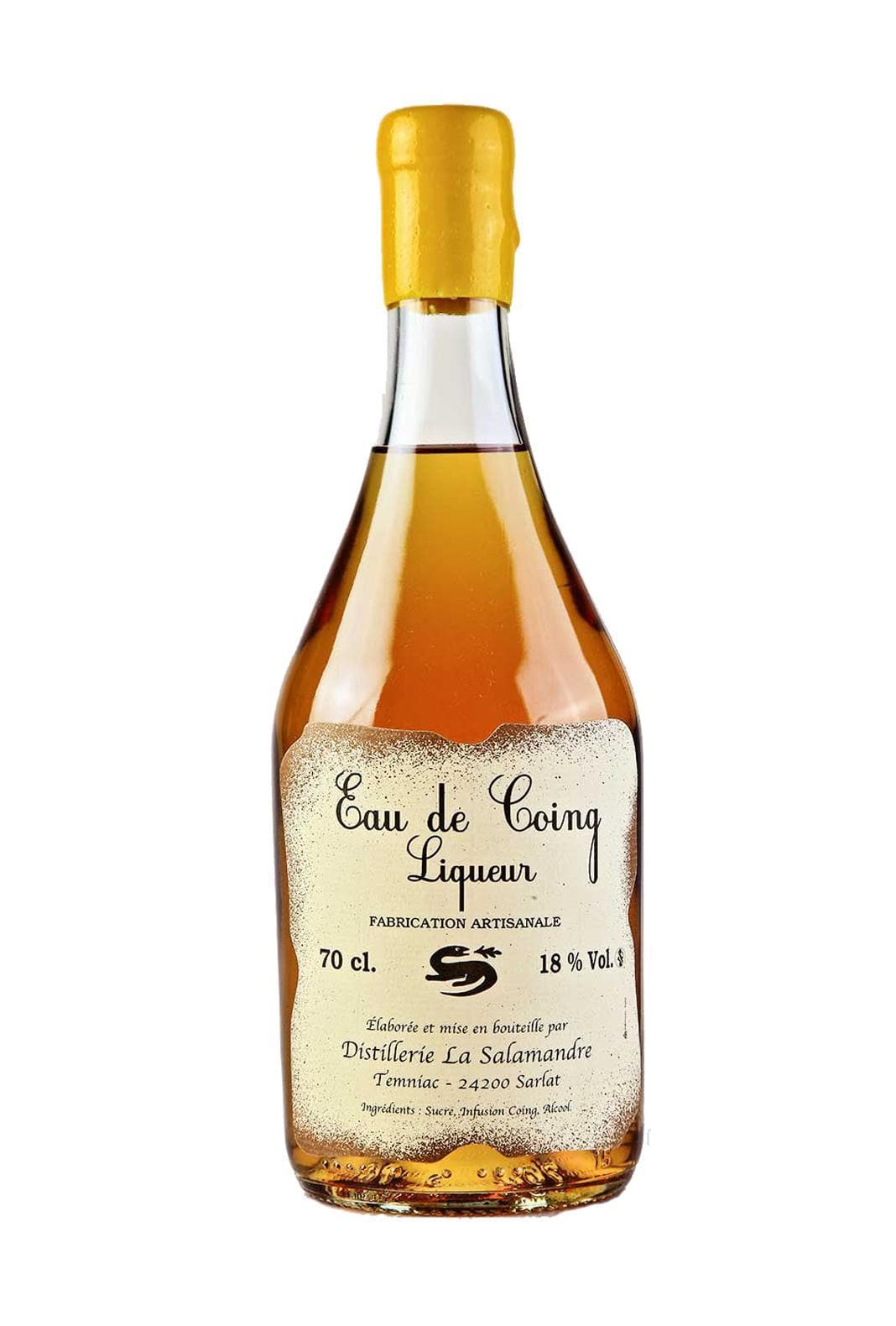
Salamandre Liqueur Eau de Coing (Quince) 18% 700ml
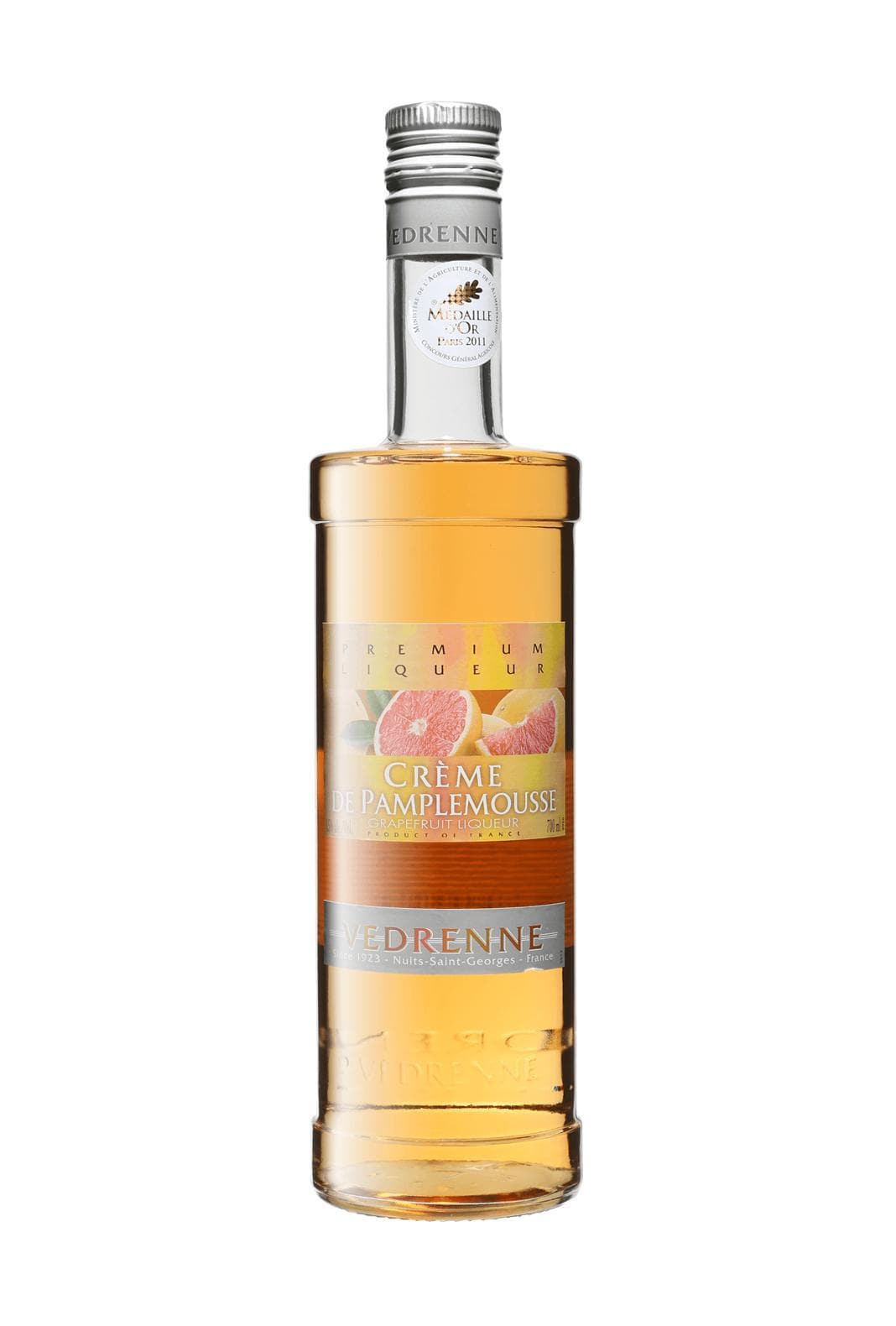
Vedrenne Liqueur Creme de Pamplemousse Rose (Pink Grapefruit) 15% 700ml
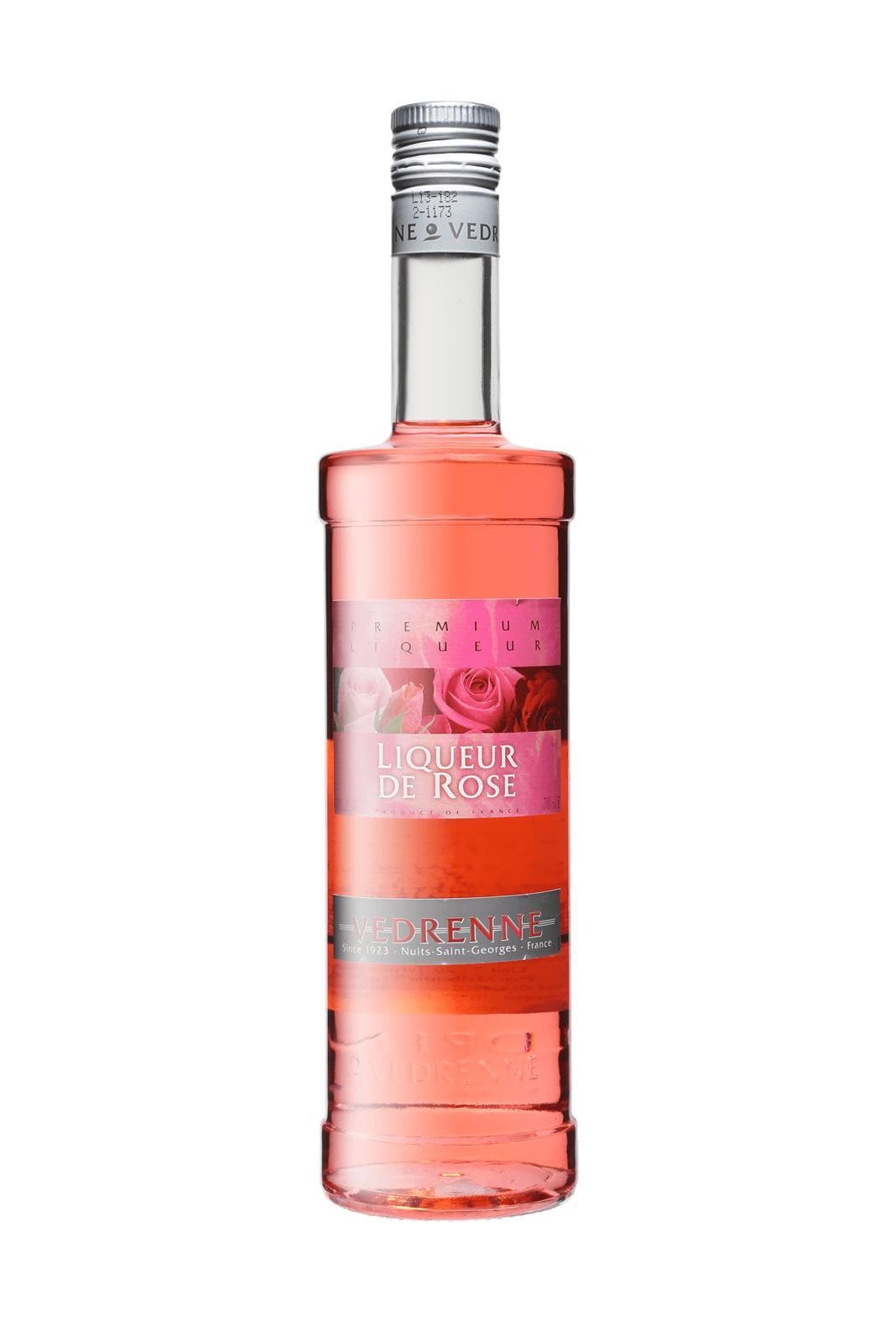
Vedrenne Liqueur de Rose 18% 700ml
About Liqueurs
The French houses carry the backbone. Vedrenne and Gabriel Boudier from Dijon, Massenez from Alsace and Briottet cover the cremes: cassis, mure, violette, pamplemousse rose, poire William, and a long list beyond. If you are building a home bar, this is where to start, and the dedicated Fruit Liqueurs page goes through them in detail.
Tempus Fugit sits alongside them and matters for a specific reason: their creme de menthe, creme de cacao and creme de banane are made to nineteenth century recipes rather than modern ones, and they turn a number of classic cocktails back into the drinks they were supposed to be.
The Italian side runs through Luxardo Maraschino, Limonio, Cello and Distilleria Negroni's limoncello. Suze covers French gentian. Tuaca covers Italian vanilla and citrus.
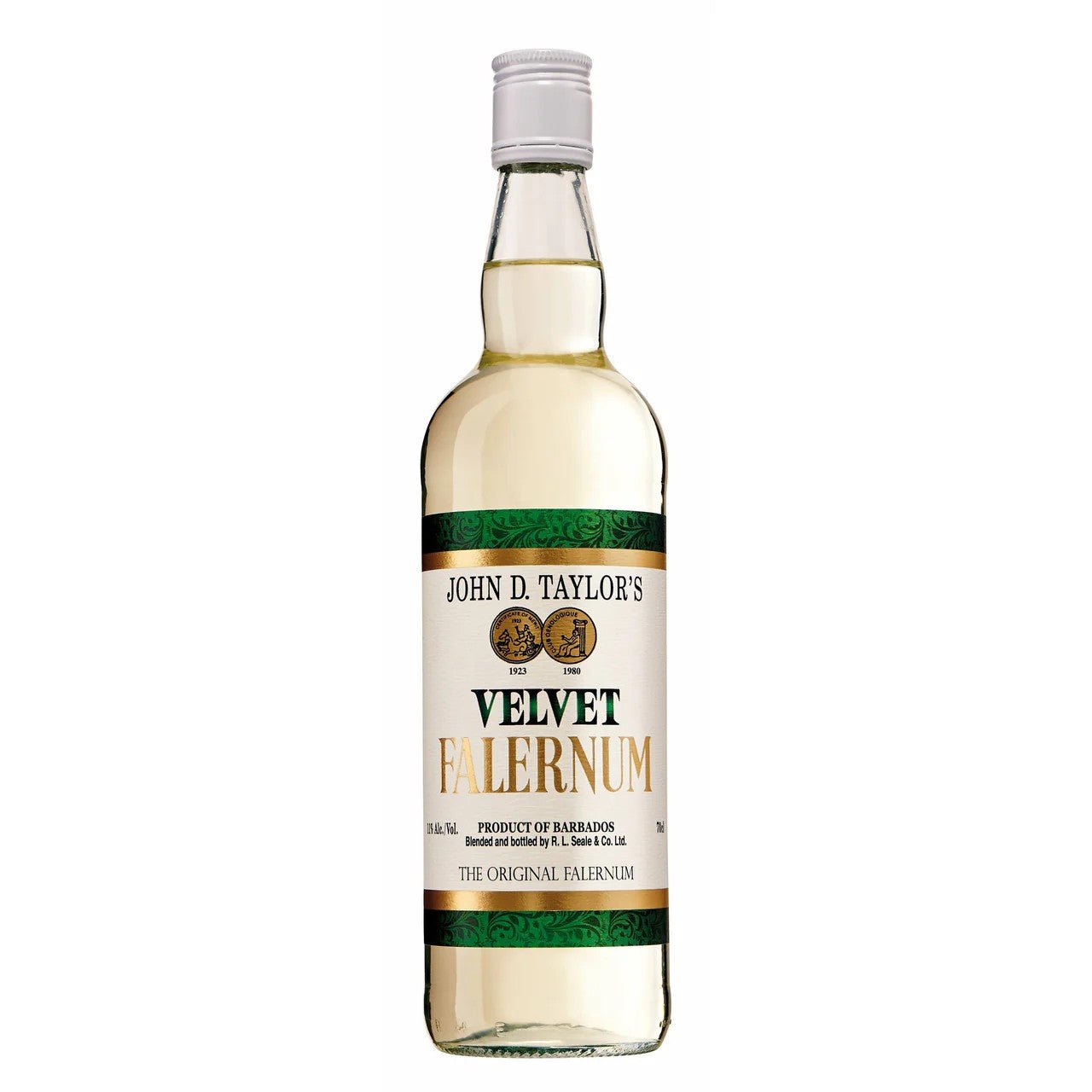
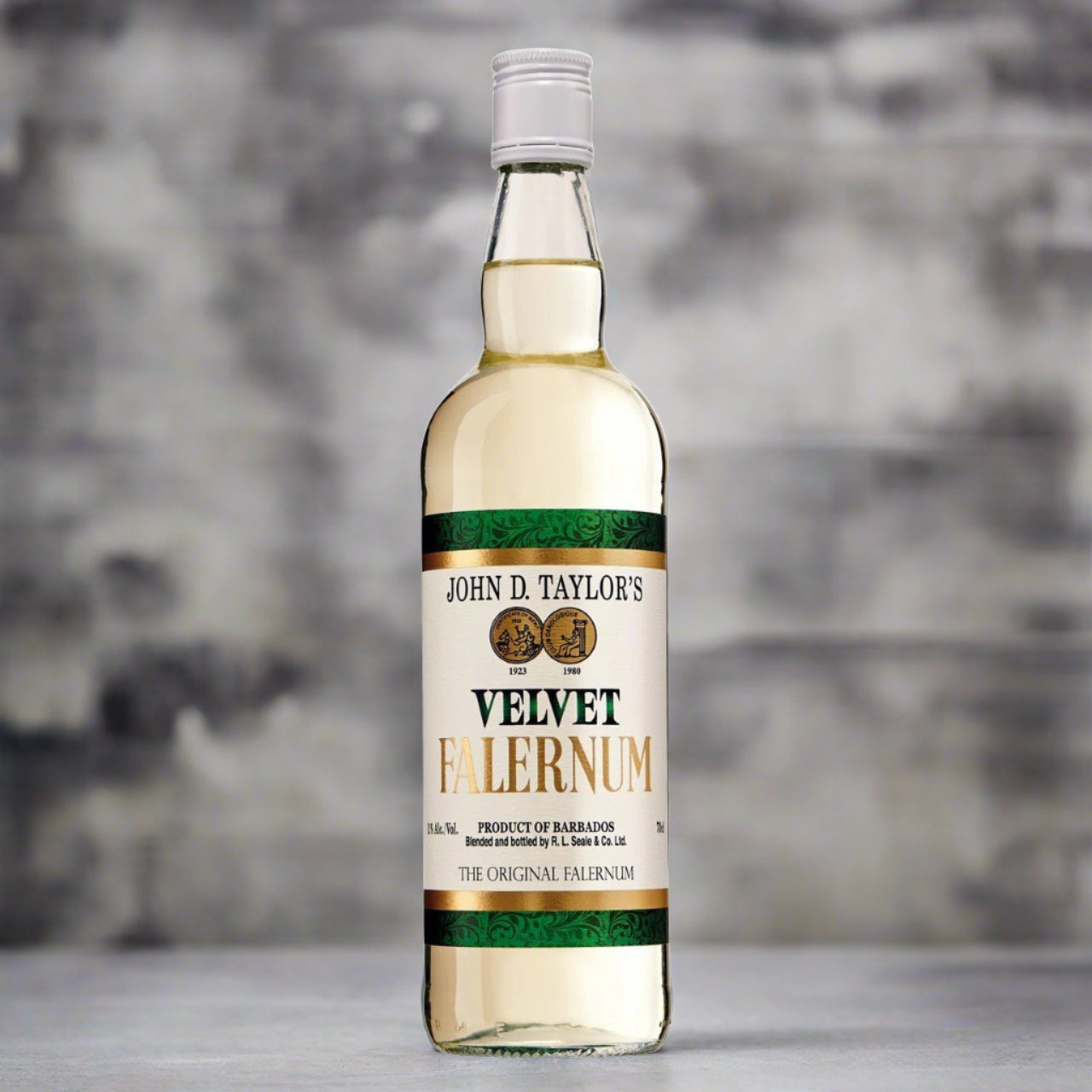
Foursquare's Velvet Falernum is the Barbadian lime, clove and almond liqueur no tiki bar can work without.
Cream liqueurs come mostly from El Dorado, in Demerara rum, butter pecan and espresso versions, with Sortilege's Canadian maple alongside.
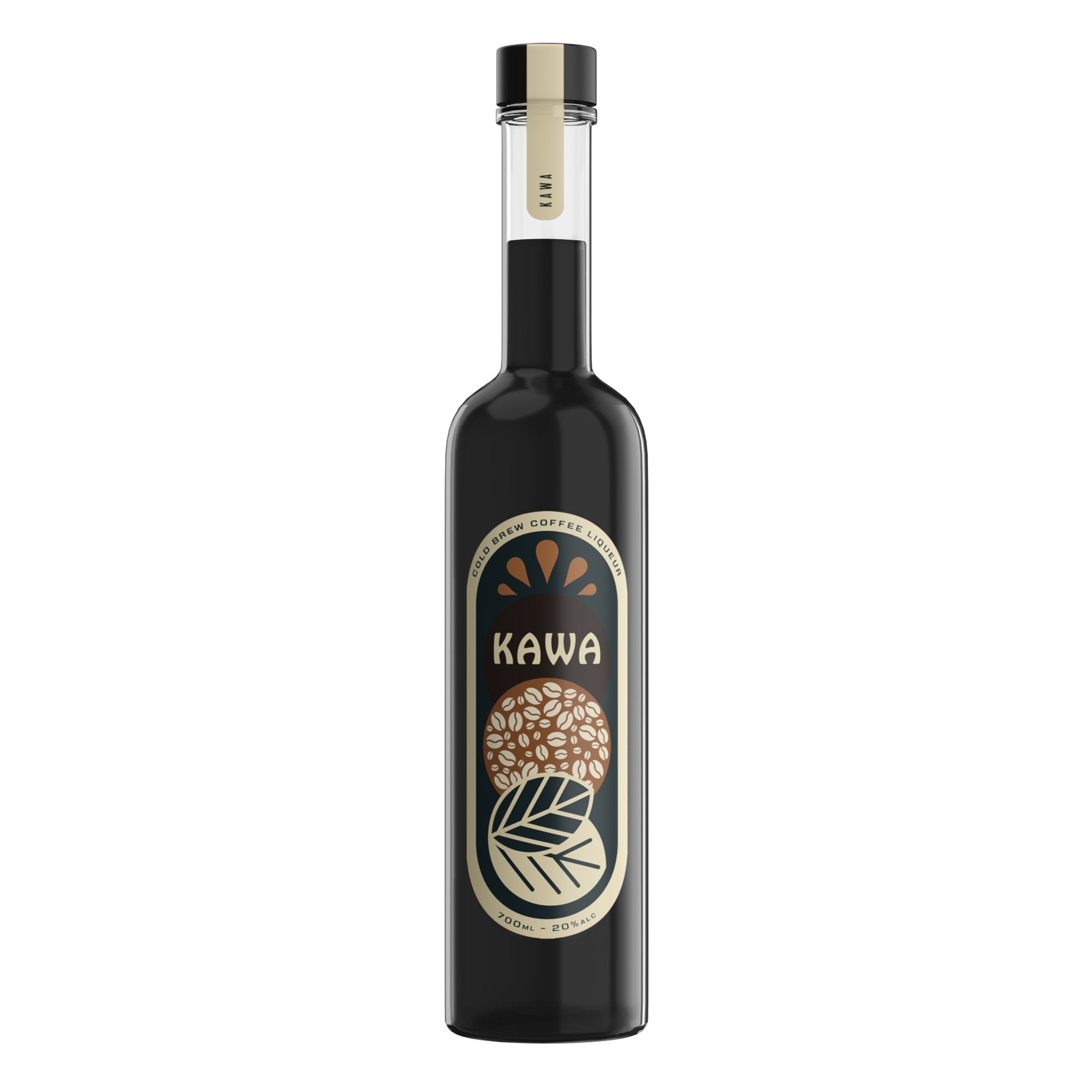
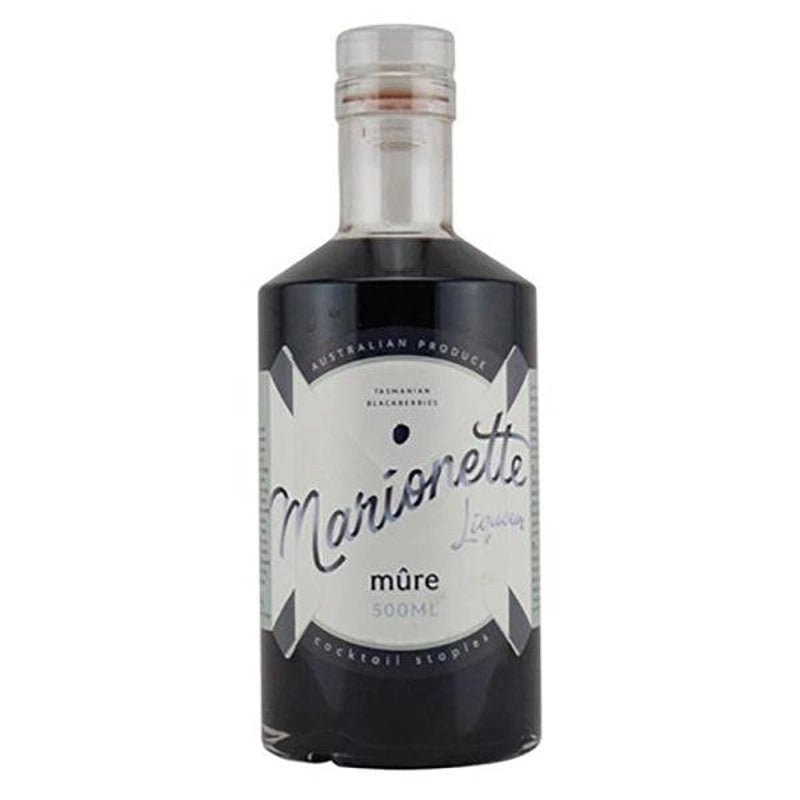
Australian makers are well represented: Marionette, Brookies, Chinola, Hartshorn and Kawa.
Two of these are worth reading up on before you buy. Our limoncello guide covers how it is made and how to serve it, and our falernum guide explains why the liqueur and the syrup are not the same thing.
History
Liqueur is older than most spirits categories and started as medicine. Monastic houses and apothecaries across medieval Europe infused herbs, roots, spices and fruit in alcohol, sweetened the result to make it drinkable, and prescribed it. Chartreuse and Benedictine both descend directly from that tradition.
The commercial category emerged when sugar became cheap and reliable in the eighteenth and nineteenth centuries. France developed the creme style, defined by a legal minimum sugar content rather than any dairy, which is why creme de cassis is thick and intense but contains no cream at all.
Italy went a different way, building on citrus peel, almond and herbs. Limoncello is a southern Italian domestic tradition that only became a commercial product in the twentieth century.
The cocktail boom of the late nineteenth century made liqueurs structural rather than decorative. Maraschino, curacao, falernum and the cremes were not garnishes but load-bearing ingredients, and when many of them were reformulated or discontinued during and after Prohibition, a large part of the classic canon became impossible to make correctly. The recent revival is mostly about putting those bottles back.
How to drink it
Most liqueurs are structural ingredients rather than drinks in themselves, and the quantities are small. A Bramble needs 15ml of creme de mure. A Kir needs a splash of cassis in a glass of dry white. Using more does not make the drink better.
The exceptions worth drinking neat are limoncello, served very cold in a small glass after dinner, and the cream liqueurs, which want one large ice cube.
Storage matters more here than with spirits. Liqueurs are lower in alcohol and higher in sugar, and fruit character fades within months at room temperature. Keep fruit cremes in the fridge once opened. Cream liqueurs must be refrigerated and finished within a few months.
Herbal and bitter liqueurs are far more stable and will hold for a year or more upright and out of light.
If you are starting a home bar, four bottles cover most classic drinks: a creme de cassis, a maraschino, an orange liqueur and a creme de cacao. Add falernum if you make tiki drinks.