
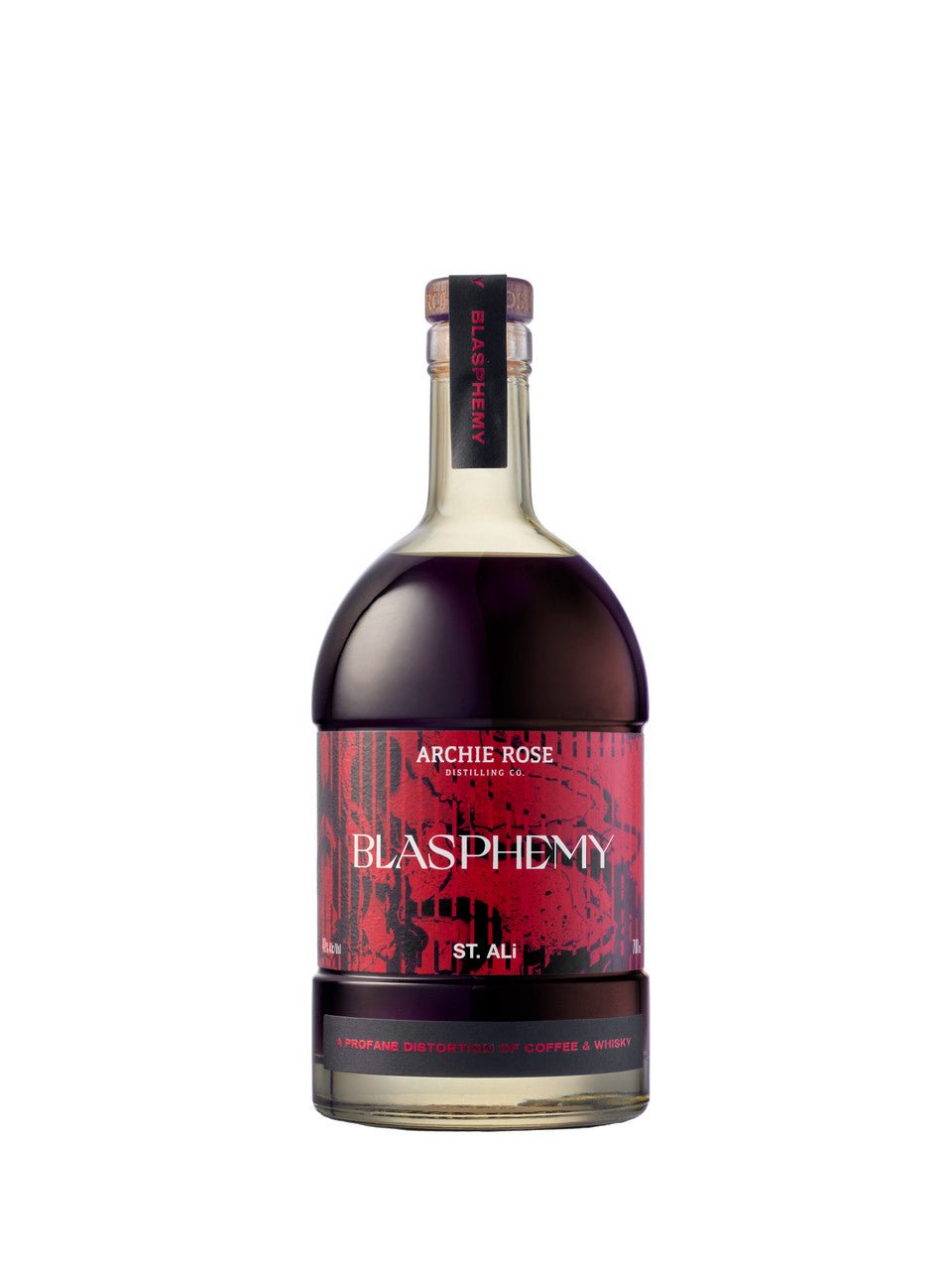
Archie Rose Blasphemy St. Ali Whisky 700ml
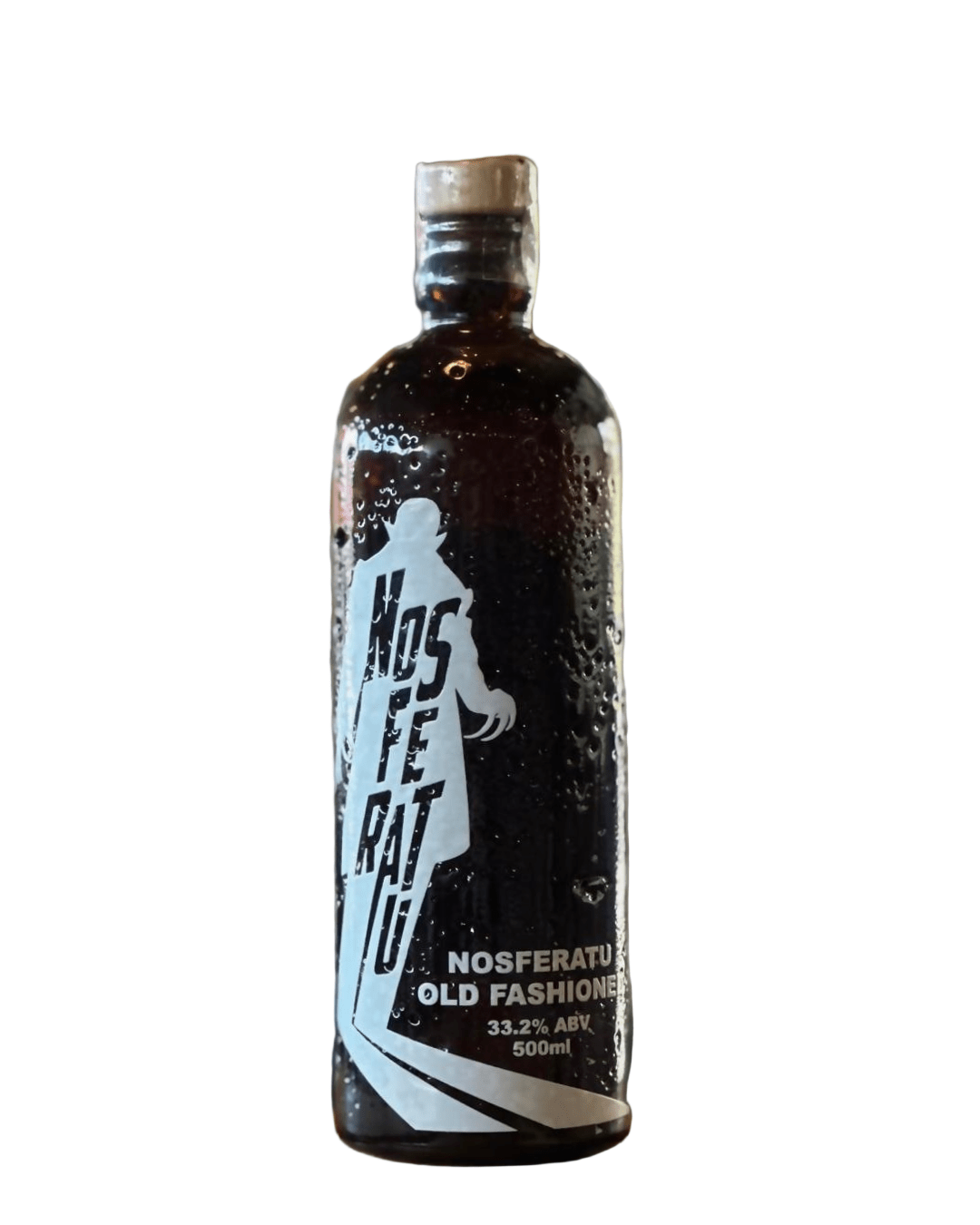
Old Fashioned Bottled Cocktail 500mL
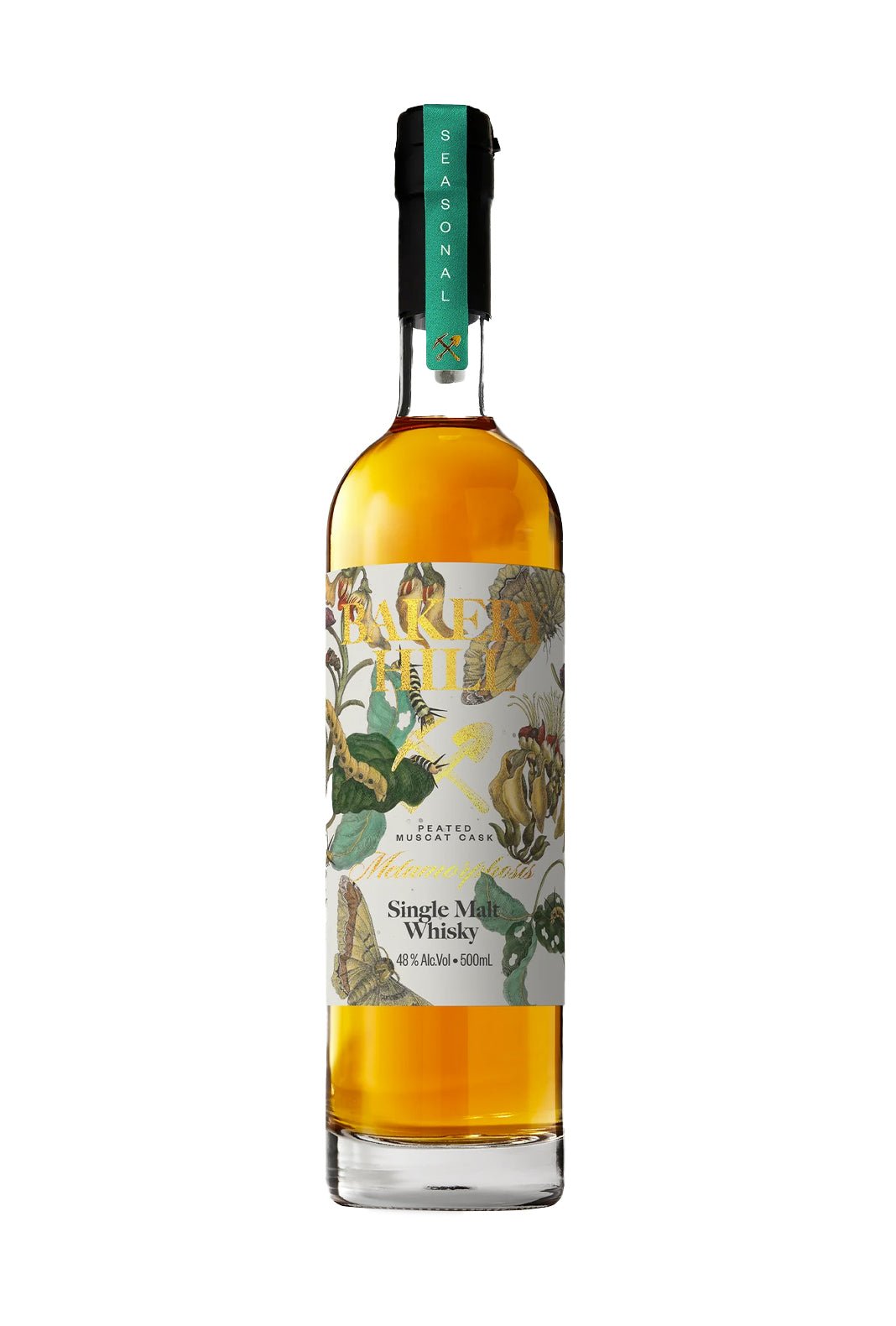
Bakery Hill Blend Whisky 48% 500ml
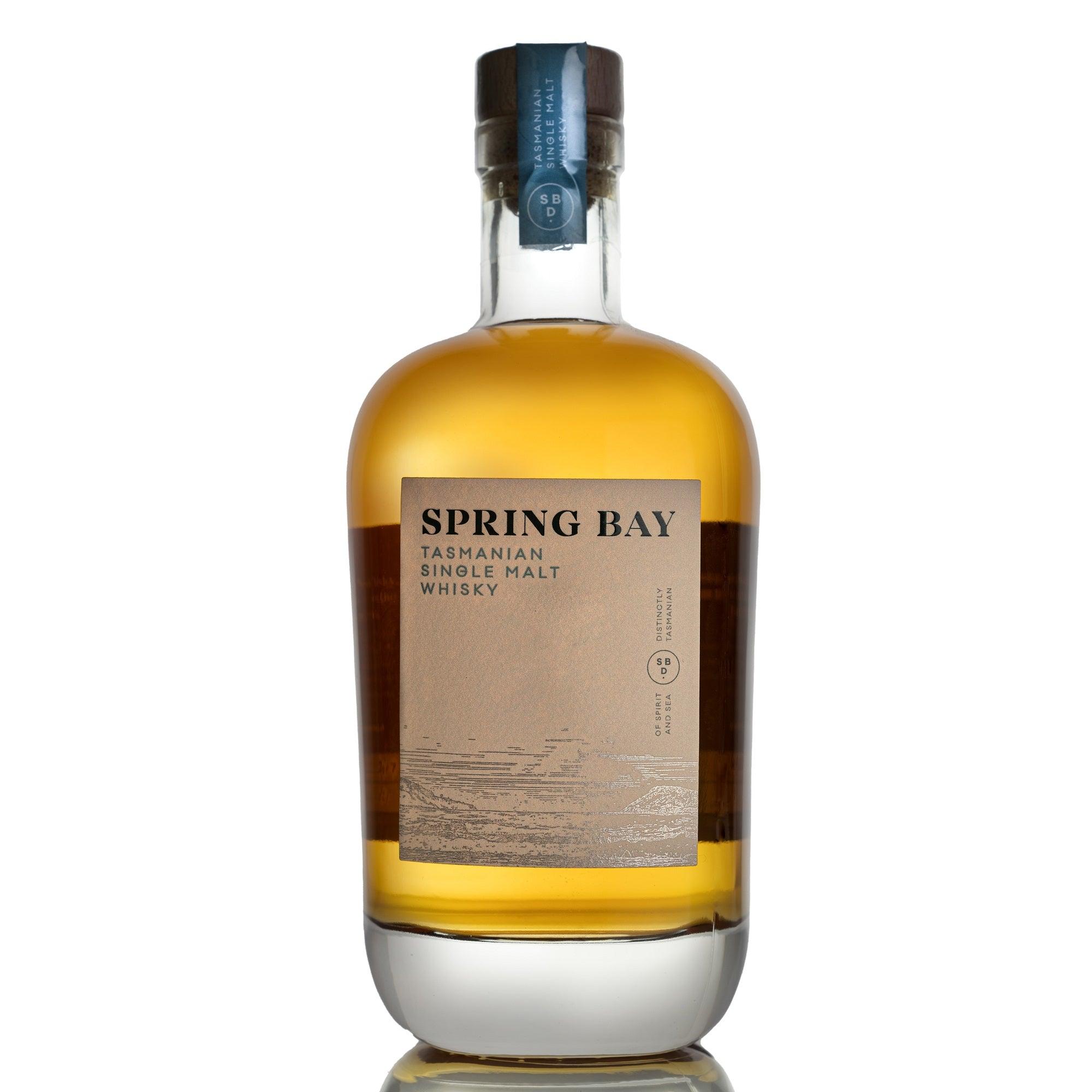
Spring Bay Tasmanian Single Malt Whisky Bourbon 46% 700ML
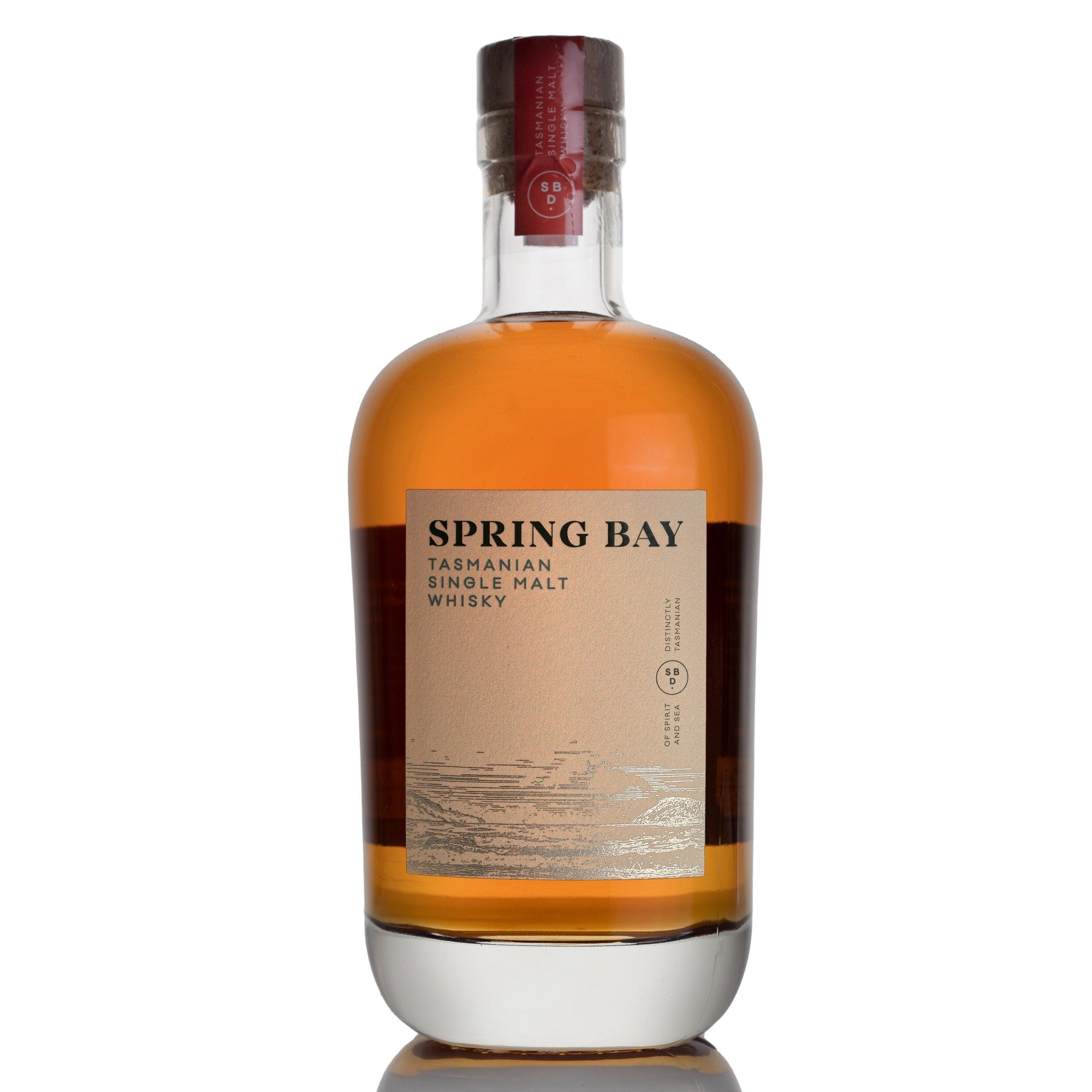
Spring Bay Tasmanian Single Malt Whisky Apera 46% 700ML
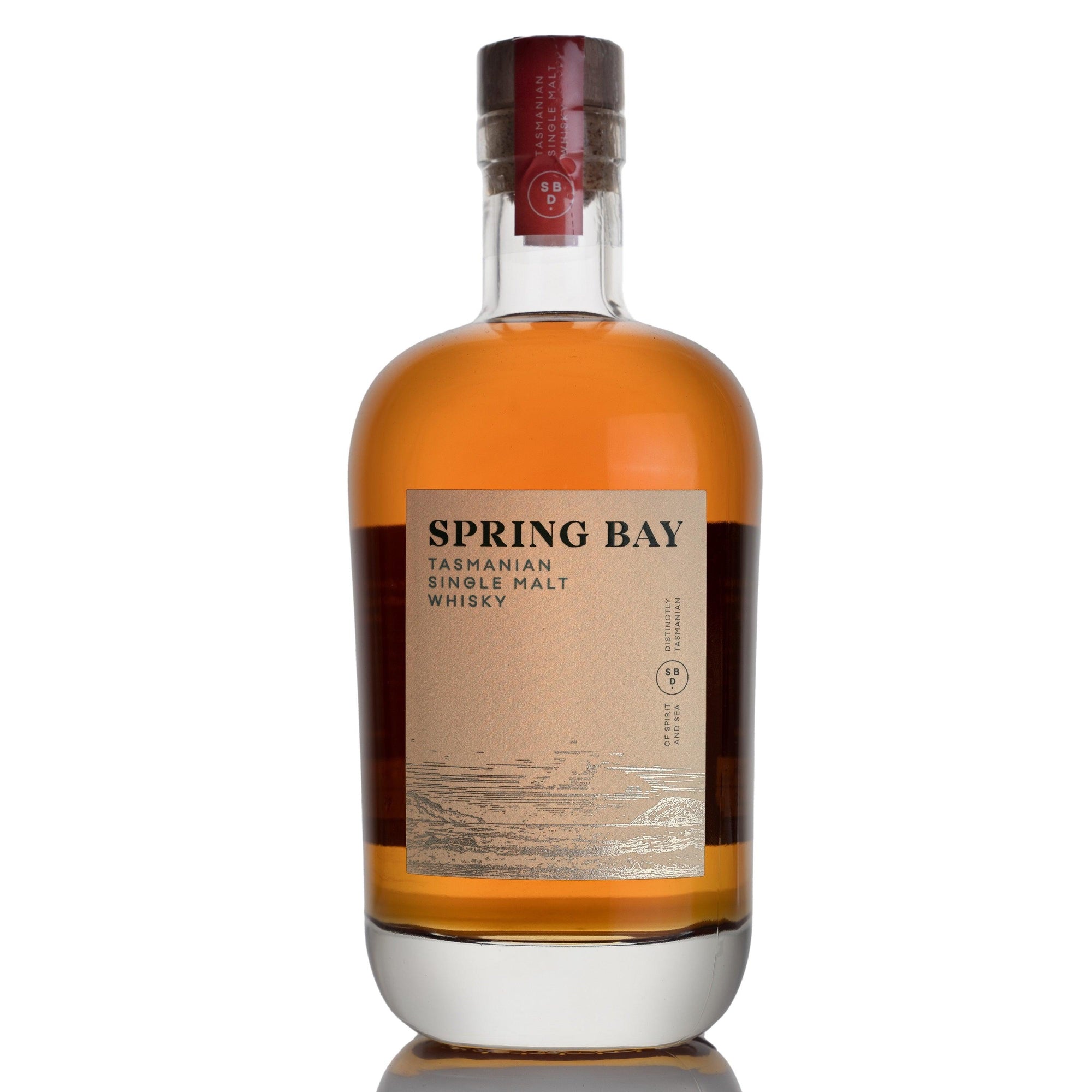
Spring Bay Tasmanian Single Malt Whisky Tawny 46% 700ML
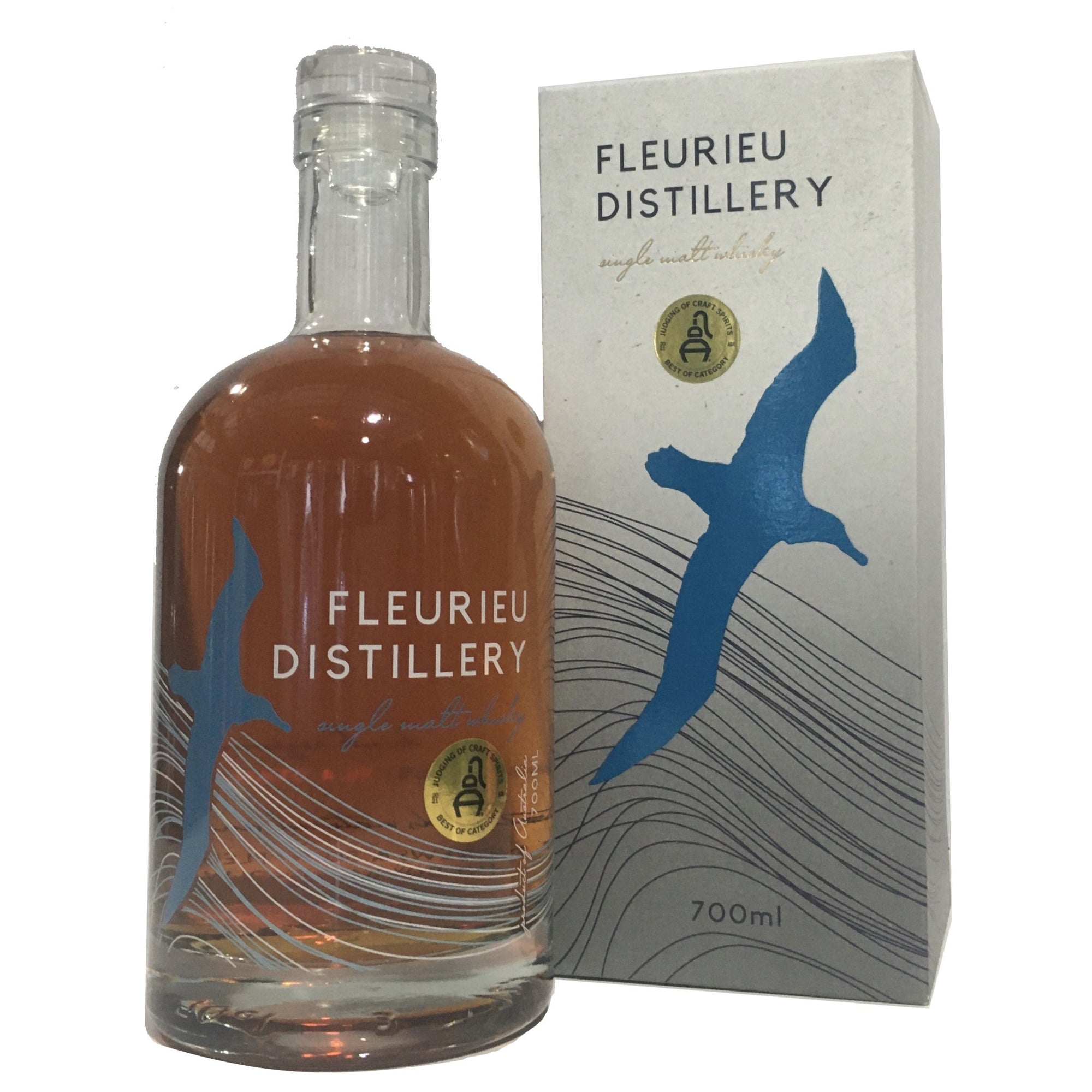
Fleurieu Distillery - Albatross Single Malt Whisky - South Australia 46% 700ML
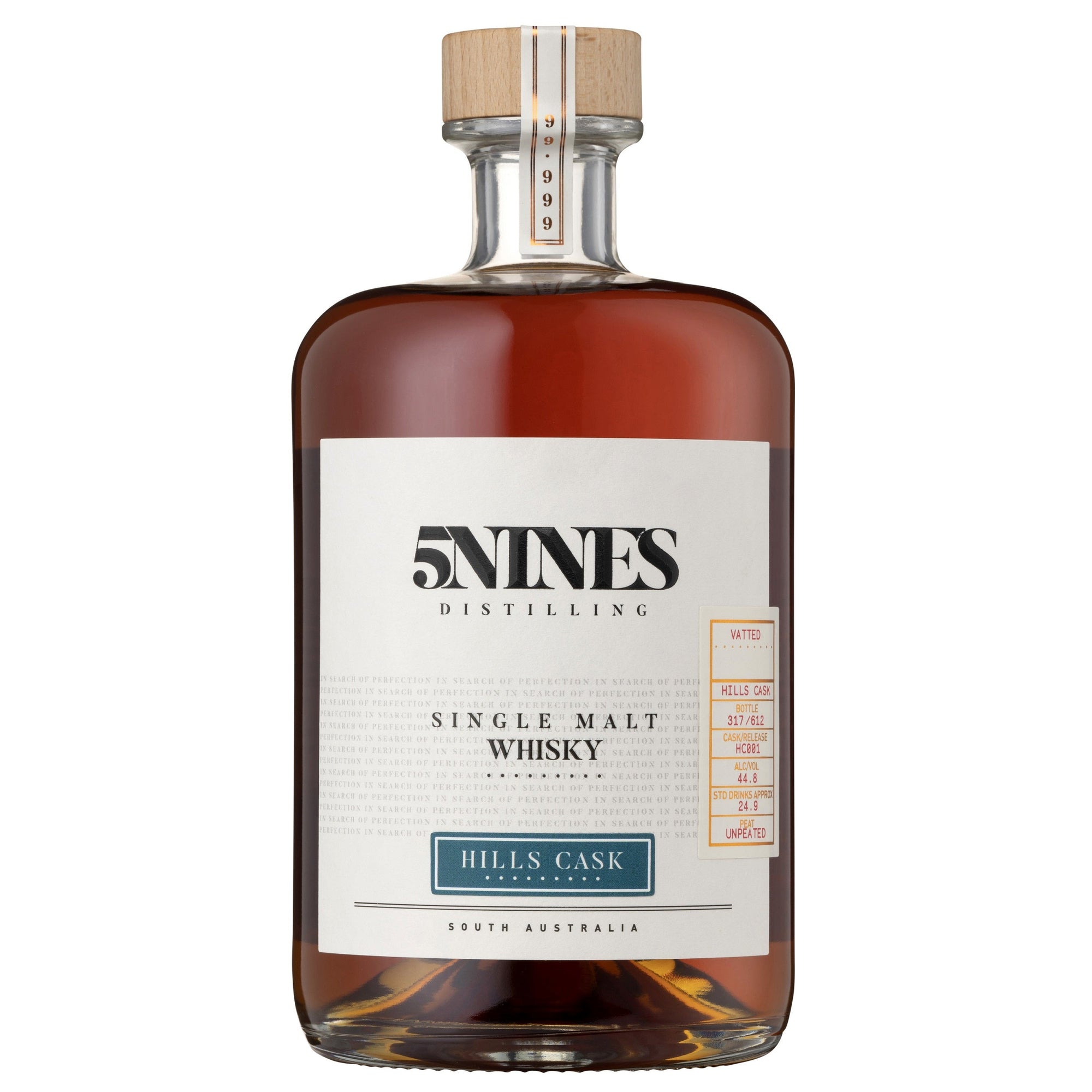
5Nines Distilling - Single Malt Whisky - Vatted - Hills Cask - HC001 45% 700ML
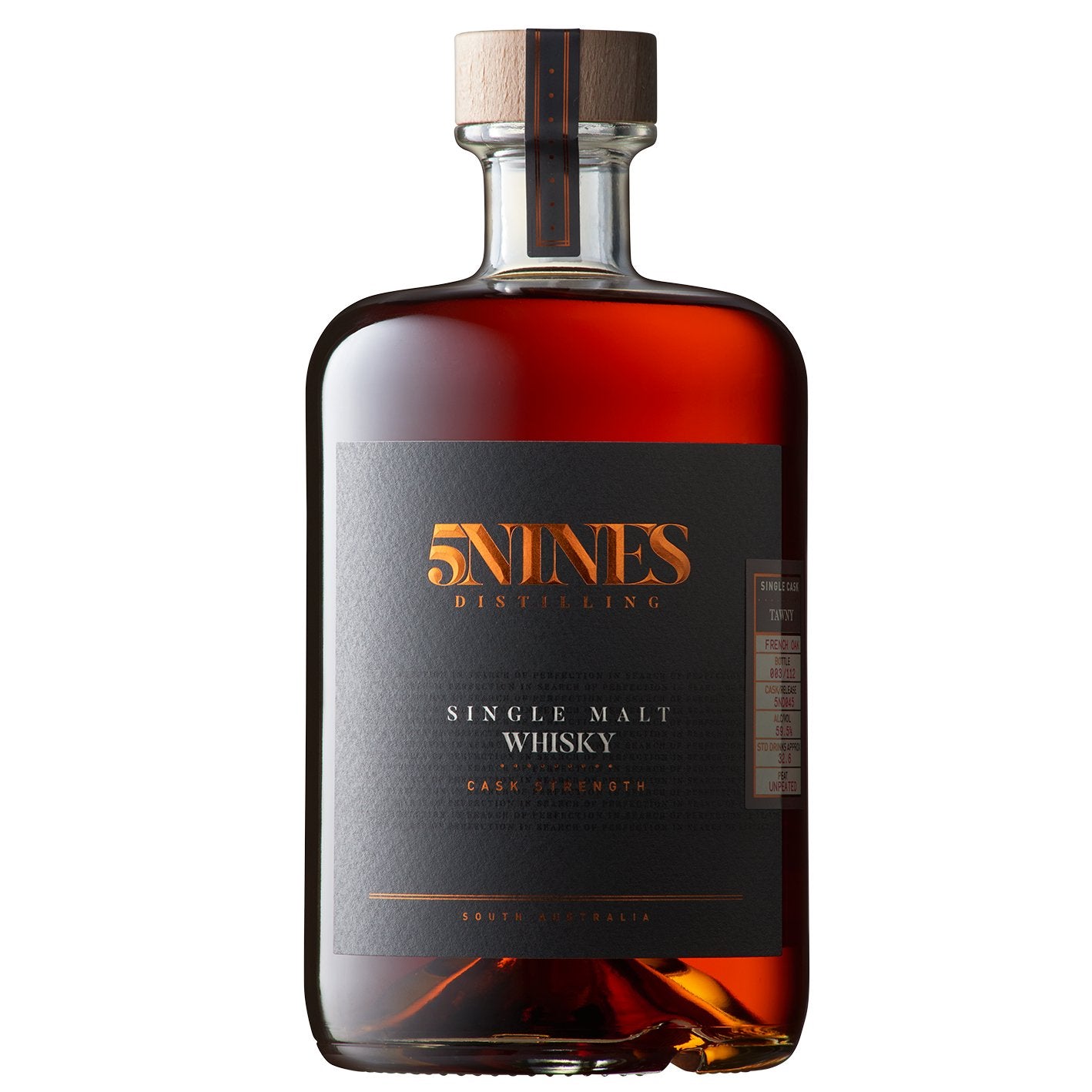
5Nines Distilling - Single Malt Whisky - Single Cask - Altar Wine Cask Strength 5ND237 64% 700ML
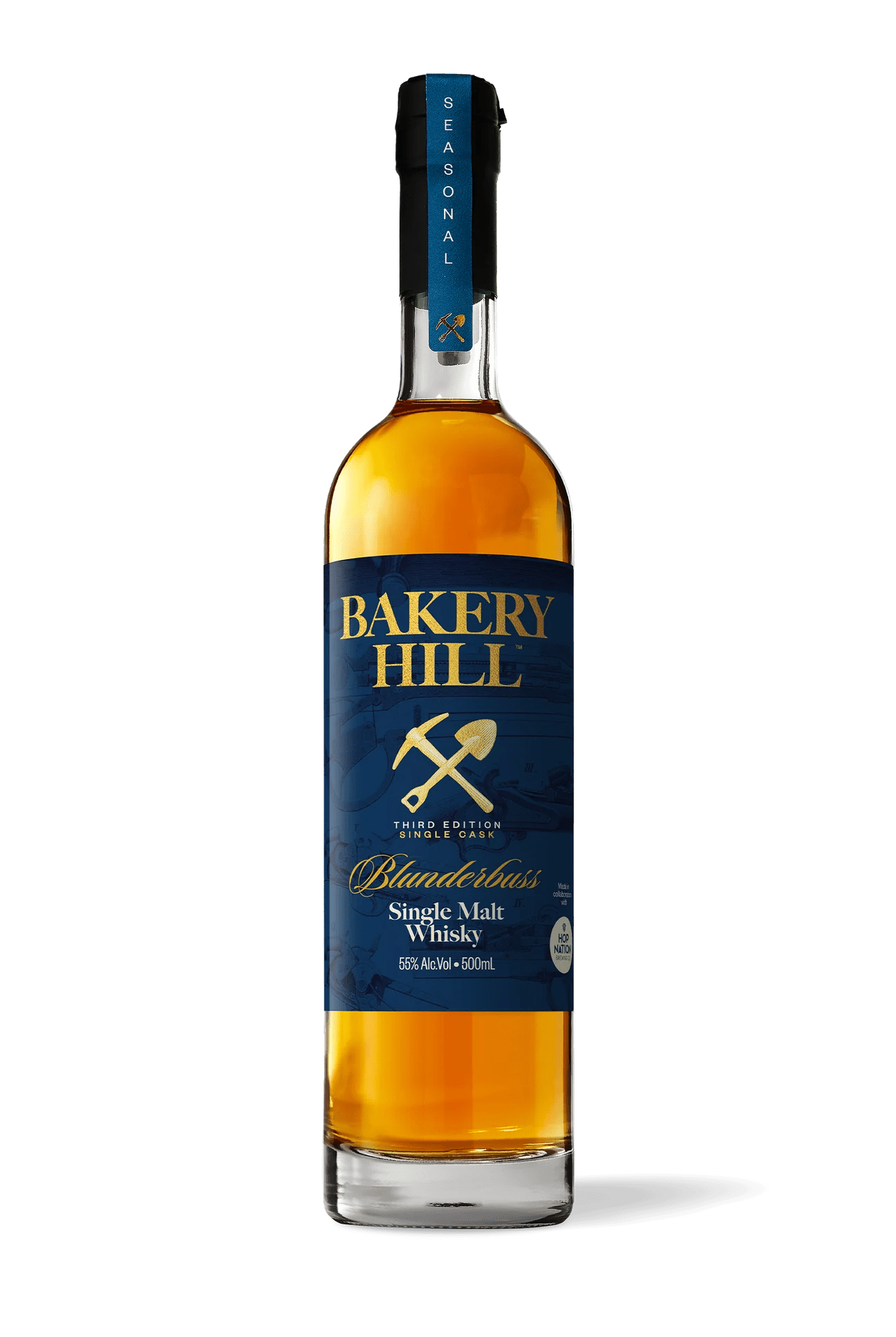
Bakery Hill Blunderbuss Whisky 55% 500ml
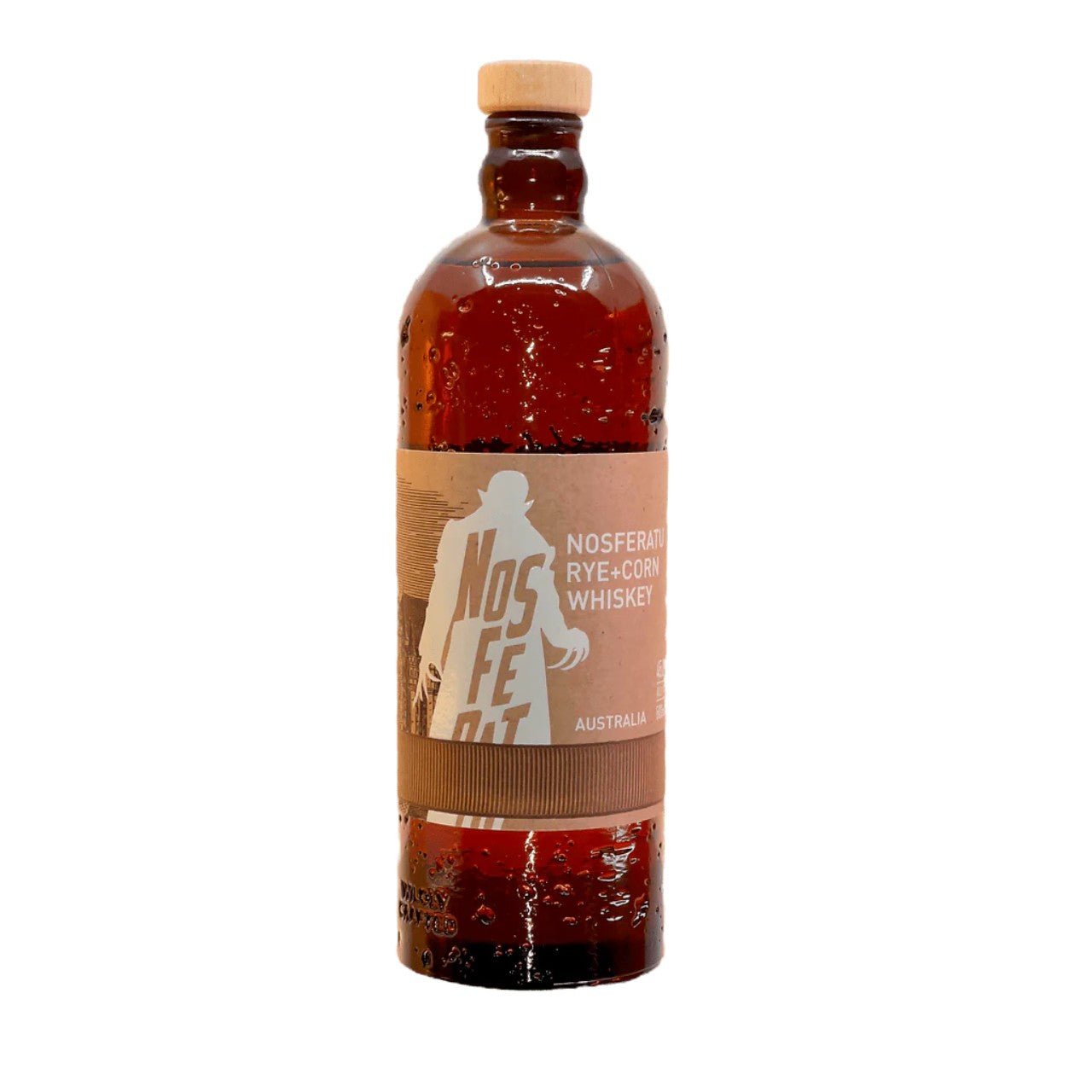
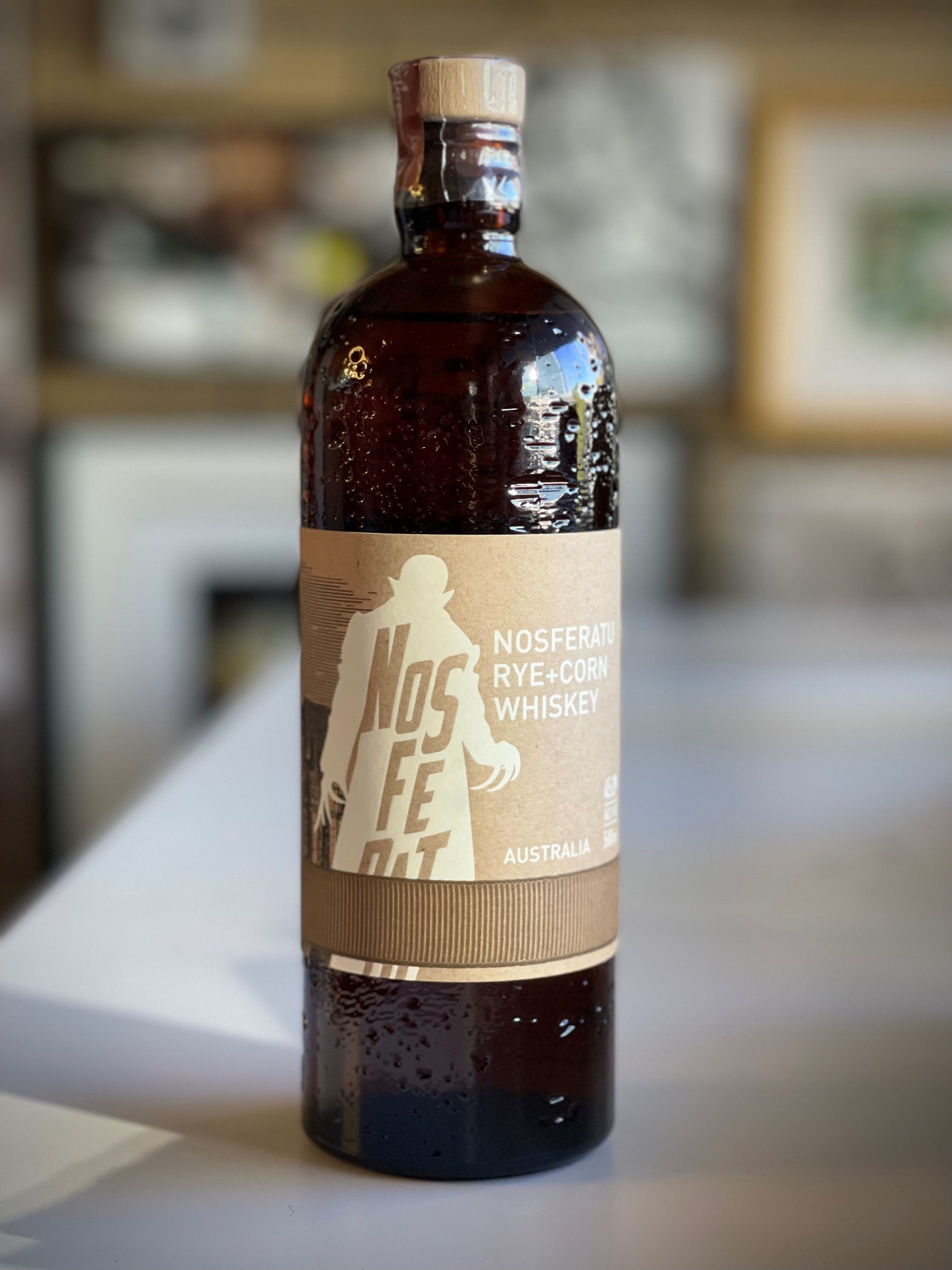
Nosferatu Rye + Corn Whiskey 500ml
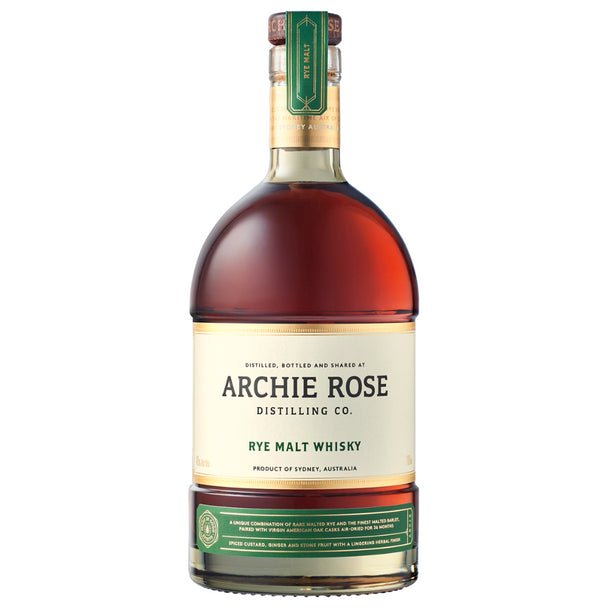
Archie Rose Rye Malt Whisky 700ml
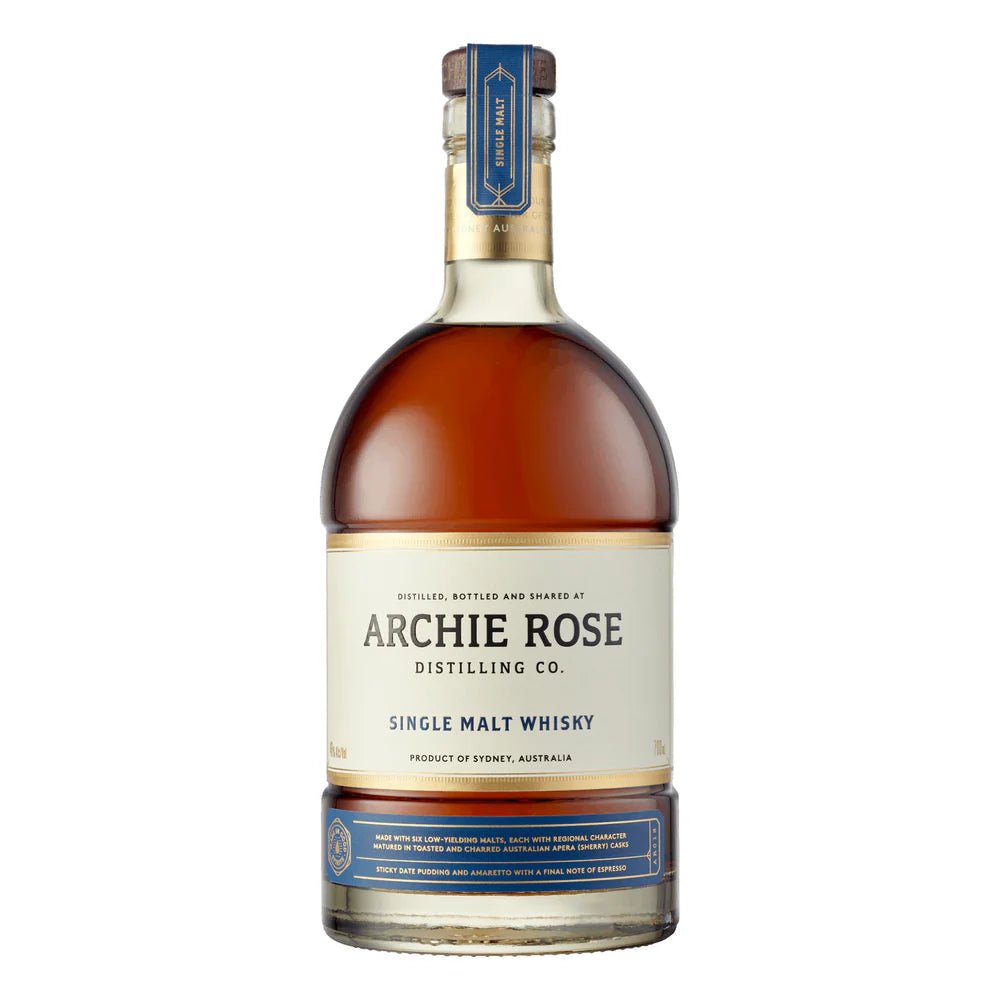
Archie Rose Single Malt Whisky 700ml
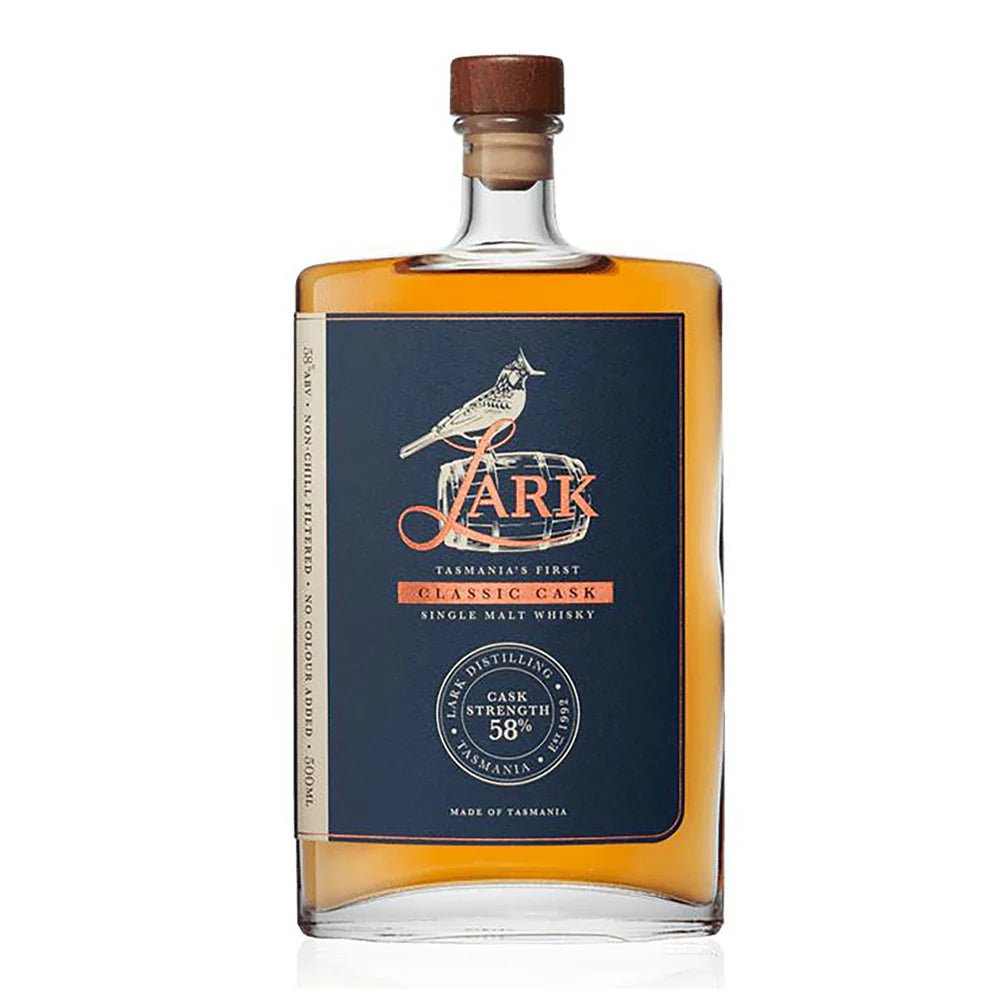
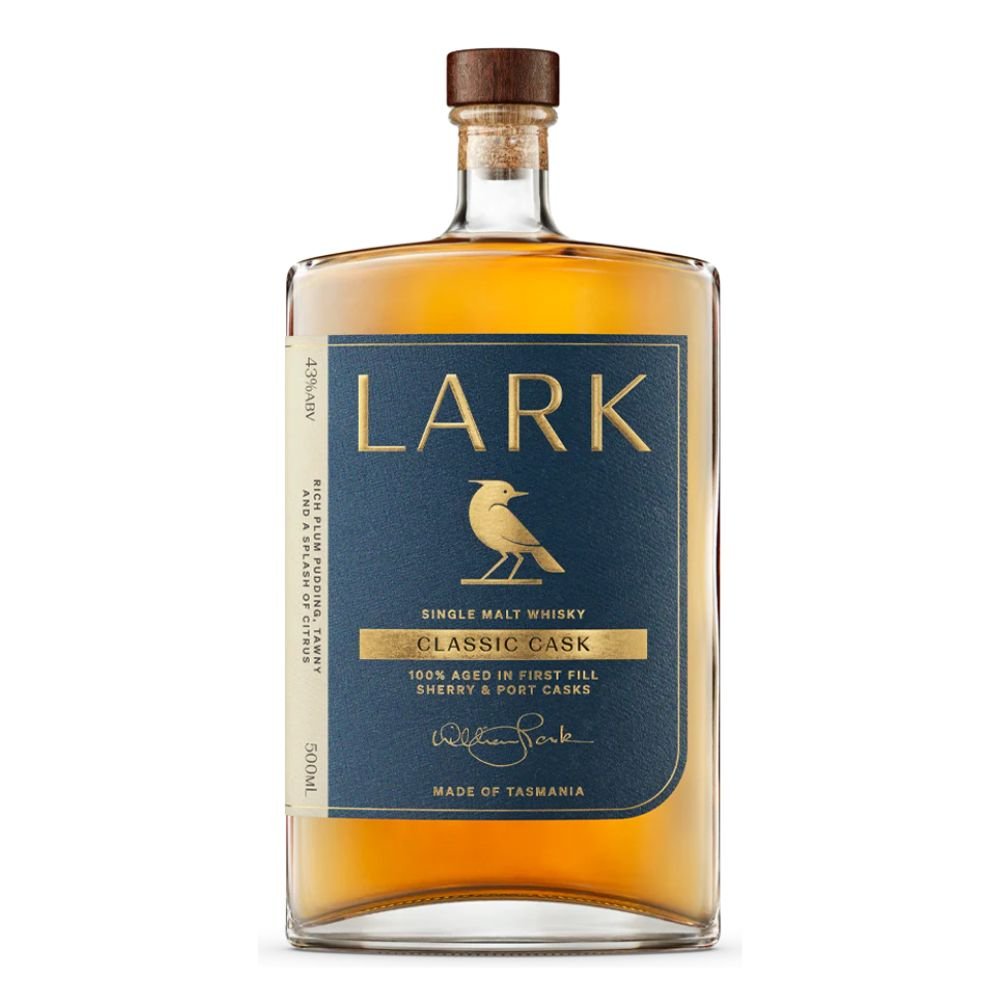
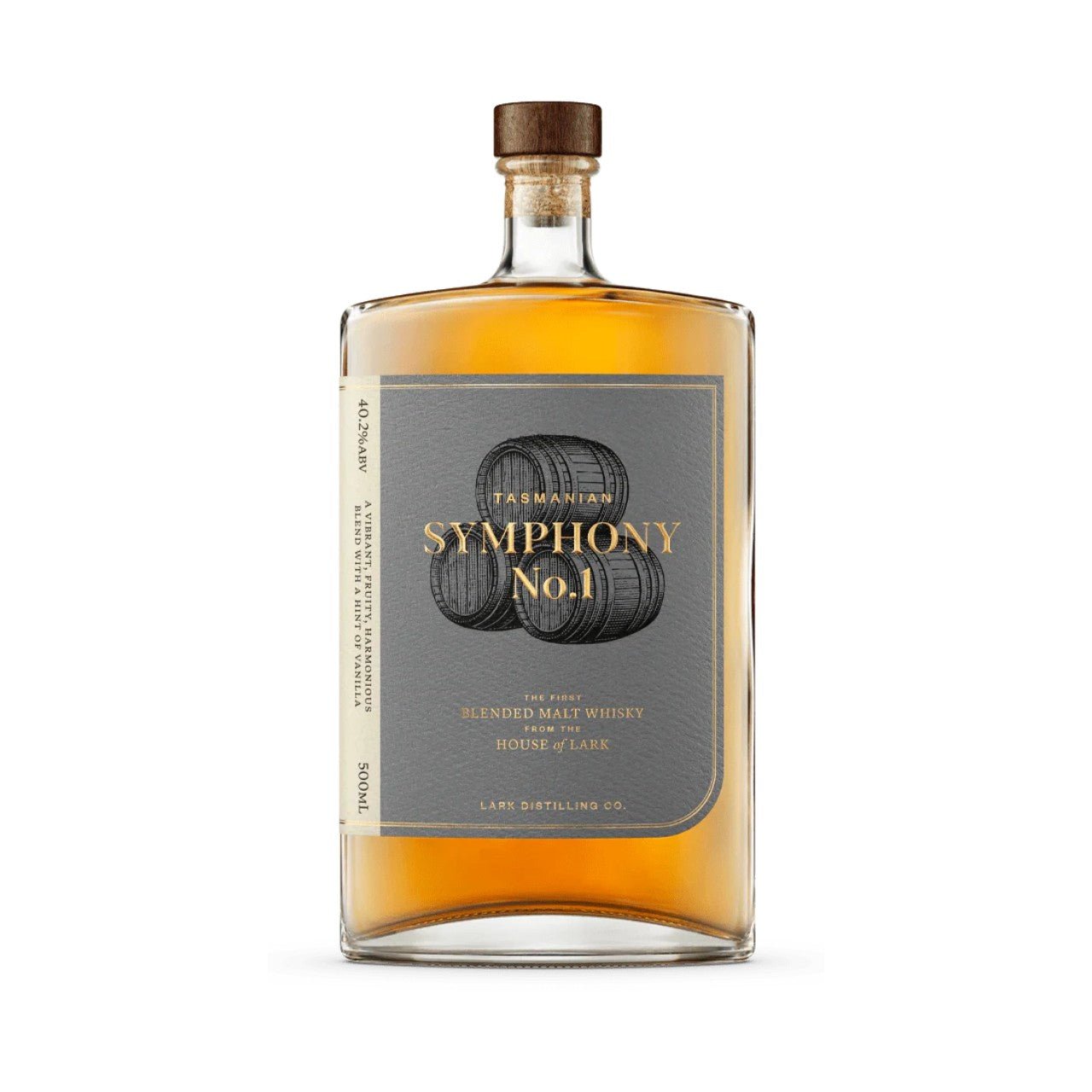
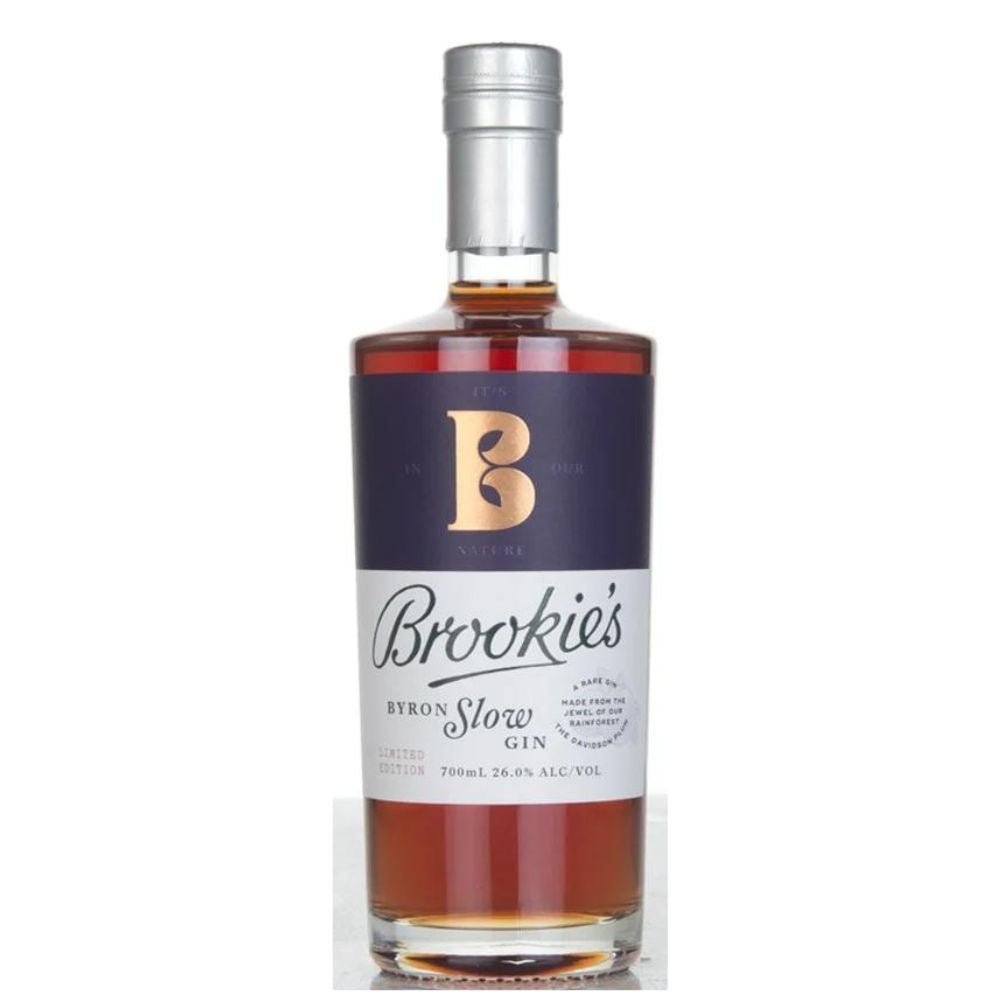
Cape Byron Chardonnay Cask Whisky 700ml
Cape Byron The Original Whisky 700ml
Canberra distillery Bourbon Cask Whisky 500ml
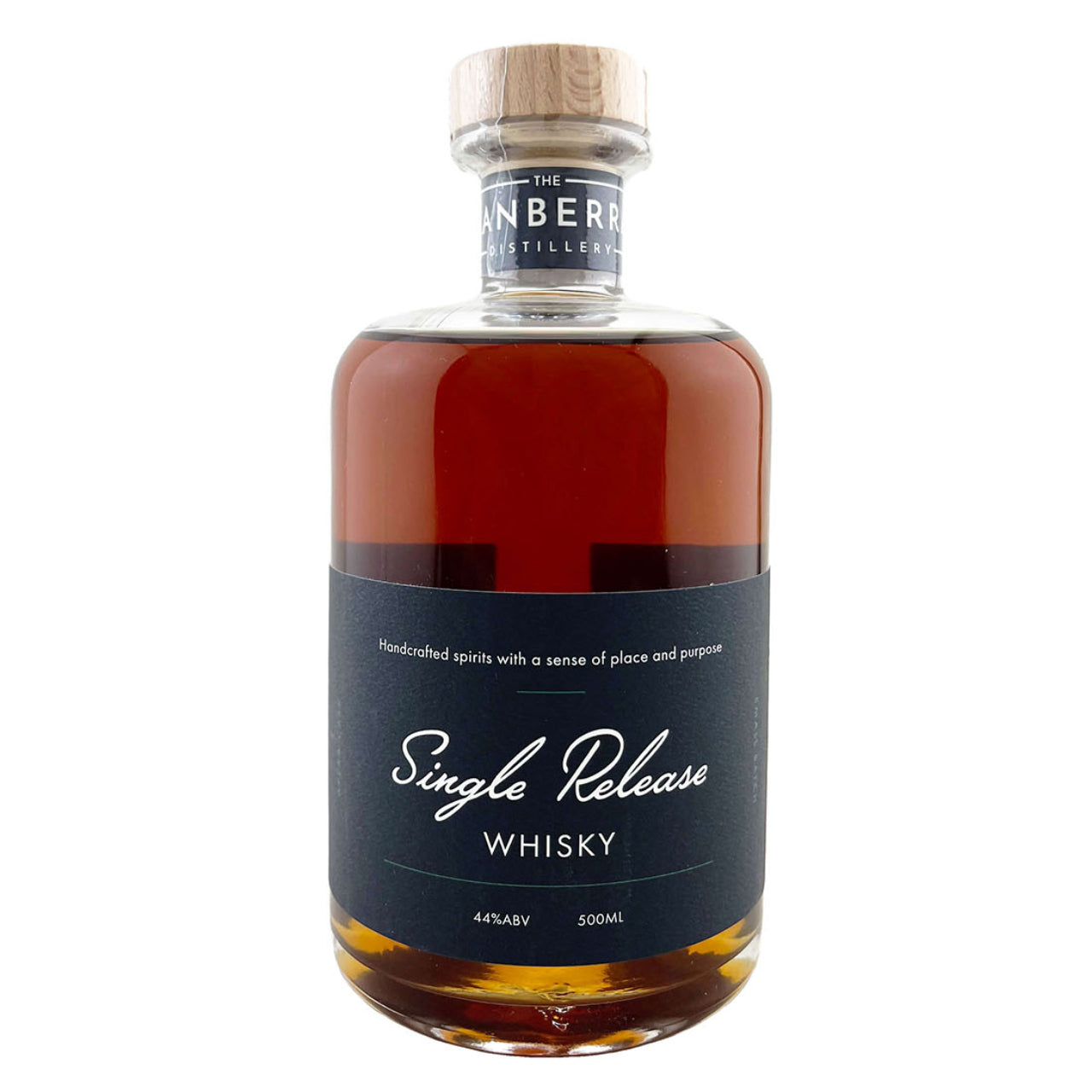
Canberra distillery OGR Whisky 500ml
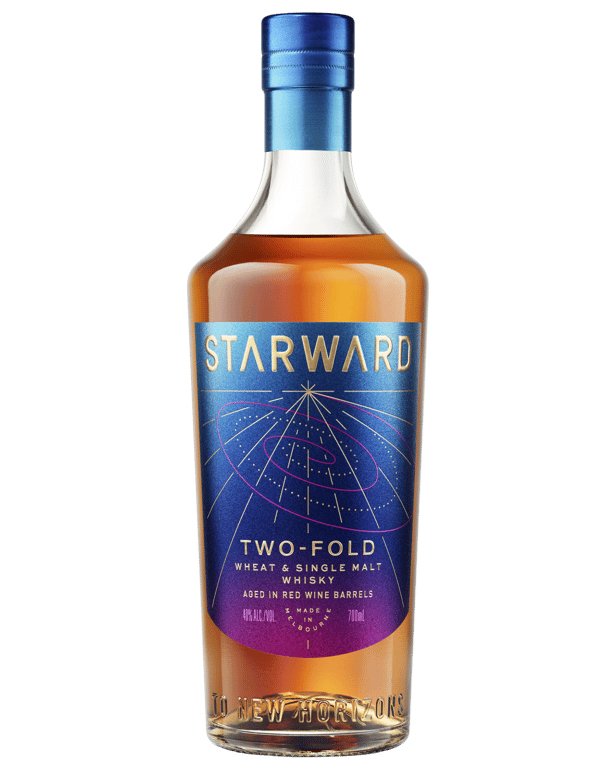
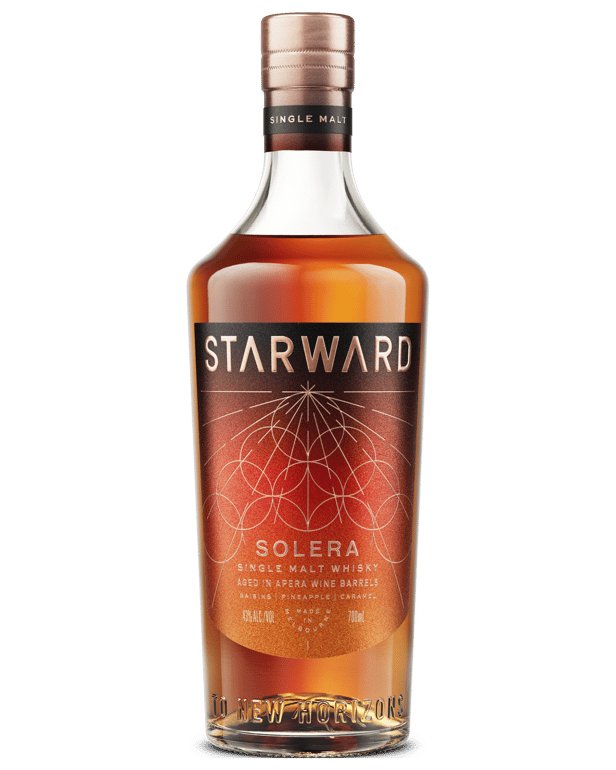
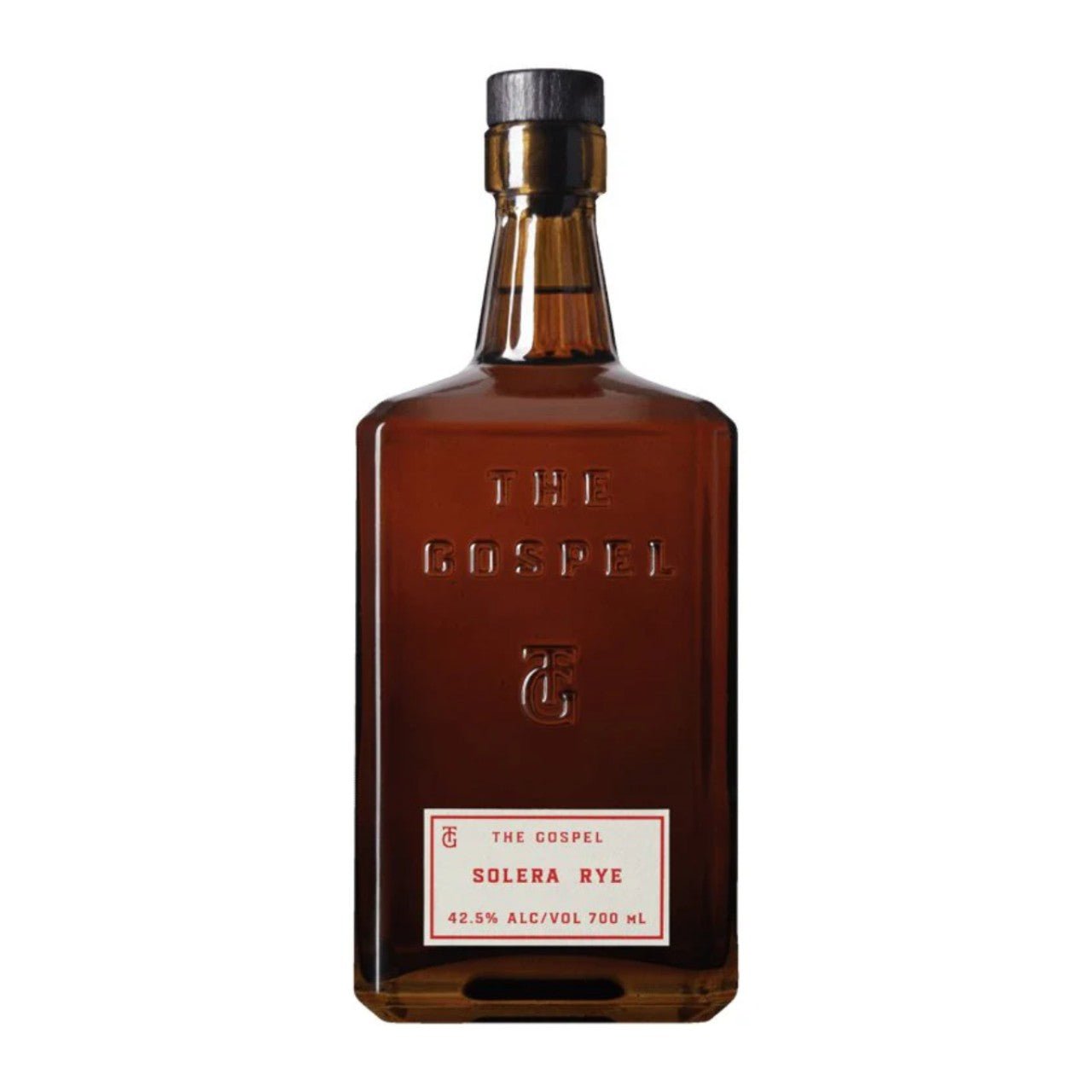
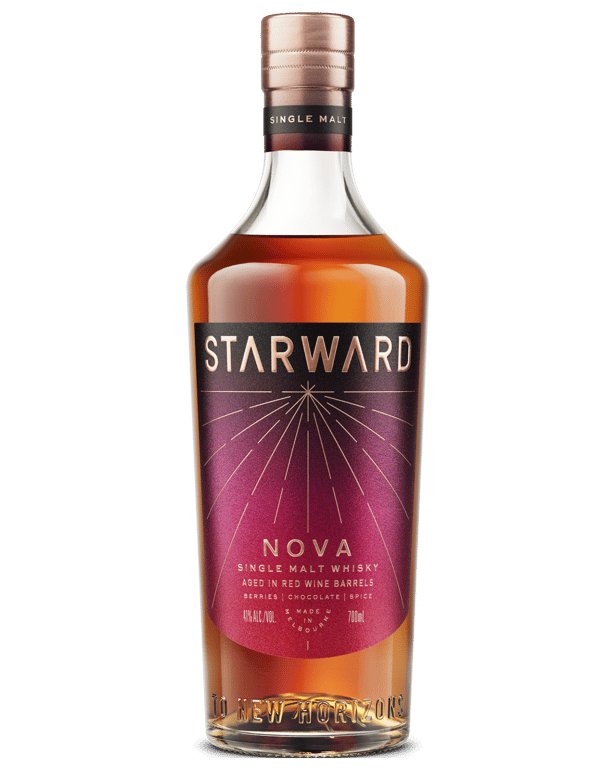
STARWARD SOLERA WHISKEY 43%
About Australian Whisky
Australian whisky is a young industry with an unusual habit: it matures fast, in small casks, in a warm climate, and it leans hard on the fortified and wine barrels the country already had.
Tasmania is where the modern revival started and it is well represented here by Lark and by Spring Bay Distillery, whose Tasmanian single malts come in apera, tawny and bourbon cask versions. On the mainland, Bakery Hill in Victoria has the deepest line on this page, running from the classic and peated single malts at forty six per cent up to cask strength bottlings at sixty. Starward, also Victorian, works with Australian red wine barrels. Archie Rose in Sydney bottles a single malt, a rye malt and the St Ali coffee cask Blasphemy. Cape Byron in northern New South Wales uses chardonnay casks, Fleurieu and 5Nines are South Australian, Morris is in Victoria, Backwoods bottles single cask rye, and Canberra Distillery makes a bourbon cask and an OGR whisky.
Rye is a real presence rather than a token, through Archie Rose, Backwoods, Gospel and Nosferatu.
The cask is usually the story. Apera and tawny are the Australian names for sherry style and port style fortified wine, and barrels that held them give the darker, richer bottlings on this page their character. Chardonnay, shiraz and altar wine casks do something different and lighter.
Strengths sit higher than the international norm. Forty six per cent is common, and several bottles are at cask strength in the high fifties and sixty.
How Australian whisky is defined, why it tastes the way it does, and which Tasmanian and mainland bottles to know are set out in our Australian whisky guide. Several of them also appear in our whisky picks.
History
Whisky was distilled in Australia from the early colonial period, and Tasmania had licensed distilleries in the first half of the nineteenth century. That first industry did not survive. Colonial governments moved against small stills, and from 1901 federal excise law required a wash still of at least 2,700 litres, which put legal distilling out of reach of anyone but a large company.
That rule stood for most of the twentieth century. Its removal in the early 1990s is the single event the modern industry rests on, and Tasmania was where the first new licences went. Small stills, small casks and a small island scene meant the early distillers shared knowledge rather than competing on volume.
The mainland followed through the 2000s and 2010s, and the growth since has been rapid: distilleries in every state, in cities as much as in the country, many of them starting with gin to fund the wait for whisky to mature.
Two local conditions shaped the result. The first is climate. Warm Australian summers push spirit in and out of the wood faster than a Scottish winter does, so a four or five year old Australian whisky can carry more cask character than a much older Scottish one. The second is the barrel supply. A country with a large fortified wine industry had apera and tawny casks to hand, and those barrels gave Australian whisky an early signature.
The category is now defined in law here as well, with minimum ageing requirements that sit alongside the international rules.
How to drink it
Start neat and at room temperature, in a tulip shaped glass, with a small pour. Australian whisky often carries more cask character than its age suggests, and it shows itself quickly.
Water earns its place here more than in most categories, because so many of these bottles are at forty six per cent or above and several are at cask strength. A few drops in a Bakery Hill cask strength at sixty per cent changes it completely, pulling the fruit forward and taking the heat out. Add slowly.
Ice suits the lighter, wine cask bottlings better than it suits the fortified cask ones. A Starward with a large cube on a warm evening is a reasonable drink; the same treatment on an apera cask single malt buries what you paid for.
The peated bottlings want a few minutes of air before you commit. Smoke dominates a freshly poured glass and settles after a short wait.
Rye is the style here that belongs in a stirred cocktail. An Old Fashioned made with an Australian rye malt is a genuinely different drink from the American version, drier and more spice driven.
Serving temperature matters more in an Australian summer than the label admits. A whisky left in a hot room reads hotter and flatter, so keep the bottle somewhere cool and dark and let the glass, rather than the room, set the temperature.