
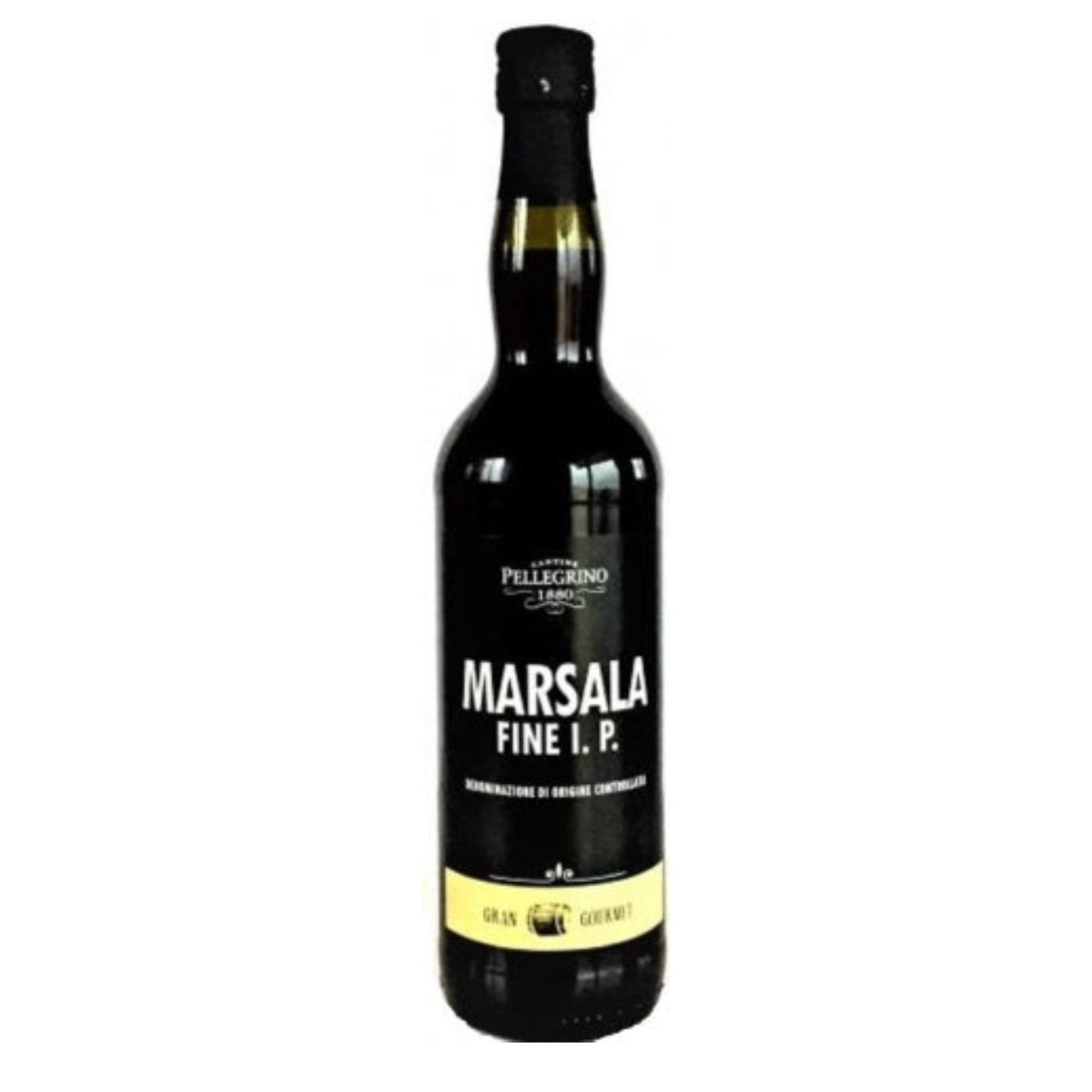
PELLEGRINO- Marsala Fine IP
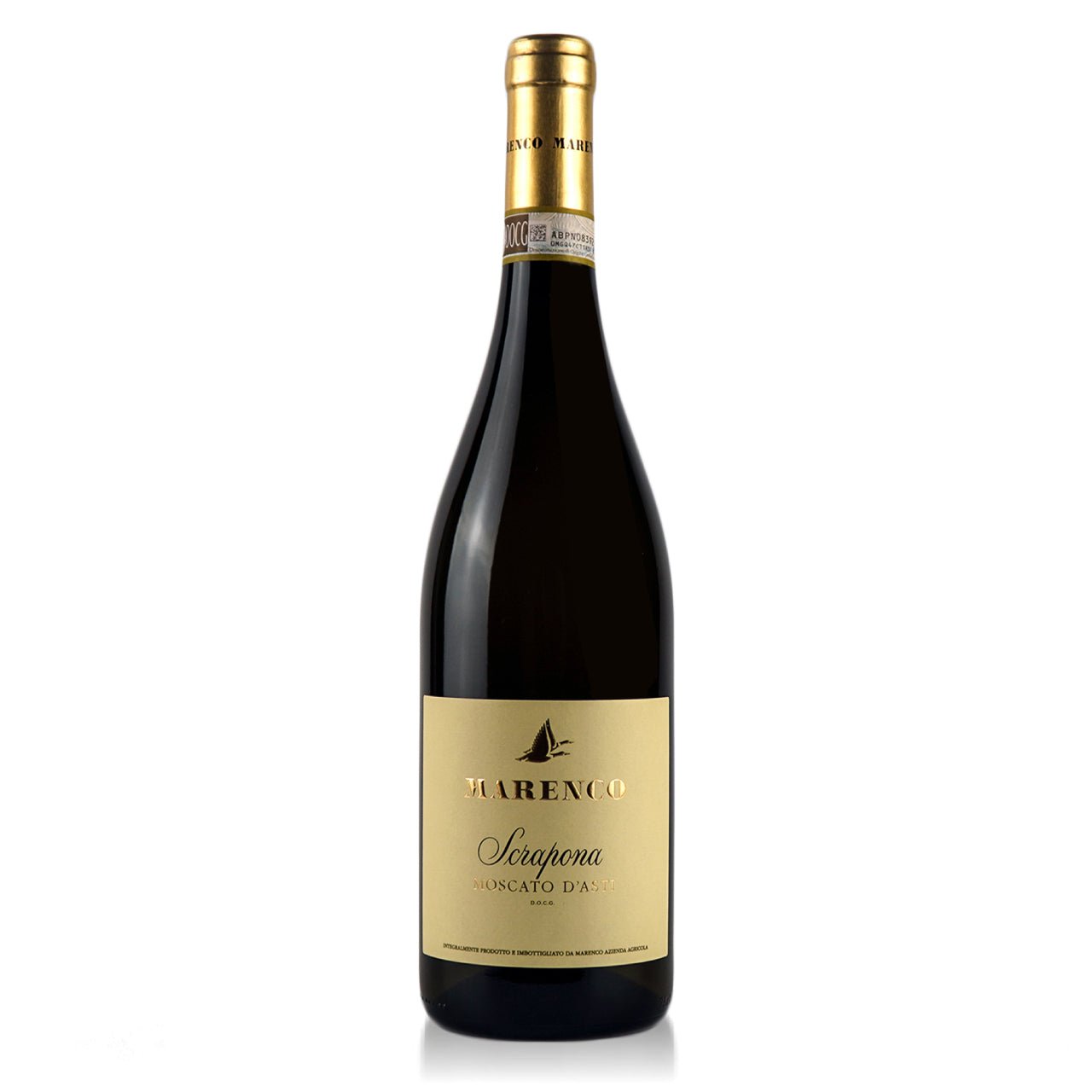
Marenco Scrapona Moscato d'Asti 2020 375ml - Piedmont
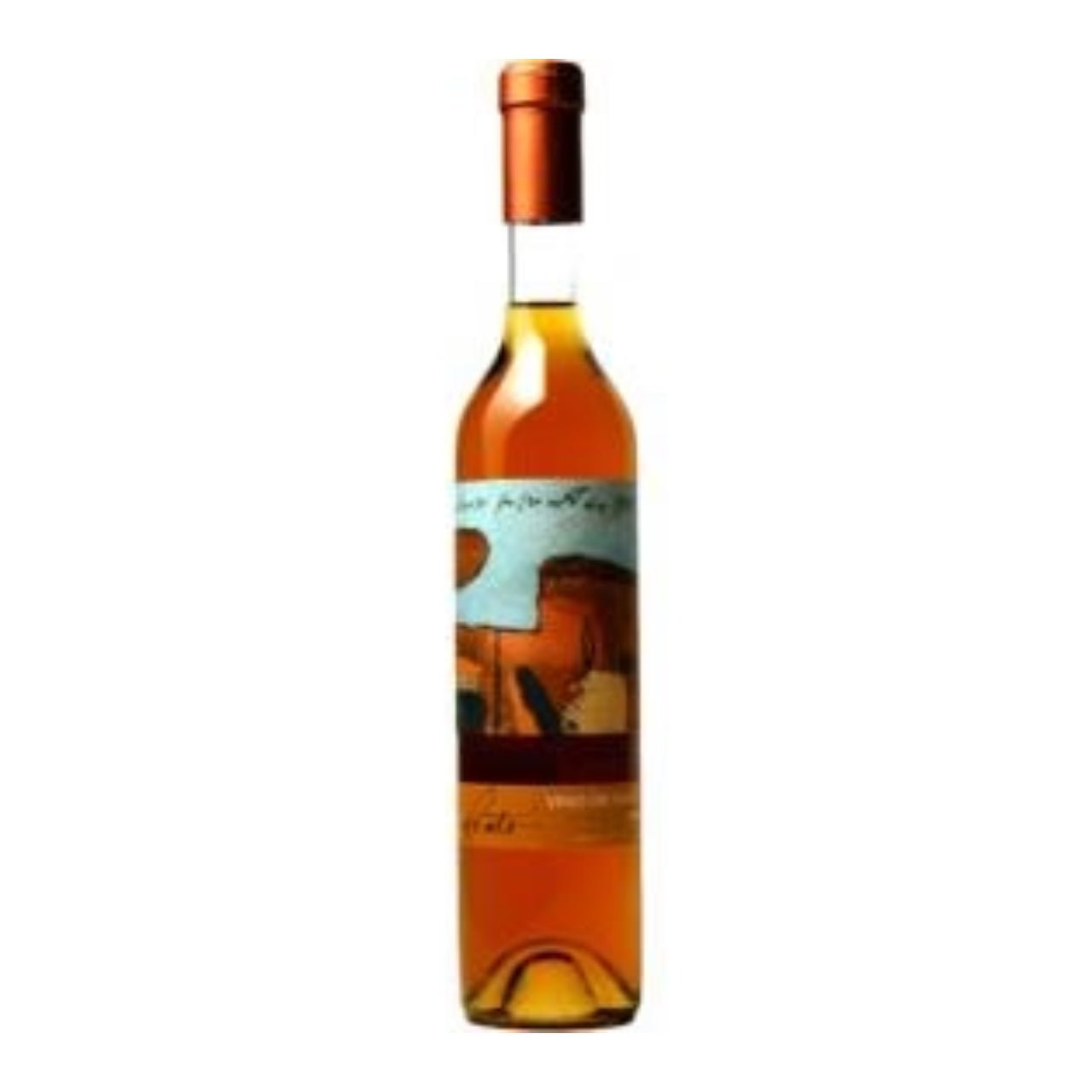
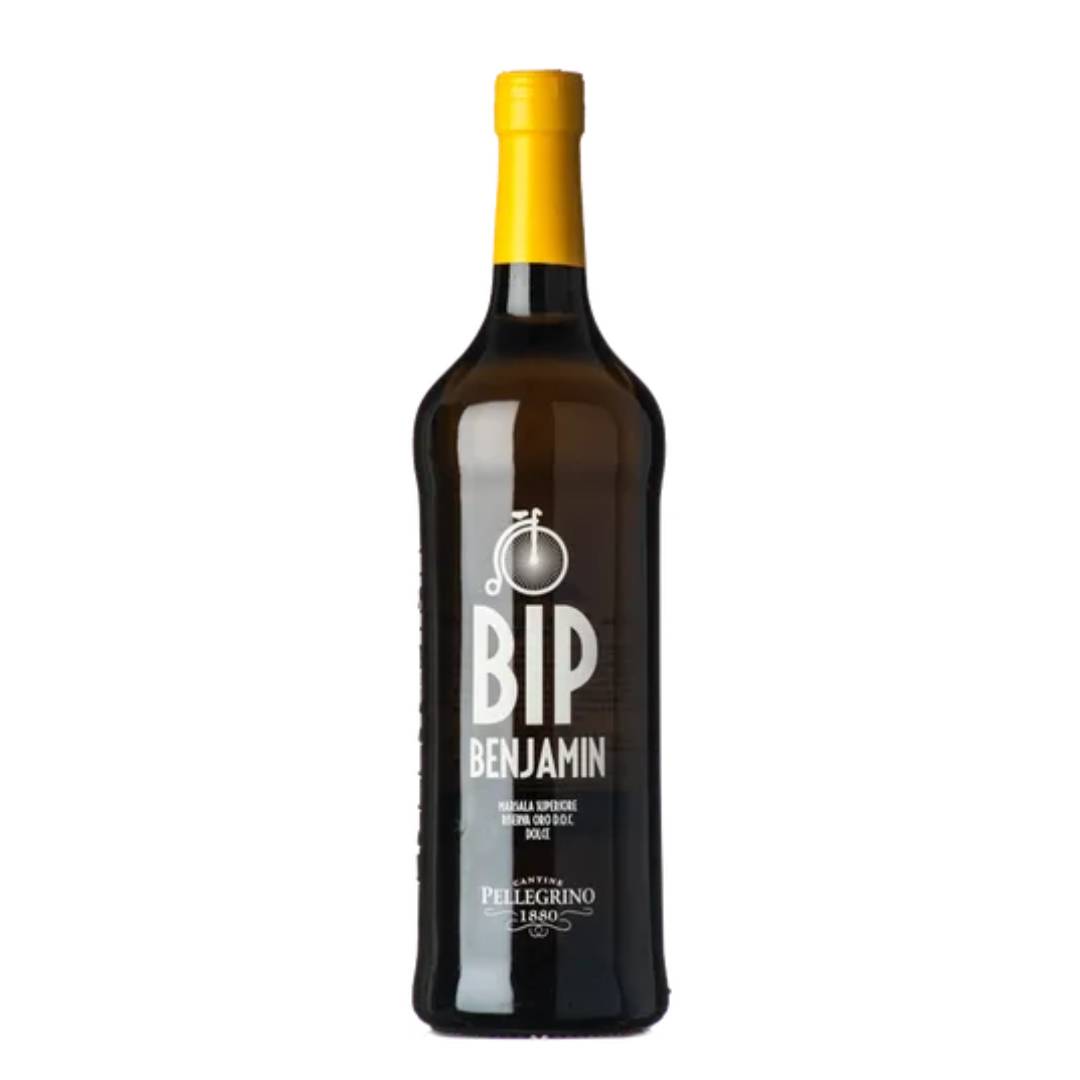
Pelllegrino Marsala BIP Benjamin Riserva ORO
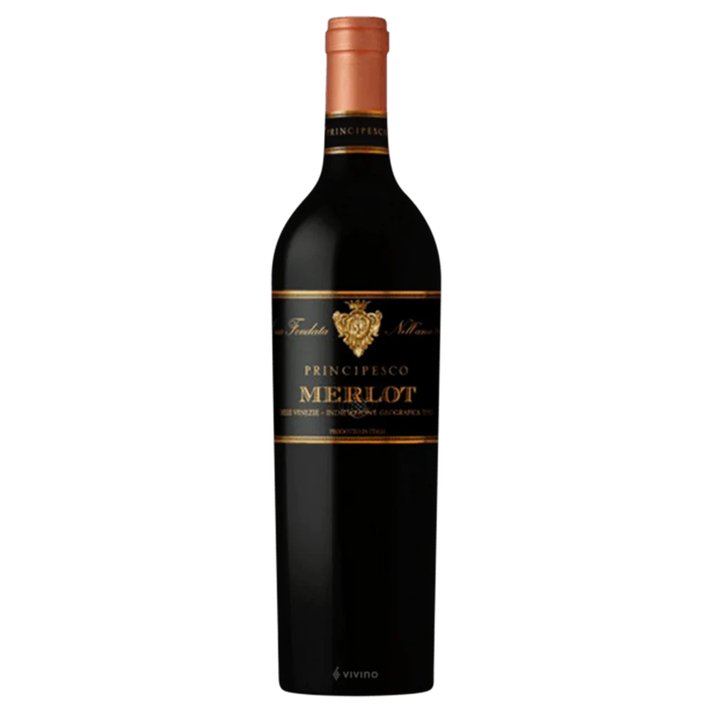
Castellani Principesco Merlot 2021
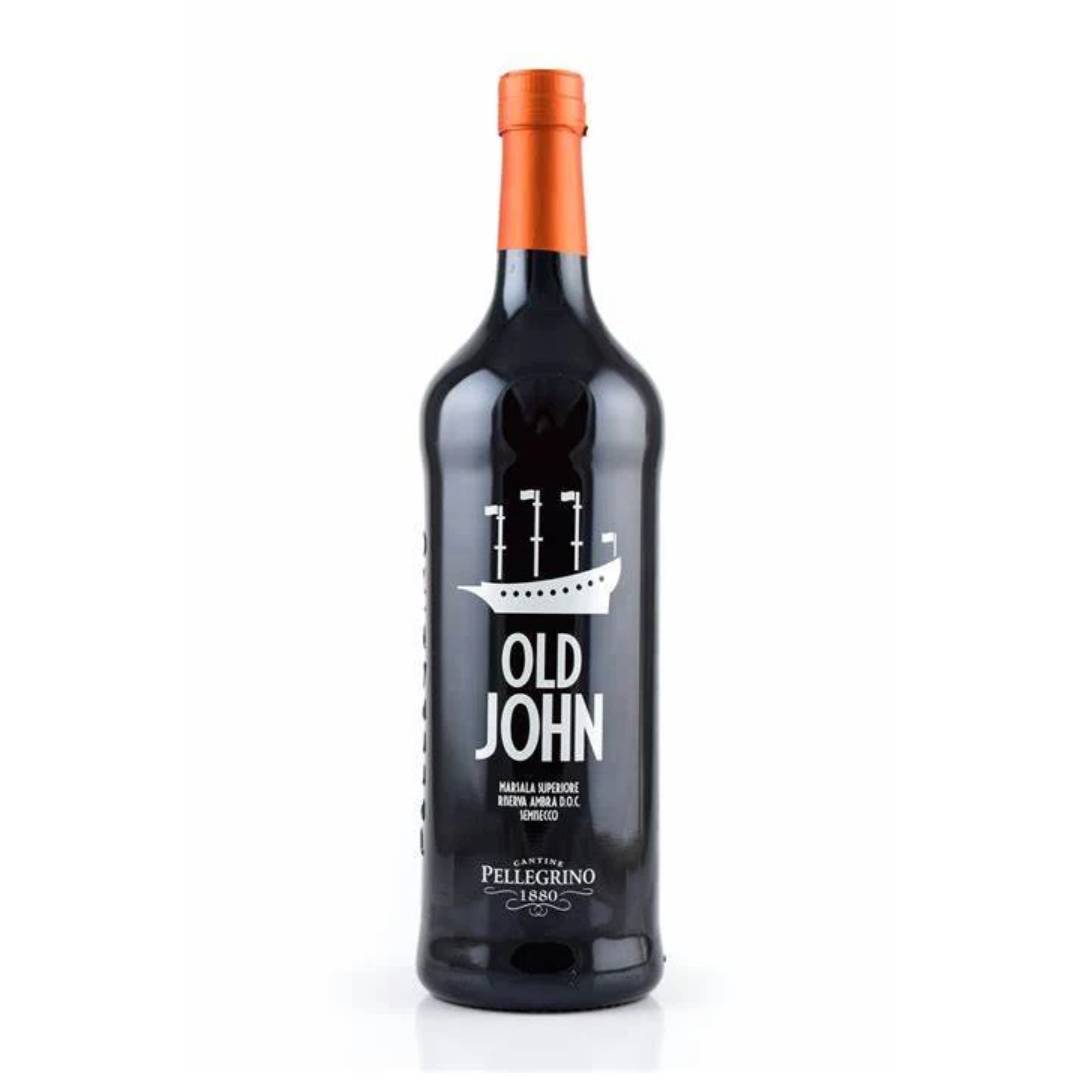
PELLEGRINO Marsala Old John Ambra
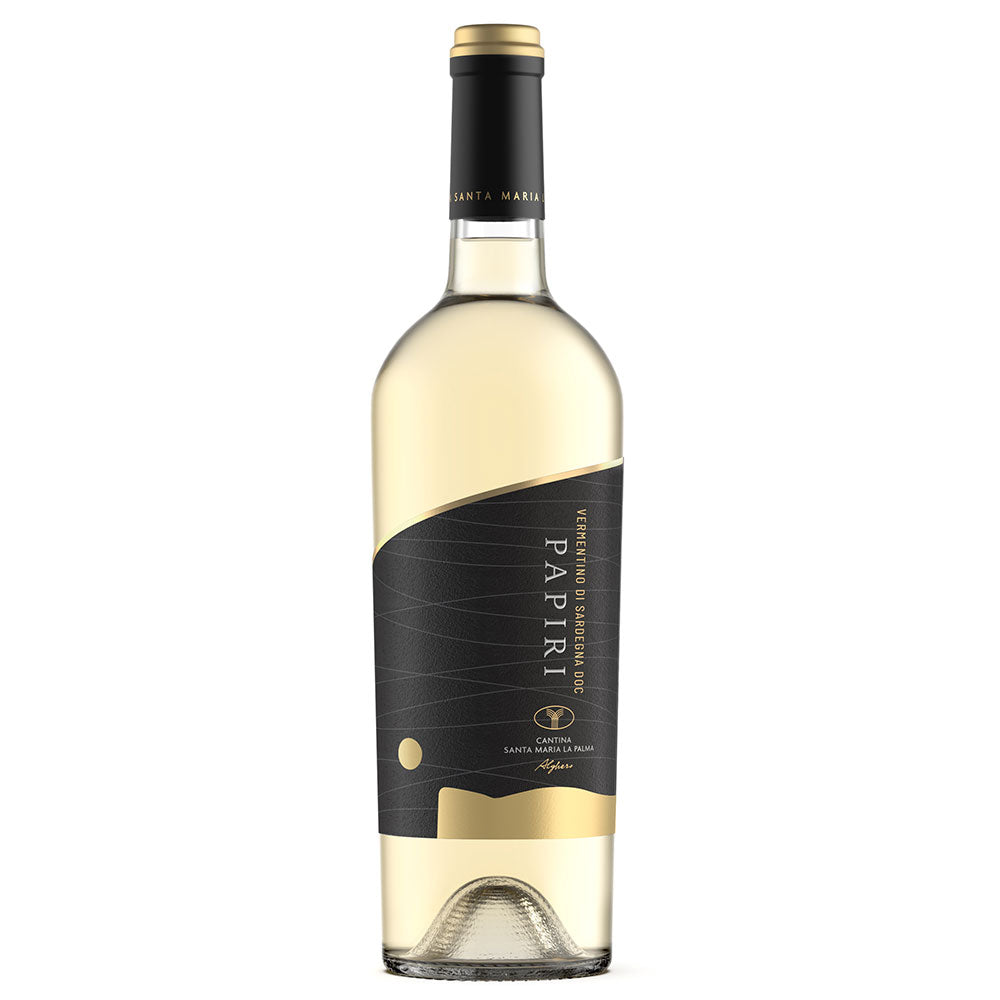
Santa Maria La Palma Papiri Vermentino di Sardegna 2024
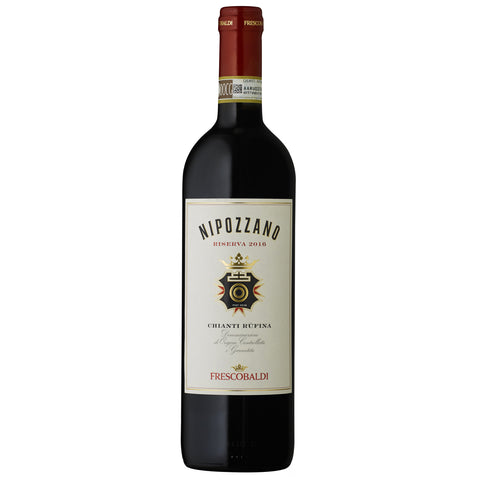
Frescobaldi Nipozzano Chianti Riserva 2021
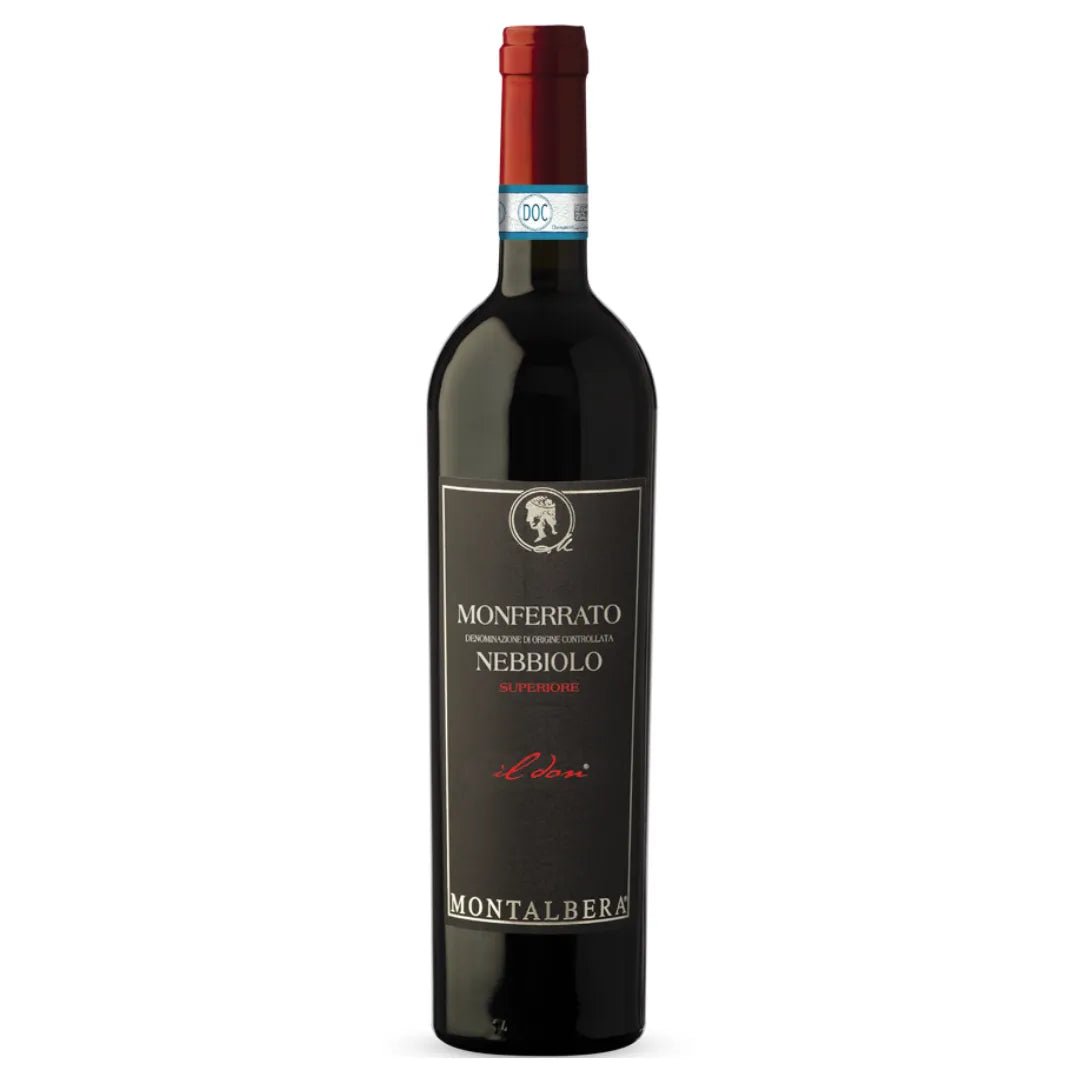
Montalbera Il Don Monferrato Nebbiolo 2022
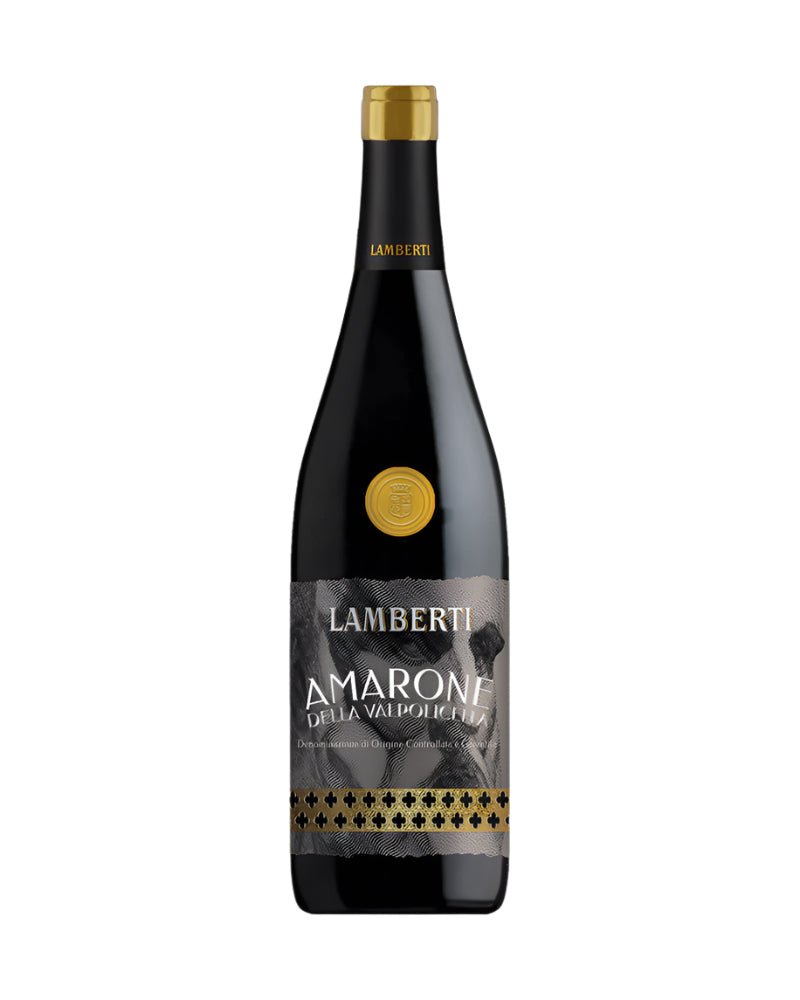
Lamberti 2018 Amarone della Valpolicella DOCG
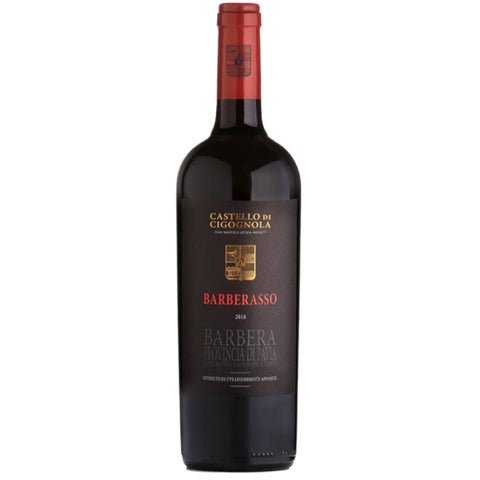
Castello Di Cigognola Barberasso 2019
Collavini Andrea di Pec Pinot Grigio Venezia Giuli IGT 2024
Castellani Arbos Chianti DOCG 2024
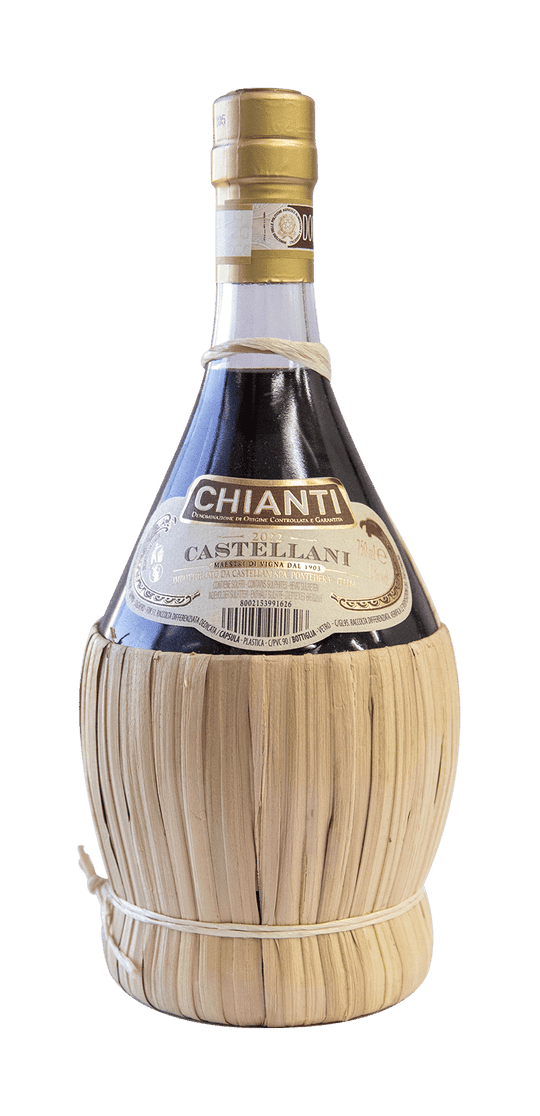
Castellani Chianti DOCG Flask 2024
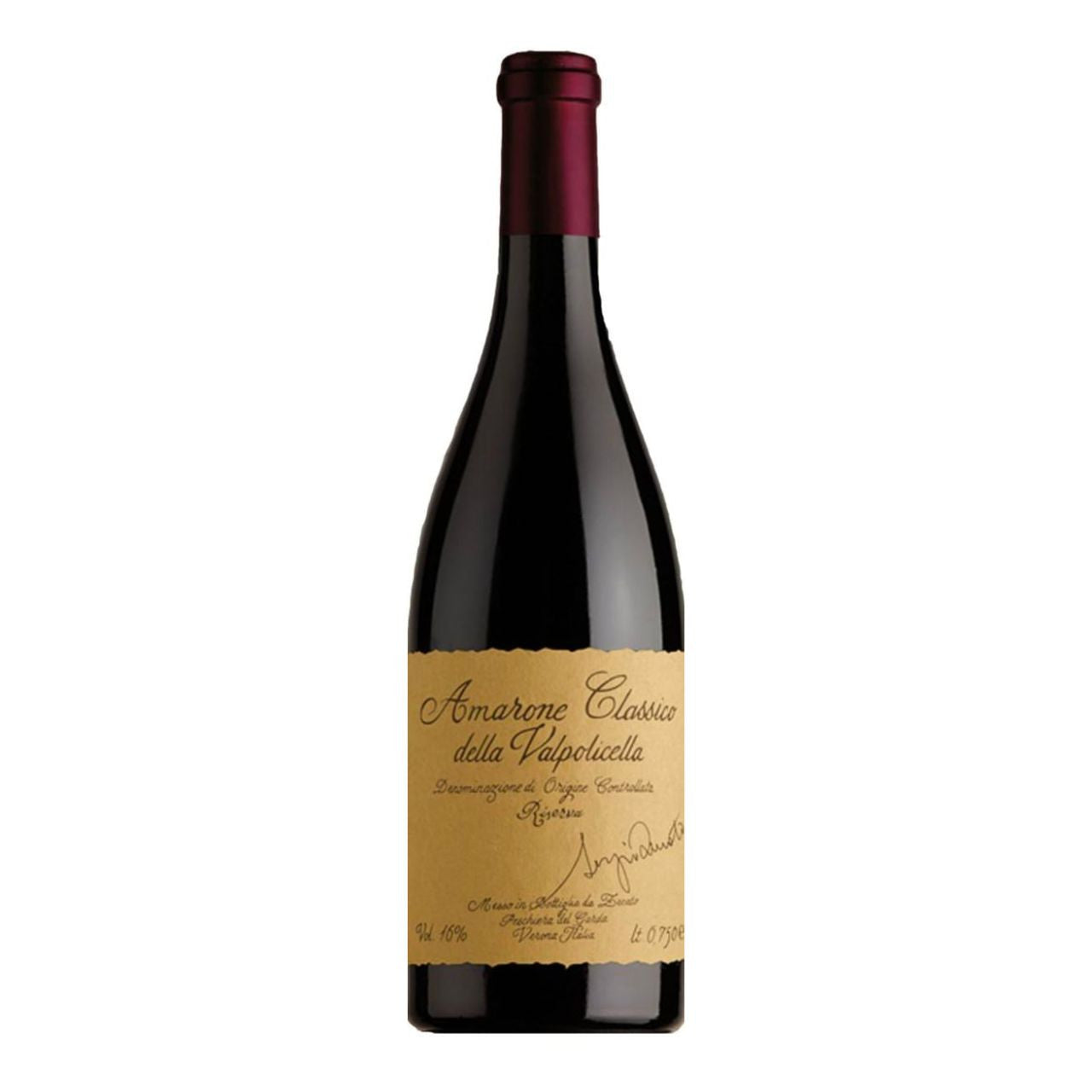
Zenato Amarone Riserva Sergio 2018
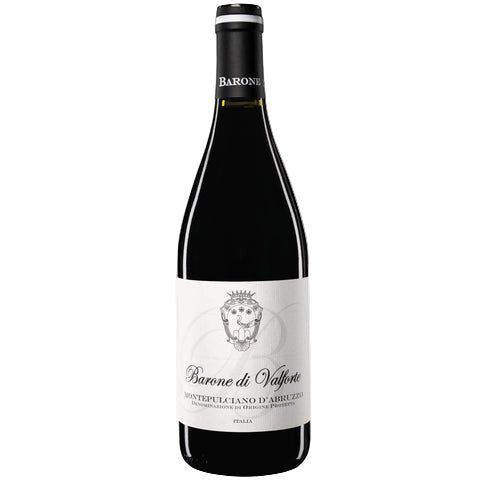
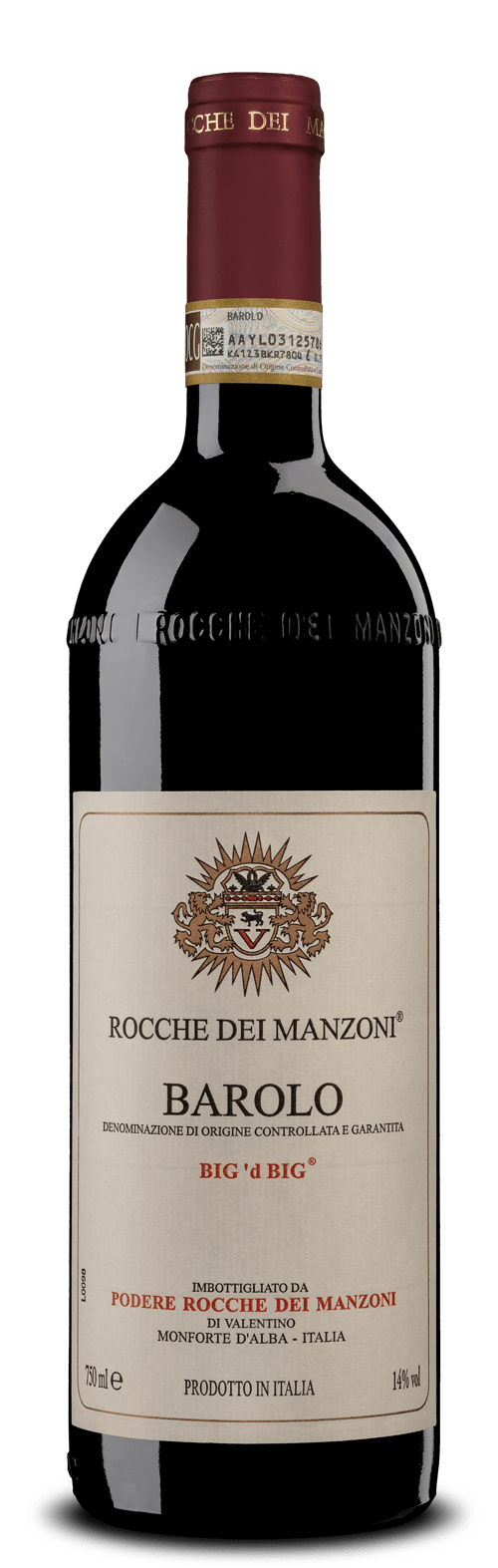
Rocche dei Manzoni Big d' Big 2014
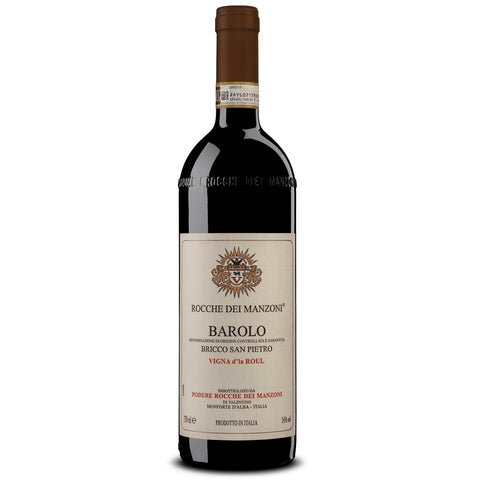
Rocche dei Manzoni Bricco San Pietro 2015
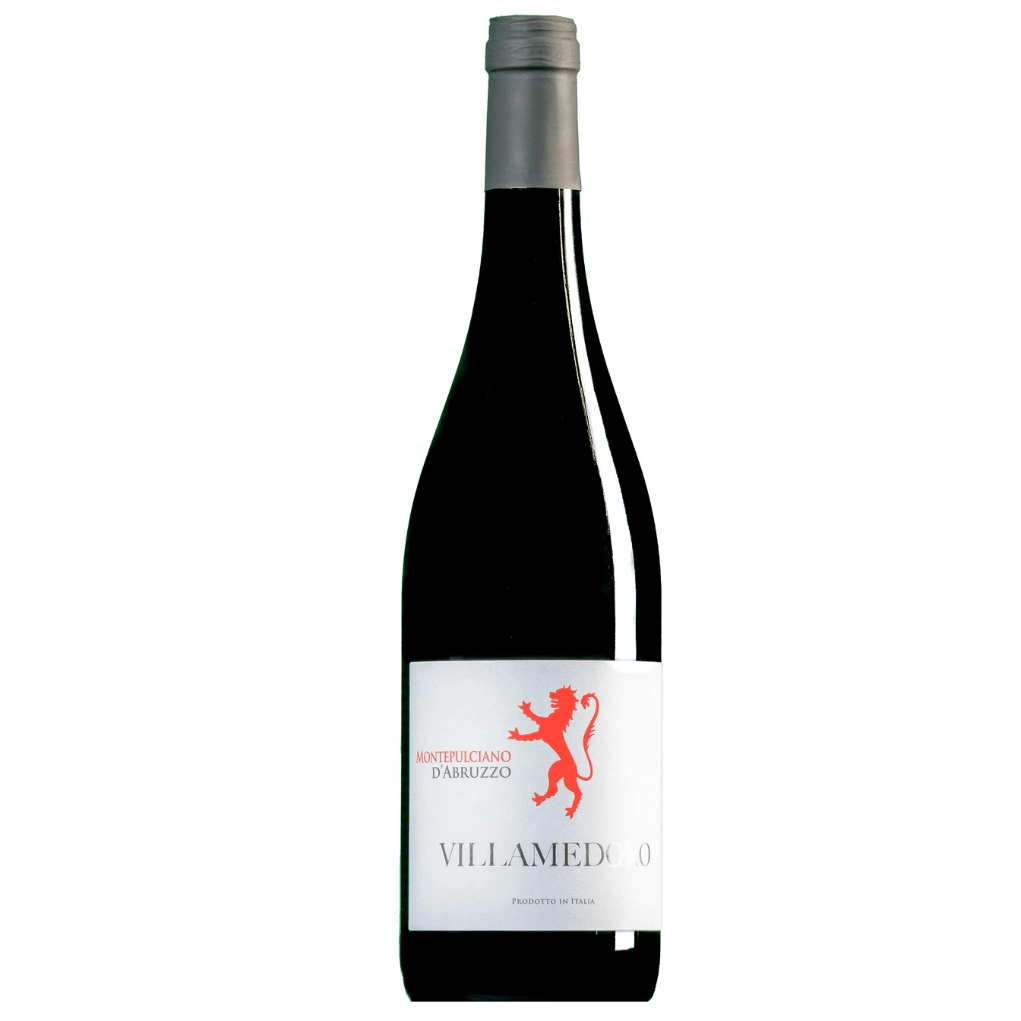
Villa Medoro Montepulciano 2021
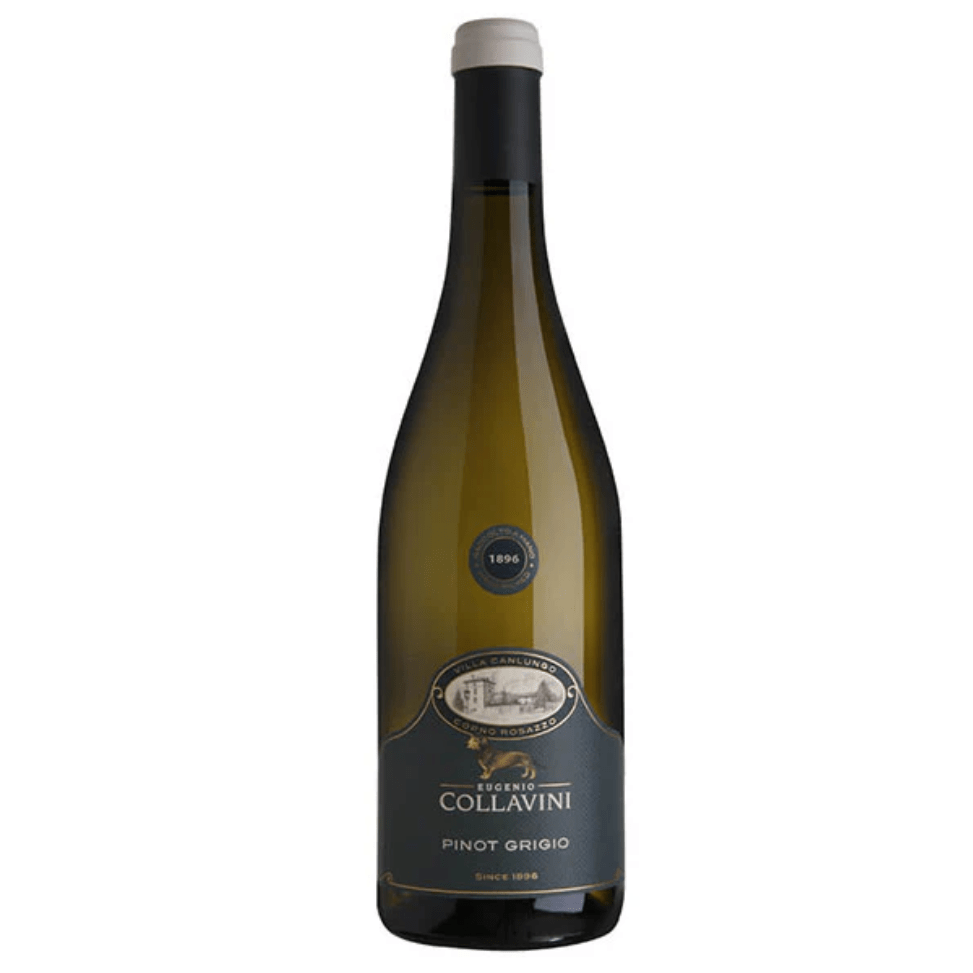
Eugenio Collavini Pinot Grigio Canlungo 2023
About Italian Wines
The Italian producers stocked in this range are Frescobaldi, Castellare and Castellani in Tuscany, Zenato and Santa Sofia in the Veneto, Ca' Bianca, Rocche dei Manzoni and Angelo Negro in Piedmont, Terlano and Tramin in Alto Adige, Collavini and Livio Felluga in Friuli, Feudi di San Gregorio in Campania, Planeta and Feudi del Pisciotto in Sicily, and Santa Maria La Palma and Argiolas in Sardinia.
Tuscany is the anchor. Frescobaldi runs from the everyday Castiglioni Chianti up to Nipozzano Riserva, with Castellare di Castellina in Chianti Classico, where the rules call for at least 80 per cent sangiovese.
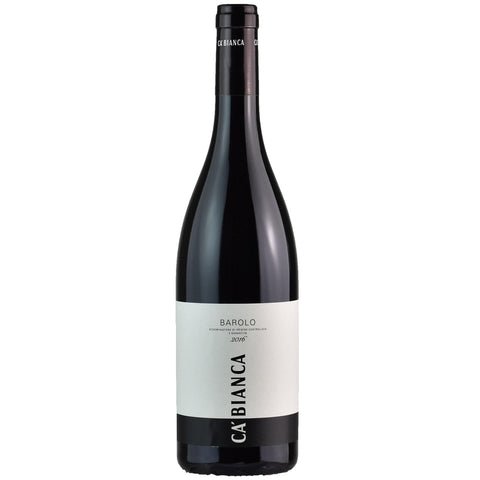
Piedmont is nebbiolo country. Ca Bianca Barolo DOCG is 100 per cent nebbiolo and must spend at least eighteen months in wood before release.
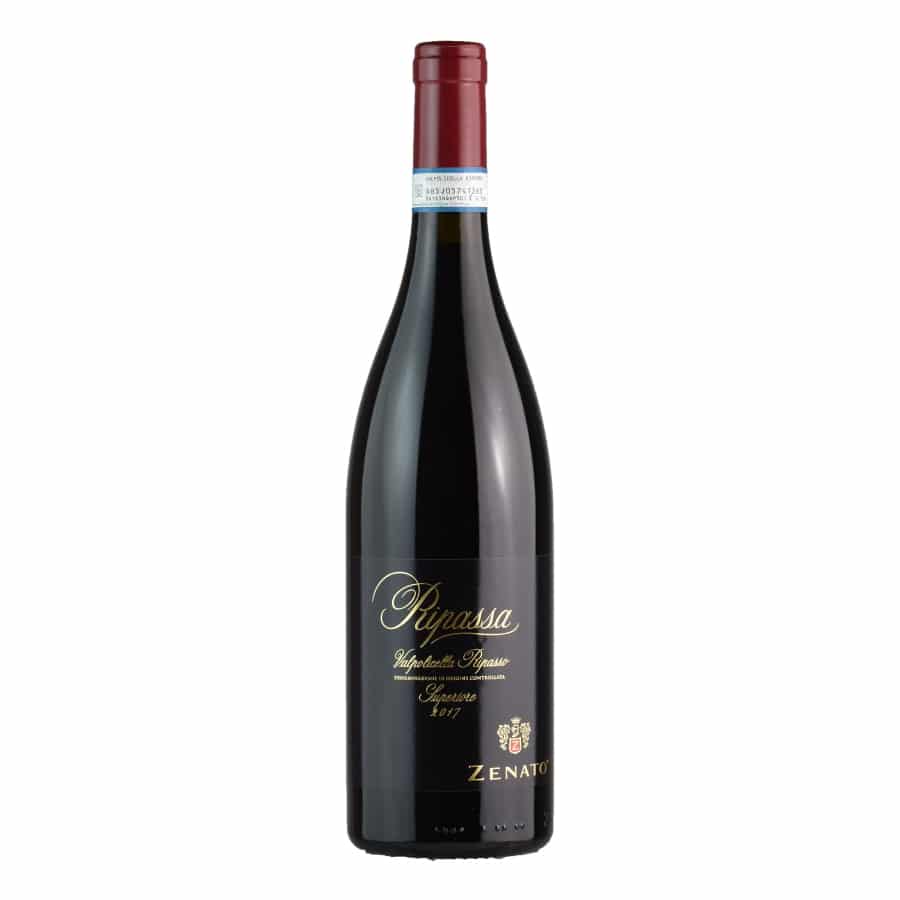
The Veneto arrives through Zenato. Ripassa is Valpolicella refermented on the skins left from Amarone, and Amarone is pressed from grapes dried for months after picking. Our guide to Italian wine works through the regions one by one.
History
The Greeks called southern Italy Oenotria, the land of wine, and vines were being cultivated across the peninsula before Rome existed. The Etruscans in central Italy were making wine by the eighth century BC, and the Romans industrialised it, spreading vineyards across their empire and leaving behind much of the viticulture that later became French.
For most of the following two thousand years Italian wine was local. Regions made what grew, drank it themselves and sold what was left. That fragmentation is exactly why the country retained so many indigenous grape varieties while other nations consolidated around a few.
The modern regulatory system was established in 1963, creating DOC and later DOCG as protected designations, with IGT added in 1992 as a broader regional category. The hierarchy is useful but not absolute. Some of Italy's most celebrated wines sit outside it deliberately, a legacy of the Super Tuscan movement of the 1970s, when producers who wanted to use cabernet and merlot alongside sangiovese chose to be declassified rather than change the wine.
Frescobaldi is a reminder of how deep the continuity runs. The family has been involved in Tuscan wine for around seven hundred years, and several of the estates in this range have been in continuous production for centuries.
How to drink it
Italian wine is built around food, and it shows. The acidity that can seem sharp in an empty glass is what makes these wines work at the table, cutting through tomato, olive oil and cured meat.
Serve the reds at sixteen to eighteen degrees, which in an Australian summer means twenty minutes in the fridge before pouring. Whites from Alto Adige and Friuli want eight to ten degrees and a full sized white wine glass rather than a small one.
Decant nebbiolo. Barolo and the Valtellina reds both want an hour or more of air before the tannin settles. Amarone is the exception to most rules: rich and high in alcohol, it suits the end of a meal or something as substantial as braised beef.
For cellaring, keep bottles on their side somewhere dark at a steady twelve to fifteen degrees. Barolo and Amarone are the two styles here made to be kept. Alto Adige whites and everyday Chianti are better drunk young.
Take the pairings literally. Chianti with tomato based pasta and grilled meat. Ripasso with mushroom risotto and hard cheese. Alto Adige whites with seafood and antipasti. Sicilian and Sardinian reds with lamb and aubergine. For related ranges see nebbiolo and French wine.
Common questions
What is the most popular Italian wine?
Popularity depends on which question you are asking. Chianti is the wine most people picture when they think of Italy, and it anchors this range through Frescobaldi and Castellare di Castellina. The two bottles Italy itself treats as benchmarks are Barolo from Piedmont and Amarone from the Veneto, and both are here. If you mean the most widely recognised name rather than the most serious wine, that is Prosecco.
What are the main types of Italian red wine?
Four families cover most of it. Sangiovese in Tuscany, which is Chianti and Chianti Classico. Nebbiolo in Piedmont, which is Barolo. The Valpolicella group in the Veneto, which includes Ripasso and Amarone. And the southern and island reds from Campania, Sicily and Sardinia, which are richer and softer. Italy also retains a very large number of indigenous grape varieties, which is why the labels can look unfamiliar.
What is the difference between Chianti and Chianti Classico?
Chianti Classico comes from the original, smaller zone between Florence and Siena and is made under tighter rules, including a minimum of 80 per cent sangiovese. Frescobaldi's Castiglioni is a Chianti and Castellare di Castellina is a Chianti Classico, and tasting them together is the clearest way to understand what the extra word is doing.
What is a typical Italian wine?
There is no single one, and that is the most useful thing to know about Italy. What is typical is the relationship to food: the acidity that can seem sharp in an empty glass is what makes these wines work at the table, cutting through tomato, olive oil and cured meat. Regionally, the closest thing to a default red is a sangiovese from Tuscany, which is Chianti.
What is the best wine to buy in Italy?
Buy for the meal rather than for the label. Chianti with tomato based pasta and grilled meat. Ripasso with mushroom risotto and hard cheese. An Alto Adige white with seafood and antipasti. Sicilian and Sardinian reds with lamb and aubergine. If you want the two bottles Italy treats as its benchmarks, they are a Barolo from Piedmont and an Amarone from the Veneto, and both want decanting or a substantial meal alongside.