
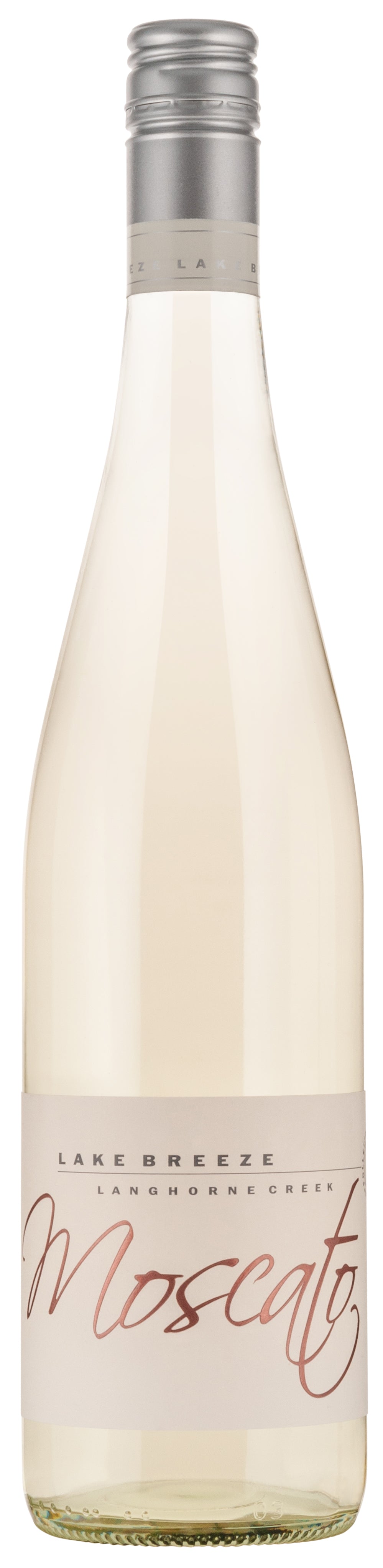
Lake Breeze Moscato 2026
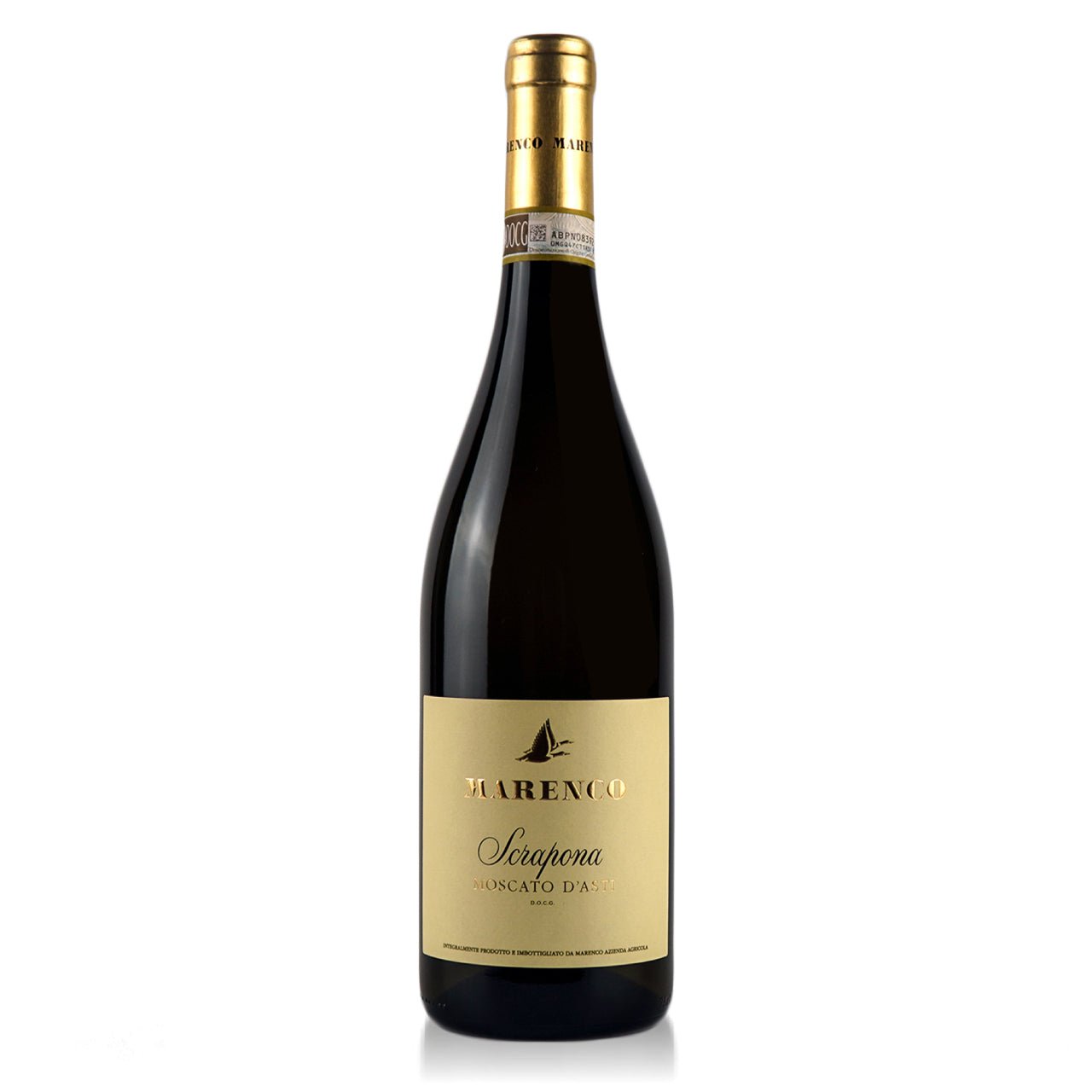
Marenco Scrapona Moscato d'Asti 2020 375ml - Piedmont
About Moscato
Moscato covers a family of wines made from Moscato Bianco, known elsewhere as Muscat Blanc a Petits Grains, all of them low in alcohol, gently sparkling and unashamedly sweet. The benchmark is Moscato d'Asti from Piedmont, and Marenco Scrapona Moscato d'Asti is the one to know here. Marenco farms at Strevi in the hills east of Asti, and the Scrapona comes in a 375ml bottle, which is about right for two people at the end of a meal. It sits near five percent alcohol with a soft prickle rather than a full sparkle, and it tastes of white peach, orange blossom and fresh table grapes because the aromatic compounds in Muscat survive fermentation almost intact. Australia grows the same variety under the name Frontignac, which is why an Australian moscato can taste so close to the Italian original, and Lake Breeze Moscato 2026 from Langhorne Creek in South Australia has just arrived in the range. Anyone who thinks sweet wine is unserious should note that this is one of the hardest styles to make, since the ferment has to be stopped at exactly the right point and the wine chilled and filtered before the yeast finishes the job. More bubbles of every kind live in sparkling wine, and the Italian shelf is in Italian wines.
History
Muscat Blanc a Petits Grains is among the oldest cultivated wine grapes still in commercial use, grown around the Mediterranean since antiquity and recorded in Piedmont by the thirteenth century. Sweet, lightly fizzy Moscato was originally a farmhouse wine. The must was pressed in autumn, kept cold in stone cellars over winter so the yeast went dormant, then racked clear and bottled in spring, which left both sugar and a little carbon dioxide behind. The modern industrial answer came from the same corner of Italy. In 1895 Federico Martinotti in Asti described fermenting sparkling wine in a sealed pressure tank rather than in bottle, and Eugene Charmat patented workable equipment in France a decade later. That tank method is what makes Moscato d'Asti and Asti Spumante possible at scale, since the wine can be chilled and filtered off its yeast the moment it reaches the right balance, leaving natural sugar and around five percent alcohol in the bottle. Moscato d'Asti was granted DOCG status in 1993 and remains frizzante and sealed under a normal cork, while Asti is fully sparkling and higher in alcohol. Muscat has another claim on Piedmont as well. The first sweet vermouth is credited to Antonio Carpano in Turin in 1786 and was built on a Muscat base, and the house name still appears on Carpano Antica Formula and the rest of the vermouth shelf.
How to drink it
Serve Moscato properly cold, around 6 to 8 degrees, straight from a few hours in the fridge. It is one of the few wines that does not suffer from being too cold, since the sweetness needs the chill to stay refreshing. Use a normal white wine glass rather than a flute, because the aromas matter more than the bubbles here. It is very good on its own in the afternoon, and even better with fruit based desserts, panettone, almond biscuits, panna cotta and peaches. Avoid rich chocolate, which flattens it, and skip heavily iced cakes, since a dessert sweeter than the wine will make the wine taste sour. It also handles spicy food, chilli laden noodles or a hot curry, better than most whites. Treat it as a drinking wine rather than a cellaring one. Moscato is prized for aroma rather than development, so a bottle in the fridge is doing more for you than a bottle in a rack. Once opened, a sparkling stopper will keep the fizz alive for two days, though the aromatics fade fast after that. If you are starting out, take the Marenco Scrapona half bottle to the end of a meal and pour it with something almond based. Fresh releases land regularly in new arrivals.