
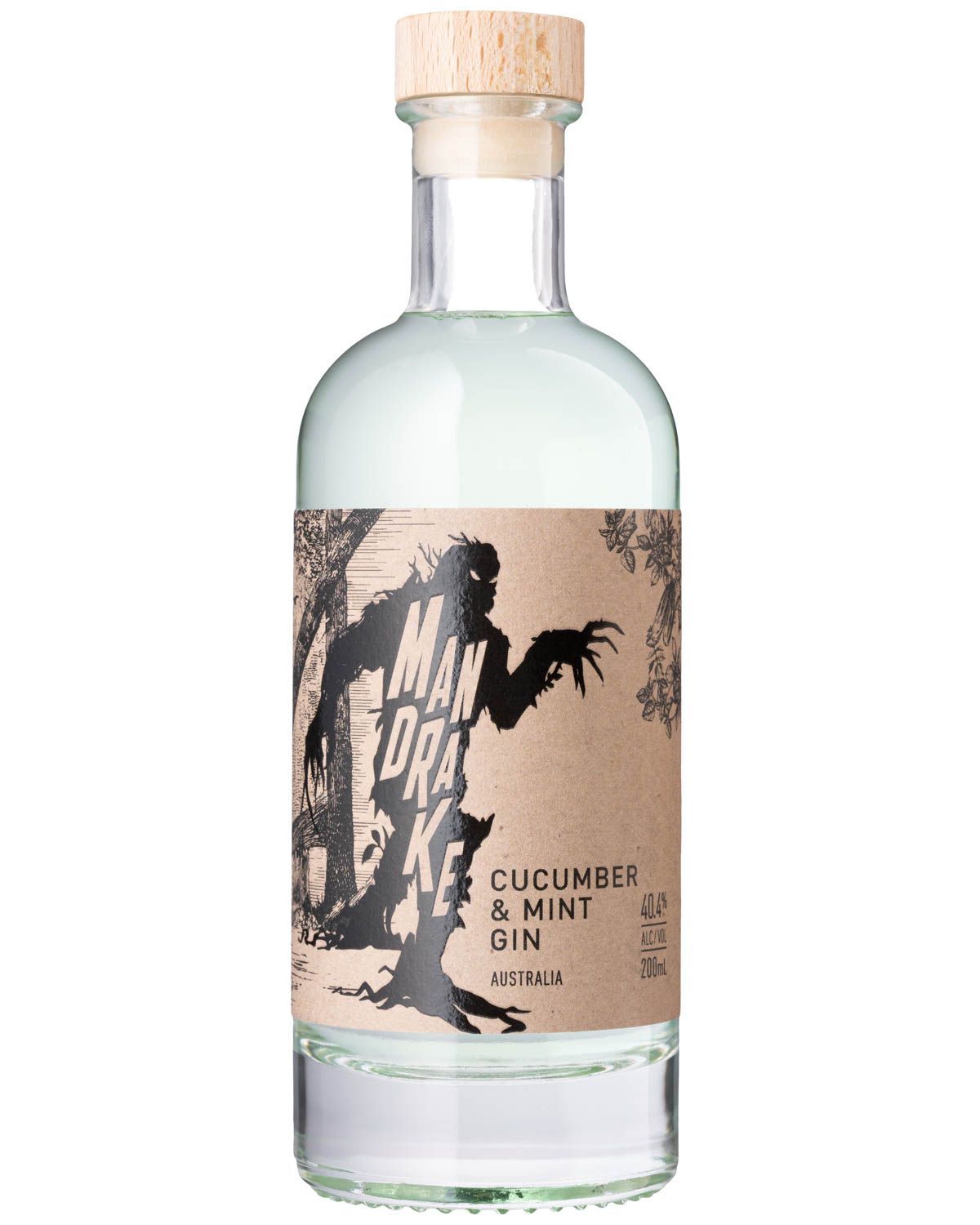
Mandrake Cucumber & Mint Gin 40.4% 200ml
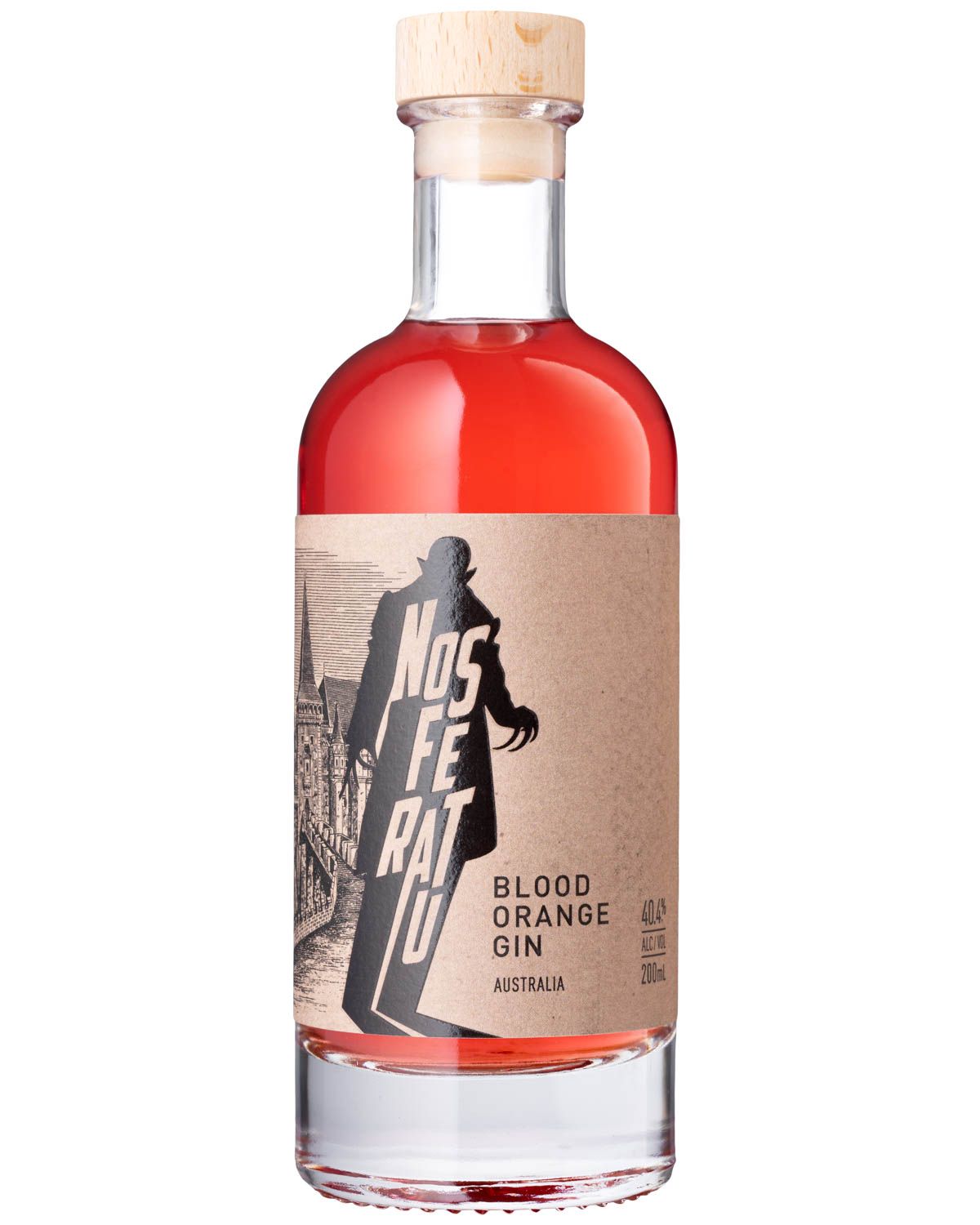
Nosferatu Blood Orange Gin 40.4% 200ml
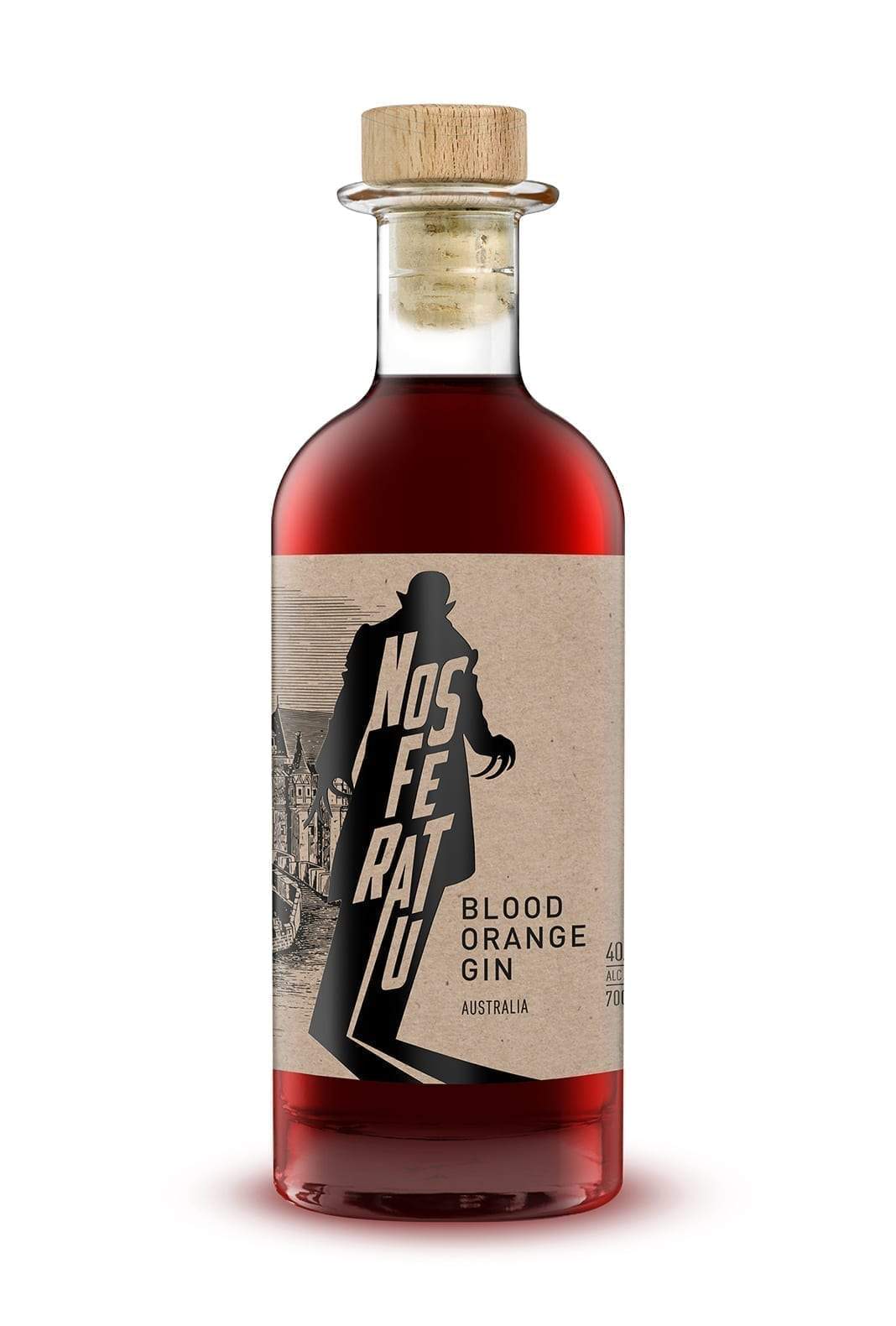
Nosferatu Blood Orange Gin 40.4% 700ml
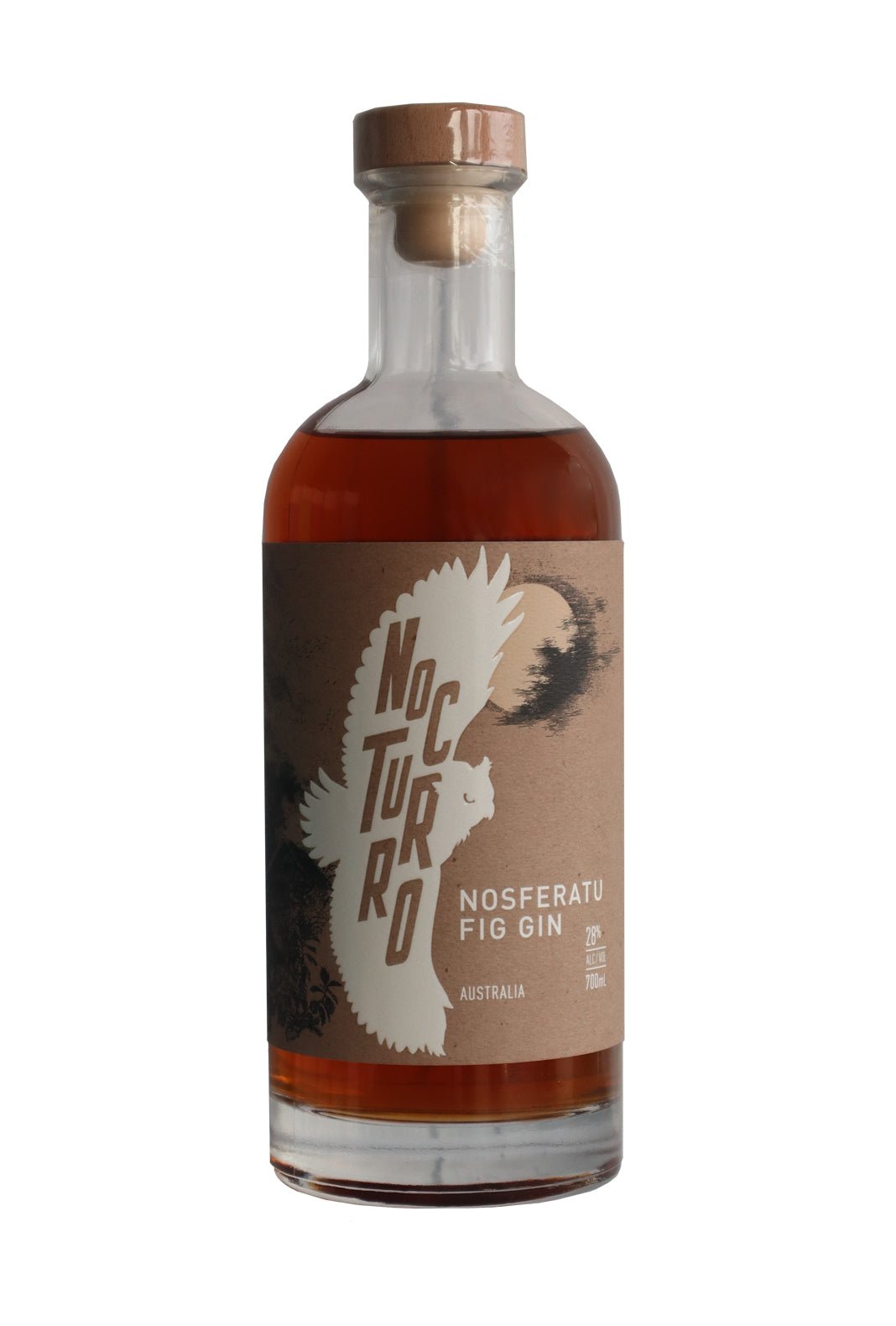
Nosferatu Nocturro Fig Gin 28% 700ml
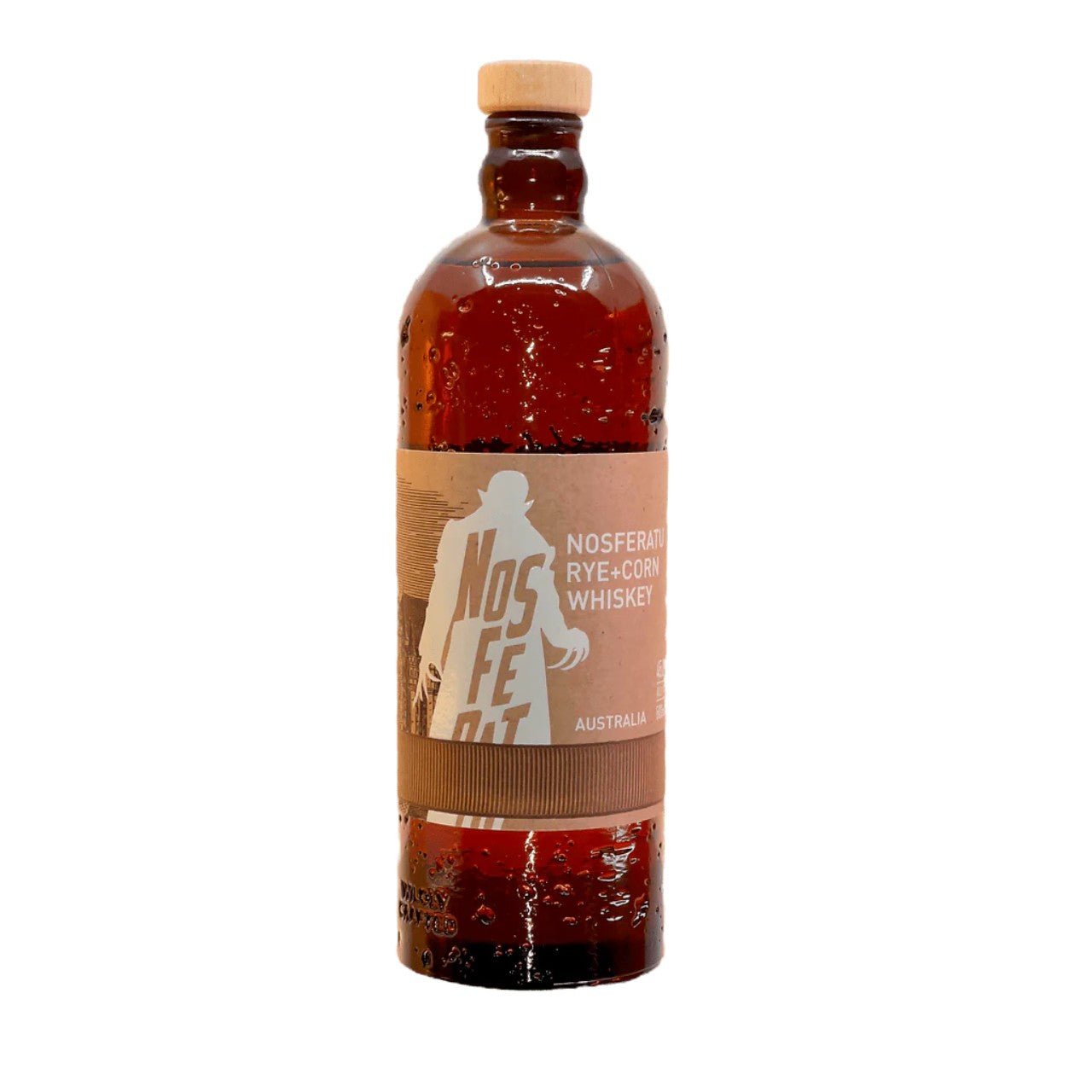
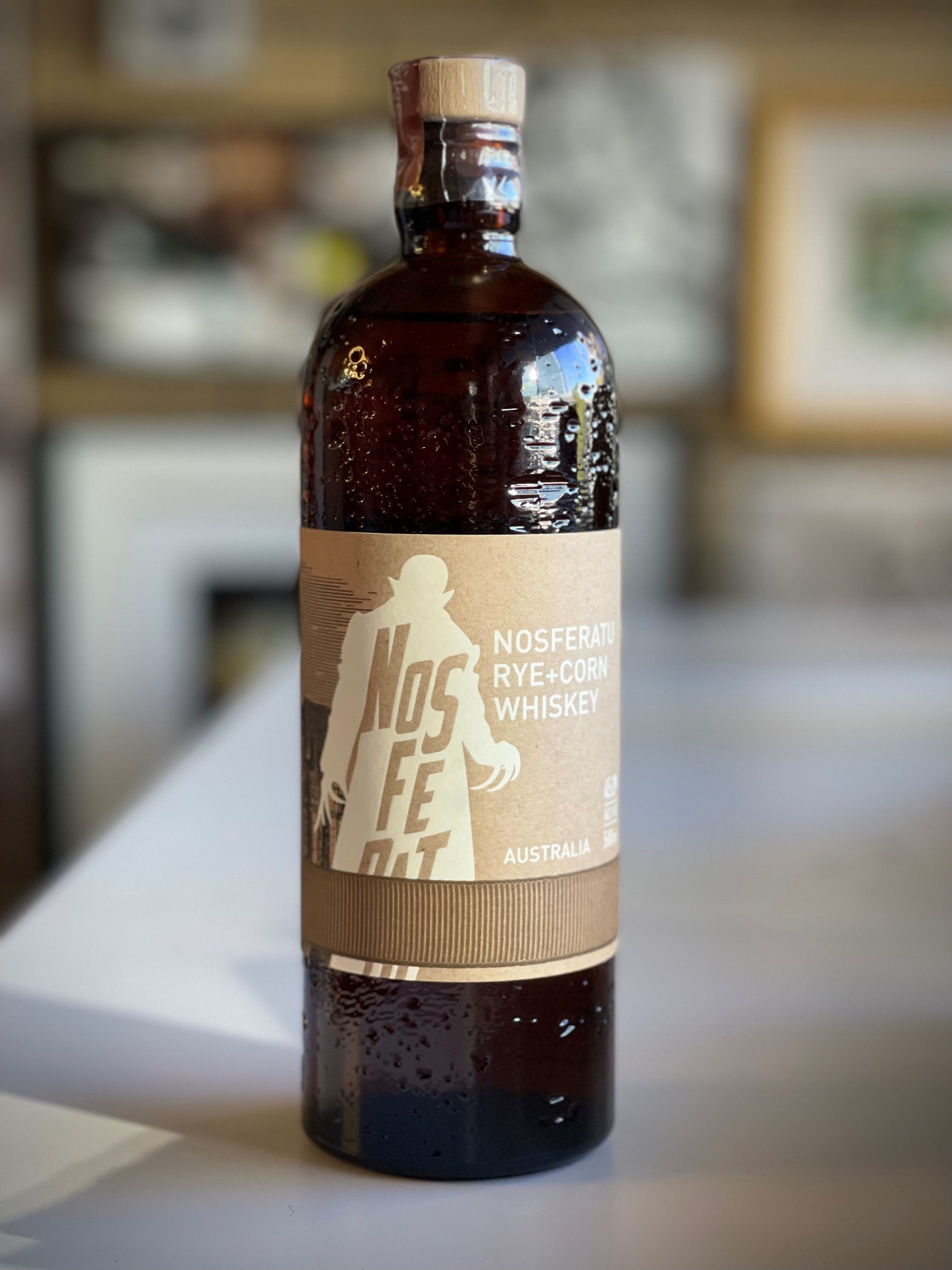
Nosferatu Rye + Corn Whiskey 500ml
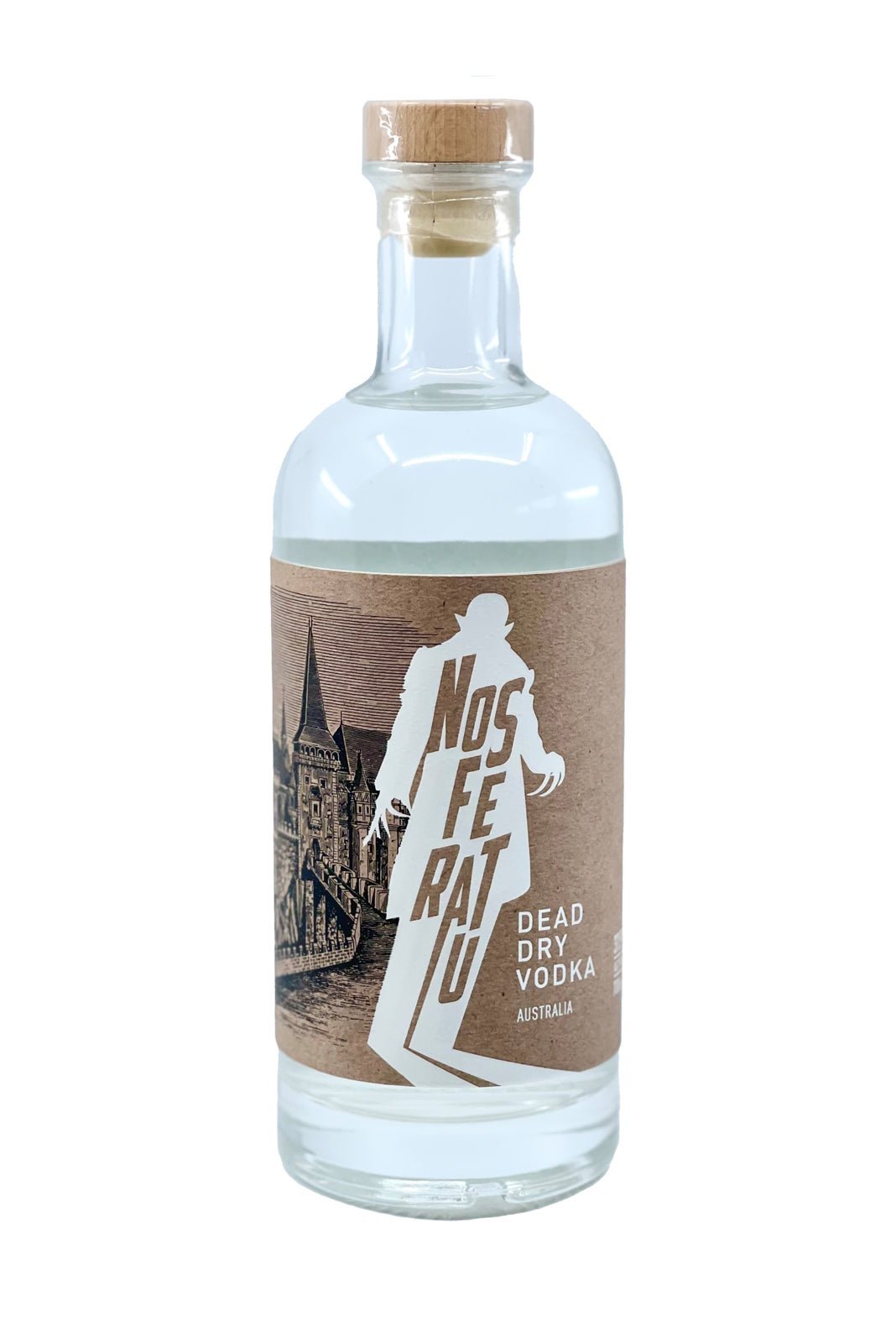
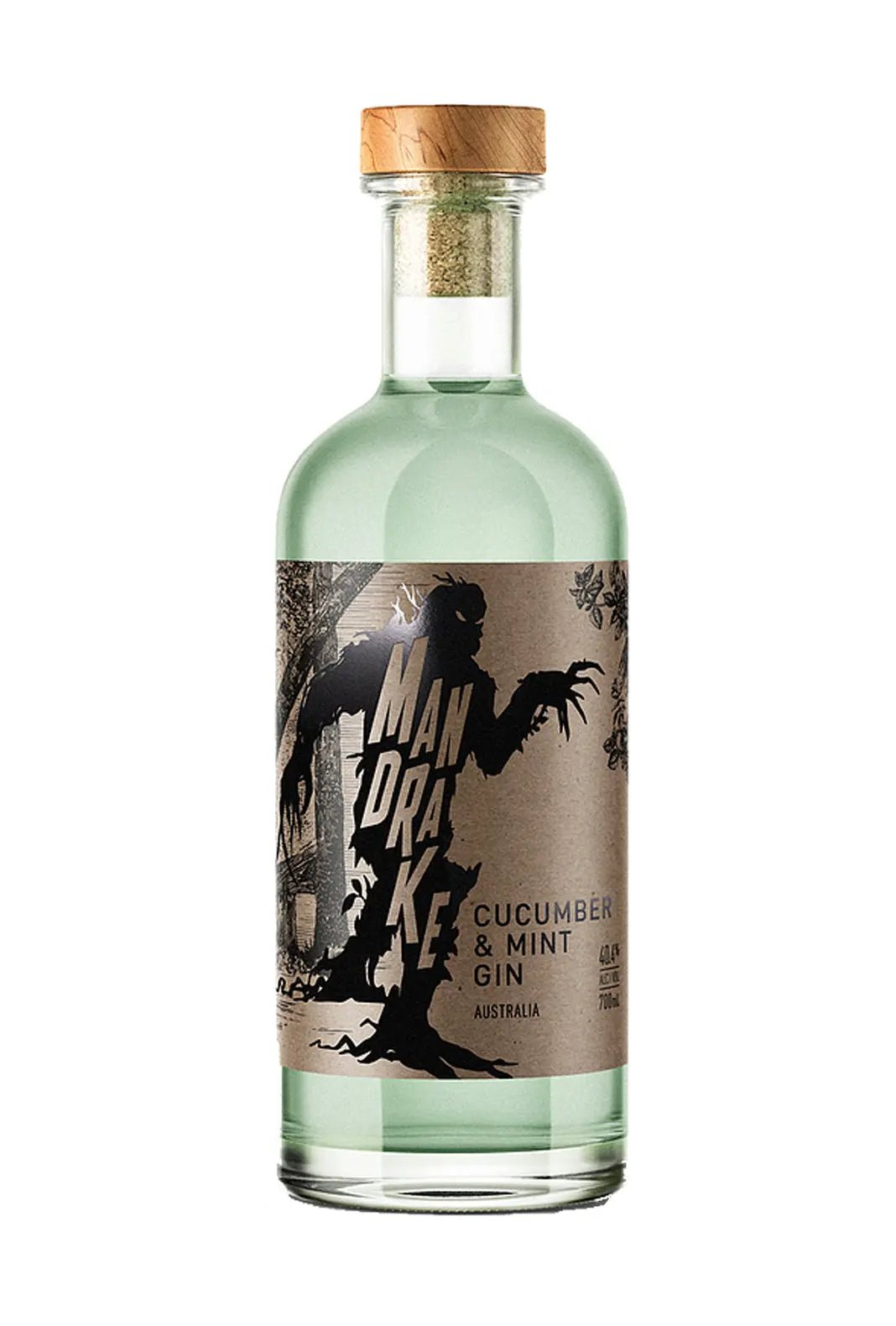
Mandrake Cucumber & Mint Gin 40.4% 700ml
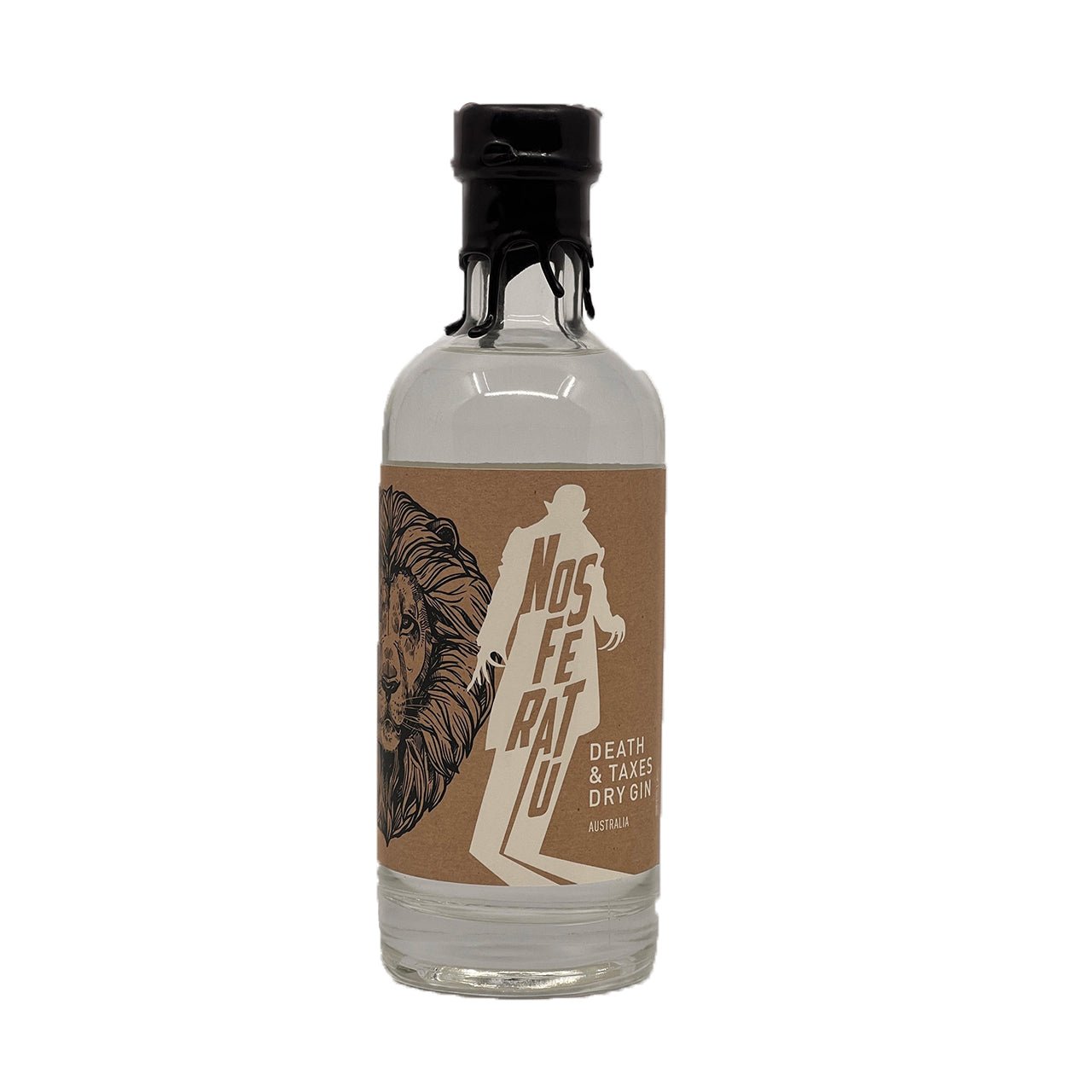
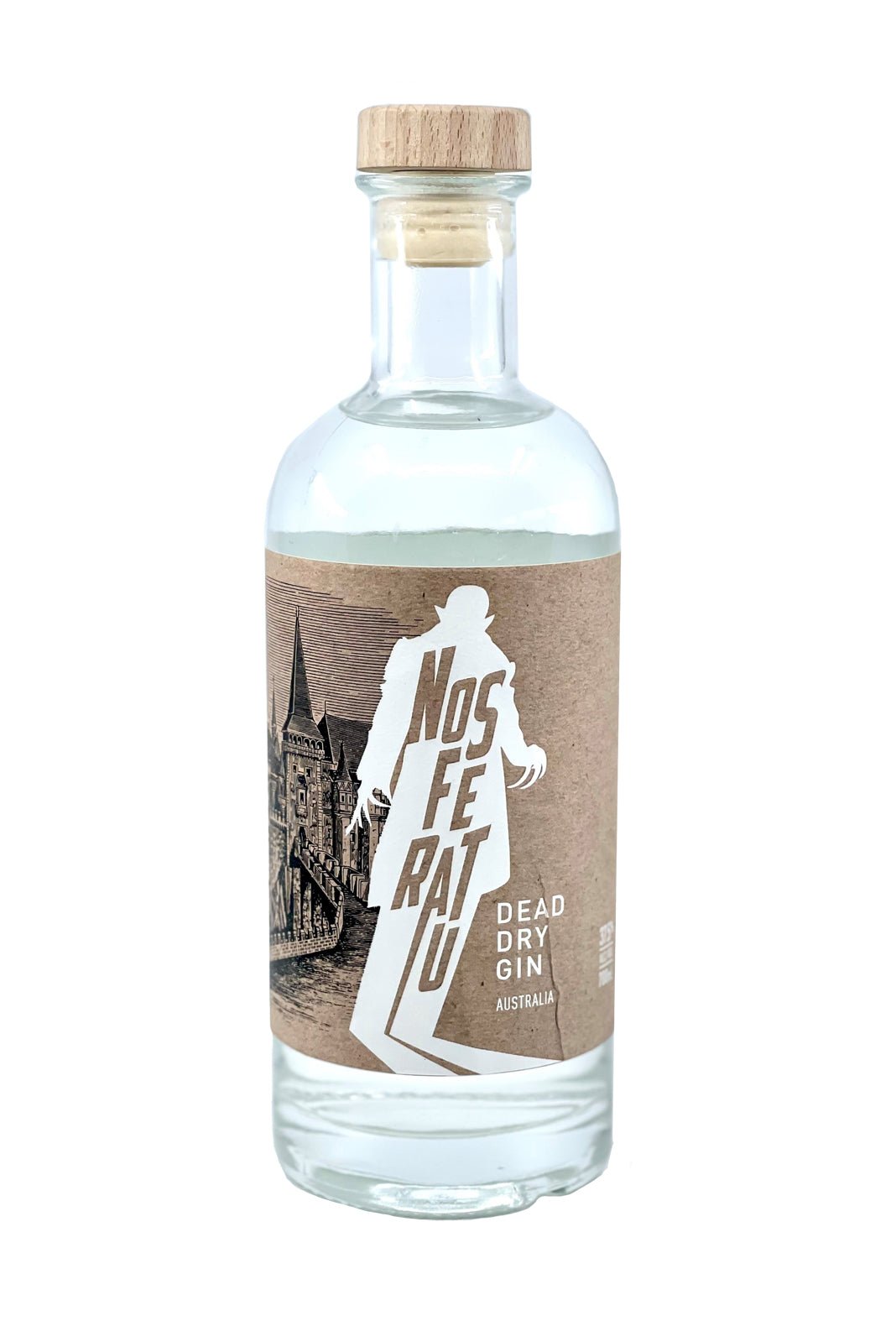
Nosferatu x Death & Taxes Dry Gin 700ml
About Nosferatu
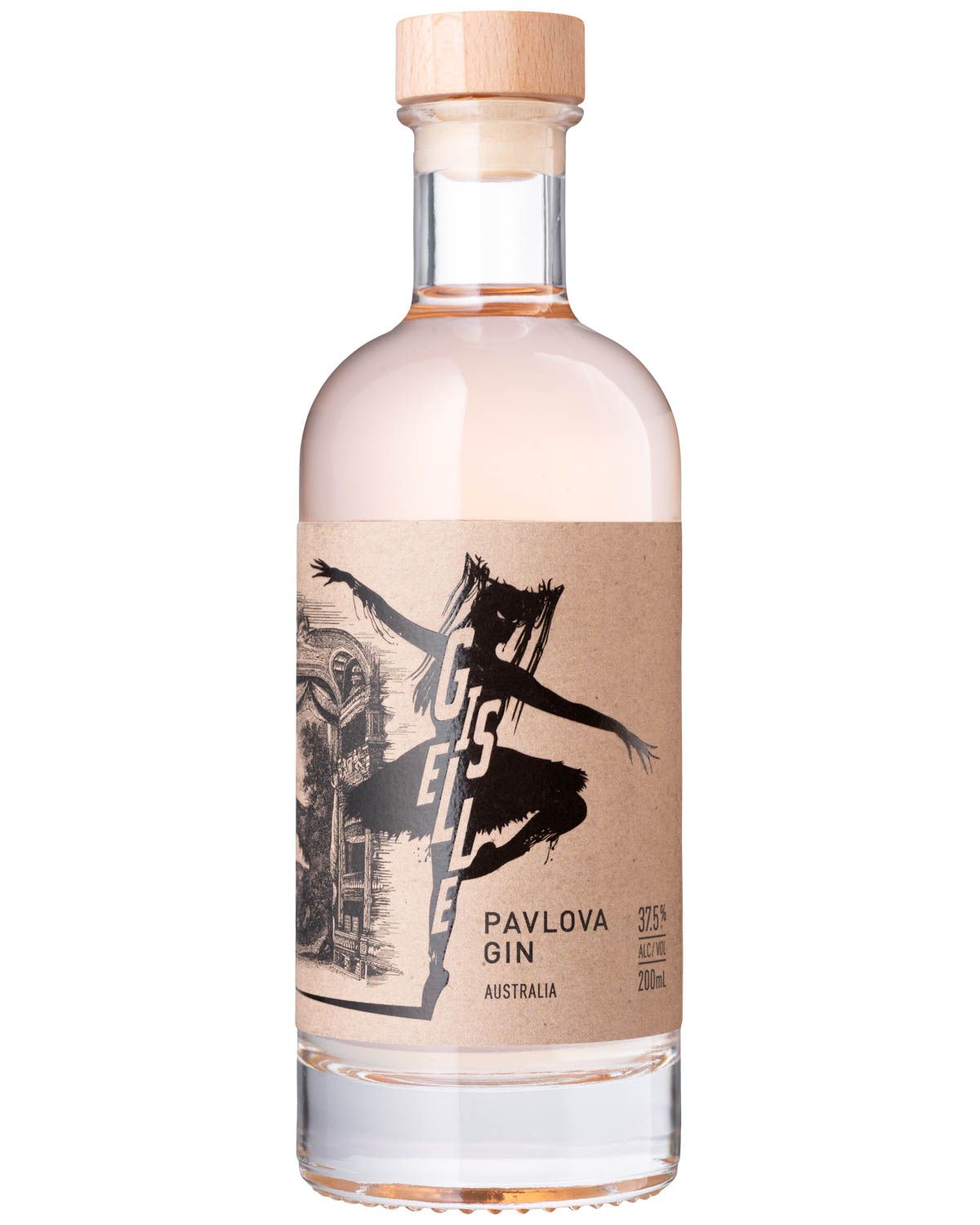
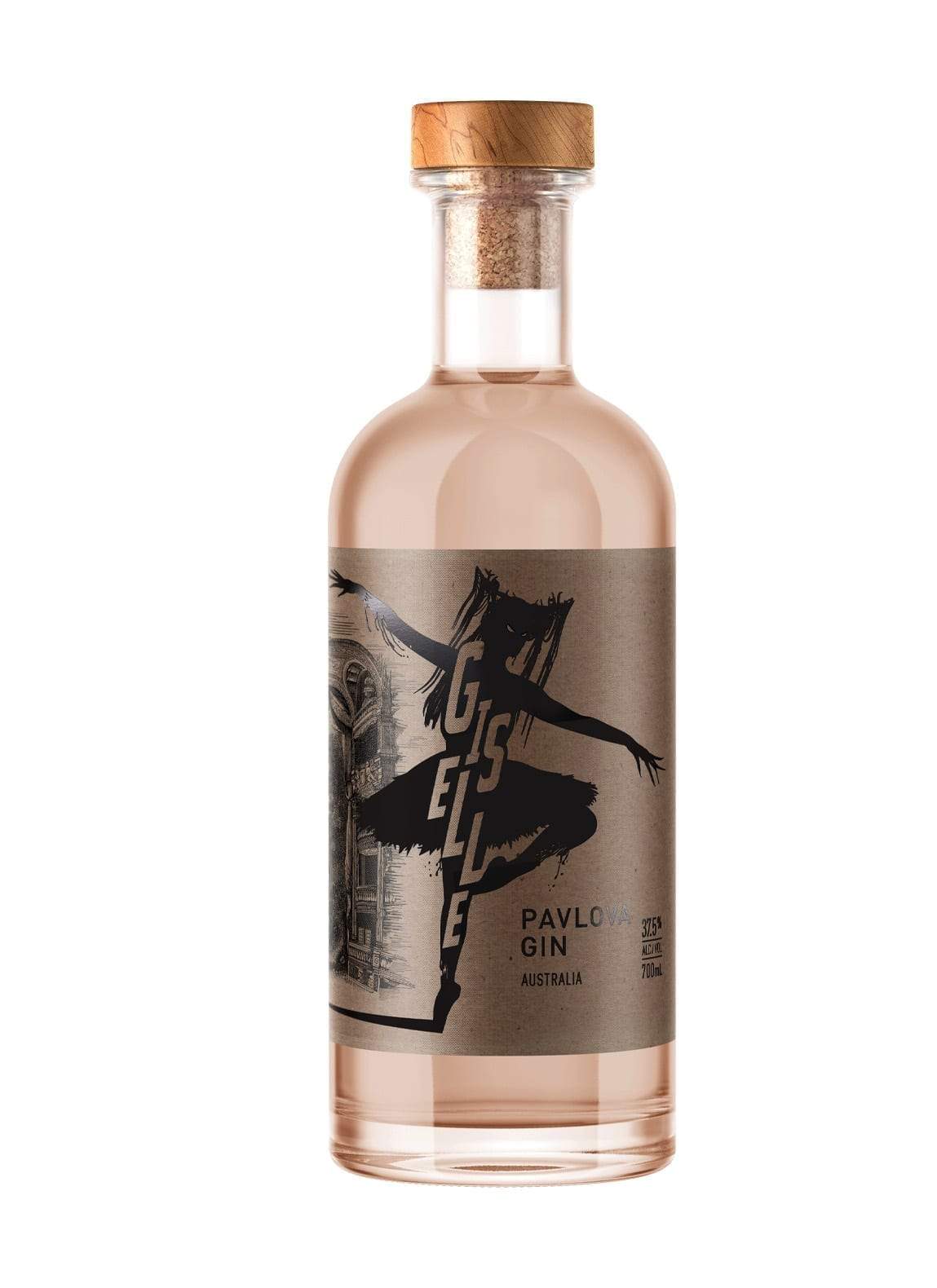
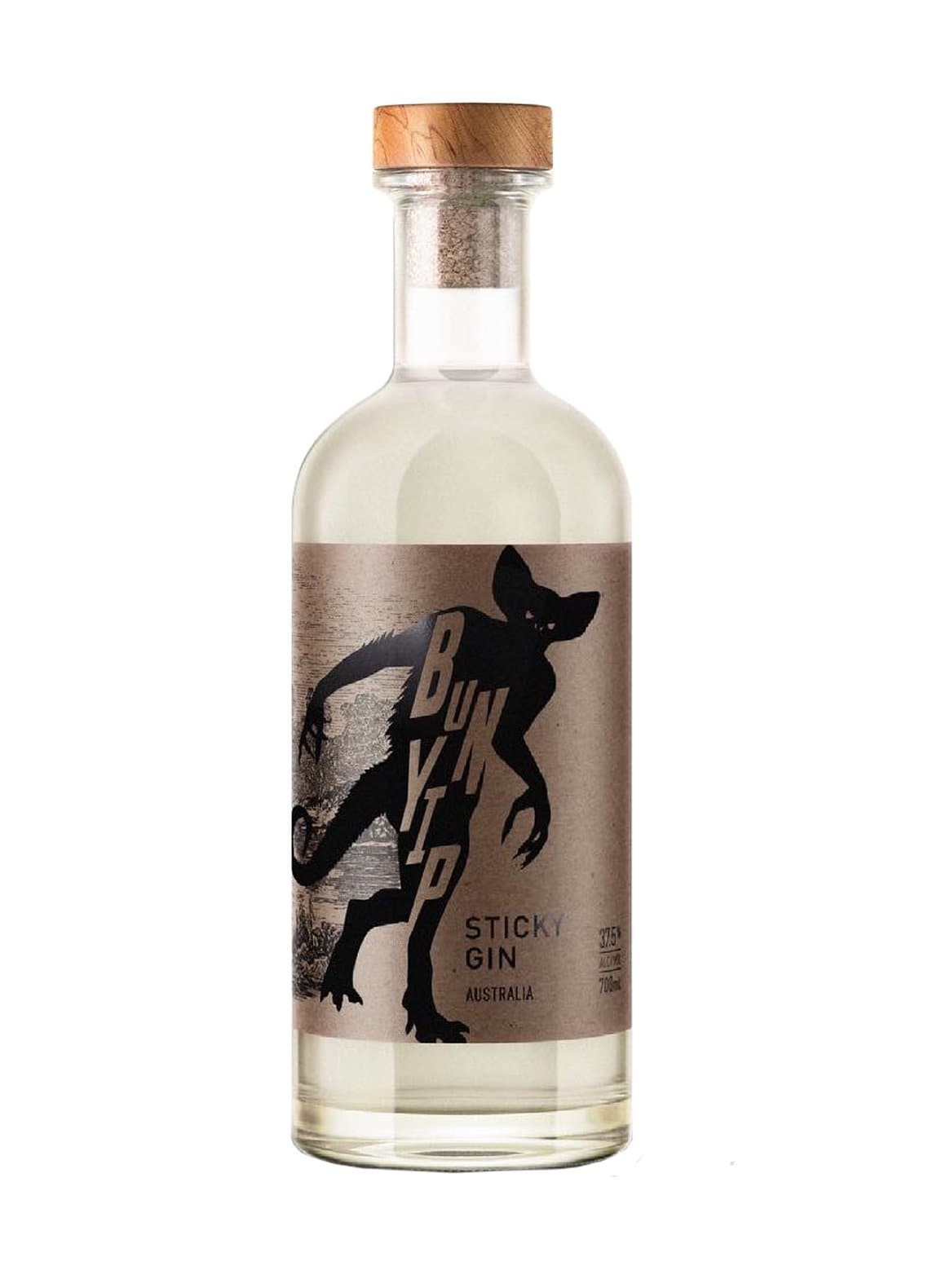
Nosferatu Distillery began in May 2018, built on a fondness for Pimms, Campari and gin and an equally strong interest in film, art, literature and folklore. The names are the giveaway. Nosferatu is the 1922 vampire film, Giselle Pavlova borrows from ballet, Mandrake and Bunyip come from folklore on two different continents. The gins are flavour forward rather than juniper austere, and the botanical or fruit character is meant to lead. Blood Orange at 40.4 percent is the flagship and the easiest entry point. Mandrake Cucumber and Mint runs at the same strength but in the opposite direction, cool and vegetal. Giselle Pavlova is the dessert one, and Nocturro Fig at 28 percent is the outlier, low enough in strength and sweet enough to sit closer to a liqueur than a gin. Bunyip Sticky is sweet too but bottled at ordinary gin strength. Alongside them are Dead Dry Gin and Dead Dry Vodka, both at 37.5 percent and both built to disappear into a cocktail rather than lead it. More across gin and vodka.
History
Australia had a few dozen distilleries at the turn of the century and now has several hundred, and Nosferatu arriving in 2018 puts it squarely in the middle of that wave. The thing that made it possible was a shift in what gin is allowed to taste like. The European standard asks only for a spirit in which juniper is the predominant flavour, and that single word predominant leaves enormous room. London dry, the style that dominated the twentieth century, reads that rule conservatively: juniper, coriander, angelica, citrus peel, everything distilled together, nothing added afterwards. Contemporary gin reads it loosely, leaning on a signature botanical and often adding fruit or sweetening after distillation, which is how you get a fig gin at 28 percent or a blood orange gin that tastes unmistakably of blood orange. That is not a lesser method, it is a different one, and it is why so many of these bottles work better in a highball than in a martini. Nosferatu takes the second path and pushes the theatrical side of it, with names drawn from silent cinema, ballet and folklore rather than from botanical lists. The distillery has also released spirits beyond gin over the years, including vodka and whisky. Sitting alongside the rest of the gin range and the wider liqueurs shelf, it is a useful reminder of how wide the category has become.
How to drink it
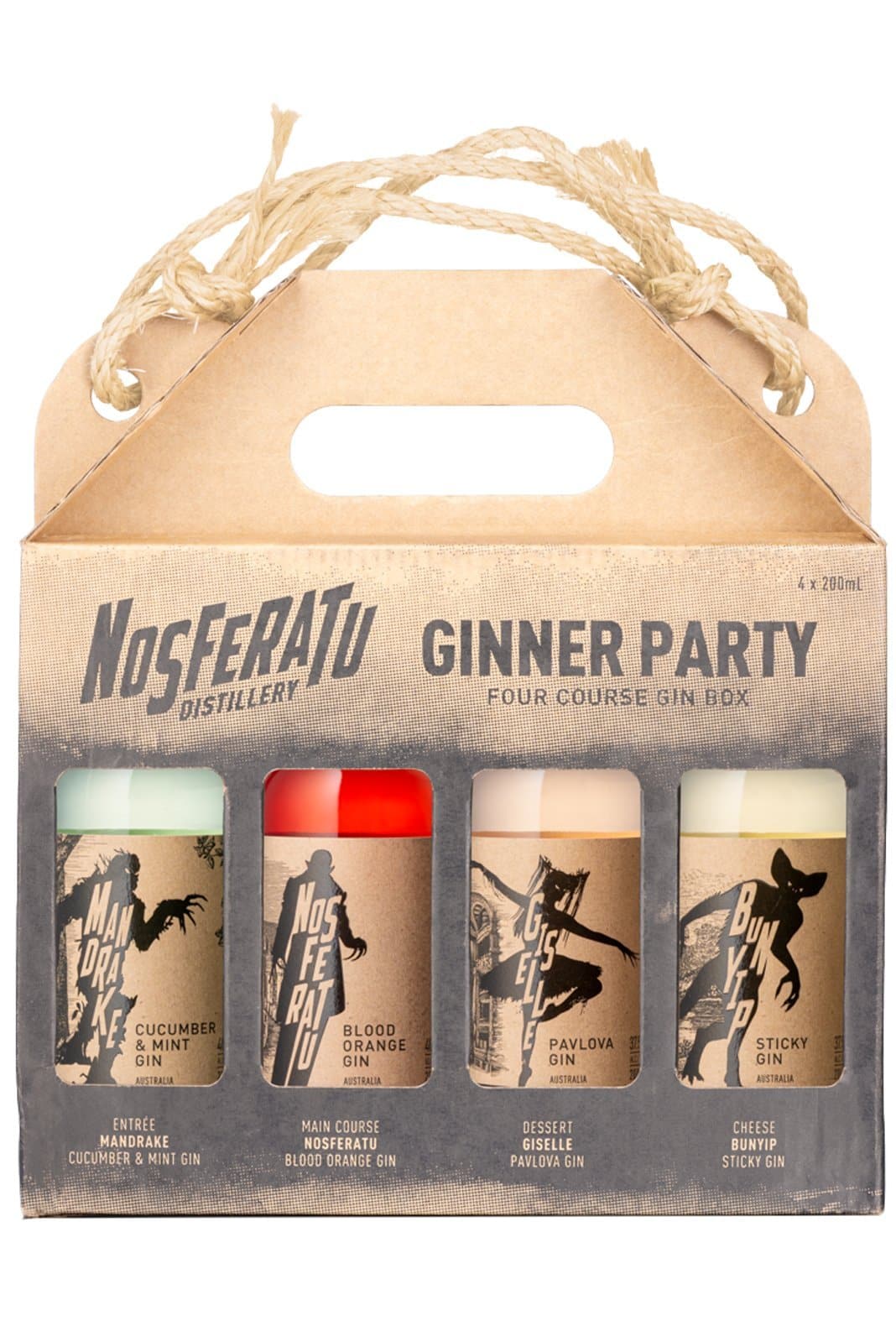
Gin and tonic is the default here and it rewards small adjustments. Use a large wine glass or a copa, fill it properly with ice, pour 45ml, and add 90 to 135ml of tonic depending on how much gin you want to taste. Chill the tonic in the fridge beforehand, because room temperature mixer melts the ice and waters the drink down before you drink it. Match the garnish to the bottle: orange wheel with Blood Orange, a ribbon of cucumber and a mint sprig with Mandrake, and nothing at all with Giselle Pavlova, which is sweet enough already. Nocturro Fig at 28 percent is the one genuinely low strength bottle here, and it is happiest over ice with soda or topped with sparkling wine as a spritz. The sweeter gins at full strength, Giselle Pavlova and Bunyip Sticky, take the same treatment because of their sugar rather than their strength. Use Dead Dry Gin when the cocktail needs a backbone instead of a personality. For food, cucumber and mint gin works with oysters and smoked salmon, the fruit styles with soft cheese, stone fruit or pavlova. Gin does not improve in the bottle and does not spoil quickly either, so an opened bottle is fine for a year or more upright with the cap tight, though citrus led gins fade first. Start with the Ginner pack of 200ml bottles if you want to try before committing.
More from this origin and style: