
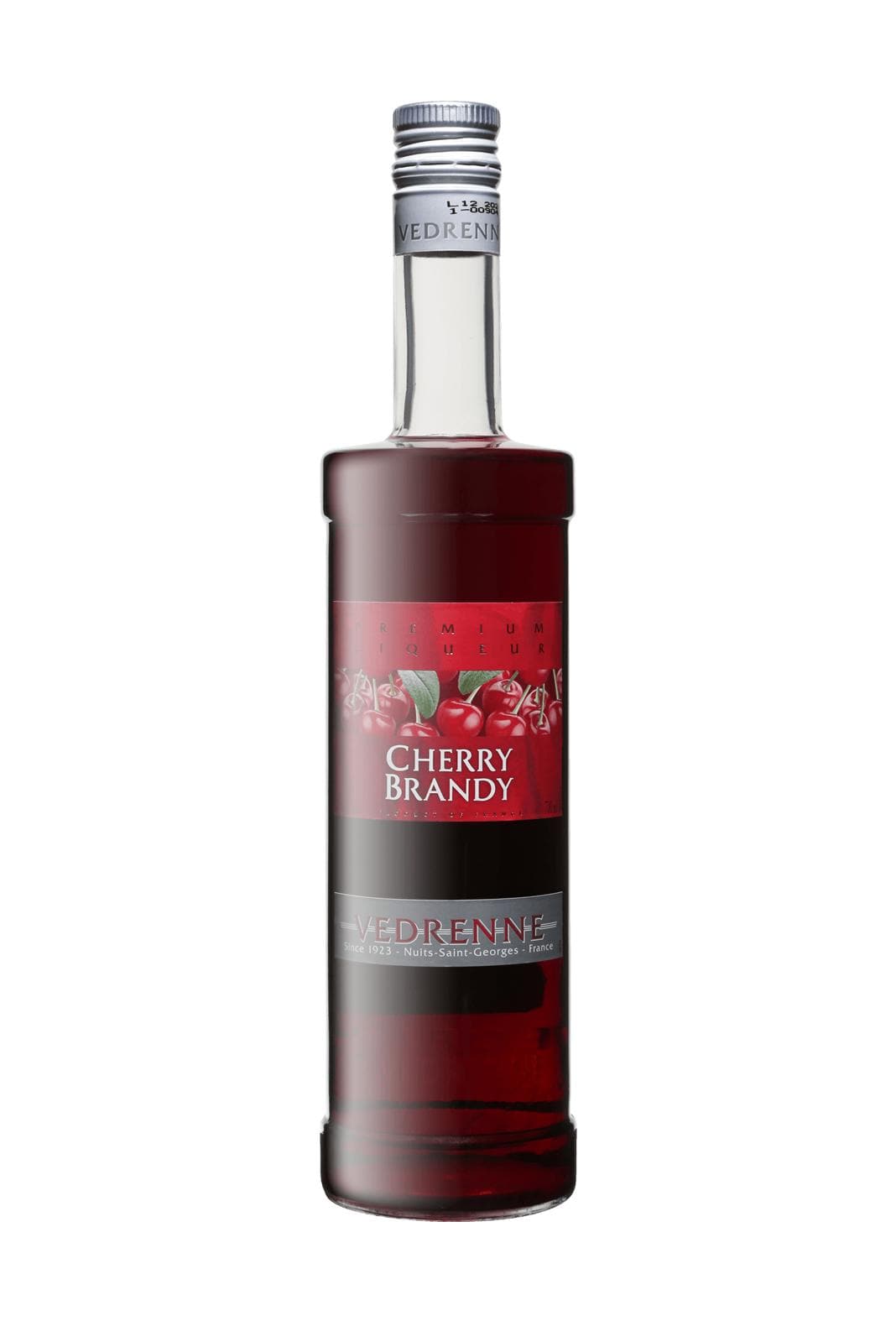
Vedrenne Cherry Brandy 25% 700ml
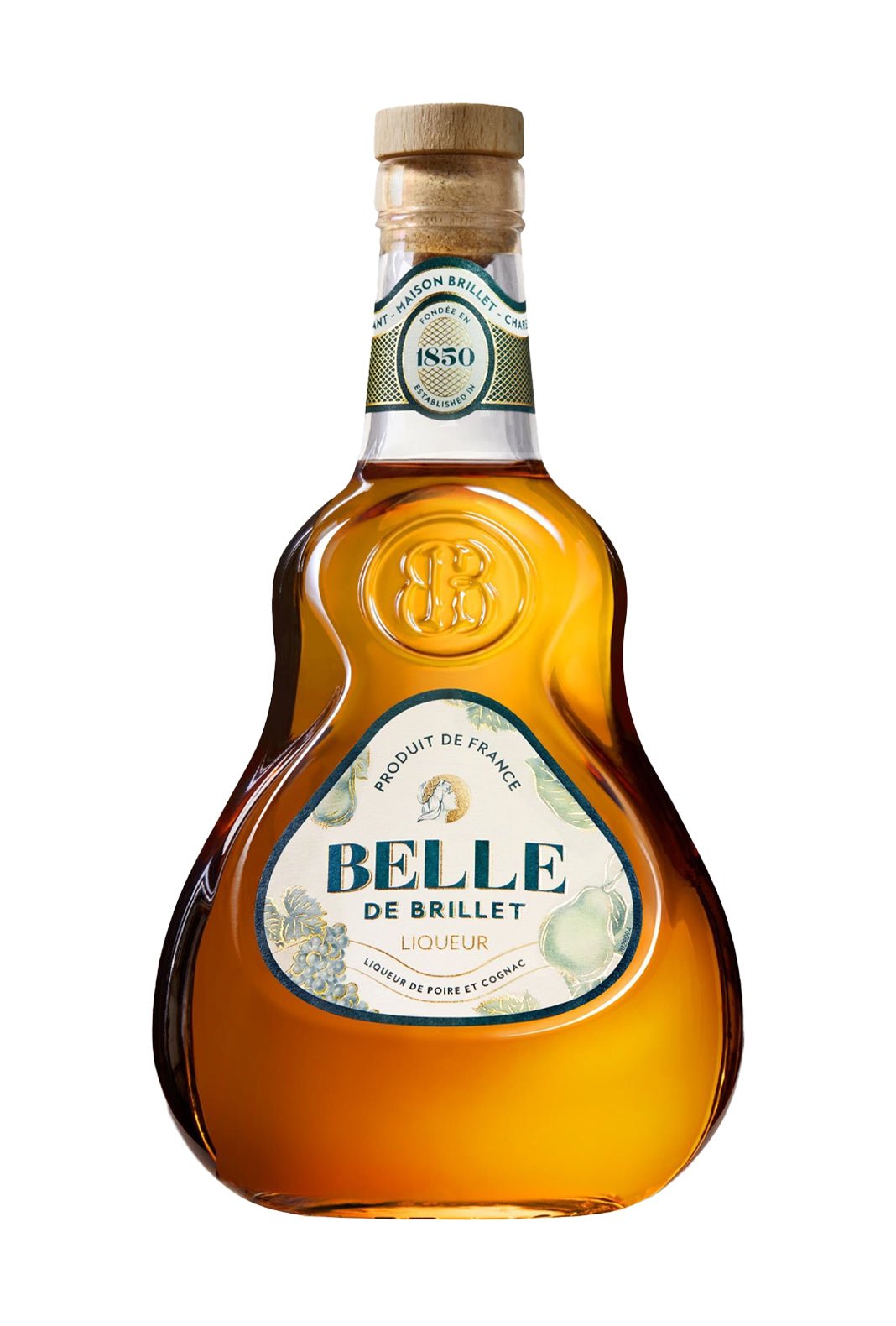
Brillet Liqueur 'Belle de Brillet' Poire William & Cognac 30% 700ml
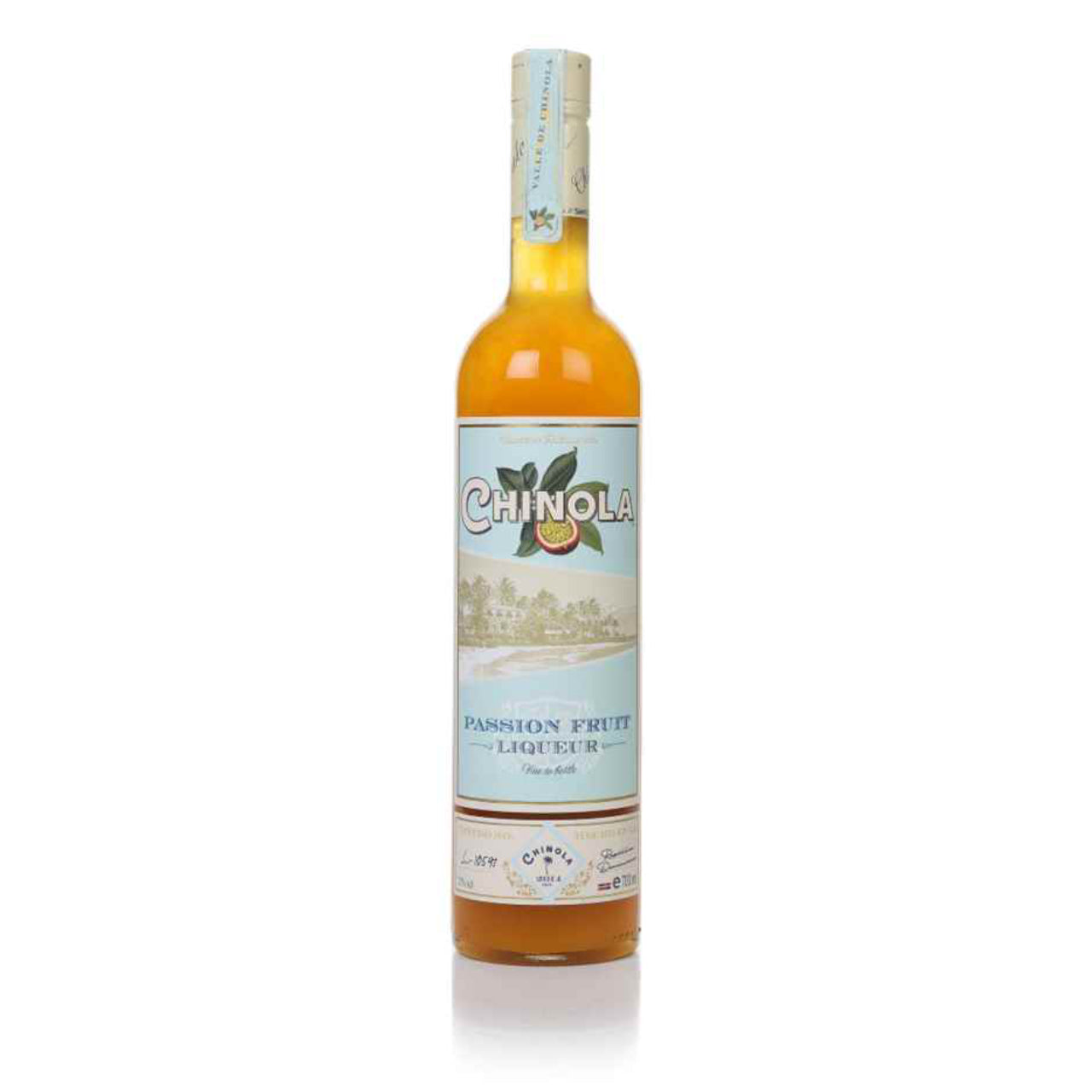
Chinola Passionfruit Liqueur
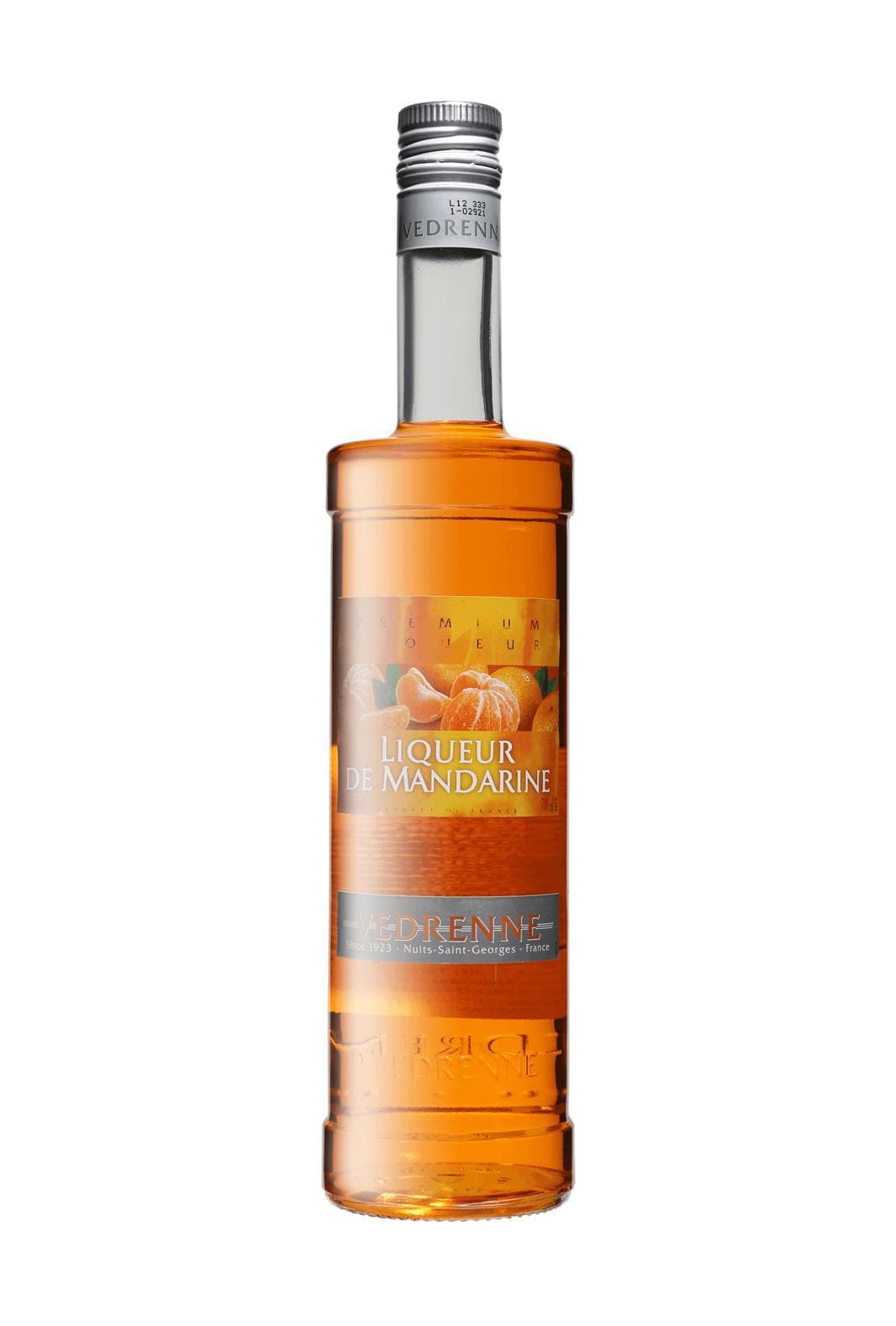
Vedrenne Liqueur de Mandarine (Tangerine) 25% 700ml
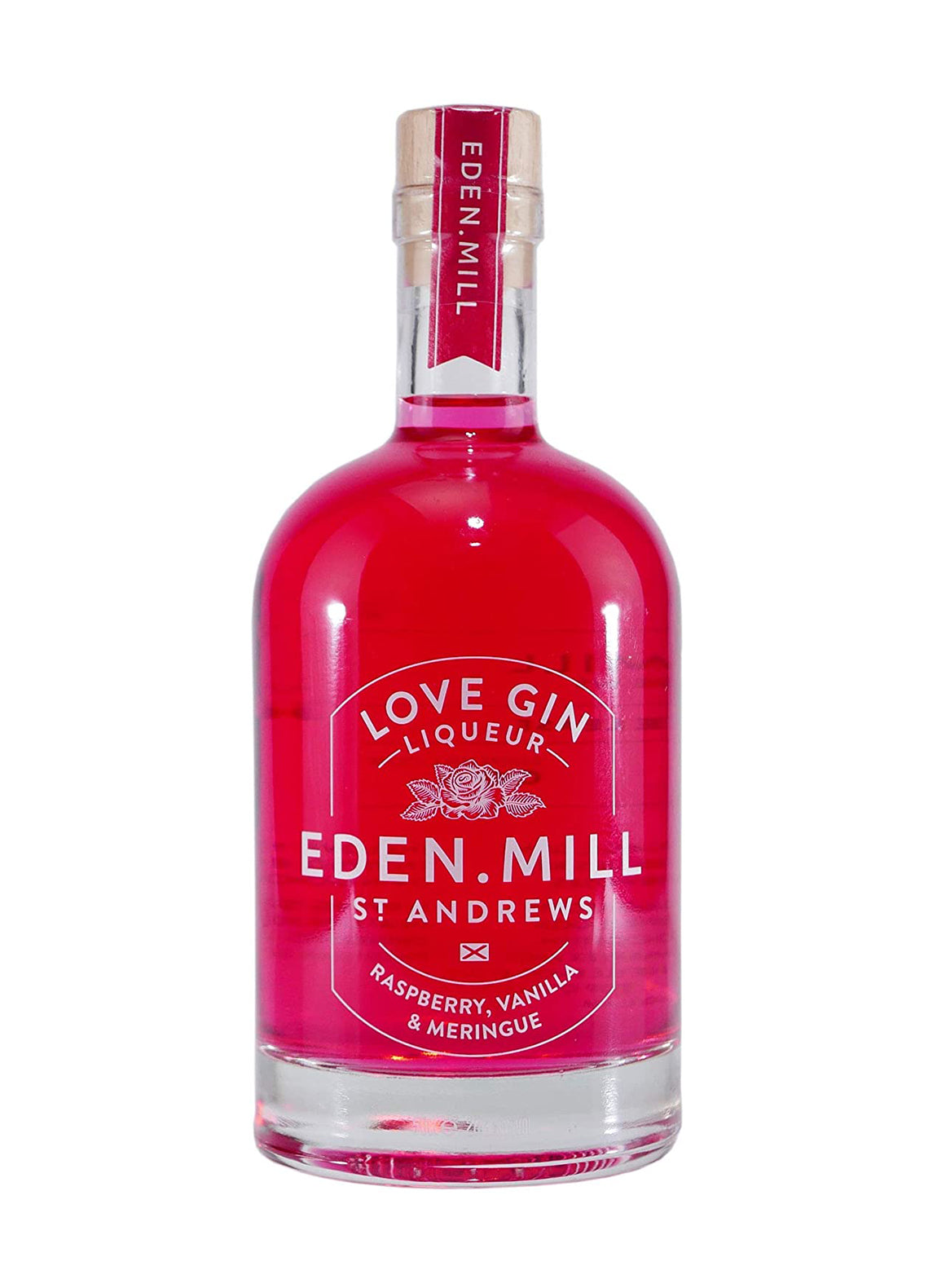
Eden Mill Love Liqueur 20% 500
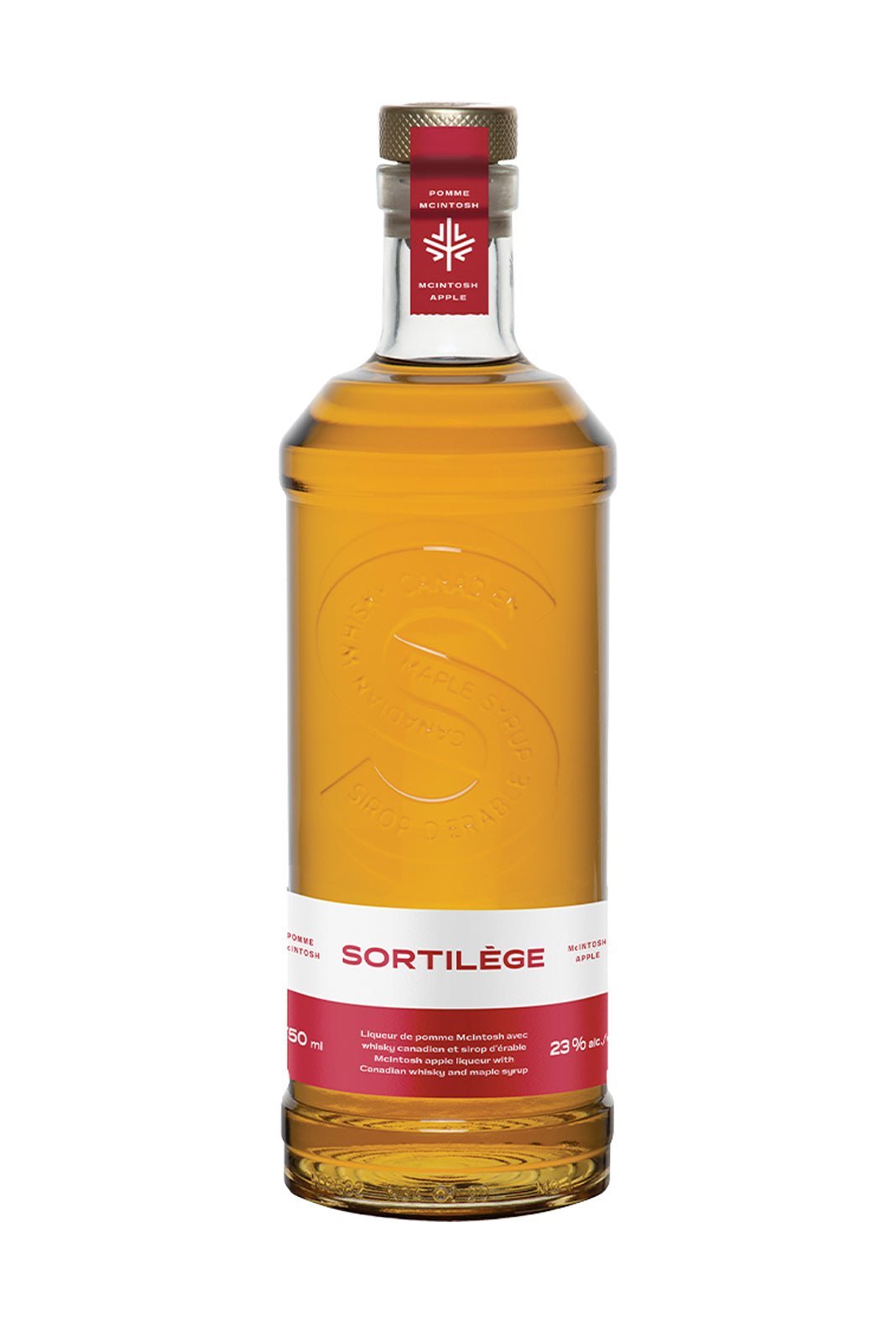
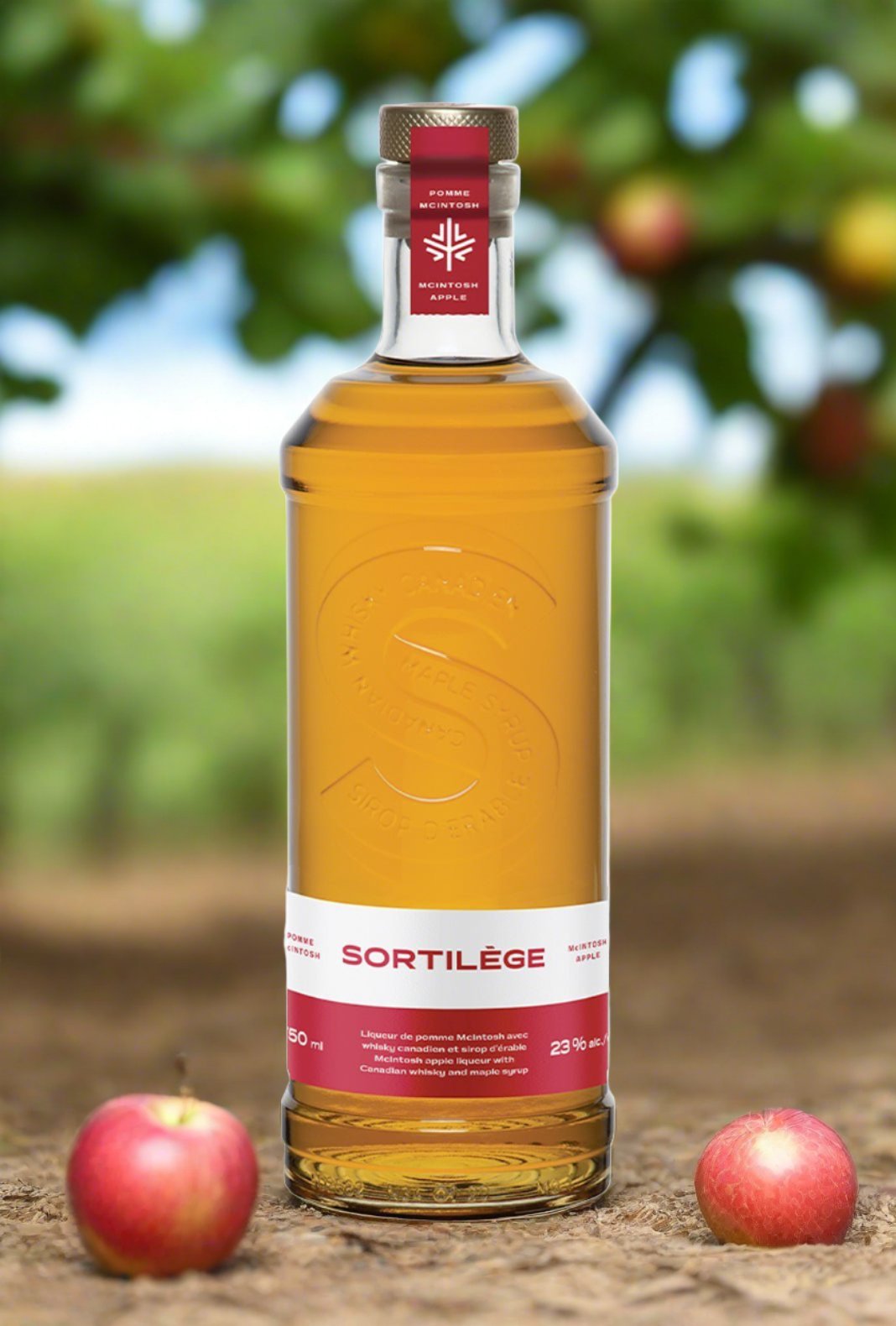
Sortilege Apple Whiskey Liqueur 23% 750ml
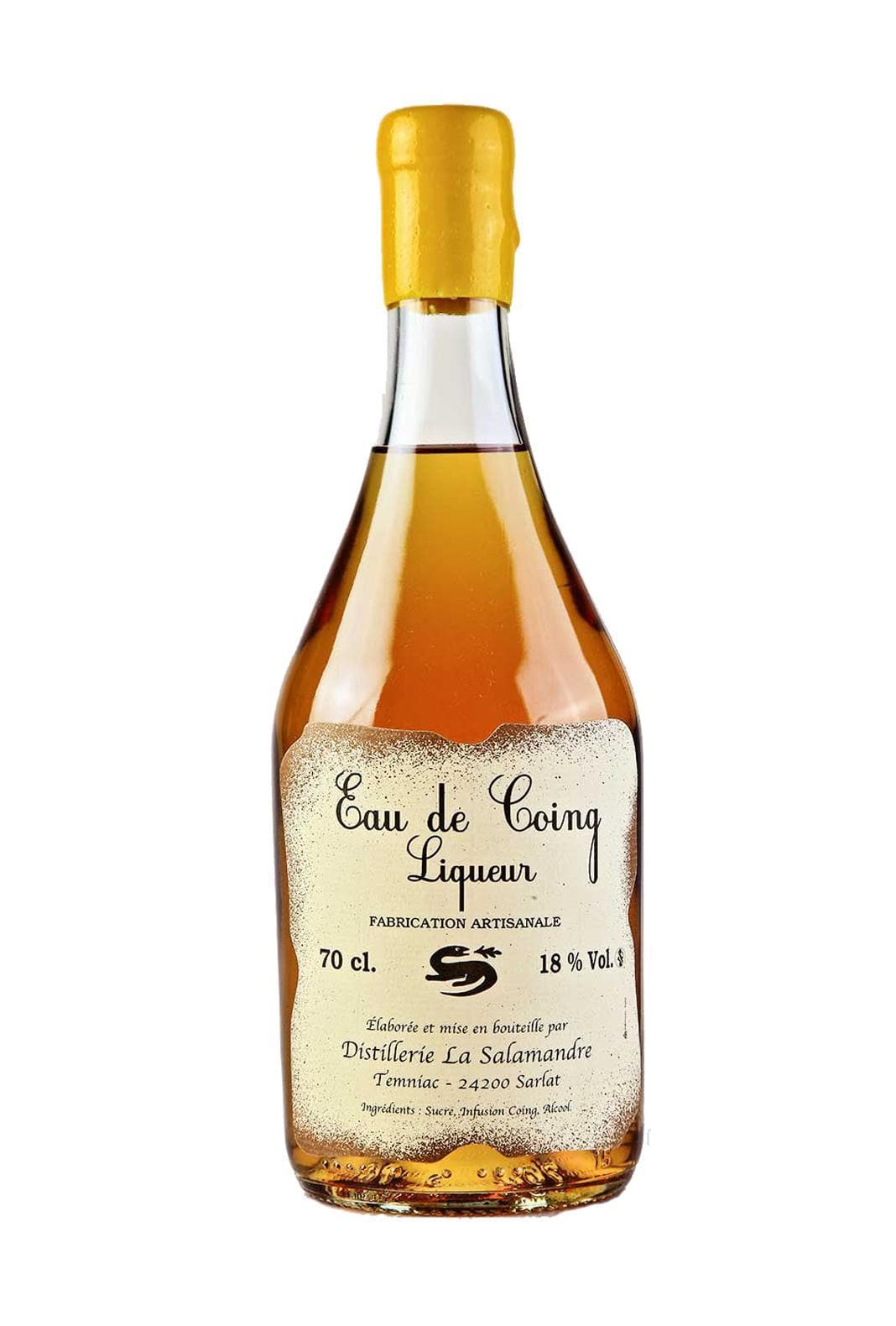
Salamandre Liqueur Eau de Coing (Quince) 18% 700ml
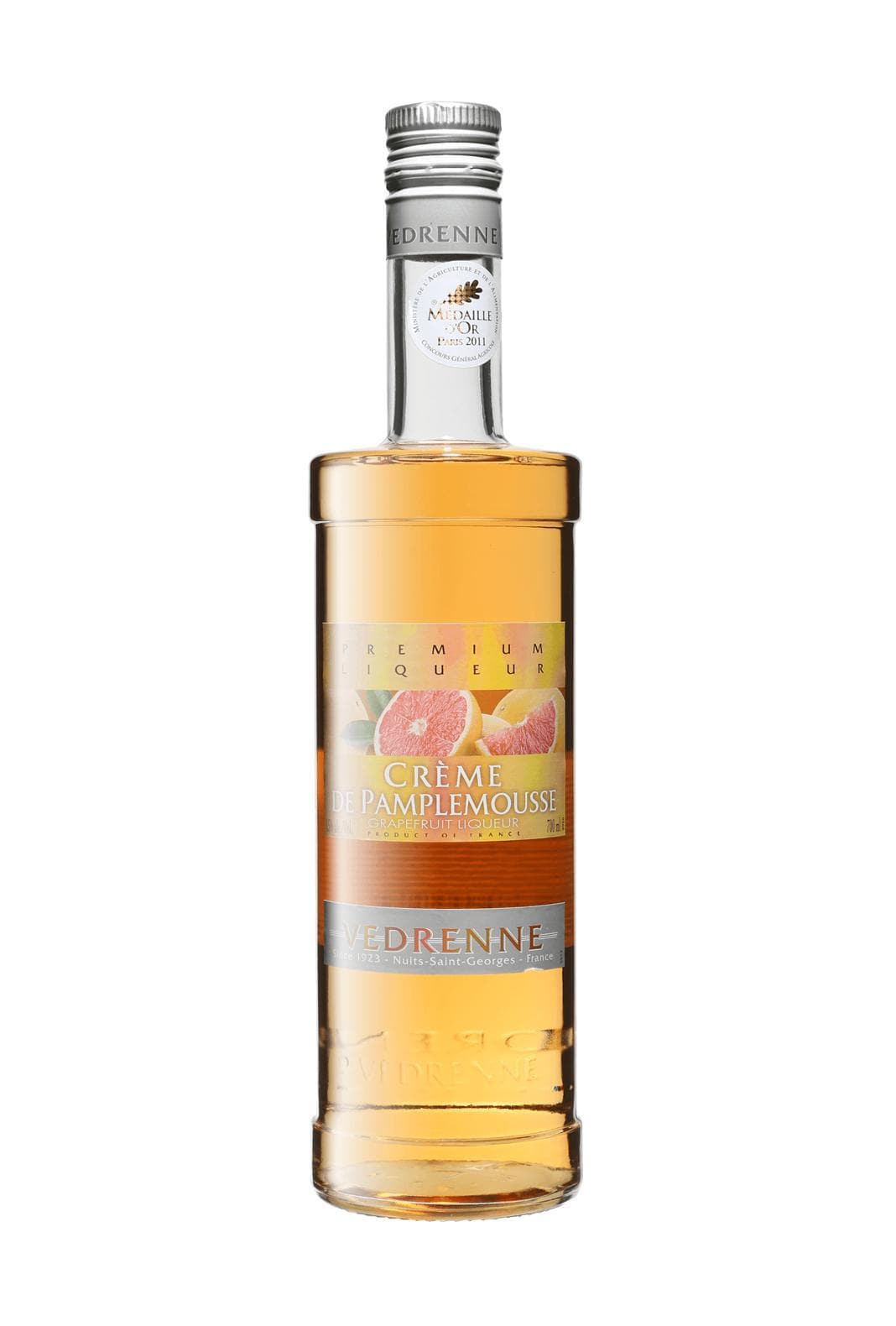
Vedrenne Liqueur Creme de Pamplemousse Rose (Pink Grapefruit) 15% 700ml
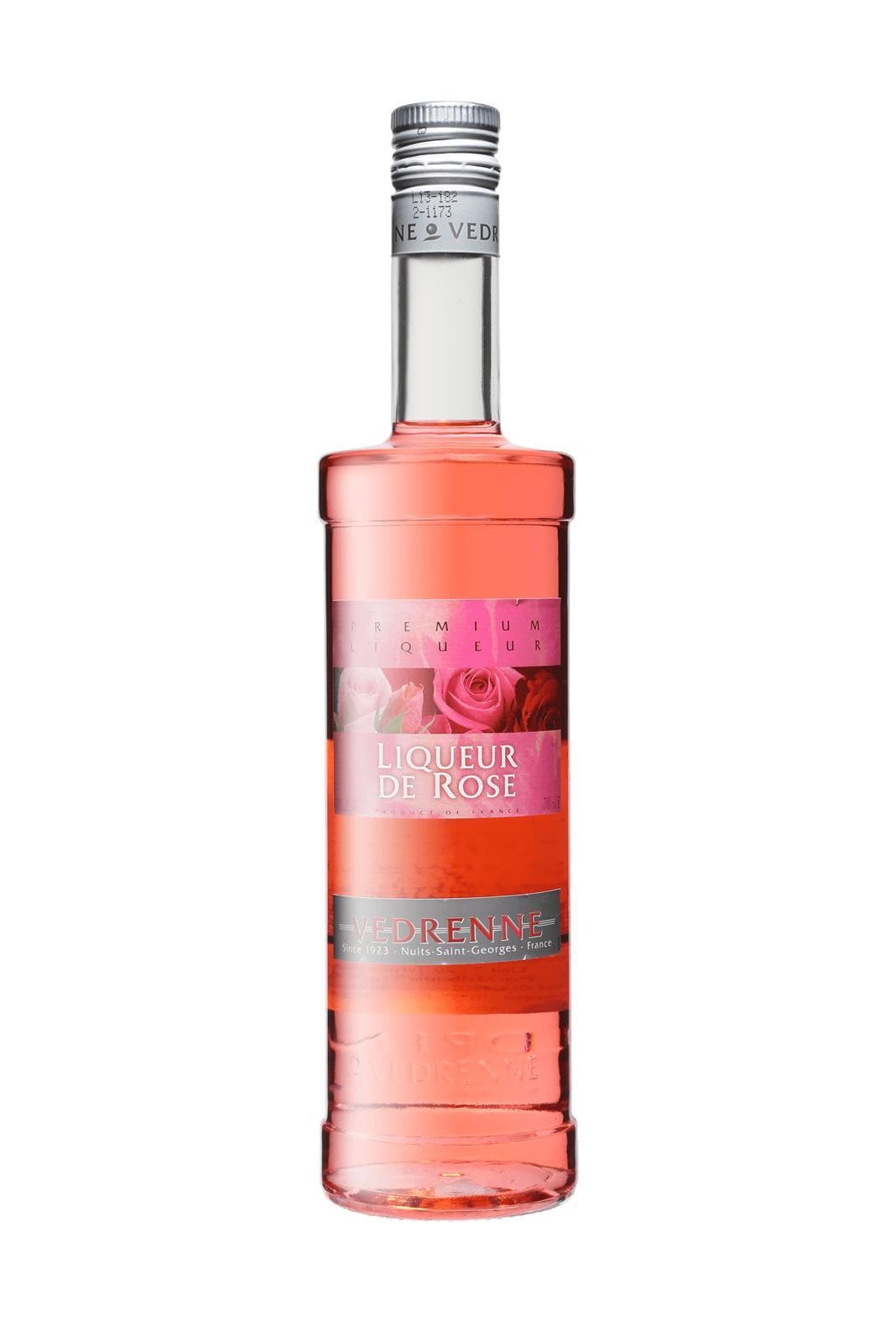
Vedrenne Liqueur de Rose 18% 700ml
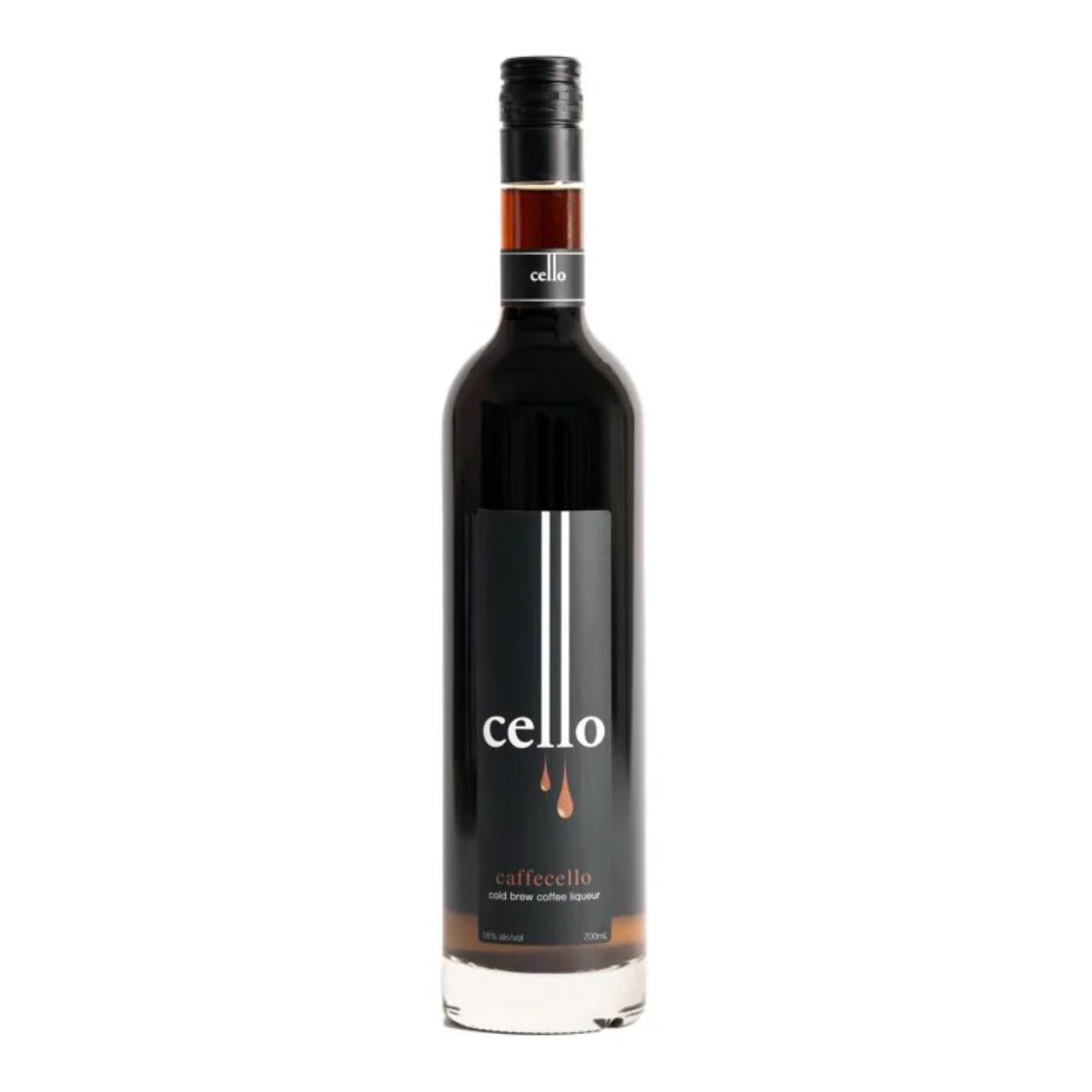
Cello Caffecello (Coffee) Liqueur 700ml
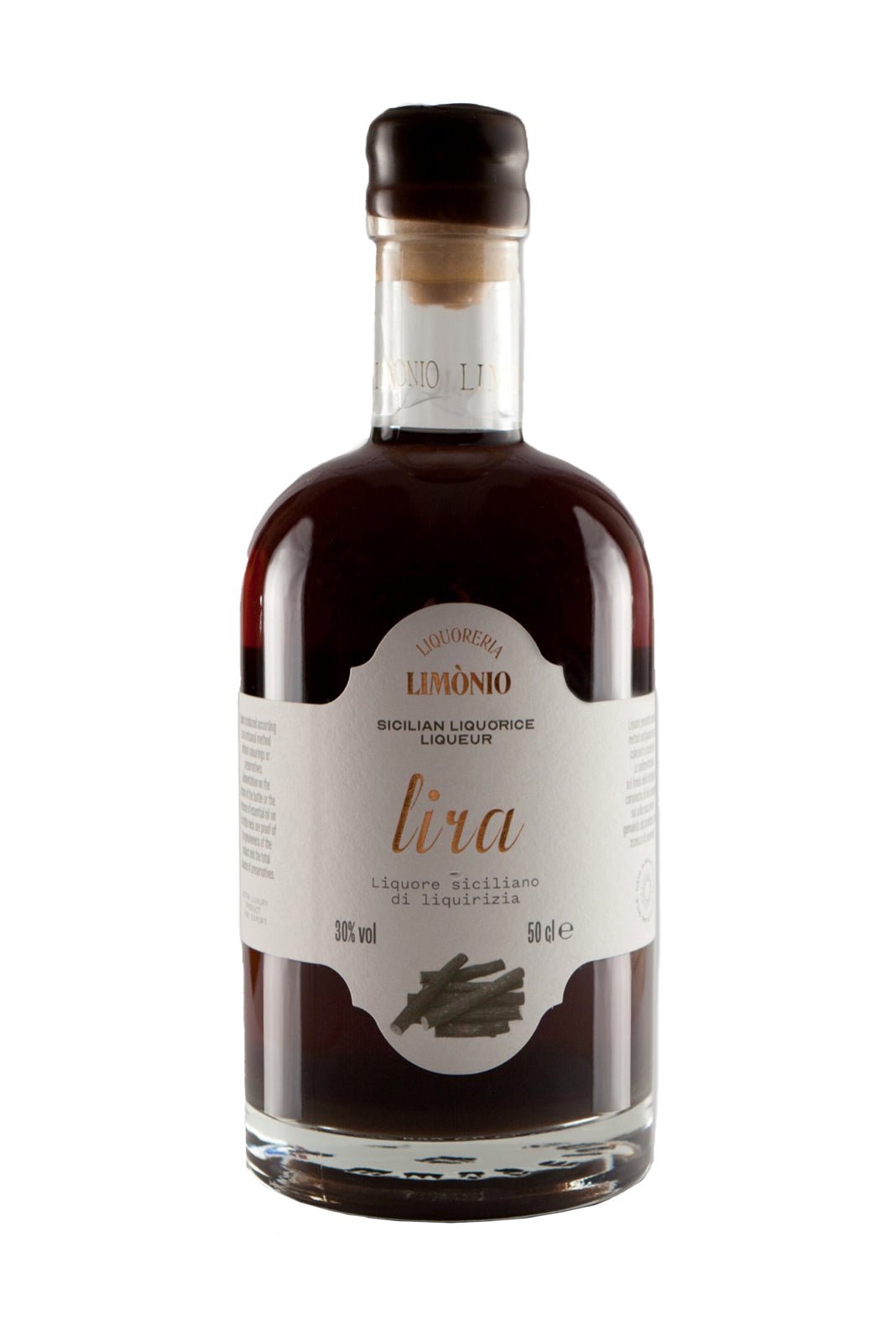
Liquorice Liqueur LIMONIO 32% 500ml
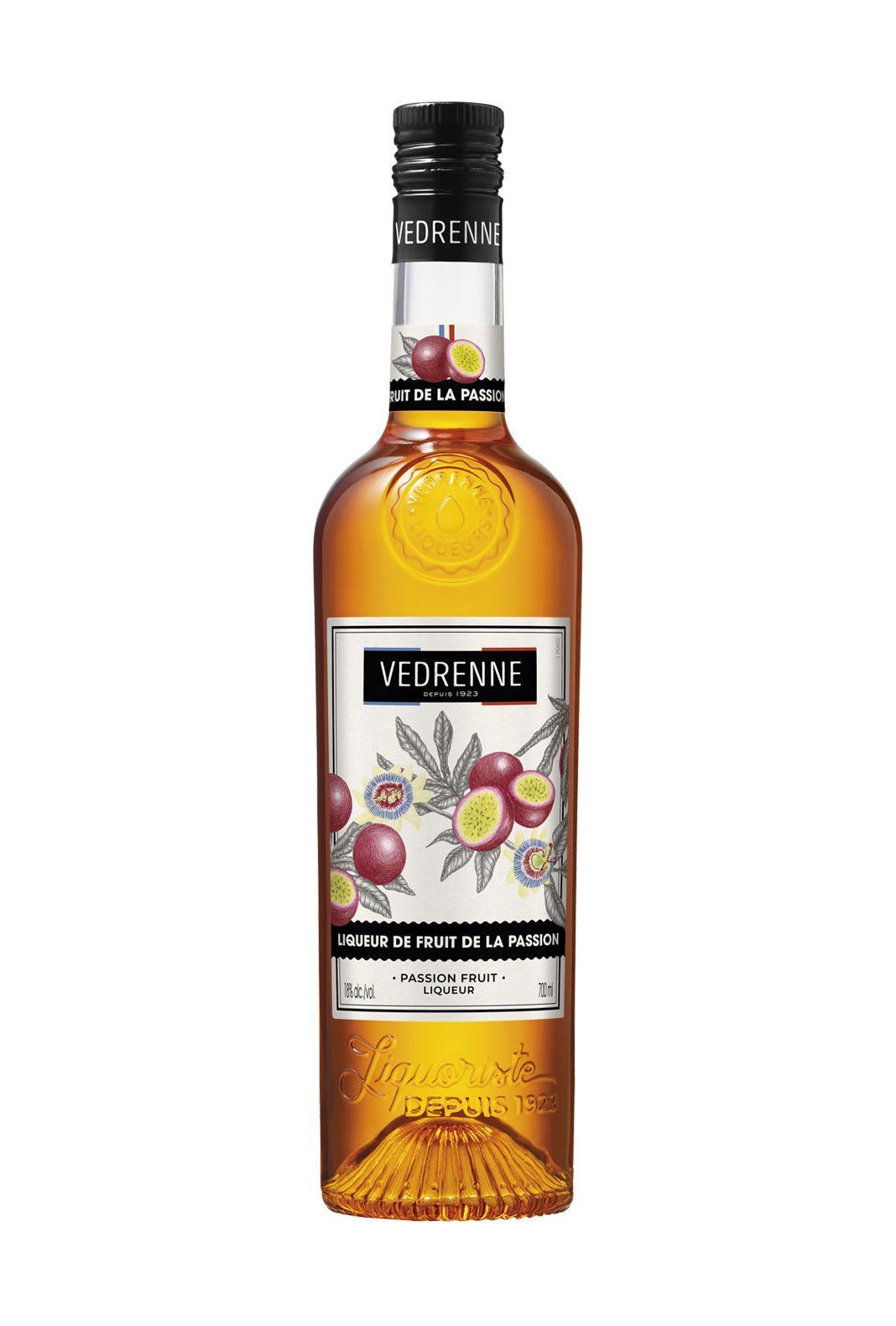
Vedrenne Liqueur Fruit de la Passion (Passionfruit) 18% 700ml
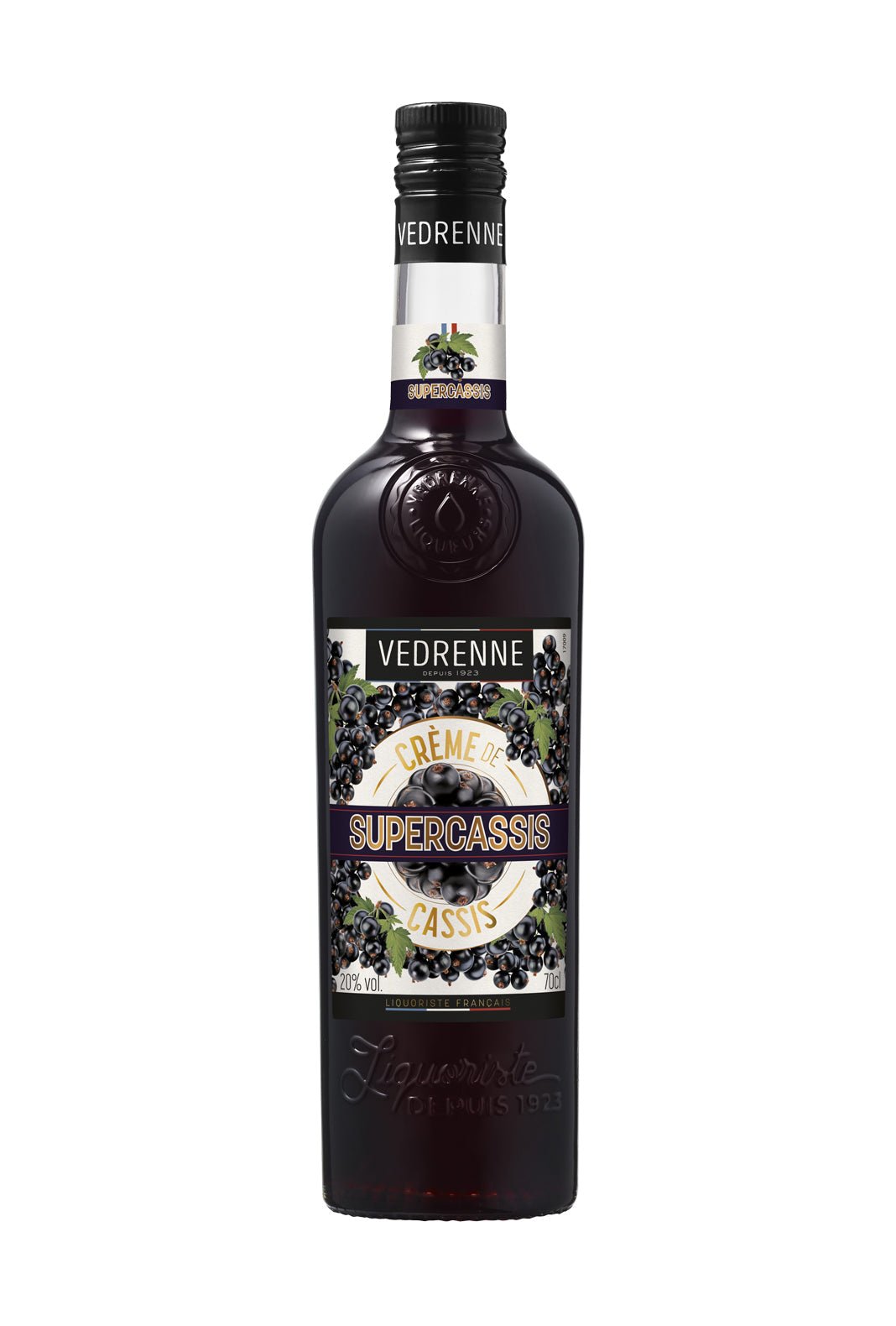
Vedrenne Super cassis Blackcurrant 20% 700ml
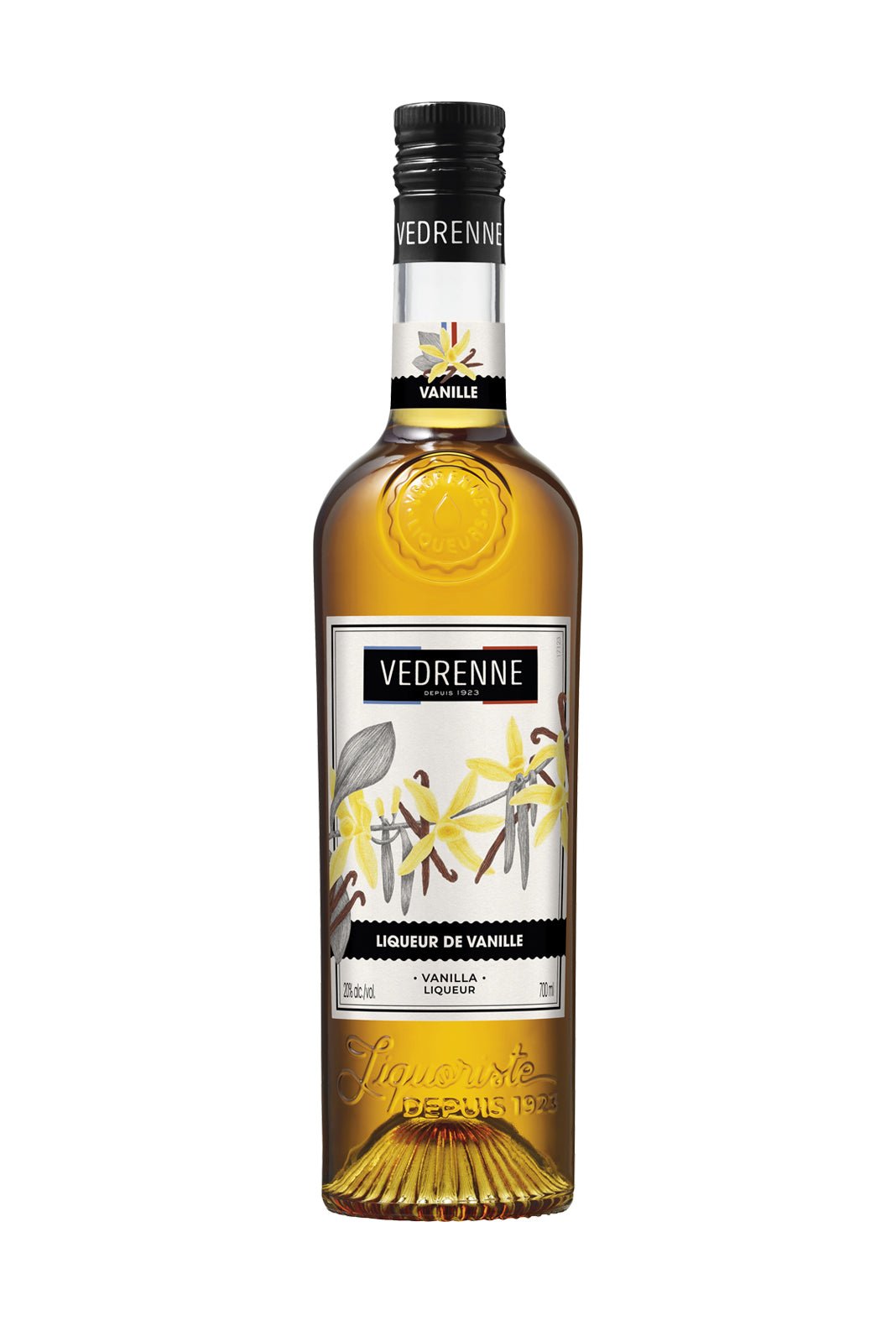
Vedrenne Liqueur de Vanille (Vanilla) 20% 700ml
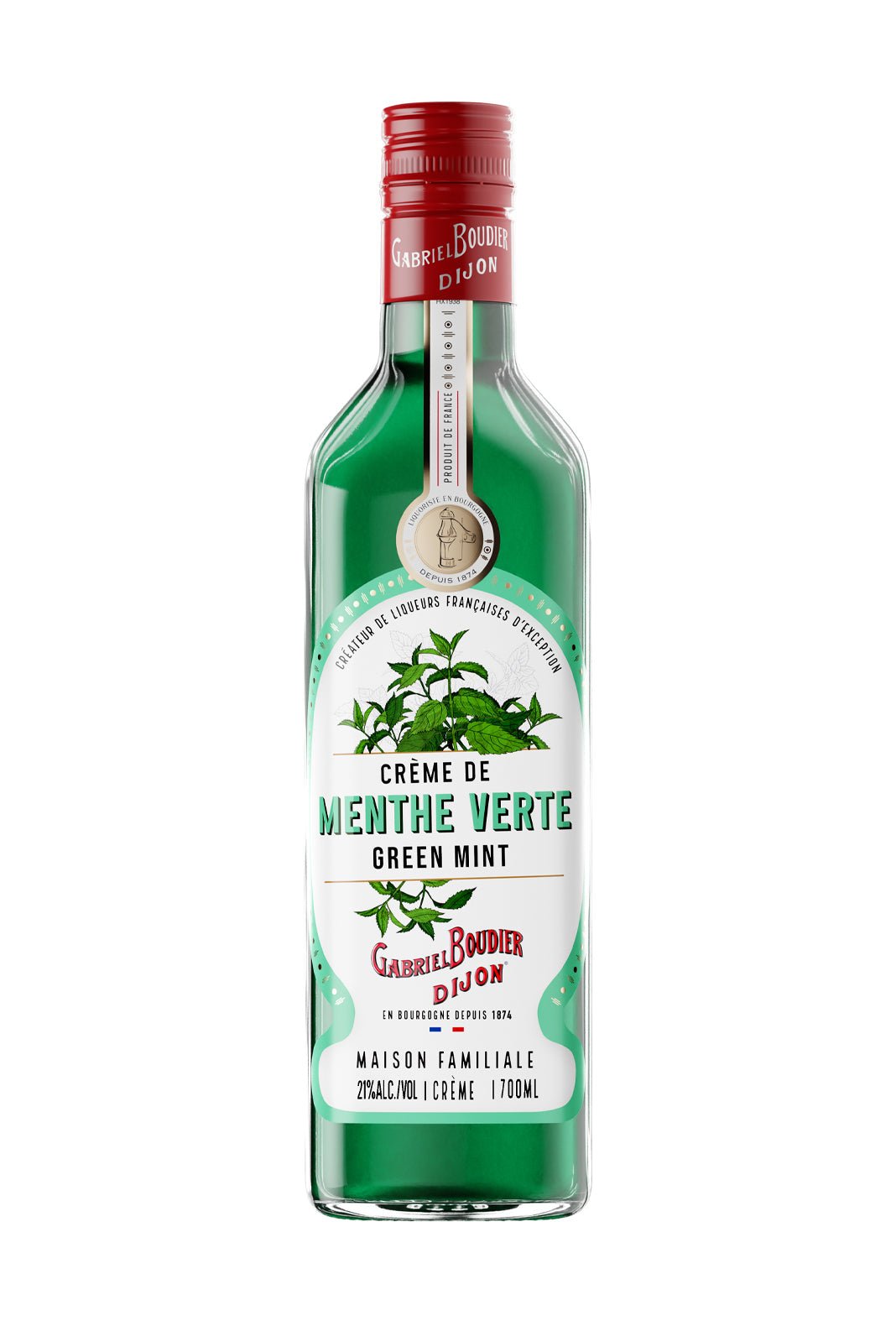
Gabriel Boudier Creme De Menthe Verte (Green Mint) Liqueur 21%
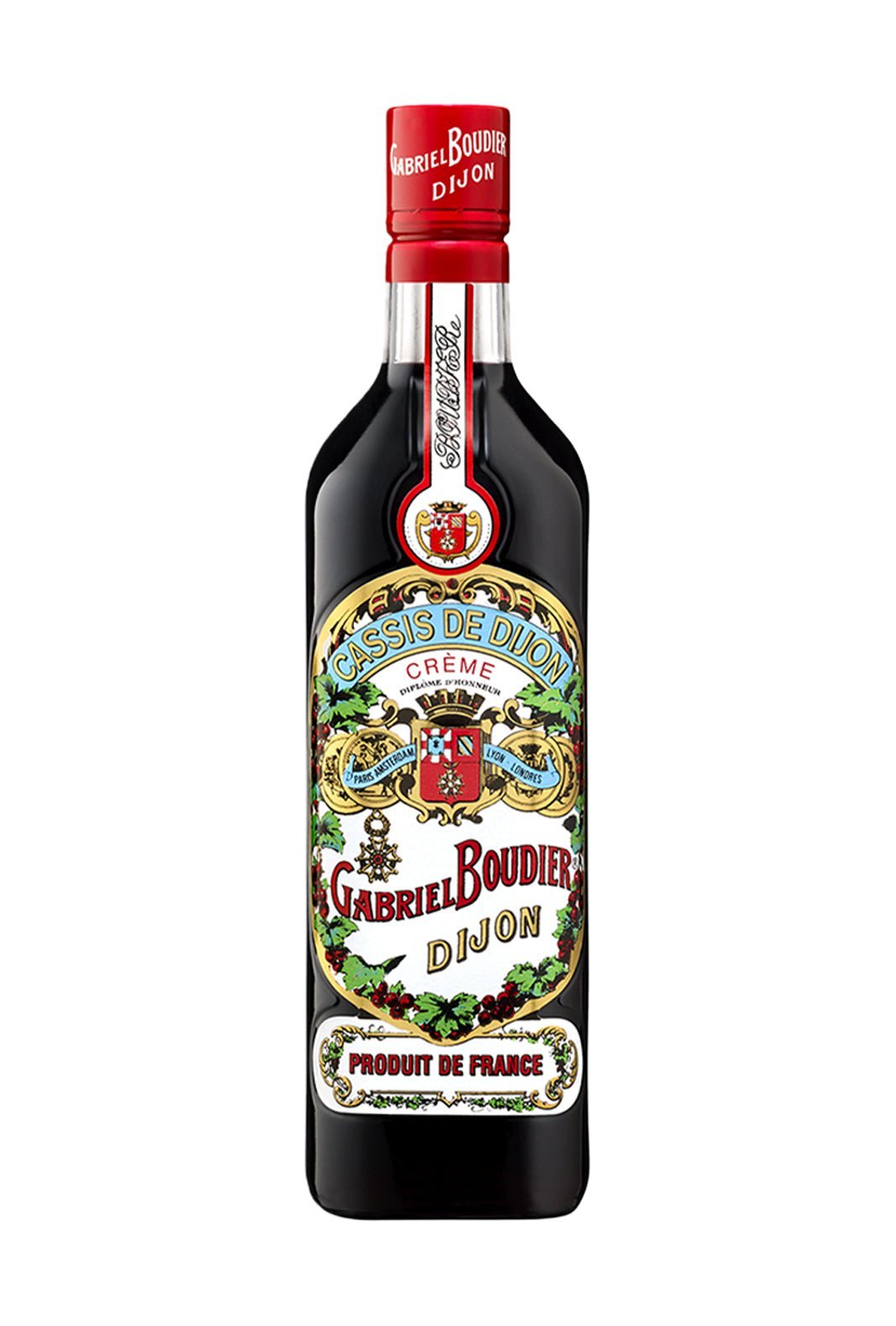
Gabriel Boudier Crème de Cassis 20% 700ml
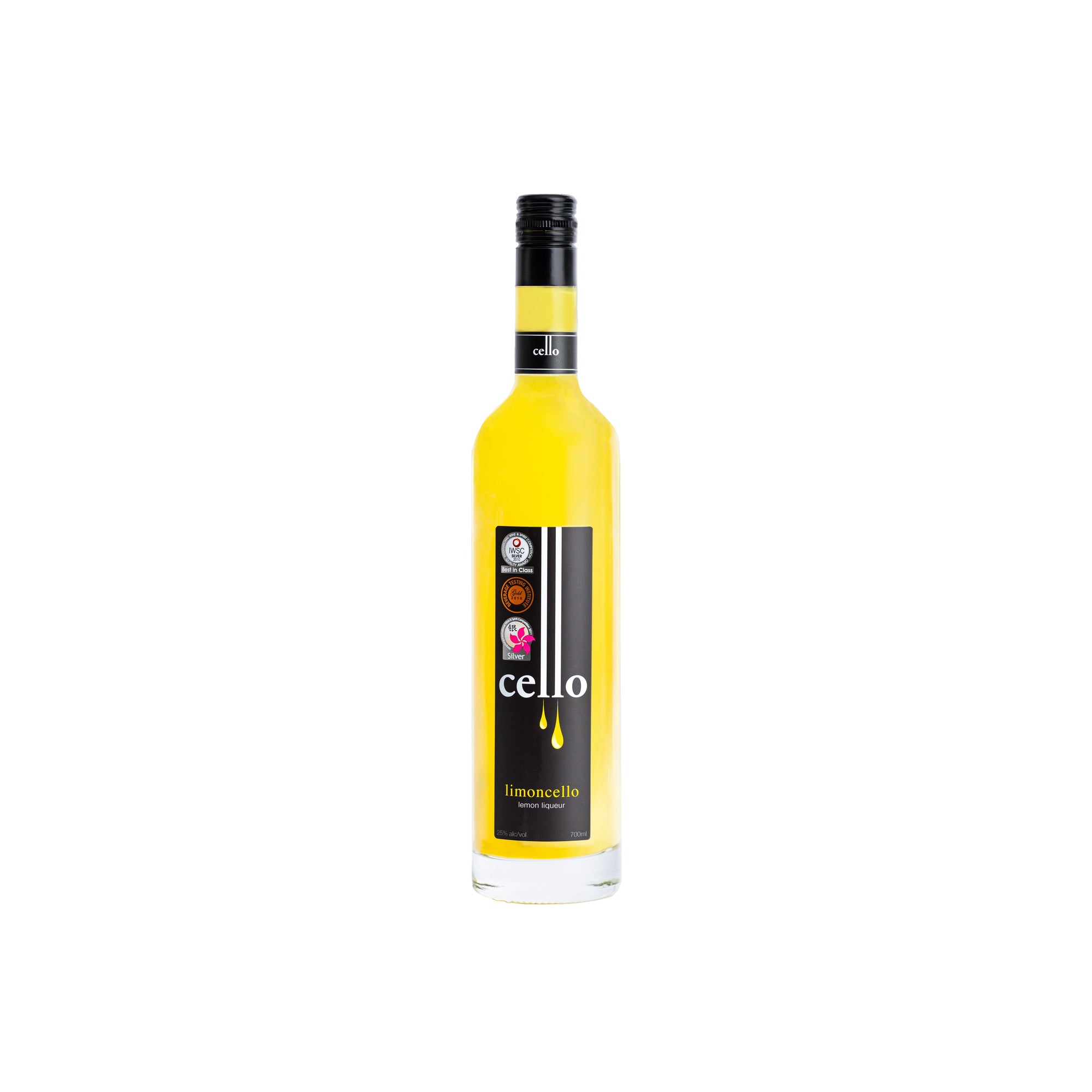
Cello Limoncello (Lemon) Liqueur 700ml
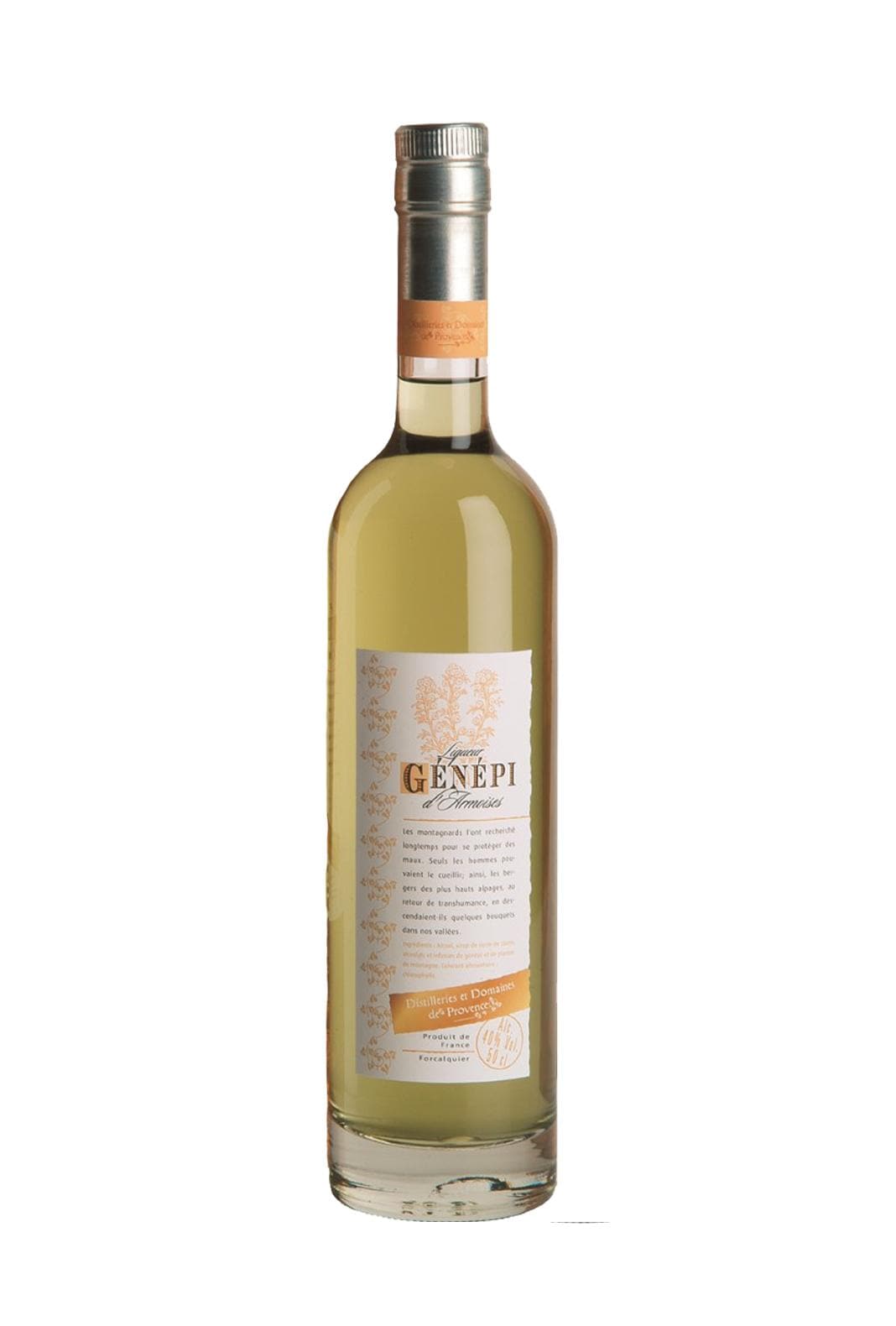
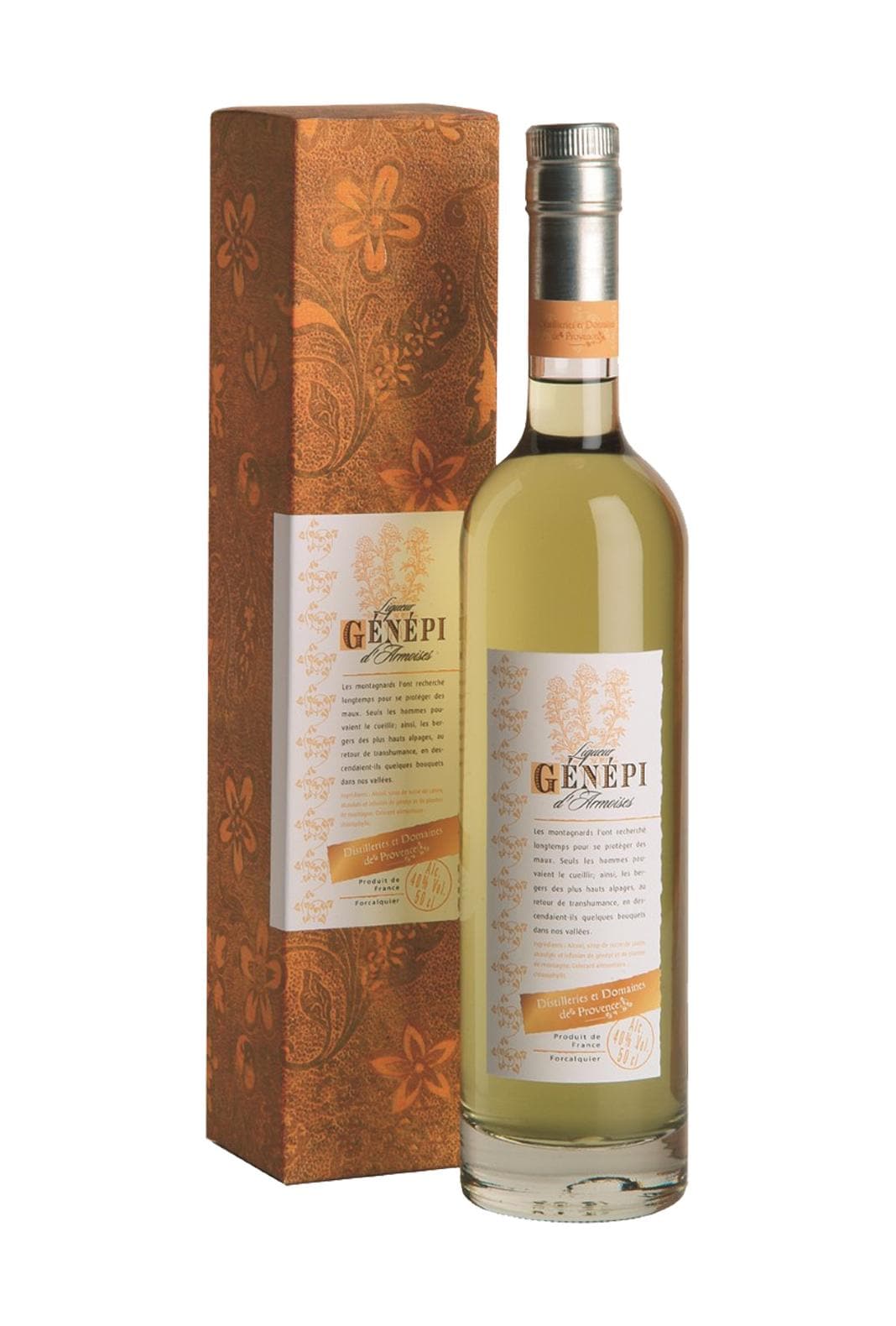
Distillerie et Domaines de Provence Liqueur de Genepi 40% 500ml
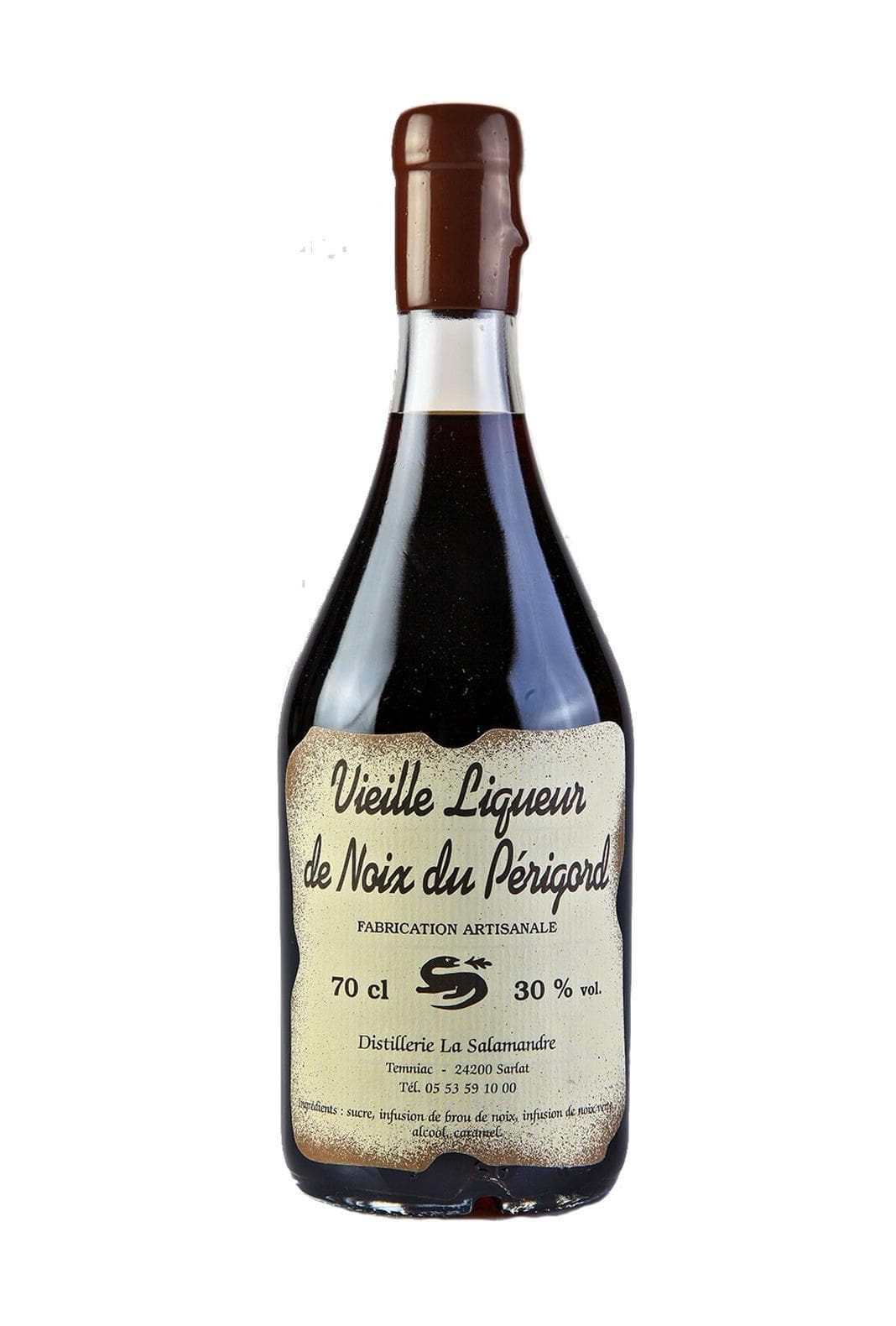
Salamandre Vieille Liqueur de Noix (Walnut) 30% 700ml
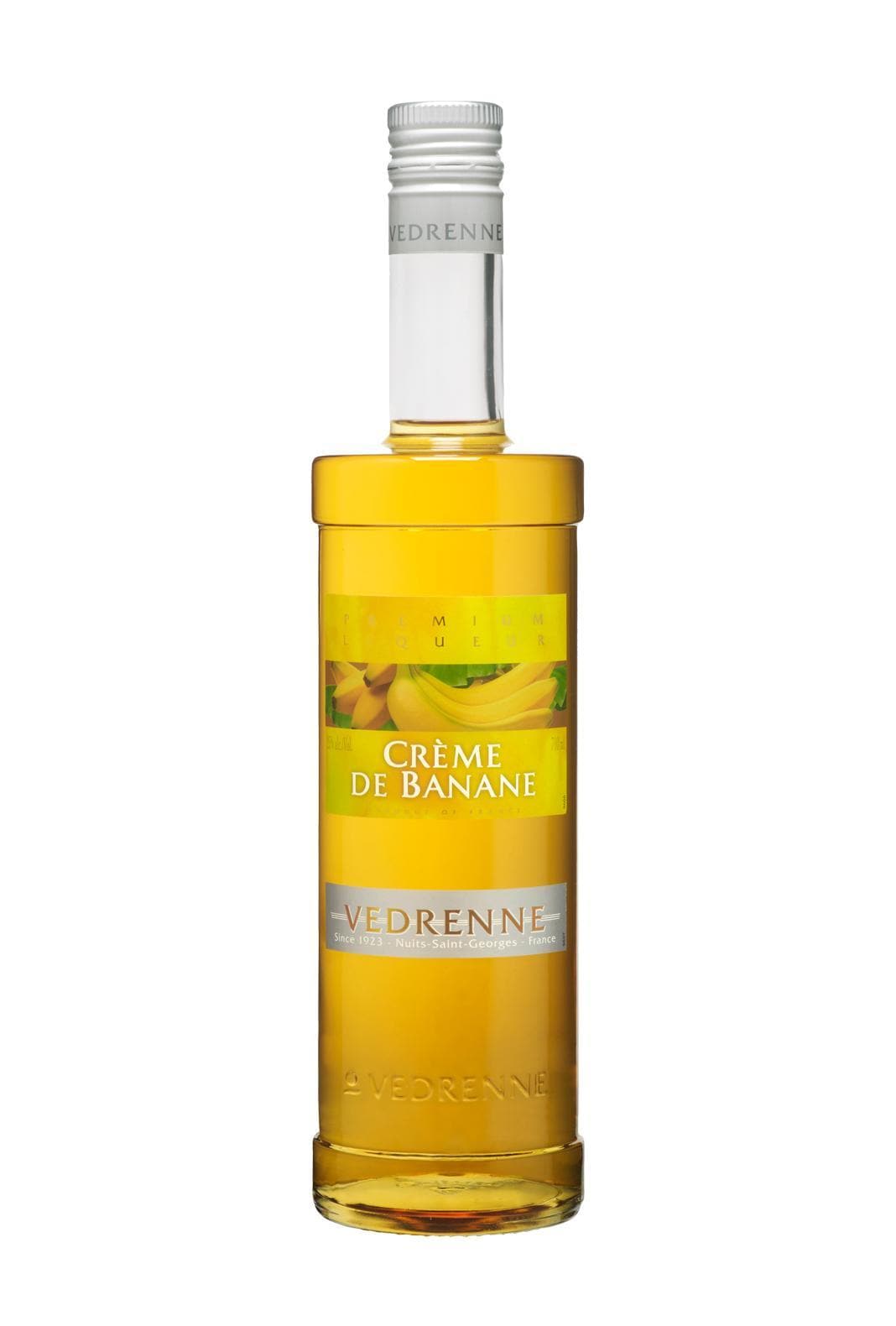
Vedrenne Liqueur de Banane (Banana) 25% 700ml
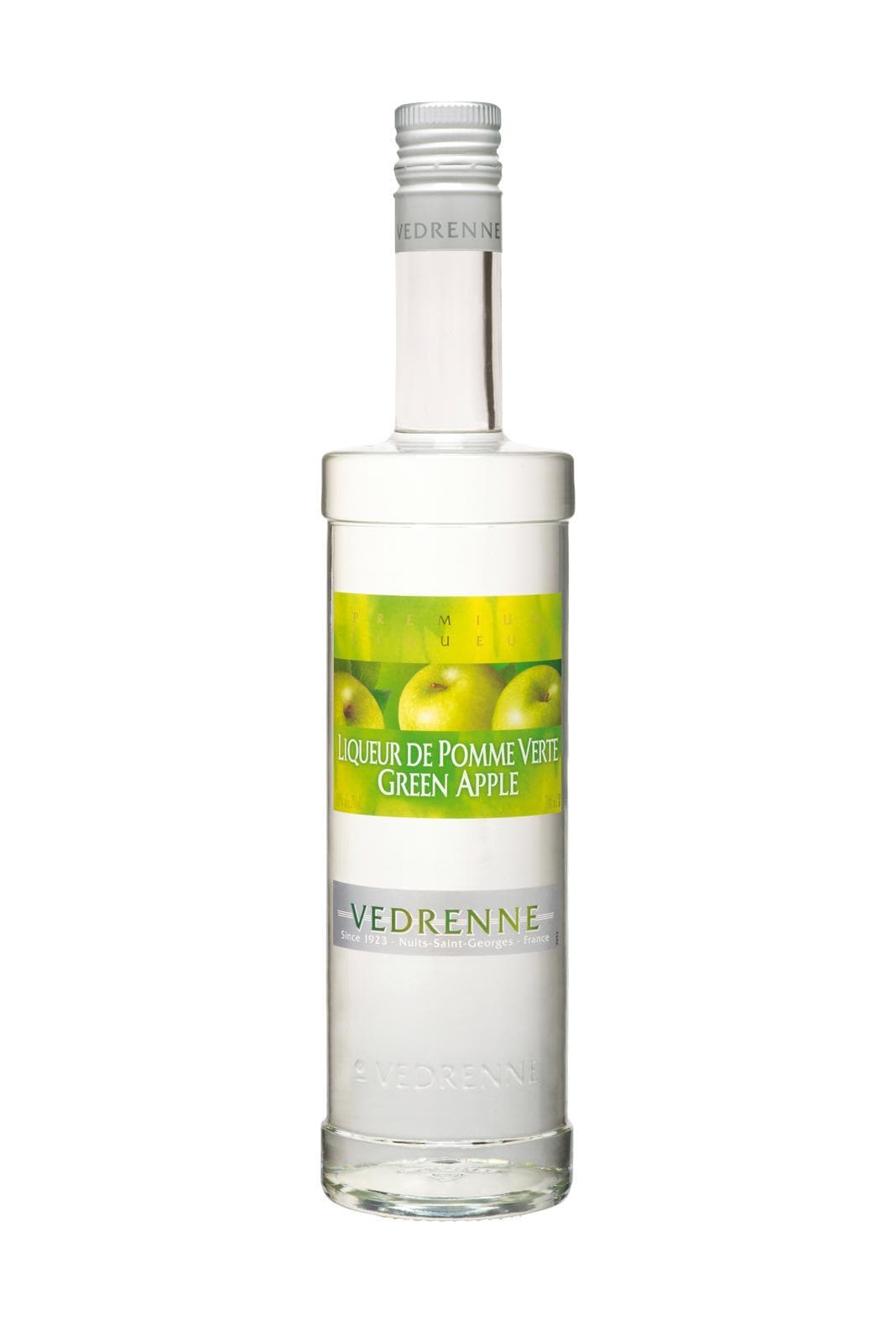
Vedrenne Liqueur de Pomme Verte (Green Apple) 18% 700ml
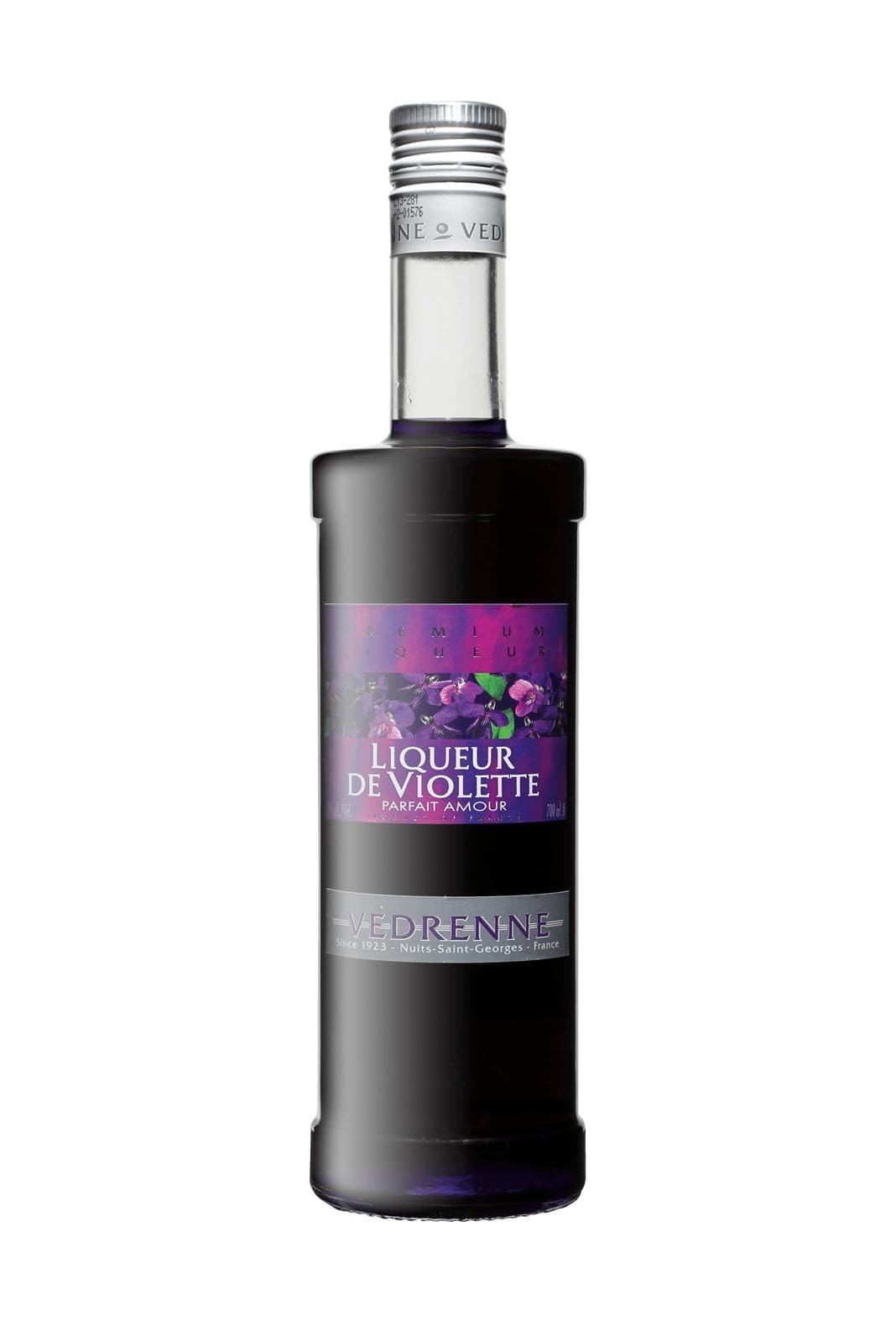
Vedrenne Liqueur de Violette (Violet)18% 700ml
About Fruit Liqueurs
Three French houses carry the backbone of this range.
Vedrenne, from Dijon, is the broadest: Creme de Cassis and Super Cassis, Creme de Mure, Liqueur de Violette, Rose, Mandarine, Creme de Pamplemousse Rose, Fruit de la Passion, Banane, Pomme Verte, Vanille, Maraschino and Cherry Brandy. That one house covers most of what a home bar actually needs.
Gabriel Boudier, also Dijon, brings a Creme de Cassis at 20% and a Coffee Rum Peanut Cream liqueur. Massenez, from Alsace, covers the Golden Eight Poire William, Creme de Mure, Violette, Fraise des Bois, Peche, Chataigne, apricot brandy and amaretto.
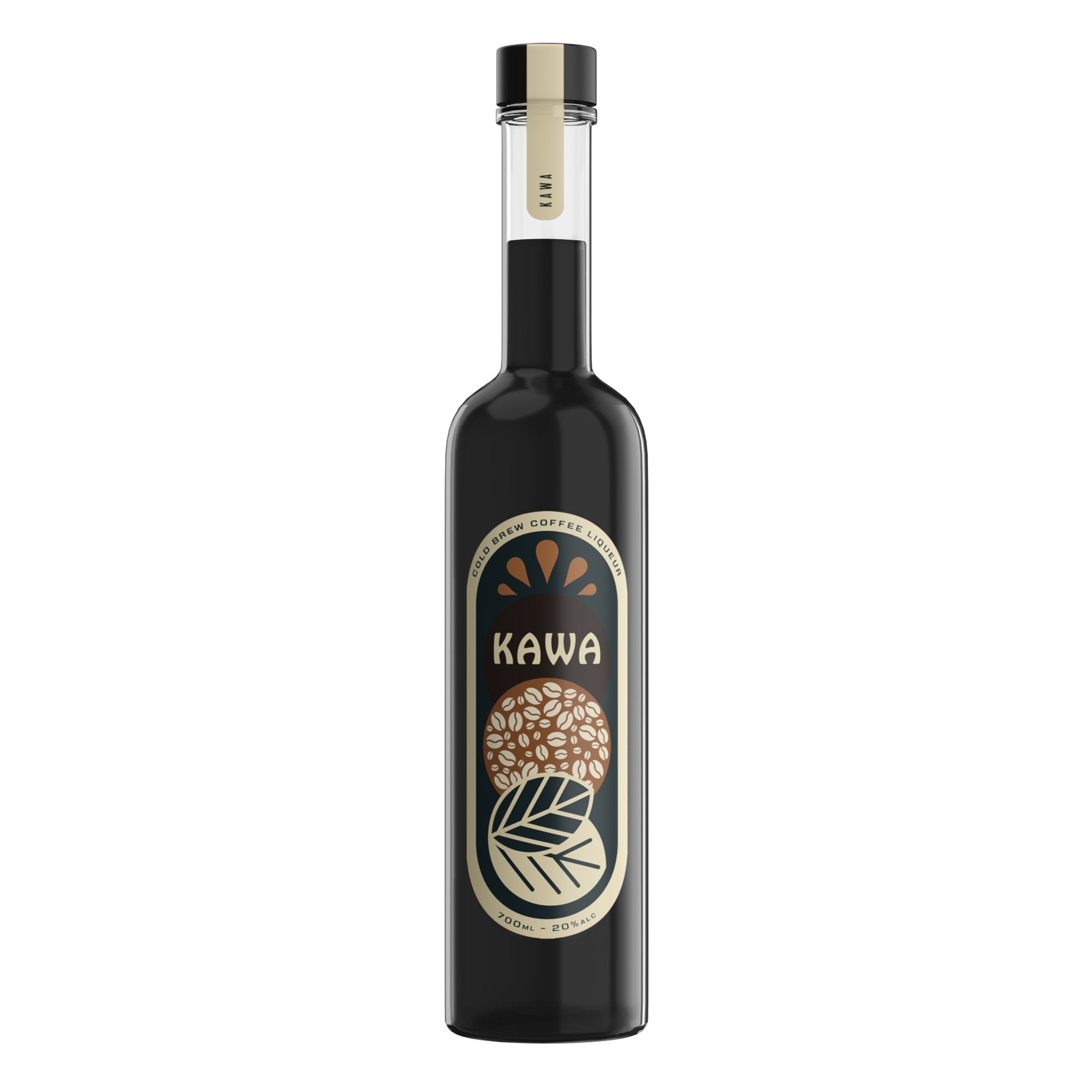
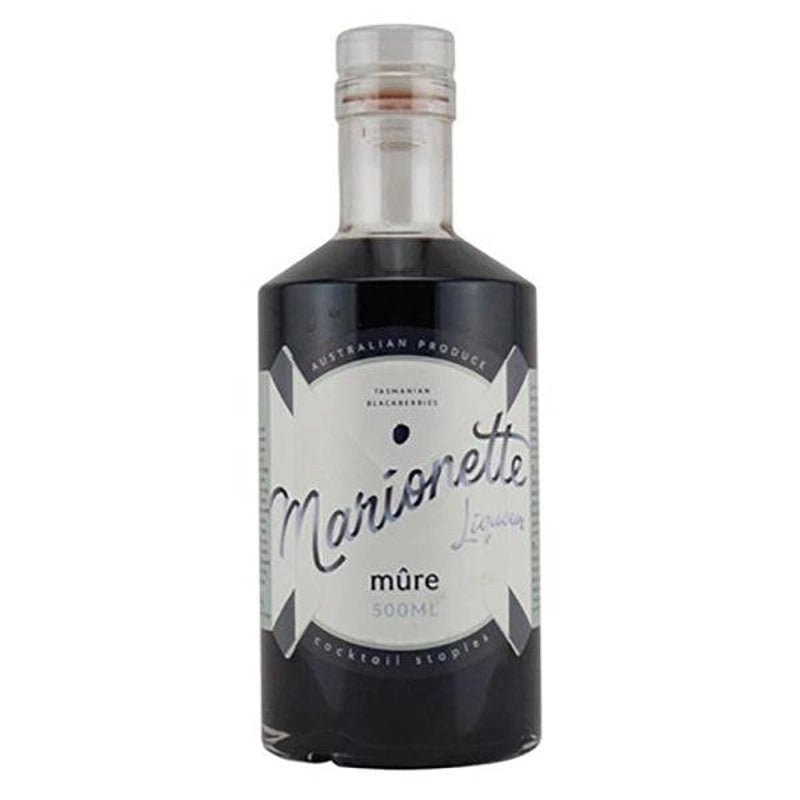
Beyond France there is Luxardo Maraschino from Italy, the Cello range of limoncello, arancello and caffecello, Limonio's fig and liquorice liqueurs, and La Salamandre's walnut and quince. Chinola passionfruit and Melbourne's Marionette Mure represent the newer wave. Brillet's Belle de Brillet blends poire William with cognac.
If you are building a home bar, the cassis and the mure are the two that earn their place first.
History
Fruit liqueur in France is a Burgundian invention with a practical origin. Blackcurrants grew easily around Dijon, and by the mid nineteenth century local producers were macerating them in neutral spirit and sweetening the result. Creme de cassis was formalised as a category, and a 1951 French decree set minimum sugar levels for anything labelled creme, which is why these bottles are thick and intensely flavoured rather than thin and sweetened.
The drink that made cassis famous came later. Felix Kir, a Resistance member and mayor of Dijon after the war, served white Burgundy with a measure of cassis at civic receptions. The combination took his name and is now poured worldwide.
Alsace developed along a different line. There, the tradition was eau de vie, fruit fermented and distilled to a clear spirit rather than macerated. Houses such as Massenez made both, which is why an Alsace liqueur often tastes more like the fresh fruit and less like jam.
Maceration remains the method for most of these. Fruit steeps in spirit for weeks or months, the liquid is drawn off, sugar is added, and nothing is distilled after the fruit goes in.
How to drink it
Creme de cassis has one job it does better than anything else. Two parts cassis to ten parts dry white wine, ideally Aligote or an unoaked Chardonnay, gives you a Kir. Use sparkling wine instead and it is a Kir Royale. Keep it restrained: the wine should still taste like wine.
Creme de mure belongs in a Bramble. Gin, lemon, sugar, shaken over crushed ice, with the mure drizzled over the top so it bleeds down through the drink.
Violette goes into an Aviation, and a very small amount is enough. Maraschino is essential to a Last Word and a Hemingway Daiquiri.
Once open, keep fruit liqueurs in the fridge. They are lower in alcohol than spirits and the fresh fruit character fades within a few months at room temperature.
They also work outside cocktails. A spoonful of cassis over vanilla ice cream, or poire William poured over a poached pear, does more than most desserts require.
More from this origin and style: