
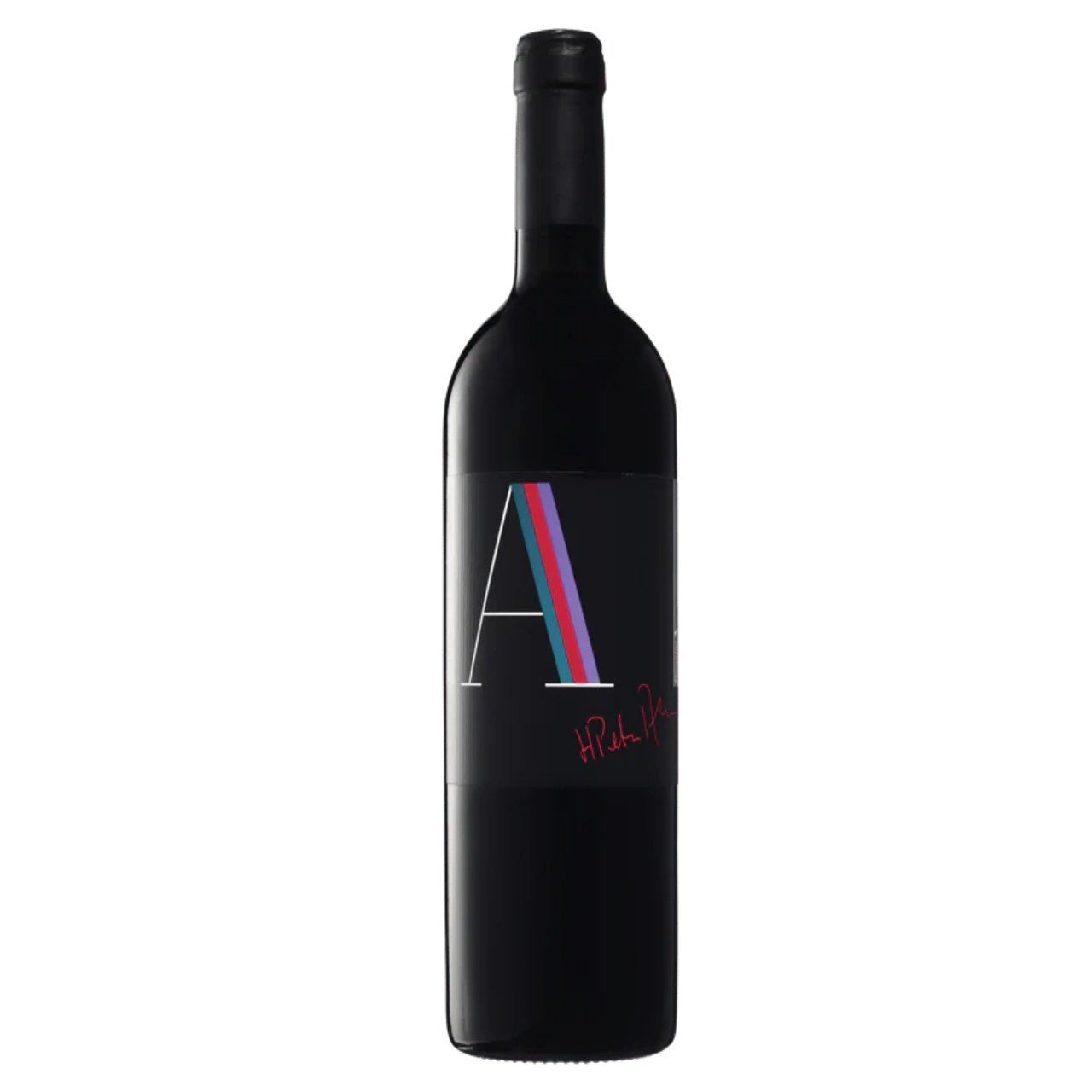
Domaine A Cabernet Sauvignon 2013
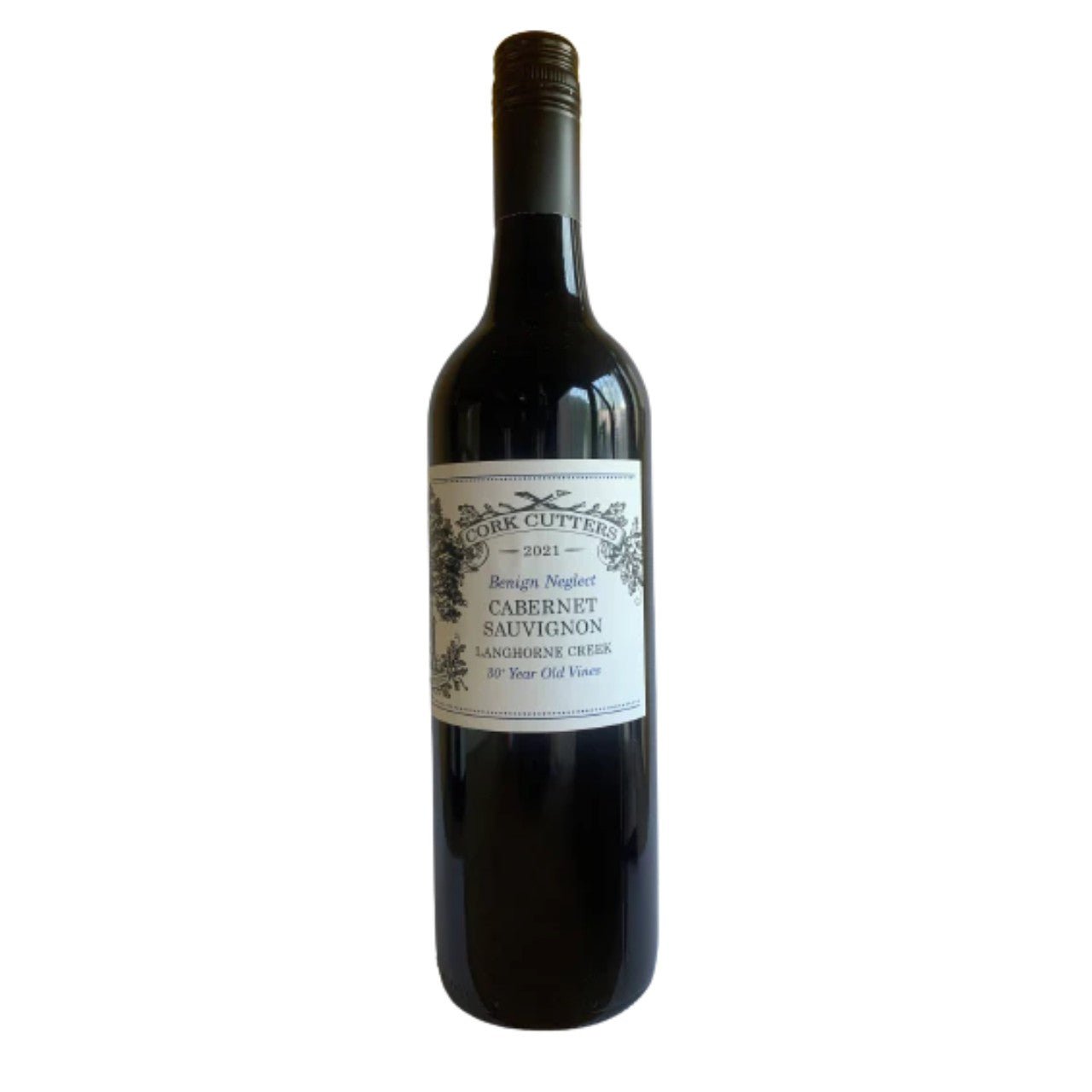
Cork Cutters Cabernet Sauvignon 2021

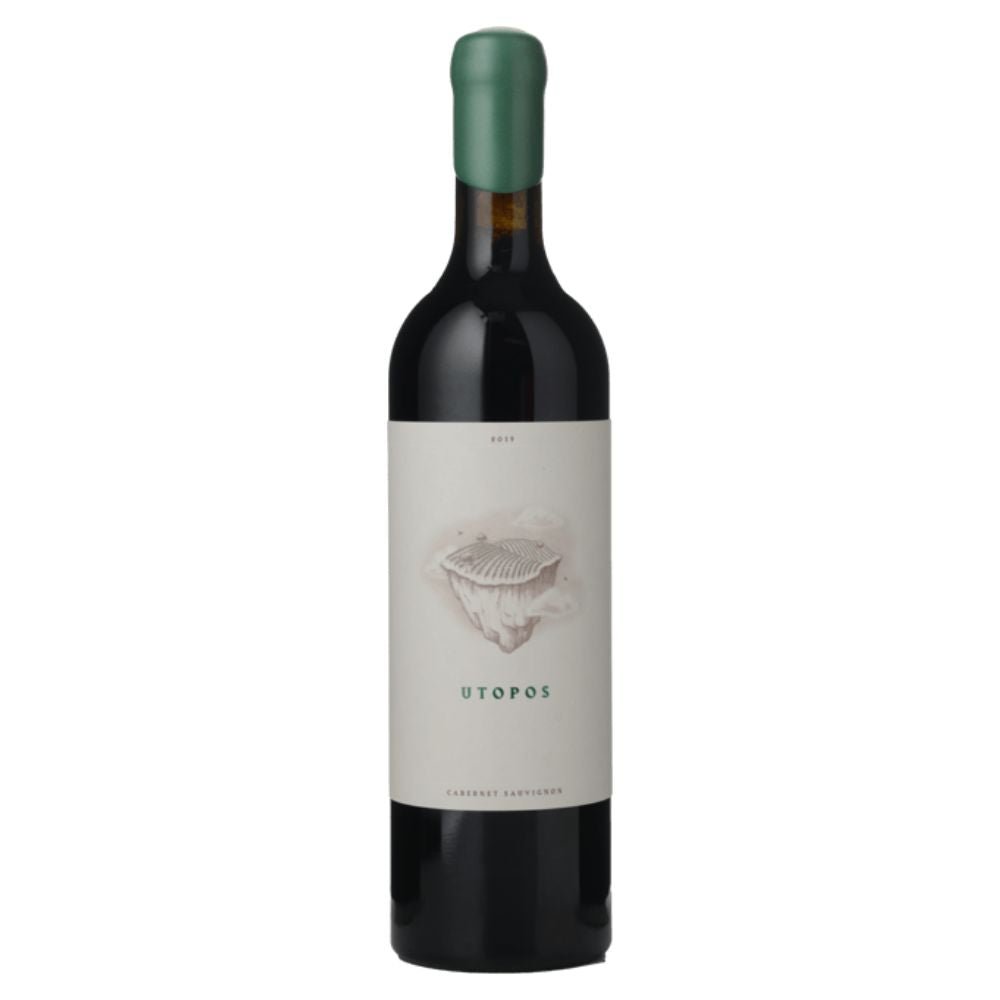
Utopos Cabernet Sauvignon 2021
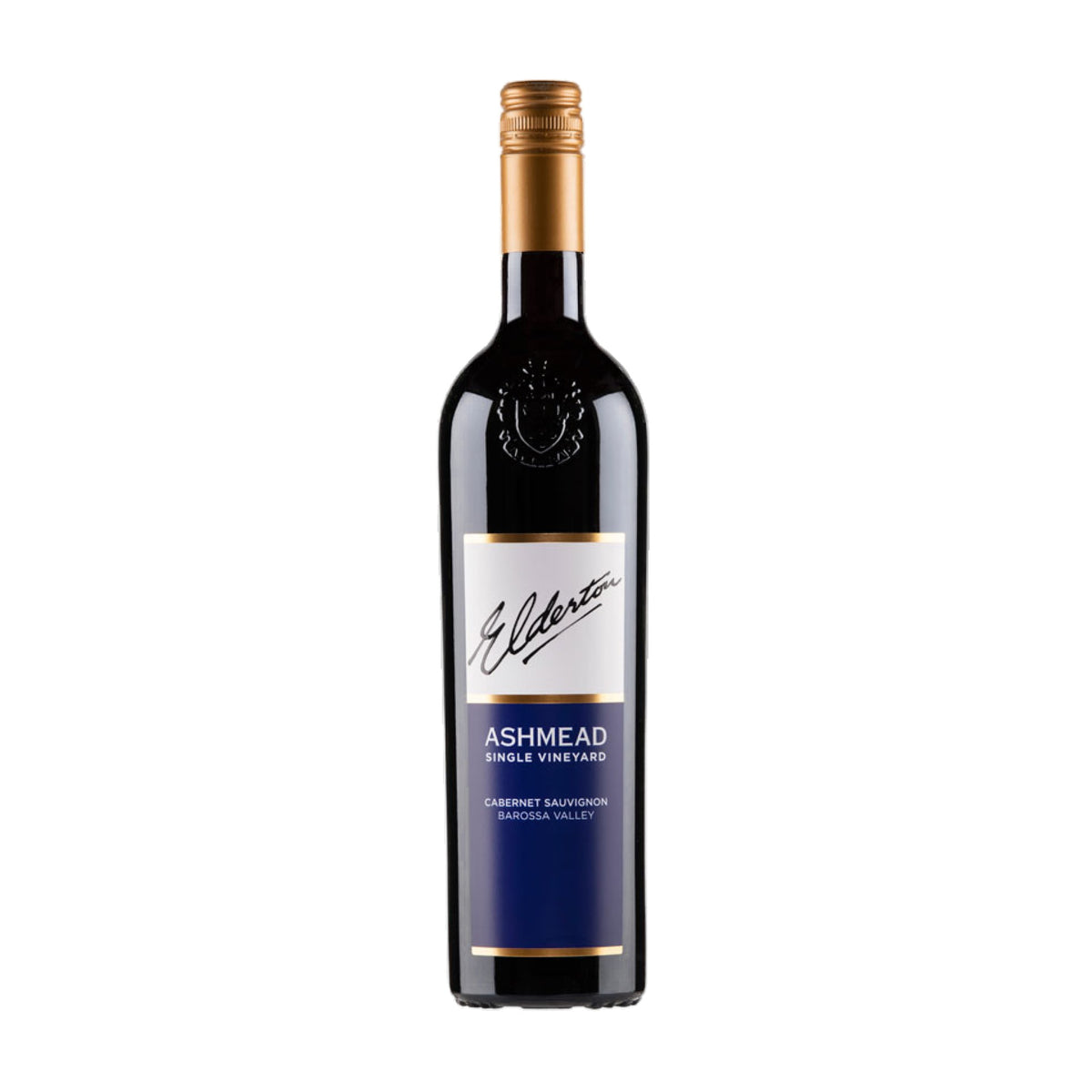
Elderton Ashmead Single Vineyard Cabernet Sauvignon 2024
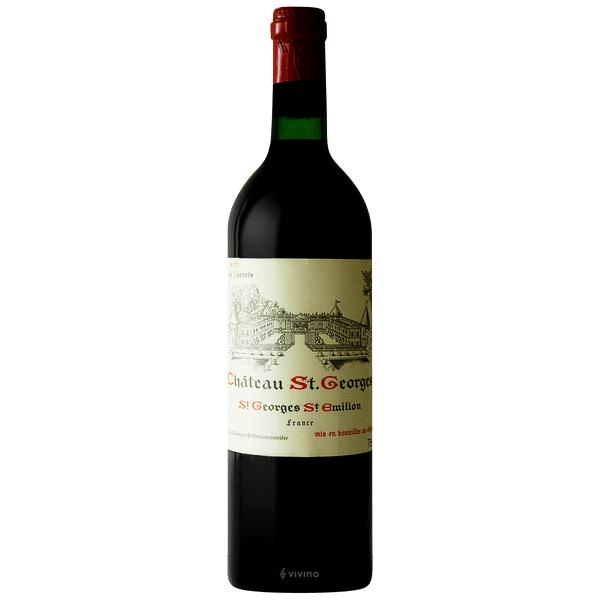
Chateau Saint-Georges Saint-Georges-Saint-Emilion 2020 375ml
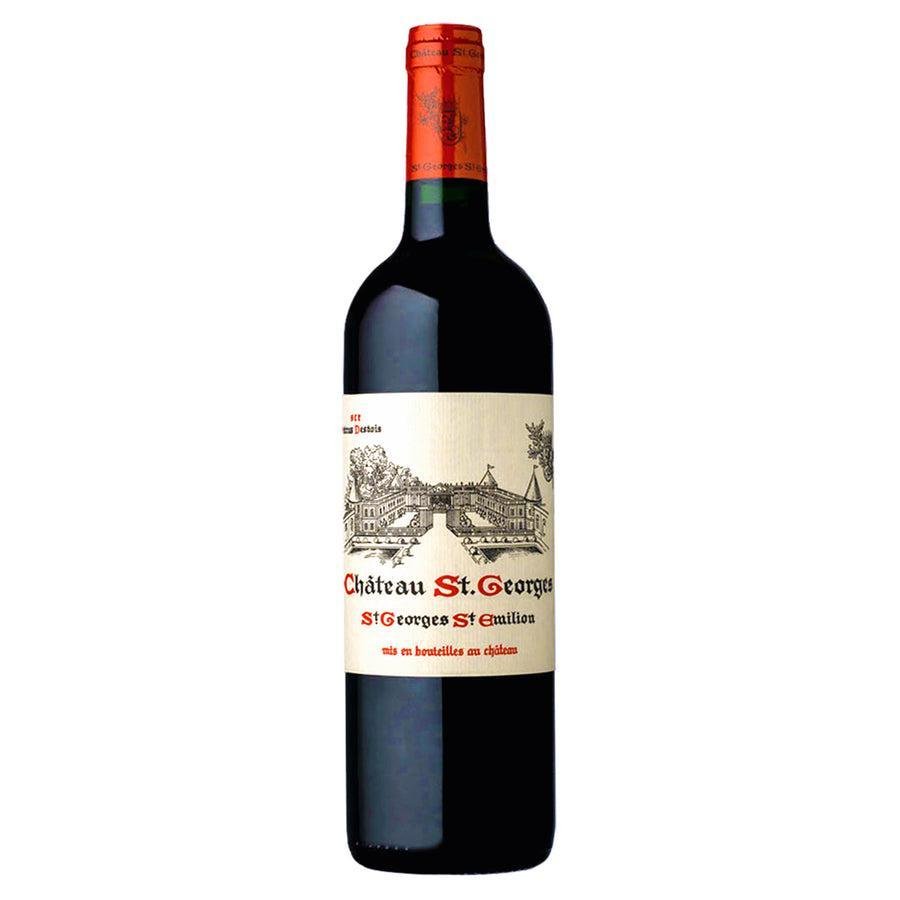
Chateau Saint-Georges Saint-Georges-Saint-Emilion 2020
Chateau Saint-Georges Saint-Georges-Saint-Emilion 2020
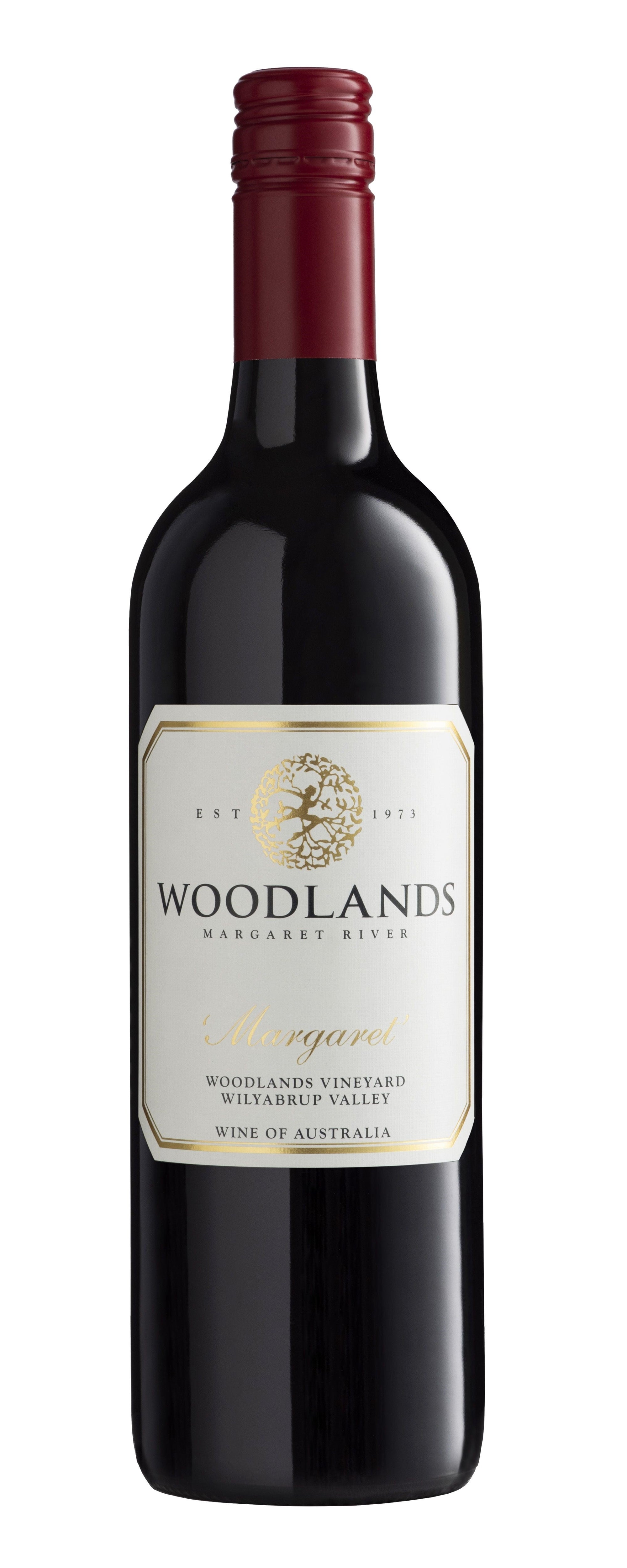
Woodlands 'Margaret' Cabernet Merlot Malbec 2021
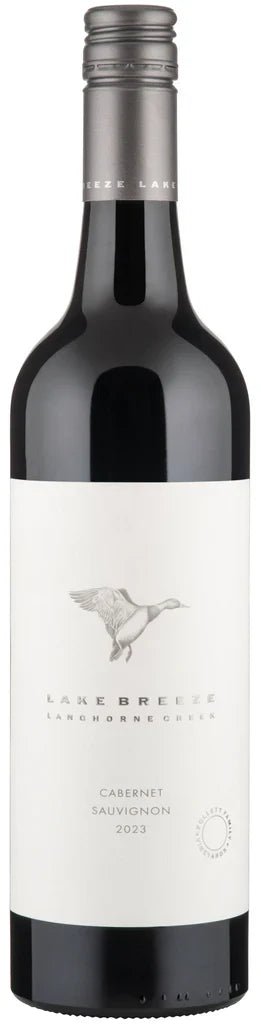
Lake Breeze Cabernet Sauvignon 2023 750ml
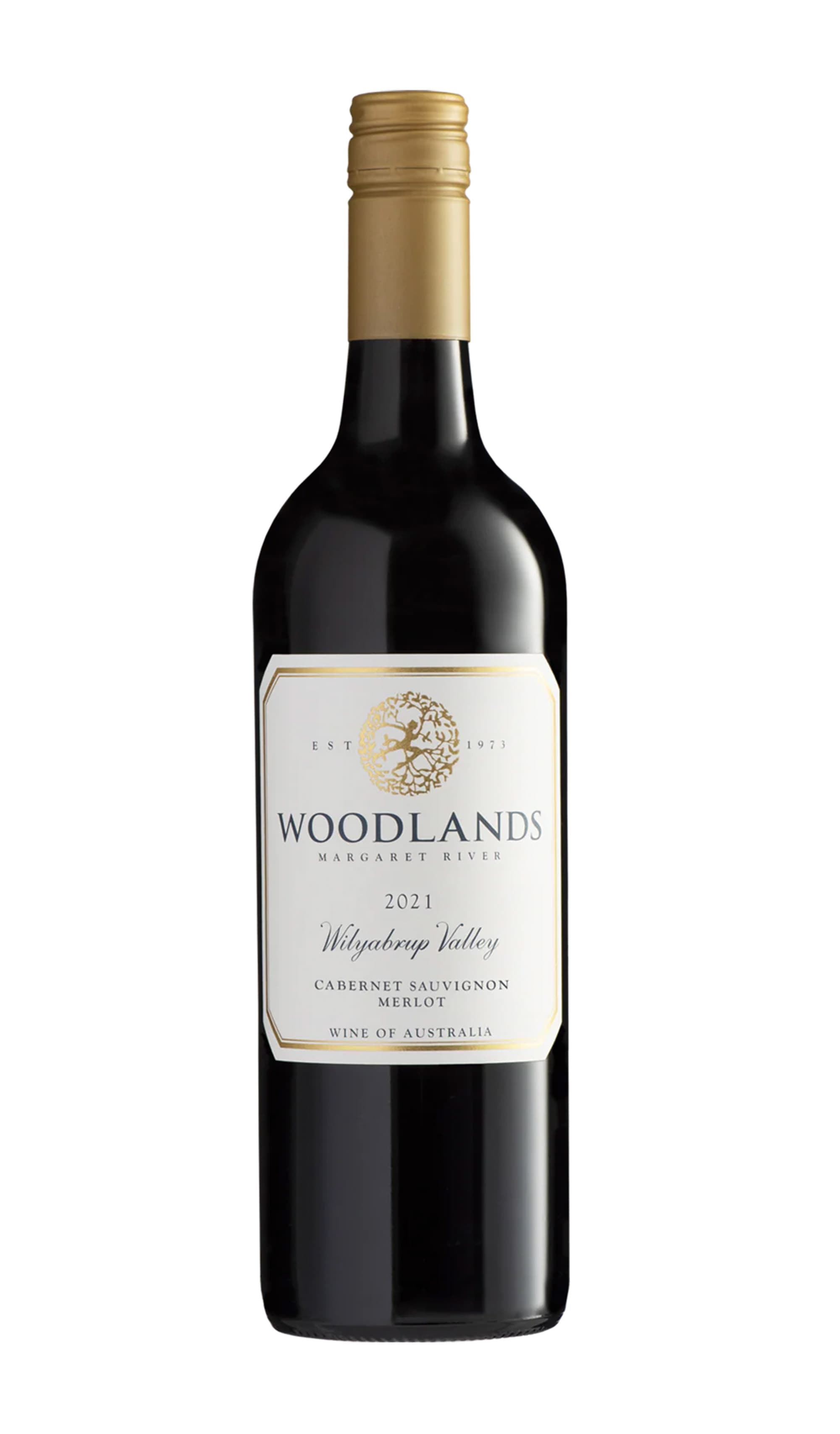
Woodlands Wilyabrup Cabernet Merlot 2022
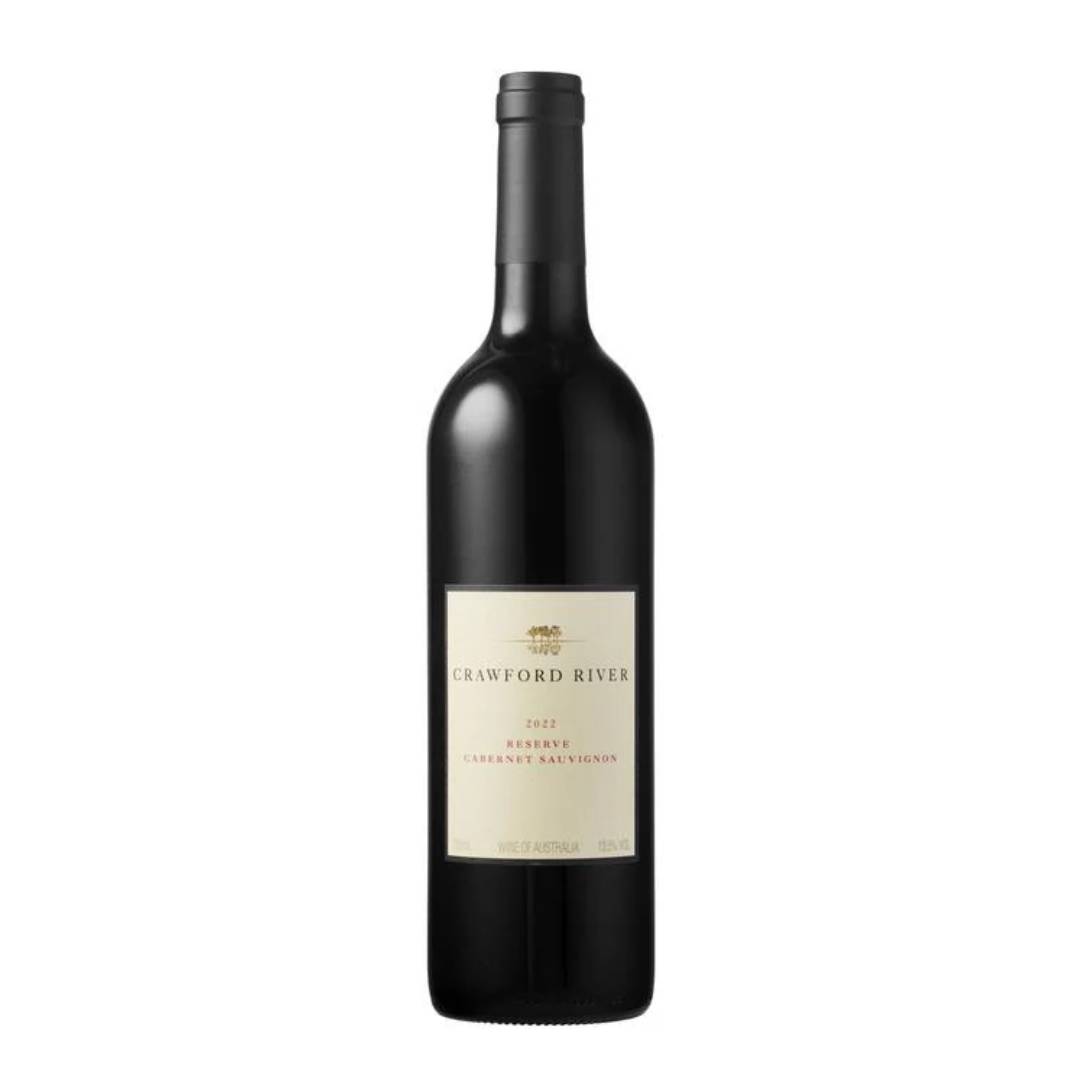
Crawford River Reserve Cabernet Sauvignon 2022
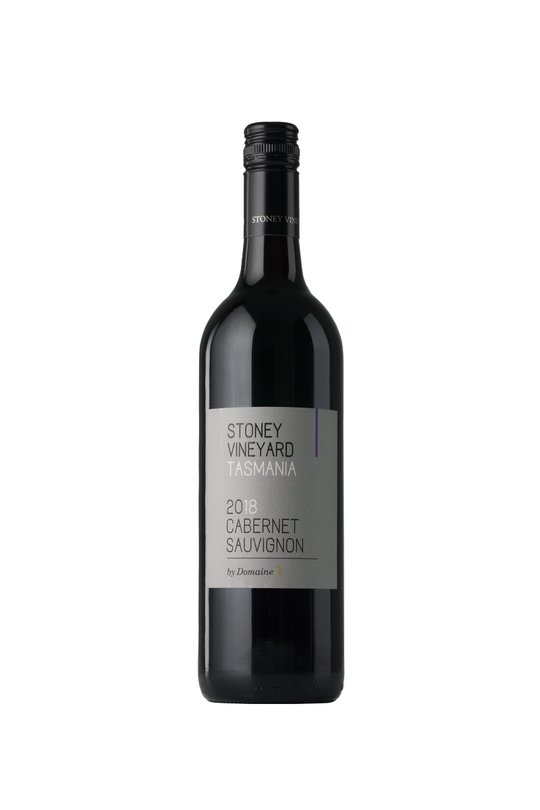
Stoney Vineyard Cabernet Sauvignon 2018
Flametree Cabernet Sauvignon
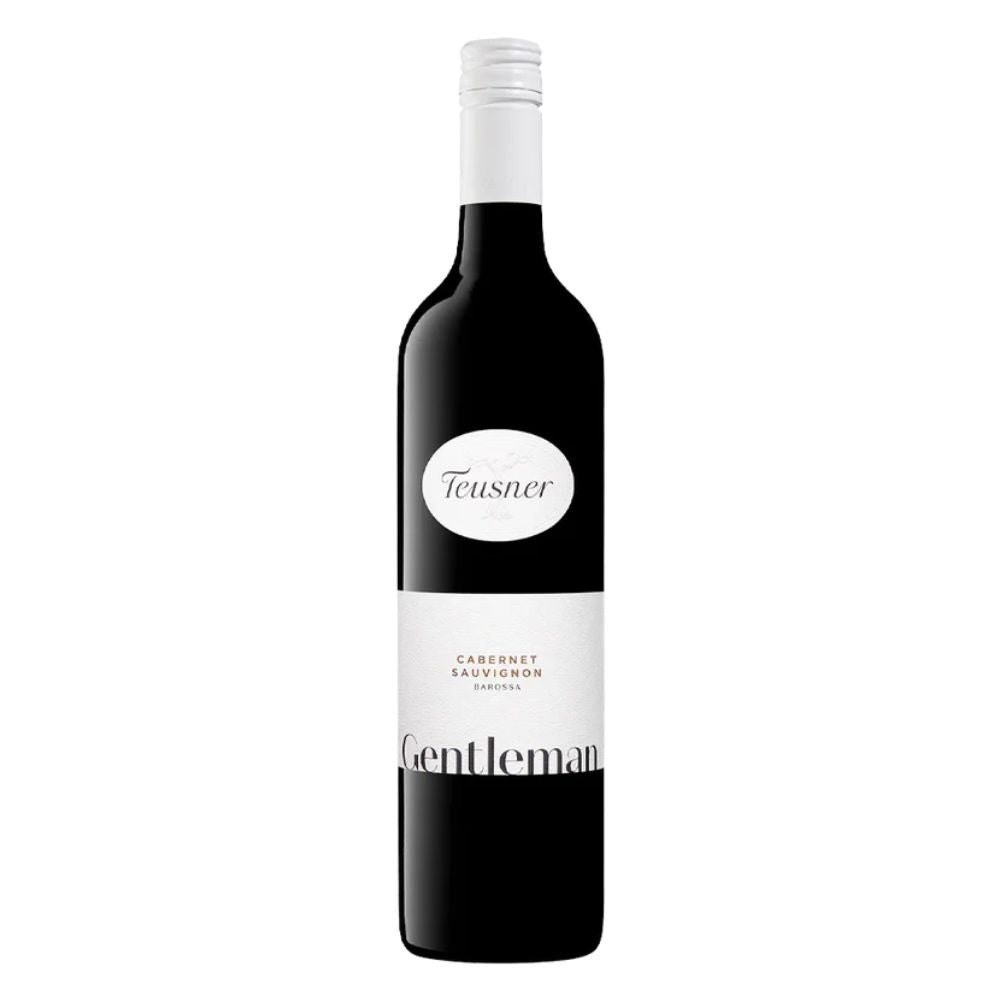
Teusner Gentleman Cabernet 2022
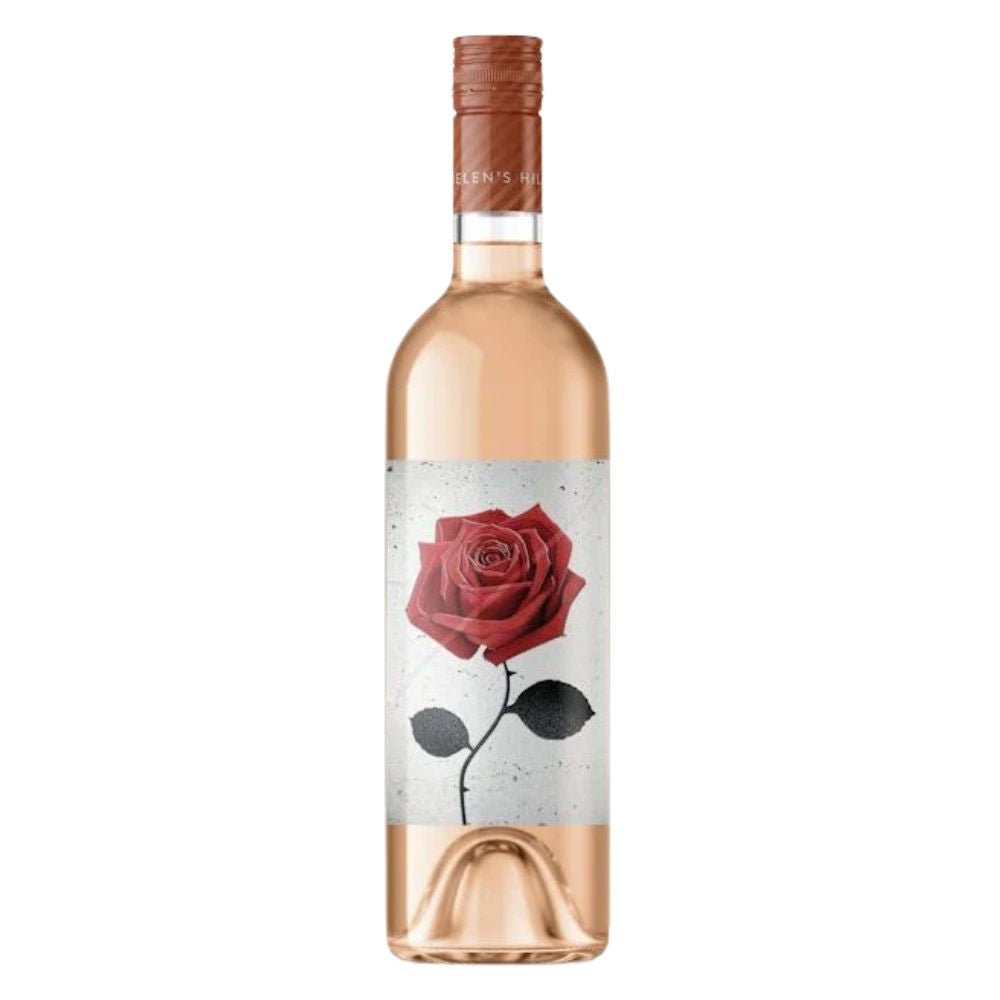
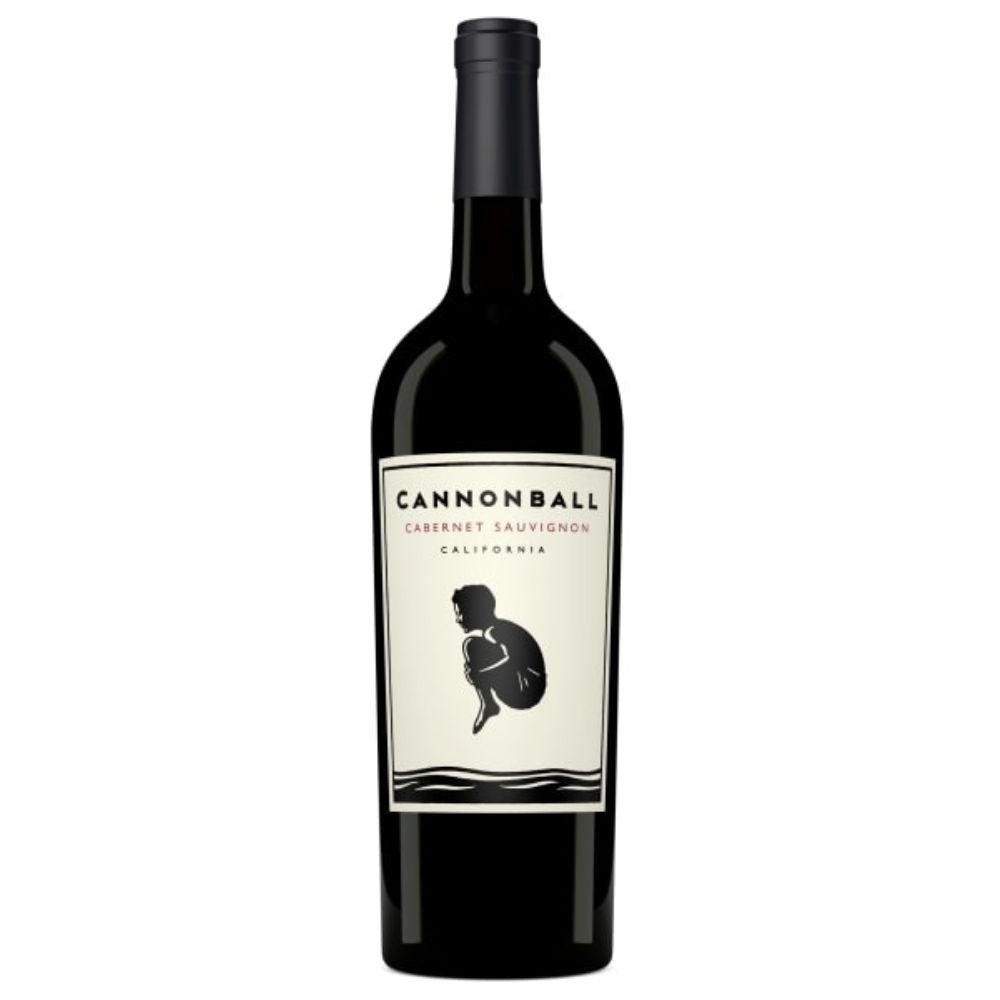
Cannonball Cabernet Sauvignon Magnum
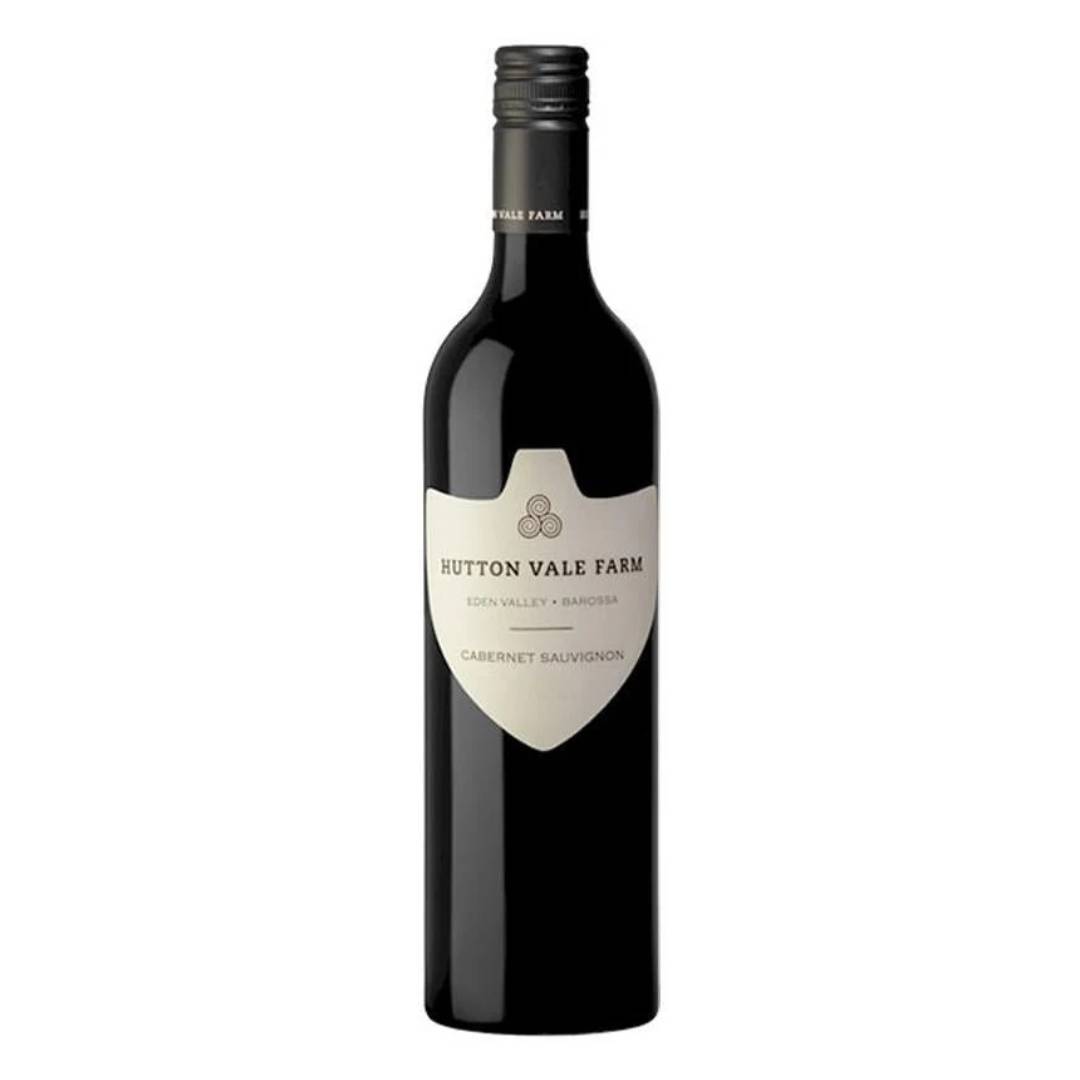
Hutton Vale Farm Cabernet Sauvignon 2018
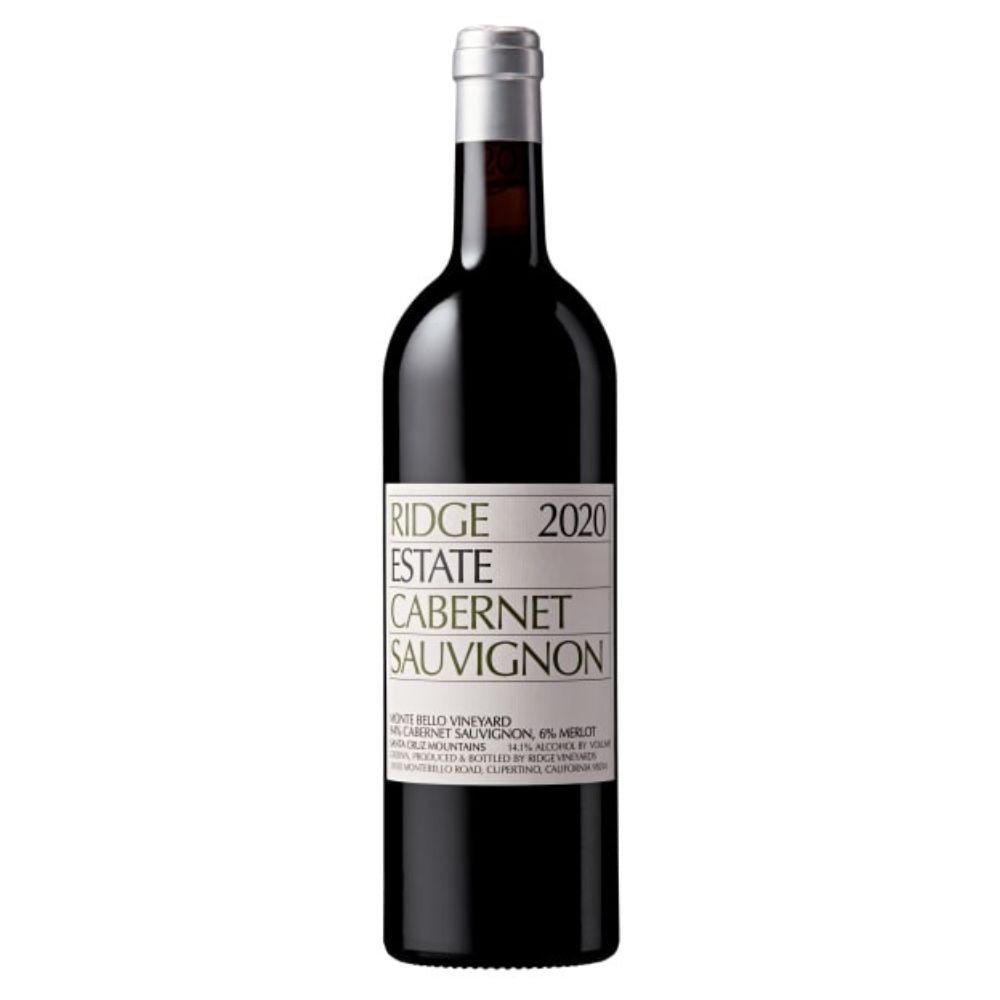
Ridge Estate Cabernet Sauvignon 2020
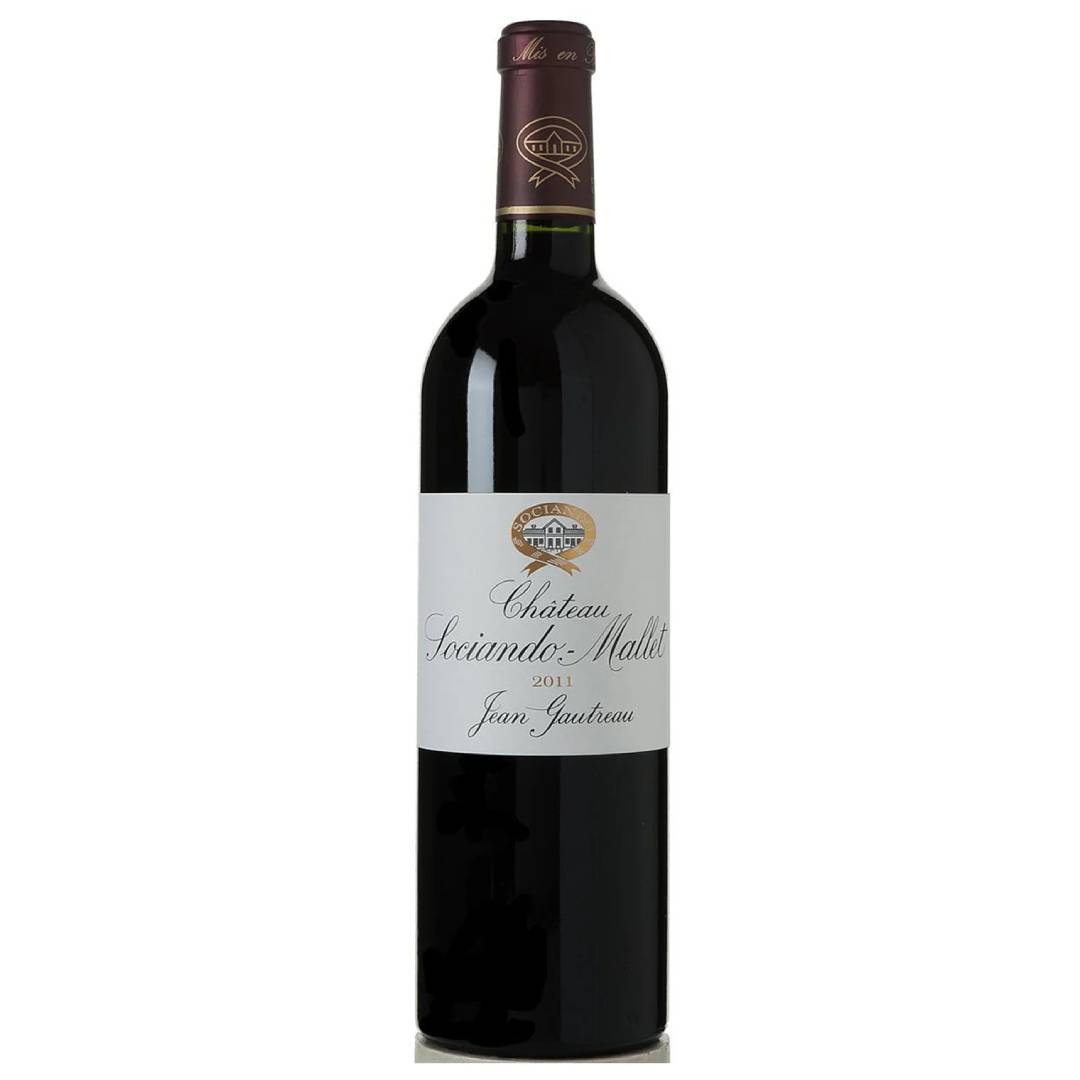
Chateau Sociando-Mallet Haut-Medoc 2013
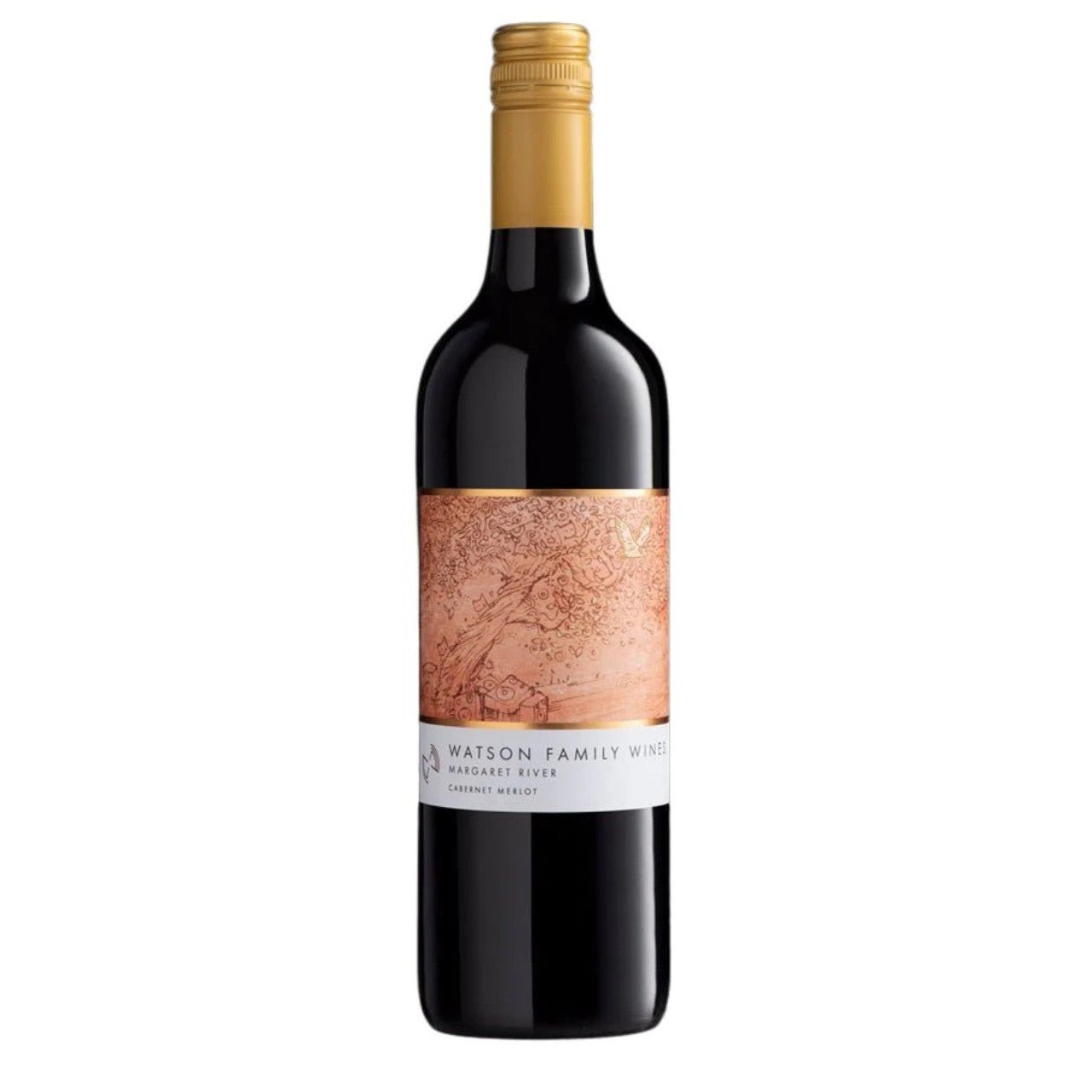
Woodlands Watson Family Cabernet Merlot 2018
About Cabernet Sauvignon
Coonawarra is the deepest part of this range, through Reschke, who farm on the terra rossa strip that made the region's name. Vitulus, Empyrean, the R Series and the BOS bottlings run from everyday to serious.
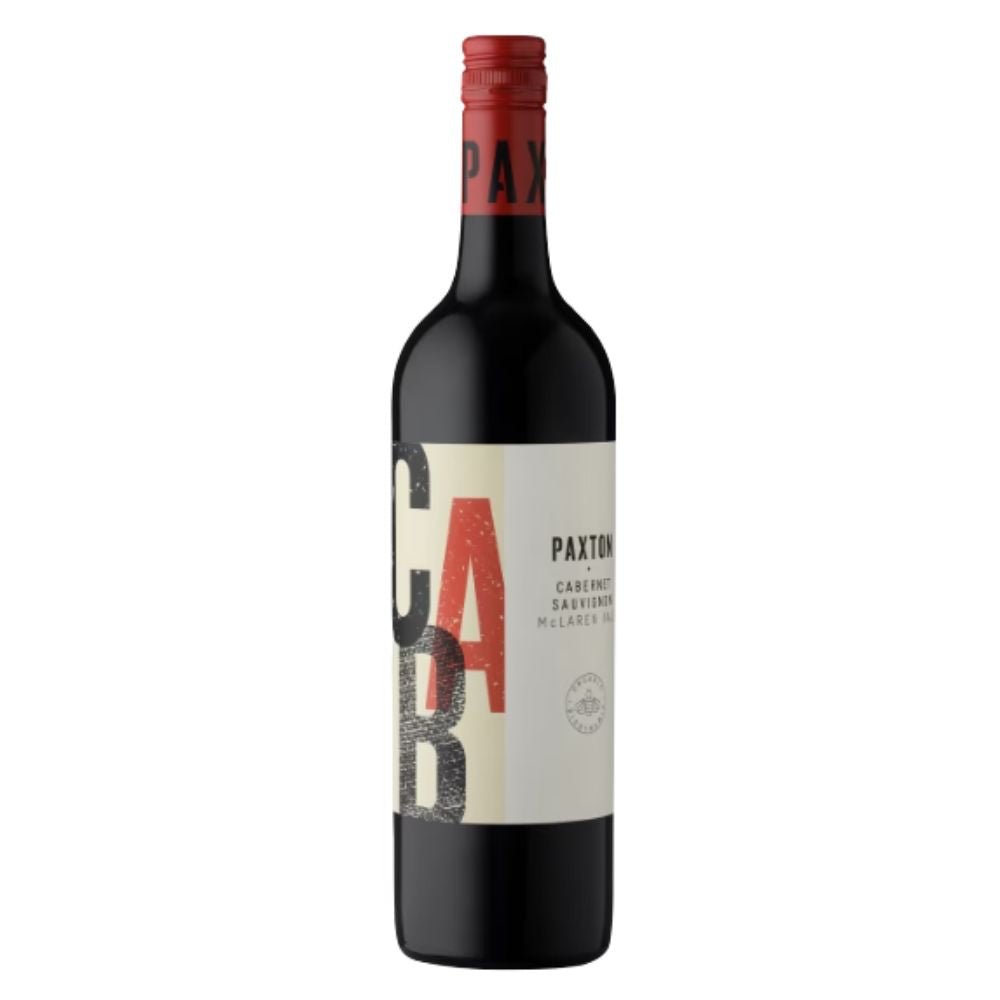
Margaret River comes through Leeuwin's Art Series and Flametree, both from the gravelly soils that give the region its structure. Geoff Merrill and Kangarilla Road cover McLaren Vale, Paxton adds to it.
The Barossa and Eden Valley are represented by Schild Estate, Elderton, Utopos, Hutton Vale and Teusner's The Gentleman. Tasmania comes through Domaine A and Stoney Vineyard from the Coal River Valley, which is about as cool as Australian Cabernet gets.
Crawford River's Reserve comes from Henty in western Victoria, Wood Park and Narkoojee from the north east and Gippsland.
On the French side, Chateau Poujeaux from Moulis and Chateau Les Parruades cover the Left Bank, where Cabernet is blended rather than bottled alone.
The Cabernet Merlot blends, from Woodlands, Lake Breeze and Flametree, are here too, which is closer to how Bordeaux actually works.
History
Cabernet Sauvignon is younger than most people assume. DNA analysis at UC Davis in 1996 showed it to be a spontaneous crossing of Cabernet Franc and Sauvignon Blanc, which probably happened in south west France in the seventeenth century.
It became the backbone of the Left Bank in Bordeaux, where the gravel soils of the Medoc give it the drainage and heat retention it needs to ripen. Even there it is almost always blended, usually with Merlot and Cabernet Franc, because Cabernet alone can be austere.
Australia took a different path. Plantings spread from the 1960s, and rather than blending, producers bottled it as a single variety. Coonawarra became the reference point: a narrow strip of red terra rossa soil over limestone in South Australia's south east, cool enough for a long ripening season.
Margaret River followed in the 1970s, and its maritime climate produces a rounder, more supple style that has drawn comparisons to Bordeaux ever since.
The grape's defining traits are thick skins and small berries, which is where the tannin, the colour and the ageing capacity all come from.
How to drink it
Serve Cabernet at 16 to 18 degrees. In an Australian house that means twenty minutes in the fridge before pouring, and it makes more difference than any glass or decanter.
Young Cabernet benefits from an hour in a decanter. The tannins are firm by nature and air softens them. Older bottles need decanting off the sediment but should be drunk fairly soon after.
Use a large bowled glass with a decent height. Cabernet aromatics are blackcurrant, cedar, tobacco and, in cooler sites, a leafy note that some people call capsicum and others call elegance.
The classic food pairing is lamb, and tannin plus protein is the reason it works. Steak, aged cheddar and anything from the grill are just as good. Avoid delicate fish and anything sweet.
Cellaring is where Cabernet earns its reputation. Everyday bottles drink well now. Single vineyard Coonawarra and Margaret River wines, and the Bordeaux, will improve for ten to twenty years if you have somewhere dark and cool.