
About Kopke
Kopke is the oldest of the Port houses, and the range here is complete enough to walk the entire category without leaving one producer.
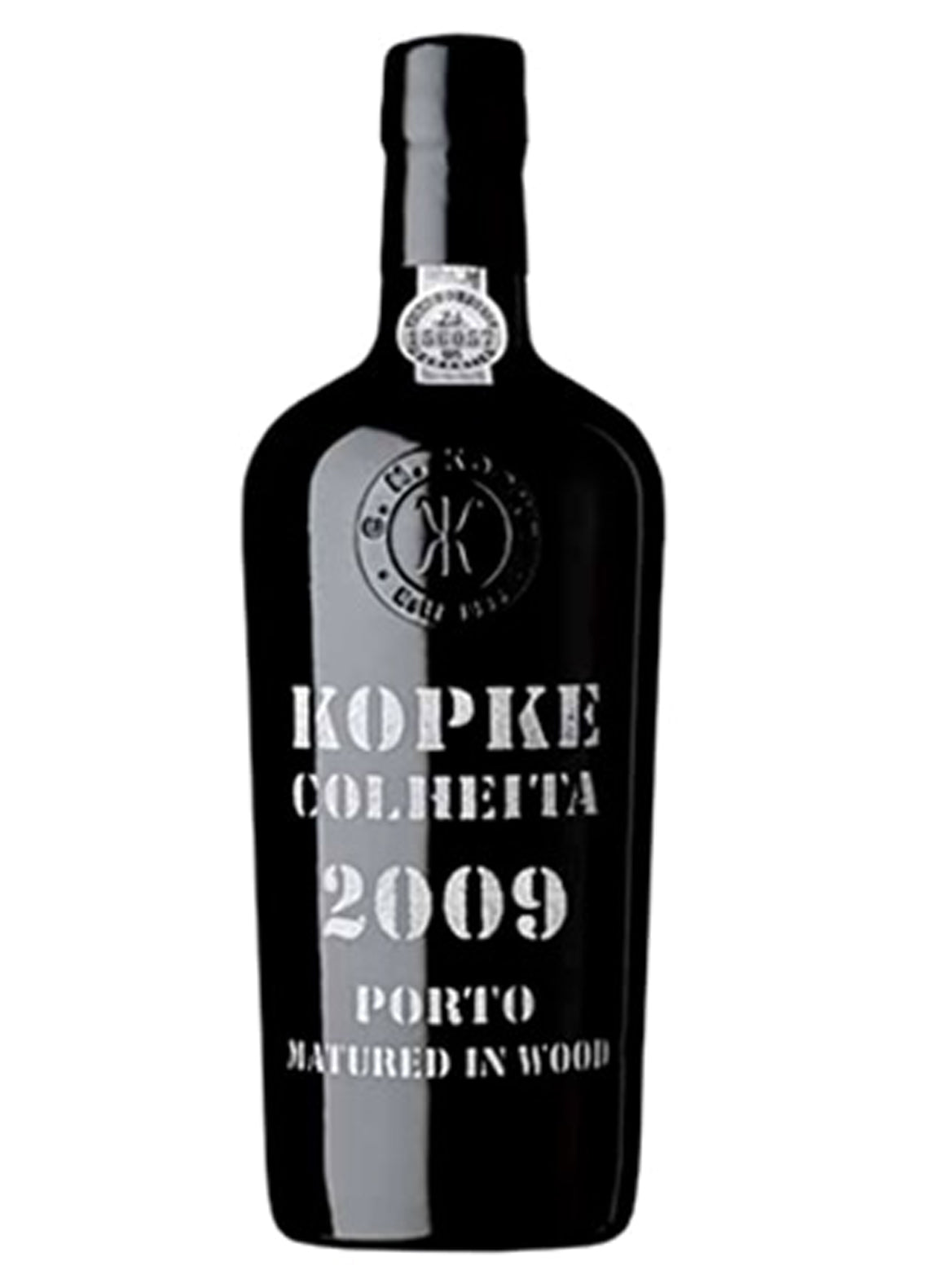
The house is most closely associated with Colheita, the single harvest Tawny. Where an age indicated Tawny is a blend assembled to taste like a given age, a Colheita comes from one year, aged oxidatively in cask for a minimum of seven years and often far longer, then bottled with both the harvest and the bottling date. Kopke has built its reputation on holding those single years in wood longer than almost anyone.
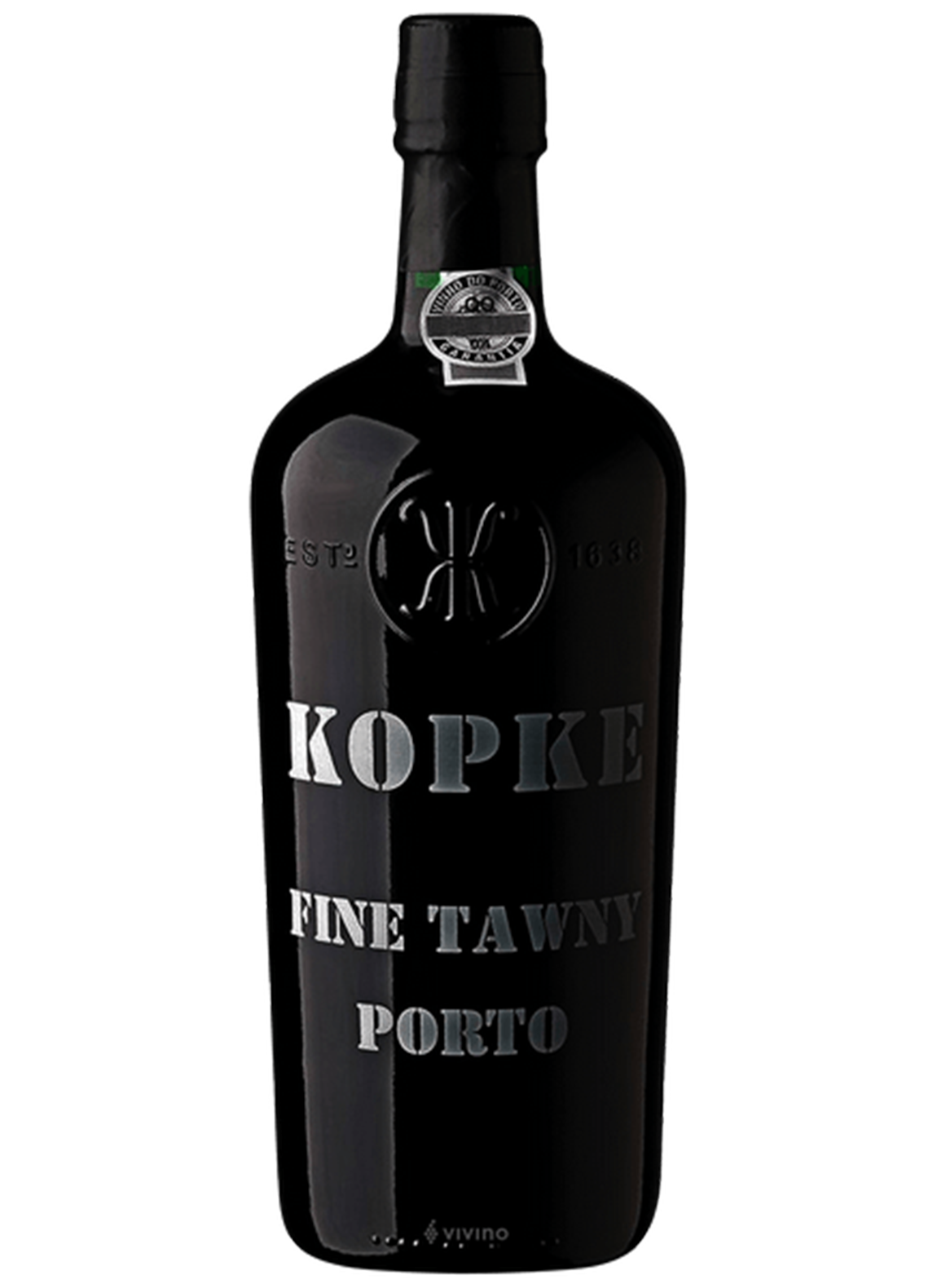
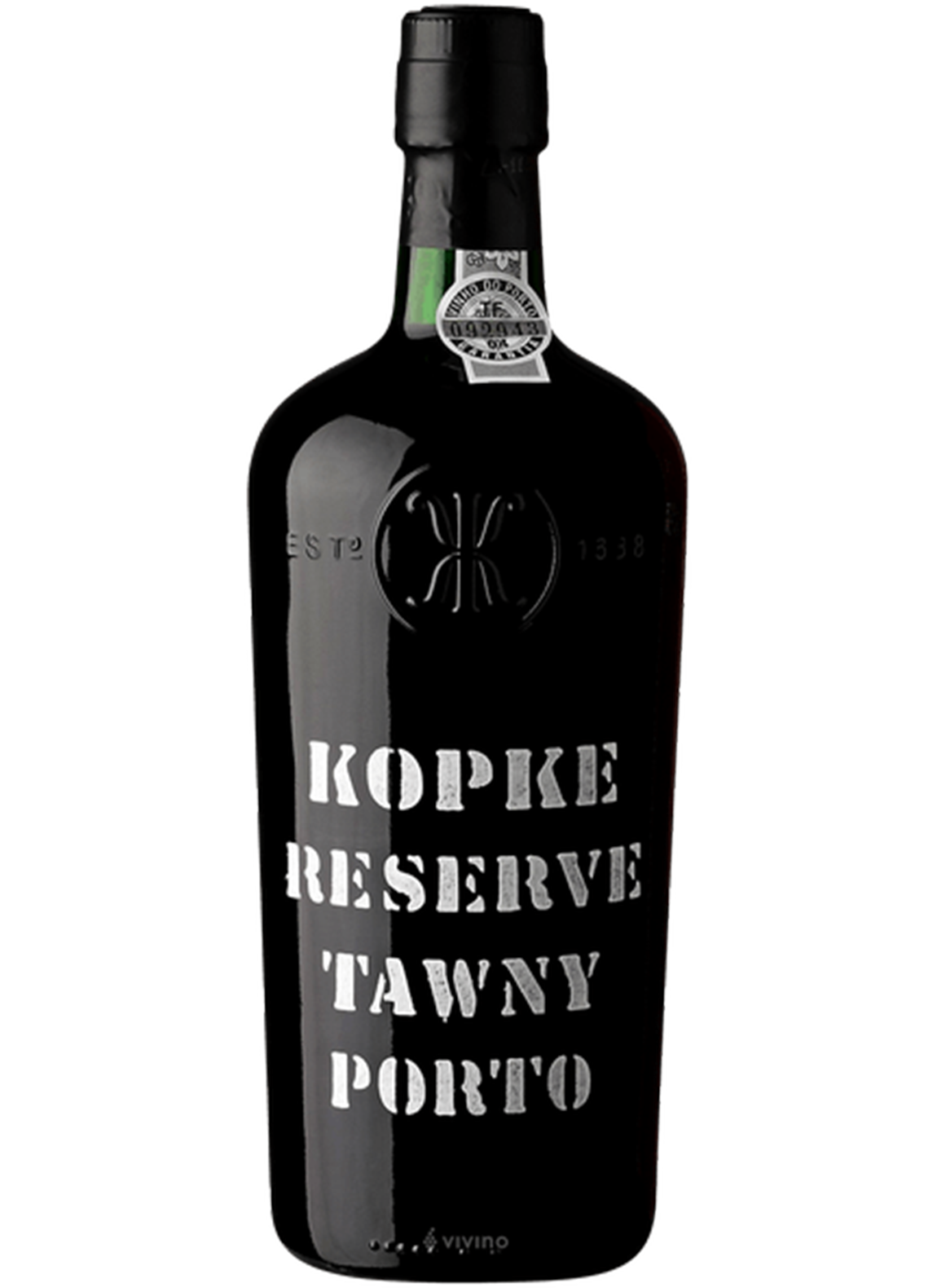
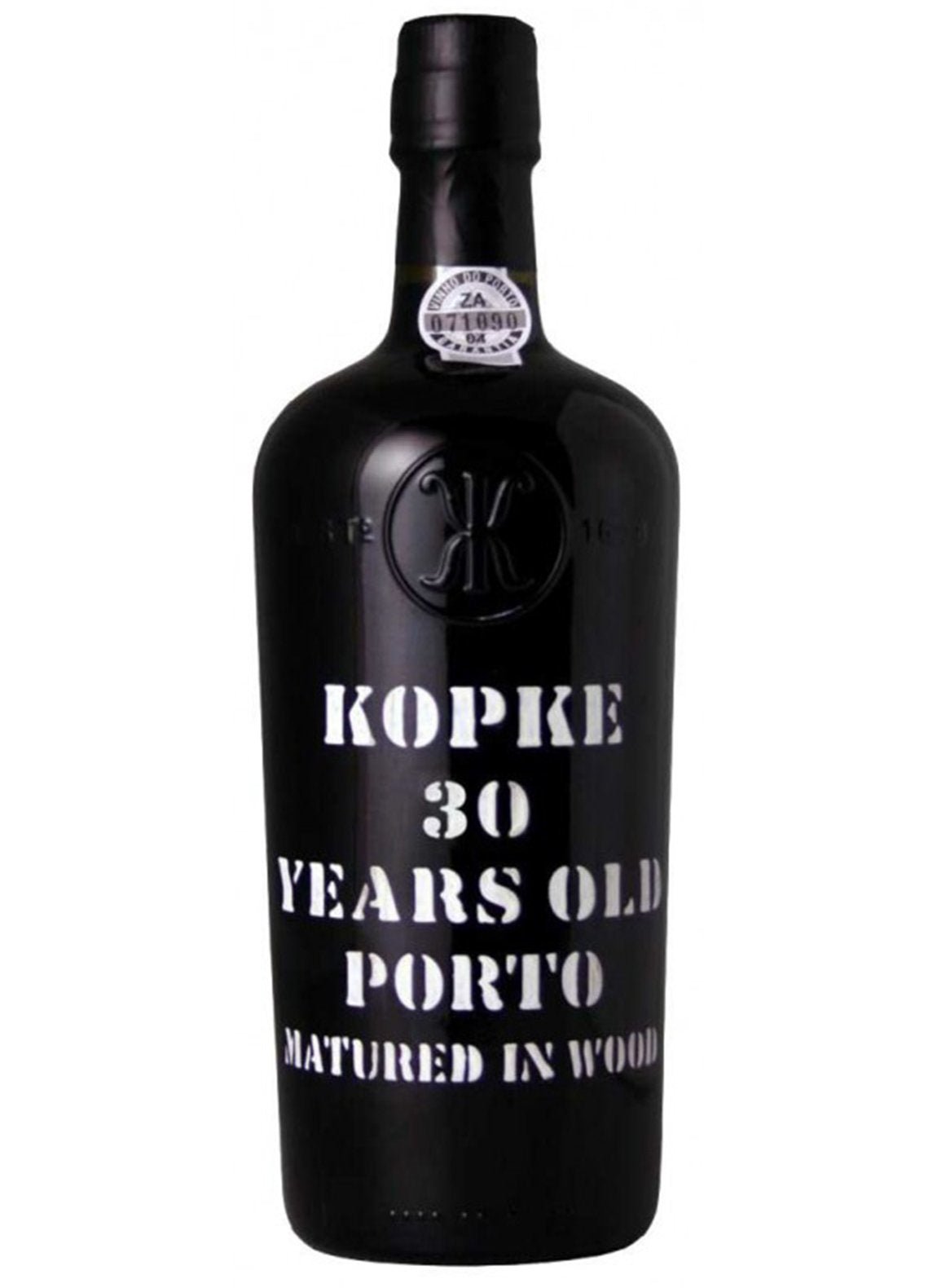
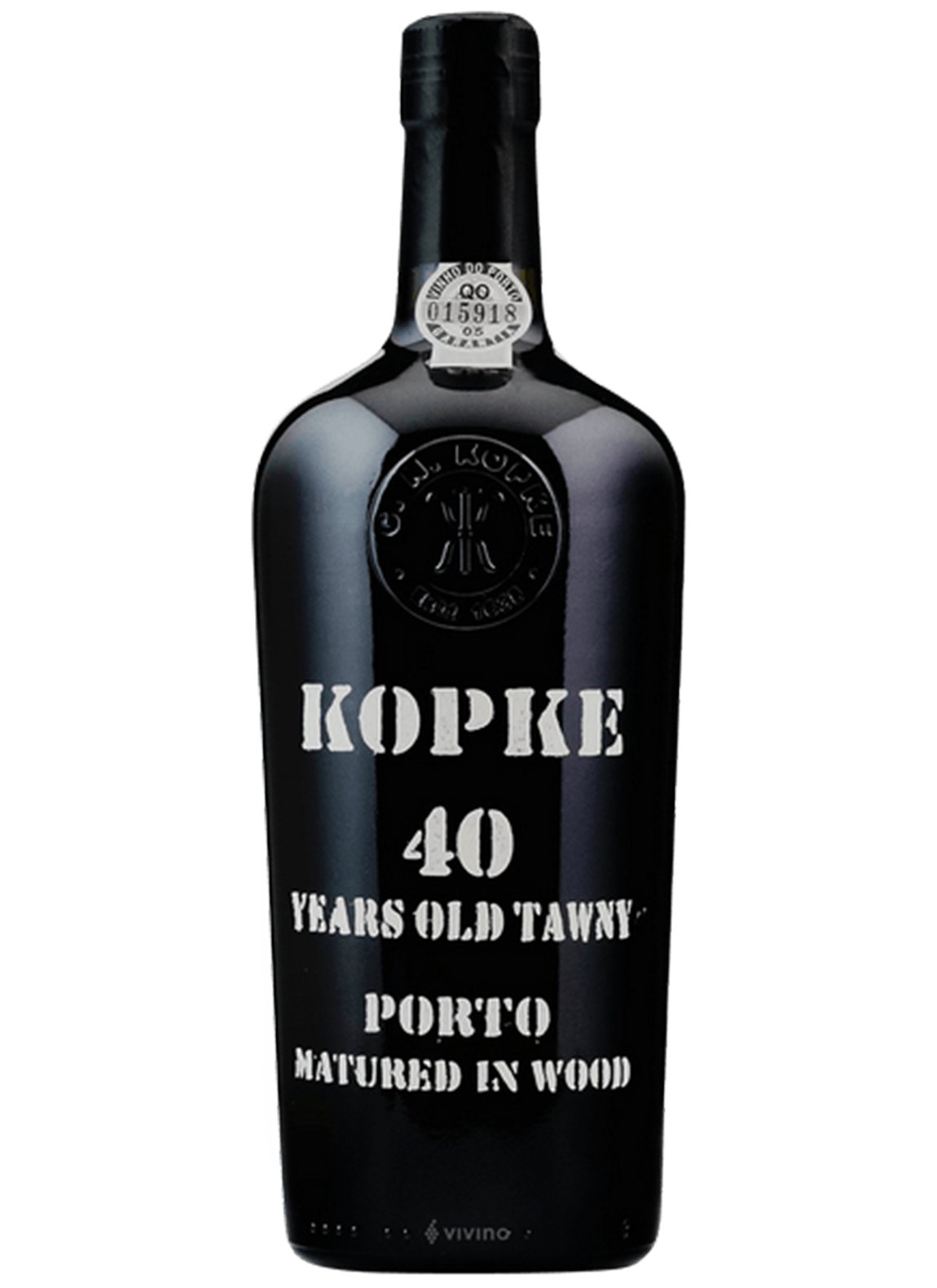
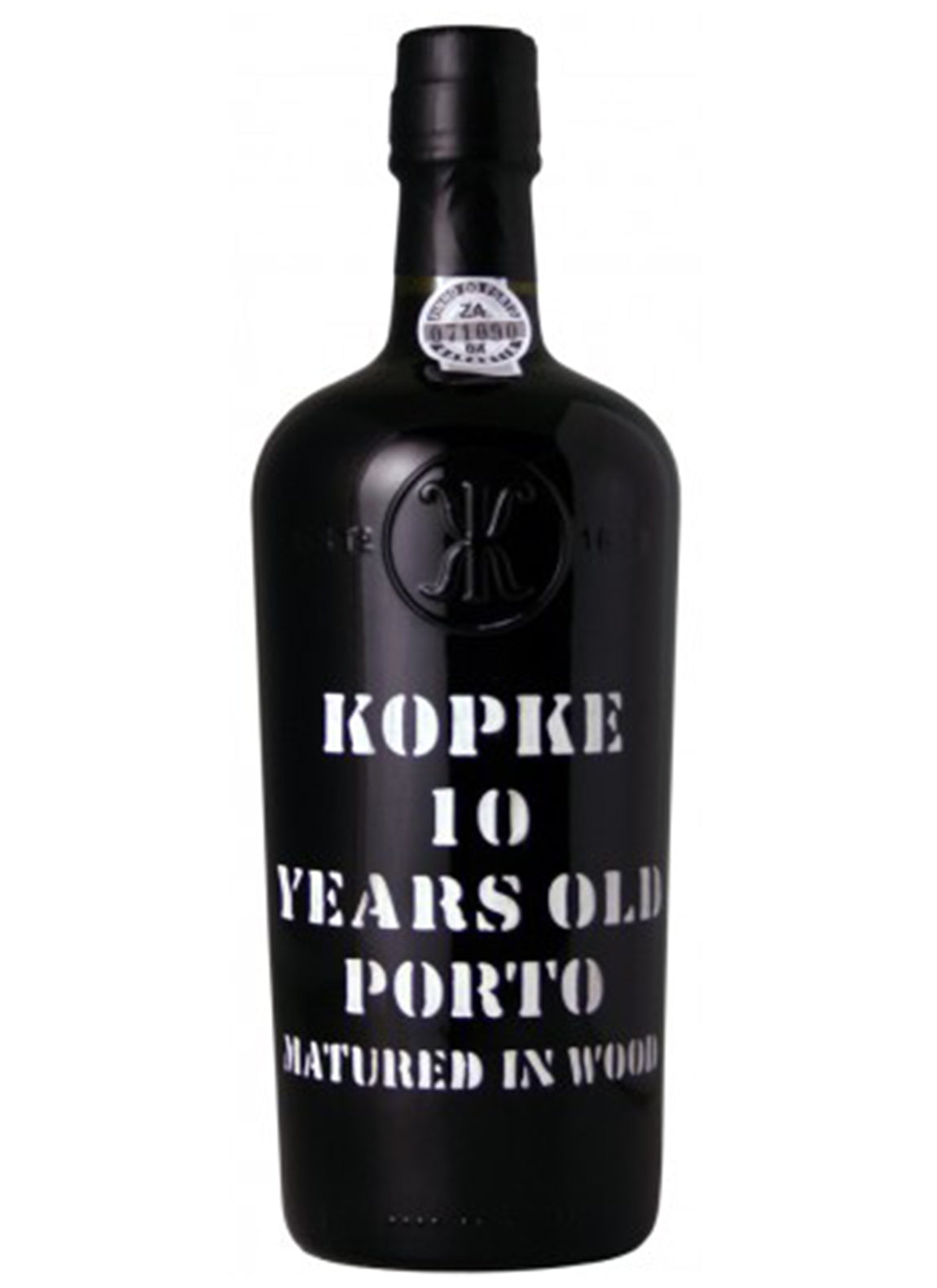
The Tawny ladder runs from Fine Tawny and Reserve Tawny up through 10, 30 and 40 Year Old.
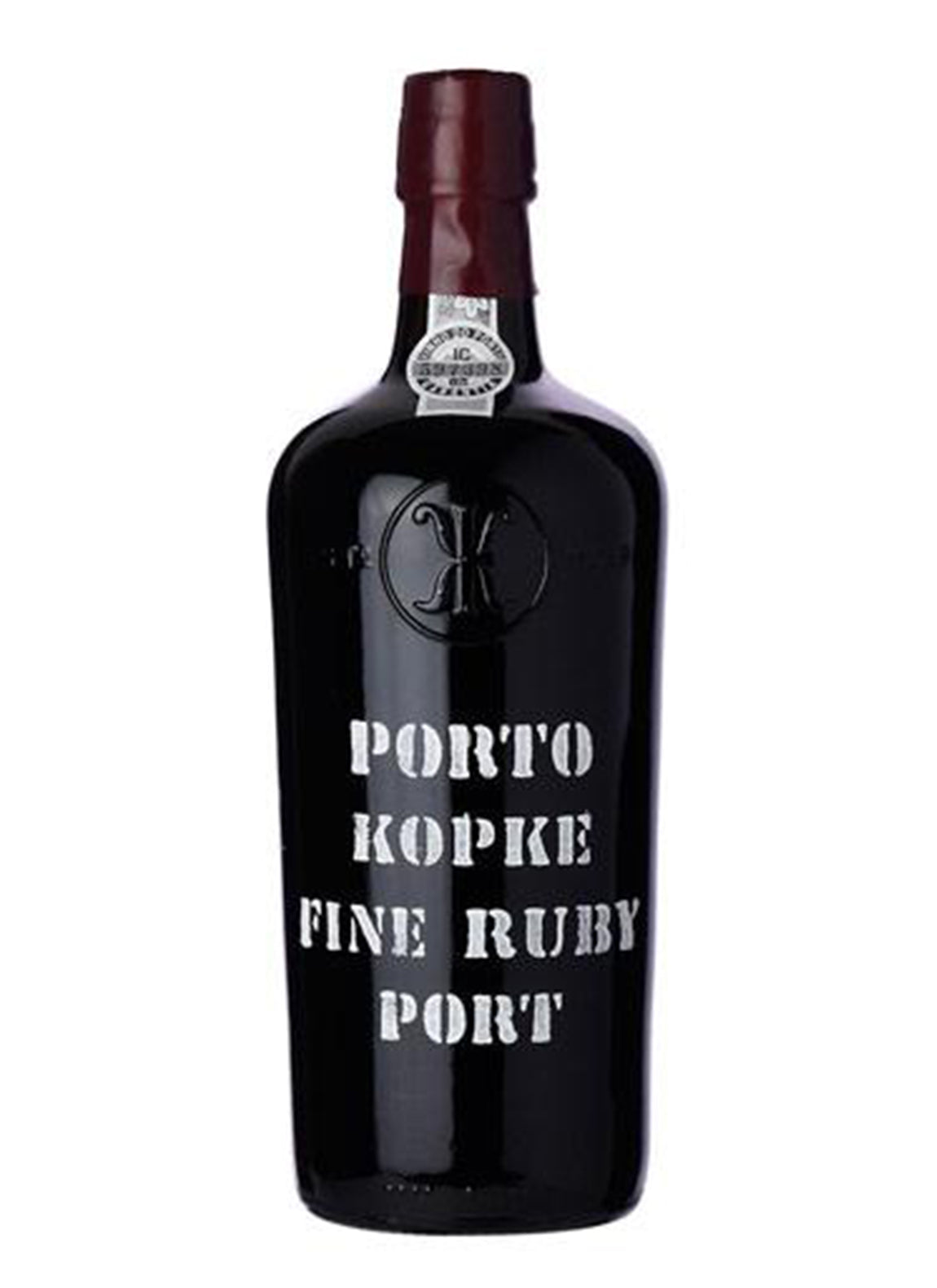
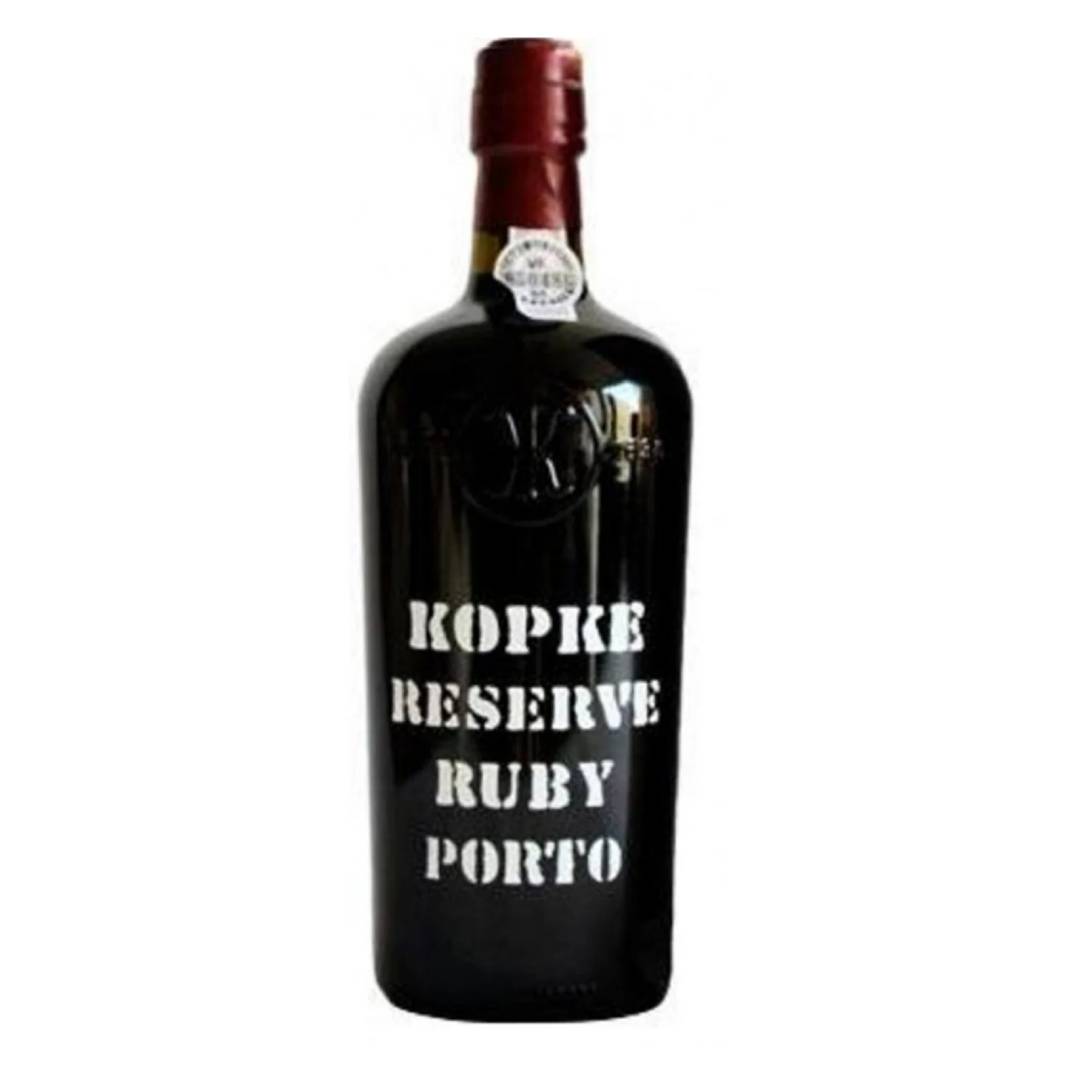
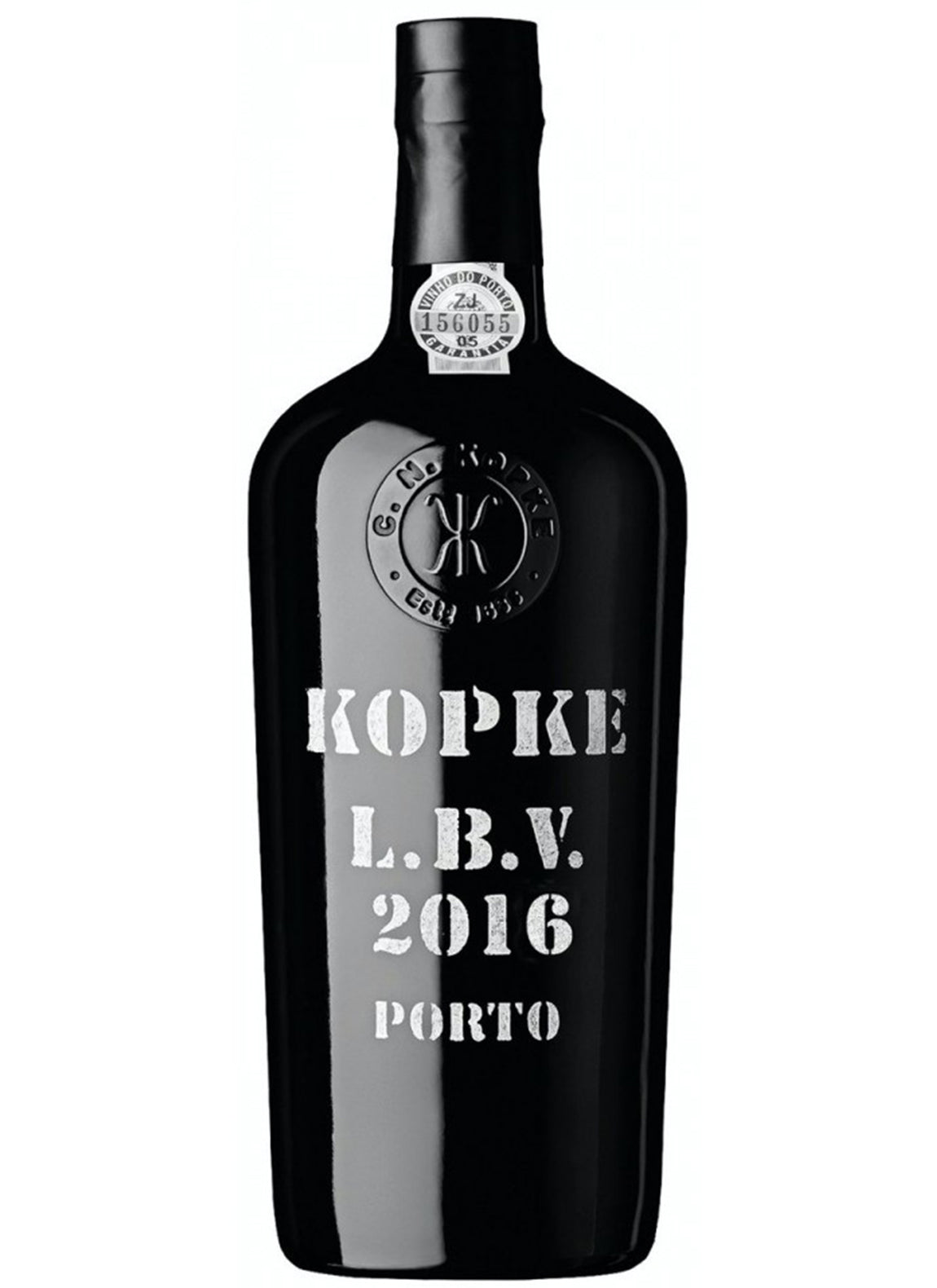
On the fresher side sit Ruby, Reserve Ruby and LBV. These are aged with far less contact with air, so they stay deep red and taste of the fruit they were made from rather than of the cask.
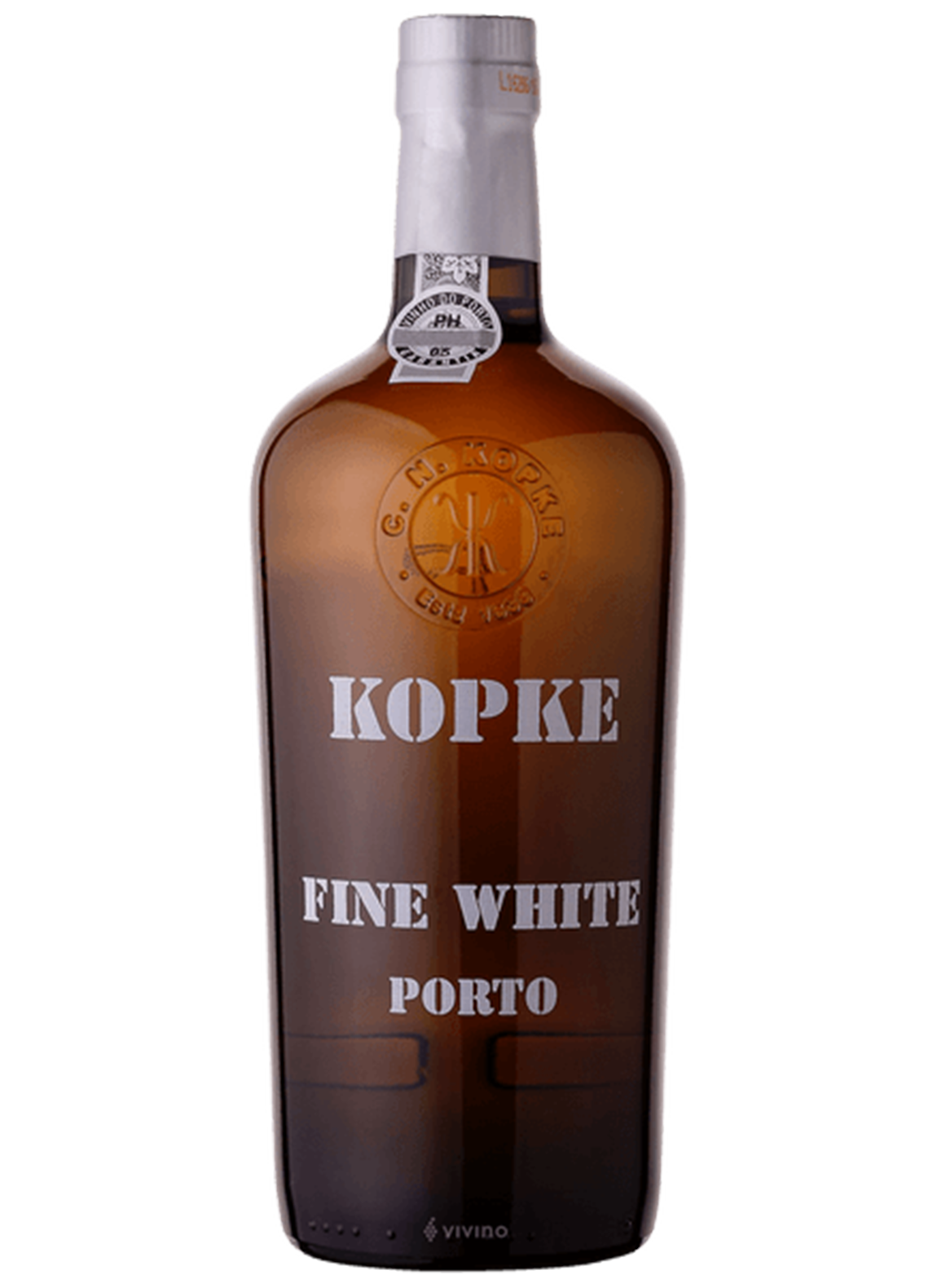
White Port sits outside the line entirely, made from white Douro grapes and best drunk long with tonic rather than after dinner.
History
Kopke was founded in 1638 by Nicolau Kopke, a merchant of German origin trading out of Porto. That date puts the house more than a century ahead of the region it draws from: the Douro was not formally demarcated and regulated until 1756.
That demarcation was an early and unusually strict piece of wine law, fixing the boundaries of the growing area and setting rules for what could be produced inside them. The Douro remains one of the oldest regulated wine regions in the world.
The vineyards themselves explain the wine. They are terraced into steep schist hillsides above the river, worked largely by hand because machinery cannot reach the slopes, and planted to indigenous Portuguese varieties including Touriga Nacional, Touriga Franca, Tinta Roriz, Tinta Barroca and Tinto Cao. Fortification with grape spirit part way through fermentation stops the yeast early, leaving unfermented sugar in the wine.
Kopke's long association with Colheita is the house's real signature. Most producers treat single harvest Tawny as an occasional release. Kopke treats it as the centre of the business.
For the style guide rather than the house, see our Port collection and the article on Port wine styles.
How to drink it
Temperature is the single biggest lever. Tawny and Colheita want to be lightly chilled, around twelve to sixteen degrees, which lifts the aromatics and stops the sweetness turning heavy. Ruby, Reserve and LBV are better a little cooler than a typical Australian room, so half an hour in the fridge. White Port should be properly cold or over ice.
How long an open bottle lasts follows from how it was aged. Tawny and Colheita have already spent years in contact with oxygen, so they hold for one to three months. Ruby, Reserve and LBV were protected from air and fade faster, over roughly two to four weeks. Keep both in the fridge with the cork in.
Colheita needs no decanting and no further cellaring. It was ready the day it was bottled, which is part of what makes it a sensible gift for a particular year.
For food, Tawny goes with almonds, dried figs, creme brulee and hard aged cheddar. LBV and Ruby suit dark chocolate and blue cheese. White Port belongs before dinner, long over ice with tonic and a slice of lemon.
See also Sherry and Portuguese wines.
More from this origin and style: