
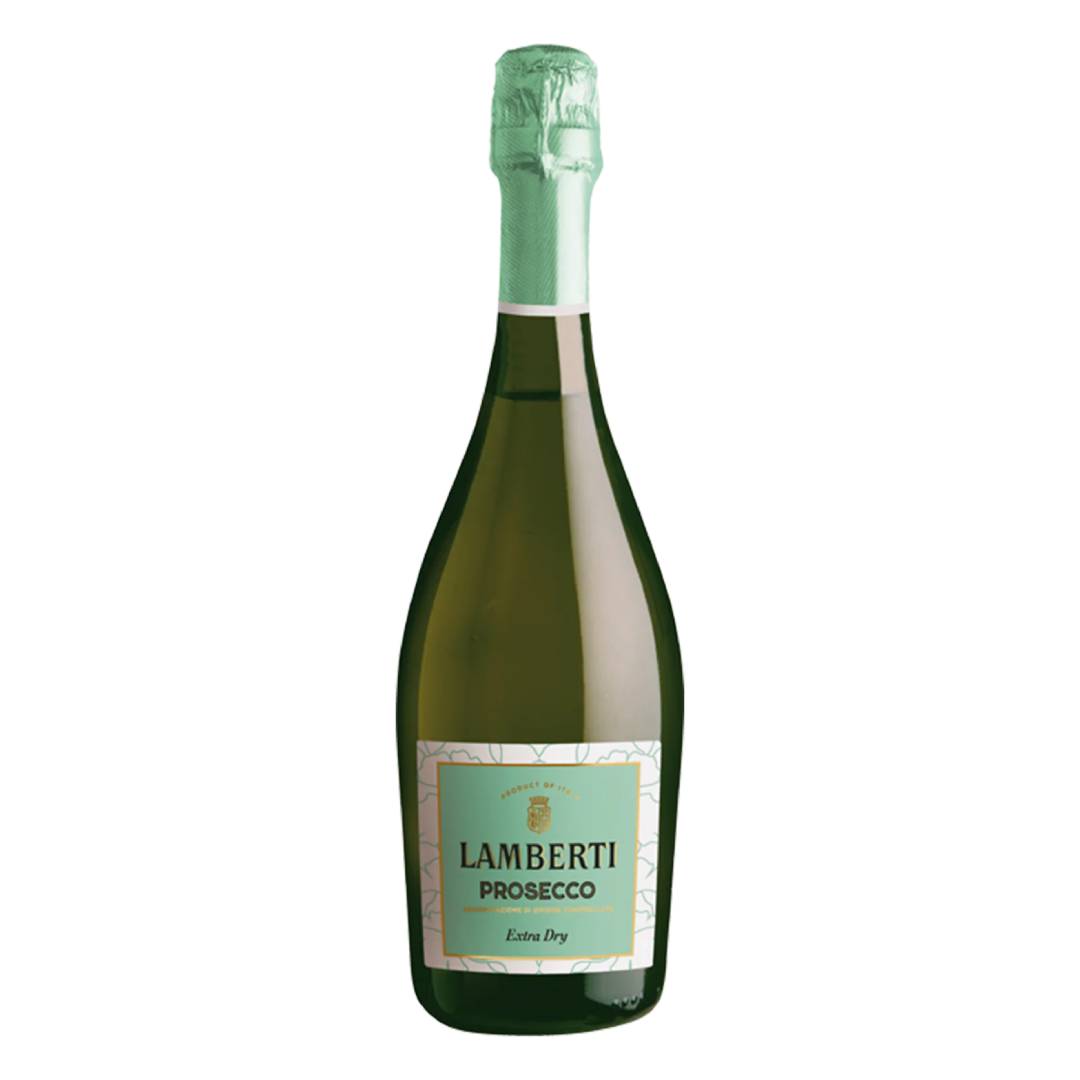
Lamberti Prosecco DOC extradry
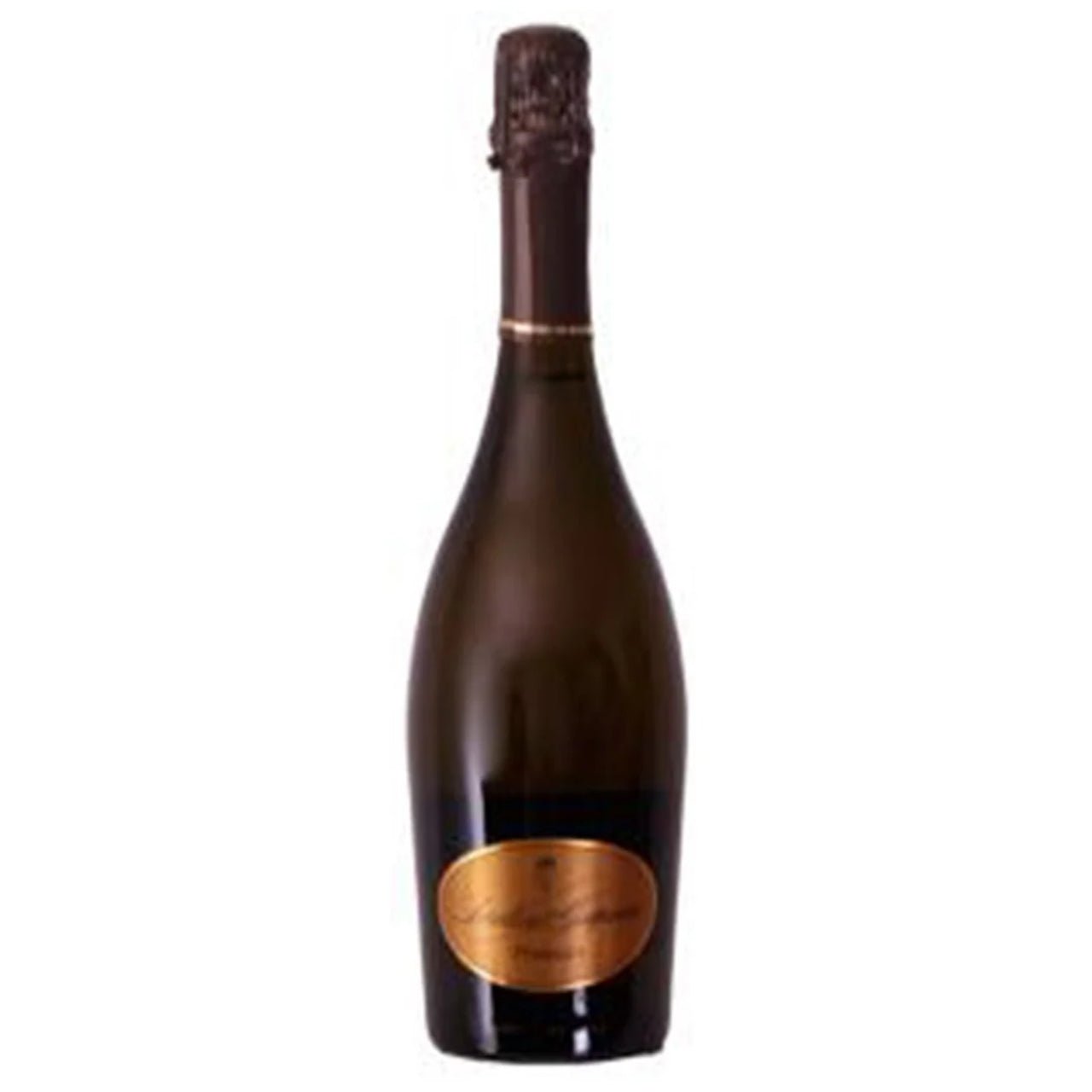
Loredan GASPARINI- Prosecco
About Prosecco
Prosecco is made from Glera, and unlike Champagne it takes its second fermentation in a sealed tank rather than in the bottle. That single difference explains almost everything about how it tastes. Tank fermentation is quicker, the wine spends little time on yeast, and the result keeps the grape's own character: pear, green apple, white flowers and a soft, foaming texture rather than a fine persistent bead.
The Italian bottles here run across the styles. Lamberti is an extra dry, which in Prosecco terms means slightly sweeter than brut. Vigna Sancol covers both the standard DOC and a rose, and Bellussi and Loredan Gasparini come from the Veneto heartland.
The King Valley in north east Victoria has become the centre of the style in Australia, largely through the Italian families who settled the region, and Australian versions tend to be drier and more citrus driven than Italian ones.
Prosecco reads differently once you know what else the Veneto makes, and our guide to Italian wine covers the region alongside Piedmont and Tuscany.
History
Glera has been grown in the hills of the Veneto and Friuli for a very long time, but Prosecco as a commercial category is recent. The tank method that defines it was developed in the early twentieth century and made it possible to produce sparkling wine quickly and at scale, without the years of cellar work that the traditional method demands.
The naming rules changed significantly in 2009. The grape, previously called Prosecco, was renamed Glera, and Prosecco became a protected place name covering a defined zone in north east Italy. Within it sit the broad Prosecco DOC and two higher tier zones, Conegliano Valdobbiadene Superiore and Asolo, both DOCG, where the hills are steeper and the work is largely manual.
Rose was only permitted from the 2020 vintage. A Prosecco DOC Rose must include a small proportion of Pinot Nero and must carry a vintage year, which is why you will not see a non vintage pink Prosecco from Italy.
Australia sits outside that system. Because Prosecco is not protected here, Australian growers may label wine made from Glera as prosecco, and the King Valley has built a substantial industry on it. It remains a live point of disagreement in trade negotiations with the European Union.
How to drink it
Serve it colder than Champagne, around six to eight degrees, and drink it young. Prosecco is not built to age and it will not improve in a cupboard. Buy it close to when you intend to open it.
A tulip glass or a small white wine glass works better than a flute, though the difference matters less here than with traditional method wines because the aromatics are more forward to begin with.
Read the sweetness on the label rather than assuming. Brut is the driest commonly available, Extra Dry sits a step sweeter despite the name, and Dry is sweeter again. Extra Dry is the classic Italian aperitif style and is what most people picture when they think of Prosecco.
It is the correct base for a Spritz, which is three parts prosecco, two parts bitter aperitivo and one part soda, built over plenty of ice with an orange slice. It also makes a better Bellini than Champagne does, because the softer bubble carries white peach puree without fighting it.
With food it suits salty things: prosciutto, olives, fried seafood, parmesan. For a traditional method alternative, browse sparkling wine or Champagne.