
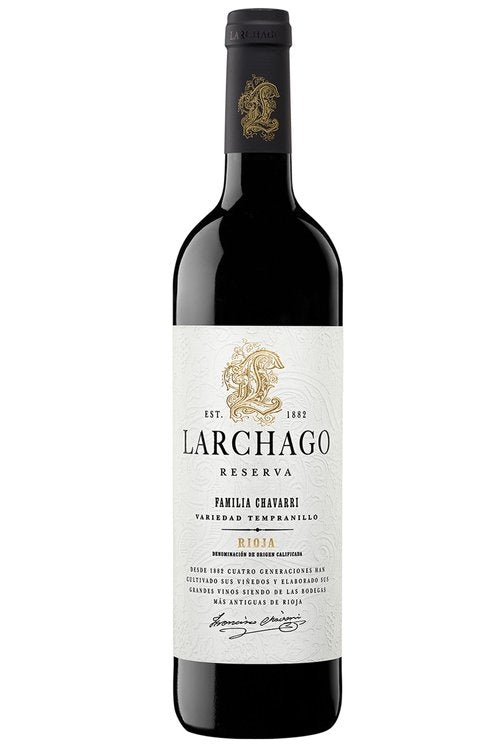
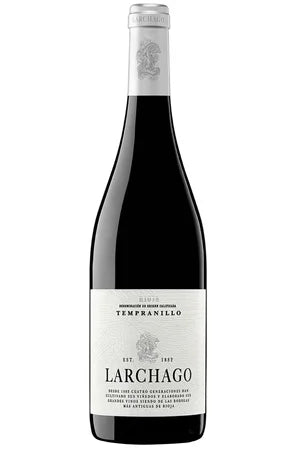
Familia Larchago Tempranillo 2023
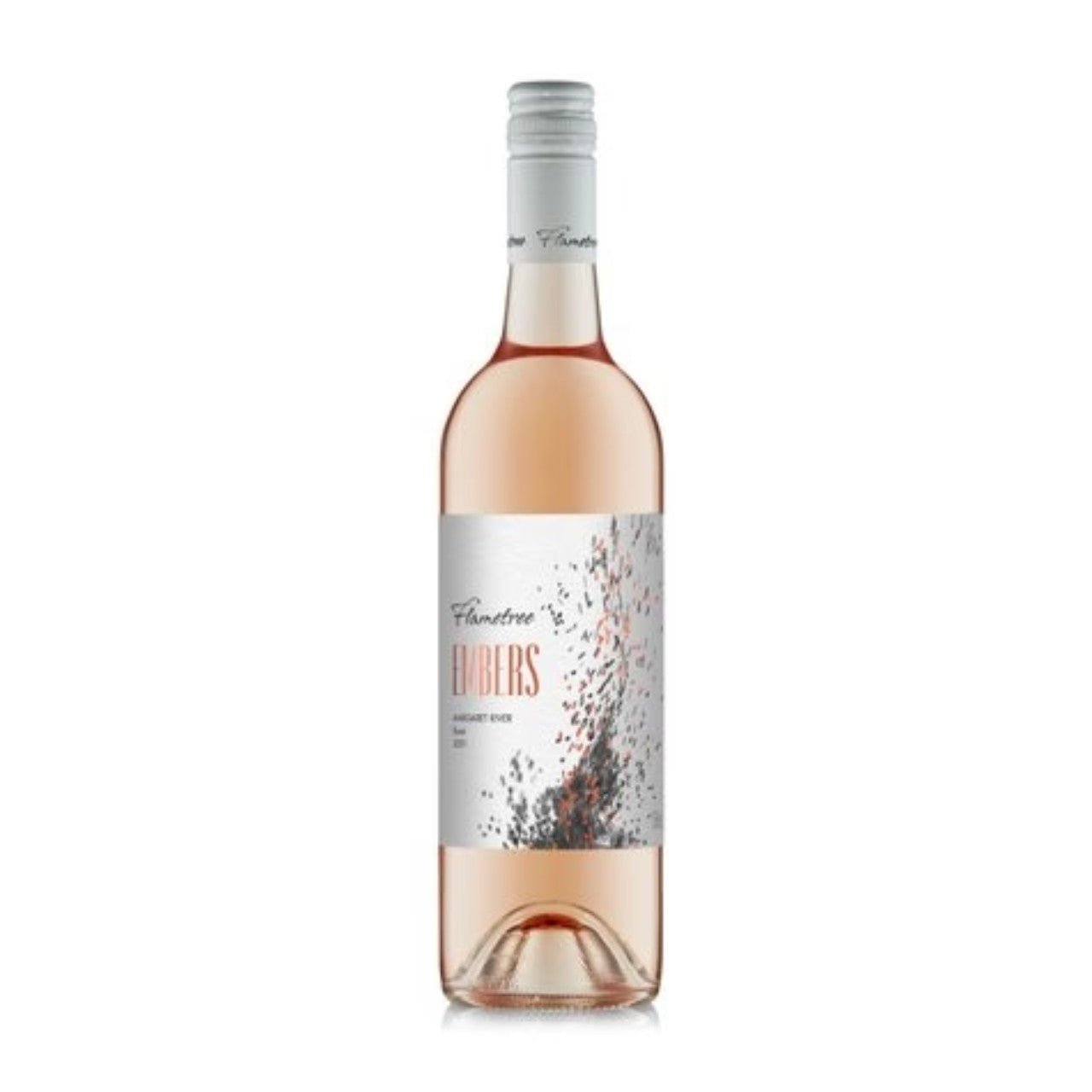
Flametree Embers Rose 2022
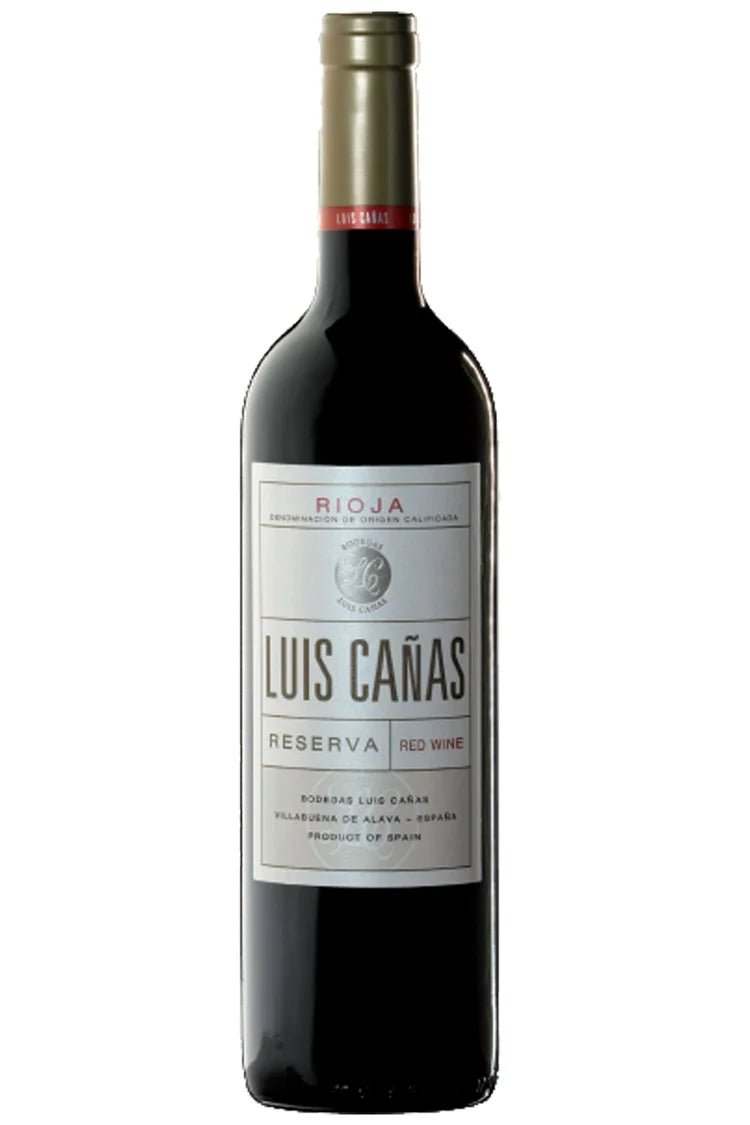
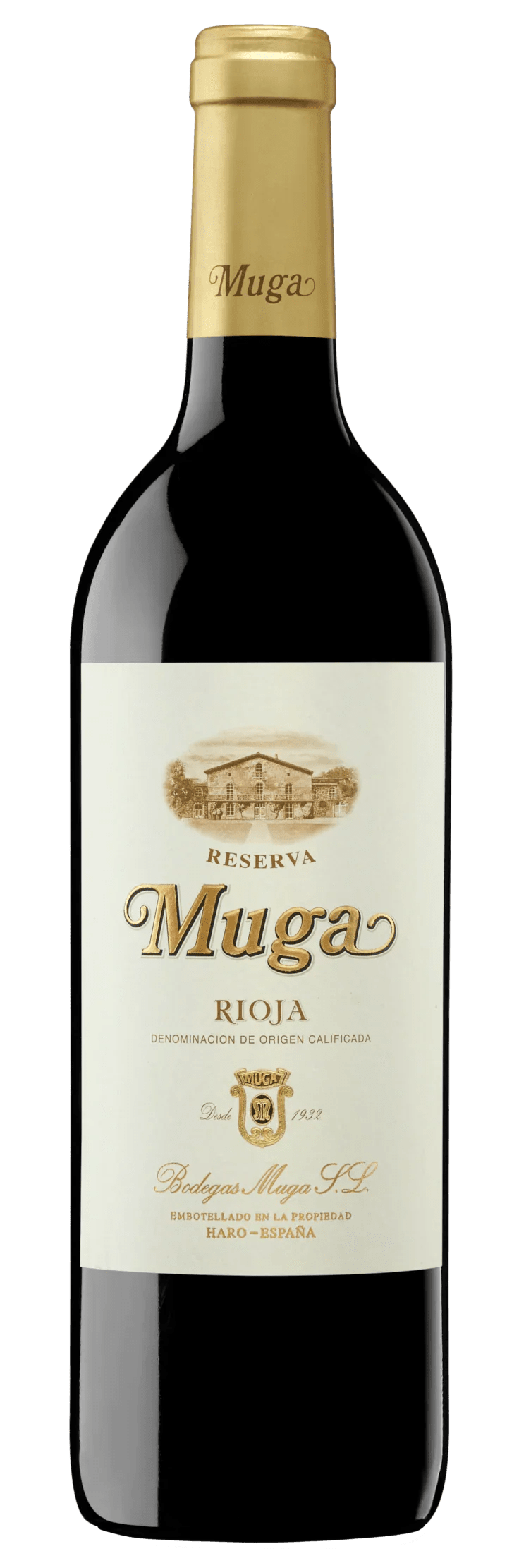
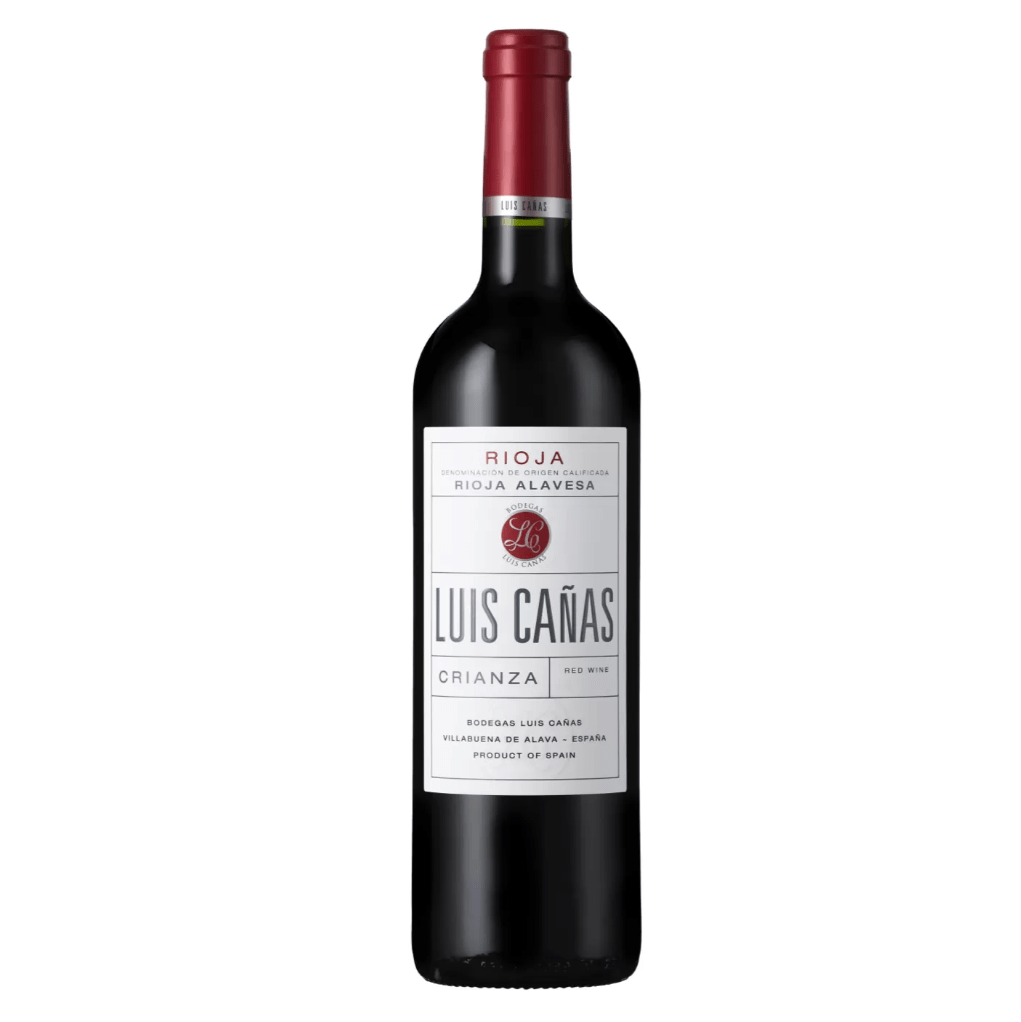
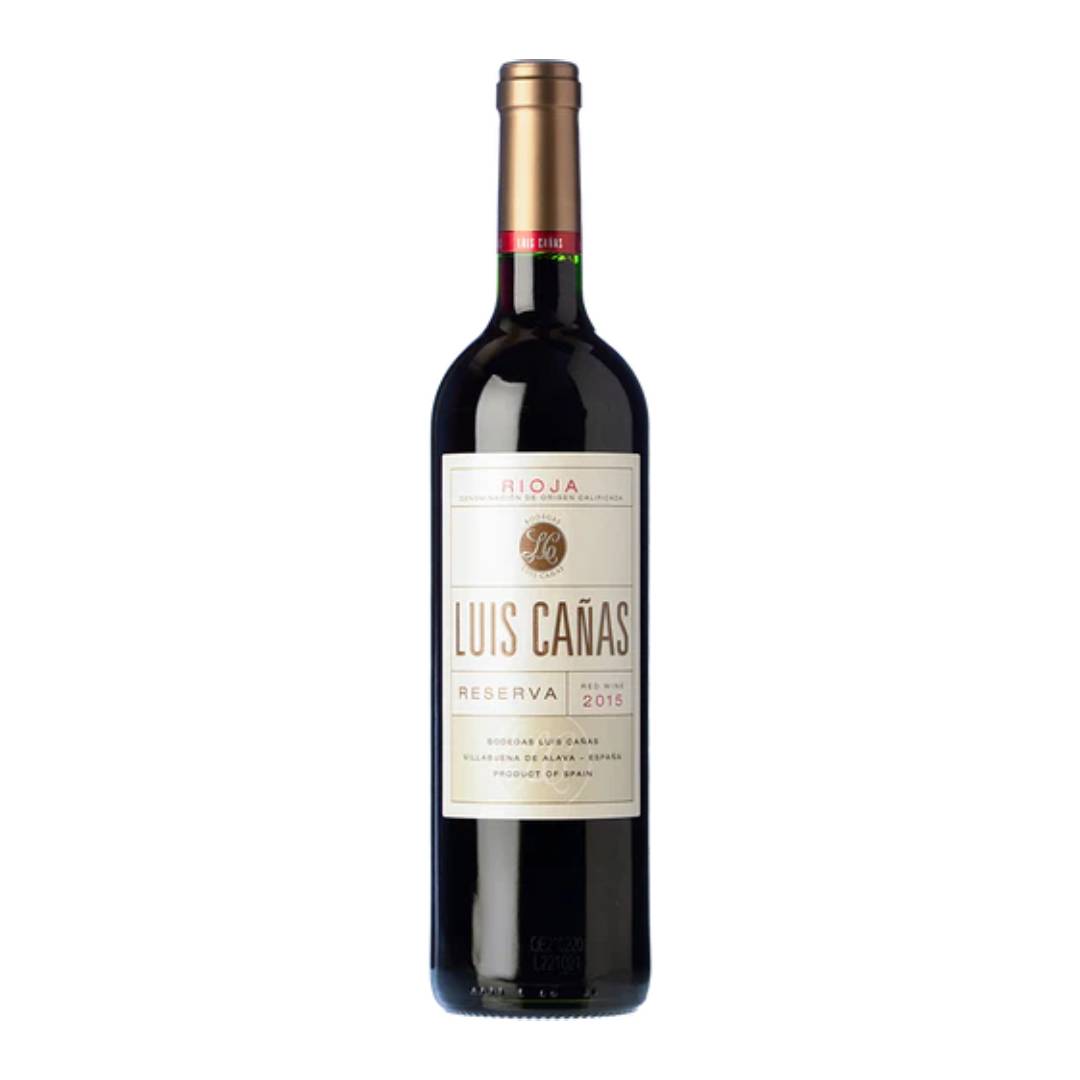
Luis Canas Rioja Reserva 2018
Luis Canas Rioja Reserva 2019
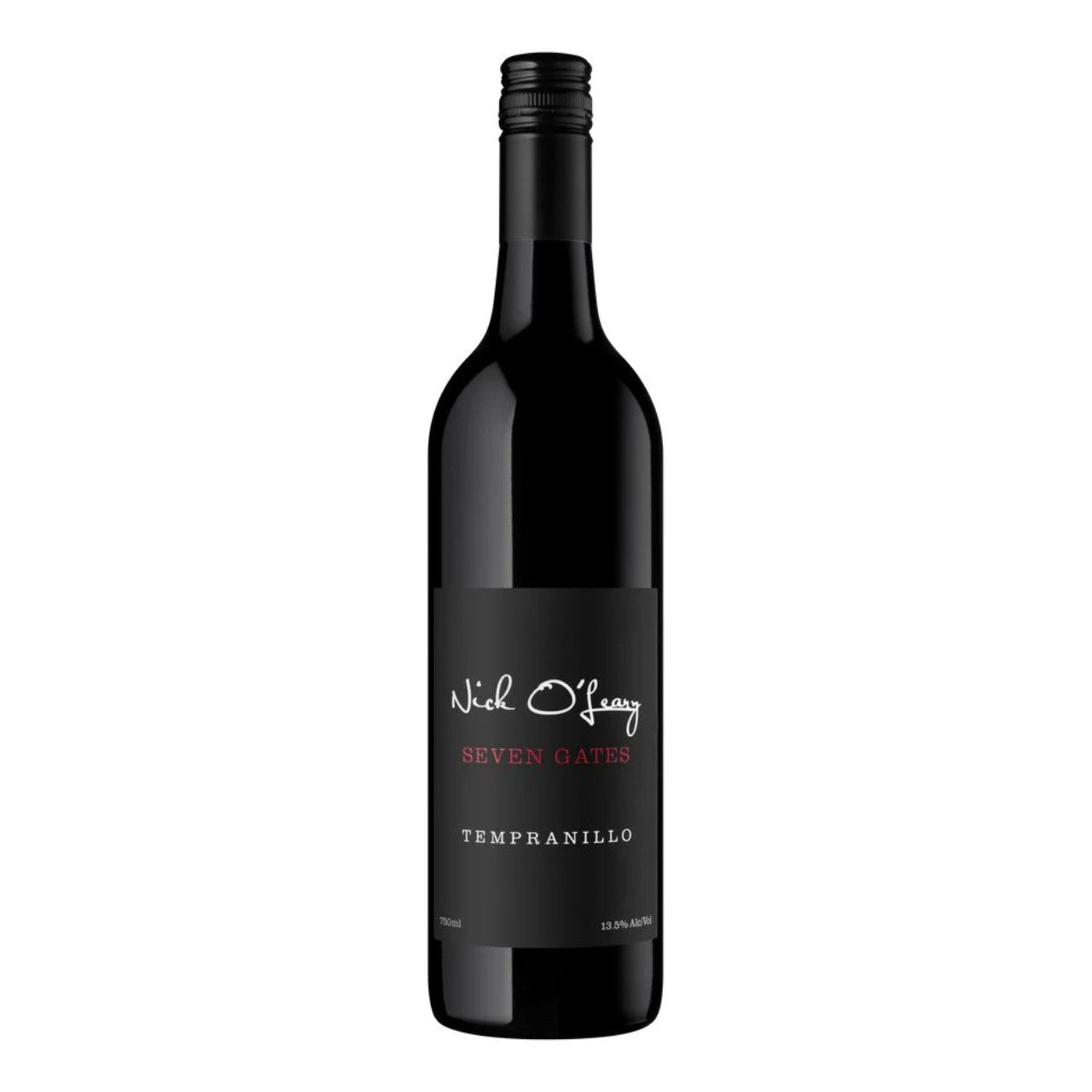
Nick O'Leary Tempranillo 750ml
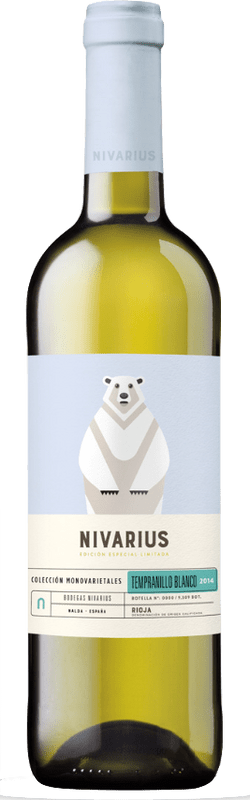
Nivarius Tempranillo Blanco 2024
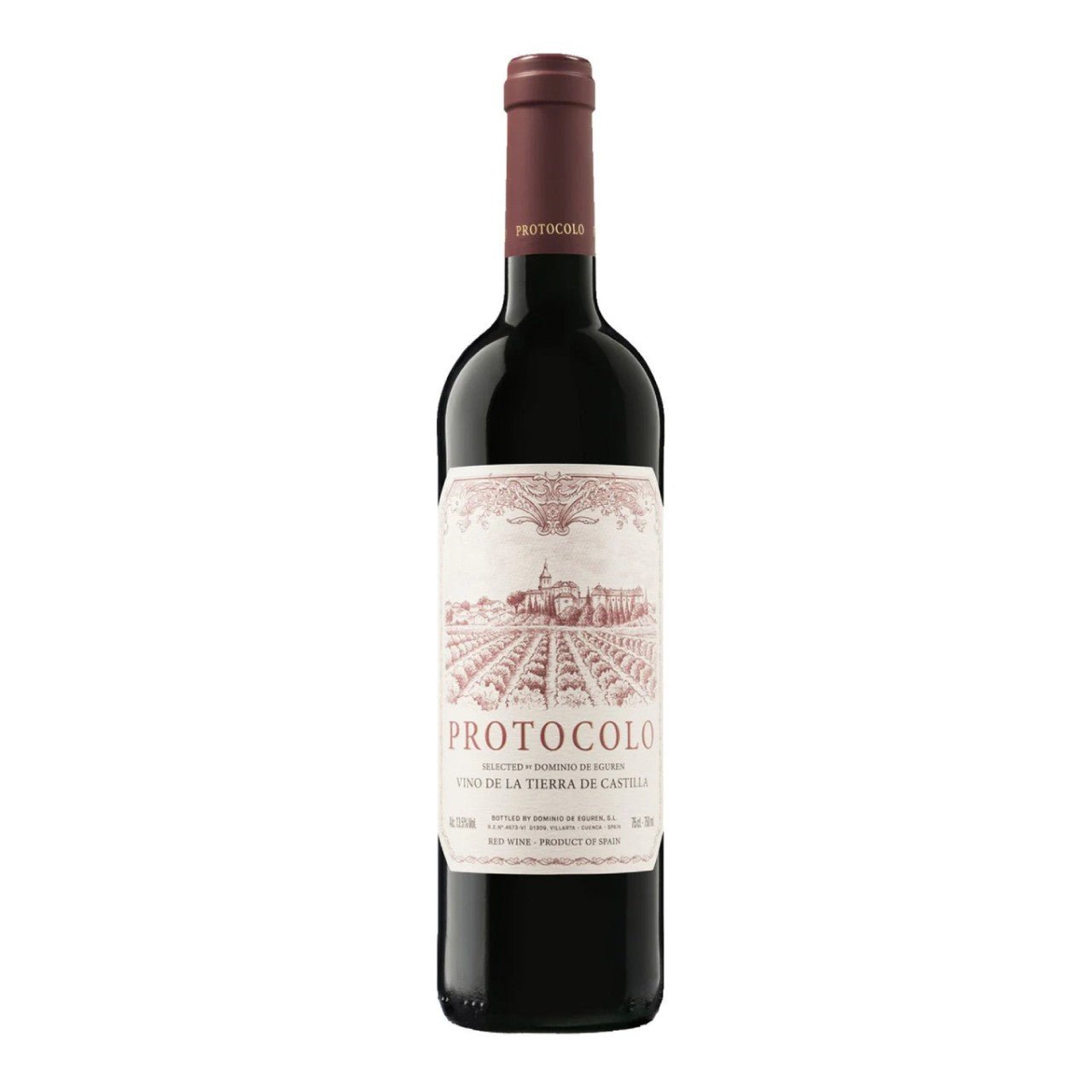
Eguren Protocolo Tinto Rosca 2021
About Tempranillo
Tempranillo is Spain's flagship red grape and the backbone of both Rioja and Ribera del Duero. The name comes from temprano, meaning early, because it ripens well ahead of most Spanish varieties. In the glass it gives red and dark cherry, dried fig, tobacco and leather, with moderate acidity and a tannin structure that takes oak unusually well.
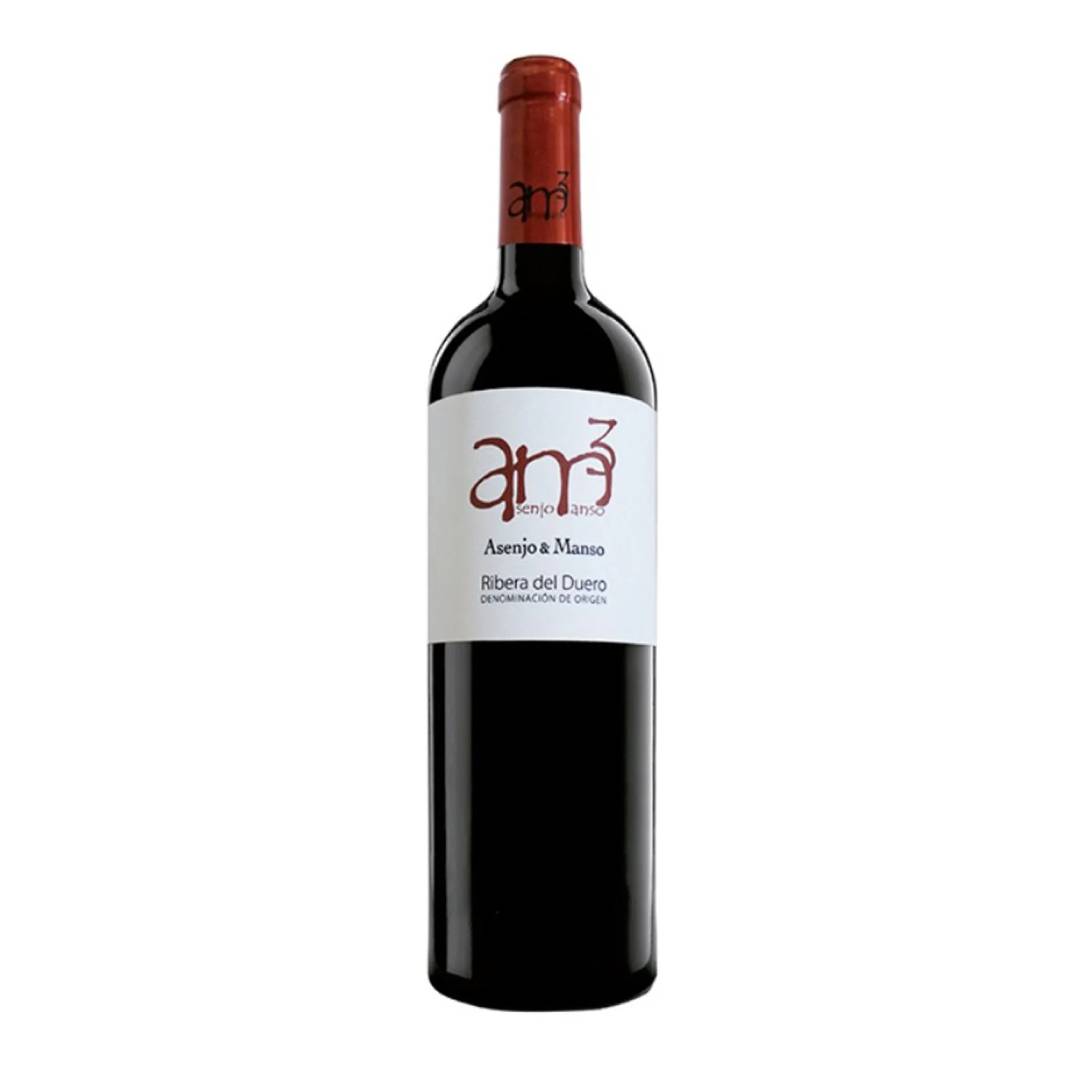
The two great Spanish regions handle it differently. Rioja is traditionally the softer of the two, aged extensively in oak and released ready to drink, and is represented here by Familia Larchago, Muga, Luis Canas and Lopez de Heredia. Ribera del Duero sits higher and colder on the Castilian plateau, and its wines are darker and more structured. Asenjo and Manso works there.
There is also a white version. Tempranillo Blanco is a natural mutation found in a Rioja vineyard in the 1980s and authorised for the region relatively recently, and Nivarius makes one.
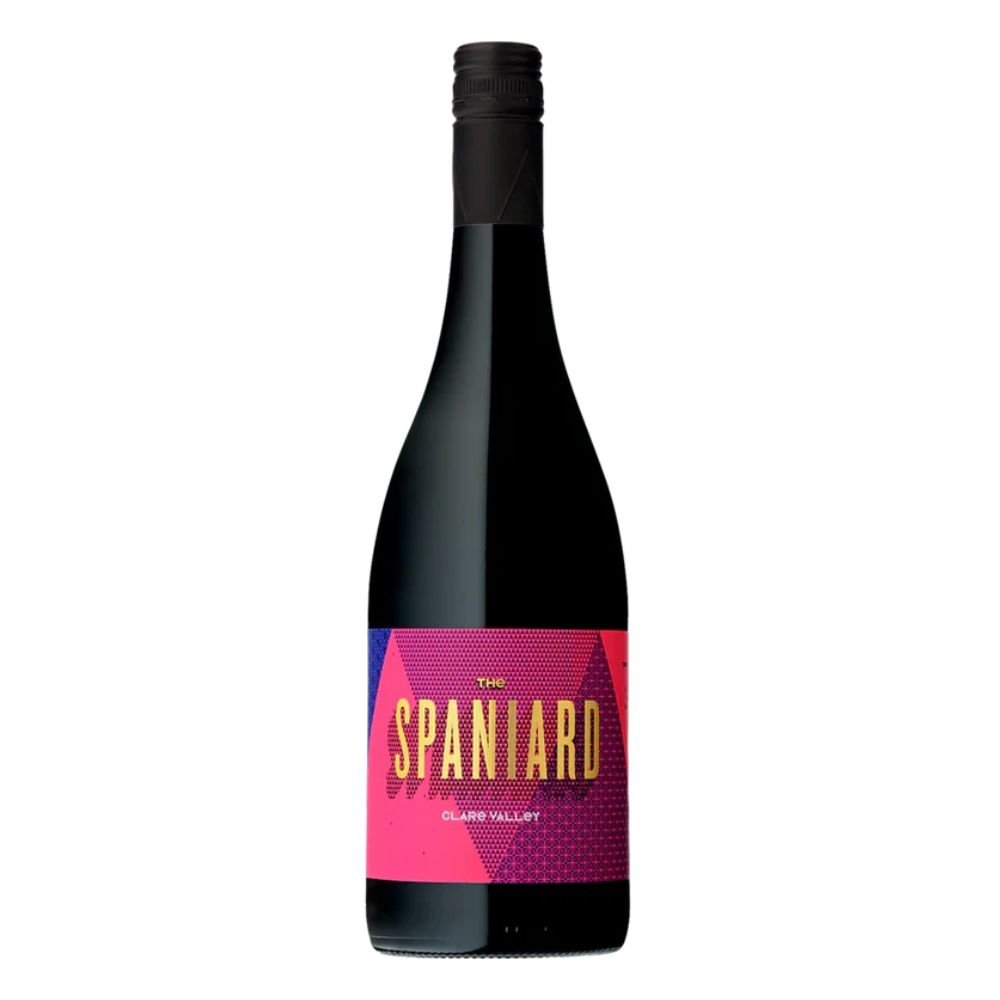
Australian tempranillo has grown quickly because the grape suits a warm dry climate. Nick O'Leary makes one in the Canberra District, and Atlas blends it with grenache and mataro.
History
Tempranillo has been grown on the Iberian peninsula for well over a thousand years, and it travels under a remarkable number of names. In Ribera del Duero it is Tinto Fino or Tinta del Pais, in Toro it is Tinta de Toro, in Catalonia Ull de Llebre, and in Portugal's Douro Valley it is Tinta Roriz, where it is one of the principal grapes used to make Port.
Rioja's modern identity was shaped by French influence. When phylloxera destroyed the vineyards of Bordeaux in the late nineteenth century, merchants crossed the Pyrenees in search of replacement wine and brought barrel ageing practices with them. The result was a region that came to define itself by time in oak.
That produced the Rioja classification system, which is unusual in European wine because it grades wine by ageing rather than by place. Crianza, Reserva and Gran Reserva each specify minimum periods in barrel and in bottle before a wine may be released.
Ribera del Duero was only recognised as a DO in 1982, despite a much older winemaking tradition, and its rise since has been rapid.
Australian plantings date largely from the 1990s onward, part of a broader search for varieties better suited to a warming climate than the traditional French ones.
How to drink it
Serve at sixteen to eighteen degrees. Younger, unoaked tempranillo is good a couple of degrees cooler and gains freshness from it.
Use the Rioja ageing terms as a guide to when to open a bottle. Crianza is ready immediately and suits everyday drinking. Reserva has already had substantial ageing and is more complete. Gran Reserva is only declared in strong vintages and has been held for years before release, so it needs nothing further from you.
Ribera del Duero is generally the more tannic of the two and benefits from an hour in a decanter.
For food, tempranillo has a natural affinity with lamb, which is what it is drunk with across Spain. It also handles chorizo, jamon, grilled red meat, roast vegetables and hard sheep's milk cheese such as manchego. The oak influence in Rioja makes it one of the better wines for anything cooked over charcoal.
Australian versions are usually fruitier and less oaked, and work well with barbecue.
For related pages, see Spanish wine, sangiovese and sherry.