
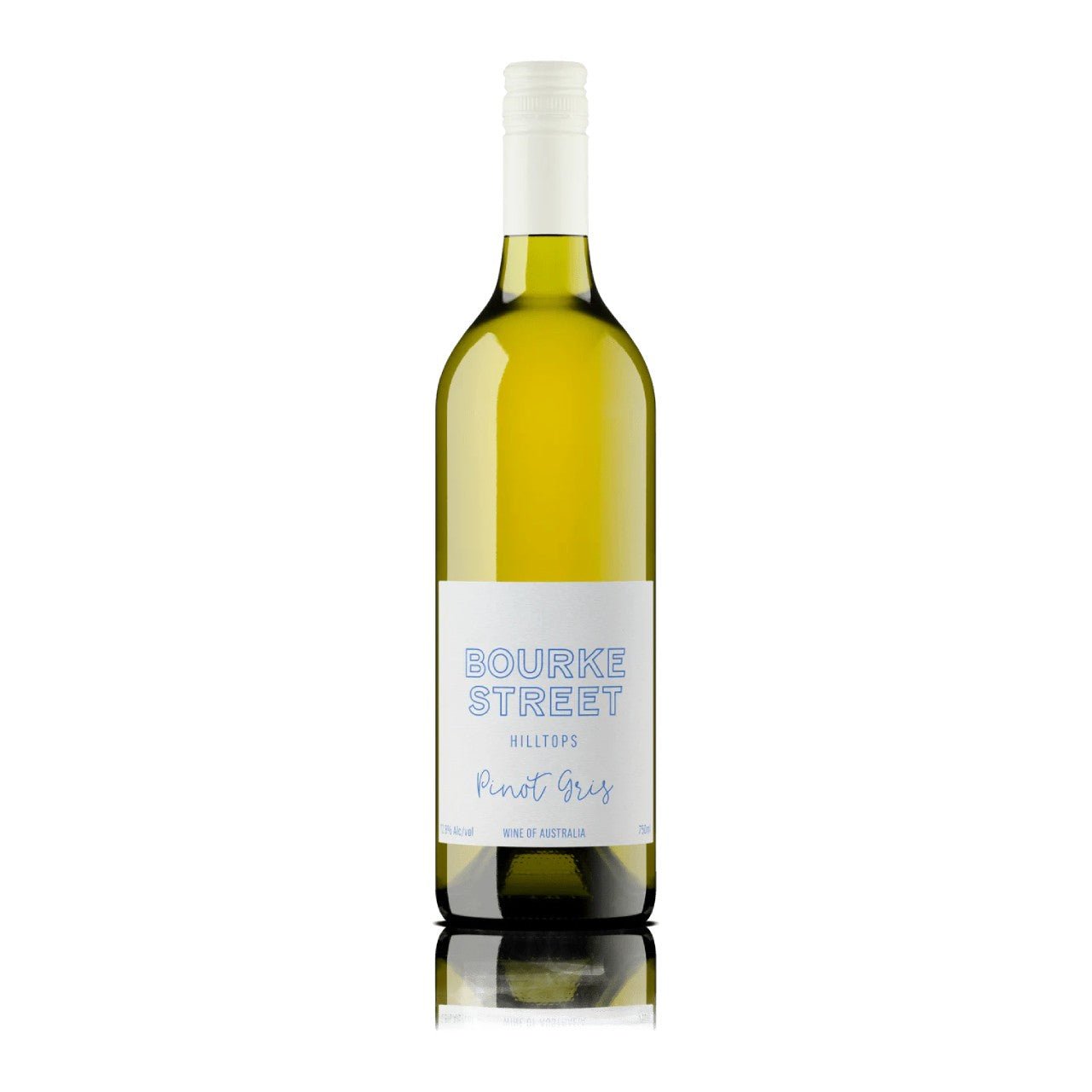
Bourke Street Pinot Gris 750ml
Collavini Andrea di Pec Pinot Grigio Venezia Giuli IGT 2024
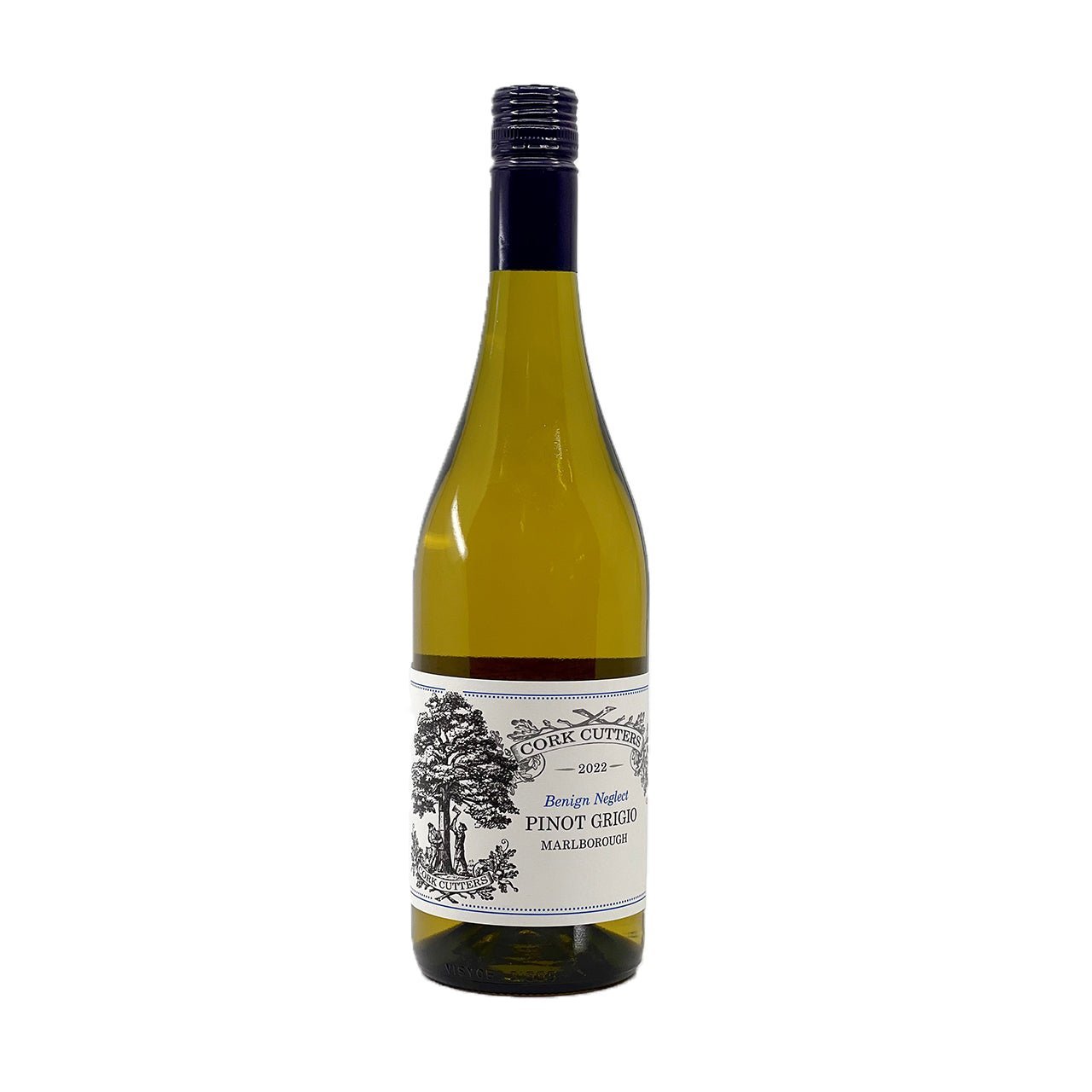
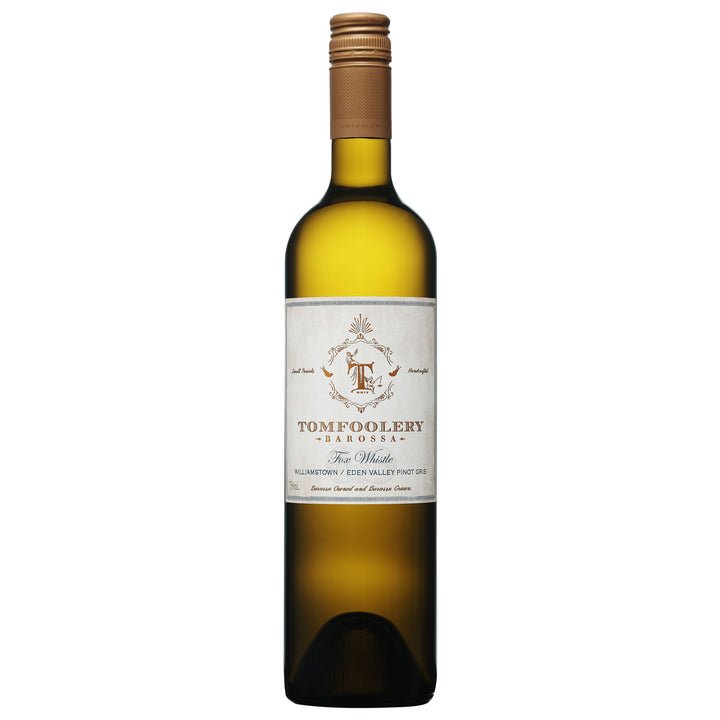
Tomfoolery Fox Whistle Pinot Gris 2026
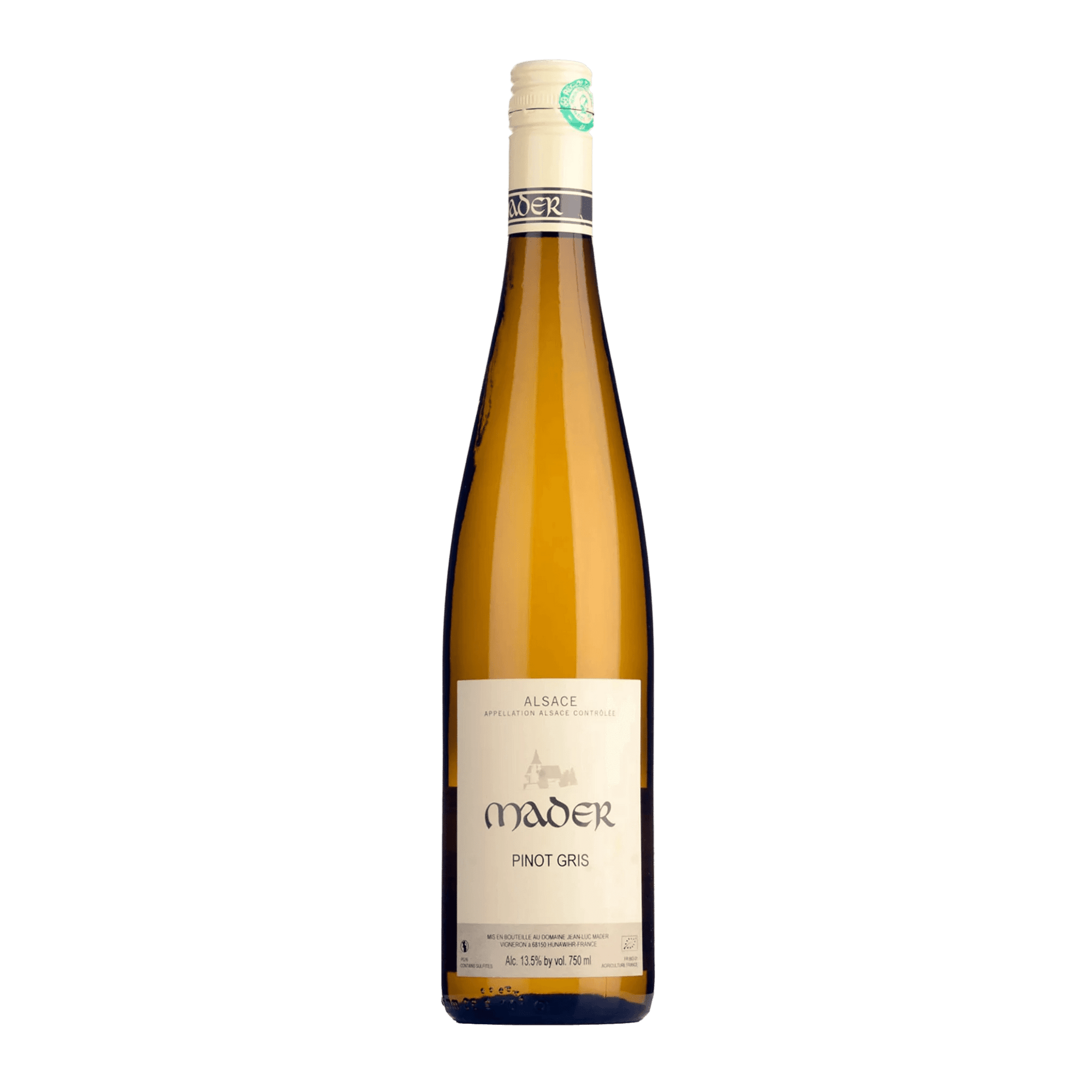
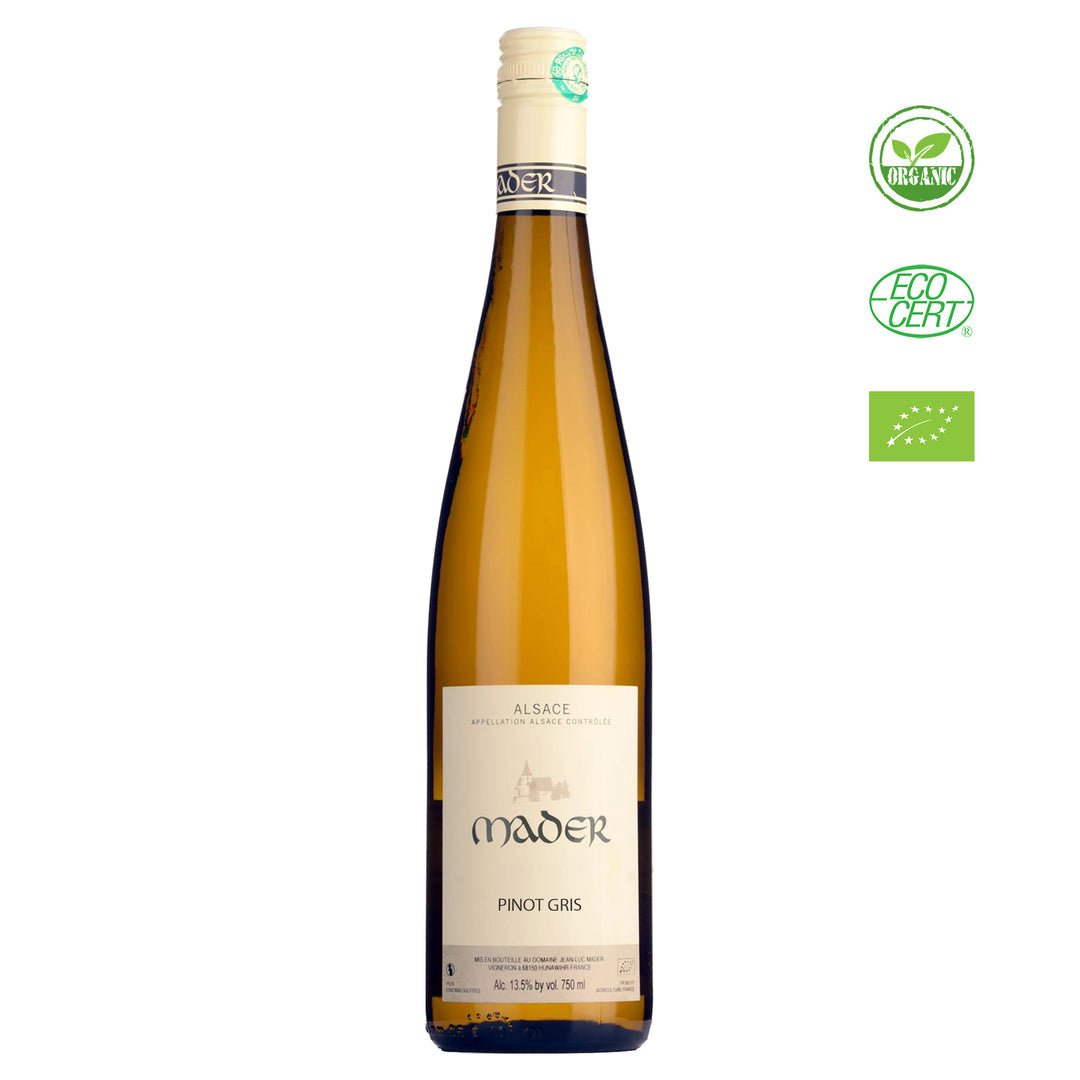
Domaine Mader Pinot Gris 2024
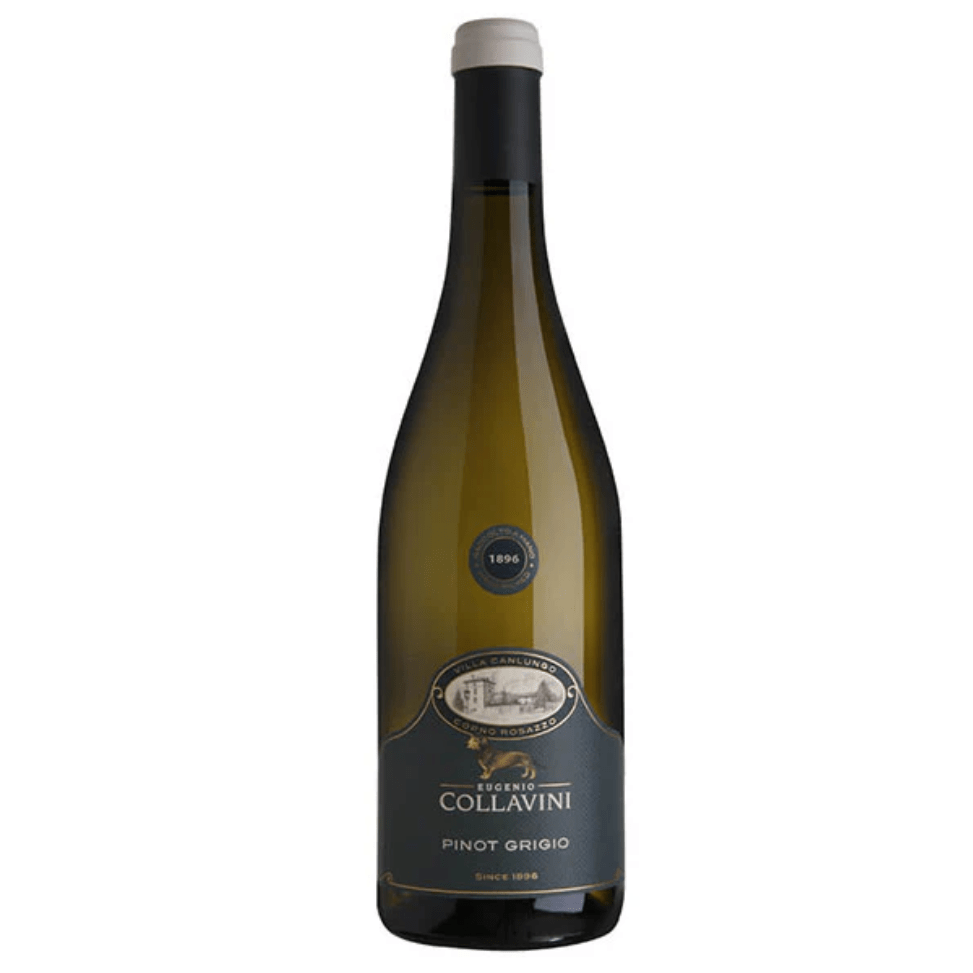
Eugenio Collavini Pinot Grigio Canlungo 2023
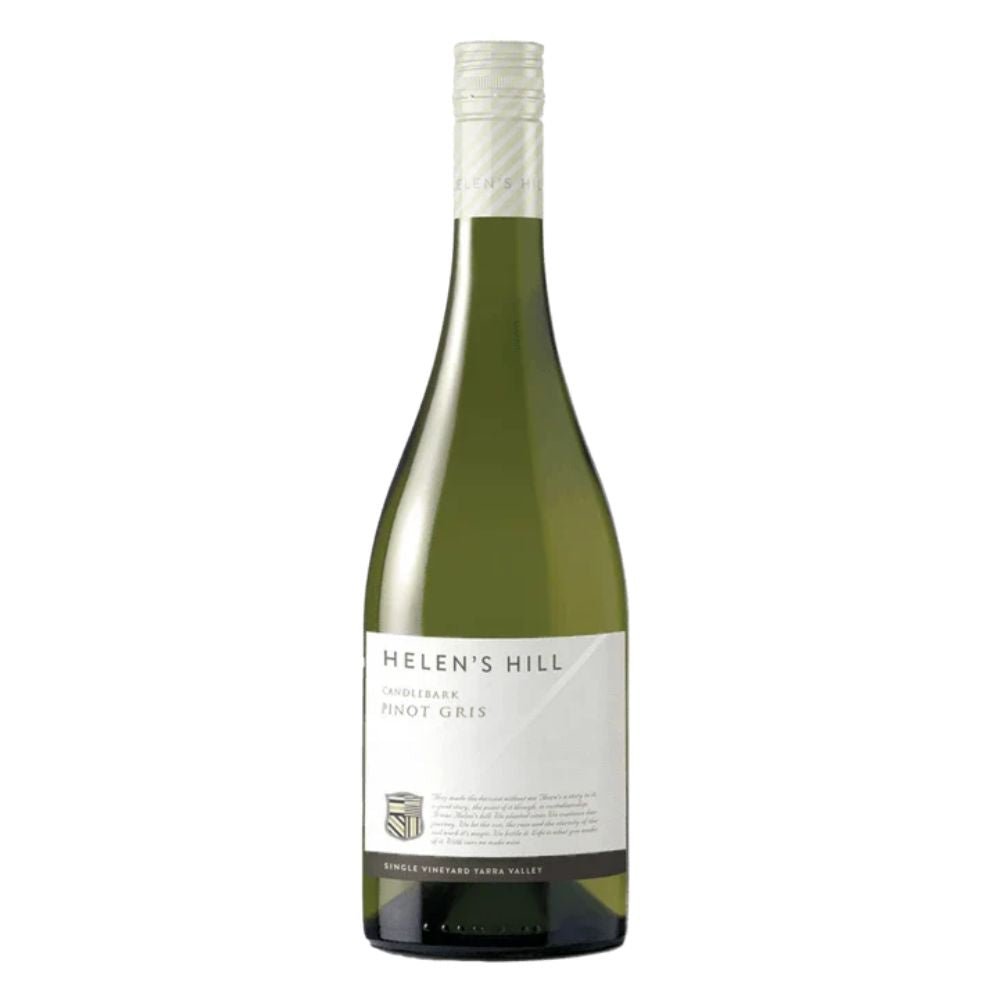
Helen's Hill Candlebark Pinot Gris
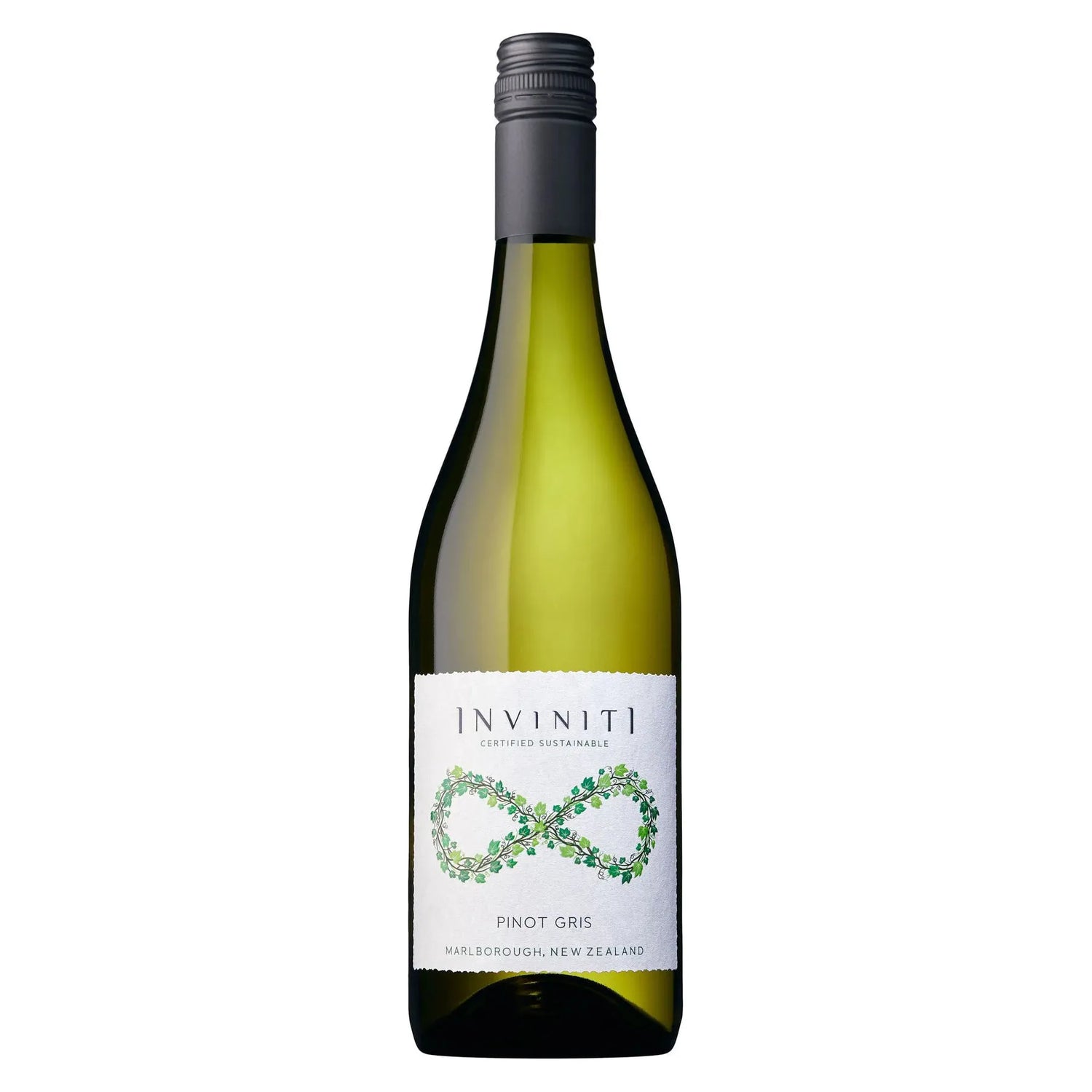
Inviniti Pinot Gris 2023
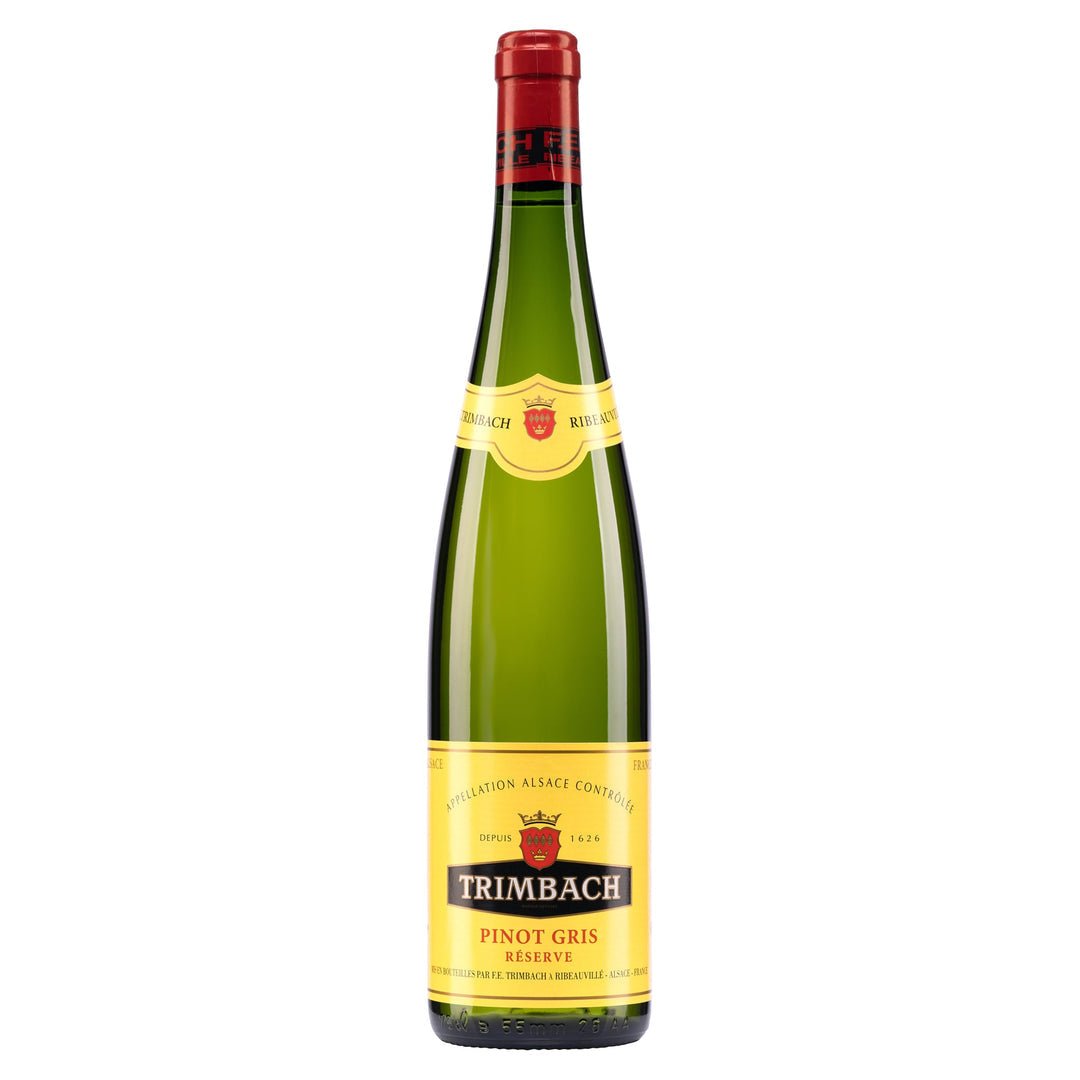
Trimbach Pinot Gris Reserve 2018
Nick O'Leary Pinot Gris 750ml
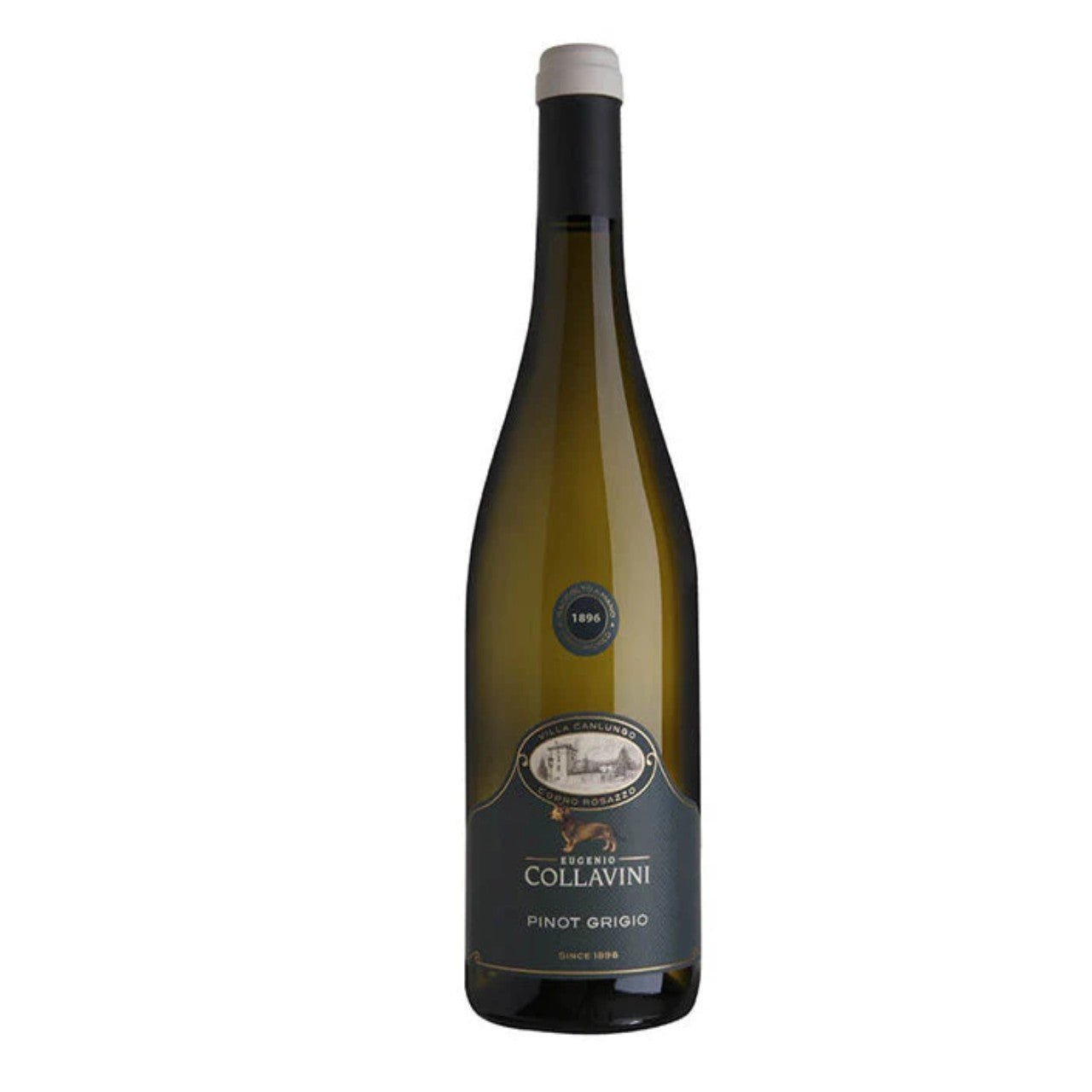
Collavini Pinot Grigio Canlungo 2022
About Pinot Grigio
Pinot grigio and pinot gris are the same grape. The two names signal two different intentions, and once you know which is which the category stops being confusing.
Grigio is the Italian approach: picked earlier, fermented cool in steel, made dry, light and crisp. It gives green apple, pear, lemon and almond, and it is built for drinking cold without much thought. Collavini in Friuli and Terlano in Alto Adige are the reference points here, and Cork Cutters makes a grigio styled version.
Gris is the Alsace approach: picked riper, often with some texture from lees work, sometimes carrying a touch of residual sugar. It gives poached pear, honey, ginger and a much fuller body. Trimbach is the classic example.
Australian and New Zealand producers use both names, generally to indicate which style they are aiming at. Tomfoolery, Helen's Hill and Inviniti sit at the textural end.
There is a third path too. Leaving the juice on the skins turns the wine copper and gives it grip, a style usually sold as orange or skin contact wine.
History
The grape is a colour mutation of pinot noir, which is why its skins are a dusty pinkish grey rather than green. That mutation happened in Burgundy, and cuttings spread east into Switzerland, Germany, Alsace and northern Italy over several centuries.
Alsace took it seriously first. There it was long known as Tokay d'Alsace, a name eventually retired under European agreement because it caused confusion with Hungarian Tokaji. Alsace treats it as one of its four noble grapes and makes it in a rich, sometimes sweet style.
Italy's version is far more recent as a commercial force. Large scale plantings in the Veneto and Friuli from the 1970s onward, combined with a light, neutral and inexpensive style, made pinot grigio one of the most successful white wines in the world by volume. That success has cut both ways: it built the category and it also gave the grape a reputation for blandness that the better producers in Alto Adige and Friuli do not deserve.
The skin contact style, sometimes called ramato in Friuli, is the oldest treatment of the three and has returned to favour recently as part of the broader interest in orange wine.
How to drink it
Serve grigio style wines at eight to ten degrees and drink them young, within a couple of years of the vintage. They are not built to age and they gain nothing from a cupboard.
Gris style wines want a little more warmth, ten to twelve, so the texture and the honeyed notes come through. The better Alsace bottles will develop for a decade.
Use a standard white wine glass rather than a small narrow one, and take the bottle out of the fridge ten minutes before pouring rather than serving it at fridge temperature.
Check for sweetness rather than assuming. Italian grigio is almost always bone dry. Alsace gris frequently is not, and some Australian and New Zealand gris carries a few grams of residual sugar to build texture.
For food, the crisp style suits seafood, salads, antipasti and light pasta, and it is a good aperitif. The richer style handles pork, roast chicken, smoked fish and anything with apple, and it is one of the few whites that works with a mildly spiced curry.
Related pages: white wine, Italian wine and New Zealand wine.