
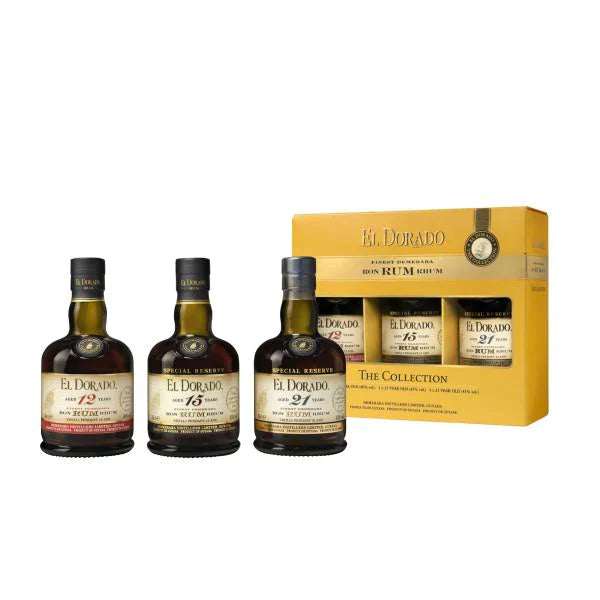
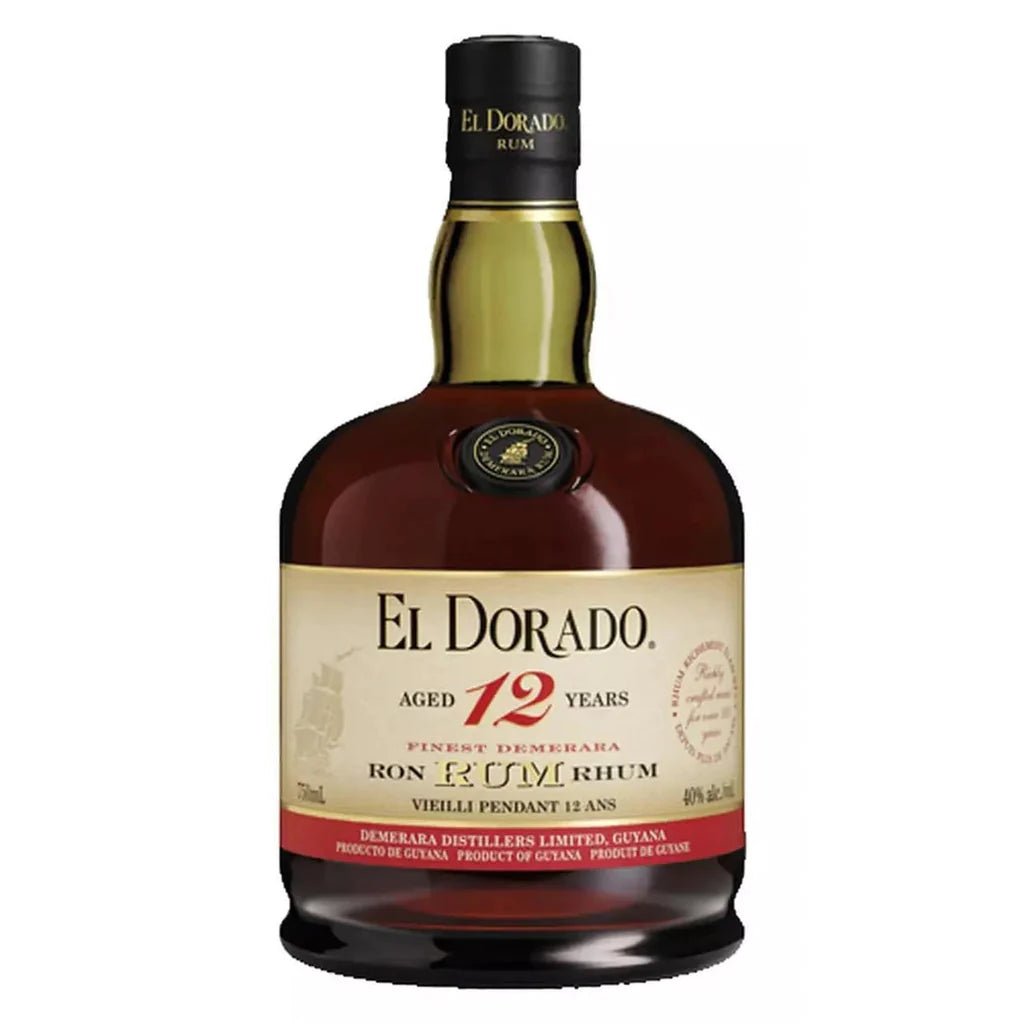
El Dorado Gift Pack Super Premium Rum
Pussers Navy Rum Blue Label
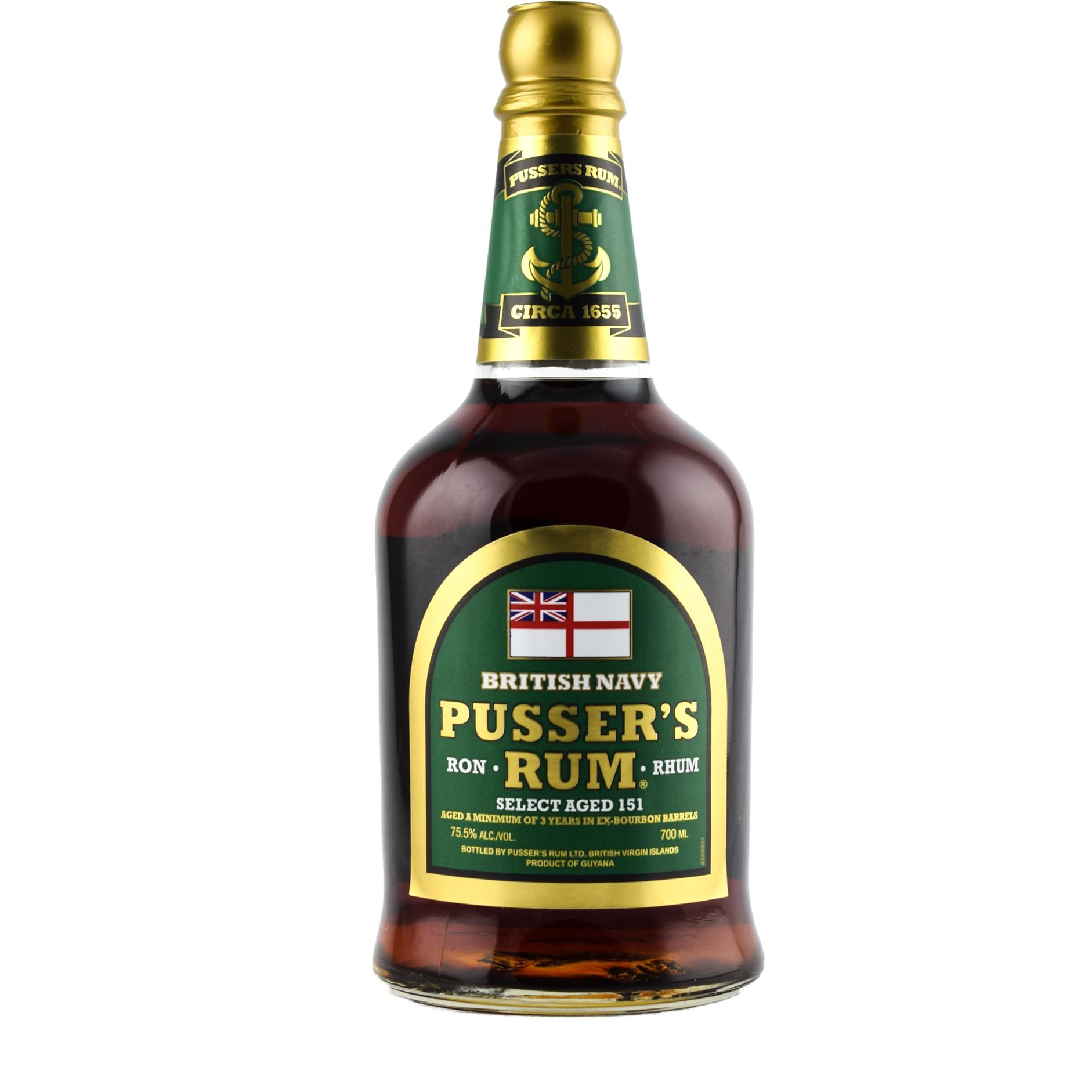
Pussers Rum 151 High Strength 75.5% ABV
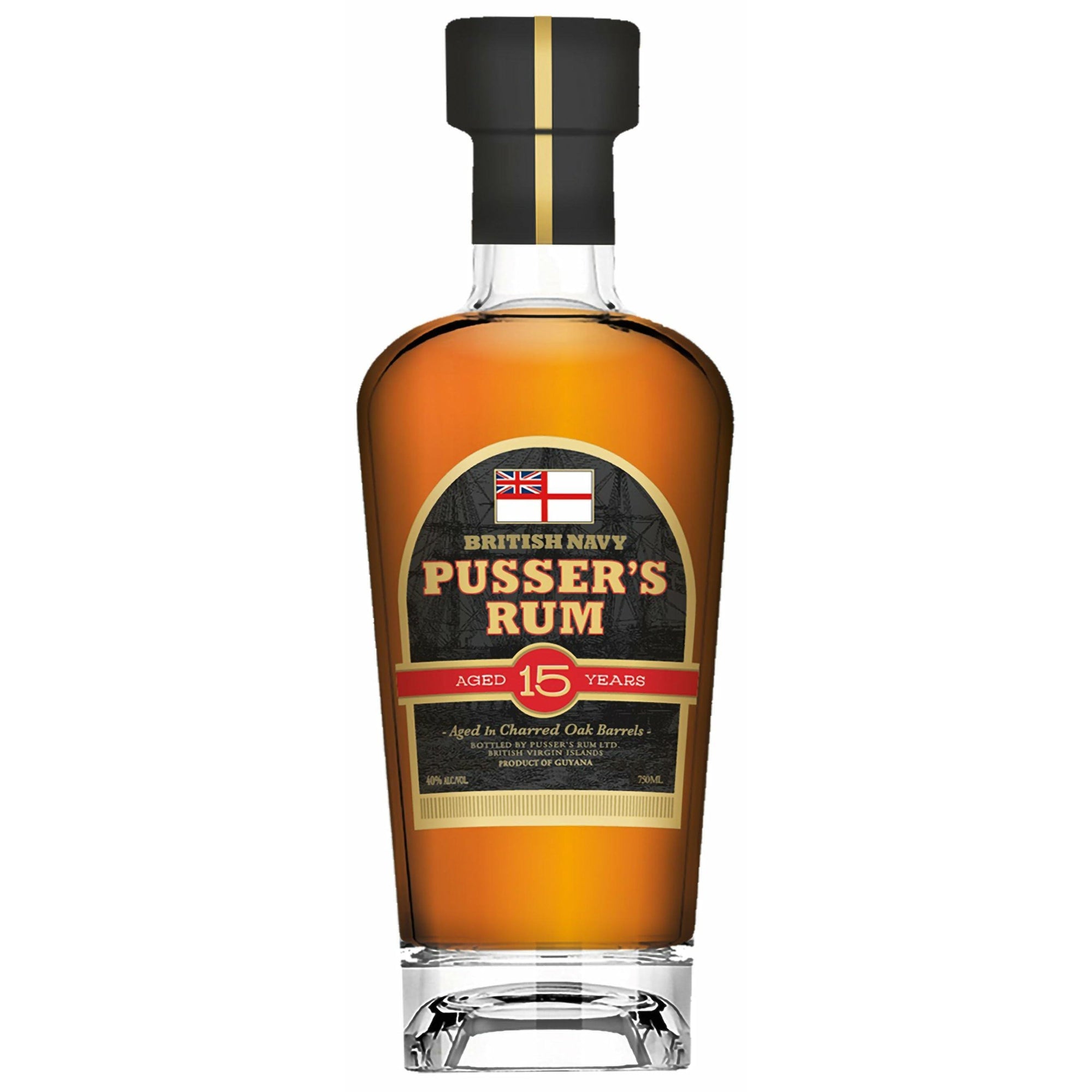
Pussers Rum 15yo "the Crown Jewel"
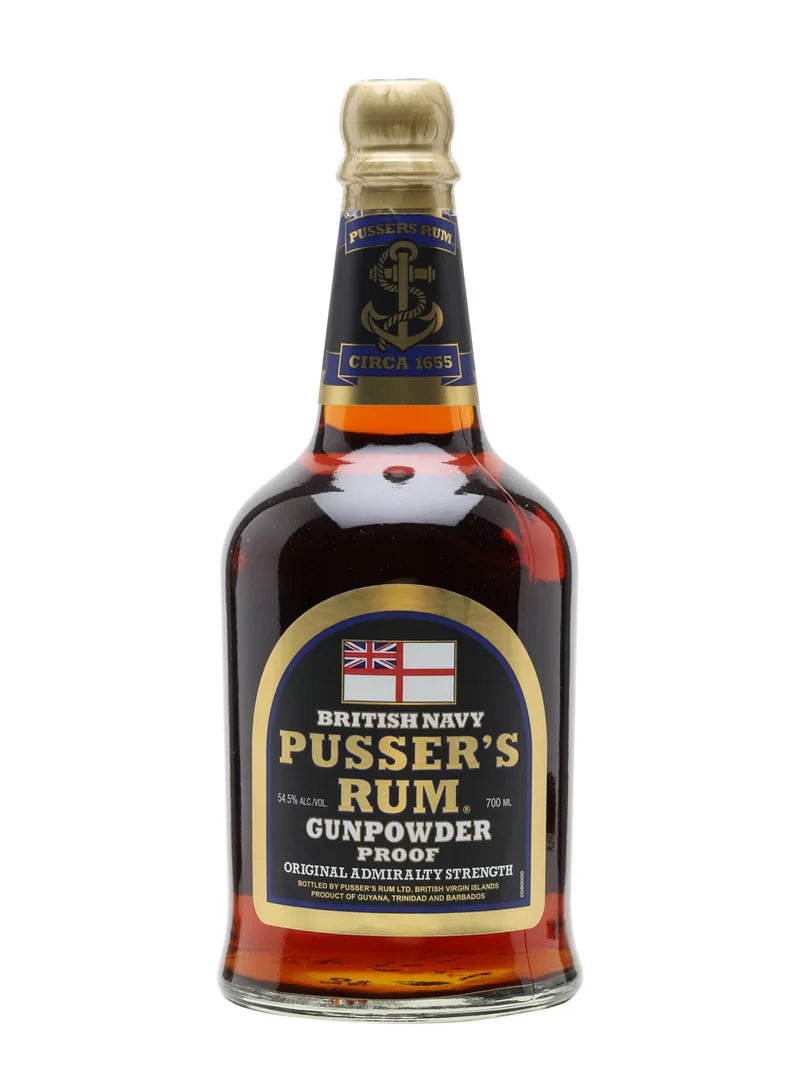
Pussers Rum Gunpowder Proof 54.5%ABV
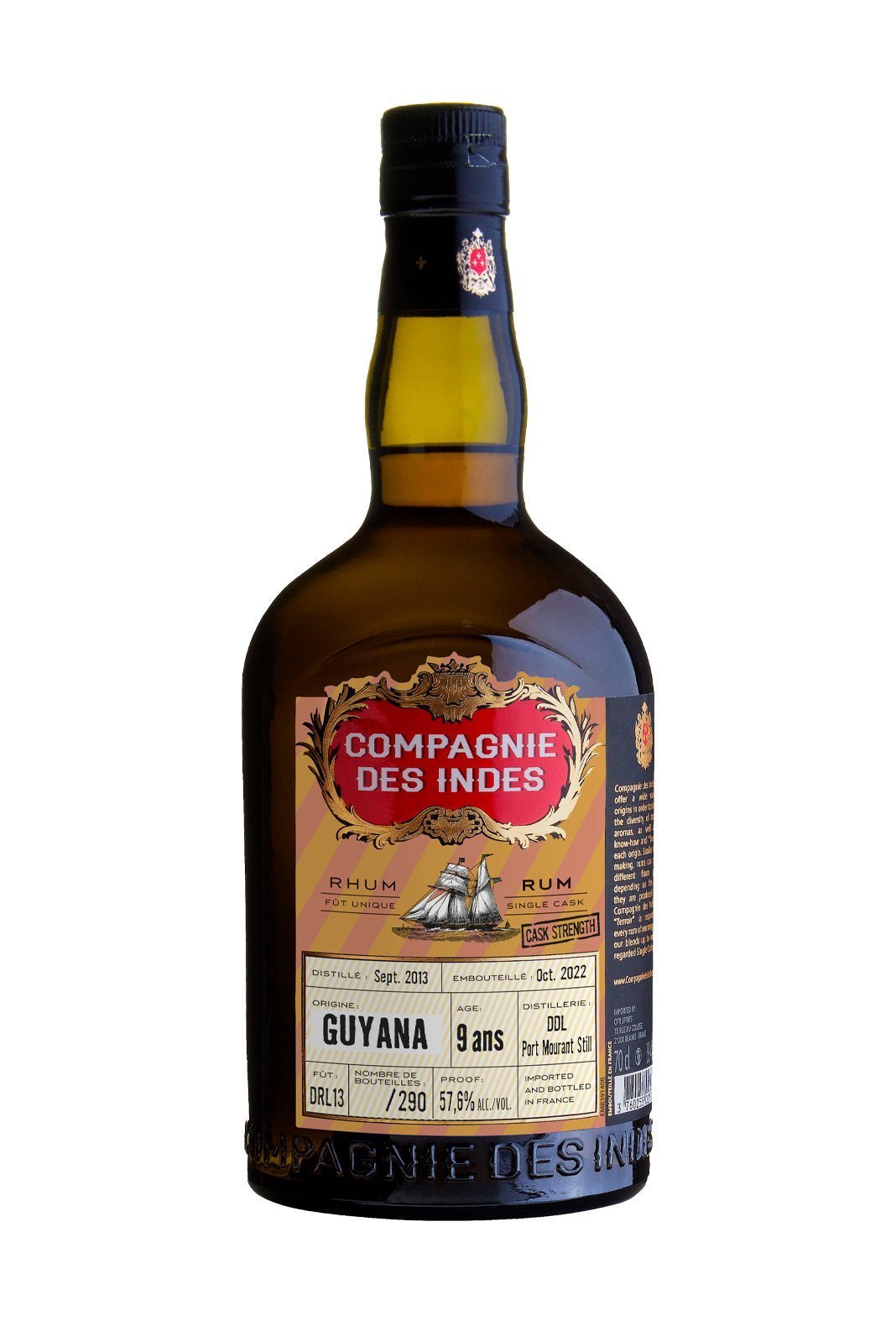
Compagnie des Indes Guyana 9 years Rum 57.6% 700ml
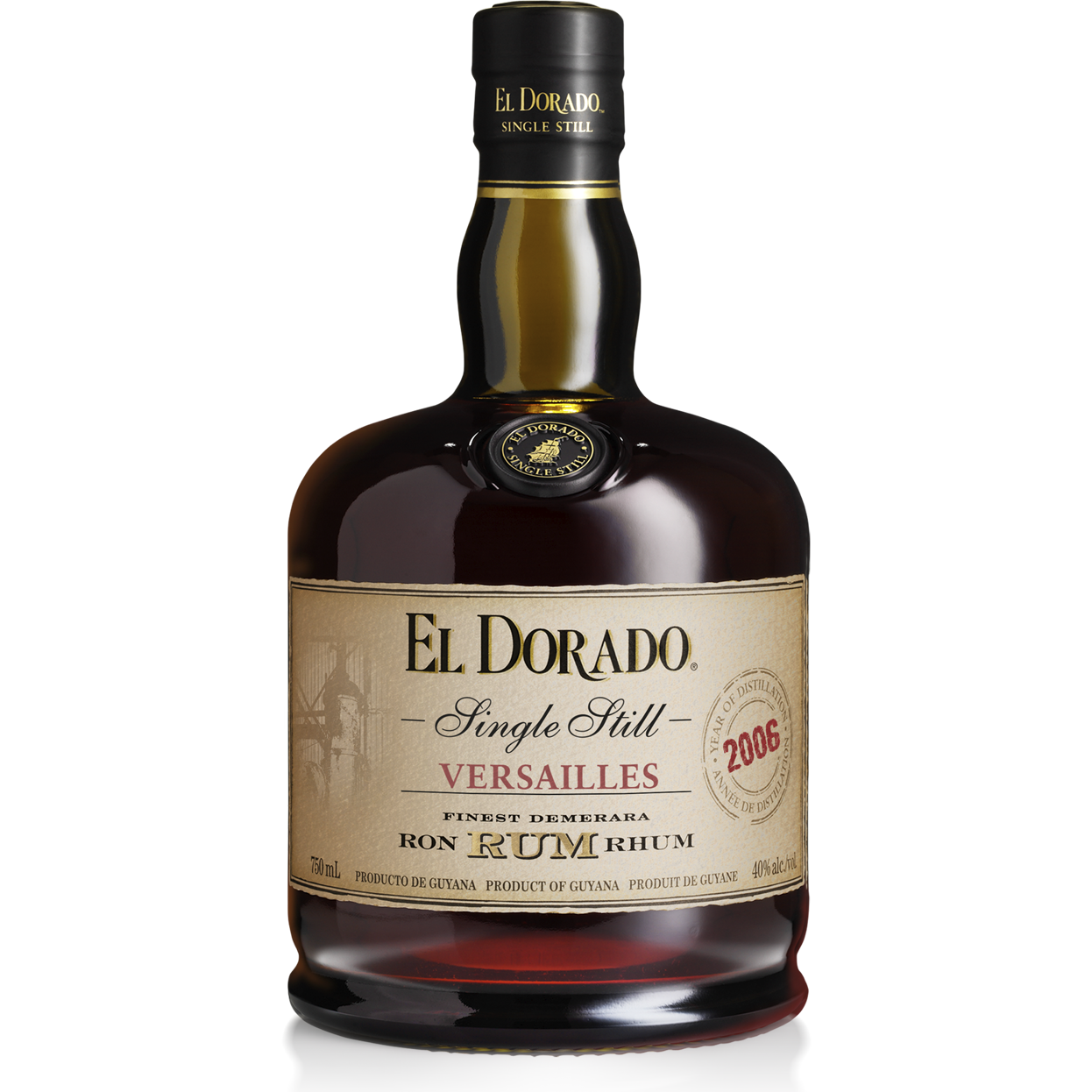
El Dorado Single Still Versailles Cask Strength
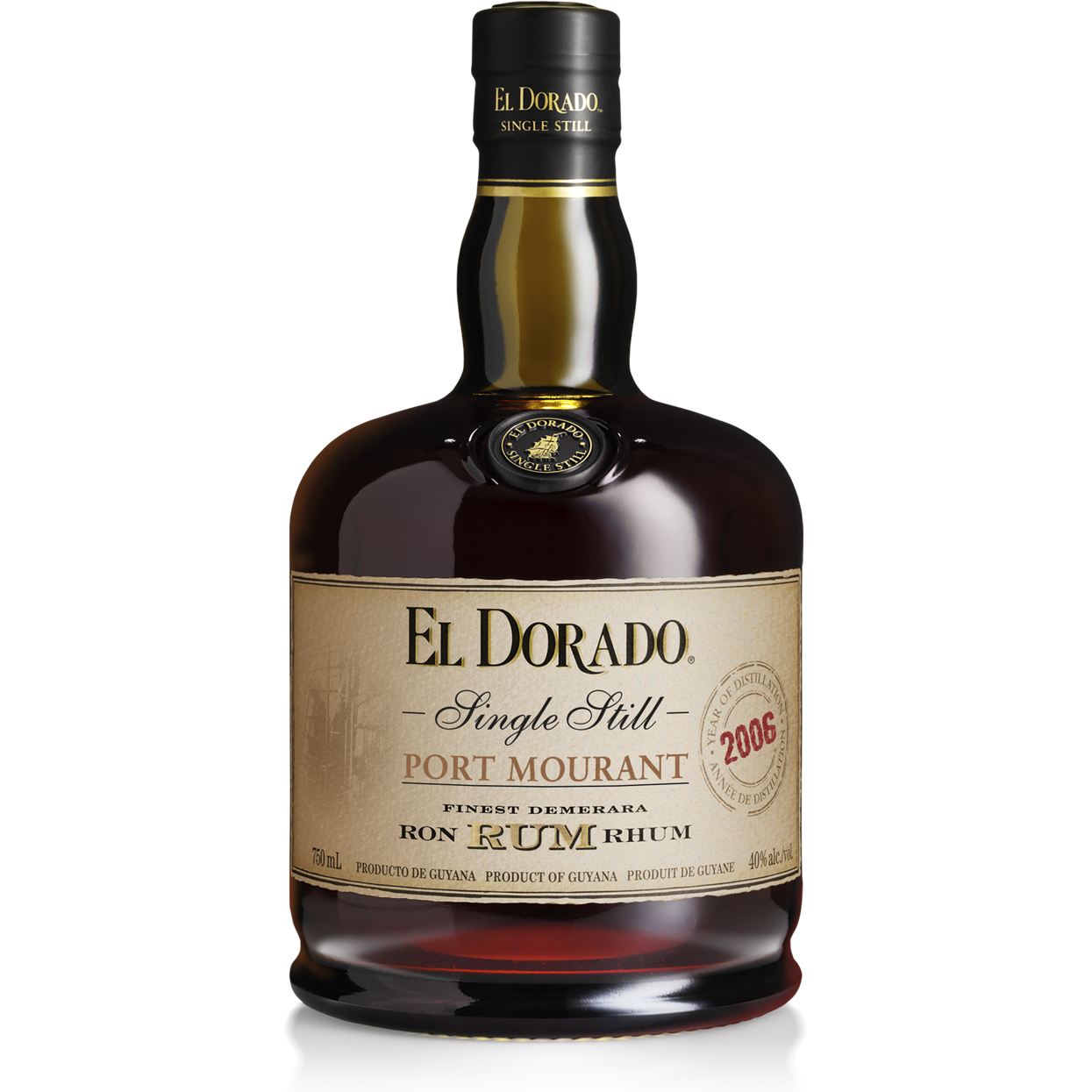
El Dorado Single Still Port Mourant Cask Strength
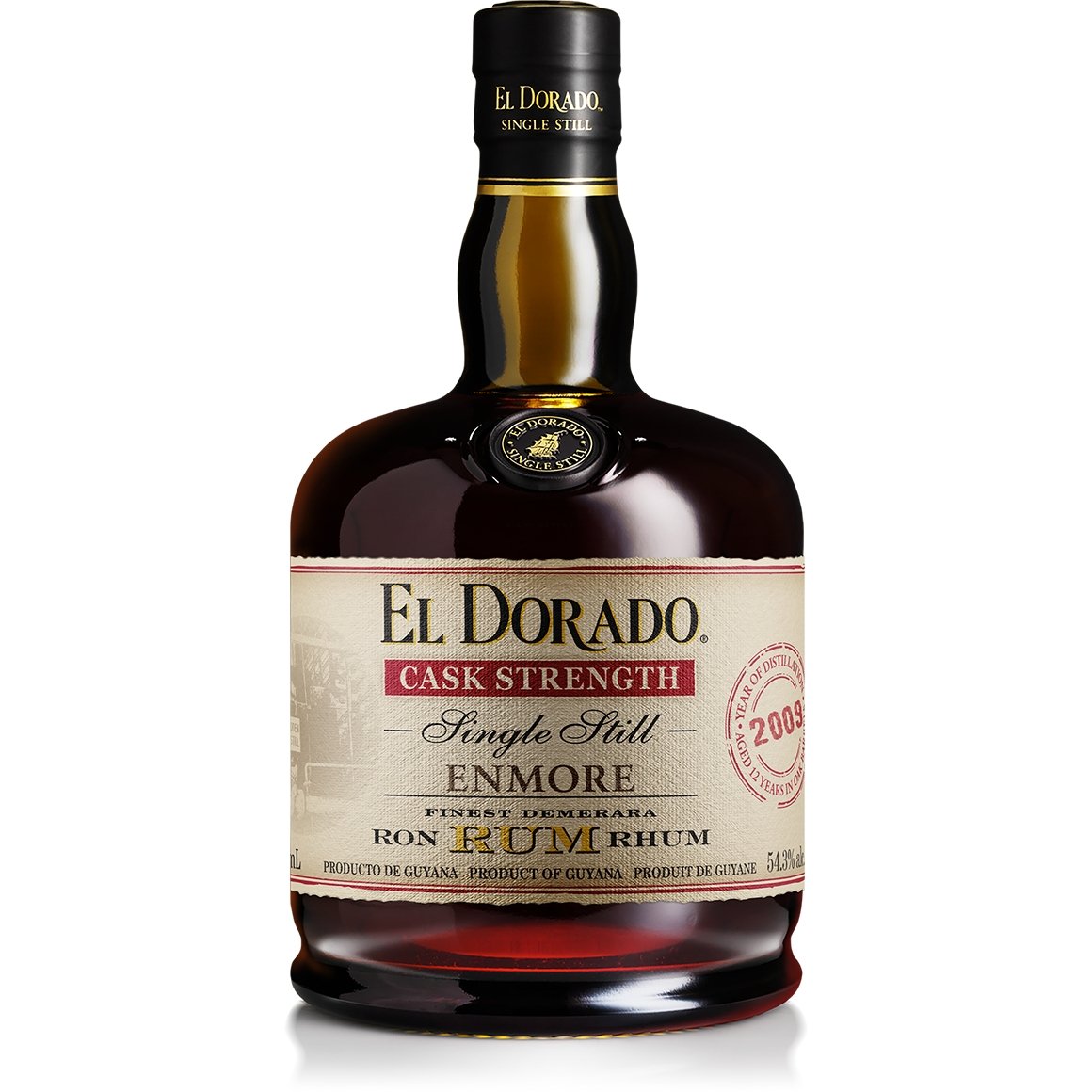
El Dorado Single Still Enmore Cask Strength
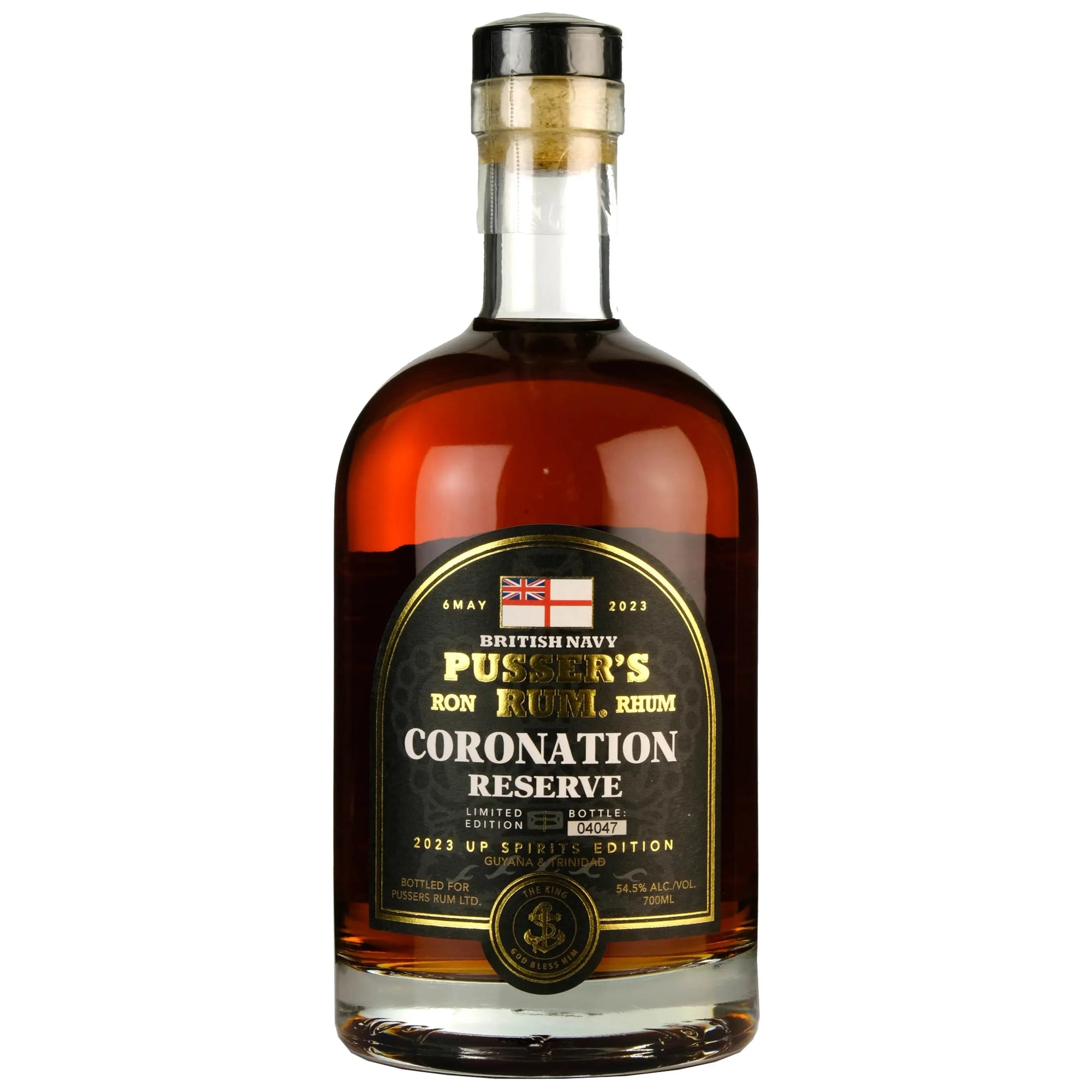
Pusser's Rum Conoration 54.5% 700ml
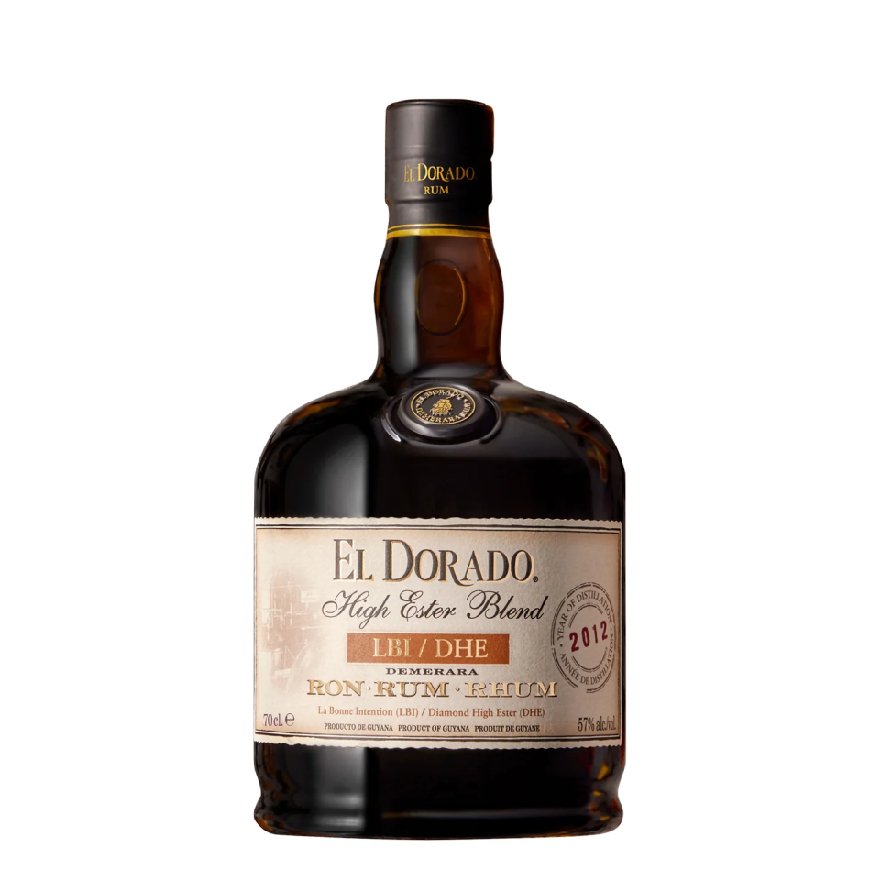
El Dorado High Ester Blend LBI/DHE 2012 Vintage 51.7% 700ml
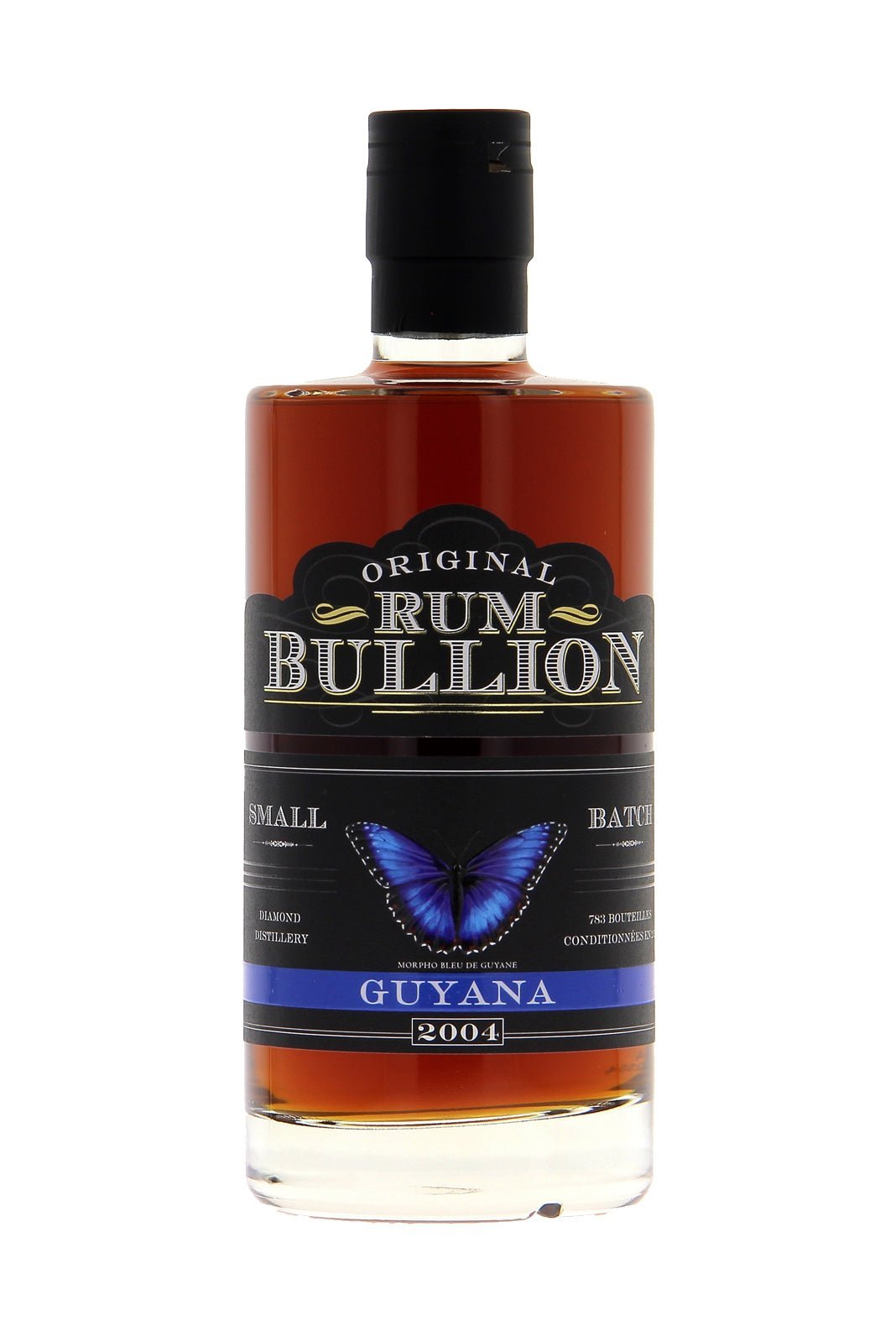
Jean Boyer Rhum Guyana 2004/2021 40% 700ml
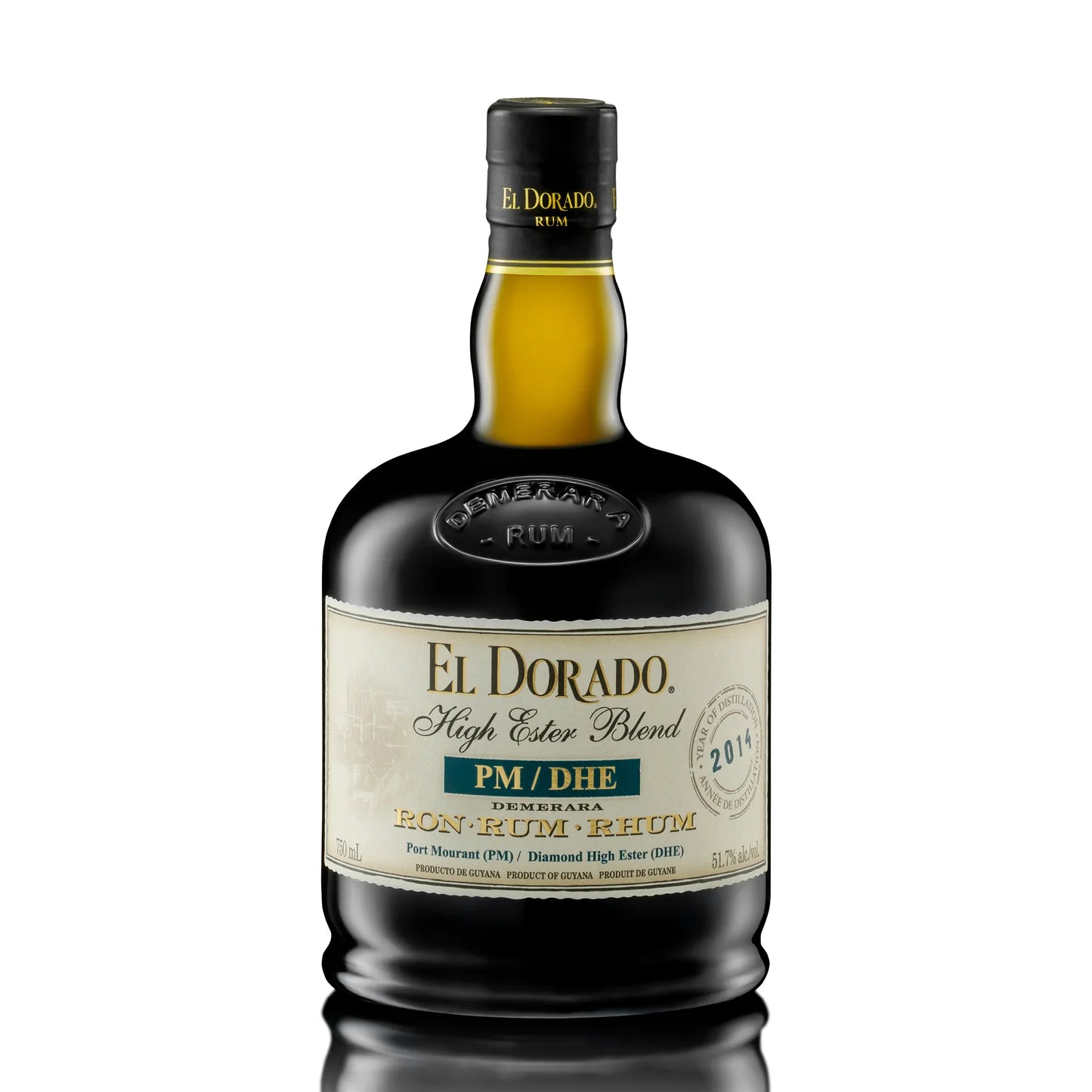
El Dorado High Ester Blend PM/DHE 2014 Vintage 51.7% 700ml
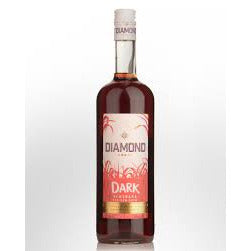
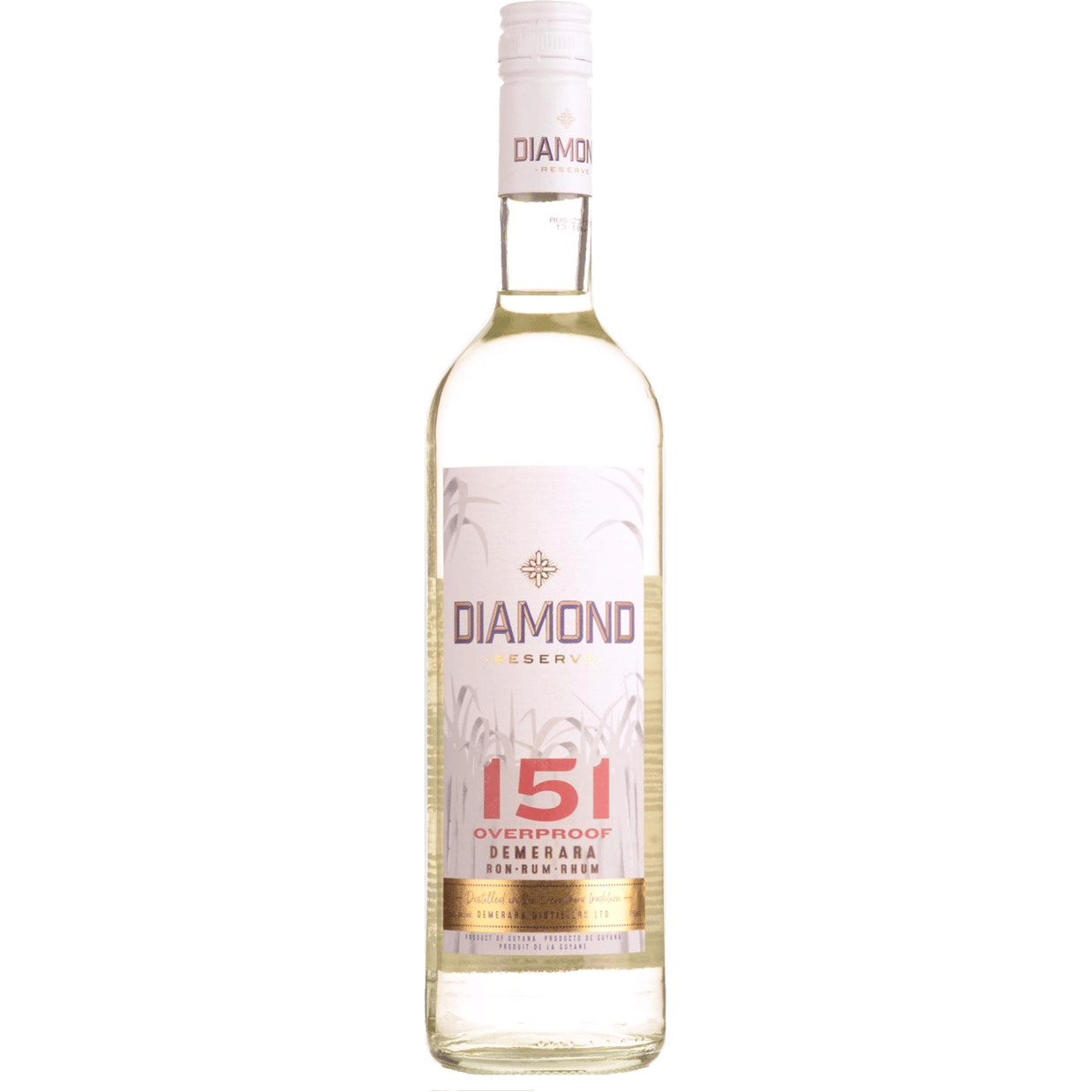
Diamond Reserve Demerara Dark Rum 1L
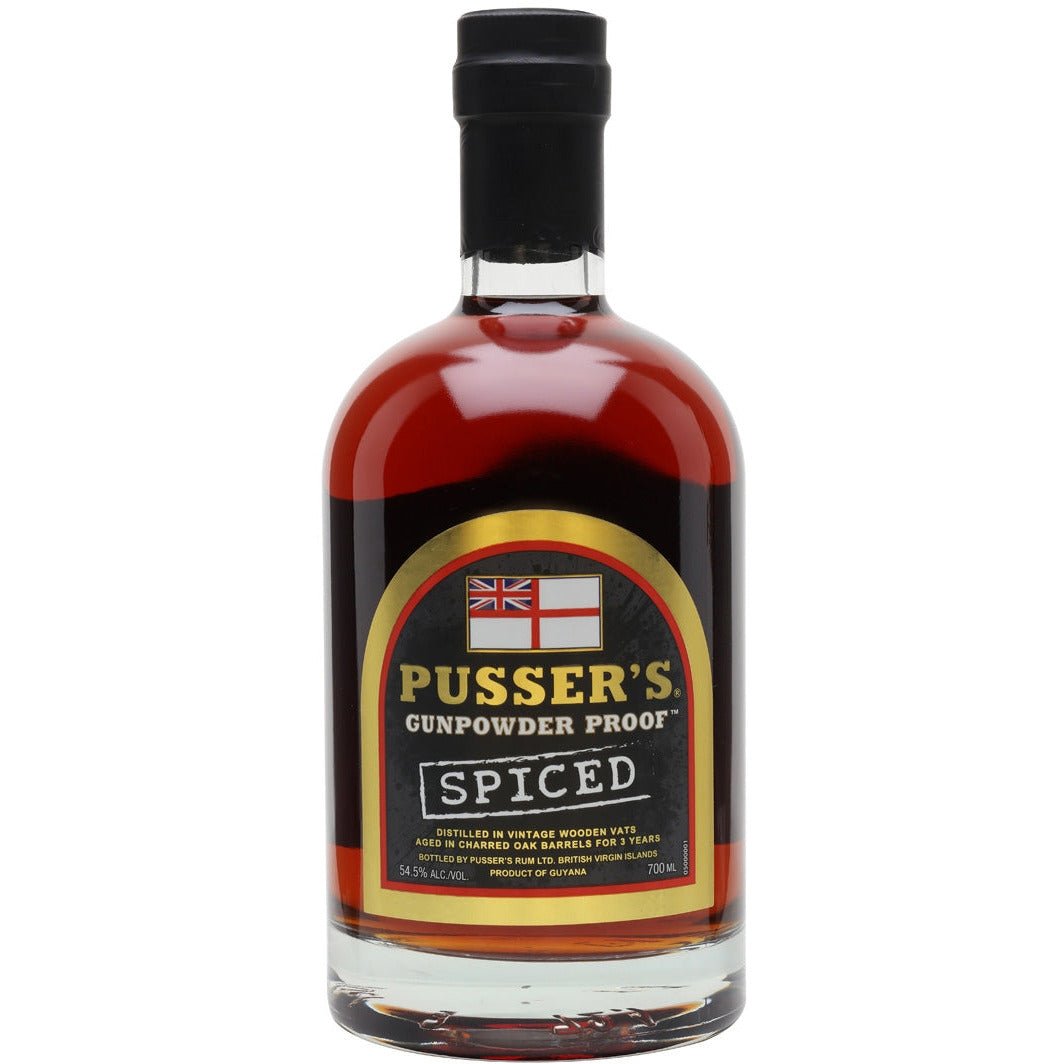
Pusser's Rum Spice Rum Gunpowder 54.5% ABV
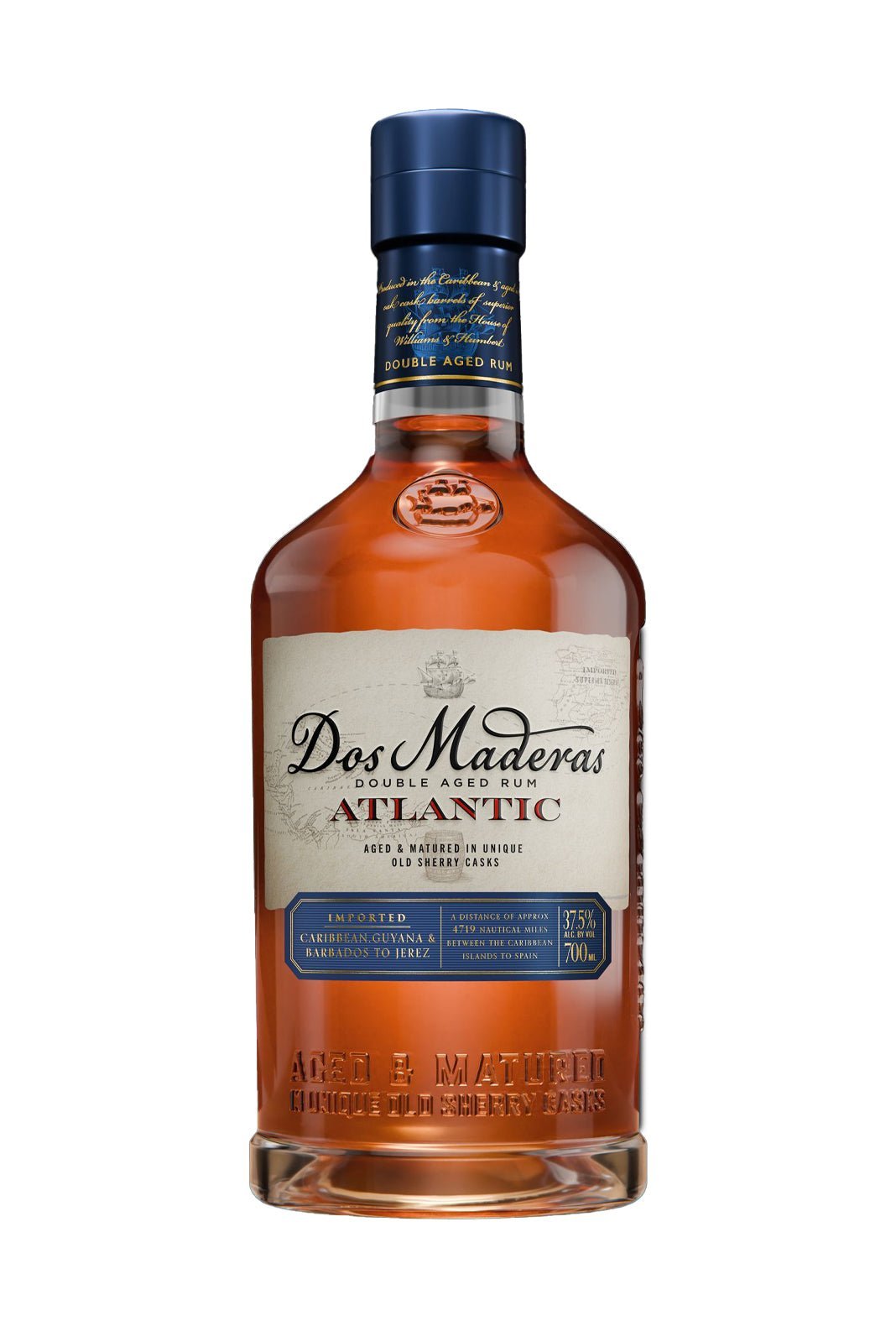
Dos Maderas Rum 5+1 Atlantic 37.5% 700ml
About Guyana Rum
Liquor Wine Cave lists Guyana rum from El Dorado, Pusser's, Compagnie des Indes and Jean Boyer.
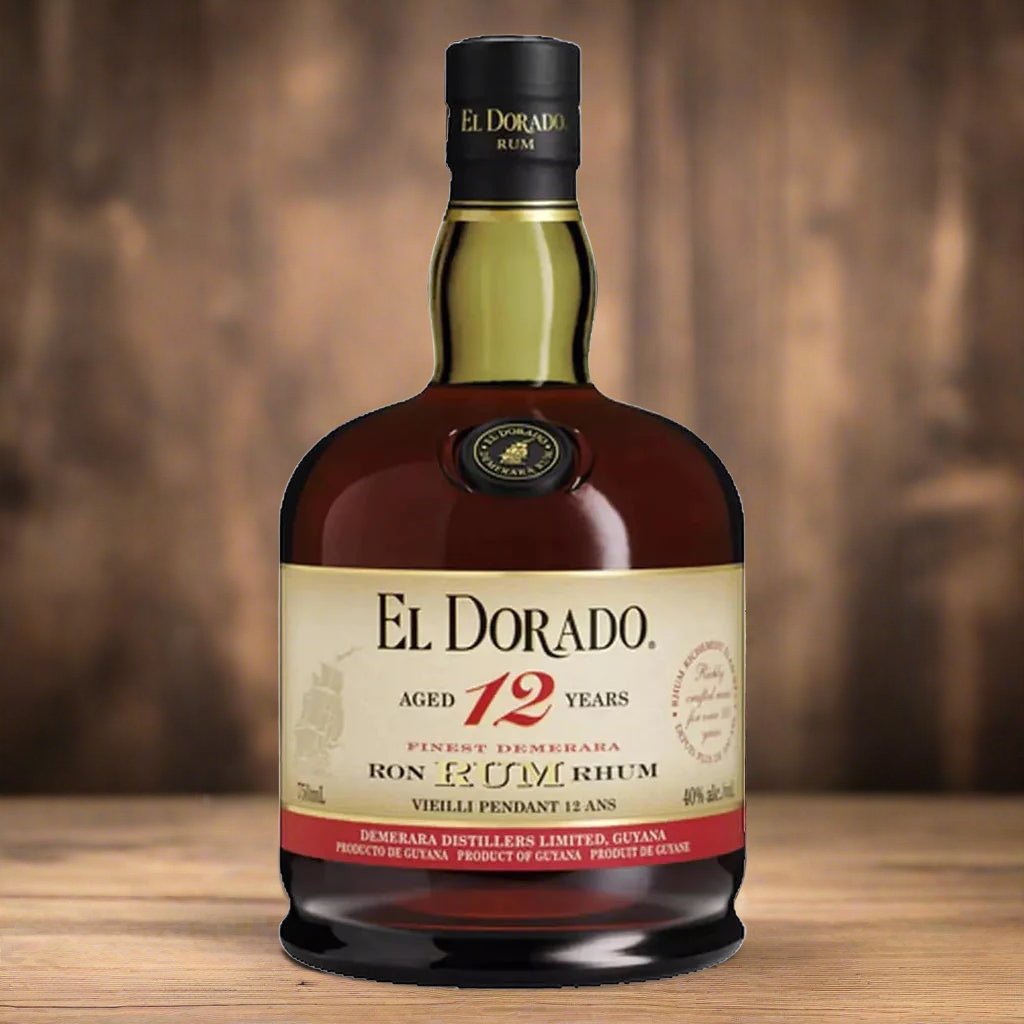
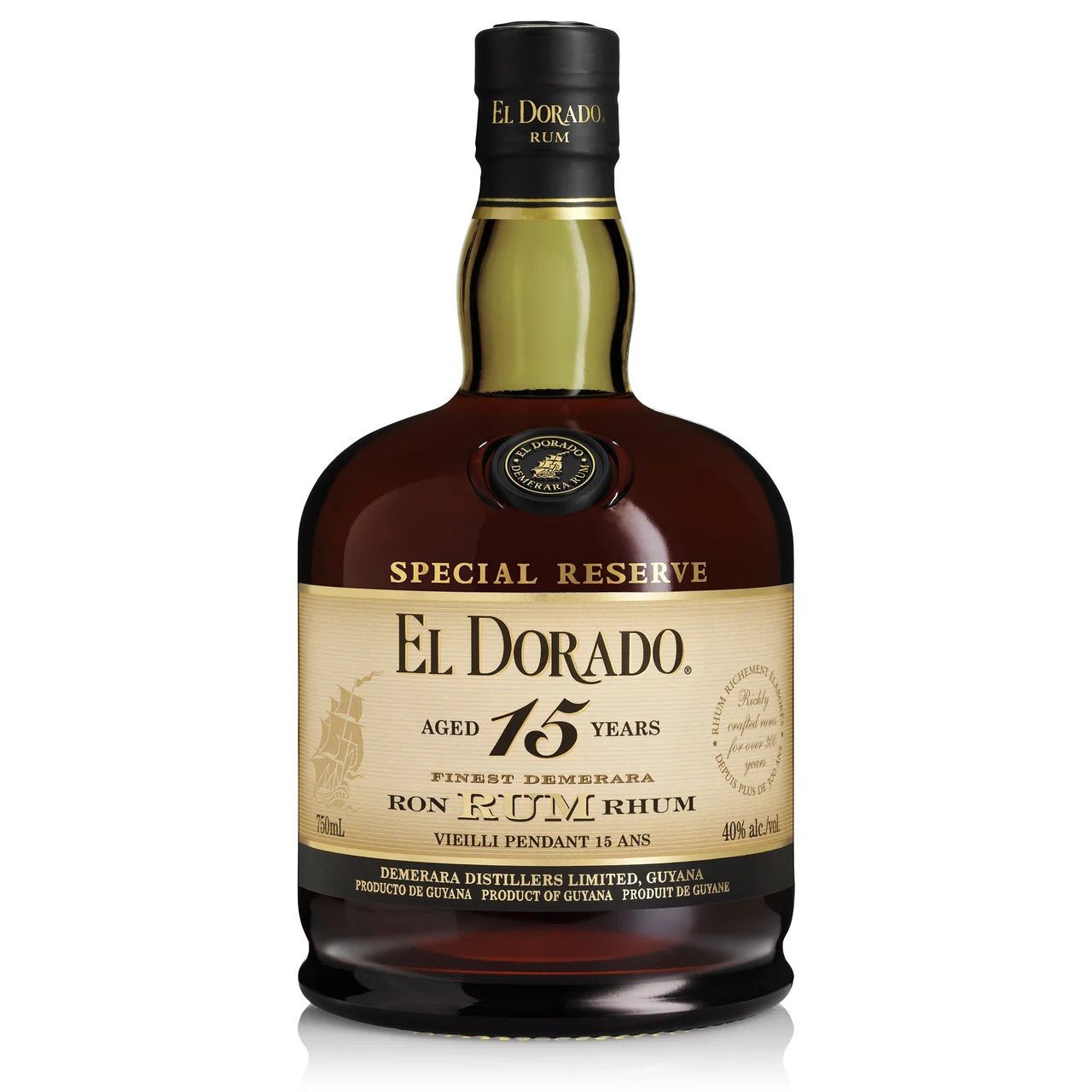
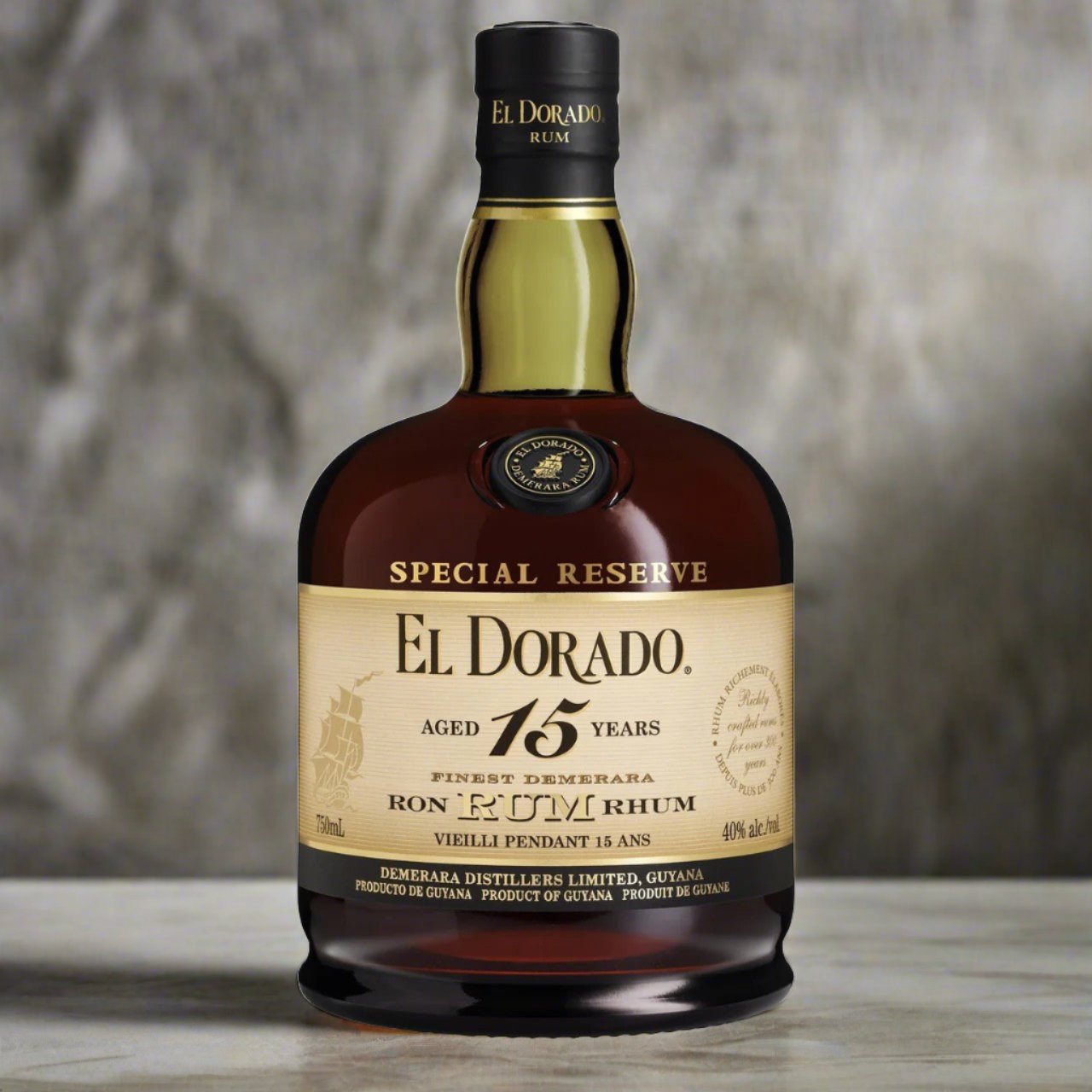
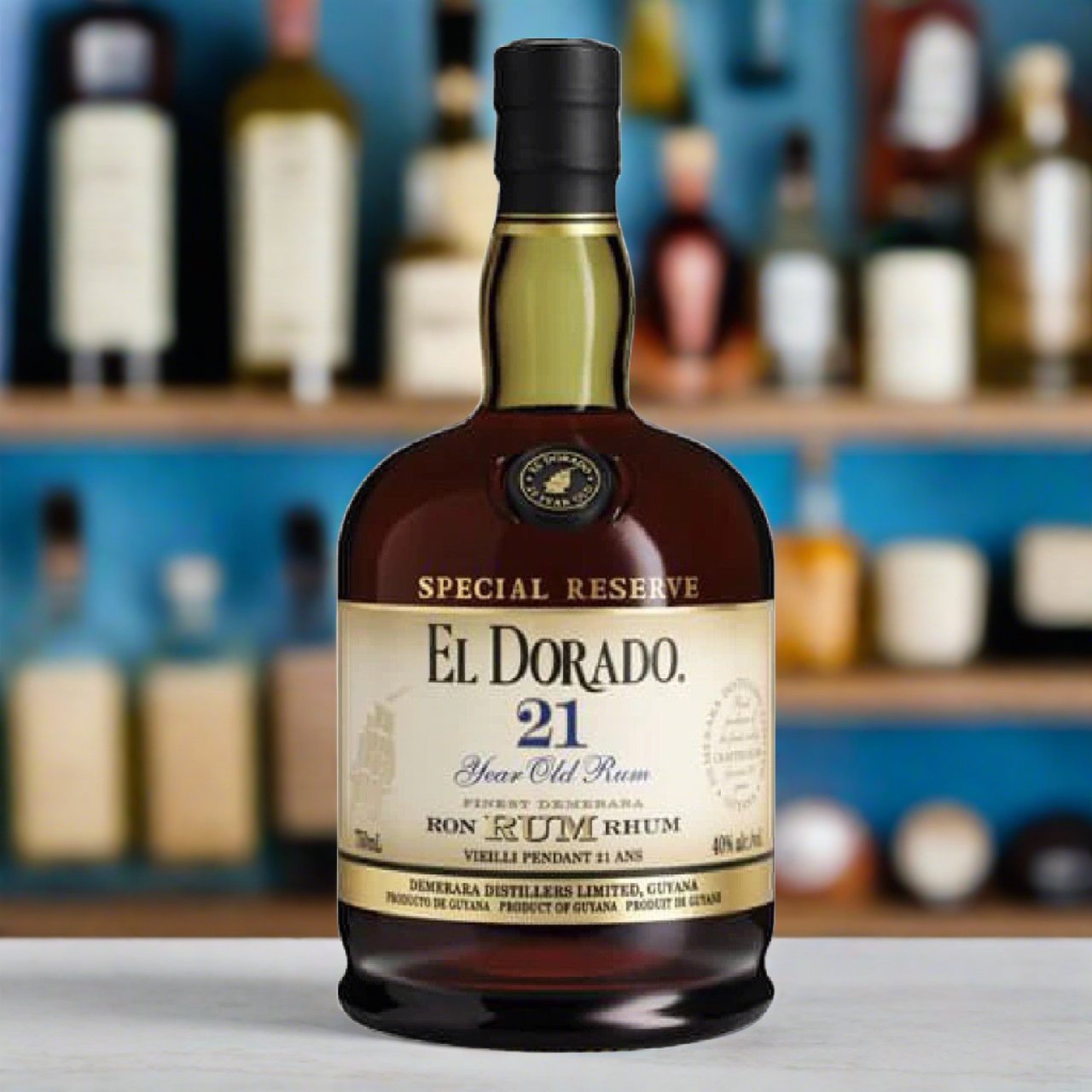
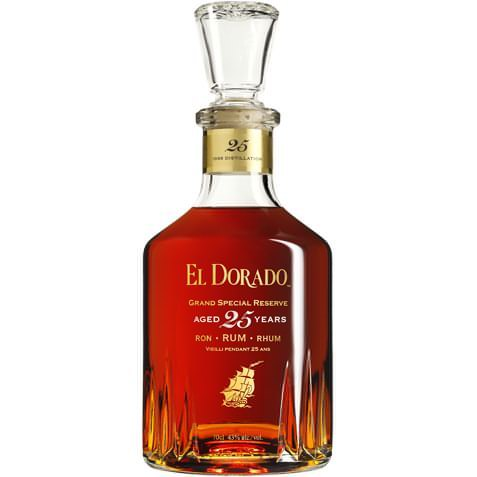
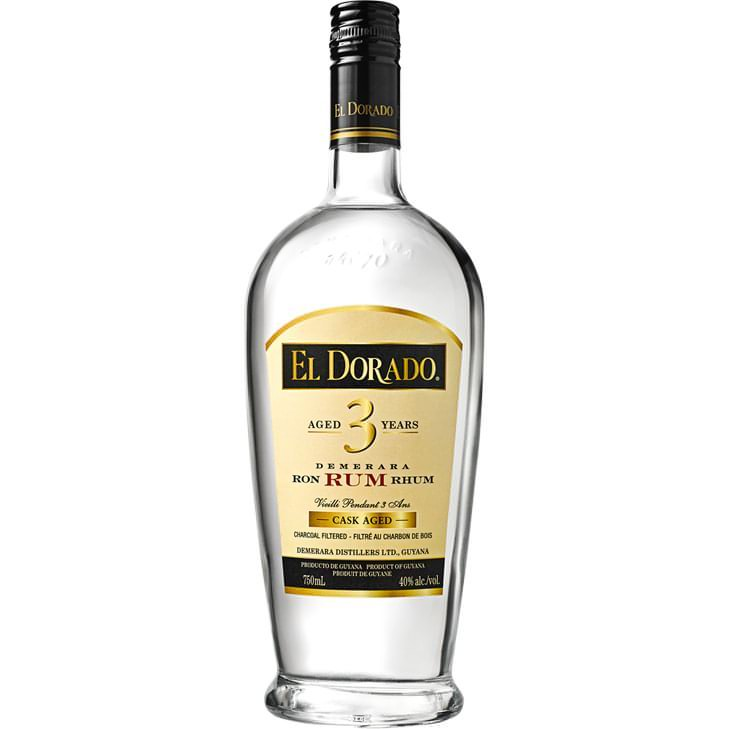
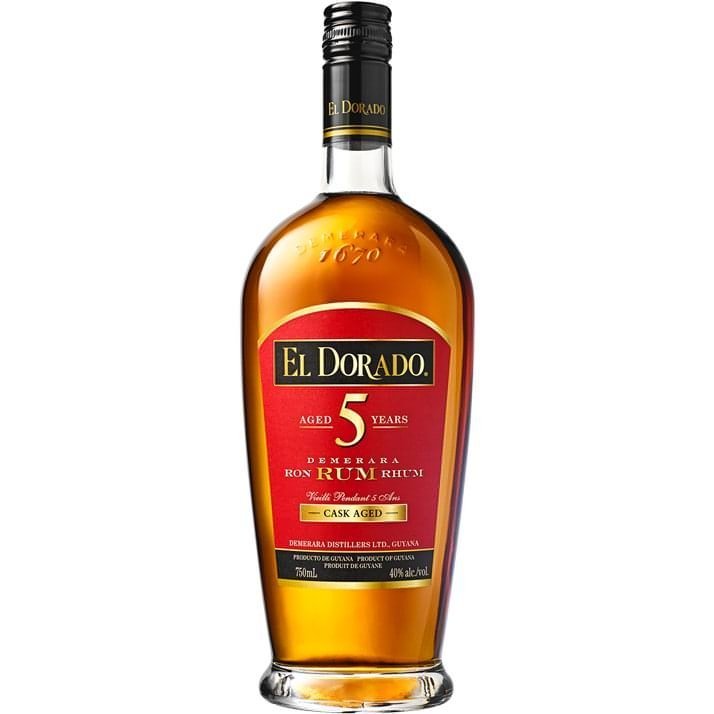
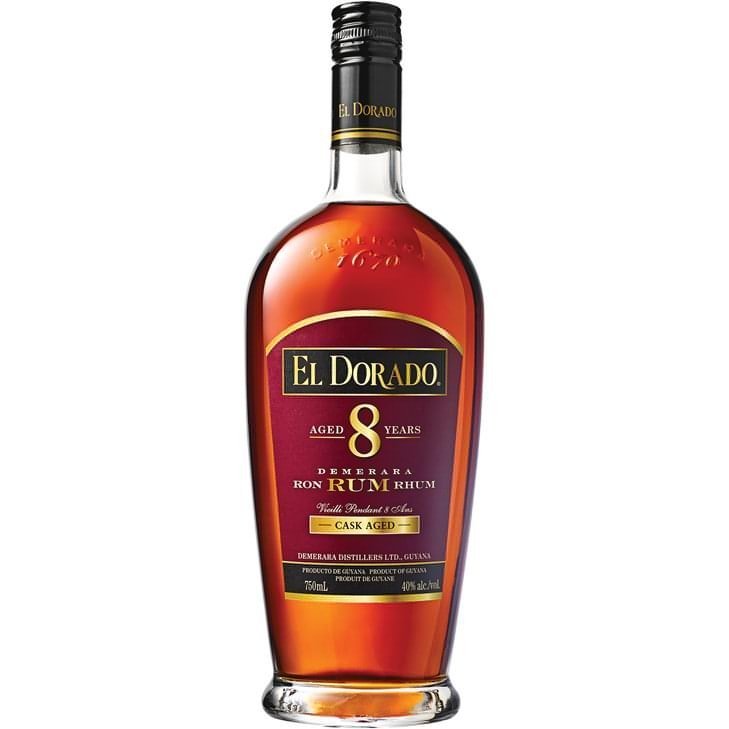
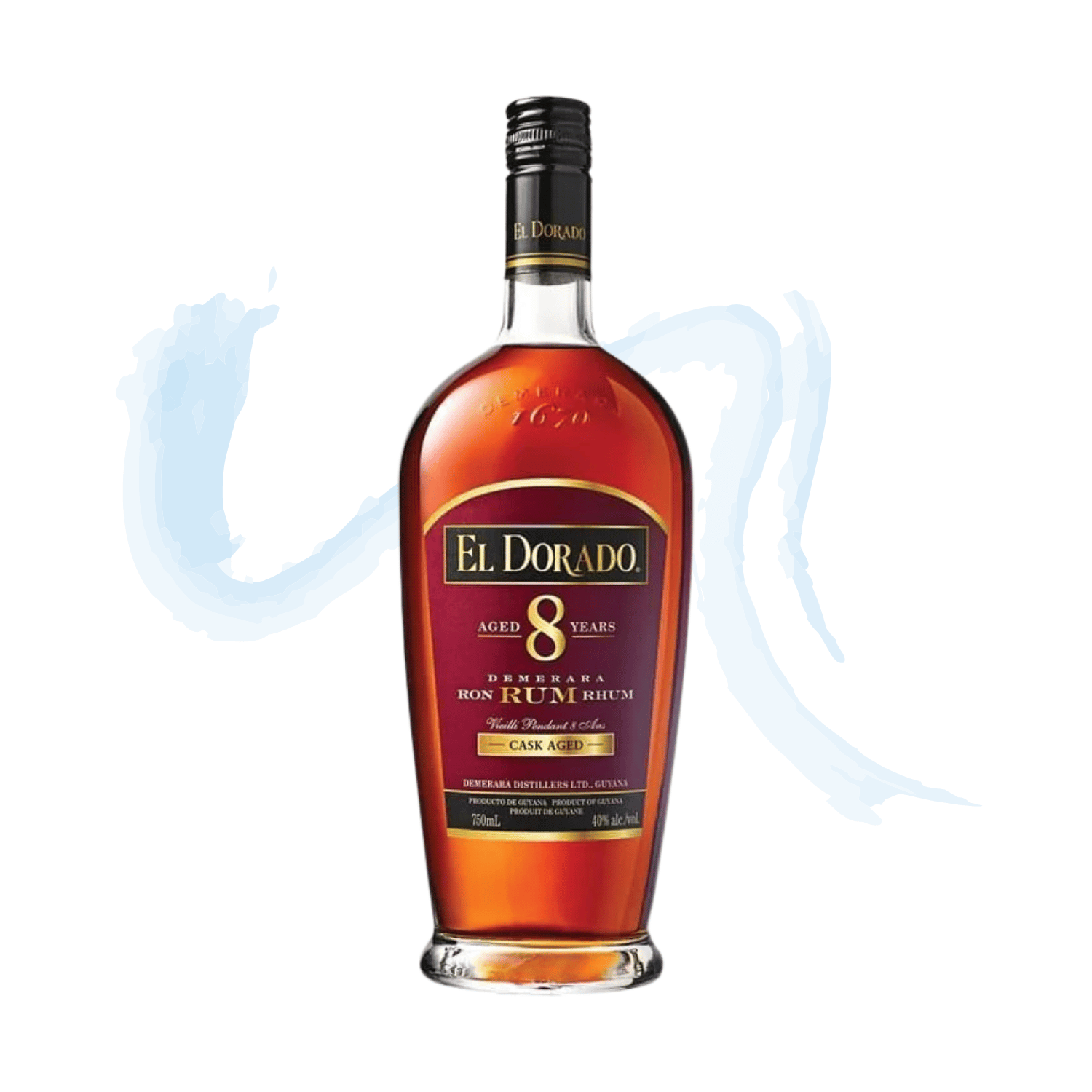
El Dorado is the house brand of Demerara Distillers at Diamond, and the range here runs the full vertical: 3, 5, 8, 12, 15, 21 and 25 years, plus the Diamond Reserve Demerara Dark. The Single Still bottlings are the ones worth studying. Port Mourant, Enmore and Versailles each come from one named heritage still, and tasting them beside each other is the most direct way to understand what a wooden still does to a spirit. The High Ester Blend vintages sit in the same part of the range.
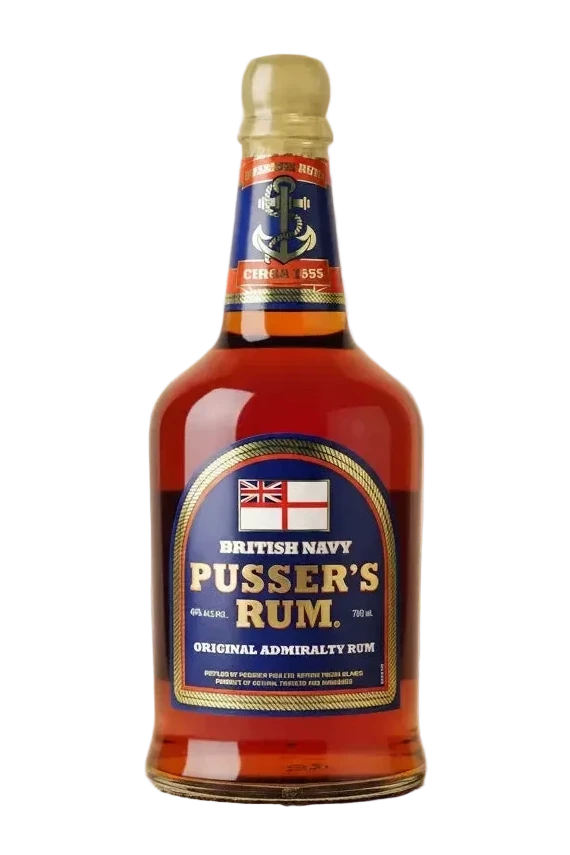
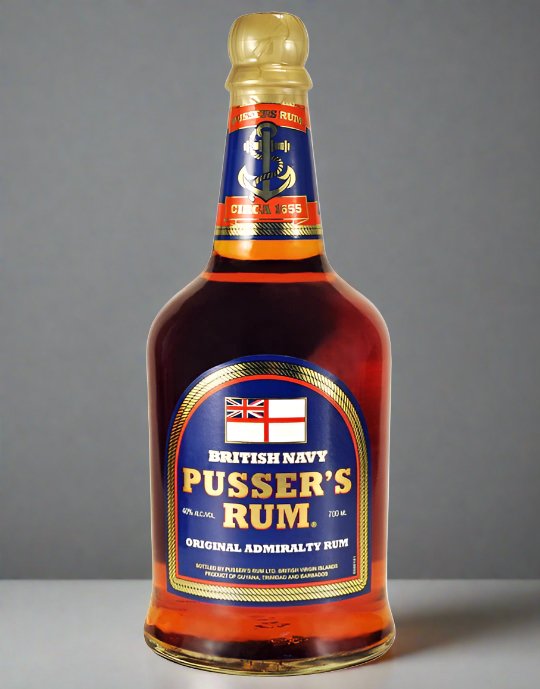
Pusser's bottles the blend the Royal Navy issued, which was Demerara-led and drawn from Guyana. Blue Label, Gunpowder Proof, the 15 Year Crown Jewel, the Spiced Gunpowder and the Coronation bottling are all here.
Compagnie des Indes bottles a Guyana 9 Year, and Jean Boyer a 2004 vintage at 40 per cent.
Almost all of it belongs with the dark rums, and the wider category starts at rum. Our Demerara rum guide covers the stills in detail, and our navy rum guide explains where the Pusser's blend comes from.
History
Demerara is a river and a county in Guyana, and by extension the name of the rum made along it. The coast once carried dozens of sugar estates, each with its own still and its own house character.
As the sugar industry consolidated through the twentieth century those estates closed one after another, but their stills were moved rather than scrapped. They all now run at Diamond, on the east bank of the Demerara river, which is the only rum distillery left in the country.
Three of them are made of wood and there is nothing else like them anywhere. The Port Mourant double wooden pot still came from an estate founded in 1732 and is one of only two wooden pot stills still working. The Versailles single wooden pot still, from the west bank of the Demerara, is the other. The Enmore wooden Coffey still, a continuous still that came from the Enmore estate, is the last working example of its kind in the world.
Beside them stands a four column metal Savalle still from the old Uitvlugt distillery, which can be reconfigured to produce a range of different marques.
Wood behaves differently to metal, and the rums that come off these stills are unmistakable: dark and oily, with liquorice, molasses and burnt sugar, and a long bitter-sweet finish. That is the Demerara character, and it is why these bottlings are collected.
How to drink it
Guyana rum, sold under the name Demerara rum, is a sipping rum once it carries an age statement and a cocktail rum with real presence when it does not.
El Dorado 3 Year is the white rum in this range and works in a daiquiri or a rum punch, where the Demerara weight still shows through the fruit. The 5 and the 8 are the everyday aged rums: a Dark and Stormy or a Mai Tai built on an 8 Year is a noticeably different drink to the same recipe made with a light Spanish style rum.
From the 12 Year upward, drink it neat. Tulip glass, room temperature, no ice. Expect molasses, dried fig, liquorice, coffee and burnt sugar, and a long finish. Add a few drops of water only if the bottling is at cask strength.
The Single Still releases are the most instructive comparison in rum. Pour Port Mourant, Enmore and Versailles side by side and the differences arrive immediately: Port Mourant is the heaviest of the three, Enmore the lighter and fruitier, Versailles somewhere in between.
Pusser's Blue Label is a mixing rum and the base of the Painkiller: rum, pineapple juice, orange juice and cream of coconut, shaken hard and finished with fresh grated nutmeg over the top.
More from this origin and style: