
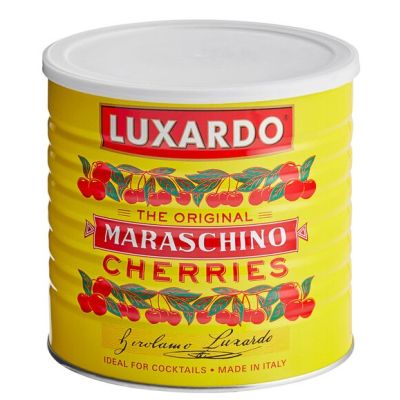
Luxardo CHERRIES 1000g Tin
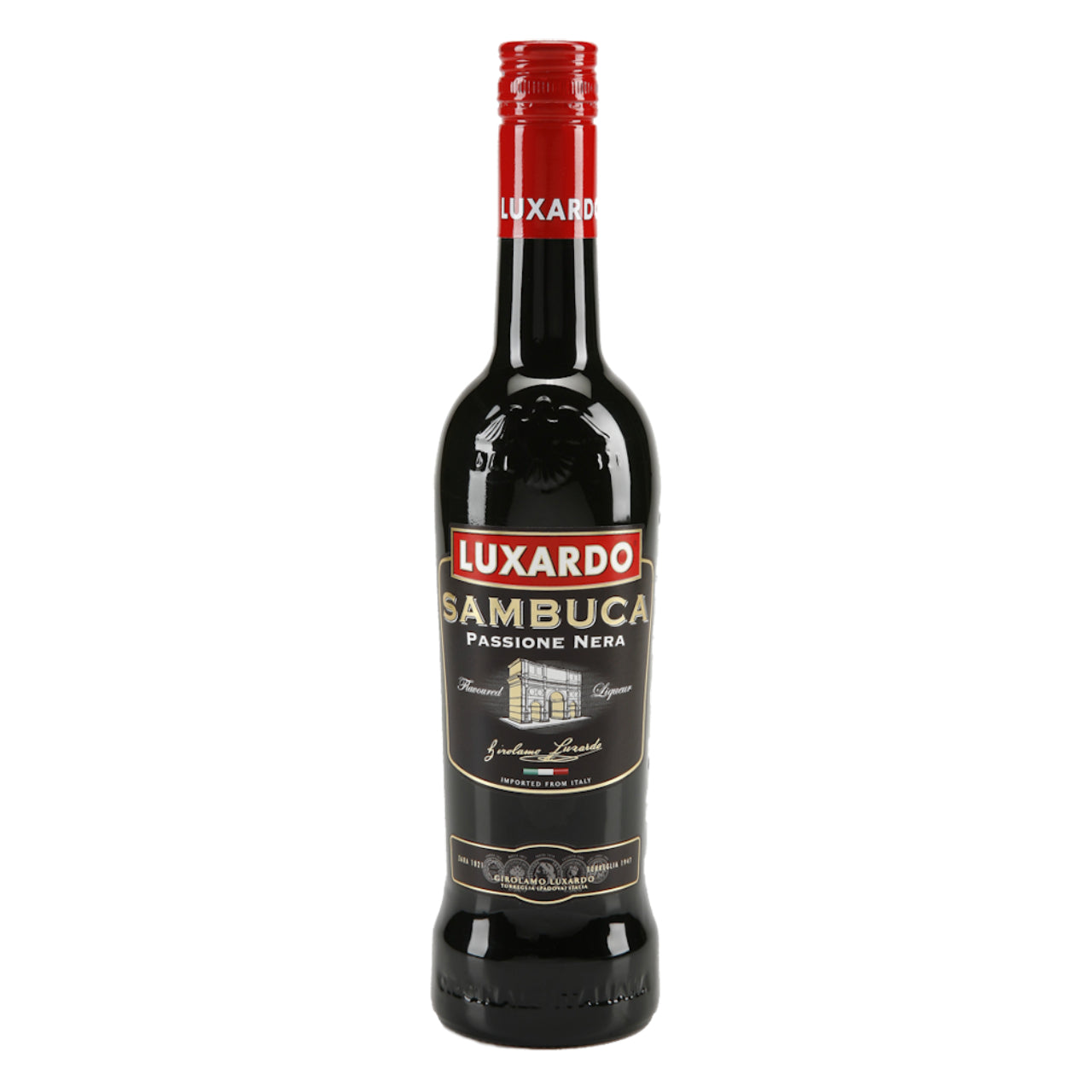
LUXARDO- Sambuca Passione Nera
Luxardo CHERRIES 5.6kg tin
About Luxardo
Luxardo is a family distillery at Torreglia, near Padua in the Veneto, and almost everything it is known for comes back to one fruit: the sour Marasca cherry, which the family grows itself.
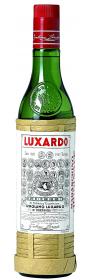
Maraschino Originale at 32 per cent is the anchor. It is still made to the formula Girolamo Luxardo used in 1821, and it is one of very few liqueurs made by distillation rather than by infusion, which is why it tastes dry and nutty rather than sweet and jammy. Luxardo describes the hand woven straw covering on the round bottle as a protected design, and it has become the brand's signature.
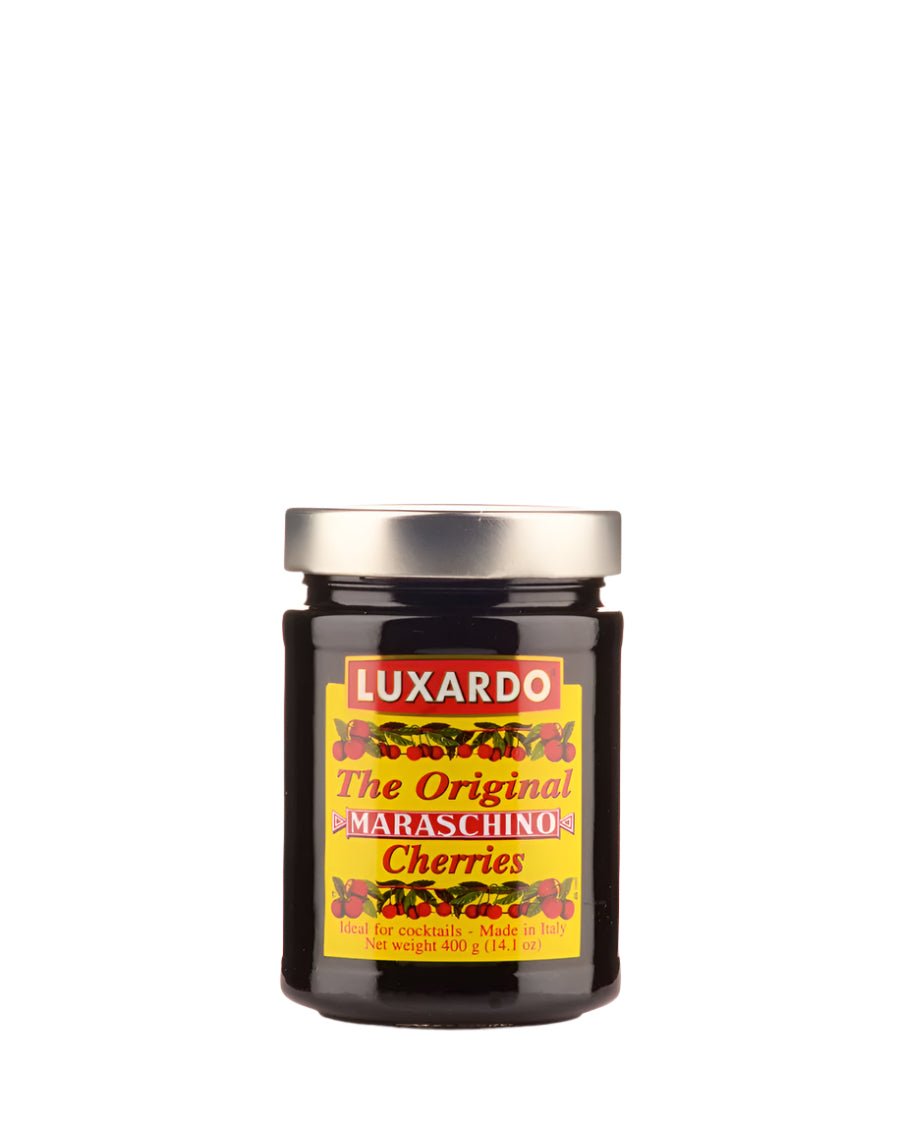
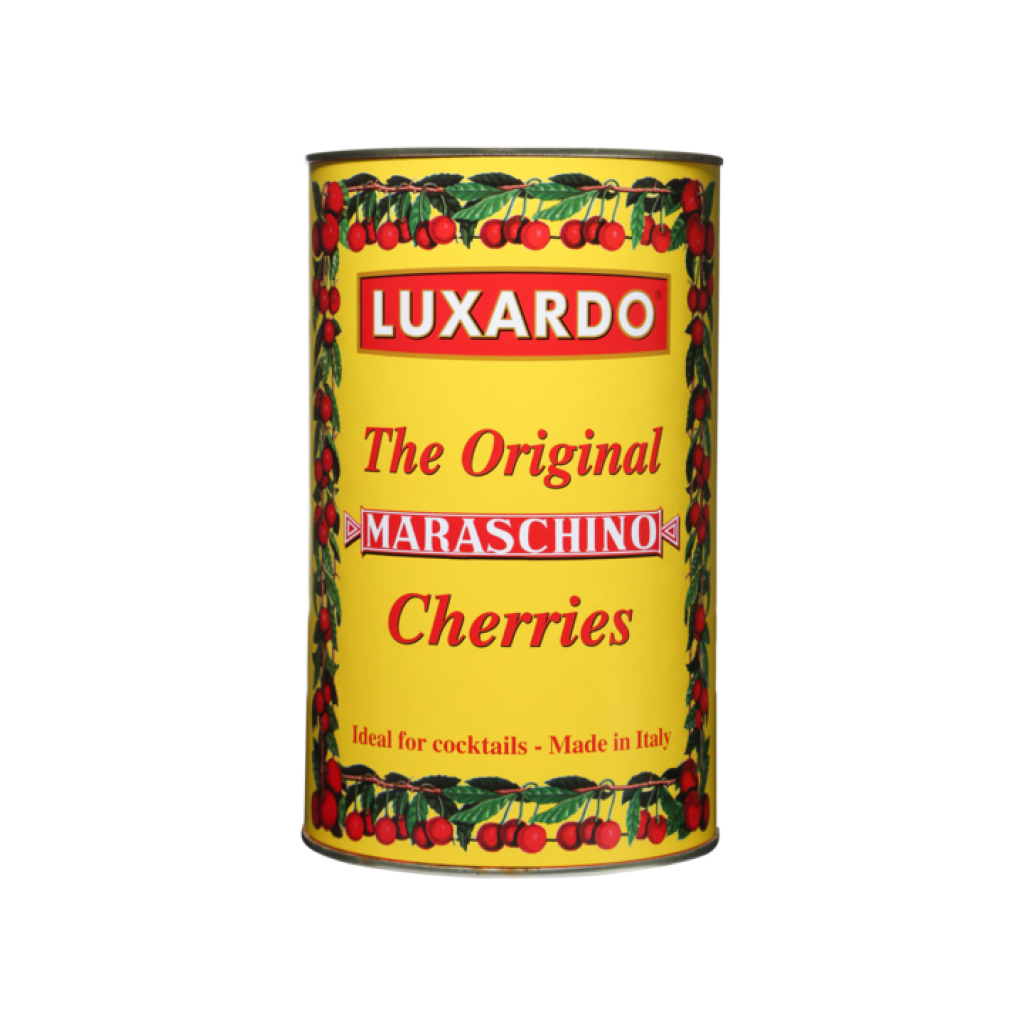
The Original Maraschino cherries come from the same orchards, candied in marasca syrup rather than bleached and dyed, which is why they stay dark, firm and only lightly sweet. They are here in a 400g jar, a 1kg tin and a 5.6kg catering tin.
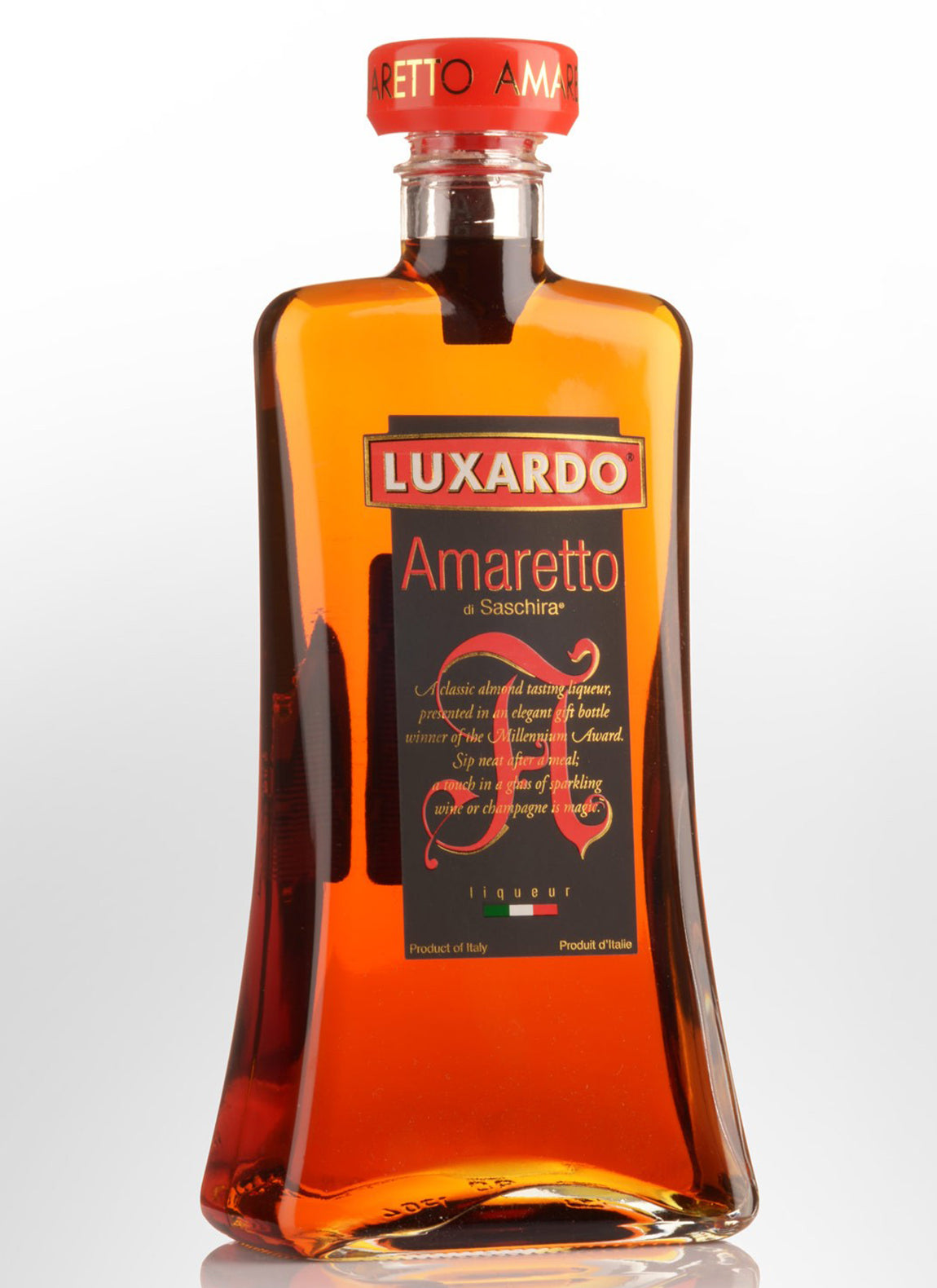
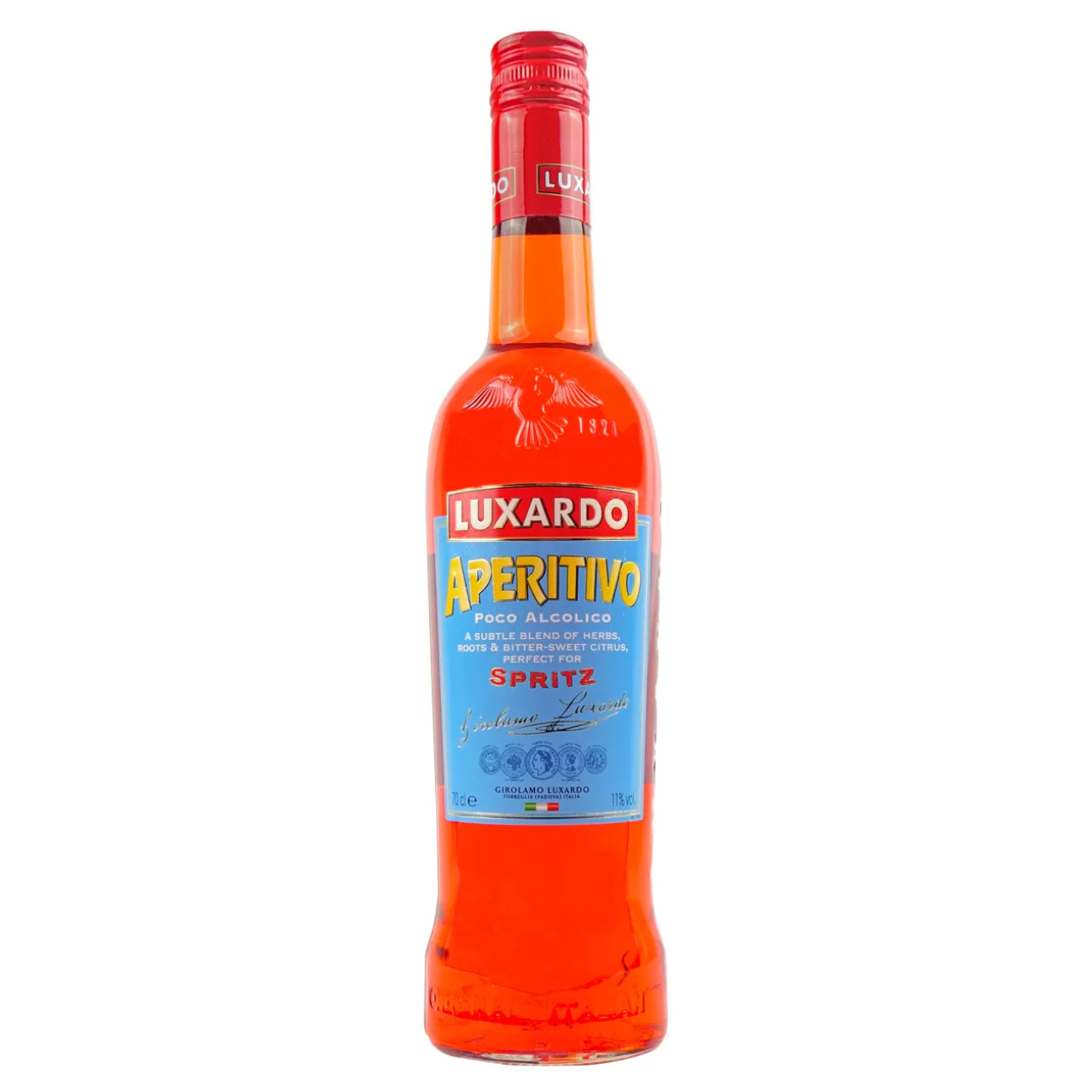
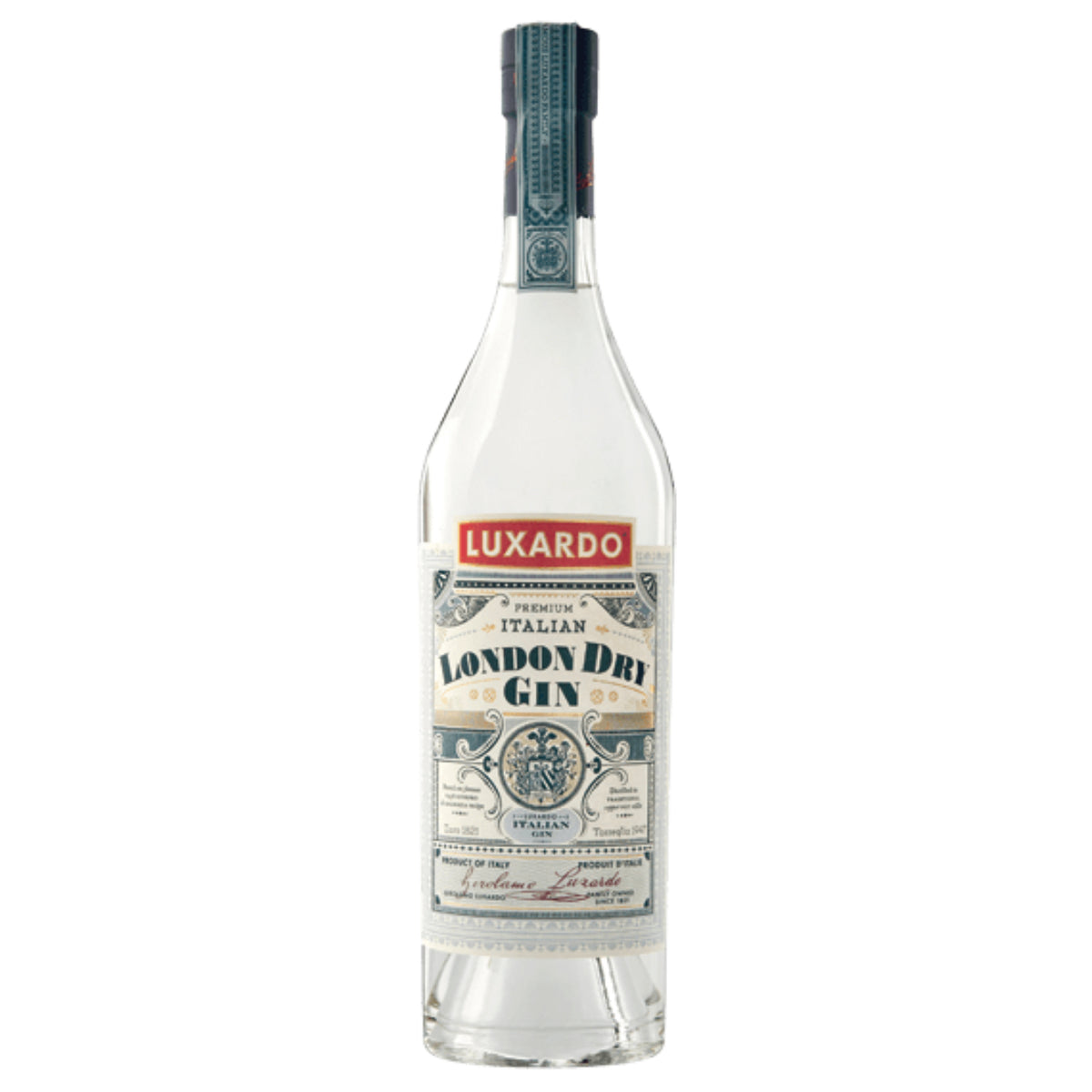
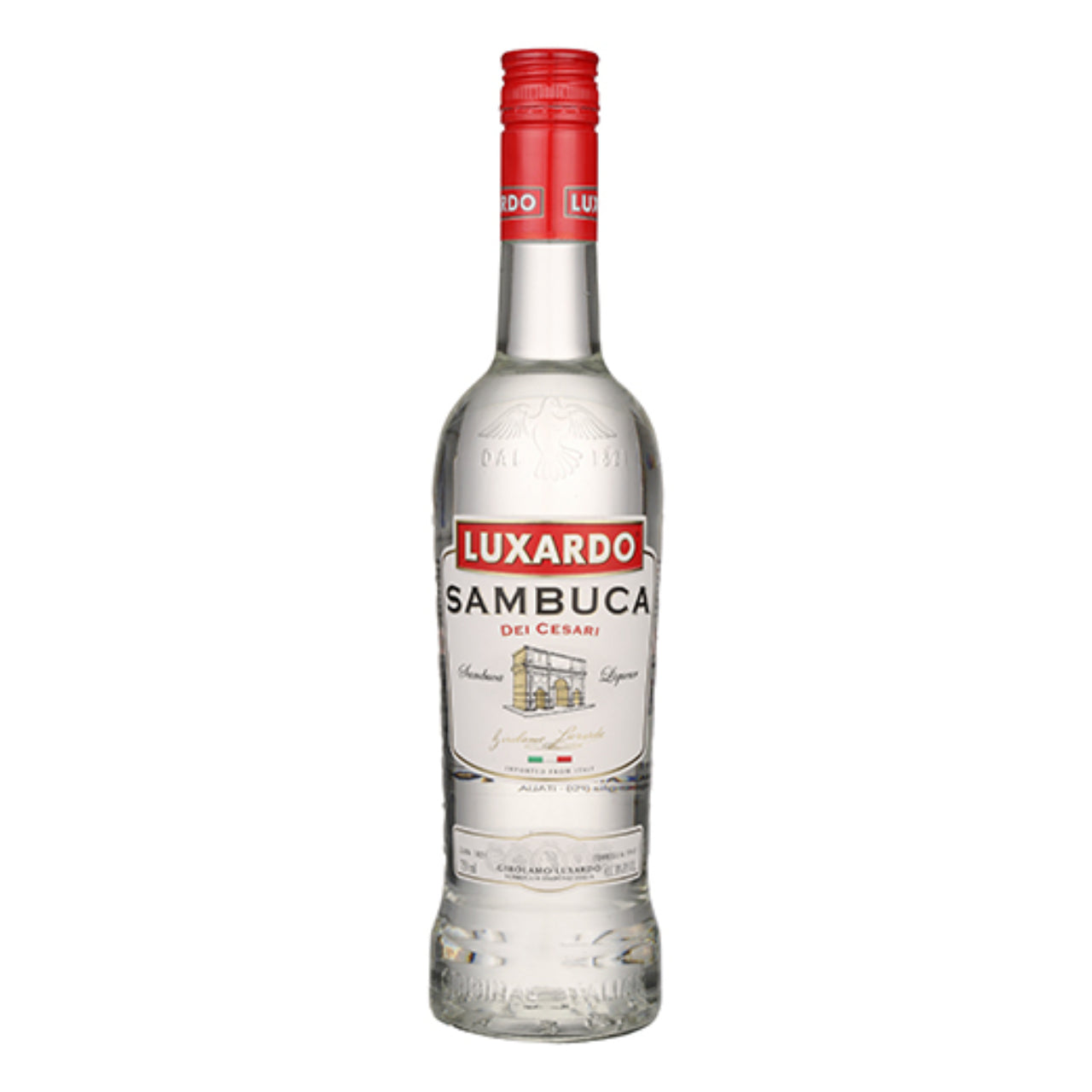
Around those sit Limoncello at 27 per cent, made from southern Italian lemon peel, pulp and juice, Amaretto di Saschira, the two Sambucas at 38 per cent, London Dry Gin at 43 per cent from nine botanicals, and Aperitivo at 11 per cent.
History
Girolamo Luxardo, a Genoese posted to Zadar in Dalmatia as a consular representative, founded the distillery there in 1821. Maraschino was already a local speciality: Dalmatia grew the Marasca cherry, and distillers had been making a clear cherry liqueur from it for generations. What Luxardo did was standardise and commercialise the recipe, and the firm still bottles to that original formula.
The straw covering on the Maraschino bottle began as protection for glass in transit and stayed on as identification. Luxardo describes the hand woven straw bottle as a protected design, and it has become the brand's signature.
Limoncello came much later. Luxardo first advertised its version in 1905, decades before southern Italy's domestic lemon liqueur tradition became a commercial category anywhere else.
The Second World War ended the Zadar chapter. The works were destroyed and the family re-established the distillery at Torreglia, in the hills south of Padua, planting Marasca orchards in the Veneto so the raw material stayed under its own control. That decision is why the cherries and the liqueur still come from the same fruit rather than from bought-in concentrate.
Maraschino's importance to drinking is out of proportion to its size as a category. It is structural in a long list of pre-Prohibition cocktails, and when it became hard to find, several of those drinks became impossible to make properly.
How to drink it
Maraschino is an ingredient rather than a drink, and the measures are small. Ten to fifteen millilitres is usually enough. It is the bottle that makes an Aviation, a Last Word, a Martinez and a Hemingway Daiquiri work, and in each of those the job is to dry the drink out and add a nutty, faintly bitter cherry note rather than to sweeten it.
The cherries belong in an Old Fashioned or a Manhattan, one to a glass. Keep the syrup: a bar spoon of it in the drink is part of the point, and it is also very good over ice cream or stirred through yoghurt.
Limoncello is served very cold in a small glass after dinner. Keep the bottle in the freezer. Amaretto takes one large ice cube, or goes into an Amaretto Sour, a Godfather or an espresso-based drink.
Sambuca Bianca is the traditional after-dinner serve, neat with three coffee beans, or alongside coffee. Passione Nera is the black one, with cardamom and East Indian spice behind the anise.
The London Dry Gin at 43 per cent has the backbone for a Martini or a Negroni. Aperitivo at 11 per cent is built for a spritz with prosecco and soda over plenty of ice, with an orange slice.
More Italian bottles sit on amaro and liqueurs.
Common questions
What is so special about Luxardo cherries?
They are made from the sour Marasca cherry that Luxardo grows itself, candied in marasca syrup rather than bleached and dyed the way a bright red supermarket cocktail cherry is. That leaves them dark, firm and only lightly sweet, with a genuine sour-cherry bitterness underneath, and it leaves the syrup worth keeping and using in the drink.
What kind of liquor is Luxardo?
Luxardo is a family distillery at Torreglia in the Veneto rather than a single drink. The product it is most associated with is Maraschino Originale, a clear cherry liqueur at 32 per cent made by distillation rather than infusion. The range here also covers Limoncello at 27 per cent, Amaretto, two Sambucas at 38 per cent, a London Dry Gin at 43 per cent and Aperitivo at 11 per cent, plus the Original Maraschino cherries.
What do Luxardo cherries taste like, and how are they different from supermarket maraschino cherries?
Dark, firm and only just sweet, with a sour-cherry bitterness behind the sugar and a syrup thick enough to use in the drink. A supermarket cocktail cherry is a different product: usually brined and bleached first, then dyed and sweetened, which is where the bright red colour and the one-note sweetness come from. Luxardo candies its own Marasca cherries in marasca syrup and skips both steps.
Is Luxardo Aperitivo the same as Aperol or Campari?
No. It is the same style of drink, a bitter orange infusion built for spritzes and long low-alcohol serves, but it is not a relabelled version of either. Luxardo Aperitivo is its own infusion of herbs, roots and citrus, bottled at 11 per cent, and it mixes readily with prosecco, soda and fruit juice.
Where can I buy Luxardo maraschino cherries in Australia?
They are on this page in three sizes: a 400g jar, a 1kg tin and a 5.6kg catering tin. Where we deliver, and the ID check on arrival, are set out on our alcohol delivery page.
More from this origin and style: