
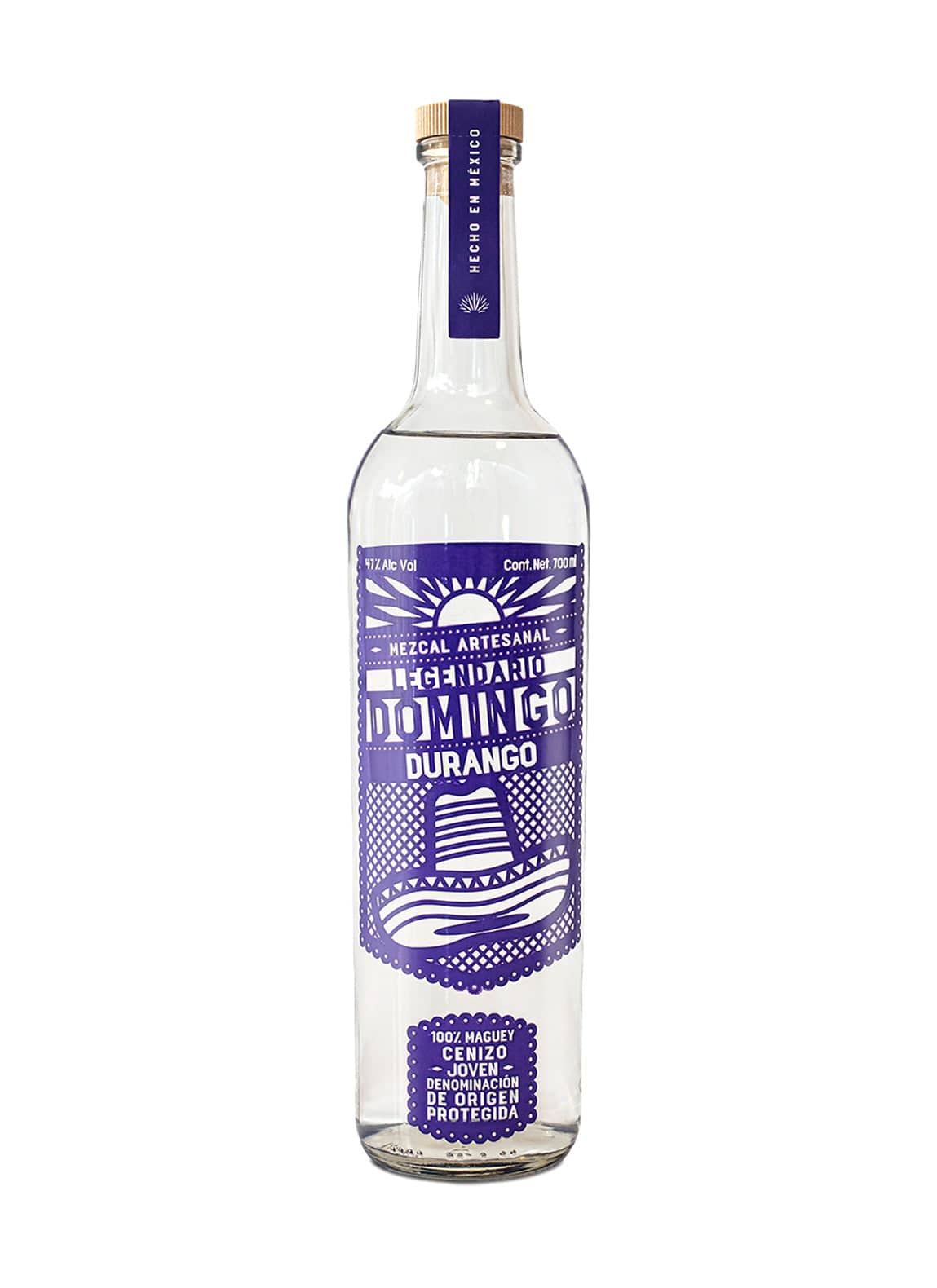
Domingo Mezcal Durango Cenizo 47% 700ml
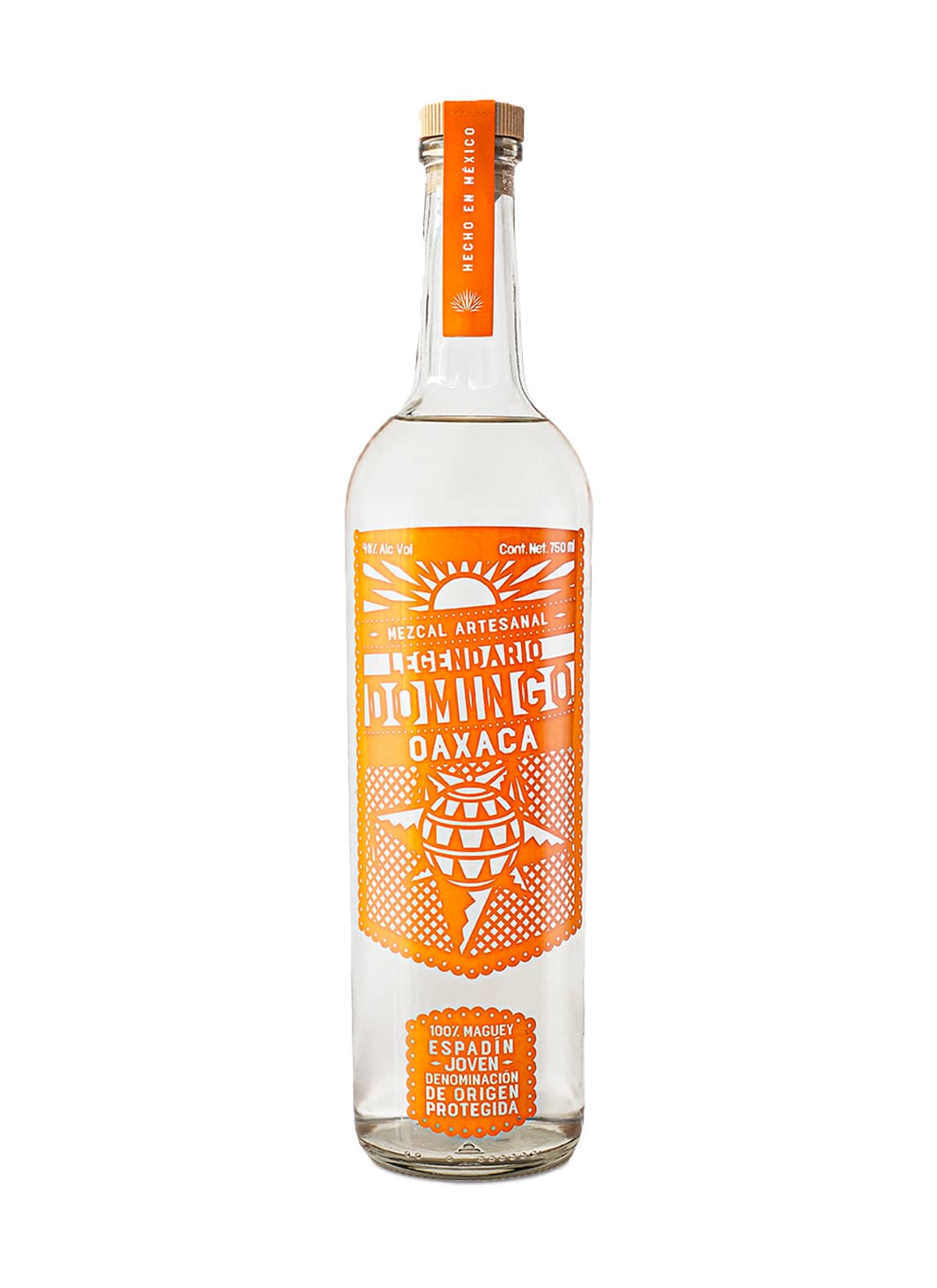
Domingo Mezcal Especial Espadín Oaxaca 48% 700ml
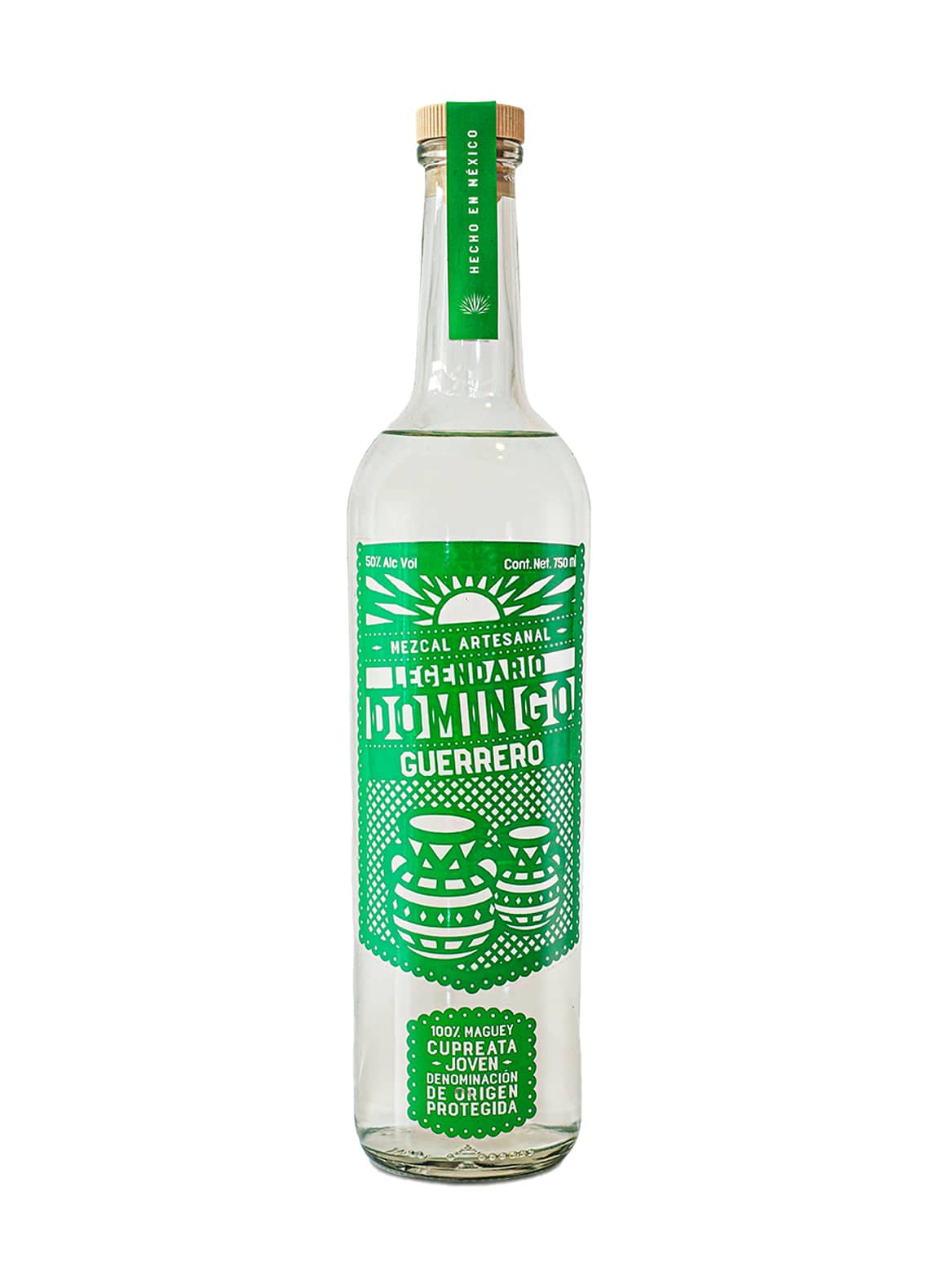
Domingo Mezcal Guerrero Papalote 47% 700ml
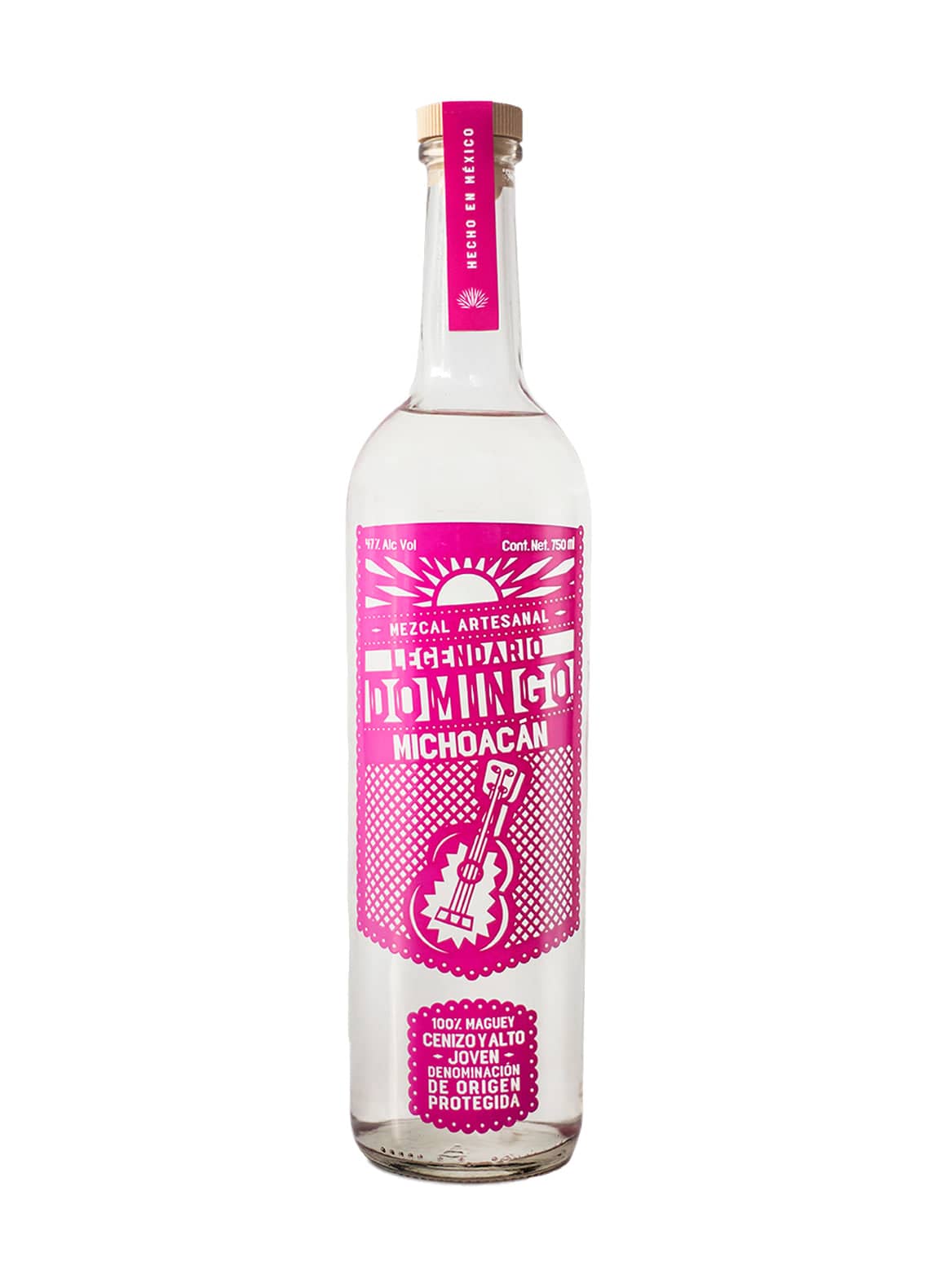
Domingo Mezcal Michoacán Ensamble 46% 700ml
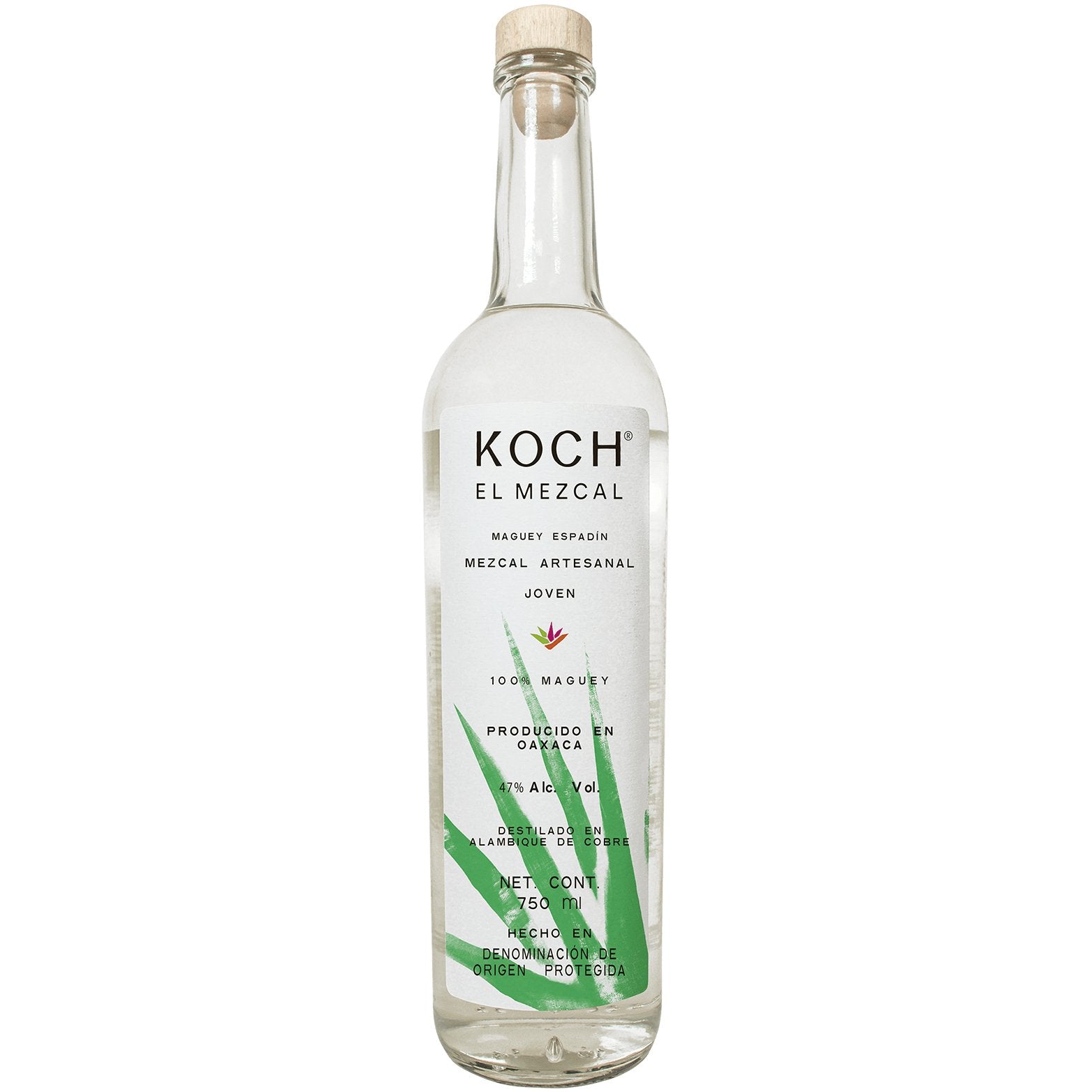
Koch El Mezcal Artesanal Maguey Espadín 47.08% 750ML
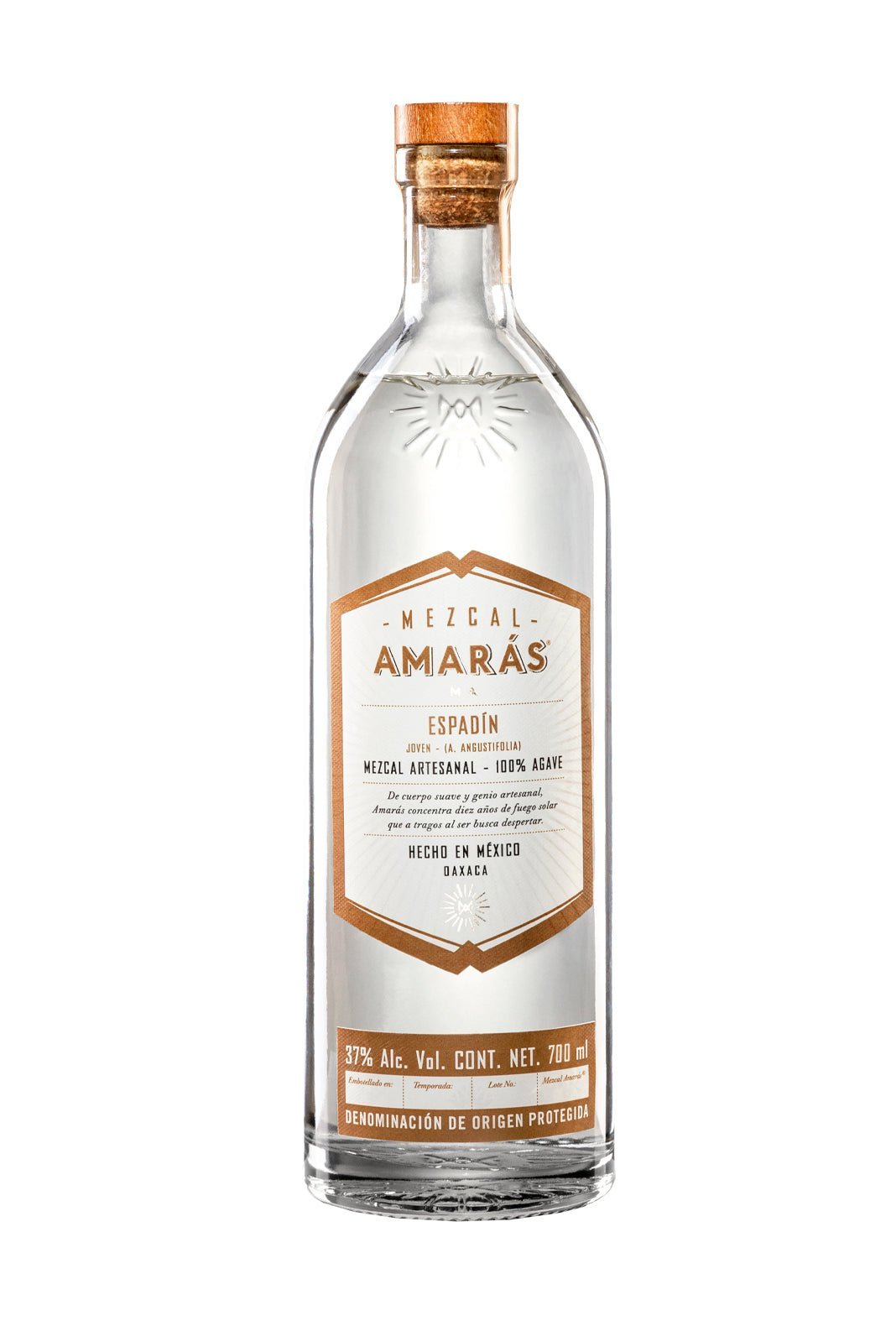
Mezcal Amares 100% Espadin 37% 700ml
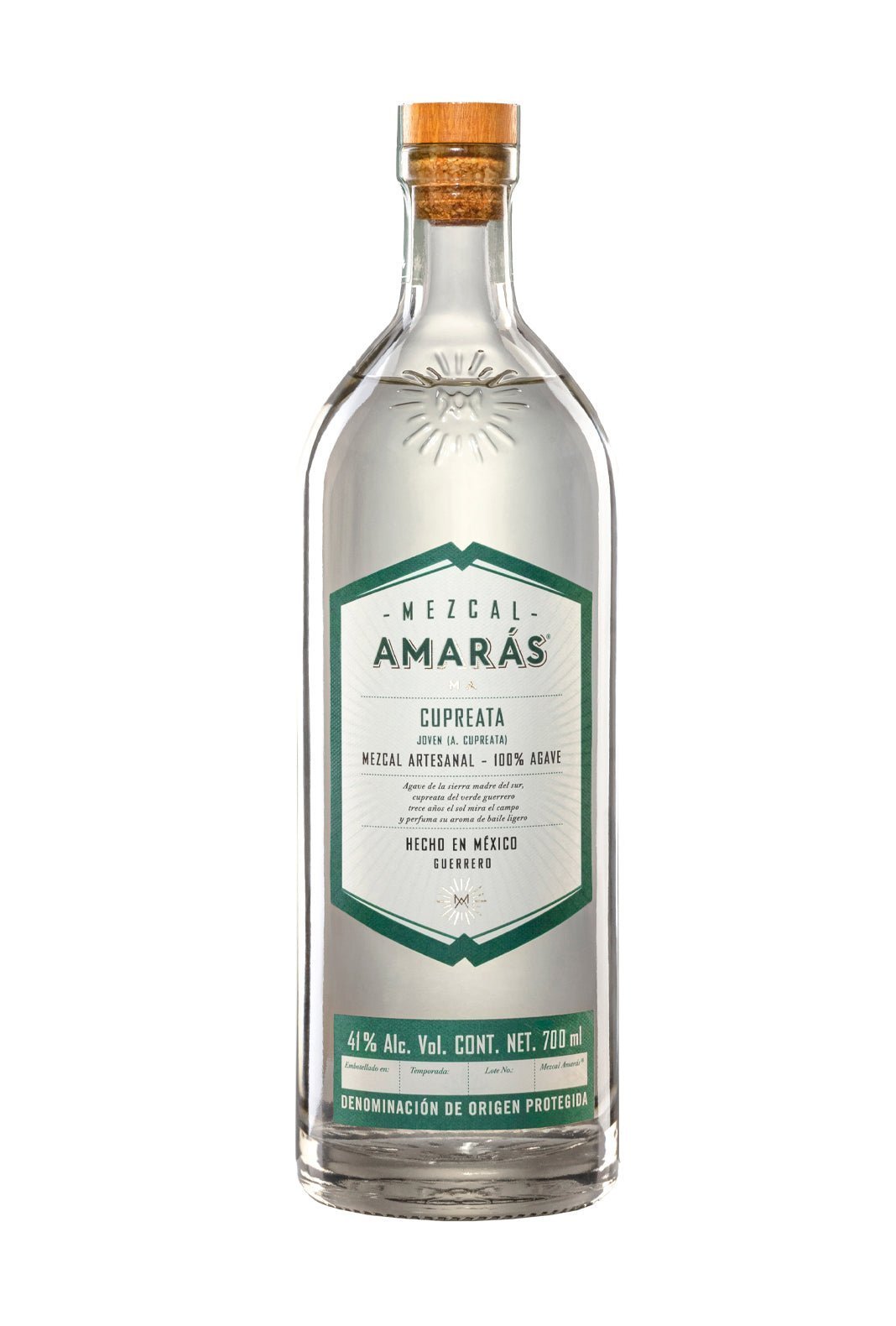
Mezcal Amares Cupreata 41% 700ml
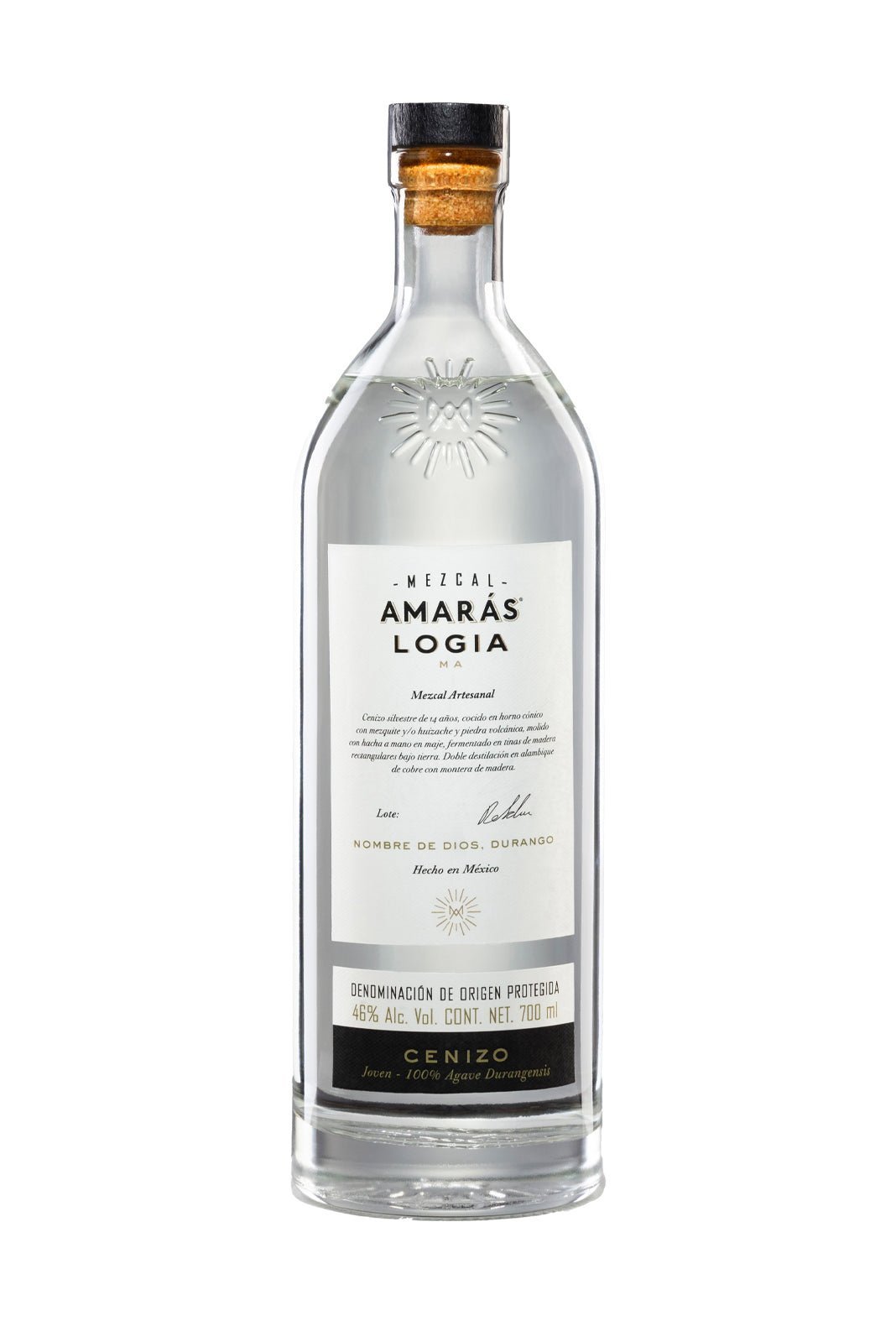
Mezcal Amares Logia Cenizo 43% 700ml
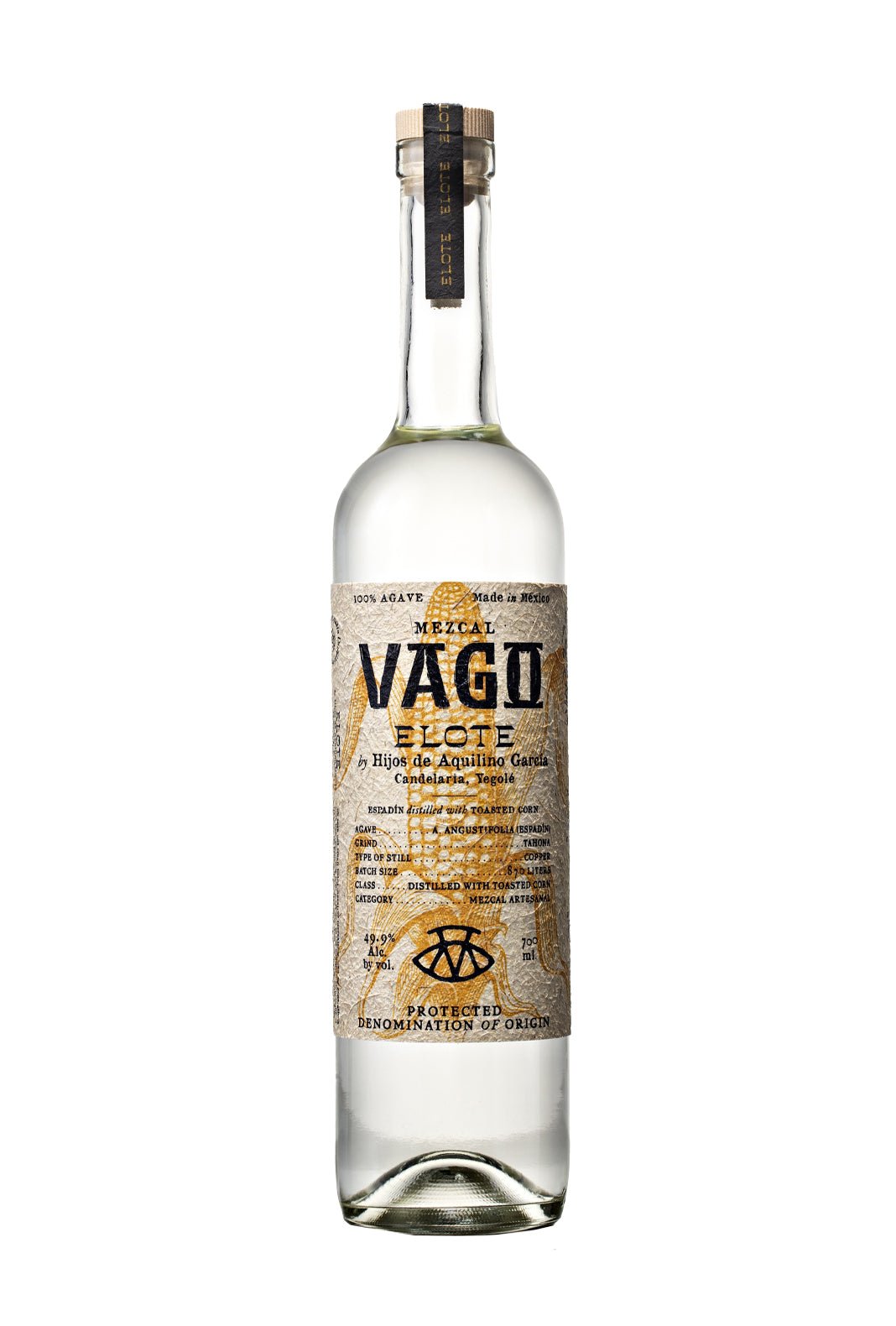
Mezcal Vago Elote Hijos 49.8% 700ml
About Blanco Mezcal
Mezcal is any agave spirit made inside its own denomination of origin, which spans Oaxaca, Durango, Guerrero, Michoacan, Guanajuato, Puebla, San Luis Potosi, Zacatecas and Tamaulipas. Blanco, usually labelled joven, is the unaged expression, and it is how most serious mezcal is sold, because a barrel would cover the smoke and the varietal character that people buy mezcal for in the first place.
What is on this page is a tour of different maguey and different states. Domingo Durango Cenizo comes from the high desert north, where cenizo agave gives a drier, herbal spirit. Domingo Guerrero Papalote uses agave cupreata, which Guerrero calls papalote. Koch Espadin is a benchmark artesanal Oaxacan espadin. Mezcal Vago Elote is redistilled with toasted corn, which sounds like a gimmick and tastes like popcorn, cream and smoke. Mezcal Amares covers espadin, cupreata and cenizo at gentler strengths, and Domingo's Oaxacan Especial Espadin sits in the middle of the range.
If you are coming from blanco tequila, this is the same plant family with fire added. The wider mezcal and tequila ranges are delivered across Australia (exc. NT).
History
Mezcal is the older tradition and tequila is a specialised branch of it. Long before the still arrived, agave was roasted and eaten and its sap fermented into pulque. Distillation turned that into a village industry, and for centuries mezcal was made in small palenques for local drinking rather than export. The denomination of origin only came in 1994, and Mexican regulation now separates three classes: mezcal, artesanal and ancestral, in increasing order of how little machinery is allowed.
The smoke is not an additive, it is the cooking method. Agave hearts are roasted for days in a conical stone lined pit over hardwood, buried under agave fibre and earth. That fire is what a blanco mezcal tastes of. The roasted hearts are then crushed, often under a horse drawn stone tahona or by hand with mallets, fermented in open wooden vats with wild yeast, and distilled twice in small copper or clay pots.
Agave choice sets the rest. Espadin matures in six to eight years and is cultivated in rows, which is why bottlings like Koch Espadin are the backbone of the category. Maguey such as cupreata and cenizo often take a decade or more and are still largely wild harvested rather than planted to a schedule, which is why cupreata bottlings are made in small runs and vary batch to batch.
How to drink it
Drink blanco mezcal neat at room temperature. Chilling closes down the smoke and the vegetal aromatics, which are the reason you opened the bottle. Traditionally it is served in a shallow clay copita or a jicara gourd, and a small tulip or a copita glass does the same job. Sip it, do not shoot it, and take a breath through your mouth after the first sip to let the smoke resolve into fruit and earth.
Orange slices with sal de gusano are the classic accompaniment, and they work. Beyond that, mezcal handles charred vegetables, barbecued meat, mole negro, hard cheese, and anything with chilli. In cocktails it makes a fierce margarita and an excellent Negroni variant, and 15ml added to a tequila drink is enough to change its character without taking over.
Unaged and high strength, an open bottle keeps well for a year or more, though the delicate top notes on a wild agave bottling fade first, so drink those sooner. Start with an espadin such as Mezcal Amares Espadin at a softer strength, then step up to Vago Elote or the Domingo regional bottlings once the smoke stops surprising you. The aperitifs range covers the bitter half of a mezcal Negroni.