

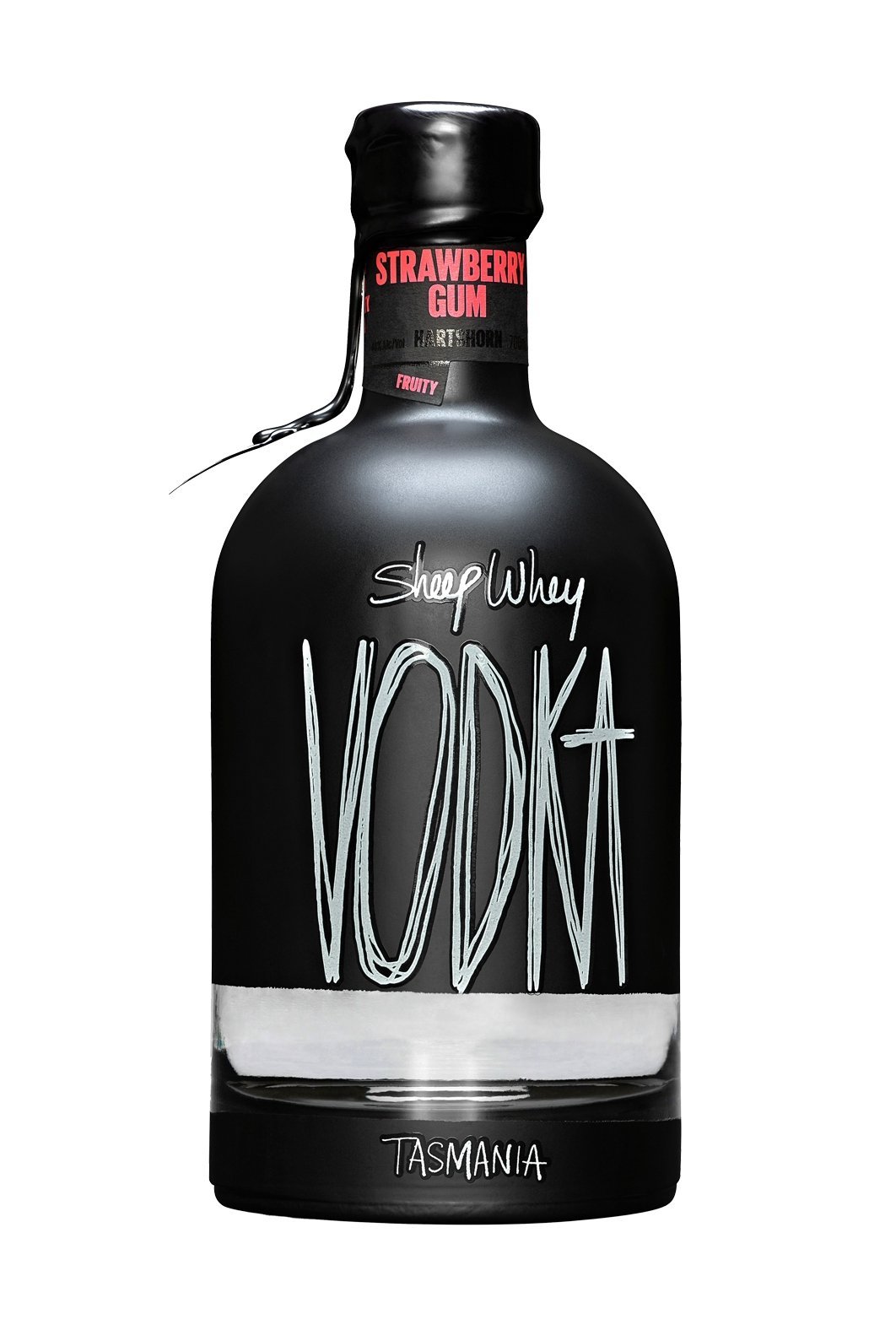
Hartshorn Strawberry Gum Vodka Sheep Whey 40% 500ml
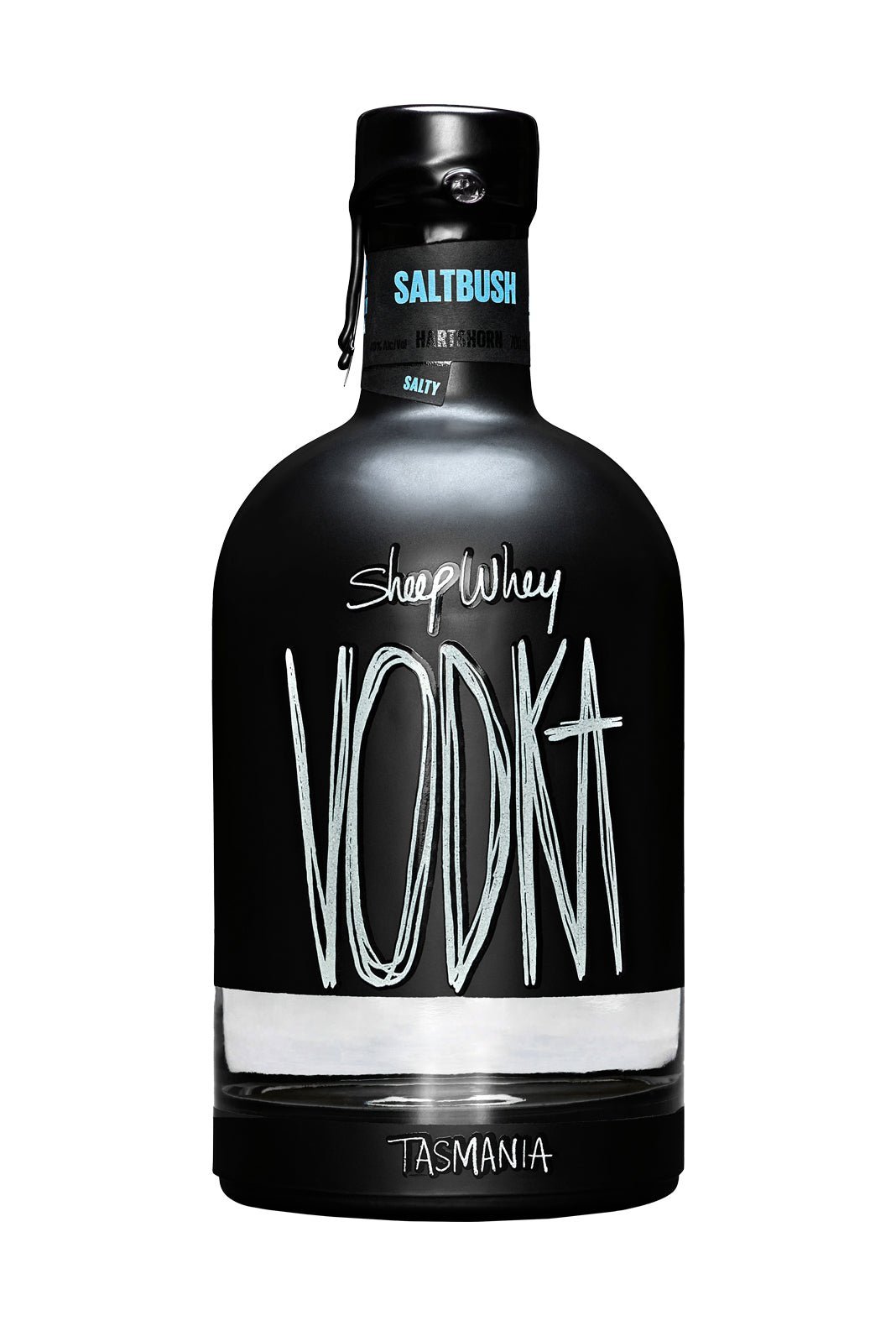
Hartshorn Saltbush Vodka Sheep Whey 40% 500ml
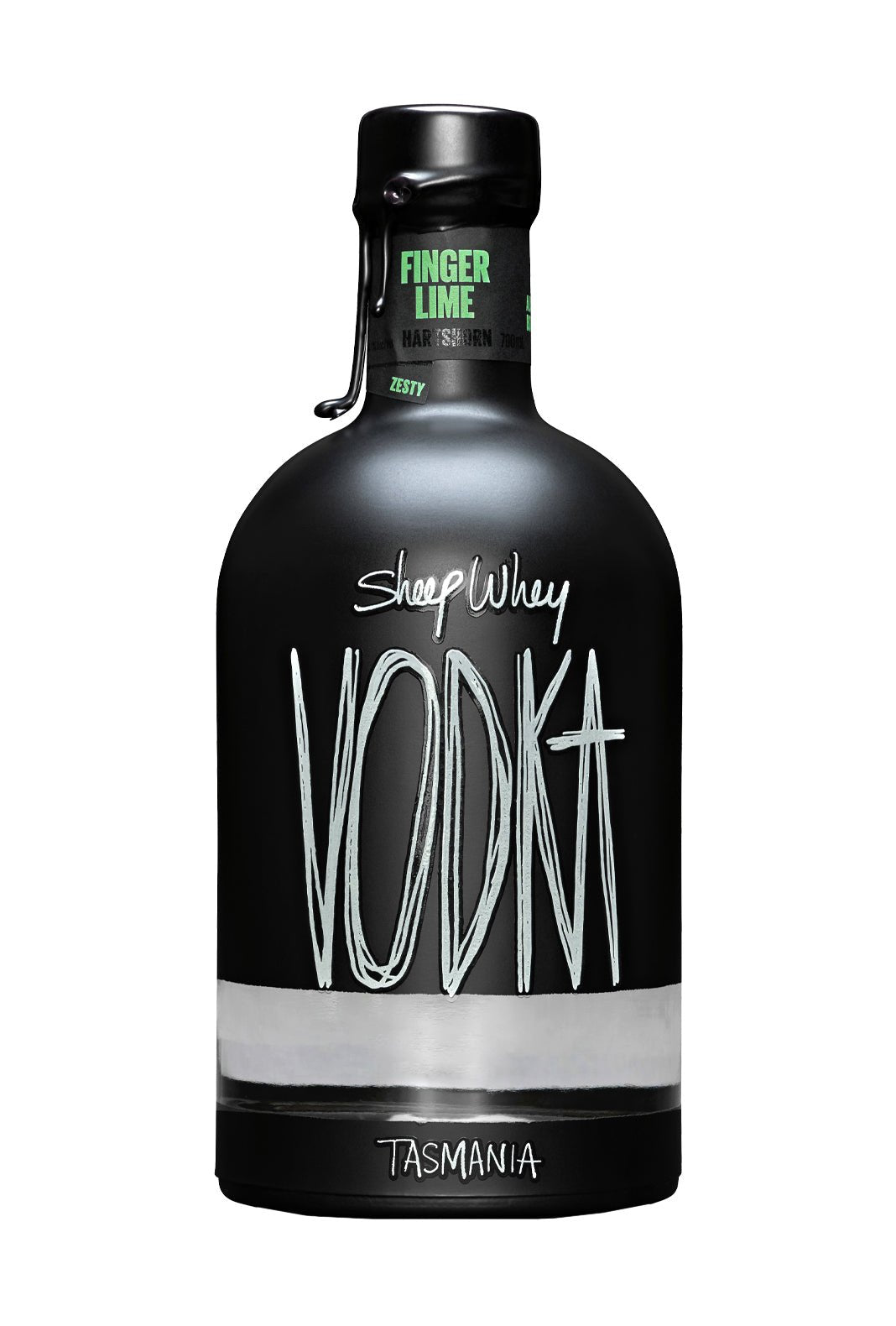
Hartshorn Finger Lime Vodka Sheep Whey 40% 500ml
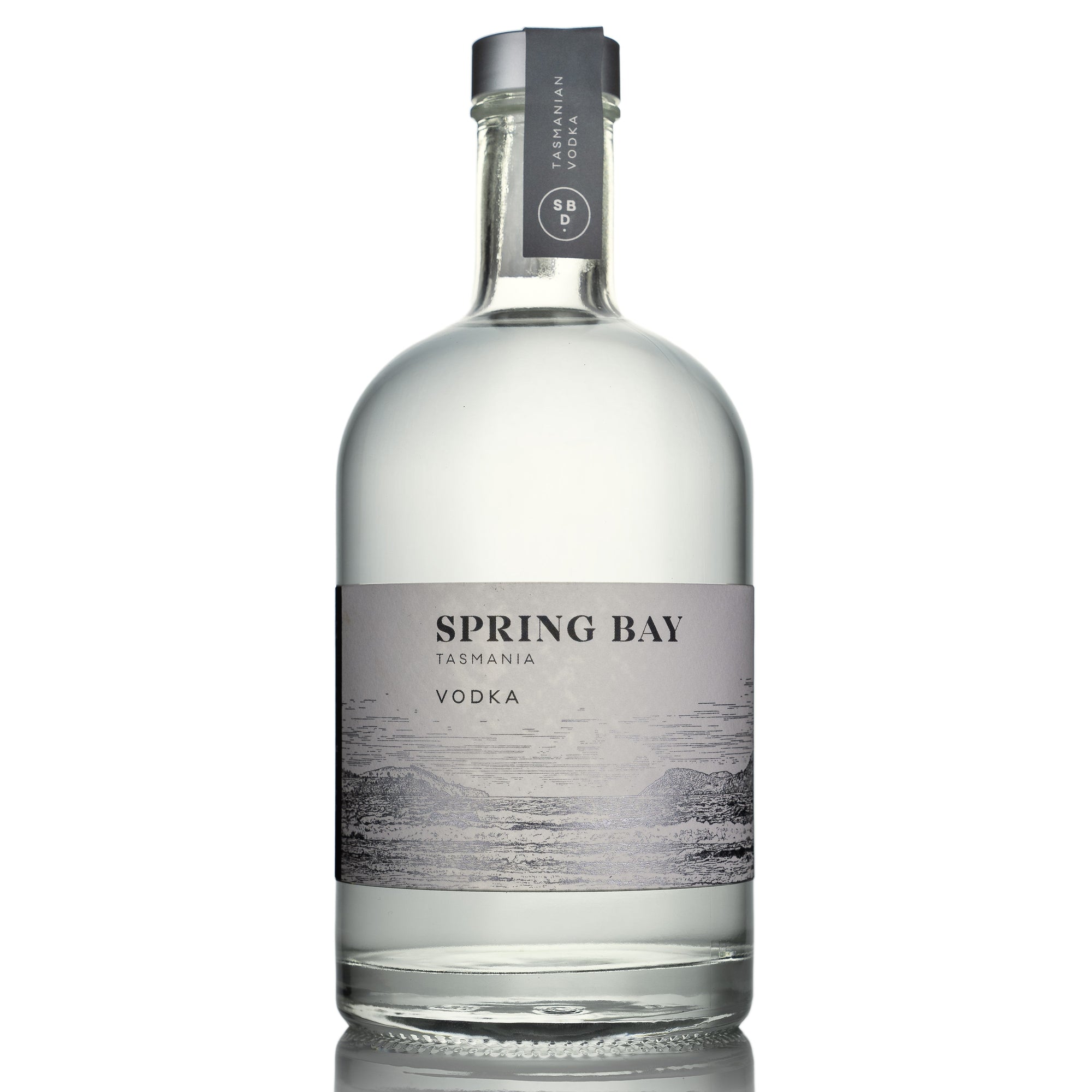
Spring Bay Tasmanian Vodka 40% 500ML
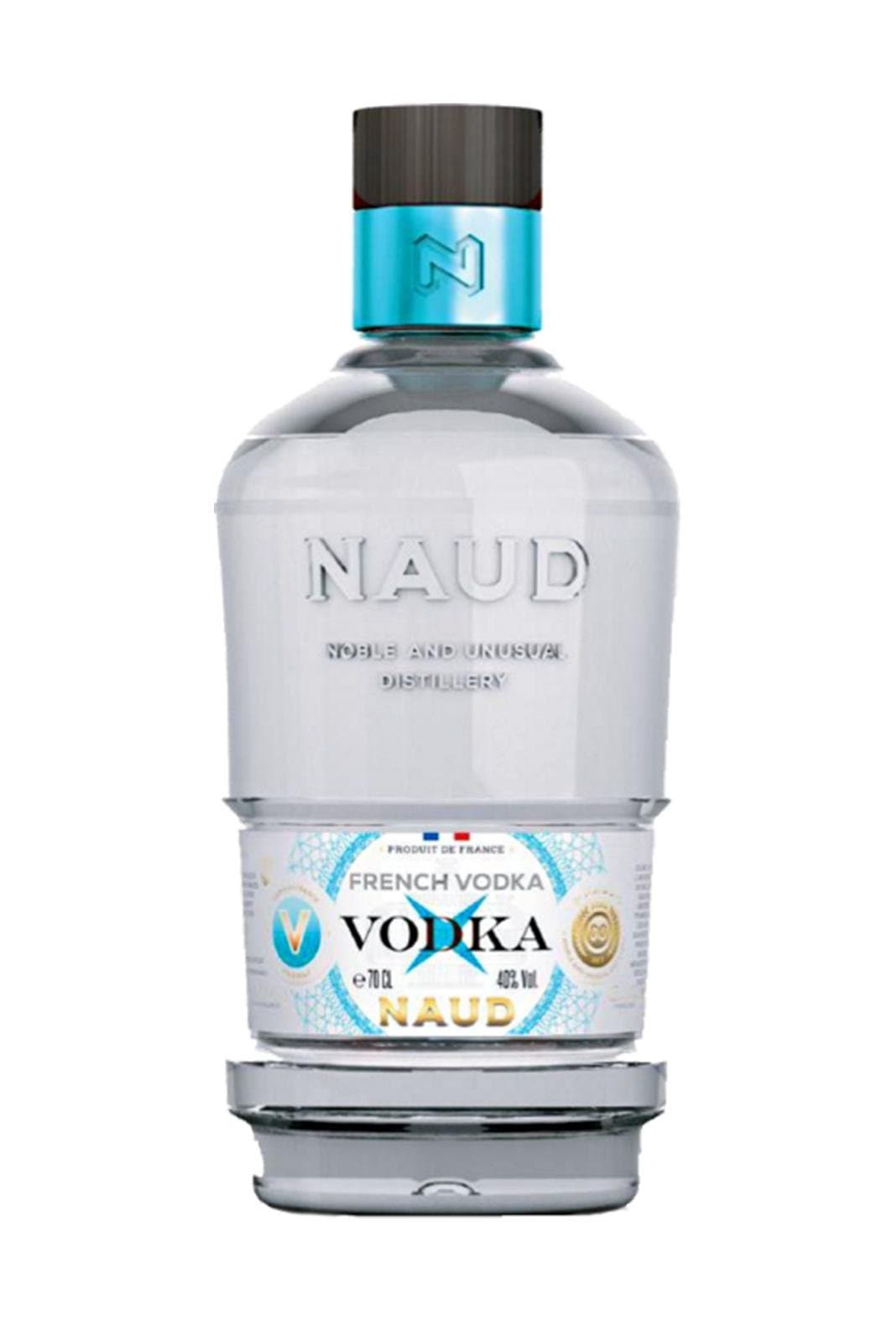
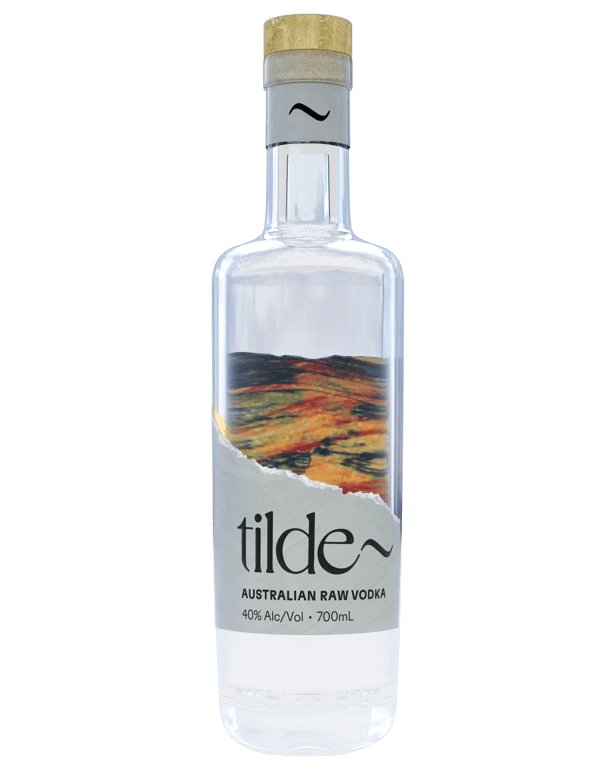
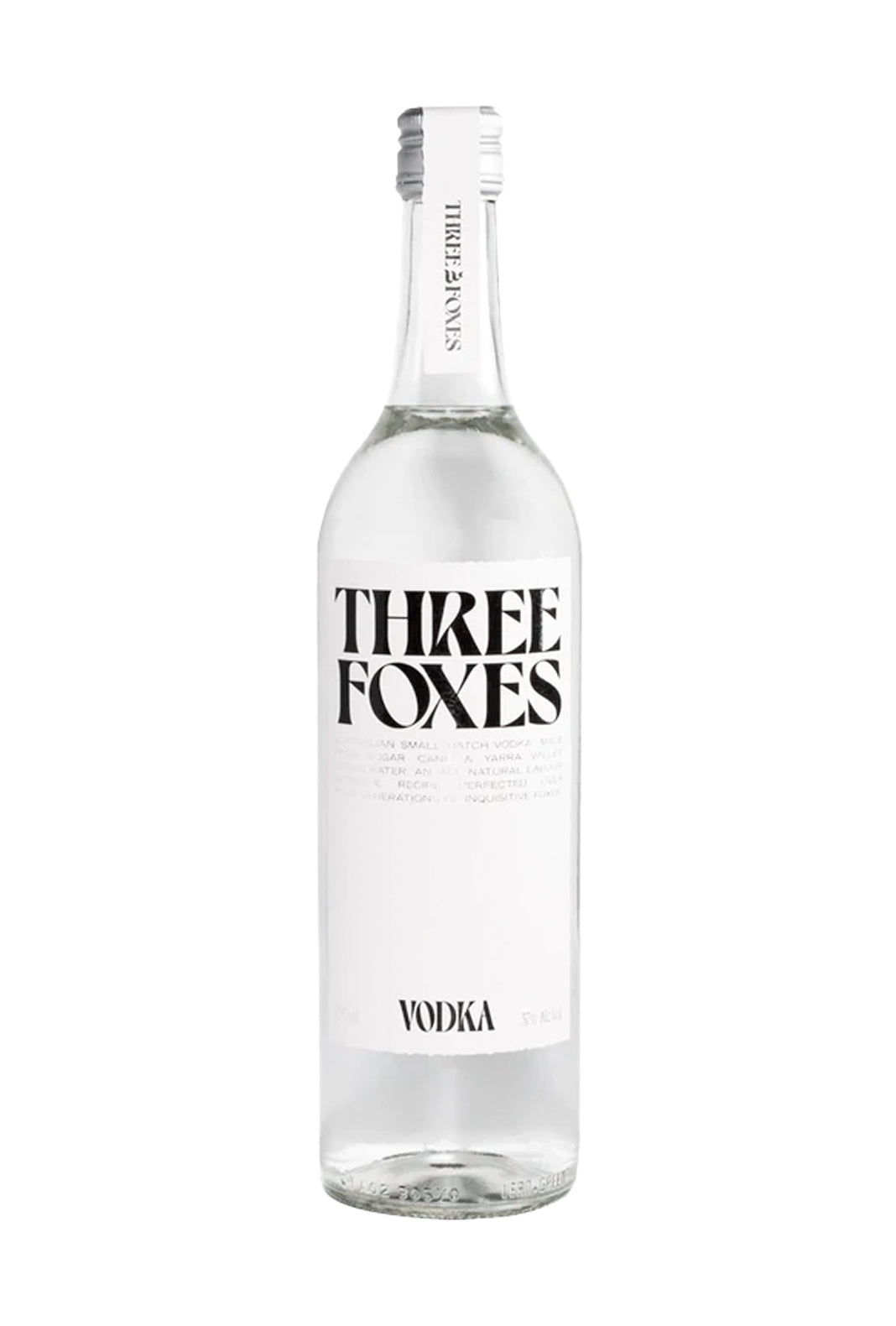
Three Foxes Australian Vodka 37% 750ml
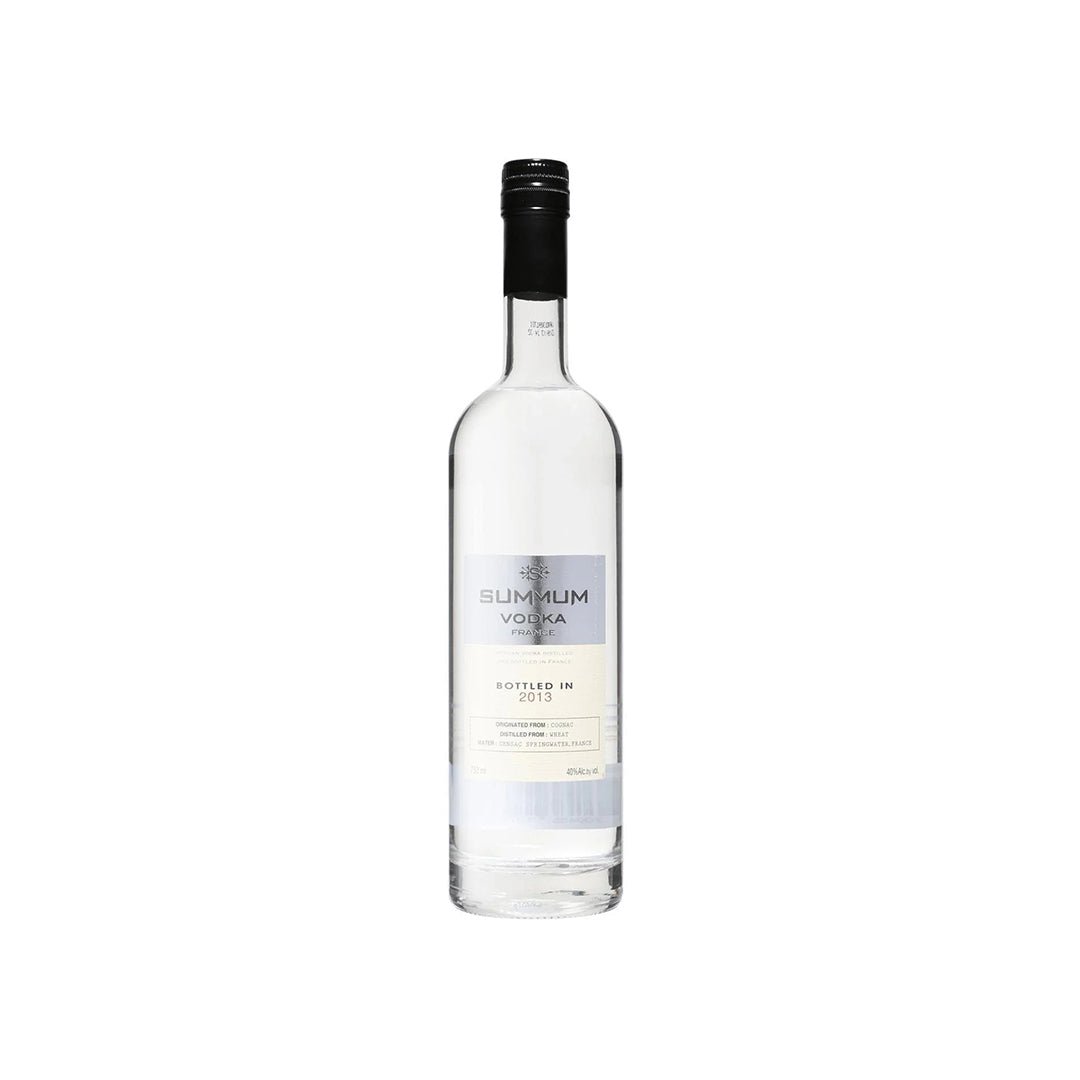
Summum Vodka (Distilled from Wheat) 40% 750ml
About Vodka
Vodka is defined by what it leaves out, which makes the base material and the still matter more than the label does. This range leans Australian.
Hartshorn Distillery at Birchs Bay in Tasmania makes the most unusual vodka here, distilled from sheep whey rather than grain or potato. The whey gives it a soft, faintly creamy texture that is obvious next to a grain vodka. The range runs from the pure bottling through Peat Smoked, Oaked, Finger Lime, Saltbush and Strawberry Gum, plus 50ml trio packs.
Ambrosia at Fyshwick makes the flavoured line: Lychee, Lemon Myrtle, Passionfruit, Apple Cinnamon and Coffee. Antipodes and Three Foxes both bottle organic vodka, Spring Bay distils in Tasmania, and Canberra Distillery, Tiny Bear, Karu, Tilde and Nosferatu fill out the rest of the Australian side.
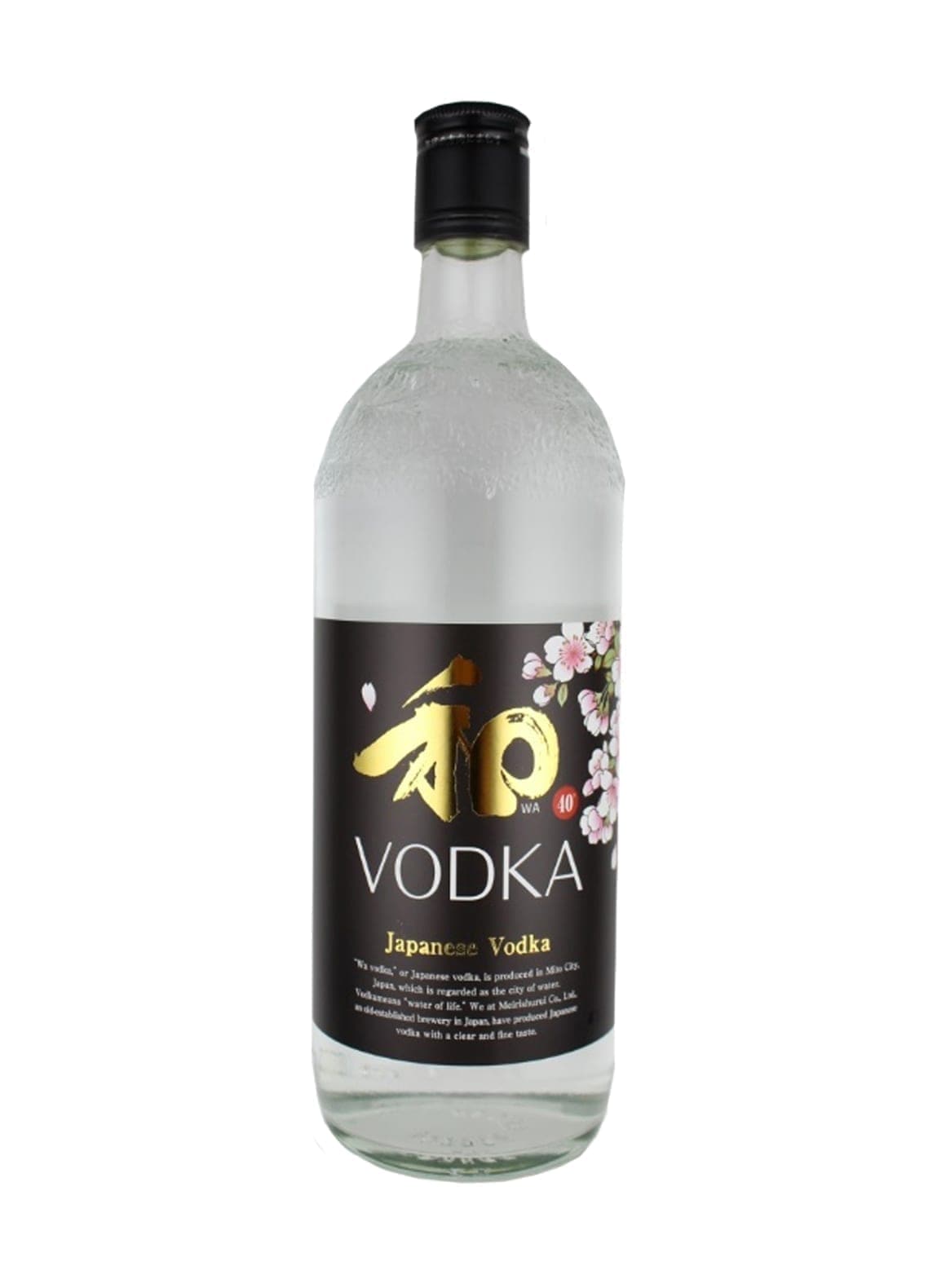
Beyond Australia there is Vodka One from Poland, including a quince bottling, JJ Whitley Rhubarb from the United Kingdom, Naud and Summum from France, and Wa from Japan.
If you are shopping the whole Australian shelf rather than one category, Australian spirits collects it, Hartshorn Distillery has a page of its own, and gin is the next aisle across.
What vodka is actually made from, and what grain, cane and sheep whey each do to the spirit, is set out in our vodka guide.
History
Vodka's origins are disputed between Poland and Russia, and both claims run back several centuries. What is not disputed is what happened afterwards. The spirit spread west as a neutral base and became the most widely sold white spirit in the world.
The technical story is one of removal. Fermented grain, potato, grape or whey is distilled to a high strength and then filtered, historically through charcoal, to strip out the compounds that carry flavour. The more you take out, the cleaner and less distinctive the result, which is why two vodkas at the same strength can differ by very little.
Flavoured vodka is not a modern marketing idea. Infusing spirit with fruit, herbs or spice is older than the neutral style, and it was ordinary practice long before it became a section on a shelf.
The Australian chapter is recent. Craft distilleries opened here in numbers through the 2010s, and several took the opposite approach to the international brands. Instead of chasing neutrality they built a vodka around a distinctive base or a native botanical. Sheep whey, finger lime, lemon myrtle, saltbush and strawberry gum all belong to that turn, and so does the decision to bottle at 37 or 38 per cent rather than a uniform 40.
How to drink it
For a Martini, keep the vodka in the freezer and the glass colder still. Fifteen parts vodka to one part dry vermouth, stirred, with a lemon twist or an olive. This is where a vodka with texture earns its place, because there is nothing else in the glass to hide behind.
Neat, pour a small measure straight from the freezer and sip it rather than shoot it. A vodka with some texture, like the Hartshorn sheep whey bottlings, holds up to that; a heavily filtered one usually gives you less back.
For a Moscow Mule use ginger beer, plenty of lime and ice to the top of the glass. For an Espresso Martini a coffee vodka does half the work before you start.
Flavoured bottlings want less around them, not more. Lychee with soda and a squeeze of lime. Lemon myrtle with tonic. Rhubarb with ginger ale. Passionfruit shaken with lime and a little sugar syrup.
Vodka does not improve in the bottle, so there is no reason to keep one you want to drink. An opened bottle is stable for years, though the aromatics in a flavoured vodka fade first. Store it upright and out of sunlight.
Common questions
Which brand of vodka is best?
It depends entirely on what you are doing with it. For a Martini or a vodka served neat, a vodka with some texture is worth having: the Hartshorn sheep whey bottlings give you something to taste, and the organic bottlings from Antipodes and Three Foxes are softer than a standard grain vodka. For long mixed drinks a cleaner, more neutral vodka is the better buy, because the mixer is doing most of the work.
What is the smoothest vodka to drink?
Smoothness usually comes down to two things: the base material and how heavily the spirit has been filtered. The Hartshorn sheep whey vodka is the softest thing here because of the base it is made from, and the Summum, which is distilled from wheat, is the other gentle one. Serving temperature matters as much as the bottle: any vodka drunk straight from the freezer will taste smoother than the same vodka at room temperature.
Is there such a thing as Australian vodka?
Yes, and it is most of this range. Hartshorn distils in Tasmania from sheep whey, Ambrosia at Fyshwick makes the flavoured line, Spring Bay is Tasmanian, and Antipodes, Three Foxes, Canberra Distillery, Tiny Bear, Karu, Tilde and Nosferatu are all Australian. Several are organic and several use native botanicals such as finger lime, lemon myrtle, saltbush and strawberry gum.
Which vodka is best for cocktails?
For a Martini, use something with texture and serve it very cold. For a Mule, a Cosmopolitan or anything long and citrus led, a neutral vodka is the sensible choice. For an Espresso Martini, a coffee vodka such as the Ambrosia will get you most of the way there on its own. Flavoured vodkas work best in simple two ingredient builds rather than in complicated ones.