
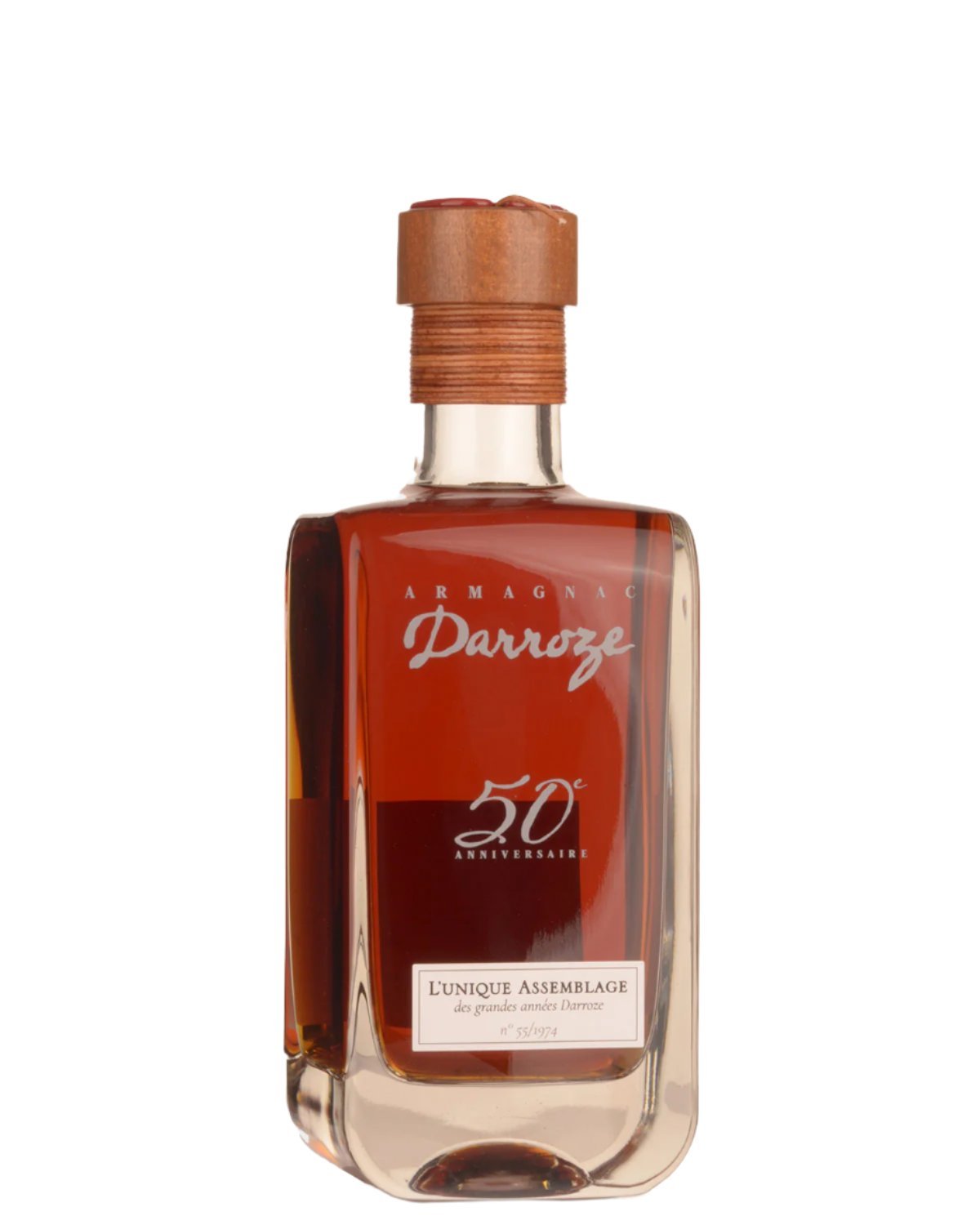
Darroze Anniversary Armagnac L'Unique Assemblage 48.5% 700ml
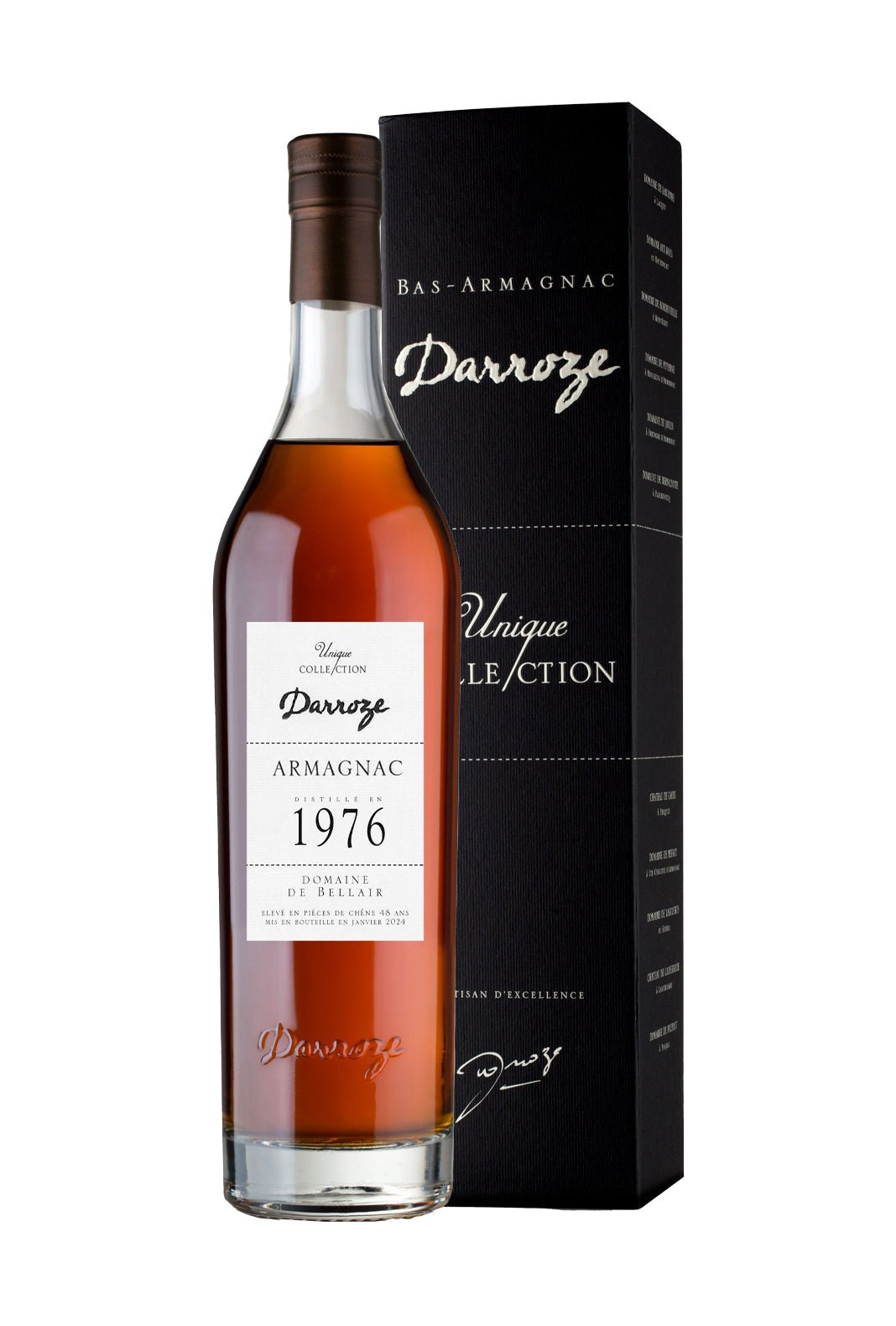
Darroze 1976 Bellair Grand Bas Armagnac 45% 700ml
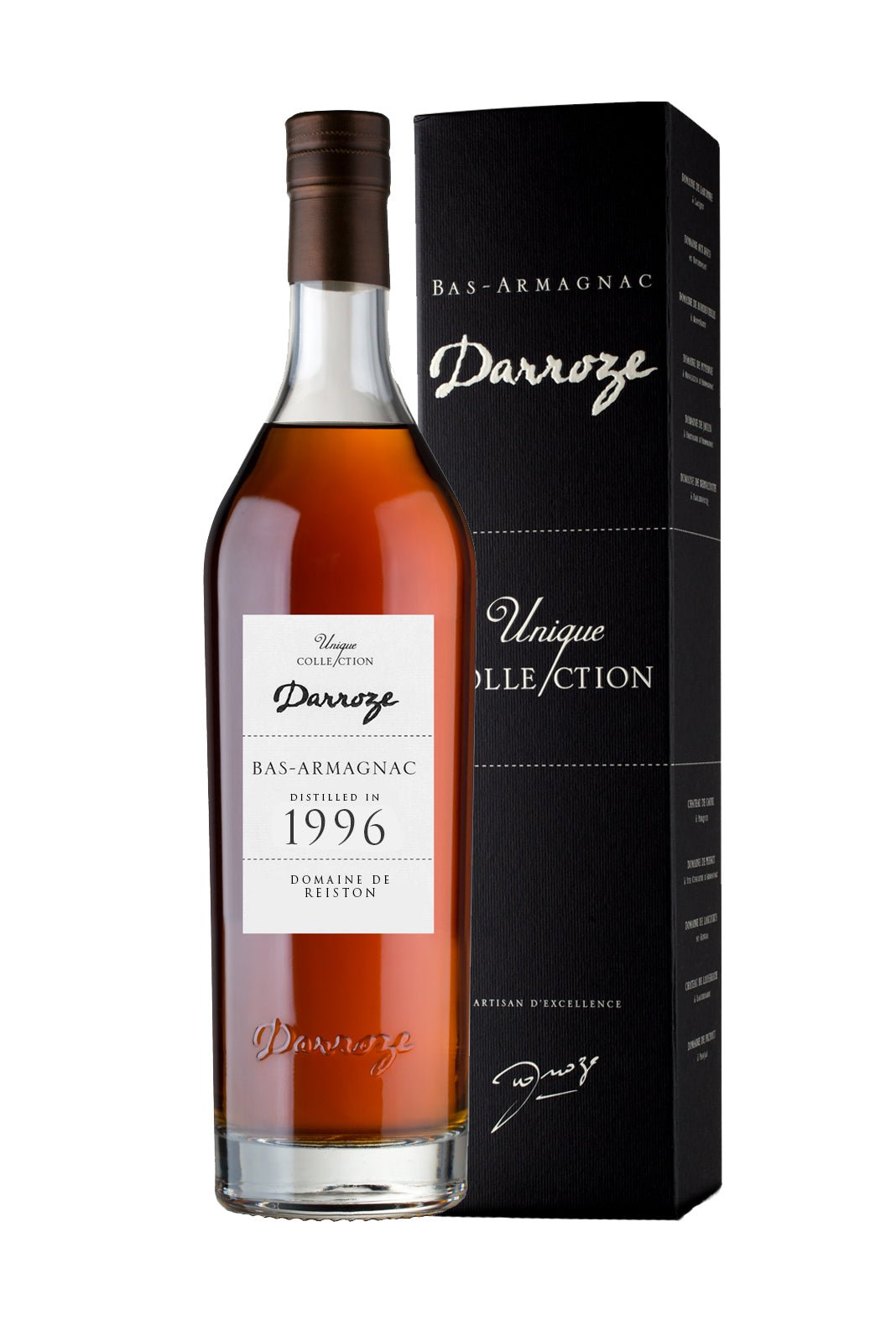
Darroze Grand Bas Armagnac Reston 1996 49.5% 700ml
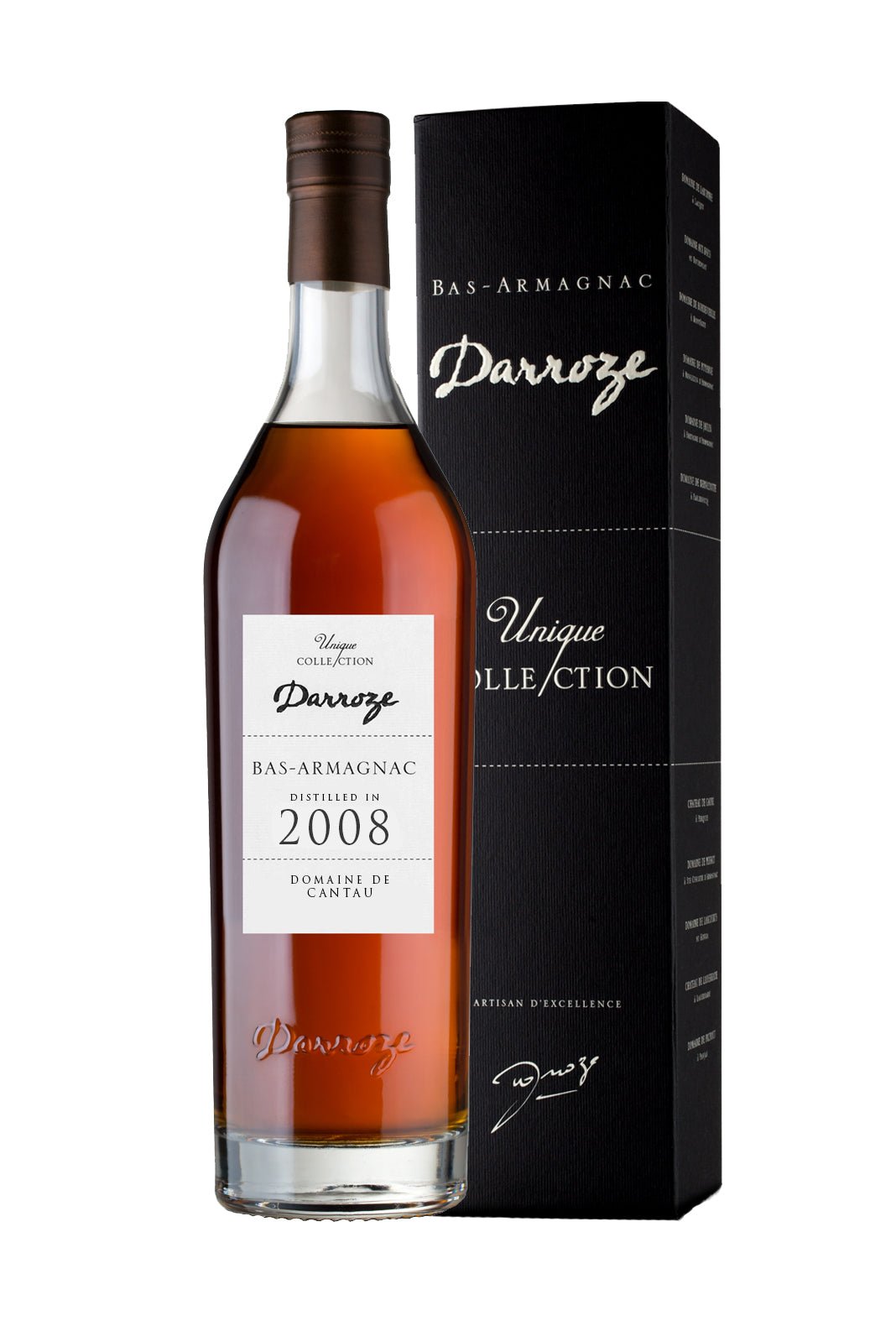
Darroze 2008 Cantau Grand Bar Armagnac 50% 700ml
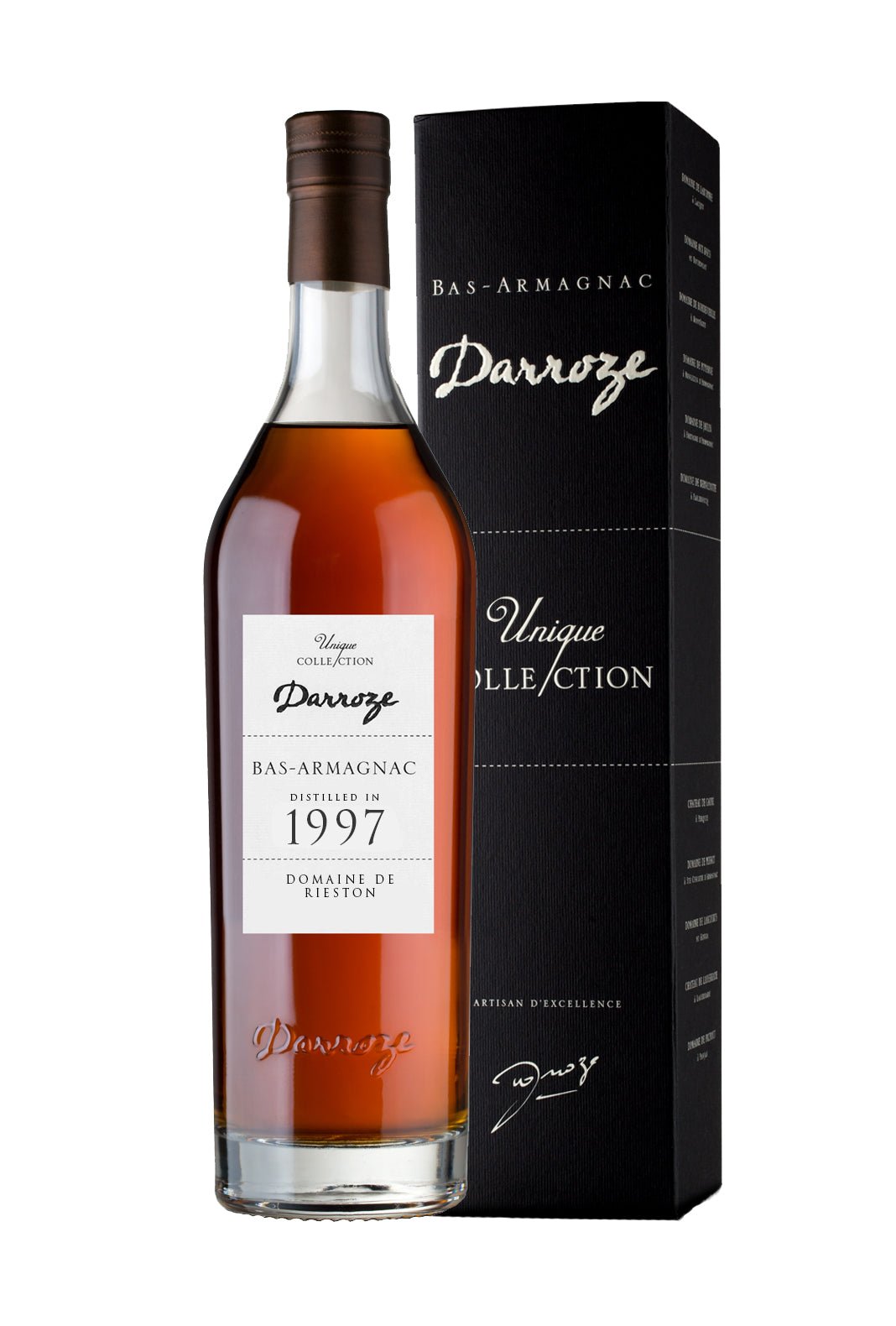
1997 Rieston GBA Darroze 49% 700ml
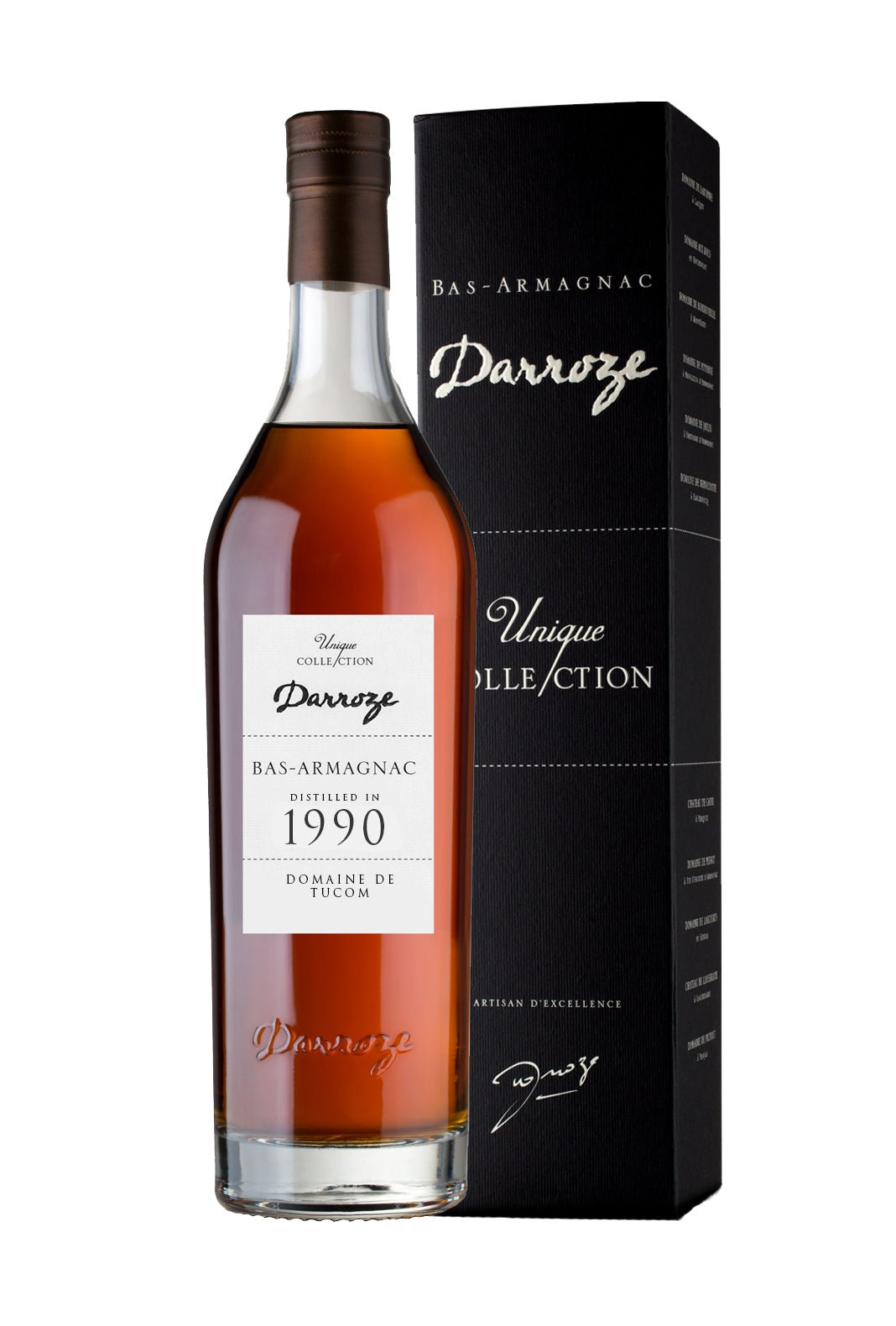
1990 Tucom GBA Darroze 48.5% 700ml
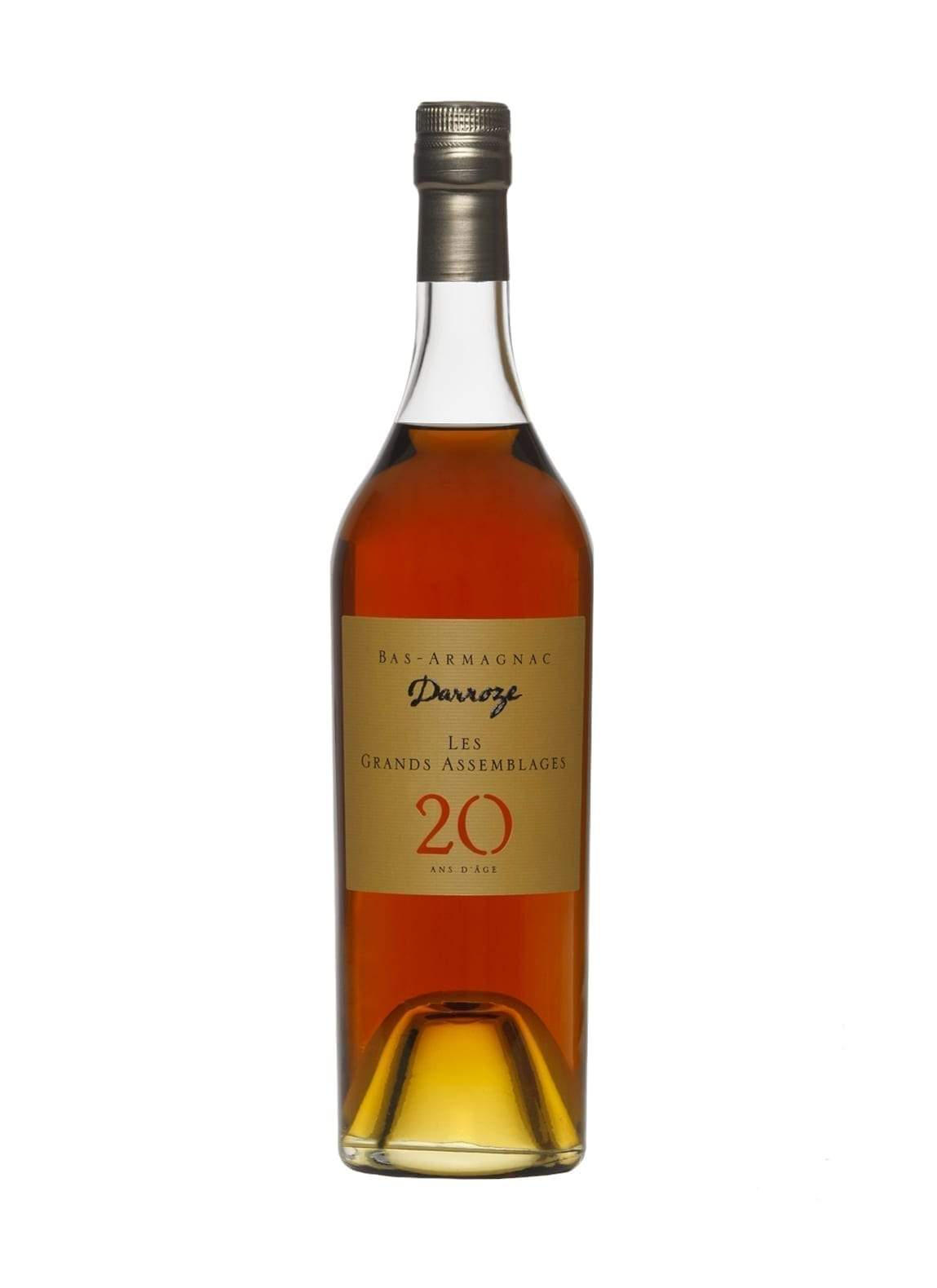
Darroze Grand Bas Armagnac Les Grands Assemblages 20 years 43% 700ml
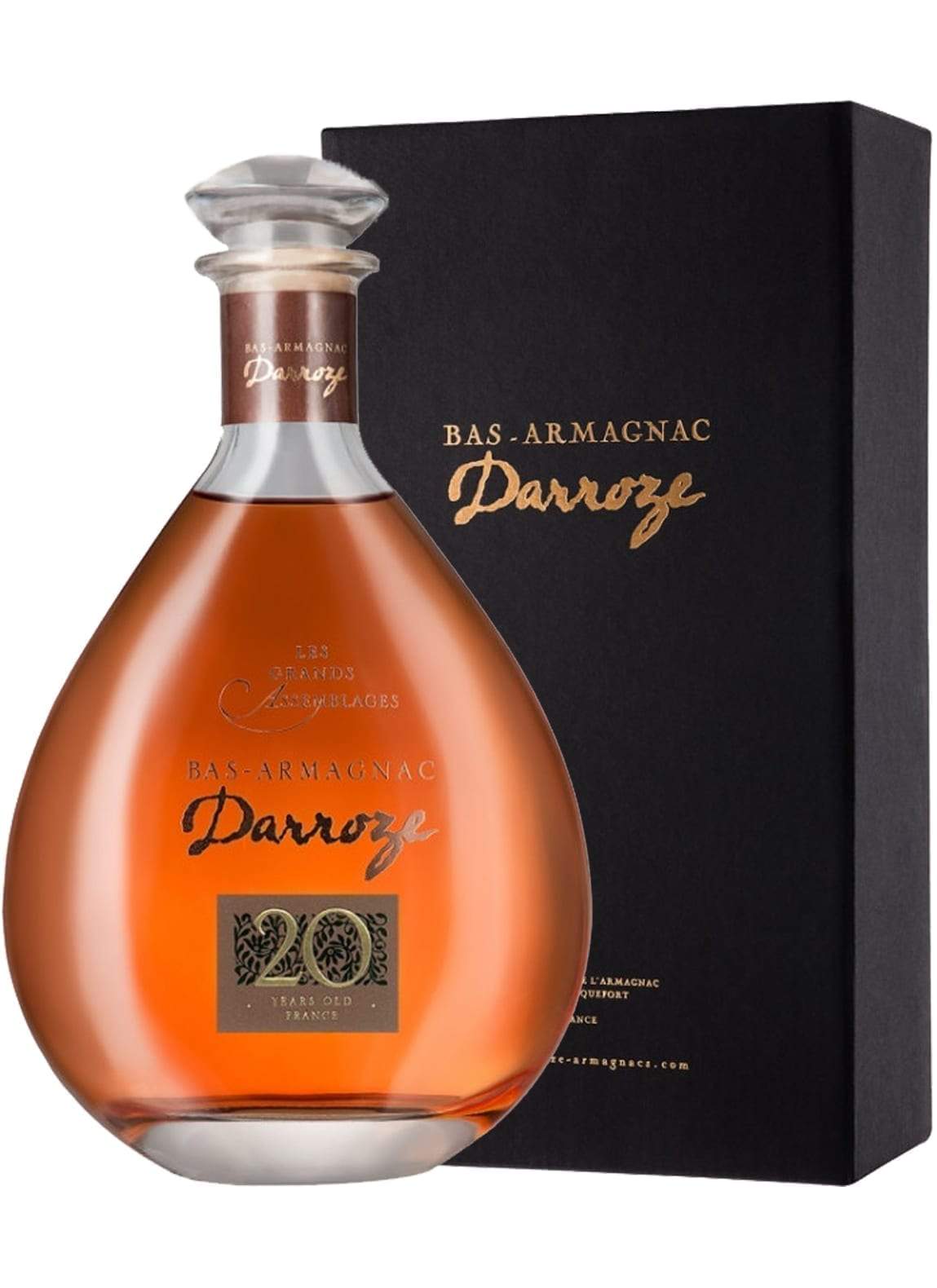
Darroze Grand Bas Armagnac Les Grands Assemblages 20 years Carafe 43% 700ml
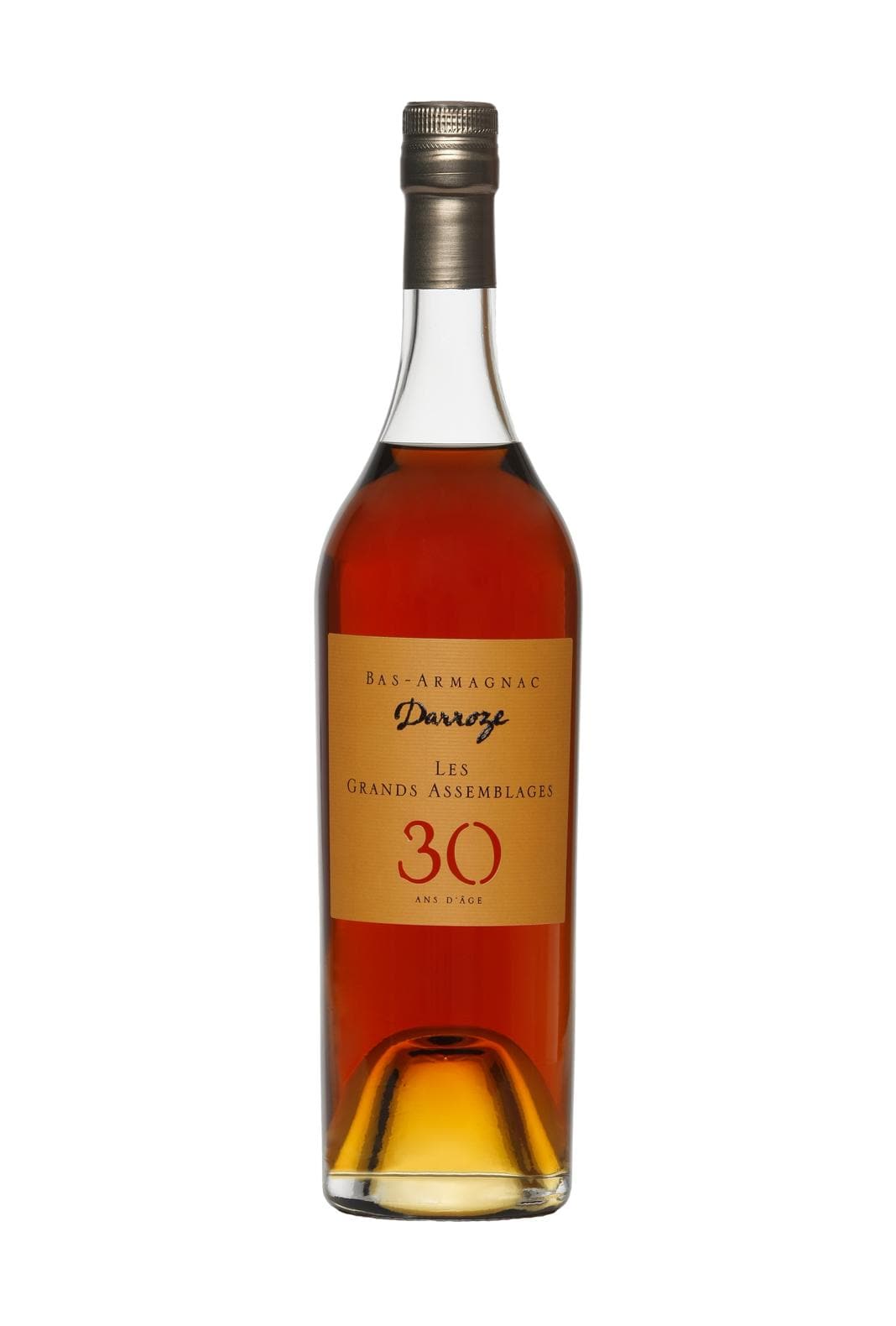
Darroze Grand Bas Armagnac Les Grands Assemblages 30 years 43% 700ml
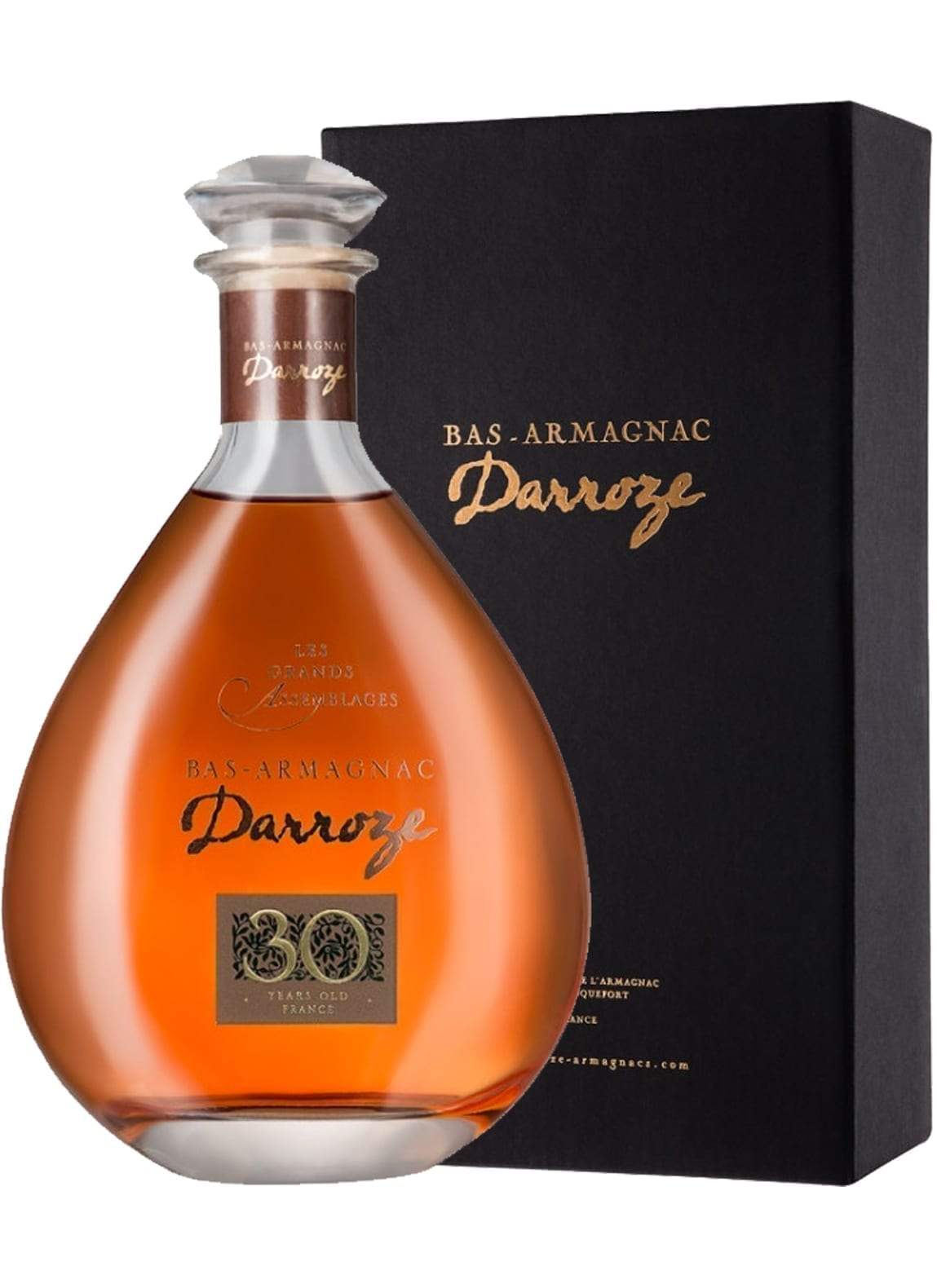
Darroze Grand Bas Armagnac Les Grands Assemblages 30 years Carafe 43% 700ml
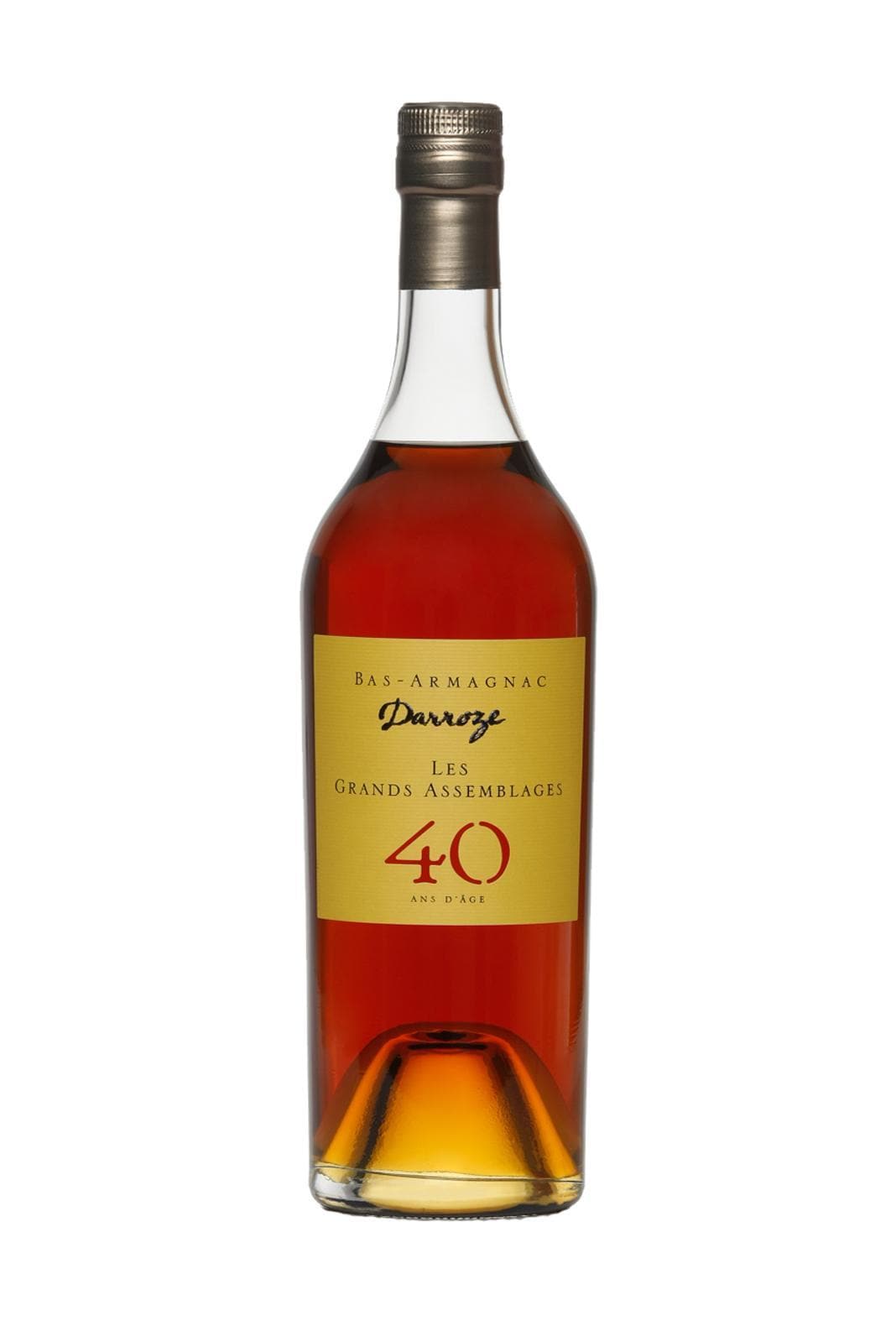
Darroze Grand Bas Armagnac Les Grands Assemblages 40 years 43% 700ml
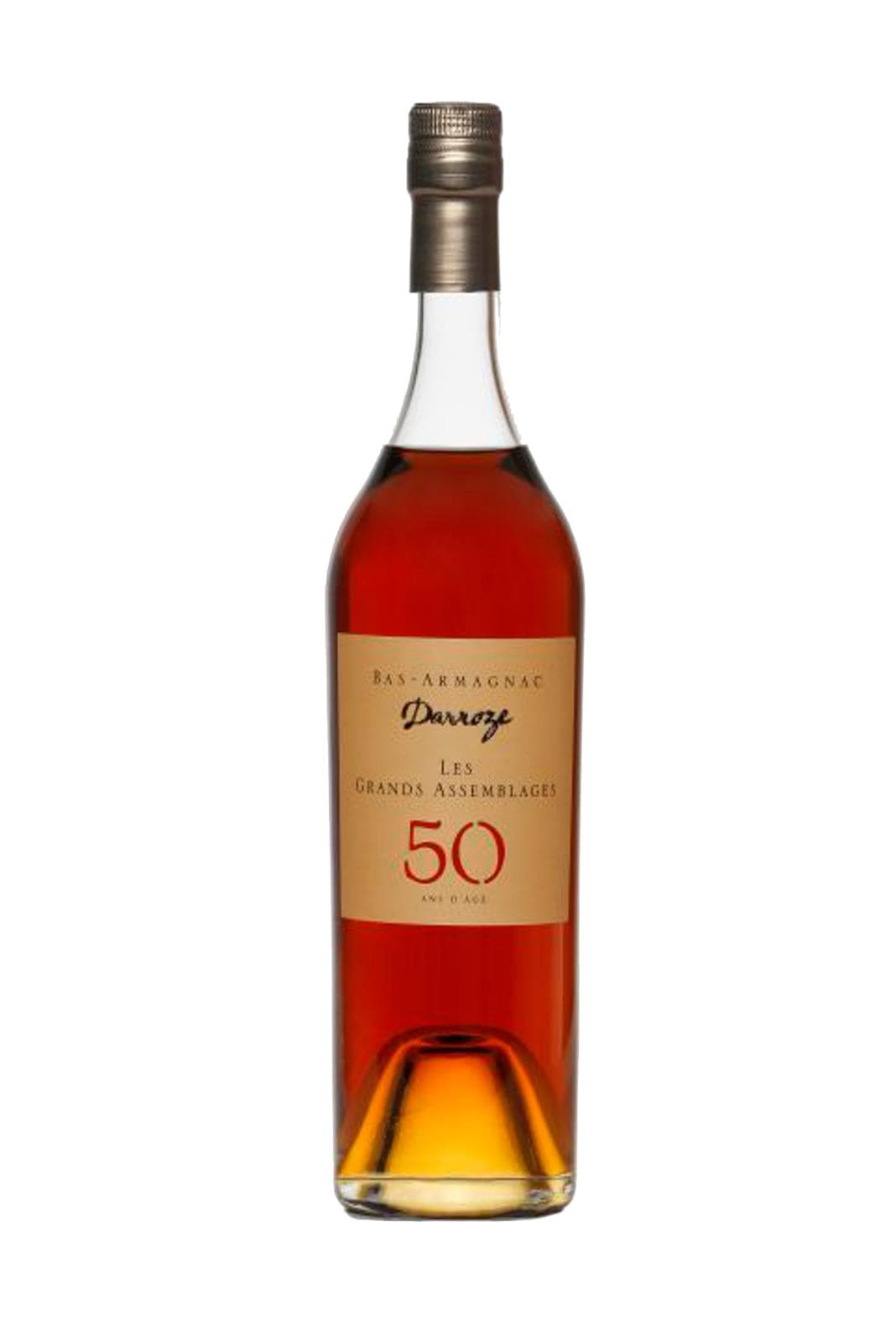
Darroze Grand Bas Armagnac Les Grands Assemblages 50 years 42% 700ml
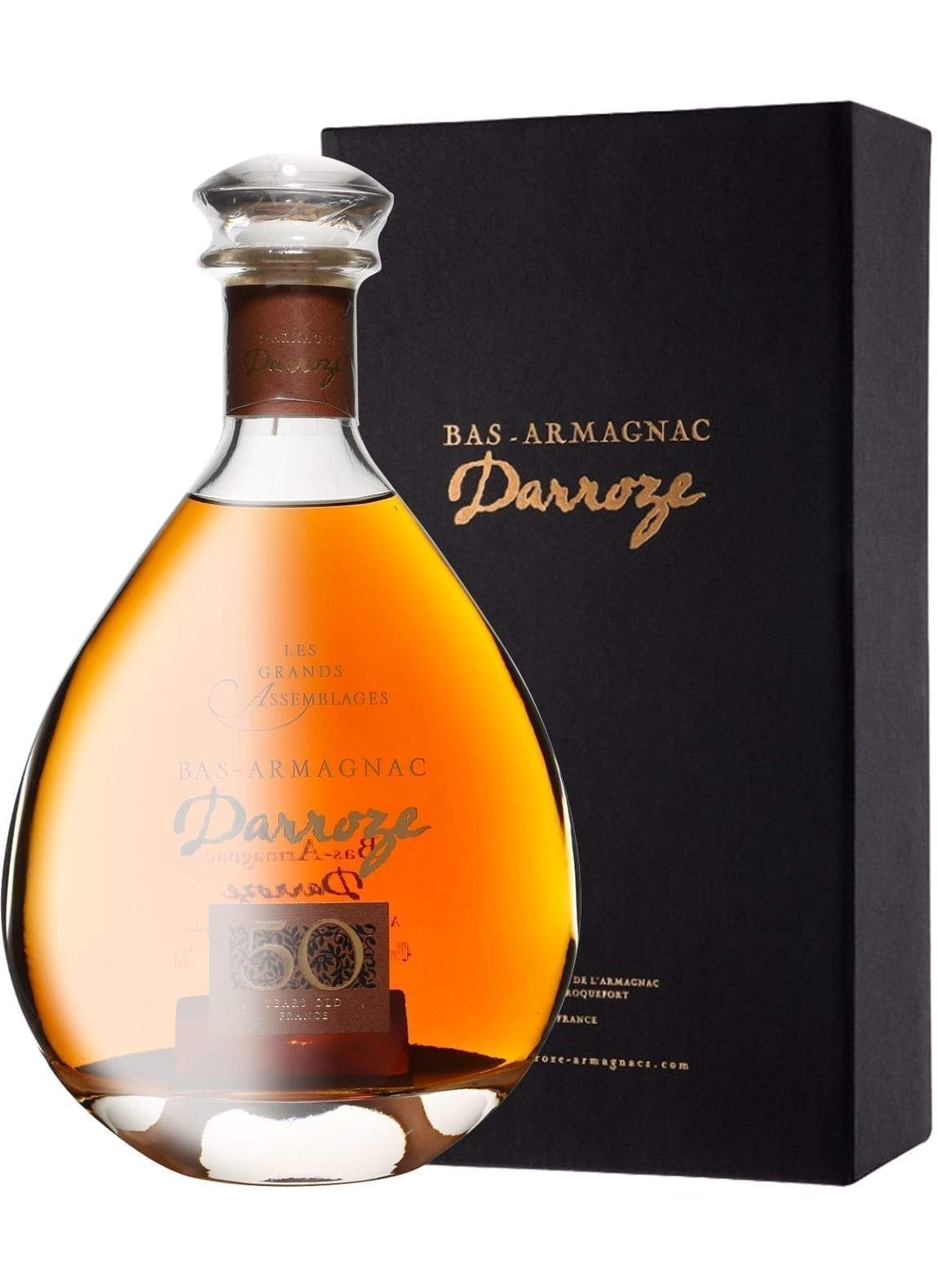
Darroze Grand Bas Armagnac Les Grands Assemblages 50 years Carafe 42% 700ml
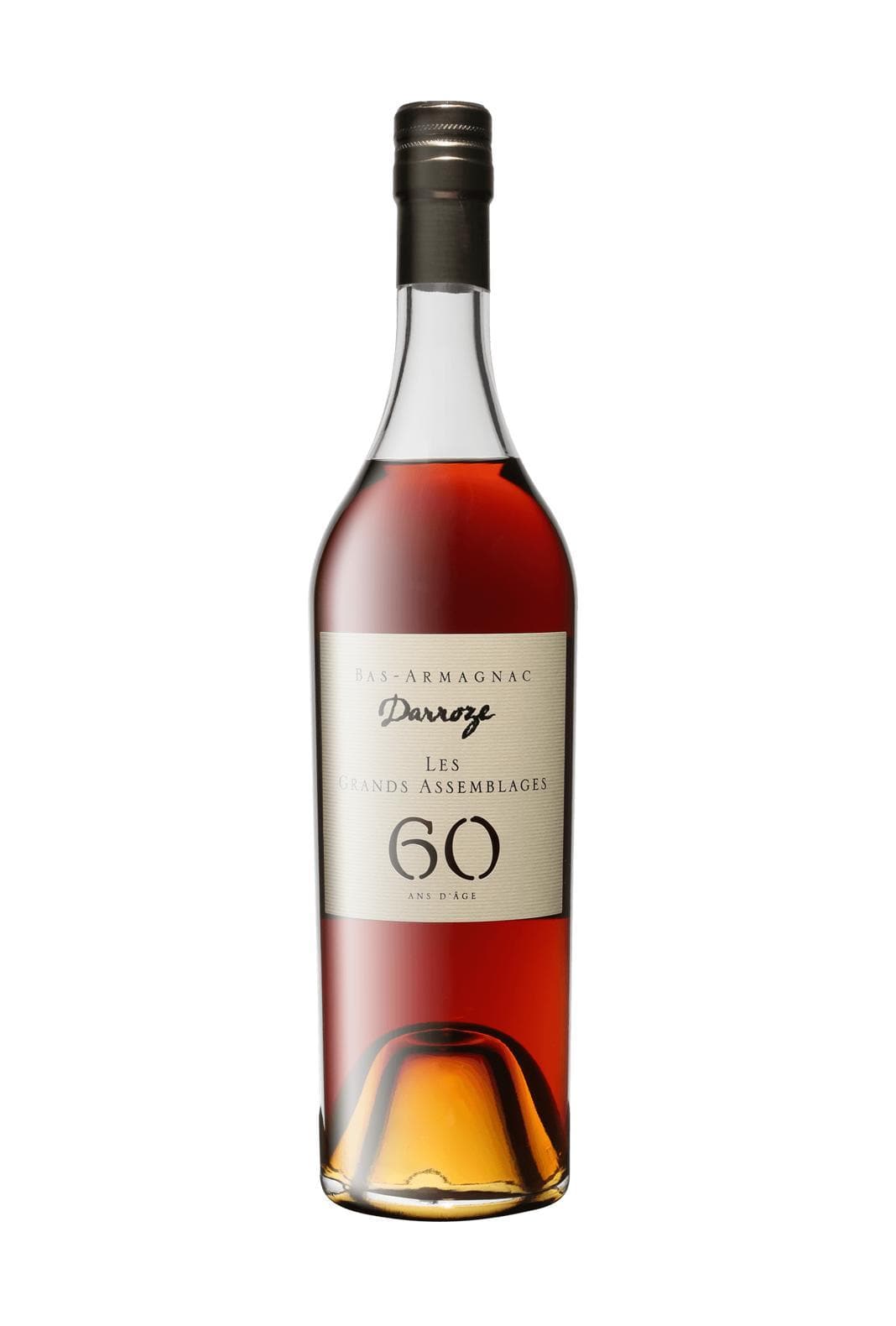
Darroze Bas Armagnac Les Grands Assemblages 60 years 42% 700ml
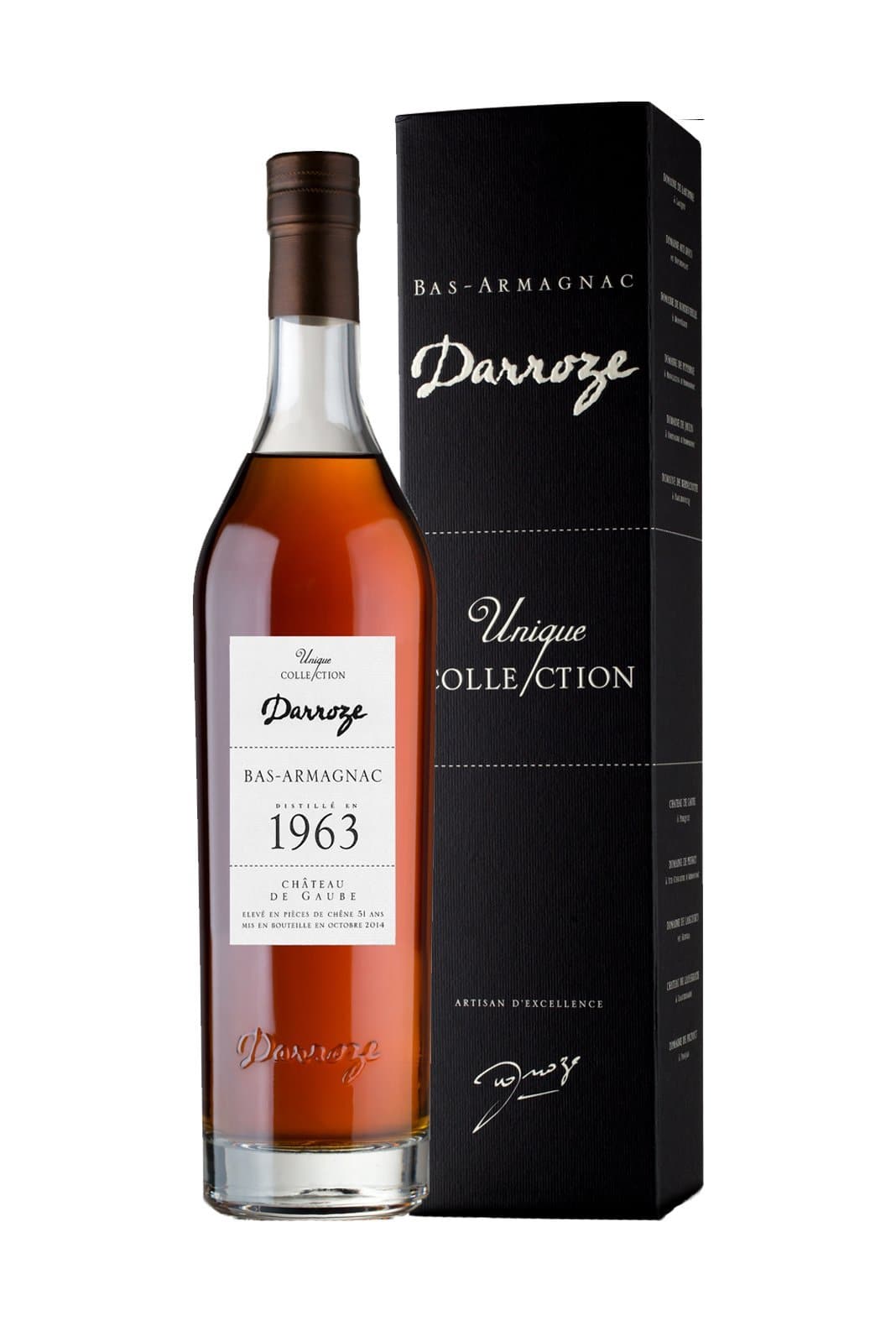
Darroze Bas Armagnac Chateau de Gaube 1963 43% 700ml
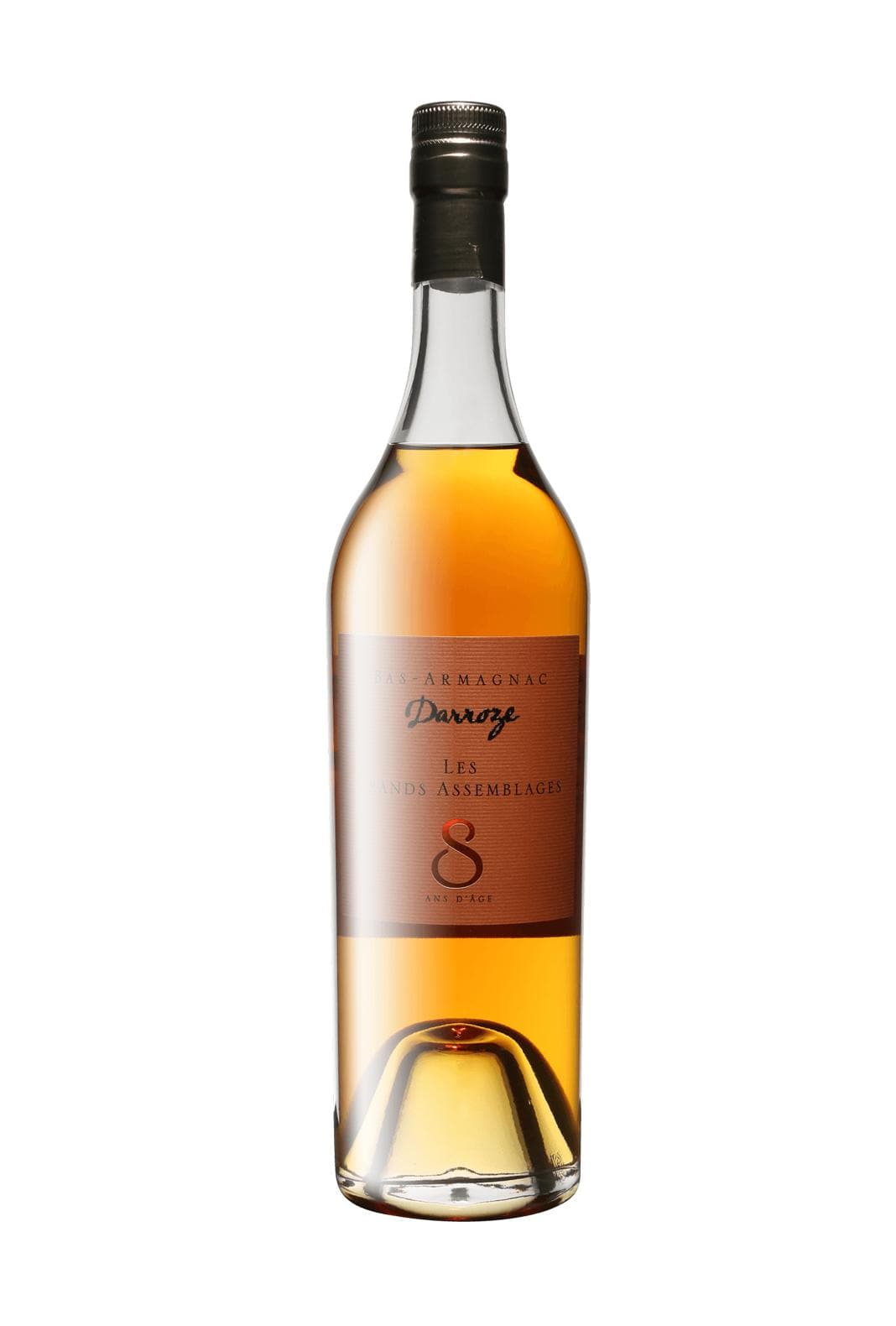
Darroze Bas Armagnac Les Grands Assemblages 8 years 43% 700ml
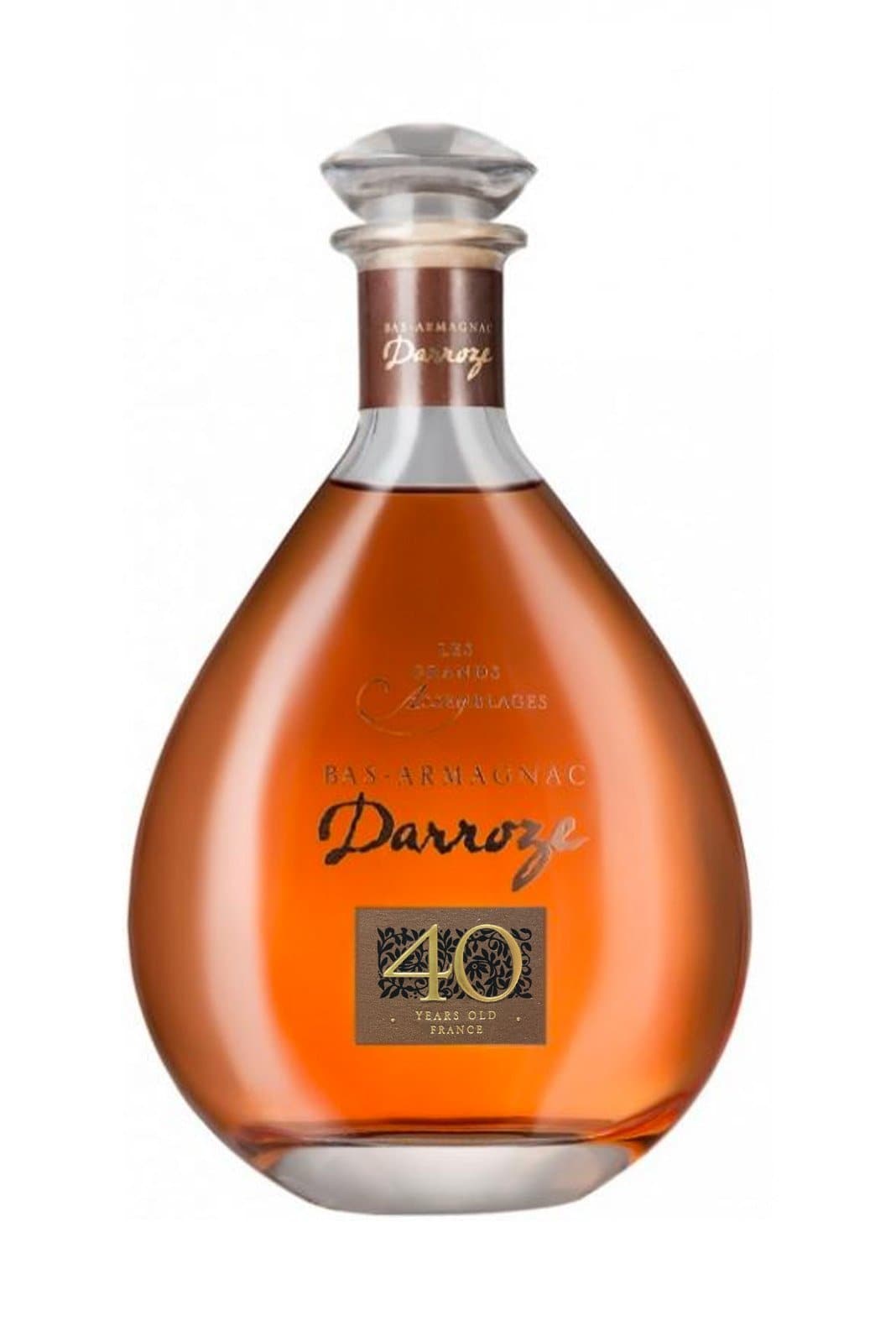
Darroze Grand Bas Armagnac Les Grands Assemblages 40 years Carafe 43% 700ml
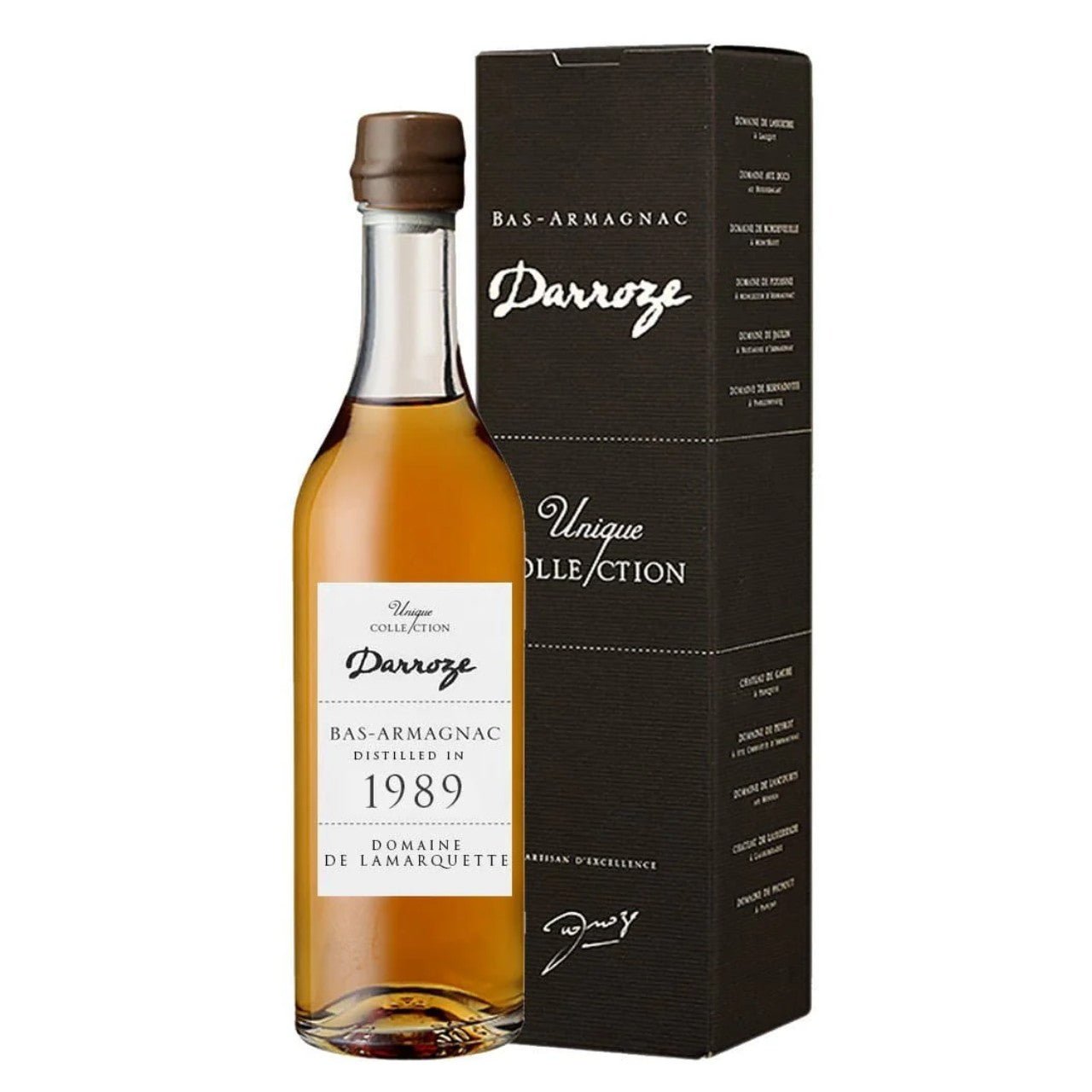
Darroze 1989 Lamarquette Bas Armagnac 49.7% 200ml
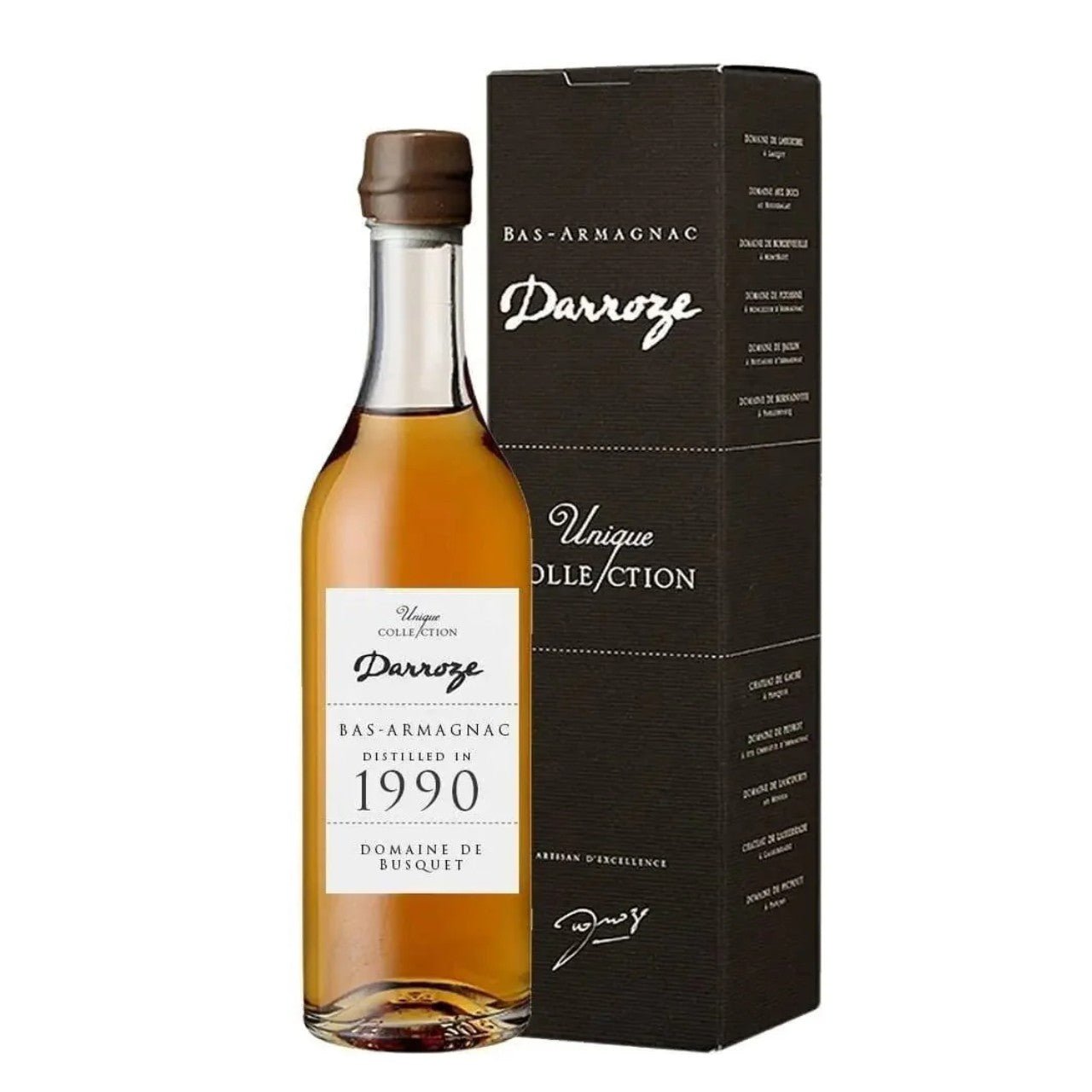
Darroze 1990 Domaine de Busquet Armagnac 49.8% 200ml
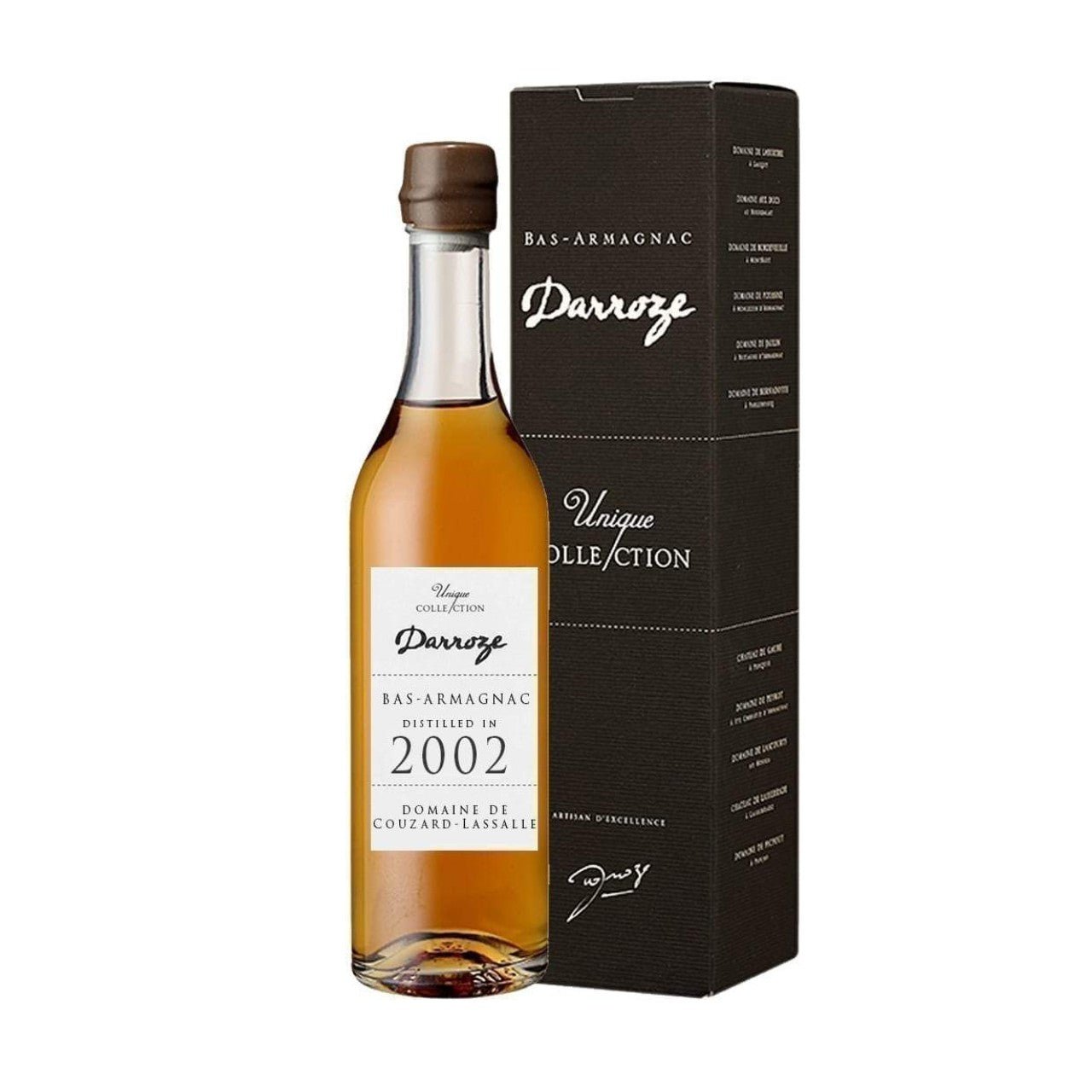
Darroze 2002 Couzard-Lassalle Grand Bas Armagnac 50% 200ml
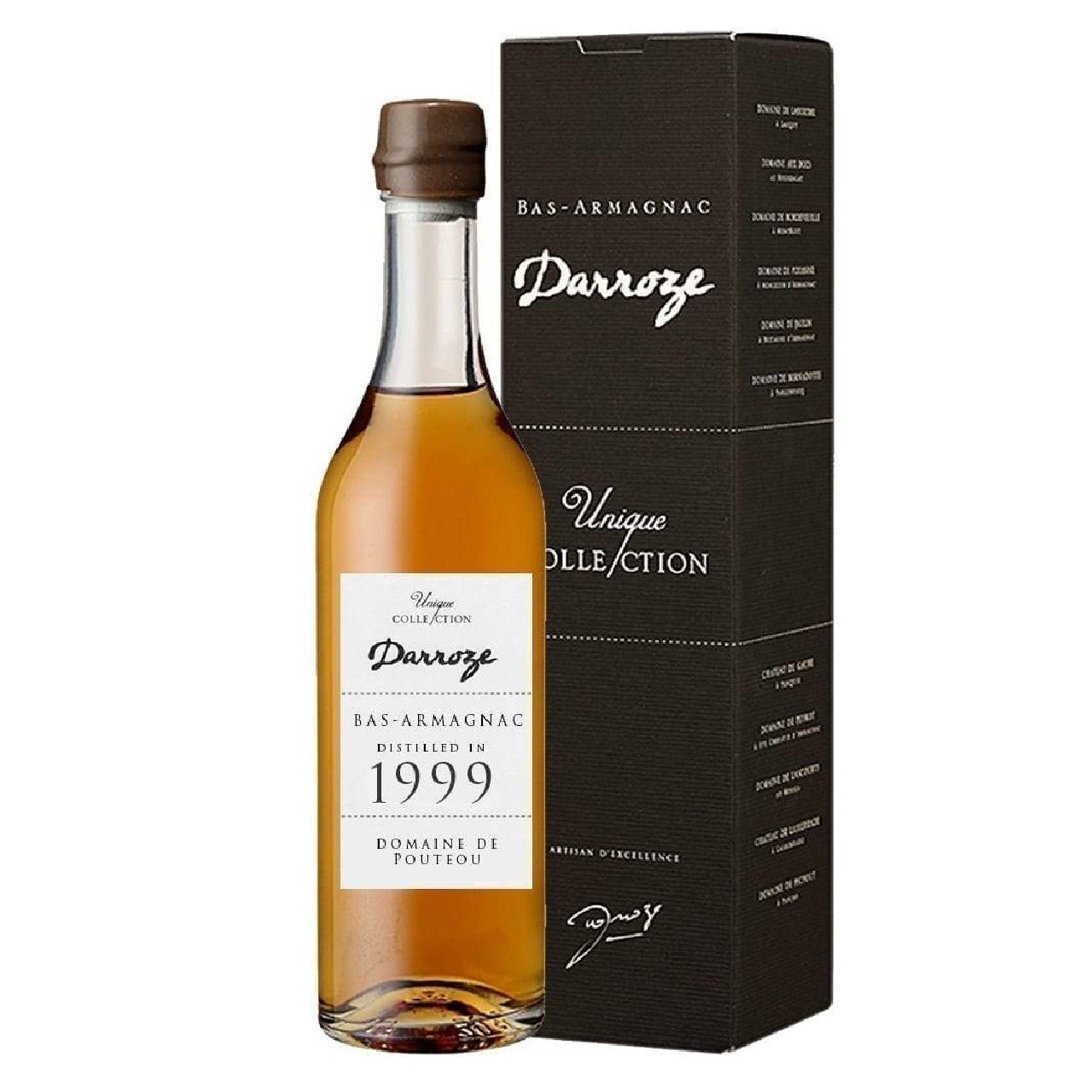
Darroze 1999 Pouteou Grand Bas Armagnac 48.8% 200ml
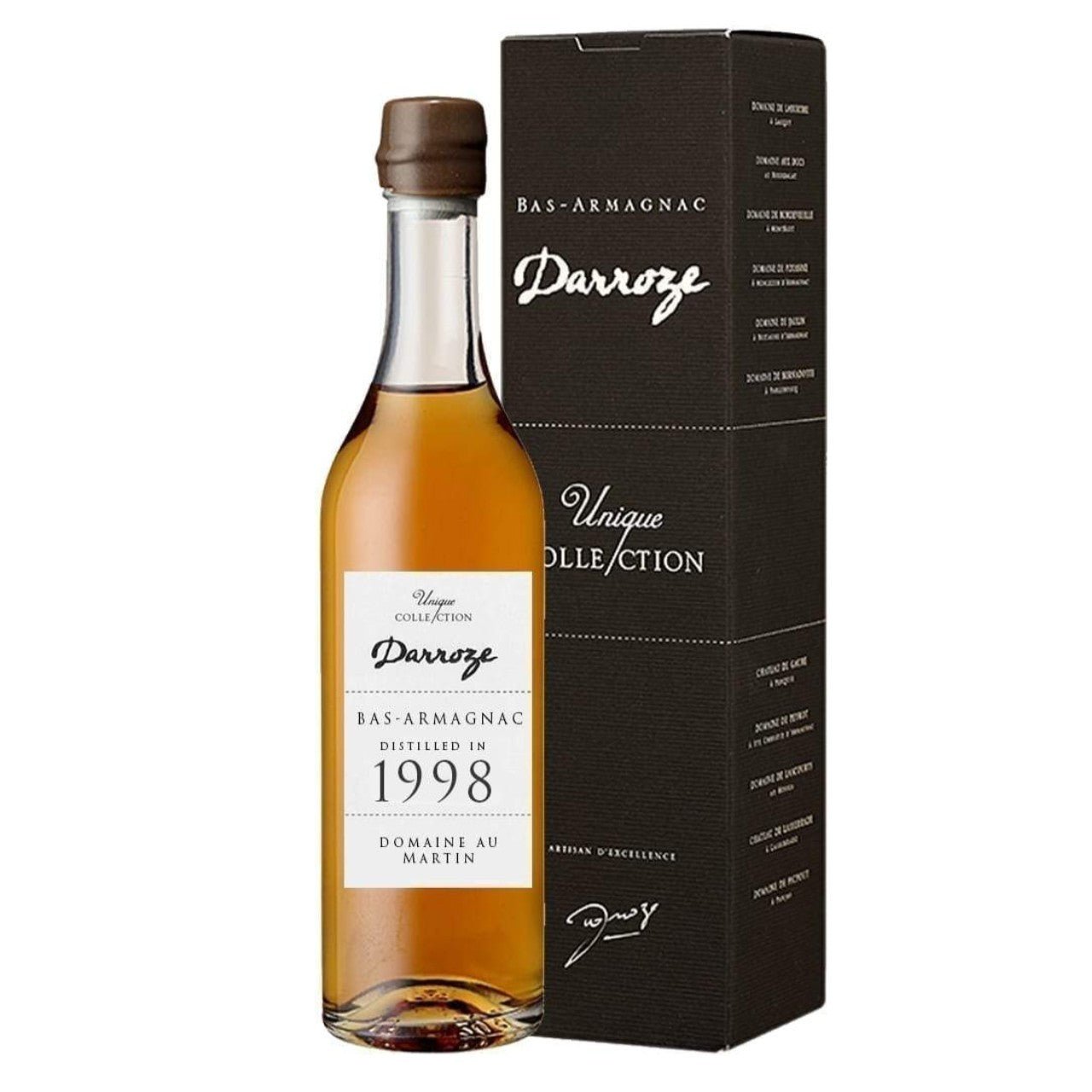
Darroze 1998 Au Martin Bas Armagnac 48.6% 200ml
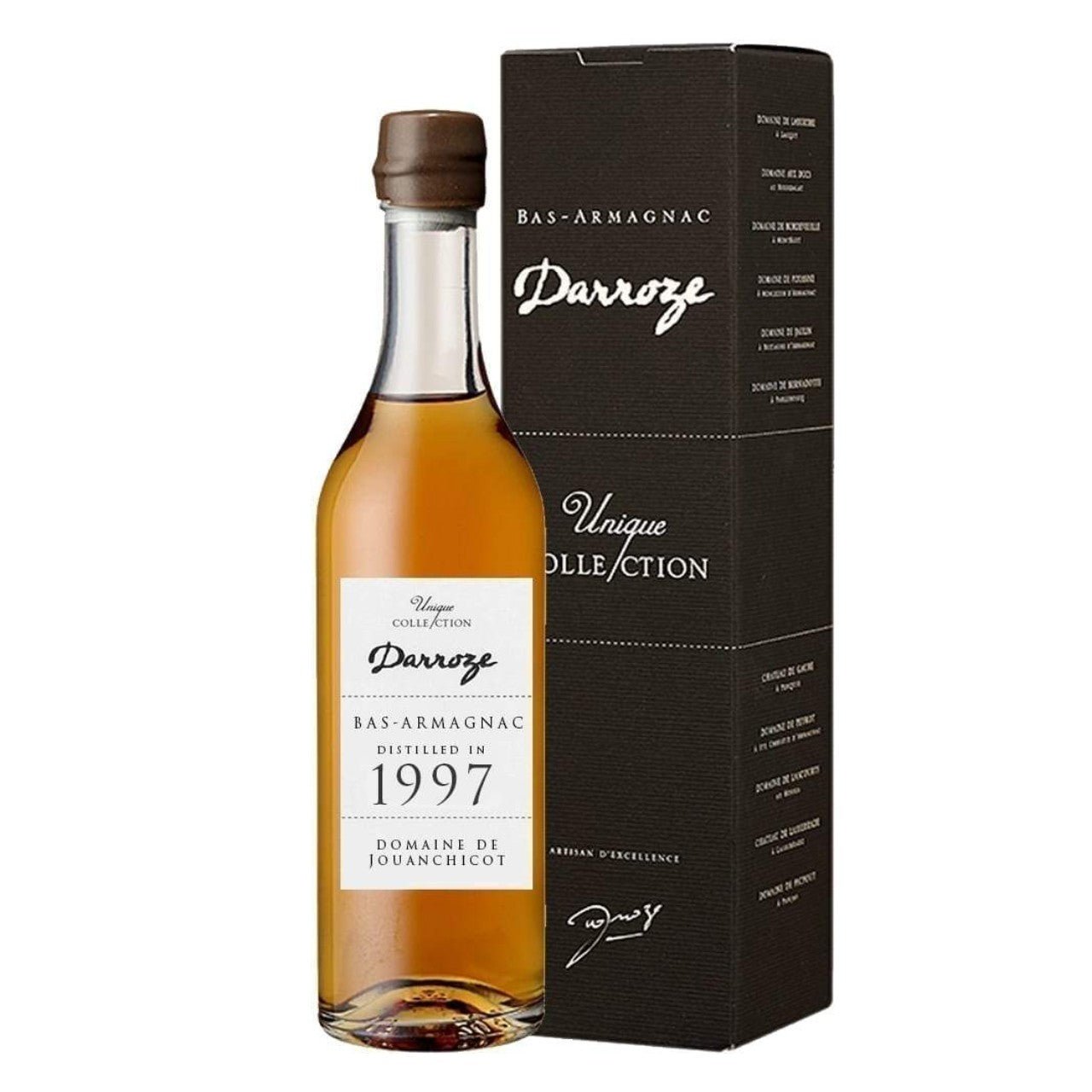
Darroze 1997 Jouanchicot Grand Bas Armagnac 50% 200ml
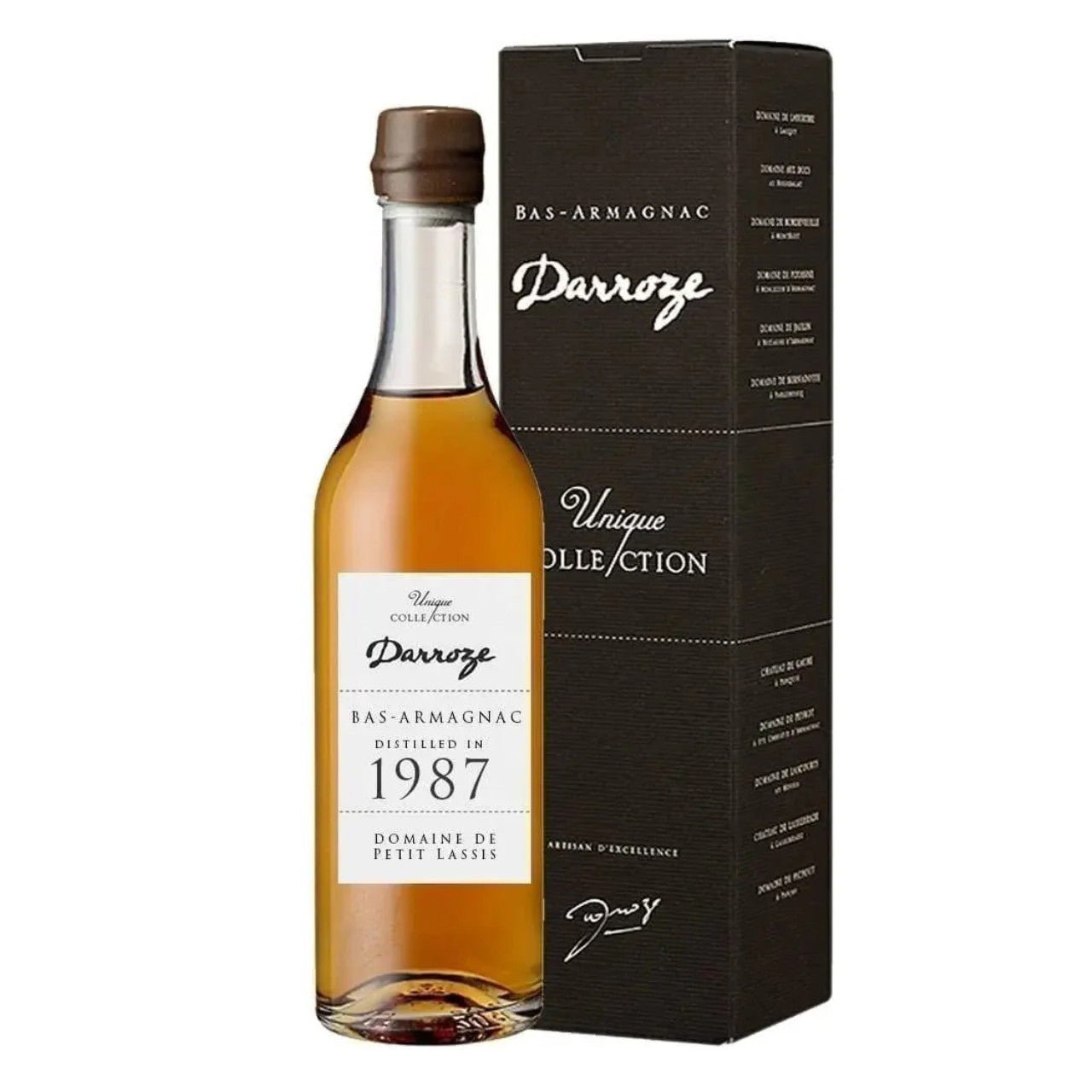
Darroze 1987 Petit Lassis Bas Armagnac 48% 200ml
About Darroze Armagnac Vintage Collection
Darroze does not own vineyards. The house buys spirit from a small circle of Gascon farms, ages it in its own cellars at Roquefort in the Landes, and bottles each one separately under the name of the property and the year it was made. That is why the labels read Domaine le Tuc, Bellair, Lahitte, Rieston, Gaube, Monturon or Paguy rather than a brand name, and why two Darroze bottles from the same decade can taste nothing alike.
Vintages come and go here as single casks empty, so treat the year list as a moving target. What is constant is the rest of the range. Les Grands Assemblages 8 Years is the entry point, with 12 Years, 20 Years and older blends stepping up to sixty. At the other end sit the unaged whites: Blanche d'Armagnac from pure Folle Blanche, a Baco Blanche and an Ugni Blanche, which between them make an unusually clear lesson in what each grape contributes.
The Mixology bottlings are made for bar use. Everything is delivered across Australia. See also the wider armagnac and brandy ranges.
History
Armagnac is the older of the two great French brandies, documented in Gascony in the early fourteenth century, roughly three hundred years before cognac. It is made in three zones, of which two matter here. Bas Armagnac, in the west, sits on acidic sand the locals call sables fauves and gives the most perfumed and prized spirit; Tenareze, to its east, has more clay and limestone and produces a firmer, slower maturing style. Both appear on this page. The third, Haut Armagnac, makes very little and is rarely seen in a bottle.
The still is the other difference. Most armagnac runs through an alambic armagnacais, a small continuous copper column that distils once and comes off at a relatively low strength, so it keeps far more of the wine's texture and fruit than a spirit taken up to ninety per cent would. The grapes add their own signature. Alongside Ugni Blanc and Folle Blanche, Armagnac permits Baco 22A, a hybrid vine banned everywhere else in French appellation wine, which thrives on the sand and gives the plummy, mellow character many people recognise as the region's house style.
Darroze grew out of a restaurant. The family ran the Hotel Restaurant Darroze at Villeneuve de Marsan, and from the 1970s Francis Darroze started buying casks from farmers who had the eau de vie but not the capital to age it for thirty years. His son Marc took over in the 1990s and kept the method: buy young, age long, bottle single, reduce as little as possible. Compare it with cognac to hear what a second distillation does.
How to drink it
Armagnac is a room temperature spirit. Ice mutes it and heat burns it off, so pour about 30ml into a tulip or a copita and leave the brandy balloon alone. Give it a few minutes standing before the first sip. Many Darroze bottlings are near cask strength, well above the 40 per cent most brandy sits at, so a few drops of water are genuinely useful rather than a compromise.
Food is where armagnac makes more sense than cognac. Gascony eats it with foie gras, roast duck and prunes, and those pairings hold. Dark chocolate above 70 per cent, walnuts, aged hard cheese and a plain fruit tart all work. The classic move is prunes steeped in armagnac, served with the spirit alongside.
Start with Les Grands Assemblages 8 Years to learn the house grip, then jump to a single domaine vintage once you know whether you prefer the sandy Bas Armagnac perfume or the firmer Tenareze. If you mix, the two Mixology bottles are the ones to reach for: the Mixology Blanche stands in for gin or blanco tequila in a sour, and the VC is the one to try in an Old Fashioned.
Stored upright and out of direct light, an open bottle stays good for a couple of years. Older armagnac is more fragile than young once opened, so finish a fifty year old bottling within a year rather than saving it indefinitely.