
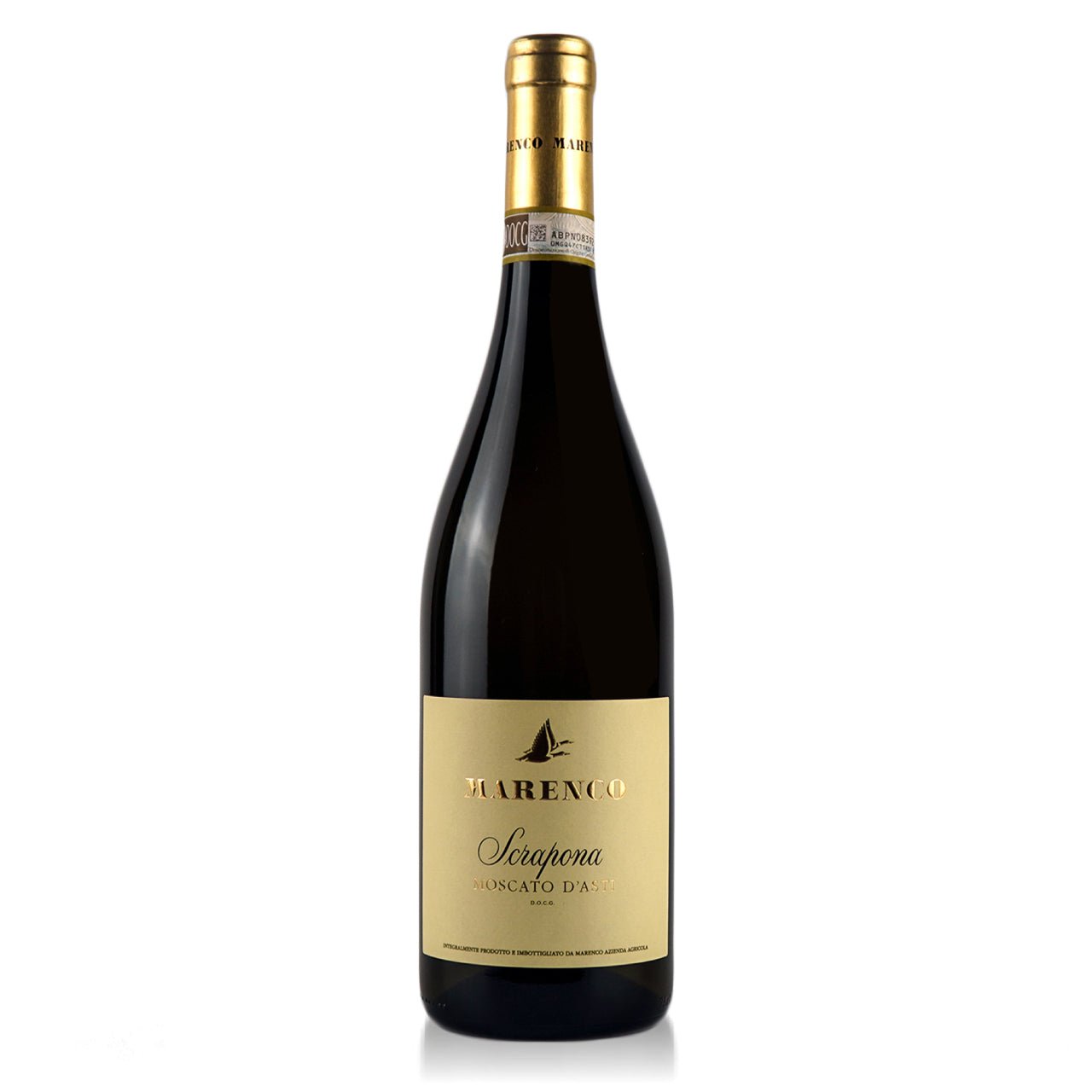
Marenco Scrapona Moscato d'Asti 2020 375ml - Piedmont
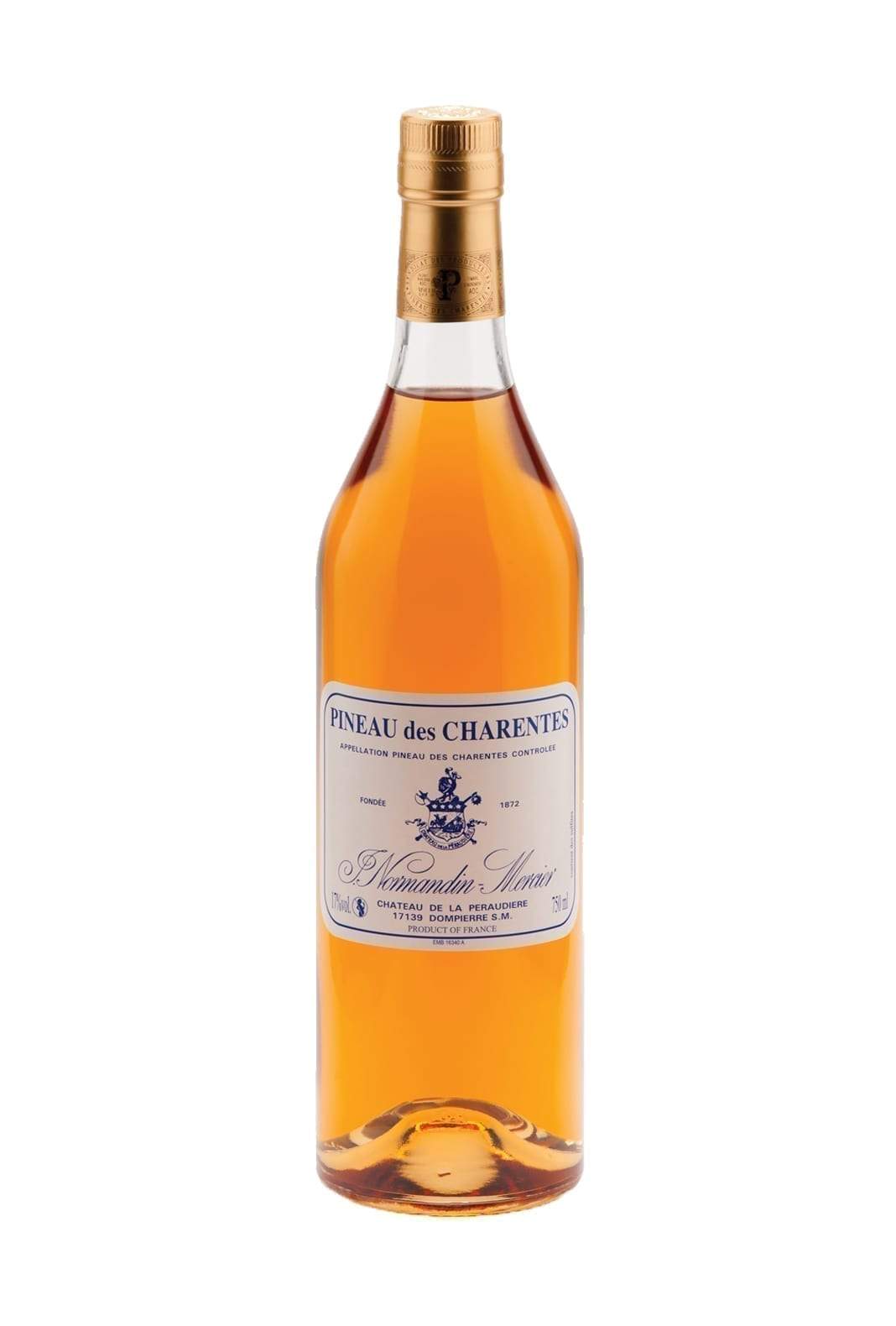
Normandin-Mercier Aperitif Pineau des Charentes Blanc (White) 17% 750ml
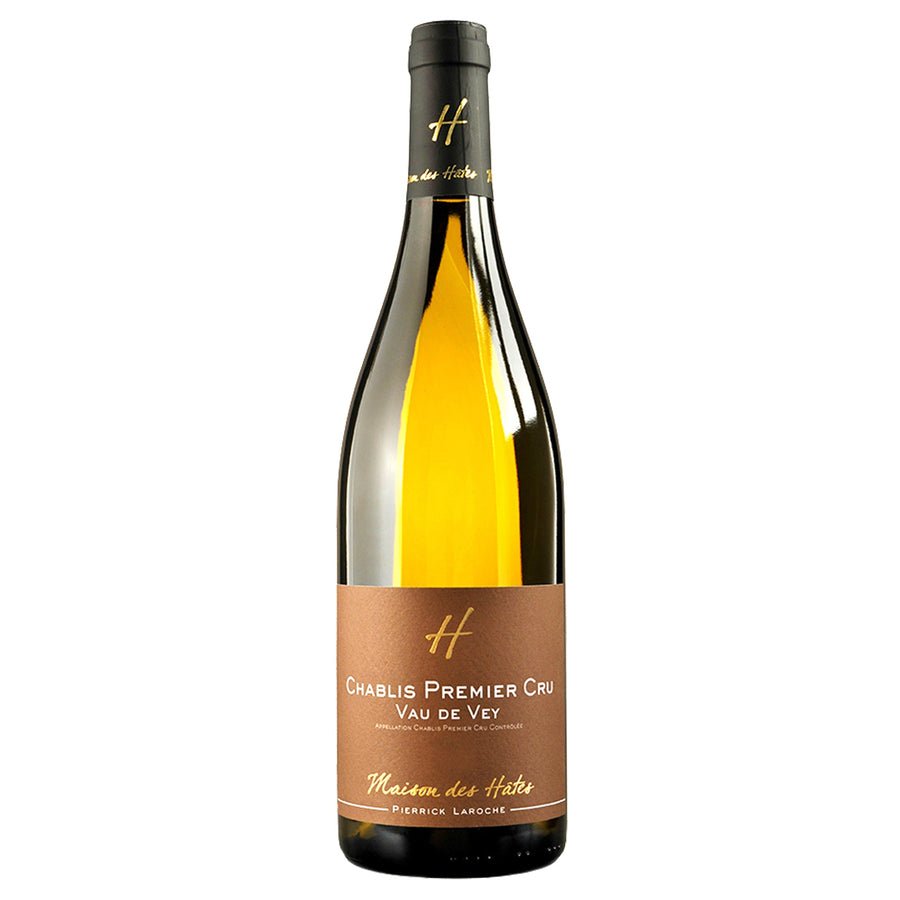
Pierrick Laroche Chablis 1er Cru Vau de Vey 2022
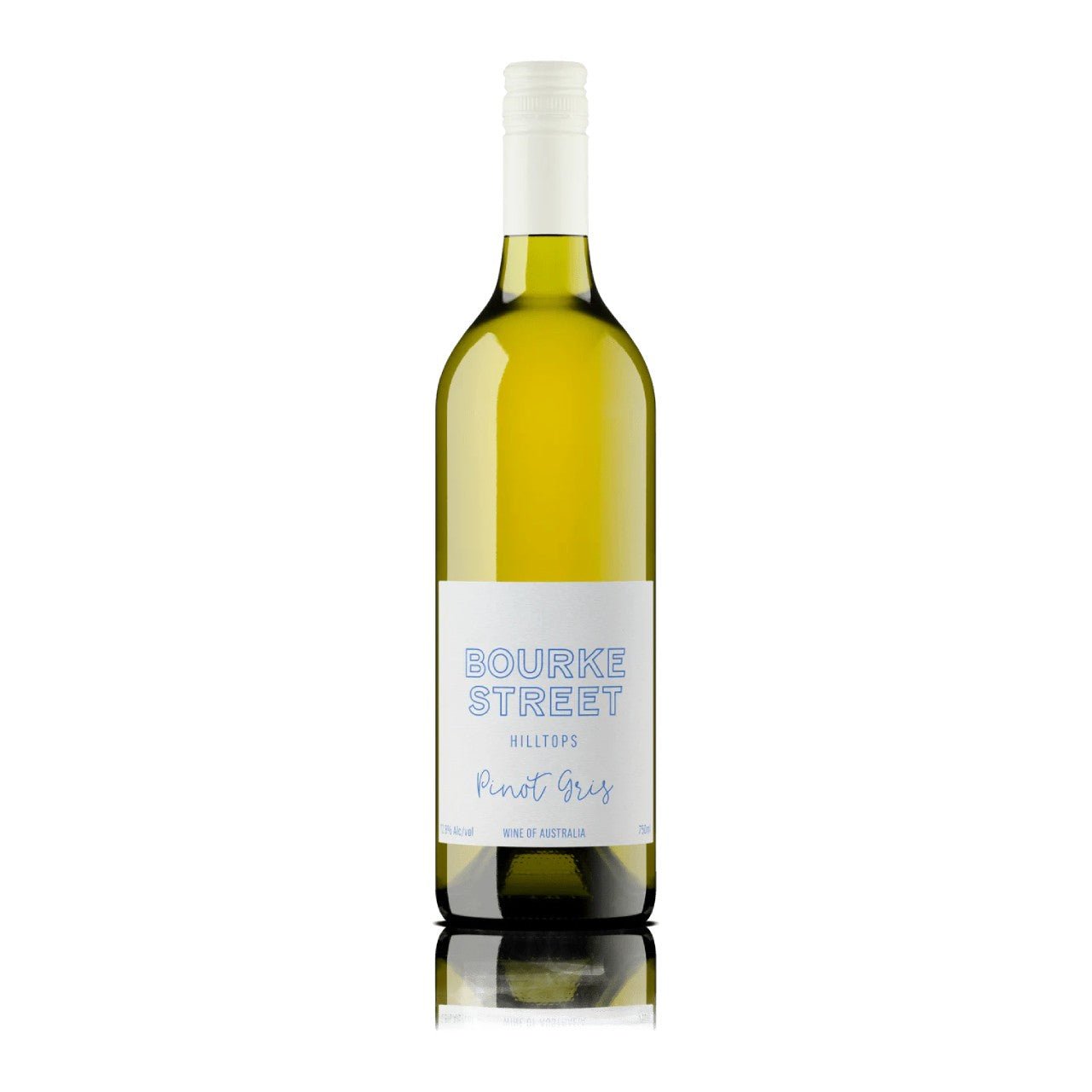
Bourke Street Pinot Gris 750ml
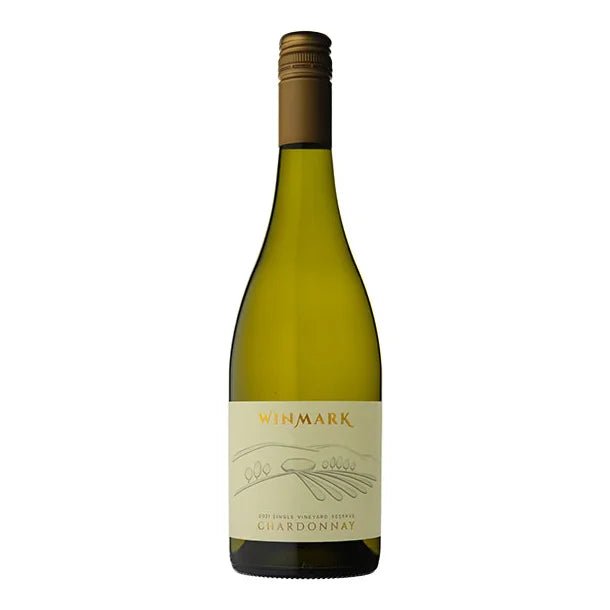
Winmark Single Vineyard Reserve Chardonnay 2022
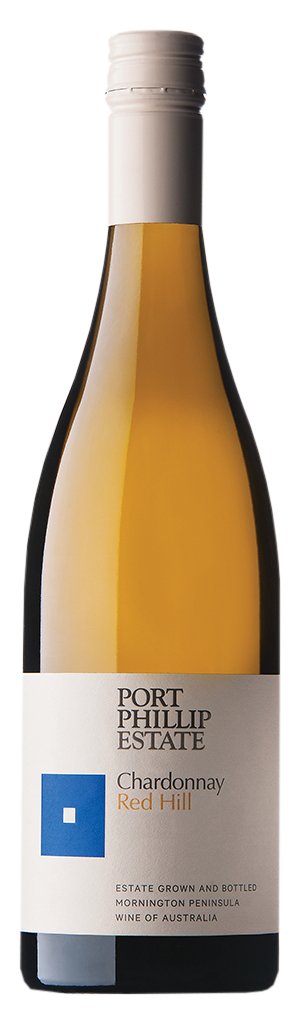
Port Phillip Estate Red Hill Chardonnay
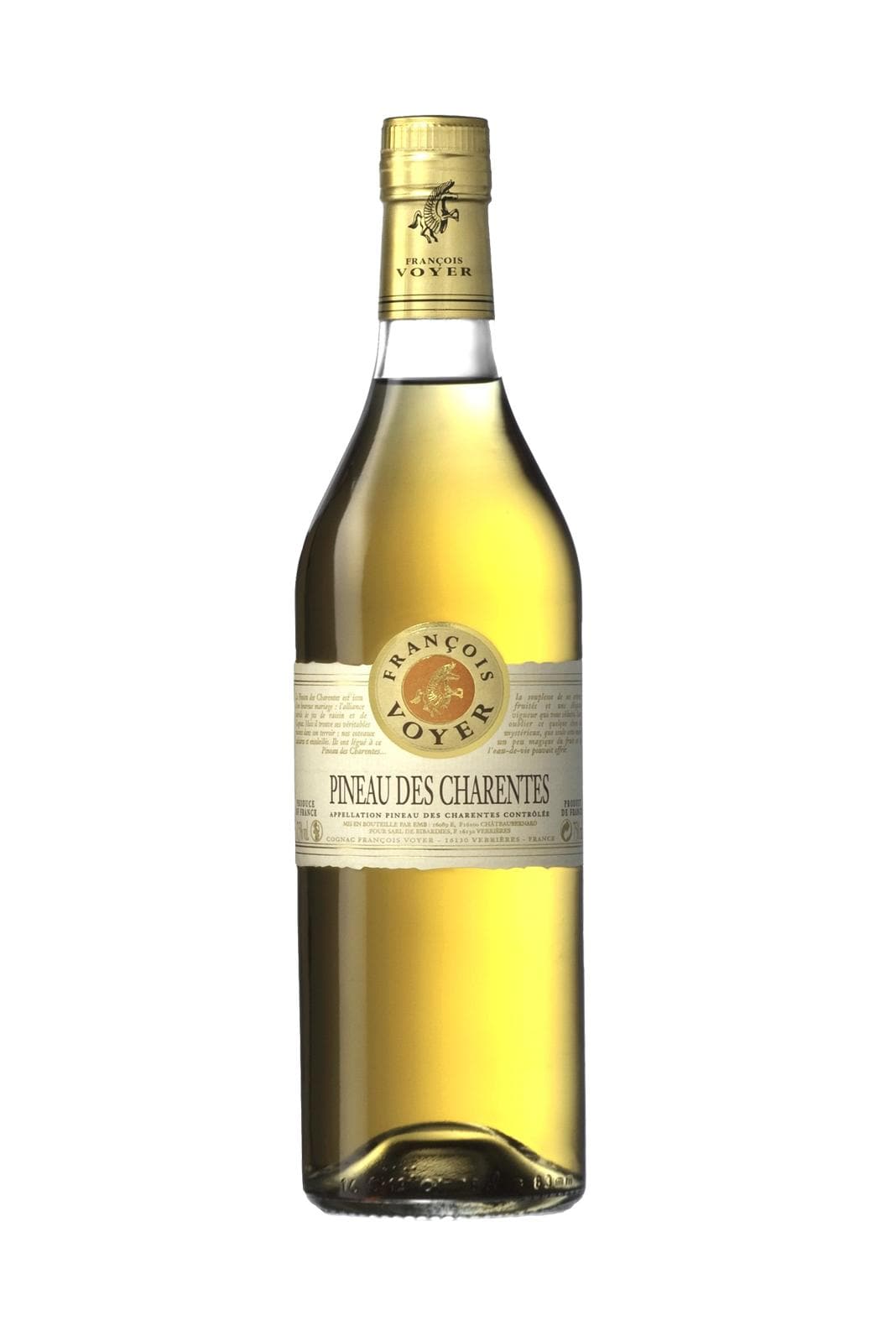
Francois Voyer Pineau des Charentes Blanc (White Mistelle) 17.5% 750ml
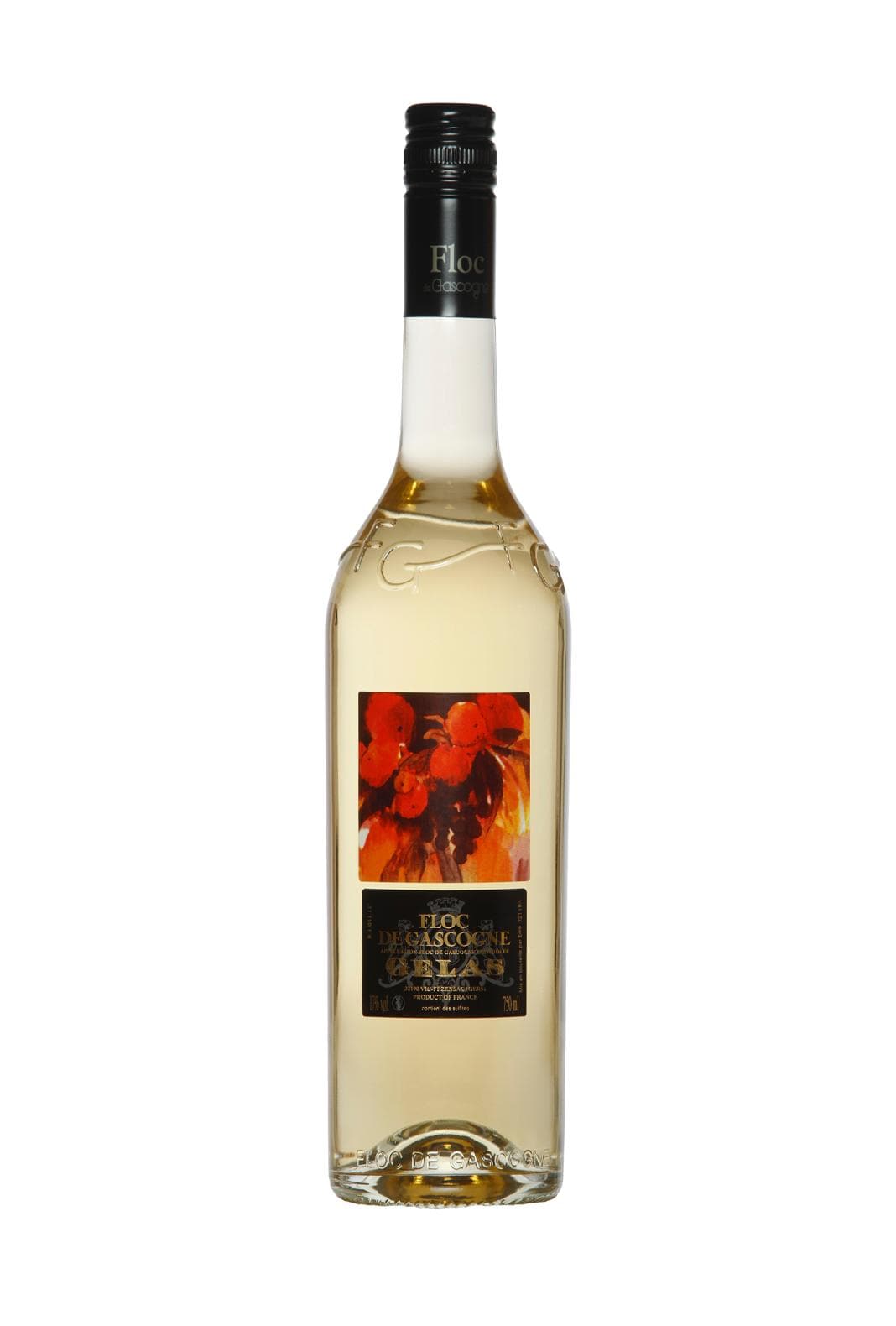
Gelas Floc de Gascogne Blanc (White Mistelle) 17% 750ml
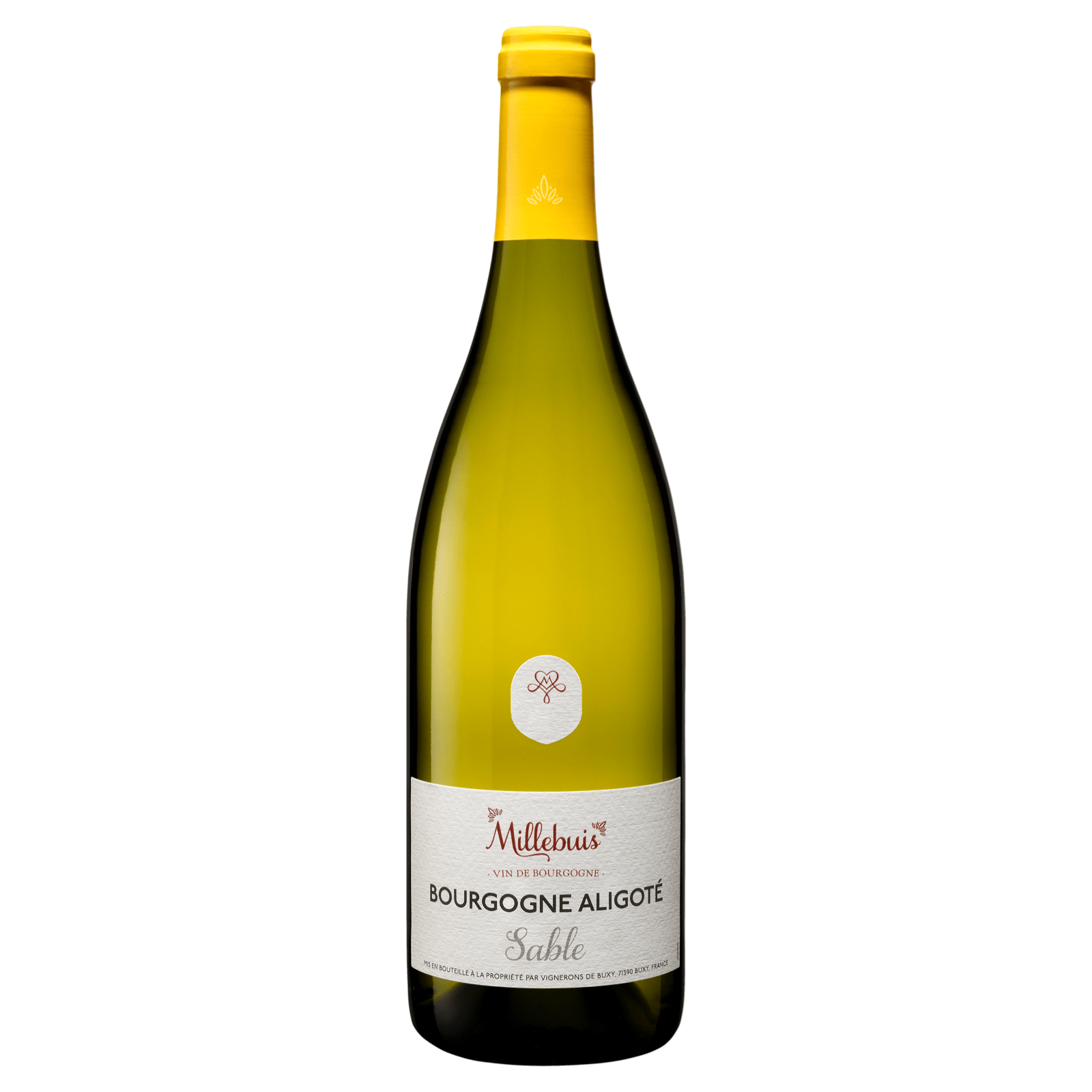
Millebuis - Bourgogne Aligoté "Sable" 2023 12.5% 750ML
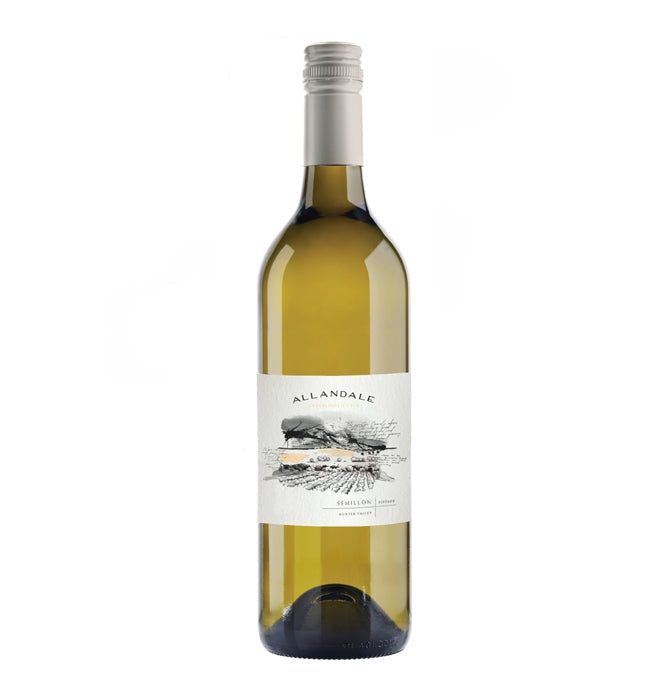
Allandale Winery Semillon 2023
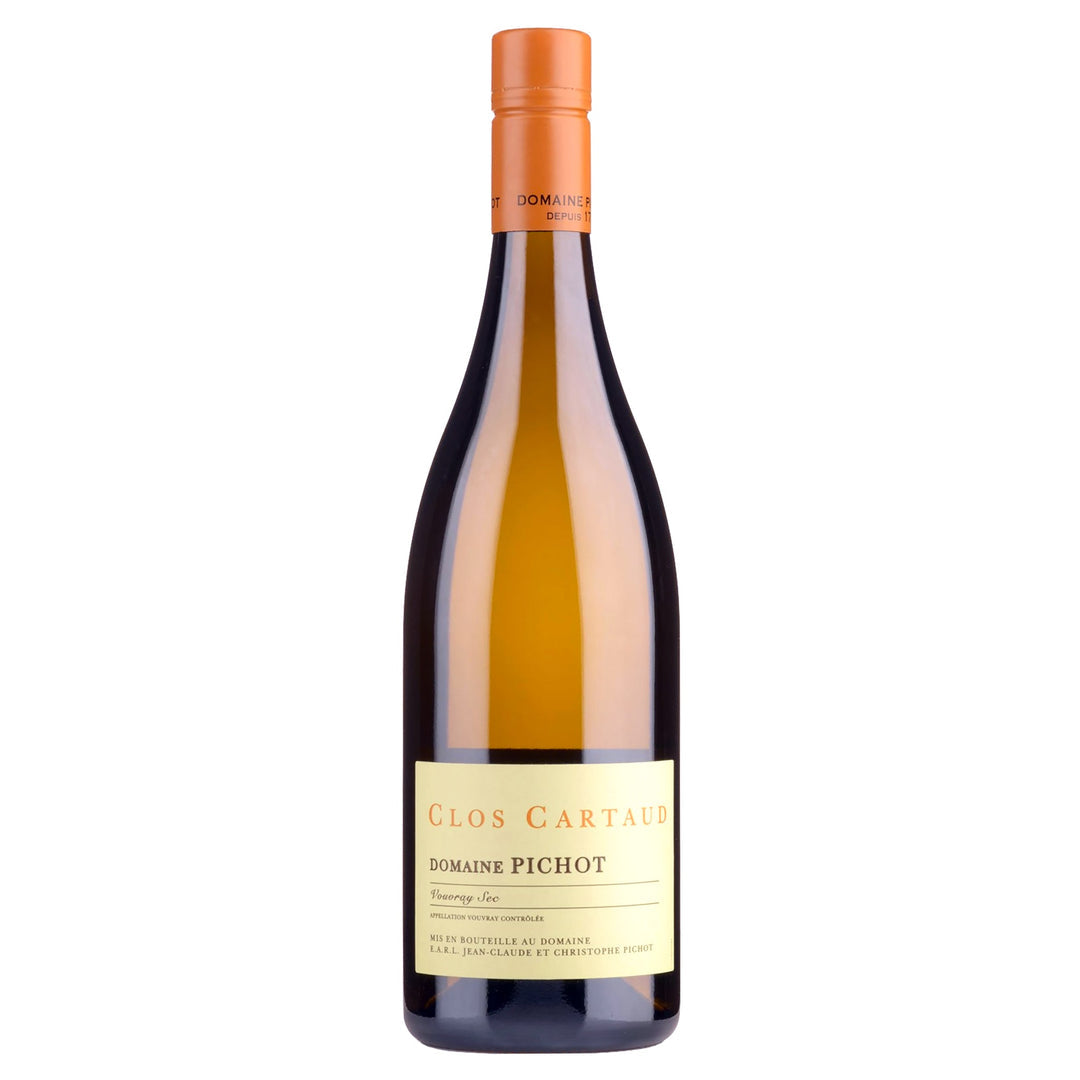
Domaine Pichot Vouvray Clos Cartaud Sec 2022
Condes de Albarei Albarino 2024
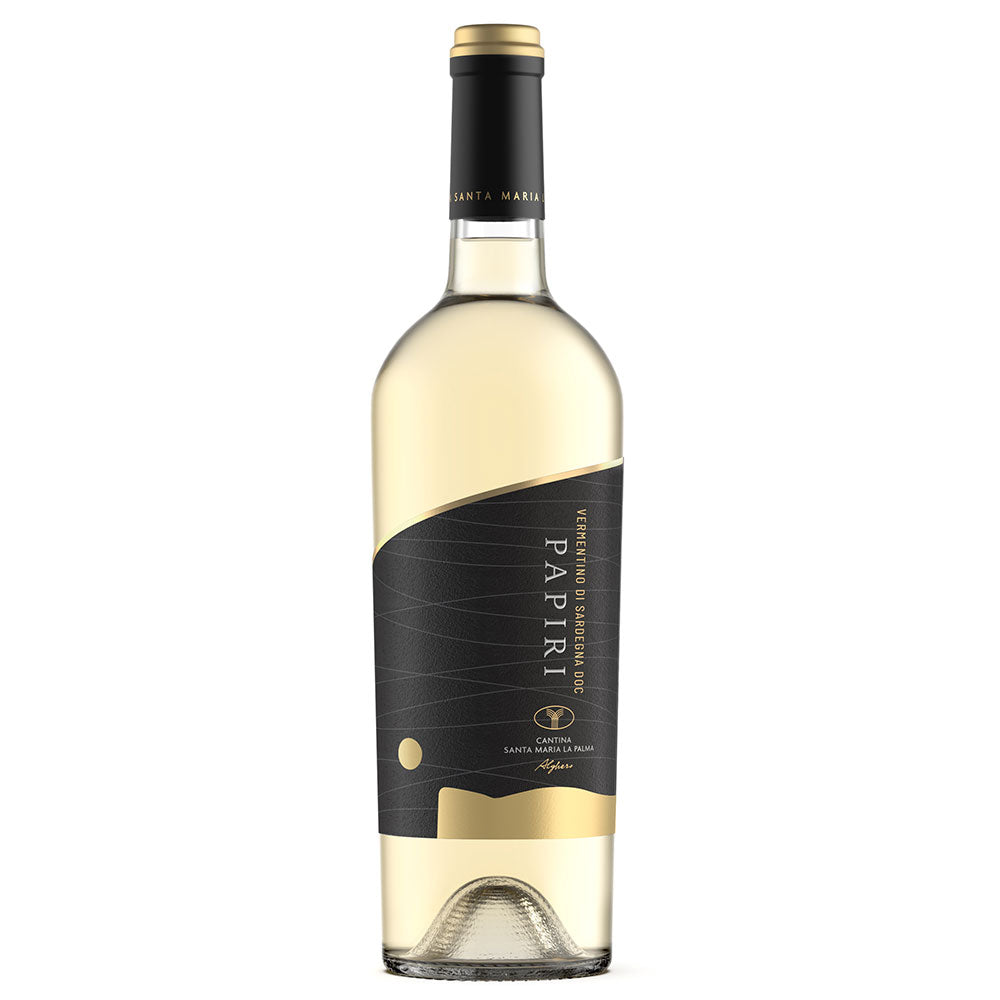
Santa Maria La Palma Papiri Vermentino di Sardegna 2024
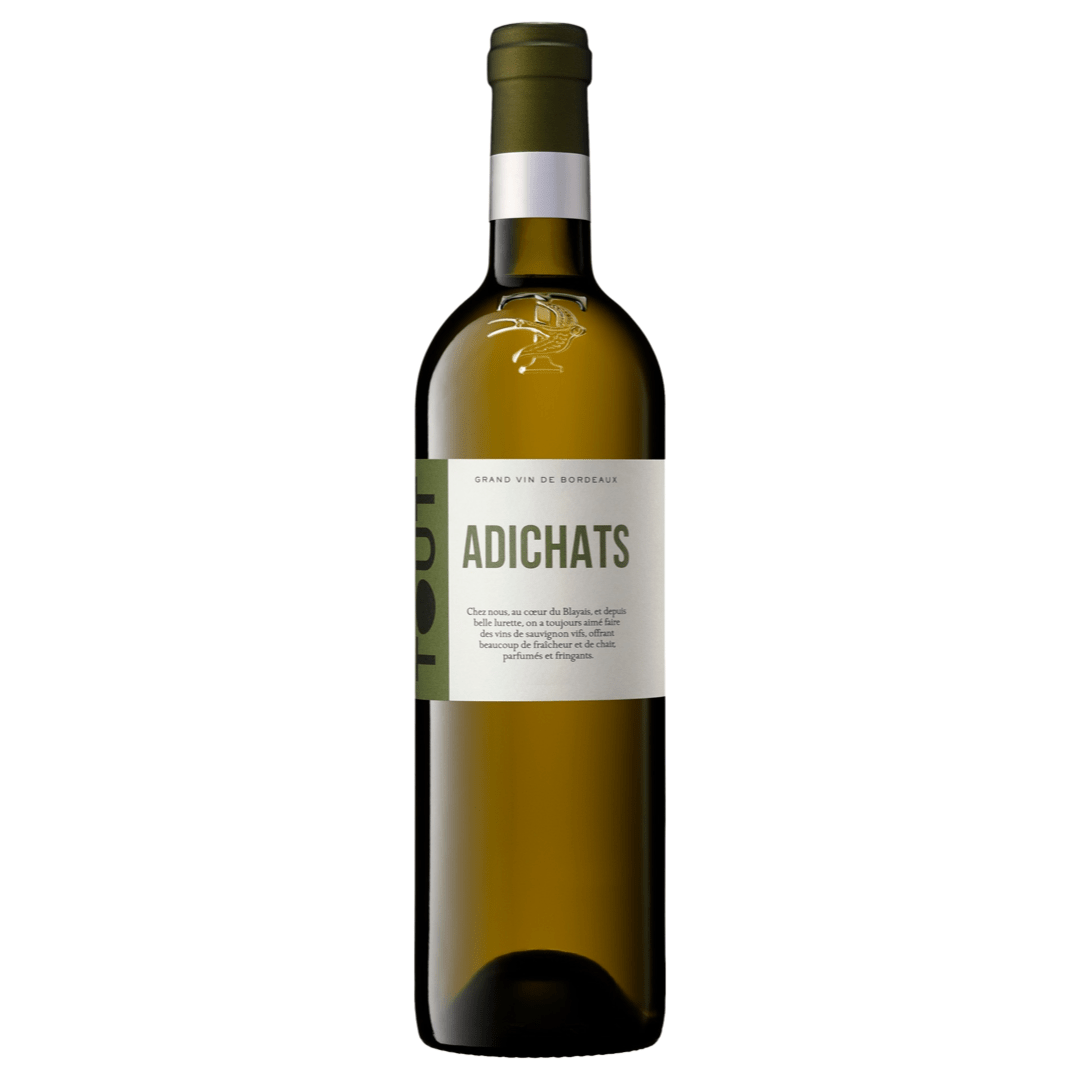
Tutiac - TOUT Adichats Blaye Côtes de Bordeaux Blanc 2023 12.5% 750ML
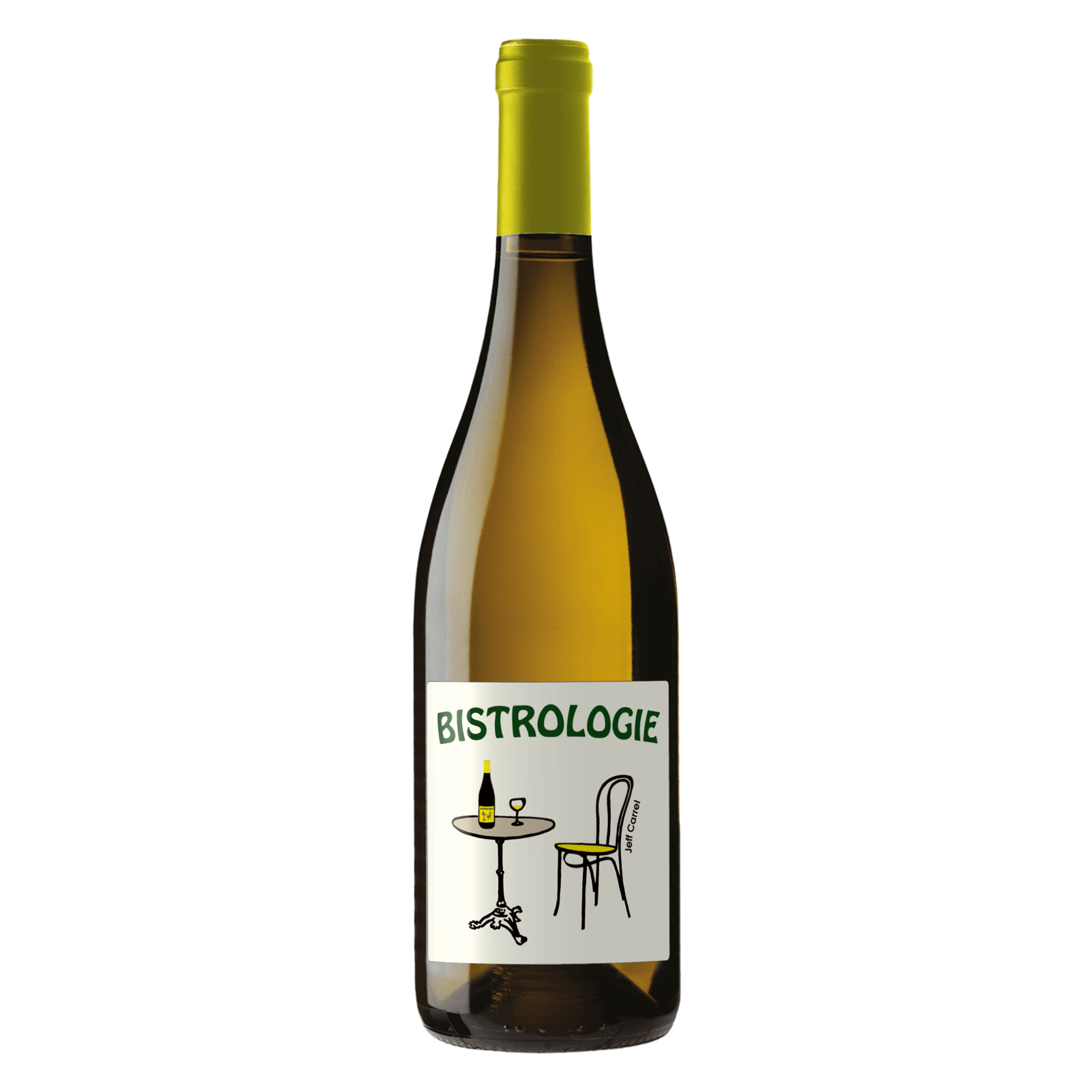
Jeff Carrel - Bistrologie Blanc VDF 11.5% 750ML
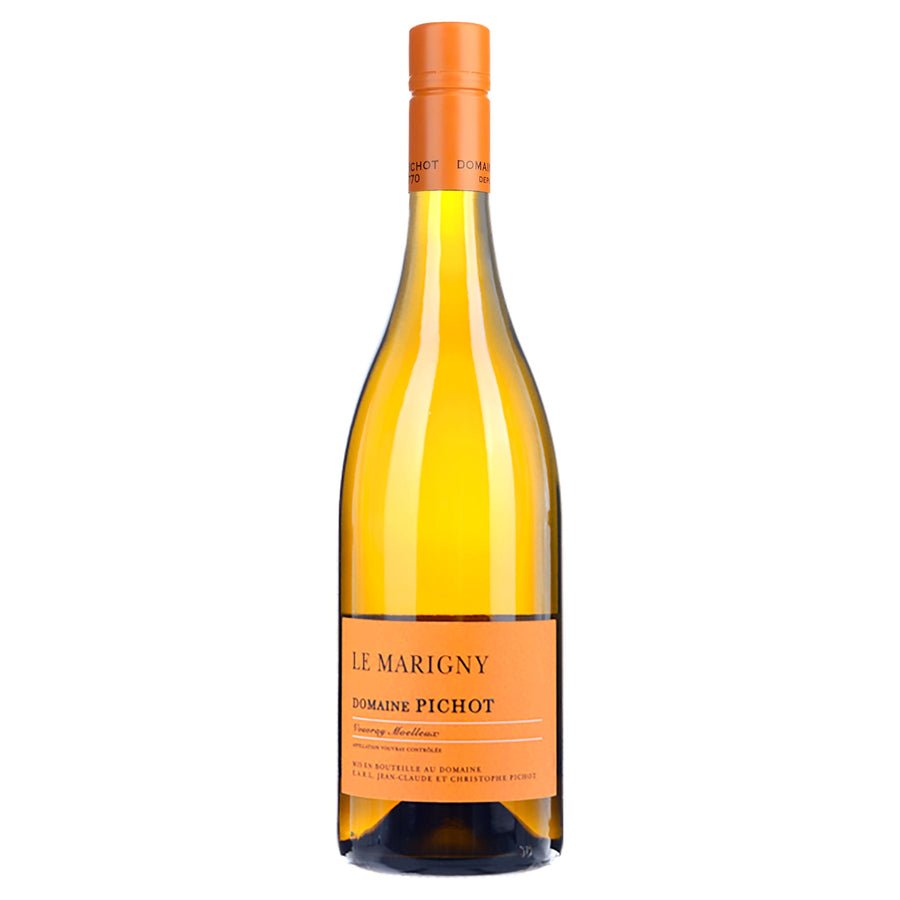
Pichot Vouvray Moelleux 'Le Marigny' 2020
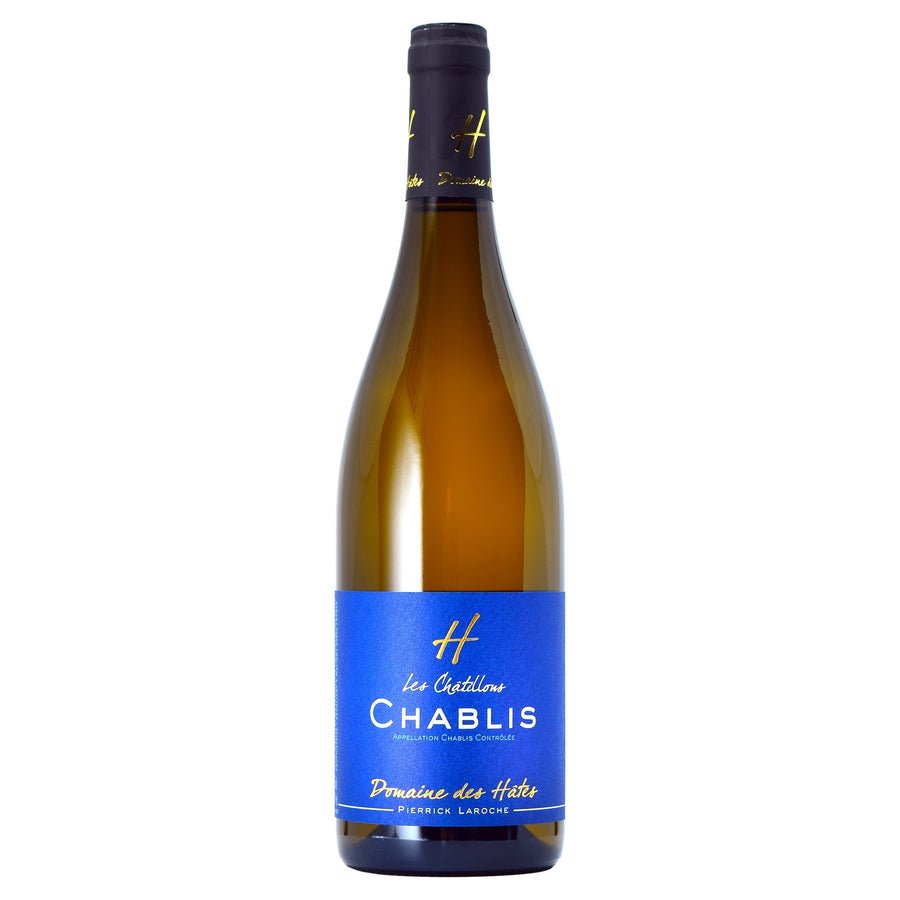
Pierrick Laroche Chatillons Chablis 2022
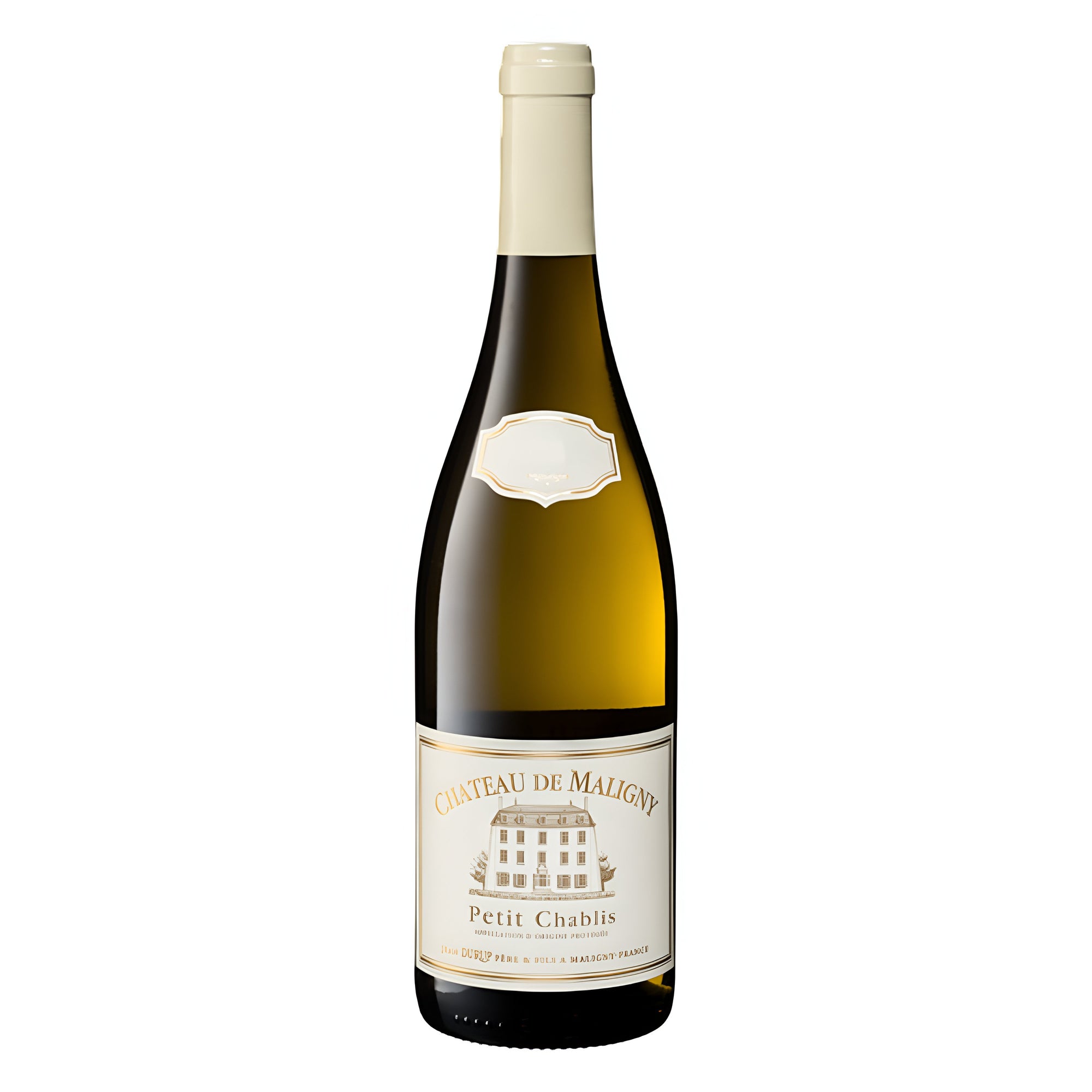
Chateau de Maligny - Petit Chablis 2023 12.5% 750ML
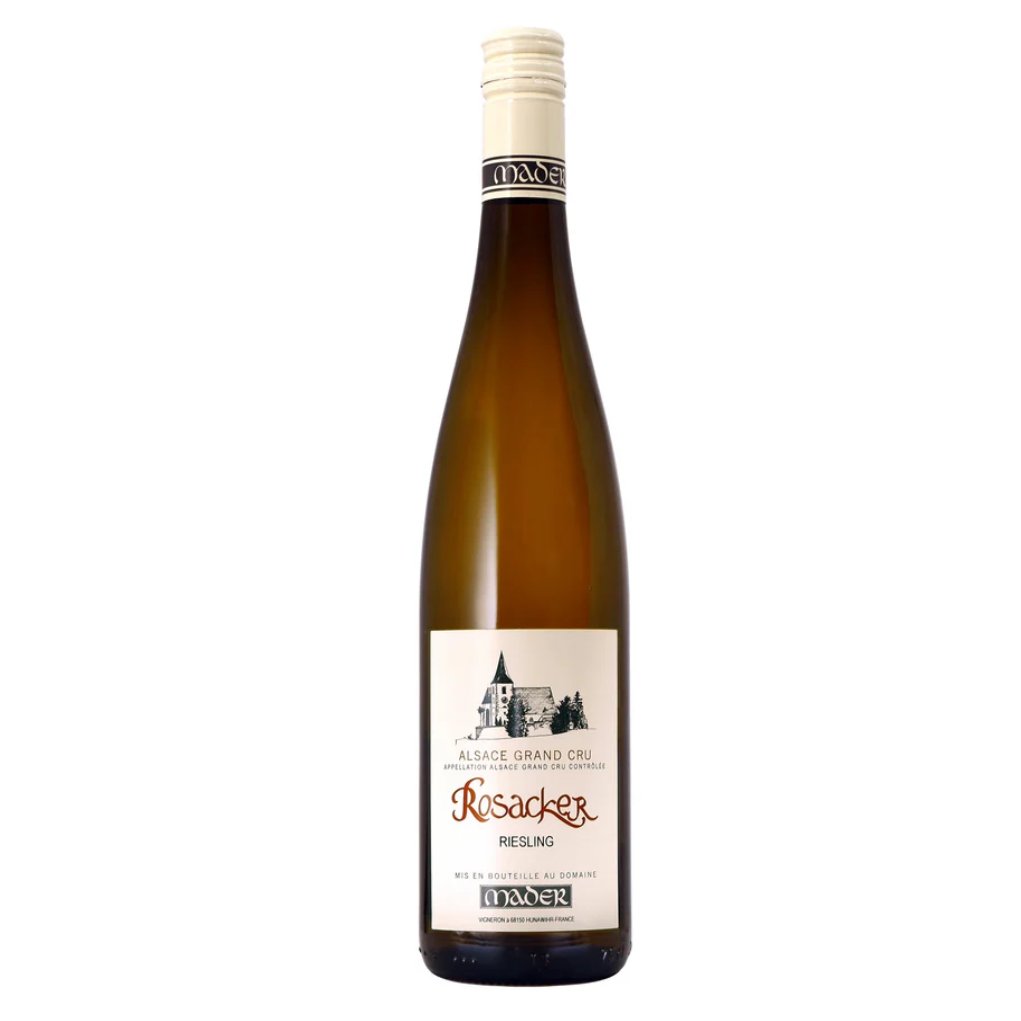
Mader Rosacker Riesling Grand Cru 2022
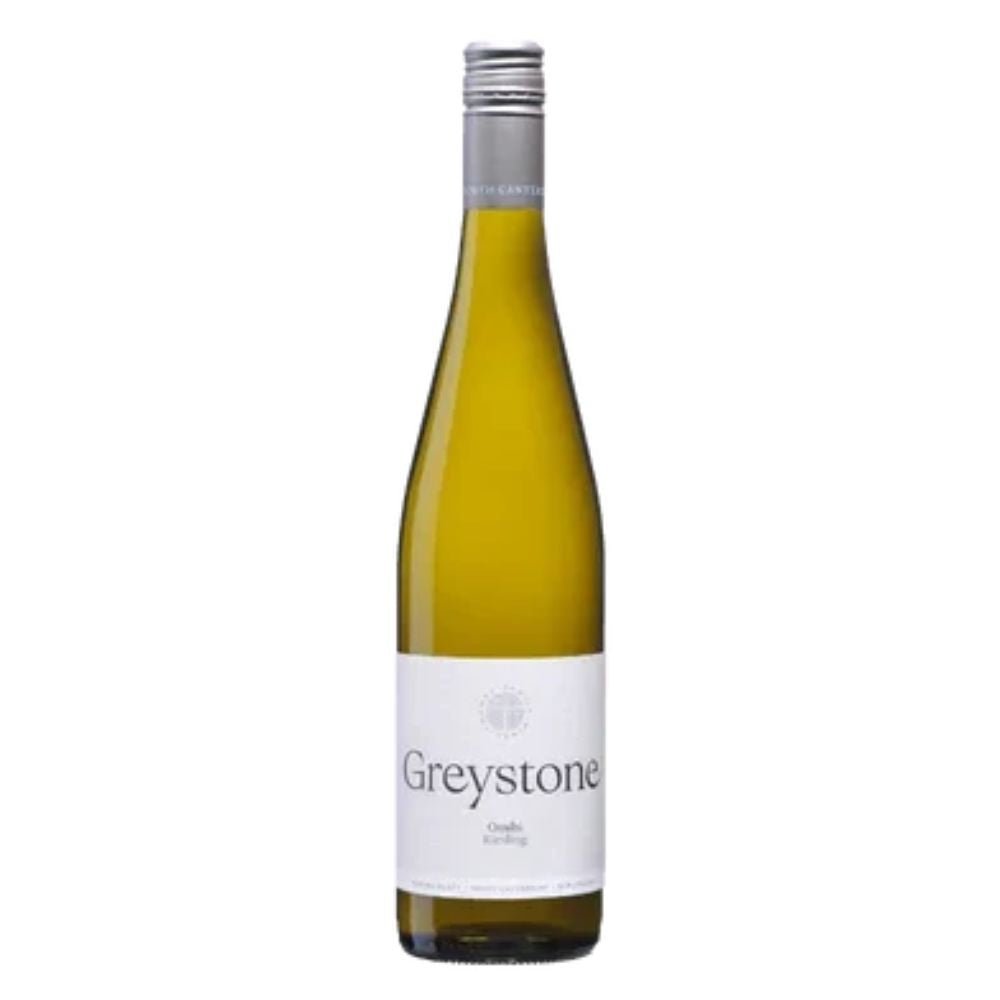
Greystone Omihi Riesling 2021
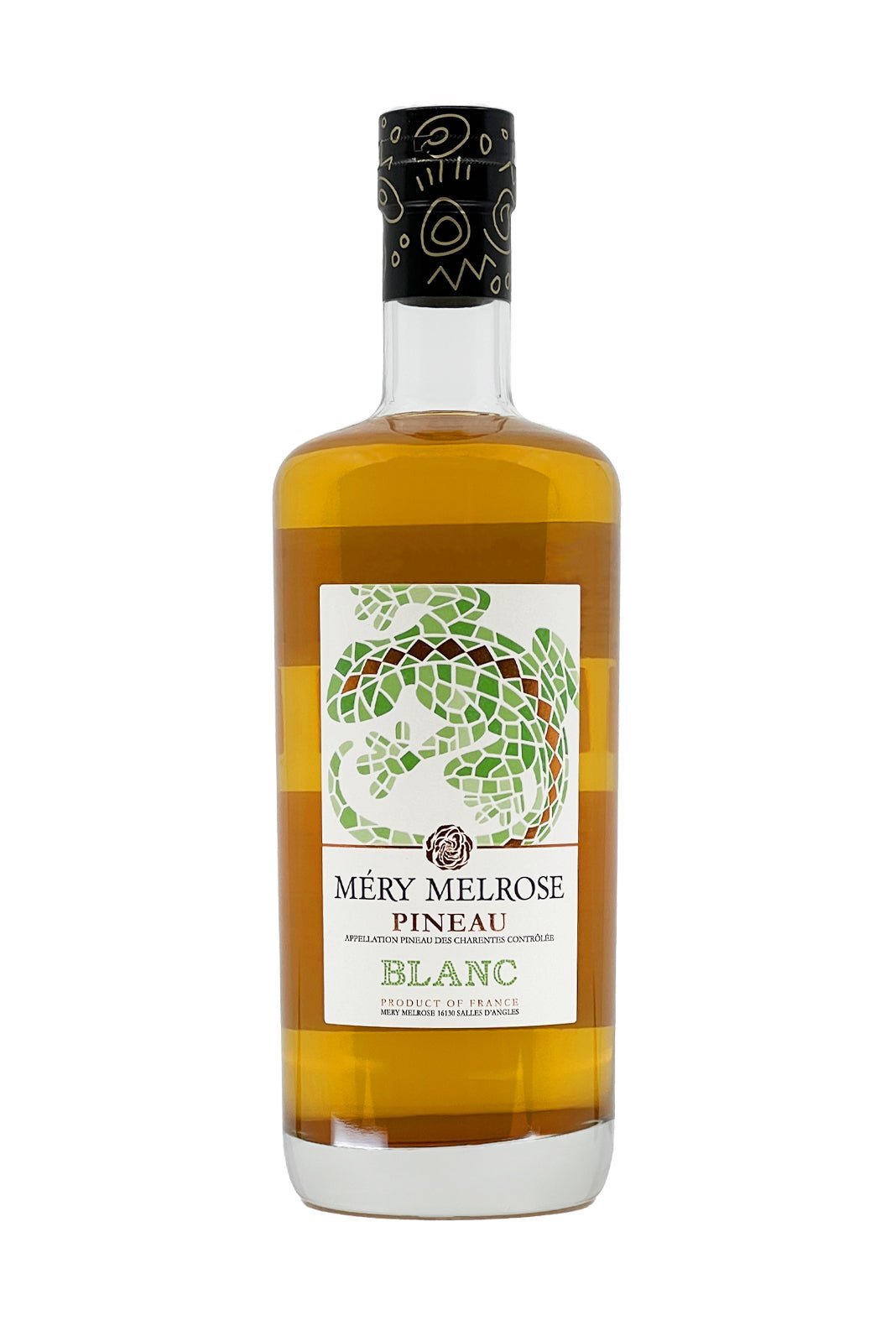
Mery Melrose Pineau des Charentes Blanc (White) Organic 17.5% 750ml
About White Wines
The most useful way to read a white wine range is by how much the winemaker intervened, because that decides far more about the taste than the grape does on its own.
At the unoaked, high acid end sit the Chablis producers. Jean-Marc Brocard, Julien Brocard and Domaine de la Motte all work in the northern tip of Burgundy, where chardonnay grows on Kimmeridgian limestone and is usually made in steel. The result tastes nothing like a warm climate chardonnay: taut, saline and citrus driven.
The Loire brings chenin blanc, which is one of the great white grapes and still underrated. Baumard works in Savennieres and the Layon, and Domaine Pichot in Vouvray, where the same grape runs from bone dry to sweet.
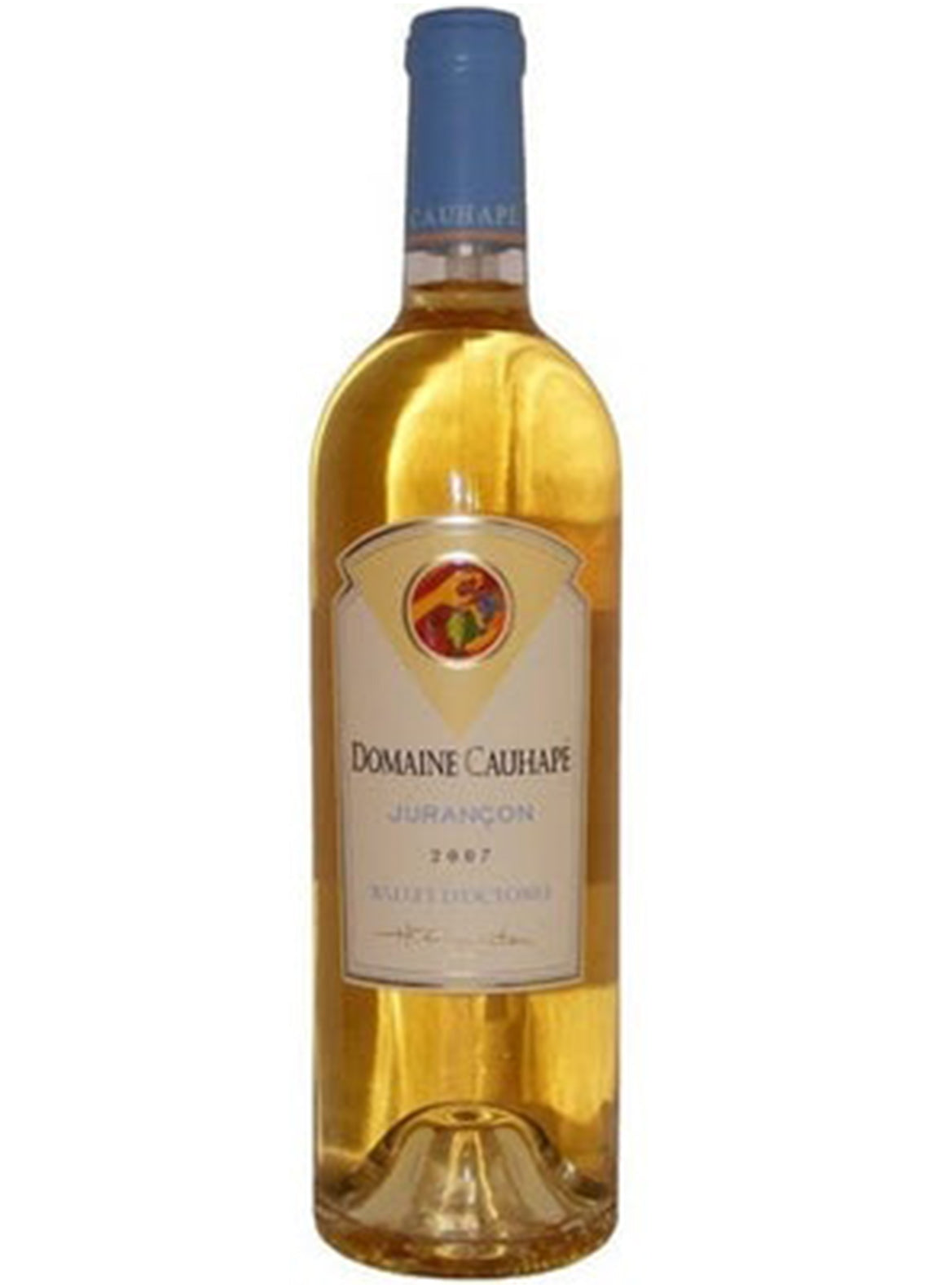
Alsace contributes riesling and pinot gris through Mader and Kientzler, and the south west brings Tariquet from Gascony and Cauhape from Jurancon.
Australia covers the rest: Tasmanian riesling and chardonnay from Pooley and Riversdale, Great Southern riesling from Castle Rock, Margaret River chardonnay from Leeuwin, and cool climate whites from the Yarra, Geelong and the Mornington Peninsula.
History
White wine is older than red as a commercial category in much of Europe, largely because it was easier to make cleanly before temperature control existed. Skin contact introduces tannin and colour but also risk, and for centuries the safer path was to press quickly and ferment the juice alone.
Chablis illustrates how much geology matters. The vineyards sit on a seam of Kimmeridgian marl laid down in a shallow sea roughly 150 million years ago, dense with fossilised oyster shell. Growers have attributed the wine's distinctive saline edge to that soil for as long as the region has been written about.
The most significant change in white winemaking over the past fifty years is technological rather than agricultural. Refrigeration and stainless steel arrived in the 1960s and 1970s and made it possible to ferment slowly at low temperature, preserving aromatics that were previously lost. Almost every fresh, aromatic white style now taken for granted depends on it.
Australia and New Zealand then led the second change. From around 2000, driven initially by Clare Valley riesling producers frustrated by cork taint, the region moved decisively to screwcap closures. Riesling under screwcap ages differently and more reliably than under cork, and the change has been particularly good for that grape.
How to drink it
Most people serve white wine too cold. Straight from a domestic fridge is around four degrees, which mutes aroma almost completely. Aromatic and light styles such as riesling, sauvignon blanc and pinot grigio are best at eight to ten. Textured whites, including chardonnay, chenin blanc and anything with oak or lees work, want ten to twelve. Take the bottle out ten minutes before pouring.
Use a proper white wine glass. The small narrow glass often supplied for white wine was designed for keeping wine cold rather than for tasting it.
On ageing, the assumption that white wine must be drunk young is wrong for several styles here. Riesling, chenin blanc and good chardonnay all improve for a decade or more. Riesling in particular develops lime marmalade and toast notes that the young wine gives no hint of.
For food, match weight rather than colour. Chablis with oysters and raw seafood. Chenin blanc with pork, chicken and anything with apple. Riesling with Thai, Vietnamese and Sichuan food, where the acidity and slight sweetness handle chilli better than any red.
Browse by grape in chardonnay, riesling, sauvignon blanc and pinot grigio.