
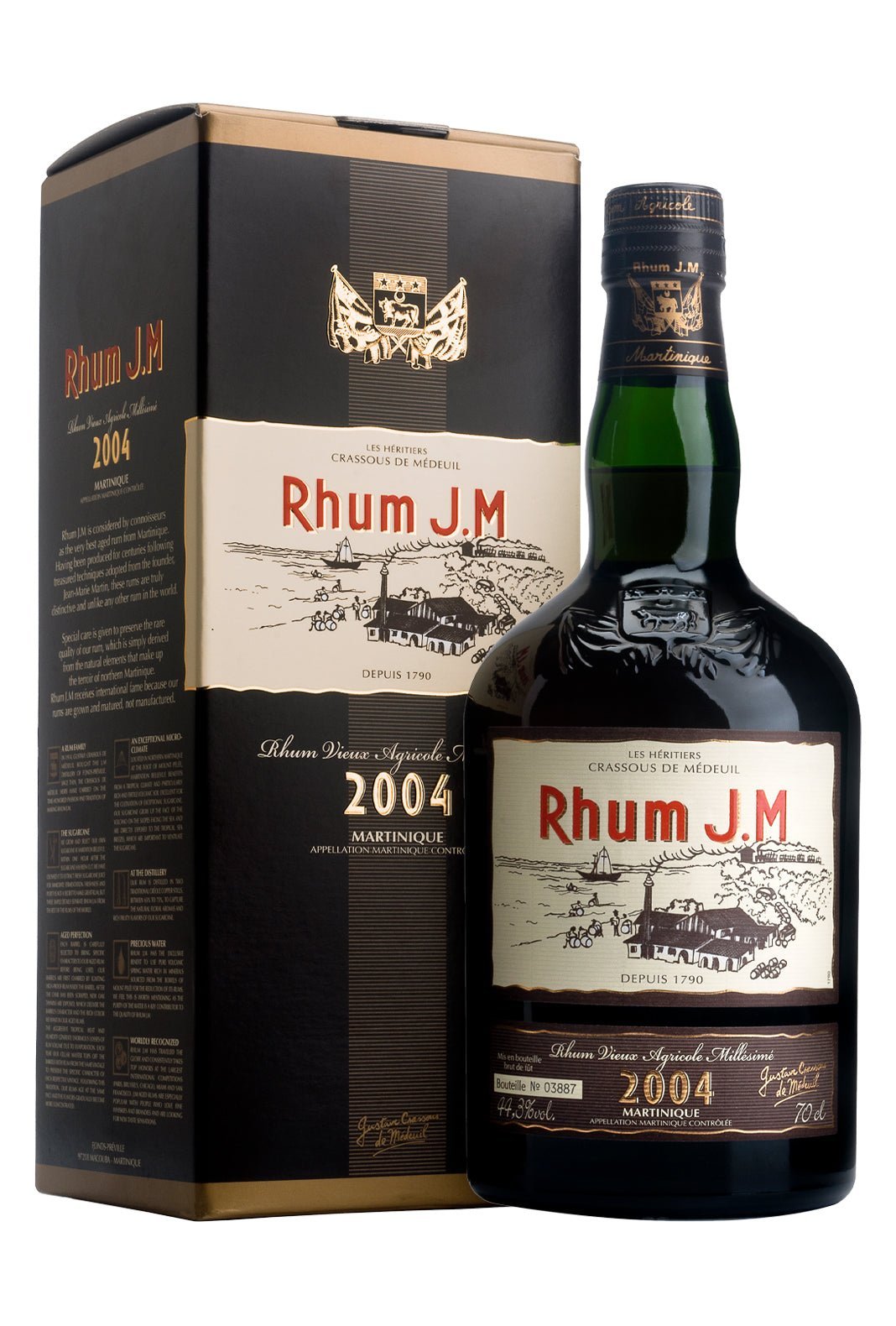
JM Rhum 2004 Hors d'Age Bourbon Cask 42.9% 700ml
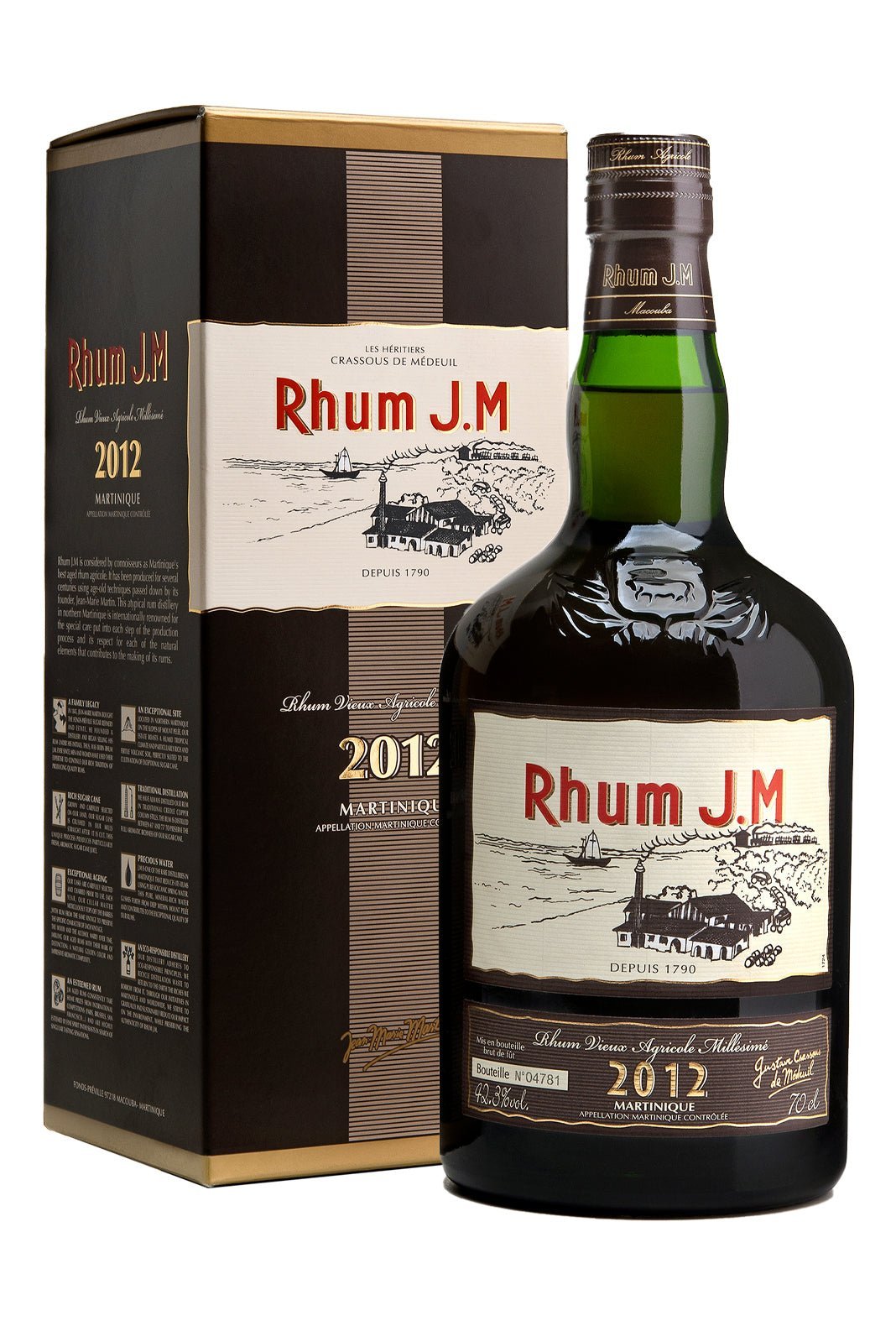
JM Rum AOC Agricole 2012 42.3% 700ml
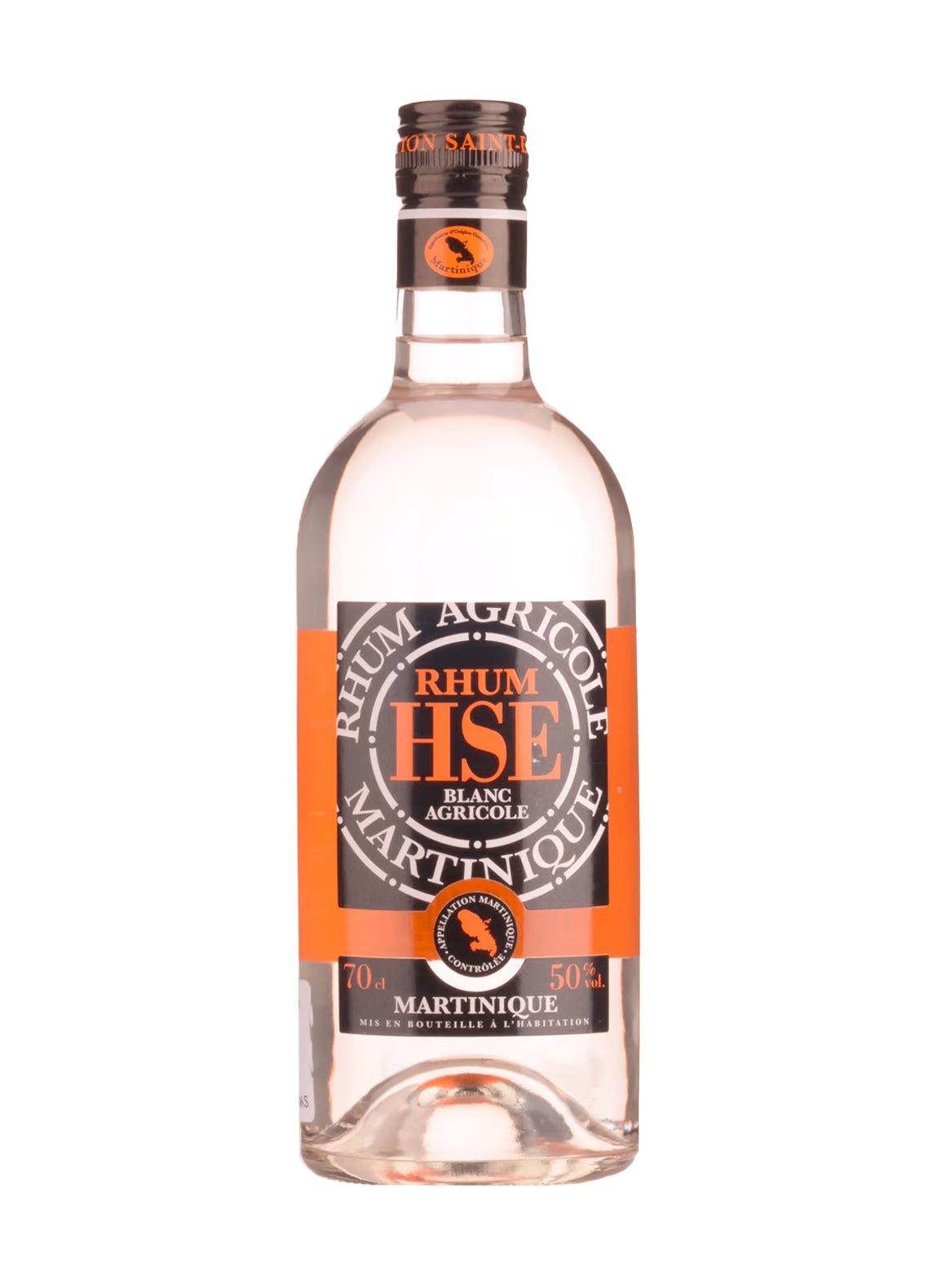
Habitation St Etienne Rum Agricole Blanc 50% 700ml
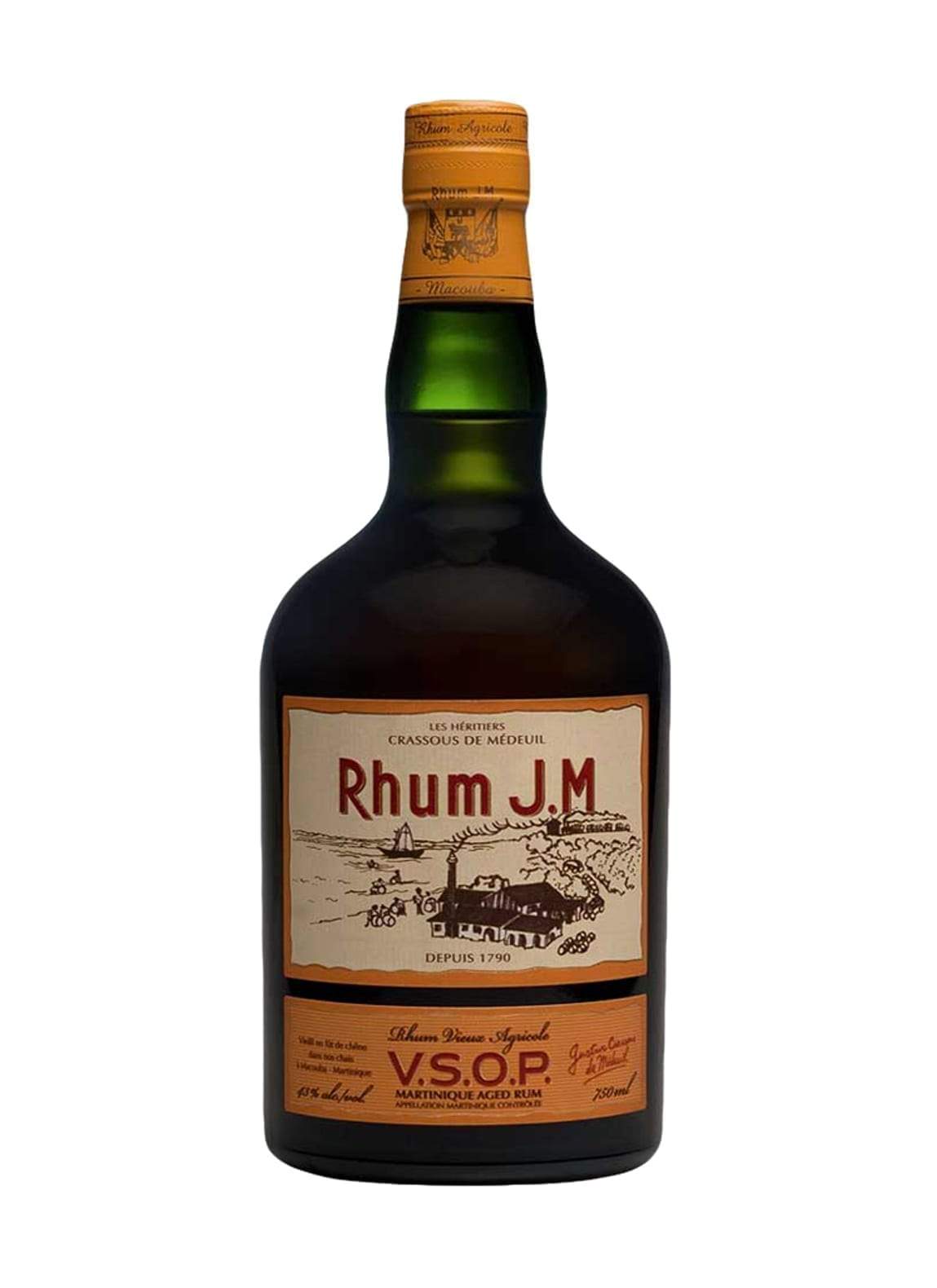
J.M Rhum Agricole VSOP (Aged 4 years Bourbon & American Oak) 43% 700ml
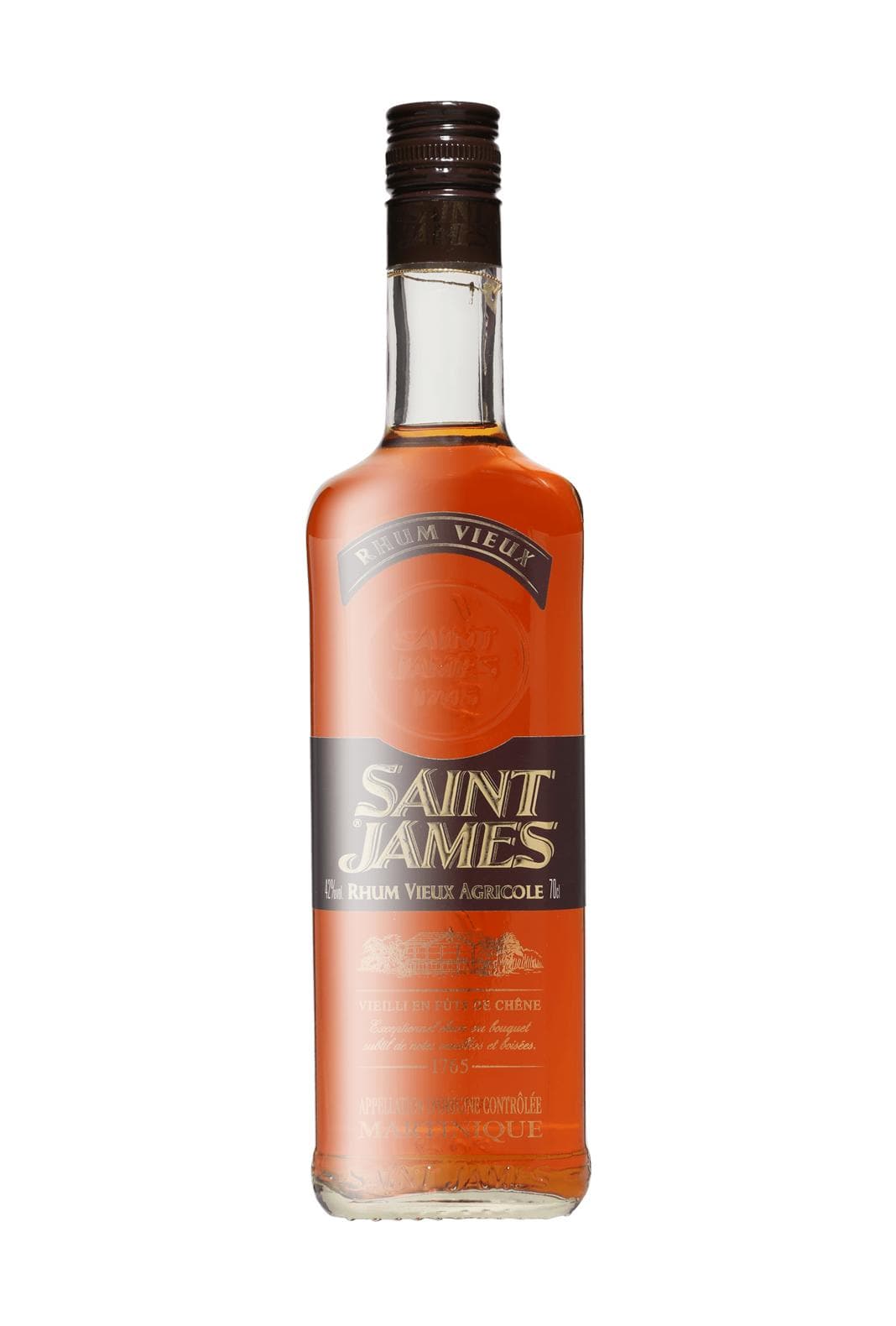
St James Rum Agricole Vieux (Old) 40% 700ml
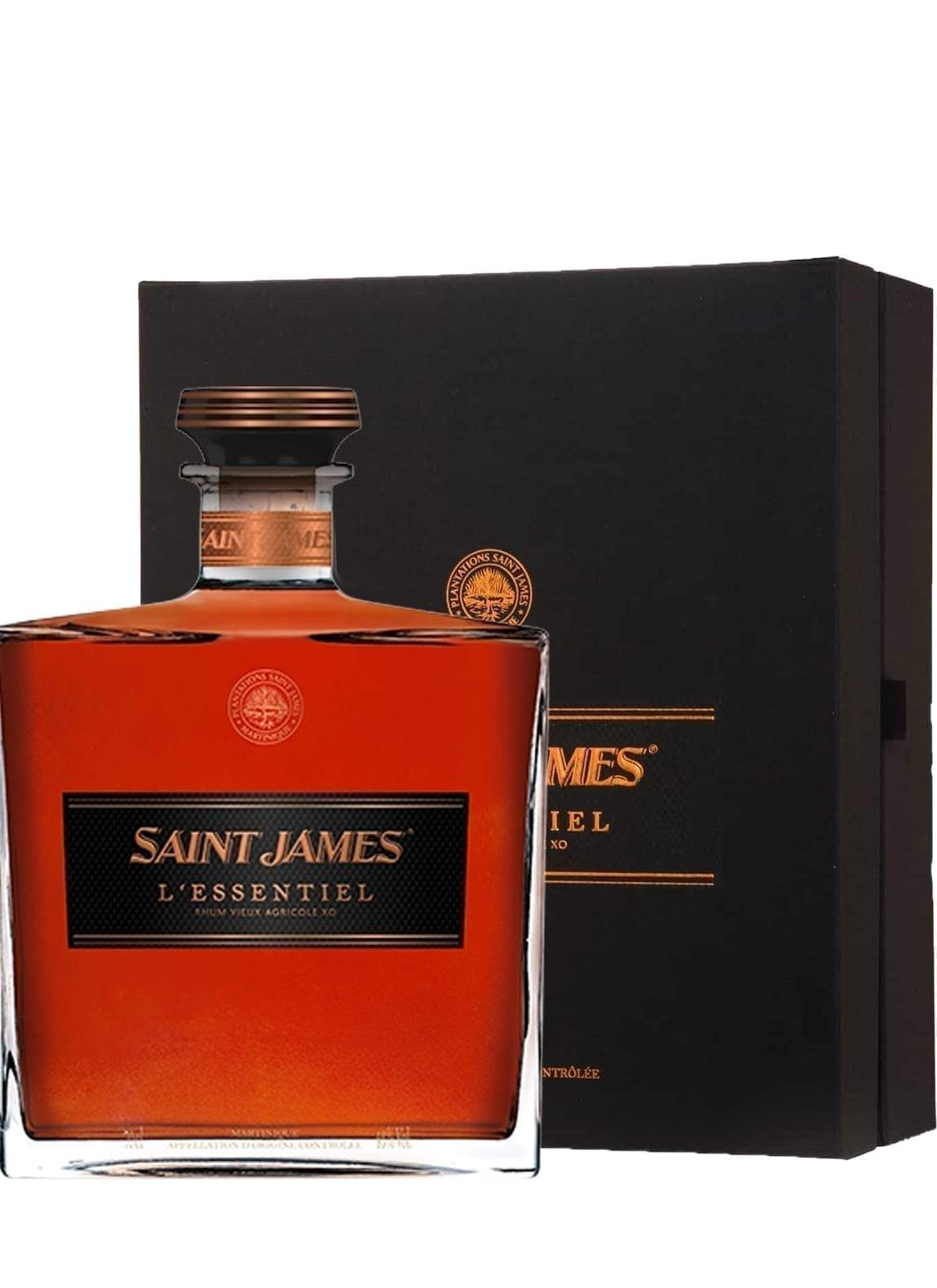
St James Rum l'Essentiel (1998, 2000, 2003 vintages) Carafe 43% 700ml
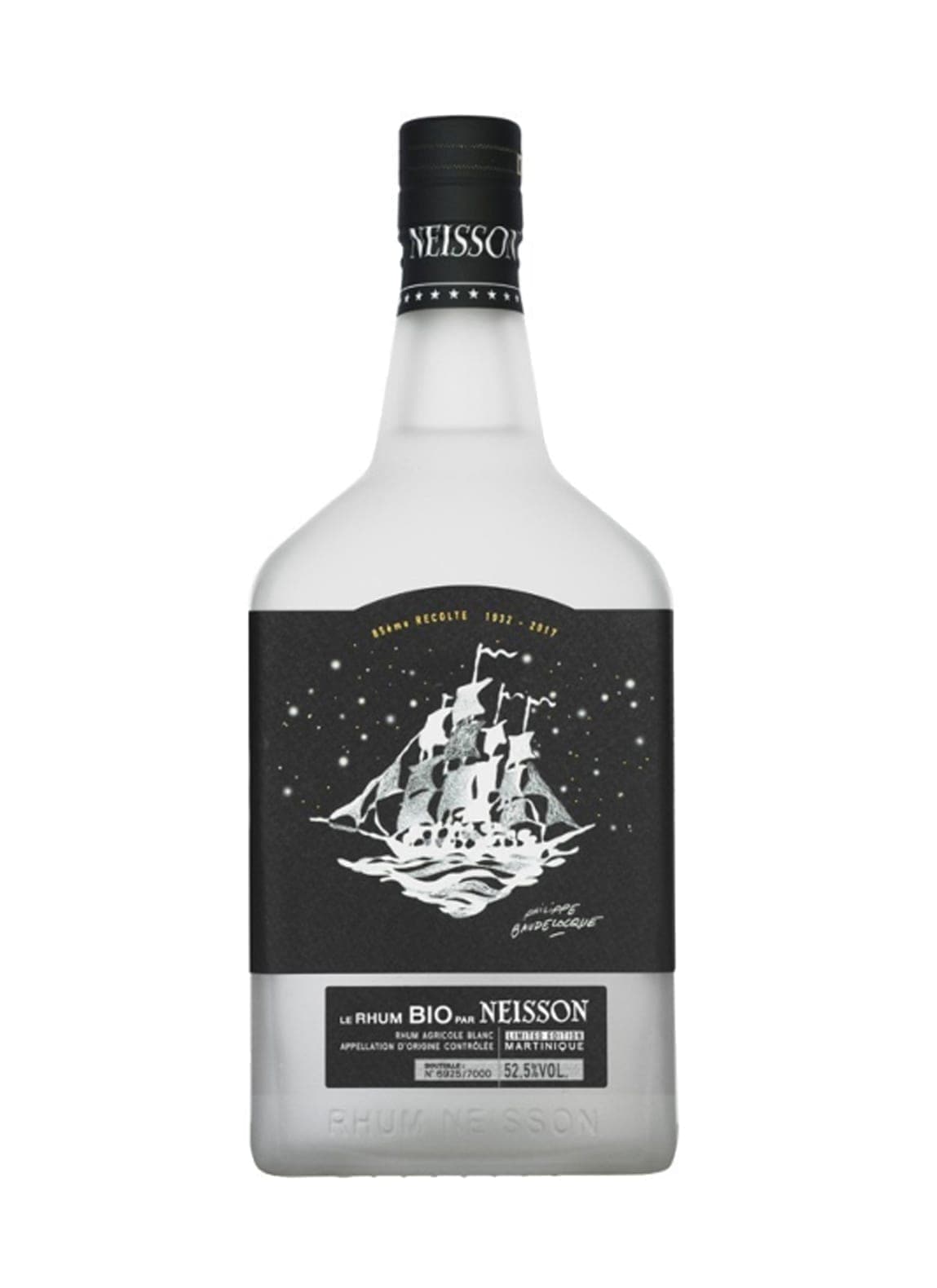
Neisson Le Bio Organic Rum 52.5% 700ml
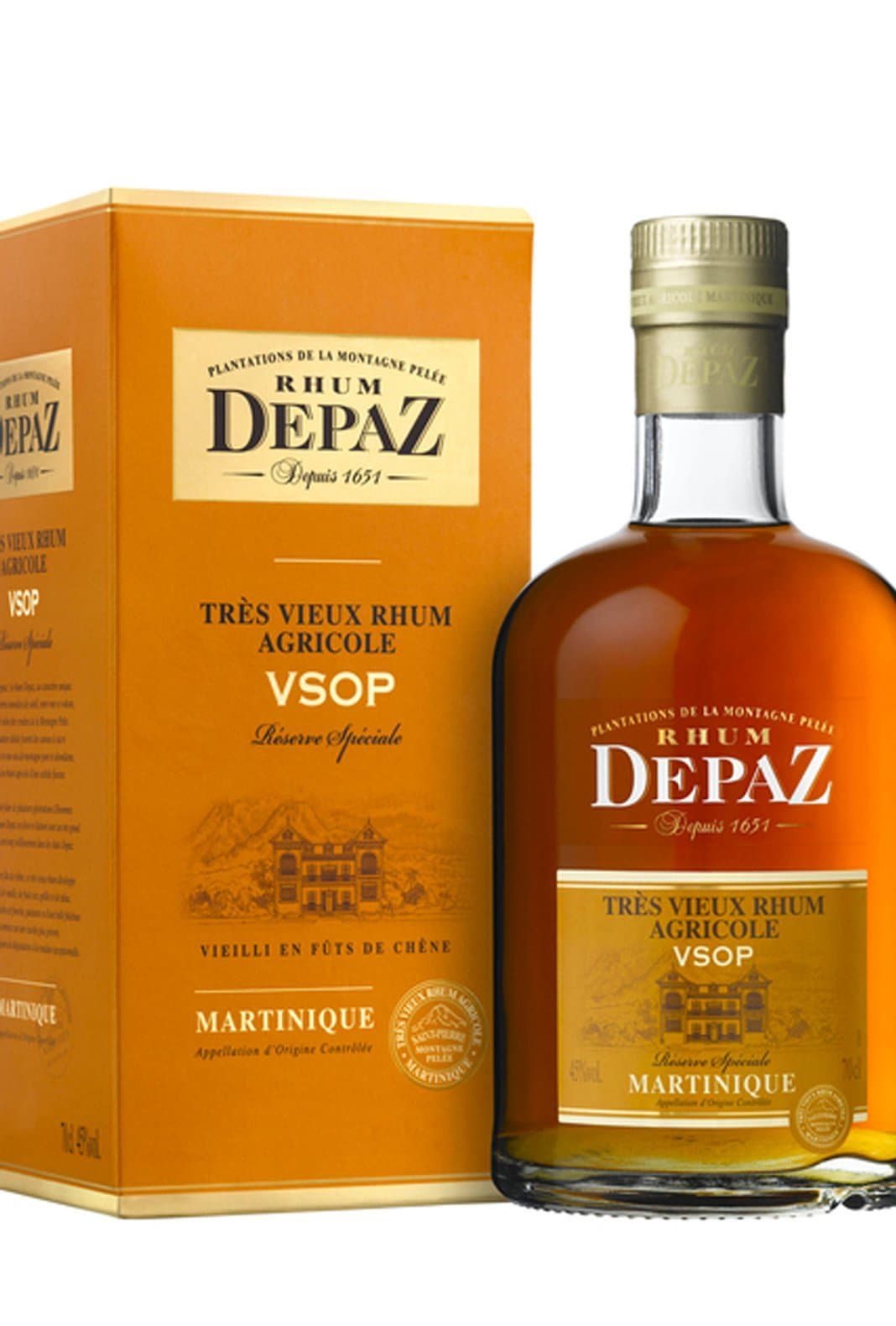
Depaz Rum Agricole Reserve Speciale VSOP Martinique 7 years 45% 700ml
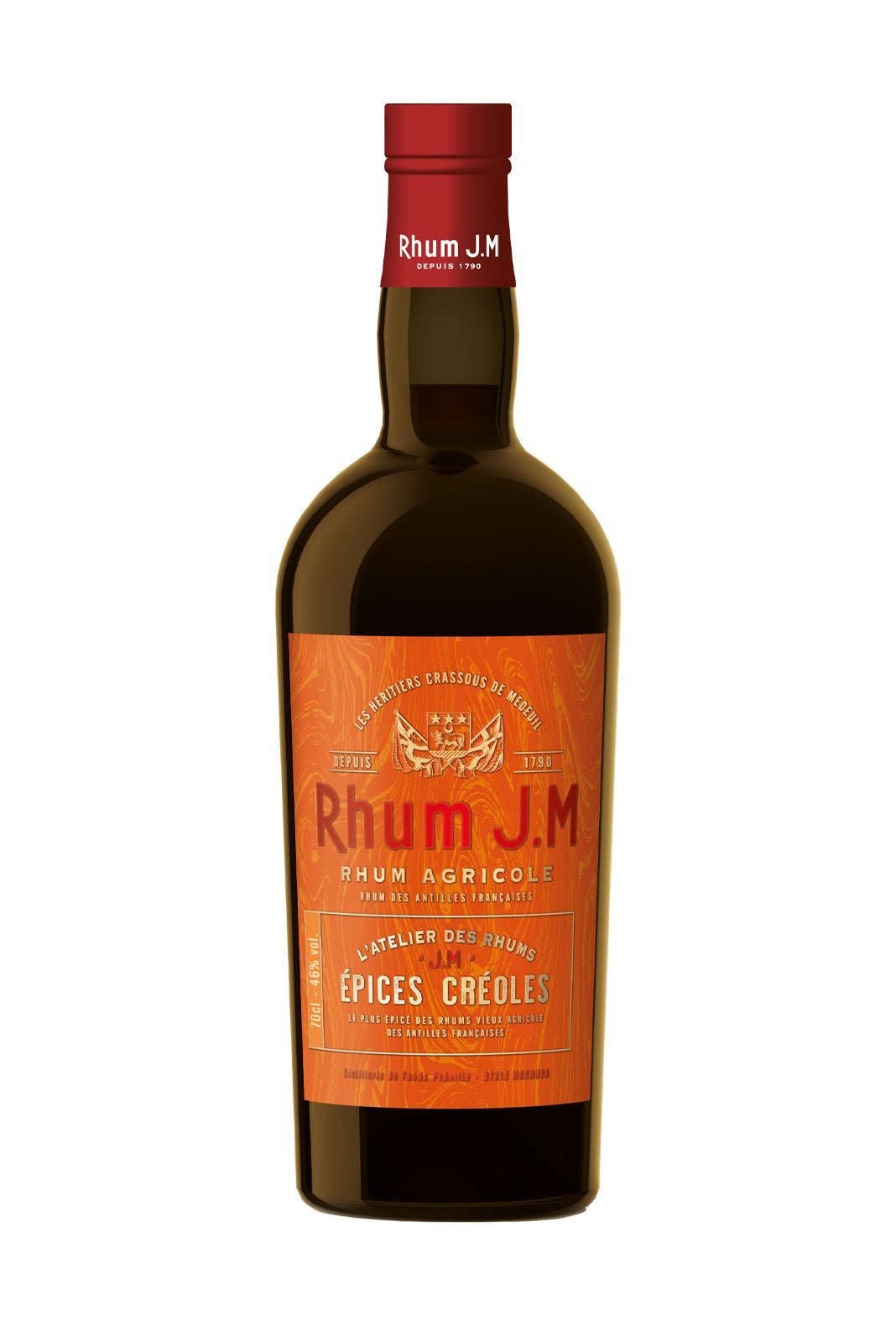
J.M Rum Atelier Epices Creoles 46% 700ml
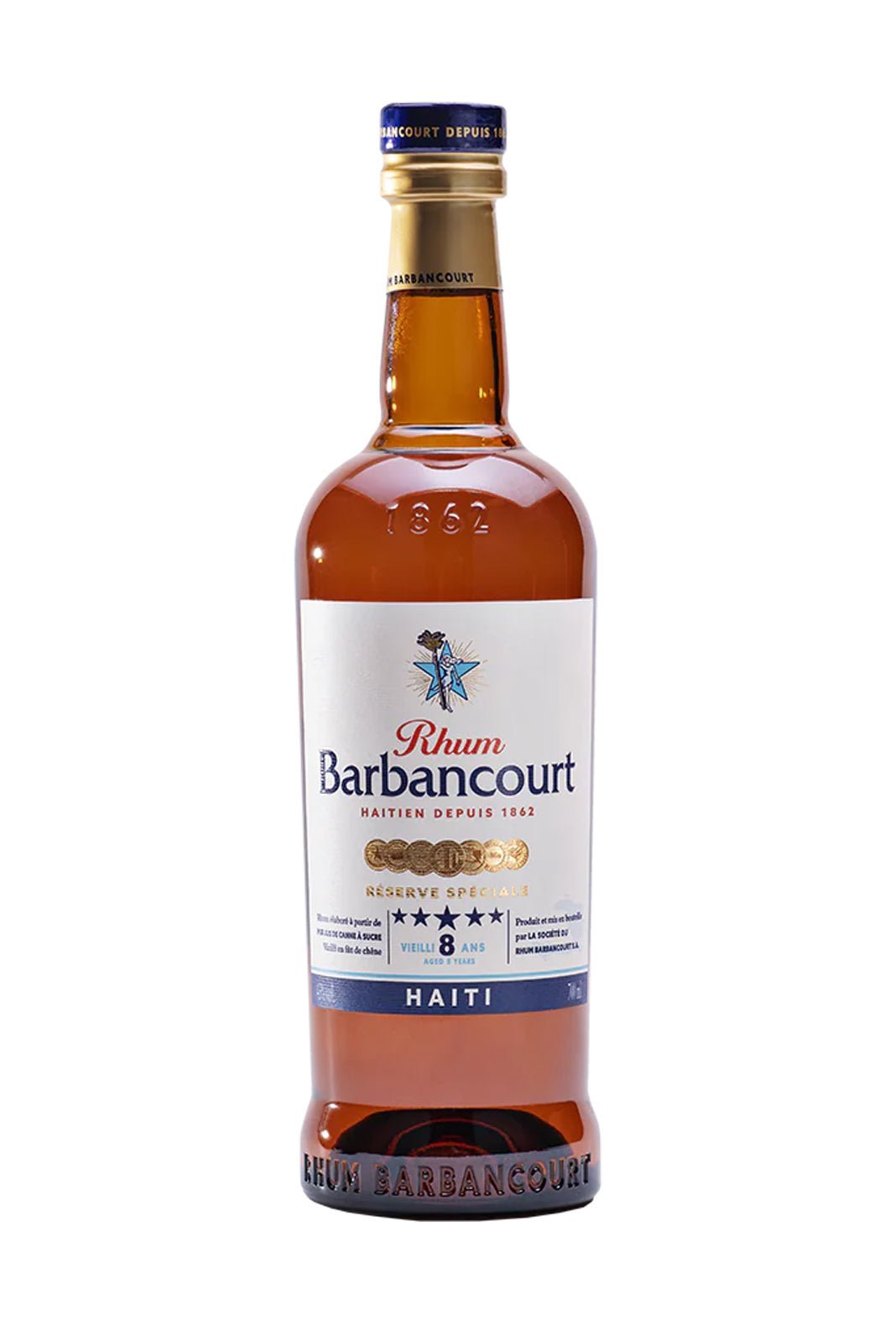
Barbancourt Extra Old Rum 8 years 5 stars 43% 750ml
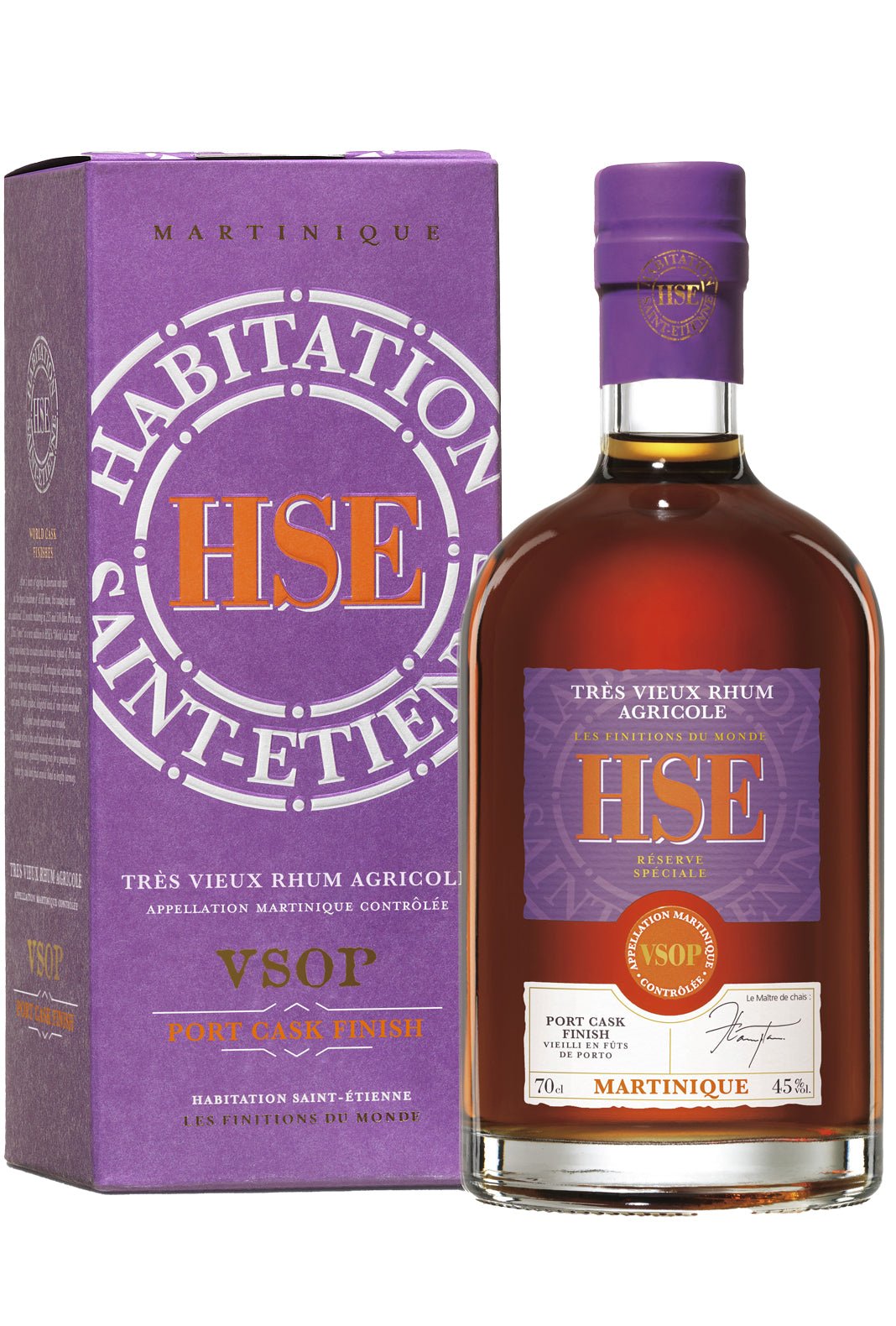
Habitation Saint Etienne Rum Agricole VSOP Porto 5 years 45% 700
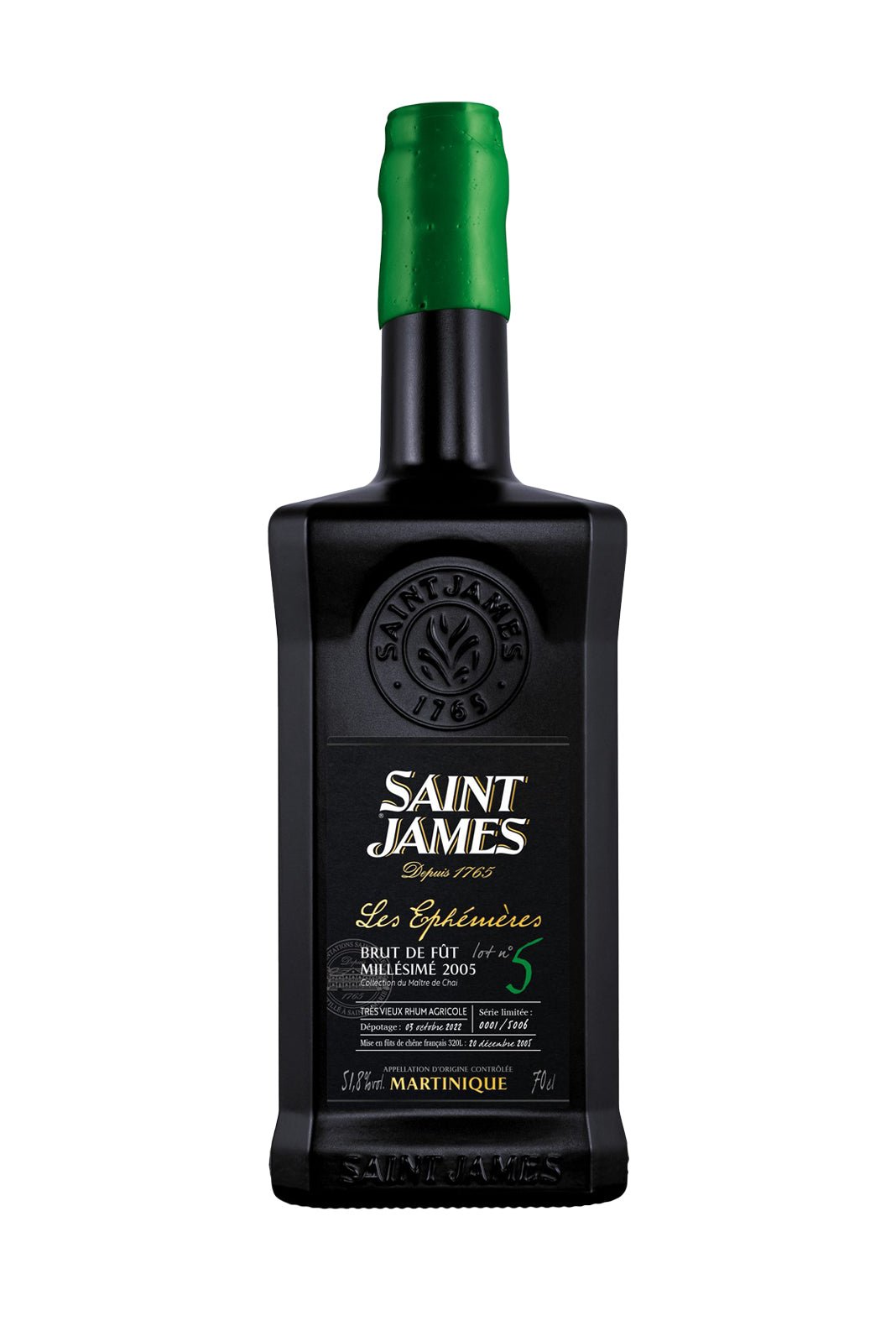
Saint James Rhum Agricole 2005 51.8% 700ml
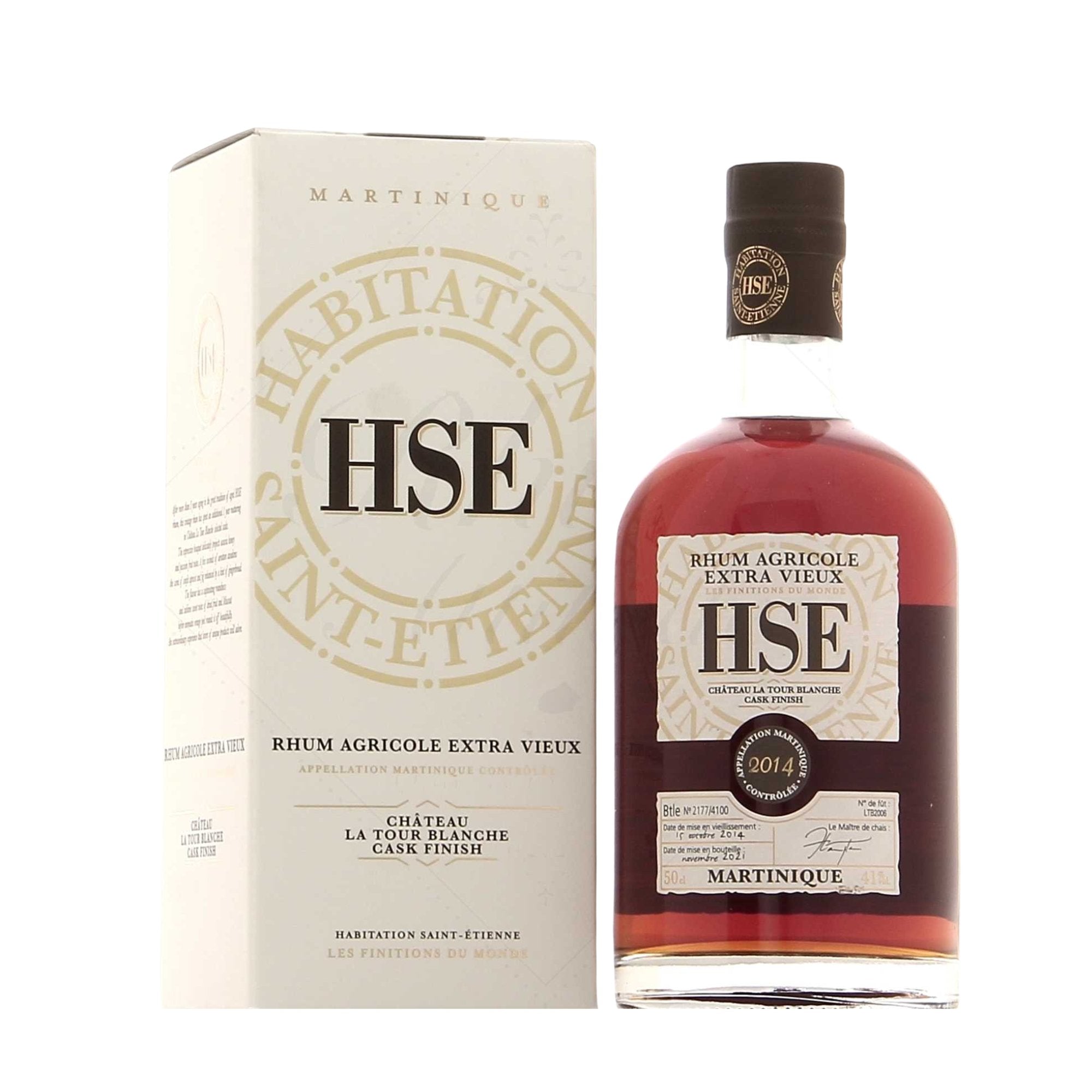
Habitation St Etienne Rum Agricole Vieux 2014 Sauternes cask 41% 500ml
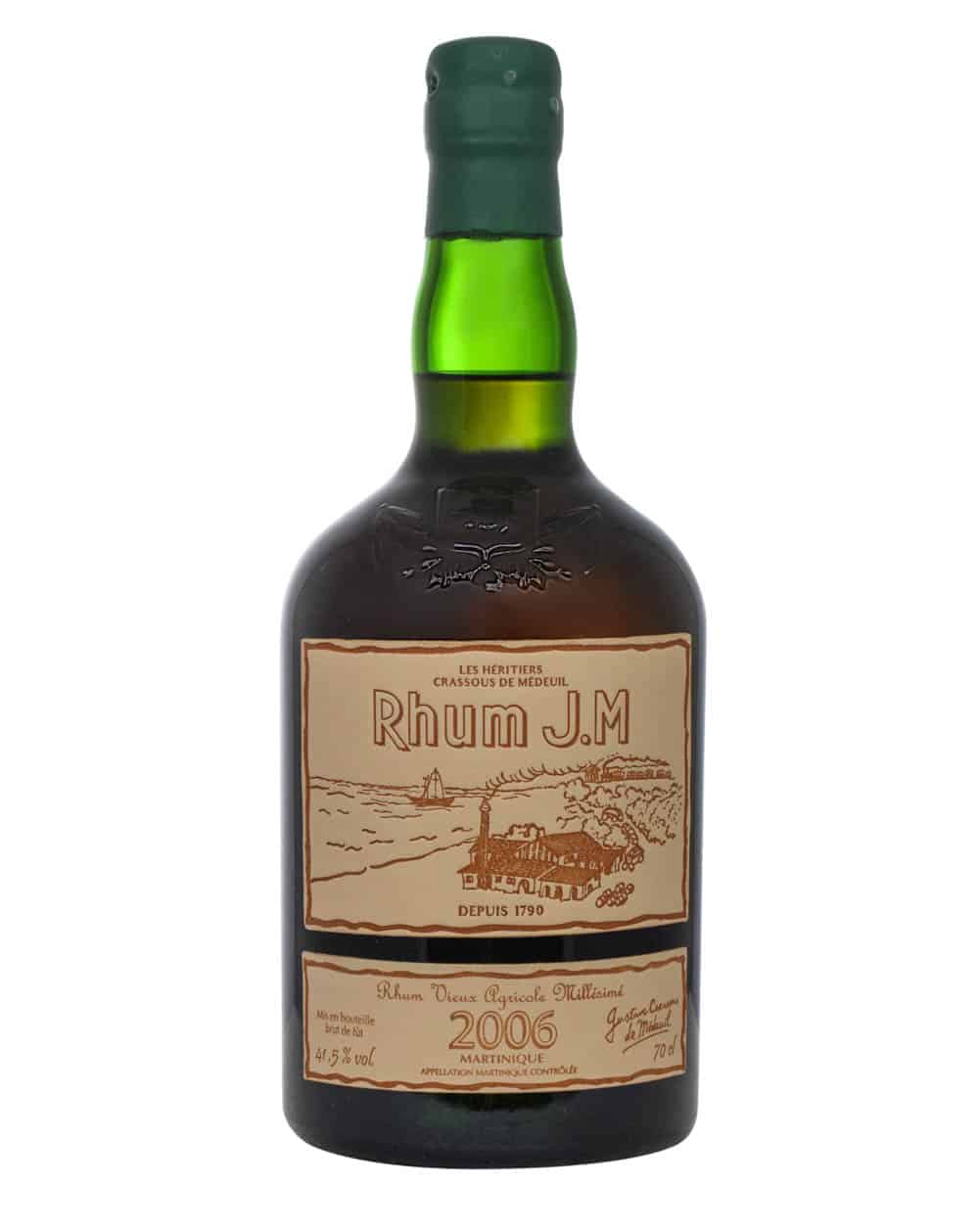
JM Rum AOC Agricole Rum 2006 41.5% 700ml
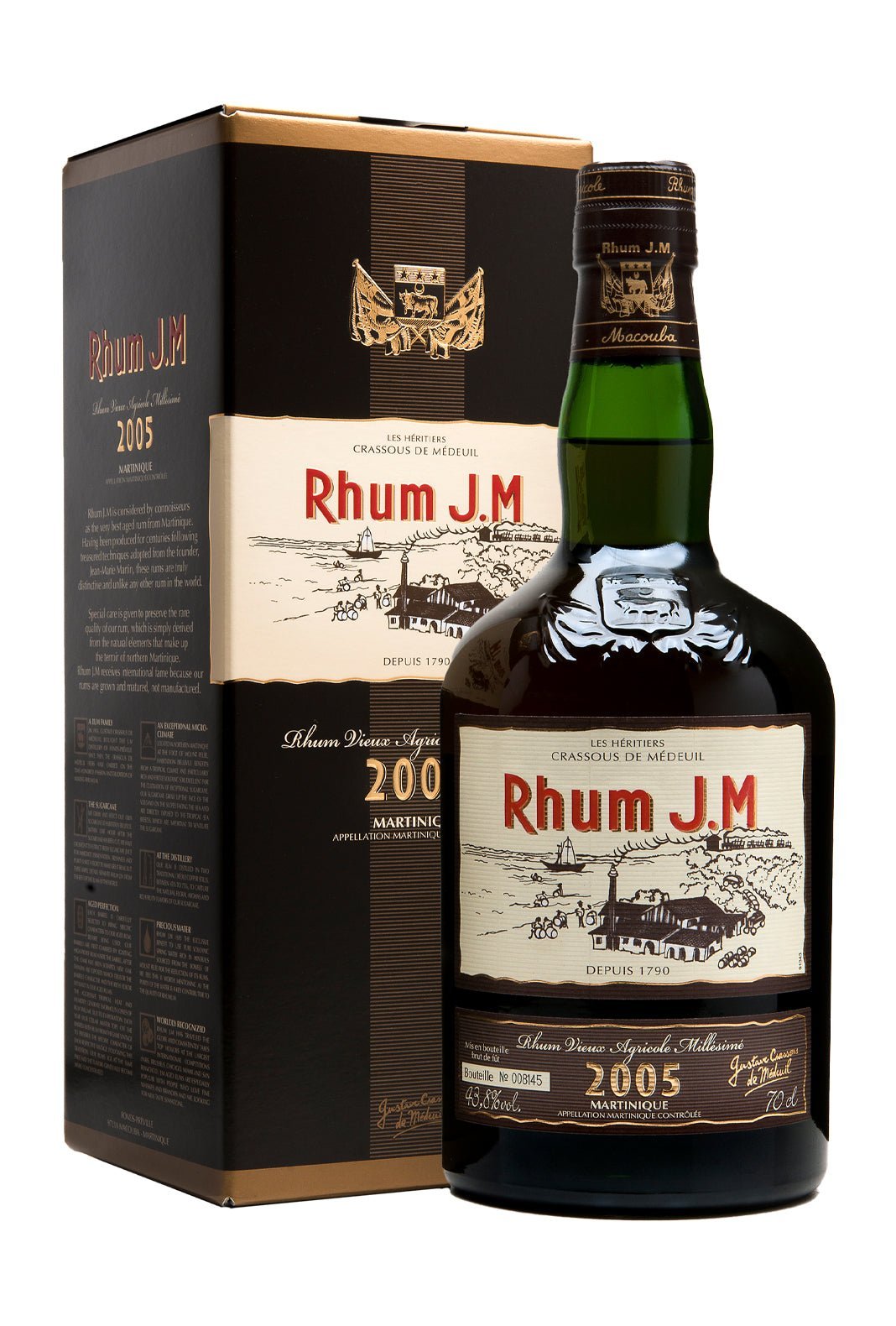
JM Rum AOC Agricole 2005 42.4% 700ml
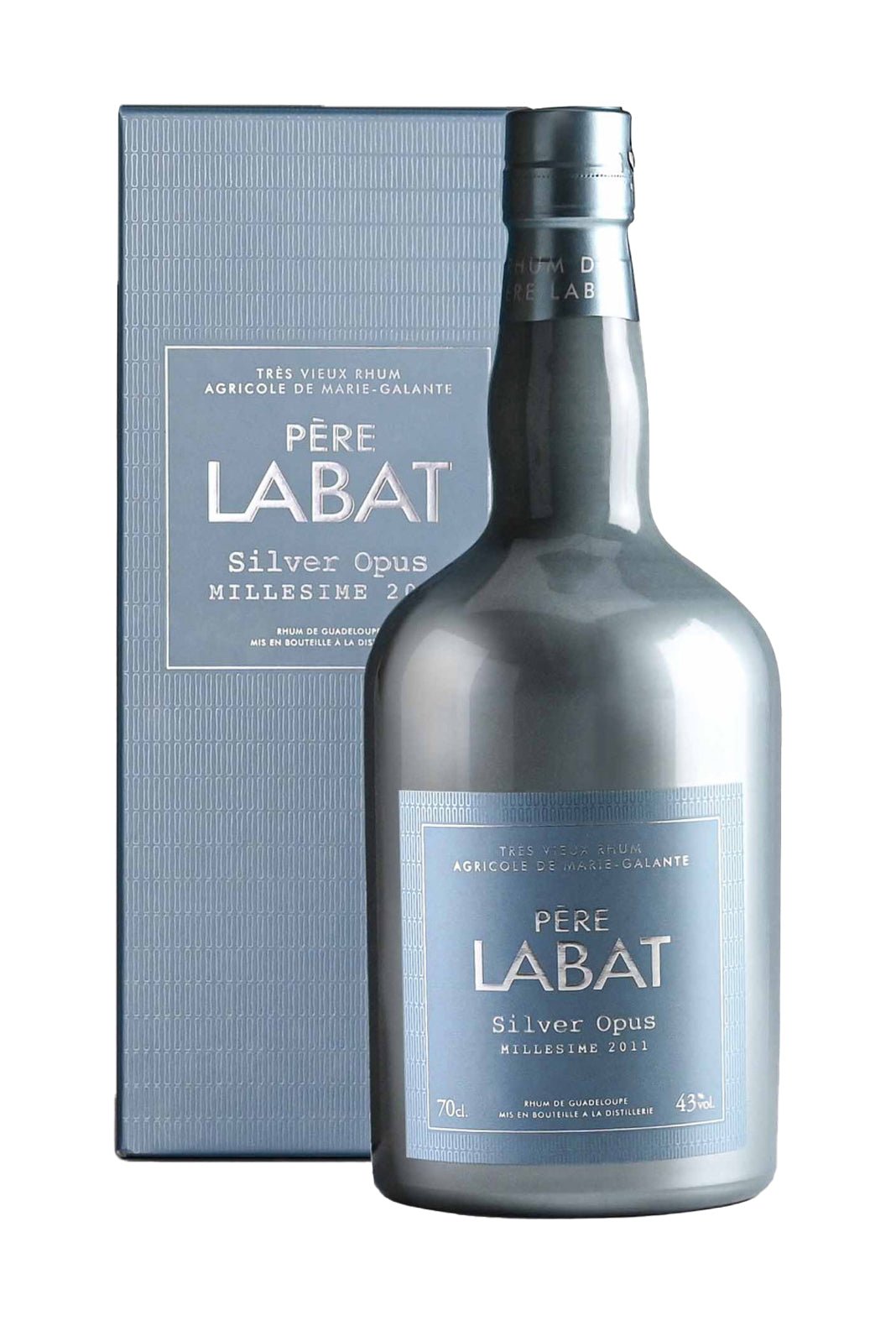
Labat Rum 2011 Silver Guadeloupe 43% 700ml
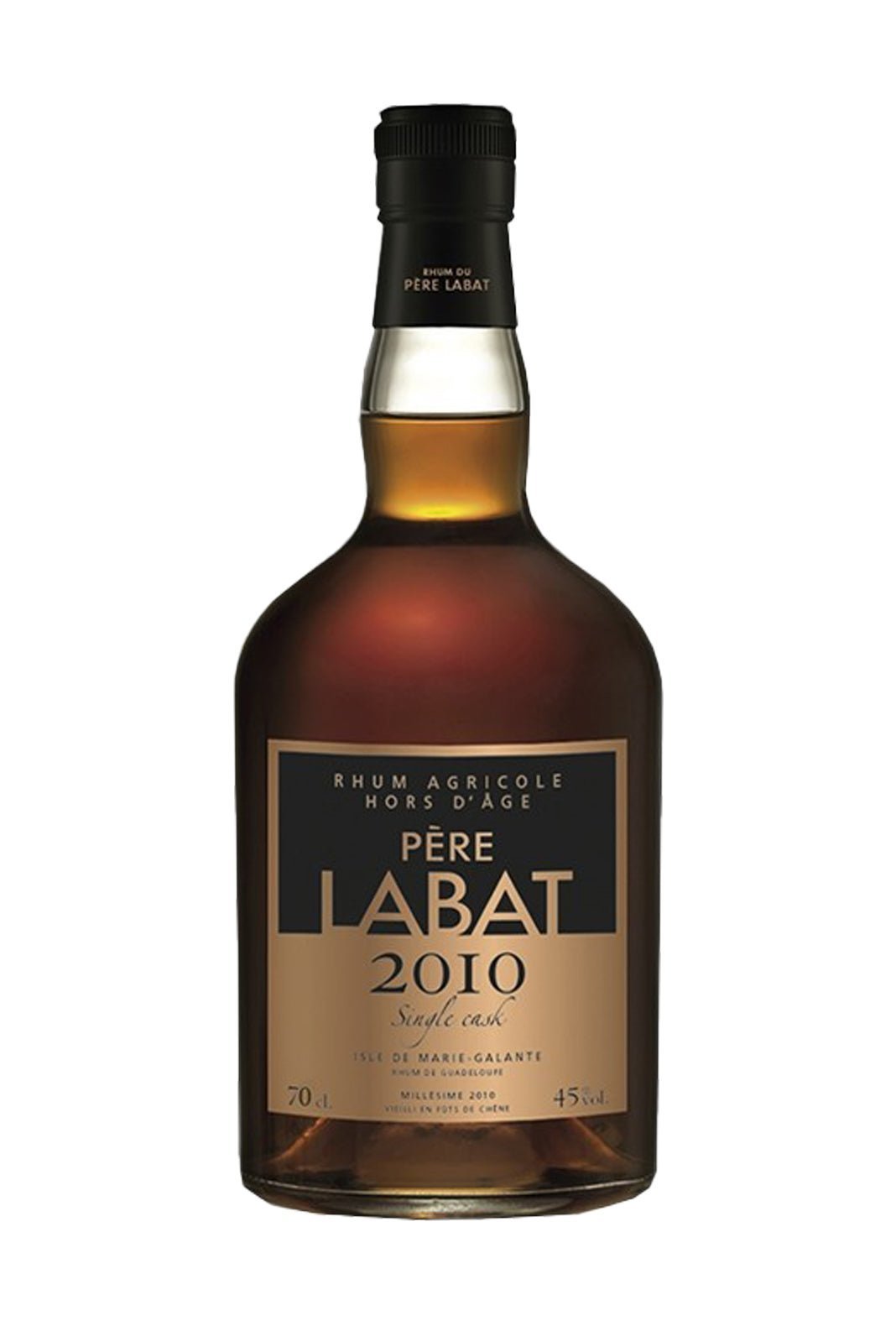
Labat Rum 2010 Vieux Guadeloupe 45% 700ml
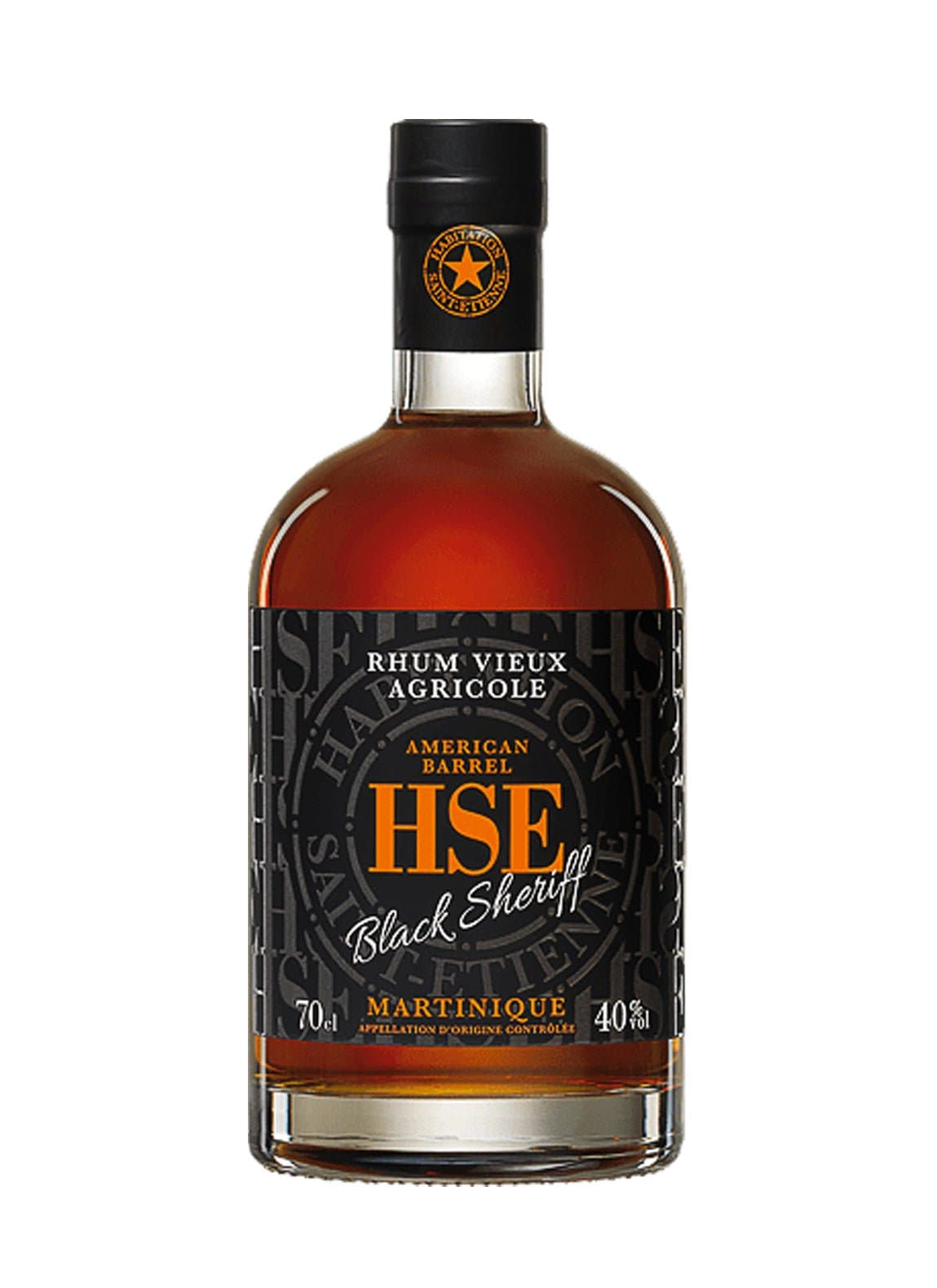
Habitation St Etienne Rum Agricole Vieux Black Sheriff 40% 700ml
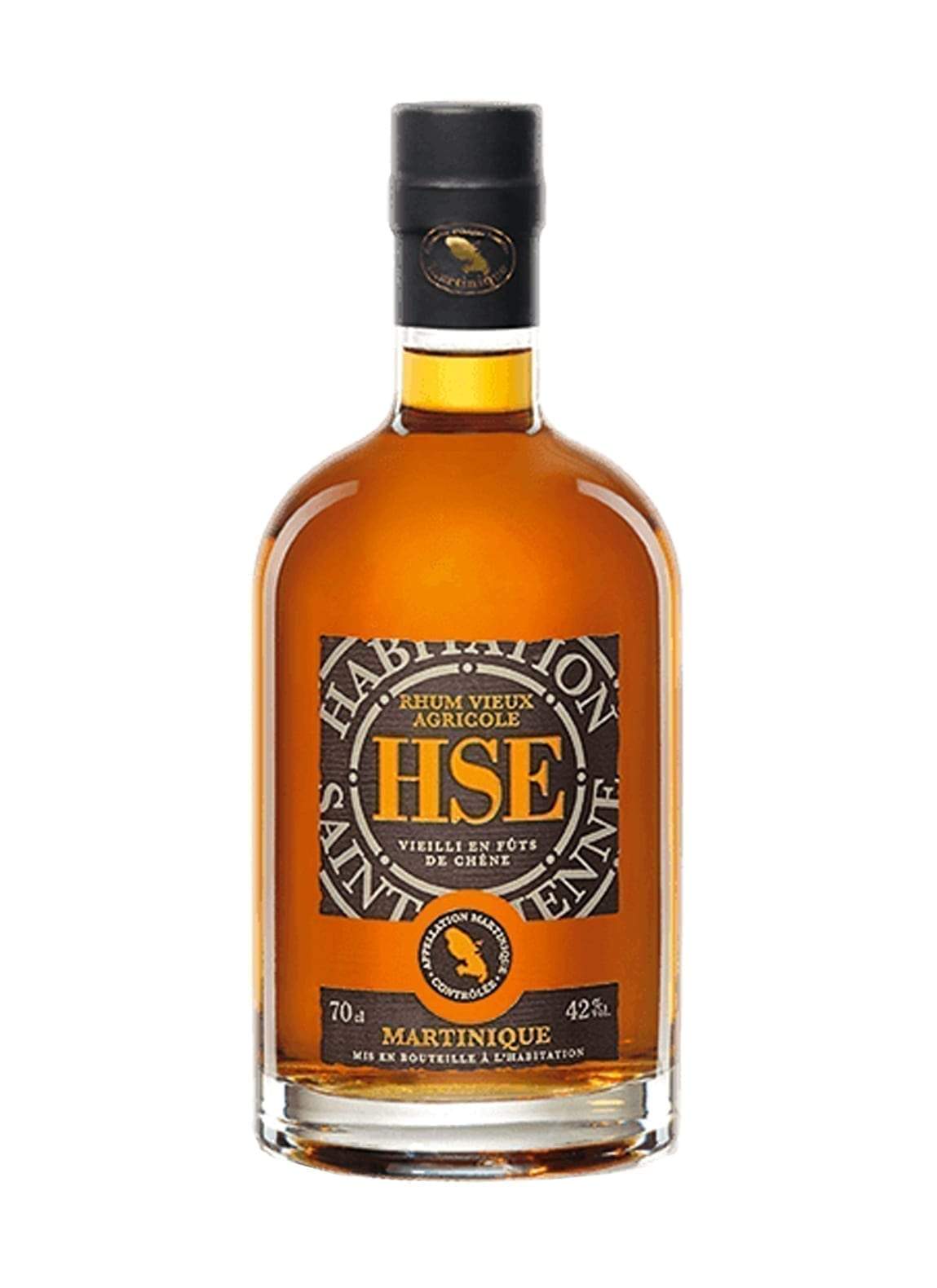
Habitation St Etienne Rum Agricole VO 4 years French Oak cask 42% 700ml
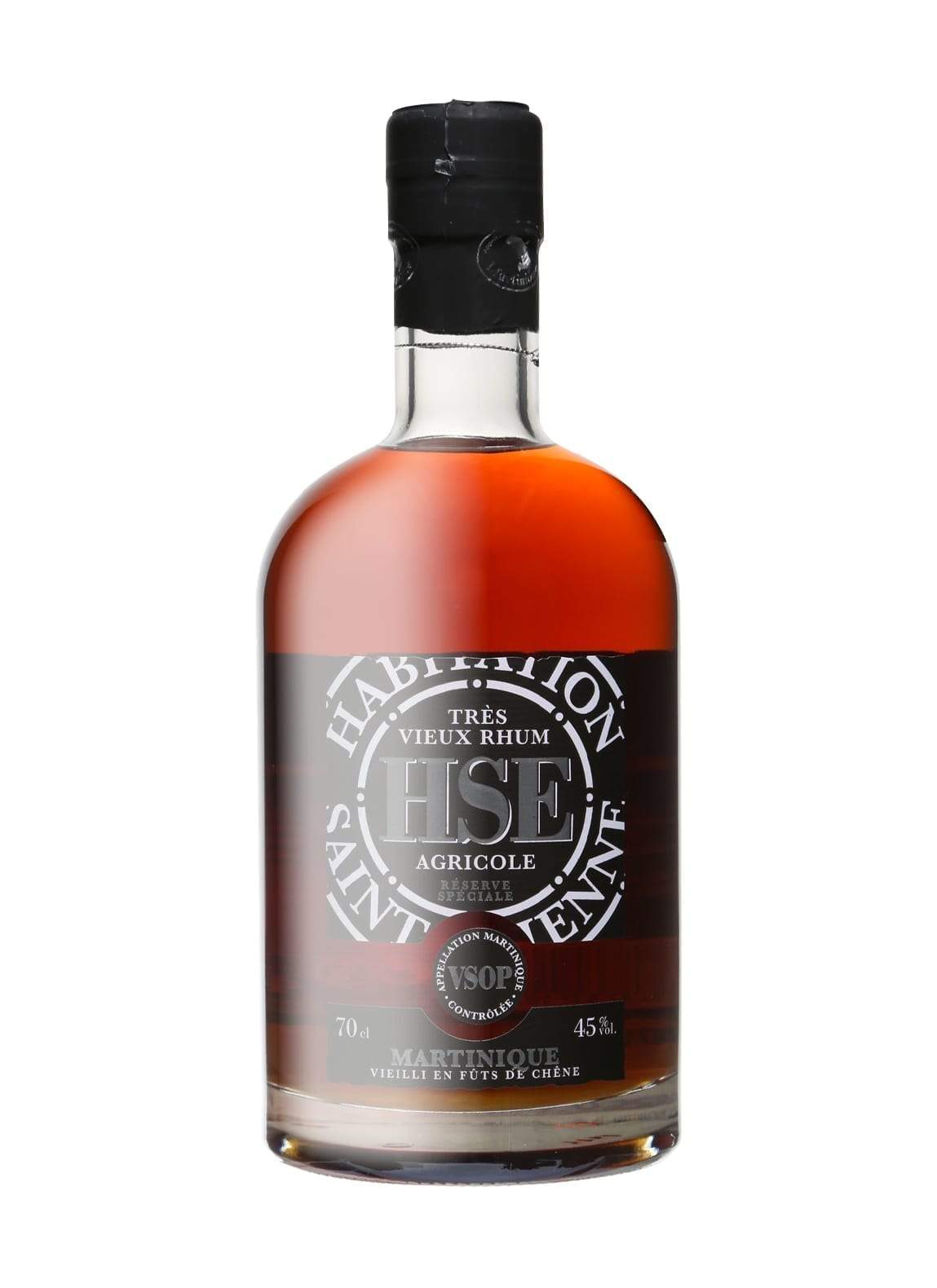
Habitation St Etienne Rum Agricole VSOP 6 years 45% 700
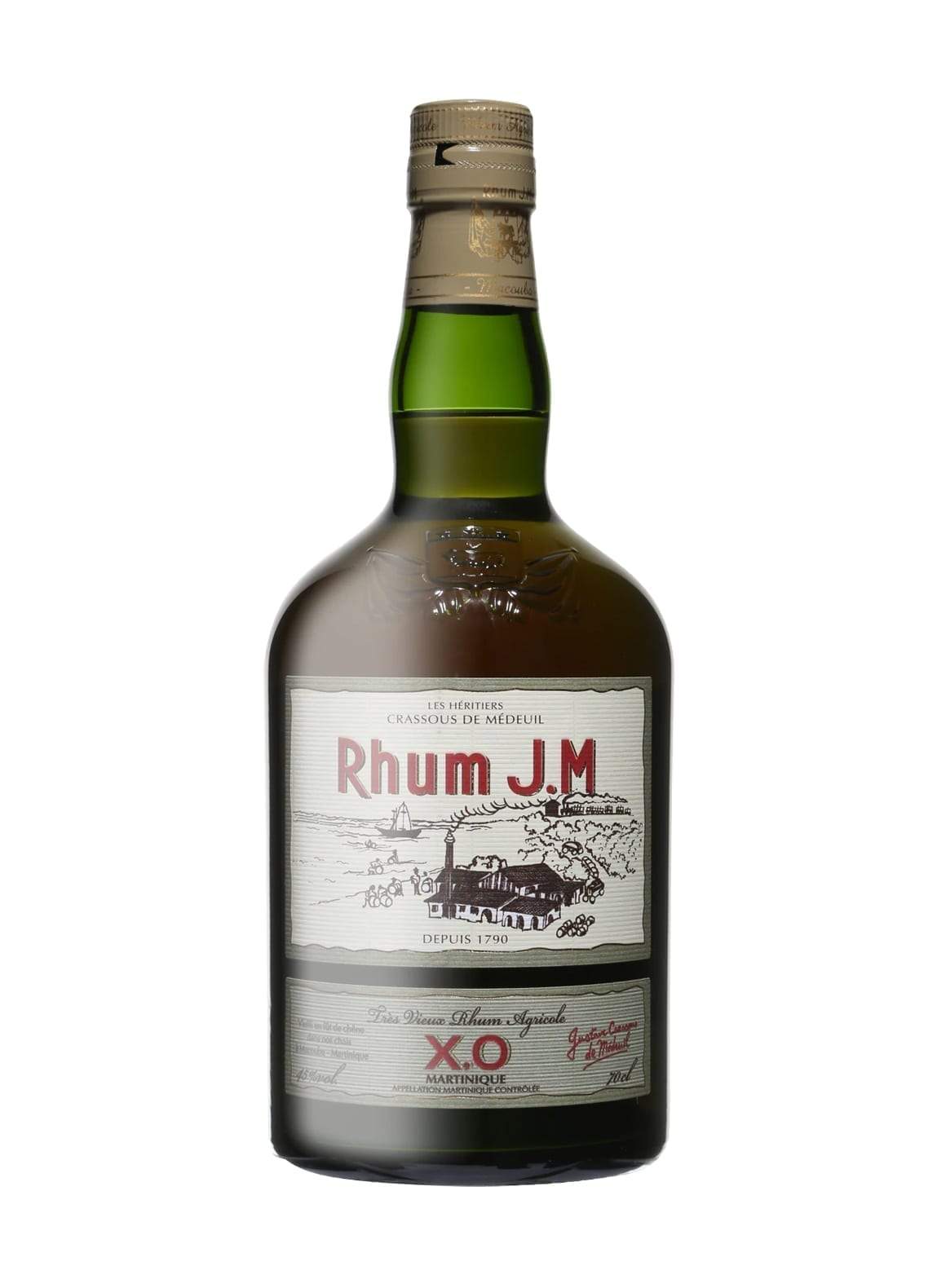
J.M Rhum Agricole Tres Vieux XO 47% 700ml
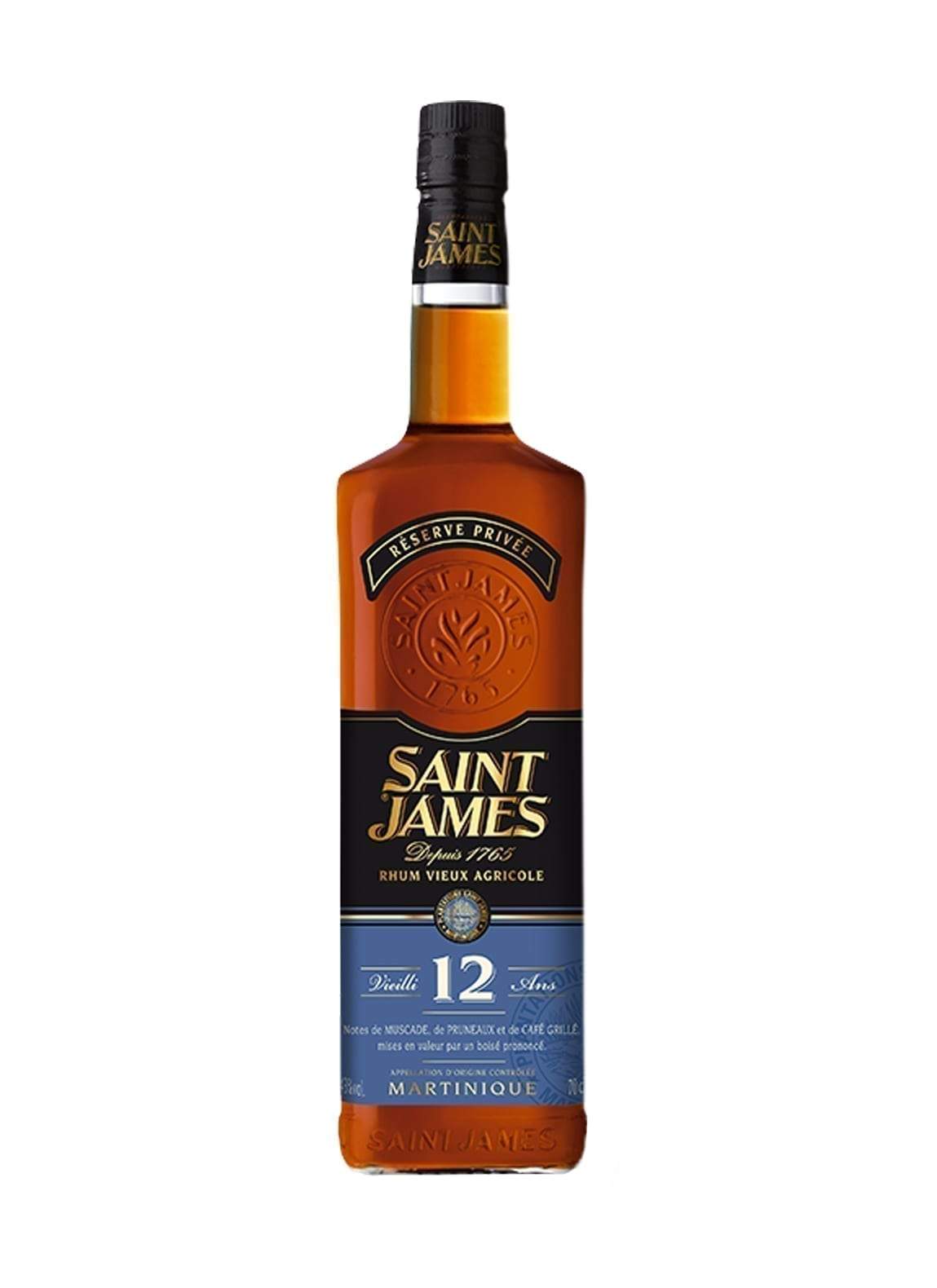
St James Rum Agricole 12 years 700ml 43%
About Agricole Rhum
Agricole is a different drink to the rum most Australians know, and this range is built to show why.
Rhum JM anchors it: the Blanc at 50%, the VSOP aged four years in bourbon and American oak, the Tres Vieux XO, Atelier Epices Creoles, and a run of AOC vintages from 2004, 2005, 2006, 2009 and 2012. Habitation Saint-Etienne runs almost as deep, with the Blanc at 50%, a VO four year in French oak, VSOP at six years, a Porto-finished VSOP and a series of vieux finished in Sauternes, Oloroso and Pedro Ximenez casks.
Saint James covers the older end with a 12 Year, a 2005 vintage at 51.8% and the l'Essentiel carafe blending 1998, 2000 and 2003. Depaz brings the Reserve Speciale VSOP at seven years. Neisson contributes Le Bio, certified organic at 52.5%.
Outside Martinique, Bielle and Labat cover Guadeloupe and Marie-Galante, including a Labat 1972 Courcelles, and Barbancourt brings Haiti's cane juice tradition at four and eight years.
Blancs are the place to start. The aged vieux and single vintages run a good deal further.
If the AOC rules and the Ti Punch are new territory, our guide to rhum agricole explains the category, and the JM house profile covers one producer closely.
History
Agricole exists because of a sugar crash. Through the nineteenth century, European beet sugar undercut Caribbean cane, and Martinique's plantations were left with cane they could not sell profitably as sugar. Rather than distil molasses, a byproduct of sugar refining, distillers began fermenting and distilling the fresh pressed juice of the cane itself. The result was lighter, grassier and far more expressive of where the cane grew.
Martinique formalised this in 1996 with an AOC, the only appellation controlee for rum anywhere in the world. It sets the permitted cane varieties, requires the juice to be fermented within a short window of pressing, specifies single column distillation between 65 and 75 per cent, and dictates ageing rules. Elevage sous bois requires at least twelve months in oak. Vieux requires three years in barrels of 650 litres or less.
Because the cane must be crushed within hours, agricole is seasonal in a way molasses rum is not. Distilling runs roughly from February to June, and each harvest carries the mark of that year's rainfall and sun. That is why vintage-dated agricole is common while vintage-dated molasses rum is not.
For the short version of what separates cane juice rhum from the molasses kind, our explainer on agricole rhum covers it in a couple of minutes.
How to drink it
Start with the Ti Punch, which is the drink agricole was made for. Half a lime coin, a bar spoon of cane syrup, and 60ml of blanc at 50% or above. No ice, or one large cube, and stir it yourself. Martinique calls it chacun prepare sa propre mort, each person prepares their own death, because you build it to your own taste at the table.
Blanc also makes an outstanding daiquiri and a Rhum Punch, where the grassiness cuts through fruit far better than a molasses rum does.
Aged agricole, from VO upwards, should be treated like a fine brandy. Tulip glass, room temperature, nothing added. The vegetal note softens into cane sugar, cocoa and dried fruit while keeping a dry, mineral finish that sets it apart from Caribbean molasses rum.
A useful comparison at home: pour a JM Blanc and an El Dorado 8 side by side. Same base plant, completely different spirit. That single tasting explains agricole faster than any description.