
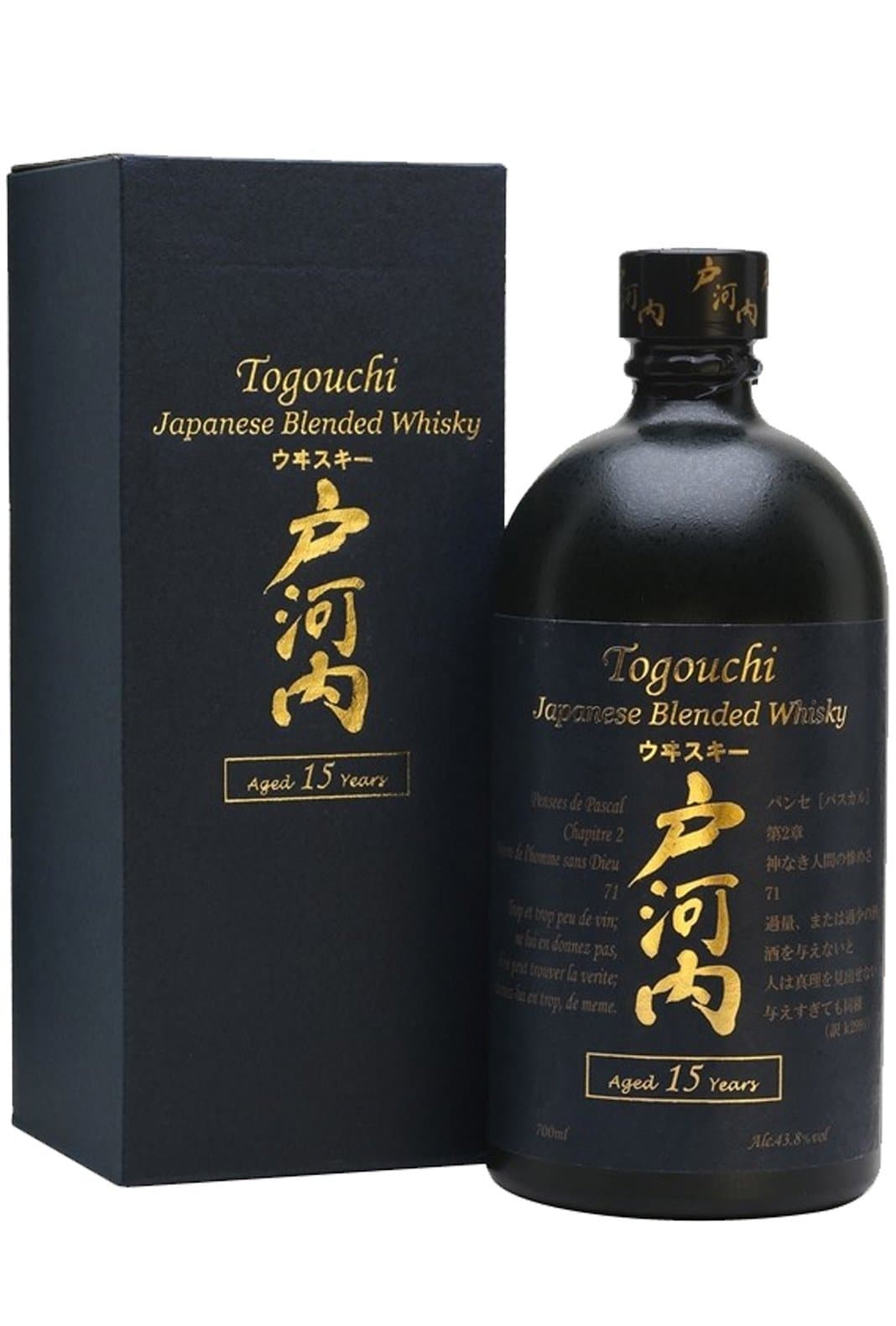
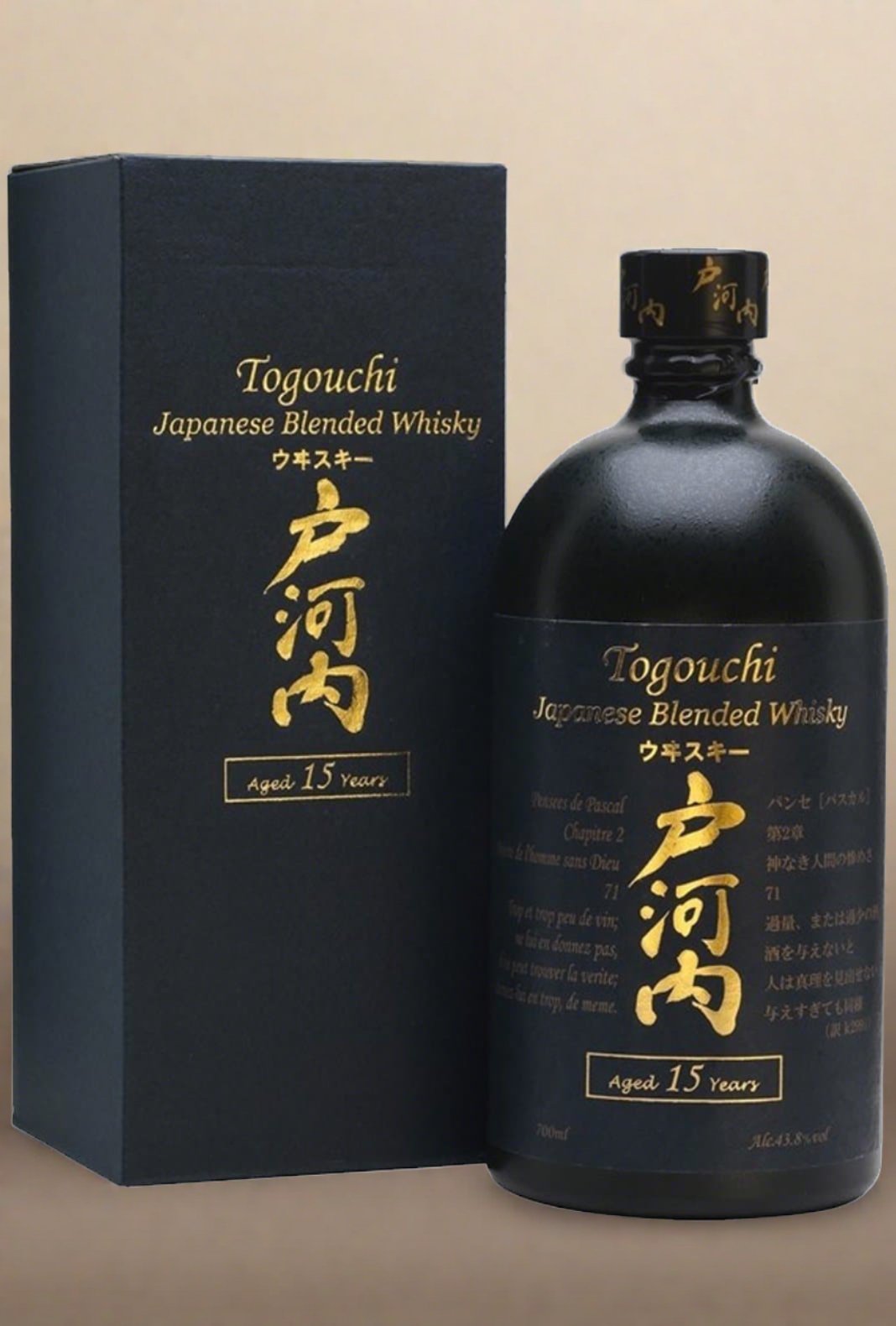
Togouchi 15 years Japanese Whisky 43.8% 700ml
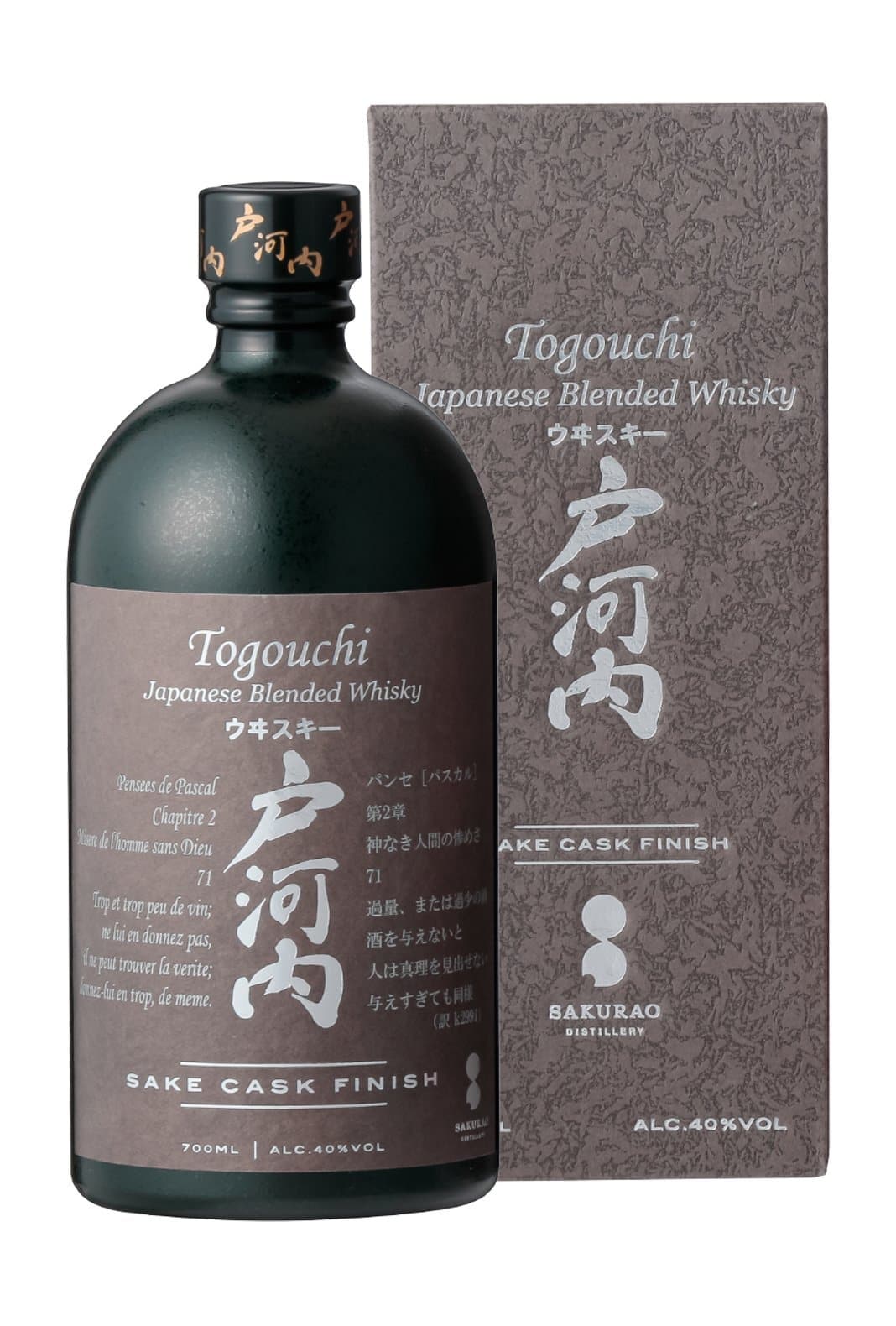
Togouchi Sake Cask Finish Japanese Whisky 40% 700ml
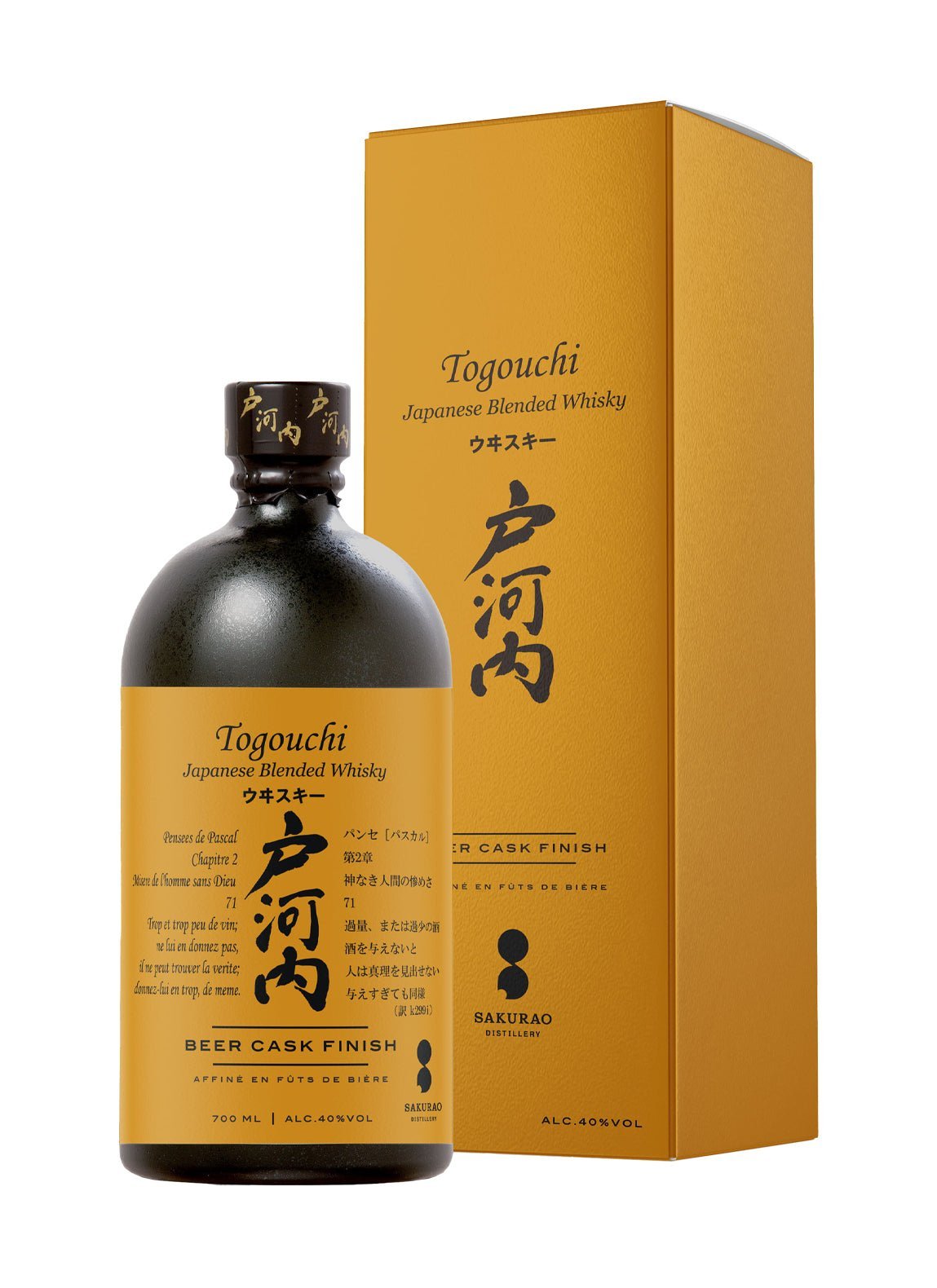
Togouchi Blended Beer Cask Finish Japanese Whisky 40% 700ml
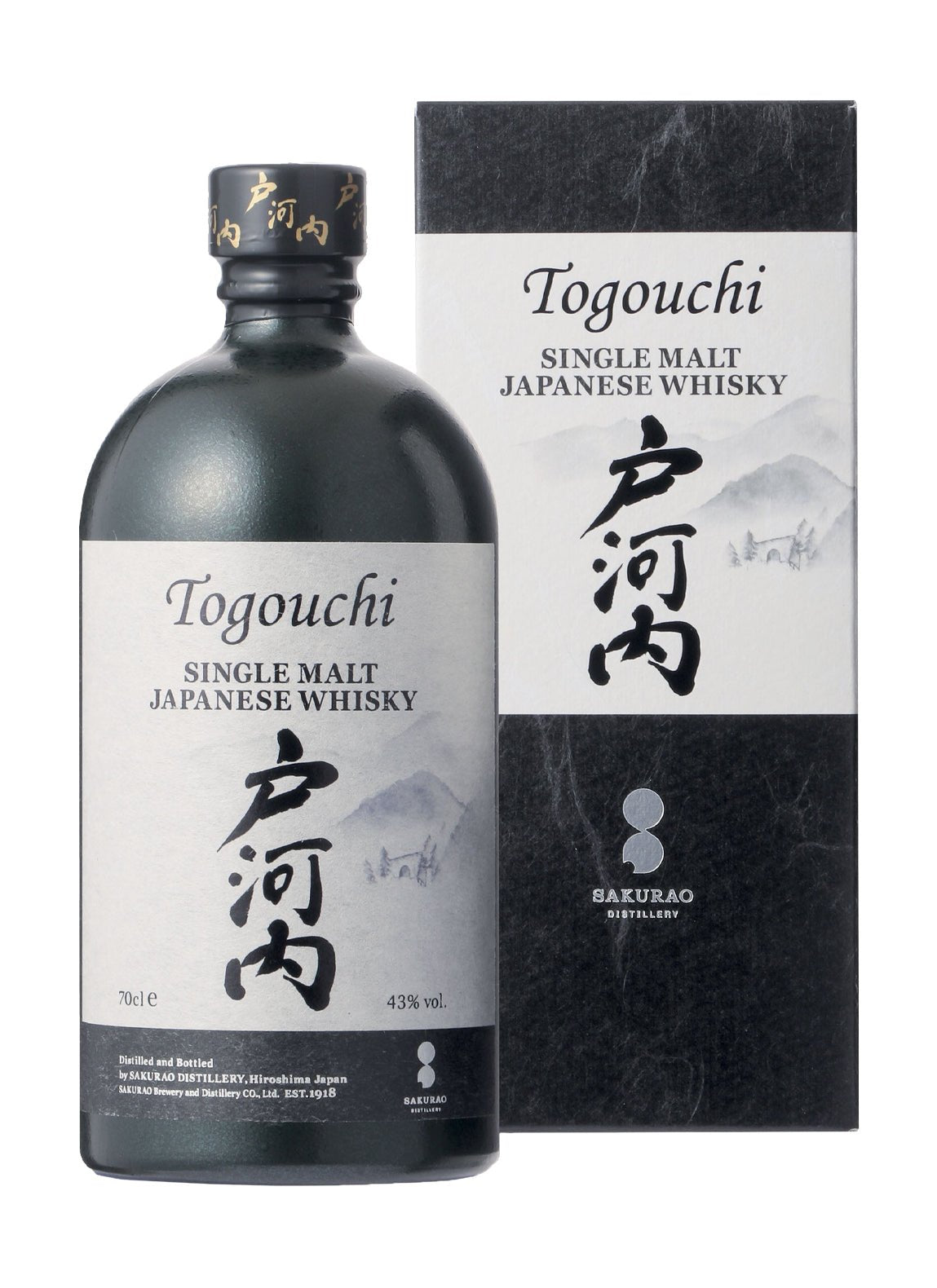
Togouchi Single Malt Japanese Whisky 43% 700ml
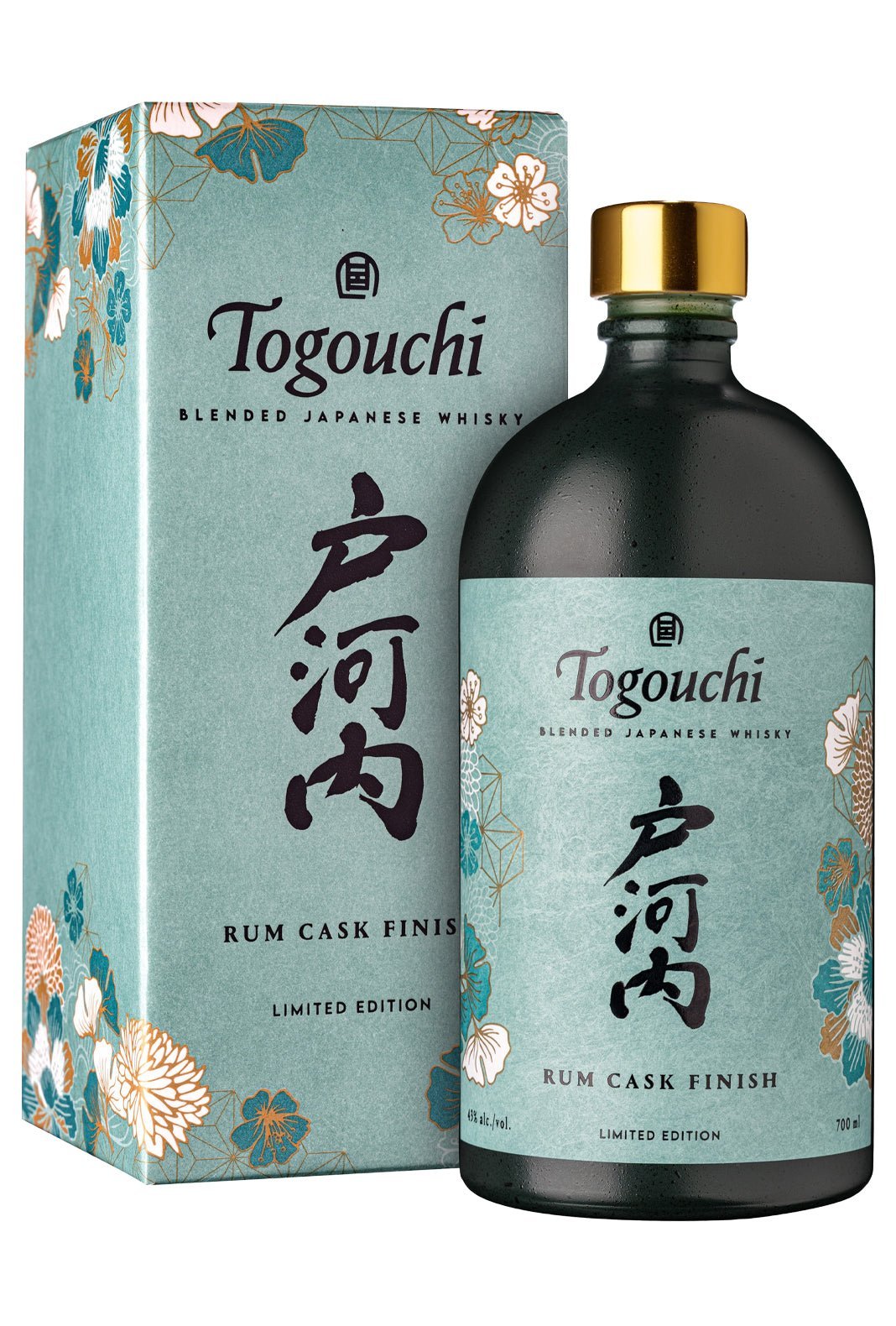
Togouchi Rum Cask Finish 43% 700ml
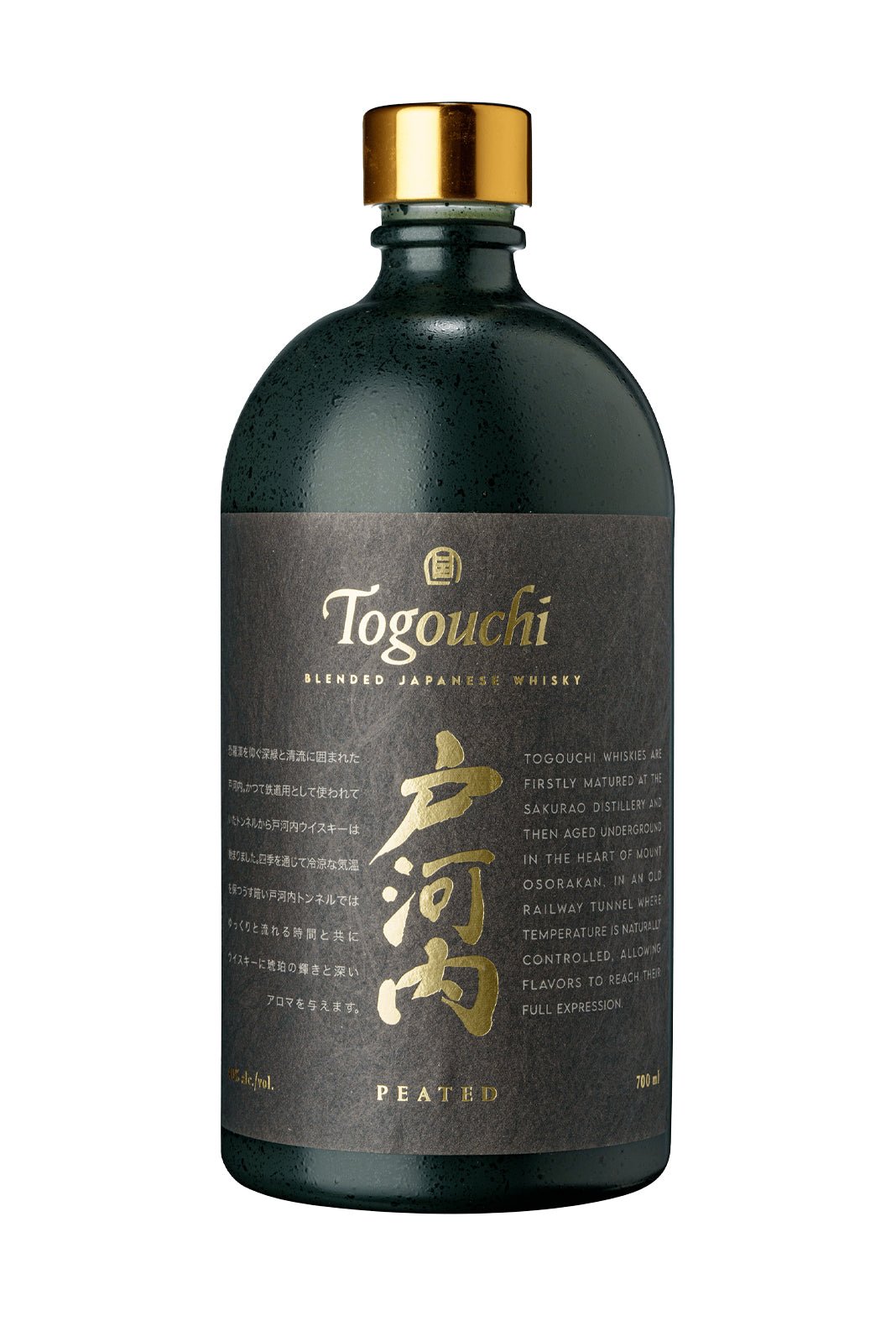
Togouchi Whisky Peated 40% 700ml
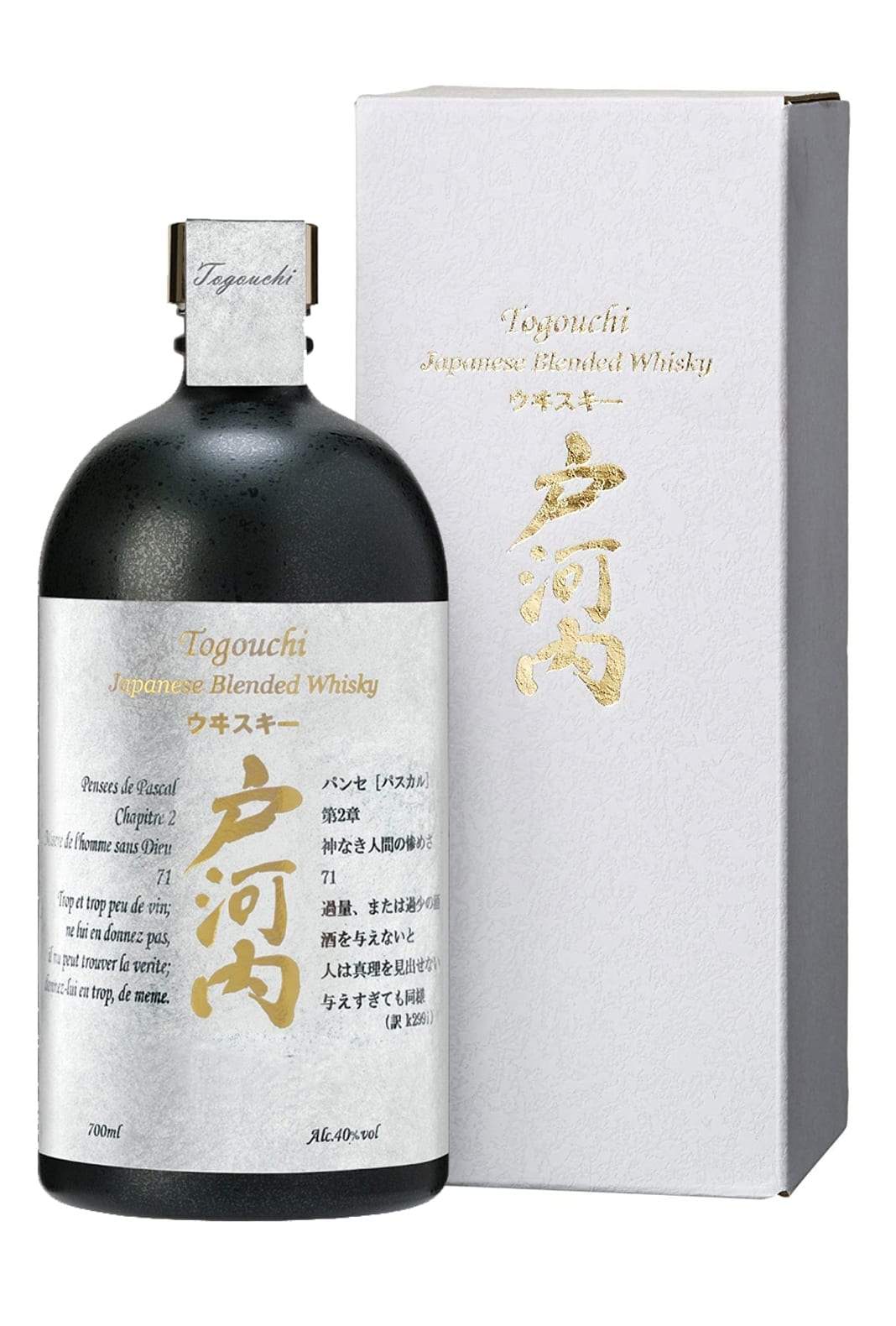
Togouchi Premium Japanese Whisky 40% 700ml
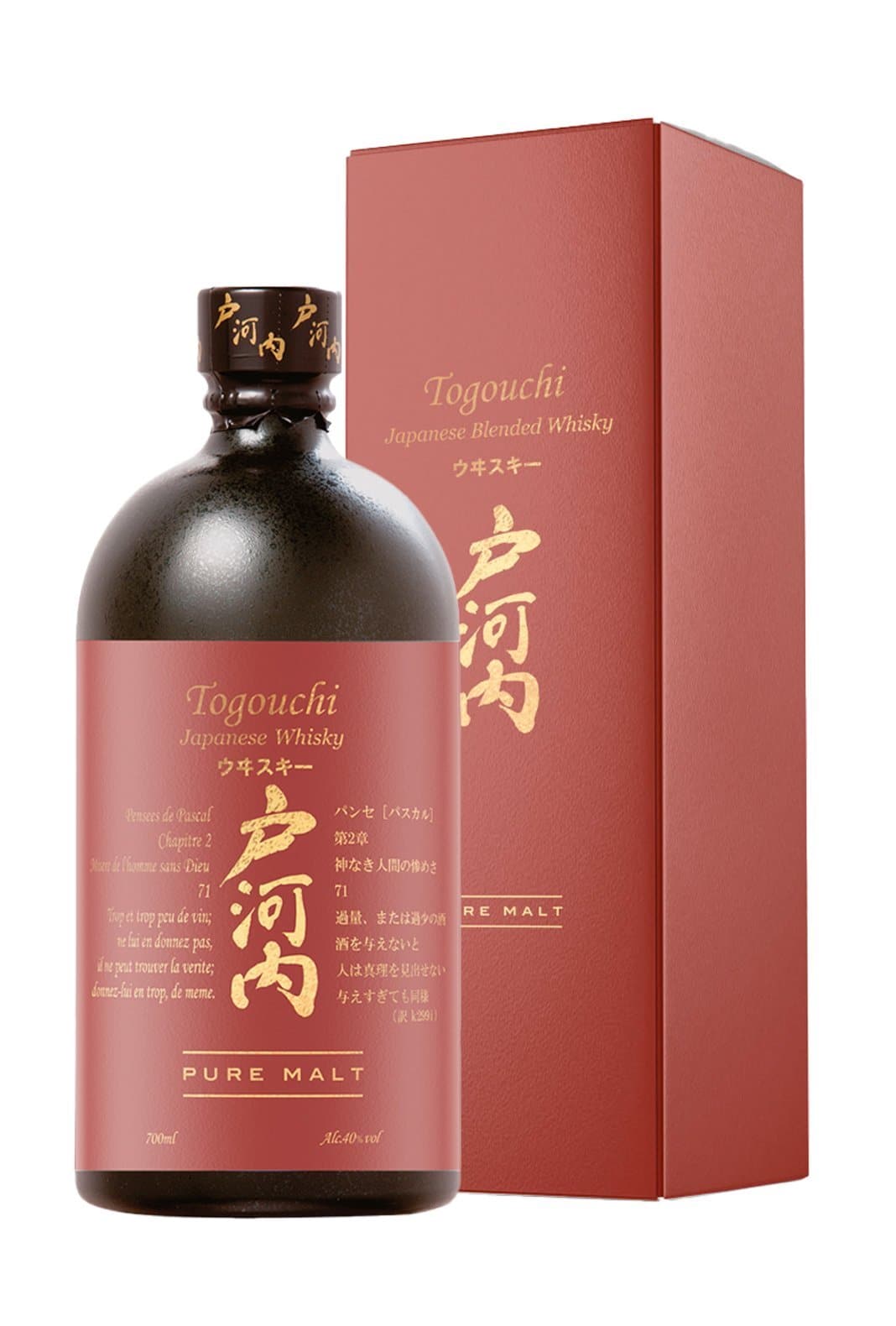
Togouchi Pure Malt Japanese Whisky 40% 700ml
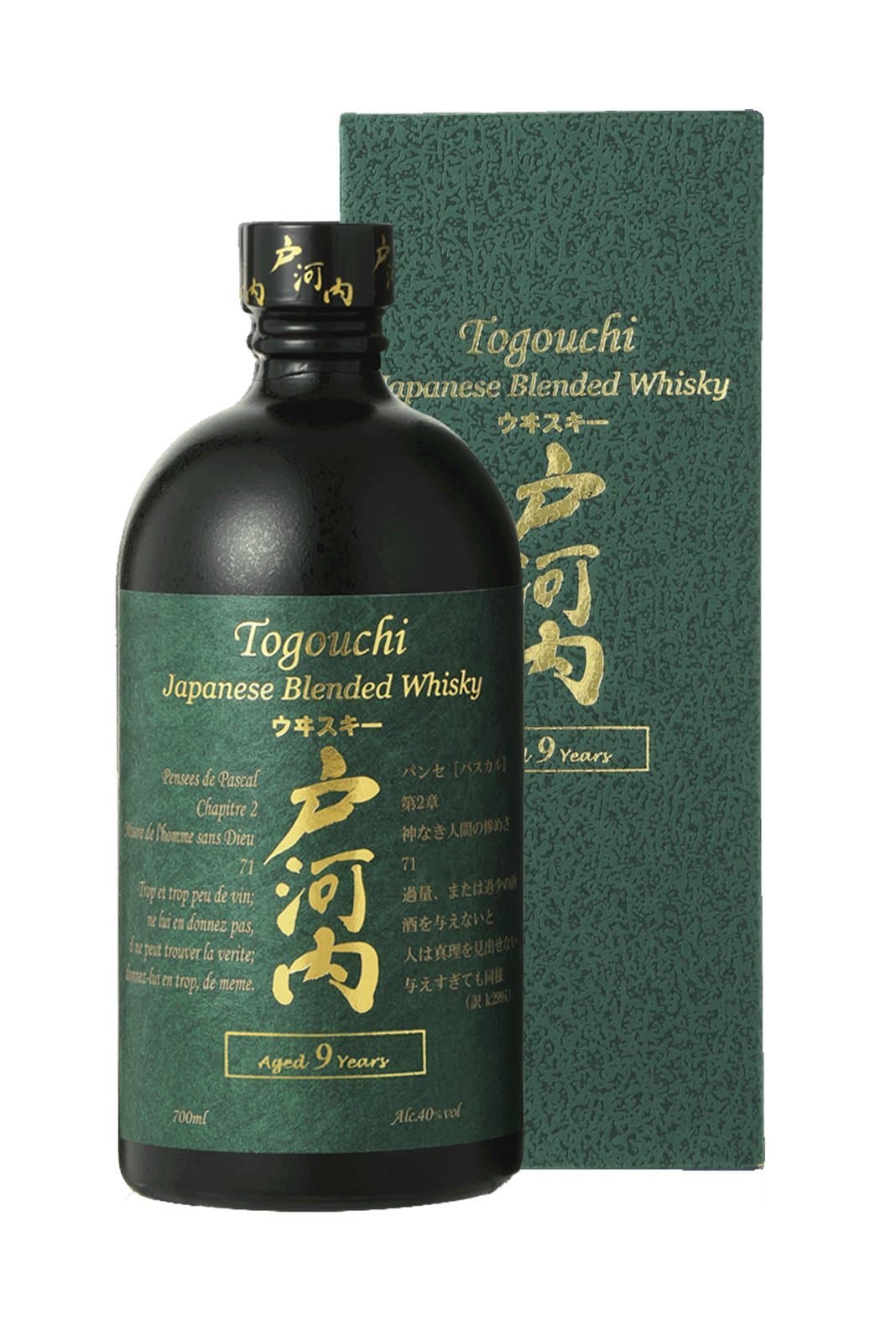
Togouchi 9 years Japanese Whisky 40% 700ml
About Togouchi
Togouchi is the whisky side of Chugoku Jozo, a Hiroshima company that made its name in sake and shochu long before it put a whisky on the shelf. The name belongs to a mountain town inland from Hiroshima city, where an abandoned railway tunnel runs into the hillside. The casks sit in there. The rock keeps the tunnel cool and damp right through a Japanese summer, with no air conditioning and no seasonal swing, and that steady maturation is the reason Togouchi tastes rounder and gentler than the age on the label would suggest.
This page holds the working range. Togouchi Premium is the everyday blend, soft and honeyed, and Togouchi 9 Years adds weight without losing that ease. Togouchi 15 Years at 43.8 per cent is the serious one, dried fruit and old oak. Togouchi Single Malt gives the malt character on its own. Then come the finishes, which is where the brewing heritage shows: a sake cask finish, a beer cask finish, and Togouchi Peated for anyone who wants smoke in a Japanese frame. It sits alongside the rest of our Japanese whisky and the wider whisky range, all delivered across Australia (exc. NT).
History
Chugoku Jozo was founded in 1918 in Hatsukaichi, on the coast just outside Hiroshima, as a maker of sake and shochu. Whisky came later, and for most of its life Togouchi did what a great many Japanese whisky brands did: it bought mature malt and grain whisky from Scotland and Canada, blended it in Japan, and matured the result at home. That was normal practice and it was never hidden. The tunnel at Togouchi, a disused railway bore in the mountains, became the maturation site because it offered what a warehouse could not, a naturally cool and humid space that barely moves in temperature between February and August.
The wider picture changed in 2021, when the Japan Spirits and Liqueurs Makers Association introduced labelling standards saying that whisky sold as Japanese must be fermented, distilled and matured in Japan for at least three years and bottled there. It was a voluntary code rather than law, but it reshaped how the category presents itself. Chugoku Jozo had already moved: it opened the Sakurao Distillery at Hatsukaichi in 2017, giving the company its own malt spirit and its own stills for the first time. Togouchi today therefore covers both eras, older blended stock and newer domestic distillate, which is worth knowing when you compare bottles side by side. If Japan is new to you, the single malts and blends page is a useful place to see how it fits the rest of the world.
How to drink it
Togouchi is built for drinking rather than for analysing, and it takes dilution well. A tulip glass or a Glencairn beats a tumbler because it gathers the aromatics. Pour a short measure, leave it two or three minutes, then add water a few drops at a time. The 40 per cent bottlings open noticeably with very little.
The Japanese serve for a blend like this is mizuwari: roughly one part whisky to two and a half parts cold water, poured over a glass packed with ice and stirred rather than shaken, which turns it into something you can drink through a whole meal without it tiring you out. A highball works the same way with soda, and Togouchi Peated holds its shape against soda better than the sweeter blends do. With food, go salty and grilled rather than rich: yakitori, teriyaki salmon, aged cheddar. The Sake Cask Finish is a good after dinner pour with stone fruit.
Start with Togouchi Premium to learn the house style, then step to the 15 Year for depth. An open bottle at this strength is stable for a year or more, but once it drops below halfway the air in the neck begins flattening the top notes, so either finish it or decant it into a smaller bottle. Store upright, away from sunlight, and never in the fridge. More smoke is over in peated whisky.
More from this origin and style: