
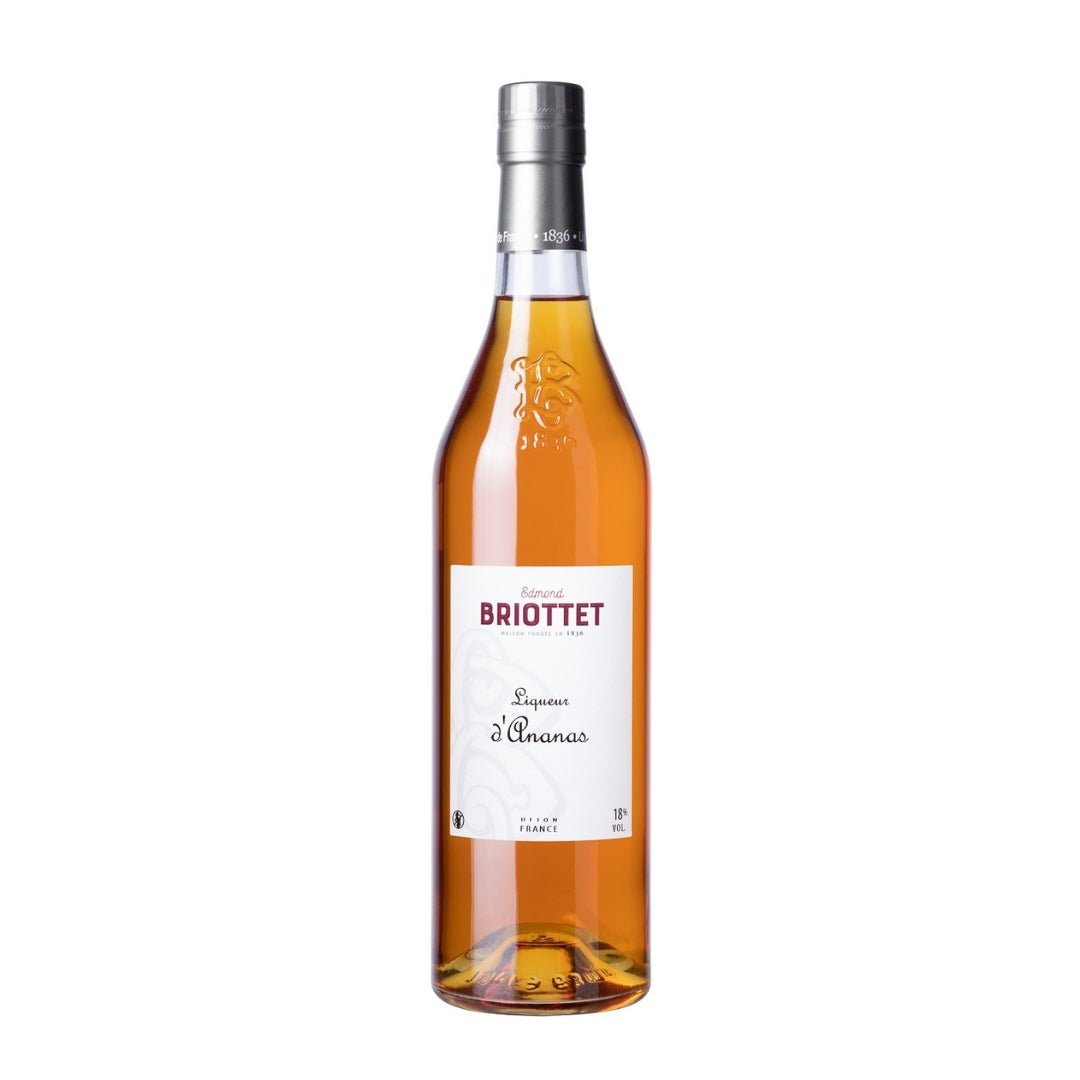
Briottet Pineapple Liqueur 18% 700ML
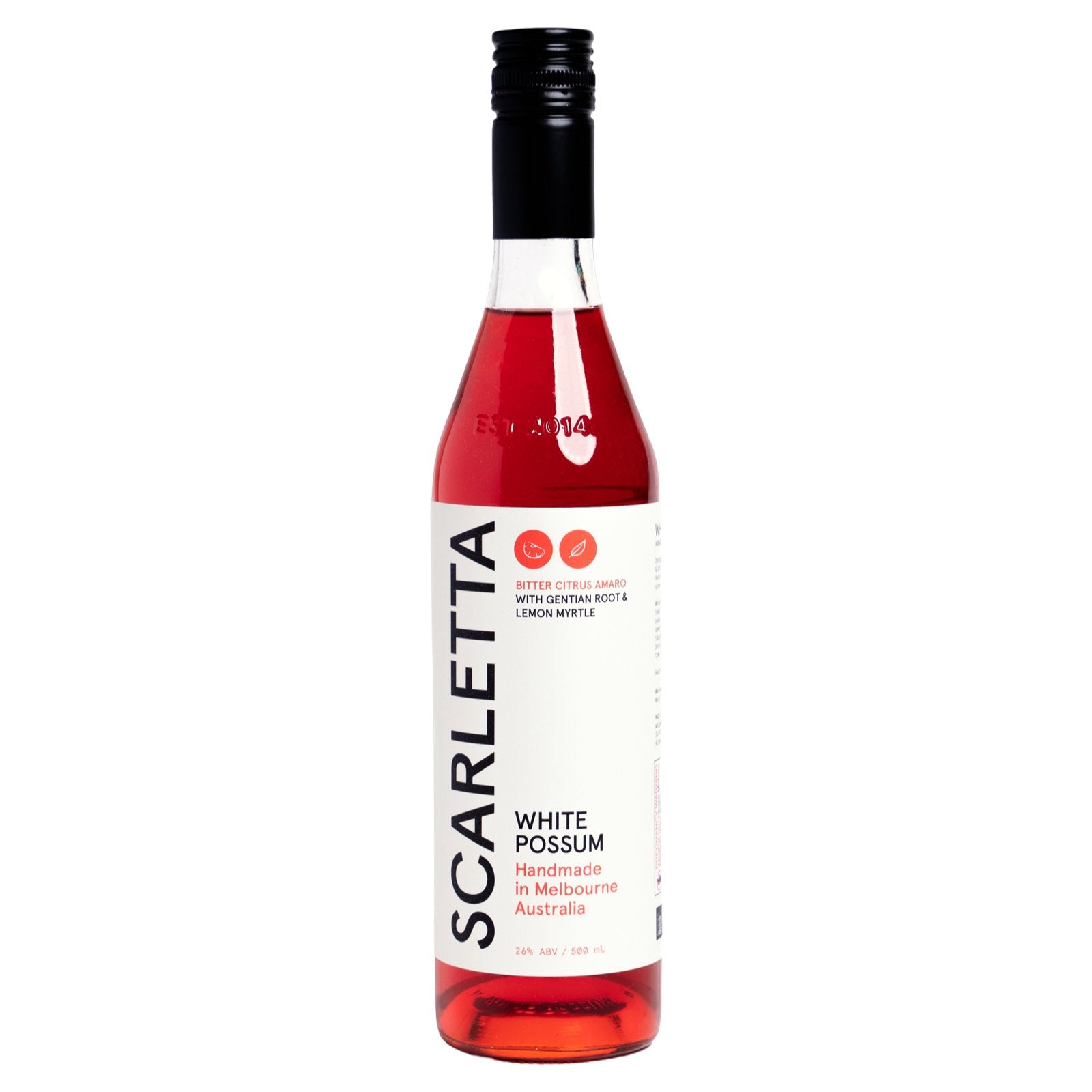
White Possum Scarletta Bitter Citrus Amaro 26% 500ML
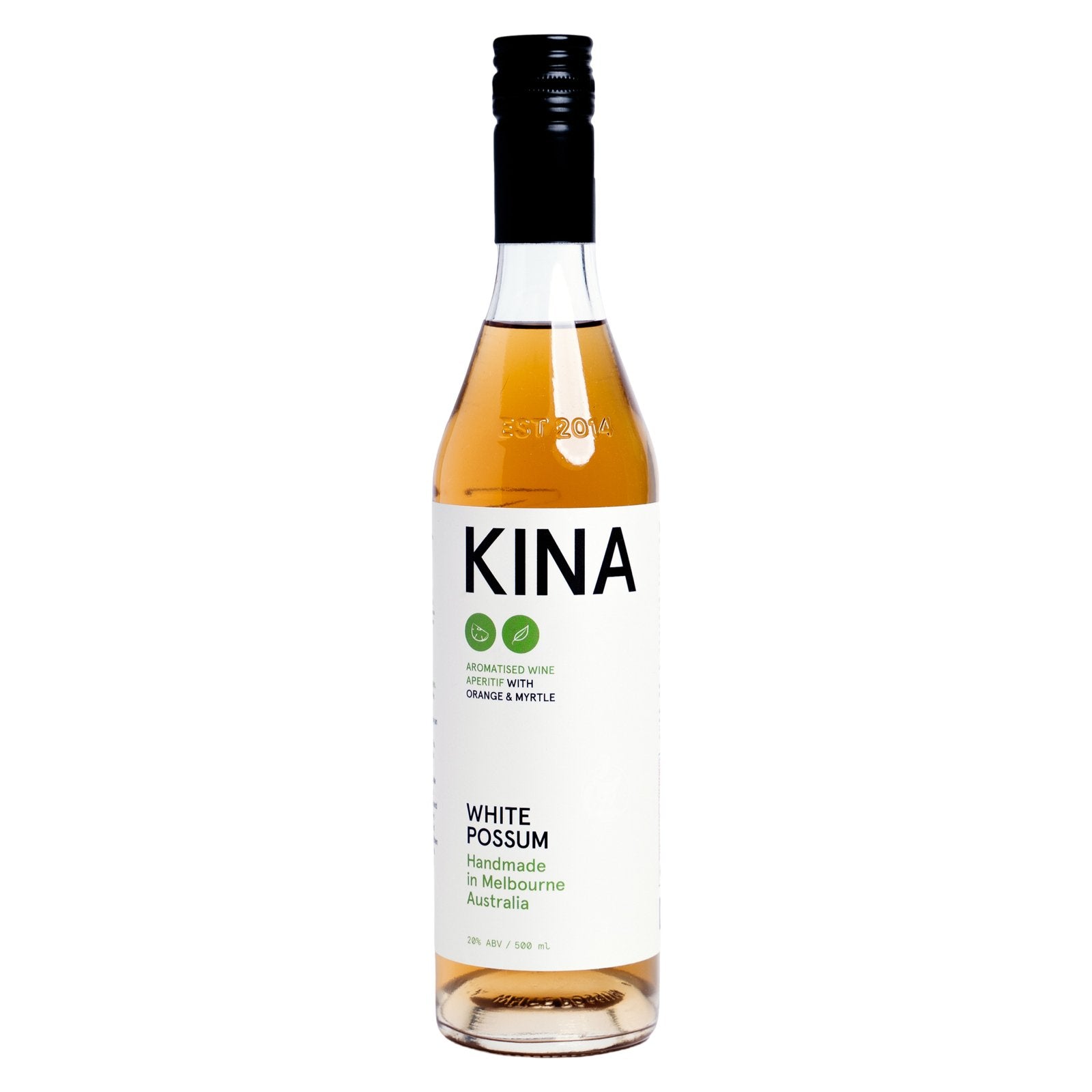
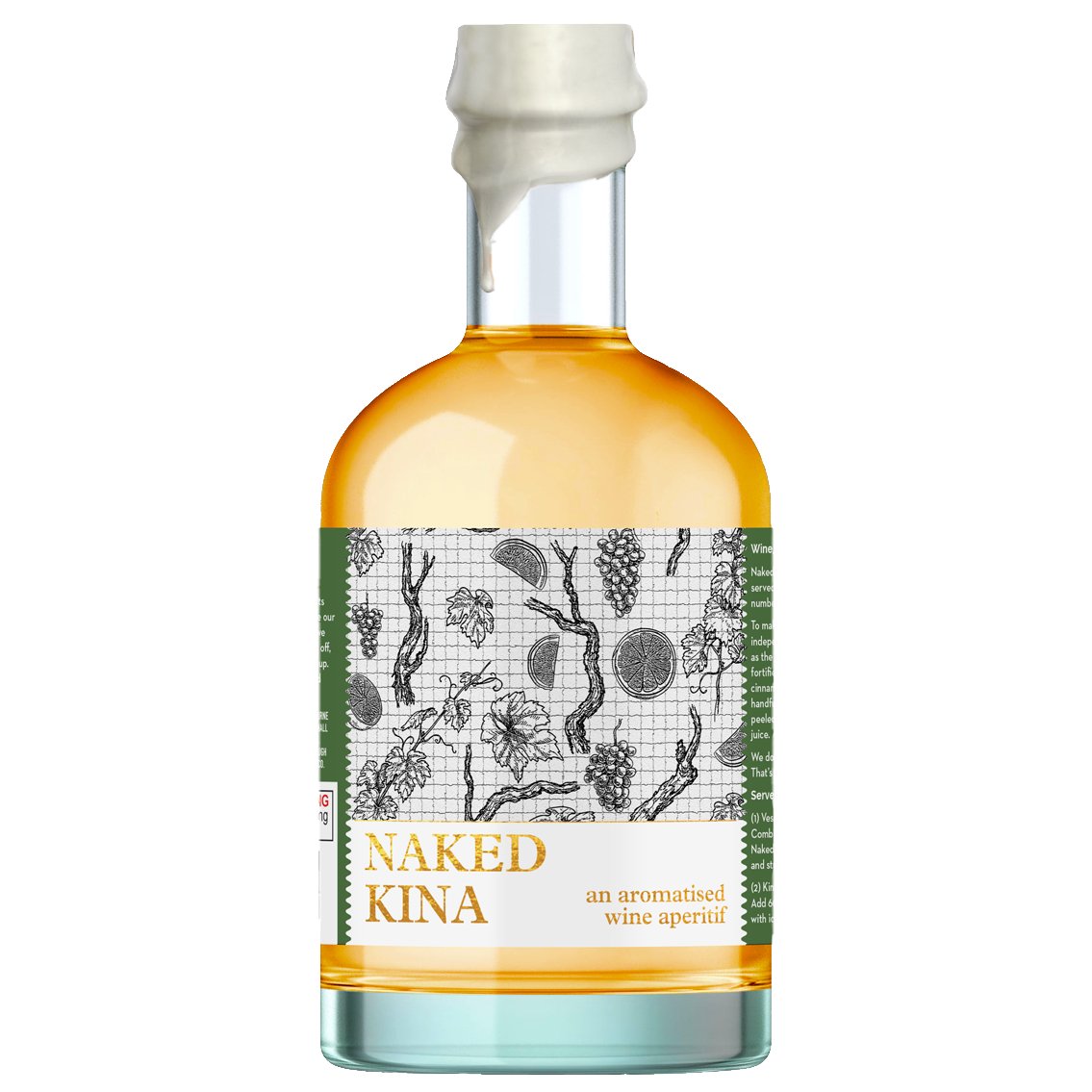
White Possum Kina Aperitif 20% 500ML
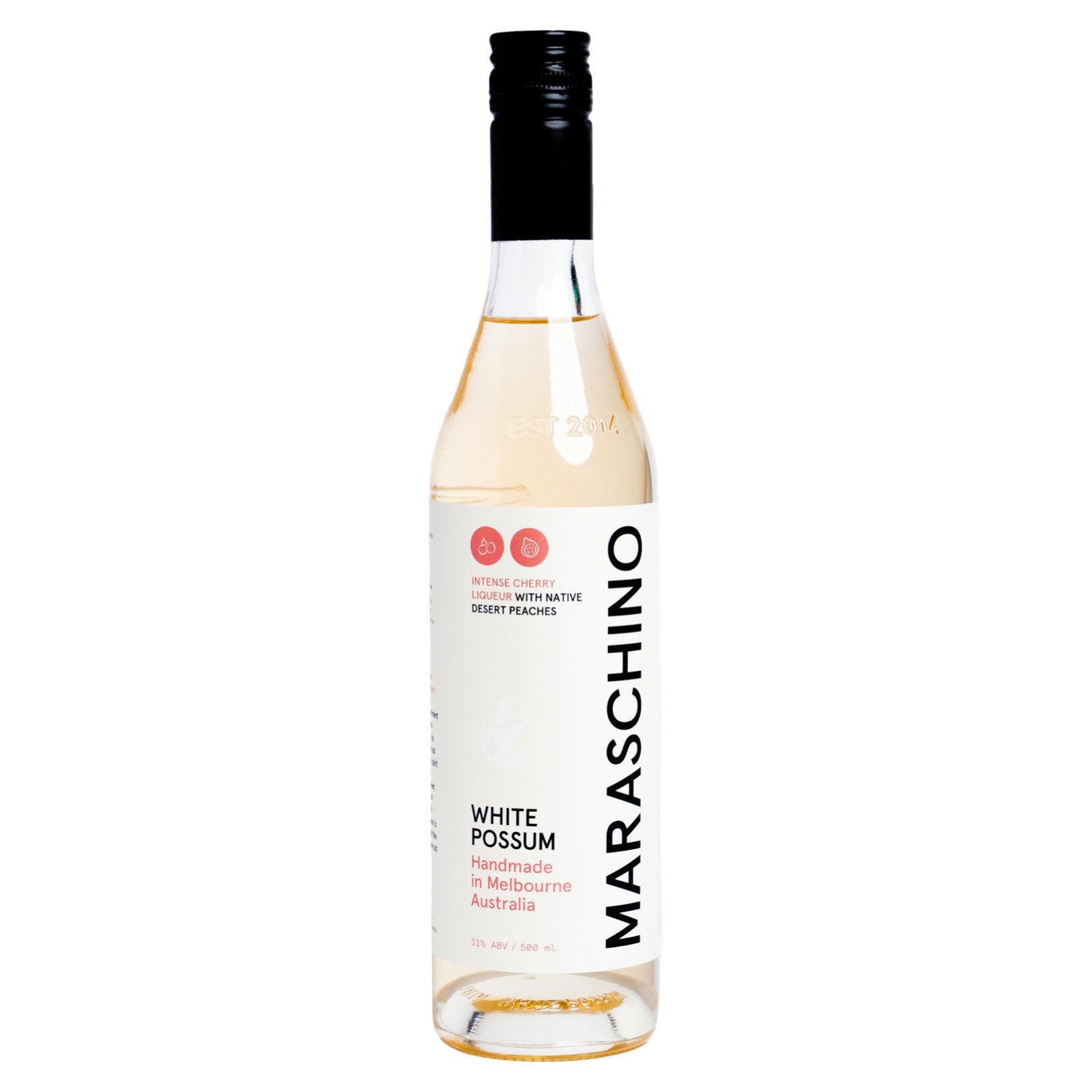
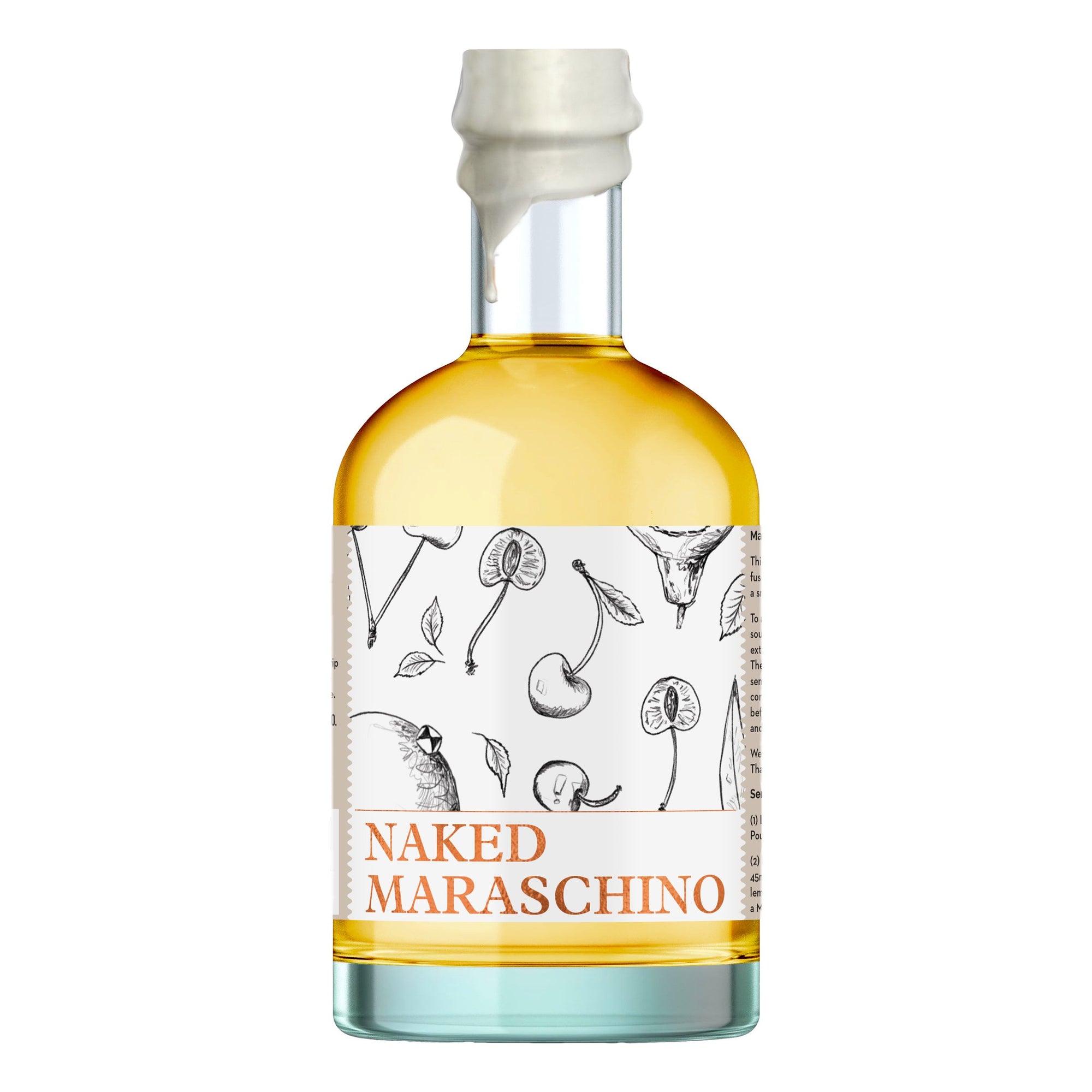
White Possum Maraschino Liqueur 31% 500ML
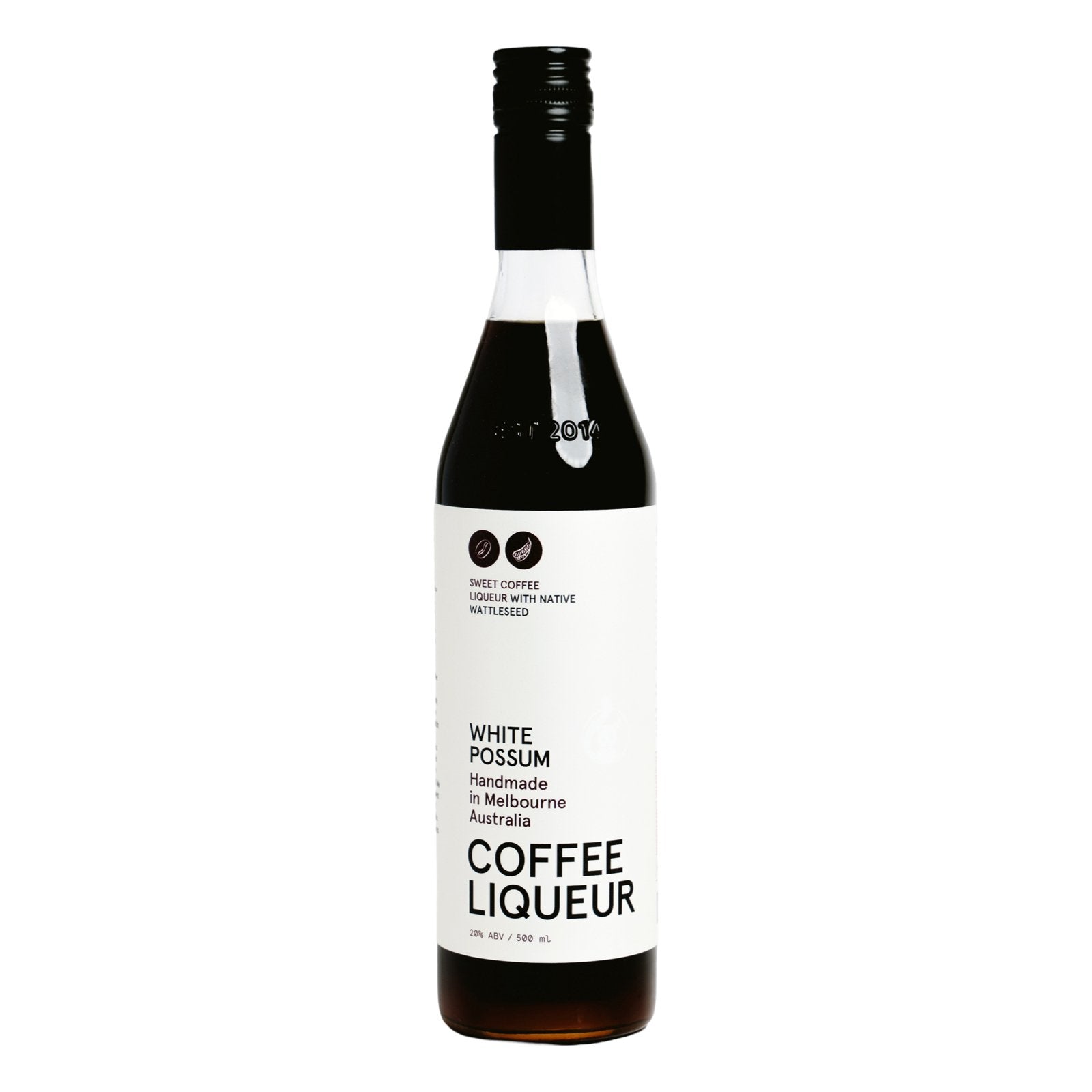
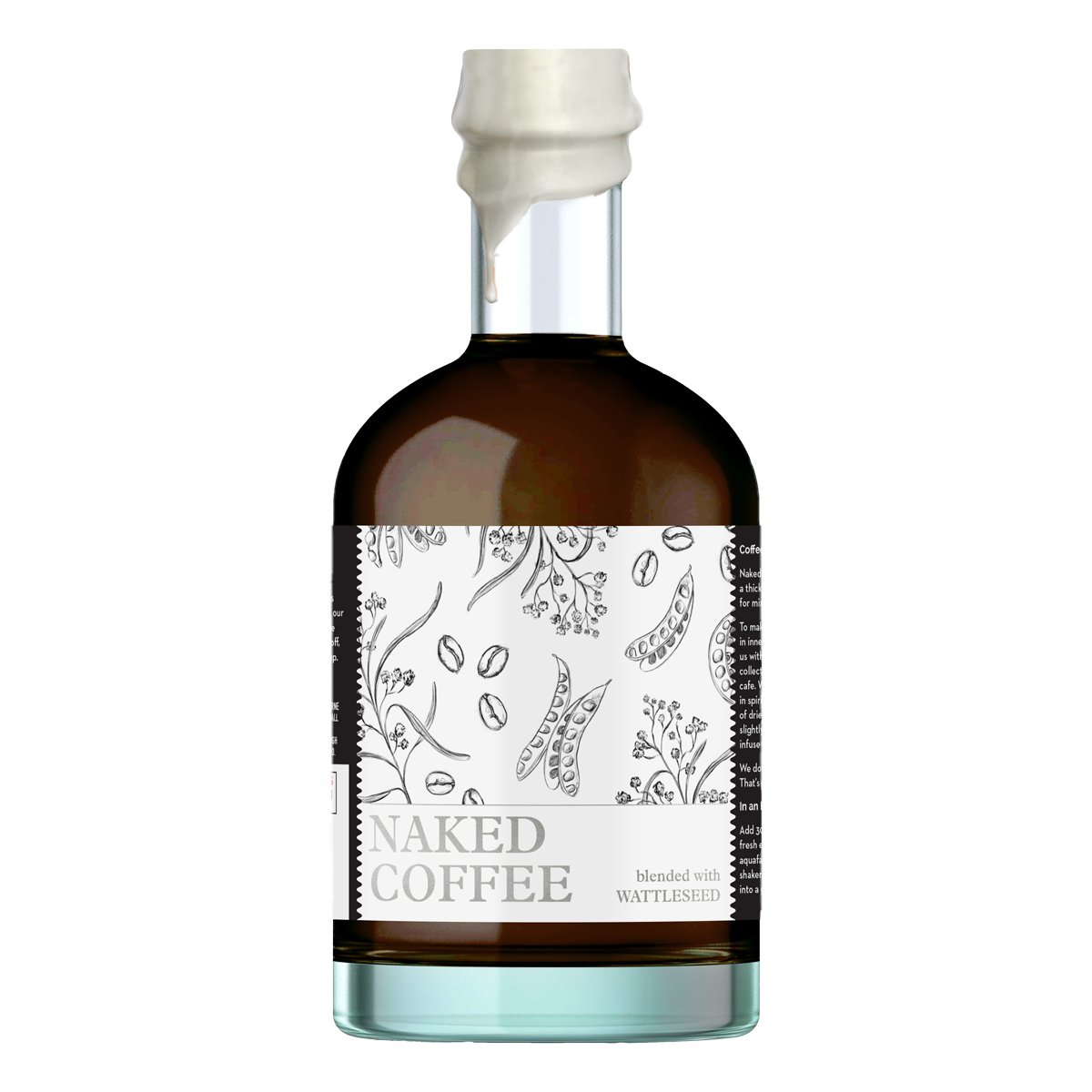
White Possum Coffee Liqueur 20% 500ML
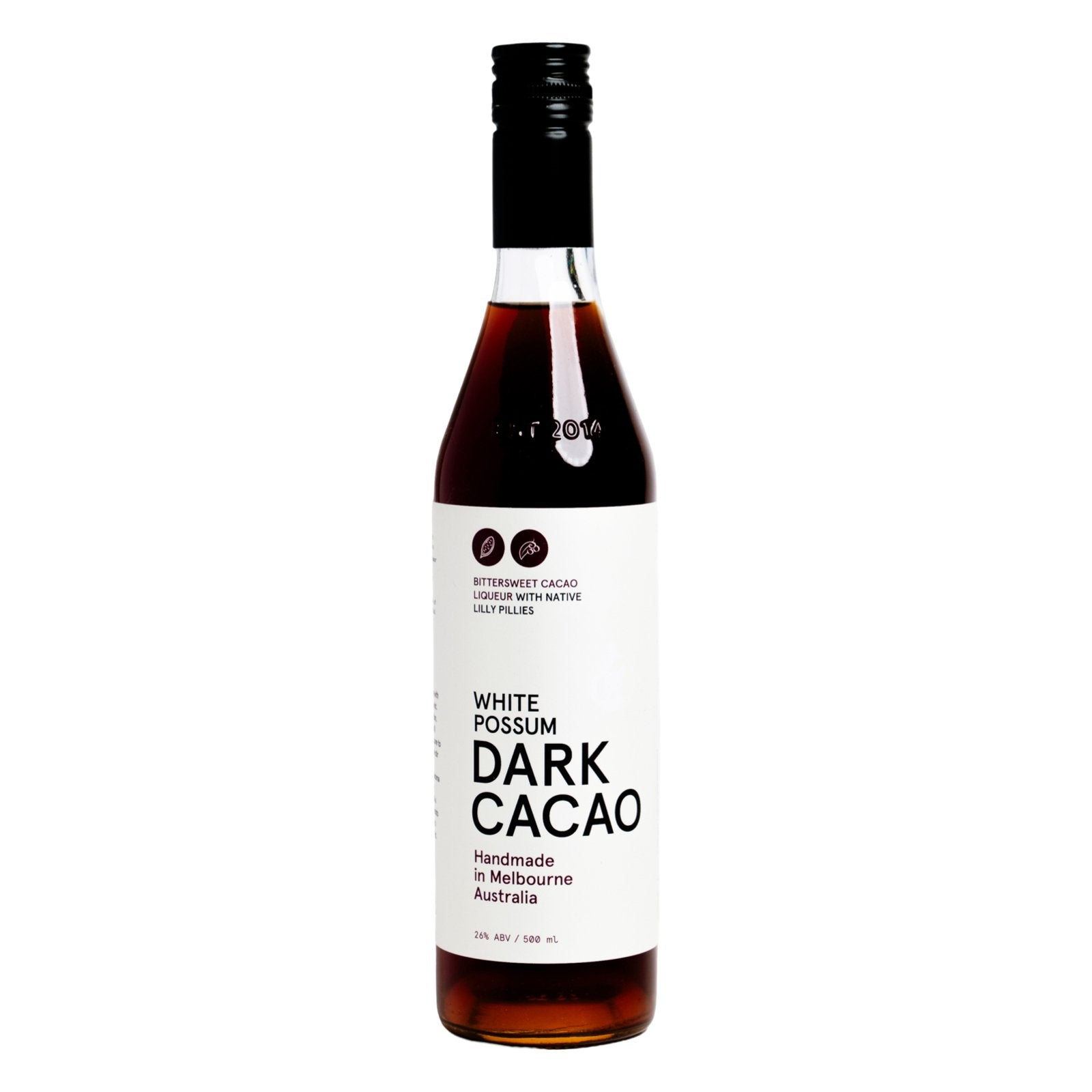
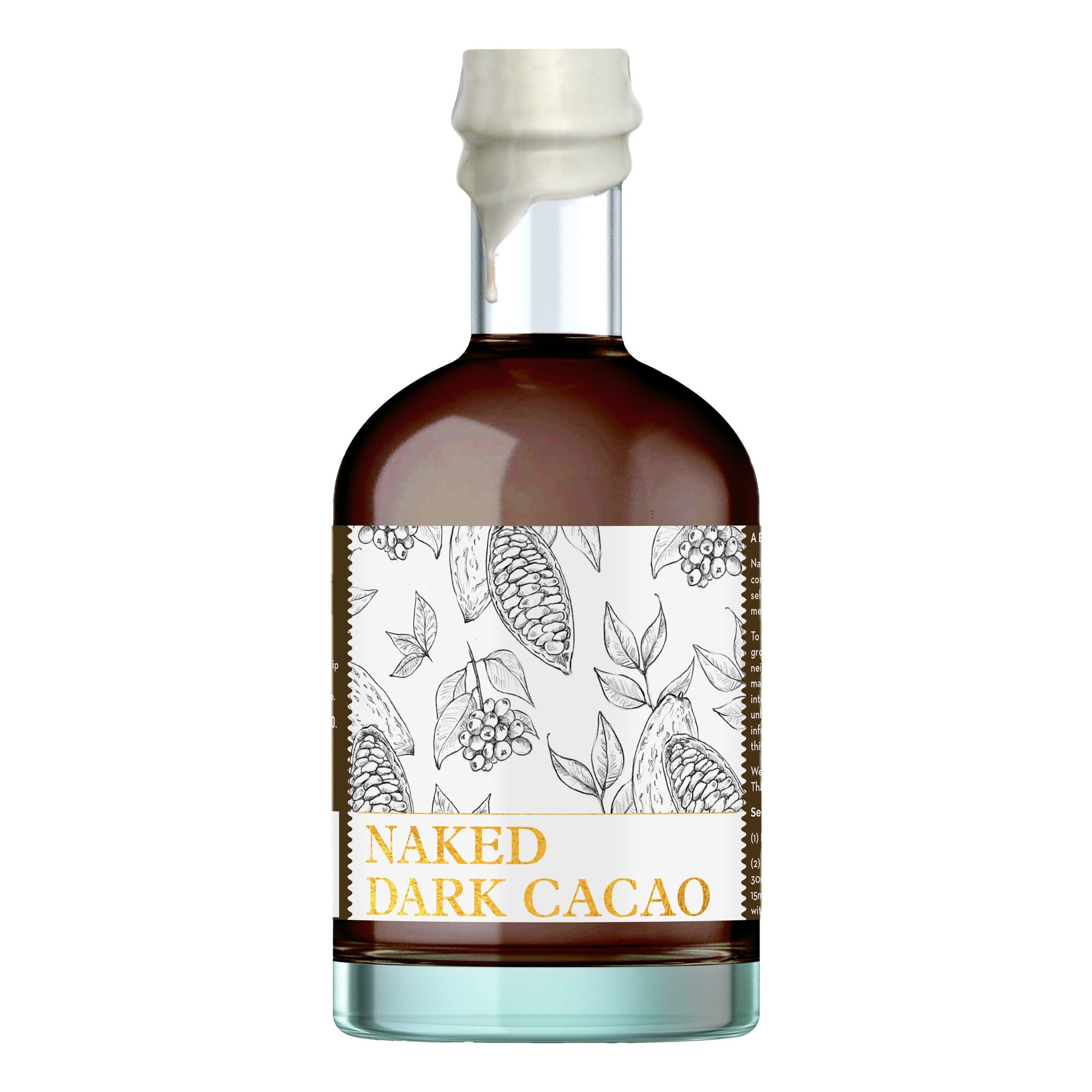
White Possum Dark Cacao Liqueur 26% 500ML


White Possum Amaretto Liqueur 24% 500ML
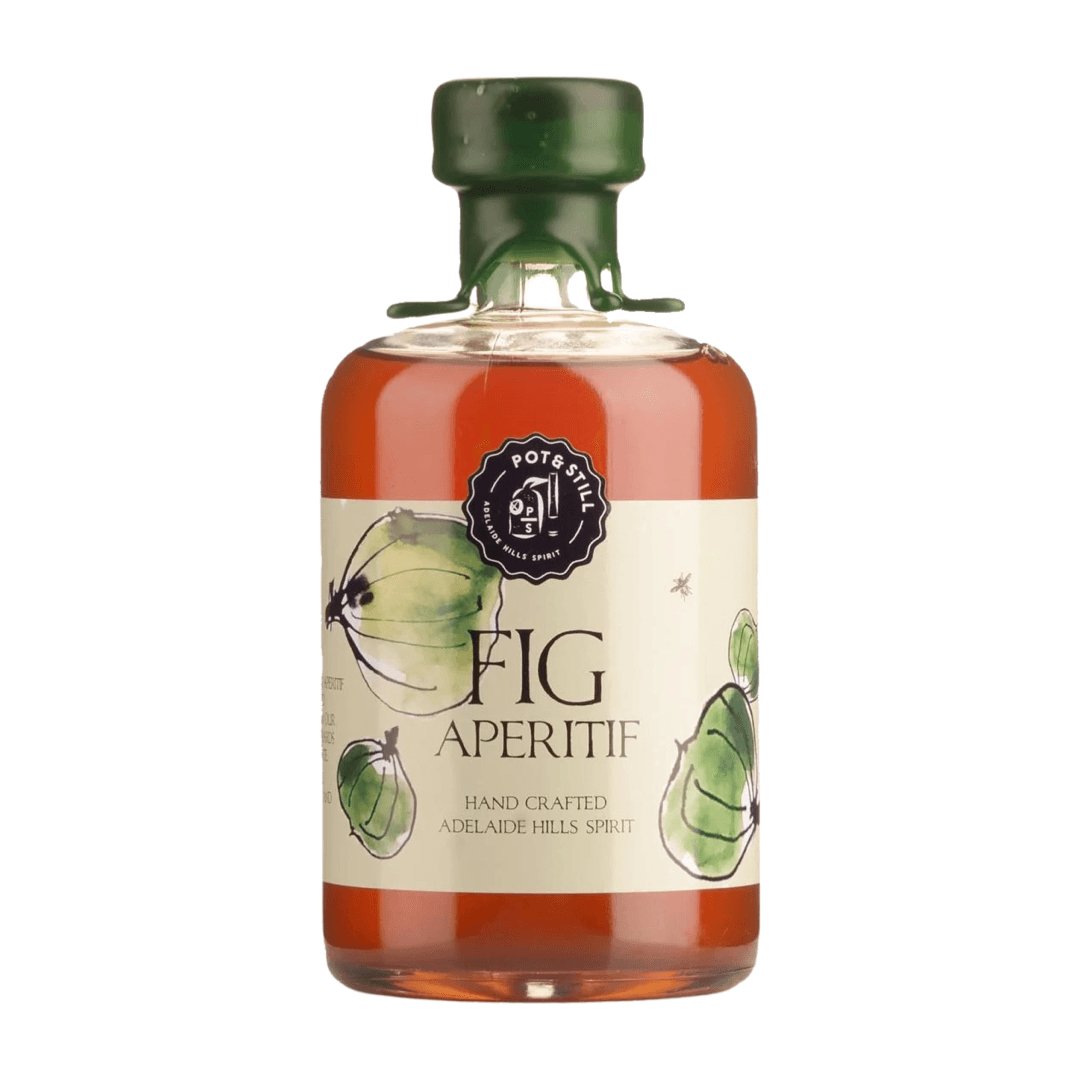
Pot & Still South-Australian Fig Aperitif 17% 500ML
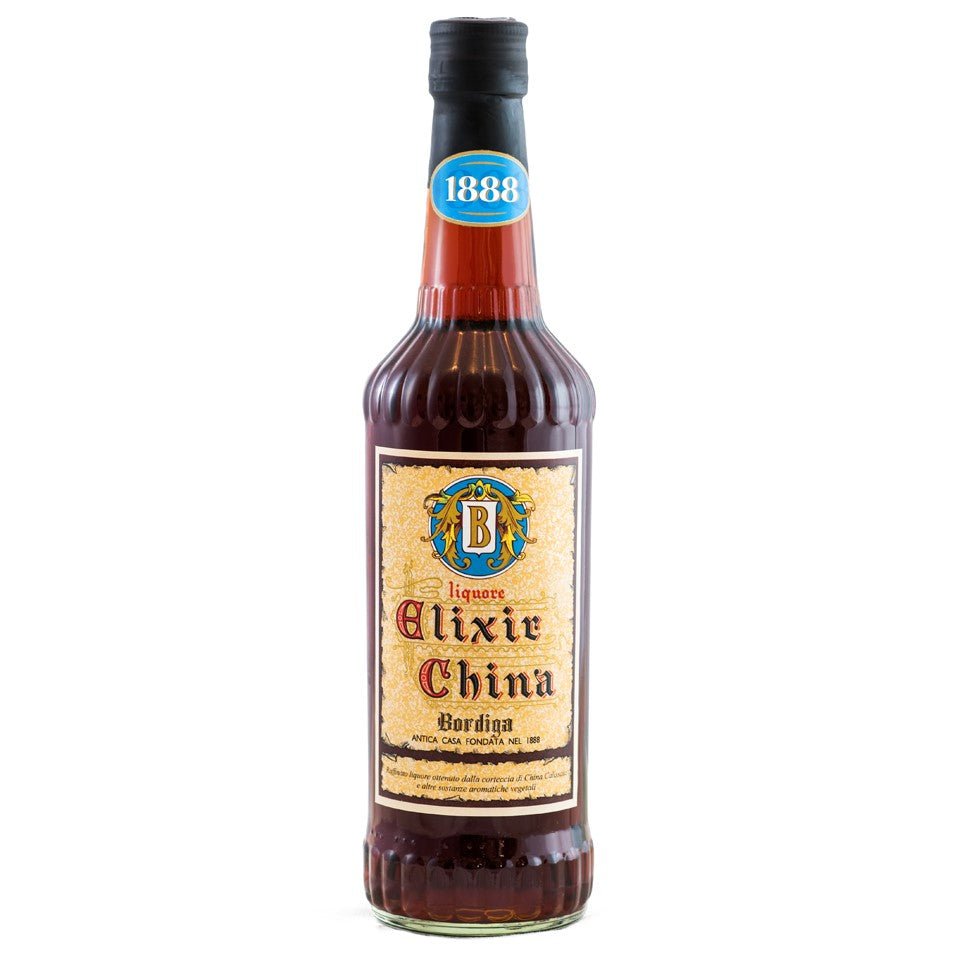
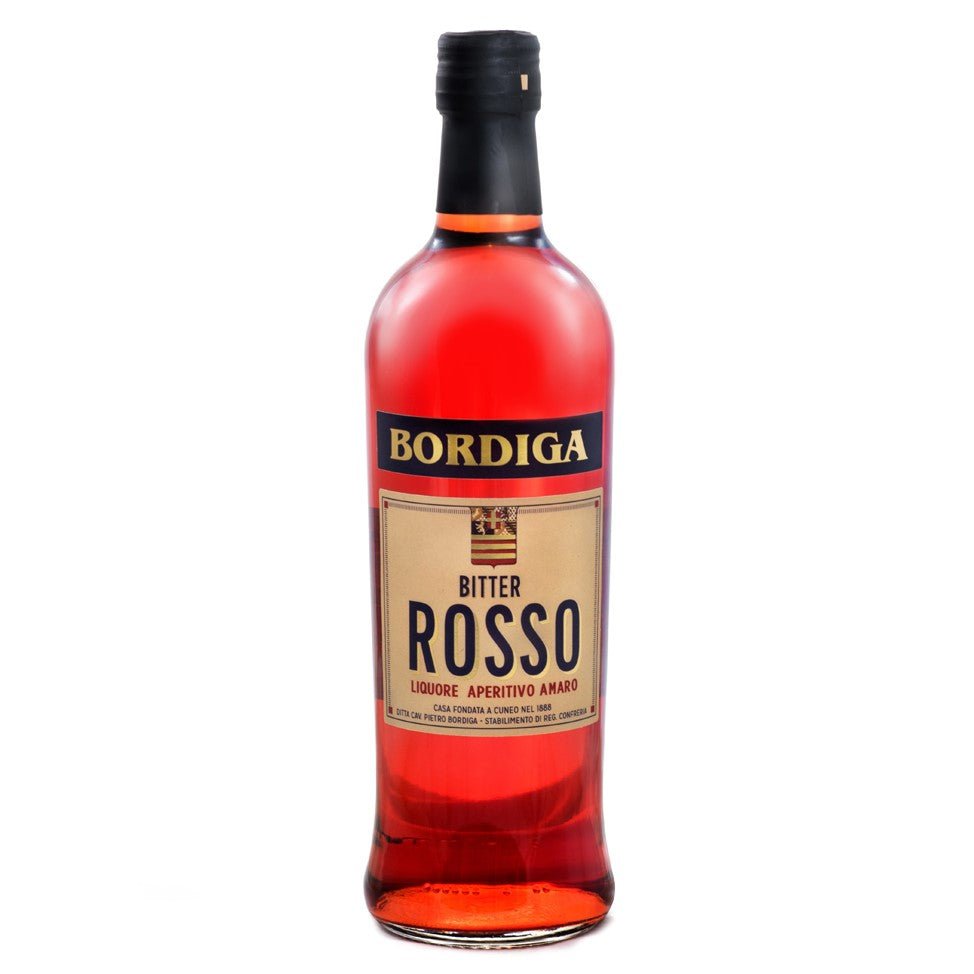
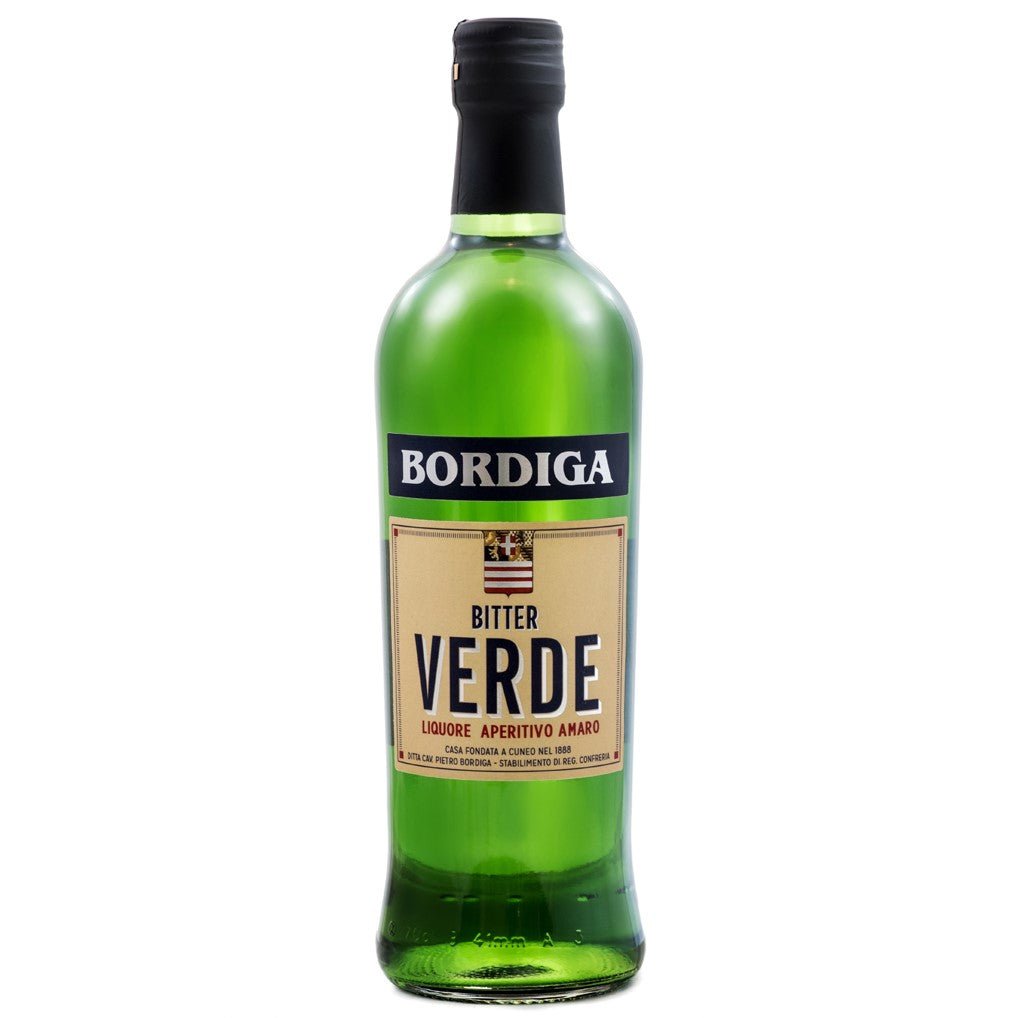
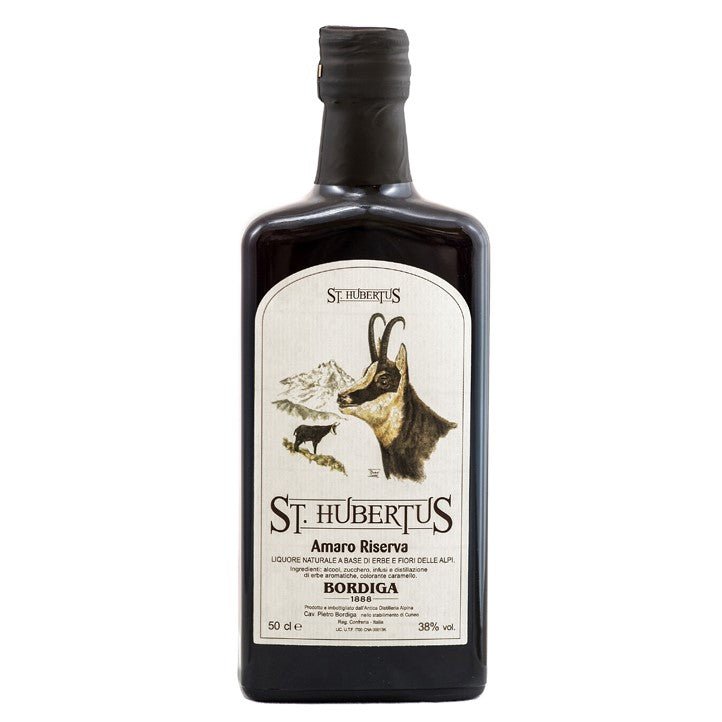
Bordiga Amaro Riserva St. Hubertus 38% 700ML
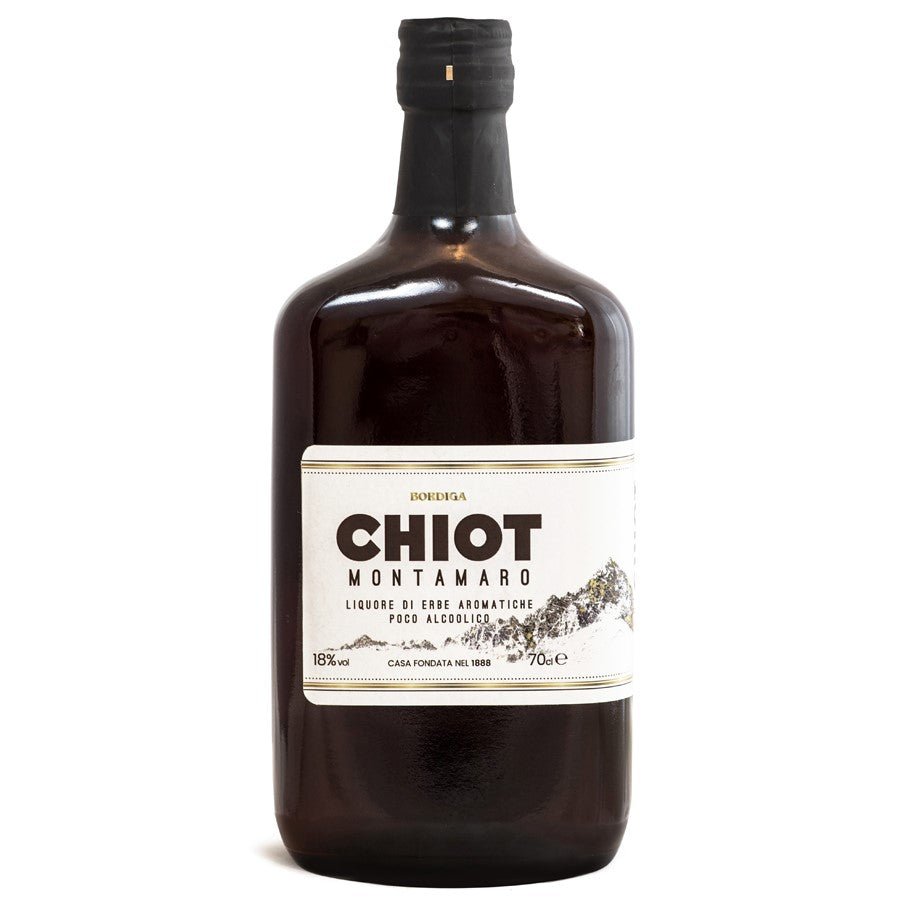
Bordiga Amaro Chiot Montamaro 18% 700ML
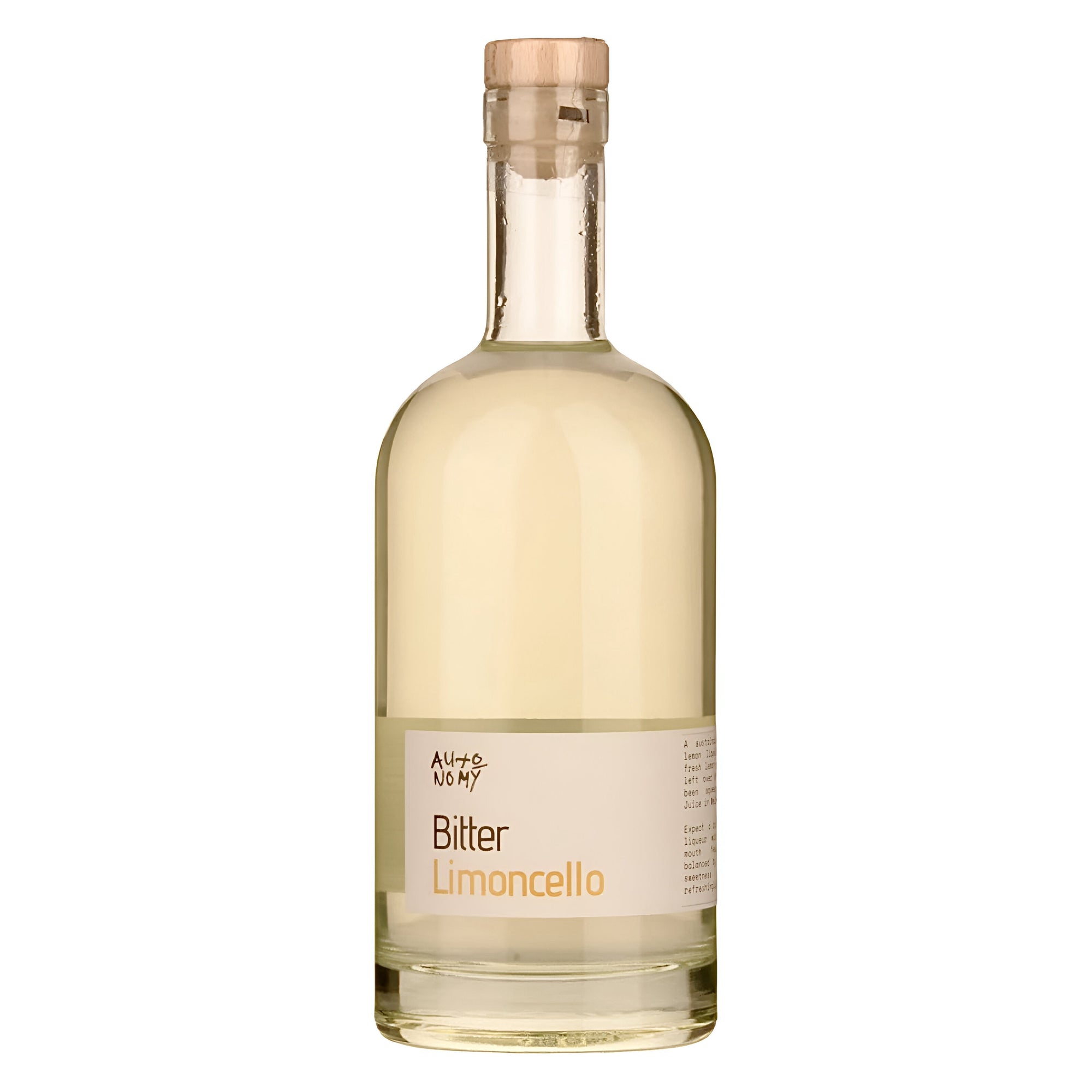
Autonomy Bitter Limoncello 25% 700ML
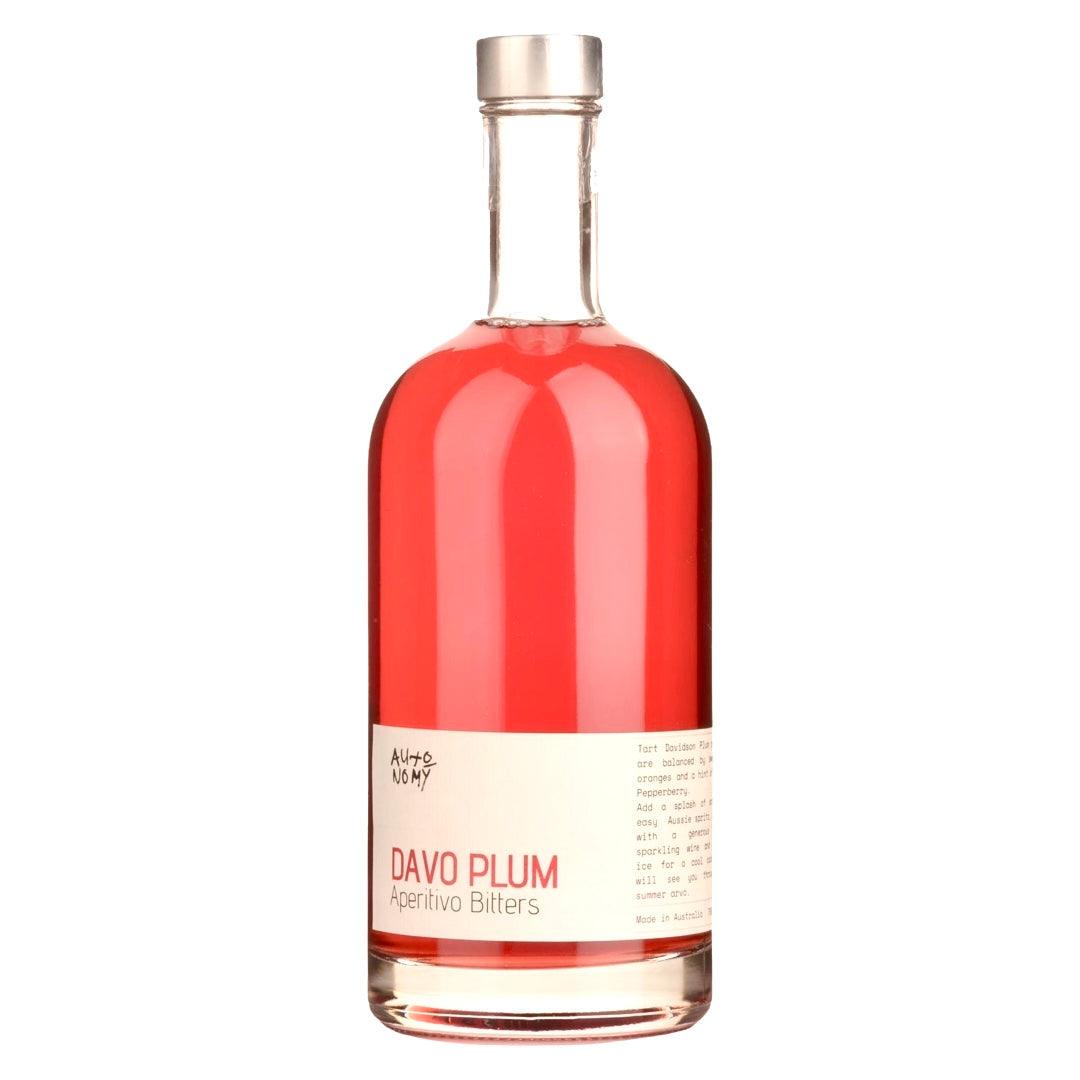
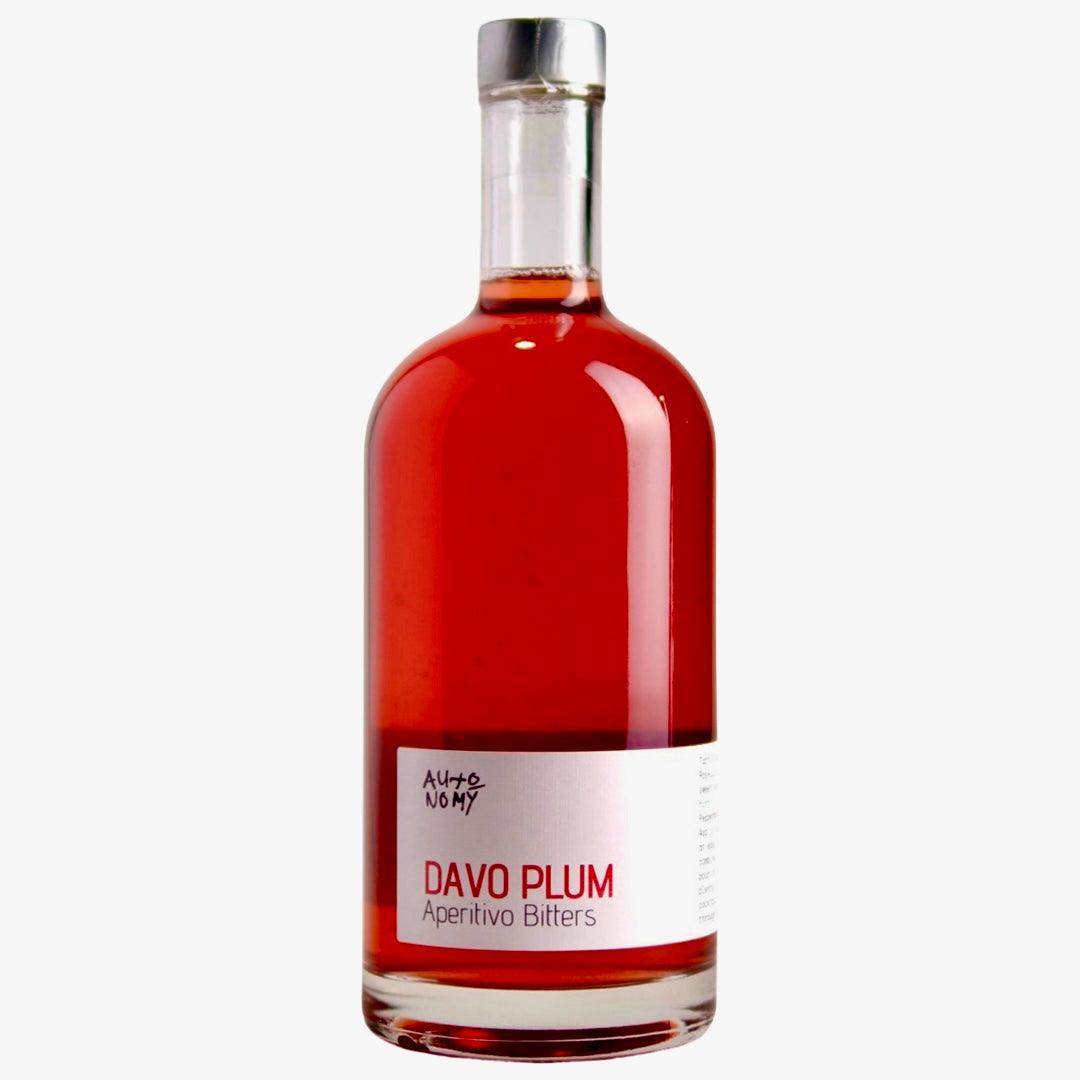
Autonomy Davo Plum Aperitivo 15% 700ML
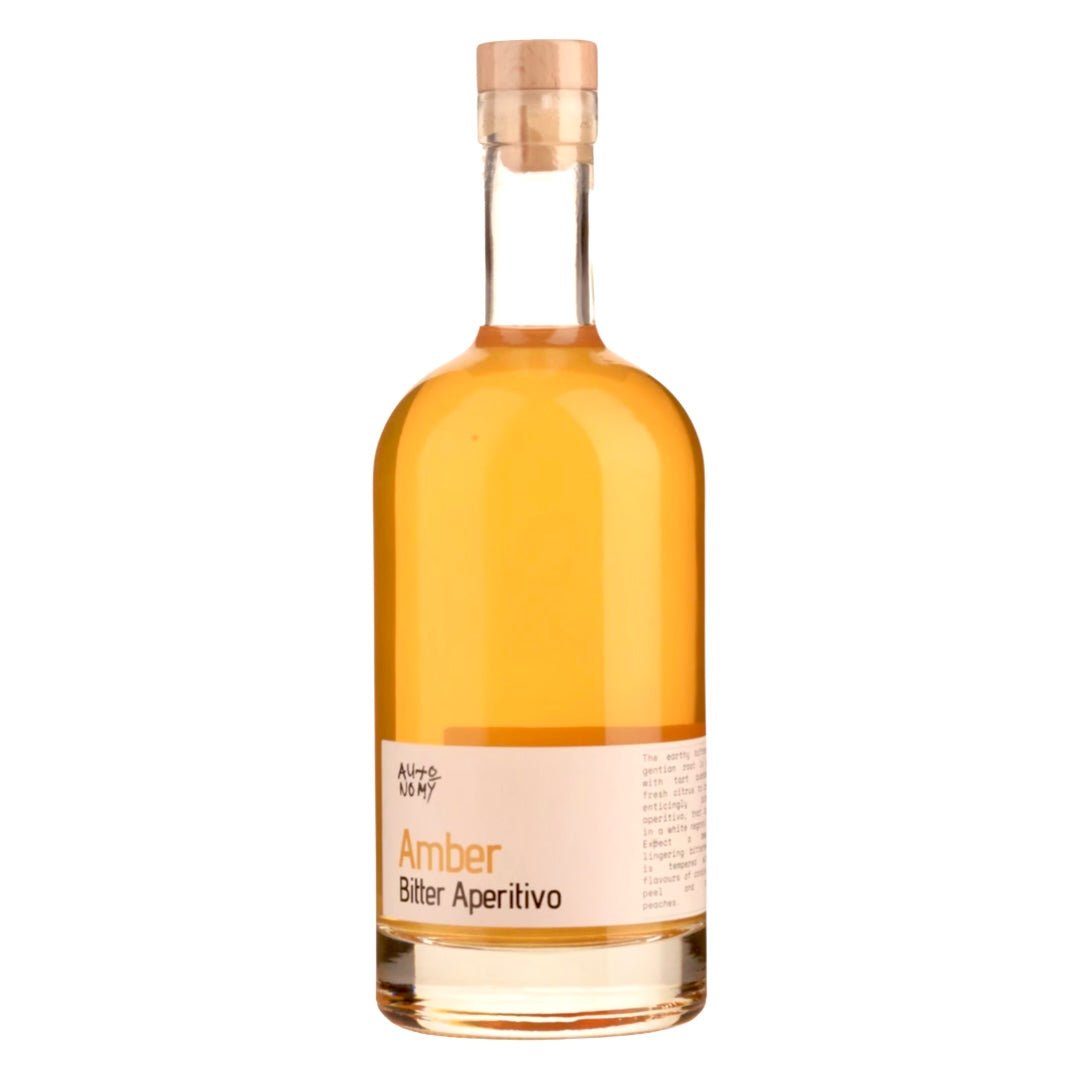
Autonomy Amber Bitter Aperitivo 25% 700ML
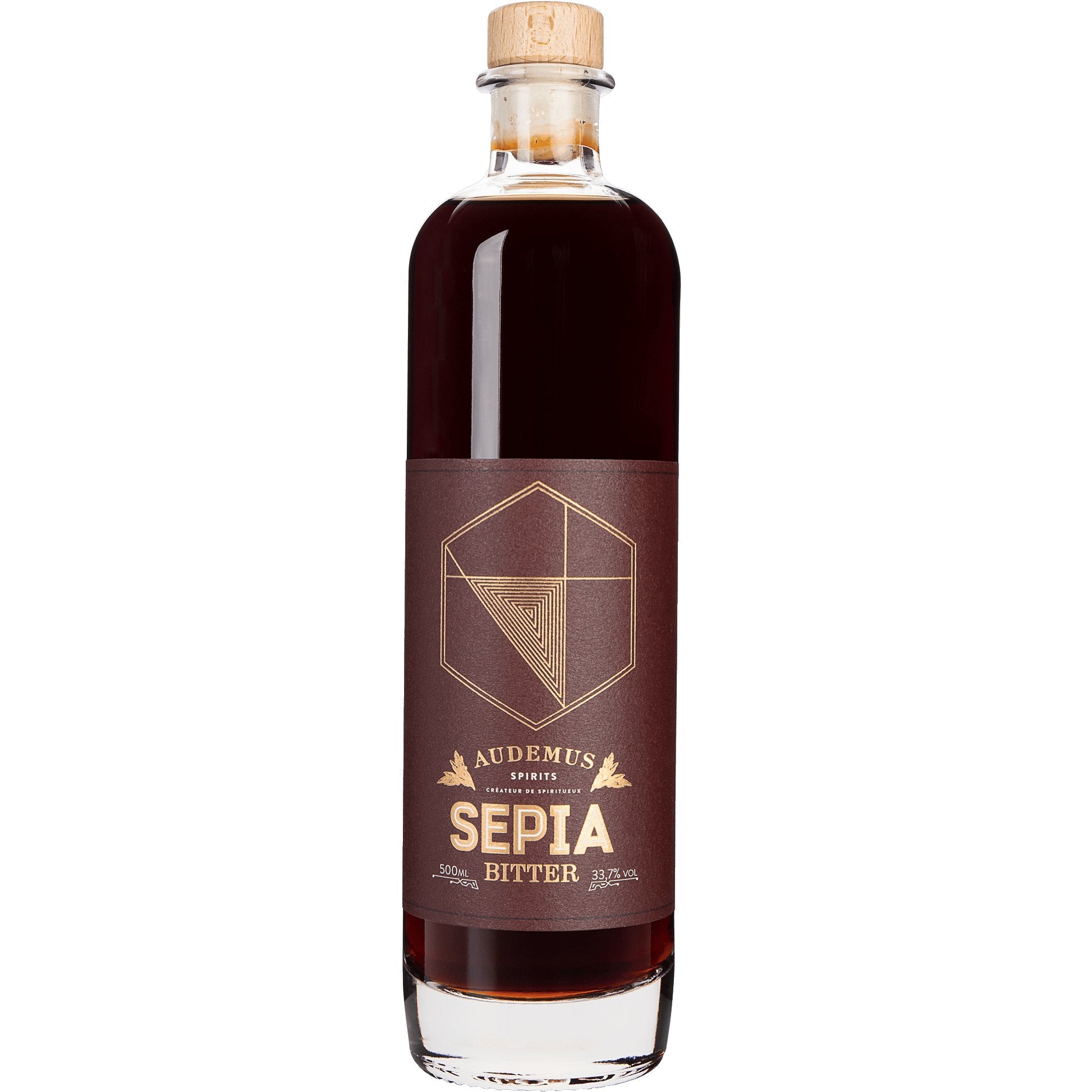
Audemus Sepia Amer 33.7% 500ML
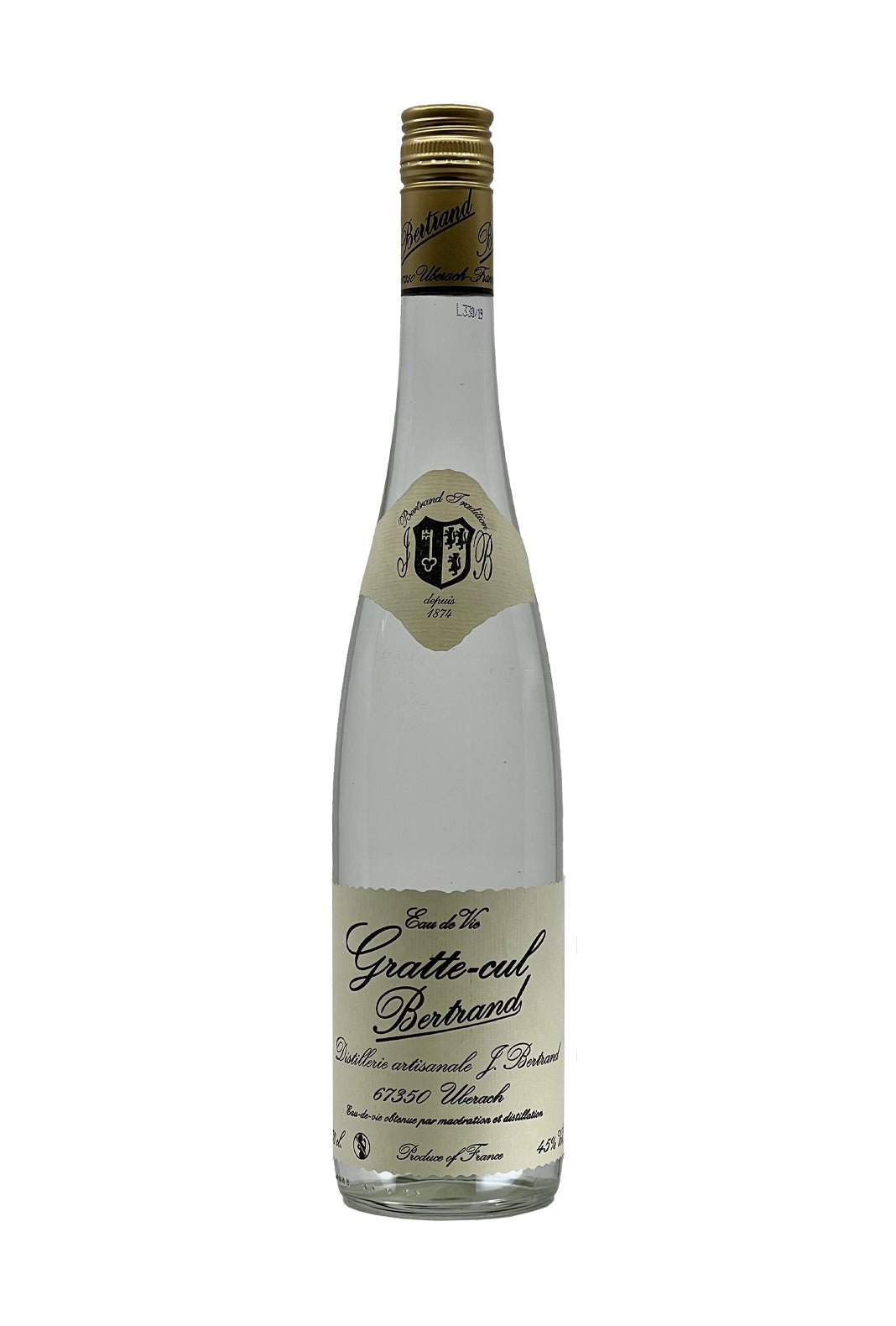
Bertrand Eau de Vie Rosehip (Gratte cul) 45% 700ml
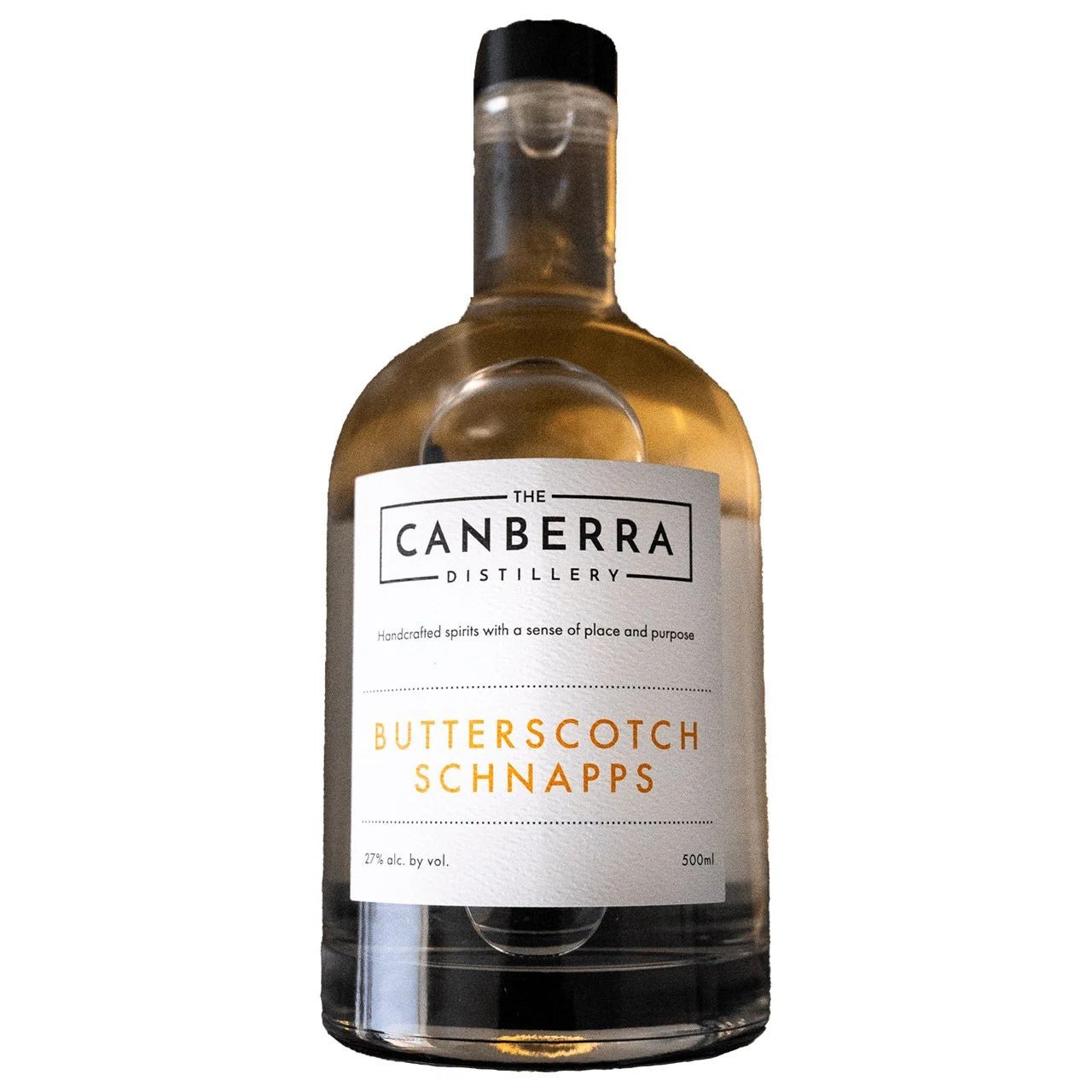
Canberra distillery Butterscotch Schnapps 500ml
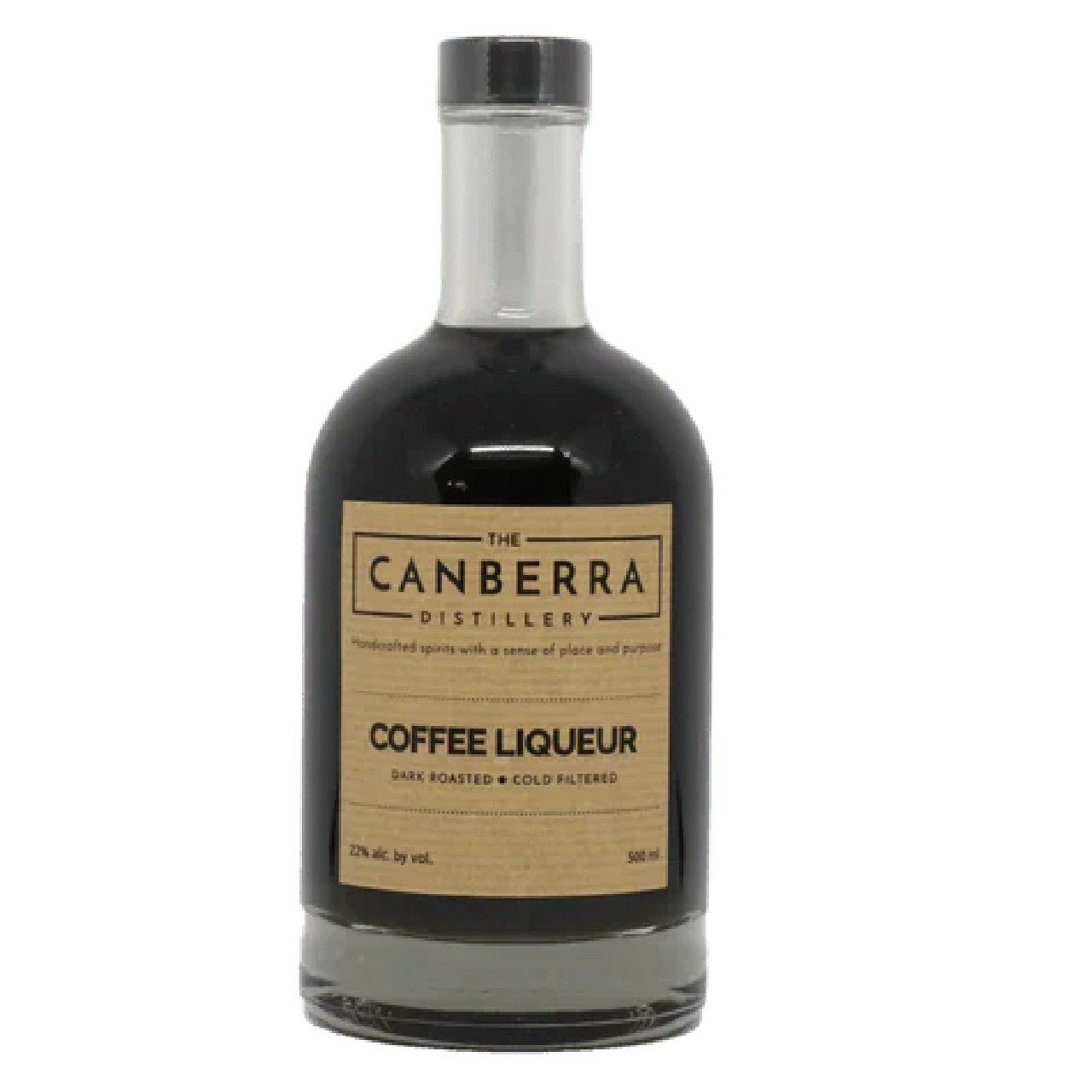
Canberra distillery Coffee Liqueur 500ml
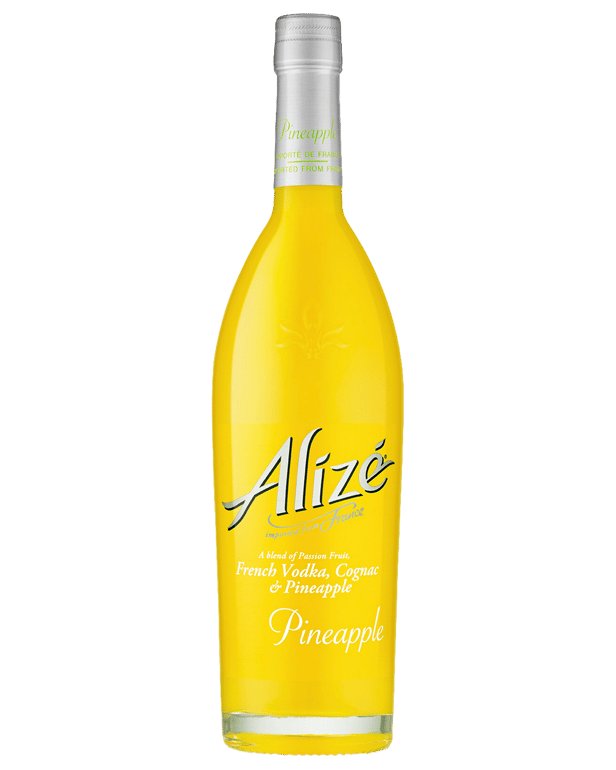
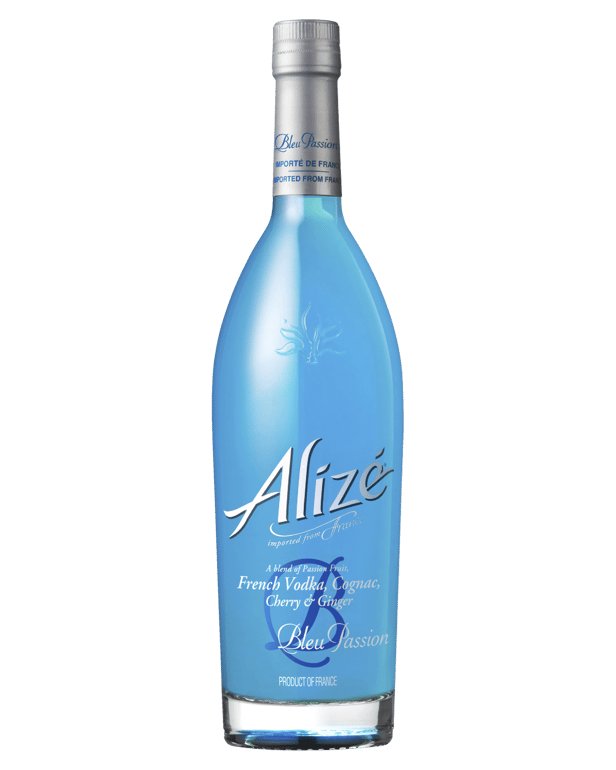
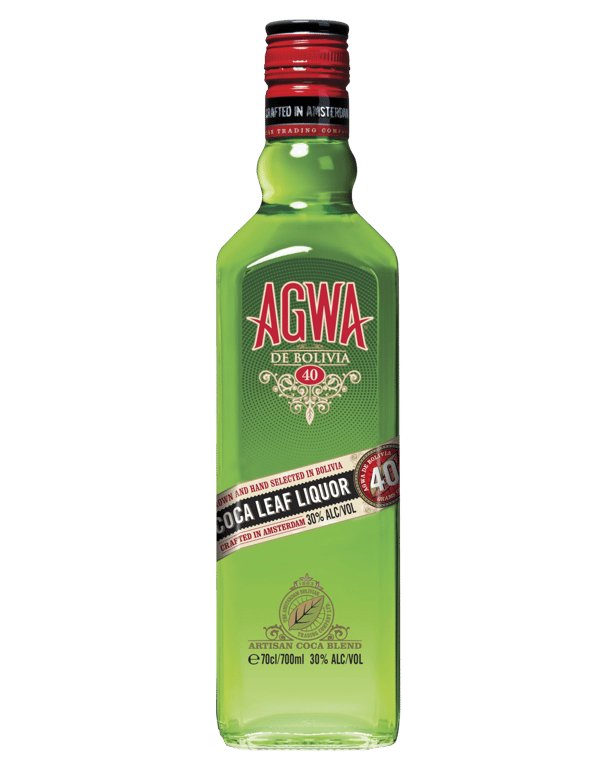
AGWA DE BOLIVIA Liqueur 700ML
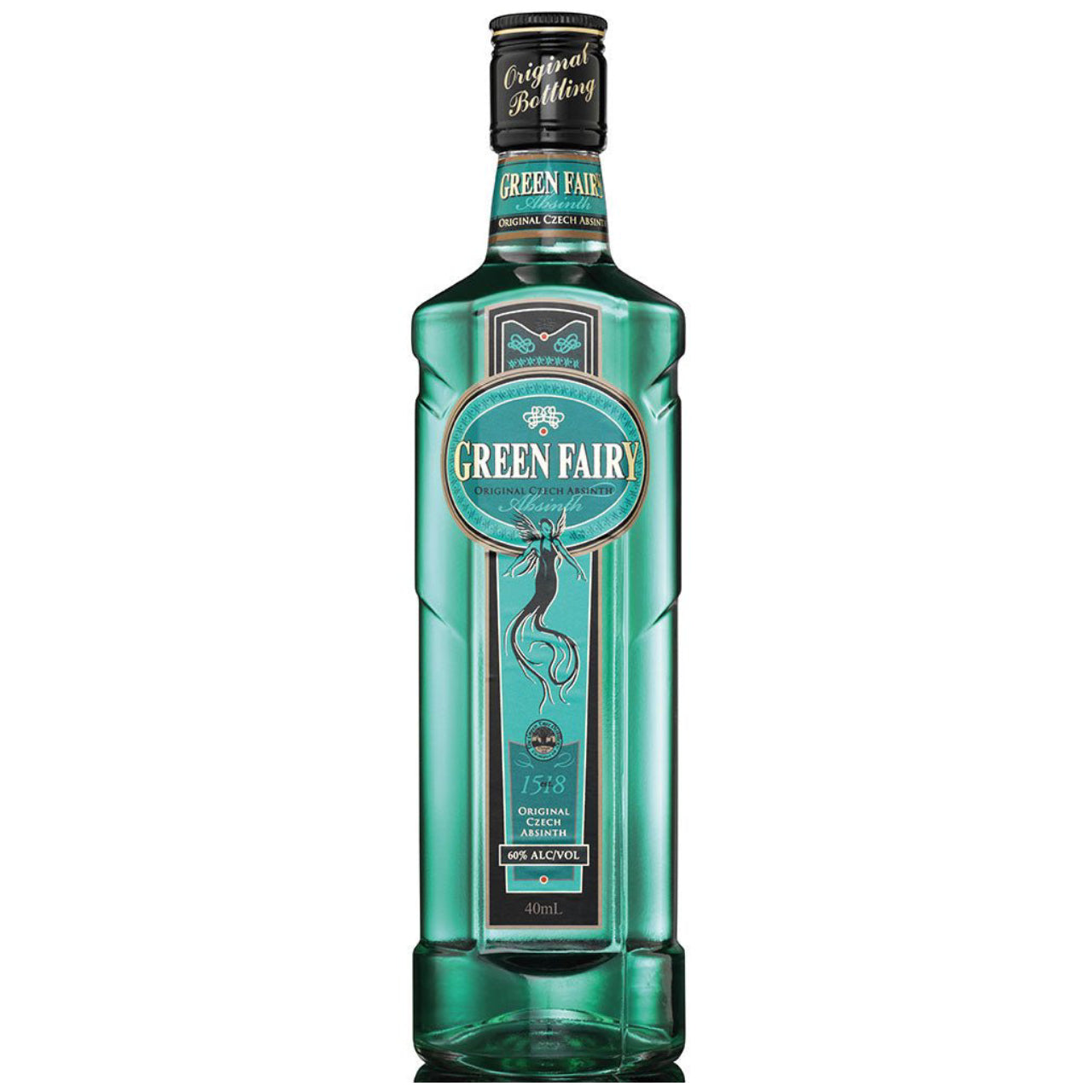
GREEN FAIRY ABSINTH LIQUEUR 500ML 60%
About Liqueurs & Aperitifs
Two adjacent categories sit on this page. Aperitifs are low in strength and bitter, built to open a meal, and the French bitter aperitifs are the backbone here: Suze with its gentian root, and the quinquinas proper, Byrrh from Thuir in Roussillon, Dubonnet Rouge, St Raphael and Maurin Quina. Picon Biere sits alongside them, made to go into a glass of beer rather than be drunk neat. Italy answers with the Distilleria Negroni aperitivi and Fernet Branca Menta, and Spain contributes aged sherry aperitifs, including Don Zoilo Amontillado and a twenty year Dos Cortados. Liqueurs are the other half, sweetened flavoured spirits that do most of the work in cocktails and desserts. The Burgundy houses lead: Briottet in Dijon with creme de cassis, rhubarb, poppy and tonka bean, Vedrenne with a long fruit range, and Gabriel Boudier with guignolet and kaffir lime leaf. Tempus Fugit rebuilds pre war recipes for cacao and white menthe. Australia and Italy cover the sweeter end, from Three Foxes limoncello and Kawa cold brew coffee to Tasmanian sheep whey liqueur. See also aperitifs and fruit liqueurs.
History
The French aperitif tradition is largely a by-product of colonial medicine. Quinine from cinchona bark was the treatment for malaria and it is punishingly bitter, so nineteenth century producers dissolved it in sweetened wine to make it drinkable. Joseph Dubonnet did exactly that in 1846, and Gaetan Picon built his version in Algeria in 1837 while serving with the French army. Byrrh followed in 1866, made by the Violet brothers at Thuir, where mistelle, grape juice stopped with spirit before it ferments, goes in alongside the Roussillon red wine base. Suze took a different bitter altogether, the root of yellow gentian dug by hand in the mountains of the Auvergne and the Jura, and launched in 1889. It carries no quinine at all. Gentian roots need years in the ground before they are worth lifting, which is one reason the category has always stayed small. Liqueurs run along a longer line, from monastic distillers who sweetened and spiced spirits as medicine, through Dijon, where the local blackcurrant crop turned into creme de cassis in the 1840s. Sherry aperitifs come from a third tradition again: the solera in Jerez, a fractional blending system in which a portion is drawn from the oldest barrels and replaced from younger ones, so an age statement describes an average rather than a single year in cask. Three separate histories, all doing the same job at the same hour of the day.
How to drink it
Aperitifs want cold and dilution, not reverence. Chill the bottle, pour over ice in a tumbler or a wine glass, add a twist of orange or lemon, and lengthen with soda or tonic if the bitterness is new to you. Suze with tonic and a slice of cucumber is the easiest way in. Byrrh and Dubonnet are good neat over ice with a twist, and both take gin well at about two to one. Picon Biere goes into a glass of lager, which is how it is drunk across eastern France. Because these are wine based, treat them like wine: fridge after opening and finish within a month. Sherry aperitifs split in two. A fino has been aged under a film of yeast and stays fresh for only a week or two once opened, while amontillado, palo cortado and Pedro Ximenez have already spent years in contact with air and hold for several months. Pour all of them cold into a small white wine glass, with almonds or cured ham. Liqueurs are far more forgiving. Sealed and away from sunlight they keep for years, and opened they hold a year or more, though anything cream based belongs in the fridge and should be drunk within about six months. Serve limoncello straight from the freezer in small glasses after a meal. If you are buying one bottle to start, make it Suze or Byrrh, since both teach you what bitterness does before dinner. The Vedrenne range, sherry and cocktail enhancers fill in from there.