
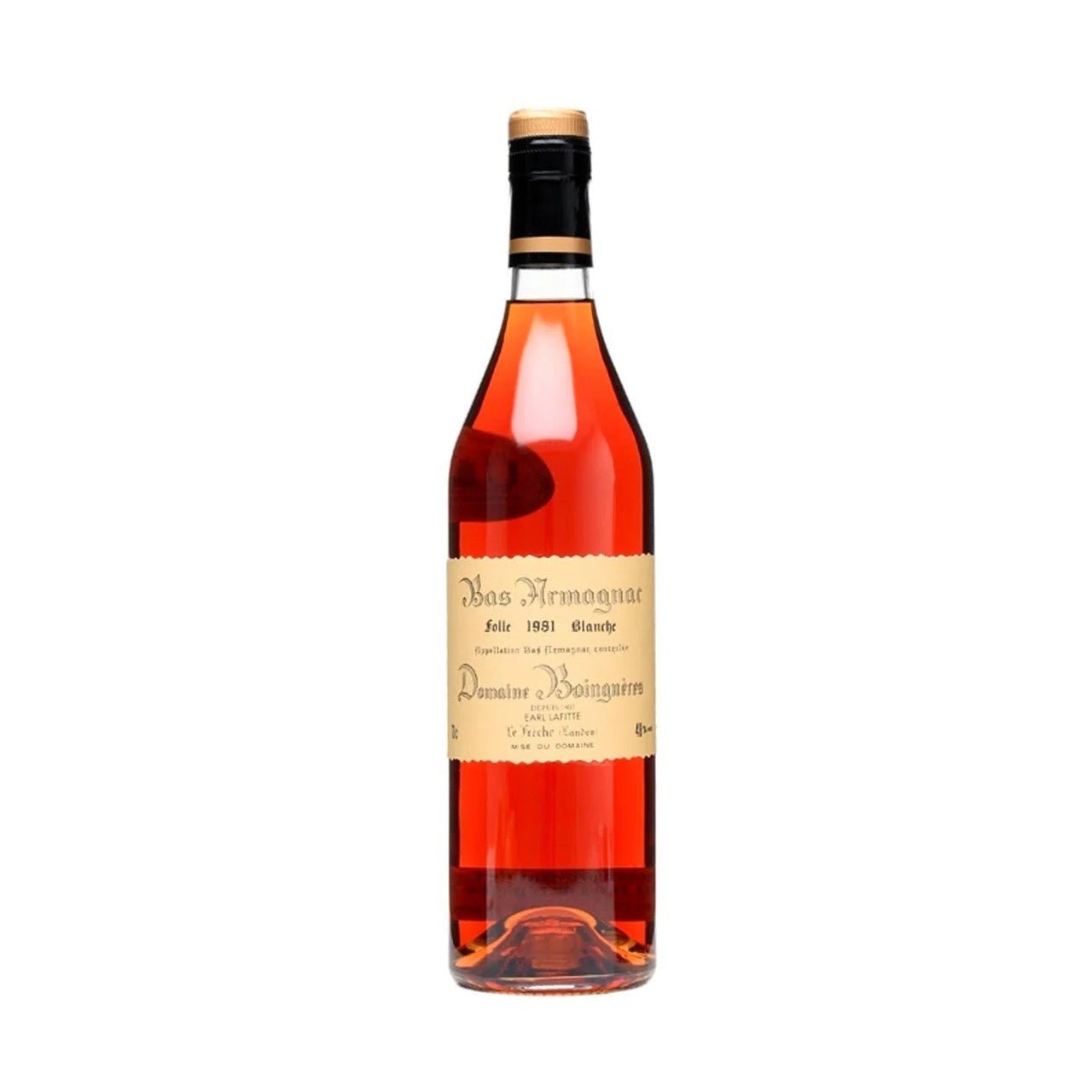
Domaine Boingneres 1981 Folle Blanche Grand Bas Armagnac 48% 700ml
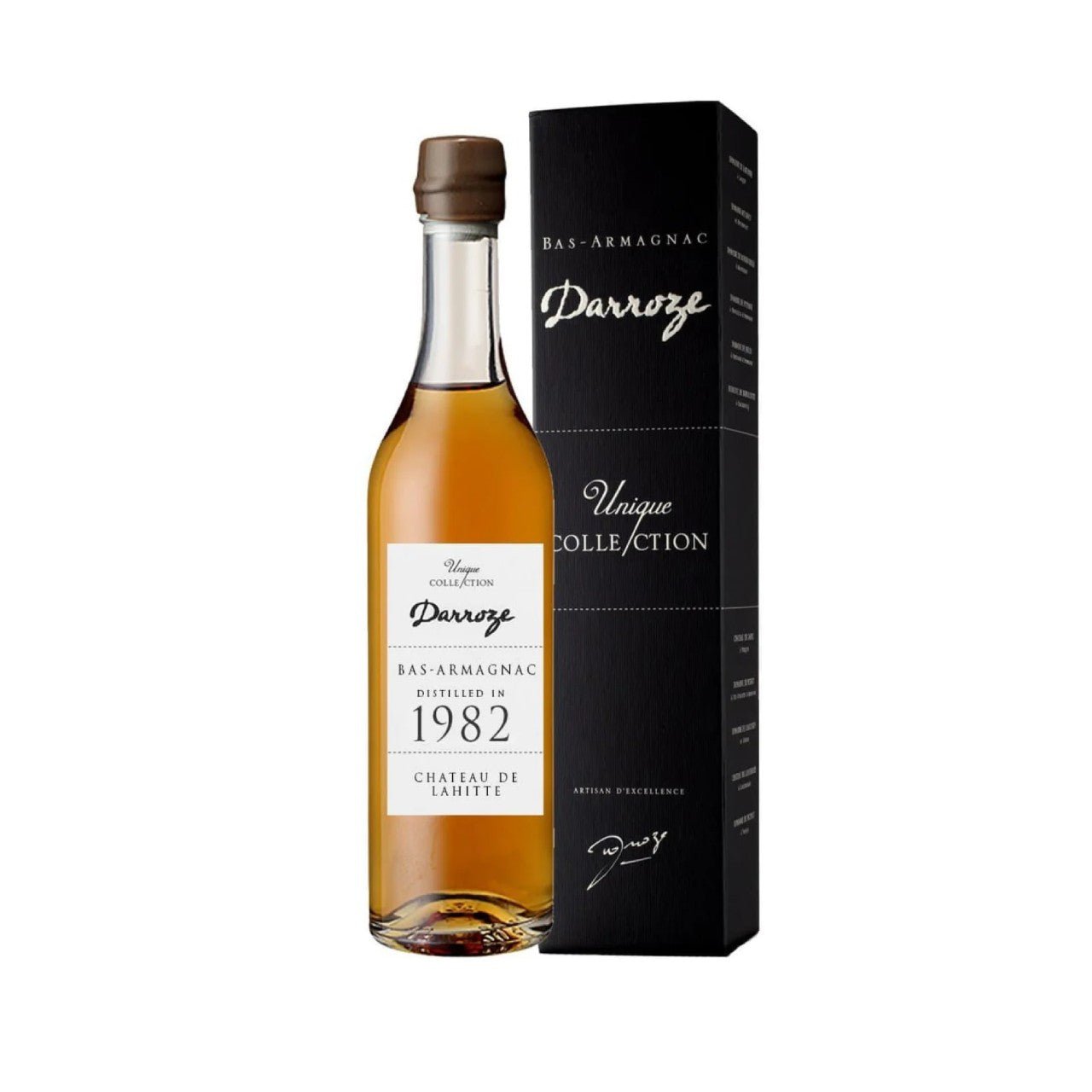
Darroze 1982 Lahitte Grand Bas Armagnac 48% 200ml
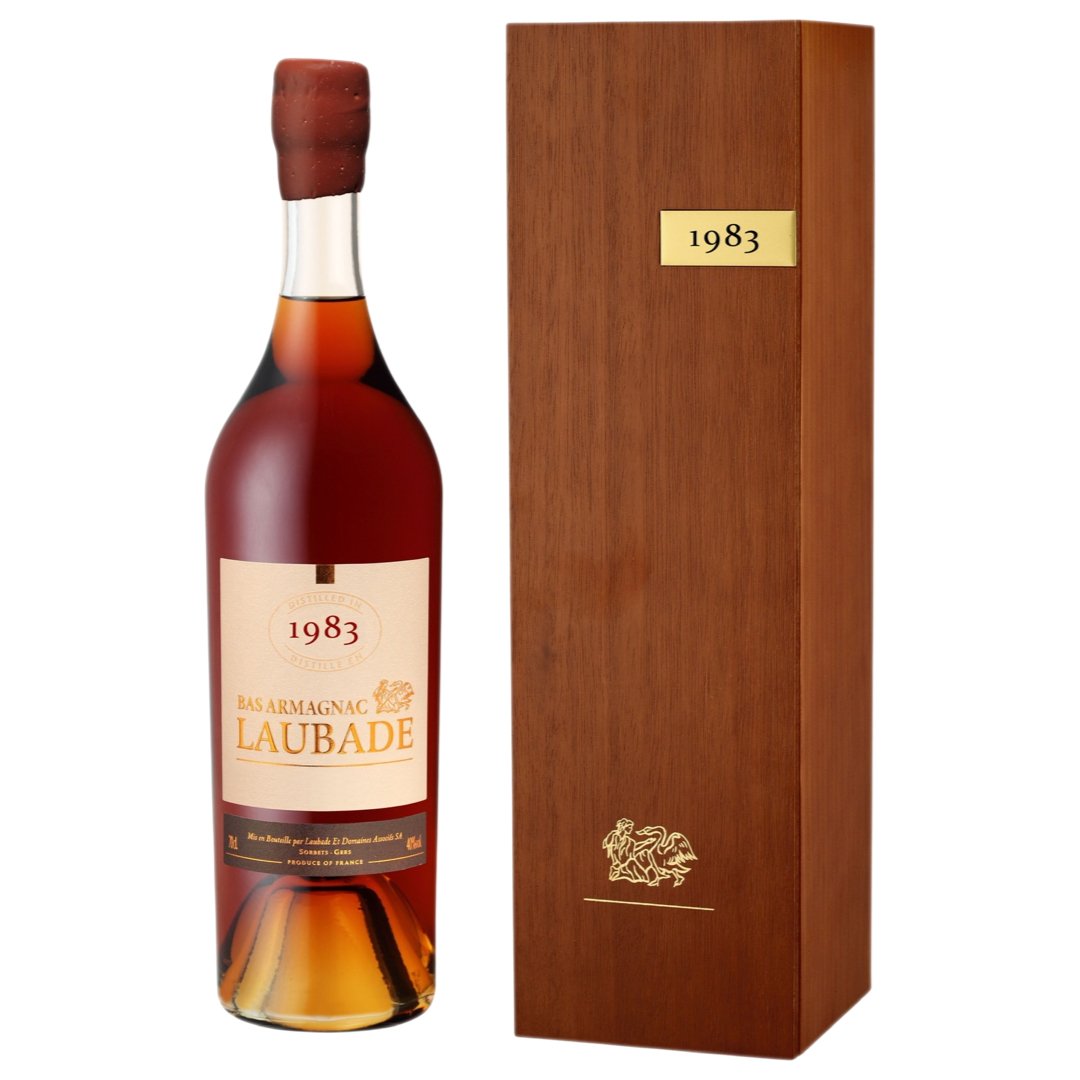
Chateau de Laubade Bas Armagnac Vintage 1983 40% 700ML
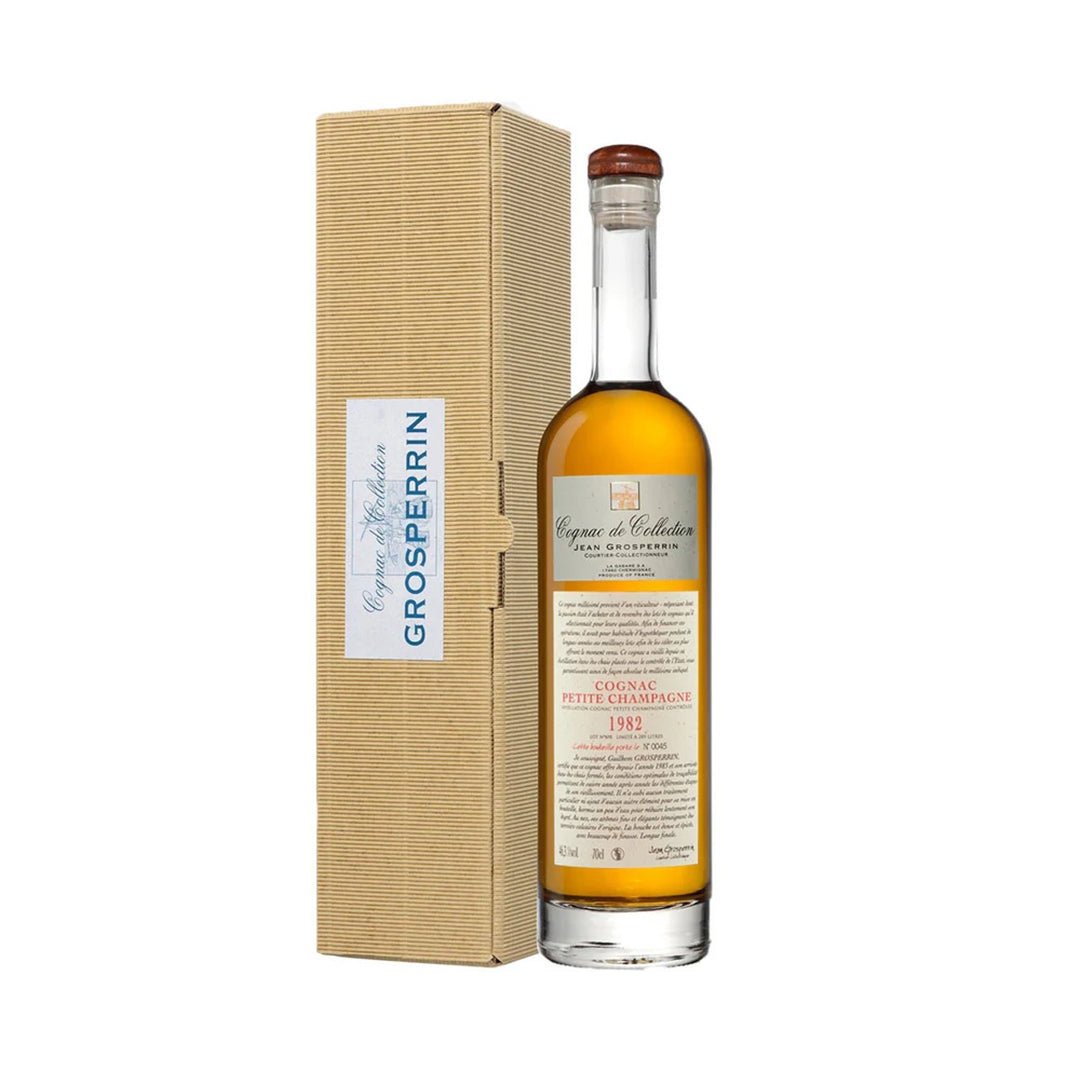
Grosperrin 1982 Petite Champagne Cognac 46.3% 700ml
1981 Bellair GBA Darroze 49% 700ml
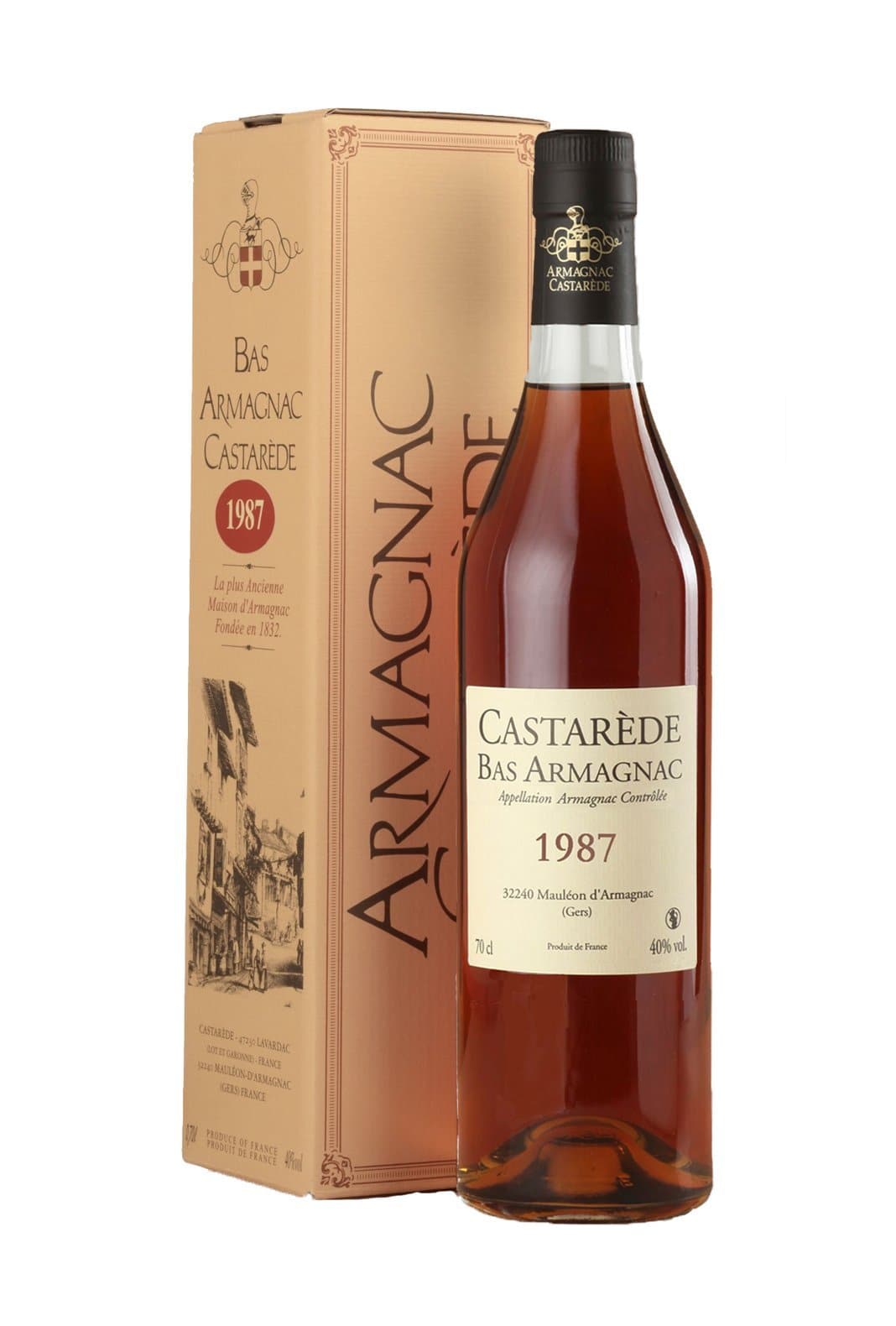
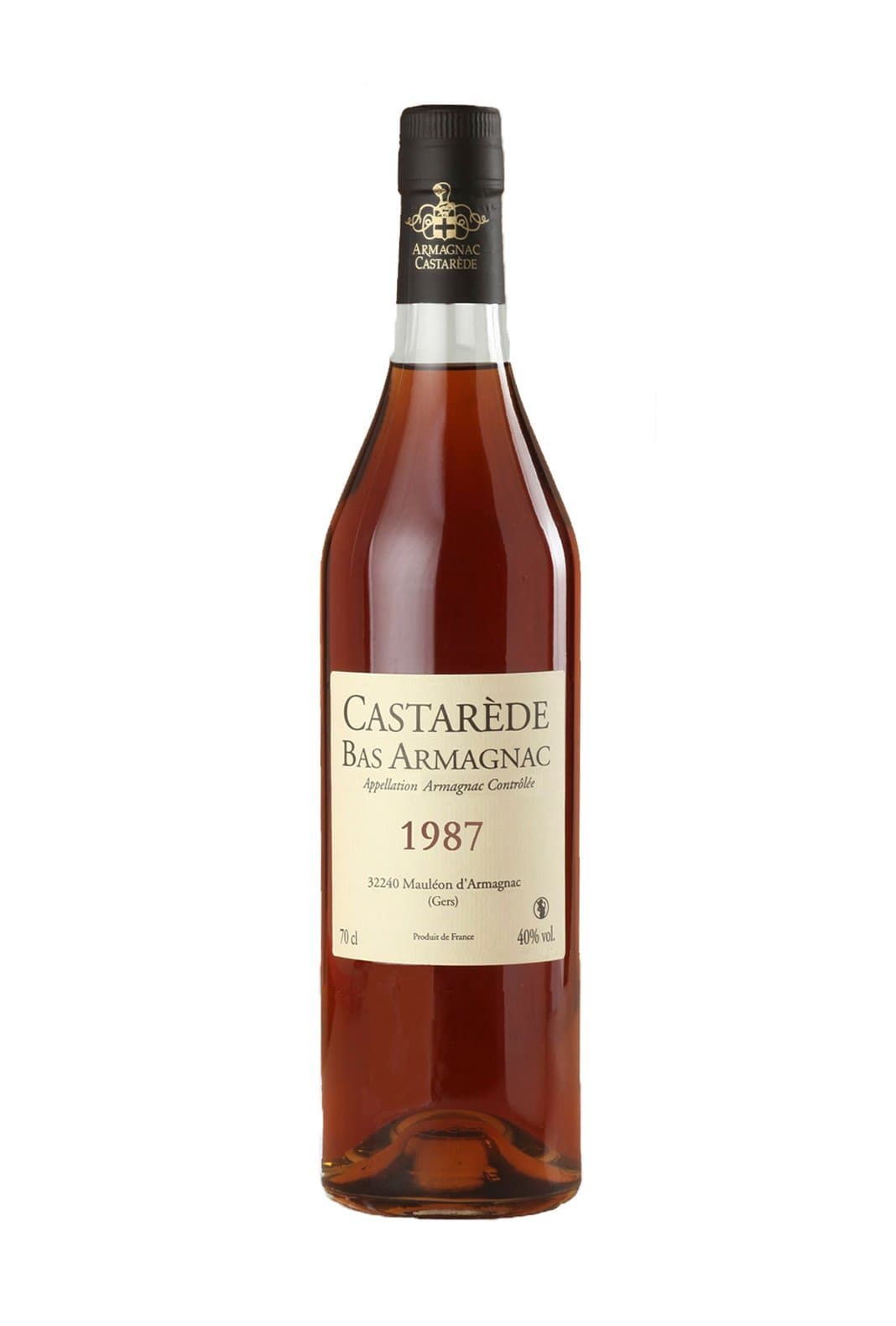
Castarede 1987 Bas Armagnac 40% 700ml
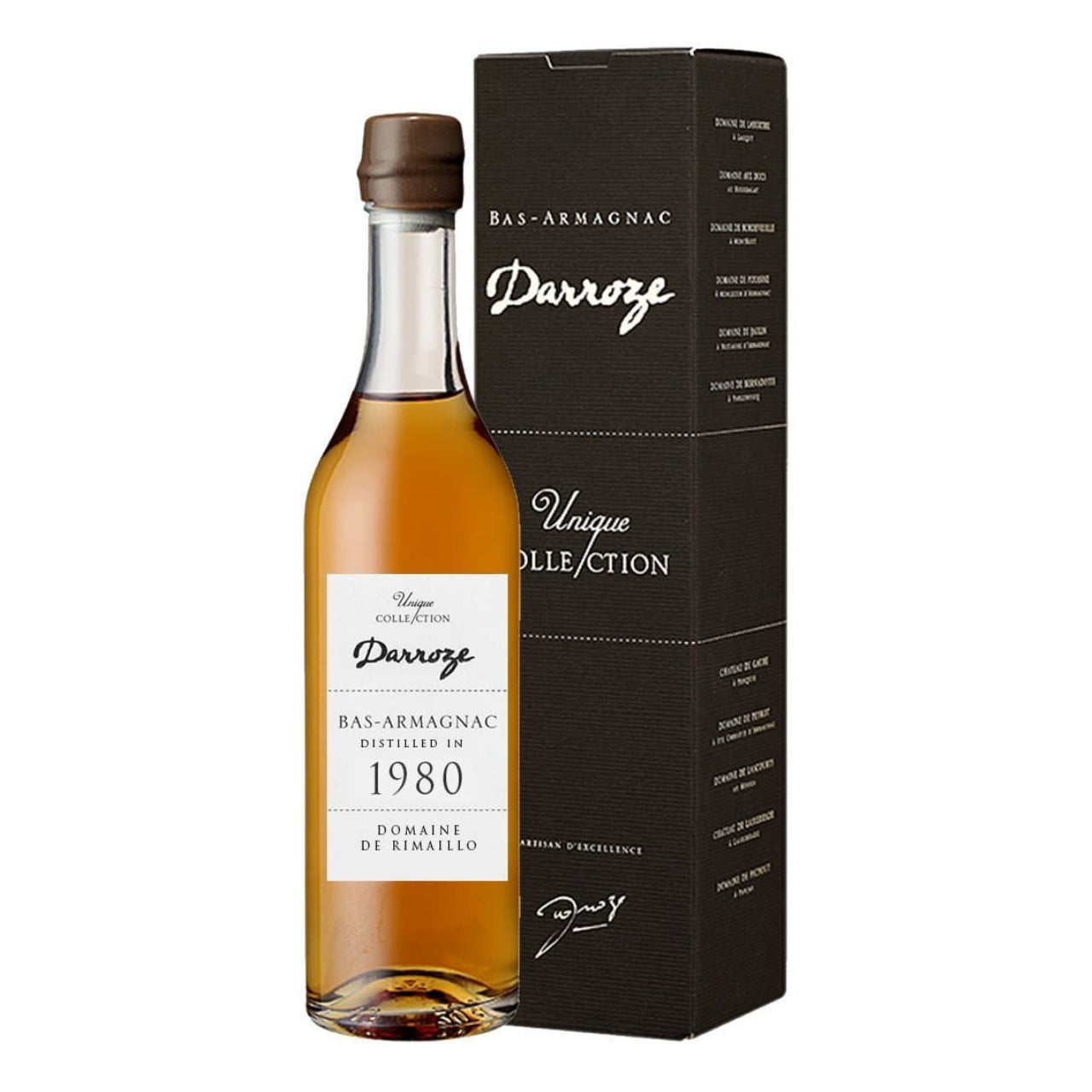
Darroze 1980 Rimaillo Armagnac 40.9% 200ml
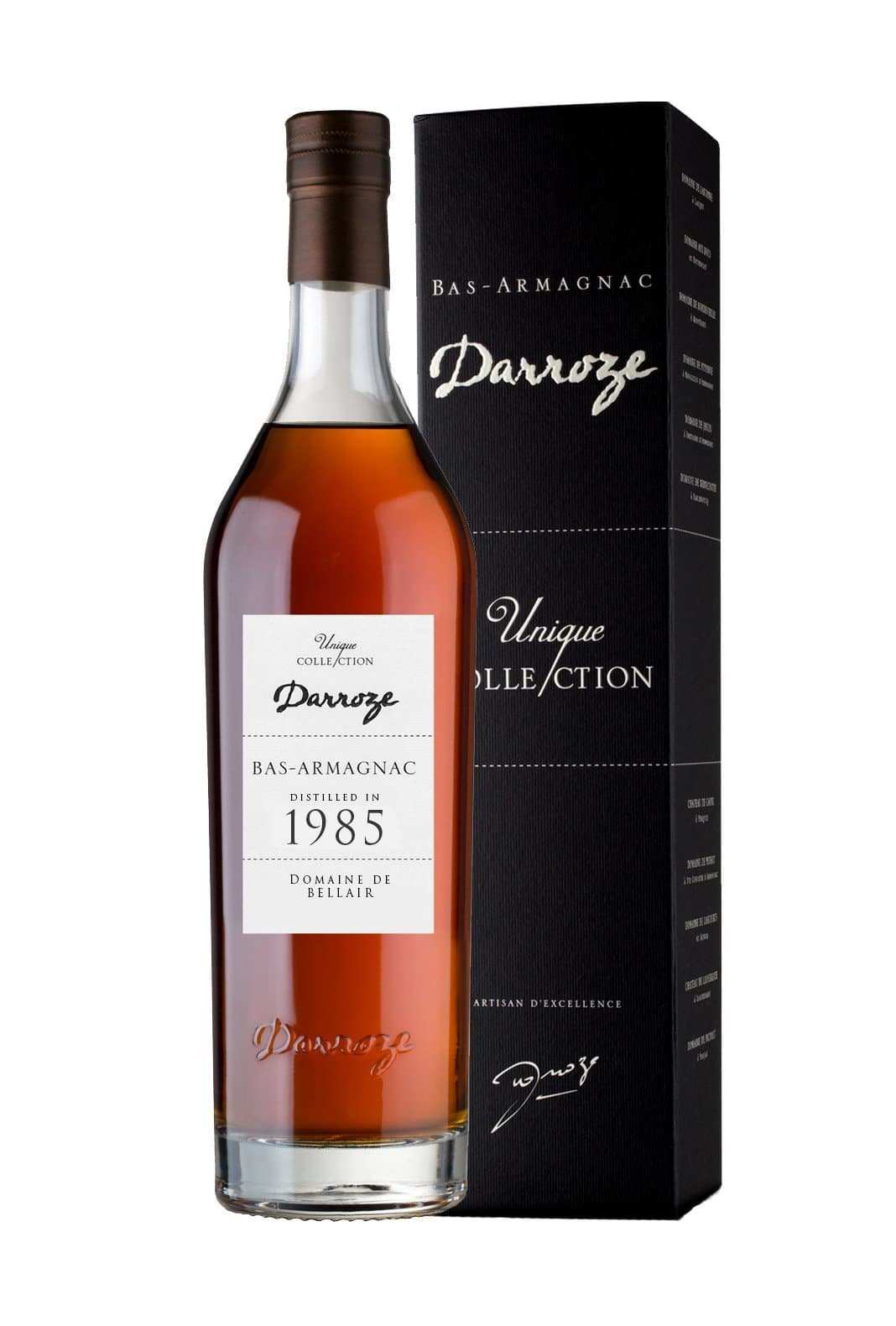
Darroze 1985 Bellair Grand Bas Armagnac 43.5% 700ml
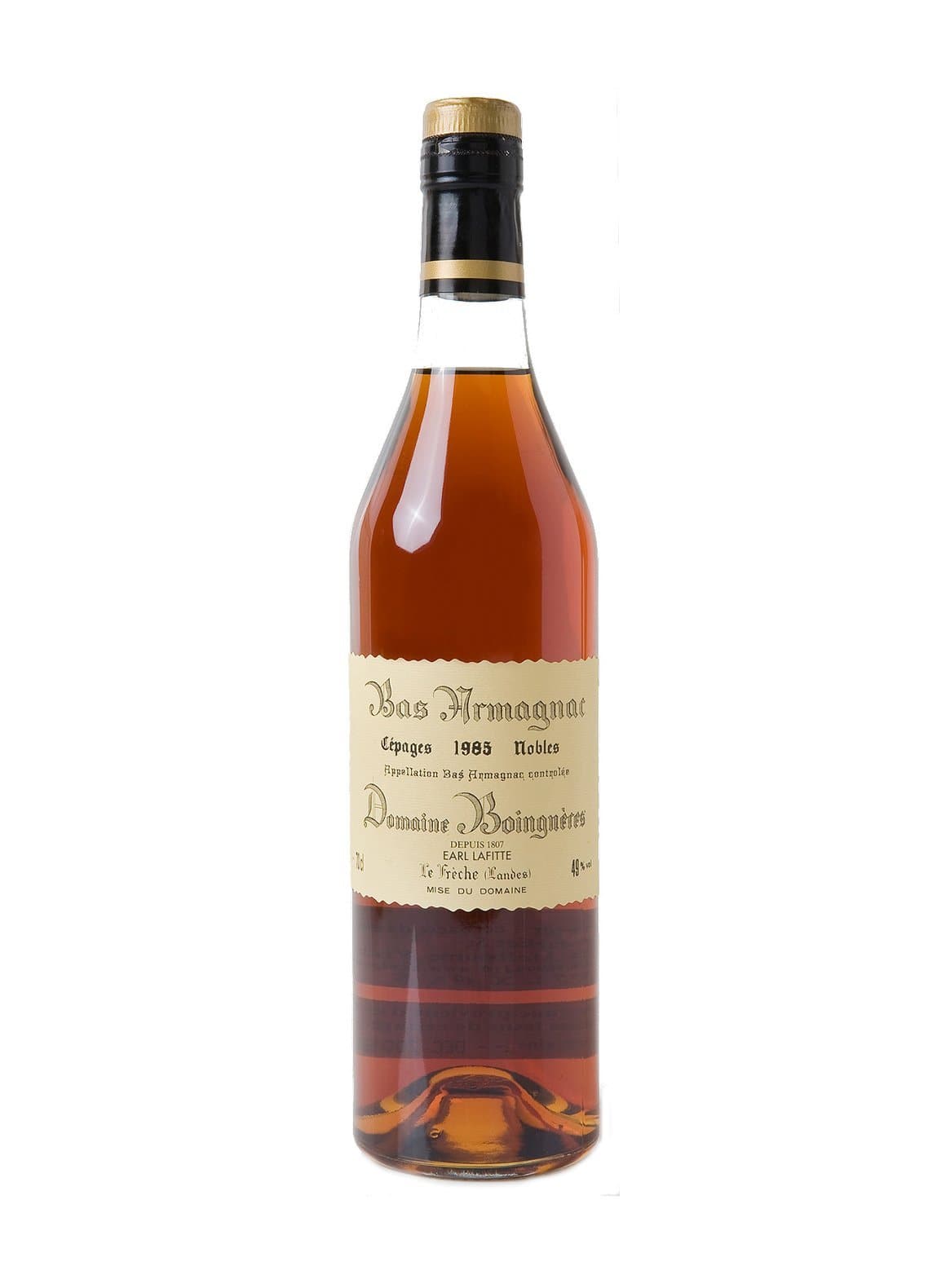
Domaine Boingneres 1985 Cepages Nobles Grand Bas Armagnac 49% 700ml
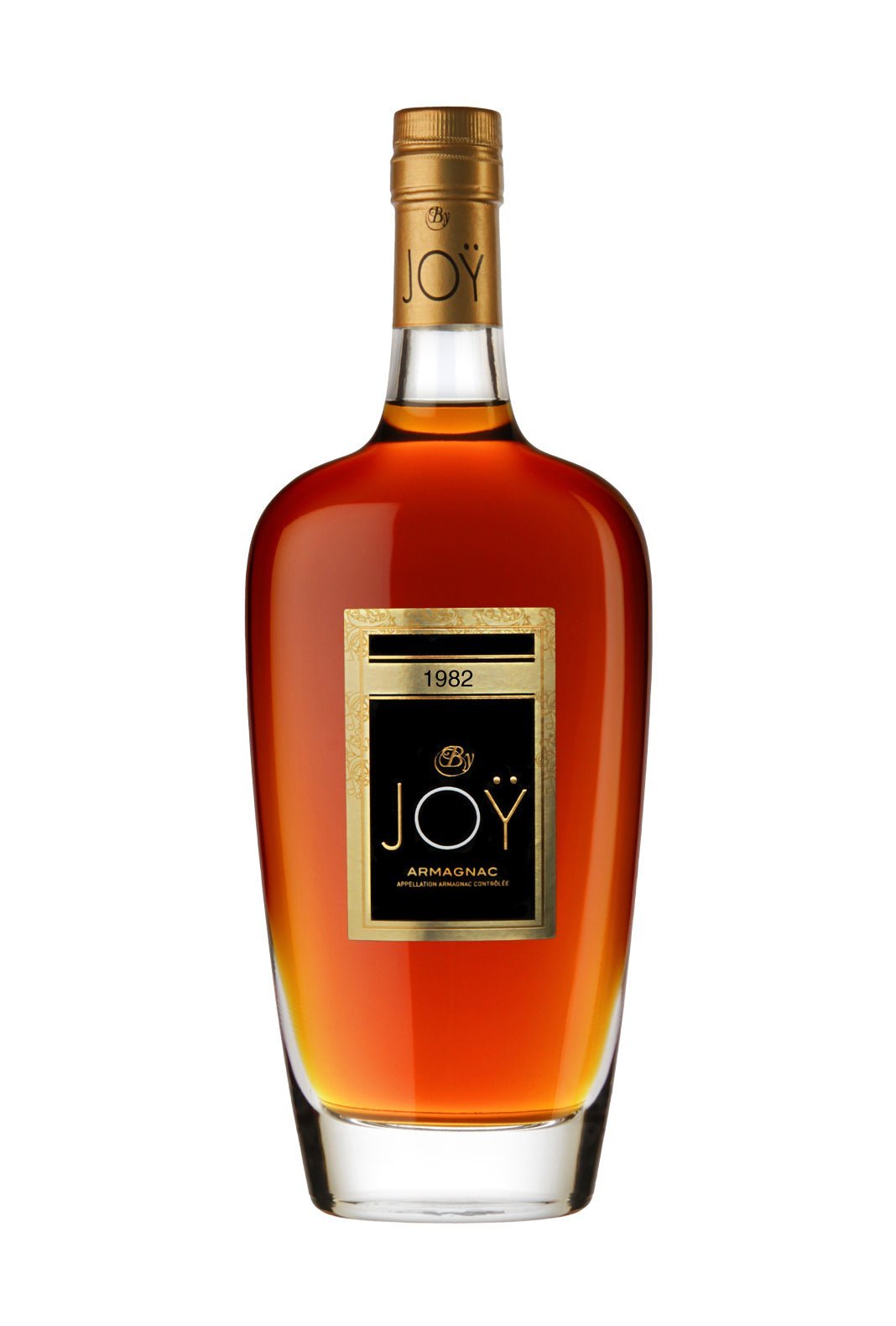
Domaine de Joy 1982 Armagnac 40.5% 700ml
About 1980s Vintages
A vintage on the label names the harvest. A 1982 bottle holds spirit from the 1982 crop, not a blend of years. Age is a separate question, because a spirit stops ageing once it is in glass, so the bottling date tells you how long it spent in wood.
If you came here looking for 1980 liquor or 1982 alcohol, the direct answers are the Castarède 1980, the Delord 1982 and the Darroze 1982 Bellair. People born in 1986 turn 40 in 2026: read the year on each label, as the years here change.
Most of this decade is Bas Armagnac. Delord works from Lannepax in the Gers and bottles its vintages at 40%, and you can compare the years in the Delord vintage collection. Darroze, at Roquefort in the Landes, ages spirit from small growers and keeps each estate and year apart. Domaine Boingnères dates from 1807, and its 1981 is distilled entirely from Folle Blanche.
The Normandy side comes from Christian Drouin, with more in our Calvados collection. For help choosing a year, read our guide to birth year spirits, or step across to the 1970s and 1990s.
History
Delord began in 1893, when Prosper Delord took his still from farm to farm. His sons Gaston and Georges created Delord Frères at Lannepax, and Jacques Delord took over in 1963 and his brother Pierre joined in 1973, so the house's 1980s vintages came under Jacques and Pierre. Sylvain and Jérôme Delord followed in 2001. The Delord 1982 was bottled in 2018.
Castarède is older, dating from 1832. The Castarède 1980 was bottled in 2019.
Château de Laubade was built in 1870. Maurice Lesgourgues revived vintage bottling there in 1974, and the estate's still was custom-built the same year. Every bottle now carries its bottling date and batch number, the Laubade 1985 included.
Darroze dates its bottlings too. The Le Pouy 1984 was bottled in 2024 at 42%, after 40 years.
Christian Drouin senior took on a farm near Honfleur in 1960. His son joined him in 1969, and the house had matured enough Calvados to begin selling in 1979. Production moved to Coudray-Rabut in 1991 and 1992, after these years were distilled. The Drouin 1988 was aged in sherry casks, and the 1989, finished in sherry casks, took a silver medal and best in class at the IWSC in London in 2008.
How to drink it
Pour a small measure, about 30ml, and drink it neat at room temperature. These are spirits for tasting slowly, not for a cocktail shaker.
A tulip glass suits them. Skip ice for the first pour, and taste the spirit before you decide to dilute it.
Give it a few minutes in the glass. The tasting note for the Castarède 1980 records sweeter notes of vanilla and sticky date arriving after about five minutes.
Strength varies more than you might expect in this decade. The Delord and Laubade vintages sit at 40%, while the Darroze estates run from 42% to nearly 50%, because Darroze adds nothing to bring the strength down. At the upper end, try it neat first, then add water a few drops at a time until the spirit opens up.
Producers offer a few ideas for the table. Delord suggests its older Armagnacs on their own, with a chocolate dessert or with a tangy arabica coffee. The notes for the Drouin 1989 Calvados suggest a Tarte Tatin, and tastings at the distillery pair Calvados with Camembert, Pont-l'Évêque and Livarot. Our Darroze notes keep it plainer: neat, at room temperature, in a tulip glass.
If you are choosing between neighbouring years, the tasting notes on each product page show how much a single harvest can change.