
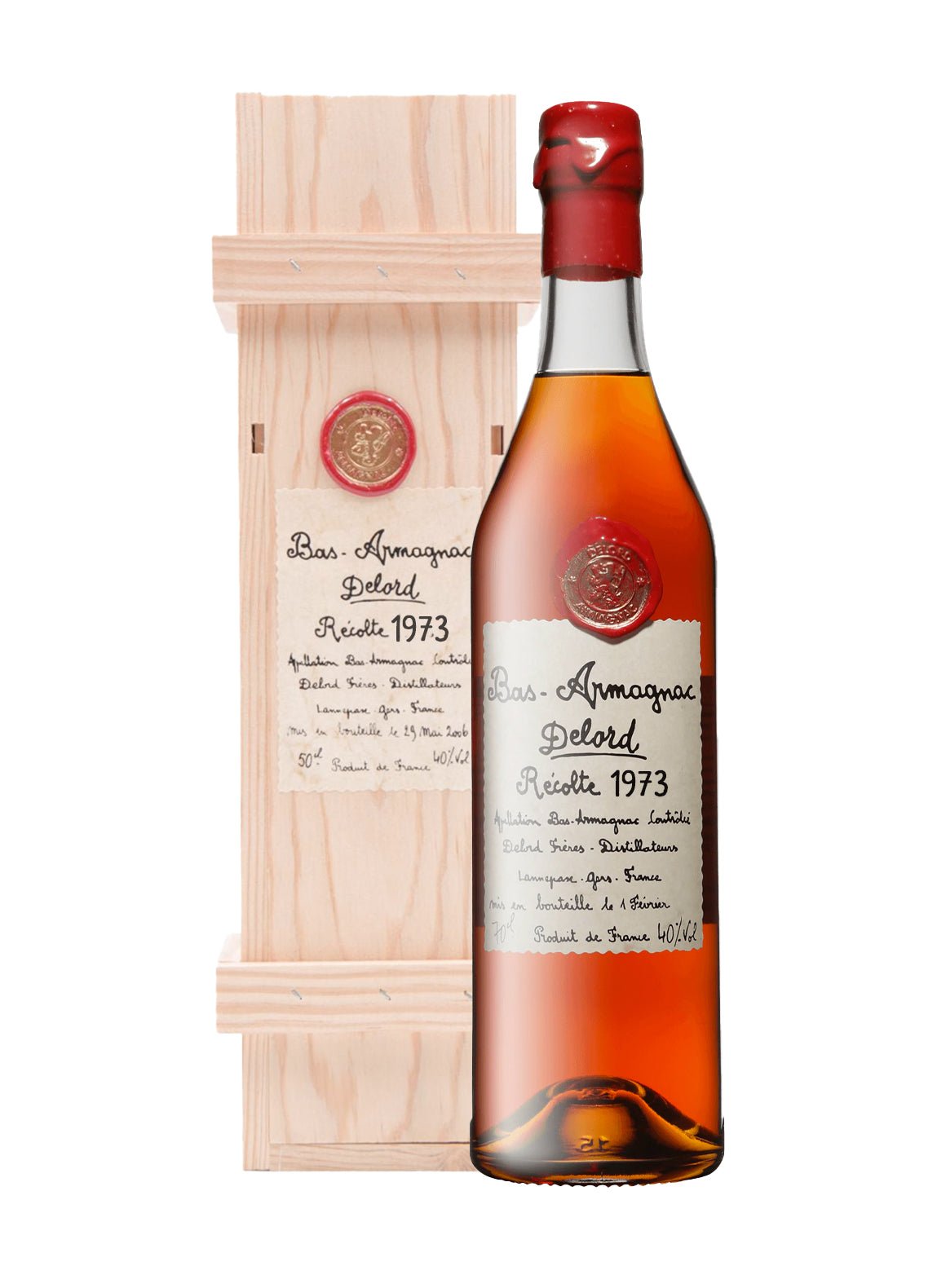
Delord 1973 Bas Armagnac 40% 700ml
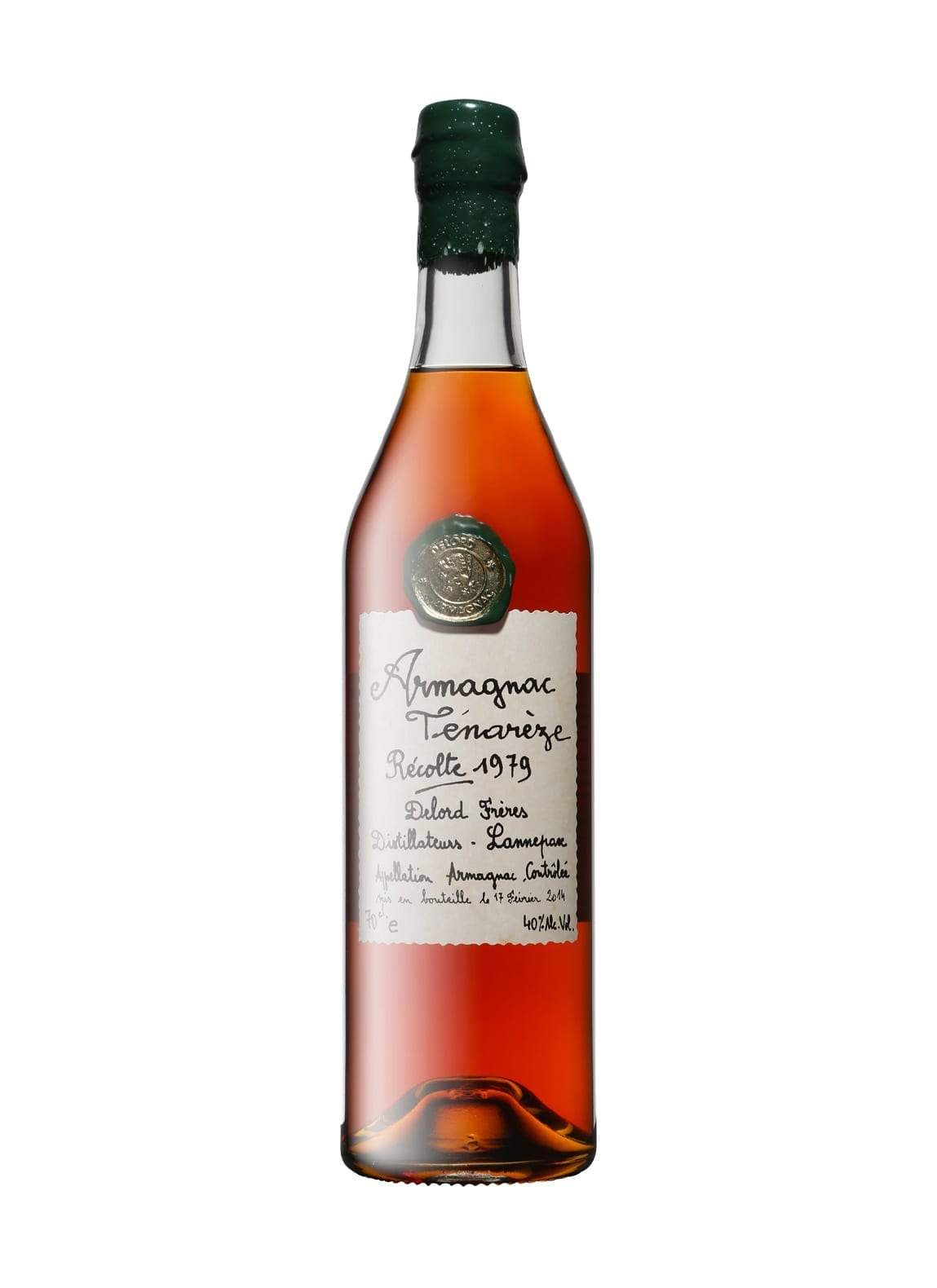
Delord 1979 Armagnac-Tenareze 40% 700ml
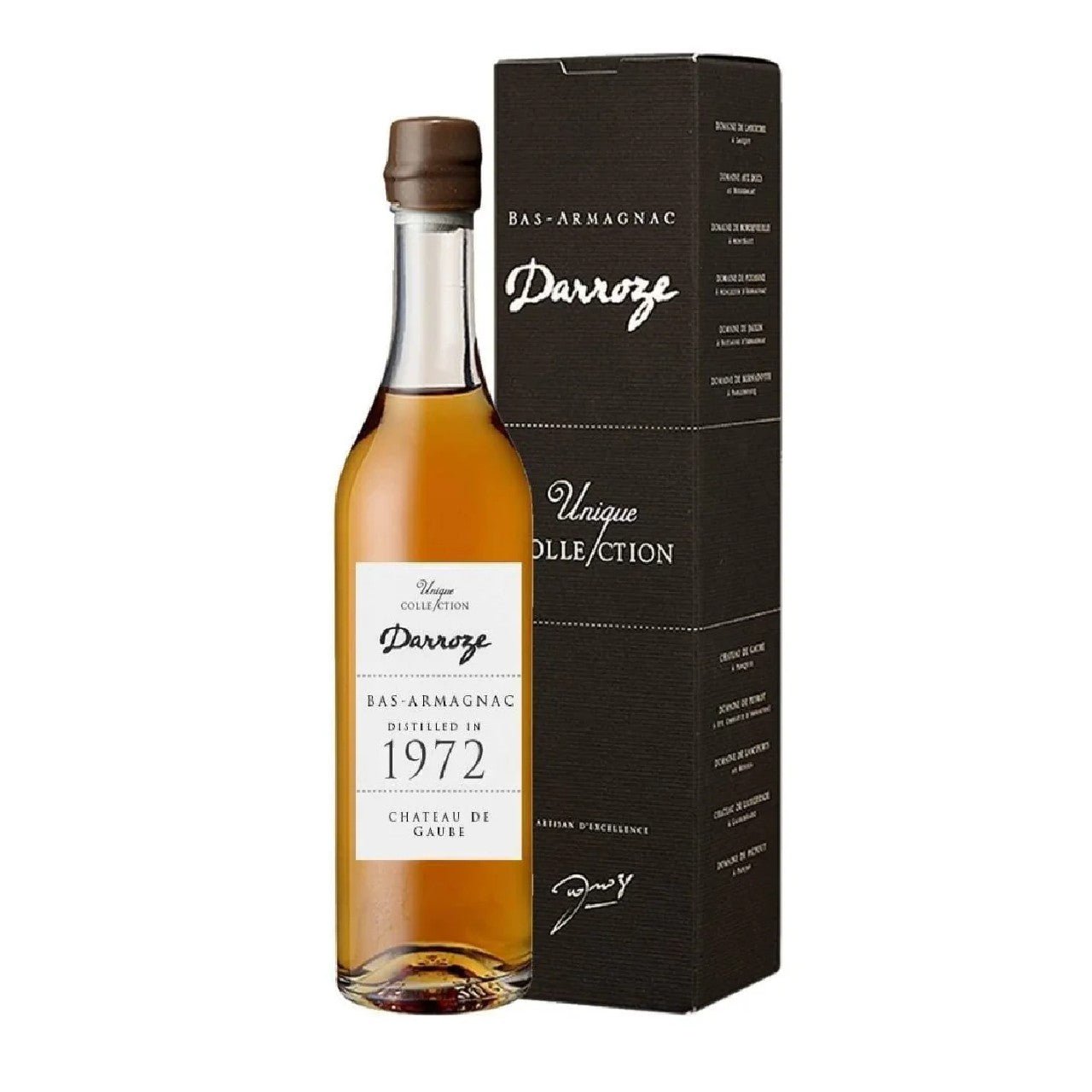
Darroze 1972 Gaube Grand Bas Armagnac 43.4% 200ml
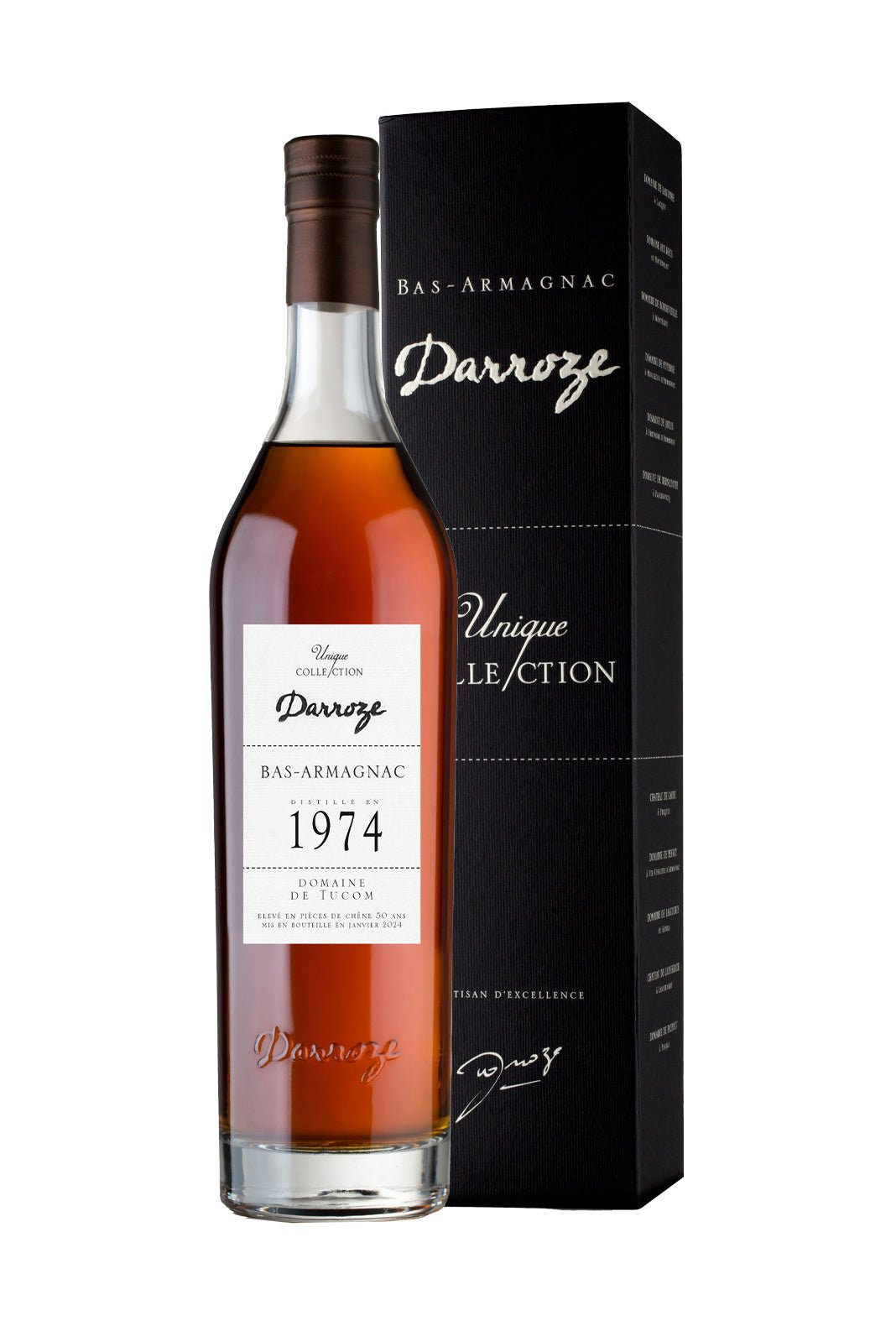
Darroze 1974 Tucom Grand Bas Armagnac 46% 700ml
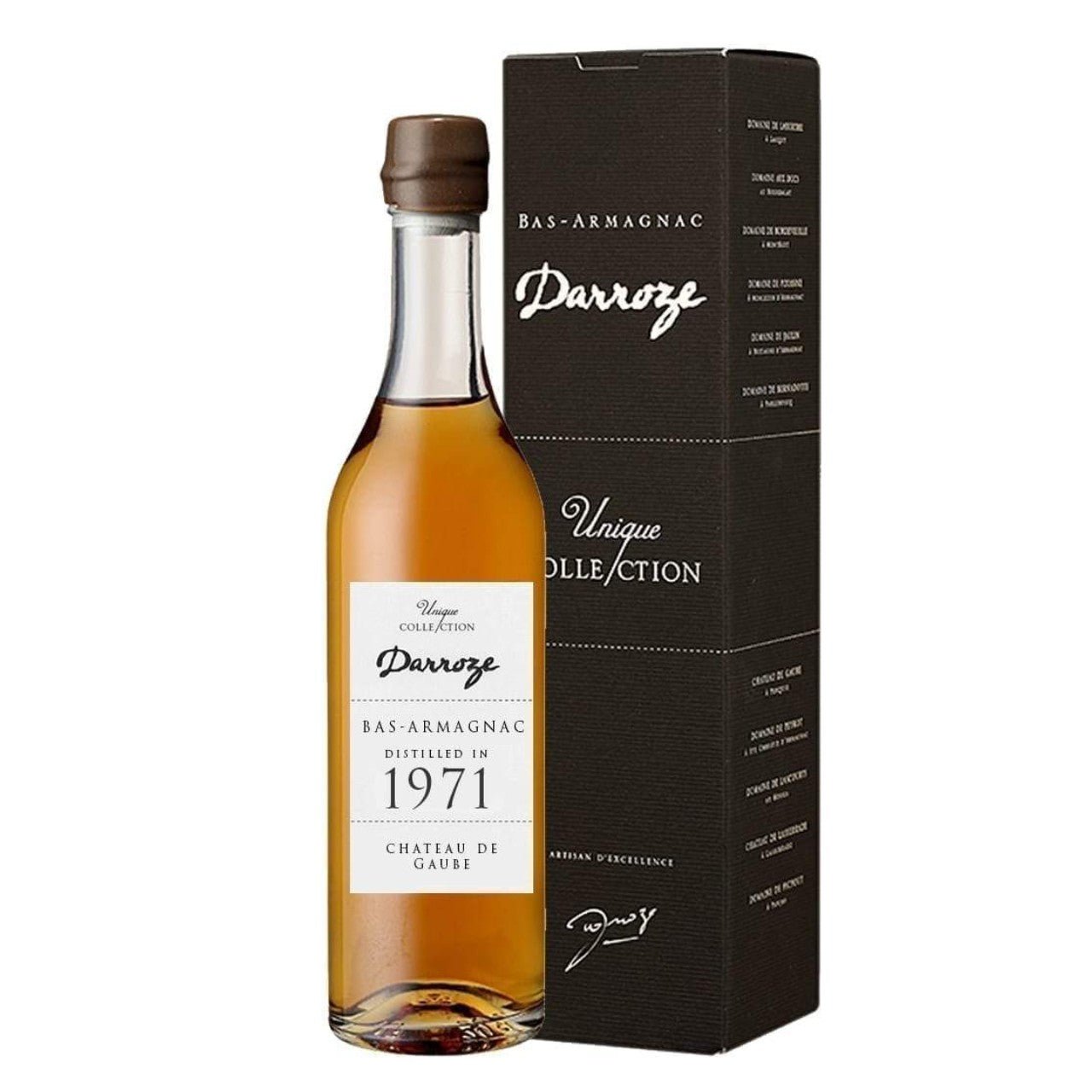
Darroze 1971 Gaube Grand Bas Armagnac 42.2% 200ml
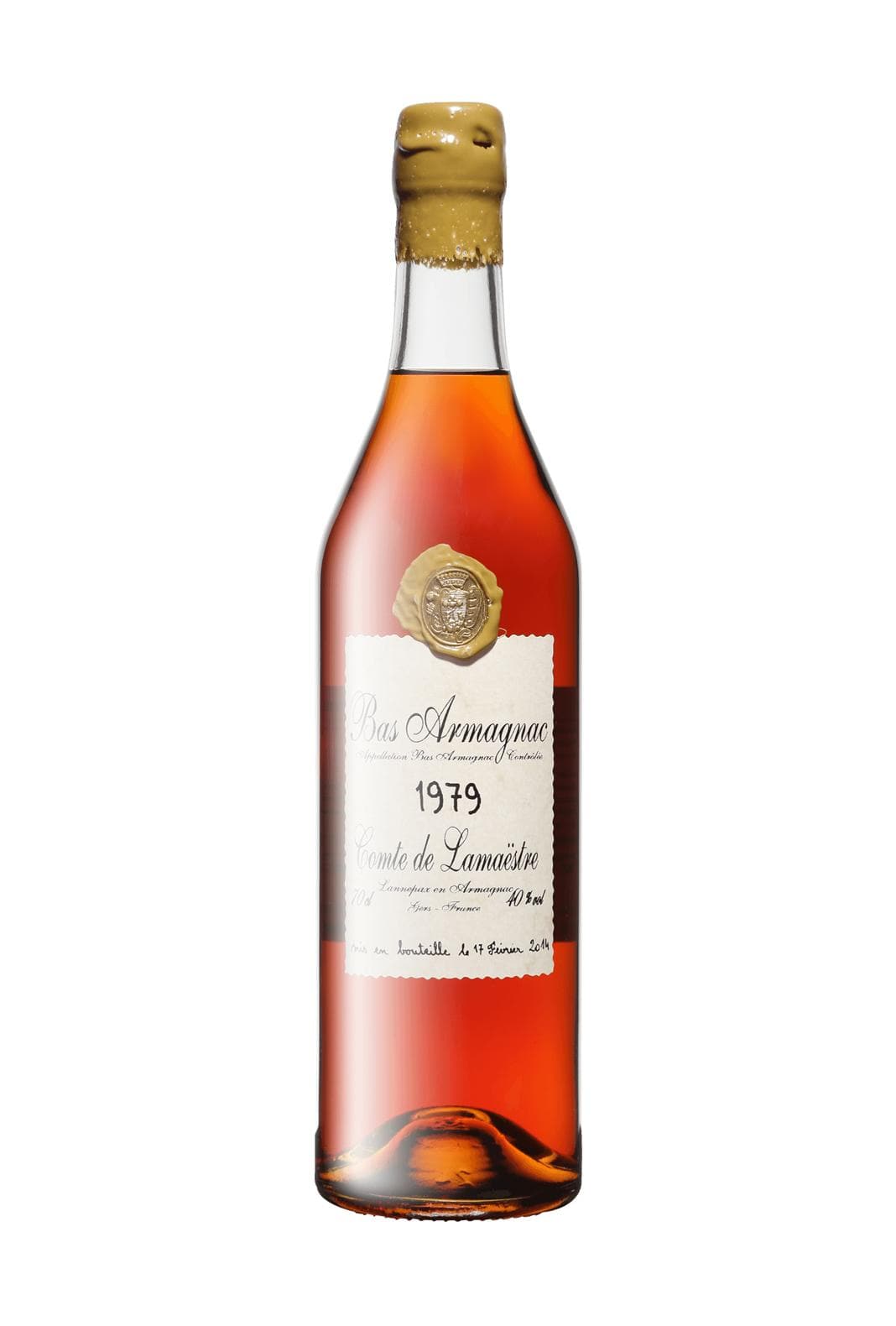
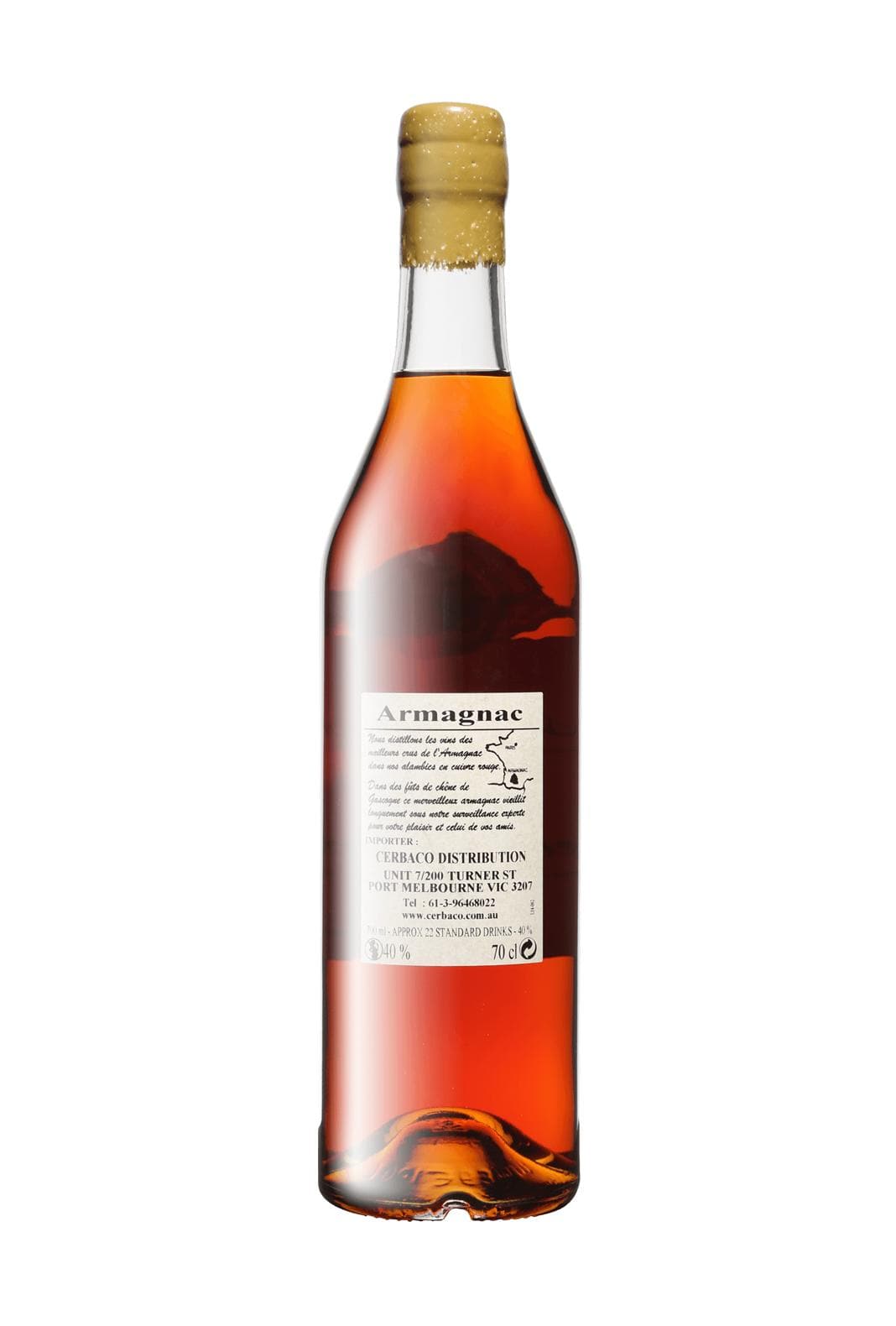
Comte de Lamaestre Bas Armagnac 1979 40% 700ml
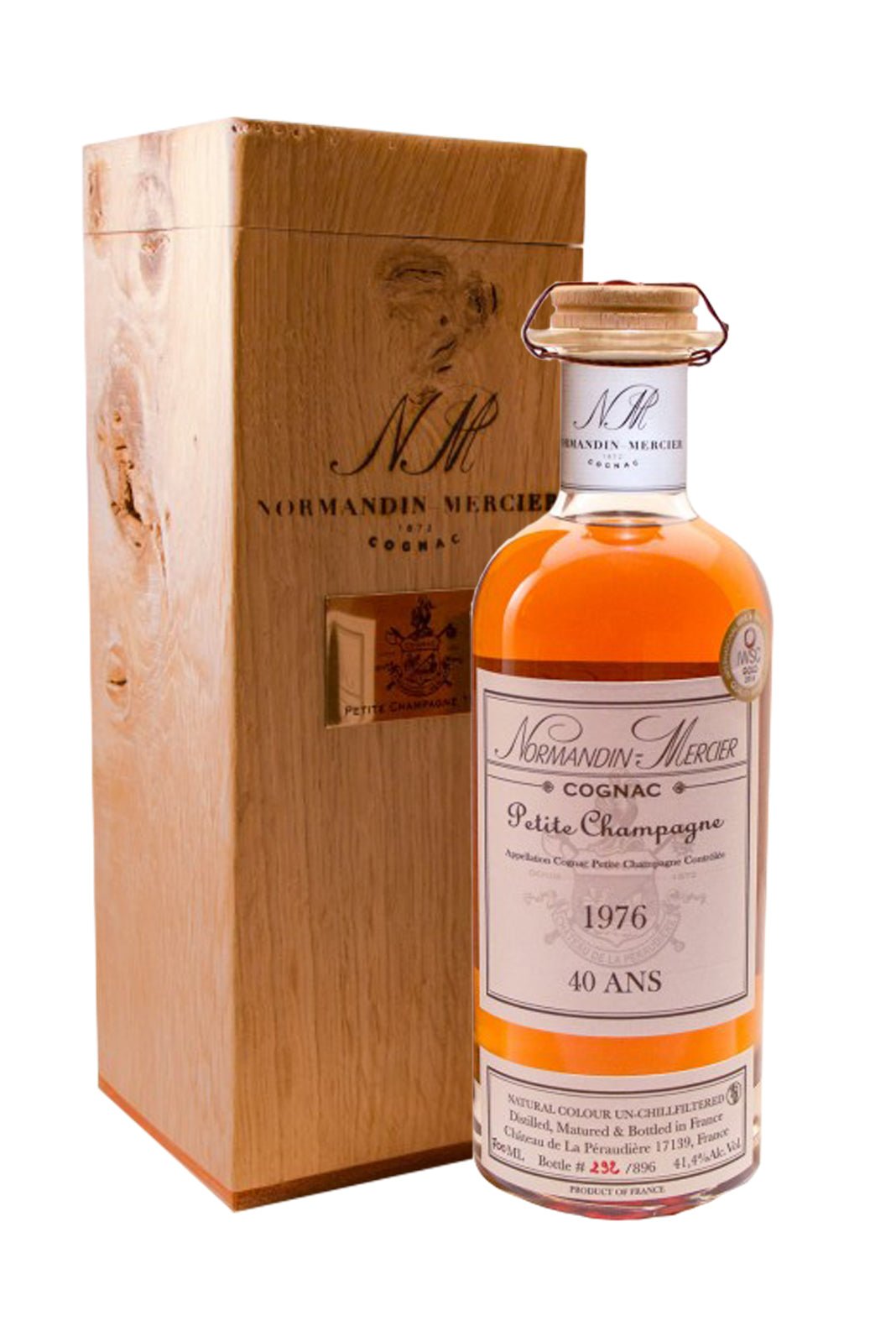
Normandin-Mercier Cognac Petite Champagne 1976 41.4% 500ml

Finn Thomson Whisky - Invergordon 1974 50YO 700mL 46.1%
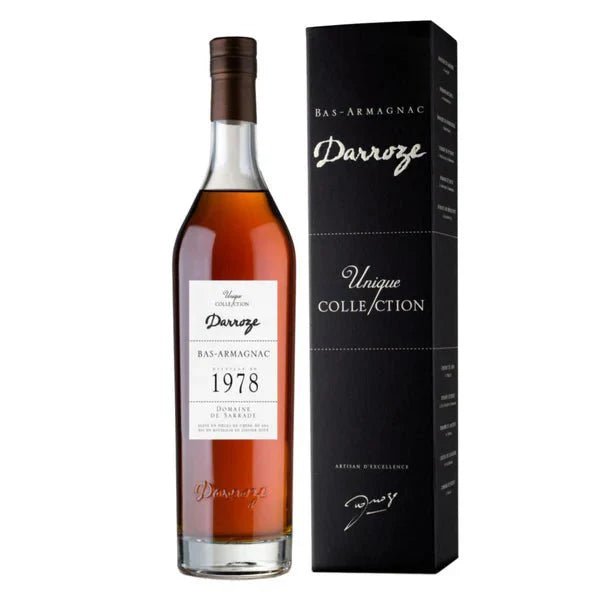
Darroze 1978 De Sarrade Armagnac 48% 700ml
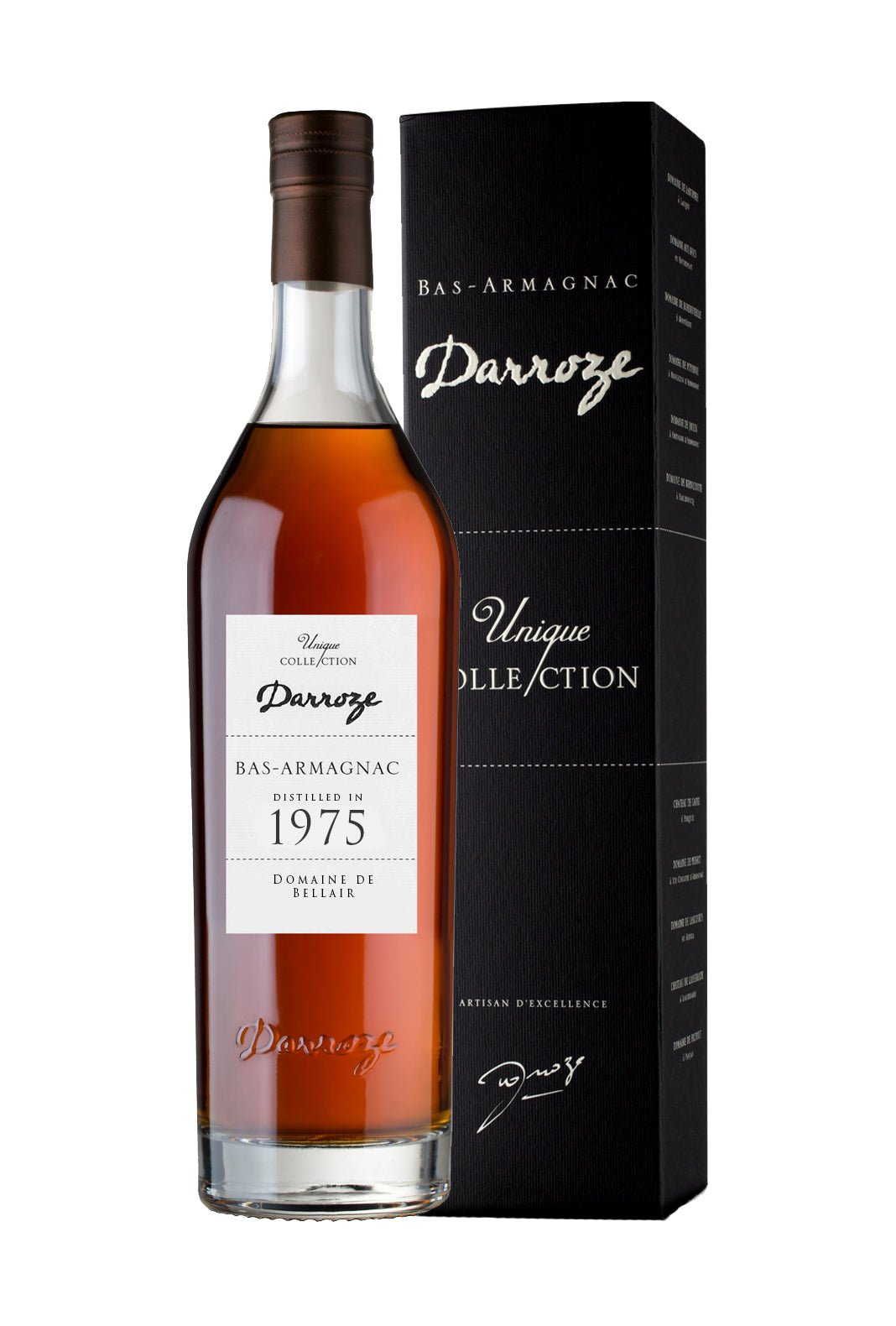
Darroze 1975 Bellair Grand Bas Armagnac 45.5% 700ml
Delord 1970 Bas Armagnac 40% 700ml
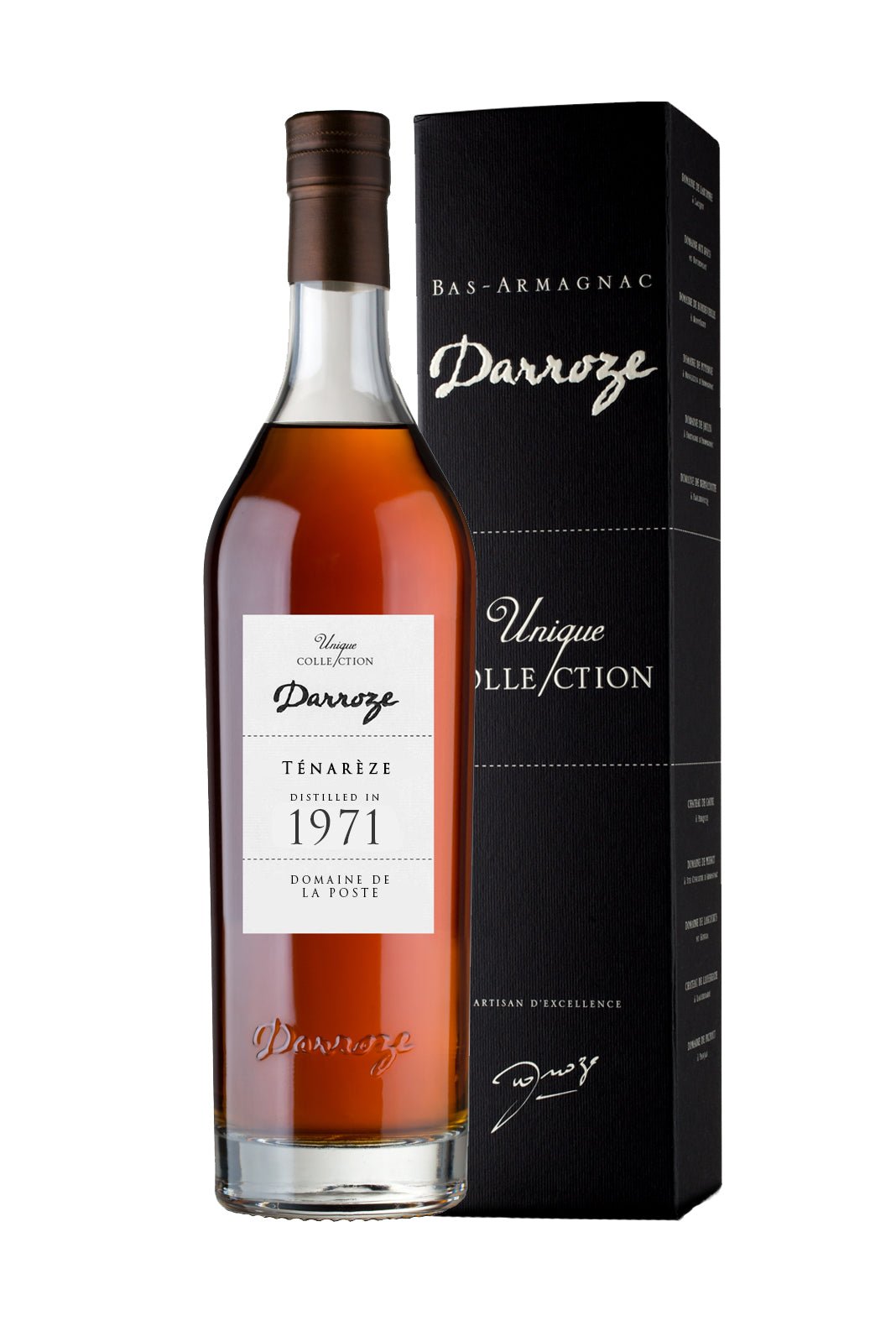
Darroze 1971 La Poste-Tenareze Armagnac 46% 700ml
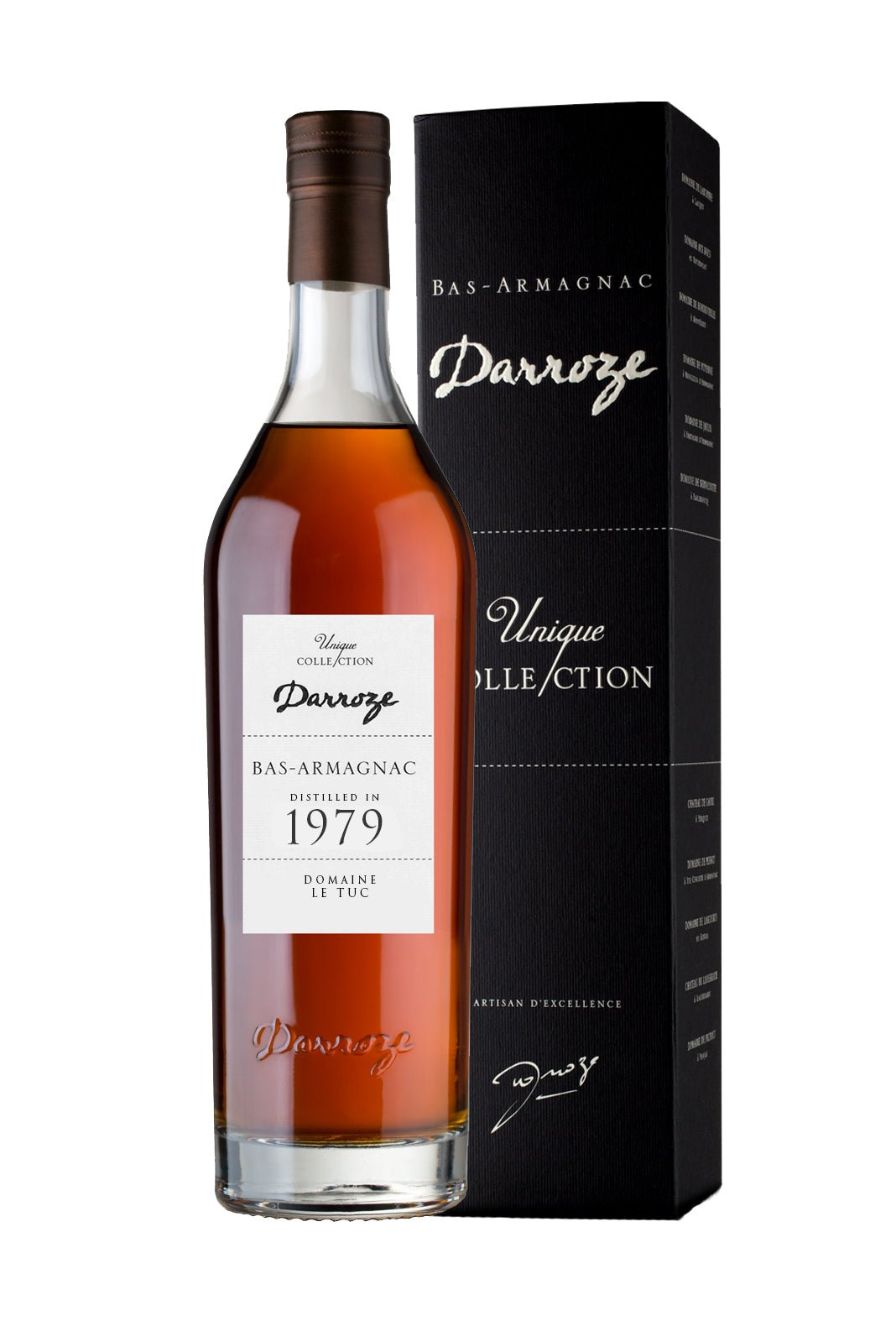
Darroze 1979 Domaine le Tuc Grand Bas Armagnac 49% 700ml
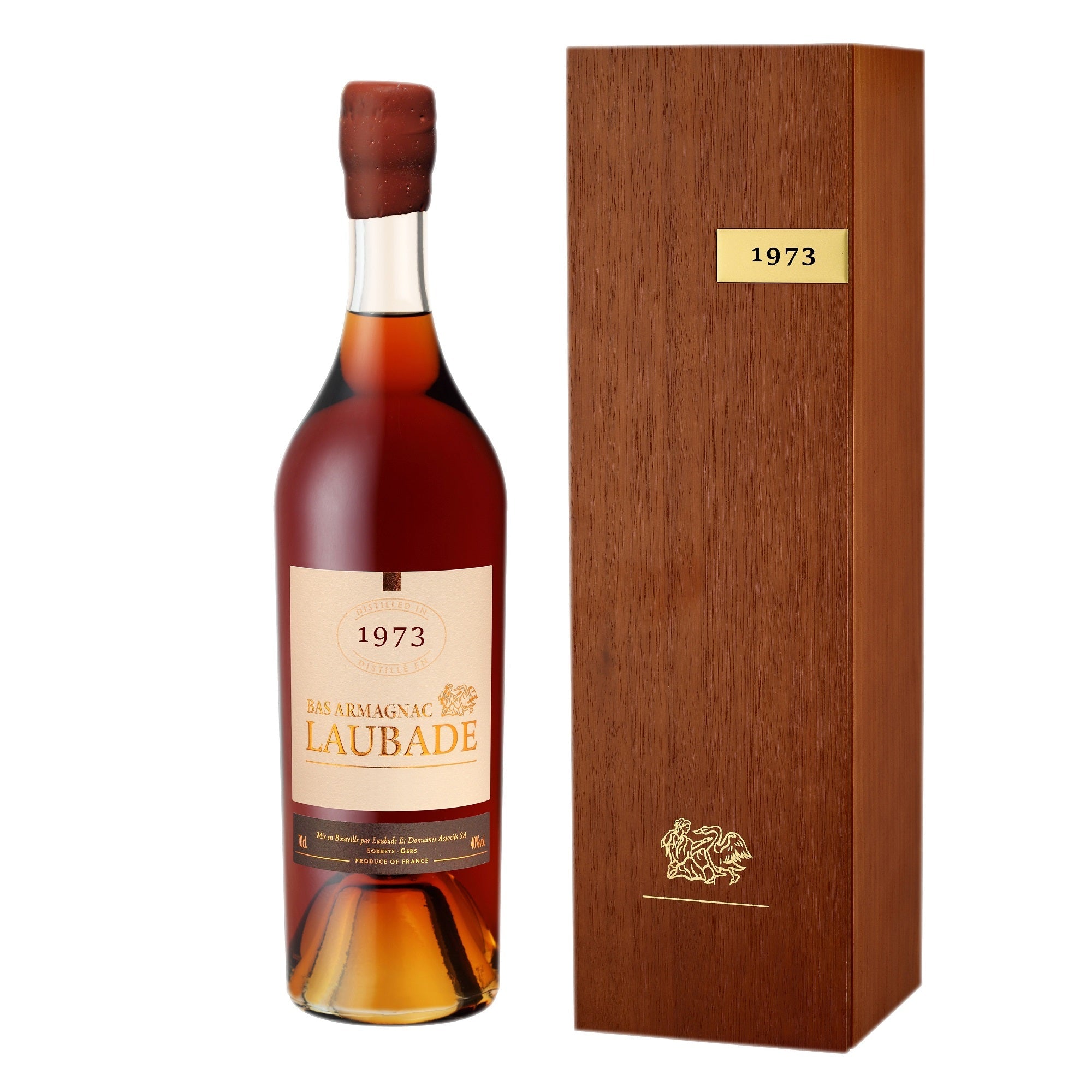
Chateau de Laubade Vintage 1973 Bas Armagnac 40% 700ML
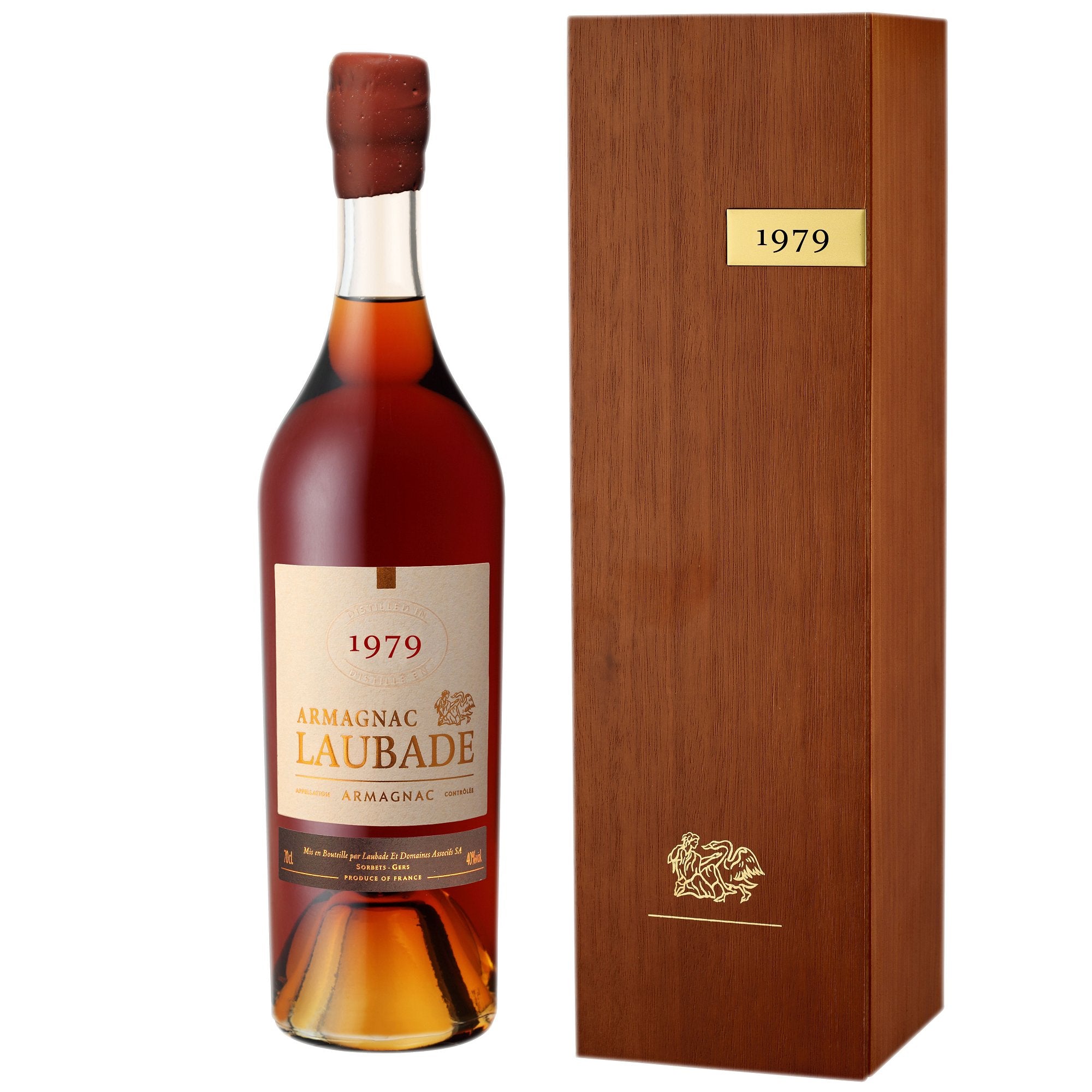
Chateau de Laubade Bas Armagnac Vintage 1979 40% 700ML
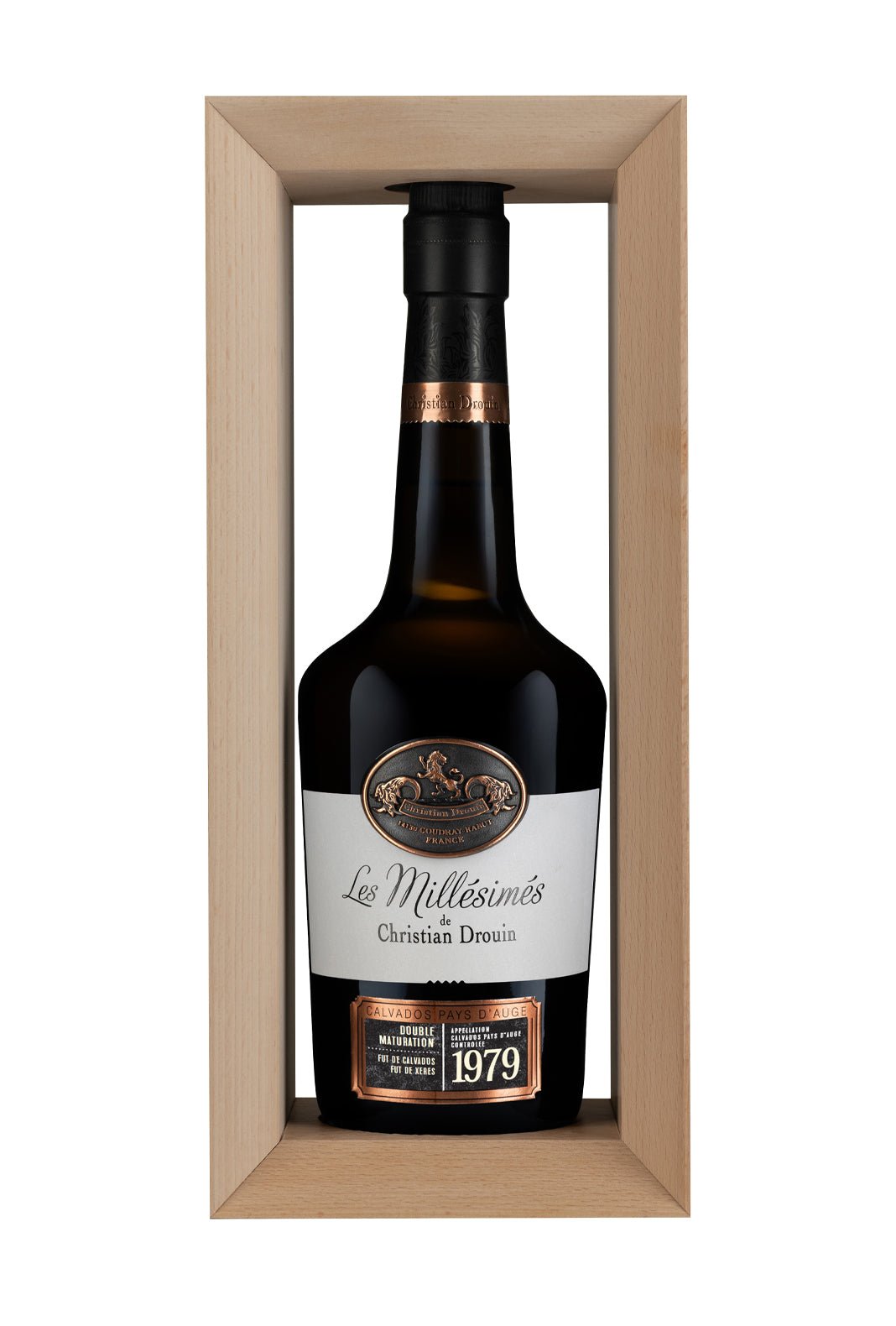
Christian Drouin Calvados 1979 Pays D'Auge 40% 700ml
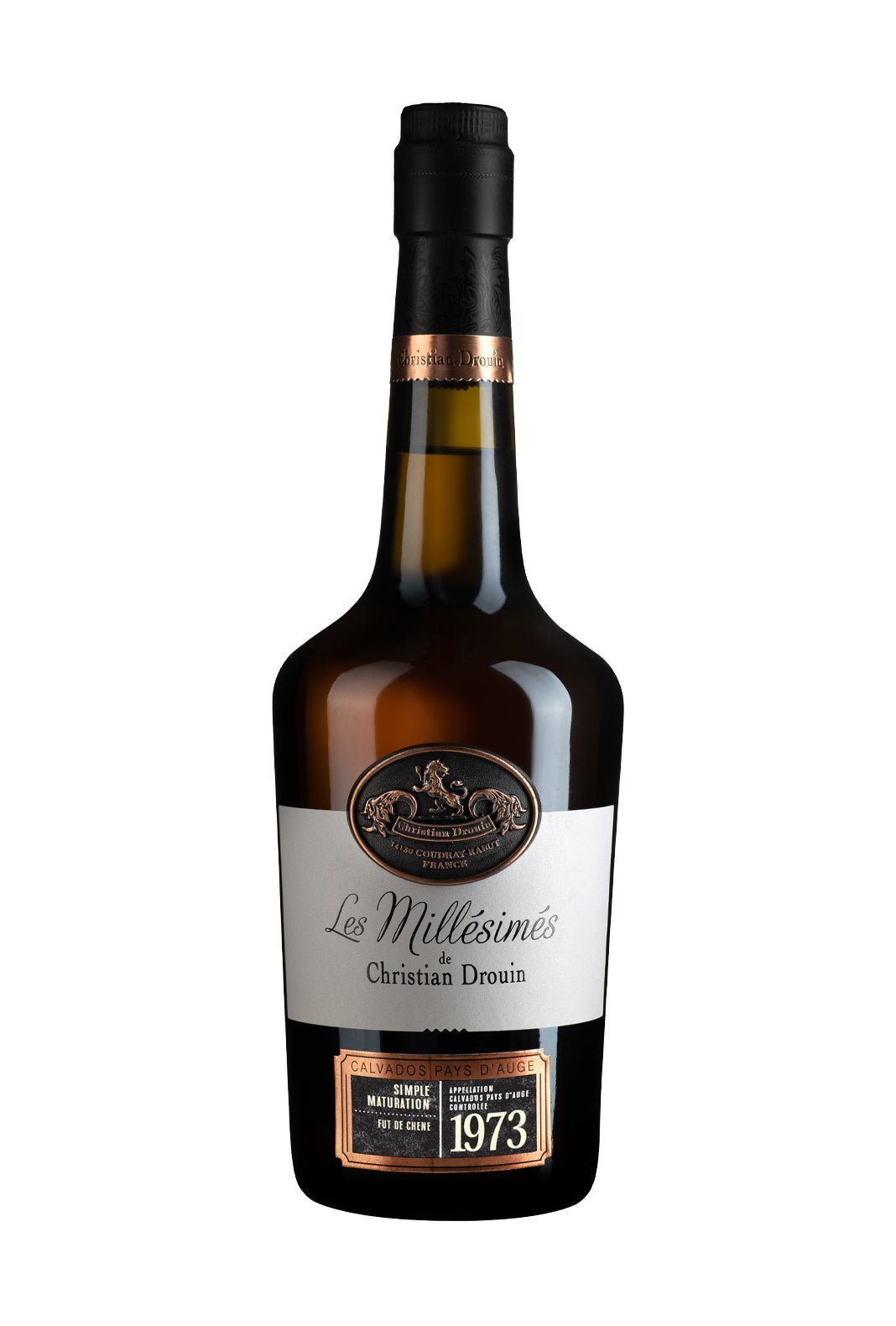
Christian Drouin Calvados 1973 Pays D'Auge 42% 700ml
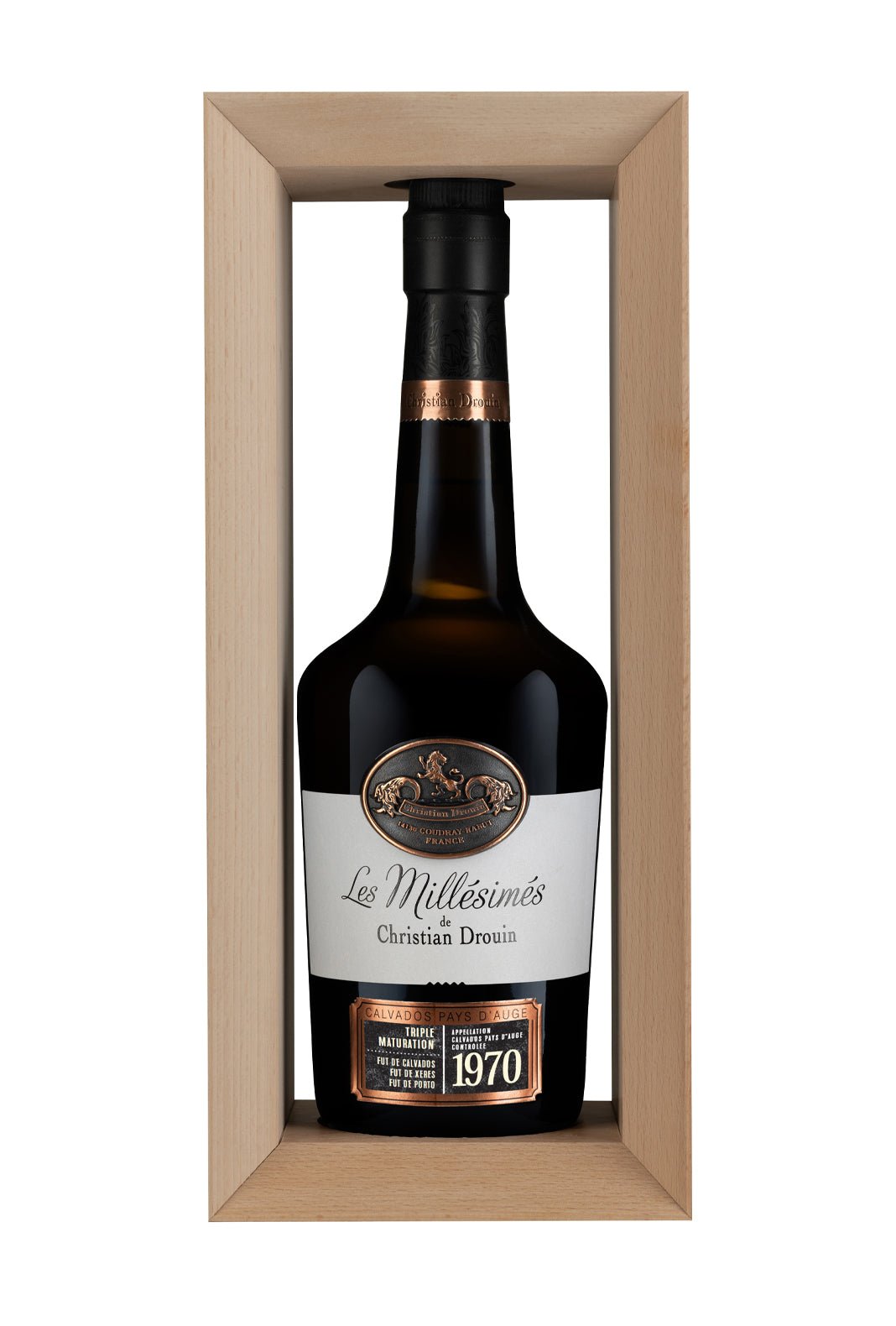
Christian Drouin 1970 Calvados Pays d'Auge 42% 700ml
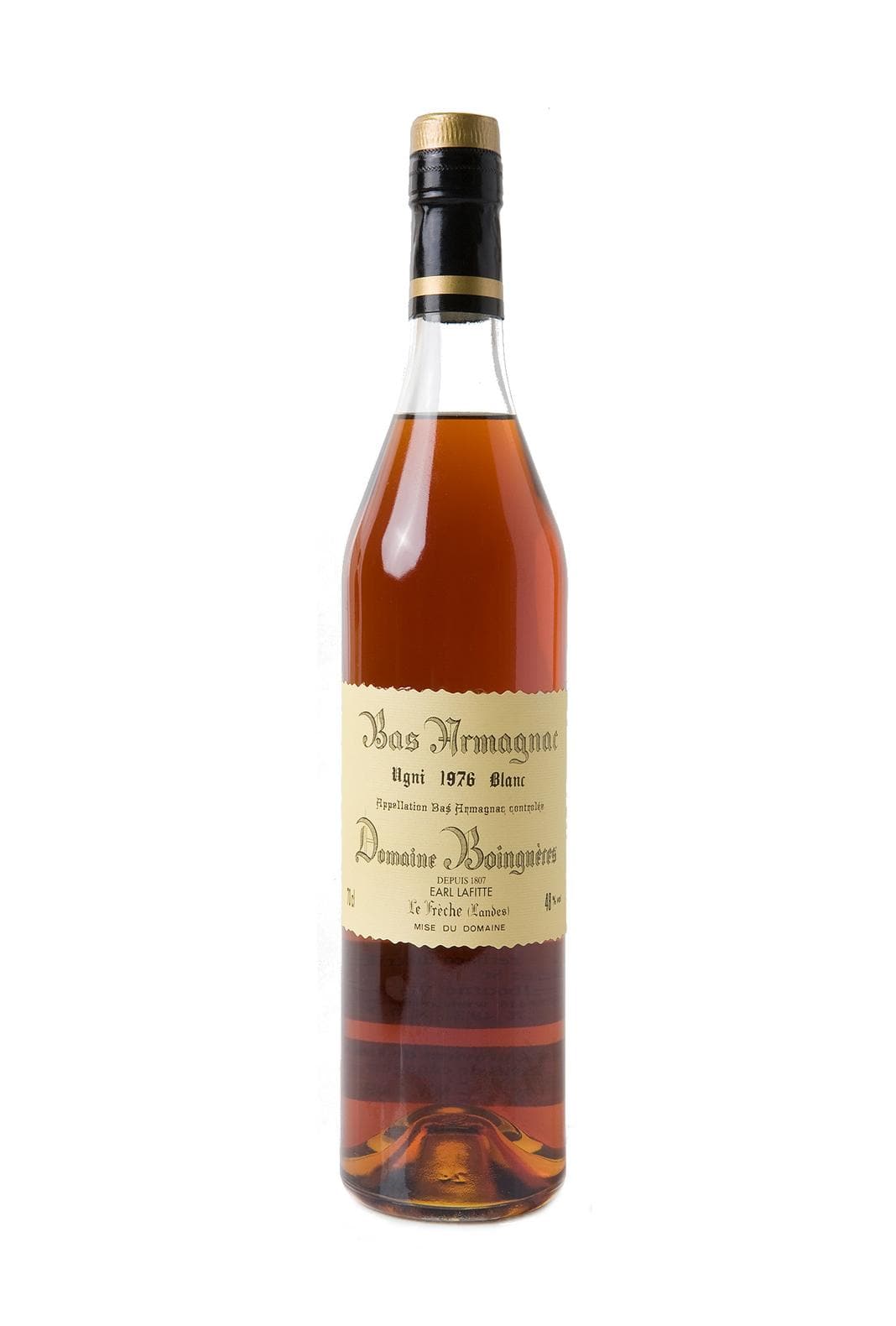
Boingneres Bas Armagnac 1976 48% 700ml
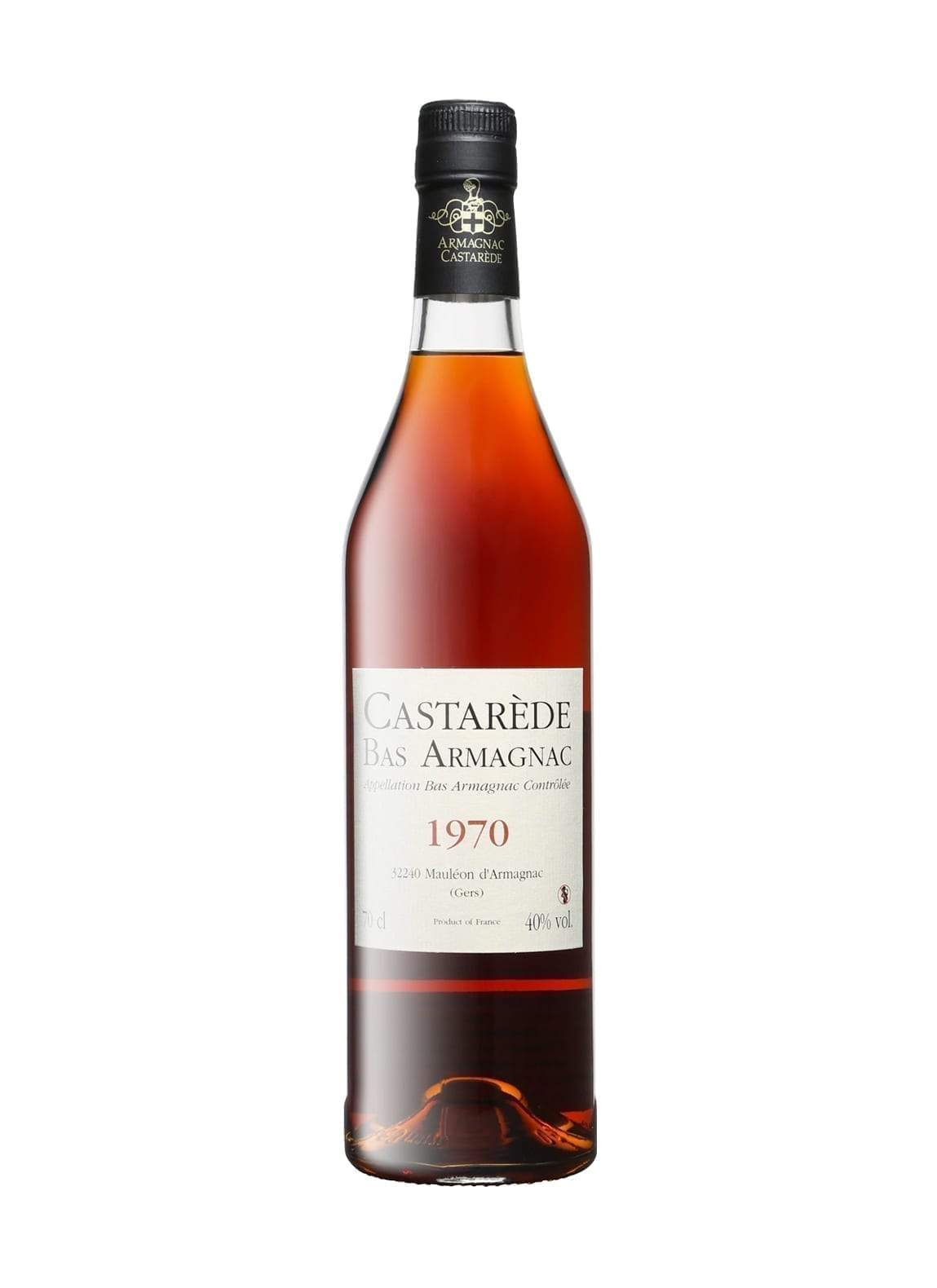
Castarede 1970 Bas Armagnac 40% 700ml
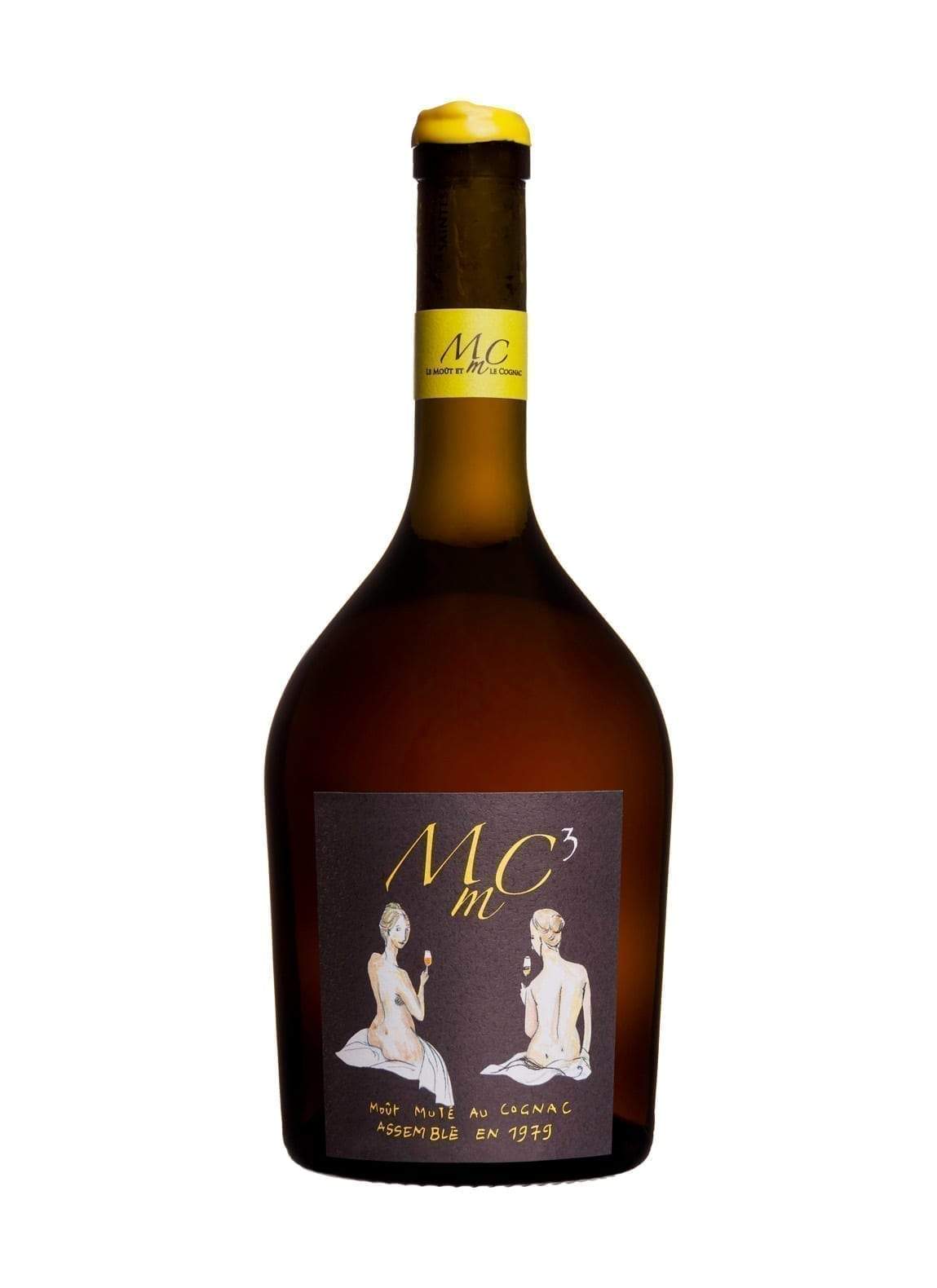
Grosperrin MMC 3 1979 Mistelle-type Pineau des Charentes 17% 750ml
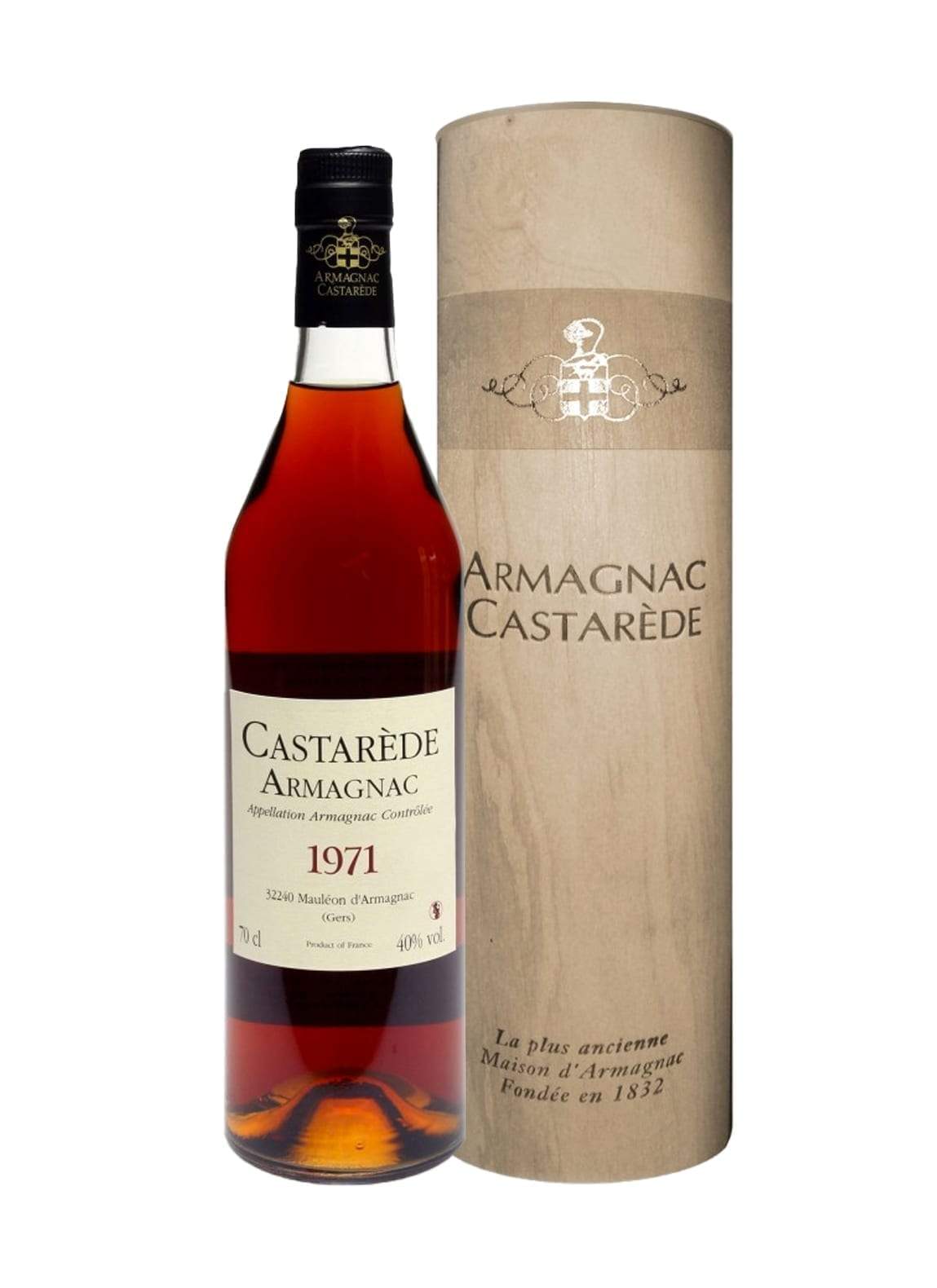
Castarede 1971 Bas Armagnac 40% 700ml
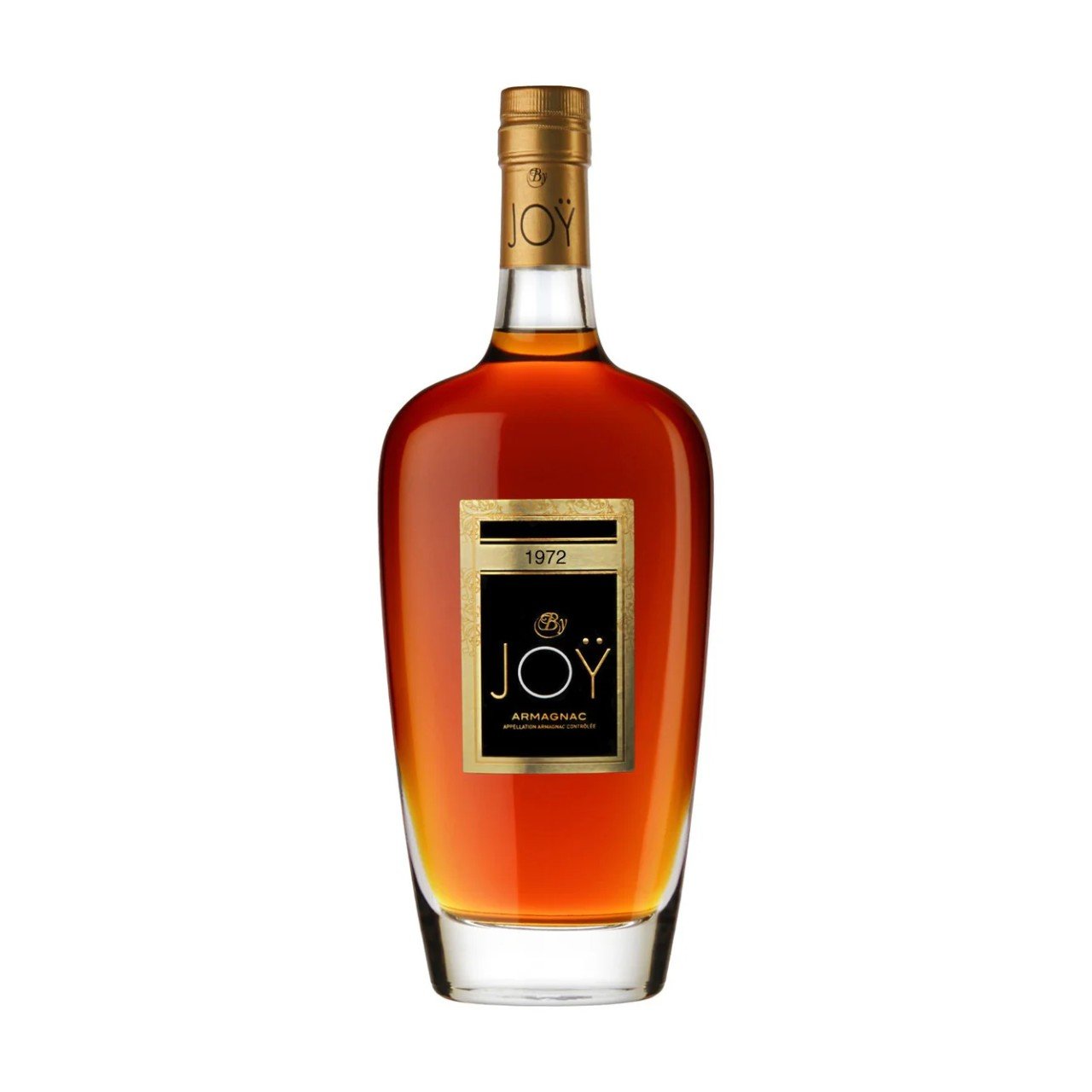
Domaine de Joy 1972 Armagnac 40.5% 700ml
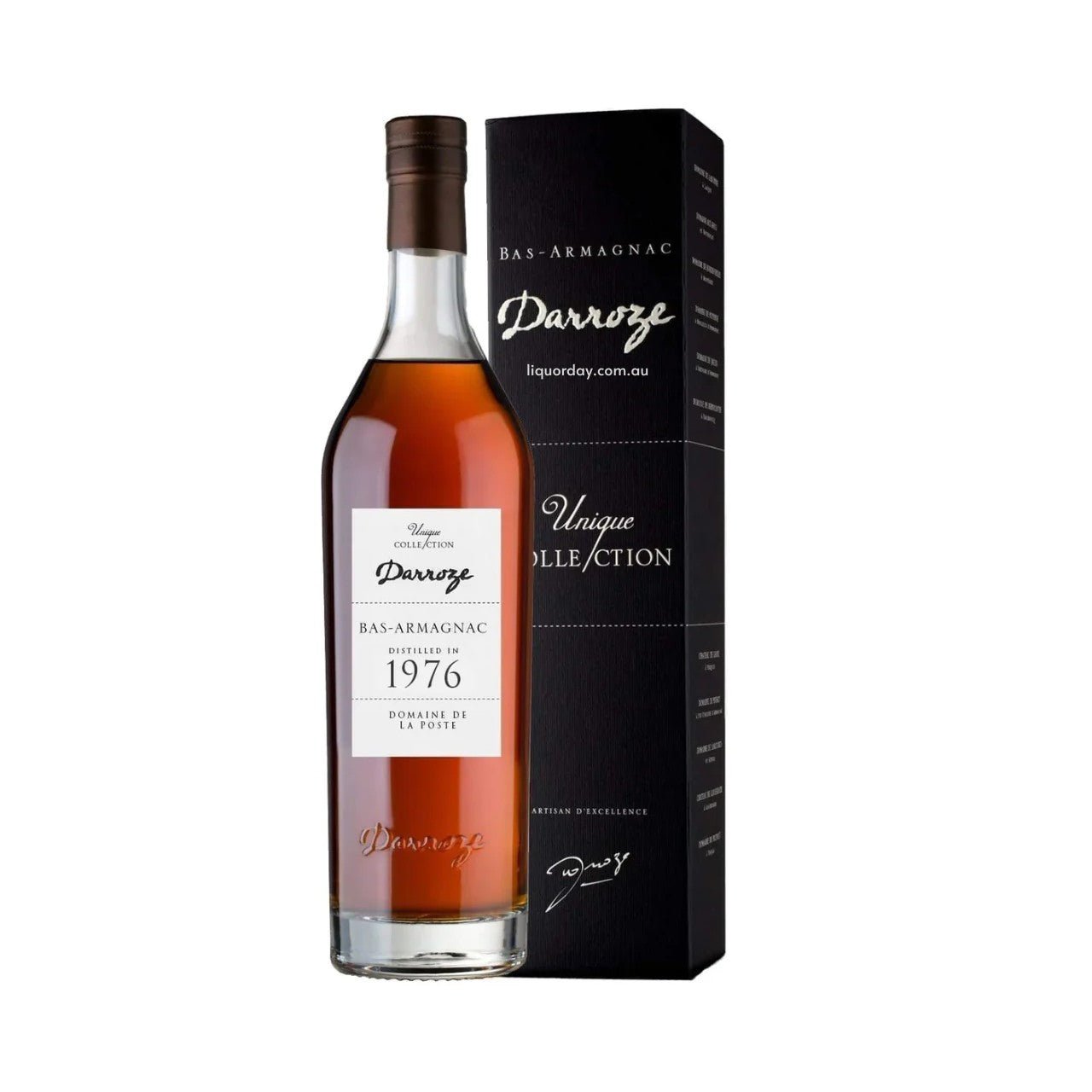
Darroze 1976 La Poste Armagnac 45.8% 700ml
About 1970s Vintages
This collection gathers spirits that carry a single vintage from the 1970s. For a vintage Armagnac, Calvados or Cognac, everything in the bottle comes from one year's harvest and is never blended with other years. Once a cask is bottled out, that year from that house is gone, so the list here changes as bottles come and go.
Most of the range is Armagnac, from Gascony in south west France. Bas Armagnac, the western district on sandy soils, makes up the bulk, from family houses such as Delord at Lannepax, Castarède and Château de Laubade, and from Darroze, which bottles single estates, often at cask strength and sometimes in 200ml formats. You will also find Ténarèze, whose limestone and clay soils give a spirit generally more powerful and suited to long ageing. Beyond Armagnac there is Calvados Pays d'Auge from Christian Drouin, Cognac from Normandin-Mercier, and the odd rarity such as a Pineau-style mistelle.
To read more about the region first, start with our guide to Armagnac. Looking for another decade? Browse our 1960s vintages and 1980s vintages.
History
The bottles in this collection began life half a century ago and have spent most of that time in oak. Castarède, a family house founded in 1832, records 49 years in cask for its 1971 Bas Armagnac. Darroze bottled its 1971 Château de Gaube, a pure Baco grown on sandy soils at Perquie, after 47 years in oak, and its 1979 Domaine le Tuc after 43 years. Ageing on this scale is what gives old Armagnac its depth: dried figs, prunes, tobacco, leather and the nutty character known as rancio.
Some houses stop the clock in glass. Delord, founded in 1893 by Prosper Delord and run by the family ever since, keeps its oldest Armagnacs in glass demijohns away from the light, in a cellar room the family calls Paradise. Château de Laubade, built in 1870 and today 105 hectares of single vineyard in Bas Armagnac, stores its oldest vintages in dames-jeannes for a slow, controlled evolution and coopers its own casks from Gascony oak.
In Normandy, Christian Drouin distilled its 1973 Calvados Pays d'Auge in a pot still, as the appellation requires, and kept it in casks that have held only Calvados and cider. In Cognac, Normandin-Mercier remembers 1976 for an early drought that gave eaux de vie of rare aromatic concentration.
How to drink it
A spirit that has waited fifty years deserves a little patience in the glass. Pour a small measure, serve it neat at room temperature, and give it a few minutes in the glass before you taste.
Cask strength bottlings, such as many of the Darroze single estates, can take a drop of water. Add it a little at a time and taste again, as it can help open the spirit up.
The houses themselves suggest these spirits after dinner. Delord pairs its older Armagnacs with a chocolate dessert or a tangy Arabica coffee, and Castarède recommends its 1971 as an after dinner spirit. The Pineau-style mistelle is a different creature: a fortified aperitif at 17 per cent, made from 1979 grape must and Cognac, with very little sugar and a fresh acidity, so it belongs before the meal rather than after.
Tasting notes give a sense of what to look for. Delord finds blond tobacco, citrus and liquorice in its 1973 Bas Armagnac, while Castarède describes candied fruit, almond and a strong thread of orange peel in its 1971. A 1970s vintage is also a natural bottle to open and share when someone born that decade marks a milestone.