
Guides and tasting notes
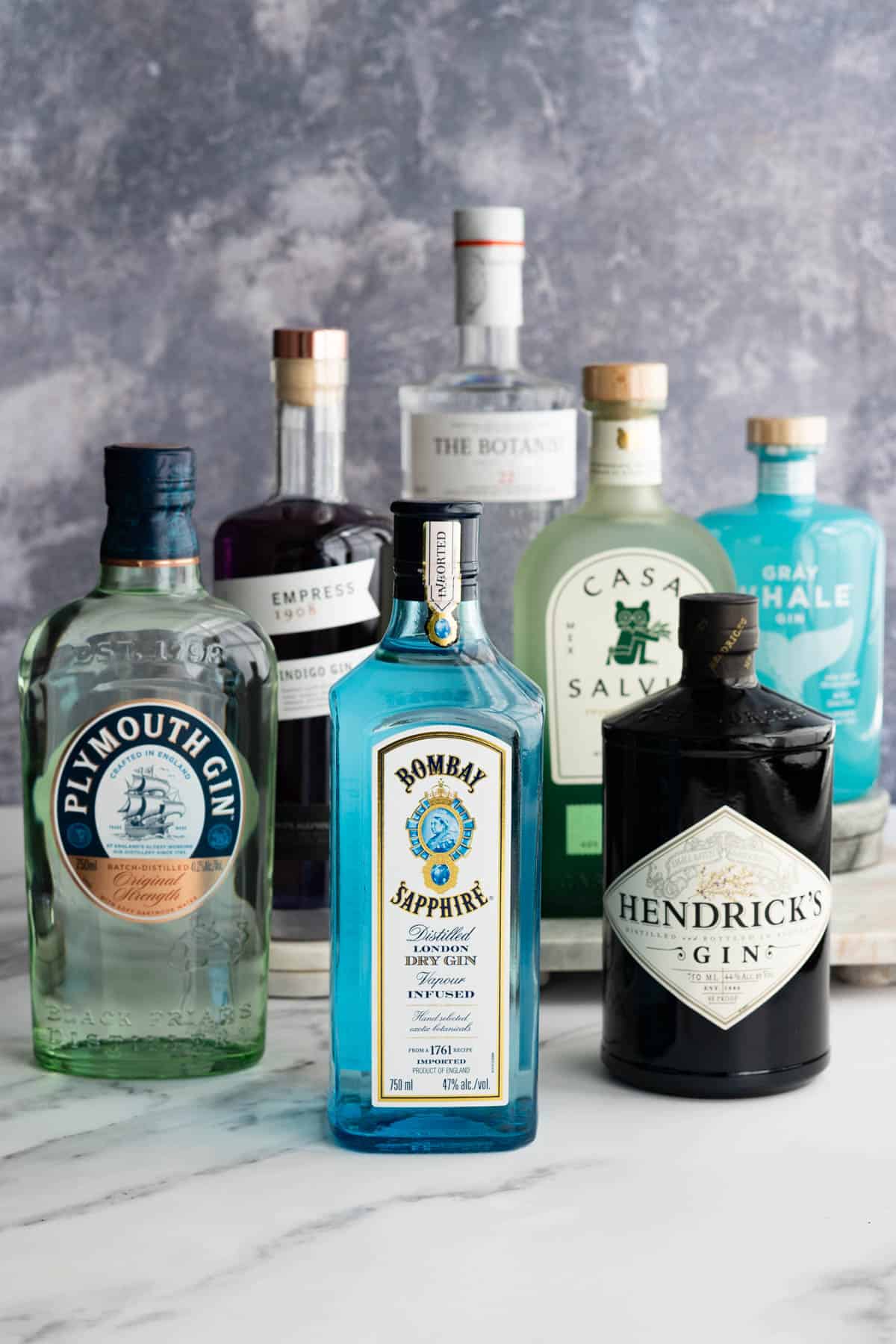
Gin Styles Explained: London Dry, Old Tom, Navy Strength and Sloe
What the style words on a gin label mean: the legal definitions of gin, distilled gin and London gin, why old tom is the sweetened one, what navy strength is and is not, why sloe gin is a liqueur, the two meanings of pink gin, and how Australian distillers use native botanicals.
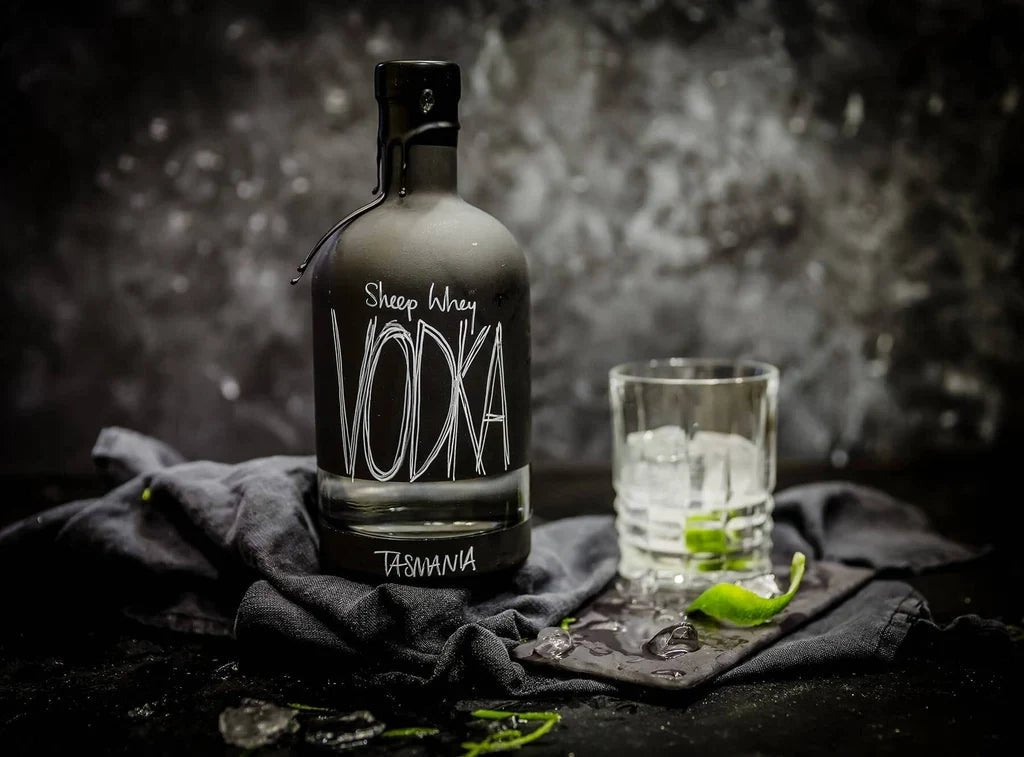
Vodka Explained: What It Is Made From, and the Australian Bottles Worth Knowing
What vodka is under EU and Australian law, why the base ingredient (grain, potato, grape, cane, sheep whey) still shows in the glass, how flavoured vodka differs, and which Australian and European bottles demonstrate each point.
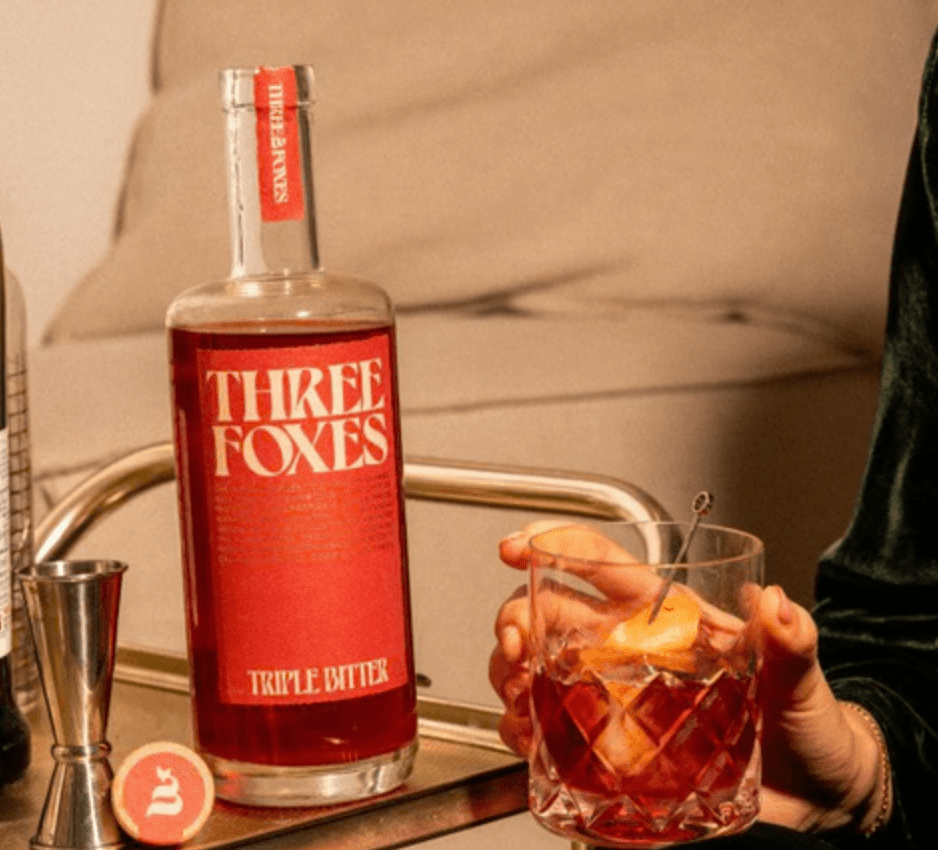
Bitters Explained: Cocktail Bitters, Bitter Liqueurs and Amaro
"Bitters" means two different things: dash bottles used a few drops at a time, and bitter liqueurs poured by the glass. This guide sorts them out, then walks through cocktail bitters, the Italian bitter rosso, amaro, fernet and the Australian makers, with a bottle for each.

Limoncello Explained: Italian and Australian, and How to Serve It
What limoncello is and how it is made, what is actually protected about Sorrento and Amalfi lemons, how the Italian bottles (Luxardo, Limonio, Distilleria Negroni) differ from the Australian ones (Cello, Three Foxes, Canberra Distillery), two Australian bottles that bend the category (Autonomy Bitter Limoncello, 5Nines Gincello), and how to serve it.