
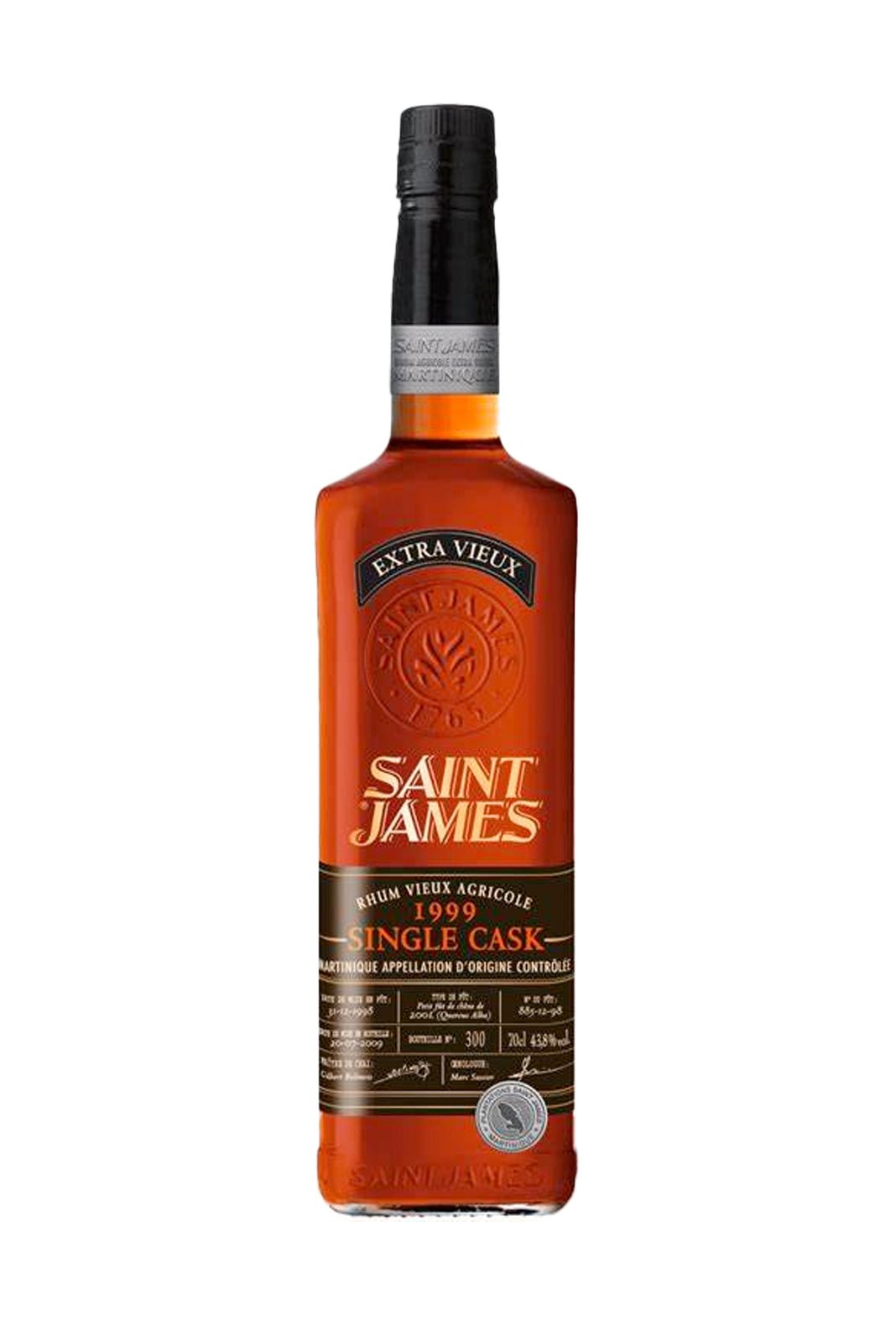
St James Rhum agricole 1999 Single Cask 42.9% 700ml
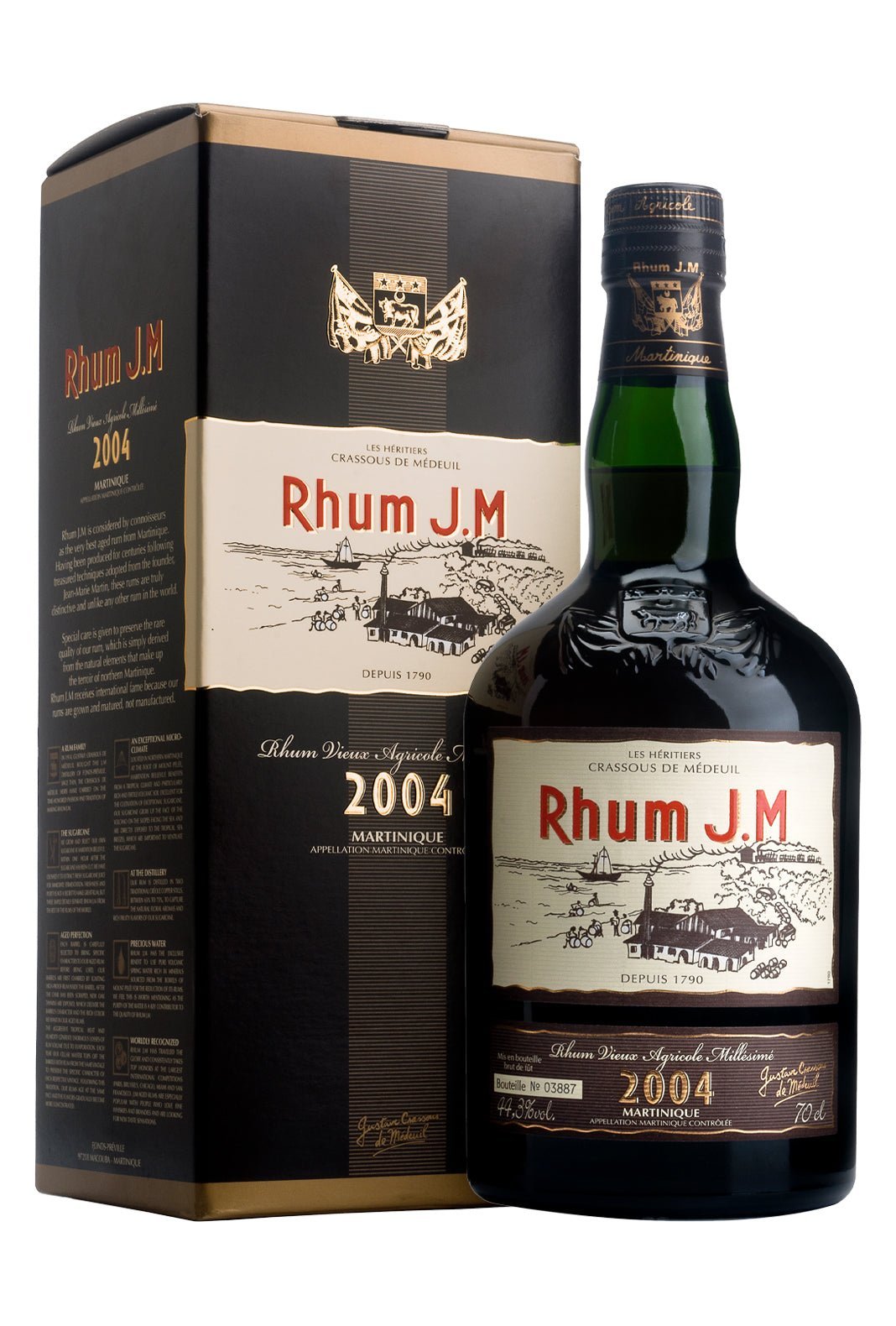
JM Rhum 2004 Hors d'Age Bourbon Cask 42.9% 700ml
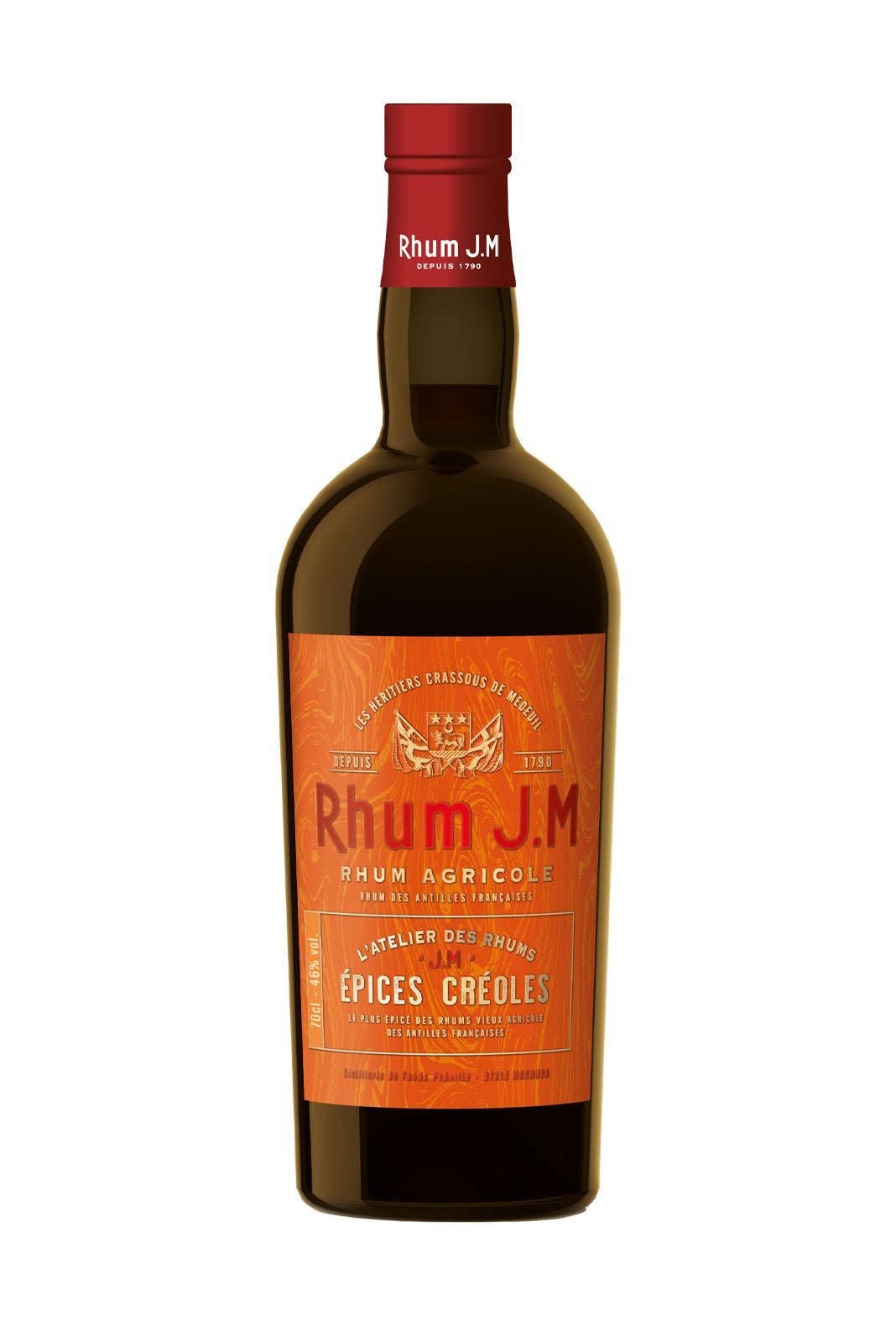
J.M Rum Atelier Epices Creoles 46% 700ml
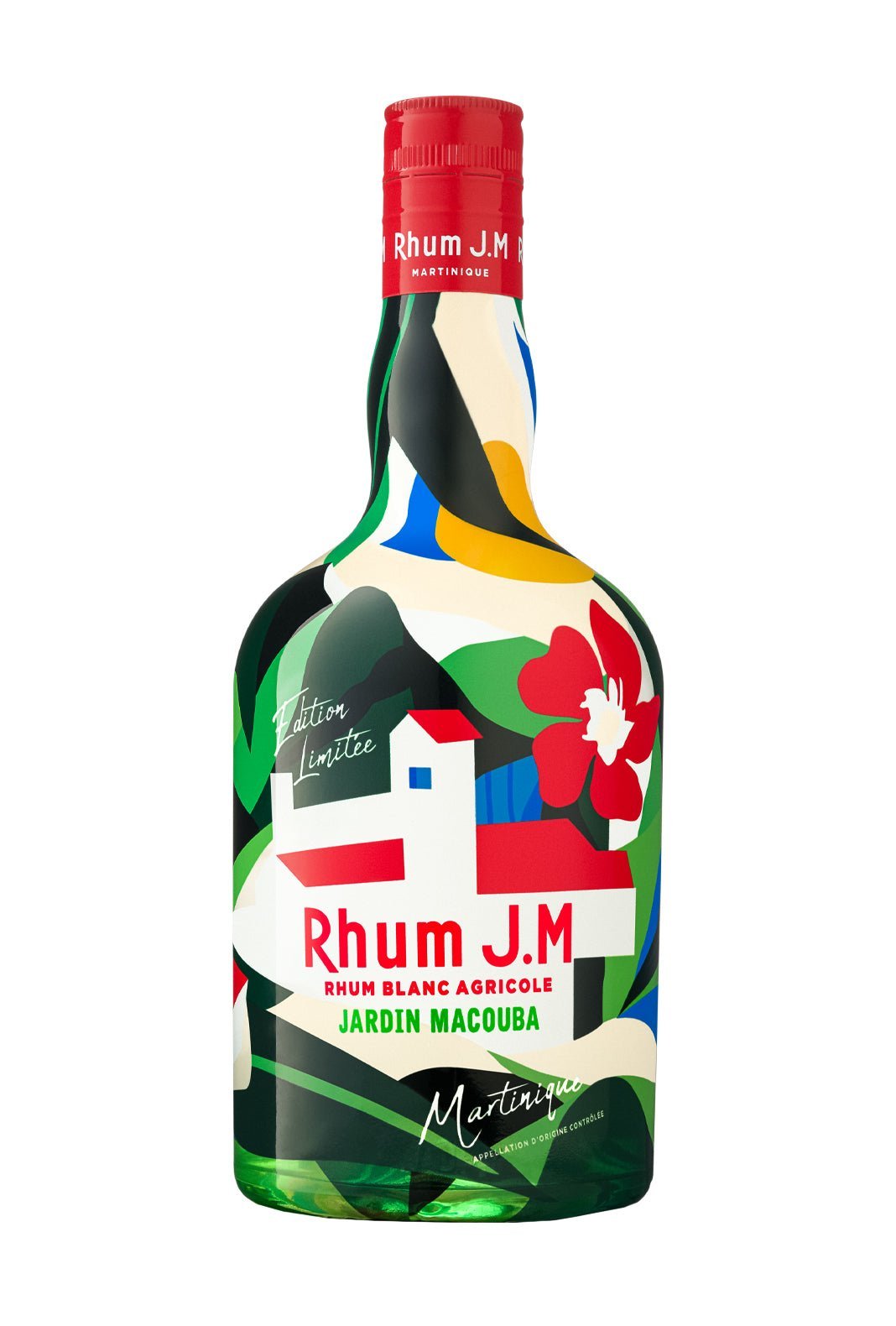
J.M Rhum Jardin Macouba White Agricole 53.4% 700ml
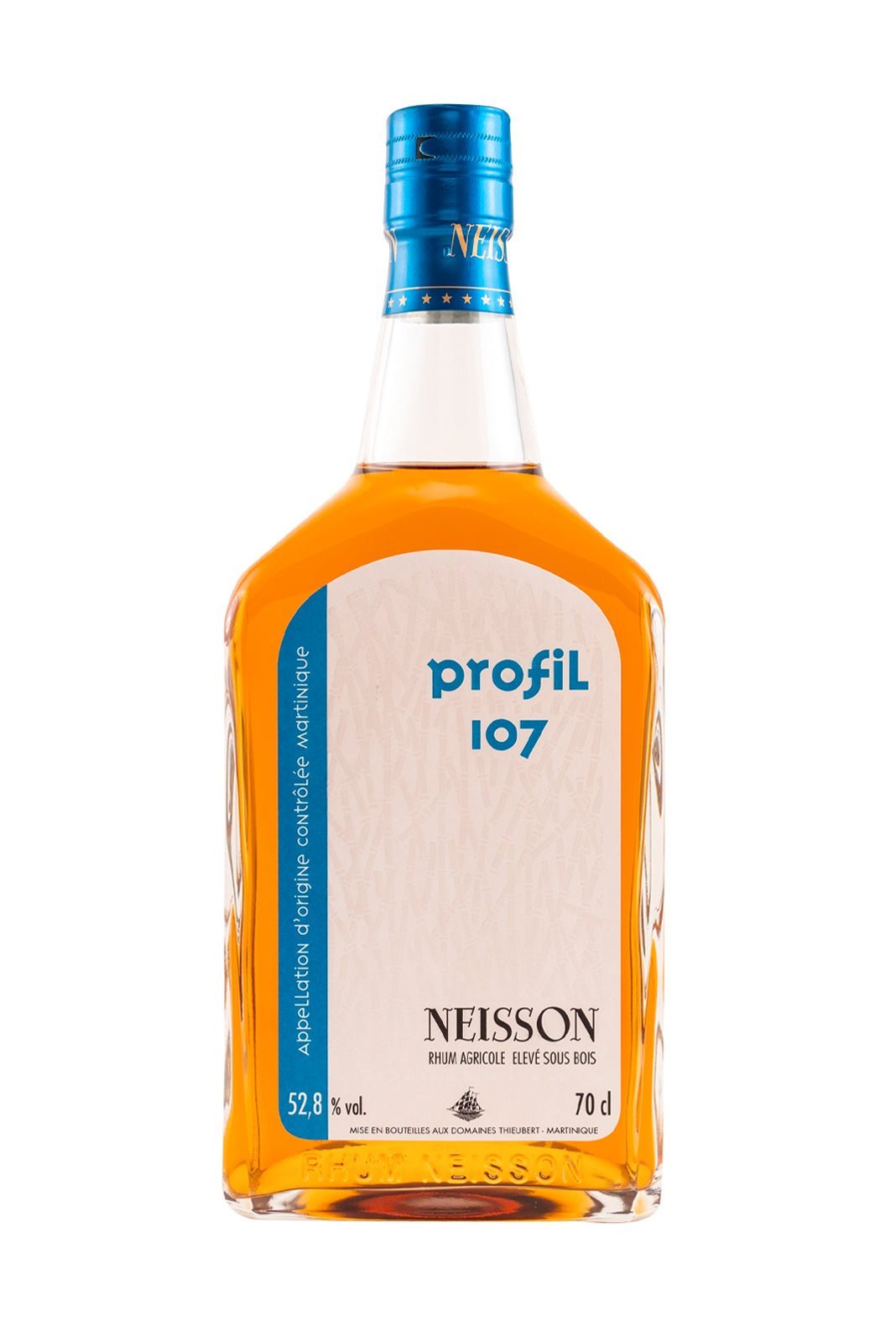
Neisson Profil 107 Rum 52.8% 700ml
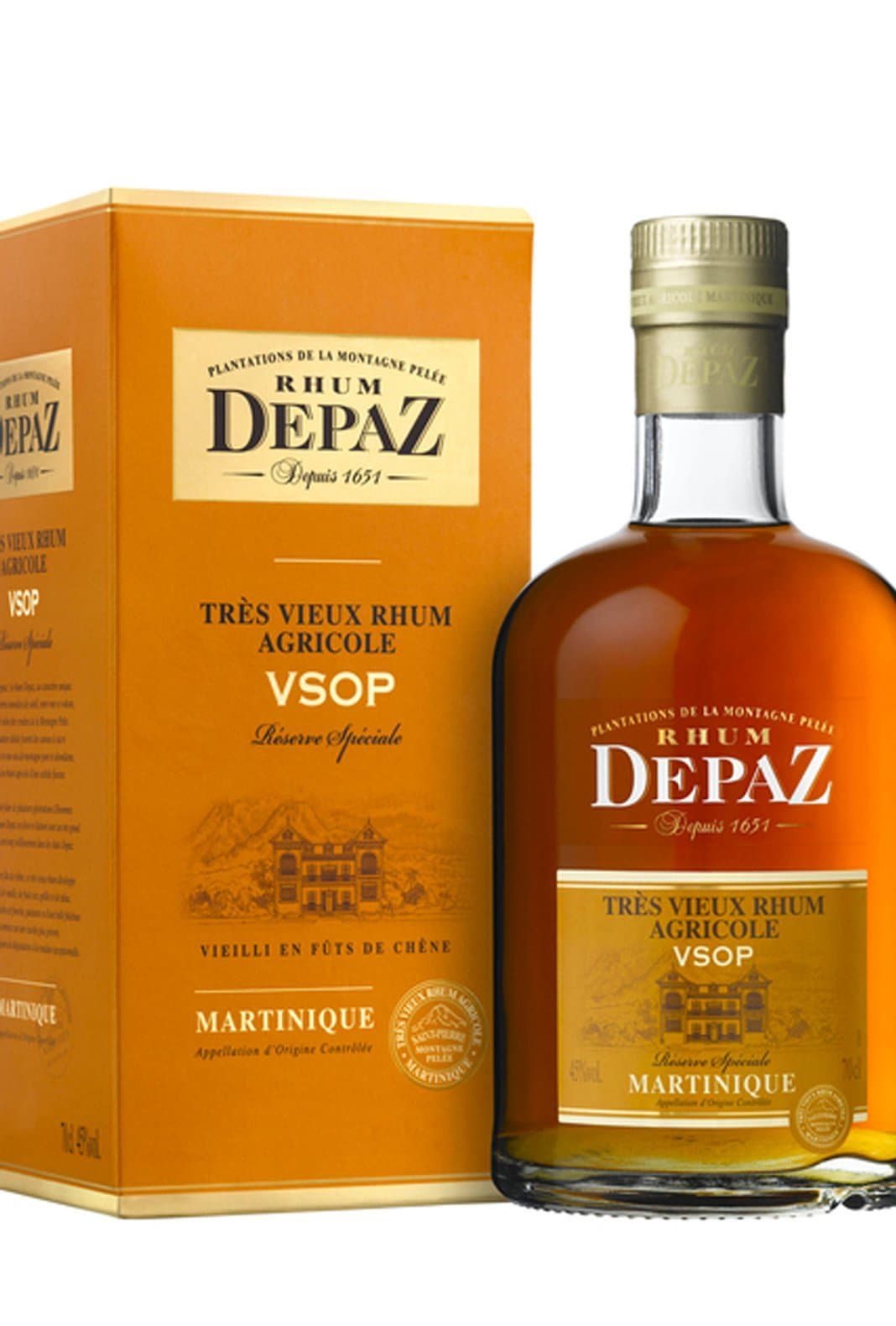
Depaz Rum Agricole Reserve Speciale VSOP Martinique 7 years 45% 700ml
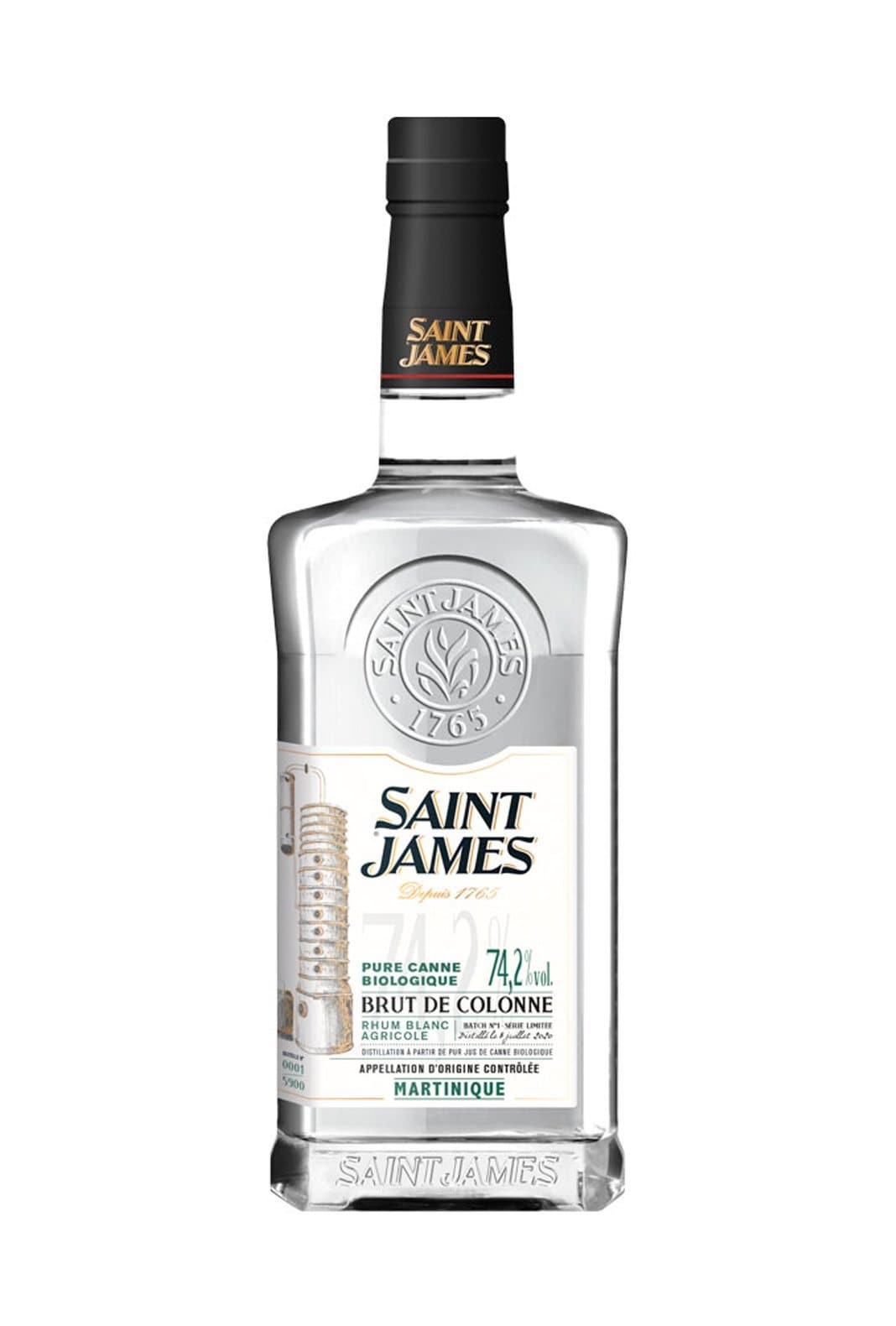
St James Organic Rum Agricole Blanc (White) 74.2% 700ml
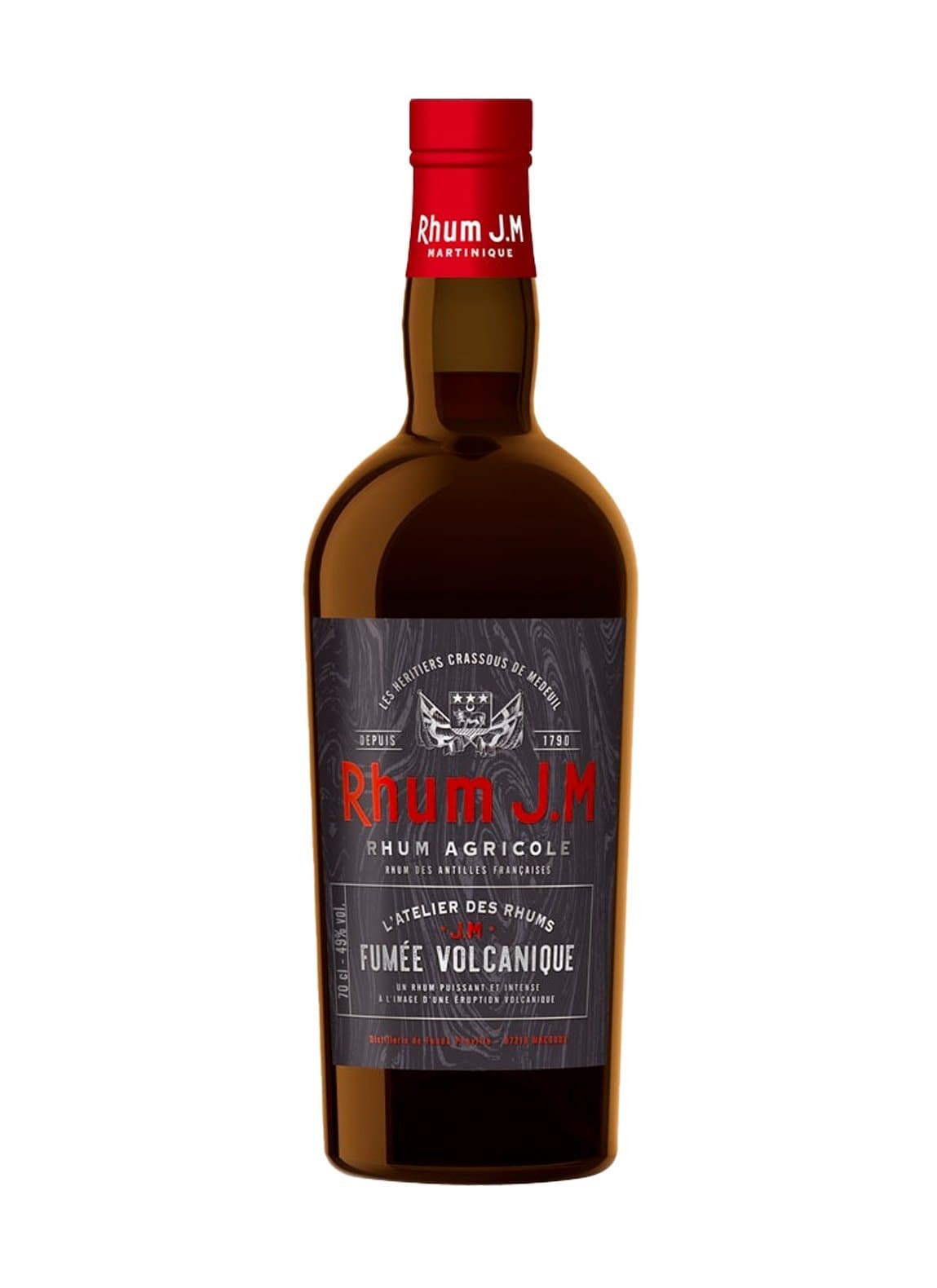
J.M Rhum Agricole Fumée Volcanique 49% 700ml
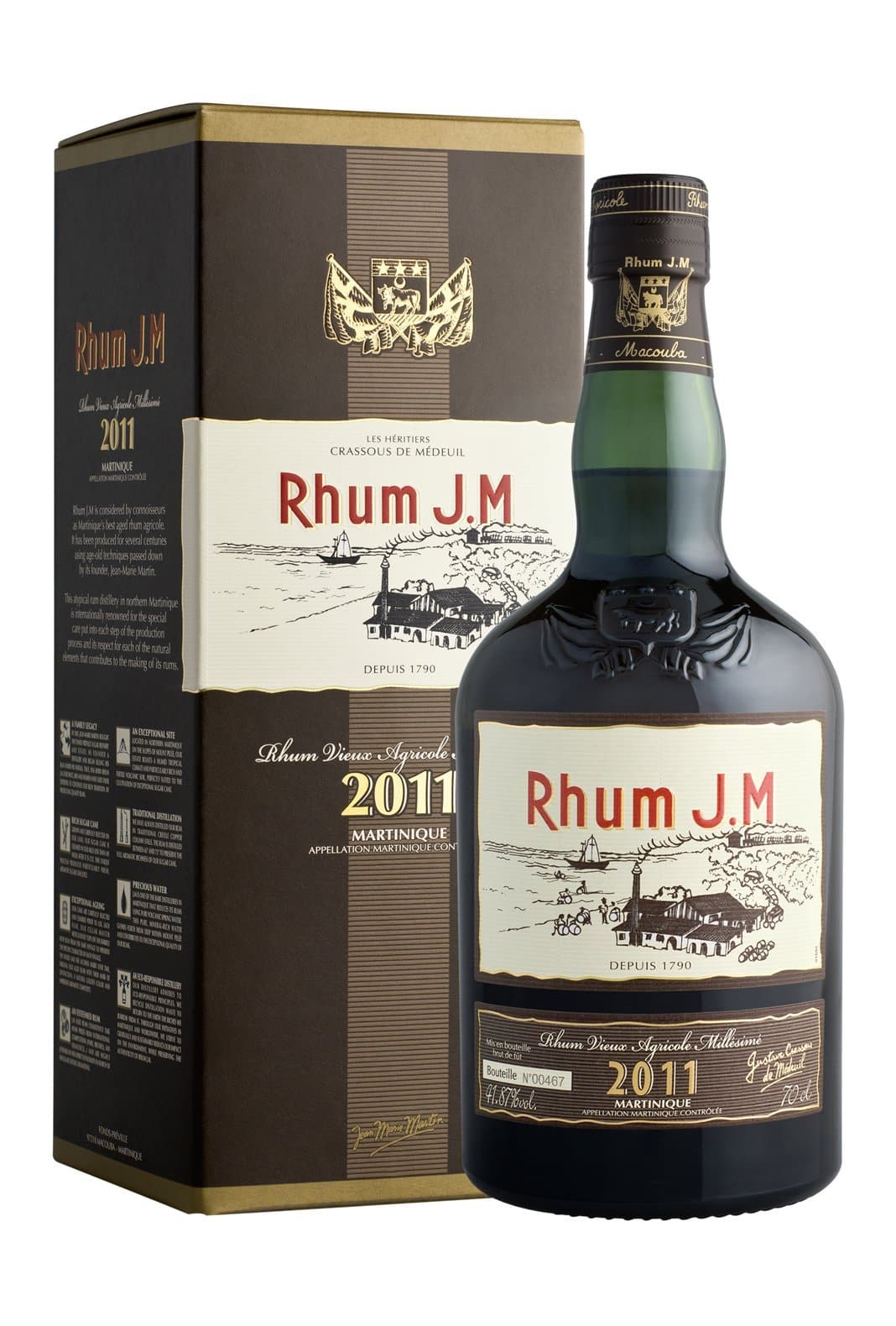
J.M Rhum AOC Agricole 2011 41.9% 700ml
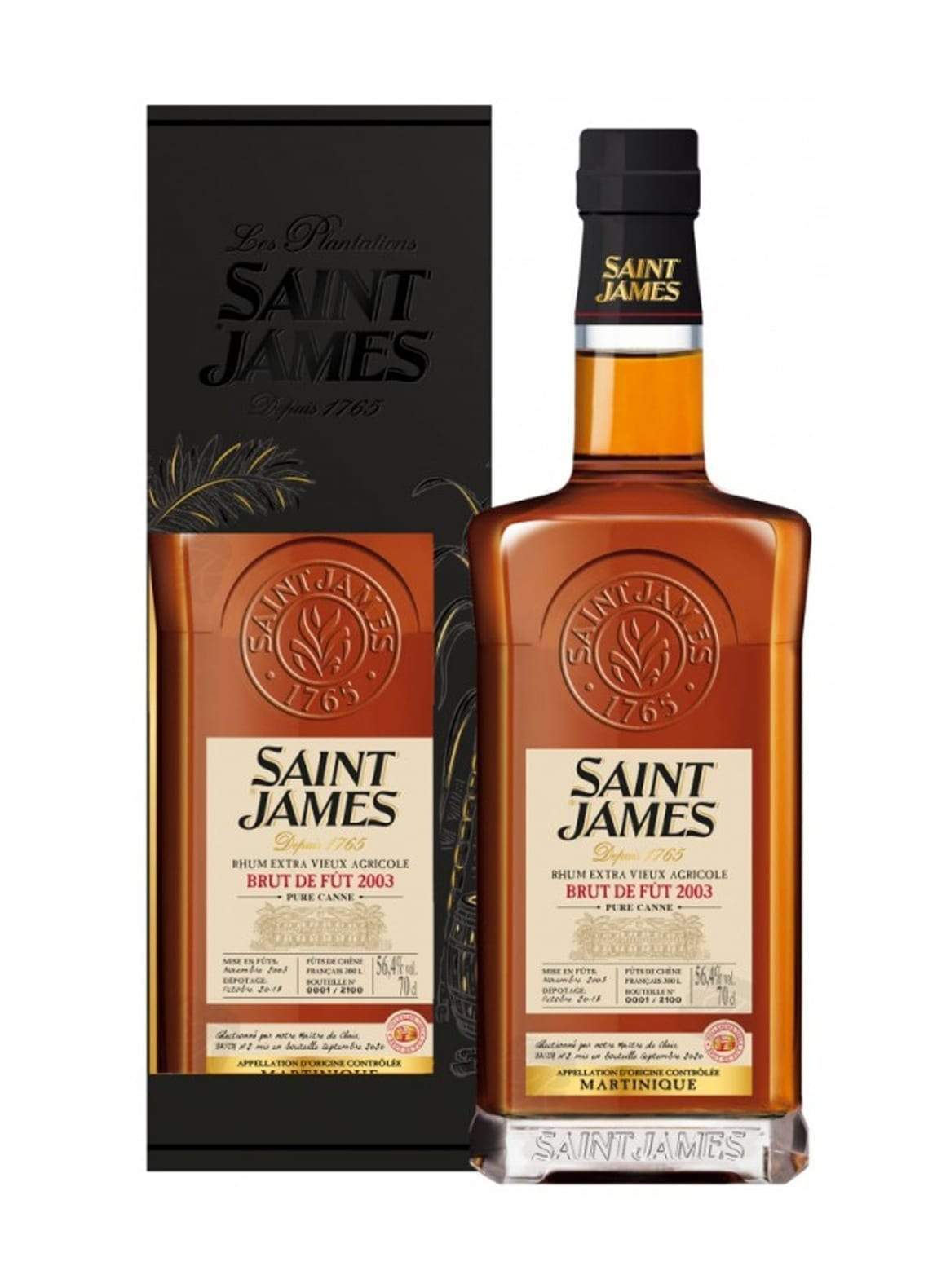
St James Rum Vieux Agricole Single Cask 2003 56.4% 700ml
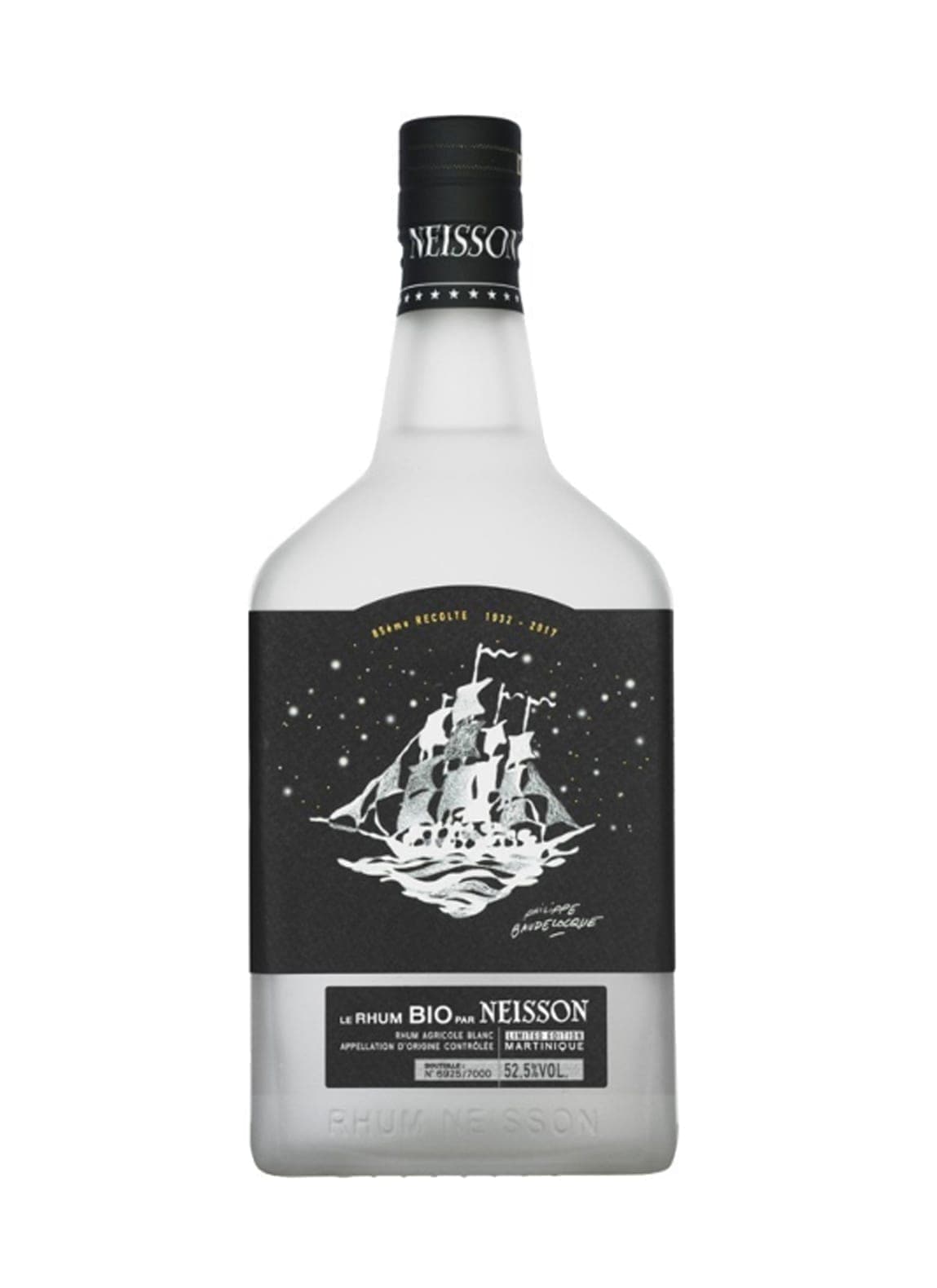
Neisson Le Bio Organic Rum 52.5% 700ml
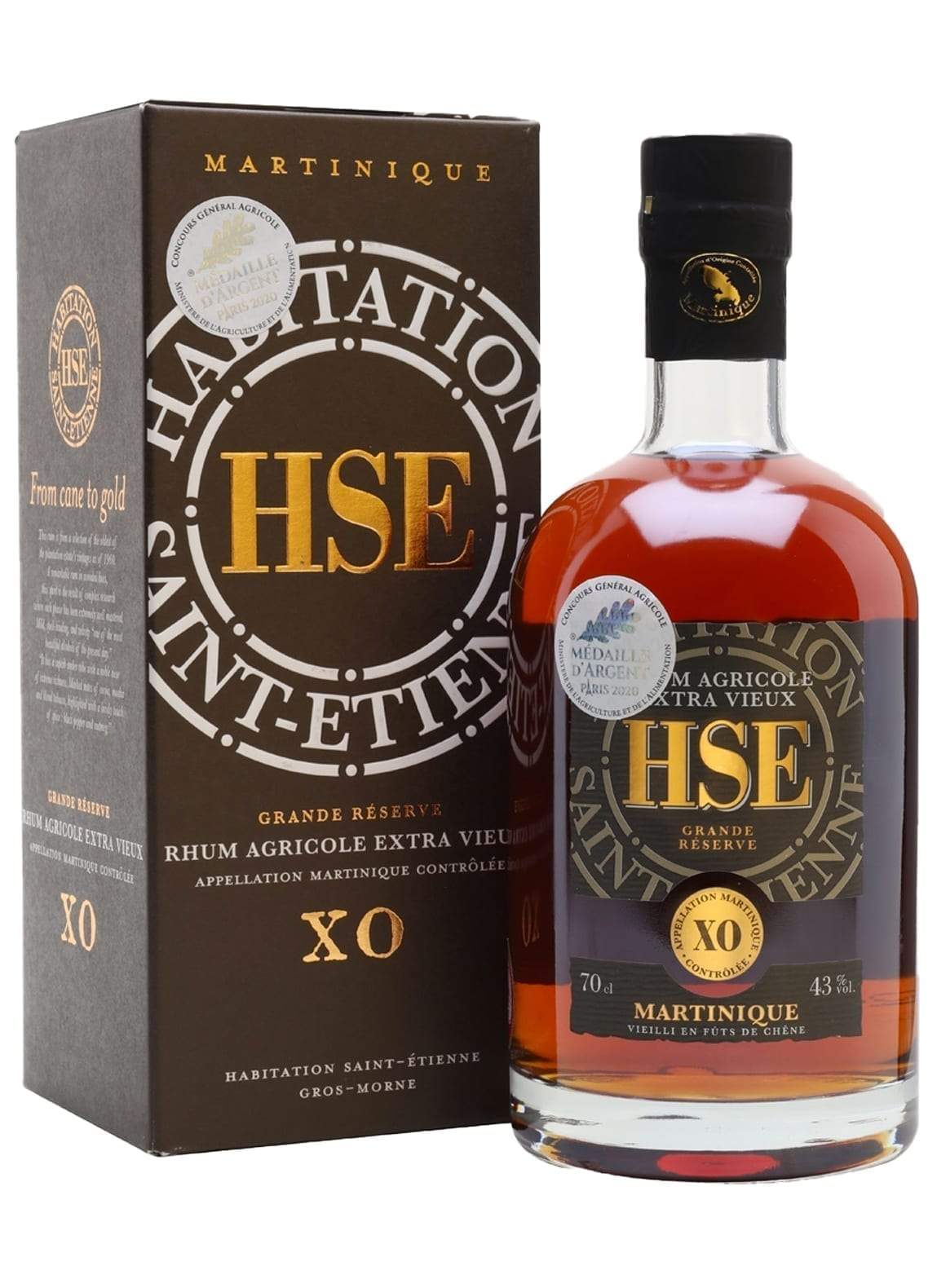
Habitation St Etienne Rum Agricole XO 43% 700ml
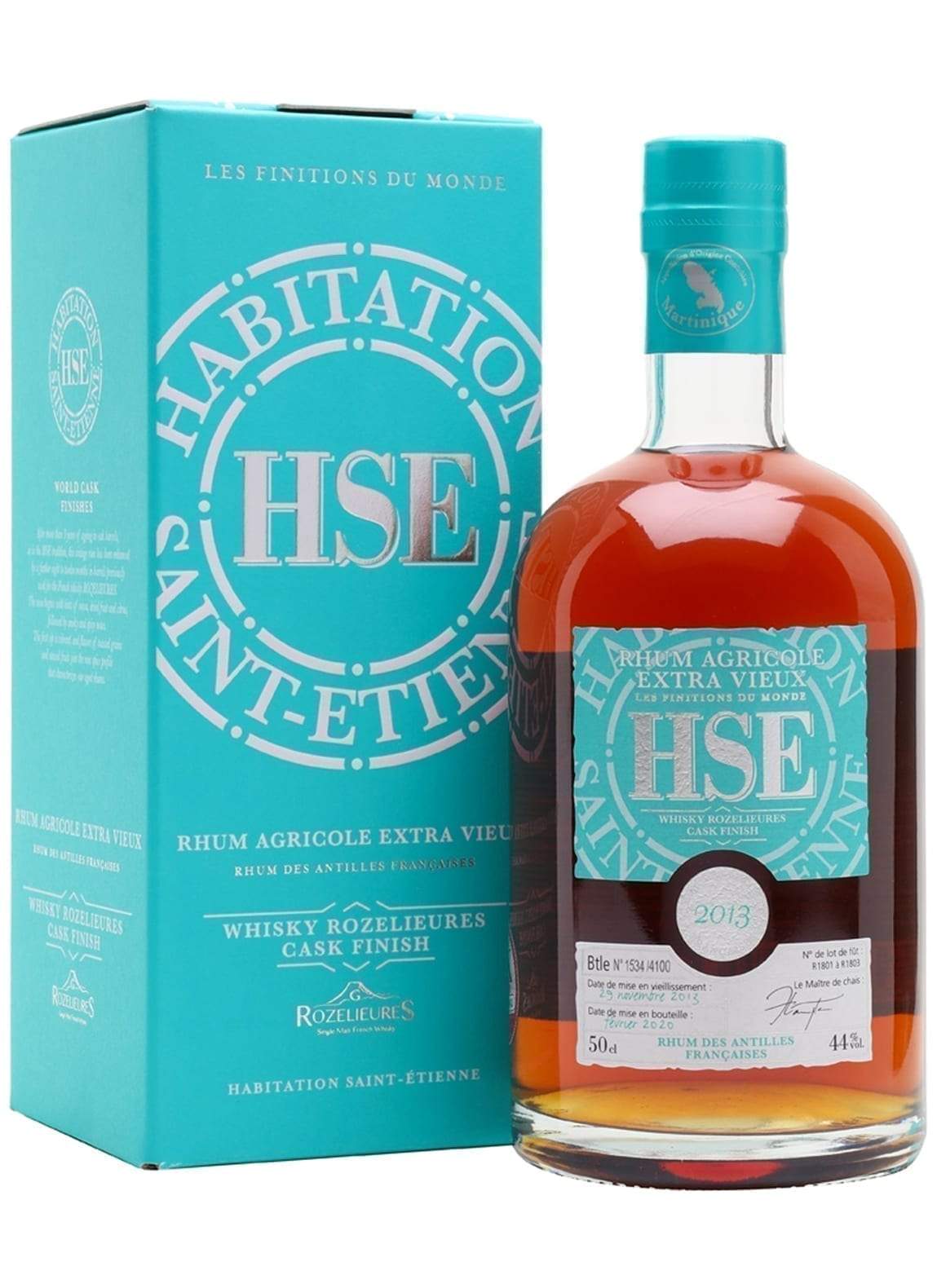
Habitation St Etienne Rum 2013 French whisky casks Roselieures 44% 500ml
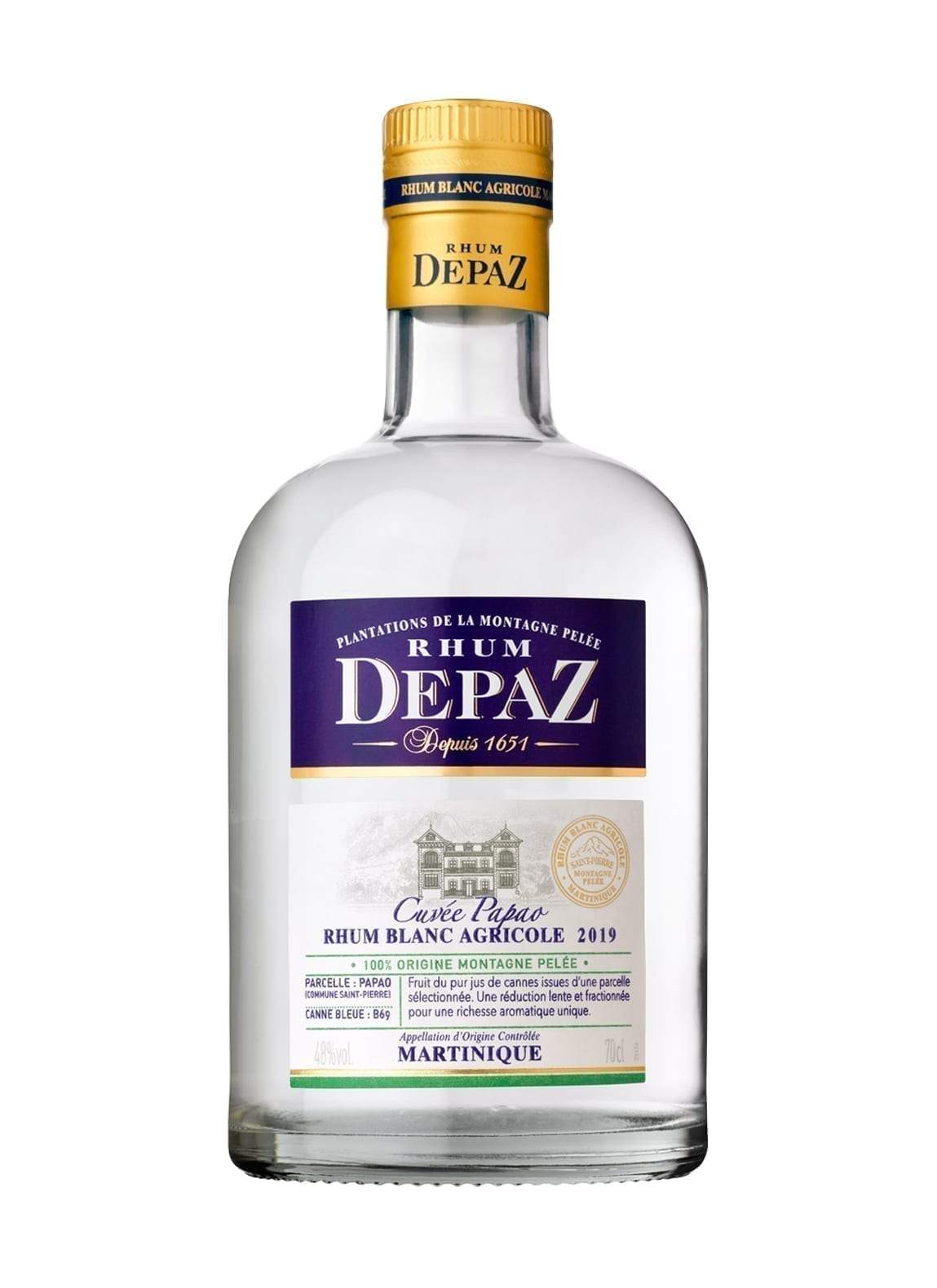
Depaz Rhum Blanc Agricole Cuvée Papao 48% 700ml
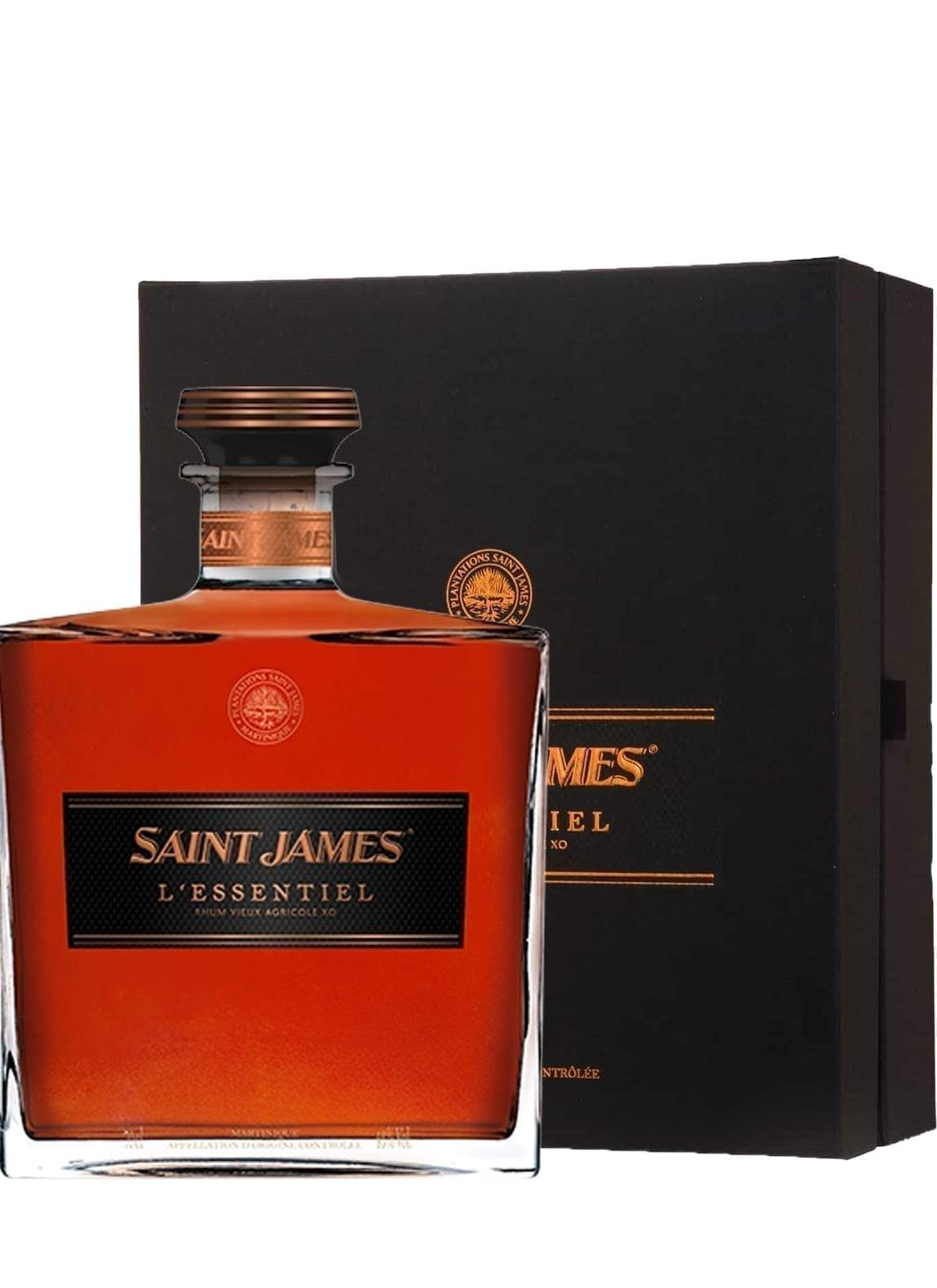
St James Rum l'Essentiel (1998, 2000, 2003 vintages) Carafe 43% 700ml
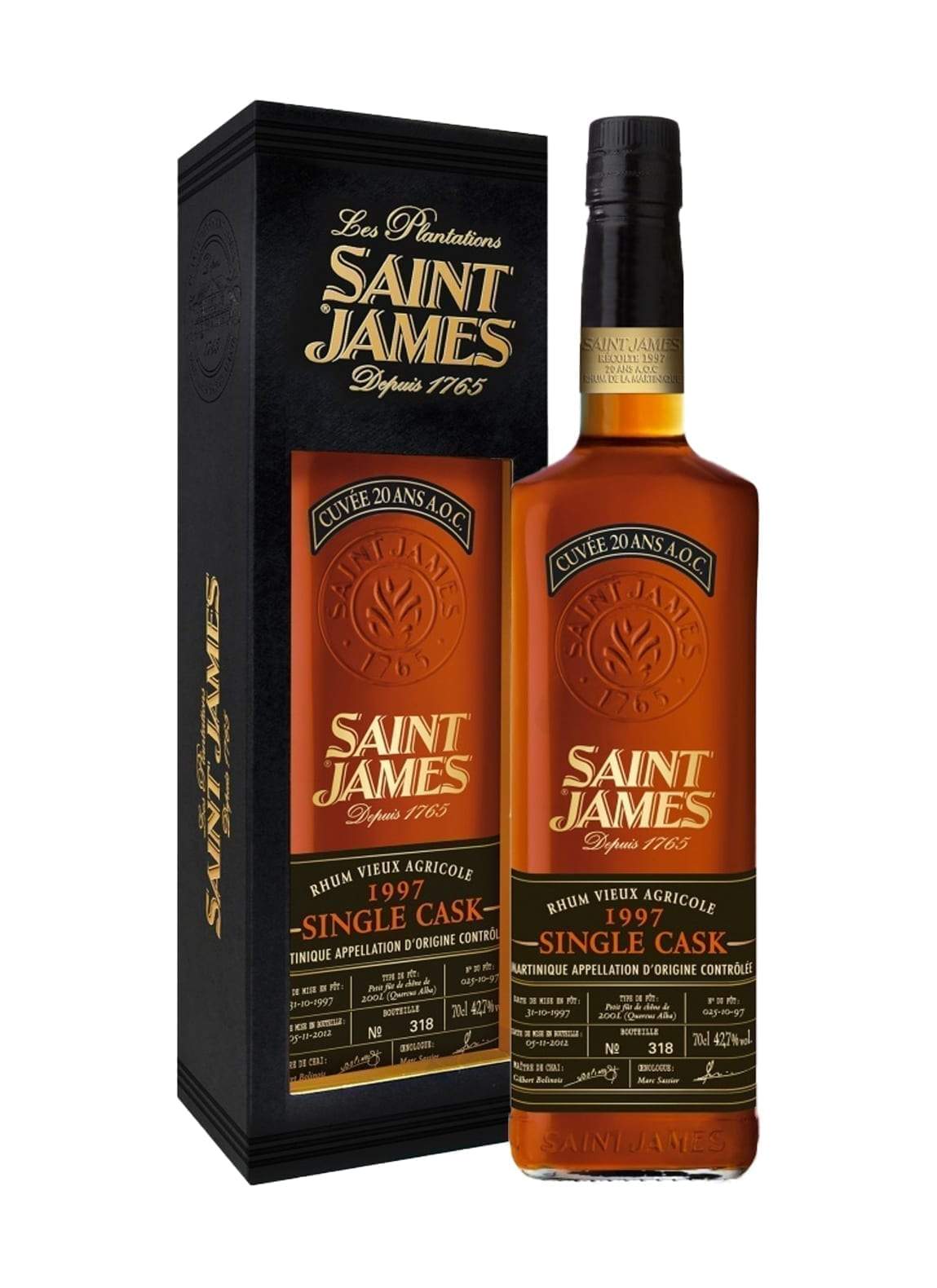
St James 1997 Single Cask Rhum Vieux 42.7% 700ml
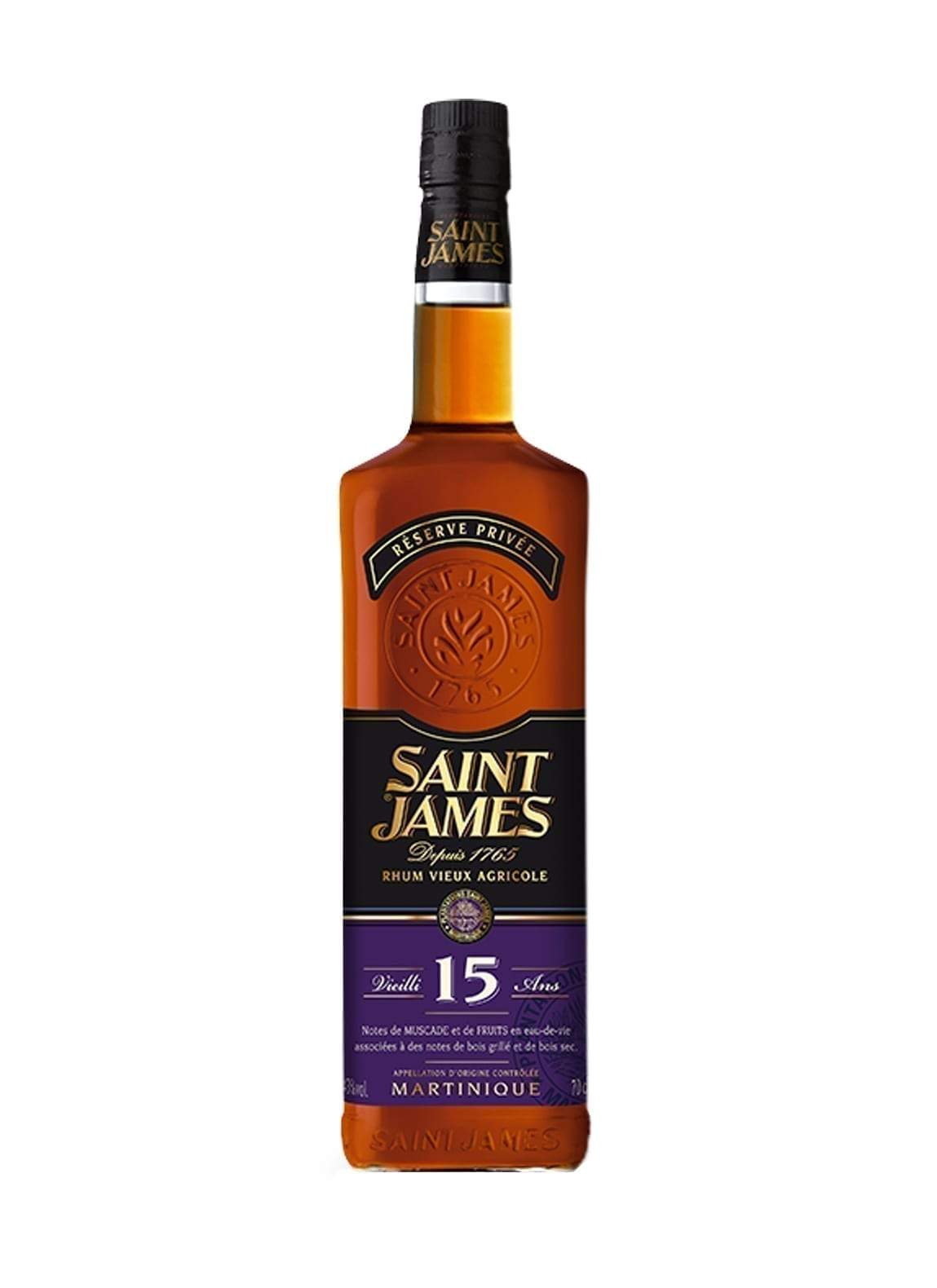
St James Rum Vieux 15 years 43% 700ml
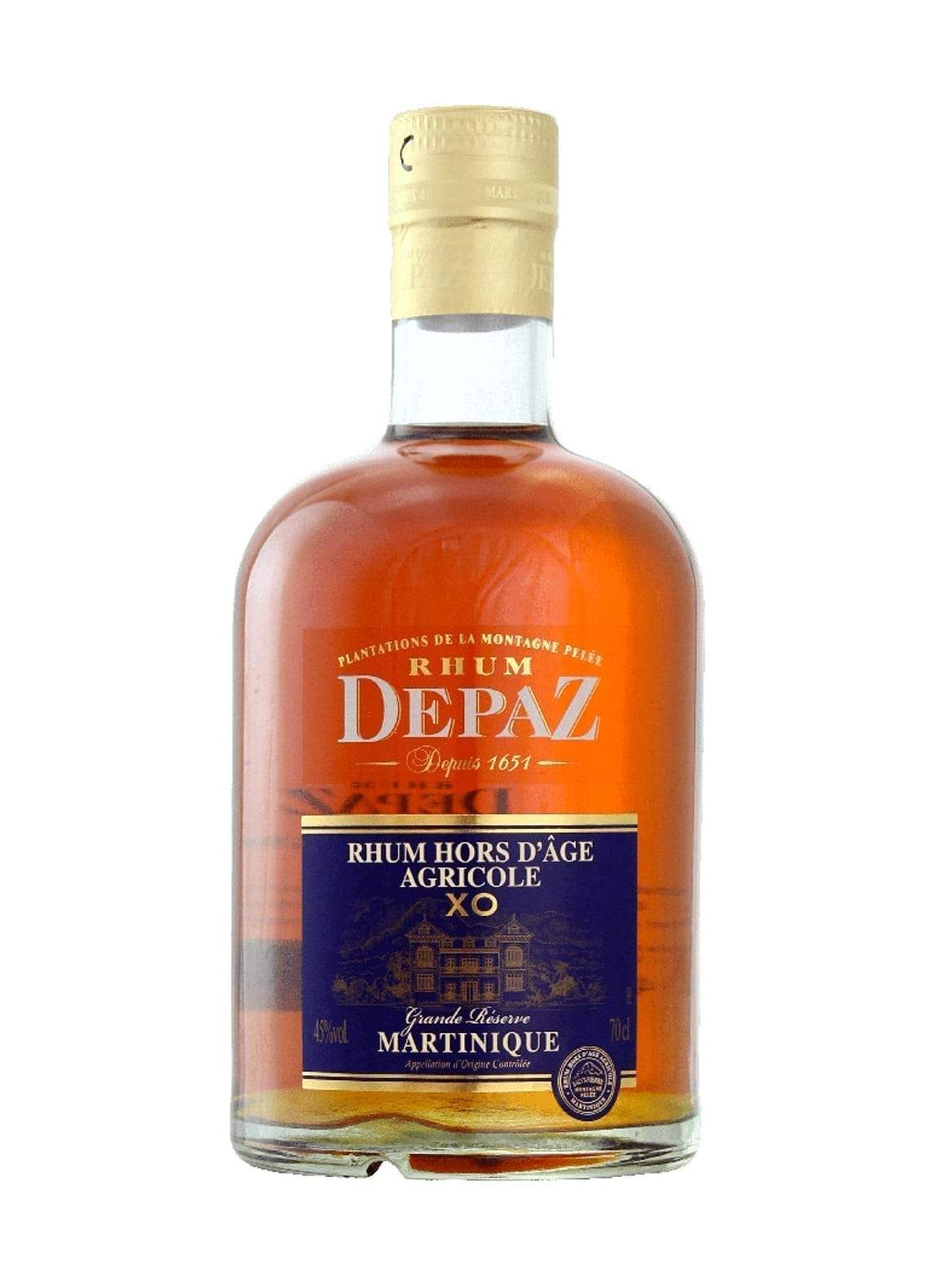
Depaz Rum Agricole XO 10 years 45% 7000ml
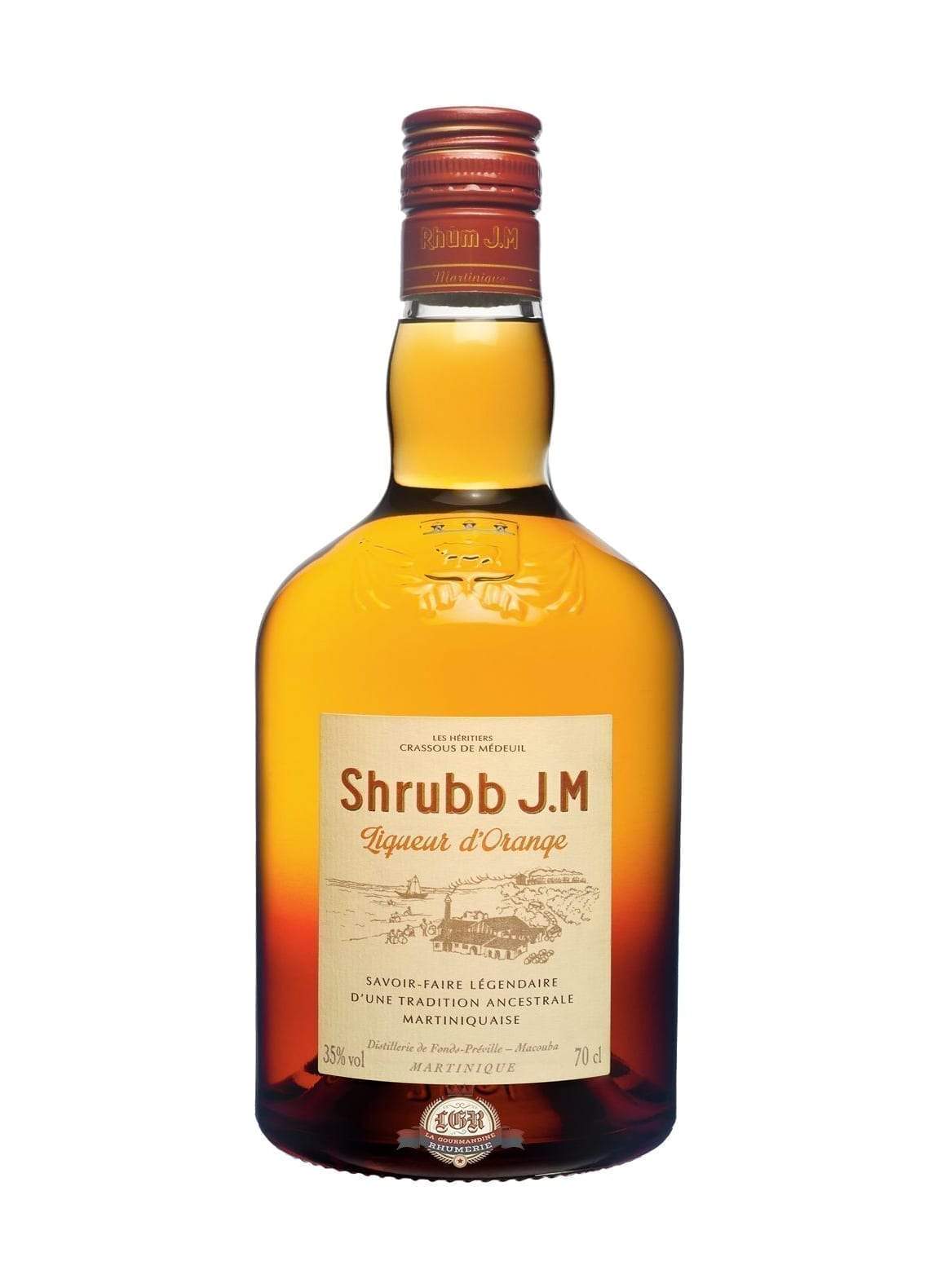
J.M Rhum Shrubb Liqueur 35% 700ml
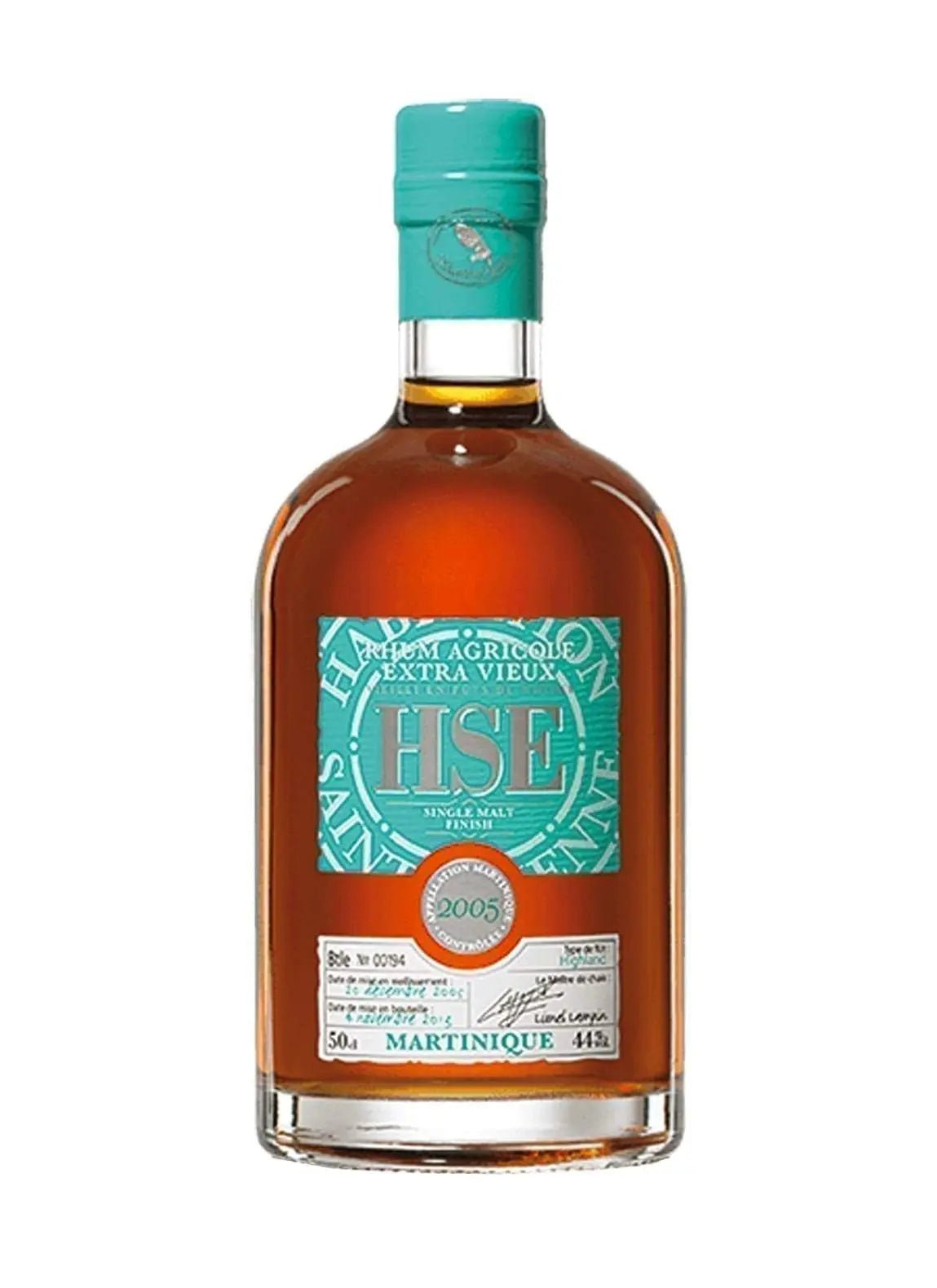
Habitation St Etienne Rum 2005 Highland Finish 44% 500ml
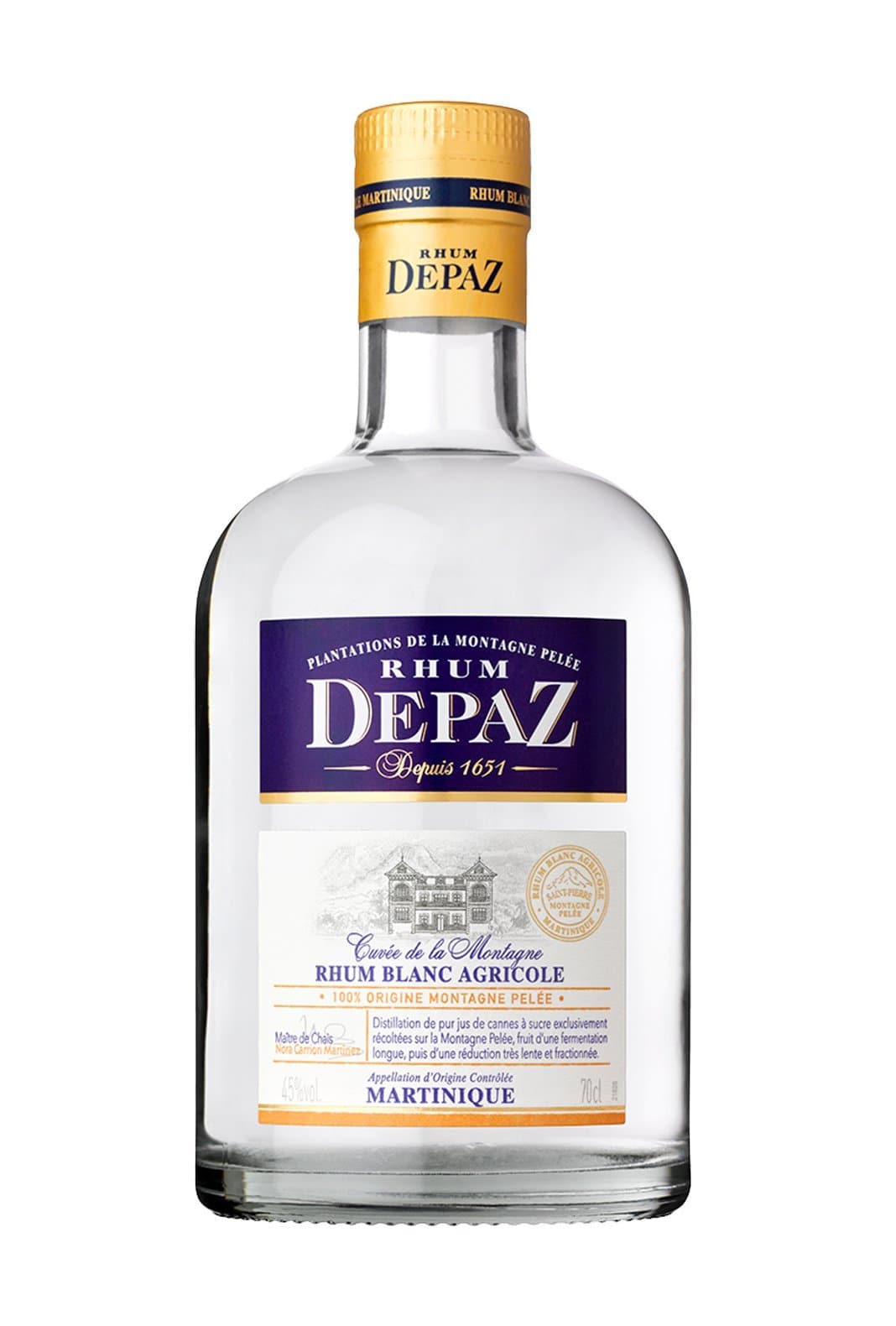
Depaz Rum Blanc (white) Montagne Pelee 45% 700ml
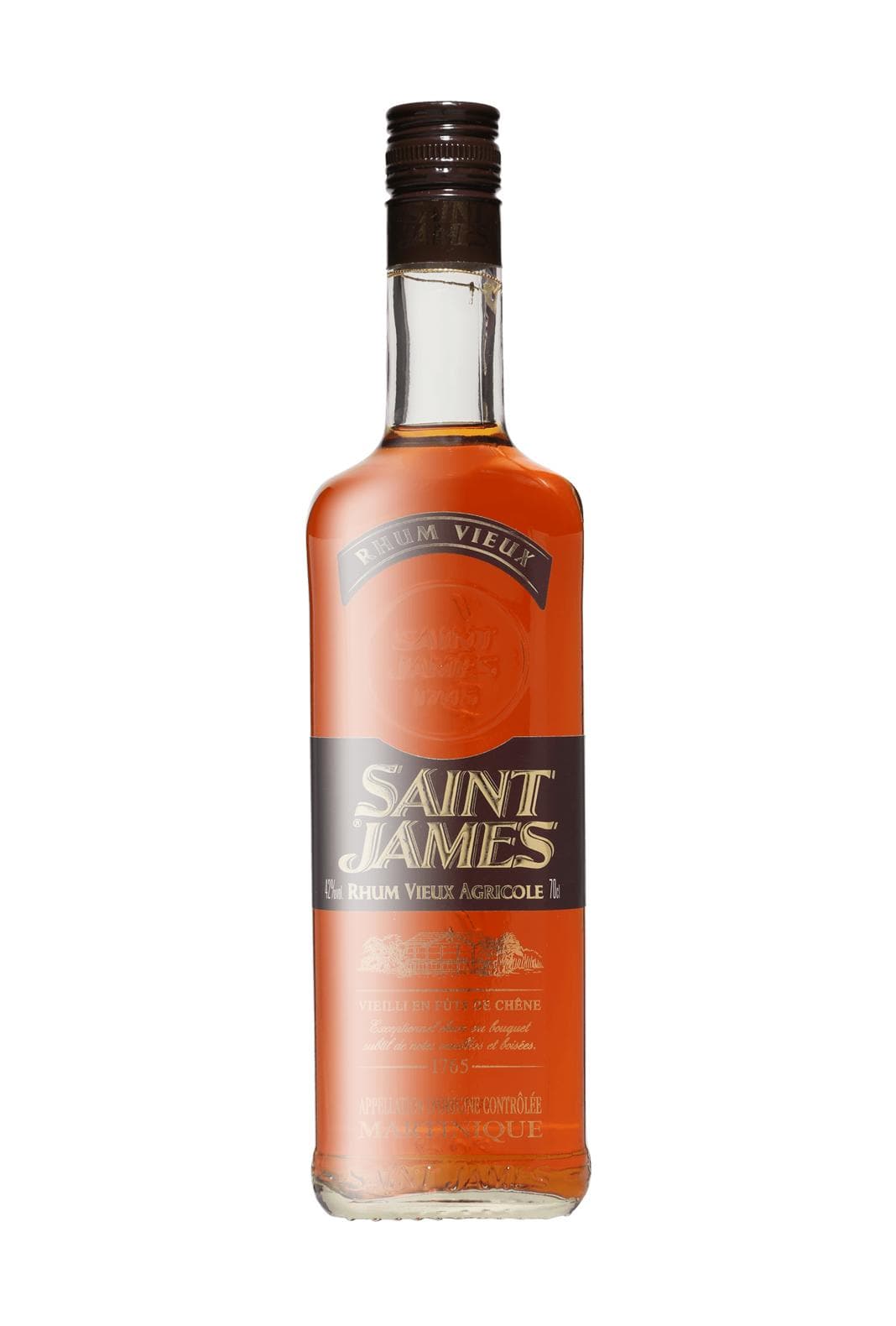
St James Rum Agricole Vieux (Old) 40% 700ml
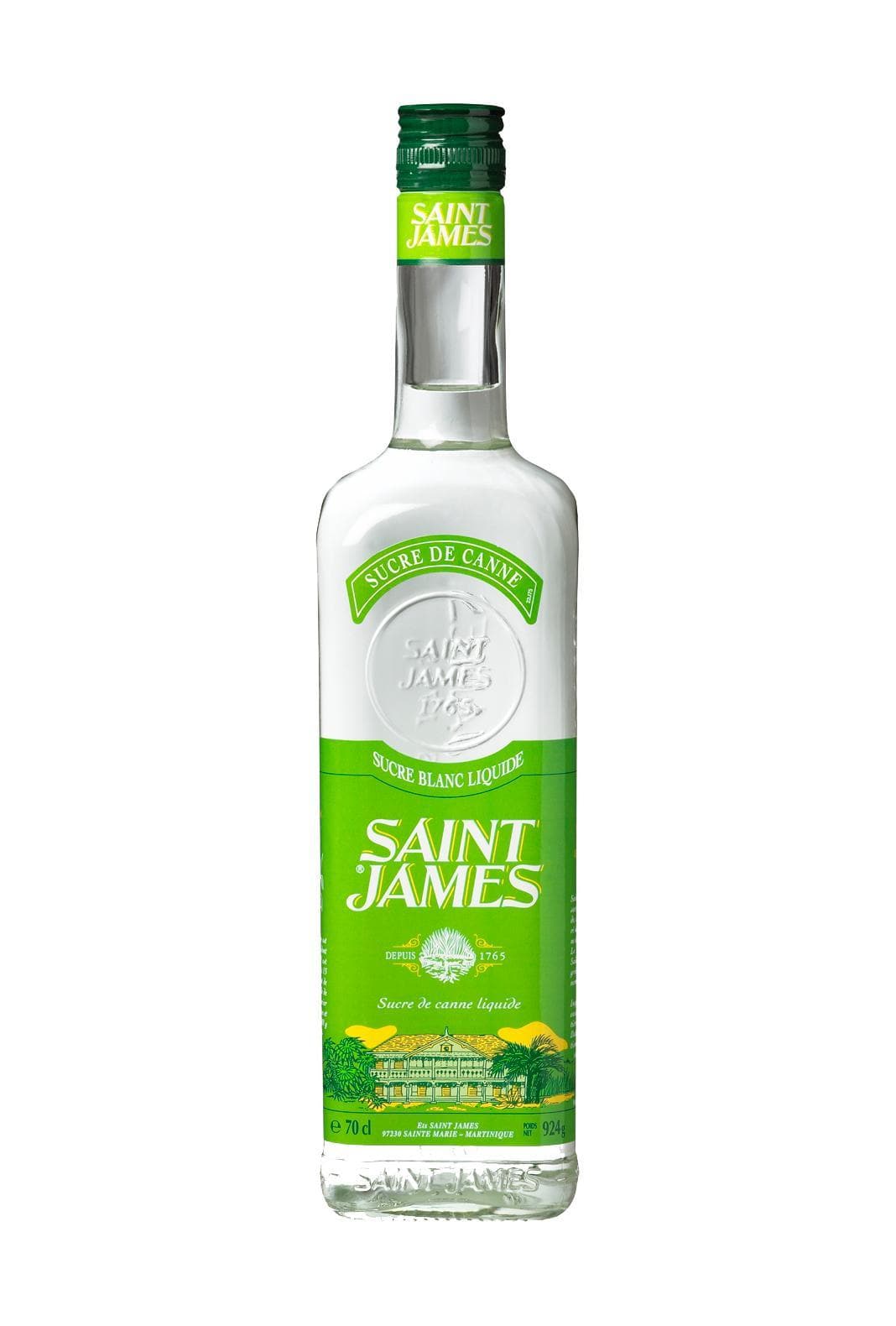
St James Sucre de Canne (Sugar cane syrup) 700ml
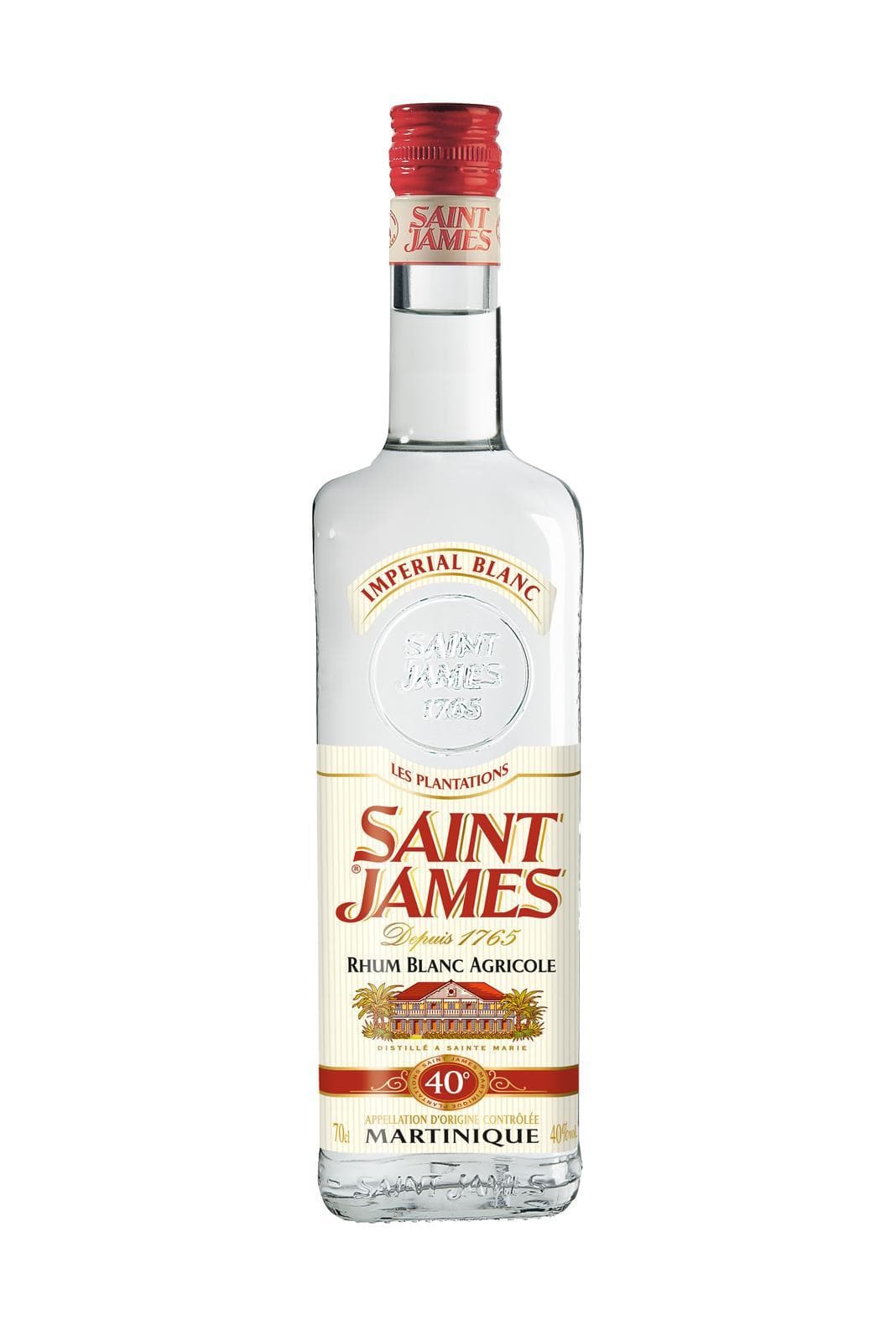
St James Rum Agricole Blanc (White) 40% 700ml
About Martinique Rum
Liquor Wine Cave lists Martinique rum from Rhum JM, Saint James, Habitation Saint-Etienne, Depaz and Neisson.
Rhum JM is the deepest part of the range: the Blanc at 50 per cent, the VSOP aged four years in bourbon and American oak, the Tres Vieux XO, Jardin Macouba, Atelier Epices Creoles, and AOC vintages from 2005, 2006, 2011 and 2012.
Saint James covers the older end with a 12 Year, a 15 Year, single cask vintages from 1997, 1999, 2005 and 2006, and the l'Essentiel carafe blending 1998, 2000 and 2003. Its organic blancs and its Sucre de Canne cane syrup sit alongside them.
Habitation Saint-Etienne runs from the Blanc at 50 per cent and a Parcellaire at 55 per cent through the VO at four years and the VSOP at six, to a series of vieux finished in Sauternes, Porto and whisky casks.
Depaz brings the Vieux at three years and the Reserve Speciale VSOP at seven. Neisson contributes Profil 107.
Nearly all of this is rhum agricole, the cane juice style. Blancs sit with the white rums, aged bottlings with the dark rums, and the whole category begins at rum. Our guide to rhum agricole explains the category in a few minutes.
History
Martinique makes rum from fresh pressed cane juice rather than from molasses, and it is the only place in the world where rum is governed by an appellation d'origine controlee. The AOC Martinique was granted in 1996.
The practice began with a sugar crash. Through the nineteenth century European beet sugar undercut Caribbean cane, and Martinique's estates were left with cane they could not sell profitably as sugar. Distilling the juice directly, instead of the molasses left over from sugar refining, gave a lighter and grassier spirit that carried the character of the ground the cane grew in.
The appellation sets out what may be done. The cane must come from defined areas of Martinique. Fermentation may not use by-products of sugar manufacture. Distillation is on a column still, and the spirit must come off between 65 and 75 per cent alcohol. Bottling is at 40 per cent or above. A rhum described as eleve sous bois must spend at least twelve months in wood, and one described as vieux at least three years, in casks holding less than 650 litres.
Because the AOC requires fresh cane juice, distilling follows the cane harvest rather than running all year. That is why single vintage bottlings are ordinary here and rare almost everywhere else in rum.
How to drink it
Martinique rum is drunk two ways: young and white in a Ti Punch, or aged and neat in the manner of a good brandy.
The Ti Punch is the island's own drink and the right place to start. A coin of lime peel with a little flesh on it, a bar spoon of cane syrup, and 60ml of blanc at 50 per cent. No ice, or a single large cube, stirred rather than shaken. You build it to your own taste at the table, which is the whole point of it.
Blanc also makes an outstanding daiquiri. The grassy, faintly saline edge of cane juice rhum cuts through lime and sugar in a way a molasses rum does not, and it holds its shape in a rhum punch with fruit.
From VO upward, treat it like armagnac. Tulip glass, room temperature, nothing added. The vegetal note settles into cane sugar, cocoa and dried fruit while the finish stays dry and mineral, which is what separates aged Martinique rhum from aged Caribbean molasses rum.
Sucre de canne, the cane syrup Saint James bottles, is the sweetener the Martinique recipes assume. Plain sugar syrup will do the job, but cane syrup is what a Ti Punch is written around.
More from this origin and style: