
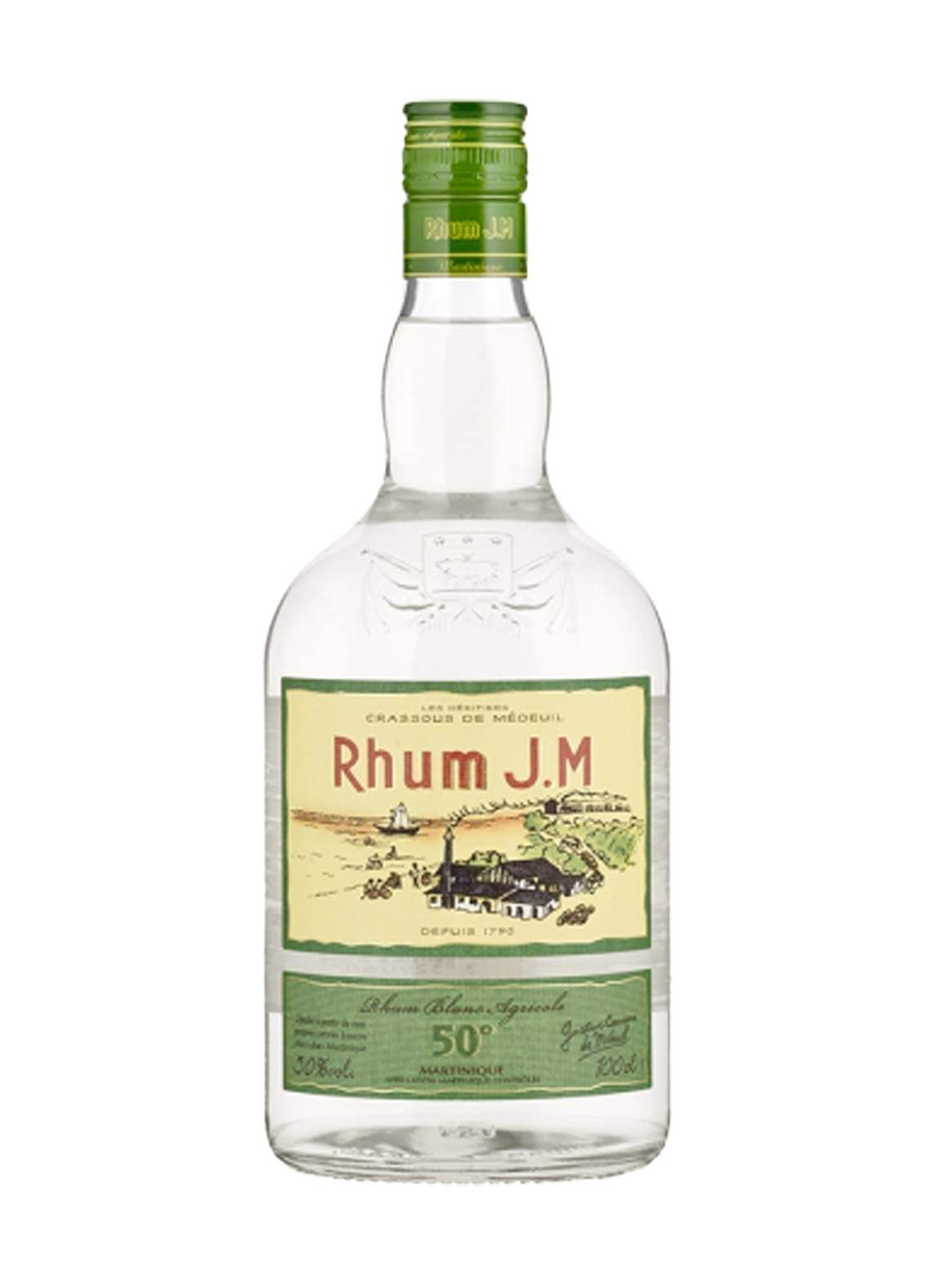
J.M Rhum Agricole Blanc (White) 50% 700ml
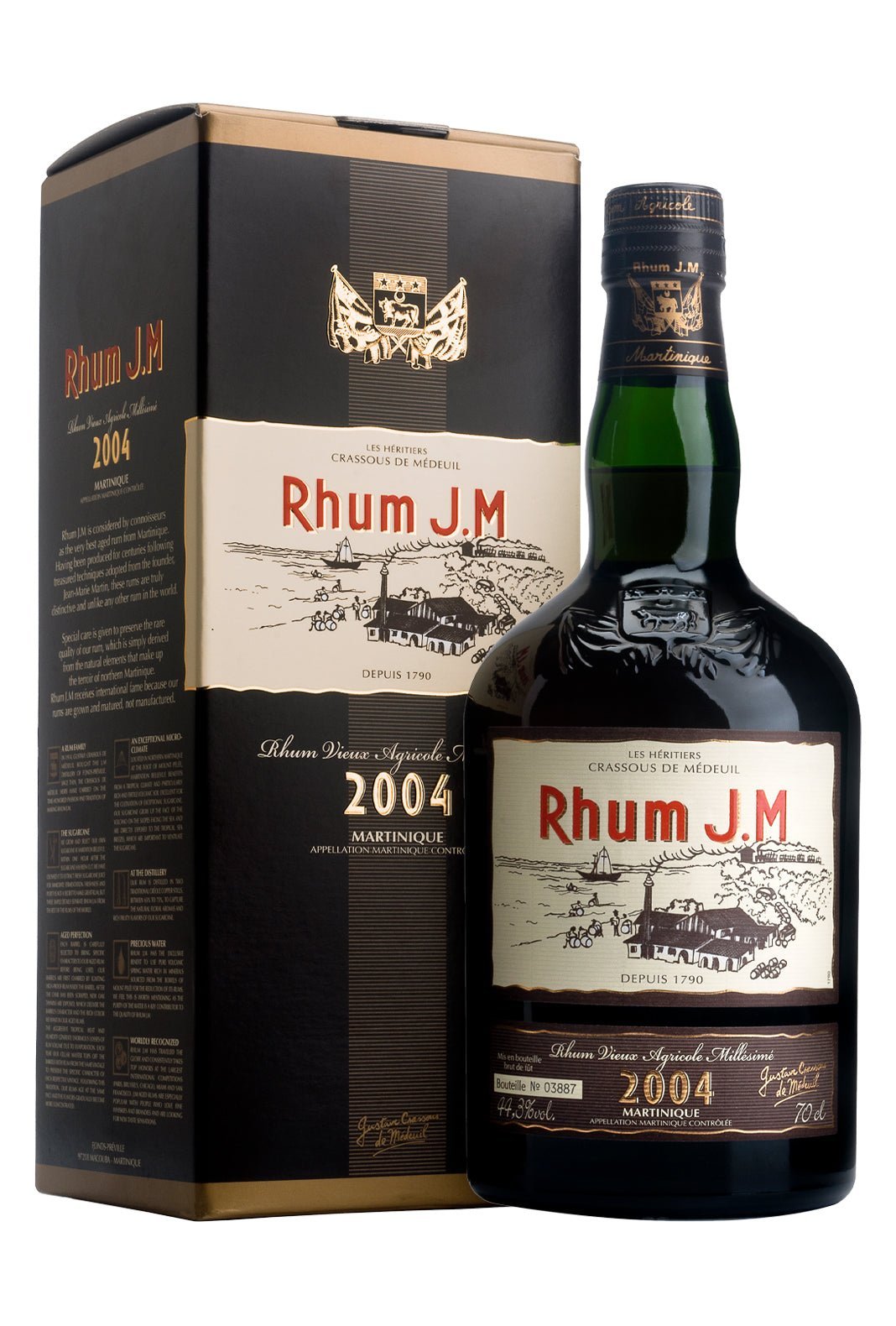
JM Rhum 2004 Hors d'Age Bourbon Cask 42.9% 700ml
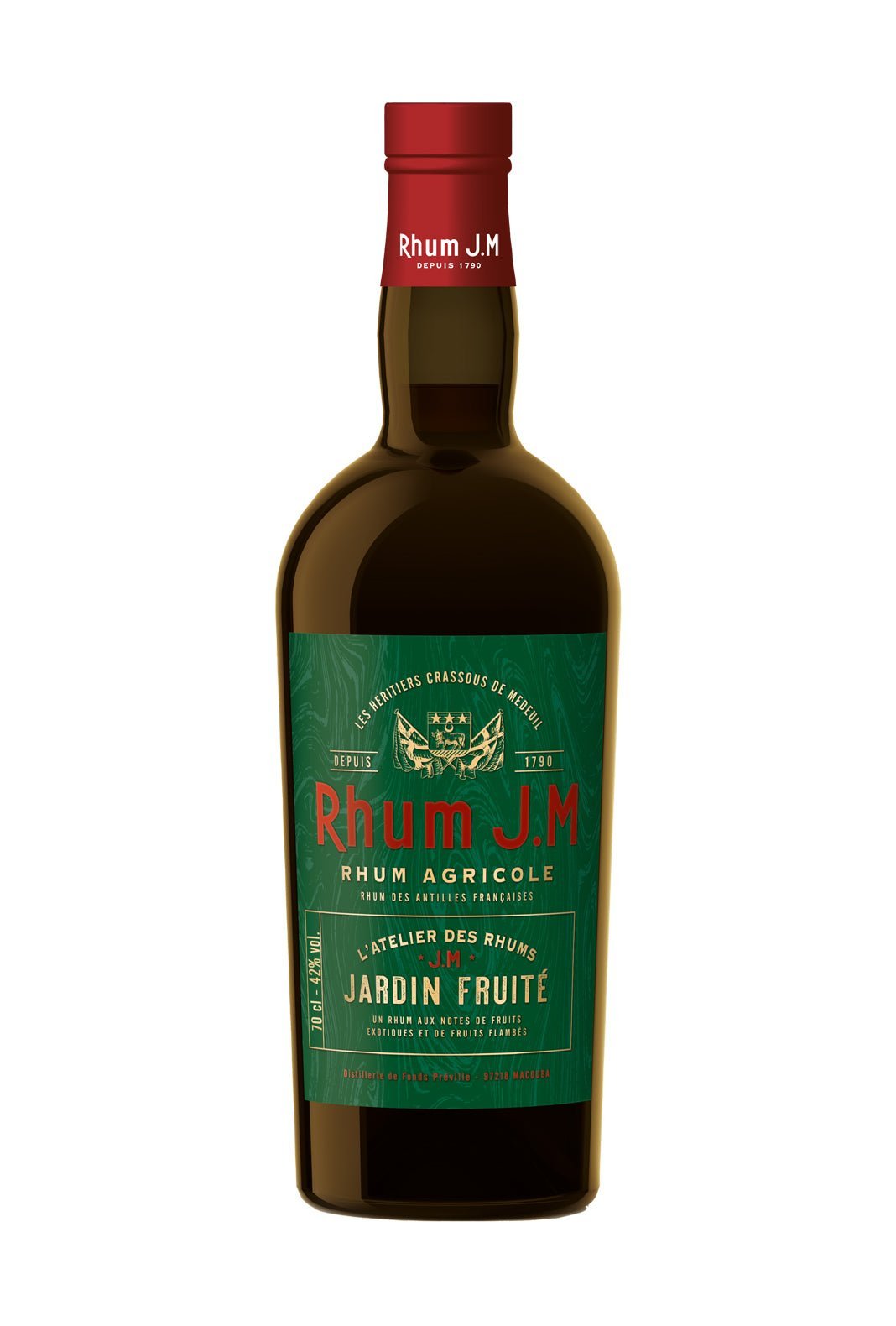
JM RHUM Jardin Fruit Atelier des Rhums 46% 700ml
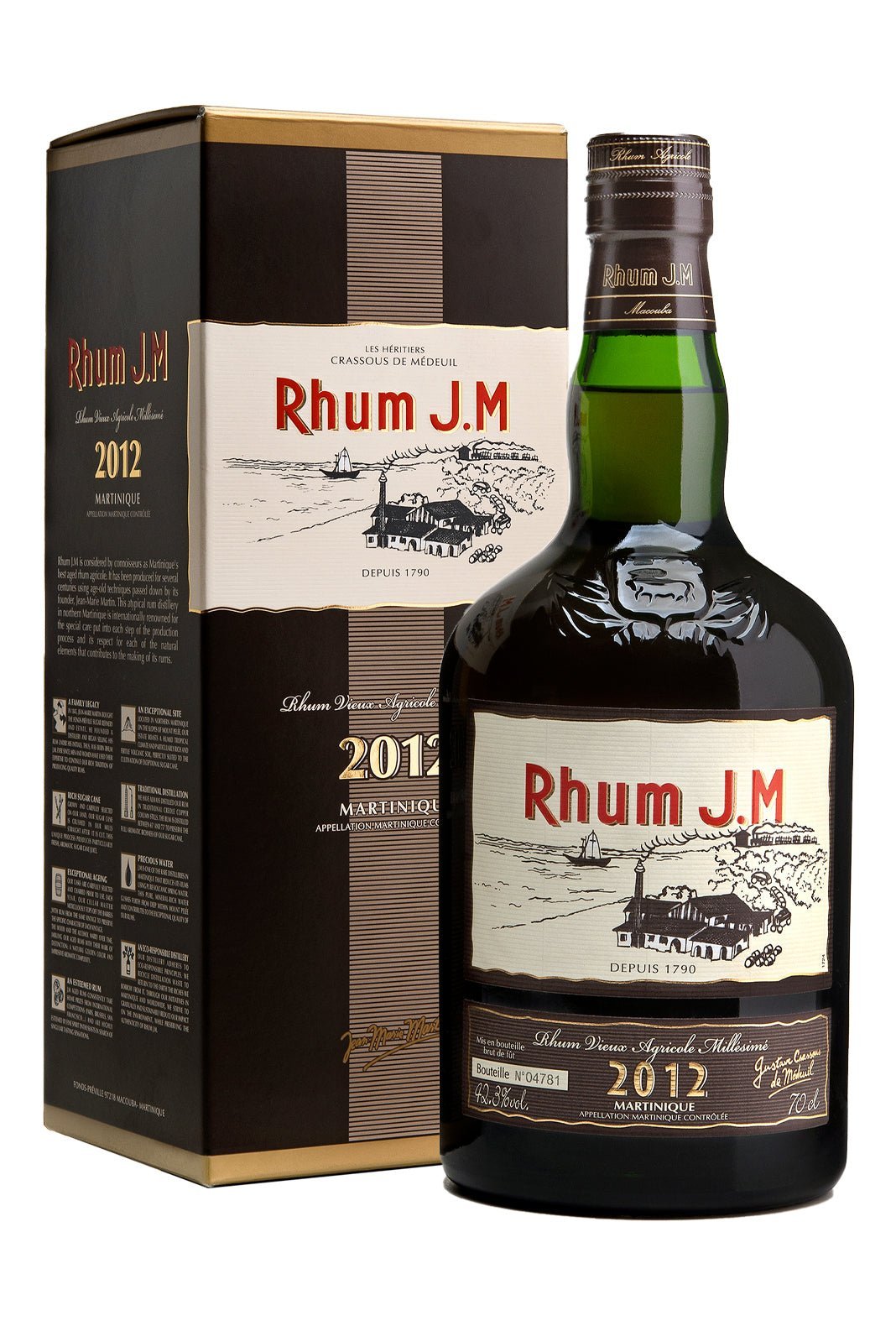
JM Rum AOC Agricole 2012 42.3% 700ml
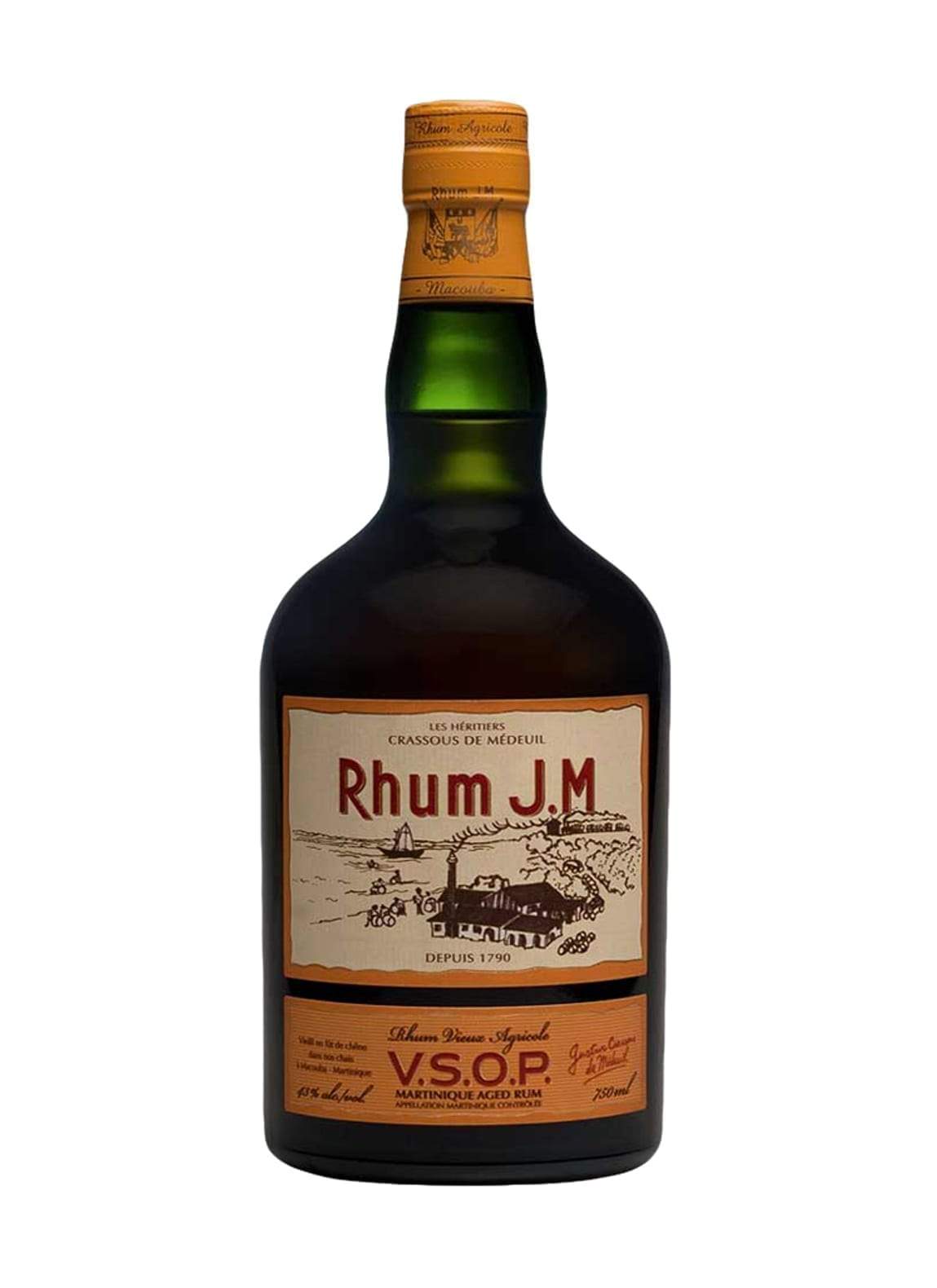
J.M Rhum Agricole VSOP (Aged 4 years Bourbon & American Oak) 43% 700ml
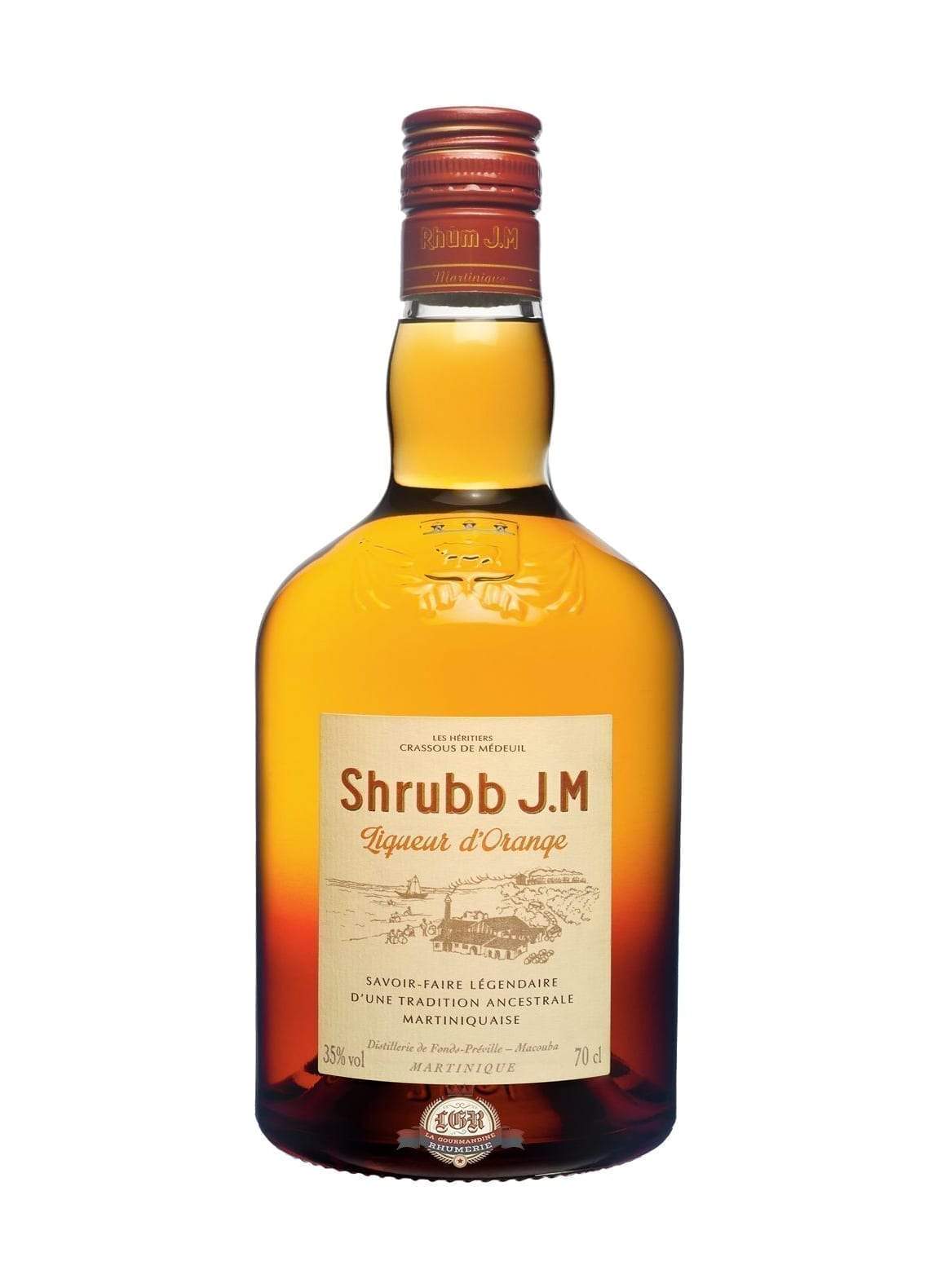
J.M Rhum Shrubb Liqueur 35% 700ml
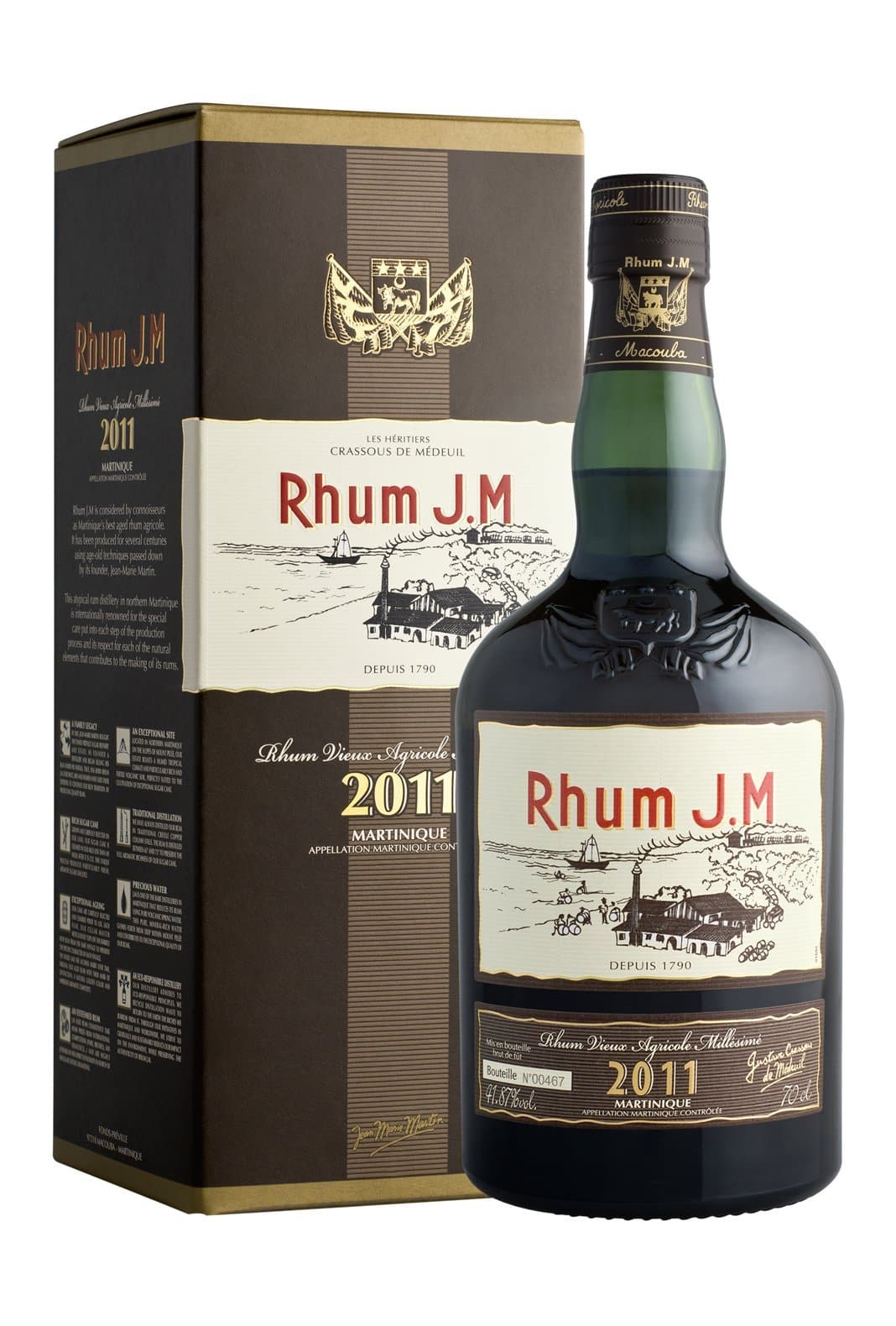
J.M Rhum AOC Agricole 2011 41.9% 700ml
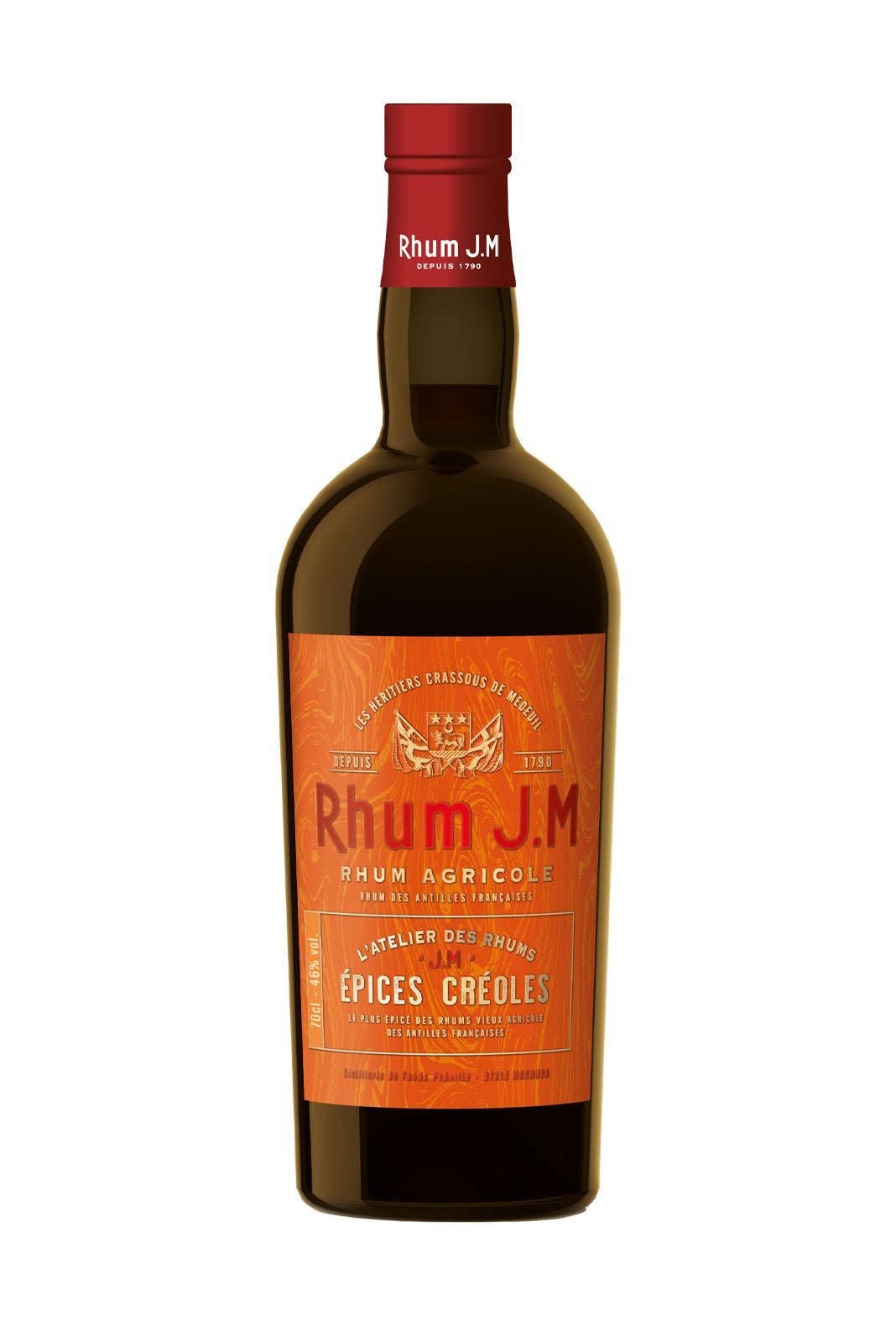
J.M Rum Atelier Epices Creoles 46% 700ml
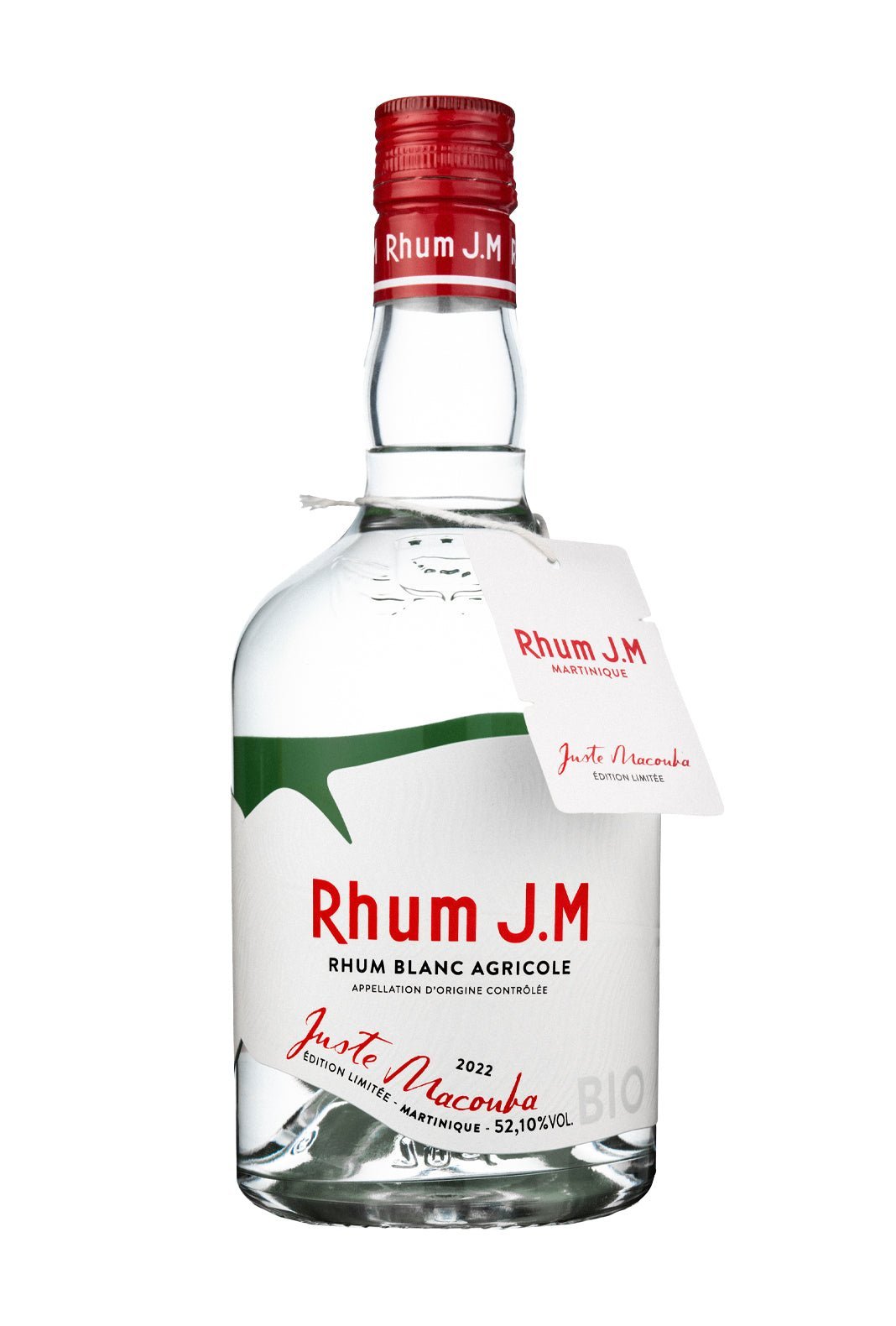
JM Rhum Juste Bio Macouba White 52.1% 700ml
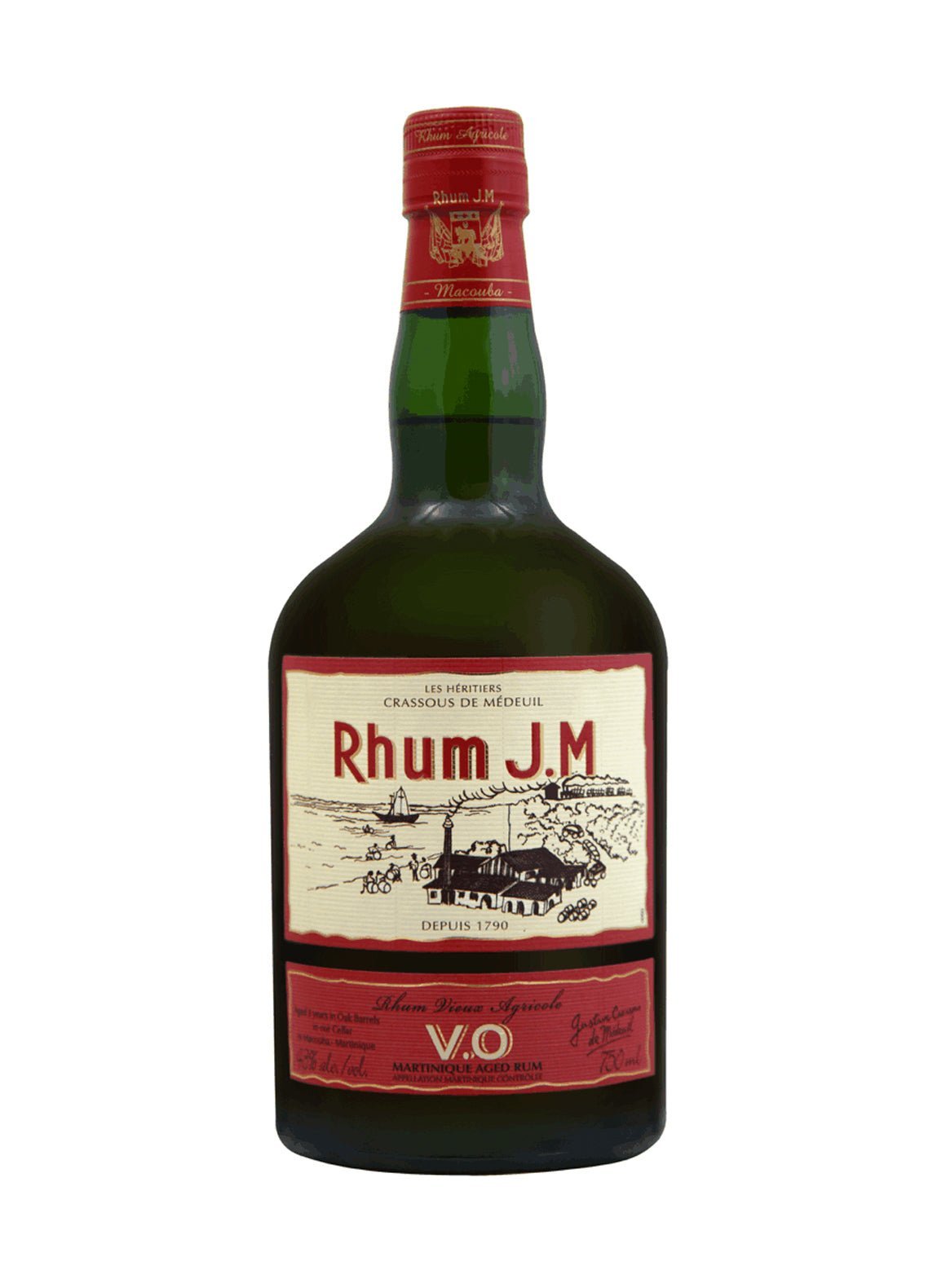
JM Rhum Vieux Vo Terr Volcan Rum 43% 700ml
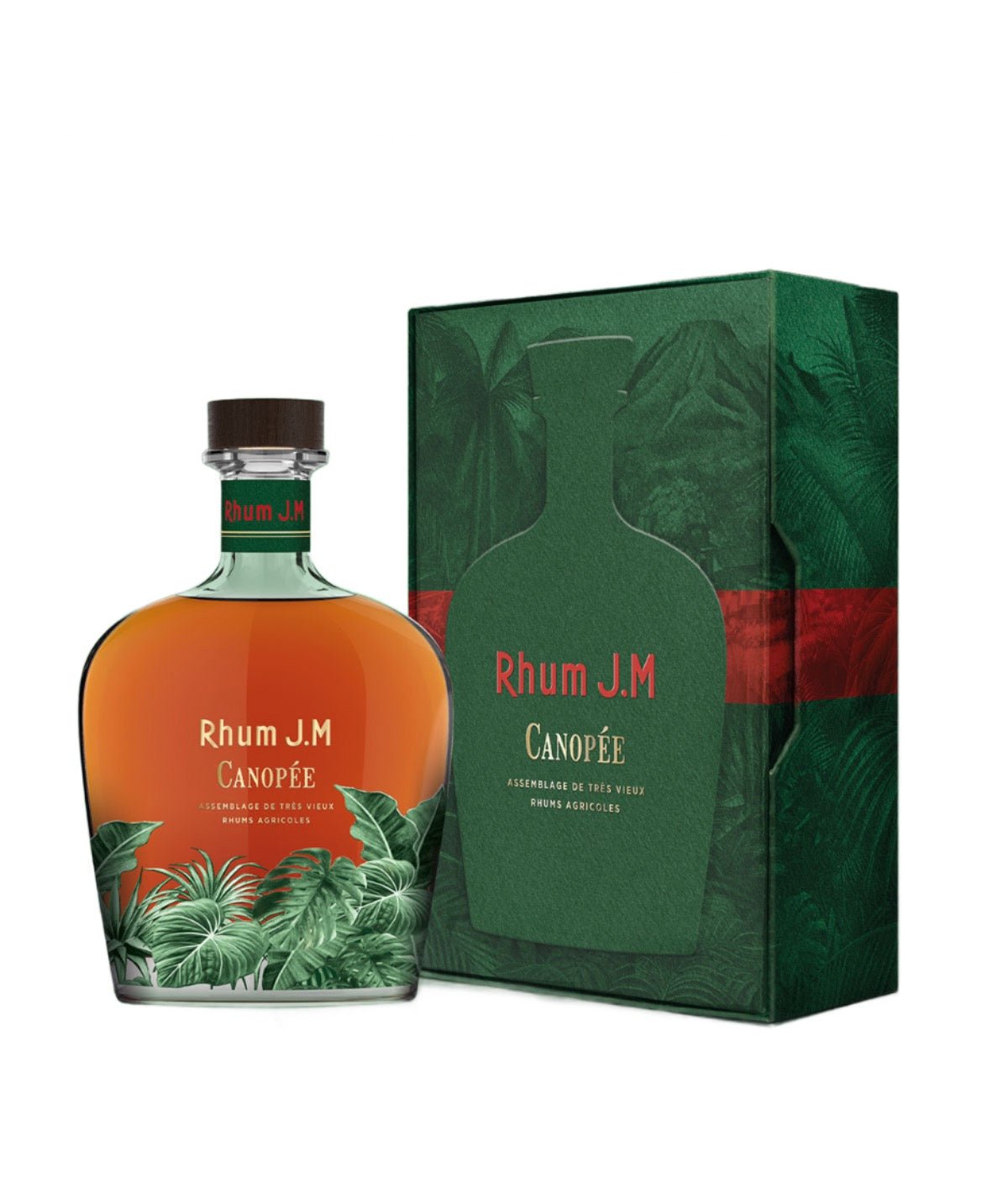
J.M Rum Vieux Canopee Carafe 46% 700ml
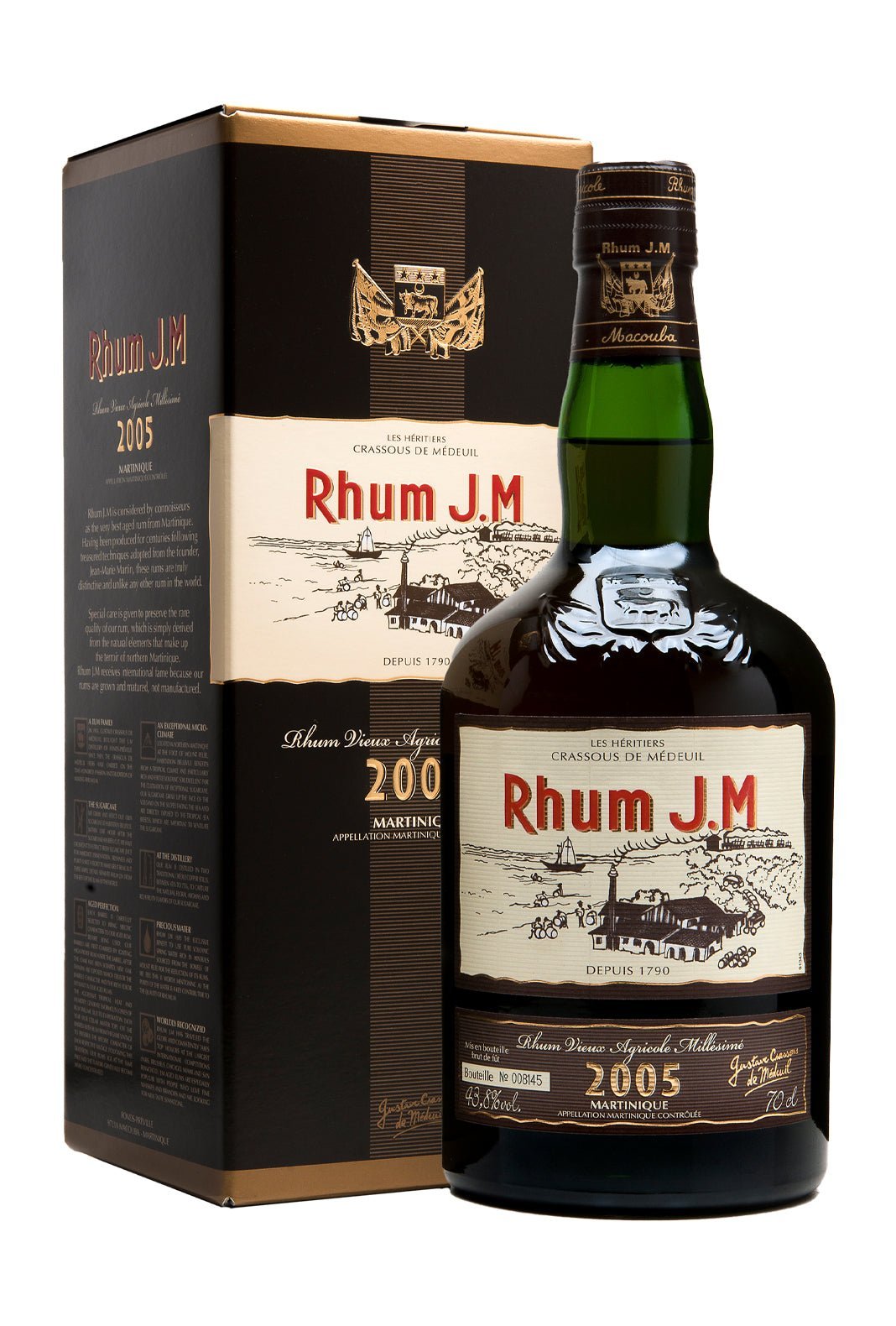
JM Rum AOC Agricole 2005 42.4% 700ml
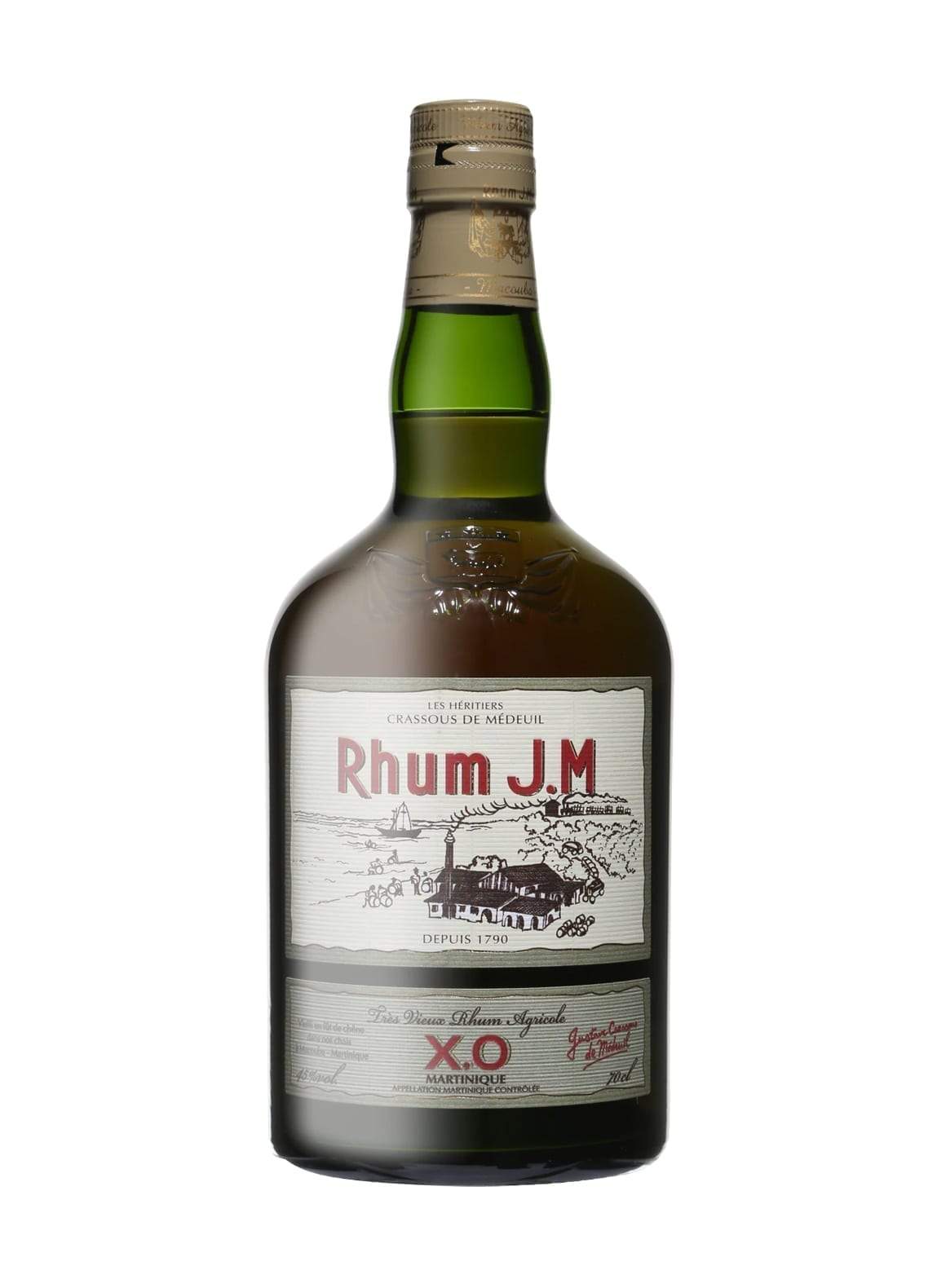
J.M Rhum Agricole Tres Vieux XO 47% 700ml
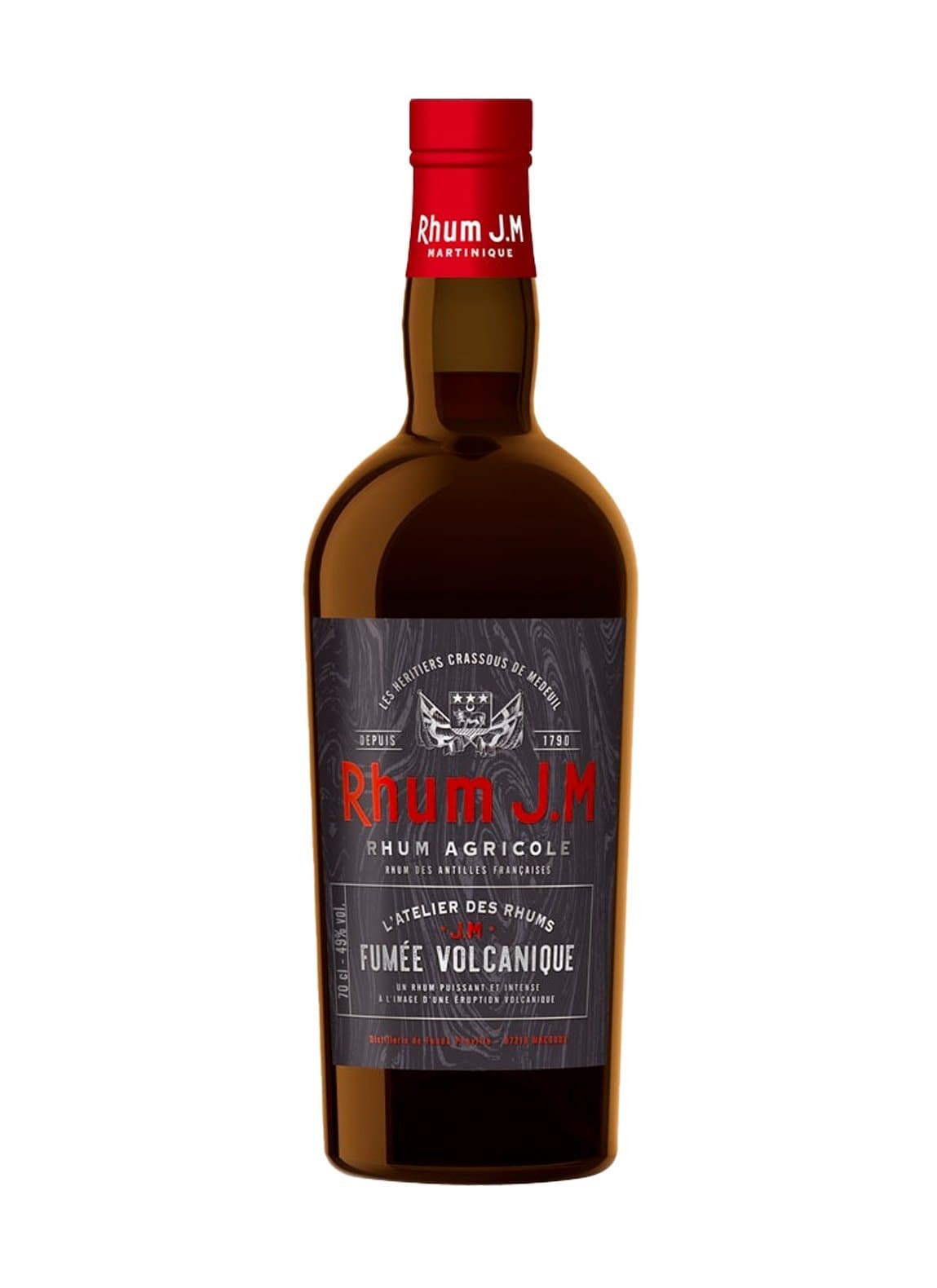
J.M Rhum Agricole Fumée Volcanique 49% 700ml
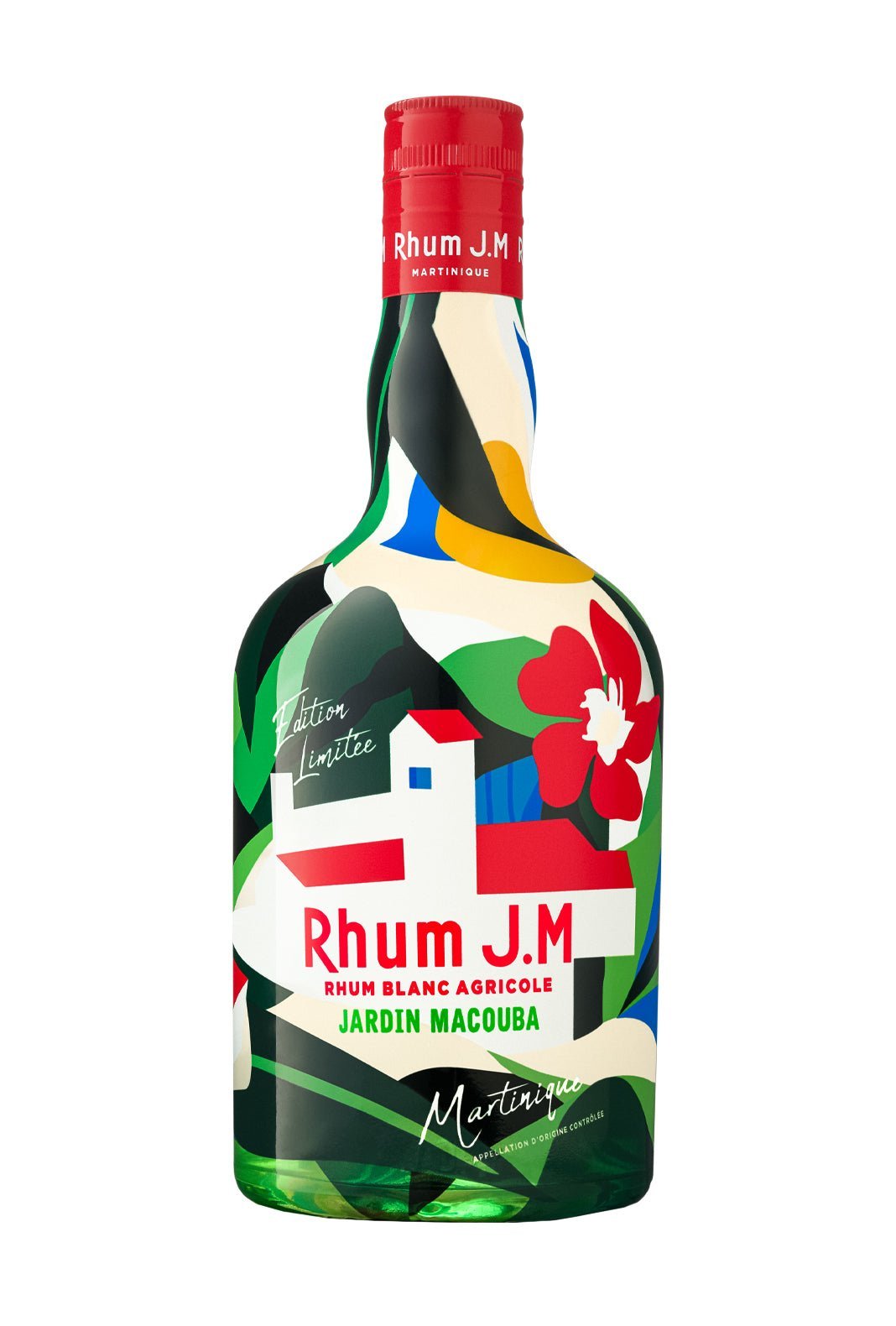
J.M Rhum Jardin Macouba White Agricole 53.4% 700ml
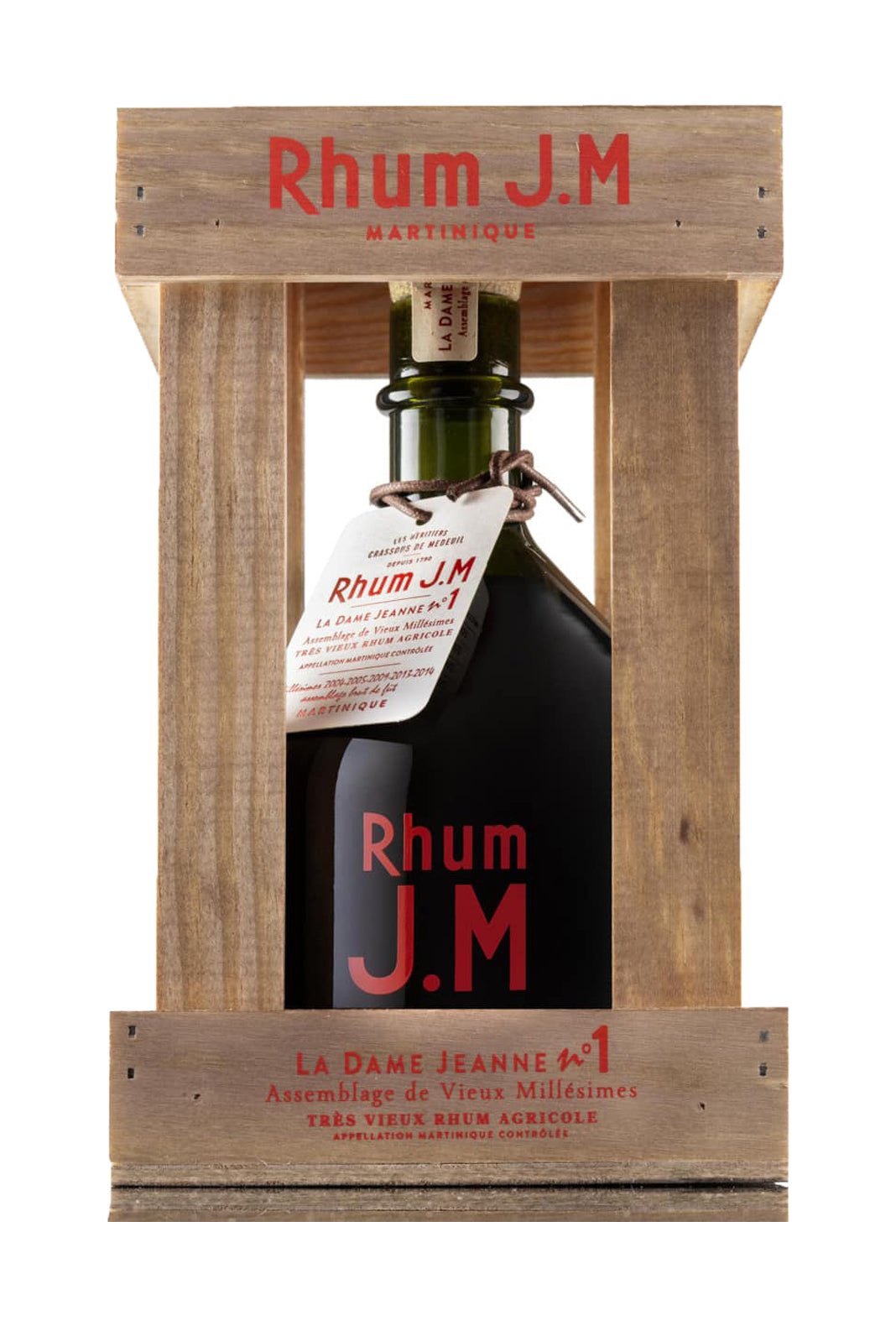
JM Rum Agricole Dame Jeanne 48.3% 700ml
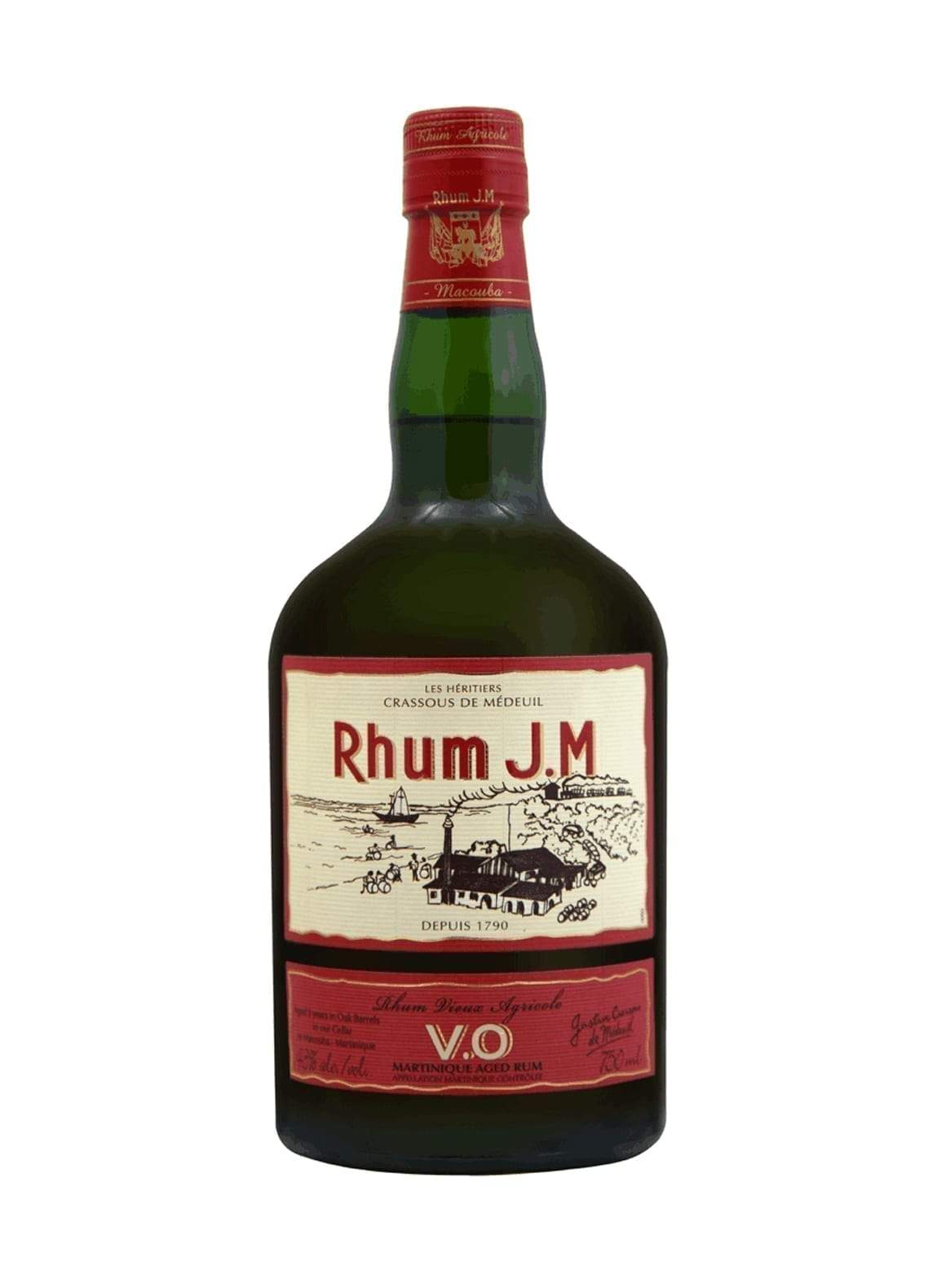
J.M Rhum Agricole VO Vieux Martinique 43% 700ml
About J.M Rum
Rhum J.M works a single estate at Macouba, on the wet northern tip of Martinique, and distils cane grown on its own volcanic ground. That is unusual even in Martinique, where most houses buy in at least some cane. The core range carries the AOC Martinique appellation, which requires fresh cane juice rather than molasses, a single pass through a creole column, and sets rules on yields, fermentation and ageing. The page splits three ways. Aged appellation rhums run from the four year VSOP through to the Tres Vieux XO at 47 percent, with single vintages from 2004, 2005, 2011 and 2012 sitting between them. Then come the bottles that step outside the core range, the Atelier des Rhums releases, Fumee Volcanique, the Canopee carafe, and cask strength whites such as Juste Bio Macouba White at 52.1 percent, organic, grassy and mineral and far too interesting to hide in a cocktail. Last, Shrubb, a liqueur at 35 percent made by macerating bitter orange peel and spice in J.M rhum. For the neighbours, see Saint James and Depaz.
History
The estate at Fonds Preville has been making spirit since the late eighteenth century, and the initials belong to Jean Marie Martin, the merchant who bought it in the following century and stamped his casks J.M. Macouba sits at the far northern end of the island, fully exposed to Atlantic weather, and is one of the wettest parts of Martinique. Volcanic soil from Montagne Pelee plus heavy rainfall gives cane that is planted, cut and crushed within a tight window, because juice starts fermenting on its own within hours of the cane being cut. That constraint is what separates agricole from most rum in the world. Molasses keeps for months and can be shipped anywhere, so molasses distilleries can run year round and buy from wherever is cheapest. Cane juice cannot, so an agricole distillery only runs during harvest, roughly February to June, and it can only use cane grown near enough to reach the mill the same day. Martinique was granted its appellation in 1996, and AOC Martinique remains the only appellation of its kind awarded to a rum, locking in cane varieties, fermentation length, still design and minimum ageing. Tropical maturation then does the rest: casks in Martinique lose several percent a year to evaporation, so a ten year old rhum has aged far harder than a ten year old Scotch.
How to drink it
Start with ti punch, which is how Martinique actually drinks this. Cut a coin of lime peel with a little flesh attached, drop it into a short tumbler, add a bar spoon of cane syrup, then 50ml of white rhum. Stir, and either drink it at room temperature or add one large ice cube. No shaking, no soda. Use a proper agricole blanc for it, not an aged one. Aged rhums want a tulip glass or a small wine glass, served at room temperature with nothing added, though a few drops of water will open up anything above 45 percent. The VSOP is the sensible first bottle, since it shows the estate character with enough oak to be immediately readable. Move to a vintage such as the 2012 once you know what you are tasting. Shrubb is a Martinique Christmas tradition, poured cold in small measures after a meal or used in place of triple sec in a sidecar. For food, aged agricole handles dark chocolate, roast pork and hard cheese. An opened bottle keeps a year or two upright with a tight cap, away from light and heat. More across the agricole range.
More from this origin and style: