
Guides and tasting notes
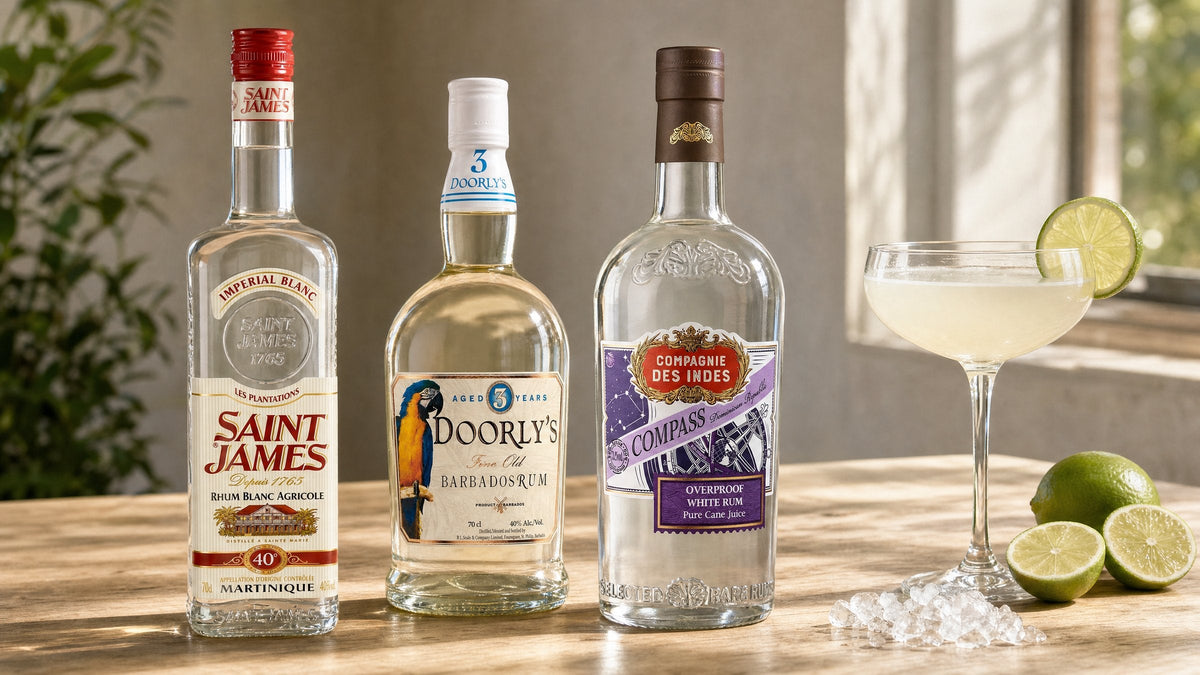
White Rum Guide: Styles, Strength and the Best Bottles to Mix
White rum is clear rum, either unaged or aged and filtered. Here is how the styles differ, what the strength on the label means, and which bottle suits your Daiquiri, Mojito or highball.
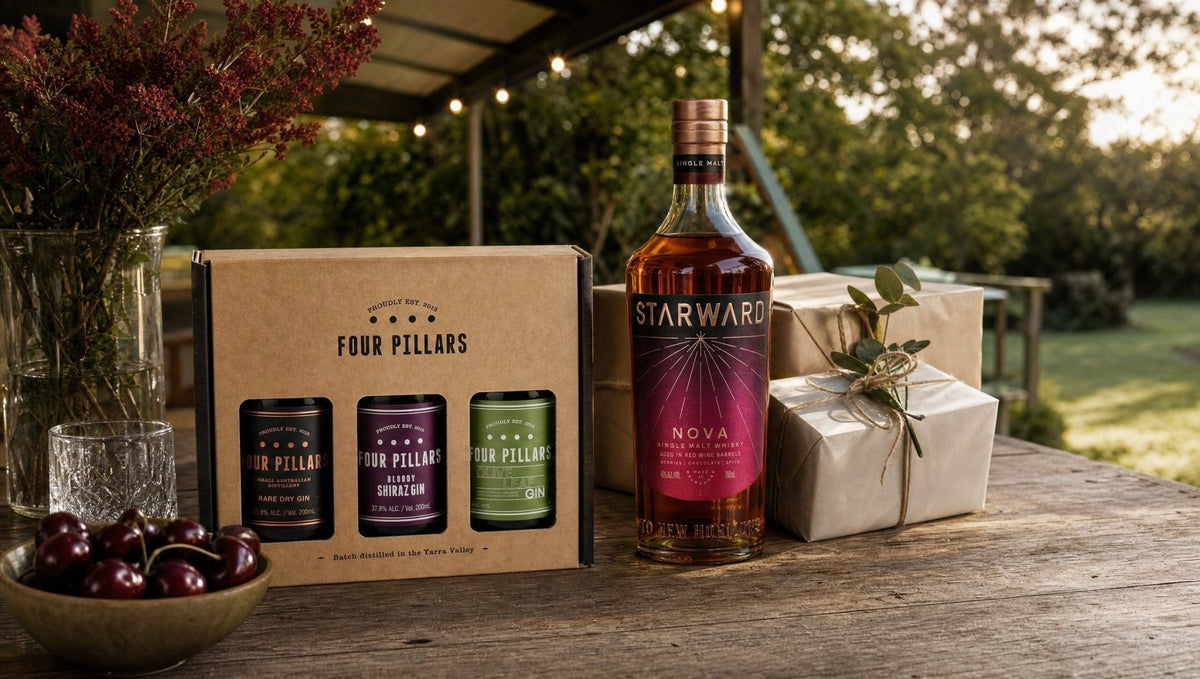
Christmas Liquor Gift Ideas: Spirits for Every Personality
The best liquor gift is the one that matches how someone already drinks. This guide sorts Christmas spirits gifts by personality, from the rum lover and the gin enthusiast to the whisky collector and the person who has everything.
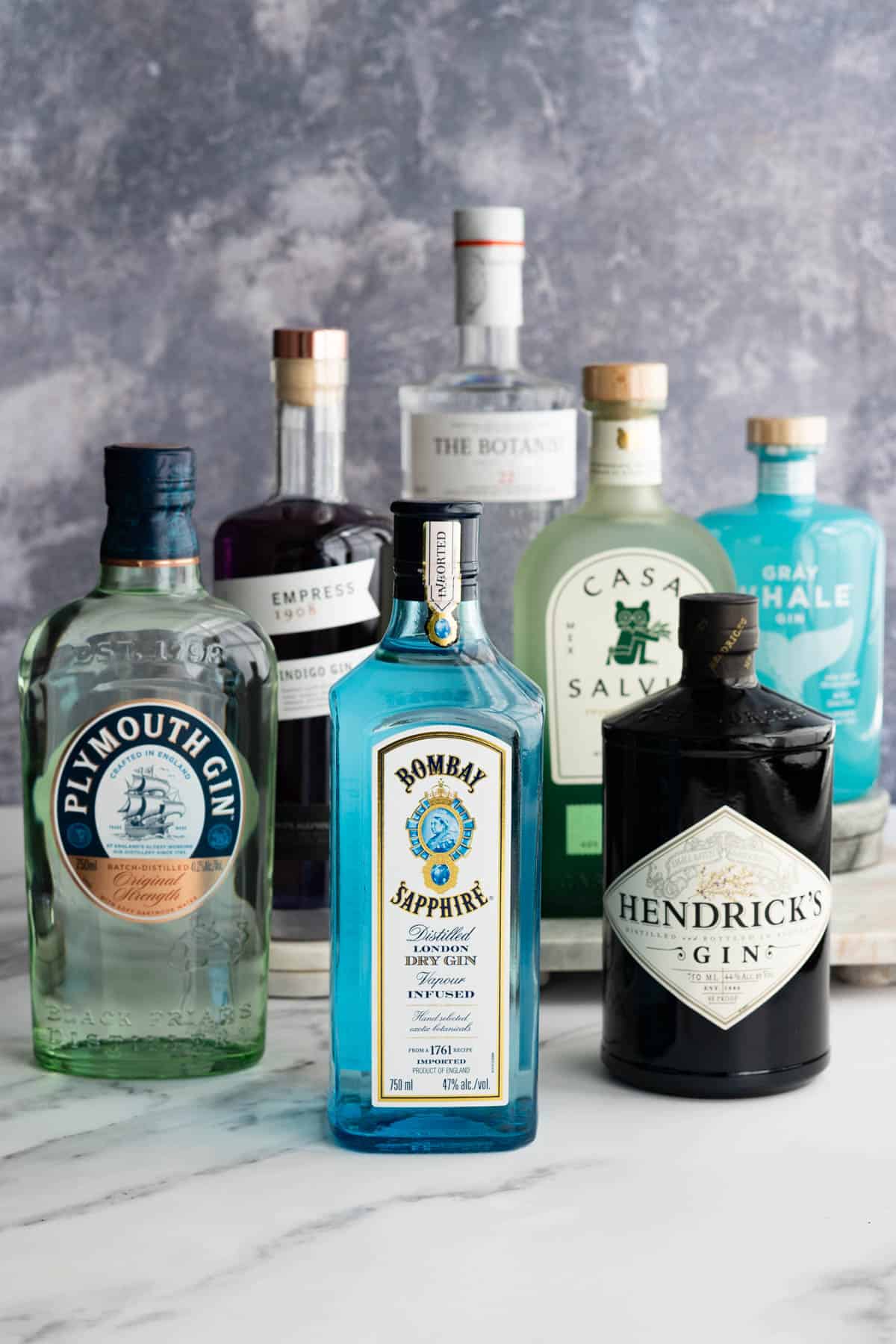
Gin Styles Explained: London Dry, Old Tom, Navy Strength and Sloe
What the style words on a gin label mean: the legal definitions of gin, distilled gin and London gin, why old tom is the sweetened one, what navy strength is and is not, why sloe gin is a liqueur, the two meanings of pink gin, and how Australian distillers use native botanicals.
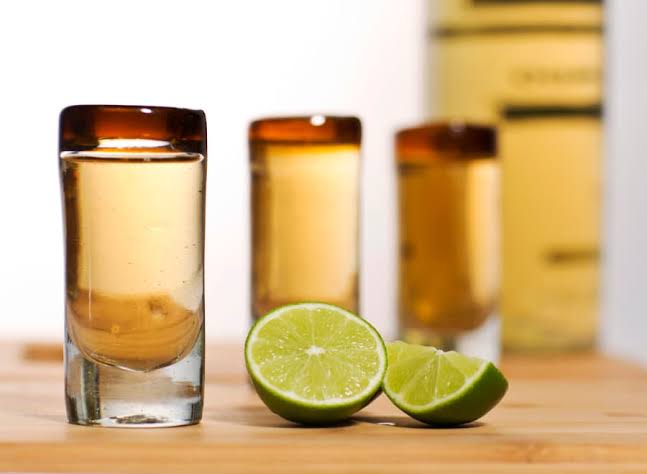
Reposado and Anejo Tequila Explained: What the Ageing Words Mean
The Mexican standard behind the ageing words: two months in oak for reposado, a year in casks of no more than 600 litres for anejo, three years for extra anejo, what joven and gold really mean, the English label substitutions, the 1 per cent mellowing allowance, and which bottles to start with.
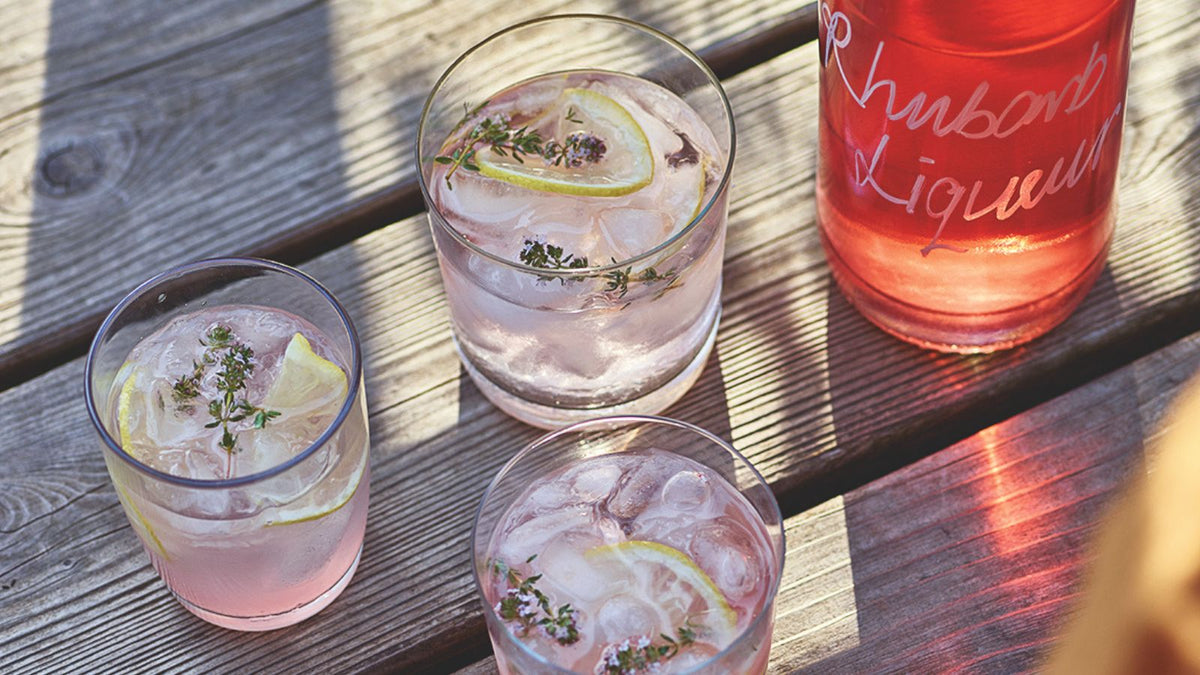
Types of Liqueur Explained: What a Liqueur Is and How to Use It
What a liqueur actually is under Australian and European law, the named styles that carry real legal definitions (creme de, creme de cassis, maraschino, sloe gin, nocino, sambuca), the practical families from fruit and citrus peel through herbal, nut, coffee and cream, and which bottle to start with.
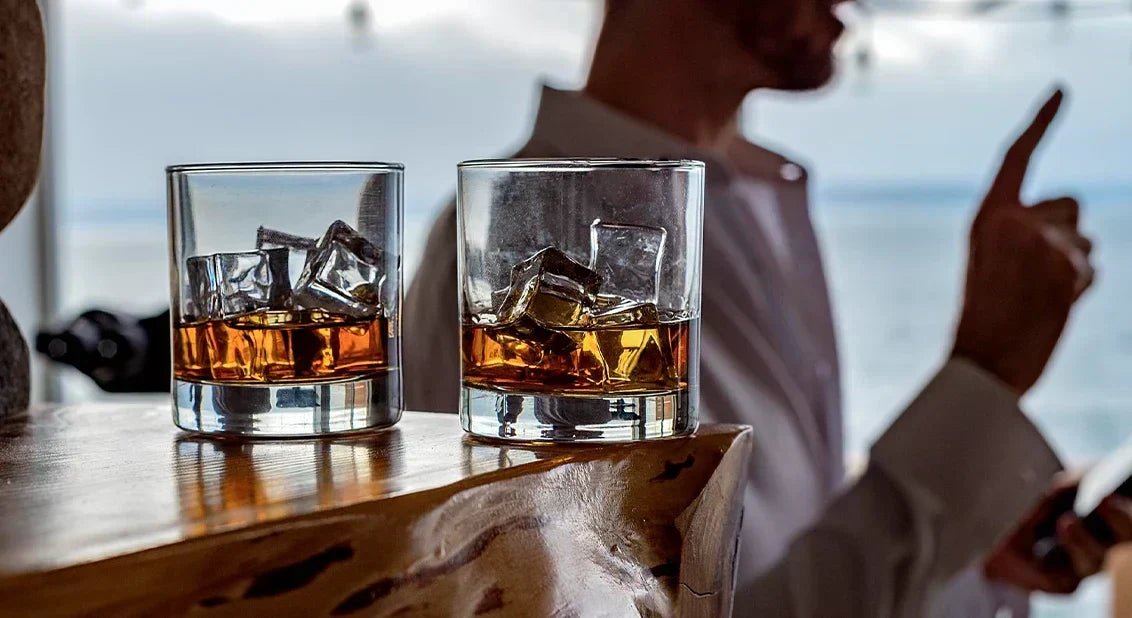
Australian Whisky Explained: Tasmania, the Mainland, and the Bottles Worth Knowing
What Australian law requires of a whisky, why the climate, small casks and Australian wine and apera casks make it taste different, and the Tasmanian and mainland producers worth knowing: Lark, Spring Bay, Starward, Archie Rose, Cape Byron, Fleurieu, 5Nines, Canberra Distillery, Backwoods and Nosferatu.

Grappa Explained: Italy's Grape Skin Spirit, and What to Buy in Australia
Grappa is a spirit, not a liqueur, and by law it must be Italian. This guide explains how it is distilled from grape pomace, what giovane, invecchiata, riserva, monovitigno and grappa di prosecco or di amarone mean on the label, how to serve it, and which bottles to start with, with the grappa based liqueurs covered separately.
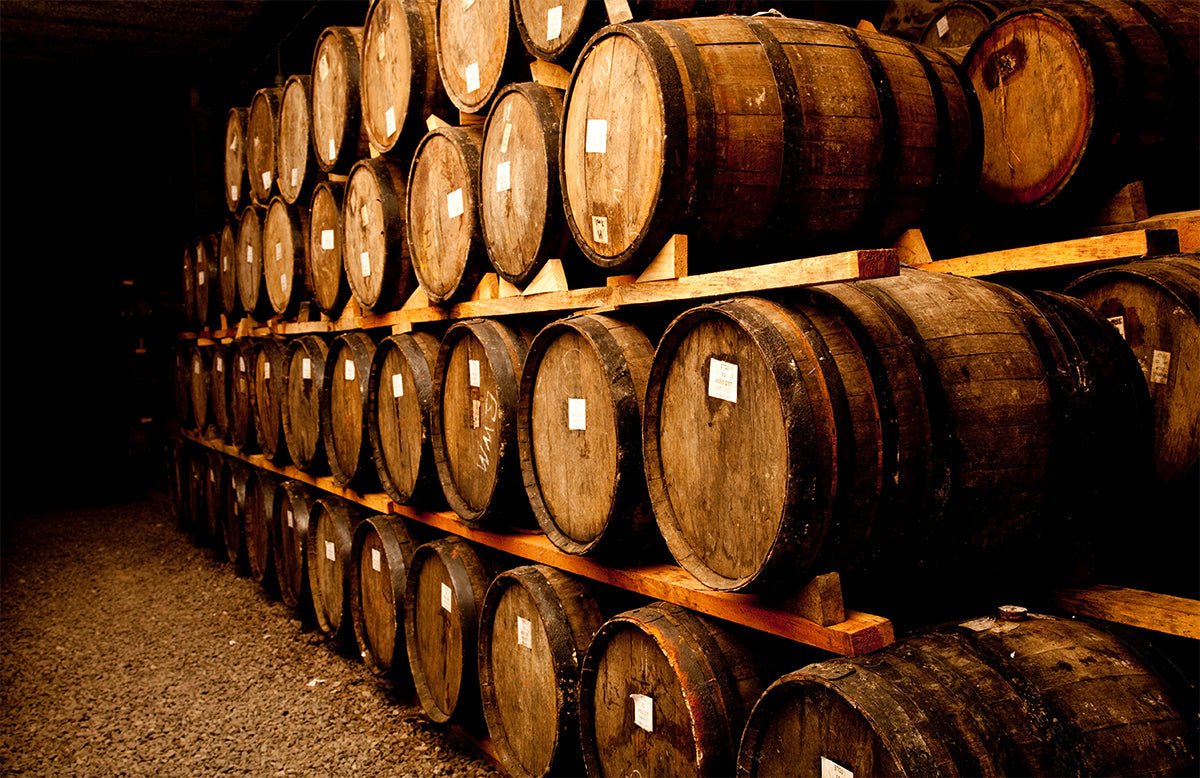
Sherry Explained: From Bone Dry to Pedro Ximenez
Most Australians think sherry means sweet. The classic styles are all dry. This guide walks them from fino to Pedro Ximenez, explains flor and the two ageing paths that create them, and points at the bottles worth starting with.
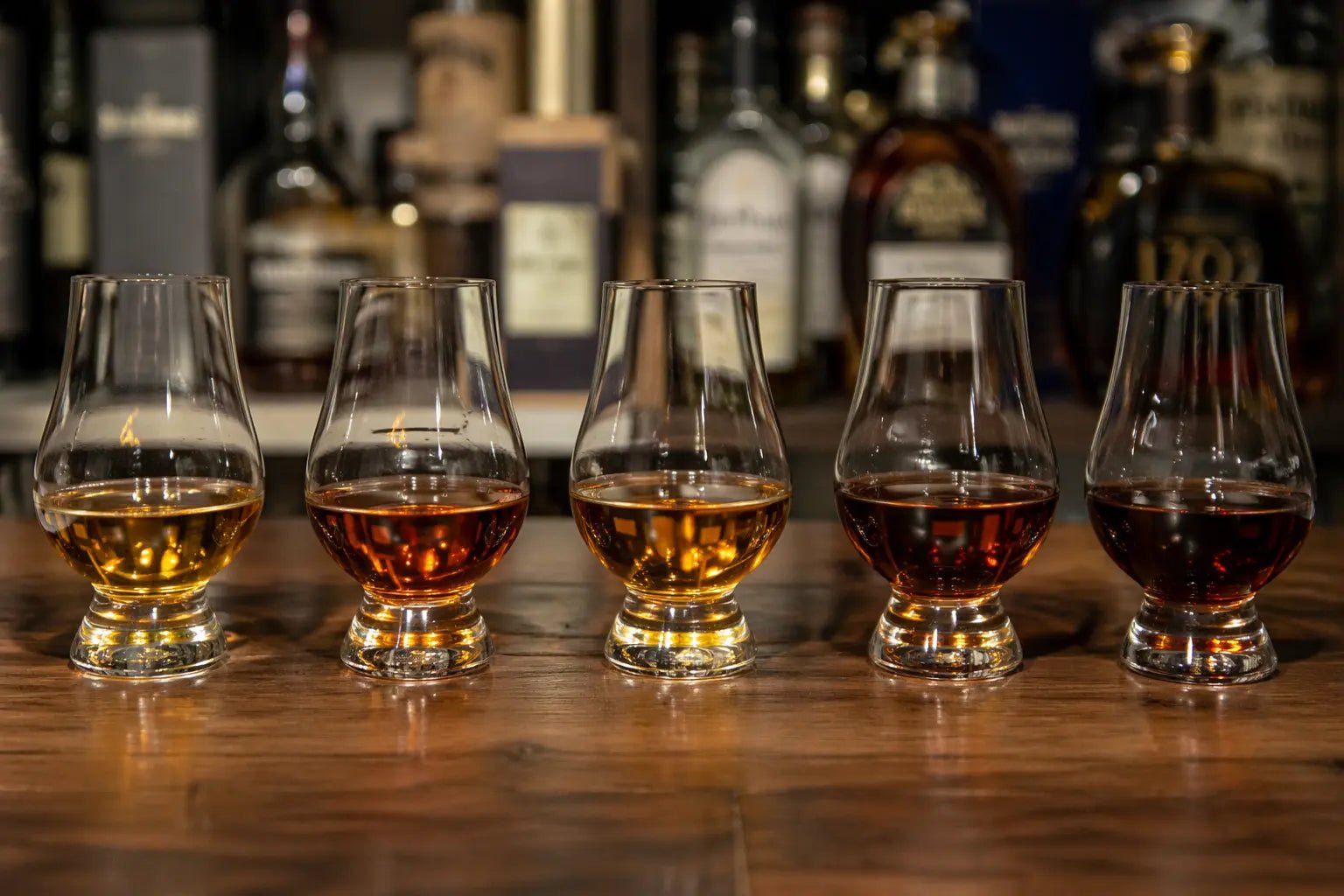
Types of Bourbon: An Australian Buyer's Guide
Bourbon is sorted by law, by label, by mash bill, by how the barrels were chosen and by strength. This guide explains each one, including what Kentucky straight bourbon actually guarantees, and points to the bottles worth starting with in Australia.
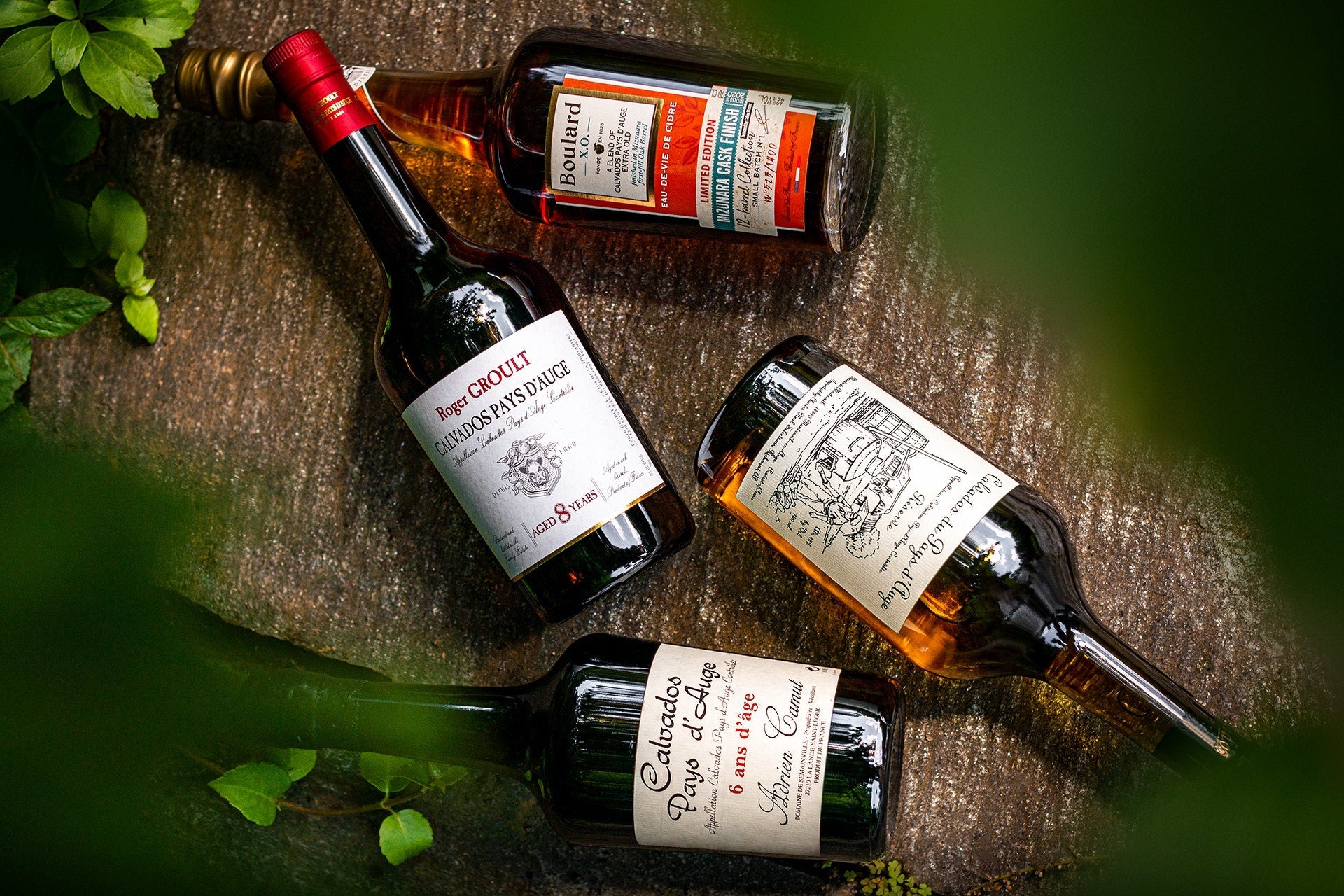
French Apple Brandy Explained: Calvados, Pommeau and the Spirits of Normandy
Normandy is too far north for wine grapes, so it distils apples instead. A plain guide to Calvados: the three appellations, the age words, cask finishes, Pommeau, and the apple grown inside the bottle.
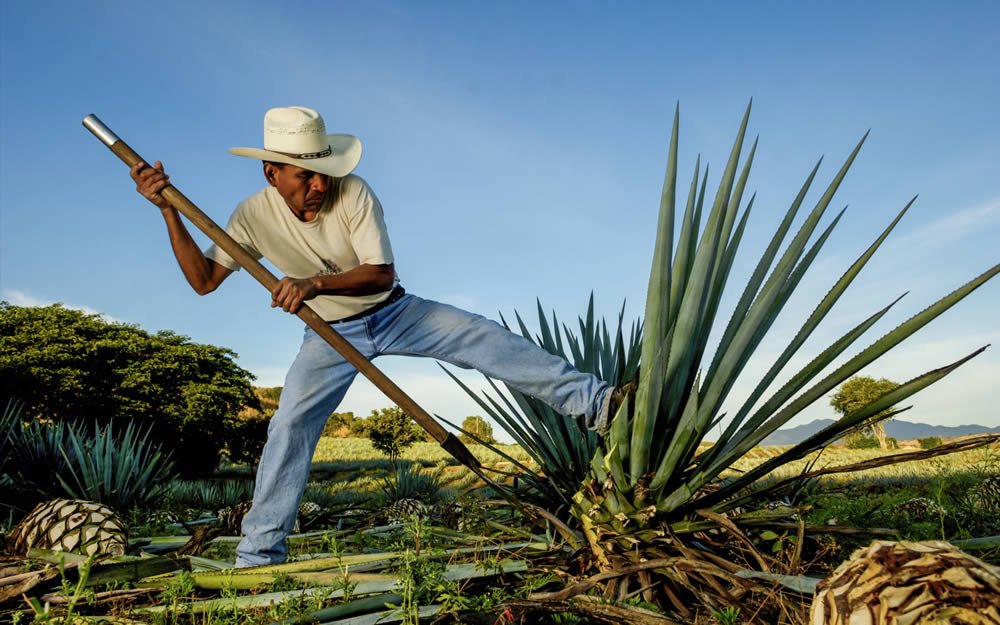
Mezcal Explained: How It Differs From Tequila, and What to Buy in Australia
Mezcal is not just smoky tequila. A plain guide to the agave, the pit roast, the artesanal tiers and the label wording, with a starting bottle for every kind of drinker.
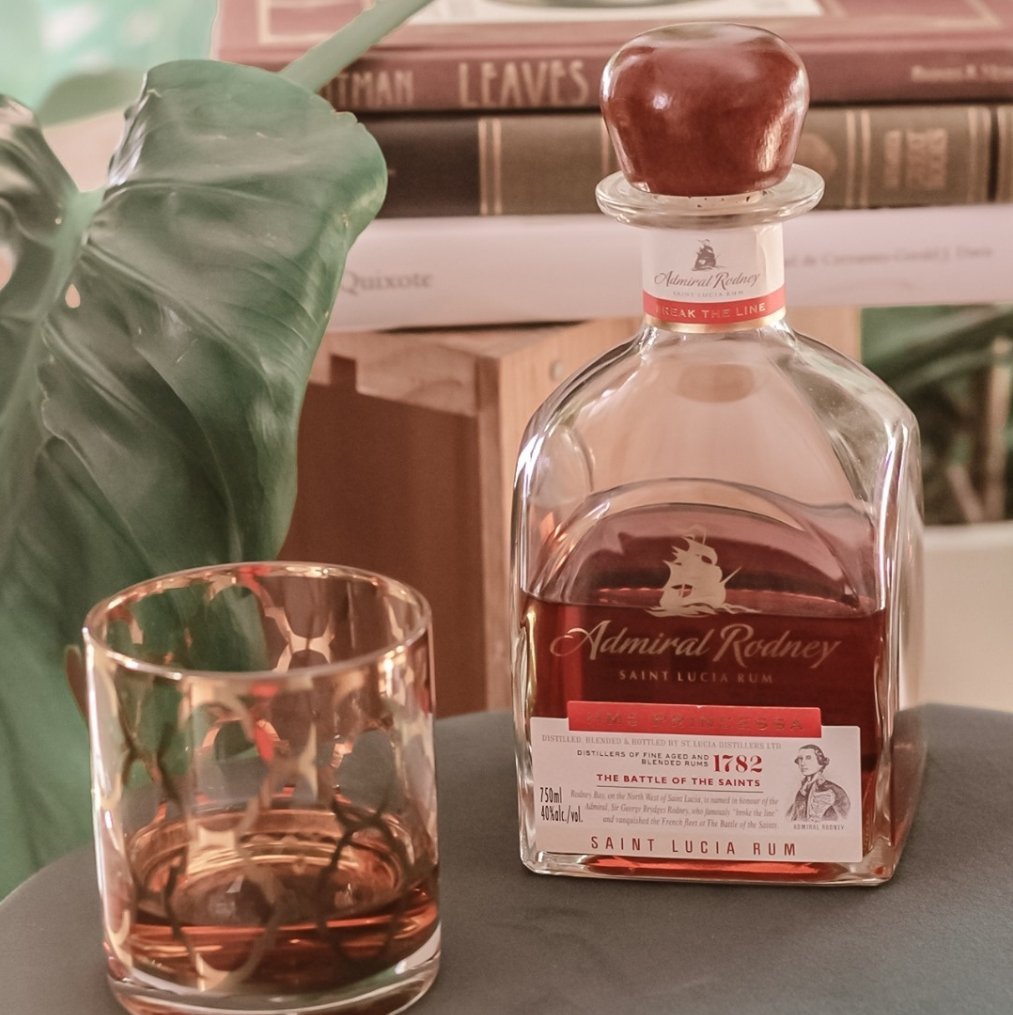
The Best Rum to Buy in Australia: 13 Bottles by Style
The best rum to buy in Australia depends on the style you want. Here are our picks for sipping, navy, Demerara, Jamaican, Australian and white rum, with what each bottle suits.