
Mezcal turns up on more Australian back bars every year, and the shelf is confusing in a way tequila's is not. One bottle says espadín, the next says cupreata, a third says ensamble, and the strengths run from the high thirties to past fifty per cent. None of it is decoration. Every one of those words tells you something about what is in the glass.
This guide explains what mezcal is, how it actually differs from tequila, what the agave names on the label mean, and which bottle to start with depending on what you are after.
What mezcal is
Mezcal is a Mexican spirit distilled from agave. That is the whole definition, and it is deliberately broad. Tequila is also distilled from agave, which means every tequila fits the description of a mezcal even though the two are sold as separate categories.
What separates them is not quality or strength. It is three practical things: which agave is allowed, where it can be made, and how the agave is cooked.
Mezcal versus tequila, properly
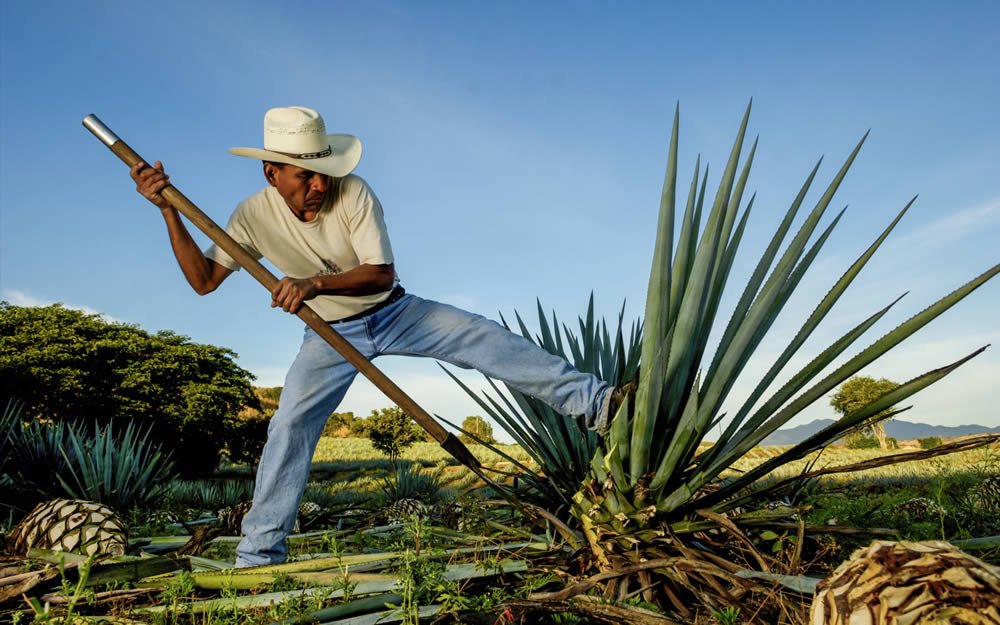
The agave. Tequila can only be made from one plant, blue Weber agave. Mezcal can be made from dozens of agave species, and most producers make several different bottlings from several different plants. This is the single biggest reason mezcal tastes more varied than tequila does. You are not tasting one plant handled different ways, you are tasting different plants.
The place. Tequila's denomination of origin is centred on Jalisco. Mezcal's covers a different and wider group of Mexican states, with Oaxaca by far the best known, followed by Durango, Guerrero and Michoacán. A bottle that names its state is telling you something real, because the agave that grows in Durango is not the agave that grows in Guerrero.
The cooking. This is where the smoke comes from. Before distillation the agave hearts, called piñas, have to be cooked so their starches turn to fermentable sugar. Most tequila is cooked with steam, in brick ovens or pressure vessels. Traditional mezcal is roasted in a pit dug into the ground, lined with hot rocks and burning wood, then covered over for several days. The smoke gets into the agave, and it stays there through fermentation and distillation.
That is why mezcal reads as smoky and tequila generally does not. It is a by-product of how the plant is cooked, not a flavouring added afterwards. It also explains why the smoke varies so much between bottles. A longer roast, a different wood, a smaller pit, and the result shifts.
If tequila is where you are more comfortable, our tequila buying guide covers that side of the shelf, and you can browse the full tequila and mezcal ranges side by side.
The three production categories
Mexican regulation divides mezcal into three tiers, and the tier is printed on the label. It describes method, not age.
- Mezcal. The broadest tier. Modern equipment is permitted at every stage, including autoclaves and column stills.
- Mezcal Artesanal. The agave must be pit-roasted or cooked in a masonry oven, milled traditionally, fermented in wood, stone, clay or hide, and distilled in copper or clay pots. This is the tier most of the mezcal Australians actually get excited about sits in.
- Mezcal Ancestral. The strictest tier. Pit roasting, stone milling, and distillation in clay pots over direct fire. Very little of it is made.
Artesanal is the word worth looking for. Koch El Mezcal Artesanal Maguey Espadín puts it on the front label, and at 47.08 per cent it is bottled at the strength the still gave rather than watered back to a round number.
Reading the agave name
The agave is the most useful word on a mezcal label, and the one most people skip. Here is what the common ones mean and what LWC carries in each.
Espadín is the workhorse. It is the most widely planted agave for mezcal, it matures faster than the wild varieties, and it is the reference point everything else gets compared to. Clean, direct, moderate smoke. It is where to start. Mezcal Amares 100% Espadin at 37 per cent is the gentlest way in. Domingo Mezcal Especial Espadín Oaxaca at 48 per cent is the same agave with considerably more behind it. Vago Espadin Barriga at 50.5 per cent goes further again.
Cupreata, known as papalote in Guerrero, grows on steep hillsides and takes far longer to mature than espadín. It tends towards fruit and green herbs rather than pure smoke. Mezcal Amares Cupreata at 41 per cent and Domingo Mezcal Guerrero Papalote at 47 per cent are the same plant under both of its names, which makes them an unusually direct comparison.
Cenizo is the Durango agave, and Durango mezcal is a genuinely different proposition to Oaxacan. Drier, more mineral, less of the tropical fruit. Domingo Mezcal Durango Cenizo at 47 per cent and Mezcal Amares Logia Cenizo at 43 per cent both work from it.
Ensamble is not an agave. It means two or more agave species fermented and distilled together rather than blended afterwards, and it is the maker's own composition. Domingo Mezcal Michoacán Ensamble at 46 per cent is the one to look at.
You will also see wild agaves named on rarer bottles, tobalá, arroqueño, cuishe, madrecuishe and tepeztate among them. They take many years to mature, they cannot be farmed at any scale, and the bottles come and go accordingly.
Joven, reposado, añejo
These describe time in wood, and they work the same way they do for tequila.
Joven, sometimes labelled blanco, is unaged. This is the default for good mezcal, because oak covers the agave and the agave is the point. Almost everything above is joven. The whole unaged range is on our Blanco Mezcal page.
Reposado is rested in wood for months rather than years. It softens the edges and adds a little vanilla and spice without burying the smoke. Mezcal Amares Reposado Espadin at 37 per cent is a fair example, and a reasonable bridge if aged spirits are your usual territory.
Añejo spends a year or more in barrel. It is much rarer in mezcal than in tequila, for the reason above.
Separately from the ageing tiers you will meet pechuga and other distilled-with styles, where fruit, grain or meat is suspended in the still during a final distillation. Mezcal Vago Elote Hijos at 49.8 per cent is the approachable version of the idea, with toasted corn introduced in a second distillation, and it comes out sweet and grainy over the smoke.
How to drink it
Neat, at room temperature, in a wide glass. Not chilled, not shot, and not with salt and lime, which is a tequila-bar habit that flattens everything mezcal has to offer. Pour a small measure, let it sit a minute, and sip it.
Strength is worth planning for. A 50 per cent mezcal is not a 40 per cent one with more alcohol, it is a different drinking experience, and the higher strengths carry noticeably more aroma. If you are new to the category, start in the high thirties or low forties and work up.
In cocktails, mezcal substitutes for tequila almost anywhere and changes the drink completely. A mezcal margarita and a mezcal negroni both work. Use espadín rather than a wild agave for mixing, because the character you paid for in a tobalá disappears under lime.
Where to start
- Never had mezcal: Mezcal Amares 100% Espadin.
- Coming across from tequila: Mezcal Amares Reposado Espadin.
- Want the classic Oaxacan espadín: Domingo Mezcal Especial Espadín Oaxaca.
- Ready for something other than espadín: Domingo Mezcal Guerrero Papalote or Domingo Mezcal Durango Cenizo.
- Artesanal, at full strength: Koch El Mezcal Artesanal Maguey Espadín.
- Something unusual: Mezcal Vago Elote Hijos.
- As a gift: Clase Azul Mezcal, in the decanter the brand is known for.
The full range sits on our Mezcal page, and we deliver to every Australian state and the ACT.