
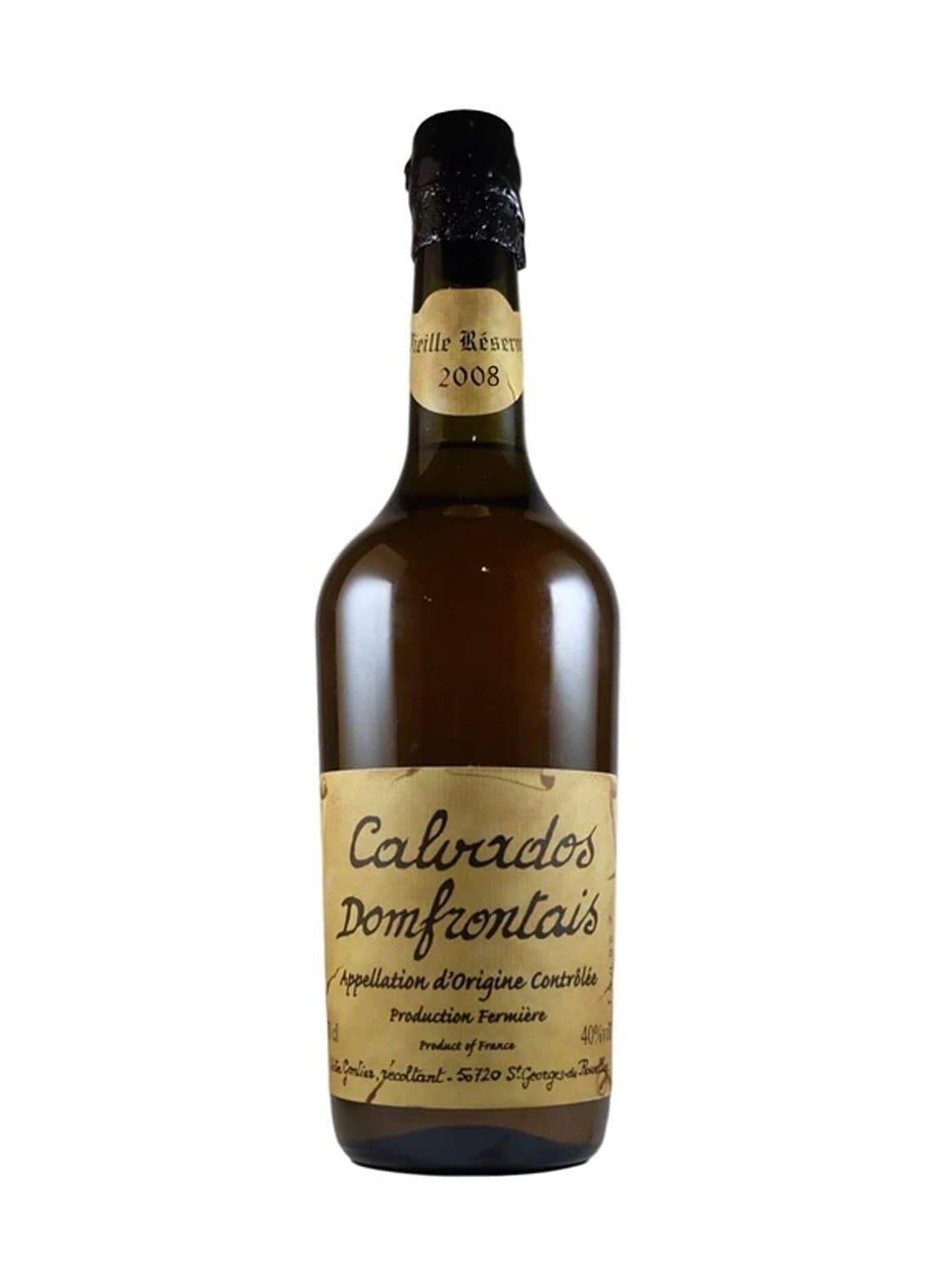
Victor Gontier Calvados Domfrontais 2008 42% 500ml
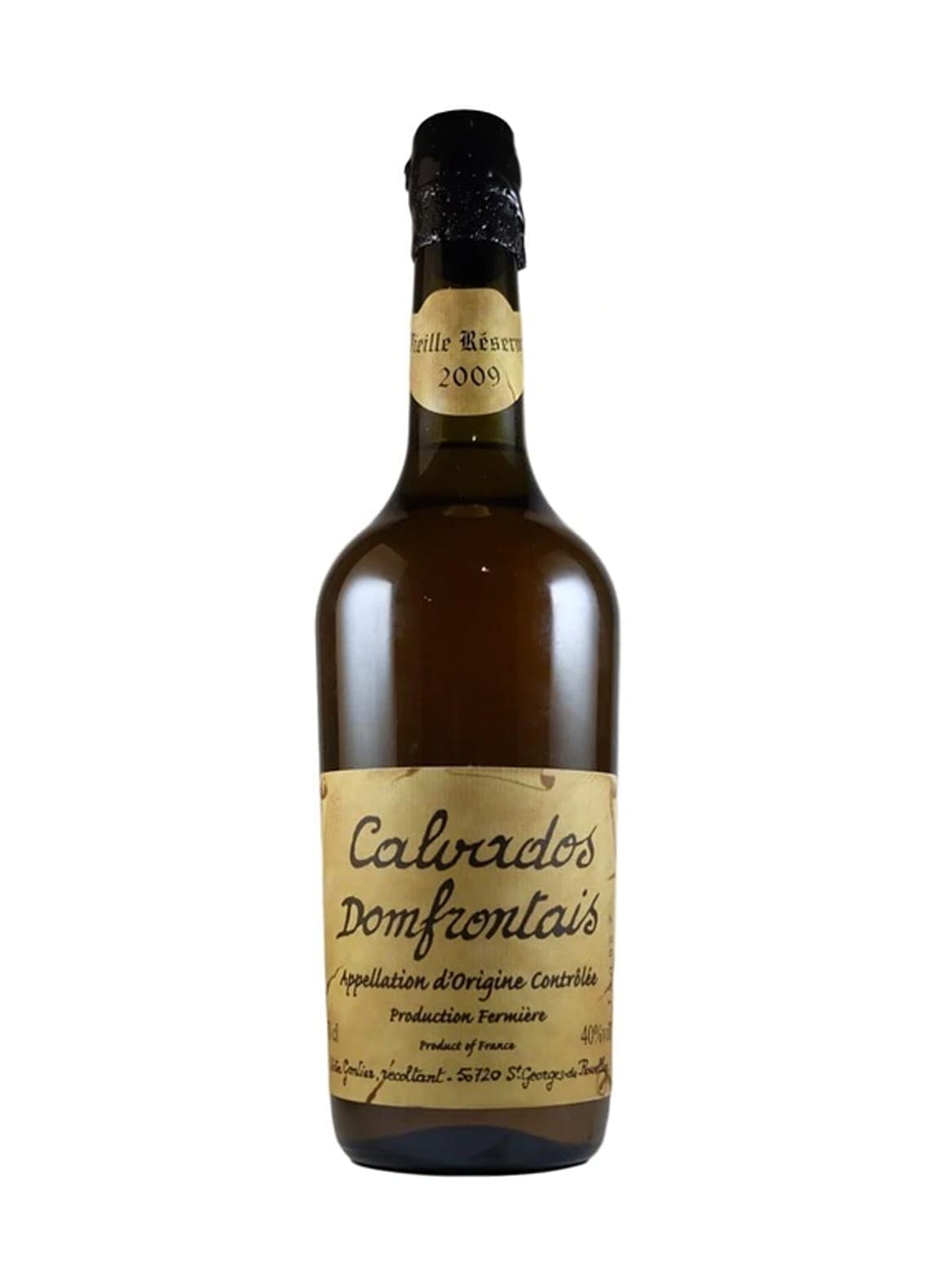
Victor Gontier Calvados Domfrontais 2009 42% 700ml
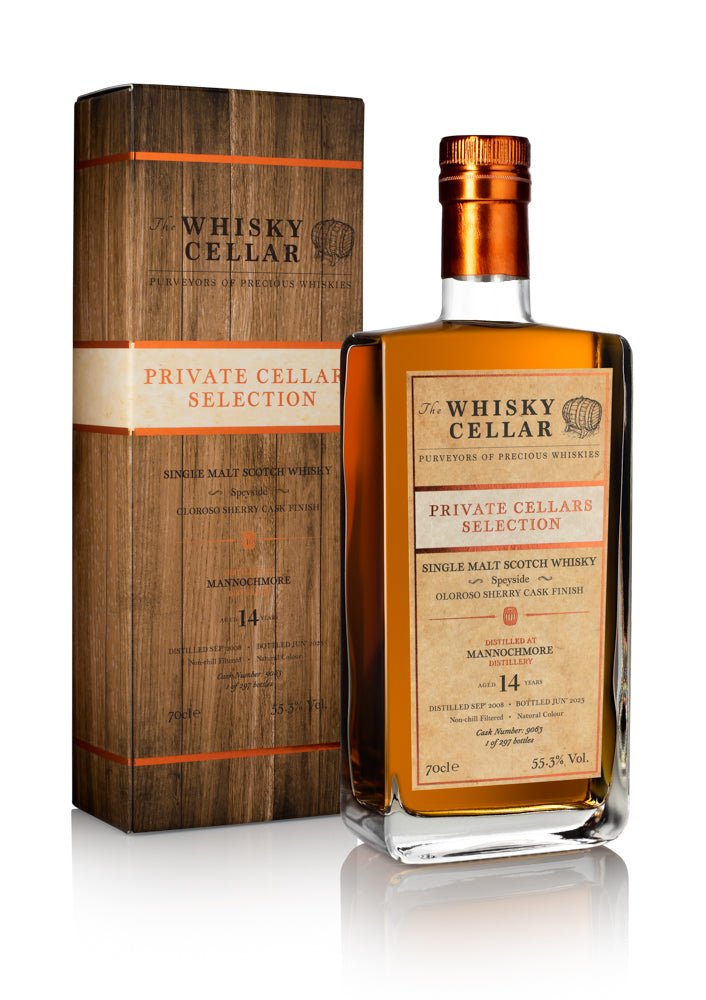
Mannochmore 2008 14 year old - The Whisky Cellars 700mL
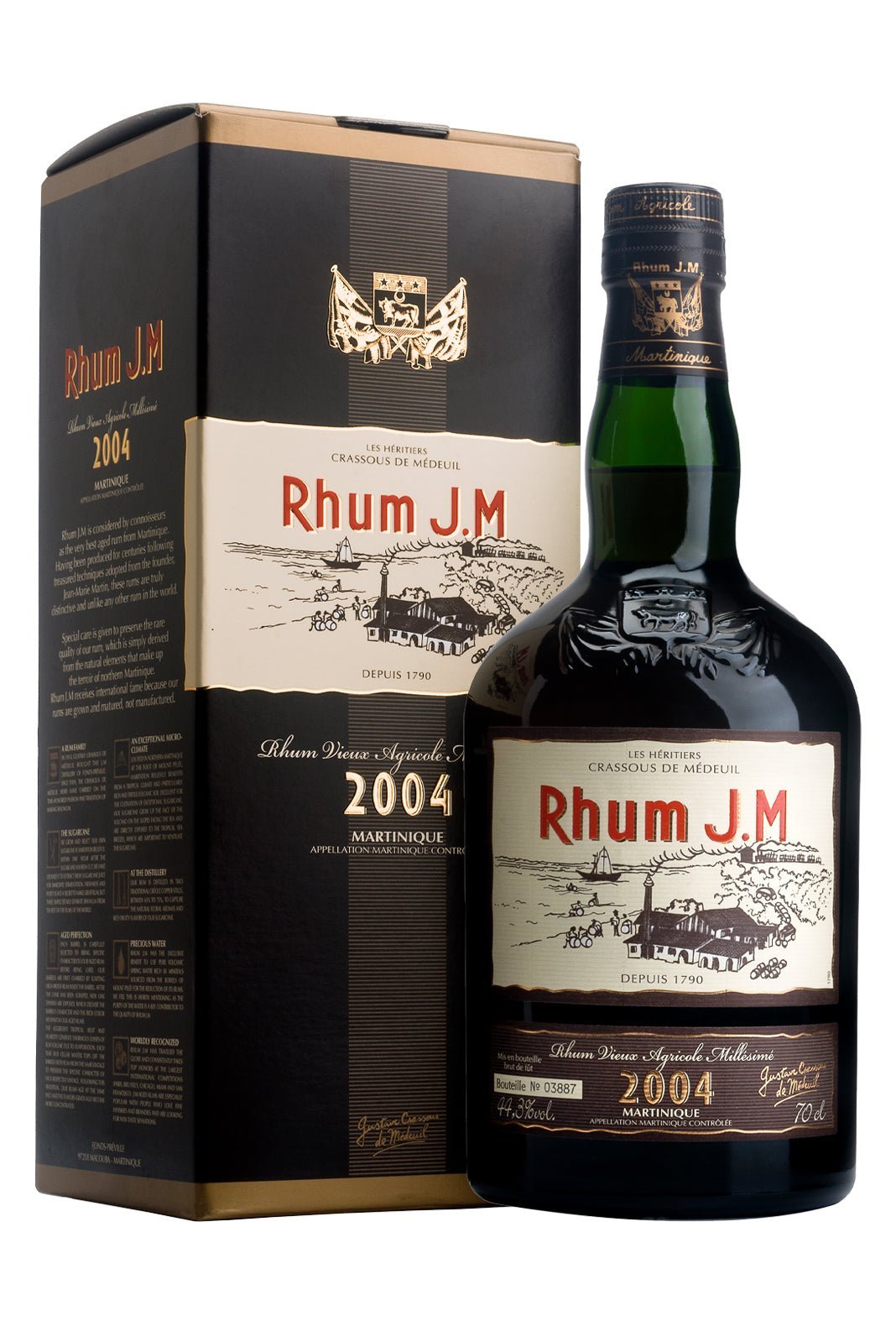
JM Rhum 2004 Hors d'Age Bourbon Cask 42.9% 700ml
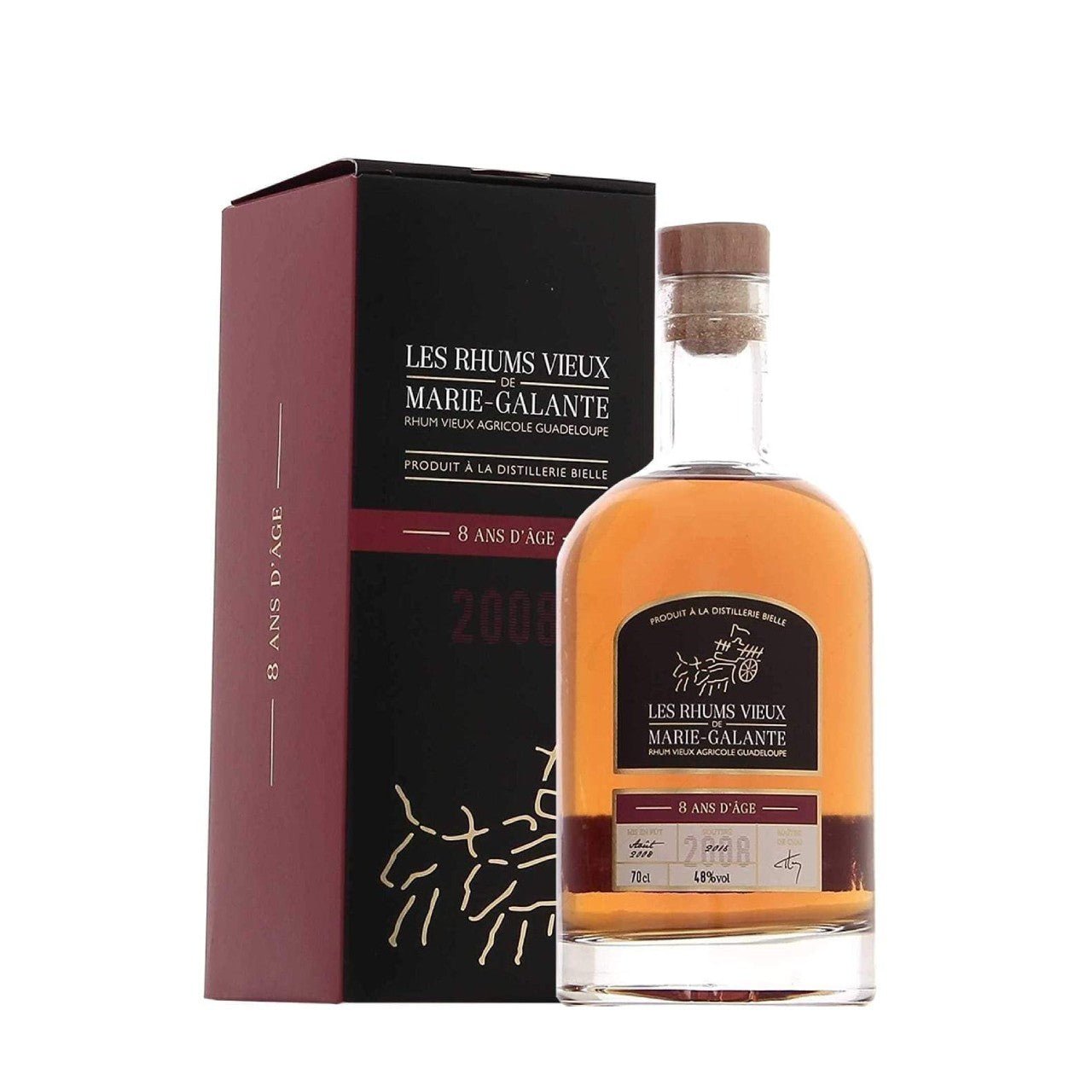
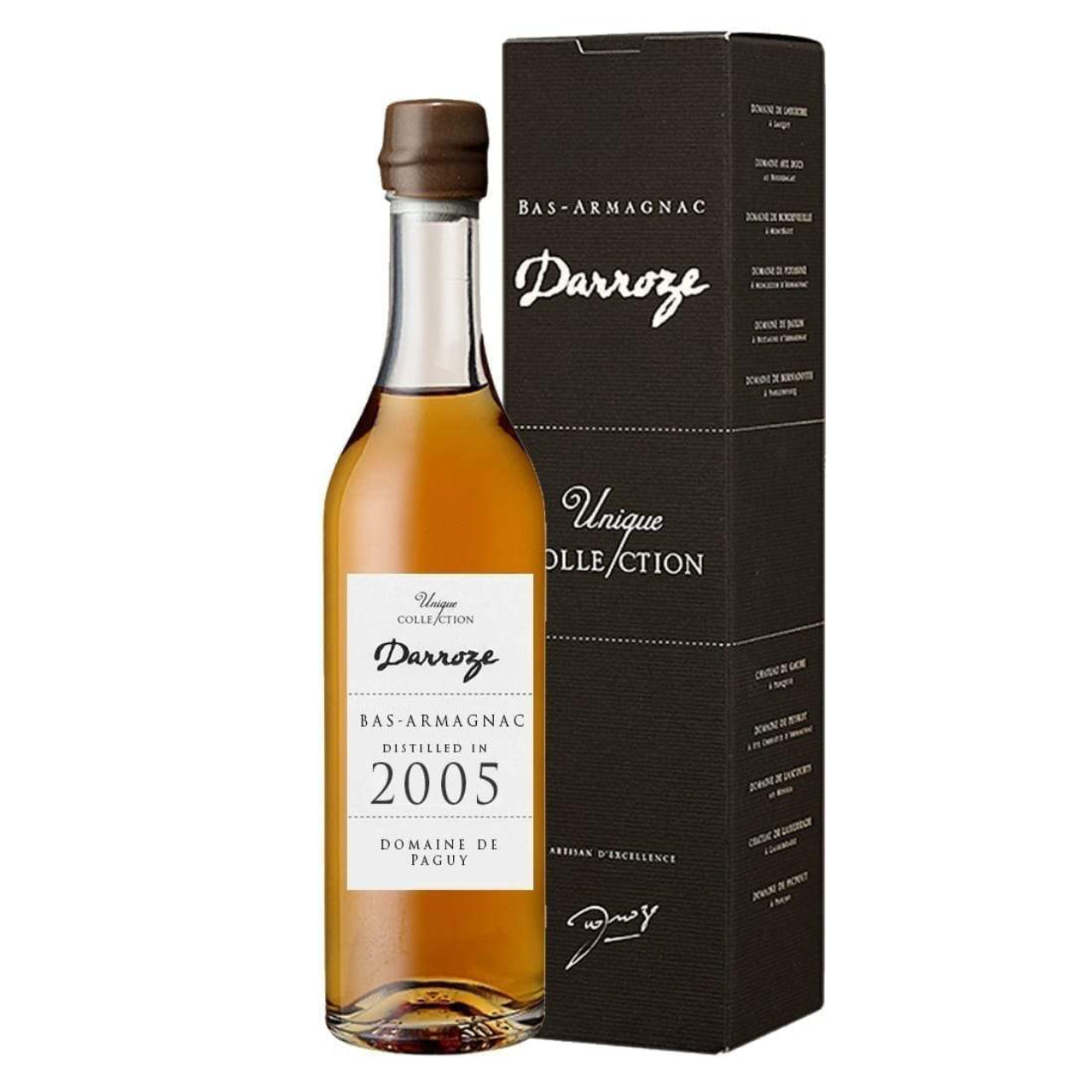
Darroze 2005 Paguy Grand Bas Armagnac 49.7% 200ml
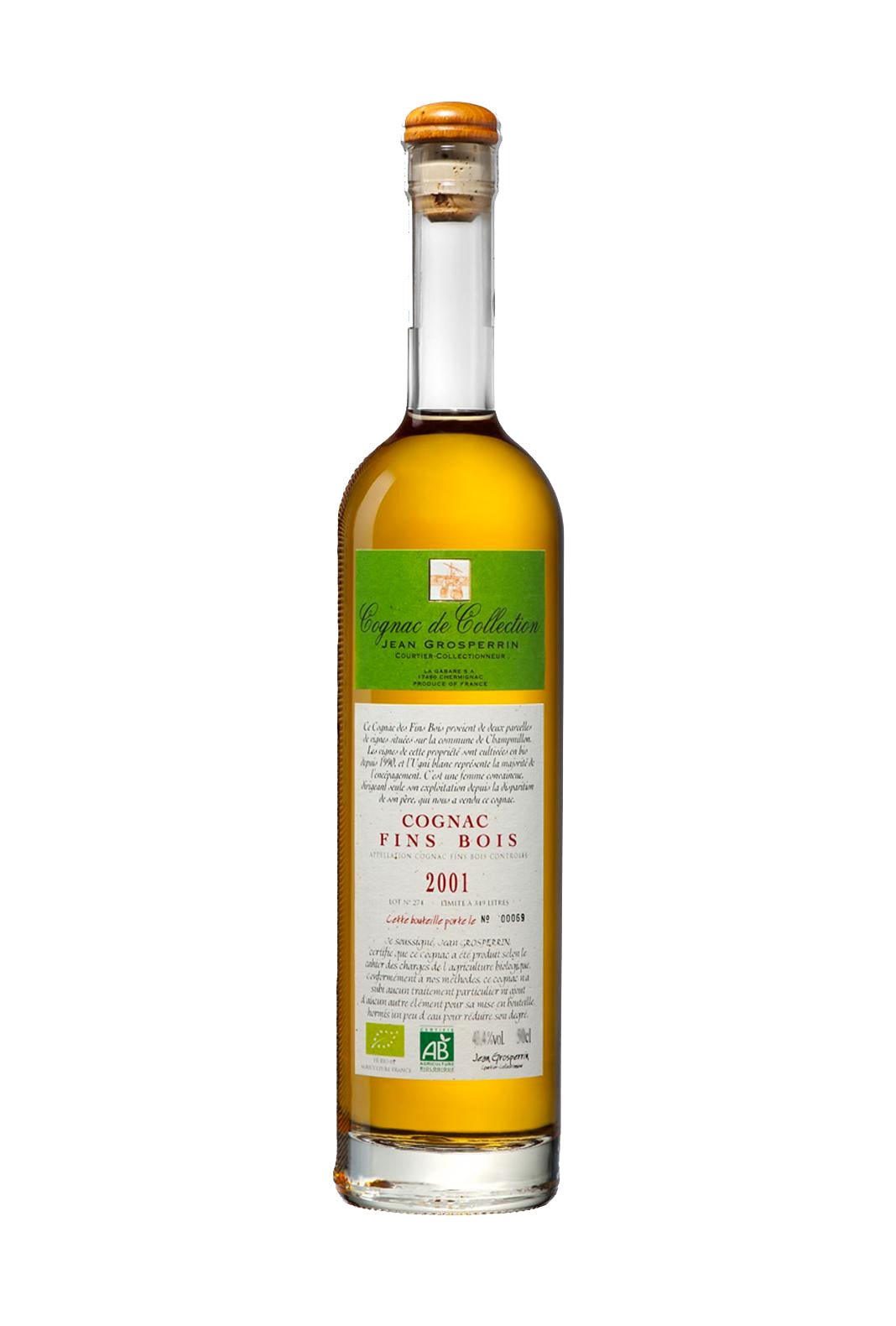
Grosperrin Cognac 20ans (2001) Fins Bois ORGANIC 49.7% 350ml
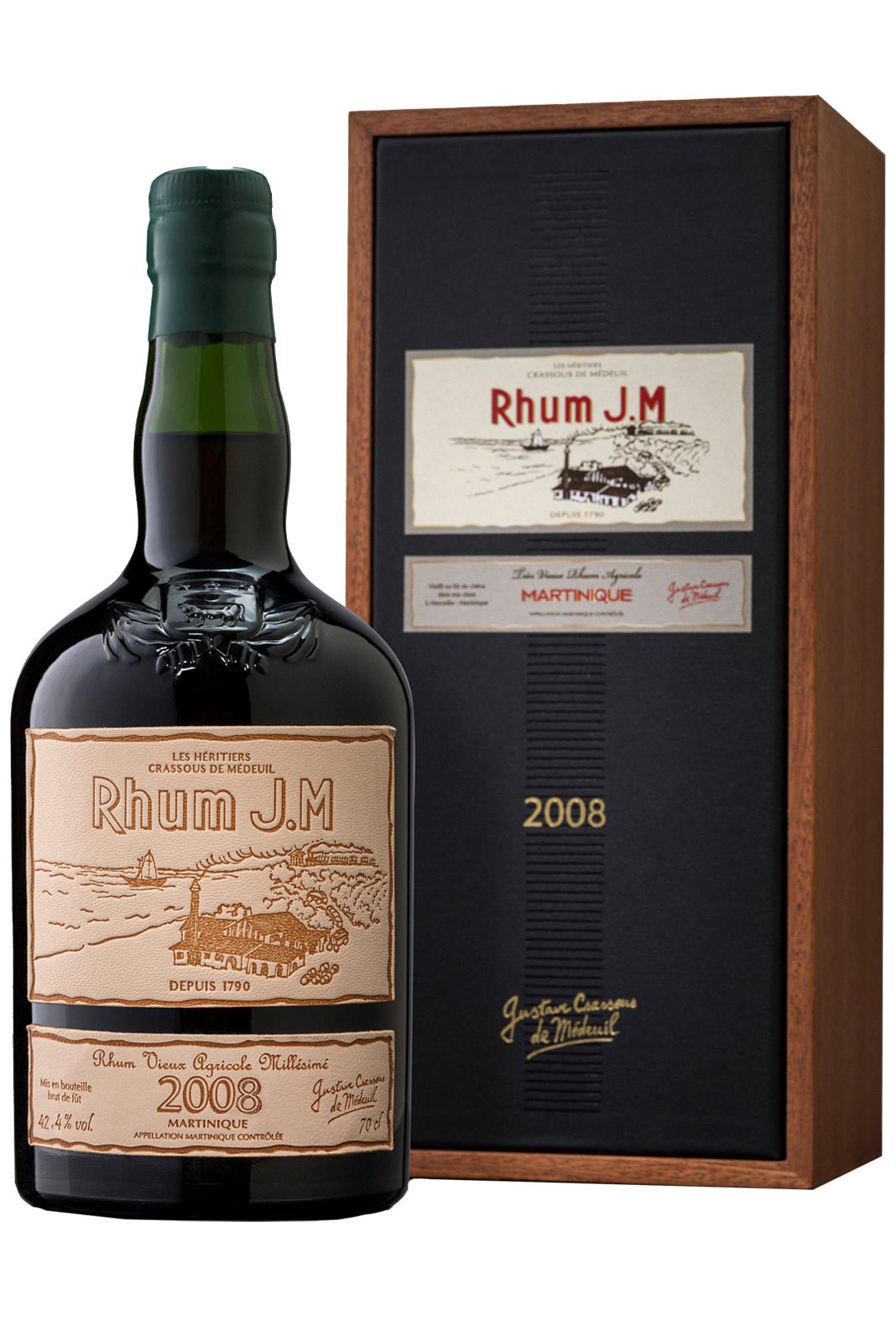
J.M Rhum Agricole 2008 42.4% 700ml
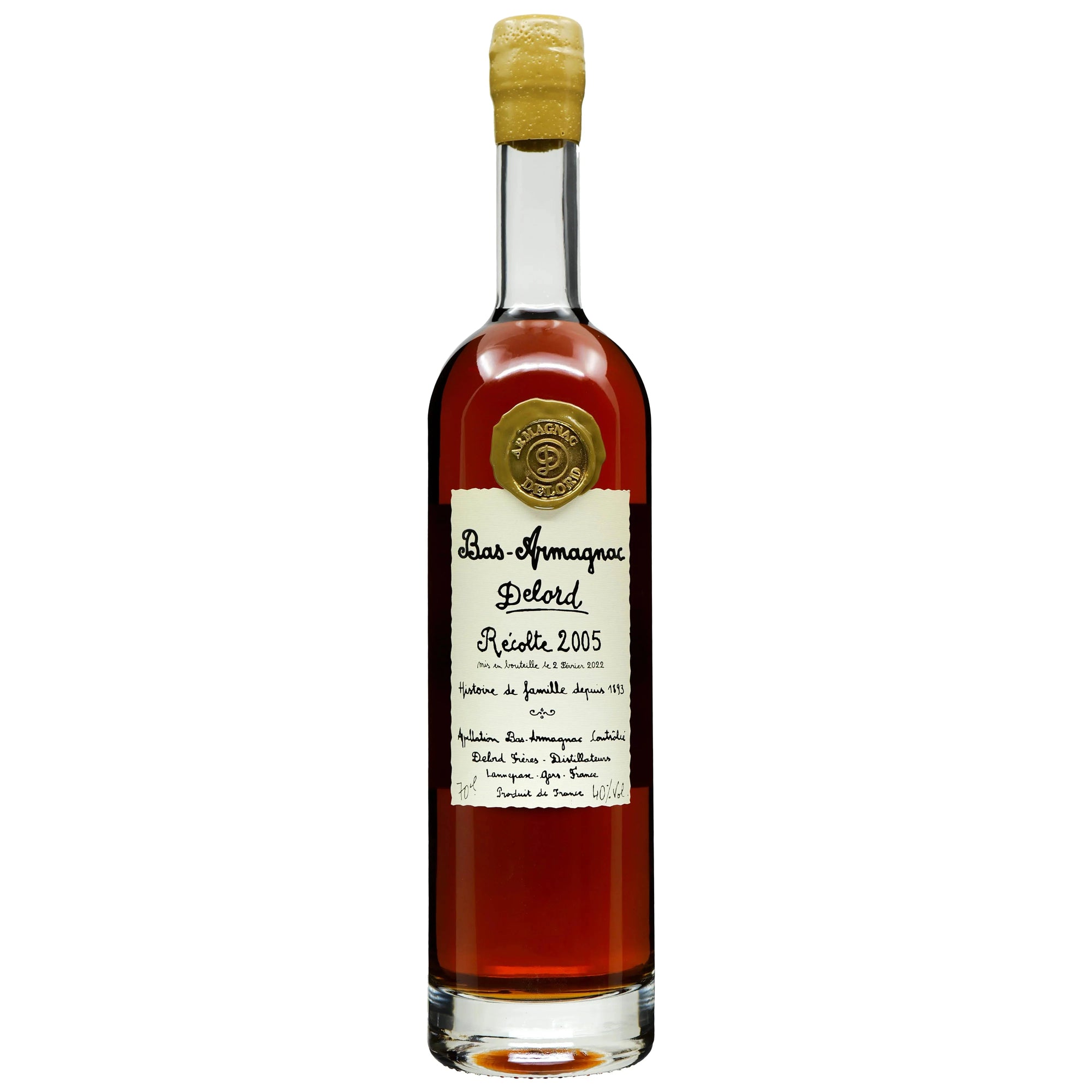
Delord 2005 Bas Armagnac 40% 700ml
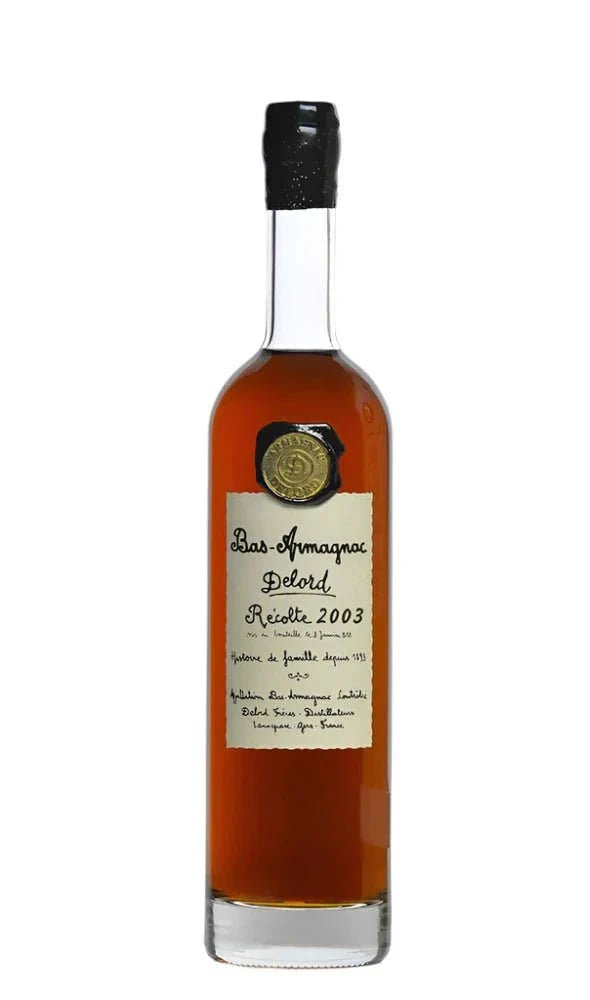
Delord 2003 Bas Armagnac 40% 700ml
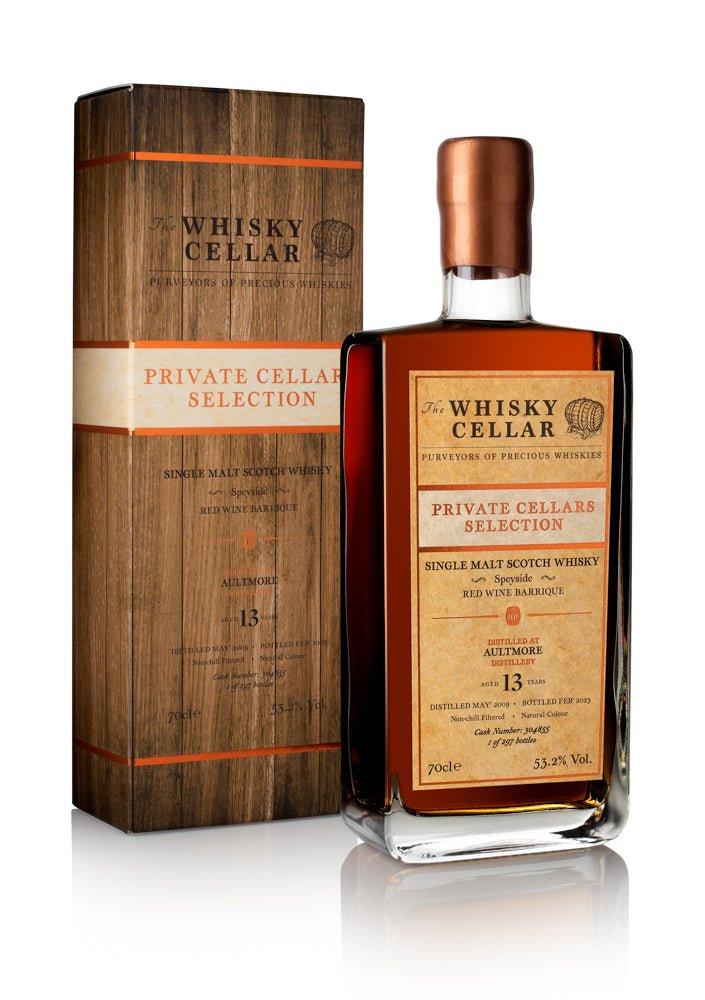
Aultmore 2009 13 year old - The Whisky Cellars 700mL
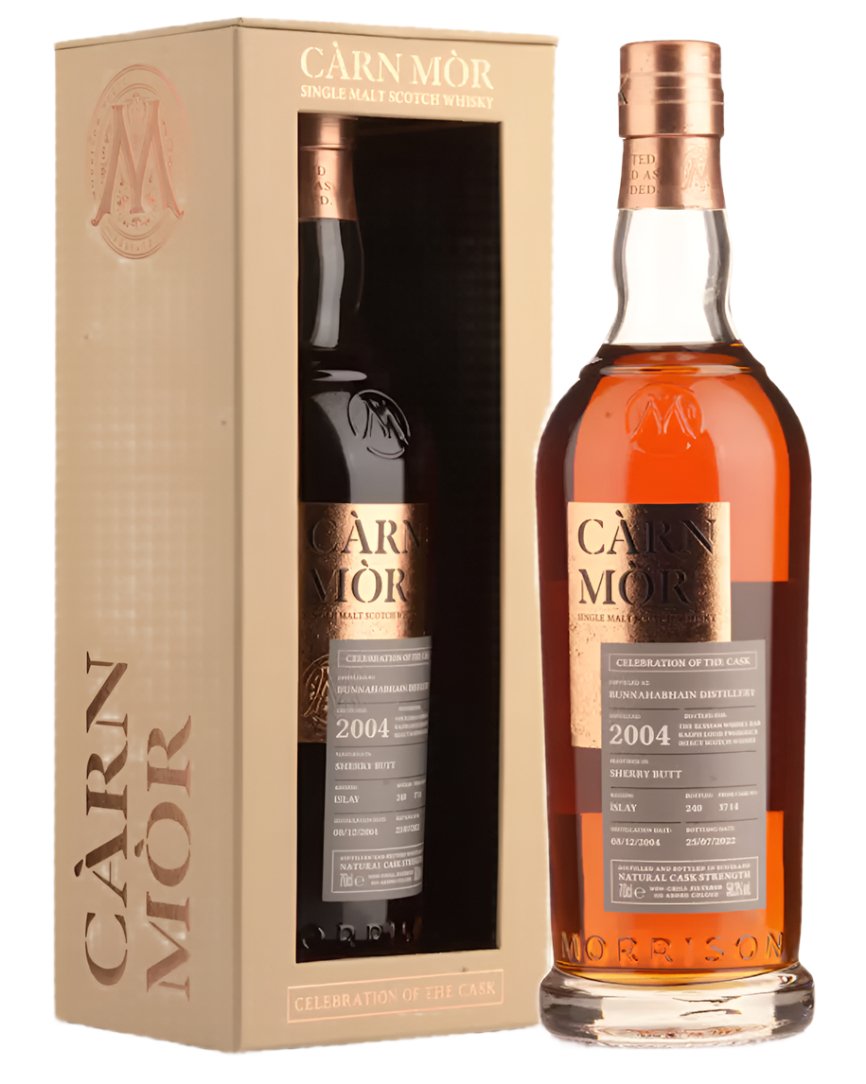
Bunnahabhain 17 Year Old 2004 Carn Mor Celebration of the Cask 3714 For SSW, Elysian & RLF Scotch Whisky 700ml
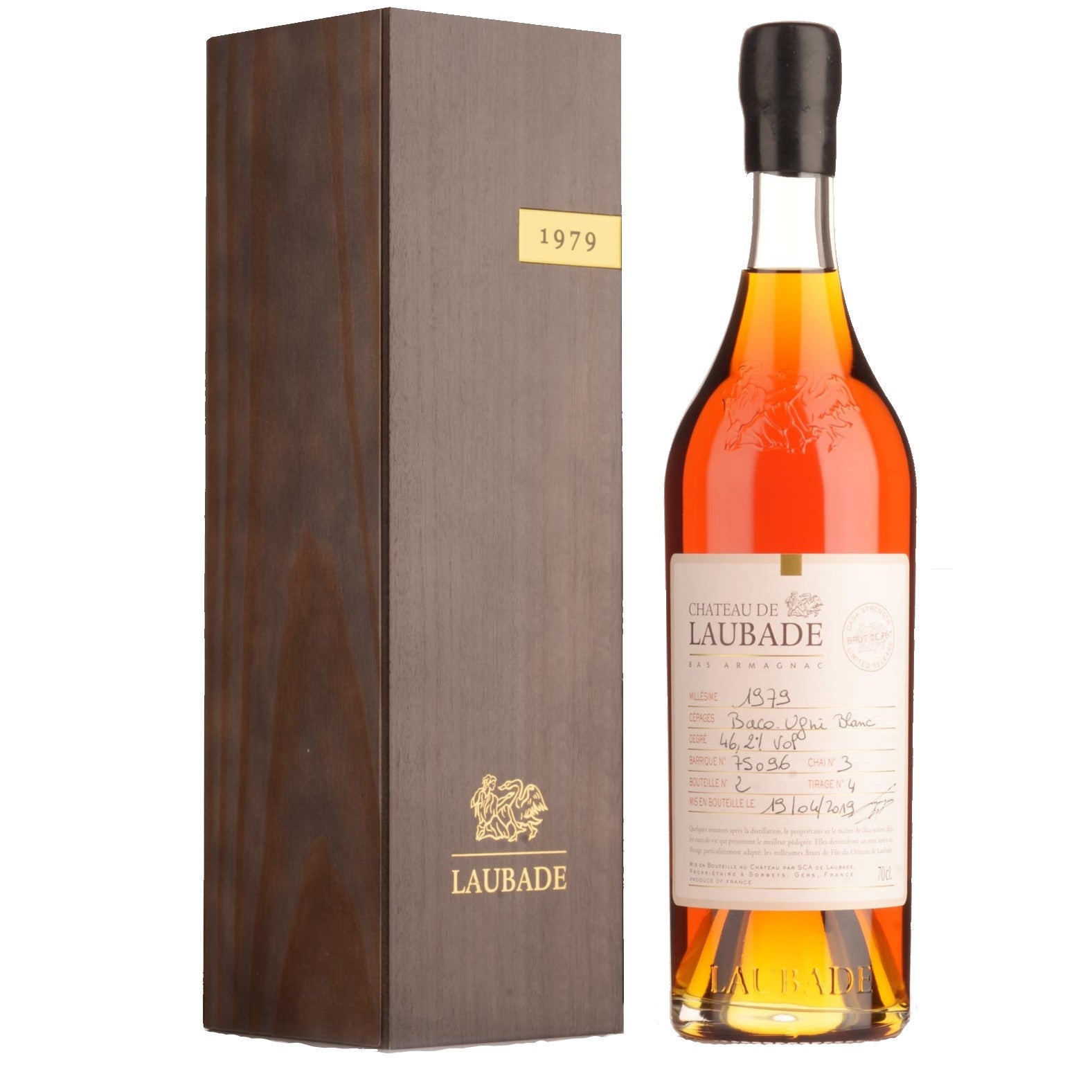
Chateau de Laubade Vintage 2000 Cask Strength Bas Armagnac 52.4% 700ML
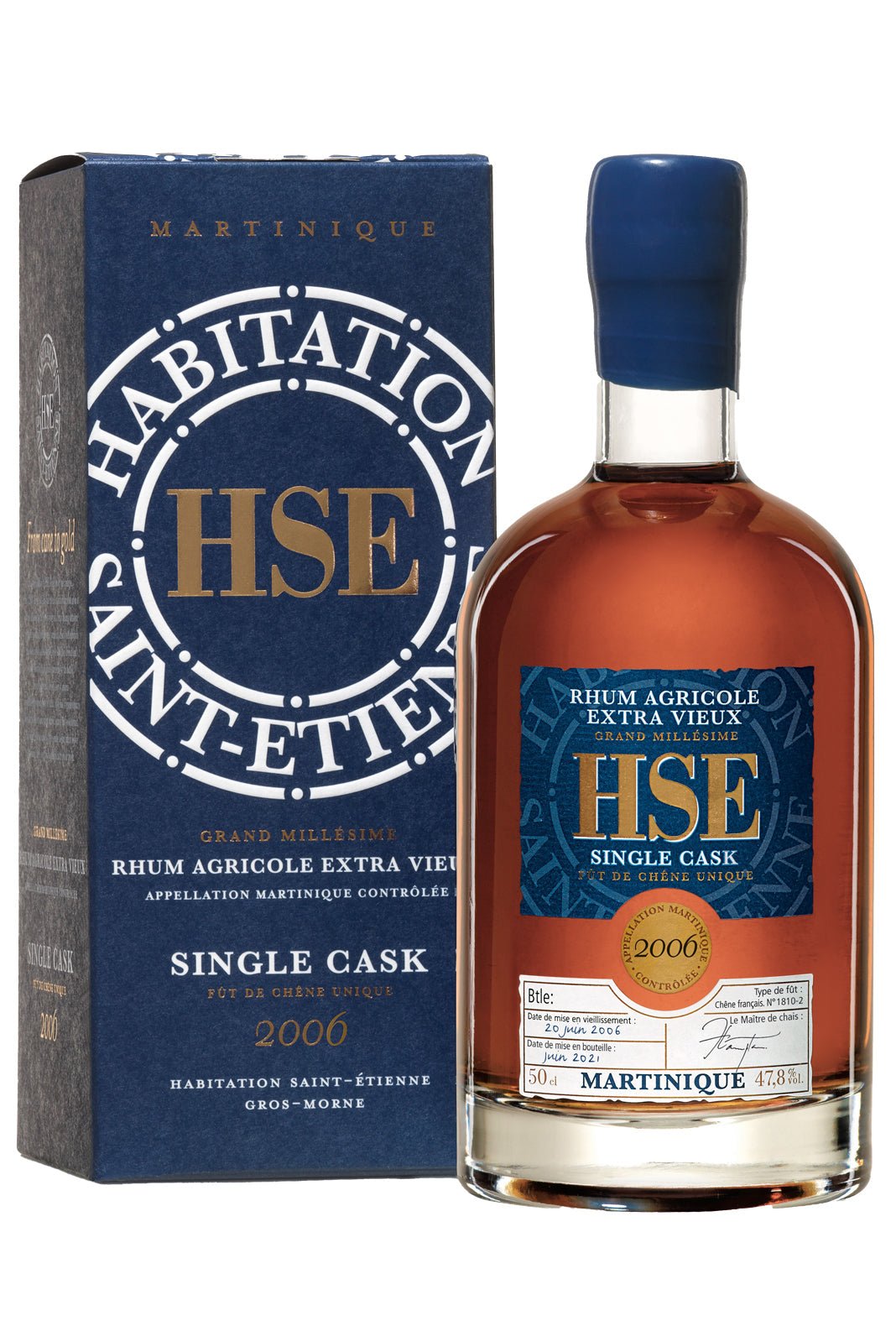
Habitation Saint Etienne2006 Rum Single Cask 47.8% 500ml
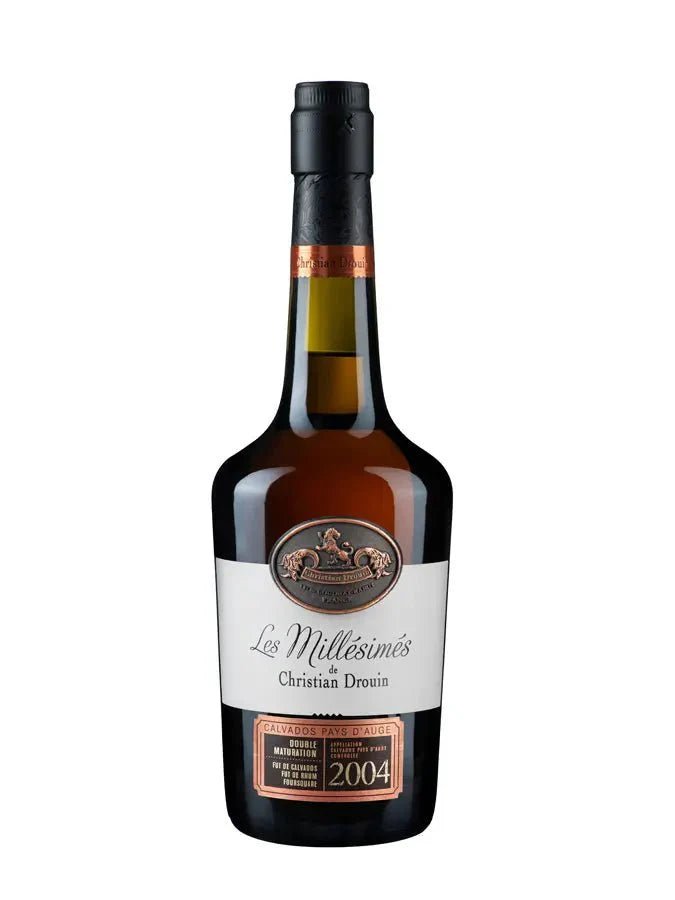
Christian Drouin 2004 Pays d'Auge Calvados 42% 700ml
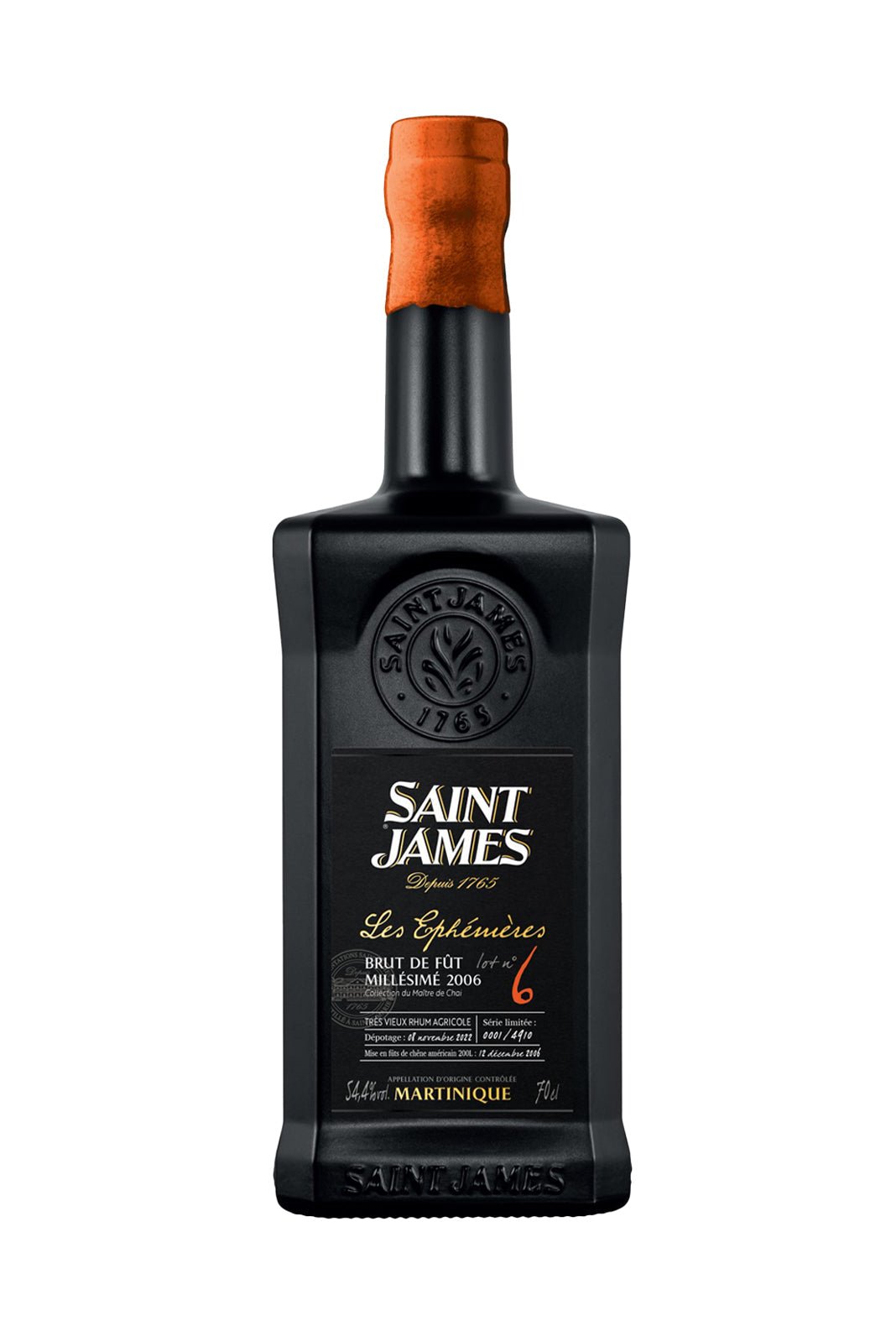
Saint James Rhum Agricole 2006 54.4% 700ml
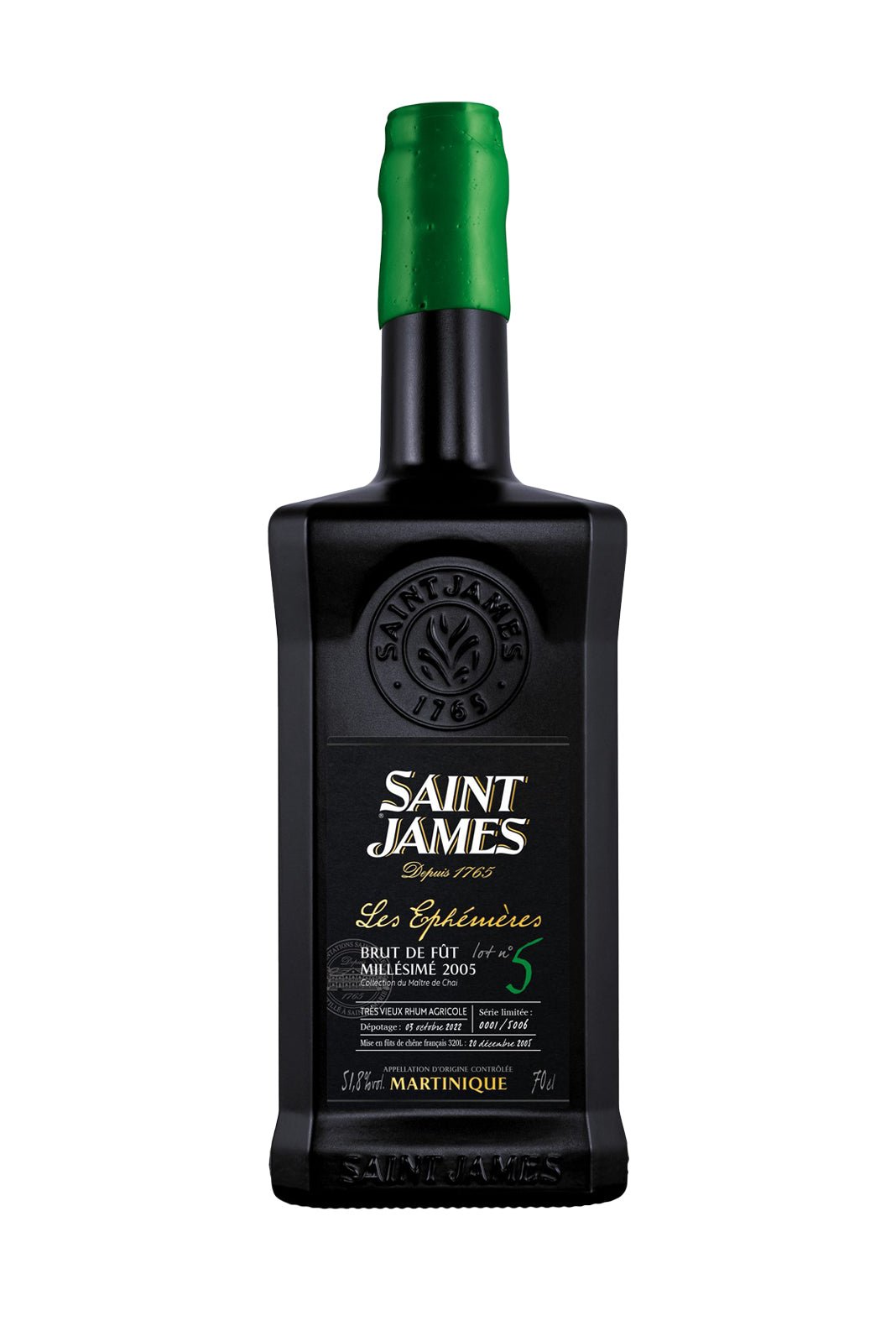
Saint James Rhum Agricole 2005 51.8% 700ml
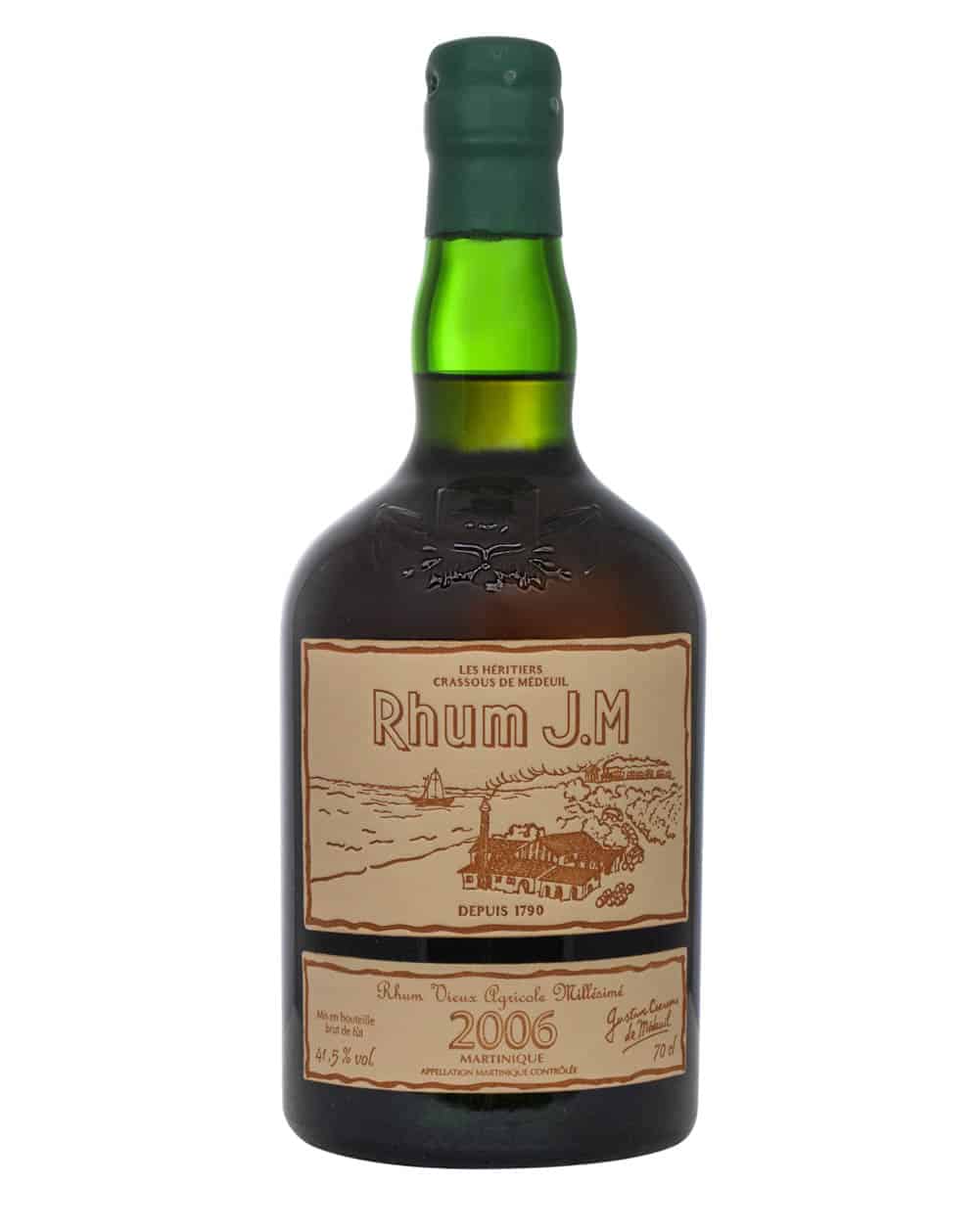
JM Rum AOC Agricole Rum 2006 41.5% 700ml
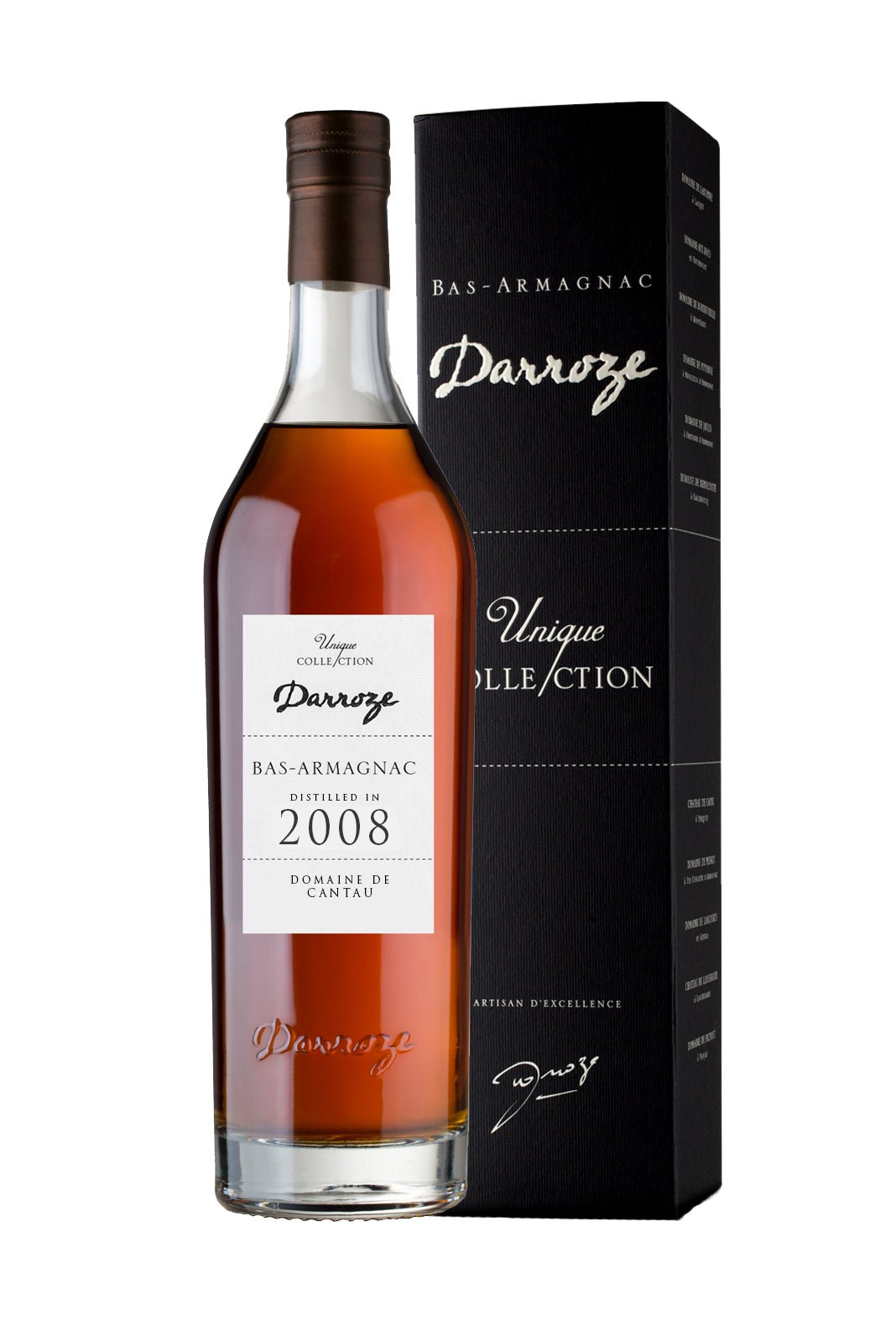
Darroze 2008 Cantau Grand Bar Armagnac 50% 700ml
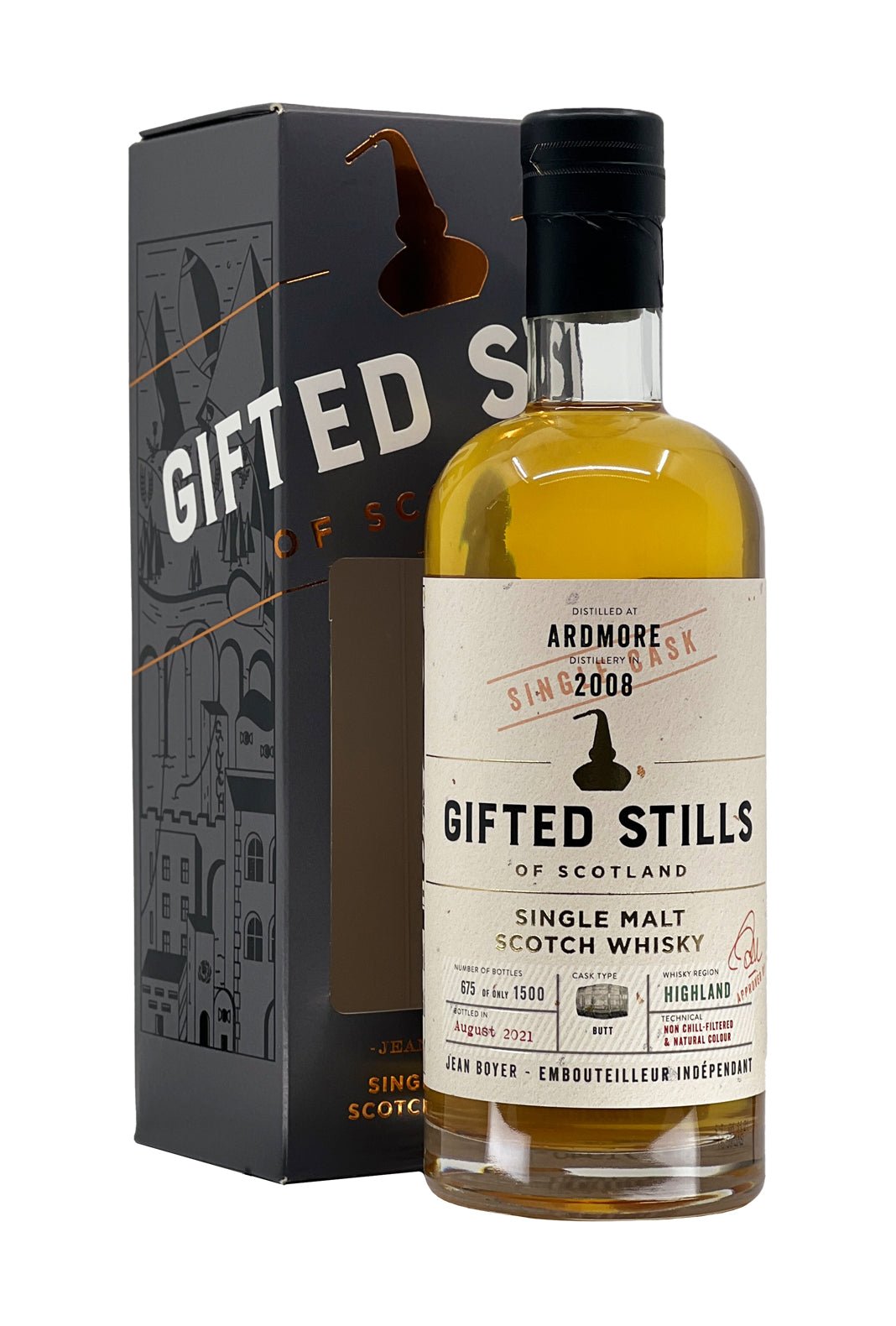
Jean Boyer Ardmore 2008 Scotch Whisky 43% 700ml
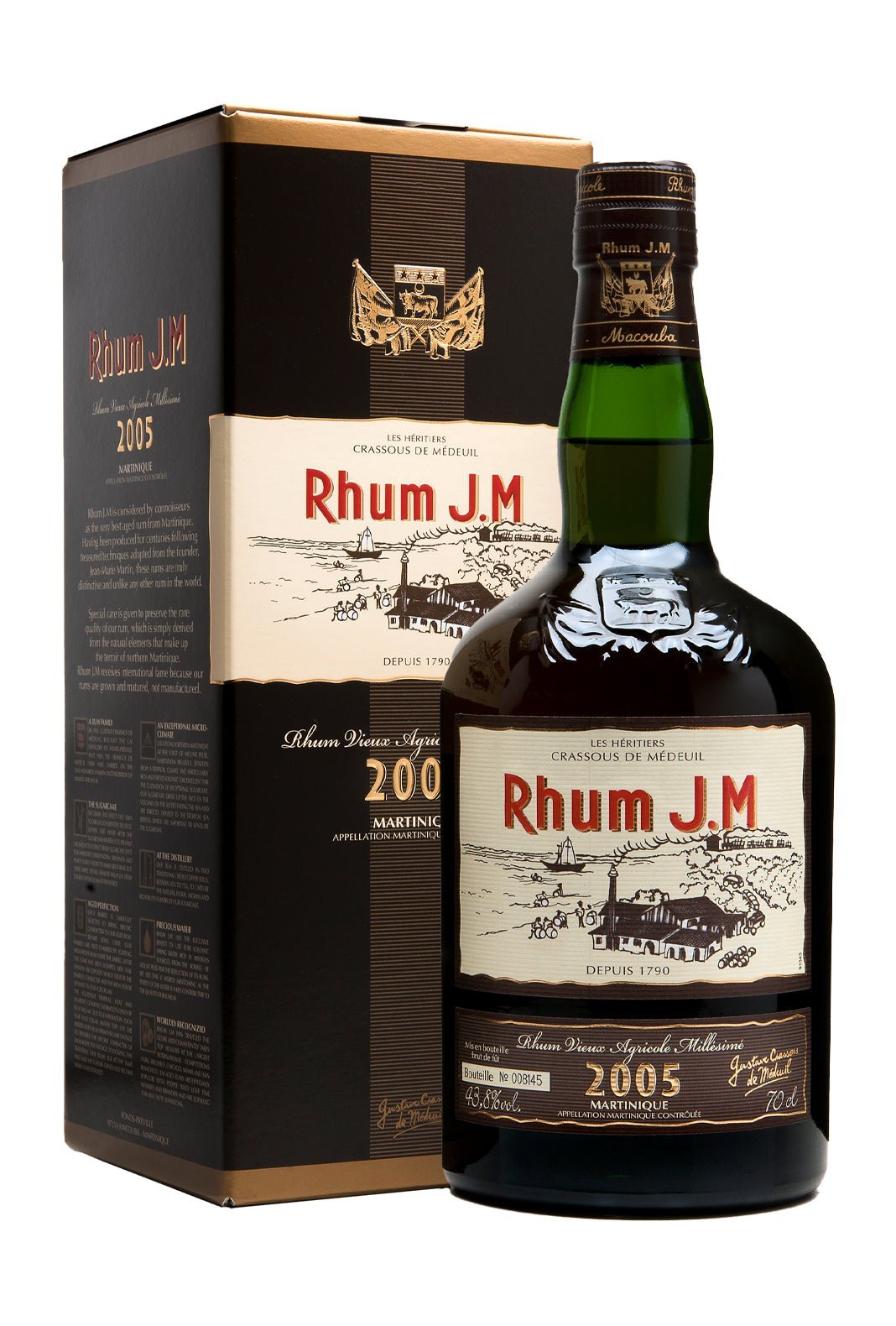
JM Rum AOC Agricole 2005 42.4% 700ml
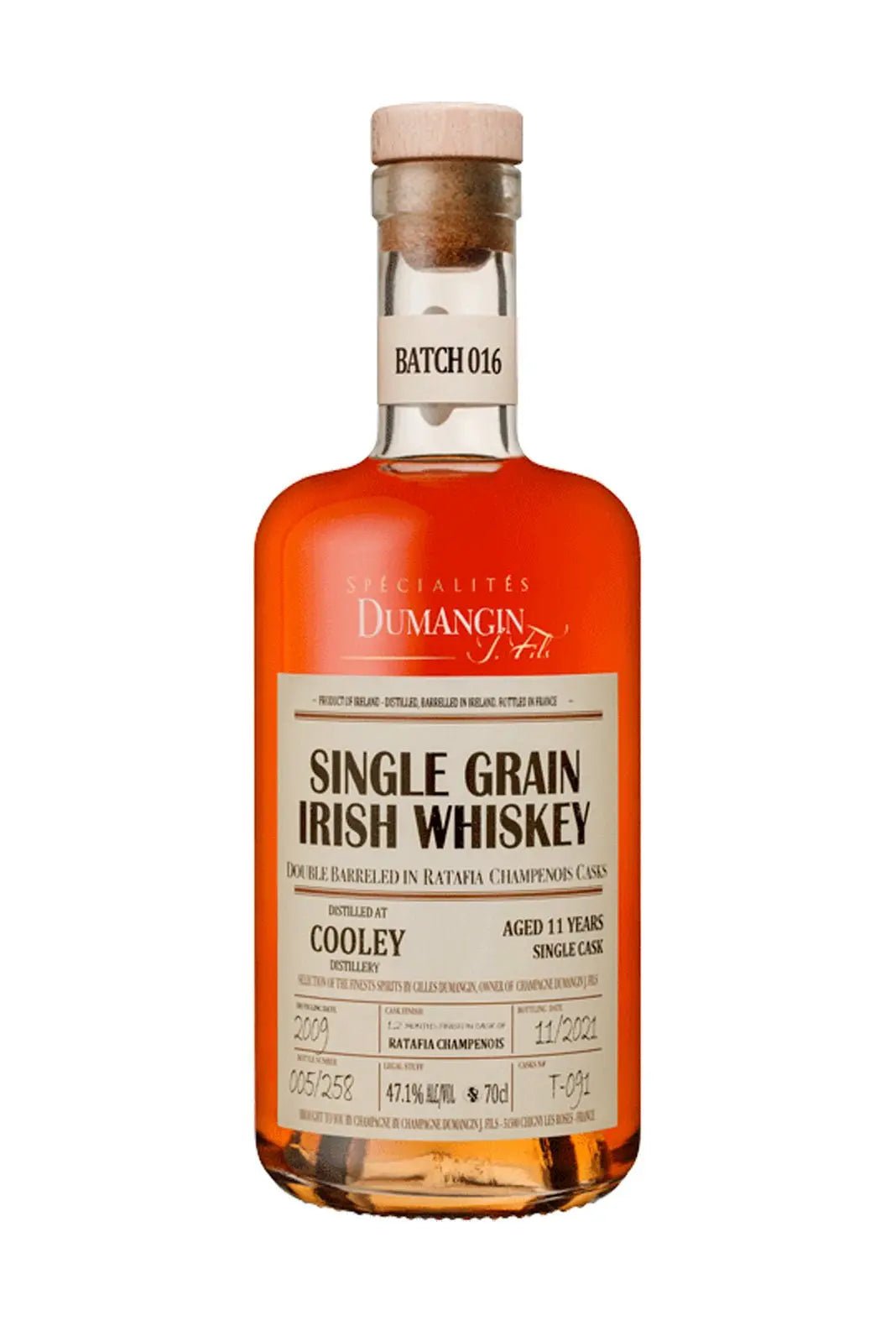
Batch 016 Cooley (Ireland) 2009 Single Grain Whiskey 47.1% 700ml
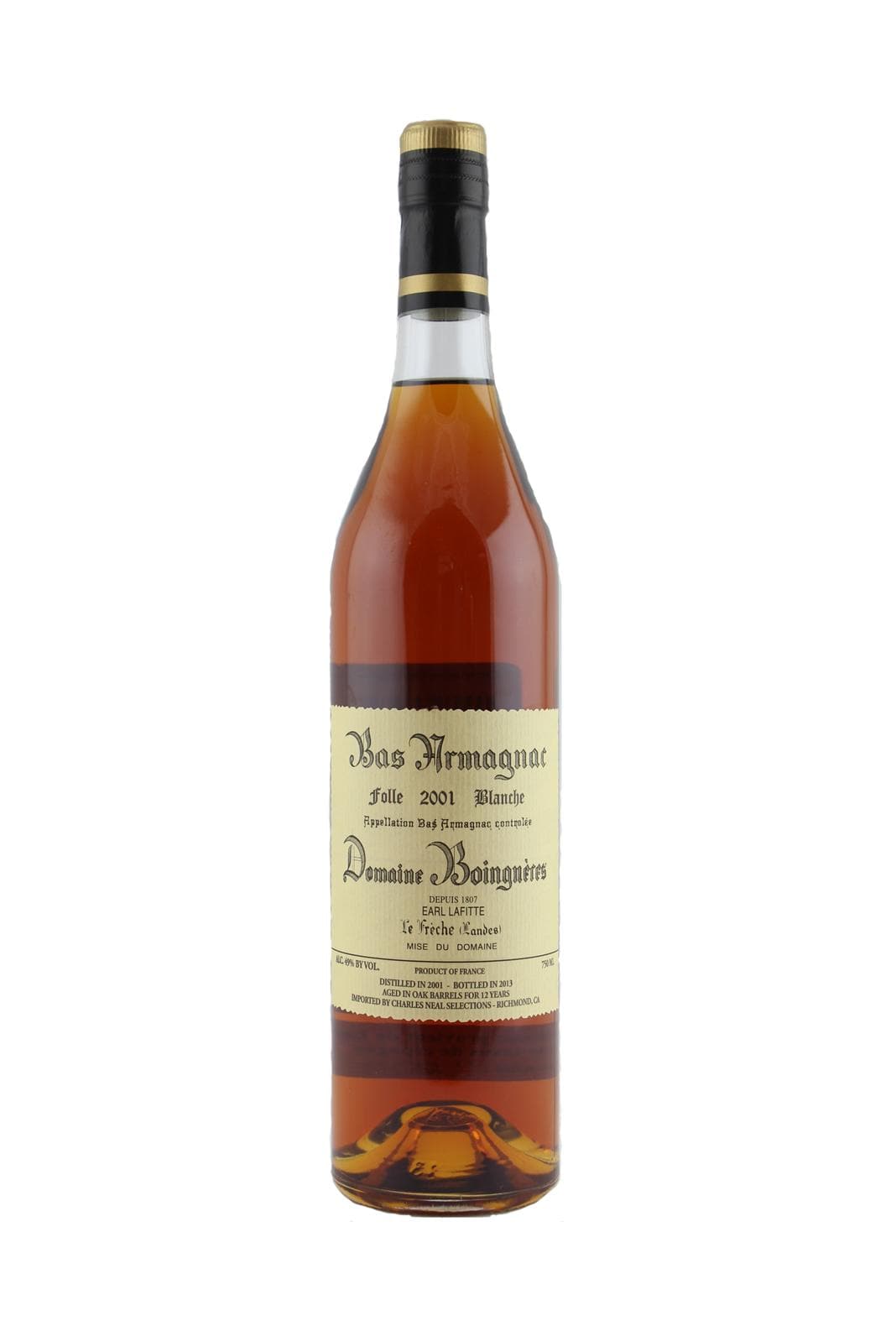
Boingneres Bas Armagnac 2001 49% 700ml
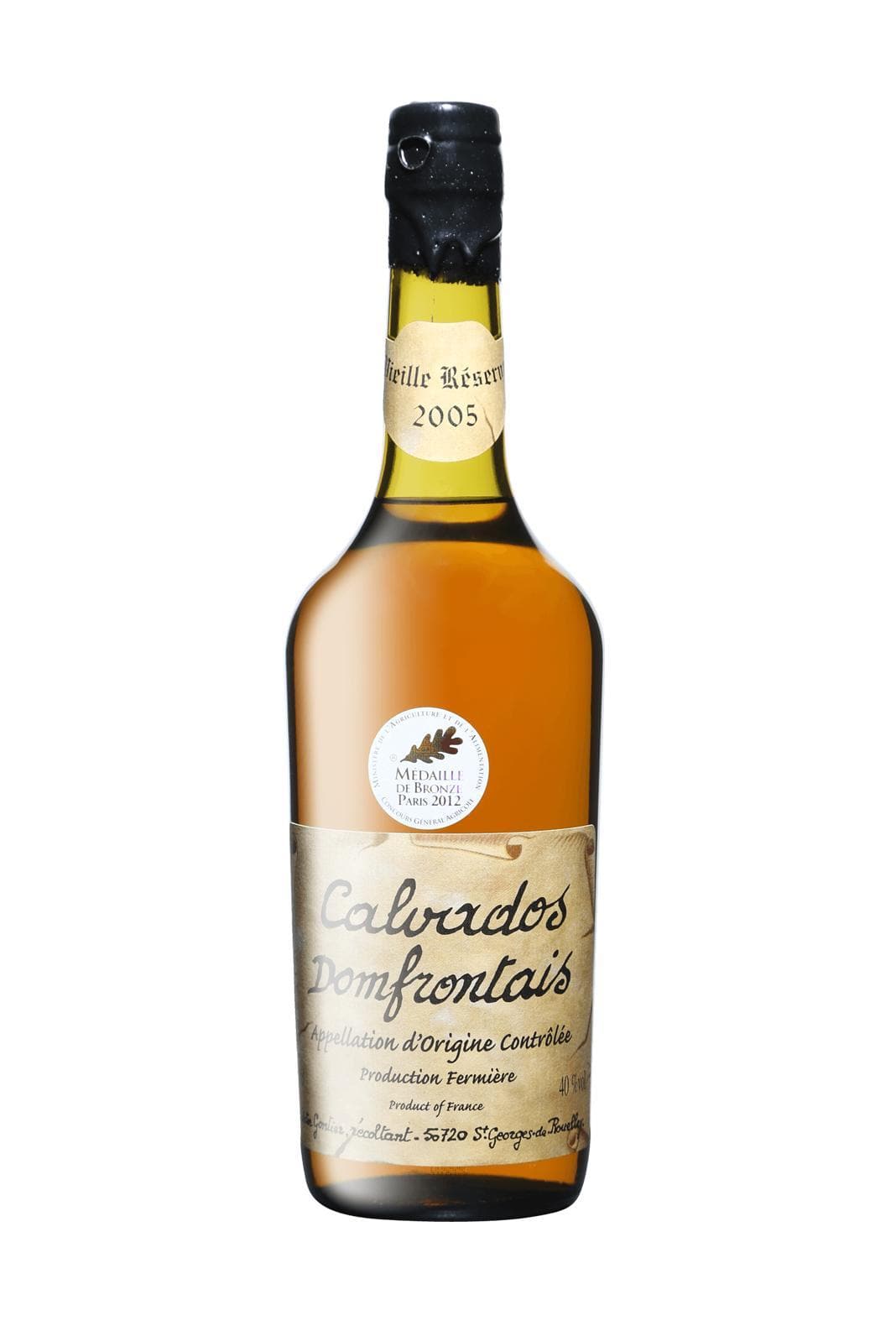
Victor Gontier Calvados Domfrontais 2005 42% 700ml
About 2000s Vintages
Two terms matter on this page. A single vintage comes from one year's harvest or distillation, and that year is on the label. A single cask comes from one barrel, so each bottling reflects that barrel alone.
Armagnac covers most of the decade. Delord has 2003, 2005 and 2008 Bas Armagnac at 40%. From Darroze: 2001 Mertin at 49% (700ml and 200ml), 2005 Paguy at 49.7% (200ml) and 2008 Cantau at 50%. Chateau de Laubade Vintage 2000 is a cask strength Bas Armagnac at 52.4%. See the Darroze vintage collection.
Christian Drouin has Vintage 2000, plus 2002 and 2004 Pays d'Auge, all at 42%. Victor Gontier has Calvados Domfrontais 2005 (700ml) and 2008 (500ml). Browse Christian Drouin.
For rhum: J.M Rhum Agricole 2005, 2006 and 2008; Saint James 2005 and 2006, plus a St James single cask 2003 at 56.4%; Habitation Saint Etienne 2006 single cask and 2005 Highland Finish; and Bielle 2008 at 48%. Start with agricole rhum.
Cognac and whisky round it out: Grosperrin 20 ans (2001), an organic Fins Bois at 49.7%, then Mannochmore 2008, Jean Boyer Tomatin 2008, Old Perth 2009, Bunnahabhain 17 Year Old 2004, Batch 016 Cooley 2009 and Dumangin Batch 011 Fettercairn 2008.
A person born in 2005 turns 21 in 2026. Our guide to birth year spirits covers the basics.
History
Several houses on this page passed to a new generation during the 2000s, the same years these spirits were distilled.
At Delord in Lannepax, brothers Sylvain and Jérôme formed a new partnership in 2001: one handles nosing, tasting and blending, the other promotion. The family has made Armagnac for four generations, since Prosper Delord began distilling in 1893. At Christian Drouin, Guillaume Drouin joined in 2004 as the third generation, and he now creates the blends with his father. The house had moved production in 1991 and 1992 to a 17th-century farm at Coudray-Rabut, near Pont-l'Évêque. Victor Gontier makes Calvados Domfrontais. At Grosperrin, Guilhem Grosperrin took over the family Cognac business in 2004, five years after it began.
Darroze draws on about 30 estates and states the bottling date. At Chateau de Laubade in Sorbets, Maurice Lesgourgues revived vintage bottling in 1974, and the estate still distils in a still custom built that year.
In Martinique, J.M has distilled at the foot of Mount Pelée since Jean-Marie Martin bought the estate in 1845, using copper Creole columns. Saint James released its first vintage, 1885, and Martinique rhum agricole gained its AOC in 1996.
How to drink it
These spirits are younger than the older vintages in the series, but they still reward the same unhurried approach. Start with about 30ml, neat, at room temperature, in a tulip glass. Keep ice out of the first pour.
Strength varies widely on this page: the Delord vintages are at 40% and the St James single cask 2003 is at 56.4%. Water helps at higher strengths: add a few drops at a time and taste as you go. The Darroze and Laubade Armagnacs, at 49% to 52.4%, and the Saint James bottlings above 50% are worth trying both ways.
Compare within a category. The Gontier Domfrontais sits well beside the Drouin Pays d'Auge. The J.M and Saint James vintages from neighbouring years show how two Martinique distilleries differ. Small measures side by side make the differences easier to notice.
For a 21st, consider a smaller format. The 200ml Darroze bottles, the 350ml Grosperrin and the 500ml Gontier 2008 and Habitation Saint Etienne bottles let someone try a vintage spirit without committing to a full 700ml, and they suit a shared tasting.
The whisky on this page works the same way: neat first, then a few drops of water if the strength calls for it.
Once opened, keep bottles upright, tightly sealed and out of direct light. A birth-year bottle can stay closed until the occasion. Serve to guests aged 18 and over, pour modest measures, and plan a safe way home.