
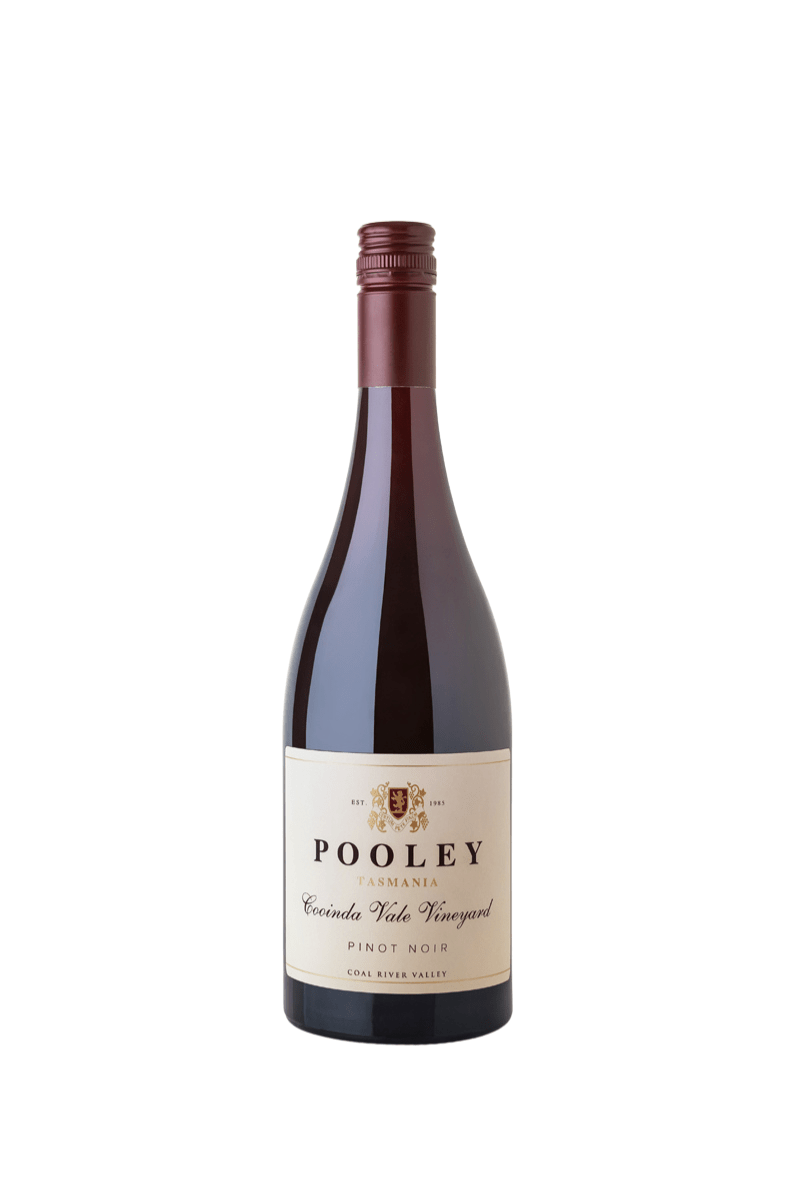
Pooley Cooinda Vale Pinot Noir 2024

Jasper Hill Lo Stesso Fiano 2026

Pooley Butchers Hill Cane Cut Riesling 375ml 2025
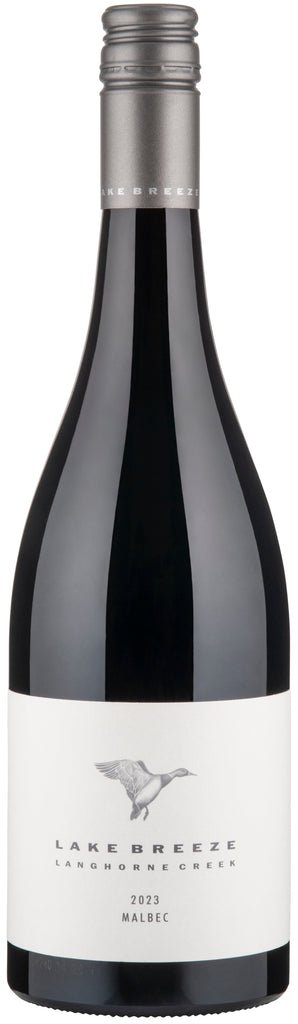
Lake Breeze Malbec 2023

Pooley Butchers Hill Riesling 2025
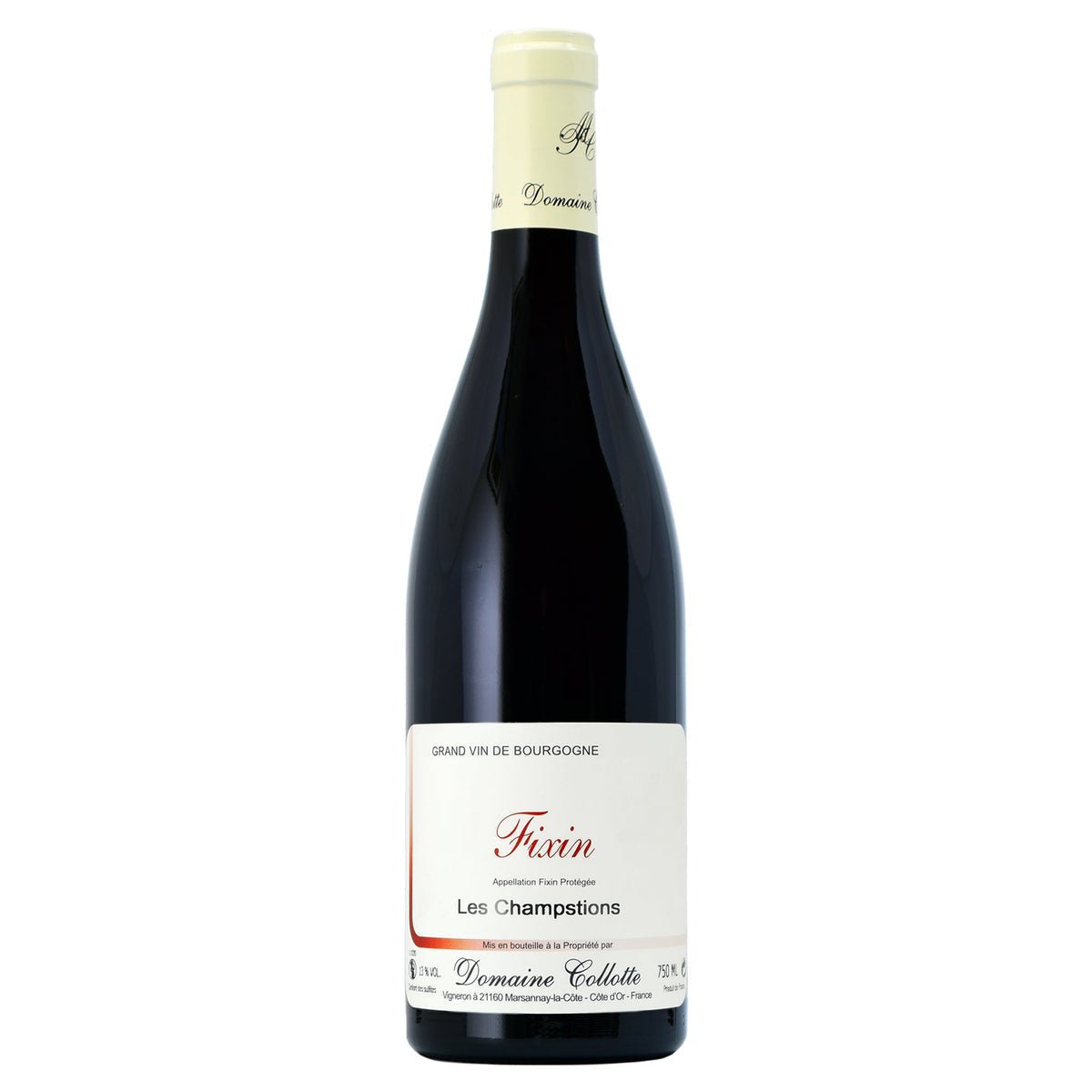
Domaine Collotte Fixin Les Champstions 2024

Burklin-Wolf Riesling Dry 2024

Domaine Collotte Bourgogne Blanc 2024
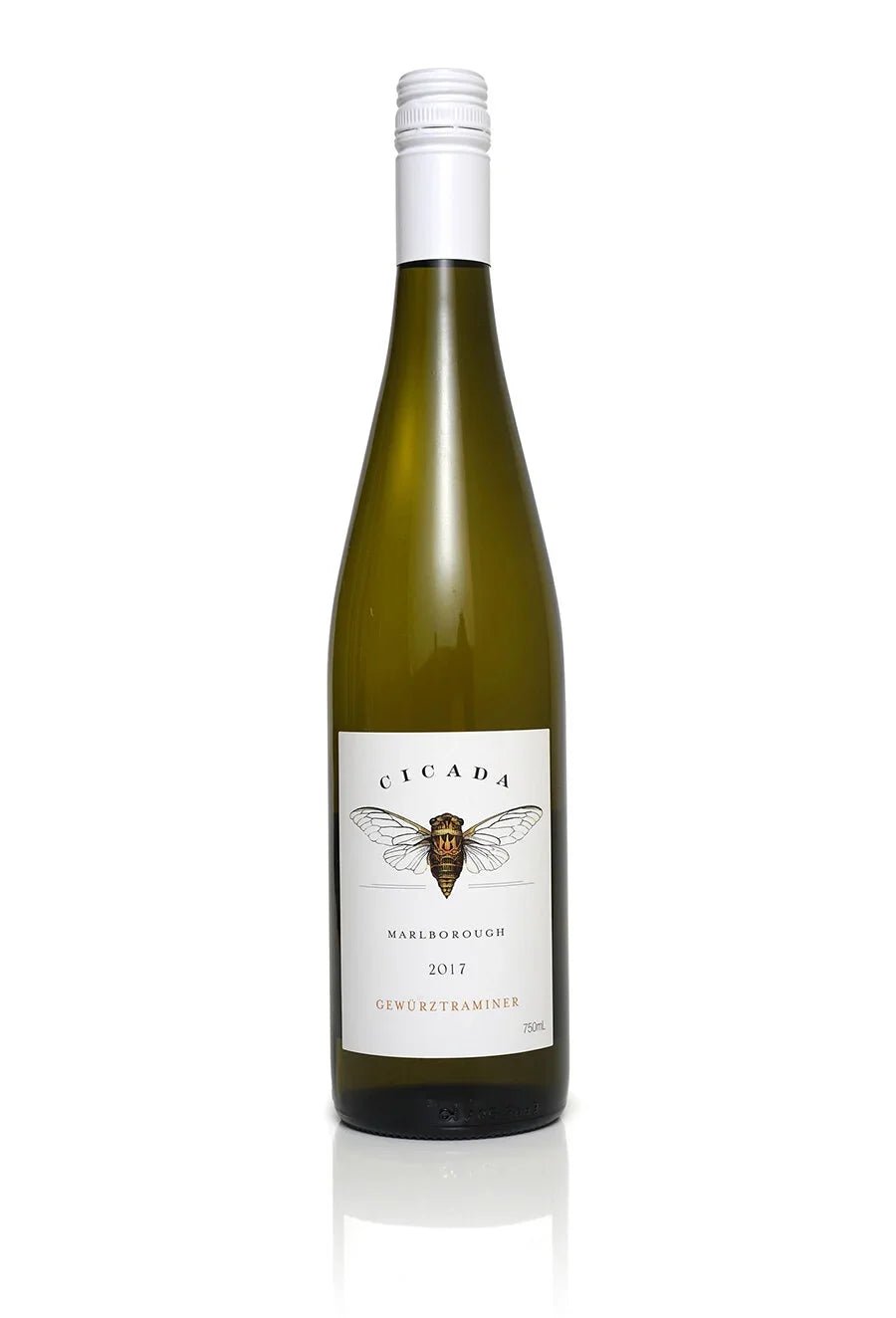
Cicada Gewurztraminer 2025

Lucien Muzard Bourgogne Rouge 2024

Christian Moreau Petit Chablis 2025

Riverby Estate Sali's Block Riesling 2024

Bonnaire Cramant Grand Cru Blanc de Blancs 2014

Riverby Estate Gruner Veltliner 2024
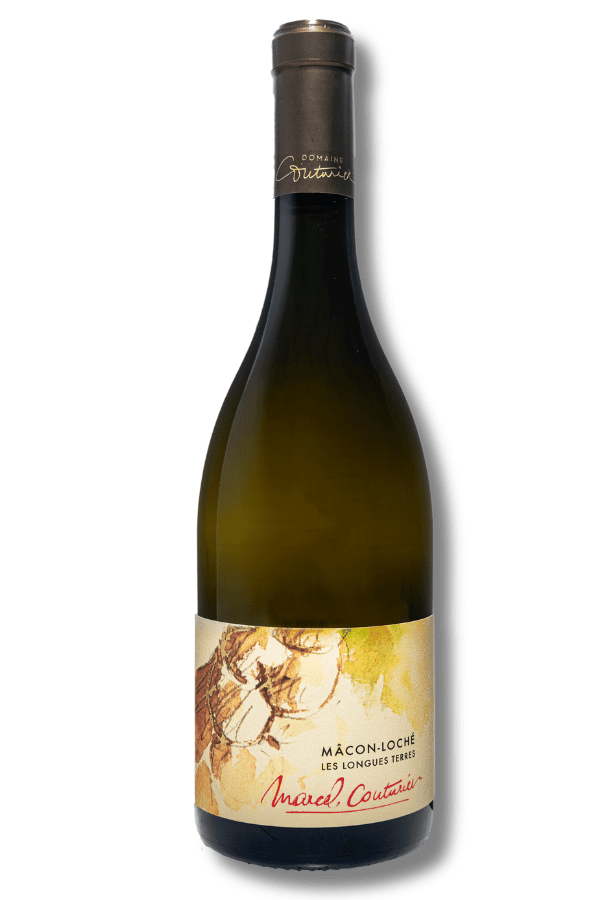
Marcel Couturier Macon-Loche Les Longues Terres 2023
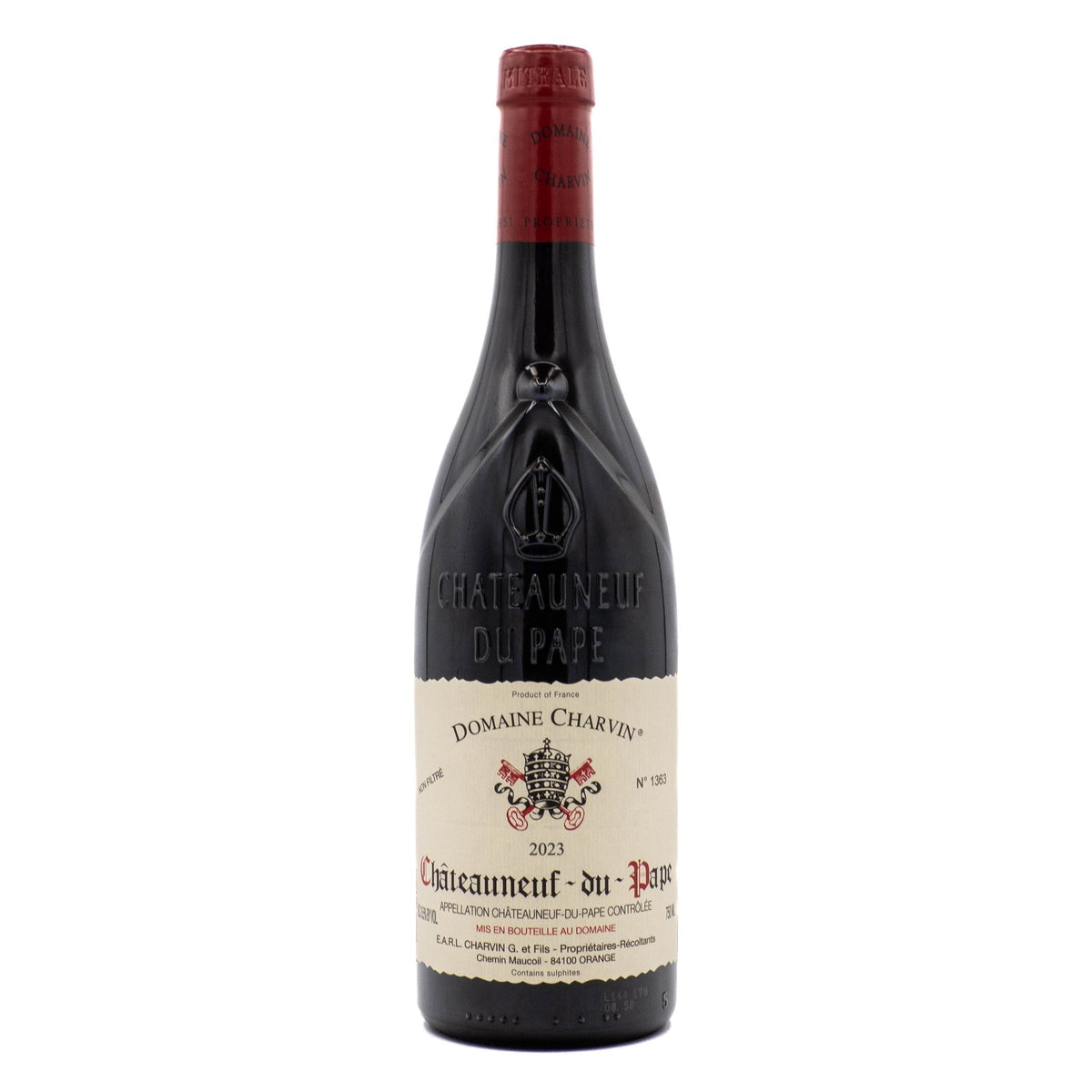
Charvin Chateauneuf-du-Pape 2023
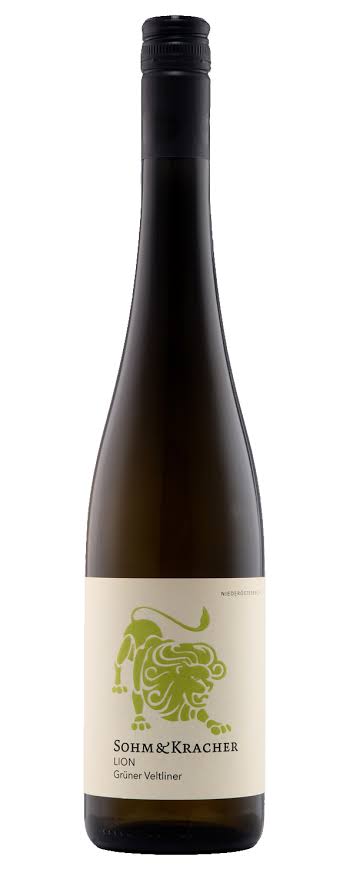
Sohm & Kracher Lion Gruner Veltliner 2025

Riverby Estate Dry Riesling 2025
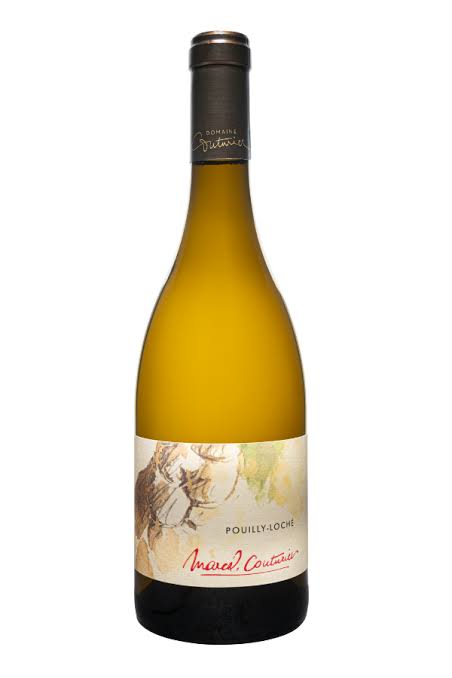
Marcel Couturier Pouilly-Loche Le Bourg 2023

Chateau du Cedre Juveniles Cahors 2023
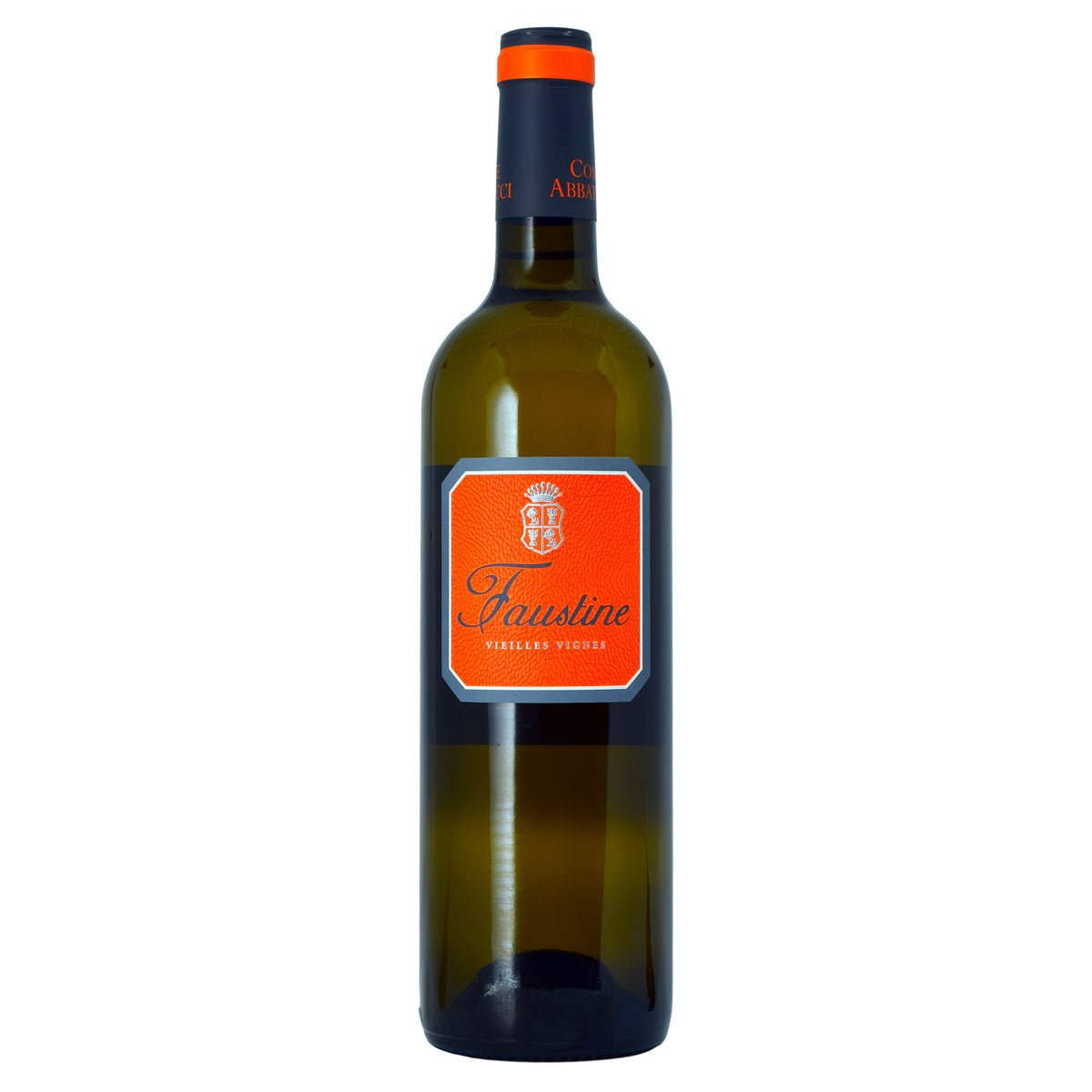
Abbatucci Faustine Blanc 2023

Riverby Estate Sauvignon Blanc 2025
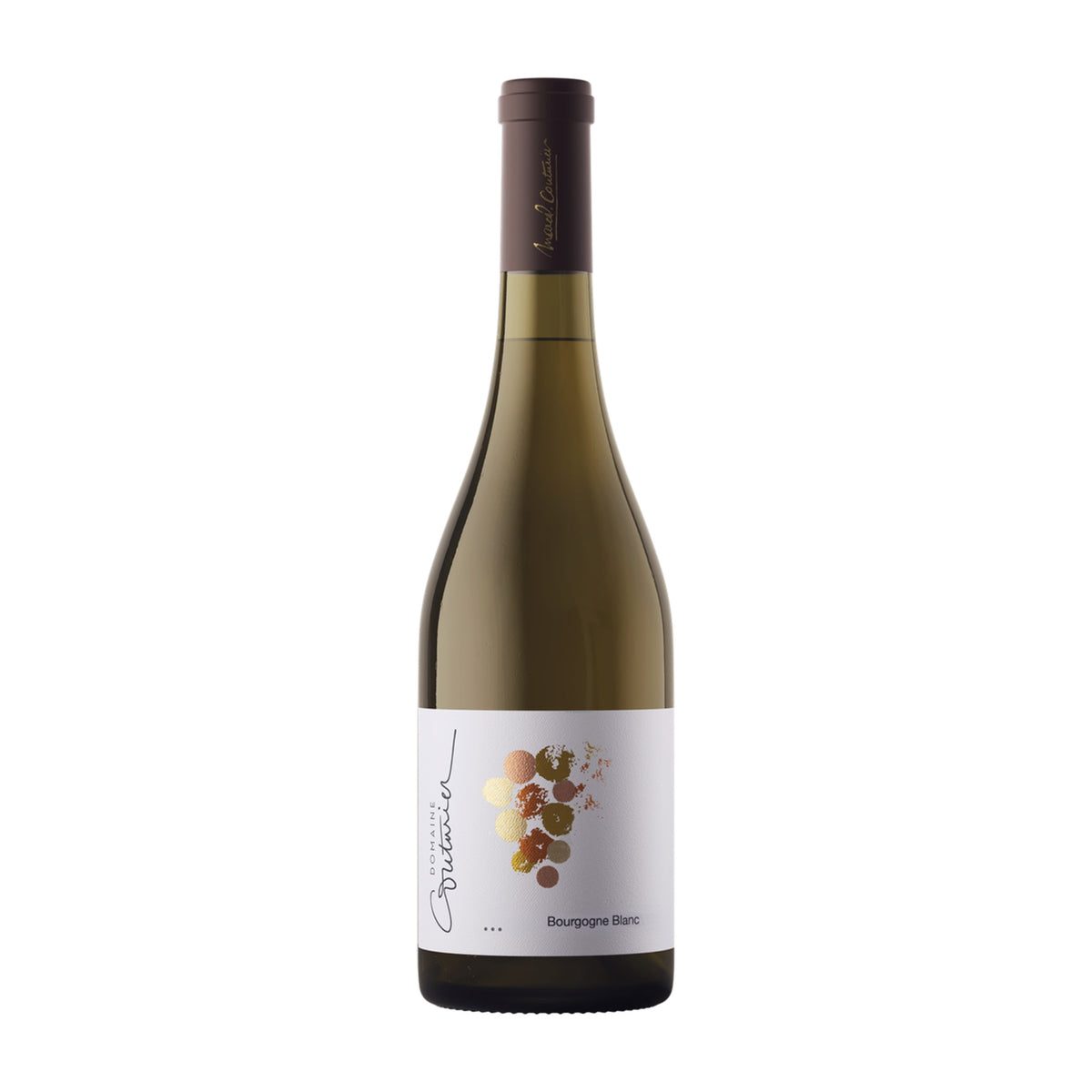
Marcel Couturier Bourgogne Blanc 2023
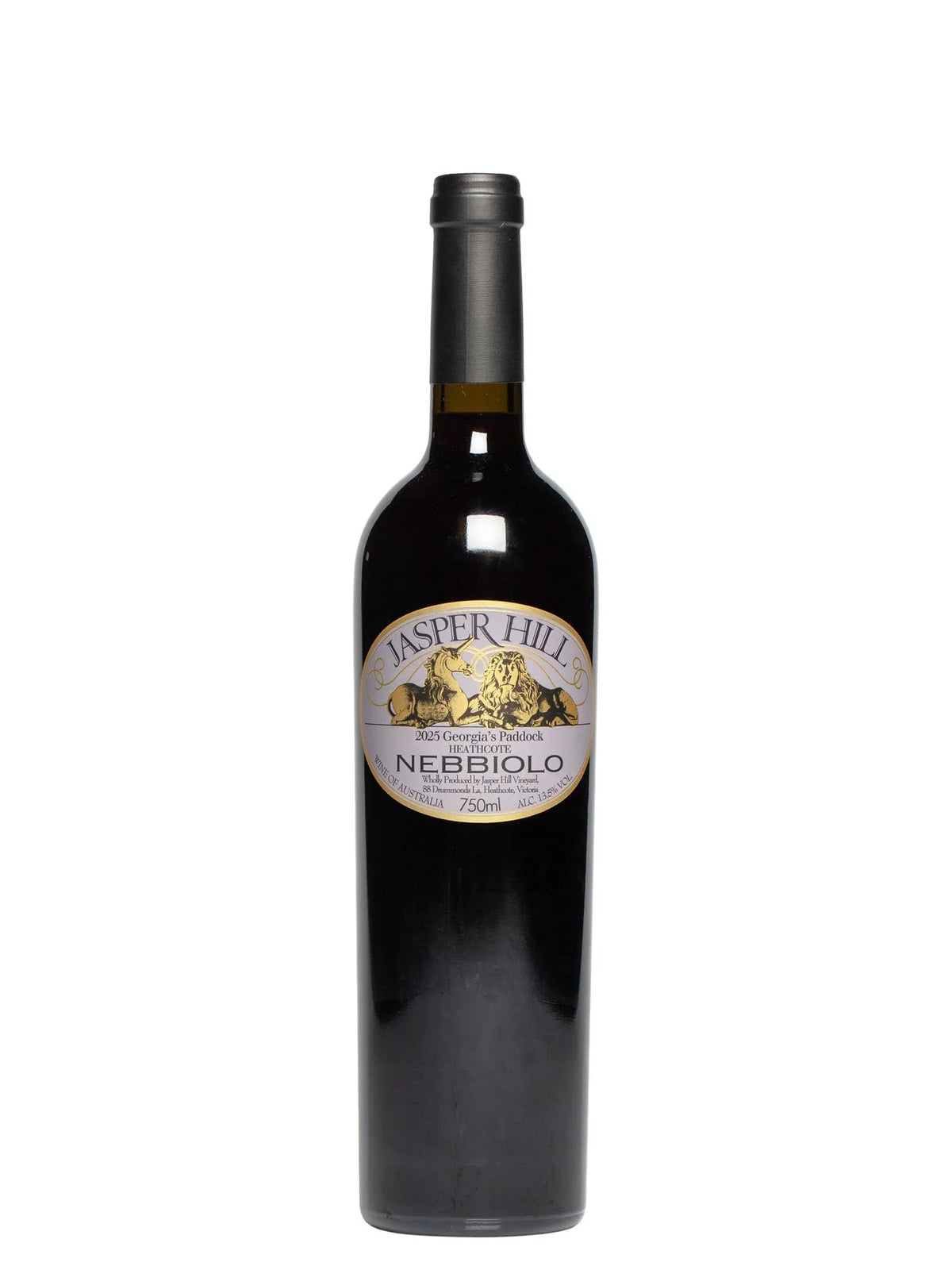
Jasper Hill Georgia's Paddock Nebbiolo 2025
About Wine
This is the hub page for every wine on the site, and it is worth knowing how it is weighted before you start. Australia and France between them cover most of it. Italy, Spain, Portugal, the United States and New Zealand make up the rest.
The Australian side leans on small and mid sized producers rather than supermarket labels. Shiraz is the most common red, with cabernet sauvignon, pinot noir and grenache behind it. Chardonnay and riesling lead the whites. Teusner, Paxton, Lake Breeze, Flametree, Pooley, Nick O'Leary, Tomfoolery, Utopos, Helen's Hill and Port Phillip Estate all appear here, and Woodlands is on the page for its Watson Family rose.
France is split between Champagne and still wine. Gosset, Hebrart and Paul Bara cover the Champagne end, and the still wines run through Chablis, Vouvray from Domaine Pichot, Blaye Cotes de Bordeaux from Tutiac and the warmer south.
Italy is mostly red: Barolo, Chianti, Amarone and Valtellina, with prosecco, Franciacorta, Moscato d'Asti, vermentino and Sicilian marsala alongside them. Spain is anchored by sherry from Fernando de Castilla and Alvear, with Rioja and a small group of whites. Portugal is Kopke in the Douro, in ruby, tawny and white port. The United States and New Zealand are small but deliberate, with Ridge zinfandel and Greystone pinot noir.
If you know the style you want, the rose, sparkling, champagne, sherry and port pages will get you there faster than scrolling this one.
Rose is the style people find hardest to buy blind, and our guide to choosing a rose explains what the colour does and does not tell you.
History
Wine is one of the oldest things people make, and the archaeological record for deliberate grape fermentation runs back thousands of years in the South Caucasus and the eastern Mediterranean. From there the vine followed trade and settlement around the Mediterranean basin, and Greek and Roman growers spread it through most of southern Europe.
European monasteries carried a great deal of the practical knowledge through the medieval period. Monks kept vineyards, kept records and worked out which sites ripened well, and several of the boundaries drawn then still sit under the appellation maps of Burgundy and the Rhine.
The nineteenth century changed the industry twice. Phylloxera, an aphid brought from North America, destroyed a large part of Europe's vineyard area from the 1860s, and the eventual answer was grafting European vines onto resistant American rootstock, which is still standard practice. At about the same time, advances in understanding fermentation gave growers control over a process that had been largely a matter of custom.
Australia's own industry dates from the first decades of European settlement, with vines planted in New South Wales and then in South Australia, Victoria and Tasmania. For most of the twentieth century it was known abroad for fortified wine. The shift to table wine, and then to regional identity rather than brand identity, is recent enough that a lot of the producers on this page are first or second generation.
Appellation and geographical indication systems came later again, and they are the reason a label can tell you where a wine is from, what it is allowed to be made from, and in some cases how it had to be made.
How to drink it
Temperature does more for a wine than anything else you can control at home. Whites and sparkling wines want to be properly cold, roughly fridge temperature, and reds are better a little below room temperature than at it. An Australian summer room is too warm for a shiraz, and twenty minutes in the fridge before pouring is usually enough.
Glass shape matters less than glass size. A glass big enough to hold a modest pour with room above it will let you smell the wine, which is most of what you taste. Fill to about a third.
Young, dense reds open up with air. Decanting a tannic cabernet or barolo an hour before dinner is worth the trouble, and older bottles benefit from decanting for a different reason, to leave the sediment behind. Whites rarely need it.
Fortified wines behave differently once opened. Fino and manzanilla sherry are closer to white wine than to spirit and should be kept cold and finished within a few days. Amontillado, oloroso, pedro ximenez, tawny port and marsala have already oxidised in cask and will hold for weeks in the fridge.
Unopened bottles keep well lying down, somewhere dark, cool and steady. Heat and temperature swings do more damage than age.
For food, the useful rule is to match weight rather than colour. A light red works with salmon, a rich white works with roast chicken, and acidity in the glass is what stands up to anything fried, salty or fatty. Serve what you like with what you are eating and adjust from there.